Architecture10 mins. read
ADFF:STIR Mumbai 2026 promises a radical vision connecting cinema, space and city
by Jincy IypeDec 15, 2025



by Srishti OjhaPublished on : Mar 13, 2026
“Has civilisation ended and [is] this the remix?” drag queen Katya Zamolodchikova asked in a 2022 podcast episode while discussing TikTok. With every scroll through the algorithmic feeds of social media websites dominating the internet, the possibility seems more likely. An animal video is replaced by an influencer hawking a makeup product is replaced by a tragedy in the global South is replaced by the newest dance trend is replaced by an ad for a weight-loss drug…ad nauseam. The jarring shifts in subject matter, camera angles, lighting and sound that we are exposed to, mostly voluntarily, for hours every day, mean that even avant-garde, arthouse experimental cinema can pale in the face of the most mainstream social media feed.
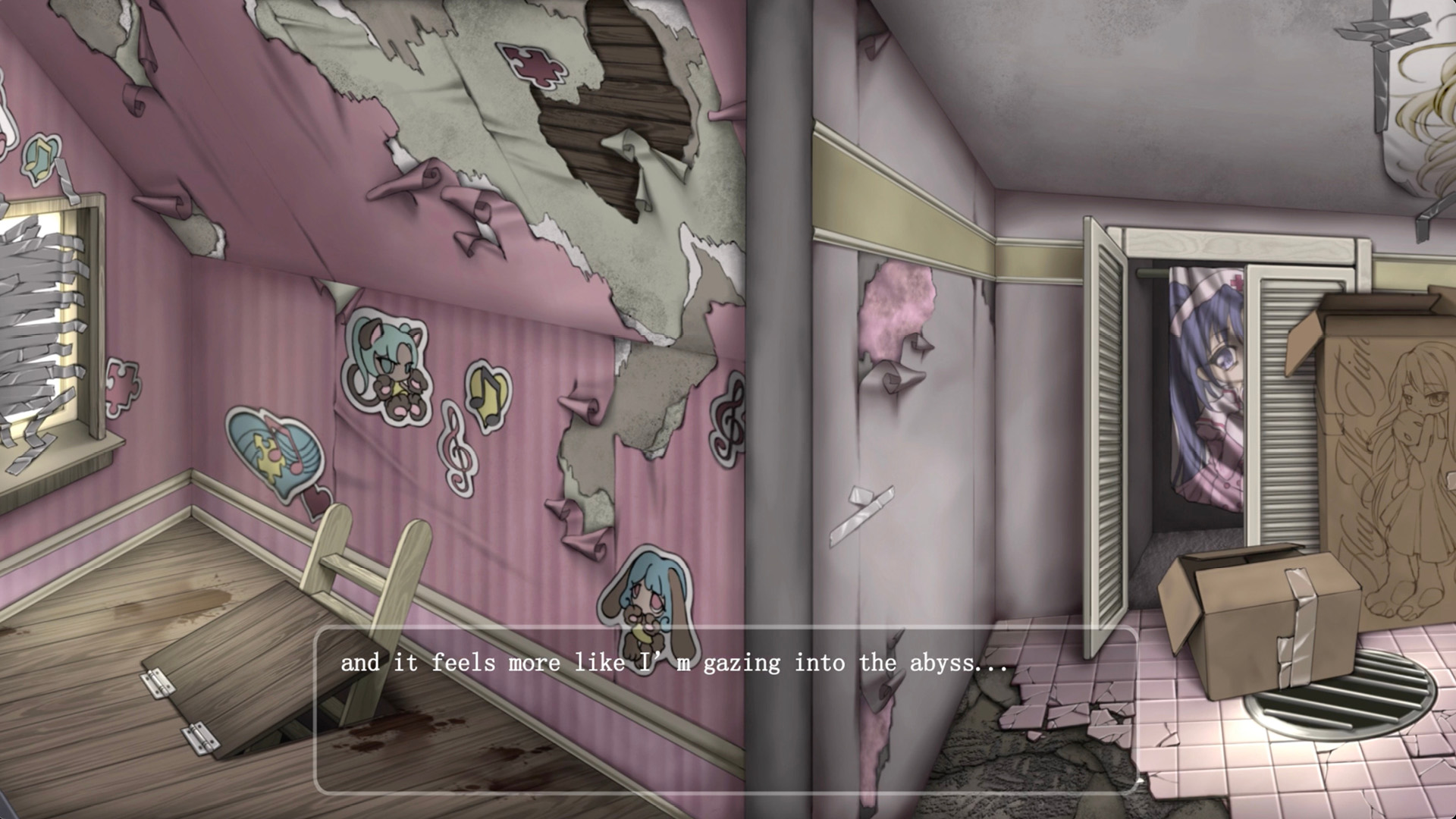
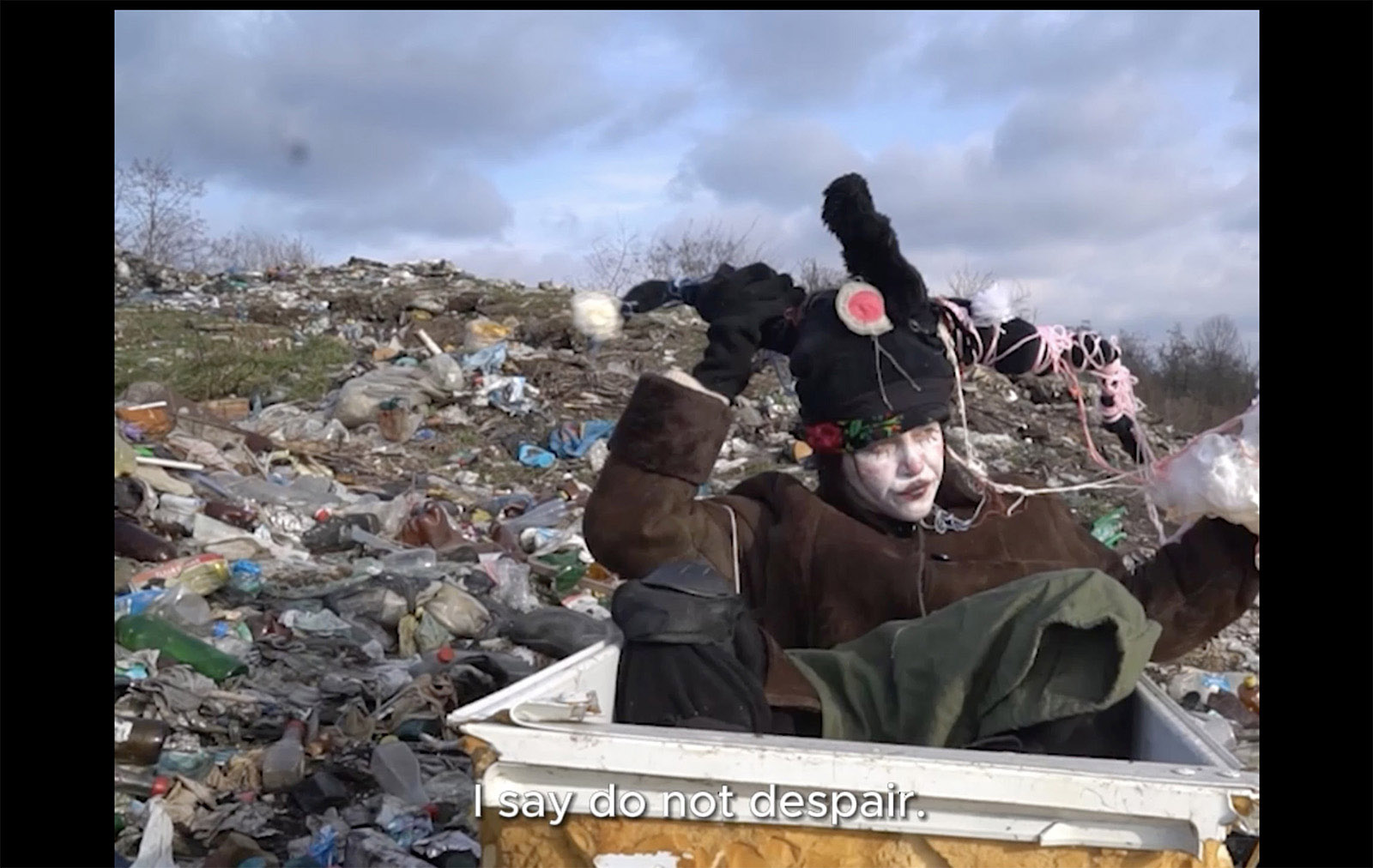
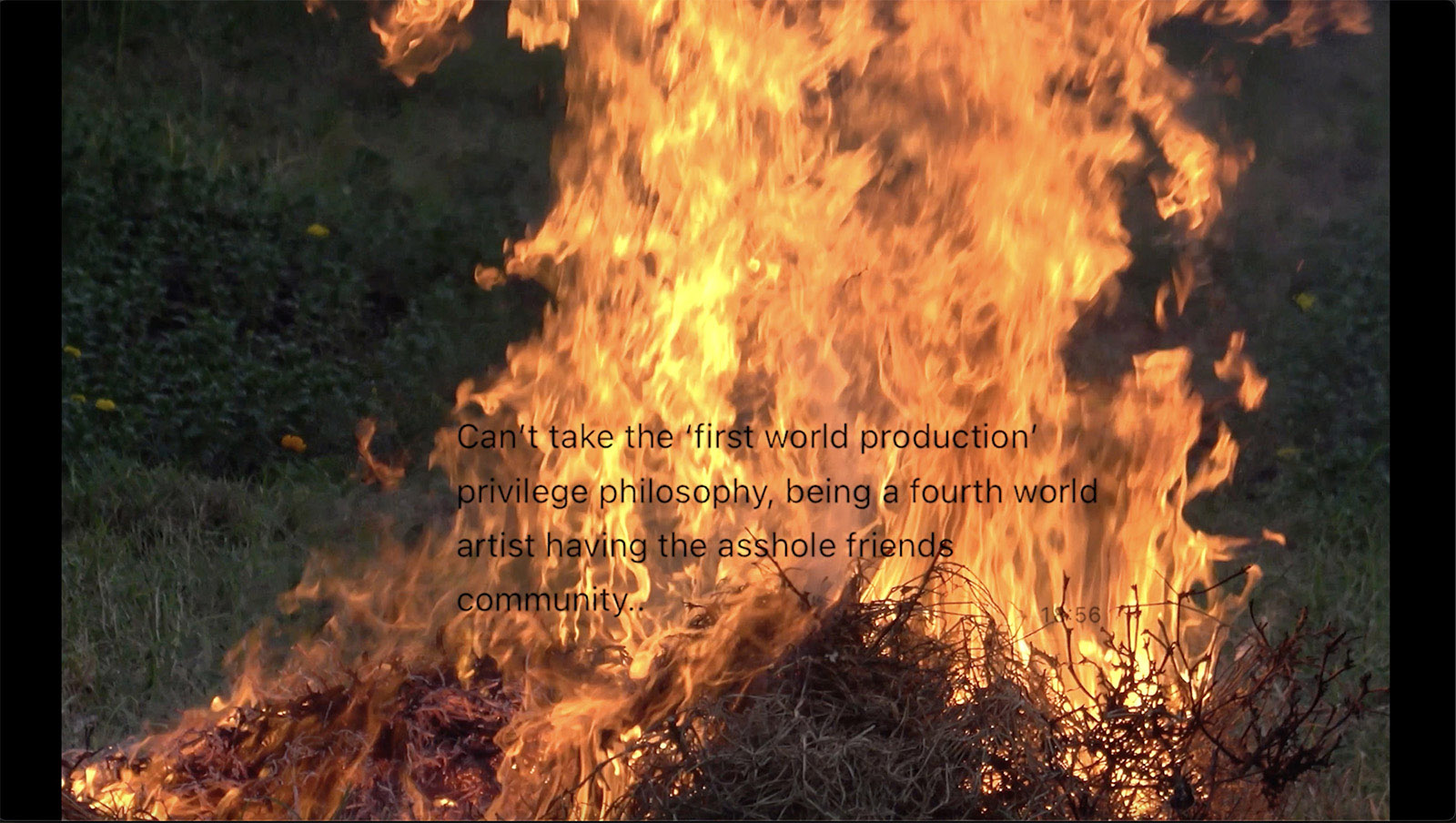
Nevertheless, with the existential threats and seismic shifts social digital technology brings to society and to the medium of film, experimental filmmakers must find a way to critique, parody and oppose them. Wading through this oversaturated media landscape were the artists featured in Low Signal Feedback Loops, a group film screening at Harkat Studios in Mumbai, on March 7, 2026. Co-curated by Local Gr0up, a Ukrainian platform for experimental art and Knives (Mihika Bedi), a Berlin/Mumbai based artist, who also hosted the show, the screening featured films by 10 emerging global artists ranging from videos of teens exploring abandoned malls set to a self-produced rap track, shifting supercuts of everyday life in India, narrative vignettes starring an otherworldly character reflecting on war and humanity, a creepy-cute videogame/manga-stylised exploration of an abandoned digital home, to video collages that are just barely held together with AI tools.
Despite the obviously far-ranging material, the films had a glaring commonality: more than the shots or narratives, the editing—quick, jarring jump cuts between dissonant scenes—were the force of the work. This filmmaking strategy was pioneered by the filmmakers and writers of the Soviet Union in the 1920s, as montage theory/montage cinema. With little raw film stock and a desire to shock audiences into political awareness, the filmmakers of this time turned cutting rooms into their artistic laboratories. In revolutionary films like Battleship Potemkin (1925) and Mother (1926), filmmakers like Sergei Eisenstein and Vsevolod Pudovkin used colliding, juxtaposed shots to oppose the numbing ideological effects of conventional (mainly American) continuity cinema.
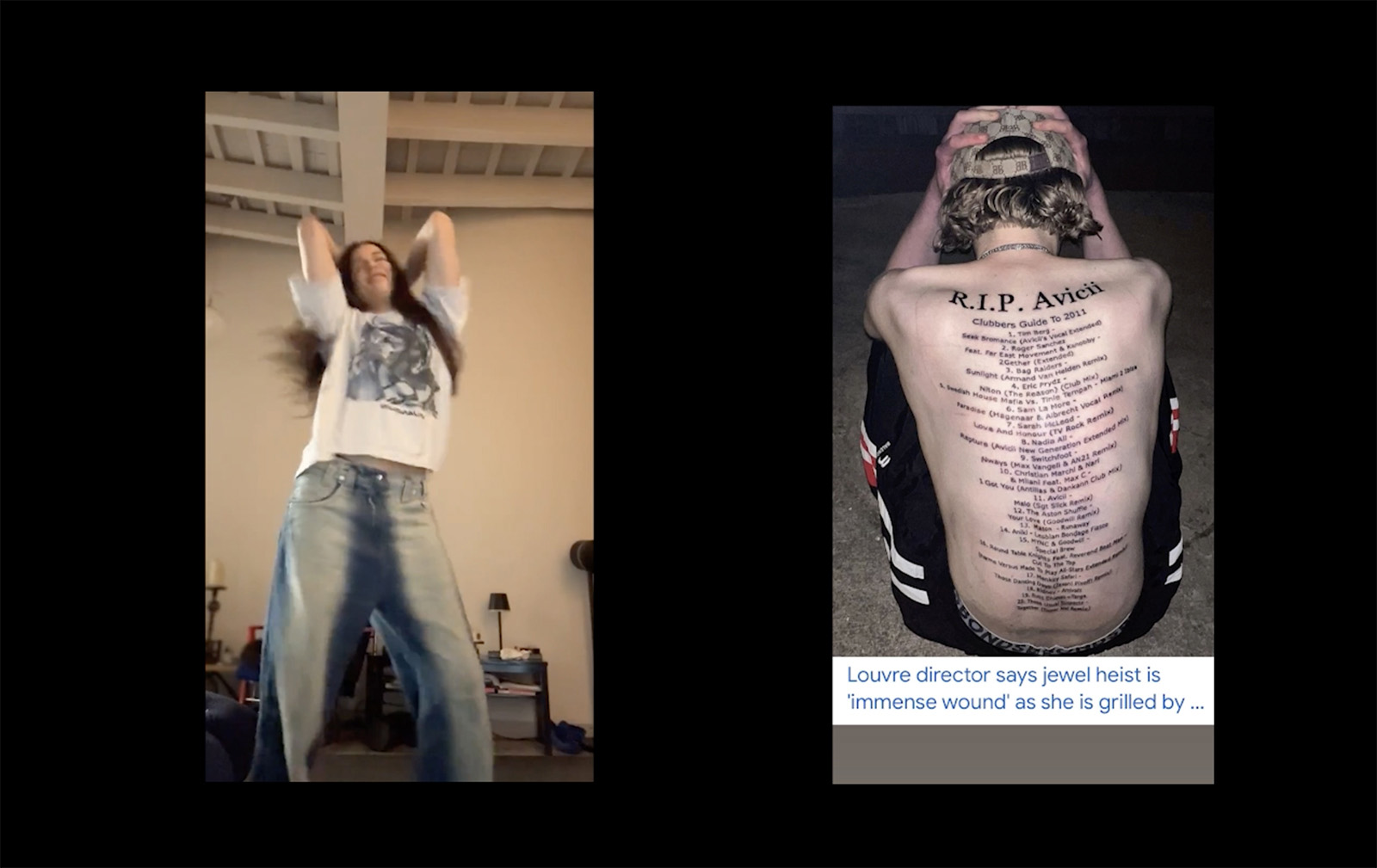
A letter from Arjun by artist Pritam Mitra relies on these techniques, cutting between and layering a mix of news clips, videos from everyday life and personal media like text messages and other digital correspondence, to move between the public and political and the individual and intimate. Similarly, in !My Body Is A Car, Lucy Rosablanca uses montage techniques to juxtapose human bodies, cropped and zoomed in, with cars and other vehicles, making an argument about alienation from the material and sensual entirely visually through editing and layering. The final statement of the film—“my body is a car, and it’s moving away from me”—wraps up the work’s argument rather than being the force of it.
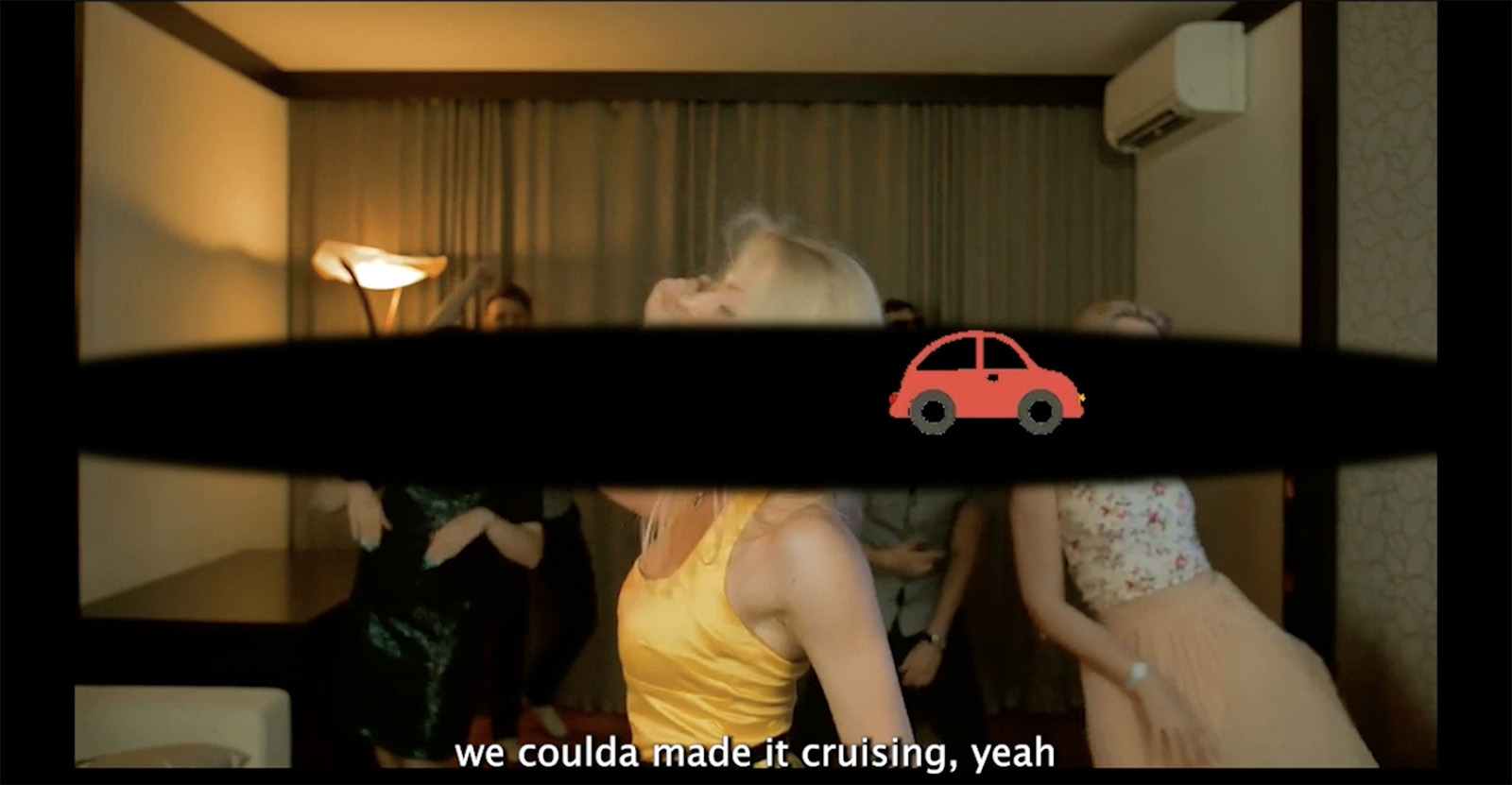
Though they might employ the same techniques, the artists of Low Signal Feedback Loops and experimental cinema, in a broader sense, work from vastly different material conditions and political ambitions than Eisenstein and co. Far from scarcity, contemporary filmmaking is defined by abundance—an abundance of digital storage, low-cost technology and software, accessible film education and a near-infinite amount of existing footage to pull from. The number of videos uploaded to YouTube every day dwarfs Netflix’s global catalogue, film runtimes burst at the seams with b-roll and subcultures multiply at the exponential rates of bacteria in a petri dish.
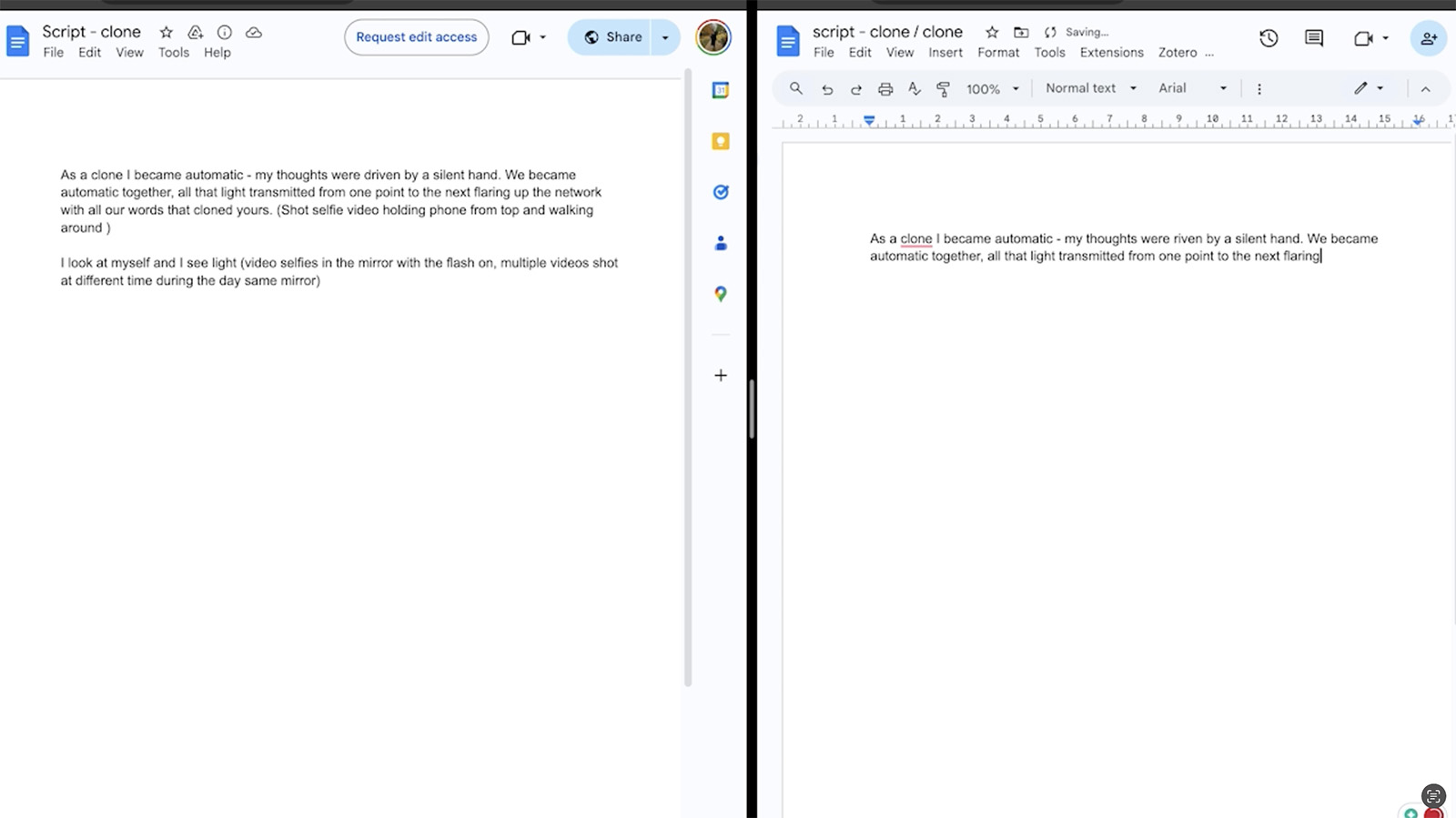
The weight of this overwhelming hyper-abundance is evident in the almost hallucinatory editing of a film like Monad 5 by Dana Dawud, shifting from Word document to Snapchat video to concert footage and found internet clips. The intended result is different, given the increasingly impossible task of shocking a modern viewer who has almost certainly been exposed to real-world footage of death, violence and war, snuff films and hardcore pornography. Experimental films use montage to overwhelm and exhaust—to heighten and perform the effects of the most ‘mundane’ everyday technology has on billions of minds.
However, the ubiquity of the internet and social media, including as a platform for artists to share their work, means these films live on the same platforms they critique, adding a meta dimension and implicating their creators in their own arguments. Is it possible to effectively critique from within? The internet, rather than being a faithful representation of a collective material reality, has in many ways taken the place of this reality. On a social level, AI and the internet herald a ‘post-truth’ society where the concept of an unmediated, collective material reality is imploded and revealed to have been a simulacrum in itself.
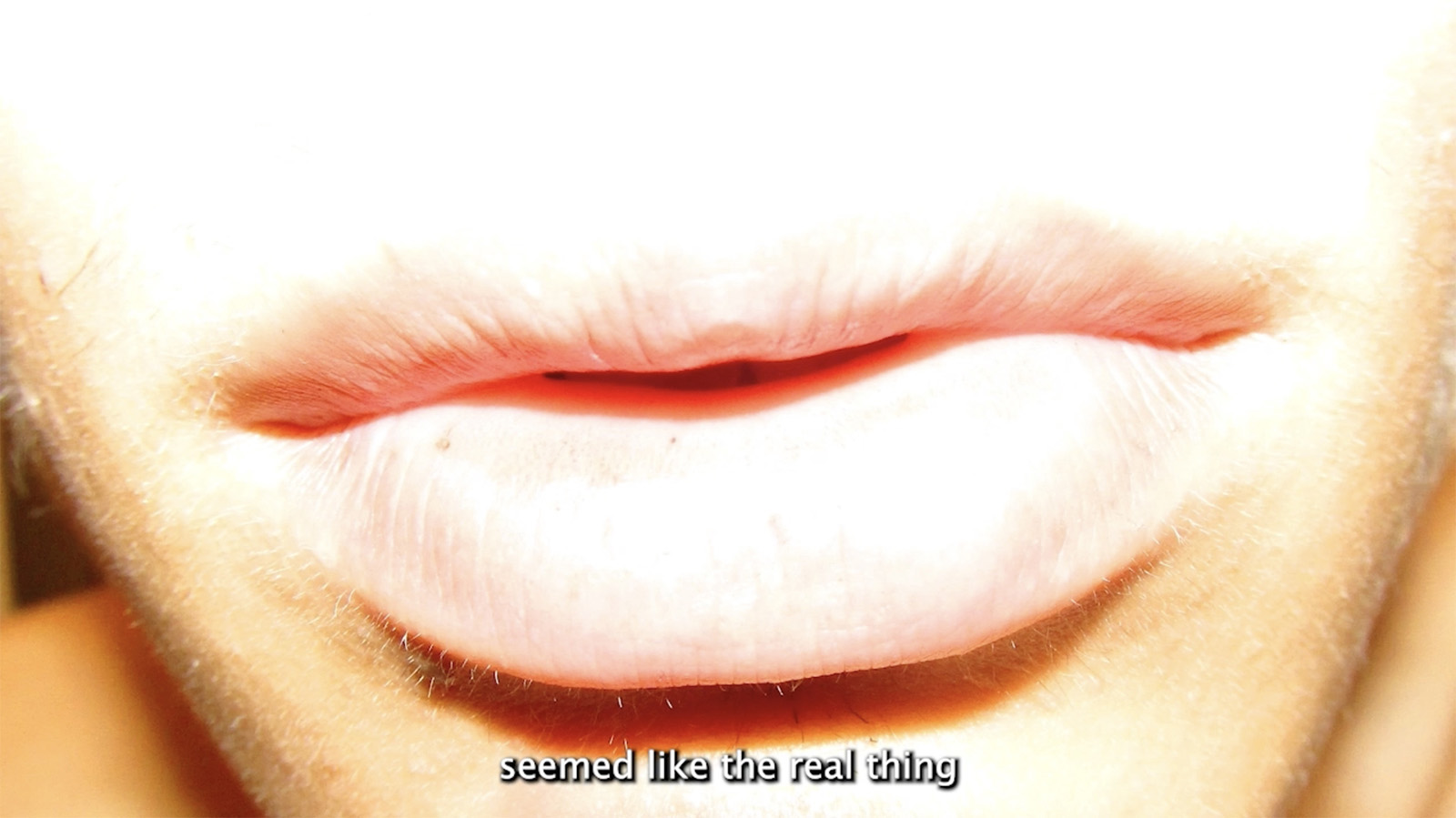
The anxiety provoked by AI art (here referring to art made by AI models), then, is the anxiety that there has never been a human creativity or intelligence that is the foundation of humanity’s unique sovereign subjectivity. The collective Daemonlovers, for example, asks in their artistic statement, “If the internet is the only classical novel of our time, the question emerges: Is this a good novel or a bad novel?”
Harkat Studios screened the collective’s film, Life, which adapts an excerpt about life, the afterlife and labour from the collective ‘novel’ and artistic person ‘Reena Spaulings’, spoken as a gentle, ASMR monologue over internet clips of varying familiarity and virality. Like advertisements for ephemeral products like perfume or insurance, the visuals and text do not align, and juxtaposition flattens the meaning of individual clips, creating what the collective calls ‘automated surrealism’. Interestingly, in contrast to the other films, which deal with the internet or political violence, Life has almost no cuts. Instead, images morph into one another in amoeboid movements, loosening their representational authority as they collapse and create nightmarish chimaeras in the space between discrete images.
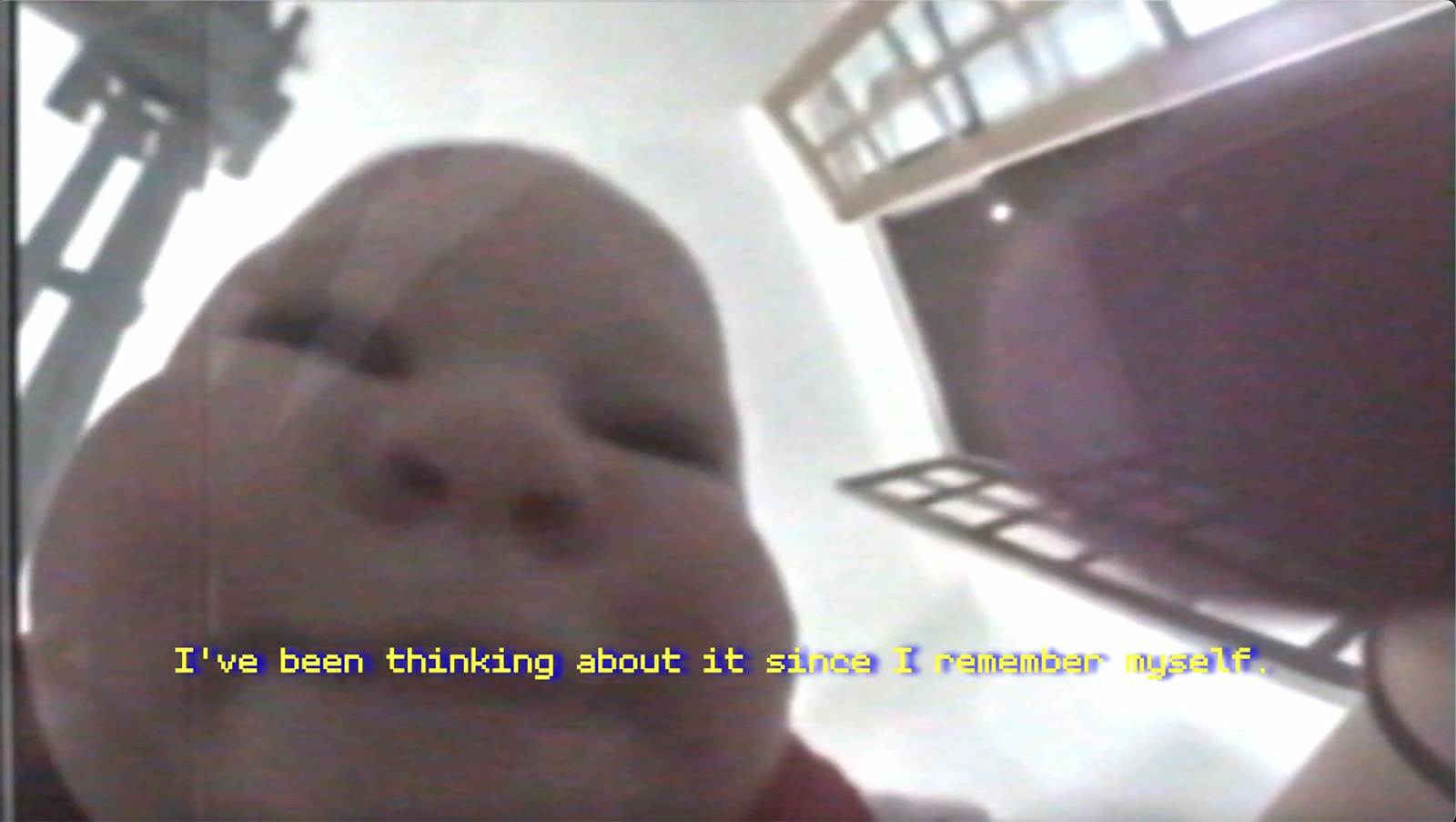
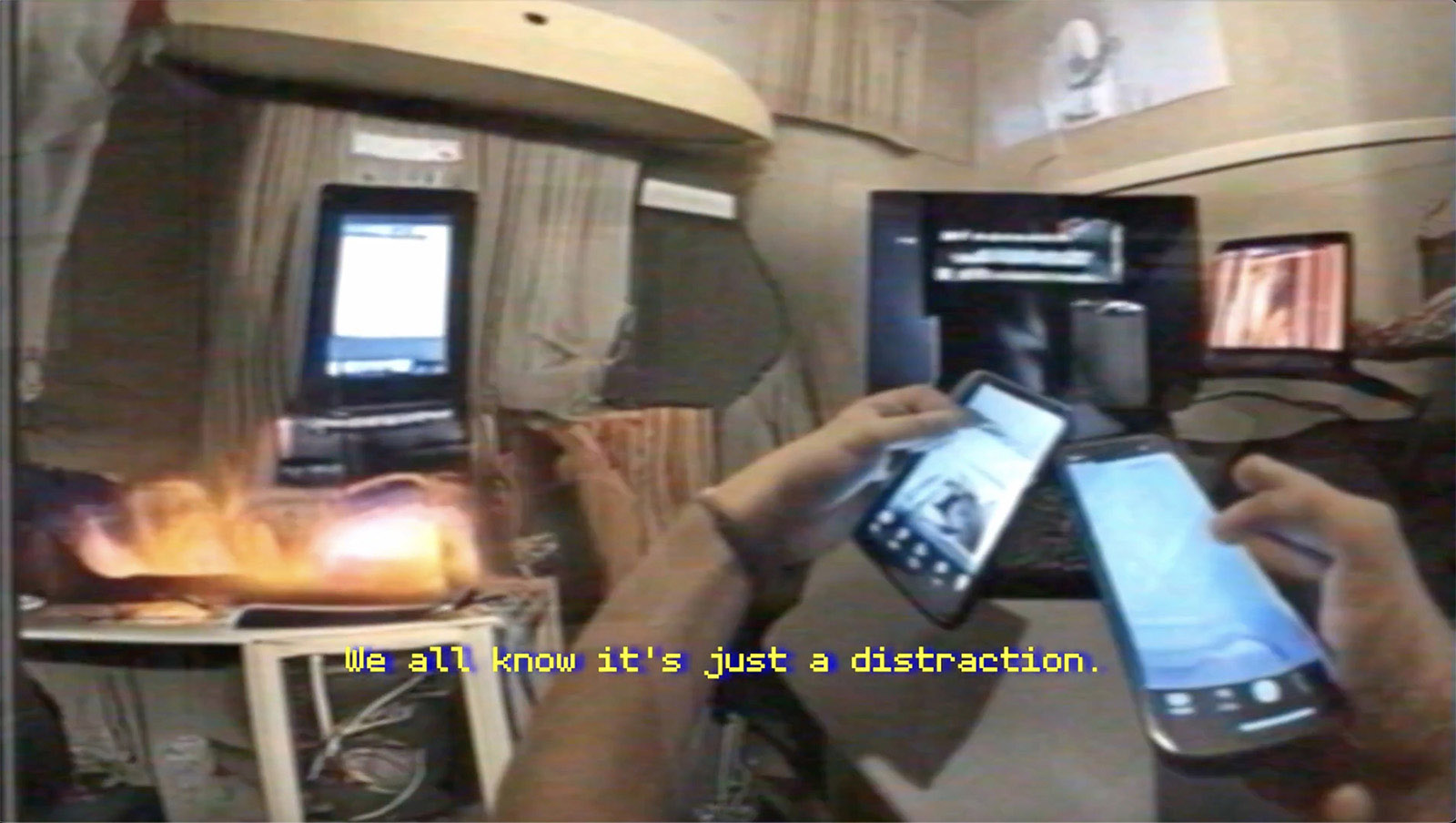
This lack of distinct shots and cuts between them is already being cemented as the grammar of AI videos (both videos created by AI and videos created by humans using AI). These smooth transitions, paired with the narrator's soothing, monotonous voice, create a transfixing effect—the lack of interruptions keeps the viewers glued to the image, following where it leads passively in a state that is more akin to dissociation than focus.
This takes the numbing, ideological effect of continuity cinema opposed by Soviet montage filmmakers to its furthest extreme, sucking viewers into a hyperreality that seems more complete, powerful and ‘real’ than everyday material reality. Rather than AI imitating reality, material reality begins to look like a pale imitation of the images and videos we are constantly surrounded by.
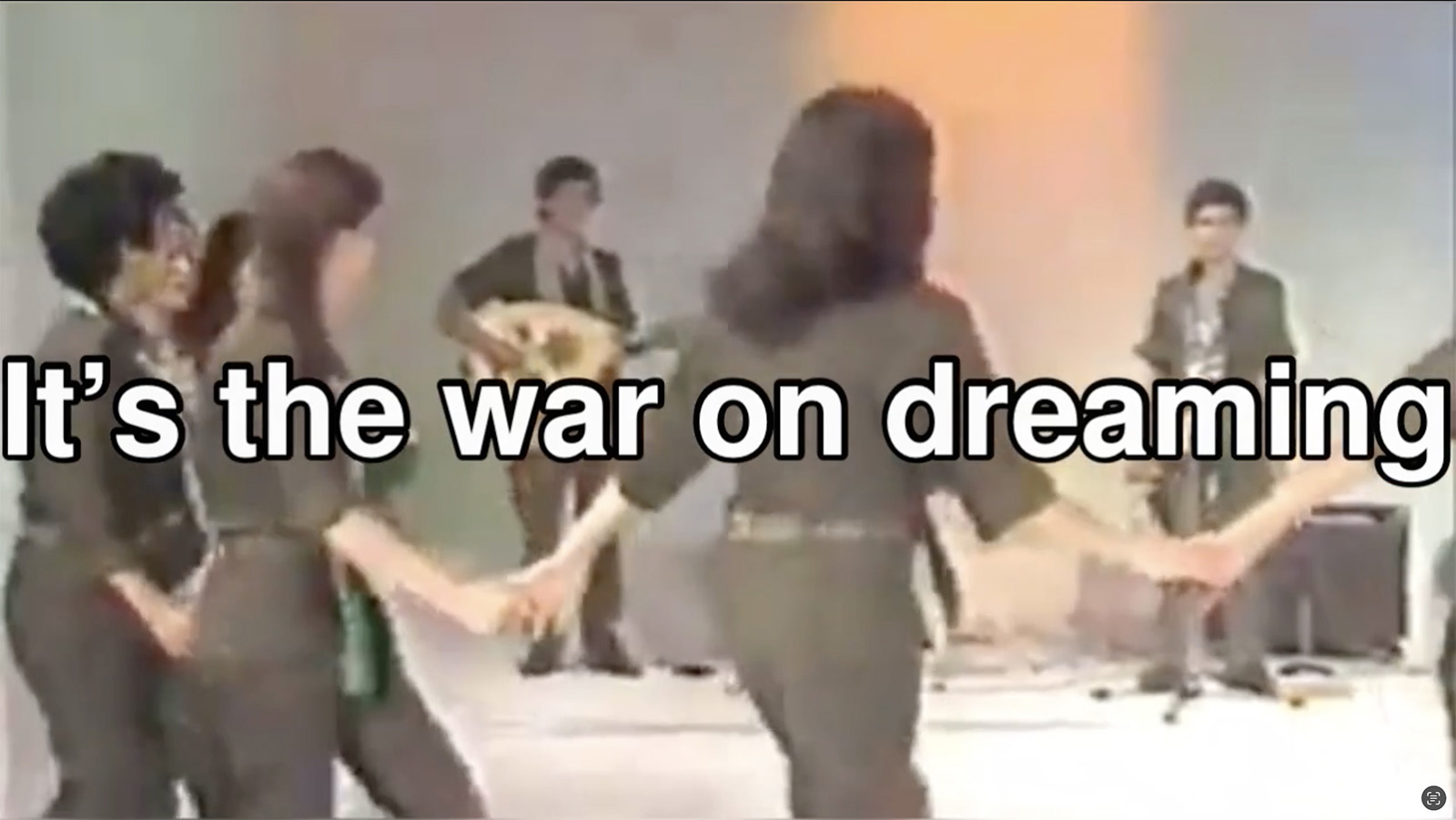
While shows like Low Signal Feedback Loops showcase the artists responding to this fixation with hyperreality, the filmic critique of social and AI video grows closer in form and aesthetic to its source material, the differences between the experience of viewing experimental film and viewing mainstream online media becoming flattened. Artists like Daemonlovers highlight these effects with their AI-powered artworks that perform and heighten the ideological effects of this media on passive audiences. The future of cinema, experimental or mainstream, will be one that is inexorably shaped by the image culture of the internet and its simulacra, whether its human creators are conscious of it or not.
‘Low Signal Feedback Loops’ was screened at Harkat Studios, Mumbai, on March 7, 2026.
The views and opinions expressed here are those of the author(s) and do not necessarily reflect the official position of STIR or its editors.

by Srishti Ojha Oct 21, 2026
Increasingly, artists, filmmakers and activists are turning to VR to create more personal, tangible accounts of the climate emergency and its impact on vulnerable communities.
by Mirra Lynn Oct 20, 2026
The Indian artist paints the old wadas of central Pune, capturing the traces of everyday life that cling to these structures, battered by time but unbowed.
by Anmol Ahuja Oct 15, 2026
How do heaps of souvenirs and relics with racist Aboriginal motifs and features become art? MCA Sydney’s winter showcase—the artist’s largest to date—beckons a possibility.
by Vandana Kalra Oct 14, 2026
With his latest exhibition as a point of departure, the modernist discusses his decades-long practice, the spontaneity of drawing and the social responsibility of artists.

make your fridays matter with a well-read weekend
Enter your details to sign in
Don’t have an account?
Sign upOr you can sign in with
a single account for all
STIR platforms
All your bookmarks will be available across all your devices.
Stay STIRred
Already have an account?
Sign inOr you can sign up with
Verification link sent to check your inbox or spam folder to complete sign up process
Tap on things that interests you.
Select the Conversation Category you would like to watch
Please enter your details and click submit.
Enter the 6-digit code sent at


Civilisation, remixed: experimental cinema in the age of simulation
by Srishti Ojha | Published on : Mar 13, 2026


 Sign in with Google
 Sign in with email
What do you think?