|
Prometheus is the patron of impossible gifts—fire stolen, form kindled, civilisation sparked, consequence deferred. He haunts every act of creation that outruns caution: the desire to make, to push matter beyond its nature. Mary Shelley warned us of this ethical tension in 'Frankenstein' when Victor admits, “Learn from me… how dangerous is the acquirement of knowledge”: a brink between ambition and responsibility, between what we shape and what we tend to or abandon.

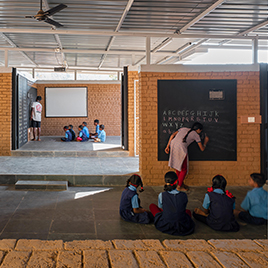
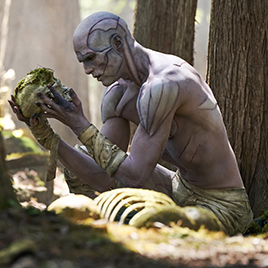
Creation begins in longing; its consequences begin thereafter. This week, that Promethean charge takes different forms. In our reading of Guillermo del Toro's 'Frankenstein' adaptation (the 'Modern Prometheus'), the creature's animation becomes a moral rupture: a life conjured without care for its fate, an operation of will, knowledge, technology, grief and love. In rural India, the new Hiwali School by PK_iNCEPTiON carries a gentler flame, proffering an erudite structure
|
|
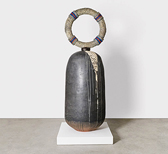
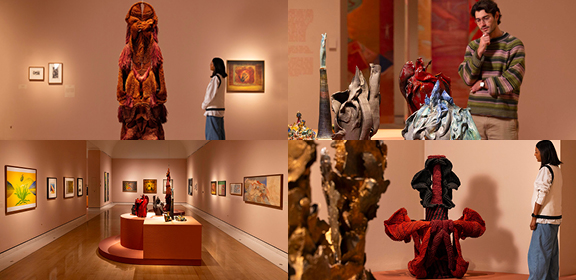
of possibility, a spark passed around and forward rather than imposed, illuminating plural ways of learning. And in the Royal Academy of Arts' exhibition 'A Story of South Asian Art: Mrinalini Mukherjee and Her Circle', material is coaxed into new states: fibre, clay and bronze made almost sentient, bearing the imprint of every hand that chose to transform them.
But fire does not distinguish between illumination and ruin. Promethean acts can kindle futures, or readily scorch them. To create is to shoulder consequence; to ignite is to tend. And perhaps the truest lesson, from Shelley to the studio, from myth to modernity, is that the gift is seldom free. Hubris is not always in the making, but in forgetting what we owe to what we make. What we set alight will always ask us what we meant, or leave scars that refuse to fade.

|