Design12 mins. read
BIO28 in Ljubljana conceives of flowers as 'Double Agents' in design
by Mrinmayee BhootJan 11, 2025




by Bansari PaghdarPublished on : Dec 05, 2025
They are much more performances than sculptures…I create extensions of my own body or copies of myself to do performative acts for some time. – Dmitry Morozov, aka ::vtol::, on the nature of his works
A breathing device built for one’s final days, an audio installation running from the maker’s own blood and an audio device that turns the tattoos on his body into music—the works of Dmitry Morozov, aka ::vtol::, are as thought-provoking as they are unusual. They aspire to be an extension of his own body, almost uncanny copies of himself that perform acts of personal expression. In a world obsessed with immortal, timeless creations, ::vtol:: creates temporally fragile objects that require regular care and maintenance even as they are in the process of perishing. Then, why does he still create them? For fun, he says. In a conversation with STIR, the Russian-born, Slovenia-based multidisciplinary artist and experimental designer opens up earnestly about what goes behind his eccentric creations, underlining the beauty, absurdity and purpose—or lack thereof—of it all.
The transition from Morozov to ::vtol:: wasn’t born out of a moment, but was a gradual shift from a consumer to a creator. He became interested in electronic music, mixed media, kinetic installations and audio-video performances in the mid-2000s and wanted to explore more unconventional means of expression. The more he experimented, the more his identity began to take shape and evolve. “At first, I did not care about the quality; I made them out of simple recycled materials. That made more sense than fabricating them using advanced technologies. But as I started to showcase, ship and sell them more, I made them more stable and easier to maintain,” he reveals, propounding on the curious objects he creates.
Based in Ljubljana, Morozov’s focus is on contemporary media—engaging with the objects of his creation in mechanical, tinkerer-like ways—including robotics and sound installations, connecting emergent systems and latest syntheses in technology. While the name ::vtol:: itself isn’t connected to his practice, it does signify an aerospace acronym, which stands for Vertical Take-off and Landing. It’s a nickname that stuck to him before he even began making the ‘weird, unique and in-development’ objects that he does, as he tells STIR.
They are not products, they are not meant to serve. – Dmitry Morozov, aka ::vtol::
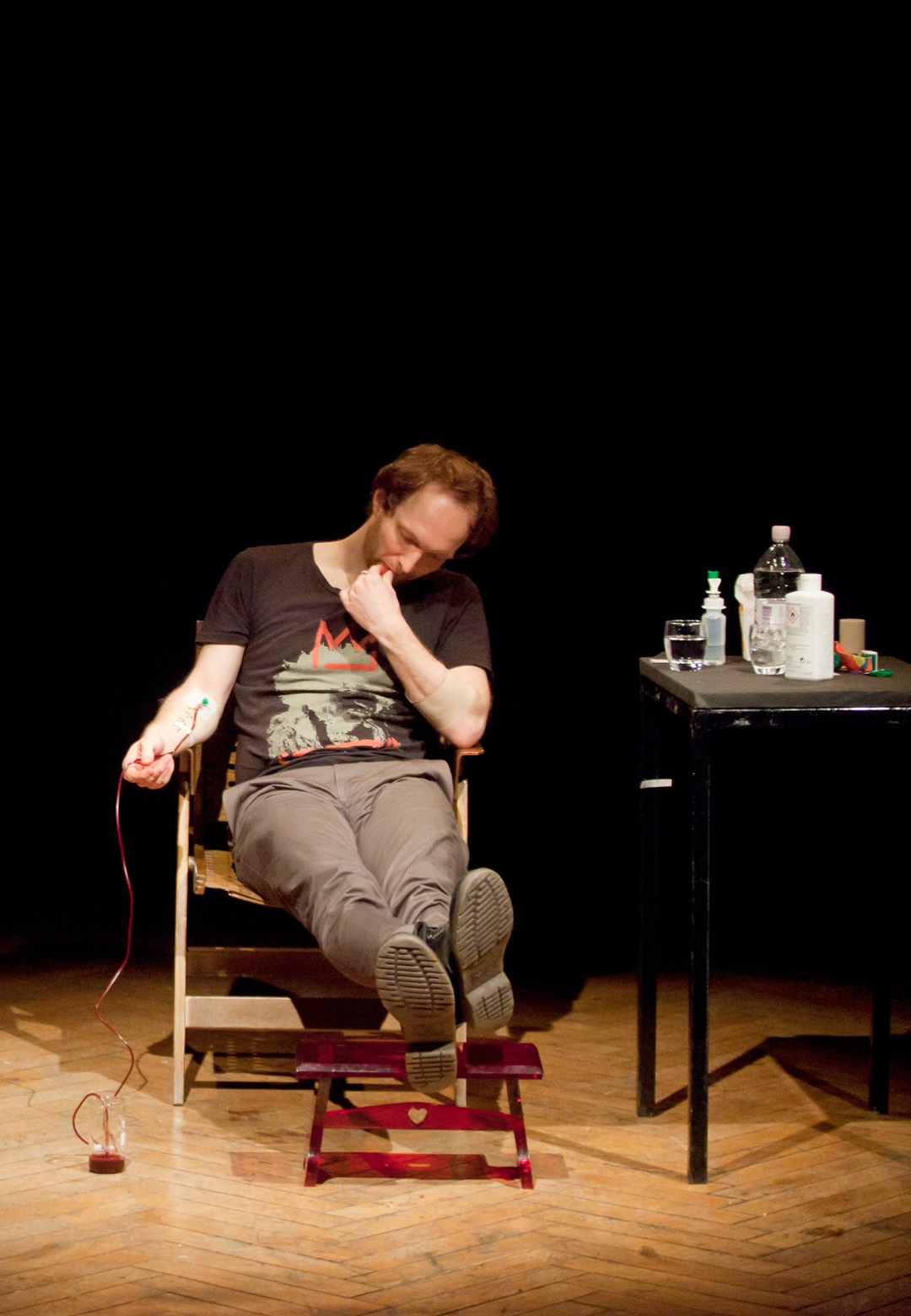
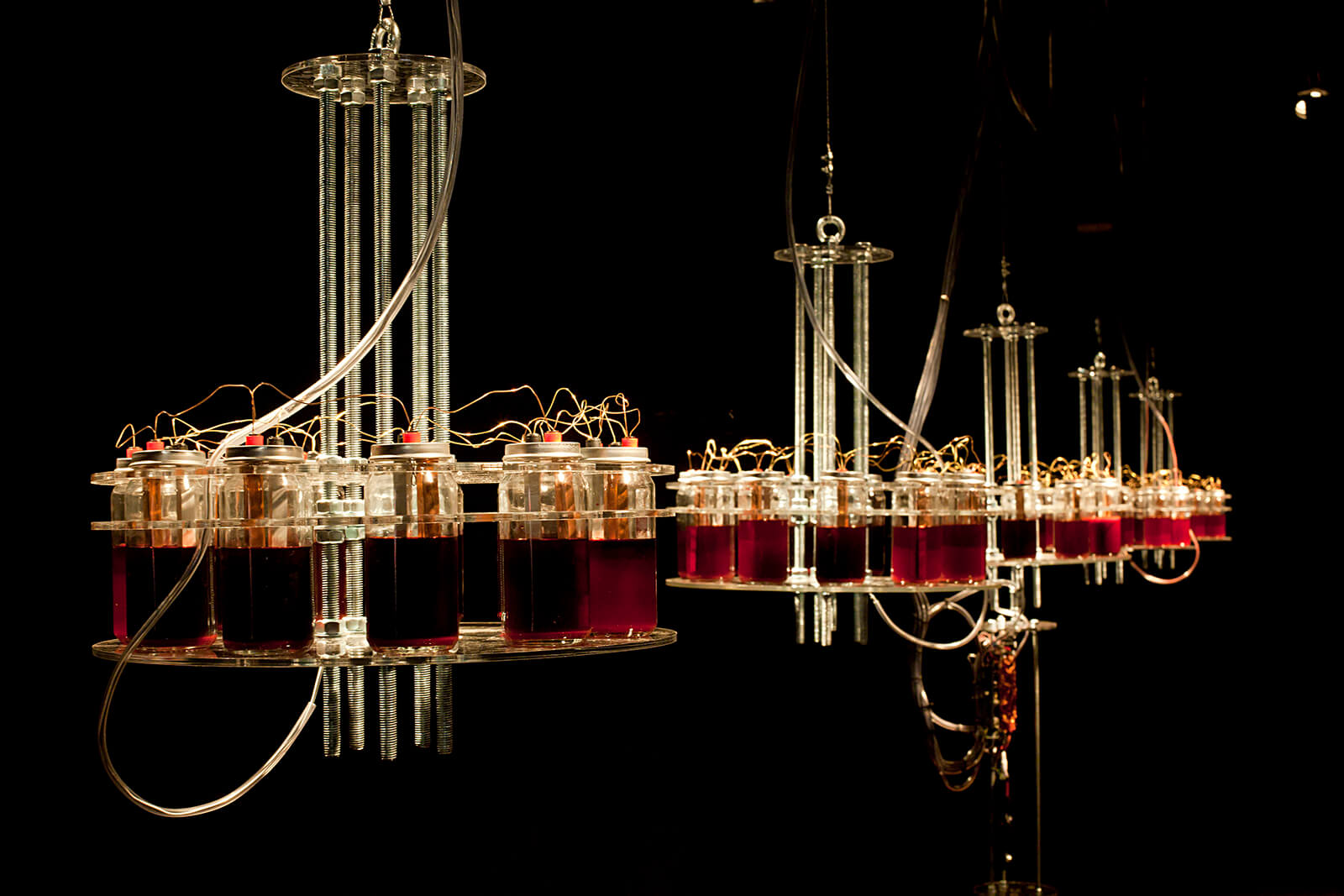
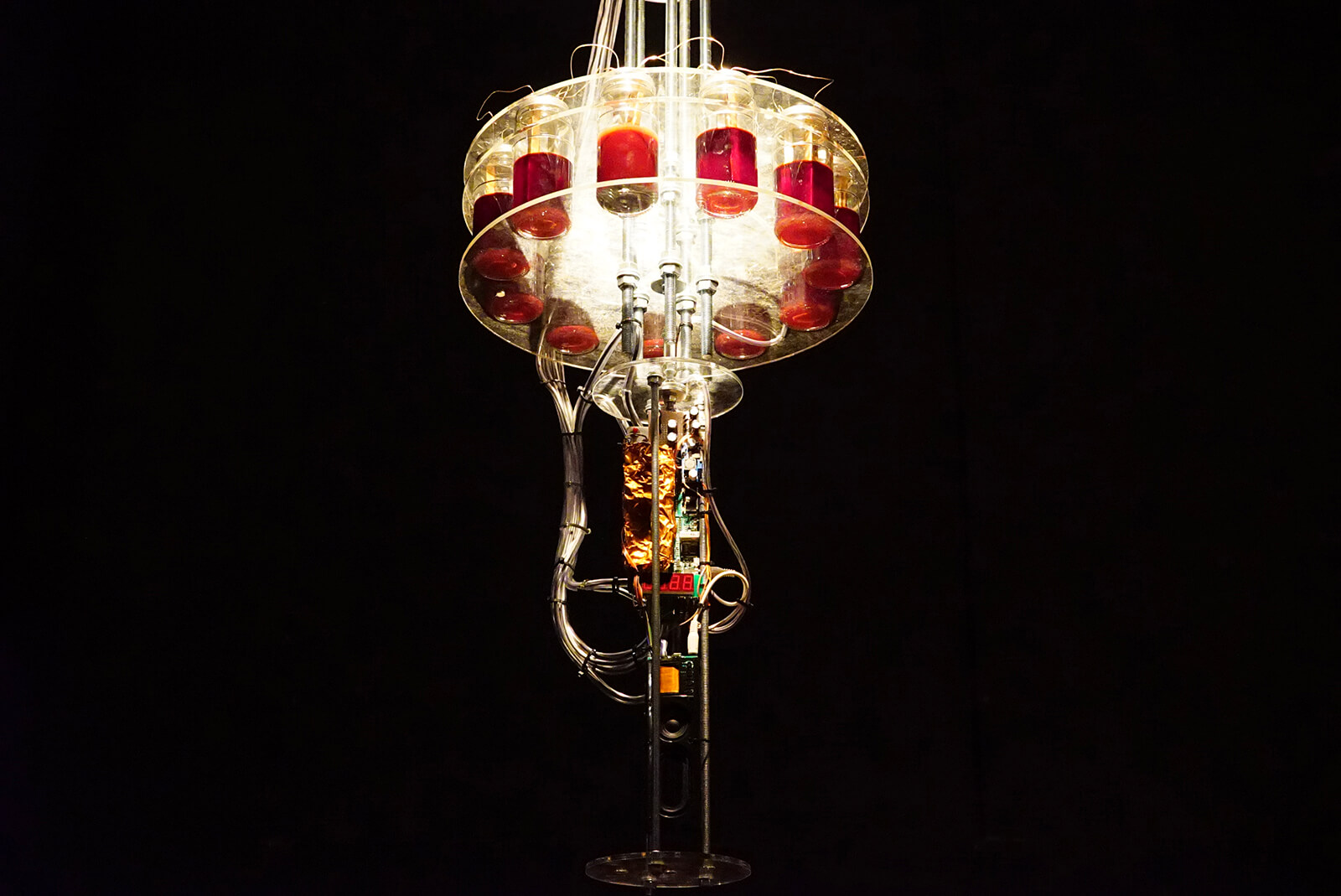
Among his most noteworthy projects is Until I Die (2016), an installation that comprises a small electronic algorithmic synth module, powered using Morozov’s blood. Approximately 4.5 litres of blood was gradually conserved for over 18 months, diluted to yield 7 litres with additives such as distilled water, sodium citrate, antibiotics, antifungal agents, glucose and glycerol, which preserved the blood’s chemical composition, colour, homogeneity and sterility. The last 0.2 litres of blood was drawn on the site of the performance at the Kapelica Gallery in Ljubljana, shortly before the installation was unveiled. Using a copper anode and an aluminium cathode, the experiment uses blood as an electrolyte to create a direct-current battery. While the prototype was inspired by the works of Italian physicist Luigi Galvani and Italian chemist Alessandro Volta, its visual design drew from 19th-century engravings of electrical and battery-operated experiments.
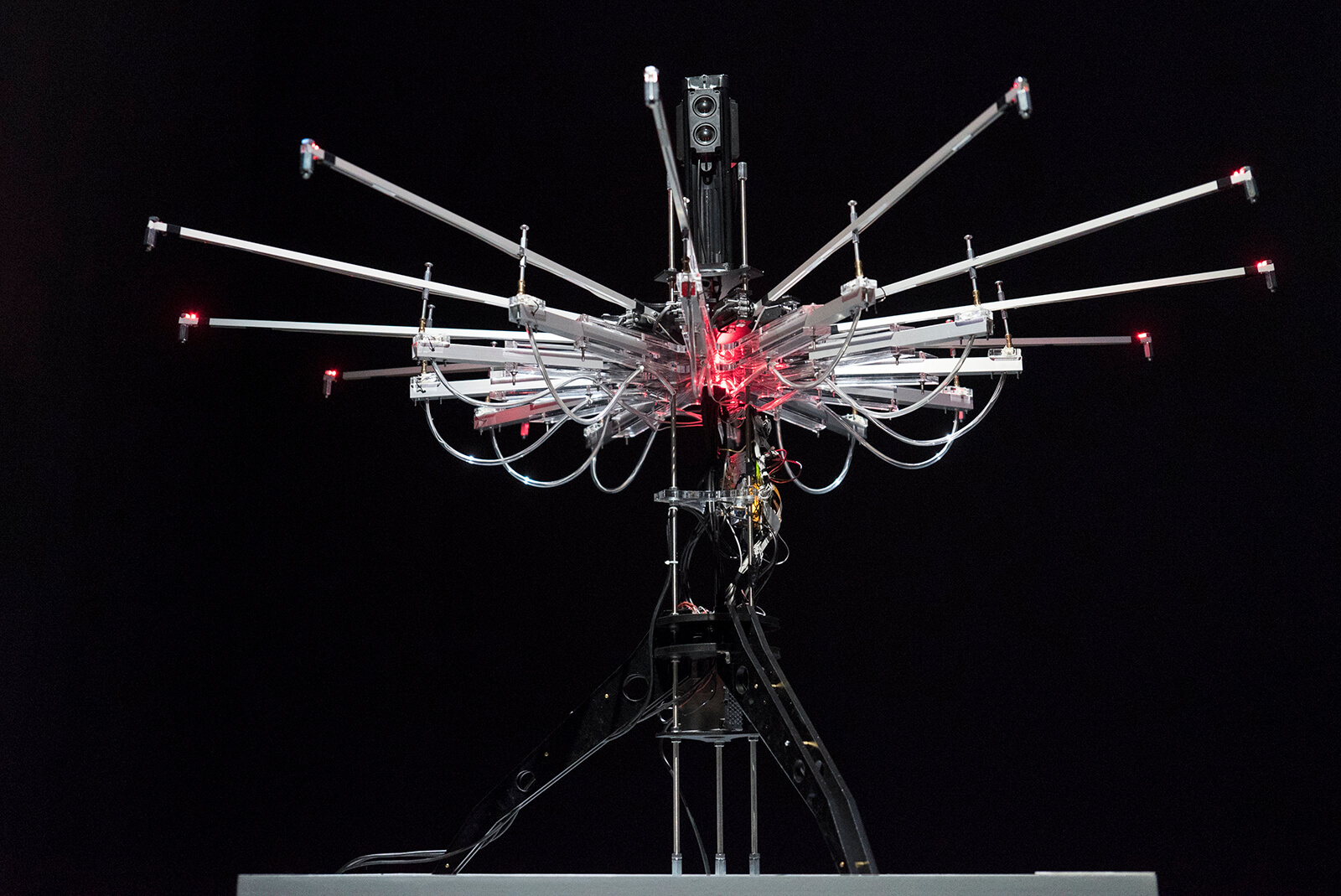
Adad (2021), based on the Mesopotamian god of weather, serves as an interface between planetary processes and their unwitting witnesses. The near-sculptural yet menacing-looking object comprises 12 motorised hammers that strike 12 transparent piezocrystals upon registering a lightning strike, recorded in an algorithm that draws data from a meteorological site. The project was produced with the support of Moscow’s Multimedia Art Museum for the First International Biennale, Art for the Future, in 2021.
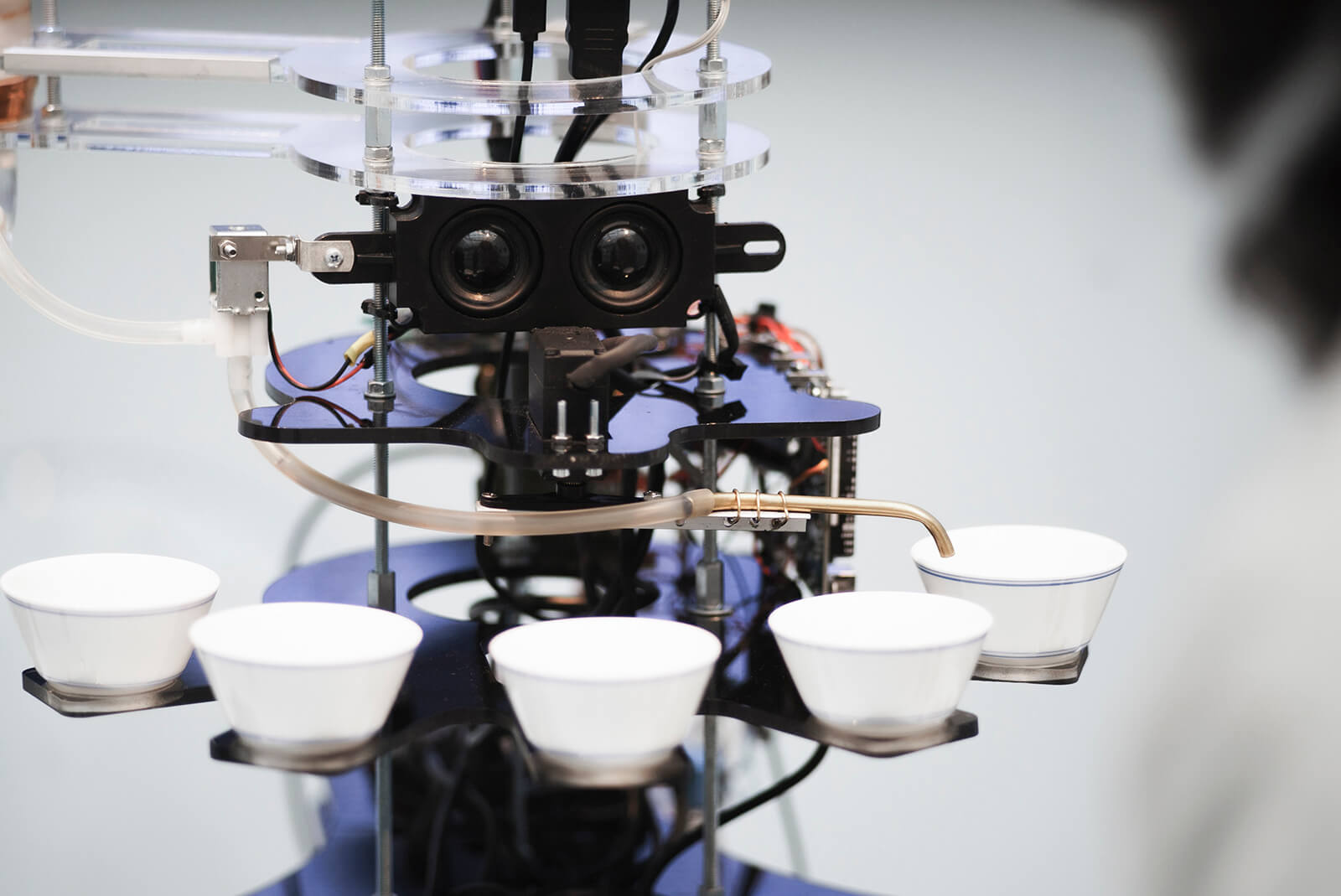
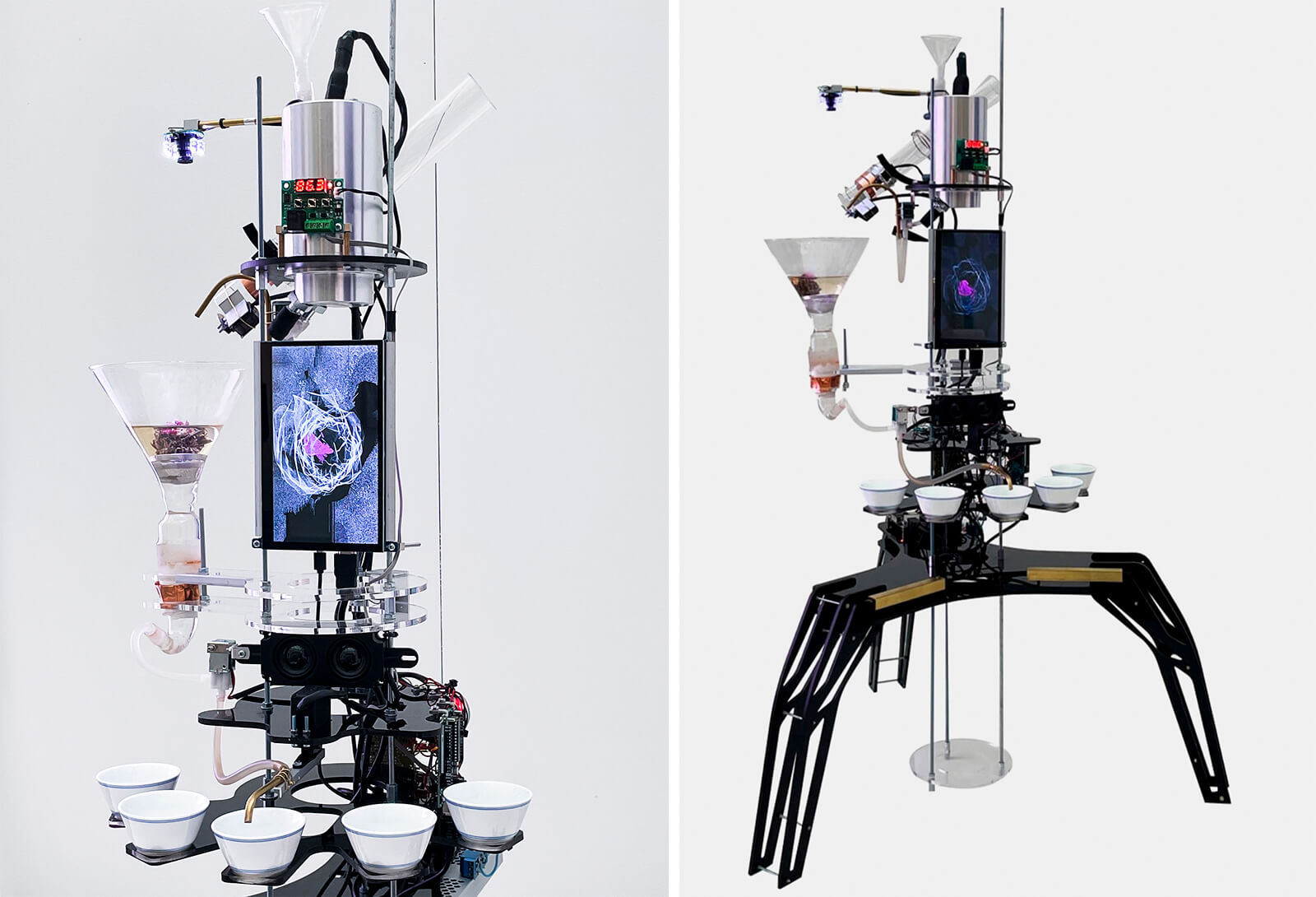
Another one of his works, the device iPot (2022), built in collaboration with Alexandra Gavrilova, is an audio and video installation, emulating a tea ceremony as performance. As an automated mechanism brews tea balls, the act is captured on camera and transformed into sound effects and real-time abstract animation.
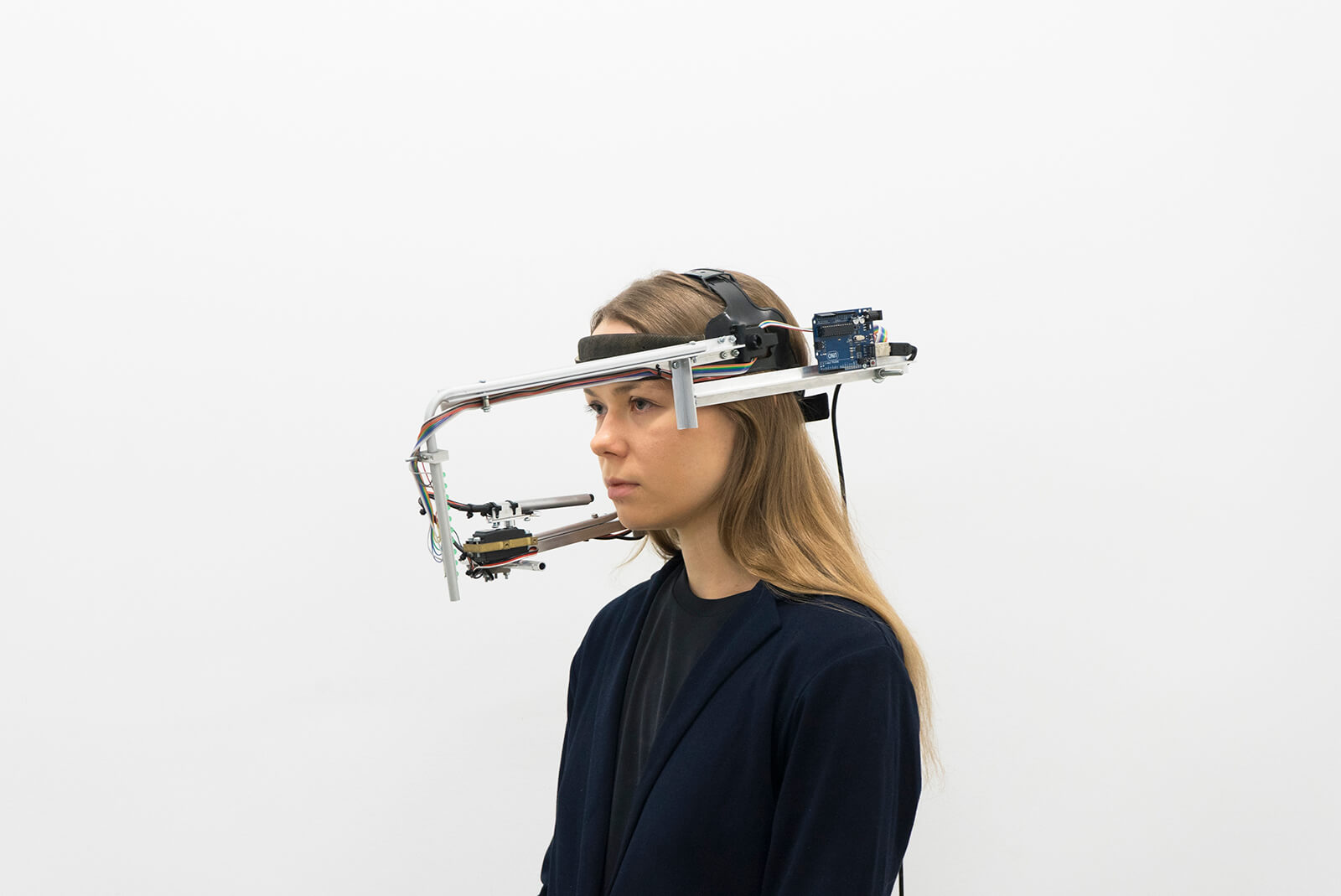
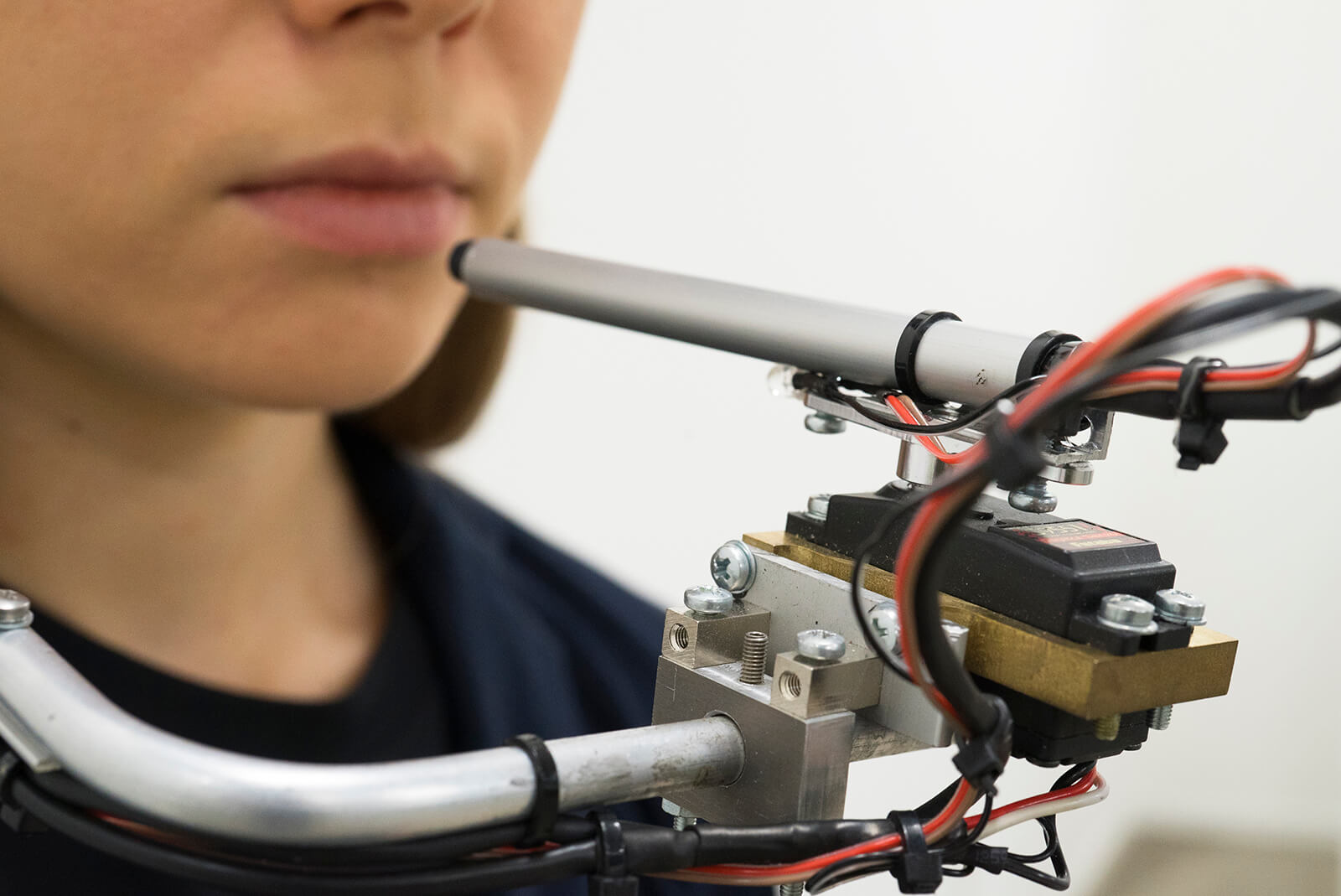
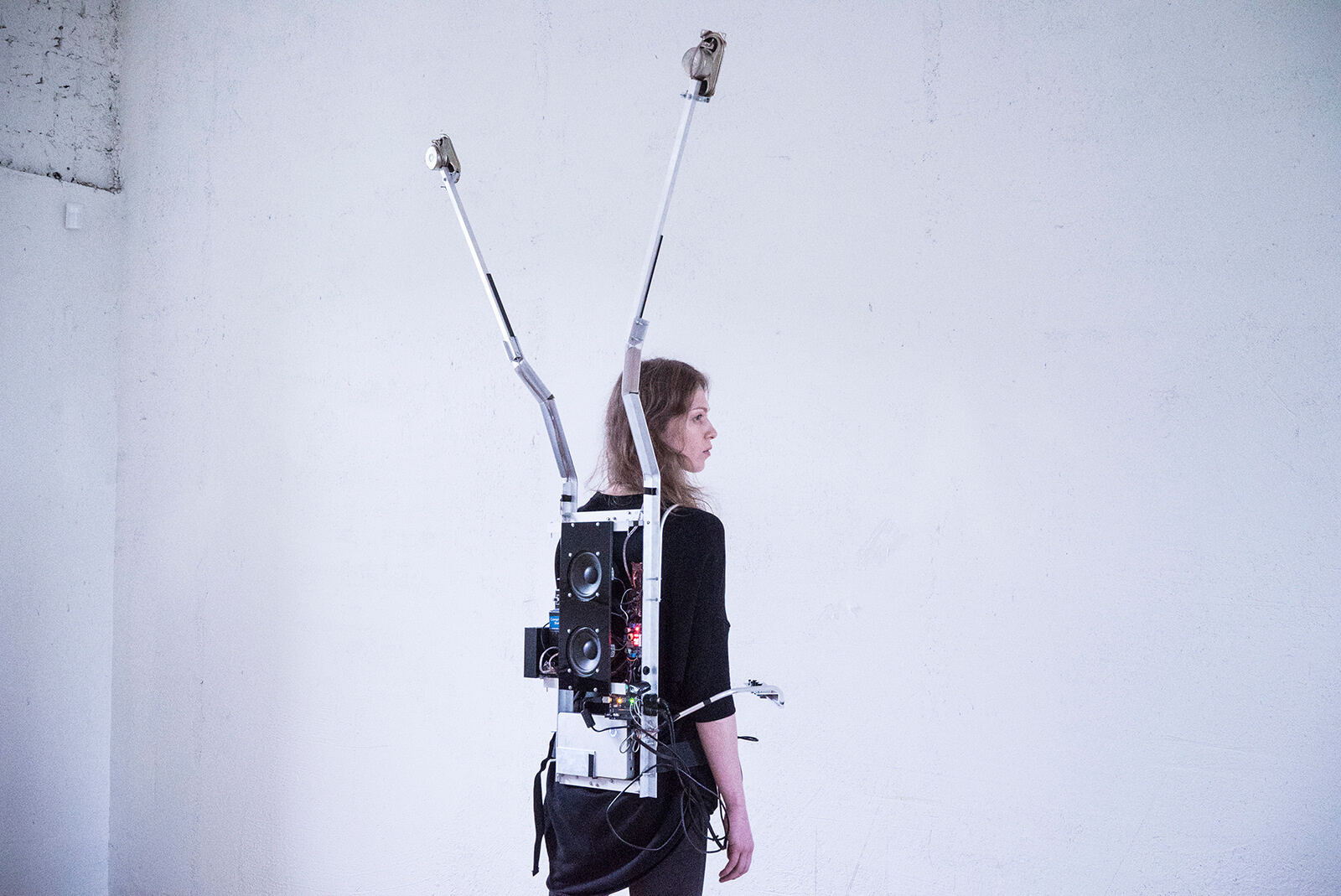
Morozov has also created several wearable designs, including You, me and all these machines (2017), топот-м (2019) and Last Breath (2019). You, me and all these machines comprises a directional microphone, an LED strip to show the vocalist’s score and a remote control for the interface. The headwear manipulates the audio to achieve interesting sound effects, creating a canvas of sound using ten diodes. On the other hand, топот-м embodies the philosophy of his works being an extension of the self. It amplifies the sound of one’s footsteps and allows for the replacement of the sound with any audio effect of choice, along with providing options for recording and customising sound to simulate a crowd. This allows one to change or mask one’s presence and, by extension, alter one’s perception of oneself.
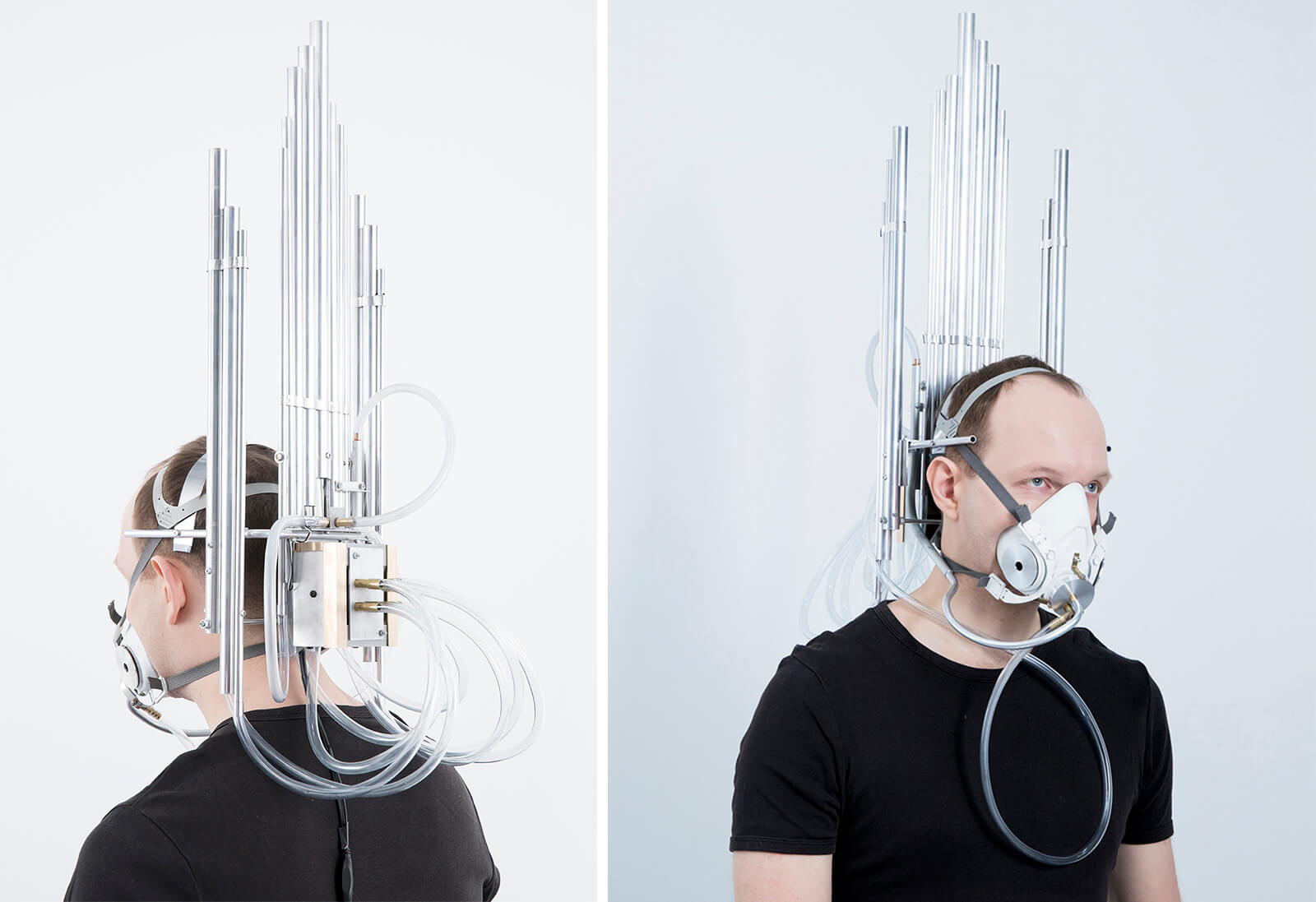
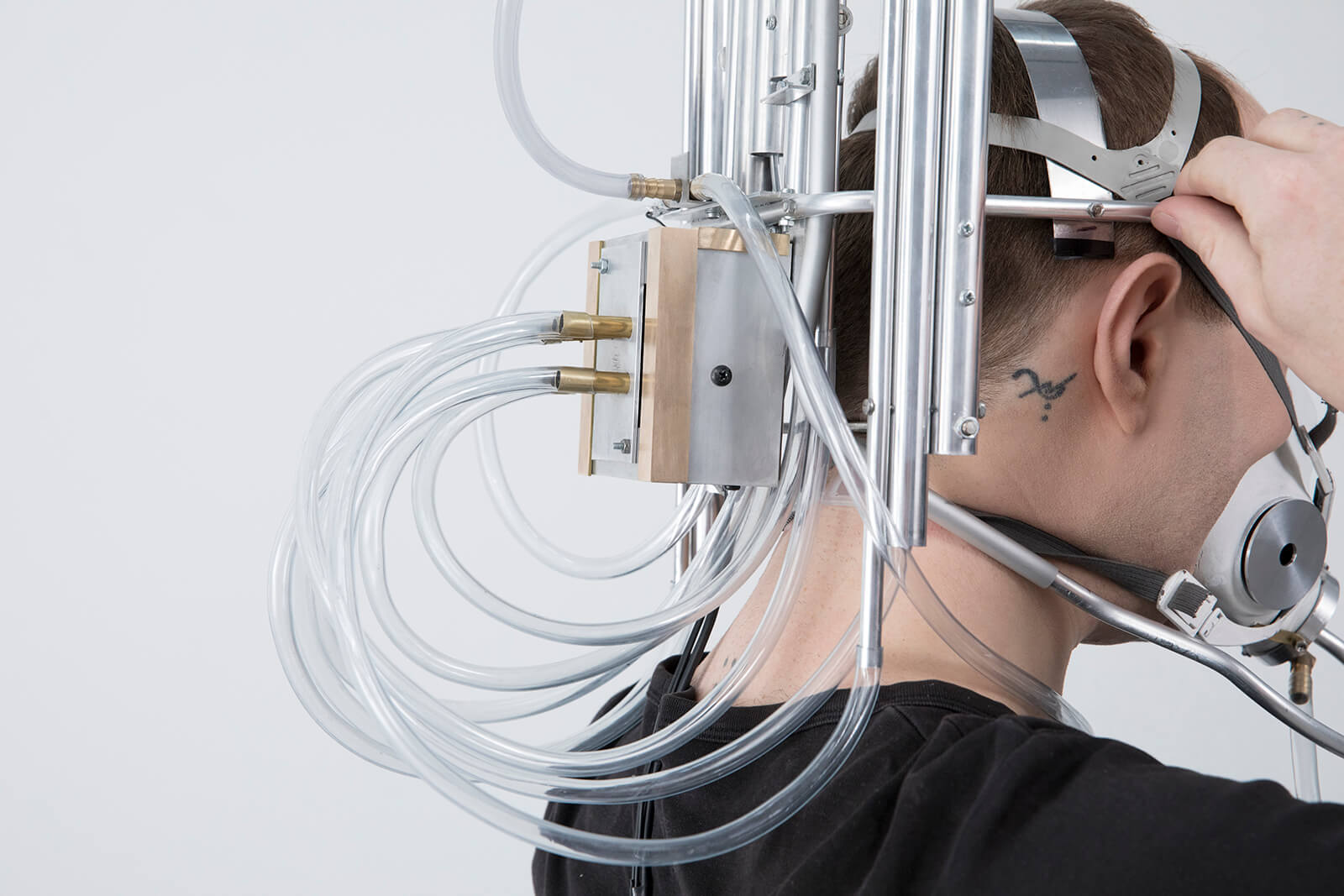
While the idea for creating топот-м came to Morozov during his travels to China, Last Breath was born out of his mental and physical health concerns during his trip to India. The pressure and flow rate of one’s exhaled air activate the generative sonic process and reciprocate to any change in breathing patterns. For the artist, this object is a ‘deathbed mask’, as he states in a text, a ritual instrument that he wants to play with when he no longer has the strength to use other instruments. This absence of existential fear of death channelled into a ‘cyber-gothic’ assemblage makes one almost look forward to it, to death, just to know what kind of music it will produce.
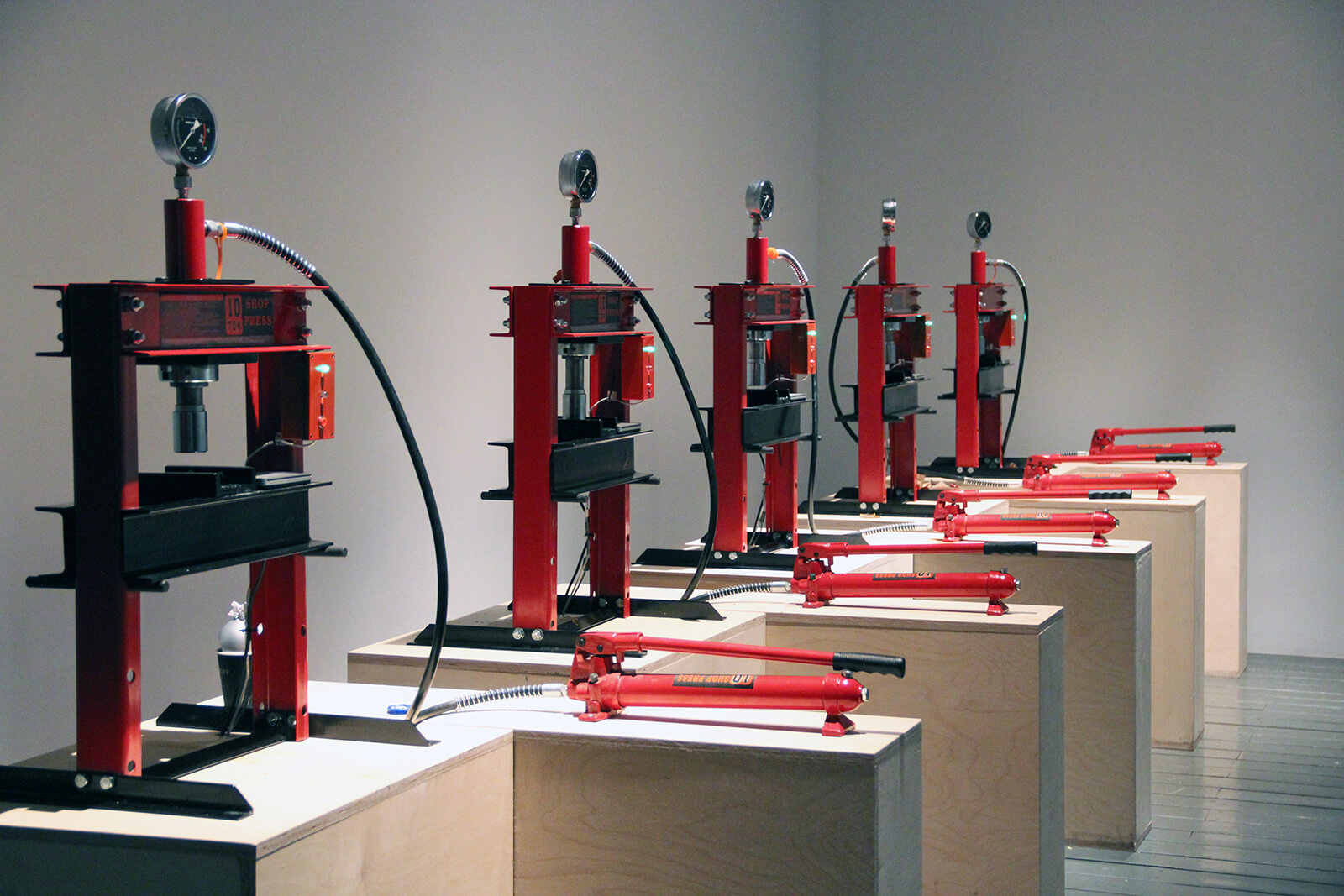
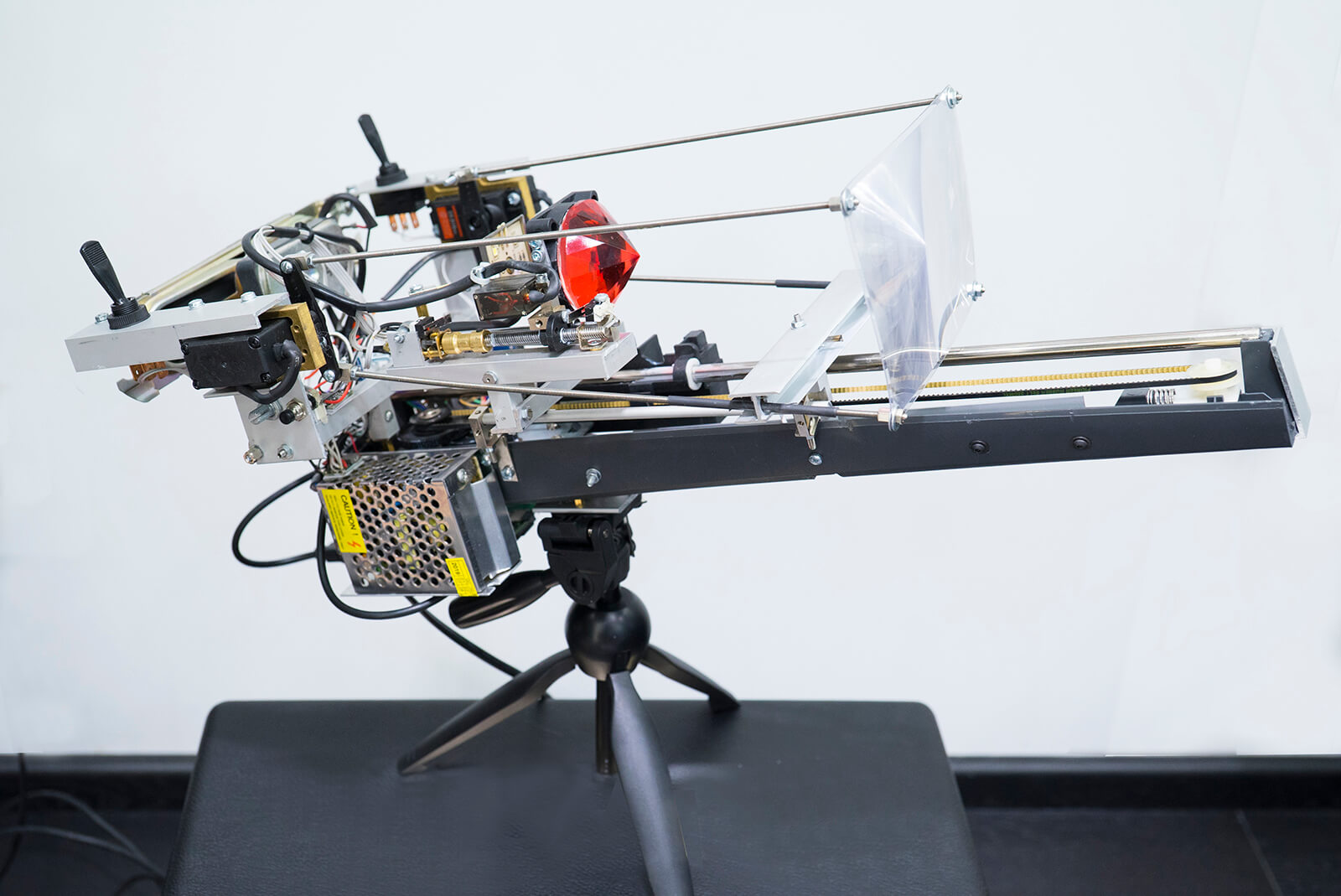
When STIR asked Morozov to choose one of his projects for preservation and destroy the rest, he picked 12262 (2018)—a multimedia installation that pays homage to the Soviet project SG-3 (СГ-3): the Kola Superdeep Borehole—after a little contemplation. Upon his visit to the site, he was impressed by the ruins of the scientific station and upon displaying his automatic sound object as an installation—two years in the making—he was moved by the reception it got. He, however, also states that he’d rather destroy all of his works and start anew. “The pain of not saving other works would be so strong that the one that was saved will always be associated with the ones that died,” he stated during the interview.
His willingness to destroy all his works, made from his blood, breath and ordeals, reveals a practice unburdened by legacy. The way ::vtol:: sees his creations—not as objects of permanence but as physical extensions and temporal companions—beckons seeing the act of making as something that is more about presence—a moment of expression that gives meaning to lived experiences. One muses if it is all then about the vulnerability of existence, where the acknowledgement that life glitches, decays and demands care pours into one’s intent behind creating, which could be viewed simply as an act of tending—a rare emotional response to this rather audacious body of work. The works of ::vtol:: embody a strange humour—in a world obsessed with permanence, he chooses to be fragile, for fun.

by Pranjal Maheshwari Oct 23, 2026
Co-authored by Jareh Das, Chairman traces the British designer’s fixation on chairs as symbols of power and identity and as mediums of expression and community building.
by Mirra Lynn Oct 22, 2026
The curators behind Palestine Design Week 2026 reflect on its intent, considering how design holds memory, makes space for loss and imagines a future in Palestine.
by Chahna Tank Oct 22, 2026
STIR speaks with the Mumbai-based type designer about her practice, type walks and why she wants more people to have stronger opinions about Indian-script fonts.
by Jincy Iype Oct 15, 2026
STIR explores craft, material intelligence and people shaping Indian design through dialogues with Design Democracy’s co-founders and the curators of its special exhibitions.

make your fridays matter with a well-read weekend
Enter your details to sign in
Don’t have an account?
Sign upOr you can sign in with
a single account for all
STIR platforms
All your bookmarks will be available across all your devices.
Stay STIRred
Already have an account?
Sign inOr you can sign up with
Verification link sent to check your inbox or spam folder to complete sign up process
Tap on things that interests you.
Select the Conversation Category you would like to watch
Please enter your details and click submit.
Enter the 6-digit code sent at


Blood, breath and other ordeals: How Dmitry Morozov, aka ::vtol::, performs fragility in jest
by Bansari Paghdar | Published on : Dec 05, 2025


 Sign in with Google
 Sign in with email
What do you think?