Architecture10 mins. read
Ursula K. Le Guin’s words and worlds, to hold people, landscapes and dragons
by Mrinmayee BhootNov 07, 2025



by Mrinmayee BhootPublished on : Nov 27, 2025
For a text written over 200 years ago, Mary Shelley's book, Frankenstein (1818), continues to dominate popular imagination. With its most recent and currently massively popular adaptation by the fantasy-horror director Guillermo del Toro, the internet has been—as it is characteristic for it to be—divided, from vehement critics of the film decrying the lack of feminist nuance in the adaptation by a male director; the oversimplification of plot and characters (the creature isn’t monstrous enough and the film not horrific enough) to those simply upset that the film is not a verbatim reproduction of Shelley’s Gothic tale. Such fervent discussions in digital spaces, about a story that seems merely to tell the follies of man in his pursuit of technology, beg the question: are parables ever straightforward? What makes Frankenstein’s monster actually monstrous? And why, like the creature being resurrected, do we keep returning to the avarices of the modern Prometheus?
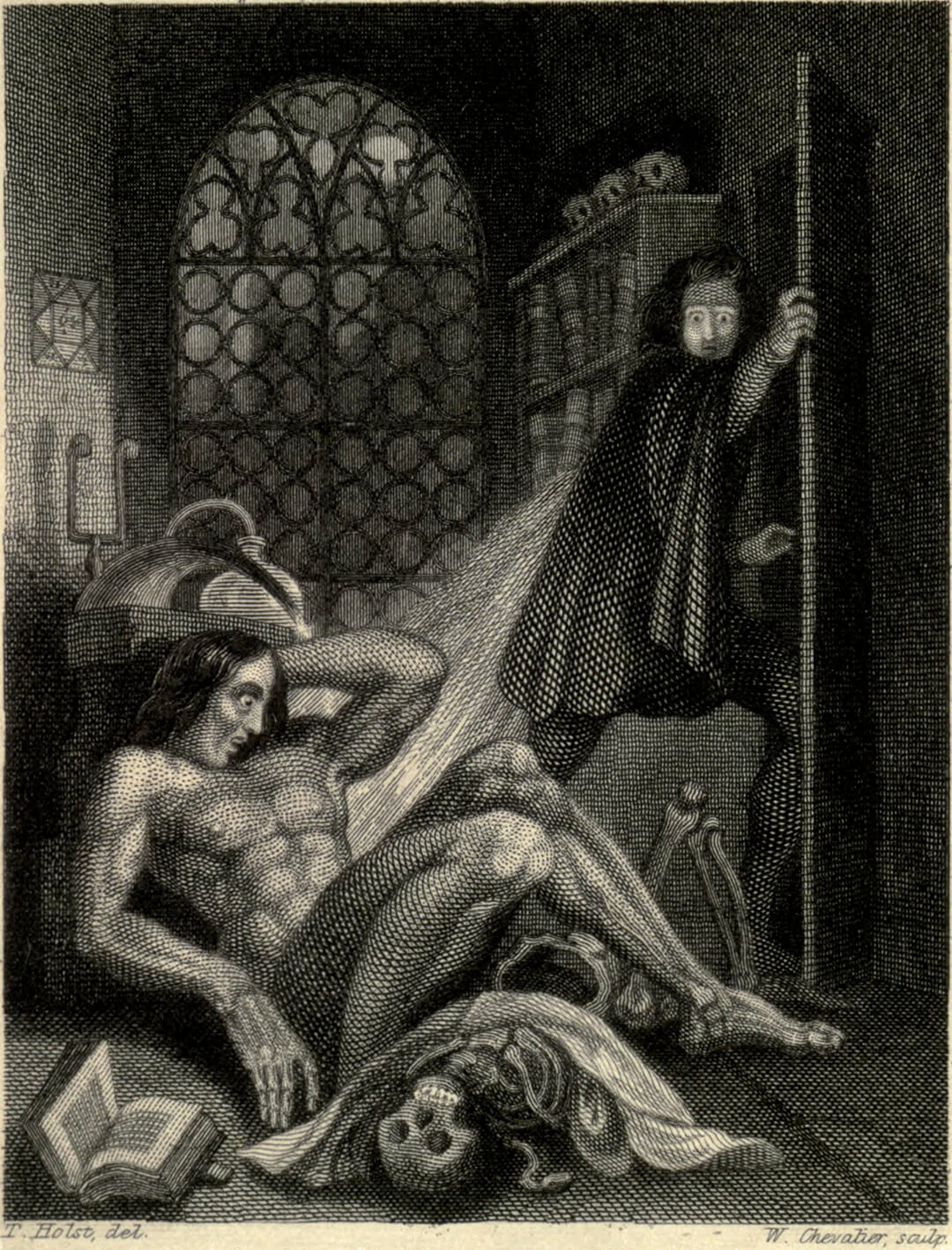
Widely regarded as the first ever work of science fiction (though, as social media will tell you, that too is inaccurate), when Shelley set out to write the story, she meant to “speak to the mysterious fears of our nature and awaken thrilling horror". In this sense, the novel deals primarily with the then-contemporary fears over scientific progress. Themes of creation and death, prominent in Victor Frankenstein’s desire to cheat that most human flaw, were pertinent to an author who had buried her own child two years previously, and was nursing a baby as she wrote the tale that would become Frankenstein. Shelley would write about dreams where she would see her child dead. A lot of the grief she felt at this loss is evident in Frankenstein’s disavowal of his creation—a thing assembled from the body parts stolen from charnel houses and fresh graves—and the positioning of the creature as a monster (read as a postpartum experience). Many literary critics have offered such readings as establishing the genre of the ‘female Gothic’.
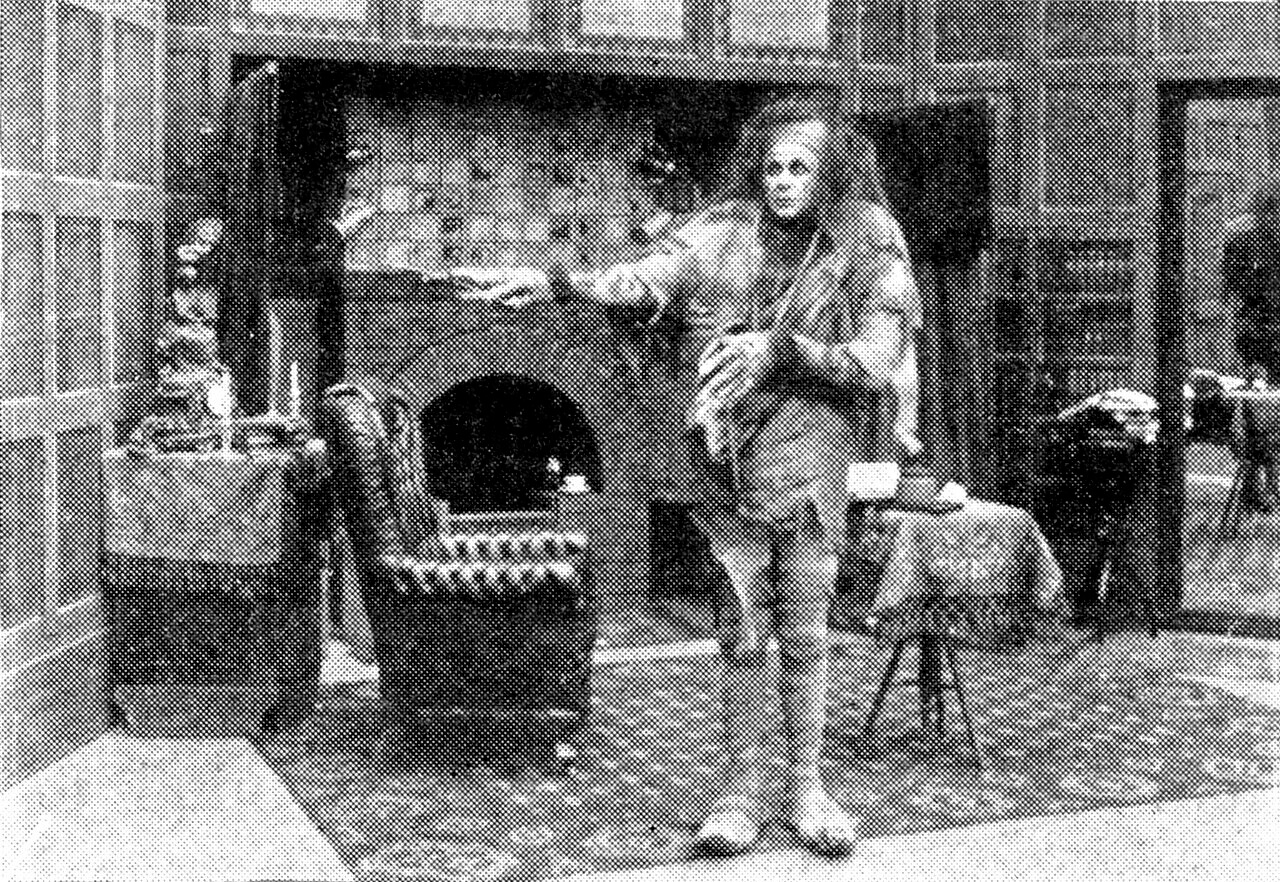
The creature alone (in every telling of the story) does not so much as get a name, robbing him of agency in telling his tale, painting him as society’s other, much like the second sex in the Victorian era. Both Frankenstein and the creature are rejected by society in some way, but it is the creature who is burdened with the image of monstrosity, of an otherness that is entirely inhuman. The persistent fear of the ambitious nature of scientific experimentation (which most people only partially understand) dominates most readings of the parable, while Shelley’s own story brings up far more critical themes. There is, most obviously, the idea of ostracisation of anyone/thing deemed other, the perils of exercising control over nature and an acute critique of slavery and colonialism.
In the novel, the accounts of Frankenstein and his creature are presented as nested within letters written by a ship’s captain to his sister, thus casting doubt over the veracity of the tale. However, this structure also allows Shelley to effectively demonstrate the ambitious nature of man, isolate the creature and showcase how his voice is controlled by the oppressor. In revealing the creature’s plight over his existence, juxtaposed against Frankenstein’s agony over his creation, the author hopes to create a sense of sympathy for the creature, while not explicitly condemning the creator.
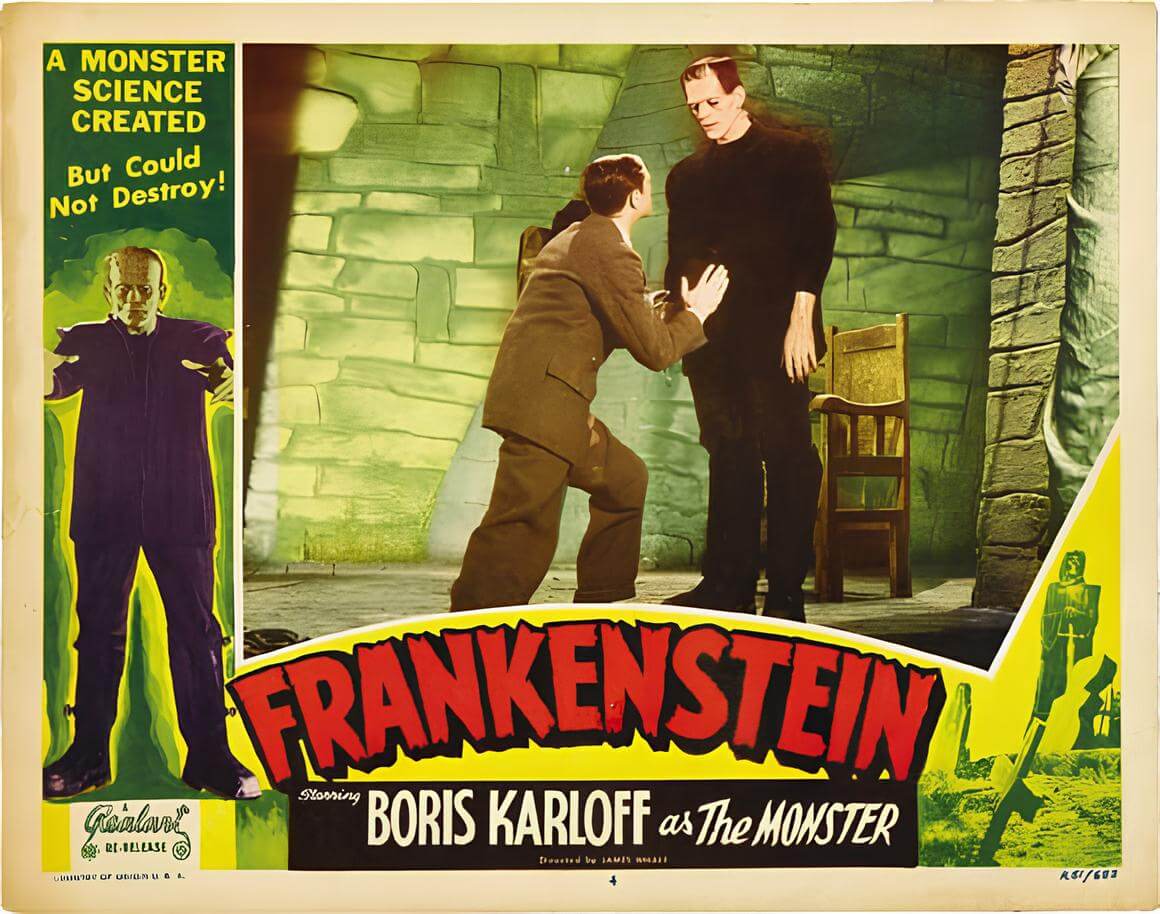
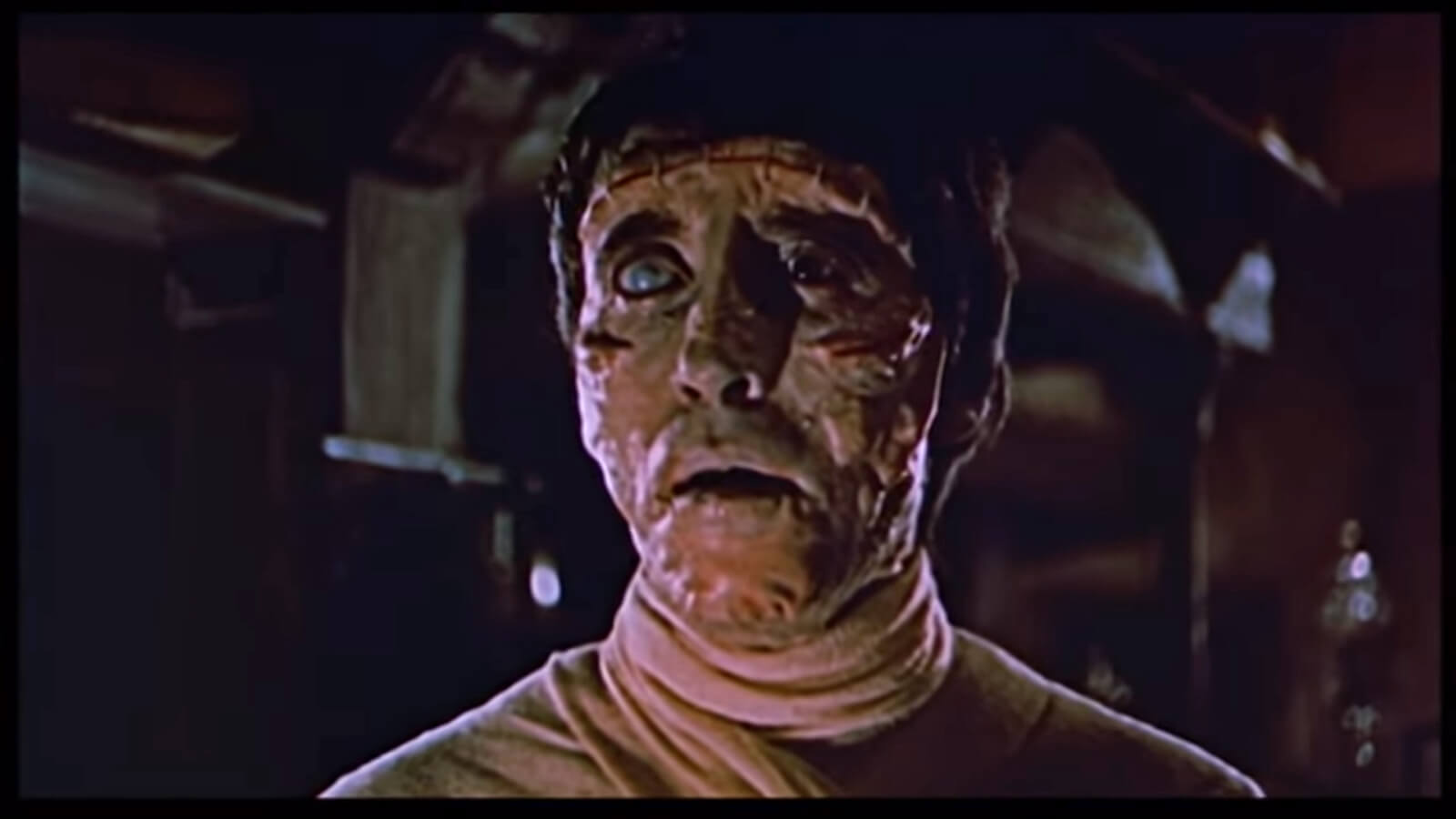
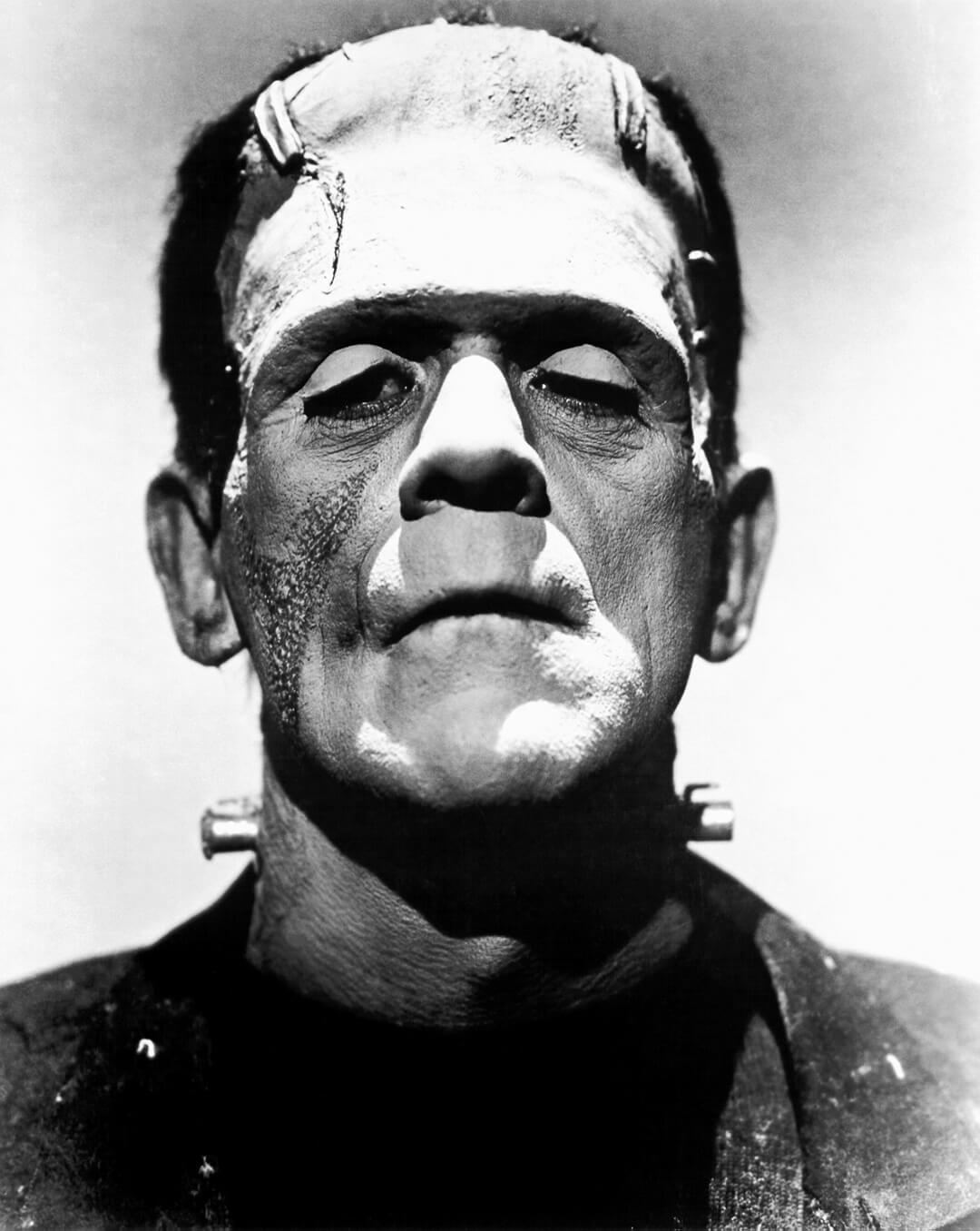
Most familiar portrayals of the ‘monster’ in popular culture paint him as a dimwitted creature; aided by a quintessentially monstrous countenance (bolts, stitches, a bad fringe and all) that make him truly reviled. This formulation of the ‘monster’ was invented rather than adapted for the 1931 film produced by Universal Studios. What this version also canonised was the reading of the 'monster' as dim-witted, a significant deviation from Shelley's creature, who is written more sympathetically; inadvertently making the case for shunning those seen as disabled (a common eugenics rhetoric). Perhaps the legacy of the 1931 film was so profound that directors and writers since have felt the need to offer some additional motive for the creature’s turn to monstrousness. The one adaptation that does not in some way attempt this is Hammer Film Production’s The Curse of Frankenstein (1957). Instead, it relies on the villainous nature of Frankenstein and cements the role of the mad scientist in horror. It is this distinction—between the desire for horror and the desire for a more villainous outlook—that allows, when viewed through the more appropriate Gothic lens, a more ambiguous reading of who the monster is and what monstrosity entails.
In such tellings, which make Frankenstein comparable to historical figures like Robert Oppenheimer, it is always the act of creation that is critiqued, but not the implications of what has been created. “Remorse extinguished every hope,” Frankenstein says, in Volume II, Chapter 1, by which time the creature has begun murdering everyone Frankenstein loves. “I had been the author of unalterable evils; and I lived in daily fear, lest the monster whom I had created should perpetrate some new wickedness.” In this vein, readings elide the responsibility of those who choose to play god in active measures to oversee their creations. Such a reading could be applied to current fears over artificial intelligence. Silicon Valley opportunists are reviled for what they have created, but are somehow exempt from being responsible for regulating how the technology is implemented (or, in this case, actively participating in celebrating outrageous claims of the technology’s merits).
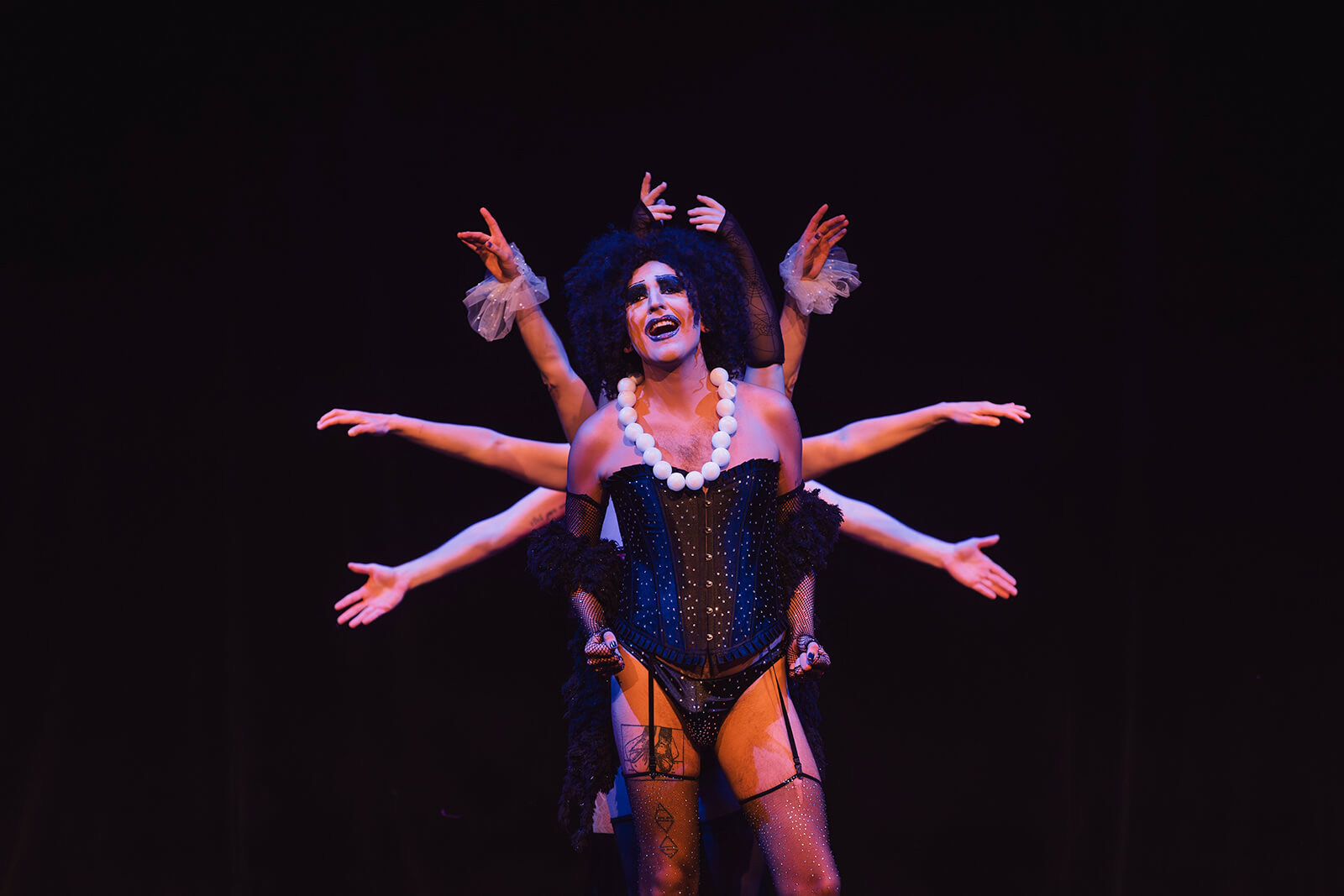
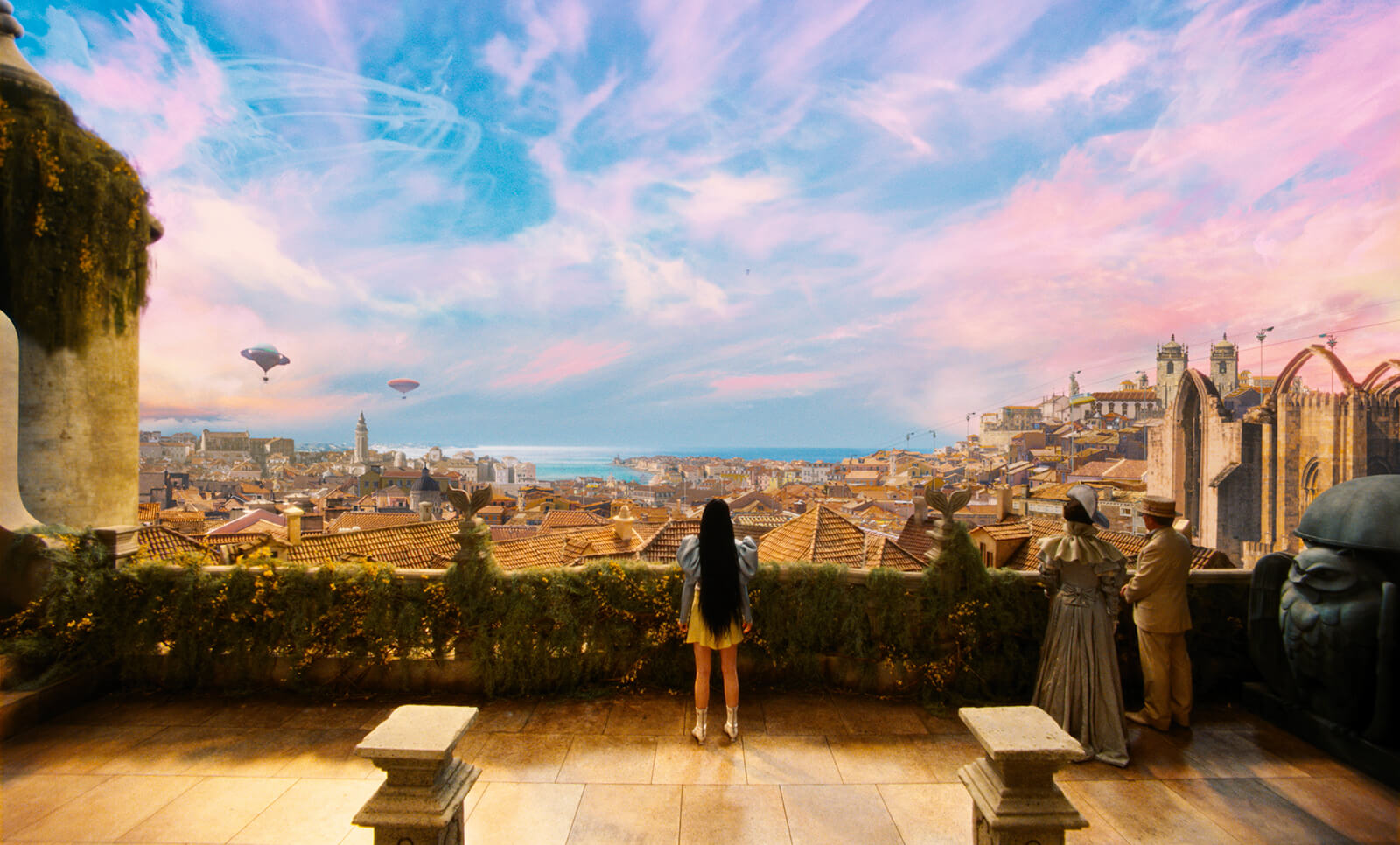
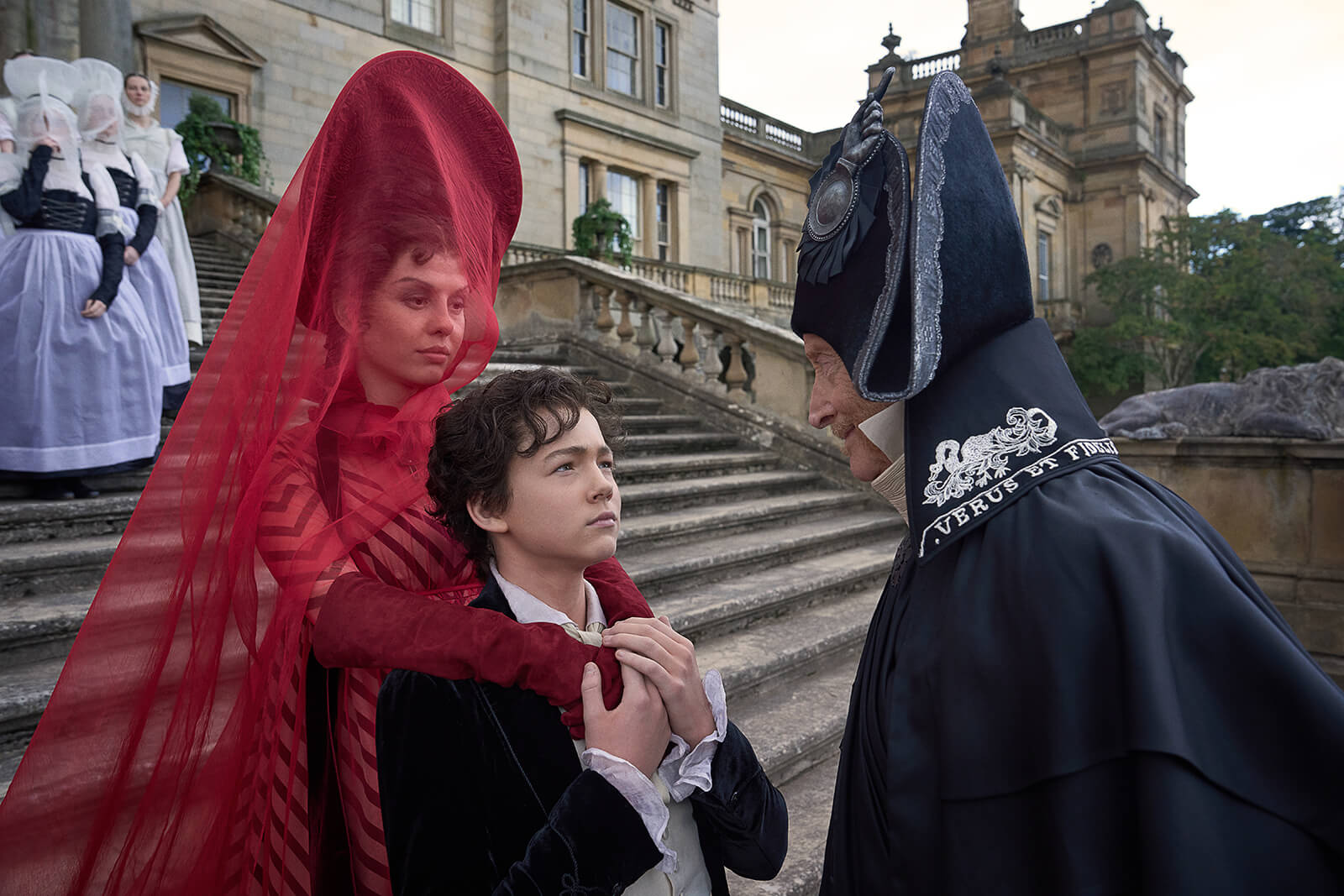
Conversely, more ambiguous readings of monstrosity have their own interpretations. The latest movie, Lisa Frankenstein (2024), turns Shelley’s tale into a romcom of sorts; Poor Things, which was written by Alasdair Gray in 1992 as a feminist reinterpretation of Frankenstein was adapted to screen in 2023; and perhaps most audaciously, The Rocky Horror Picture Show (1975) uses the themes of Frankenstein to affectively shine a mirror on society’s mainstream sexual norms and the isolating ones of subcultural and domestic communities as well. All these tellings manage to turn the gaze of monstrosity on hegemonic society instead, painting our conventions as monstrous. It’s this interpretation that del Toro stays true to.
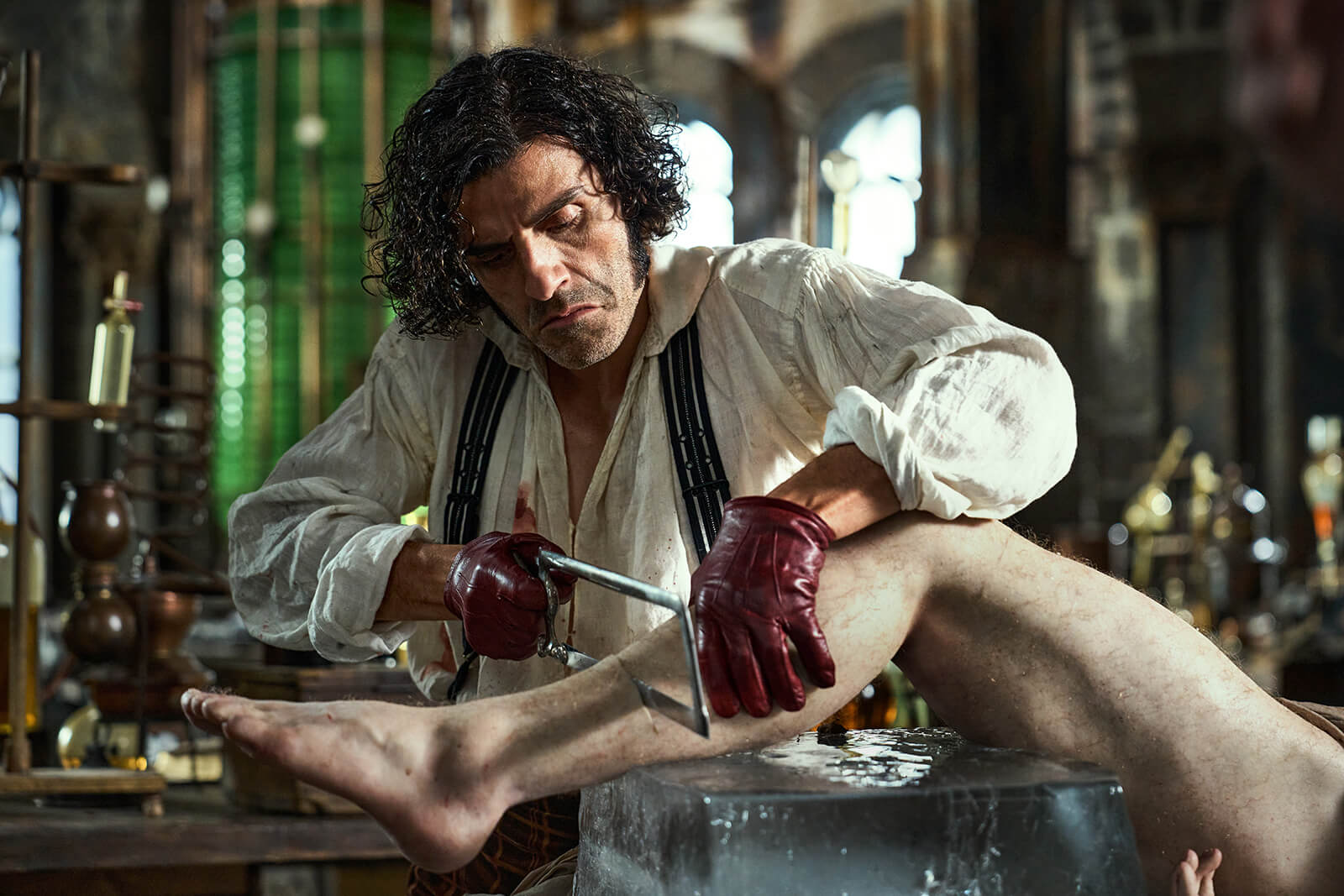
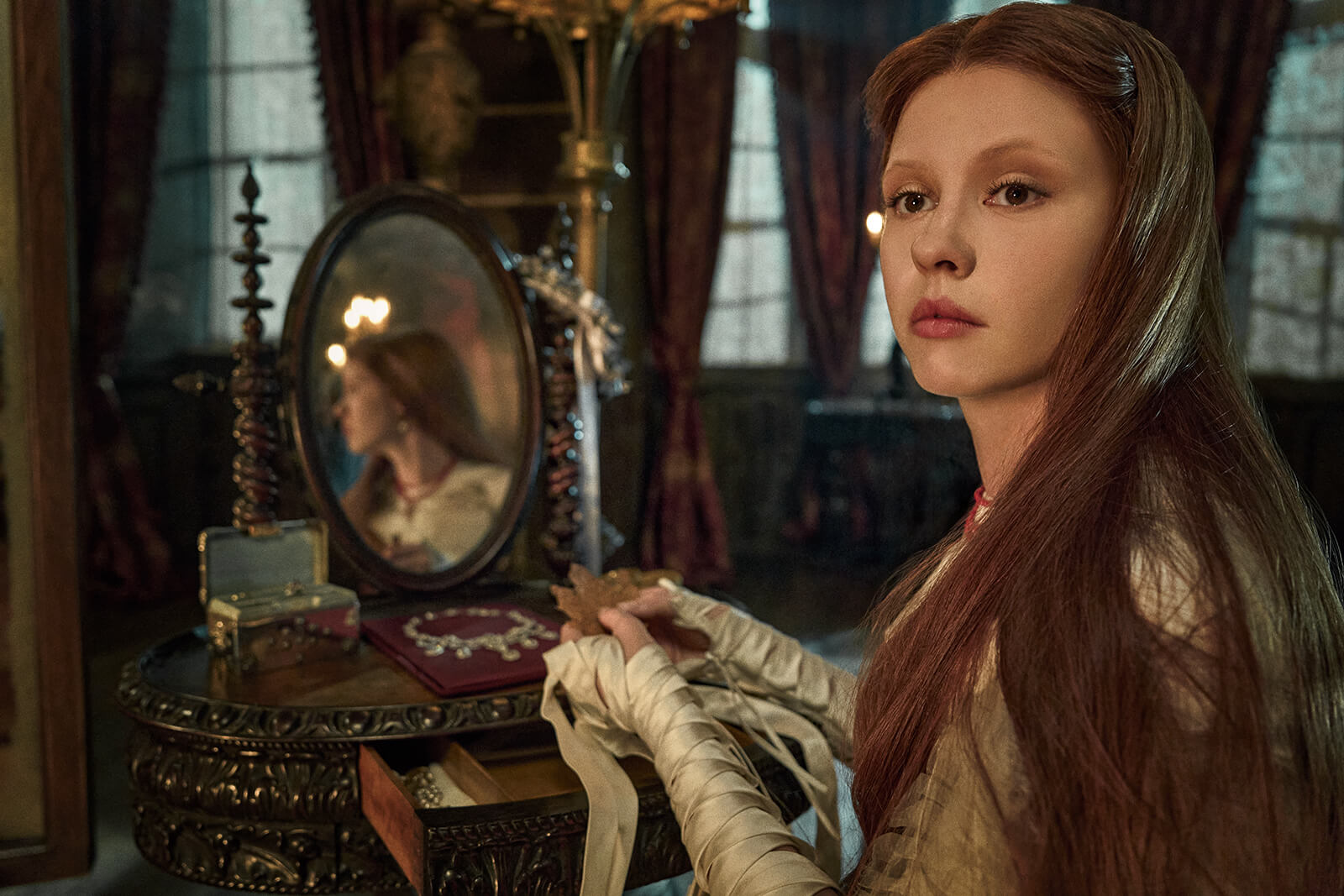
In this vein, del Toro’s adaptation also aligns with Shelley’s themes—of parental abandonment, the ostracisation of those deemed not to fit into society and of a constant struggle between recognition and erasure. While this production was 30 years in the making, del Toro has abundantly explored tales of misunderstood creatures; in Pan’s Labyrinth (2006), for instance, the sinister, other world is actually the one that is more forgiving; it does not demand cruelty for cruelty’s sake, while the human world, set in fascist 1940s Spain, relishes in violence. As he has noted, “Since childhood, I’ve been faithful to monsters. I have been saved and absolved by them, because monsters, I believe, are patron saints of our blissful imperfection, and they allow and embody the possibility of failing.” Frankenstein, then, is no different.
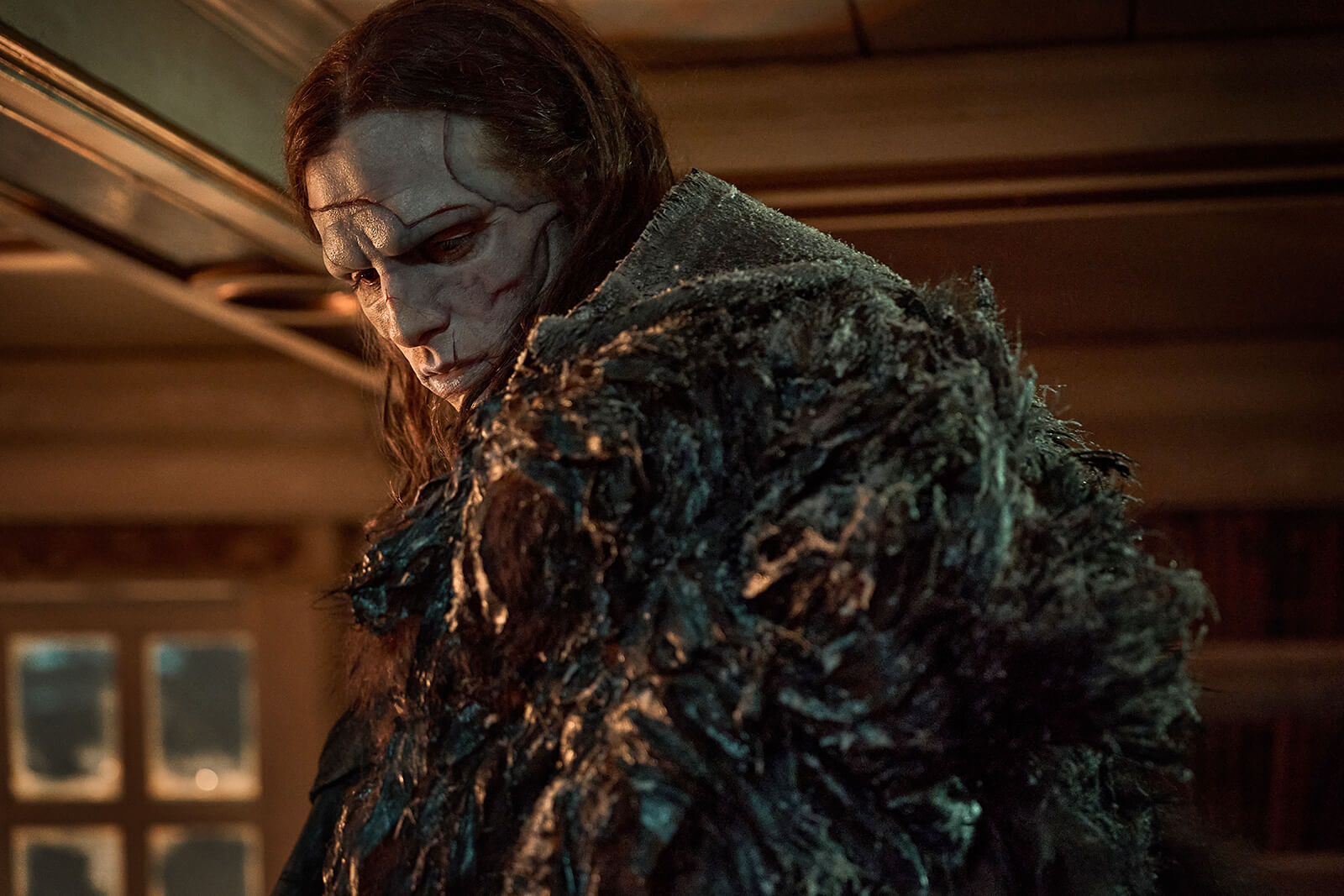
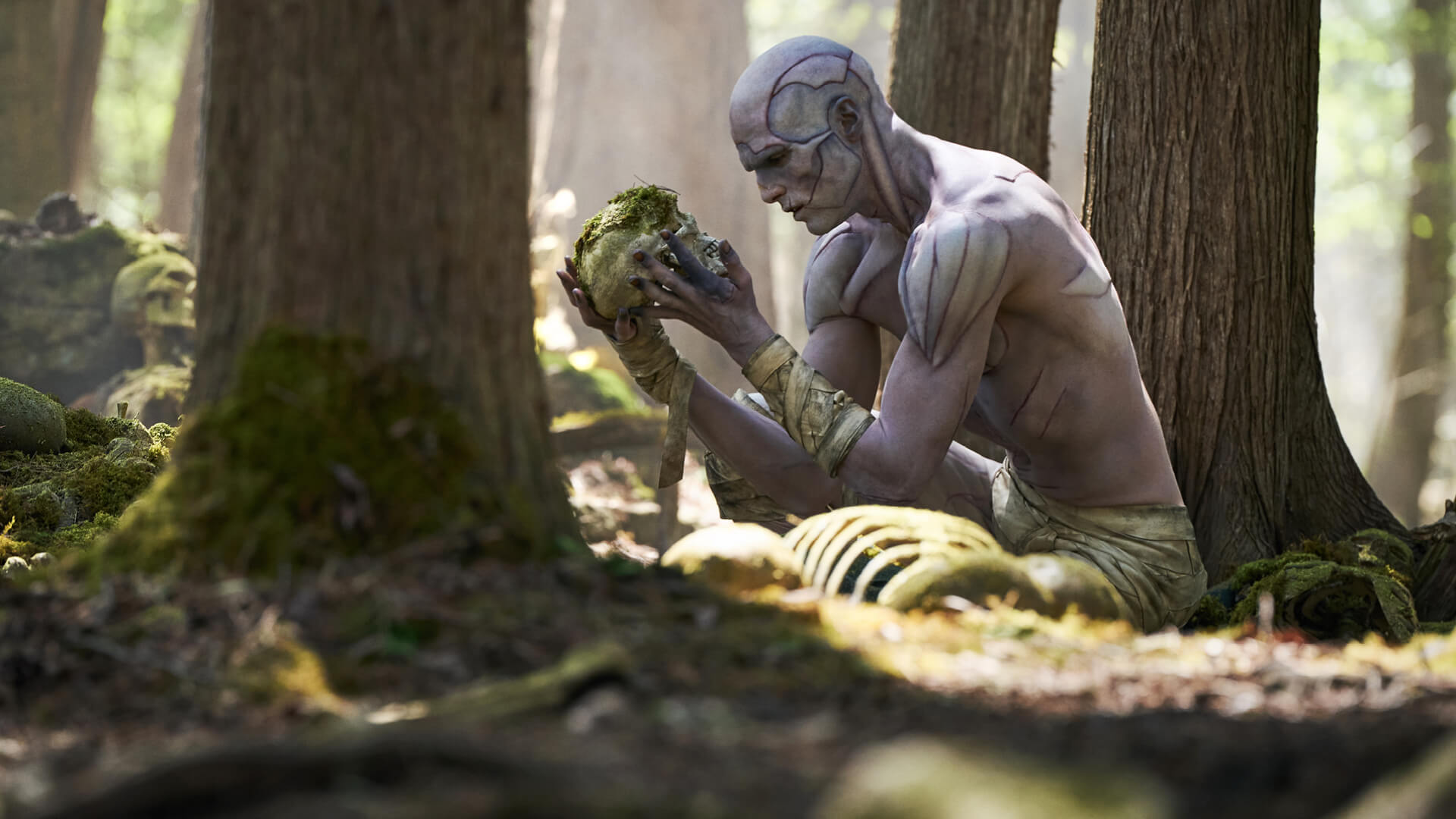
Del Toro’s rendering begins with an exploration of Frankenstein’s motives for scientific exploration (the death of his mother and the demands of an overbearing father). He paints the scientist as more of a monster (lusting after his brother’s fiancée, his arrogance in wanting to cheat death at all costs, attempting to destroy his laboratory and the creature). However, he does have a significant forgiveness arc; in one scene, having abandoned the creature to die, Frankenstein realises his folly and turns back. There is the intention of creating a more dramatic resolution through such a portrayal. It is in this that del Toro shines. There is, of course, a lot of blood and gore, however, there is also a particular emphasis on religious imagery in the production design (the creature is constructed and brought to life by Frankenstein on a literal cross, the angel that appears in his dreams is distinctly Mexican Catholic, Elizabeth prominently wears a red rosary around her neck) and the imagery of death and monstrosity (the set design for Frankenstein’s laboratory includes a Medusa figure, both Elizabeth and the creature are depicted holding skulls). By distinguishing the aesthetic of the film with a certain Gothic dramaticness and his perspective on the relationship between Frankenstein and the creature, del Toro renders the themes of Shelley’s book as particular to him. It’s not that the novel continues to find new meanings in contemporary culture, but that the questions it asks continue to be relevant.
The two questions the film keeps returning to, then, are what follies do we overlook when chasing our own ambitions, and what makes someone truly monstrous, truly outcast? Frankenstein is not the sole villain of del Toro’s telling; the creature in turn becomes monstrous as well, by submitting to the human emotion of anger. The question of unchecked scientific progress in some ways mirrors our society’s current obsession with artificial intelligence, as previously noted. On the other hand, the themes of alienation, of questioning what actions are truly monstrous, of how we define the other, who we call monsters, are also particularly rife in the world we live in, which is growing ever more sectarian. While we live in a world that champions progress at any cost, the proverbial monster that is Frankenstein can never truly die.
Tamara Deverell is the winner of the 2026 Academy Award for Best Production Design for Frankenstein'. Watch an extended interview with Deverell on her Oscar nomination for another Guillermo Del Toro film, Nightmare Alley (2022), expanding upon her collaboration with the prolific filmmaker, her love for detail and period sets along with setting the mood for a film through space.

by Srishti Ojha Oct 21, 2026
Increasingly, artists, filmmakers and activists are turning to VR to create more personal, tangible accounts of the climate emergency and its impact on vulnerable communities.
by Mirra Lynn Oct 20, 2026
The Indian artist paints the old wadas of central Pune, capturing the traces of everyday life that cling to these structures, battered by time but unbowed.
by Anmol Ahuja Oct 15, 2026
How do heaps of souvenirs and relics with racist Aboriginal motifs and features become art? MCA Sydney’s winter showcase—the artist’s largest to date—beckons a possibility.
by Vandana Kalra Oct 14, 2026
With his latest exhibition as a point of departure, the modernist discusses his decades-long practice, the spontaneity of drawing and the social responsibility of artists.

make your fridays matter with a well-read weekend
Enter your details to sign in
Don’t have an account?
Sign upOr you can sign in with
a single account for all
STIR platforms
All your bookmarks will be available across all your devices.
Stay STIRred
Already have an account?
Sign inOr you can sign up with
Verification link sent to check your inbox or spam folder to complete sign up process
Tap on things that interests you.
Select the Conversation Category you would like to watch
Please enter your details and click submit.
Enter the 6-digit code sent at


‘It’s Alive!’: The enduring vitality of Frankenstein and his ‘monster’
by Mrinmayee Bhoot | Published on : Nov 27, 2025


 Sign in with Google
 Sign in with email
What do you think?