|
To endure is not merely to last; it is to persist with intent, to carry meaning through time, labour as well as repetition. This week, for us, endurance emerges as a quiet but powerful thread linking artistic practise, itinerant design languages and renewed political articulation in iconic objects.

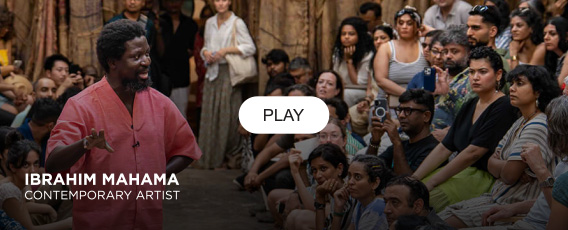
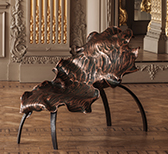
In our conversation with artist Ibrahim Mahama, endurance is embedded in material itself. His works are shaped by labour and history—by jute sacks, metal and architecture that have passed through many hands, economies and lives. Mahama's practice and his installation on display at this year's Kochi-Muziris Biennale, 'Parliament of Ghosts', remind us that endurance is collective: it belongs as much to unseen workers and inherited systems as it does to finished works.
|
|
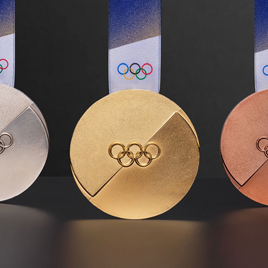
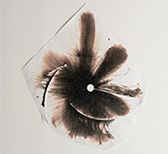
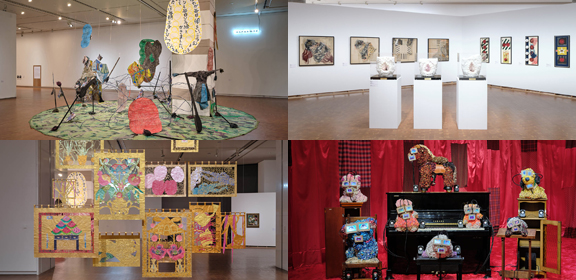
This idea finds a parallel in our exploration of Olympic medals as cultural artefacts. The designs—covering their early use as wreaths and currency and their current stature as prestigious design commissions—reflect global design histories and aspirations. The theme also surfaces in 'For a Placard' at the National Museum of Art, Osaka. Taking from the art of Tabe Mitsuko, the show positions the placard as both a rhetorical tool and an act of resistance, lending visibility to political as well as personal endurance.
Together, these stories invite us to look beyond outcomes. In a world obsessed with immediacy and spectacle, what does it truly mean to endure and what do we choose to build that lasts?

|