Design06 mins. read
Fashion houses play to their strengths at Milan Design Week 2024
by Ria JhaApr 23, 2024



by Sunena V MajuPublished on : May 30, 2026
New York Design Week is not a conventional design week, at least not in the way the international crowd that has been flocking to the city every May for years might expect. New York has been reaching for a version of Milan for a long time, and for almost as long, but it has not quite got there. NYCxDESIGN represents the broader picture of design week, and ICFF has served as its Salone Del Mobile.Milano equivalent. Until this year, the two defined each other, and the week held itself together in that balance. But that balance shifted before the week even began. ICFF announced it would move from May to November to align with BDNY hospitality. For visitors on the ground, that meant a design week without a design (trade) fair.
However, while losing ICFF, what NYCxDESIGN gained in return was neighbourhood. This year, New York took a more distributed approach to Design Districts. Dumbo, SoHo, NoMad and pockets of Brooklyn and Manhattan stepped into the week with greater intent as Design Districts. The scale of the event has long been a familiar complaint when New York Design Week is compared to Milan (a comparison it should not have to field, but invariably does). This year felt like the beginning of a more honest answer to it.
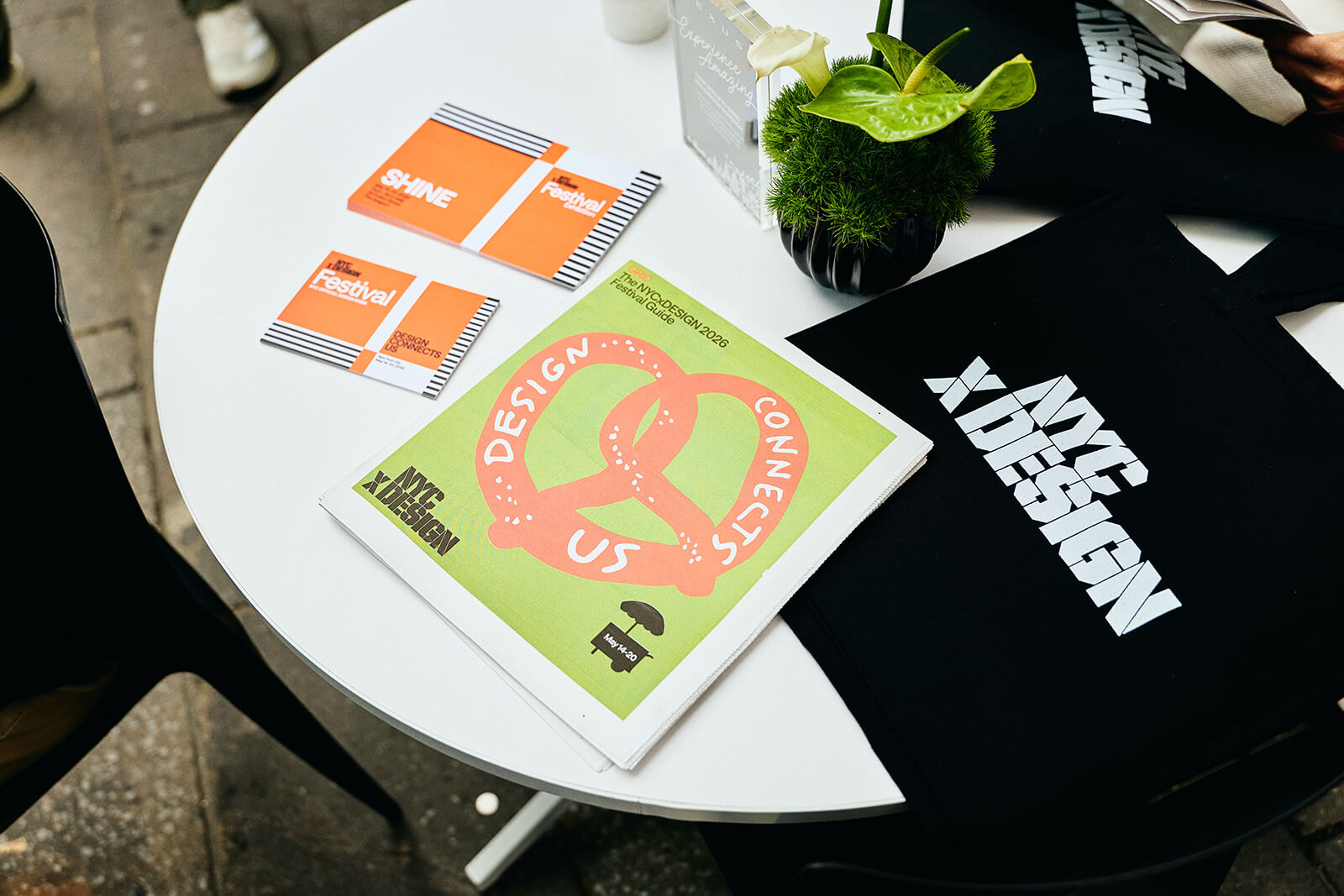
The range and ambition of NYCxDESIGN's 2026 programming were stronger than in previous years. In partnership with Cornell Tech, the festival debuted Future Now, a one-day summit examining the rapidly expanding influence of Artificial Intelligence across the full spectrum of design. Under the banner NYCxDESIGN On The Town, there were studio hops and night walks across the Design Districts. The festival's design pavilion came from the automobile brand Lexus, centred around a studio environment and a newly unveiled vehicle, situated at Times Square Plaza 42 to 43. As part of the NYCxDESIGN Keynote, at the Saint Nicholas Greek Orthodox Church & National Shrine, architect Santiago Calatrava and Gabriel Calatrava engaged in a conversation on architecture, legacy and the making of civic space. A full calendar of tours, talks, open studios and exhibitions rounded out the programme. But as is often the case in New York, the best of design week happened outside the official programming.
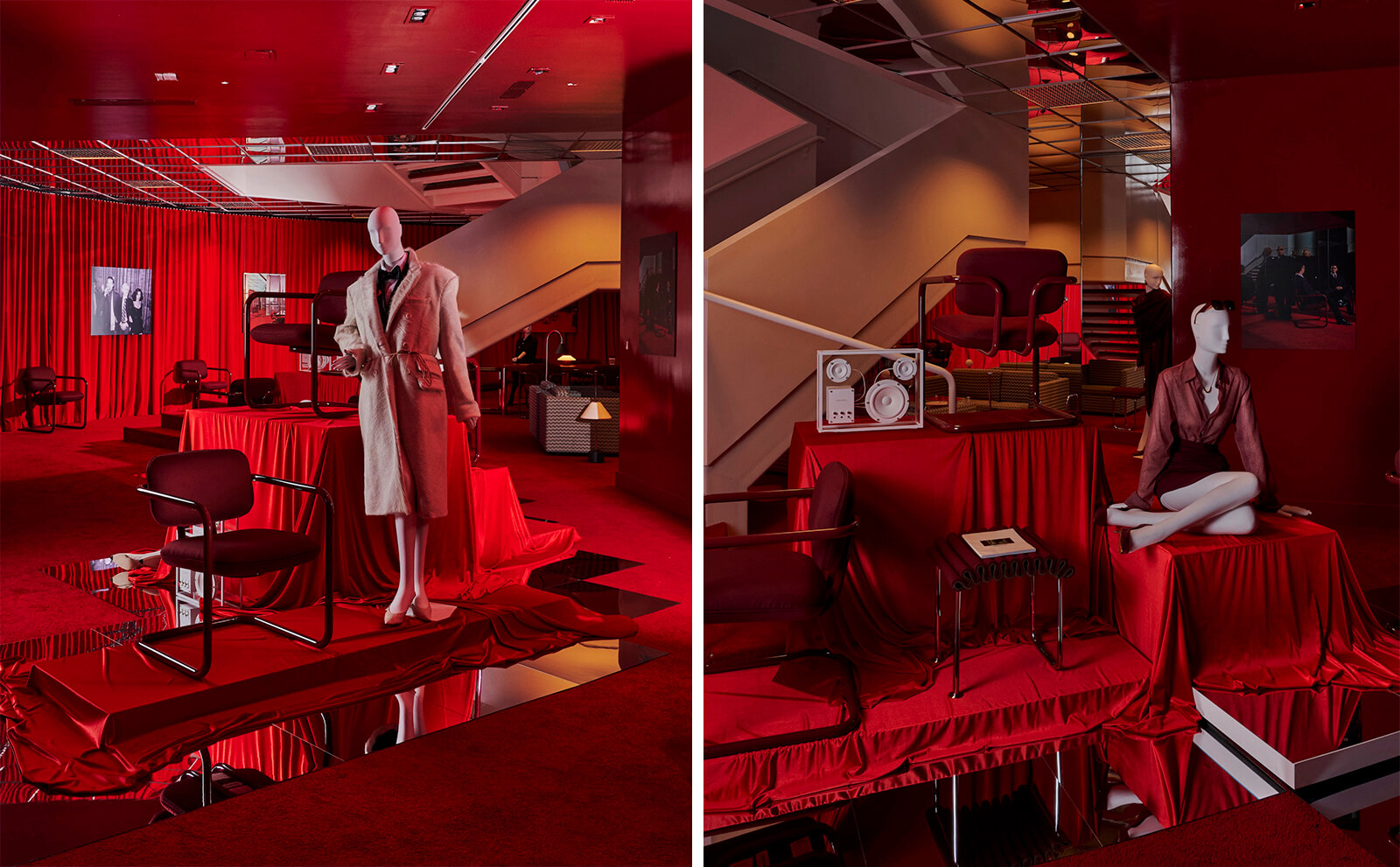
The WSA building in Manhattan, now the city's most compelling design exhibition venue and home to COLLECTIBLE New York, hosted the second edition of Afternoon Light. Following a successful debut in 2025, this year's fair brought together more than 75 brands and studios presenting immersive installations, experiential activations, product debuts and market launches. Exhibitors included Danish furniture designer Carl Hansen and Søn, Swiss furniture manufacturer USM, Mary Ratcliffe Studio, Canadian lighting designer Matthew McCormick, New York-based ergonomic furniture manufacturer Humanscale, Oregon-based hi-fi audio brand Symbol Audio, Los Angeles-based RAD Furniture and many more. Among the most notable was the debut of Canadian platform IKONstudio, in collaboration with Philadelphia-based design agency Rarify. At the venue’s entry, IKONstudio and Rarify presented New Icons, a cinematic, Halston-inspired installation. At its centre was the SOM79 chair, originally designed by Charles Pfister at Skidmore, Owings and Merrill for Halston's 21st-floor studio at Olympic Tower in the 1970s. The installation reframed the chair within a contemporary cultural context, with contemporary garments, a soundscape and lighting adding new layers to the object's history.
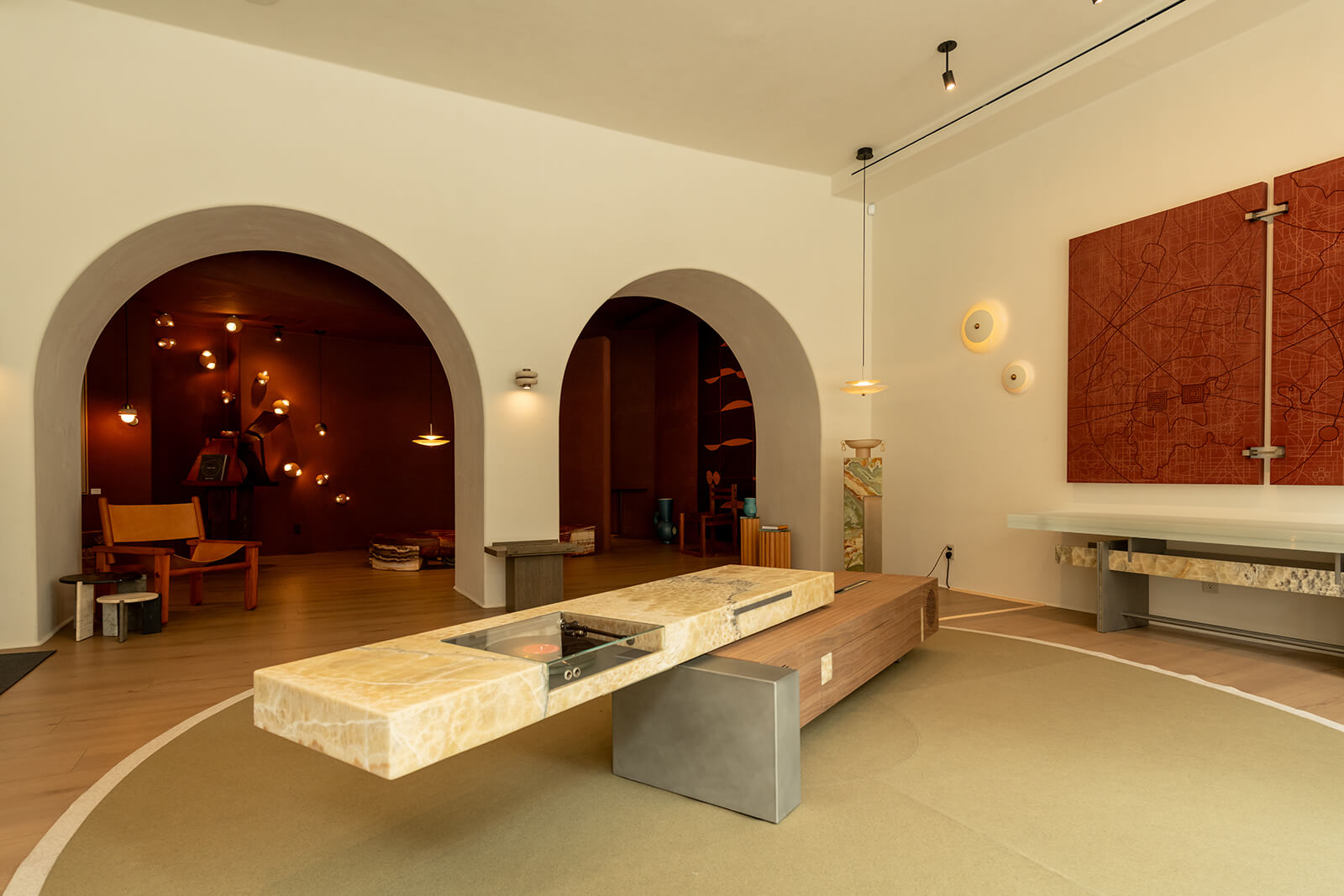
Mexico City-based Simon Hamui Studio presented Proximity and Interaction as a Spatial Practice at K'AB JUUN gallery, an exhibition structured around sound, movement and collective presence. At its centre was Alma, a newly introduced musical console conceived as a freestanding object accessible from all sides. Sound projects from both front and back, extending into the surrounding space and establishing a shared point of attention. The piece recalled a moment when music gathered people together and organised presence through listening.
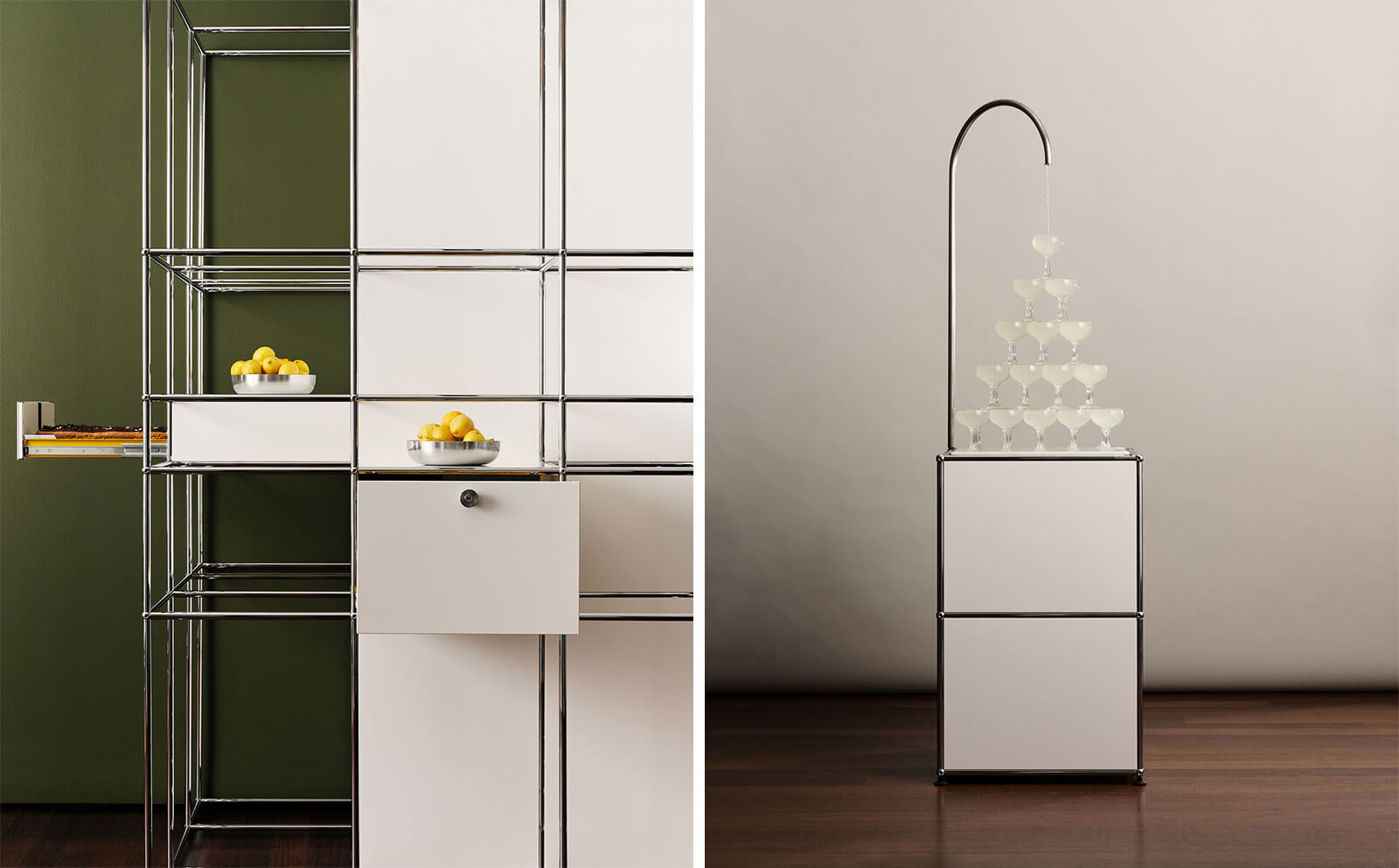
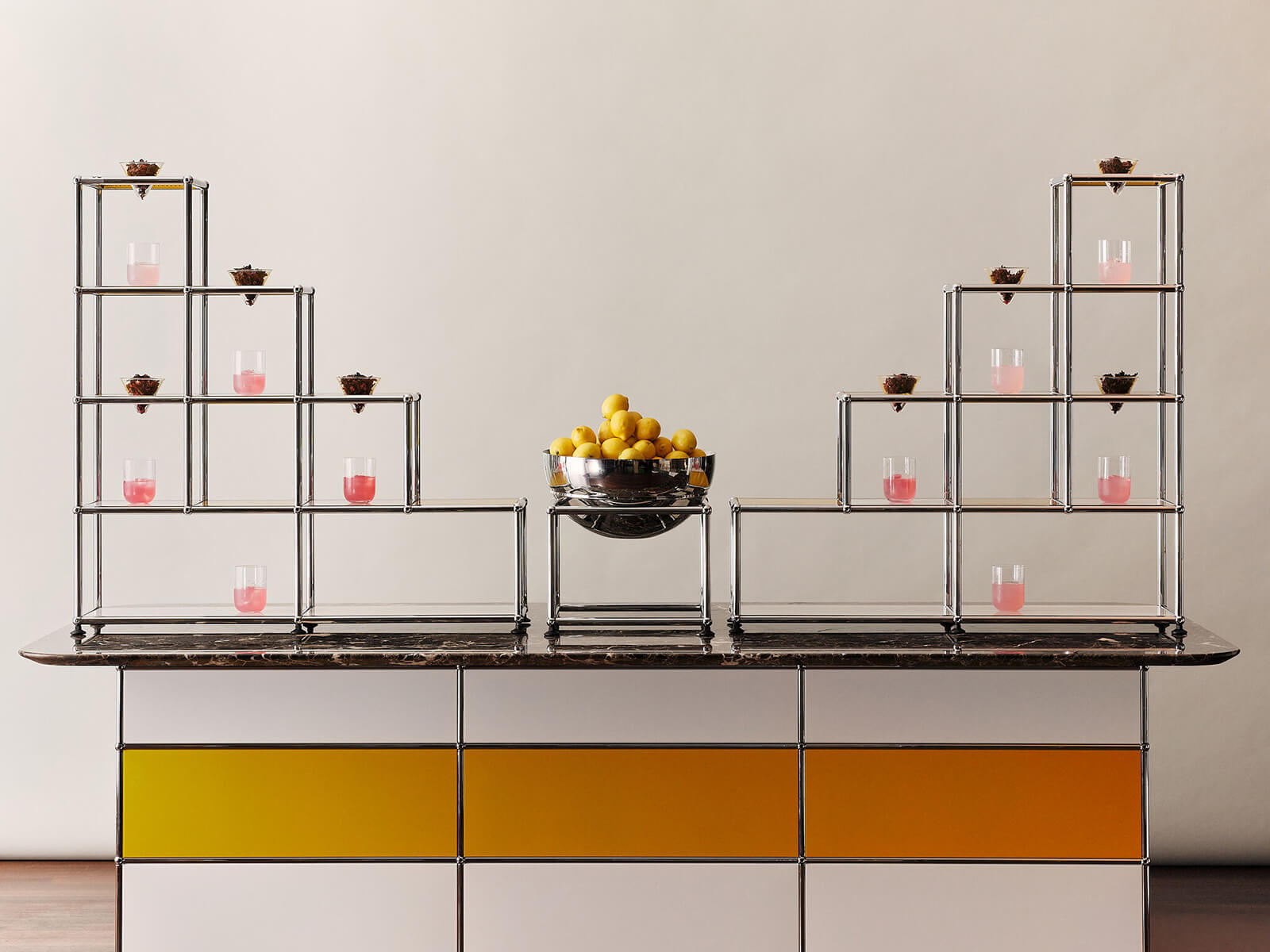
The most distinctive activation of the week happened at the SoHo flagship of Swiss furniture manufacturer USM. Food Form Function, a collaboration with New York culinary studio Pinch Food Design, reimagined the showroom through food, movement and interaction. The duo approached the space not as a fixed environment but as a playground for culinary experimentation, asking a simple question: What if food could be performed, not just plated? The result was their signature Food Furniture, a style of service that blurs the line between cuisine and spectacle. Among the series of collections and collections as installations, Food Form Function offered a unique way for people to interact with design and step into experimental experiential design.
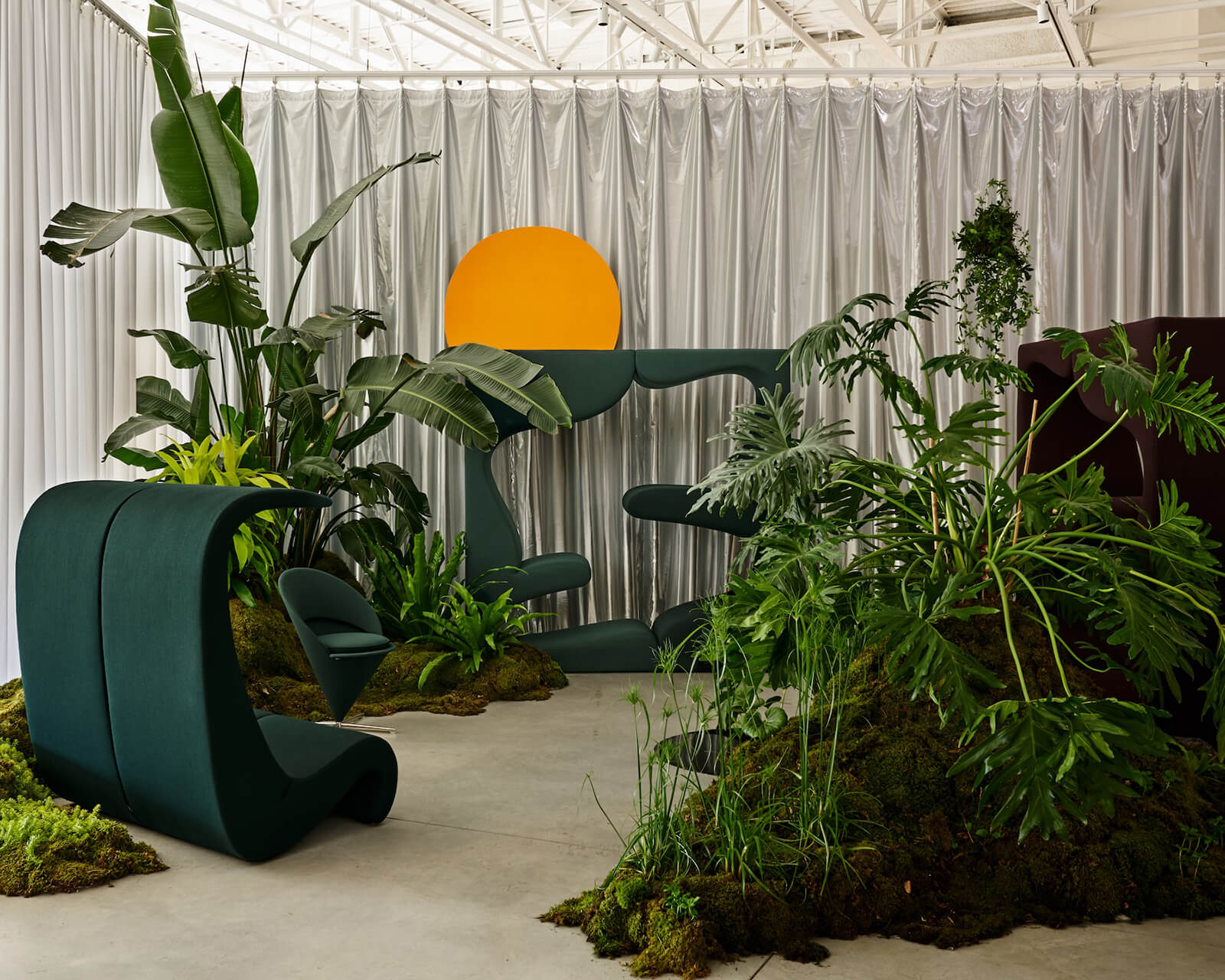
Swiss furniture brand Vitra did not step back from the week either. The brand transformed its Chinatown showroom into an immersive, scenographic environment, drawing Vitra's role in 20th-century design into the present. New York-based writer, curator and historian Camille Okhio conceived the installation Eden as a lush, near-monochromatic landscape of greens and browns inspired by Danish designer Verner Panton's enduring fascination with utopia, experimentation and the future. Eden appeared to be a nostalgic moment and space to take a trip back to the futuristic Space Age aesthetic of the 1960s and 70s with a hint of tropical modernism.
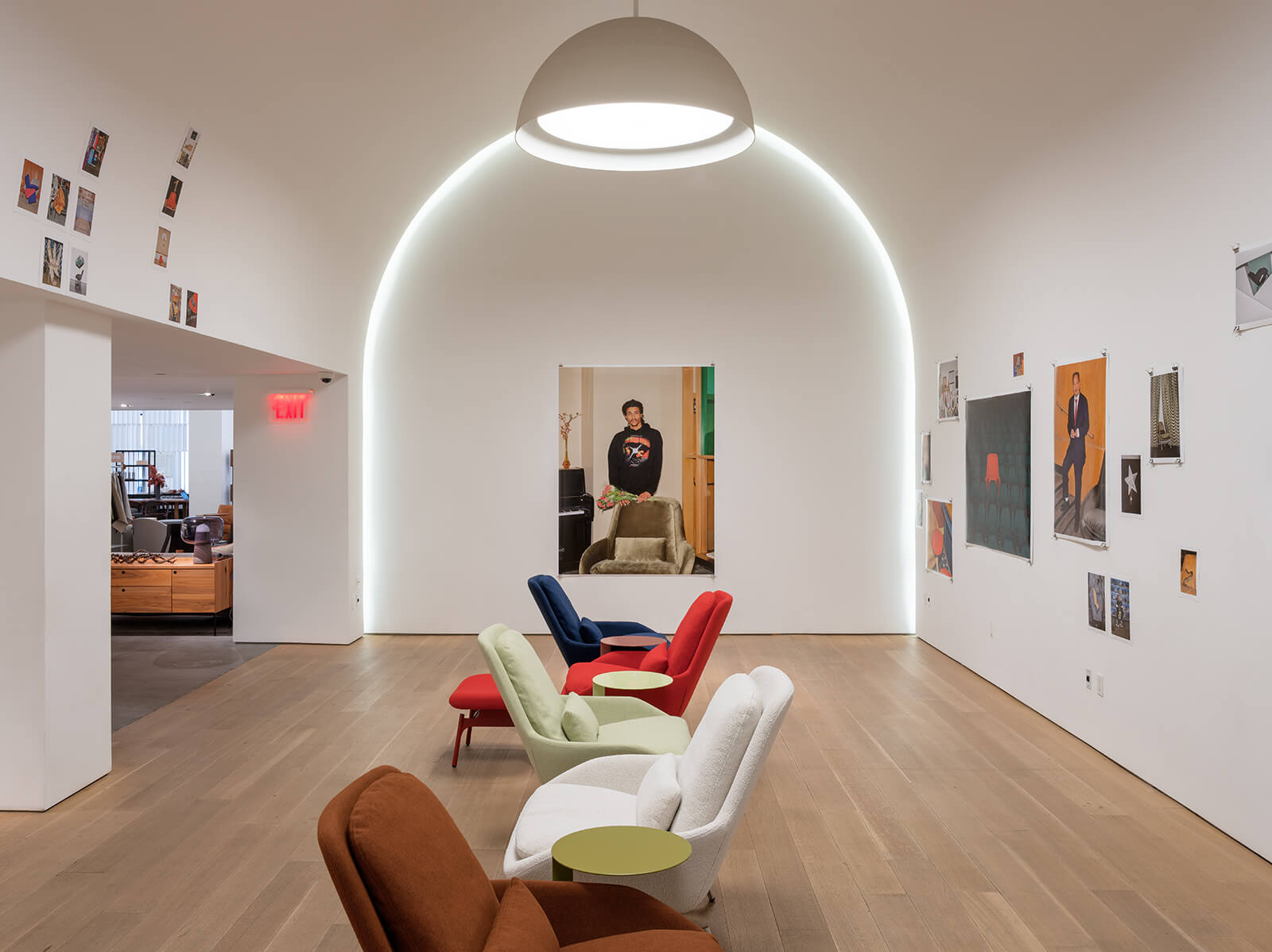
Minneapolis-based American furniture brand Blu Dot took a deliberately different approach, presenting their design week moment from their own city rather than staging anything in New York. Conceived as a love letter to the brand's hometown, Field Trip photographed the Field Lounge Chair across locations throughout Minneapolis and the Twin Cities. The series reflects the character of the city: creative, resilient and rich in personality.
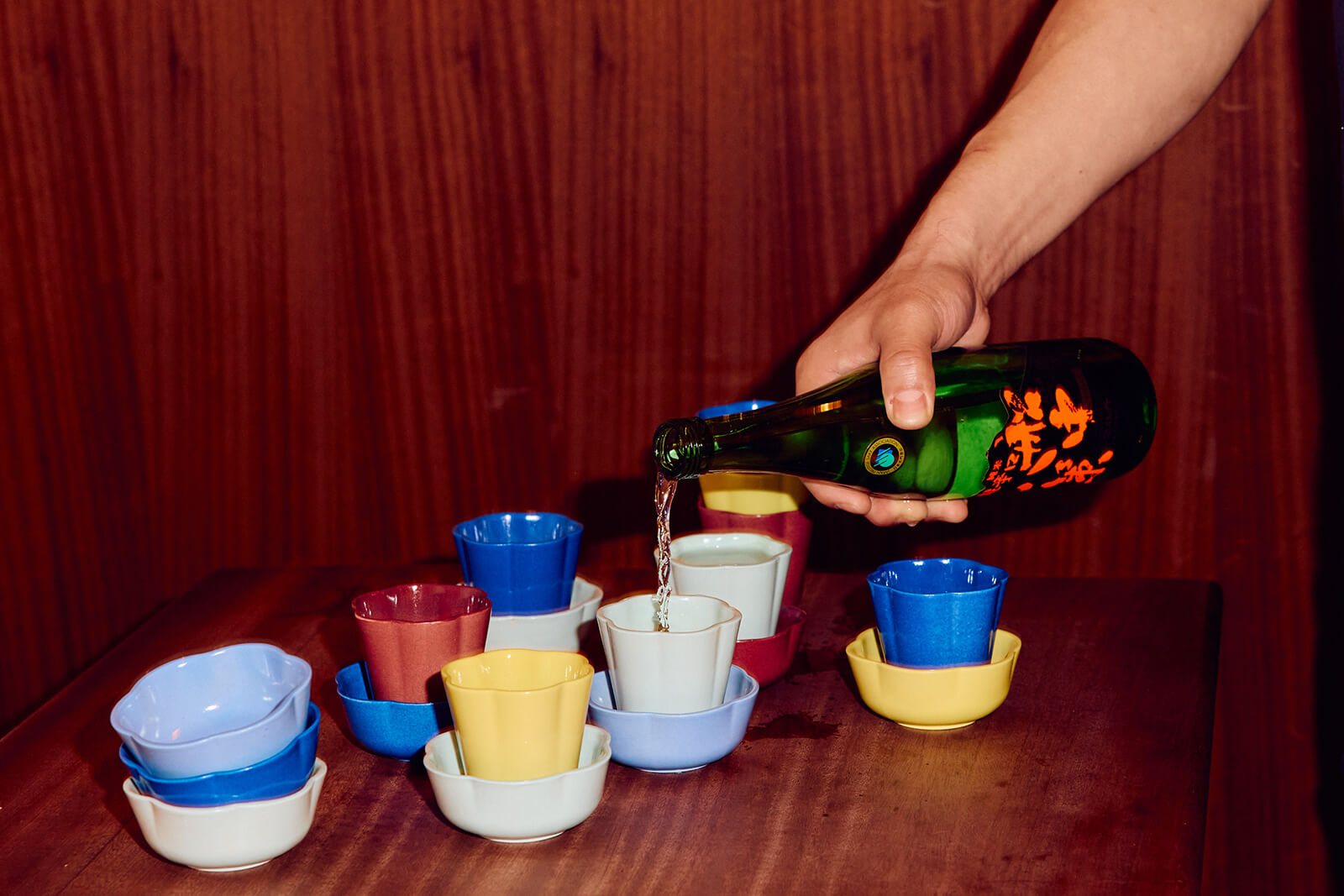
After Hours, hosted by the studios of Brooklyn-based industrial designer Scott Newlin and Overt Cove, was one of the week's quieter surprises. An intimate introduction to their ceramics, it became, without announcement, one of the better spaces for honest conversation. Those conversations, and many others throughout the week, kept returning to the same themes. Food and collaboration with the culinary world appeared consistently enough to suggest something more than a trend. Design as installation was as relevant as ever. Glass and steel were the season's favourite materials, closely followed by wood and ceramics. And sustainability, as a greenwashed word, seemed to have taken a break. Nostalgia seemed like a crowd puller.
Two questions came up a lot in my conversations. The first: in a time when the world is dealing with problems so big—global, economic, political—does design even matter? Can design actually help the world? The second: hasn’t it been a long time since we had a real design movement, as everything seems like a momentary trend? Both questions came from very different age groups. The first was mostly raised by design students and young designers looking for a future. Their work and conversations drew from many disciplines, reaching for something hard to name. I think that something is hope—and hope is not usually what people come looking for at a design week, at least not in recent times. The second came from the experienced side of the room—from writers, critics, curators and designers. That felt like a search for legacy. How will design history remember our era? Somewhere between hope and legacy, in a world that offers neither easily, is where the current design dialogue is being shaped. New York Design Week 2026 reflected that condition honestly. It did not resolve the questions. But this time, it held them with more care.

by Jincy Iype Oct 15, 2026
STIR explores craft, material intelligence and people shaping Indian design through dialogues with Design Democracy’s co-founders and the curators of its special exhibitions.
by Pranjal Maheshwari Oct 13, 2026
Through furniture, art and films, the showcase at the Ian Potter Centre in Melbourne advocates for biophilic material cultures as an antidote to planetary degradation.
by Pranjal Maheshwari Oct 12, 2026
The exhibition reimagines the 20th-century Scottsville residence of the American sculptor and his partner, ceramicist Nancy Jurs, curated by their daughter Alison Castle.
by Mrinmayee Bhoot Oct 08, 2026
The game designer discusses their work and its manipulation of scale, scientific data and non-human perspectives to create speculative futures in conversation with STIR.

make your fridays matter with a well-read weekend
Enter your details to sign in
Don’t have an account?
Sign upOr you can sign in with
a single account for all
STIR platforms
All your bookmarks will be available across all your devices.
Stay STIRred
Already have an account?
Sign inOr you can sign up with
Verification link sent to check your inbox or spam folder to complete sign up process
Tap on things that interests you.
Select the Conversation Category you would like to watch
Please enter your details and click submit.
Enter the 6-digit code sent at


Looking for hope and legacy at NYCxDESIGN in New York
by Sunena V Maju | Published on : May 30, 2026


 Sign in with Google
 Sign in with email
What do you think?