Design08 mins. read
Vitra Design Museum stirs form, colour and space for Verner Panton’s birth centenary
by Pranjal MaheshwariJul 14, 2026



by Zohra KhanPublished on : Oct 29, 2026
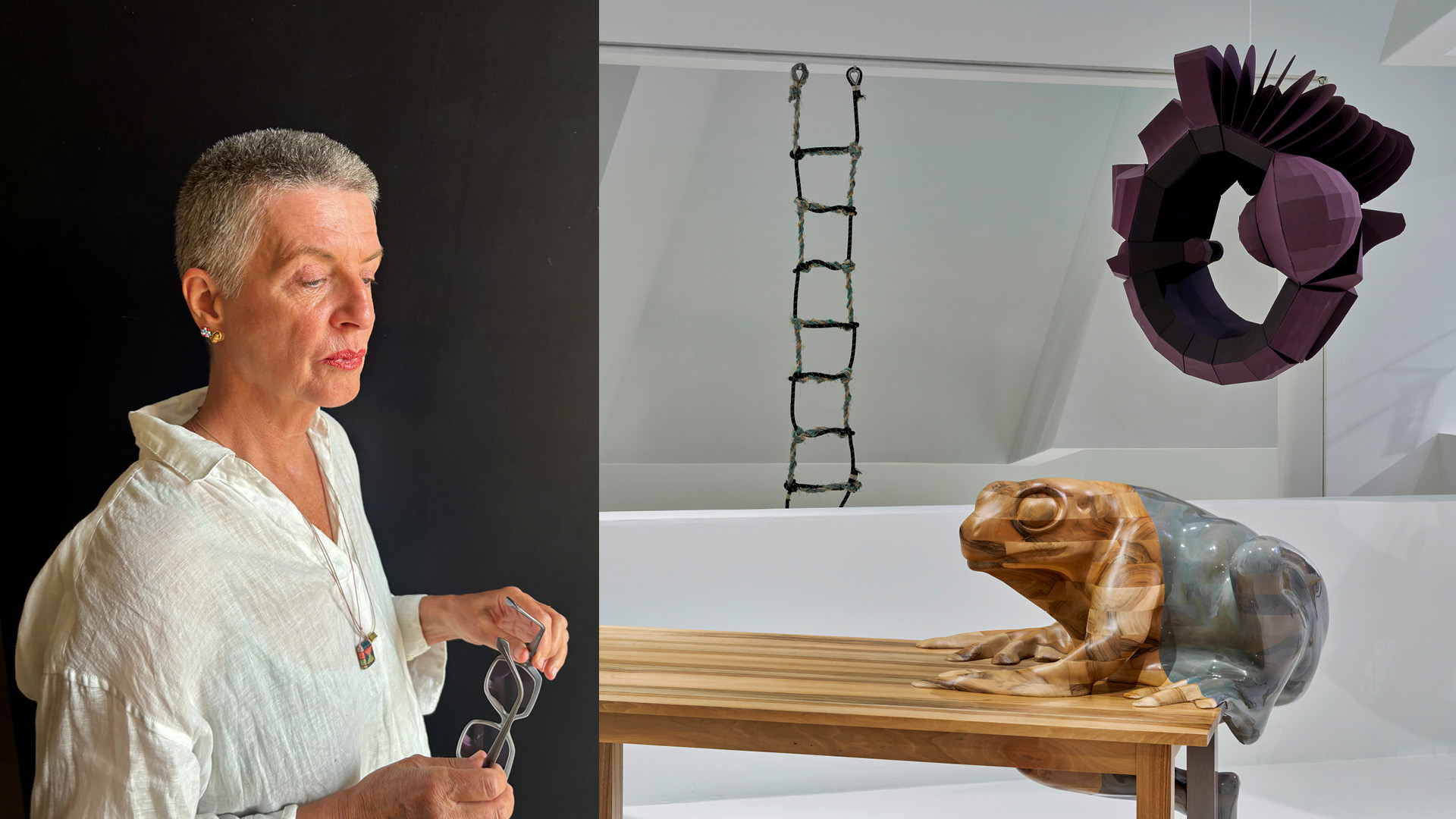
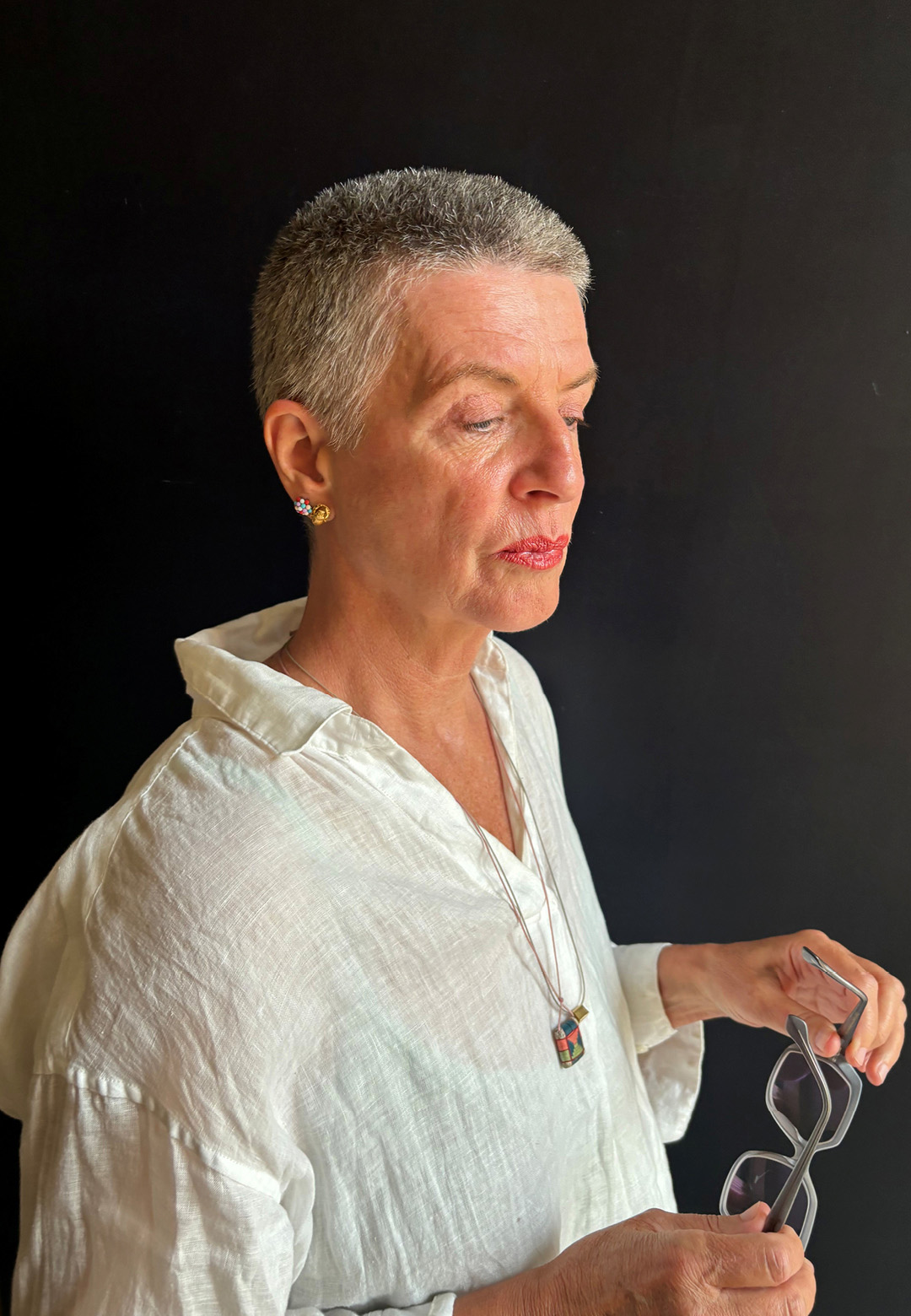
“What do you want to contribute to a world where you would like to live in? What are the questions that trigger you?” For Hella Jongerius (b. 1963), these prompts lie at the heart of being a designer. For more than three decades, the Dutch industrial designer has developed a distinct practice that moves between craft and industry, intuition and precision, functionality and absurdity. These ideas take centre stage in Hella Jongerius: Whispering Things, a travelling retrospective organised by the Vitra Design Museum, on view at Hamburg’s Museum für Kunst und Gewerbe (MK&G) from October 23, 2026 to June 13, 2027. In a video conversation with STIR, prompted by the presentation, Jongerius reflects on the instincts, contradictions and questions that have shaped her practice, her formative years, which introduced her to the vibrant world of colours and textiles, and what led her to choose design over carpentry at the beginning of her career.
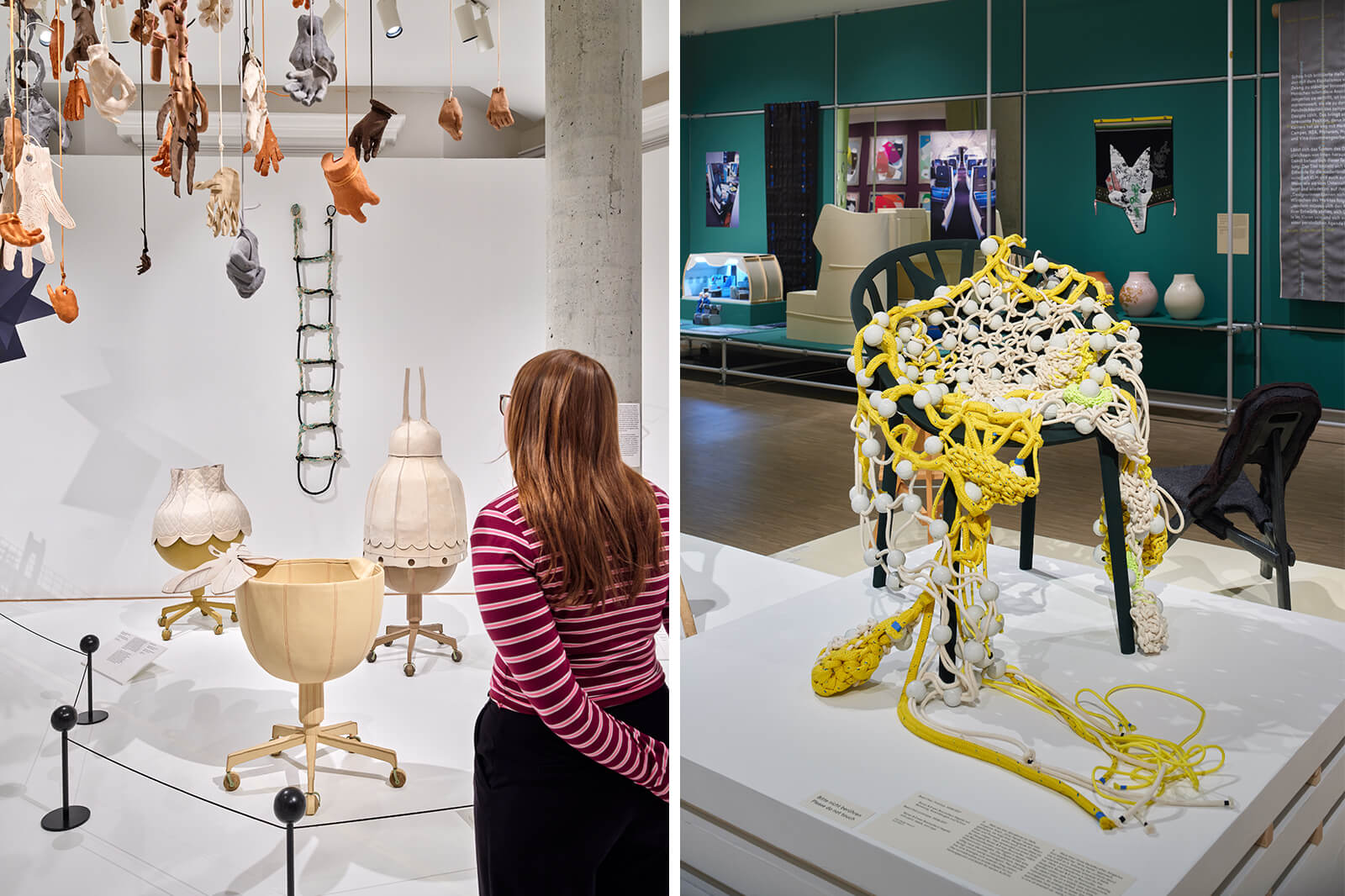
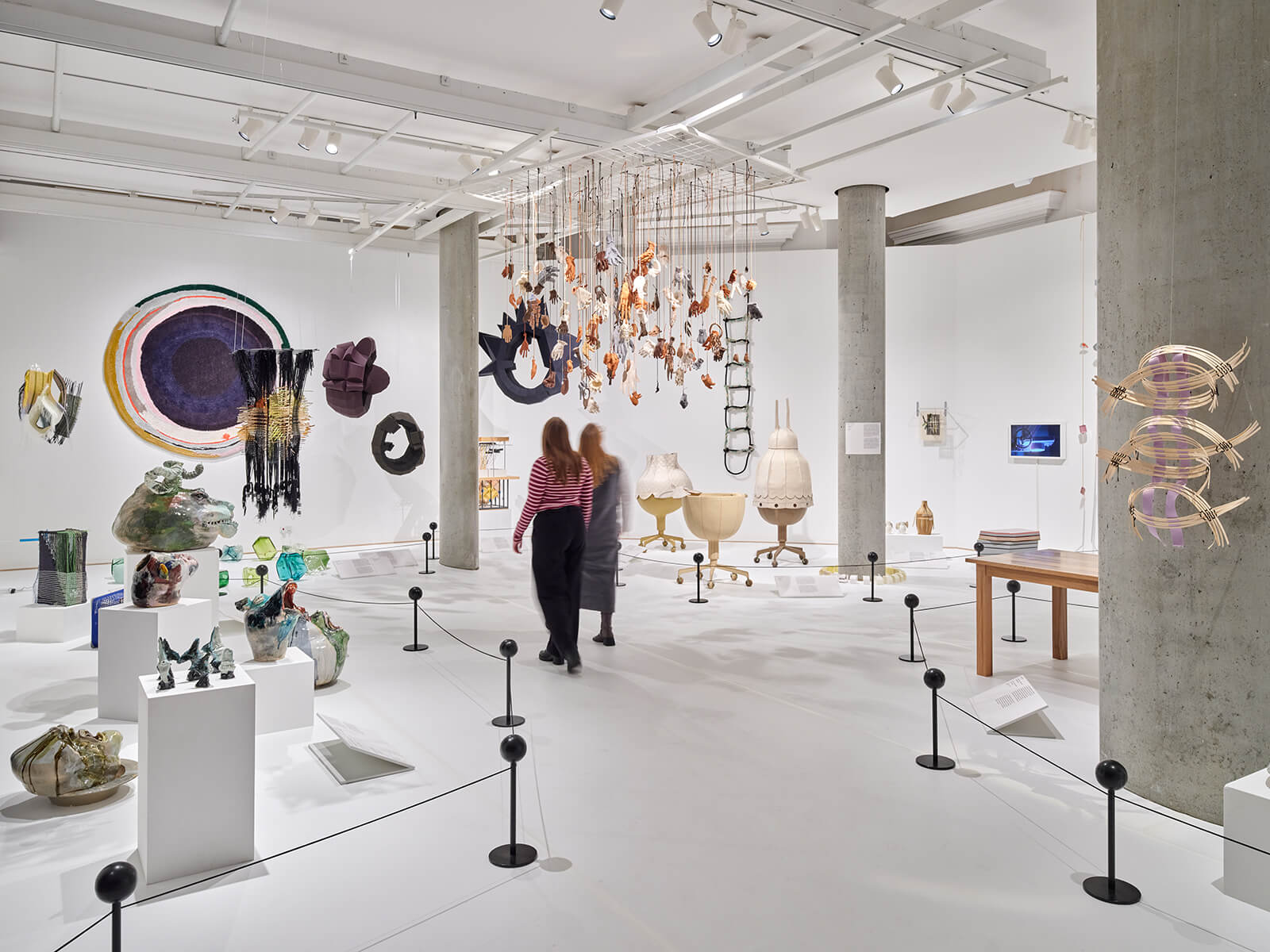
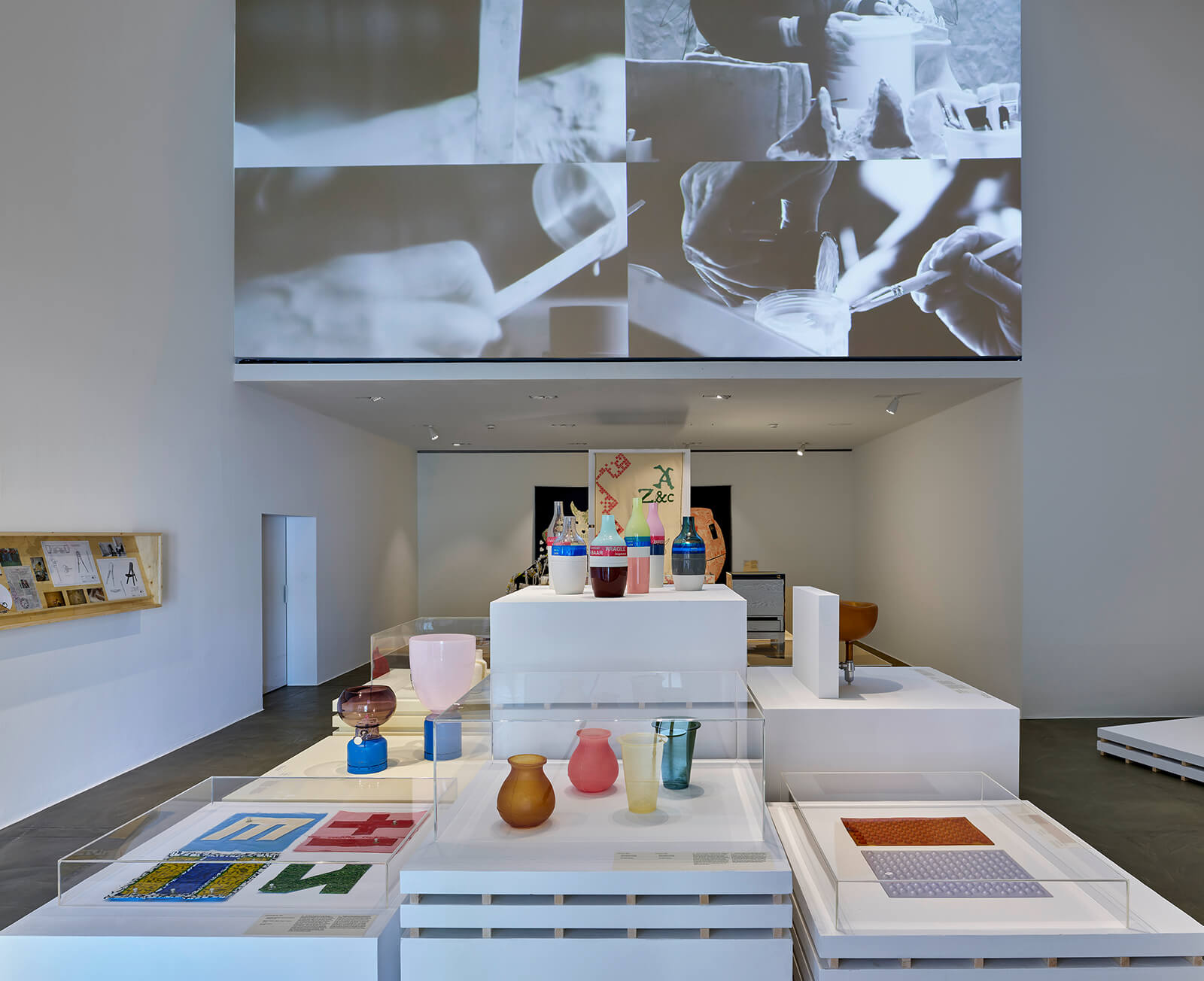
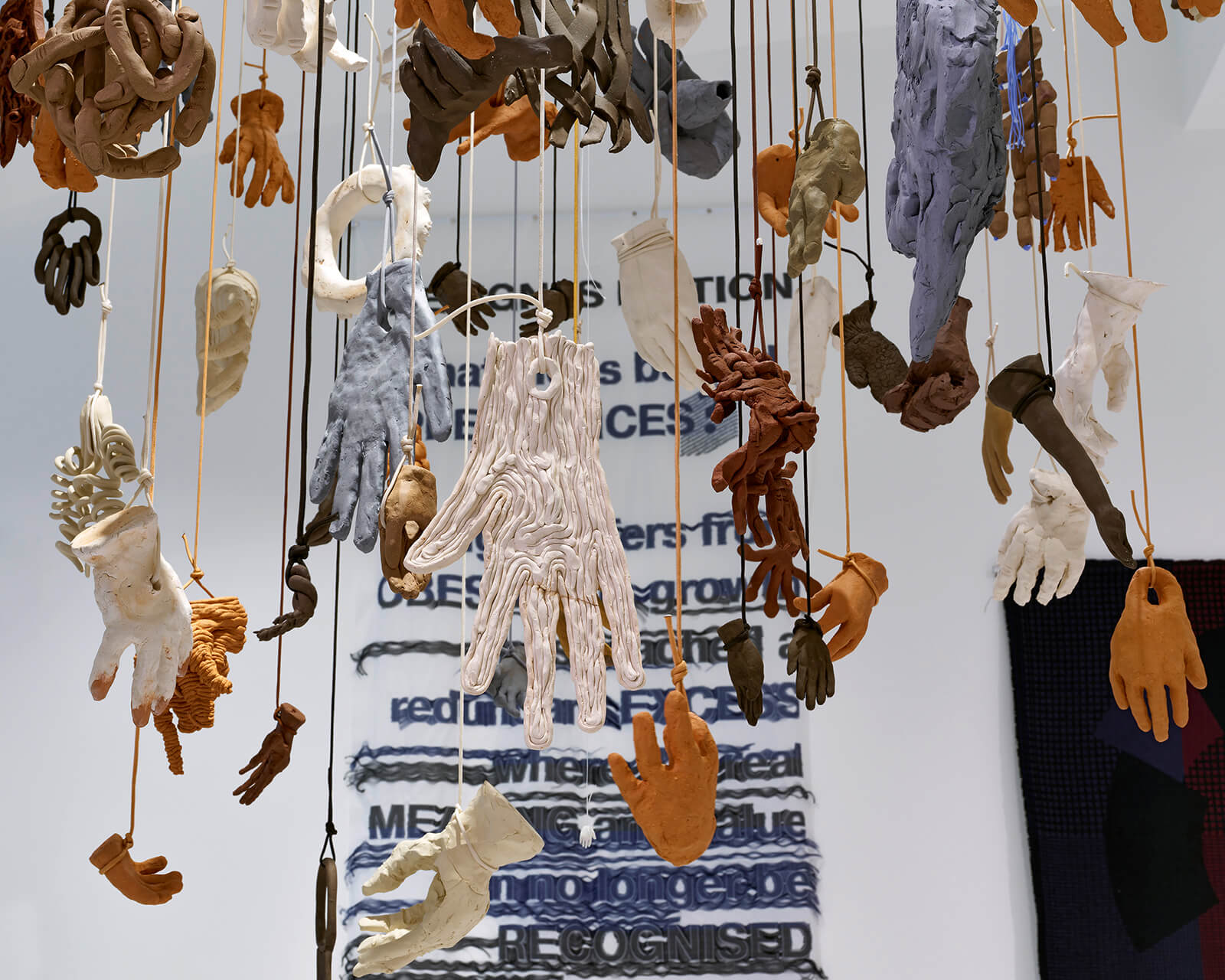
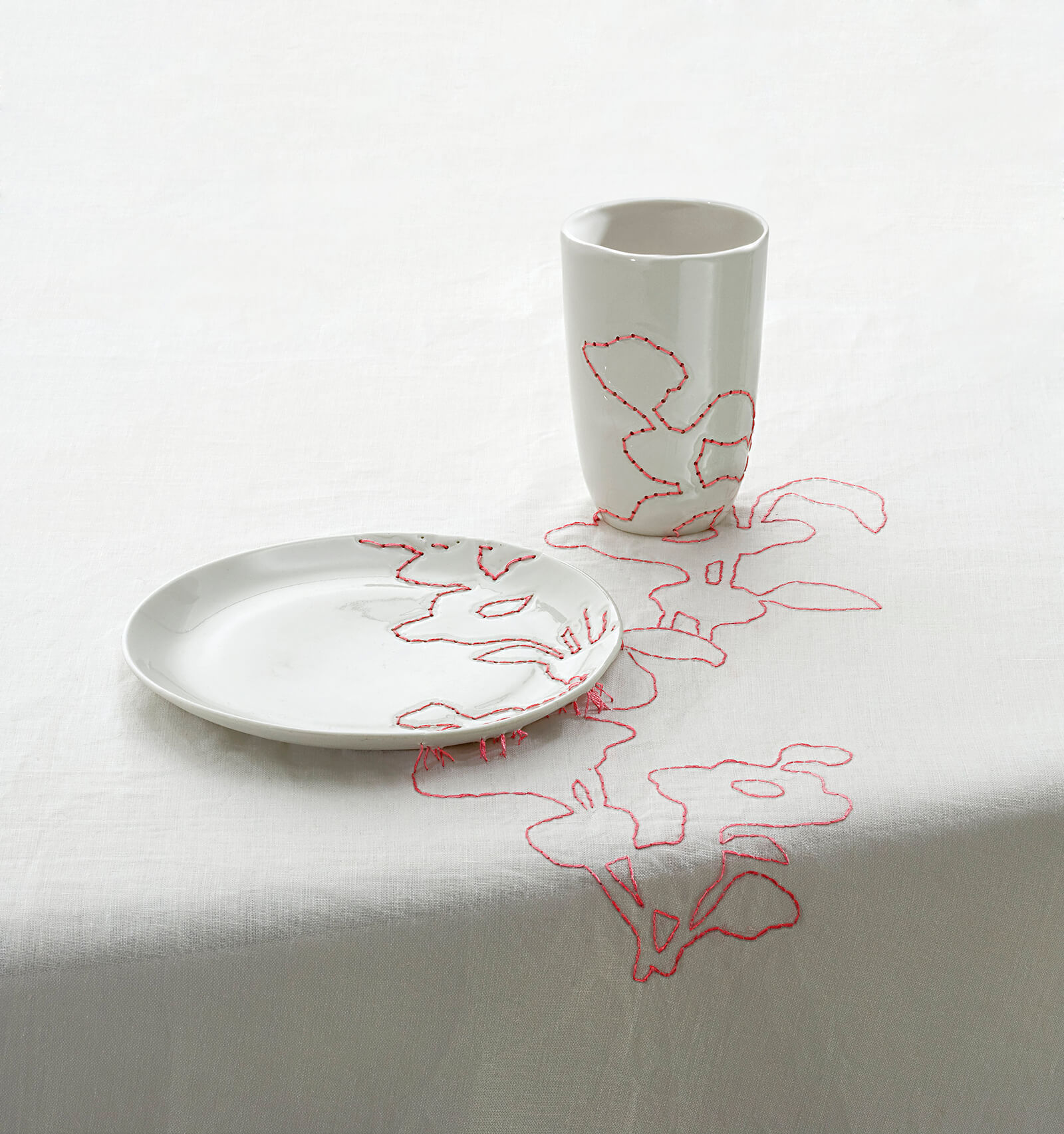
Jongerius rarely begins with a blank page. Archives, museum collections, cultural histories and industrial repositories provide starting points for her investigations, allowing existing knowledge to inform new work. Rather than treating the past as something to reproduce, she approaches it as a resource for making unexpected connections and developing fresh perspectives. This method also underpins Whispering Things, which draws on an extensive archive that became part of the Vitra Design Museum collection in 2024. For the retrospective, Jongerius entrusted the selection of works to an external curator, recognising the value of an outsider's perspective on a body of work whose personal significance she knows intimately. The resulting exhibition brings together objects alongside sketches, samples, prototypes, collages and films, revealing the research and experimentation behind finished designs.
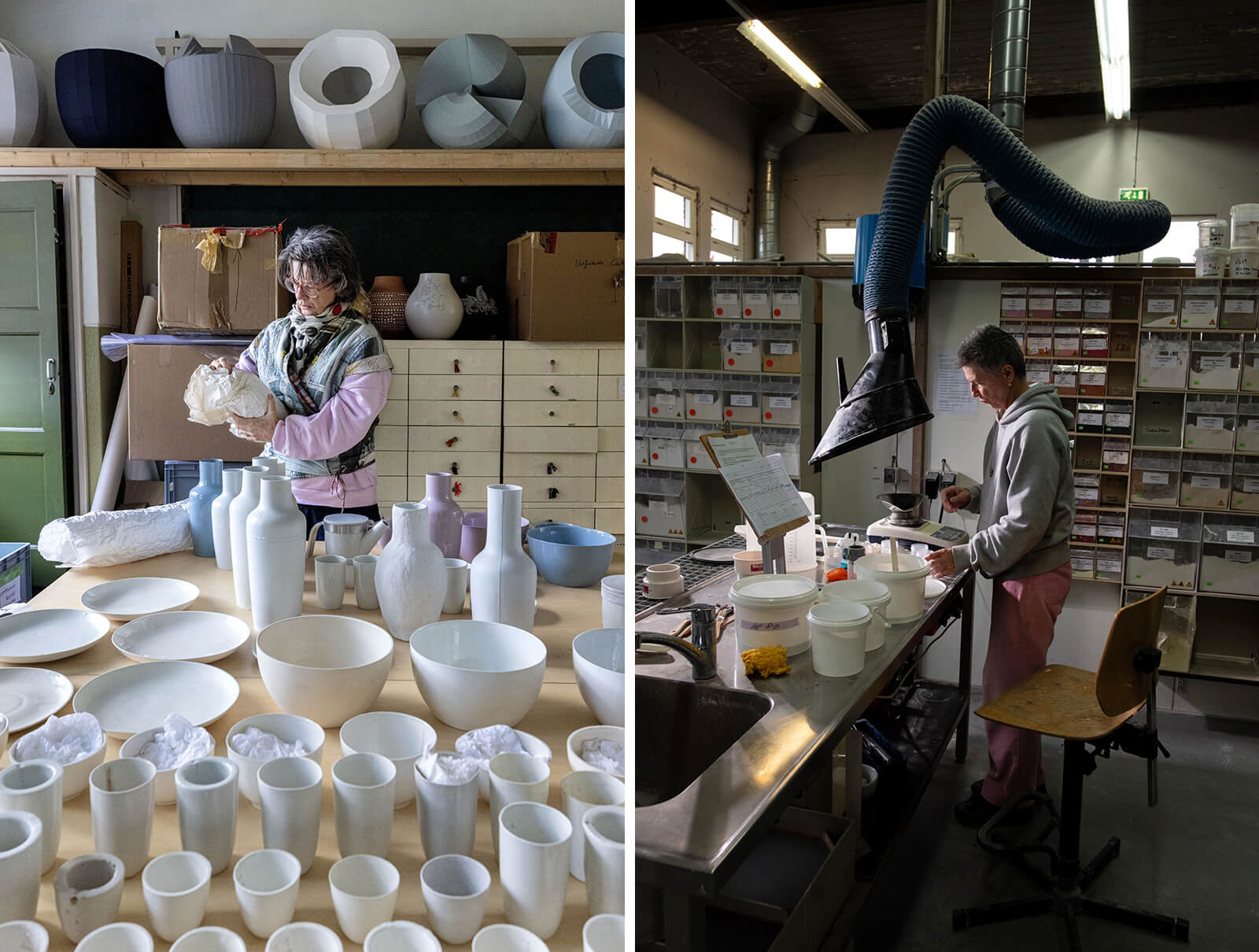
Organised into four chapters—Dirty Hands, Business Class, Feeling Eye and Cosmic Mind—the retrospective traces her evolution from experimental projects associated with the Dutch collective Droog in the 1990s to collaborations with international manufacturers and more recent sculptural works. Projects for IKEA, Vitra, Camper, Maharam and KLM demonstrate how her practice engages with industrial systems while questioning their conventions. Yet Jongerius remains sceptical of industrial processes when they become dominated by compromises, she tells STIR. Extended development timelines, cost constraints and manufacturing limitations can gradually strip an idea of its original vitality. She describes the resulting objects as lacking “blood” and “oxygen”, sometimes prompting her to disrupt the process at the last moment. Her impatience becomes a creative instrument: a means of protecting the unexpected and resisting the standardisation that can make objects lose their character.
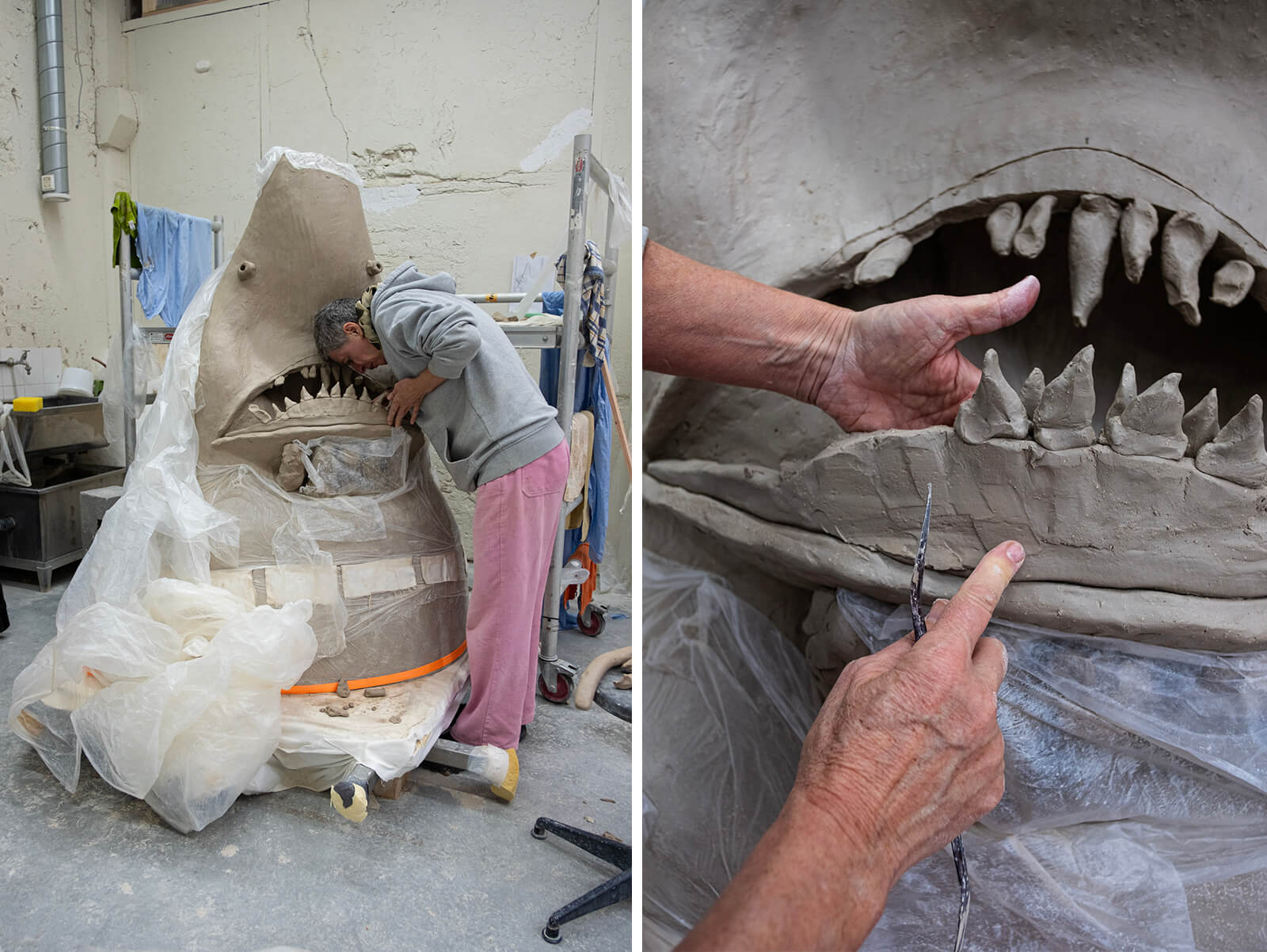
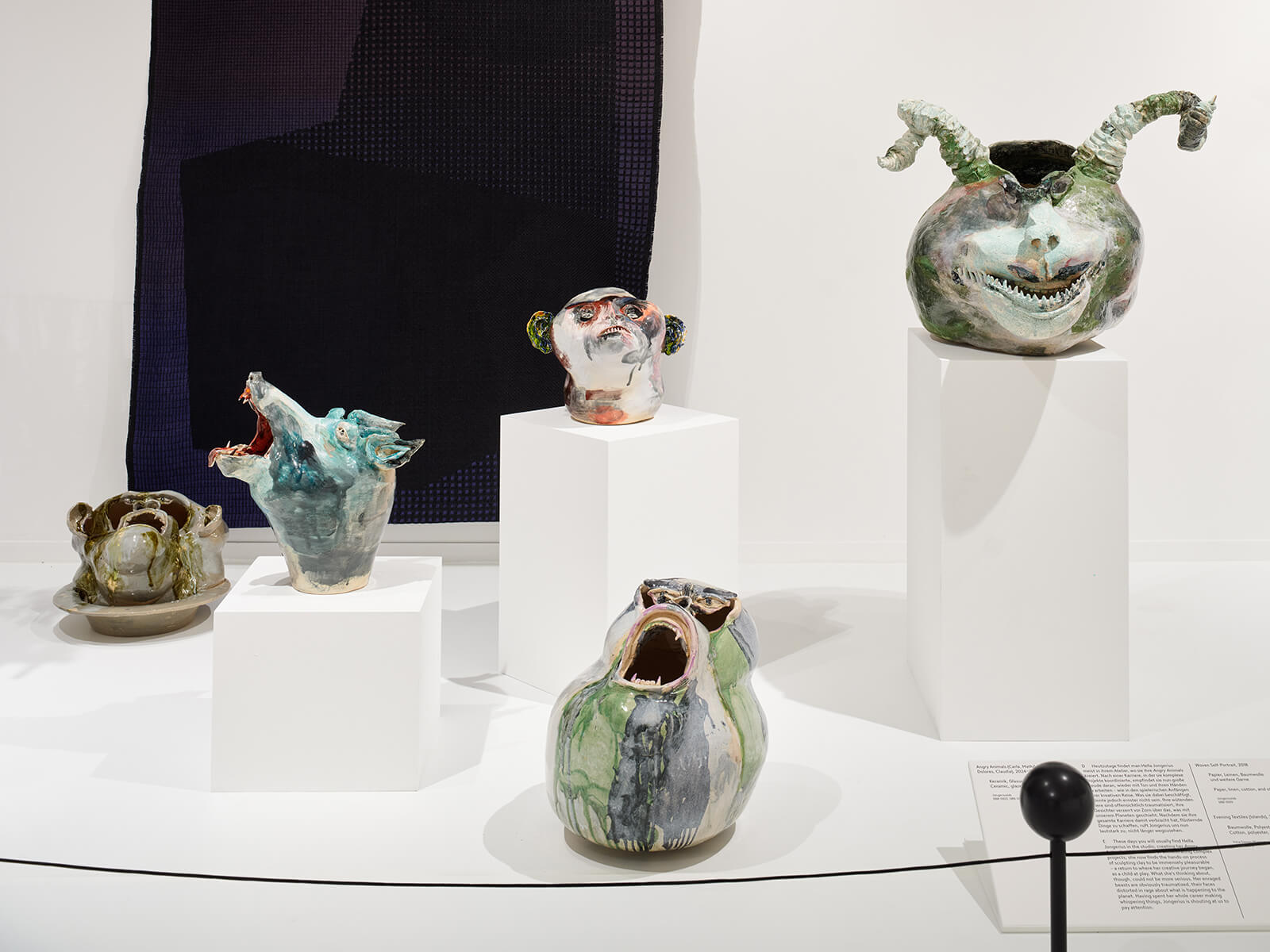
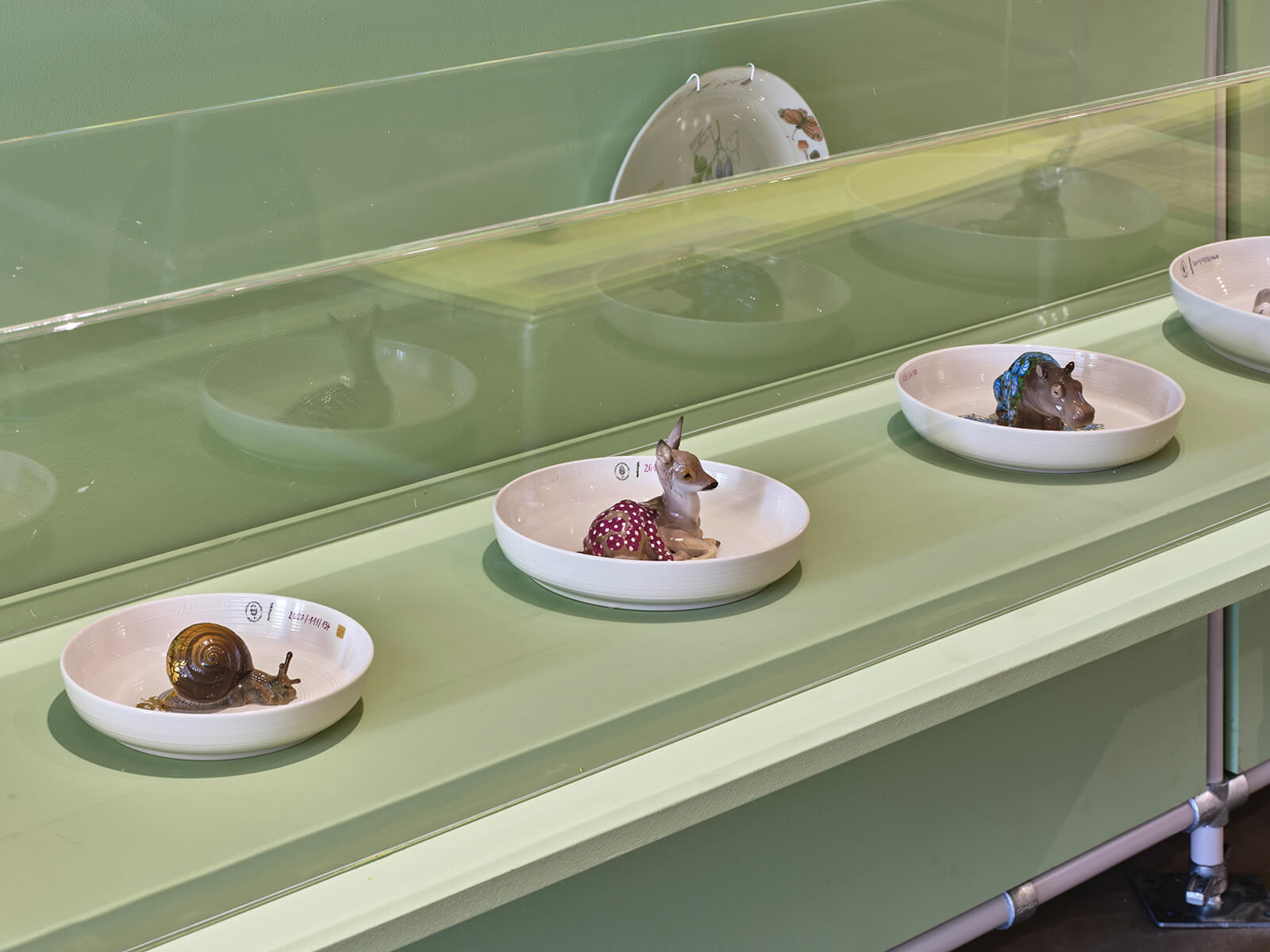
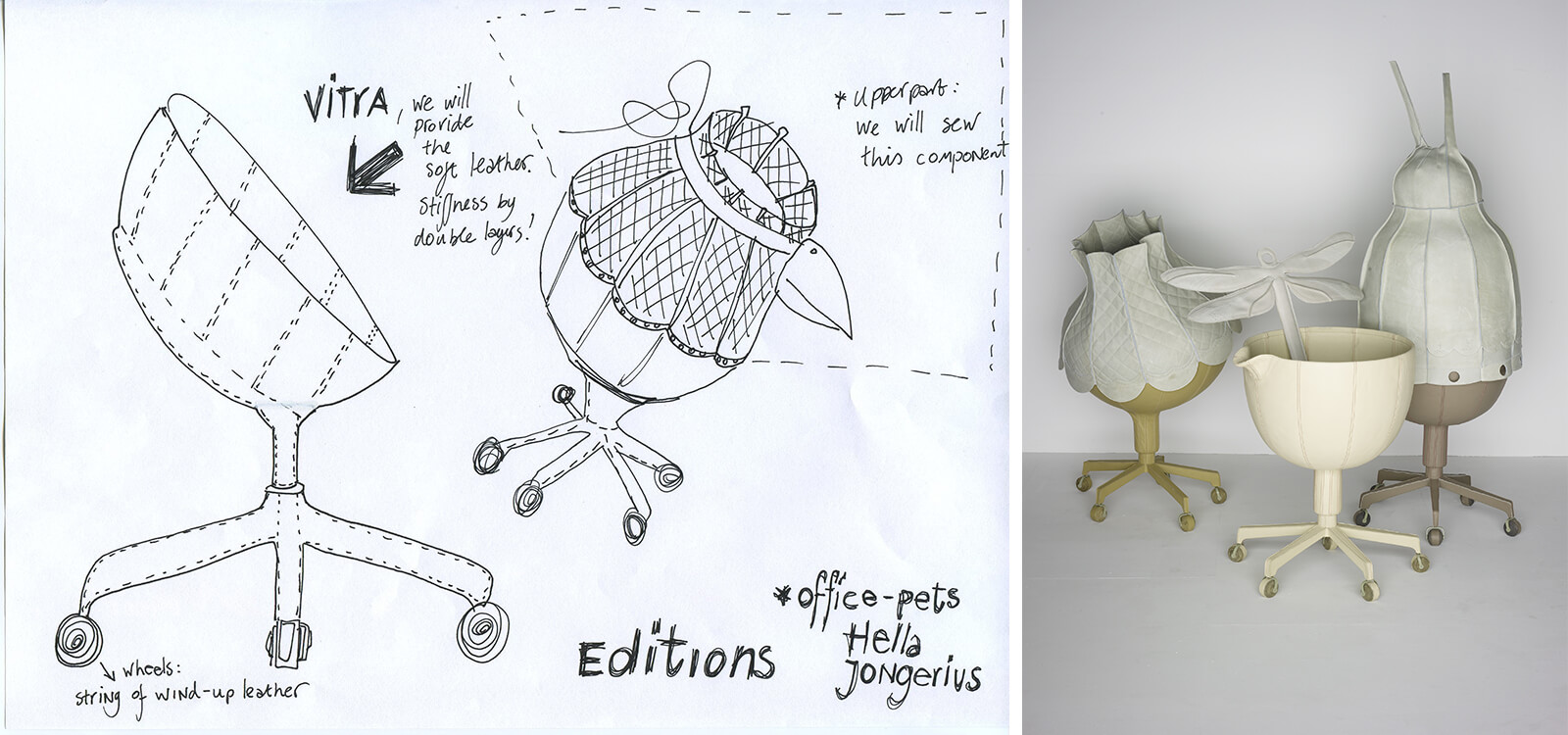
Jongerius also champions humour and absurdity as tools for opening up new ways of seeing. A laugh, she suggests, makes people more receptive, while an unexpected or seemingly illogical solution can release designers from habitual patterns of thought. She believes that every design question should invite two possibilities. “It’s very important for designers to think of a normal solution for a question and an absurd solution. That’s very liberating,” she says. Even ugliness, she adds, can create an intimate relationship between an object and its viewer, and sometimes becomes “a way of starting a whispering conversation with a piece.”
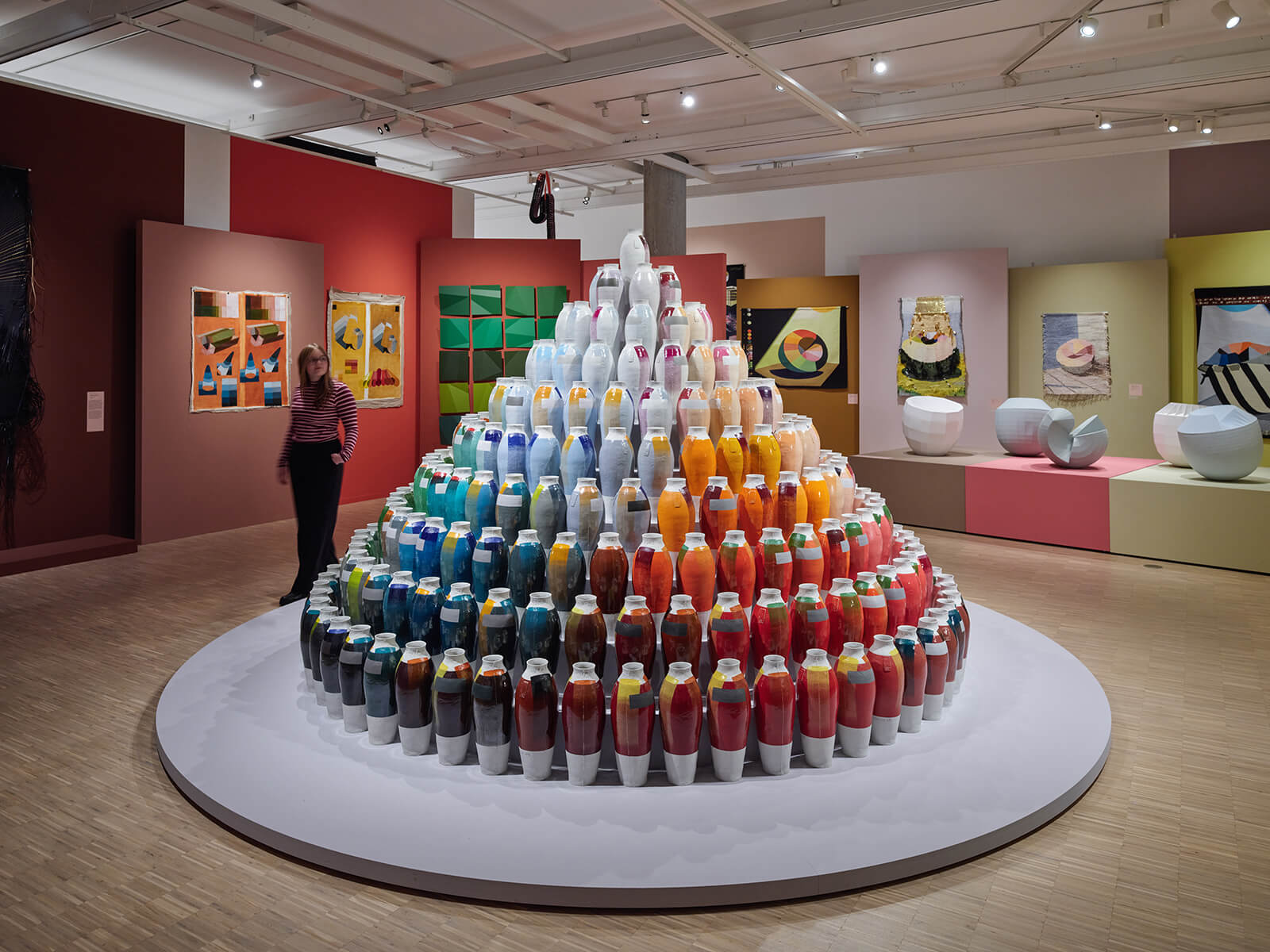
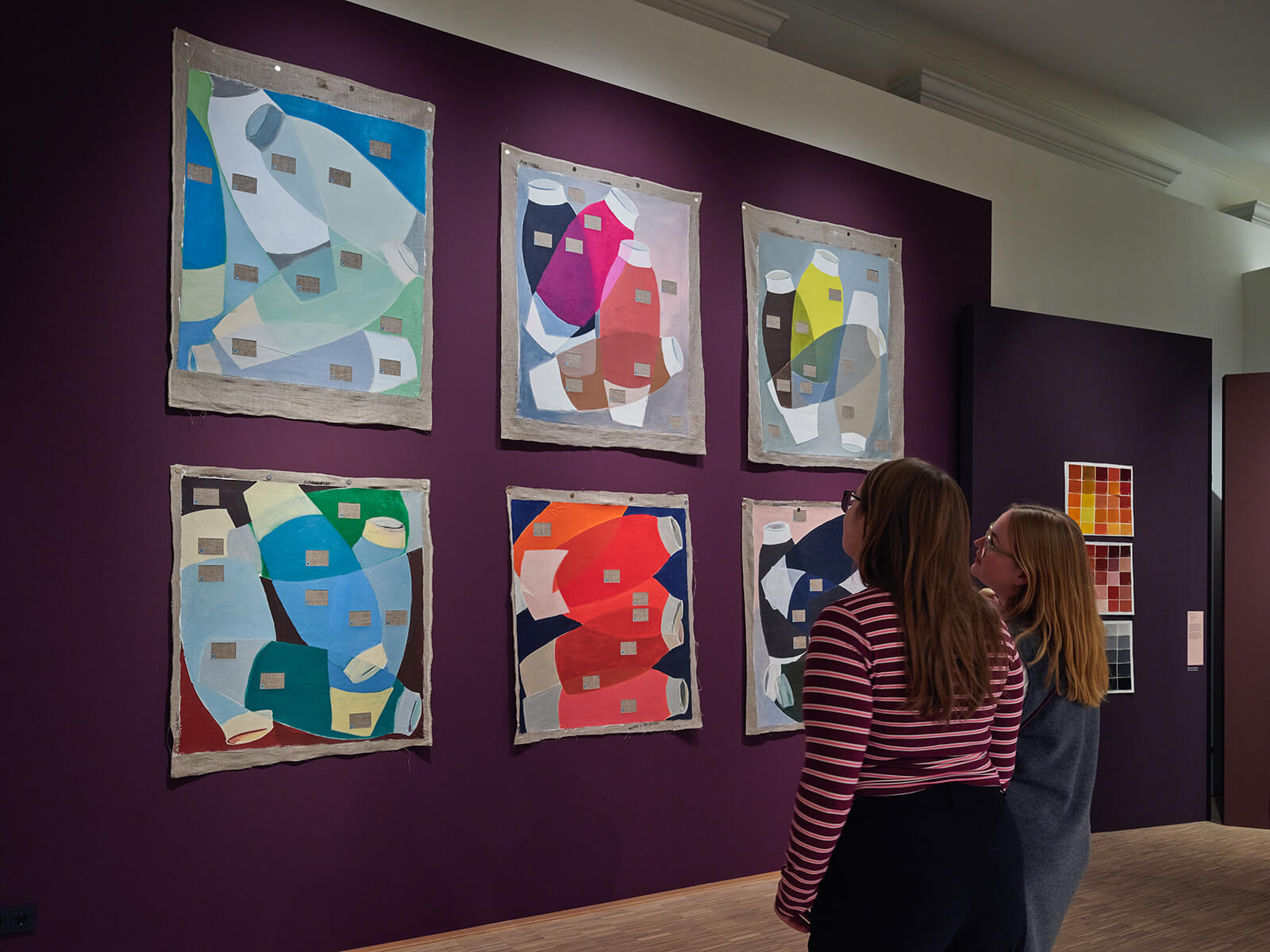
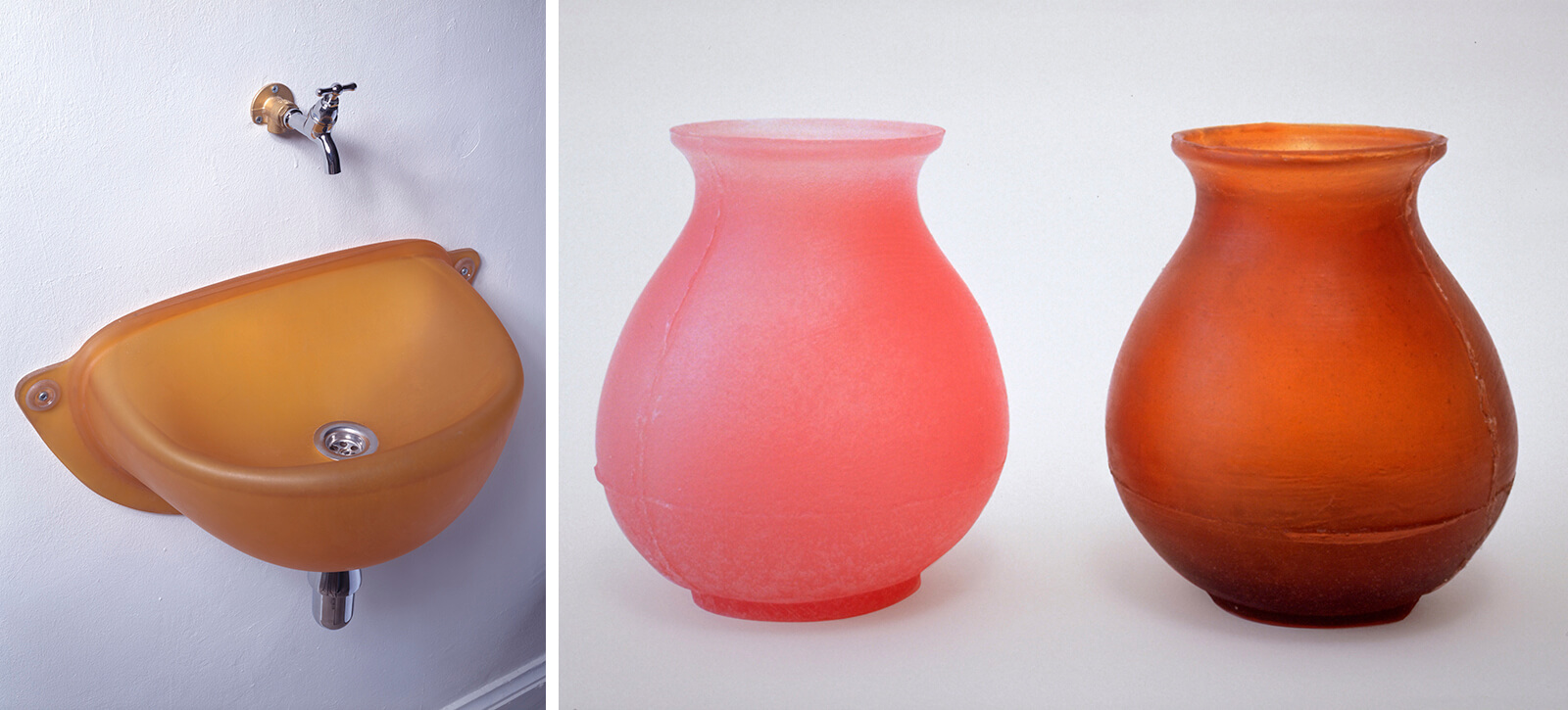
Colour is another enduring field of investigation in the Dutch designer’s practice. In the exhibition's Feeling Eye chapter, works such as Coloured Vases and Colour Catchers demonstrate her sustained interest in the relationships between pigments, materials, perception and atmosphere. Her concern extends beyond selecting appealing shades to examining the industrial systems that produce them. She points, for instance, to the limitations of only available “very poor” carbon black, widely used in industrial colour ranges, and argues for a richer variety of black pigments capable of producing greater depth and nuance across colours.
Perhaps the most telling moment in Jongerius’s conversation with STIR is her simple admission: “I am happy where I am. This profession fits on all levels.” This says a lot about a life deeply committed to a pursuit, yet continually curious about what it can make possible in the here and now. The NOW is where the magic happens.

by Pranjal Maheshwari Oct 28, 2026
Lidewij Edelkoort and Philip Fimmano invite over 100 global designers for a multidisciplinary showcase that channels their inherent curiosity and whimsy as hope in desolate times.
by Pranjal Maheshwari Oct 23, 2026
Co-authored by Jareh Das, Chairman traces the British designer’s fixation on chairs as symbols of power and identity and as mediums of expression and community building.
by Mirra Lynn Oct 22, 2026
The curators behind Palestine Design Week 2026 reflect on its intent, considering how design holds memory, makes space for loss and imagines a future in Palestine.
by Chahna Tank Oct 22, 2026
STIR speaks with the Mumbai-based type designer about her practice, type walks and why she wants more people to have stronger opinions about Indian-script fonts.

make your fridays matter with a well-read weekend
Enter your details to sign in
Don’t have an account?
Sign upOr you can sign in with
a single account for all
STIR platforms
All your bookmarks will be available across all your devices.
Stay STIRred
Already have an account?
Sign inOr you can sign up with
Verification link sent to check your inbox or spam folder to complete sign up process
Tap on things that interests you.
Select the Conversation Category you would like to watch
Please enter your details and click submit.
Enter the 6-digit code sent at


Hella Jongerius on disrupting systems and embracing the absurd
by Zohra Khan | Published on : Oct 29, 2026


 Sign in with Google
 Sign in with email
What do you think?