Design14 mins. read
Popcorny Unicorny evokes Korean folklore through horrifyingly delightful furniture
by Pranjal MaheshwariAug 29, 2026



by Pia BhatiaPublished on : Sep 24, 2026
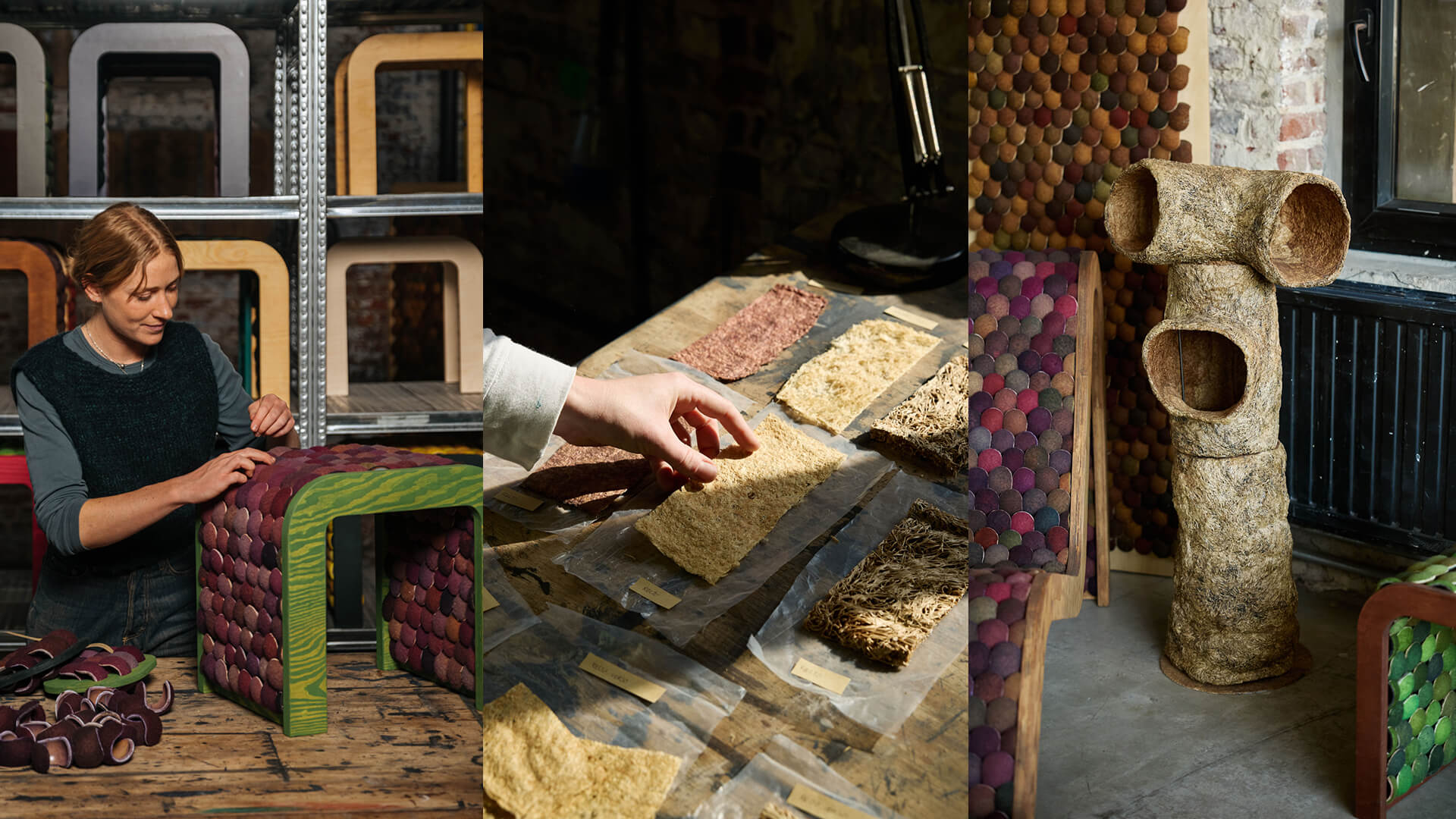
“How do you create without adding to the damage?” asks Mathilde Wittock. There’s no easy way to answer this question, but it’s one that sits at the heart of the Belgium-born biodesigner’s practice. Through her regenerative practice centred on discarded and overlooked materials, she has found ways to respond to the effects of mass production that feel both playful and urgent.
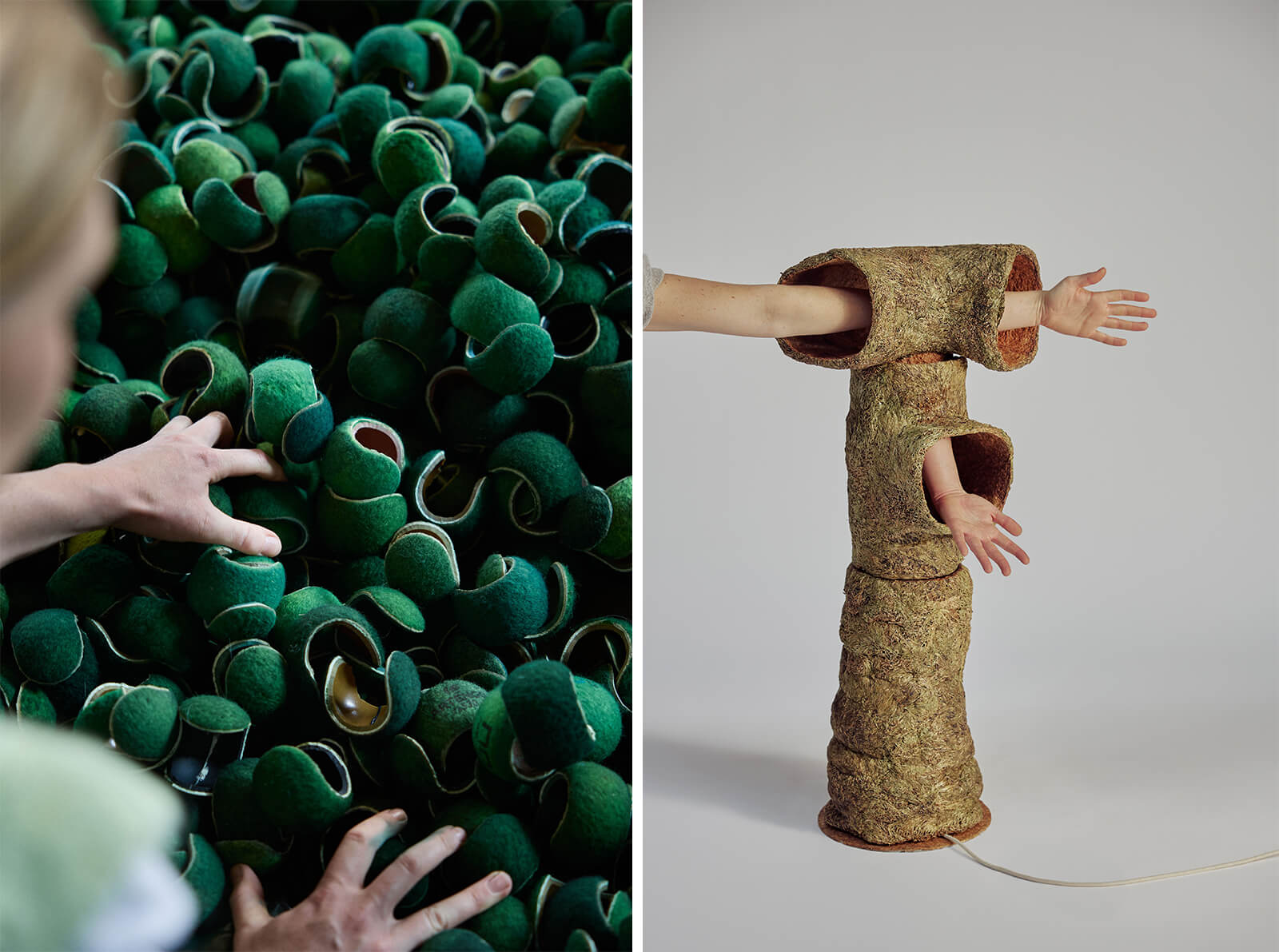
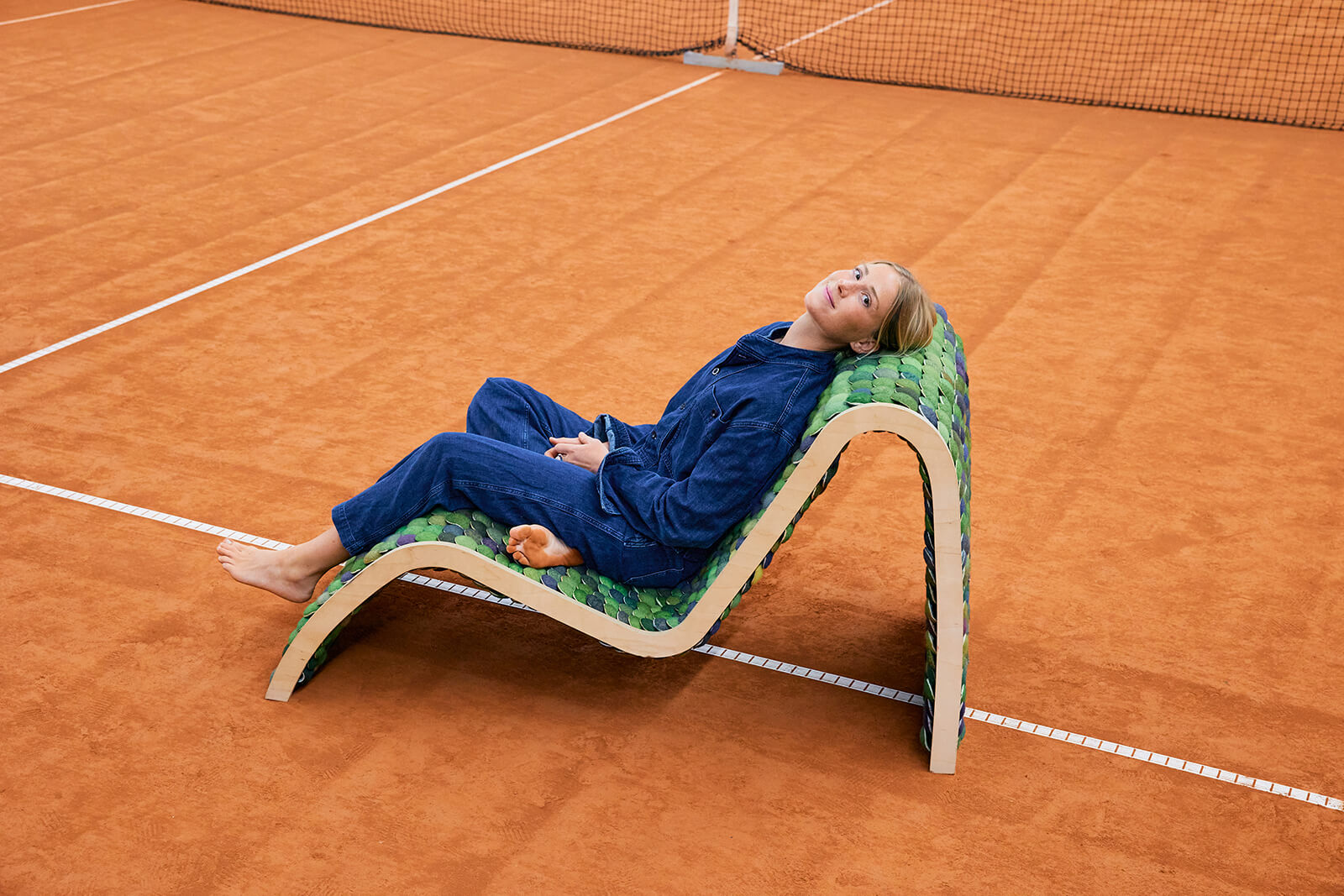
Deploying discarded tennis balls and germinated seeds, Wittock’s deeply personal practice is a kind of homecoming in which she treats her materials as sacred collaborators that shape and drive her process. The designer's multimodal ethos is borne in part from her own sensitivity to sound that piqued her to explore noise pollution and the acoustic properties of materials. “Sound has been the most neglected sense in design,” she tells STIR. “We've always designed for the eye. But the invisible has always interested me most, whether that is the acoustic behaviour of a material, or the full lifecycle impact of an object.” In an age where people often feel alienated from their physical bodies, her designs urge a return to the senses via a journey marked by play and surprise.
Pia Bhatia: Sustainability can easily become a superficial label. What does ecological design mean to you beyond simply reusing a material?
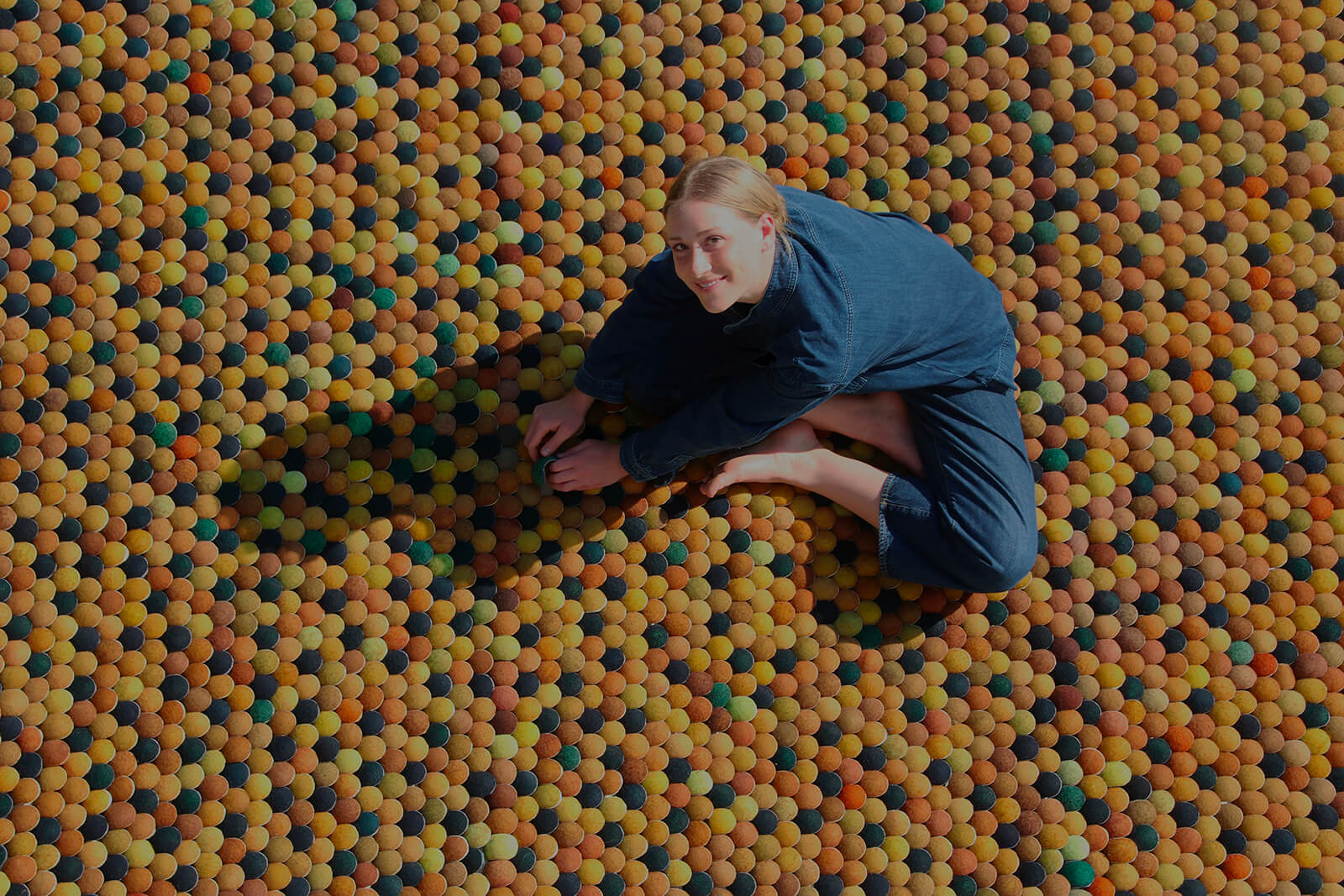
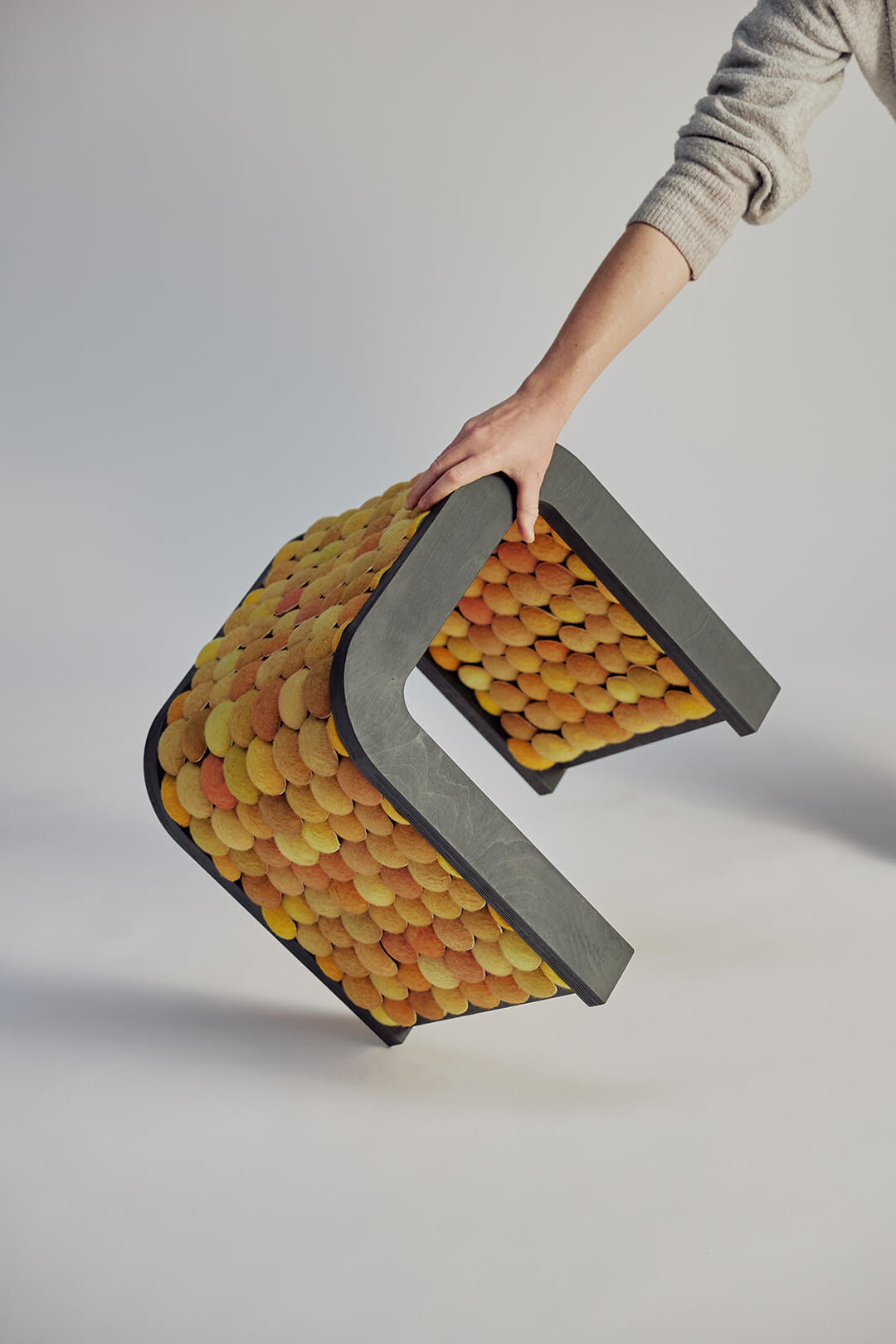
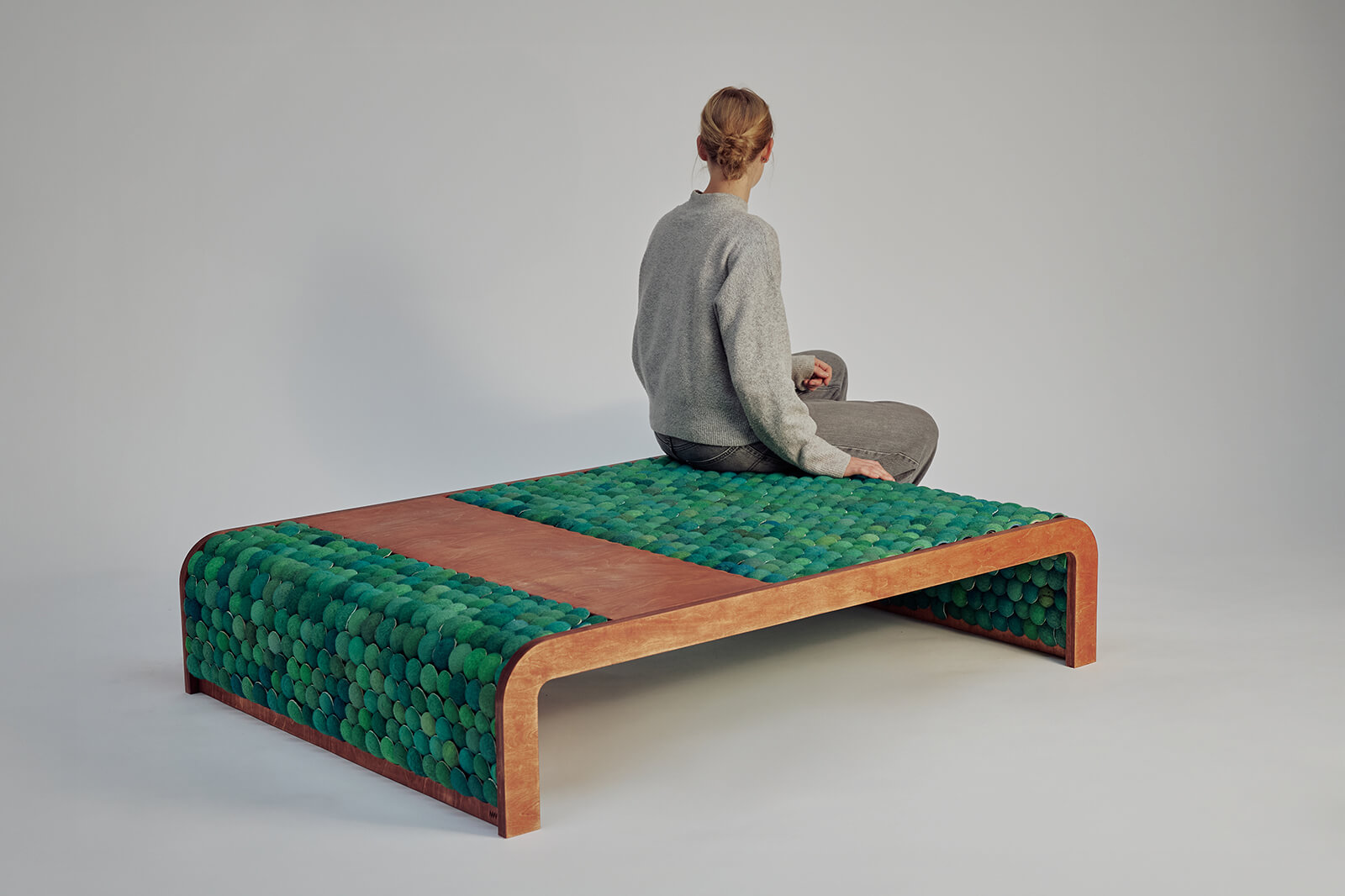
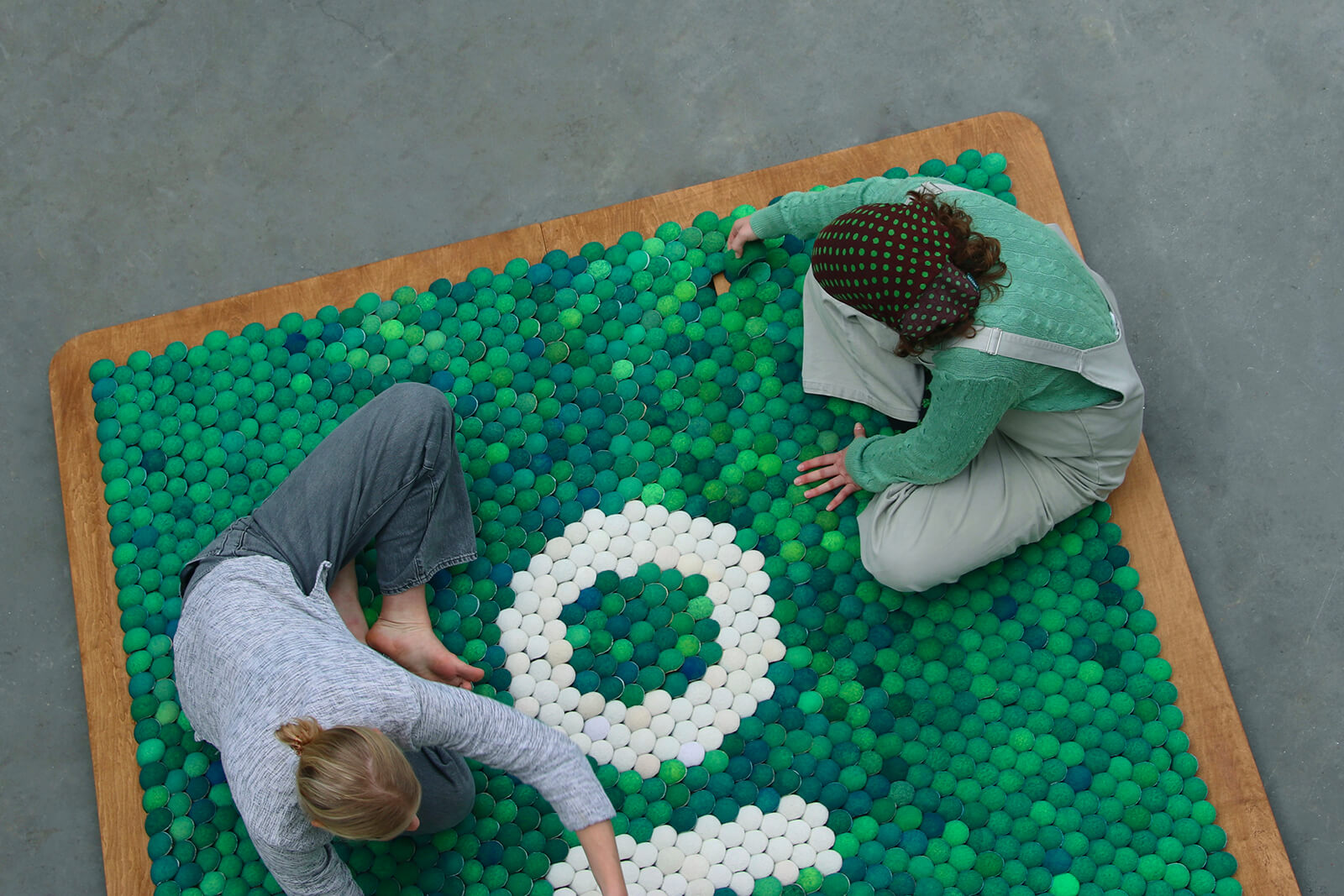
Mathilde Wittock: It's often misunderstood, and I say this as someone who uses the term eco-designer myself. For me it comes down to three principles. The first is circularity: can this material find a new life at the end of its first one? Second, repairability and modularity: a longer first life is also an ecological act. My pieces are modular pixels. A rebrand, a damaged section, a new colour palette: none of these requires replacing the whole piece. Third, locality: materials that can be sourced and transformed locally.
Pia: There's a repeated desire across your work for people to be present and attentive to the objects before them. How do the senses connect to the ecological dimension of your projects?
Mathilde: The connection runs through emotional attachment. When an object doesn't fully engage the senses, it gets discarded more easily. But when touch, sound and sight are all stimulated together, memory forms more deeply around that object. And a deeply remembered object is a kept object, a transmitted one. It moves from unigenerational to transgenerational. That is, at its core, an ecological argument.
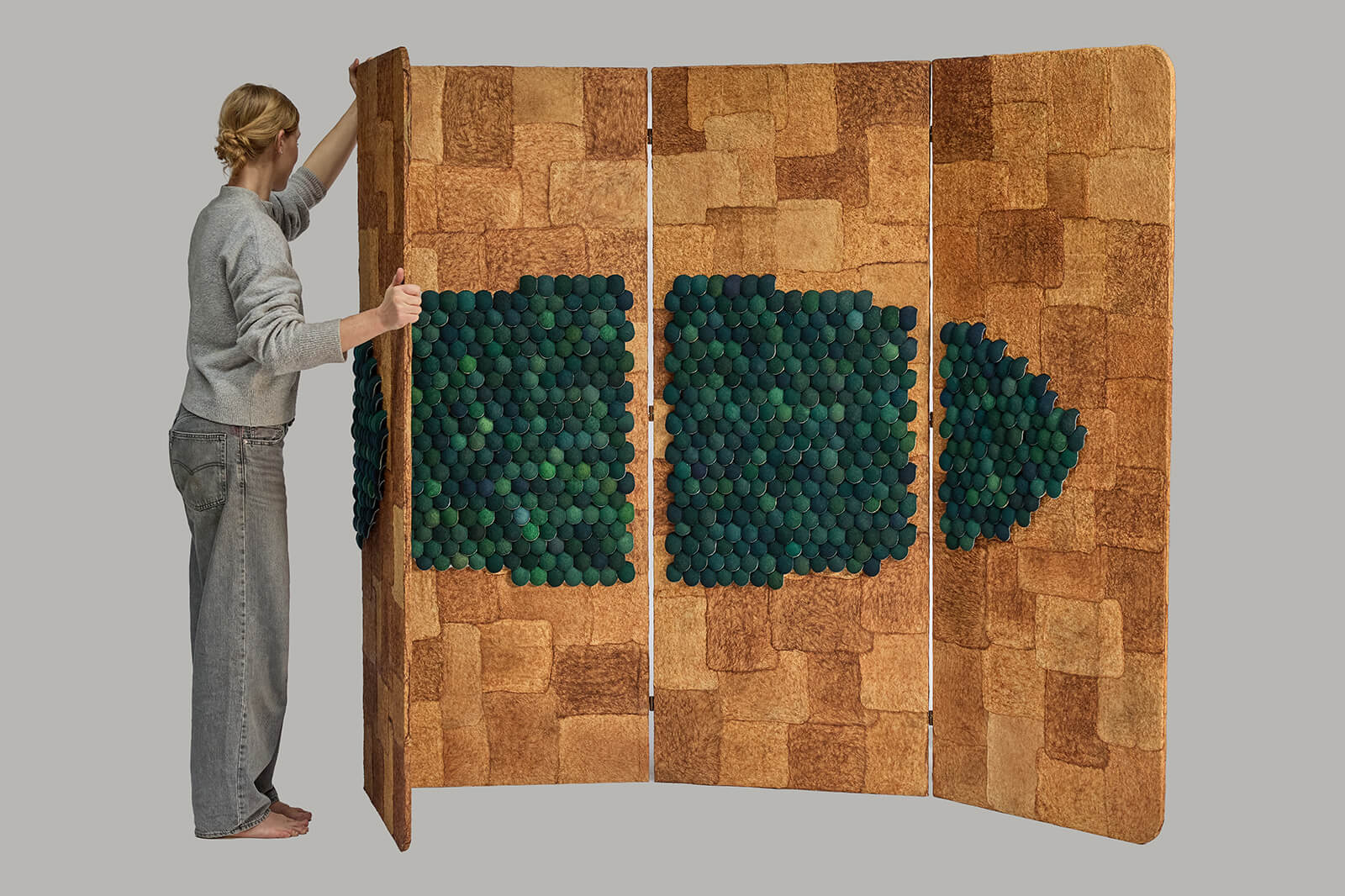
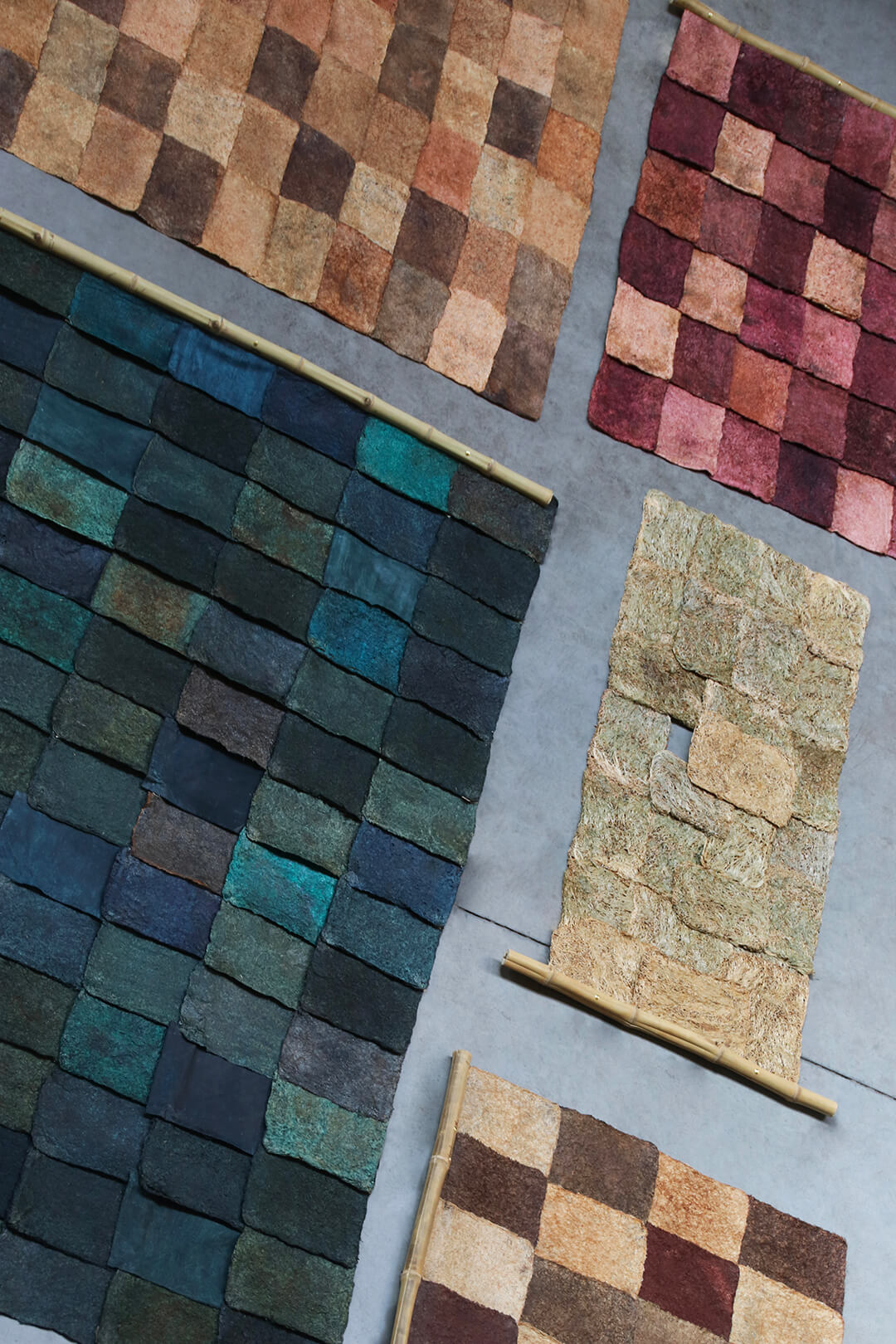
With SoundBounce, the felt texture invites touch, the acoustic properties change how a space sounds, and the colours are customisable. With SoundRoot, the material evolves over time, changes colour and holds the light differently. These aren't decorative choices. They are strategies for longevity.
Sound has been the most neglected sense in design. We've always designed for the eye. But it fascinates me that something with no visible form can impact health, concentration and stress. That the inaudible can be as consequential as the visible feels both important and underexplored in design.
Pia: What was it about discarded tennis balls that made you see them as an efficient material for furniture design?
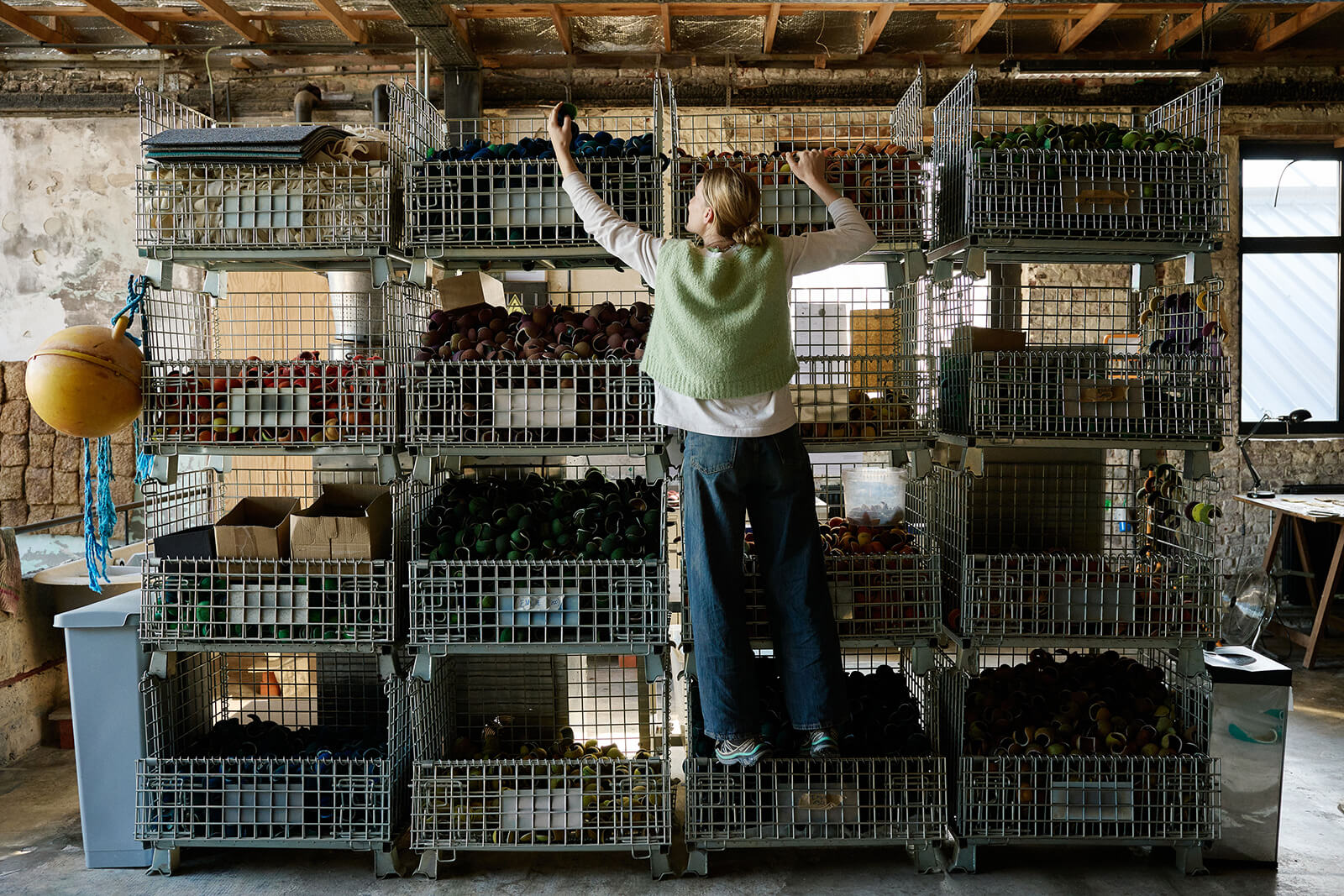
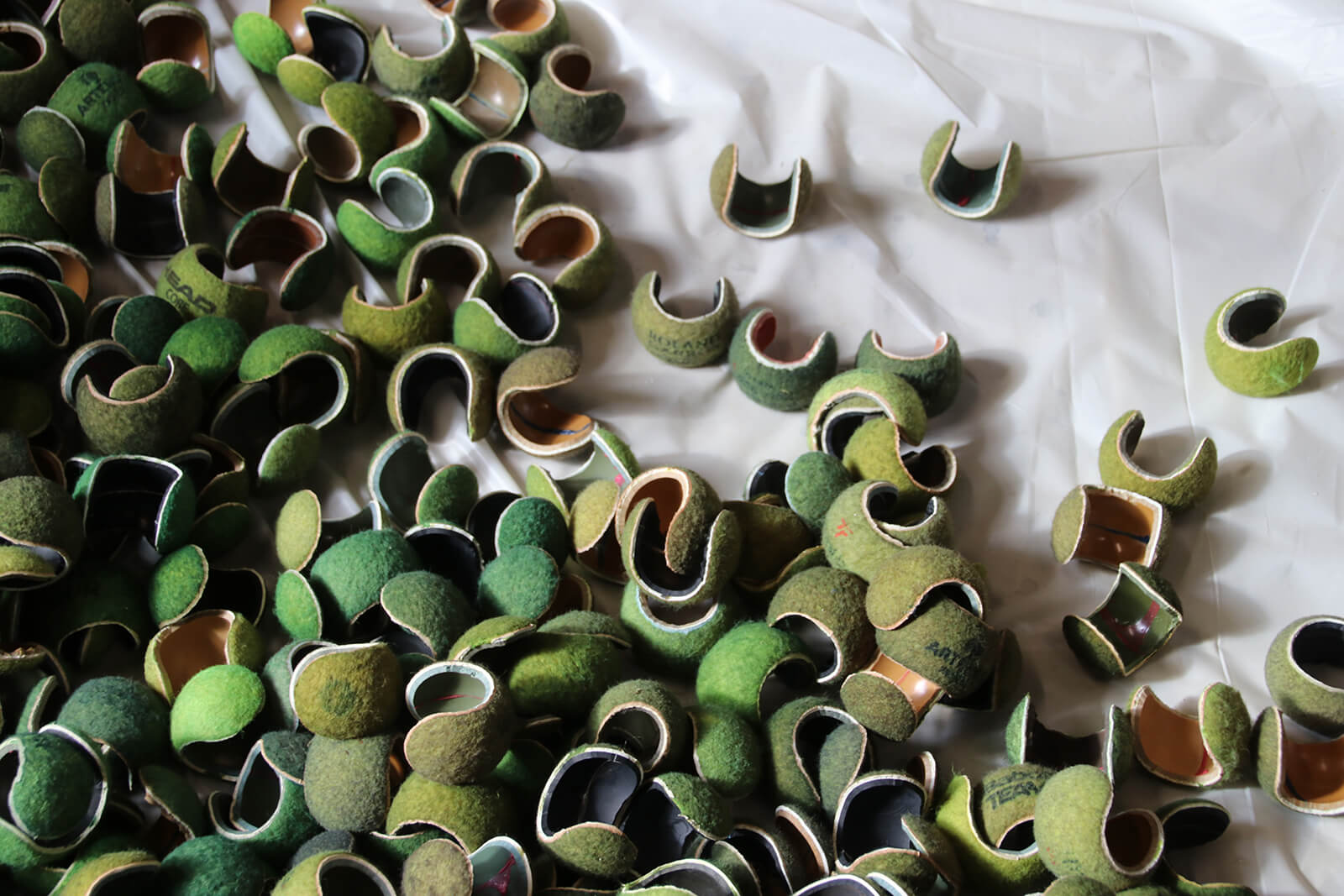
Mathilde: The tennis ball didn't come first. The research did: I had identified noise pollution as my design problem, specifically its growing impact on health in shared and working spaces. From there, I defined what I needed: a material with strong acoustic properties, available at scale, sourceable locally, circular in its logic and capable of emotional connection.
The tennis ball emerged from that process. I already knew it as a player. I understood its hollow structure, its felt exterior, its air-filled core, which were all acoustically interesting. And when I learned that 400 million balls are discarded every year with no recycling infrastructure, I realised that the material wasn't just technically suited—it was necessary.
Pia: What kind of relationship do you hope people develop with your practice?
Mathilde: Most people who approach my pieces don't immediately recognise the tennis balls. They come closer because something visual attracts them. They touch the surface. And then they ask: what is this made of? When I answer, something shifts. There's a moment of genuine delight, sometimes disbelief. And then a conversation begins. People leave with a story, with a different way of looking at what they throw away.
Pia: You have described SoundRoot as a kind of collaboration with a living material. How did you develop the process of using germinated seeds, and what has surprised you most about this approach?
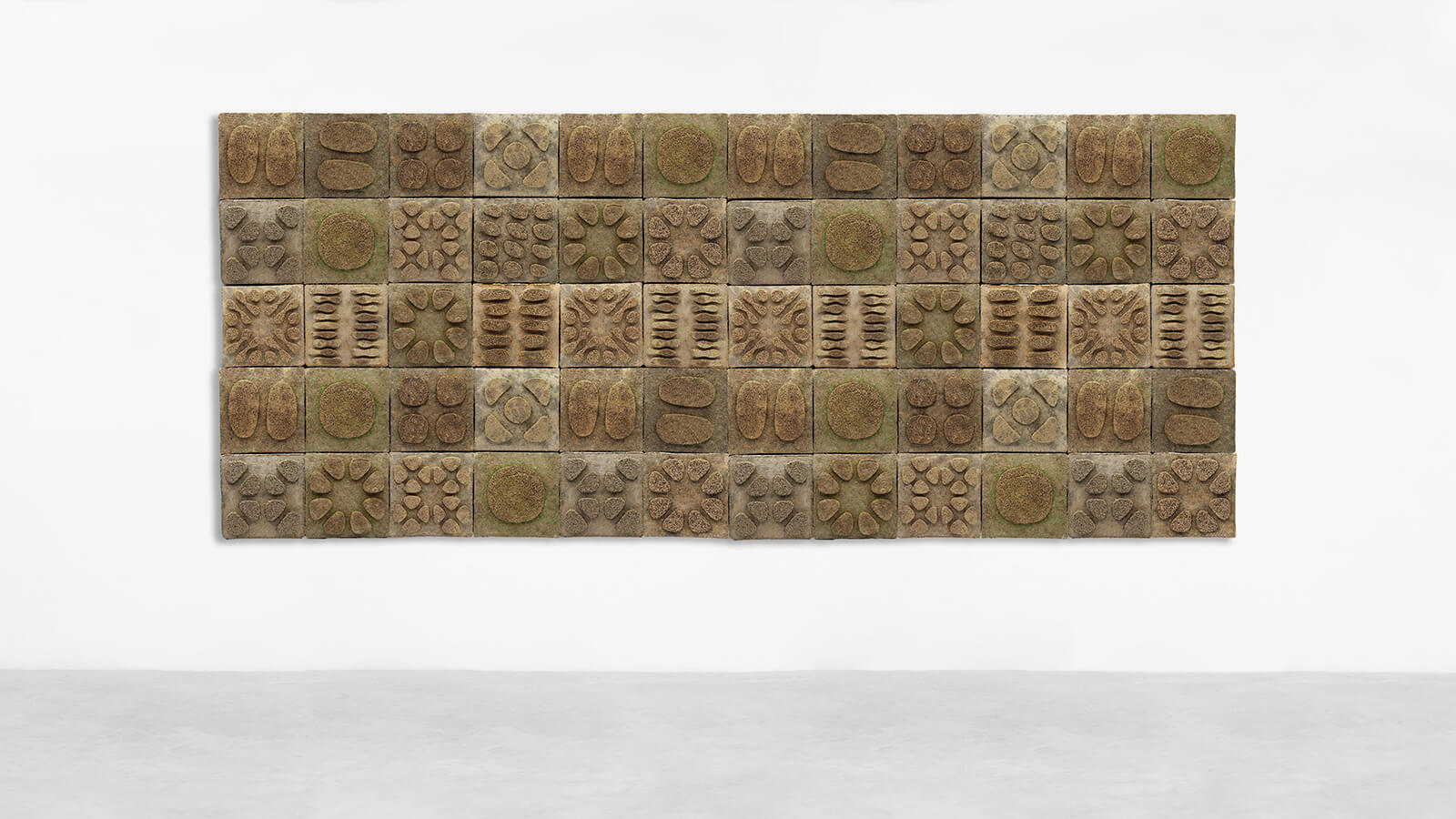
Mathilde: SoundRoot began during my Master’s in Biodesign at Central Saint Martins, where I spent over a year working with different plant species, testing which root systems had the most interesting acoustic and structural properties, which were most resilient to humidity, and which responded best to the constraints of the moulds I was developing.
Working with living matter requires a completely different mindset than working with industrial materials. It demands patience, observation and a kind of empathy toward the material itself. If the conditions aren't right, nothing grows. There is no shortcut—you truly reap what you sow. With tennis balls, I can be rough—I can boil them, cut them and force them into a desired form. With plant roots, everything changes. The material demands respect. If I'm careless, nothing comes of it.
A deeply remembered object is a kept object, a transmitted one. It moves from unigenerational to transgenerational. That is, at its core, an ecological argument. – Mathilde Wittock
Pia: What is NEXT for you?
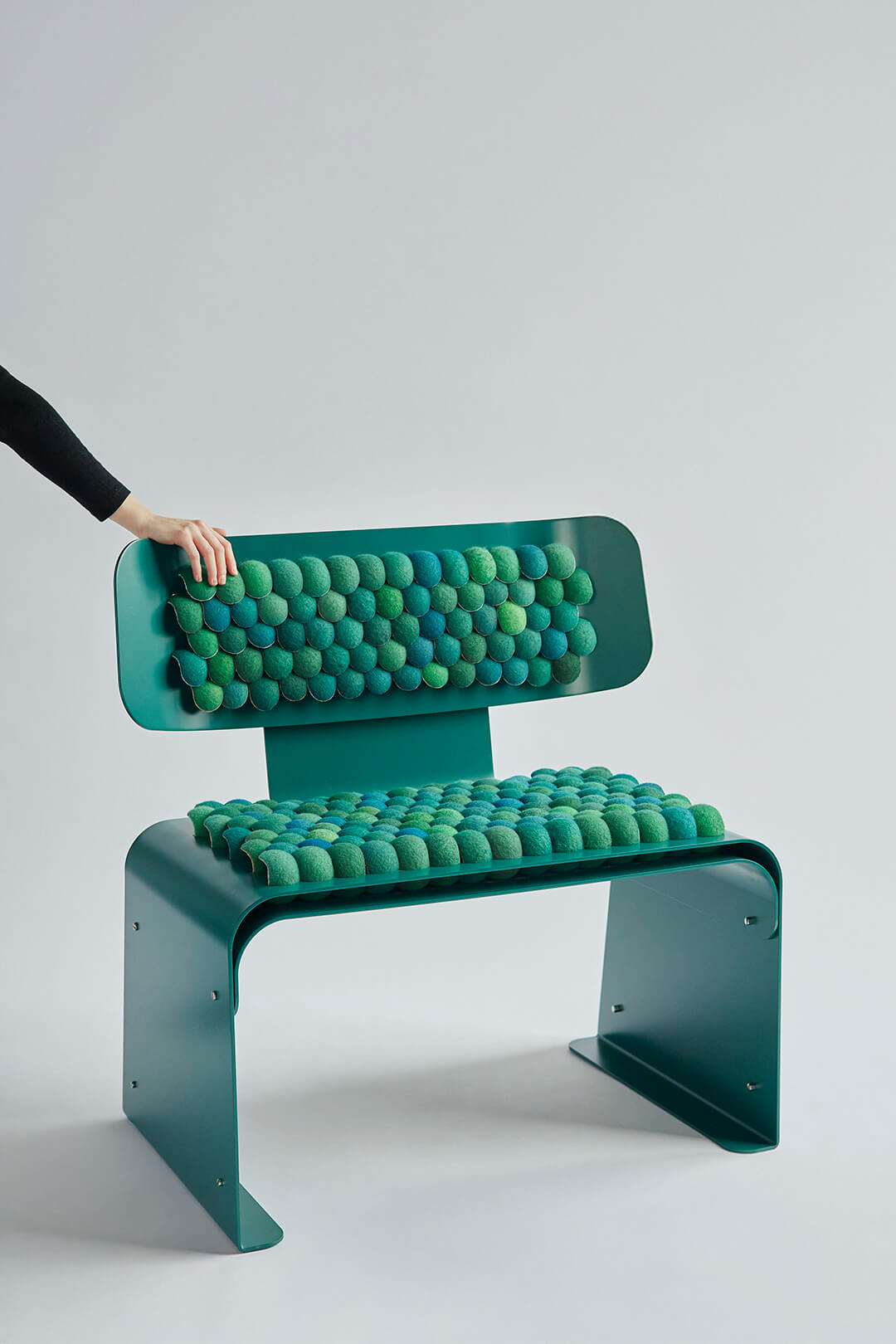
Mathilde: A new collection, developed over the past year, is launching soon. It will bring together infinitely recyclable aluminium structures with integrated, fully modular tennis balls across furniture like loungers, chairs and tables.
At the same time, a series of SoundRoot luminaires will be exhibited in Brussels as part of Curated at Mix Hotel from September 25 – 27, 2026. These pieces began as six wearable sculptures grown from plant roots, worn by dancers during a performance created with BNP Paribas Fortis Private Banking and Nathan Couture. Rather than letting them end with the evening, I plan to transform them into light sculptures. There are also ongoing collaborations with tennis tournaments. That circularity feels like exactly the right direction.

by Pranjal Maheshwari Oct 23, 2026
Co-authored by Jareh Das, Chairman traces the British designer’s fixation on chairs as symbols of power and identity and as mediums of expression and community building.
by Mirra Lynn Oct 22, 2026
The curators behind Palestine Design Week 2026 reflect on its intent, considering how design holds memory, makes space for loss and imagines a future in Palestine.
by Chahna Tank Oct 22, 2026
STIR speaks with the Mumbai-based type designer about her practice, type walks and why she wants more people to have stronger opinions about Indian-script fonts.
by Jincy Iype Oct 15, 2026
STIR explores craft, material intelligence and people shaping Indian design through dialogues with Design Democracy’s co-founders and the curators of its special exhibitions.

make your fridays matter with a well-read weekend
Enter your details to sign in
Don’t have an account?
Sign upOr you can sign in with
a single account for all
STIR platforms
All your bookmarks will be available across all your devices.
Stay STIRred
Already have an account?
Sign inOr you can sign up with
Verification link sent to check your inbox or spam folder to complete sign up process
Tap on things that interests you.
Select the Conversation Category you would like to watch
Please enter your details and click submit.
Enter the 6-digit code sent at


Mathilde Wittock’s designs present an ecological argument for play
by Pia Bhatia | Published on : Sep 24, 2026


 Sign in with Google
 Sign in with email
What do you think?