Design05 mins. read
Essentia Home opens the doors to a new destination for luxury interiors in Delhi
by Essentia HomeMar 22, 2025



by Pranjal MaheshwariPublished on : Aug 29, 2026
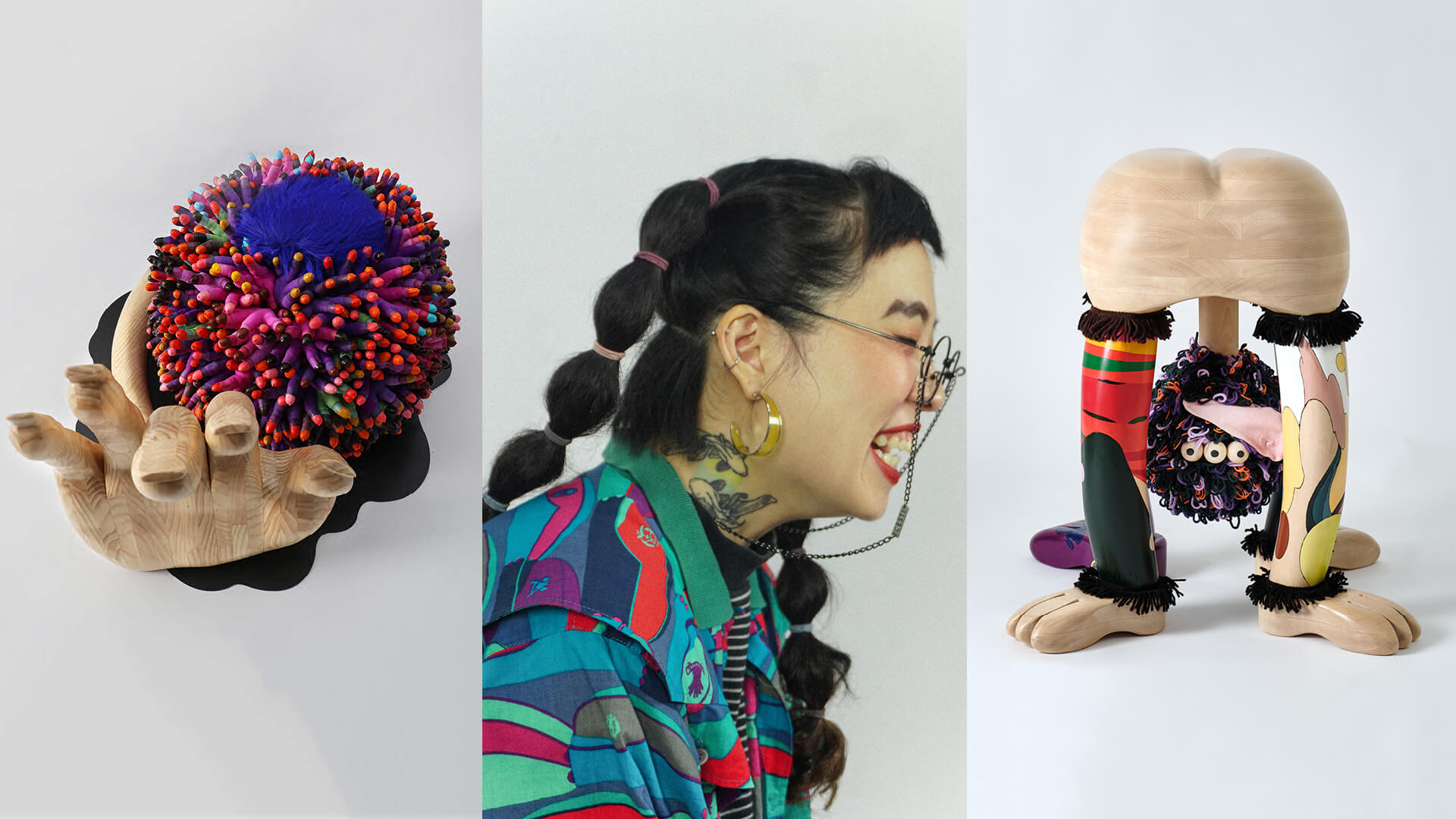
In a world getting increasingly populated with self-driving cars and sports robots, while there are debates on the eeriness of chatbots sounding like humans and the possibility of colonising Mars, we still manage to believe that a sudden sneeze means someone somewhere could be thinking about us. Beliefs and superstitions remain powerful unifying forces since the dawn of human civilisation. As humans struggled to understand the mysteries of nature through centuries, they braved uncertainties by conjuring narratives that eventually transformed into myths and folklore. Seoul-based designer Hanee Shin—through her work in furniture design—strives to channel these very beliefs and stories into everyday objects.
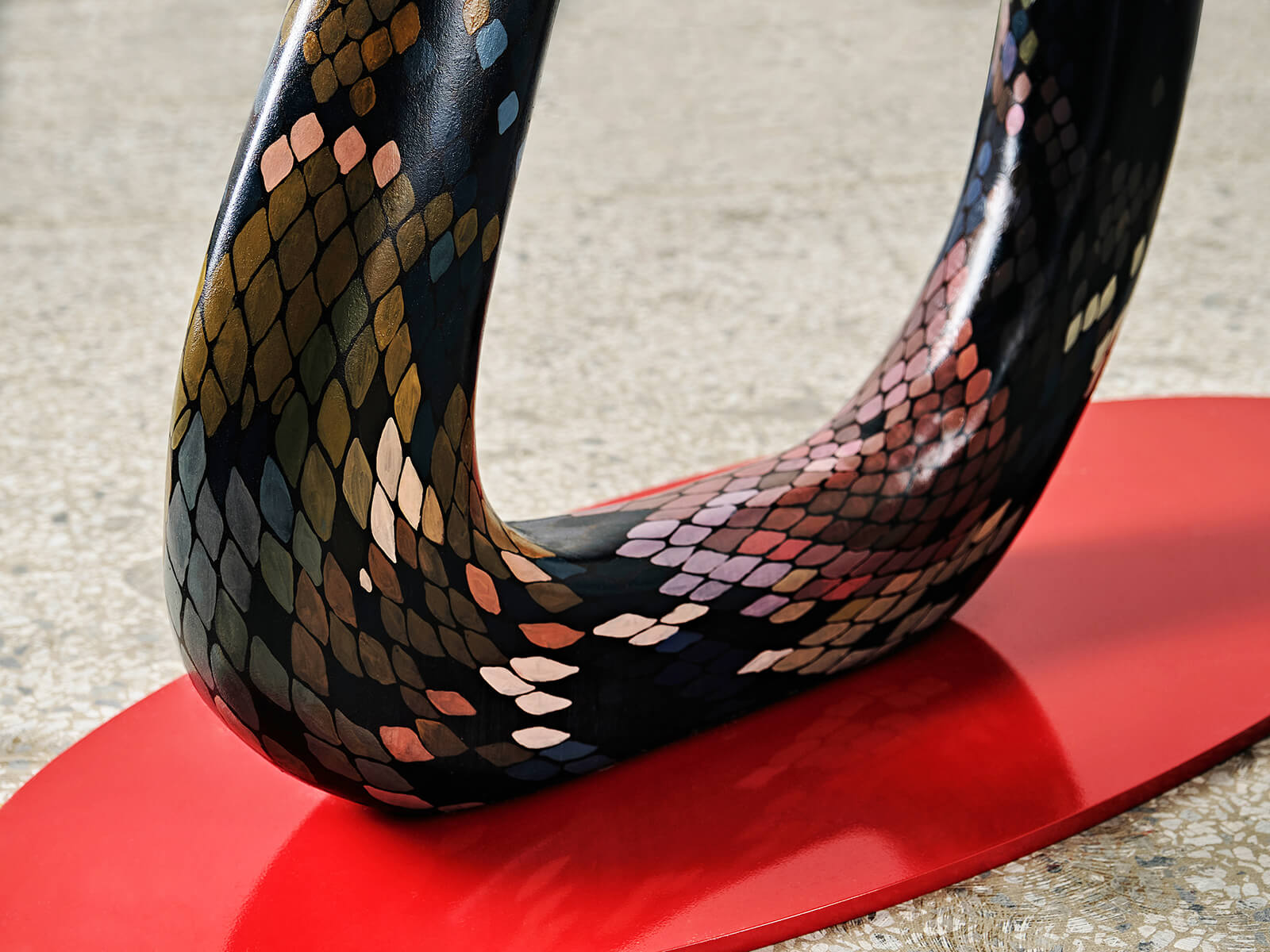
While most beliefs are rooted in natural phenomena, their meanings are shaped and transformed across different cultures. The snake, for example, is almost universally considered ominous, but in Korean folklore, this very nature positions it as a protector of wealth. Similarly, goblins—often feared as evil, demonic entities elsewhere—appear in Korean culture as playful, mischievous tricksters. Growing up amidst a potpourri of Catholic, Buddhist and Korean traditions, Shin encountered the power of belief as a means of comfort and healing quite early on. As a designer, these beliefs started guiding the form and appeal of her work, moving beyond her personal resonance or Korean origins into the emotional influence of these stories on people. While she has been translating folklores into funky and imaginative furniture and products for over a decade—creating pieces that range from seating, display shelves and home decor—it was after graduating in woodworking and furniture design from the Hongik University in South Korea that she adopted the moniker of Popcorny Unicorny: an apt embodiment of the bold, fun and otherworldly nature of her work.
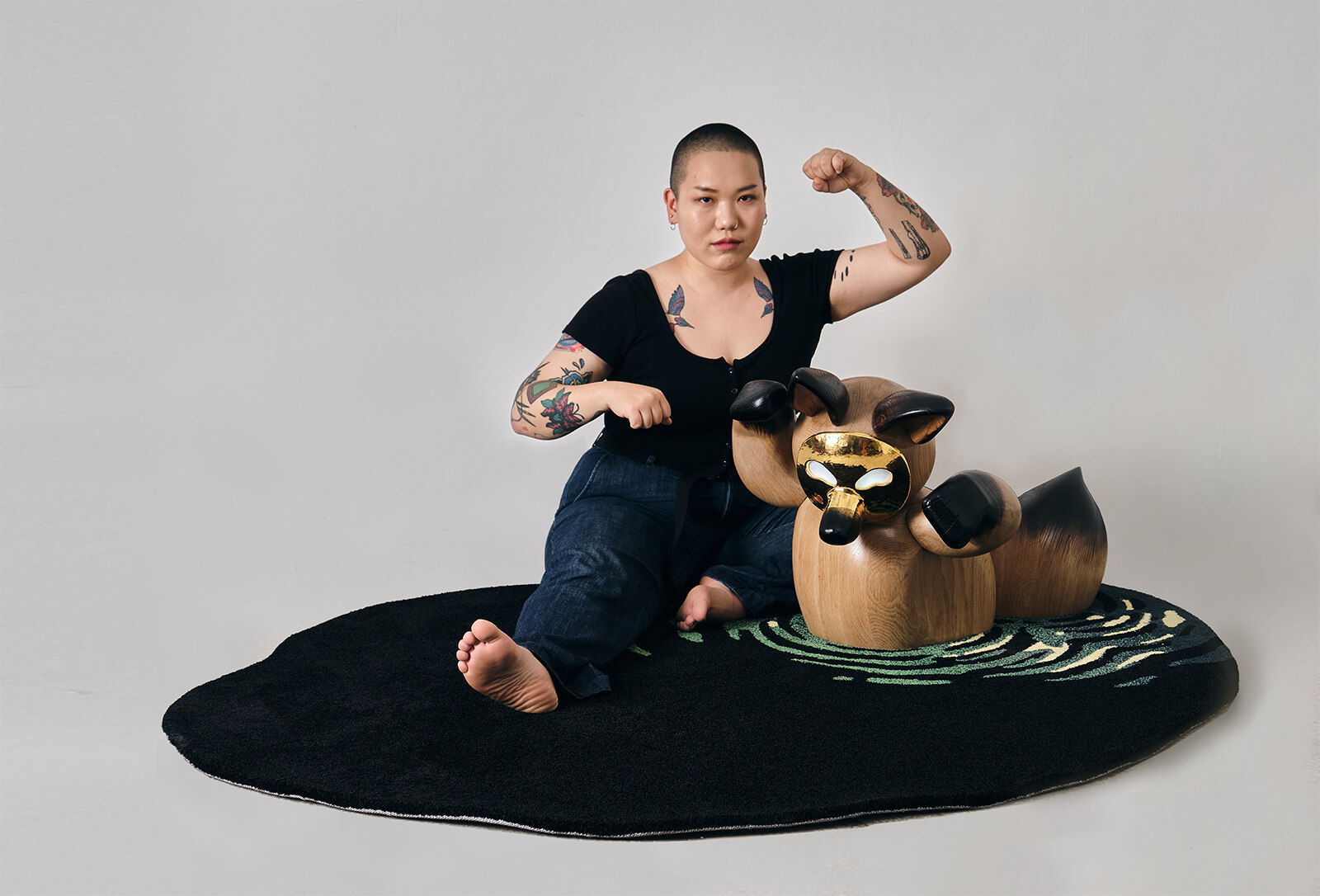
In a conversation with STIR, the Korean designer takes us through her journey so far. Edited excerpts follow:
Pranjal Maheshwari: What were some of the curiosities and fears that you grew up with?
Hanee Shin: I grew up between two very different worlds. My mother’s family were devoted Catholics, while my father’s side had a strong Buddhist background—my great-aunt even ran a temple. Because both of my parents worked full-time, I spent much of my childhood with my grandmothers, moving back and forth between churches and temples. Without realising it, I grew up surrounded by stories from both the Bible and Buddhist folklore.
Living in that environment, together with all those religious stories, naturally made me curious about things that cannot be seen. At the same time, it also made me afraid of them. As a child, I often dreamed that a little boy was crouching under my desk, staring at me in the dark. Whenever I woke up frightened, I would recite the Lord’s Prayer or picture the Buddhist painting hanging in our house until I felt calm enough to fall asleep again.
Looking back, I realised what comforted me was not whether those beliefs were true, but the act of believing itself. Even today, when humanity explores space and lands on the moon, people still rely on irrational beliefs to cope with uncertainty. Ironically, I am now an atheist, but those childhood experiences remain the foundation of my practice.
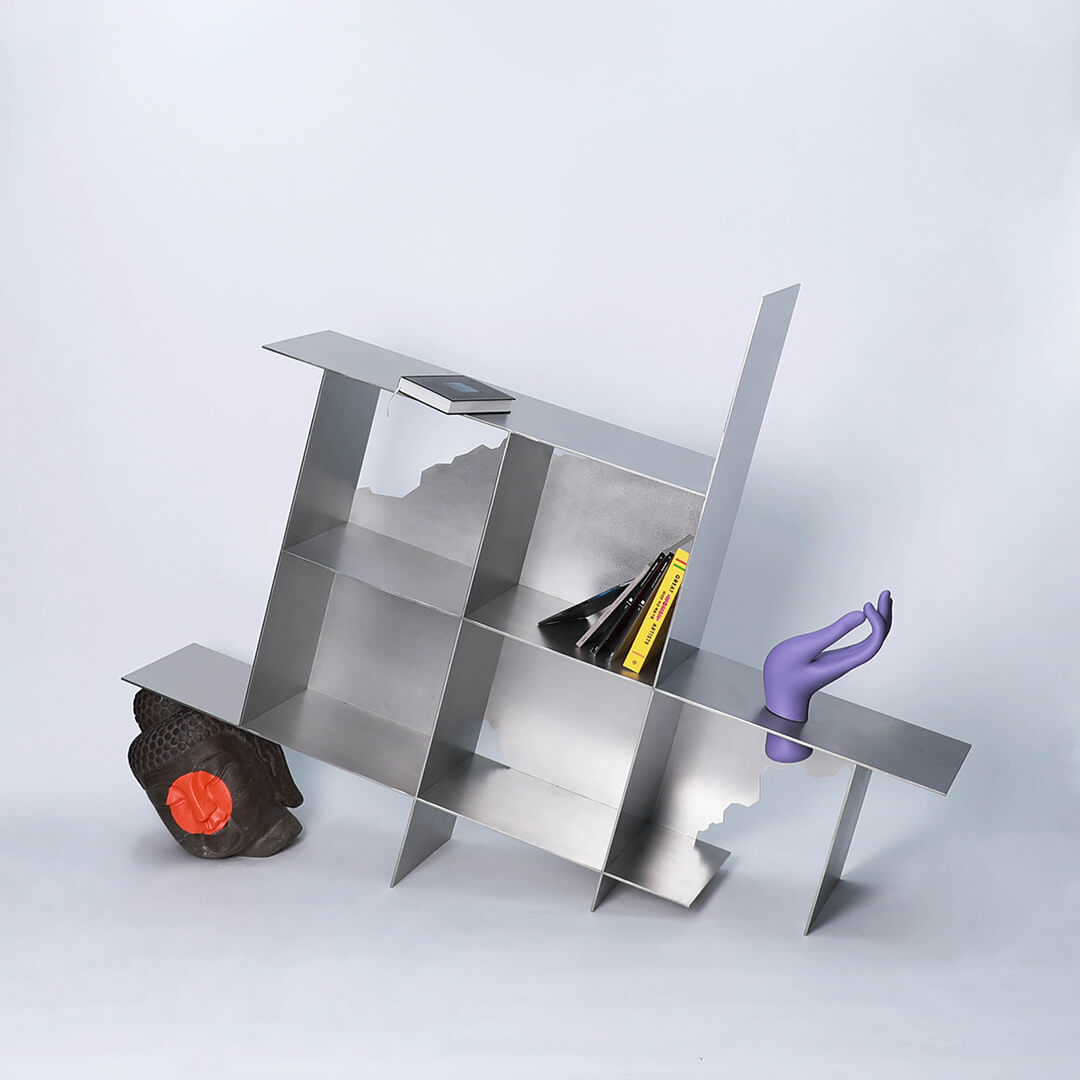
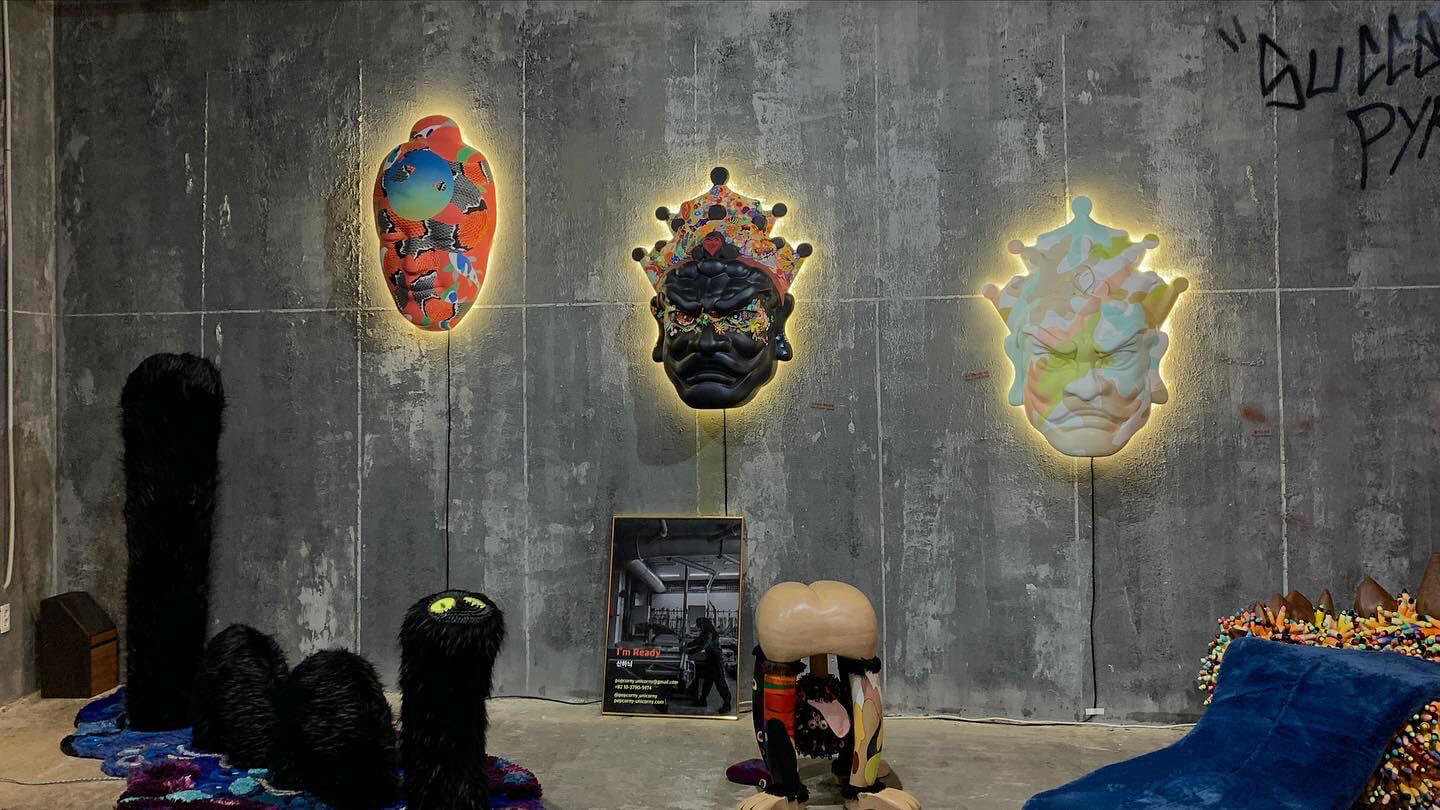
Pranjal: Do you remember the first time you felt strengthened by a moment or a memory that prompted you to engage more with mythical tales and beliefs?
Hanee: I believe that superstition and religion are universal human responses to uncertainty. One experience that changed my perspective was watching a traditional Korean shamanic ritual, known as Gut. Although the ritual appears to be for the deceased, I realised that the people who truly leave healed are the surviving family members.
What fascinated me was not whether the ritual was real or supernatural. It was the fact that storytelling, music, dance and performance could genuinely transform people’s emotions. To me, the shaman was not simply a religious figure, but also a performer who brought together different forms of art to help people process grief.
From that point on, I stopped seeing myths and superstitions as simply old traditions or exotic stories. Instead, I became interested in how invisible beliefs can produce very real emotional effects. That question—how belief gives ordinary objects psychological power—has become one of the central ideas in my work.
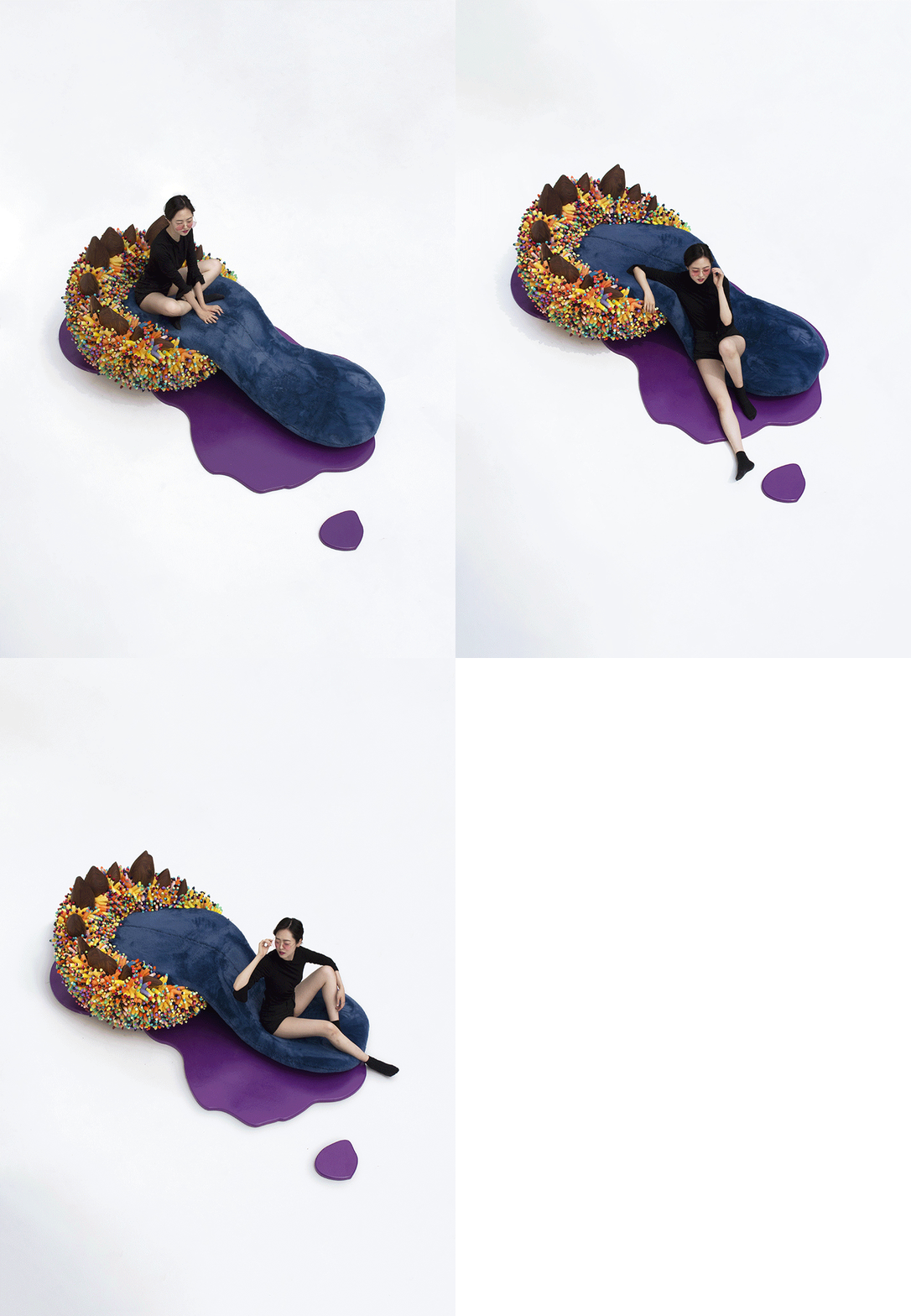
Pranjal: You specify symbolism and storytelling through objects as important aspects for inducing comfort. What do you think is the role of each in your design?
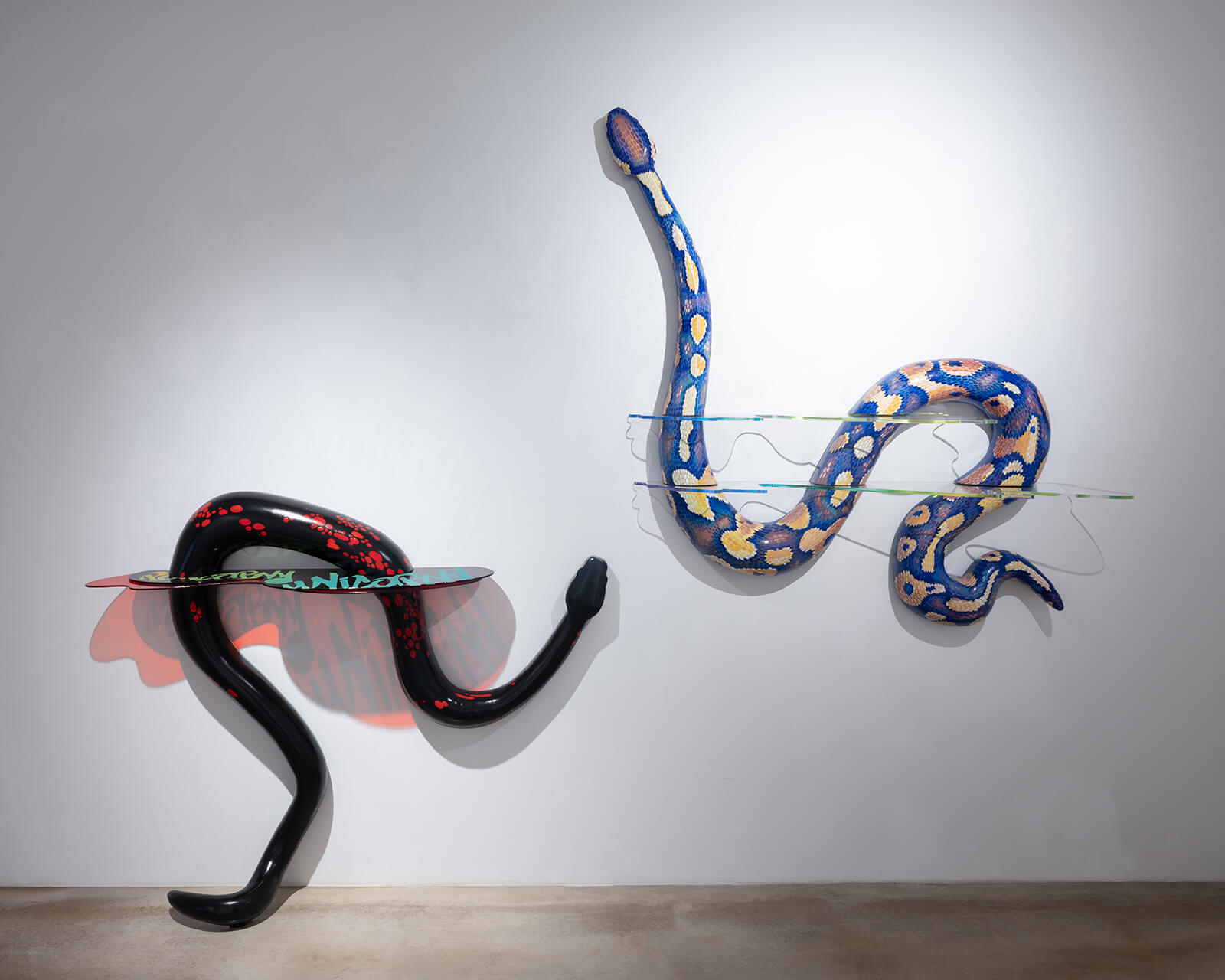
Hanee: People often think symbolism and storytelling are the same thing, but I see them as serving different purposes. Symbolism creates an immediate emotional response. A tiger suggests protection, a snake represents boundaries and a fox can evoke intelligence or deception. These images communicate instinctively, but symbolism alone rarely holds people’s attention for long.
Storytelling gives those symbols a life beyond their appearance. As people spend time with an object, ask questions and learn its story, they begin to build a relationship with it. In many ways, I think this is similar to how old talismans or folk beliefs gain their power. The belief does not already exist inside the object—it is created through stories and personal experience.
For me, furniture is more than a functional object. It becomes something people project their memories, emotions and anxieties onto. Storytelling transforms furniture from something we simply use into something we can emotionally relate to.
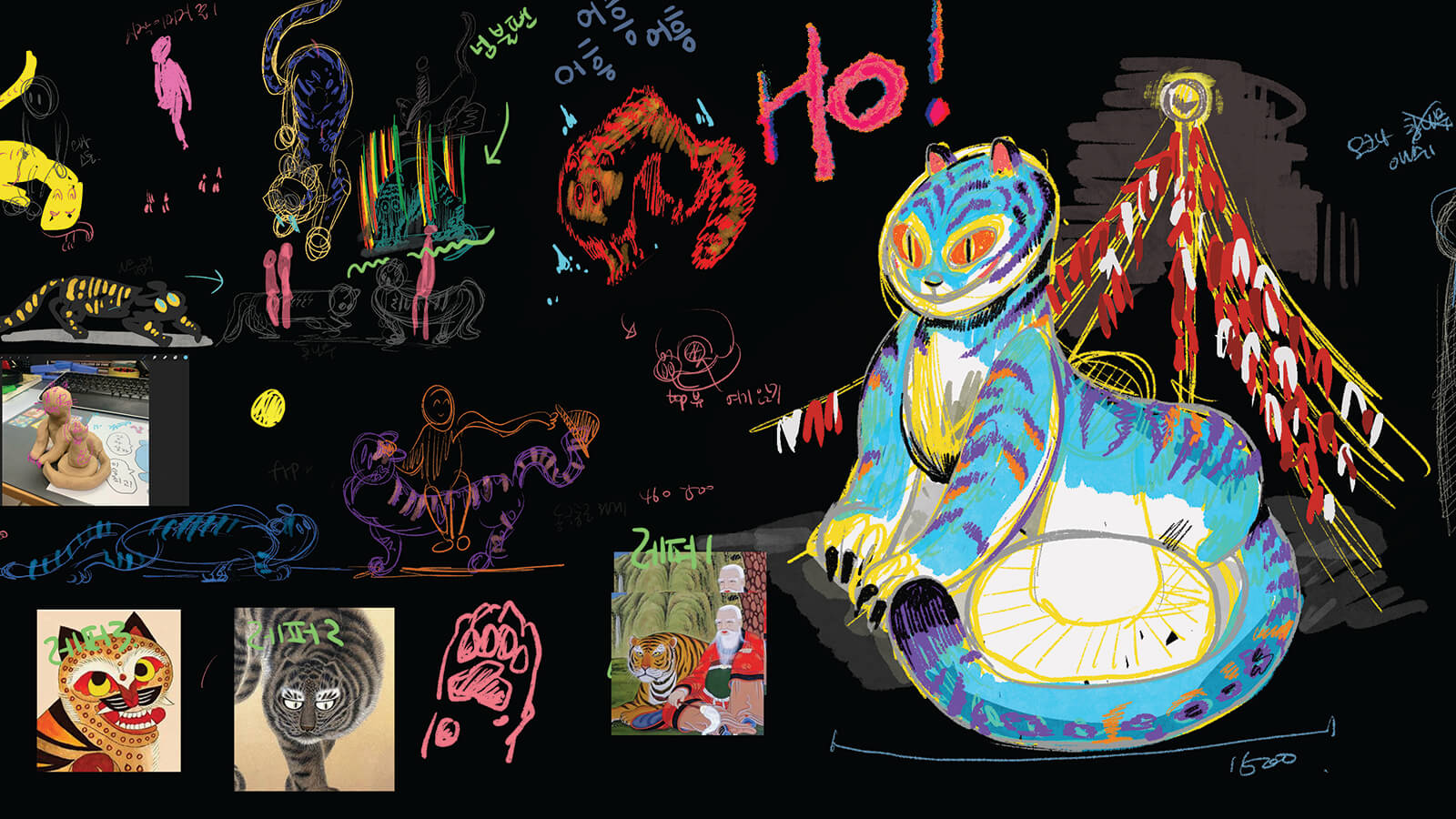
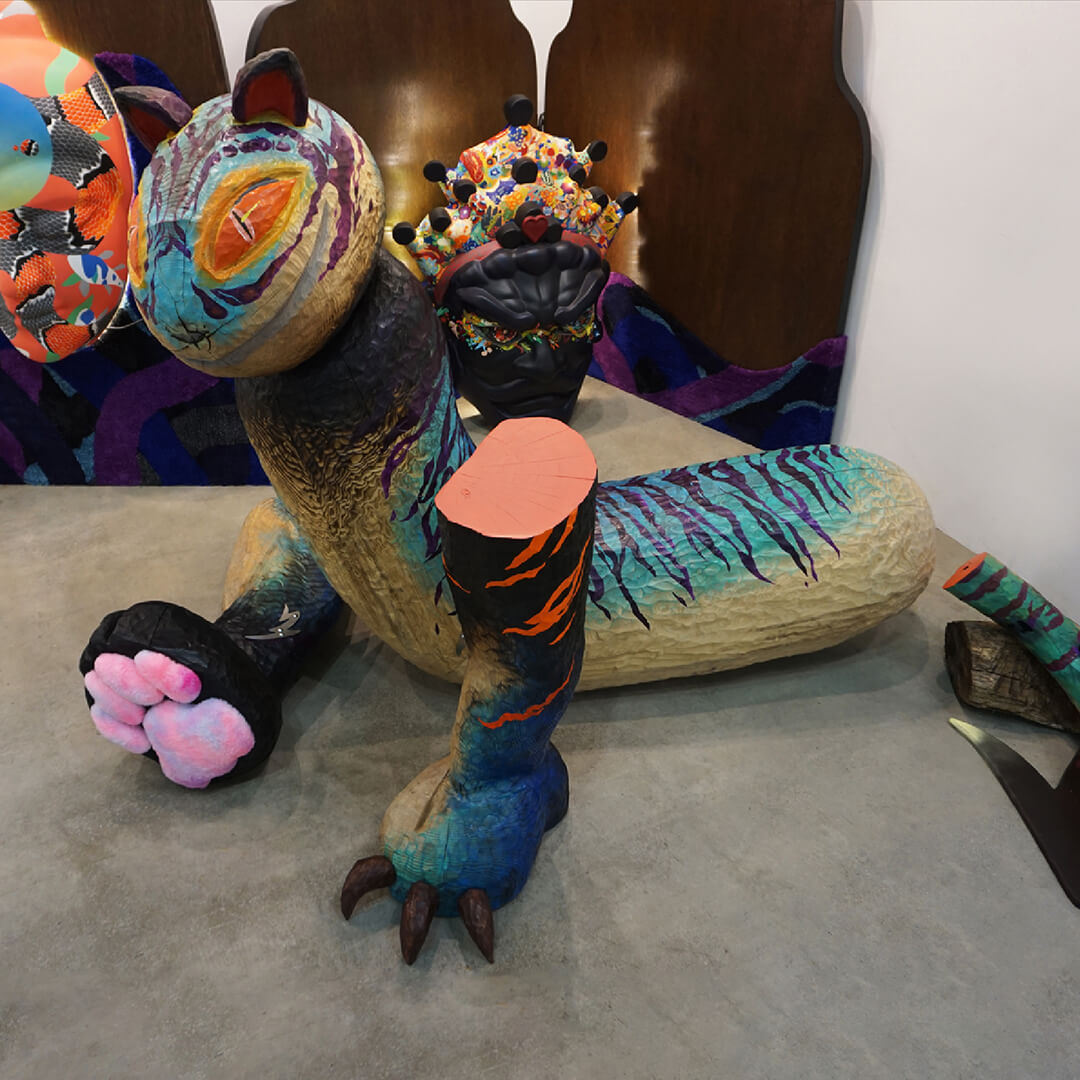
Pranjal: Does your choice of the base material—such as wood, fur, yarn—also draw from these stories, or is it based on the suitability of the desired output?
Hanee: My choice of materials is never based only on function. I always begin with the story I want to tell and the physical experience I want people to have with the object.
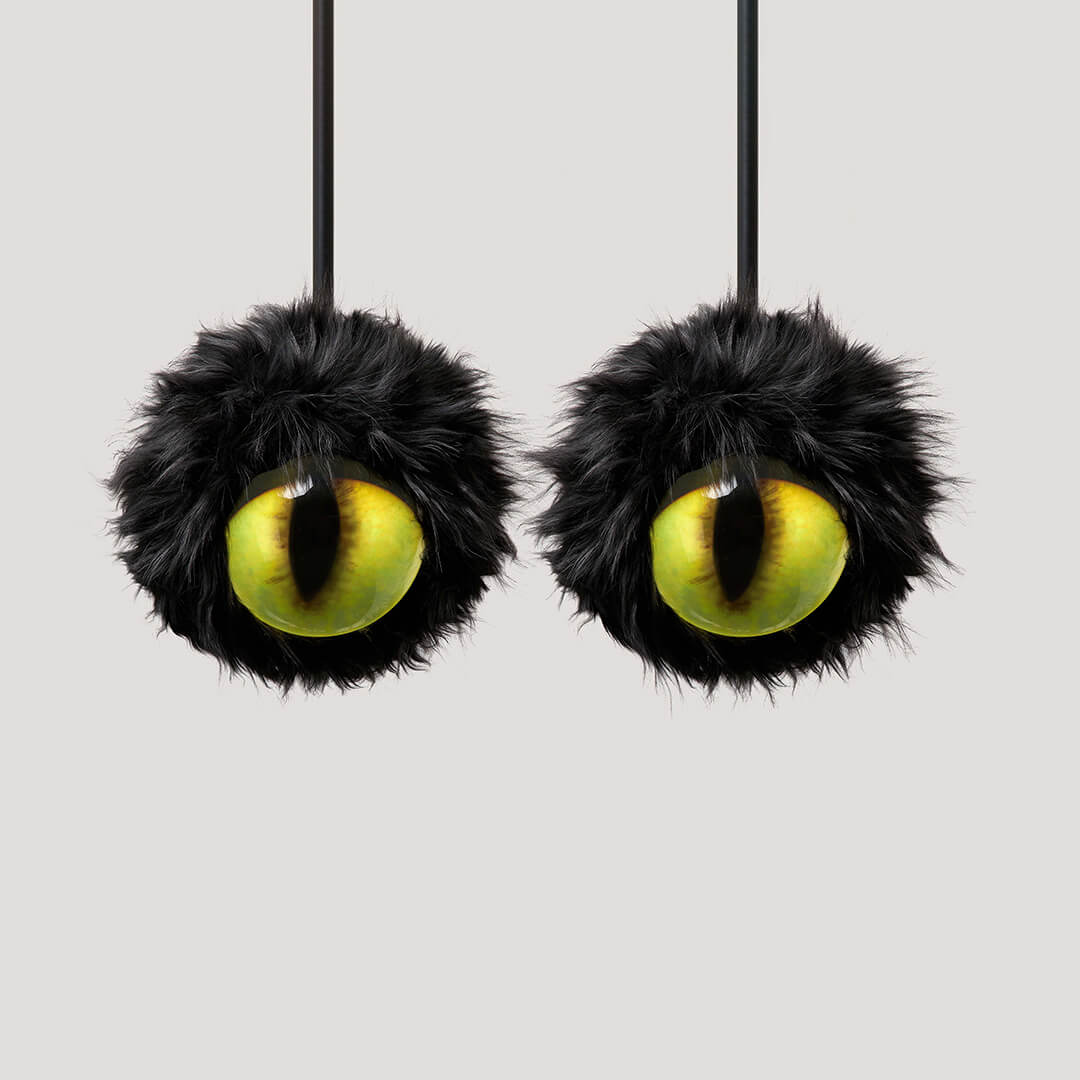
For example, in my Myodusa series, which reinterprets a mythical healing creature, I placed soft fur only where the body comes into contact with the furniture. Sitting on it becomes more than a functional action—it feels like encountering another living presence.
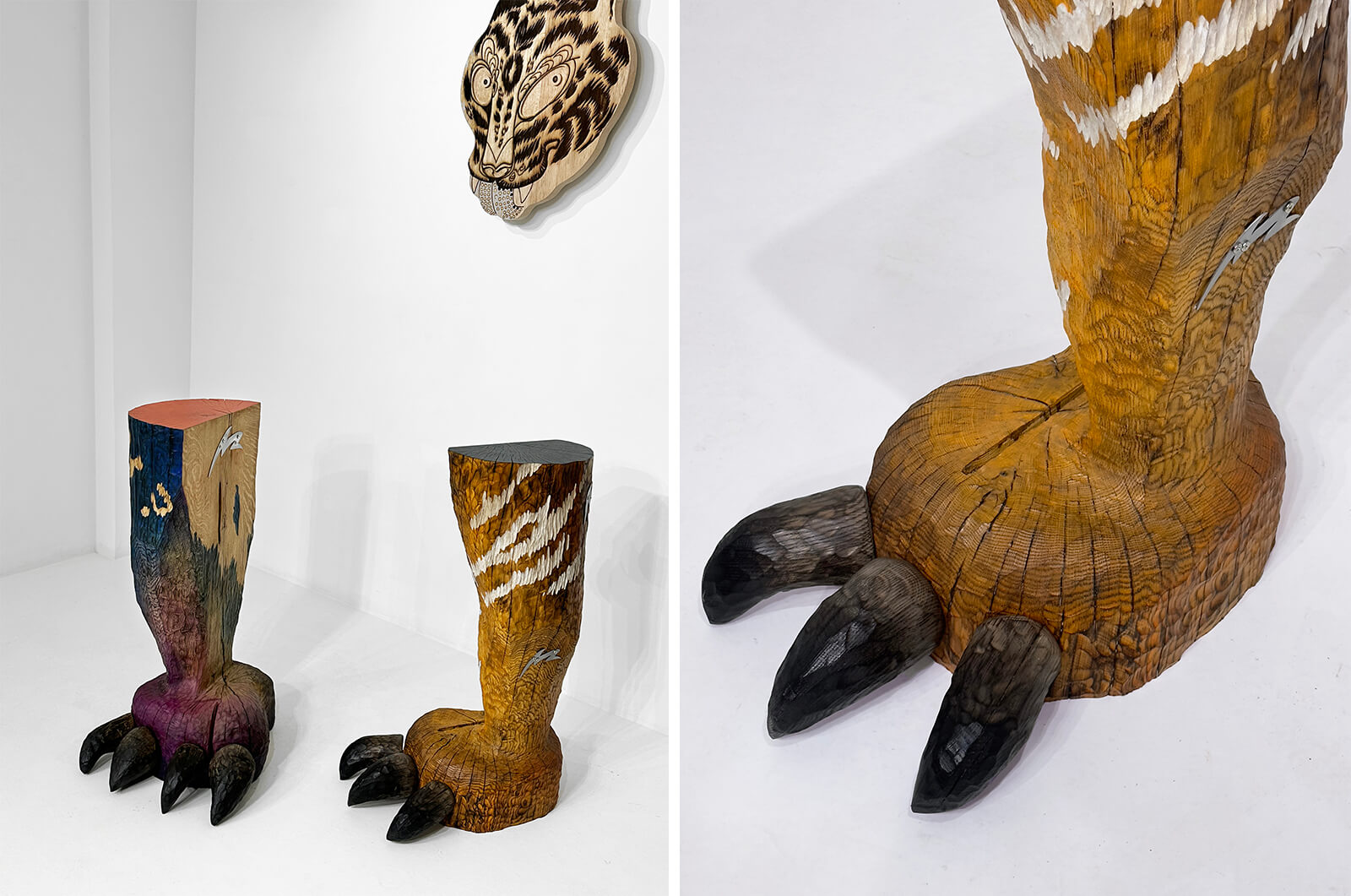
More recently, in my Ash and Goblin / Embered Souls series, I have been using burnt pine collected from areas affected by the 2025 wildfires in Korea. I deliberately leave the burned surfaces and damaged forms visible instead of repairing or hiding them. To me, they are irreversible records of loss rather than imperfections to be erased. By combining those materials with exaggerated forms, vivid colours and guardian figures such as tigers, I try to express the energy of Sinmyeong—a uniquely Korean sense of vitality that transforms grief into resilience and celebration.
Ultimately, the material itself is never the starting point. What matters most is the story. Whether I use wood, fur, yarn, or another material, each one is chosen because it communicates that story in the most convincing way.
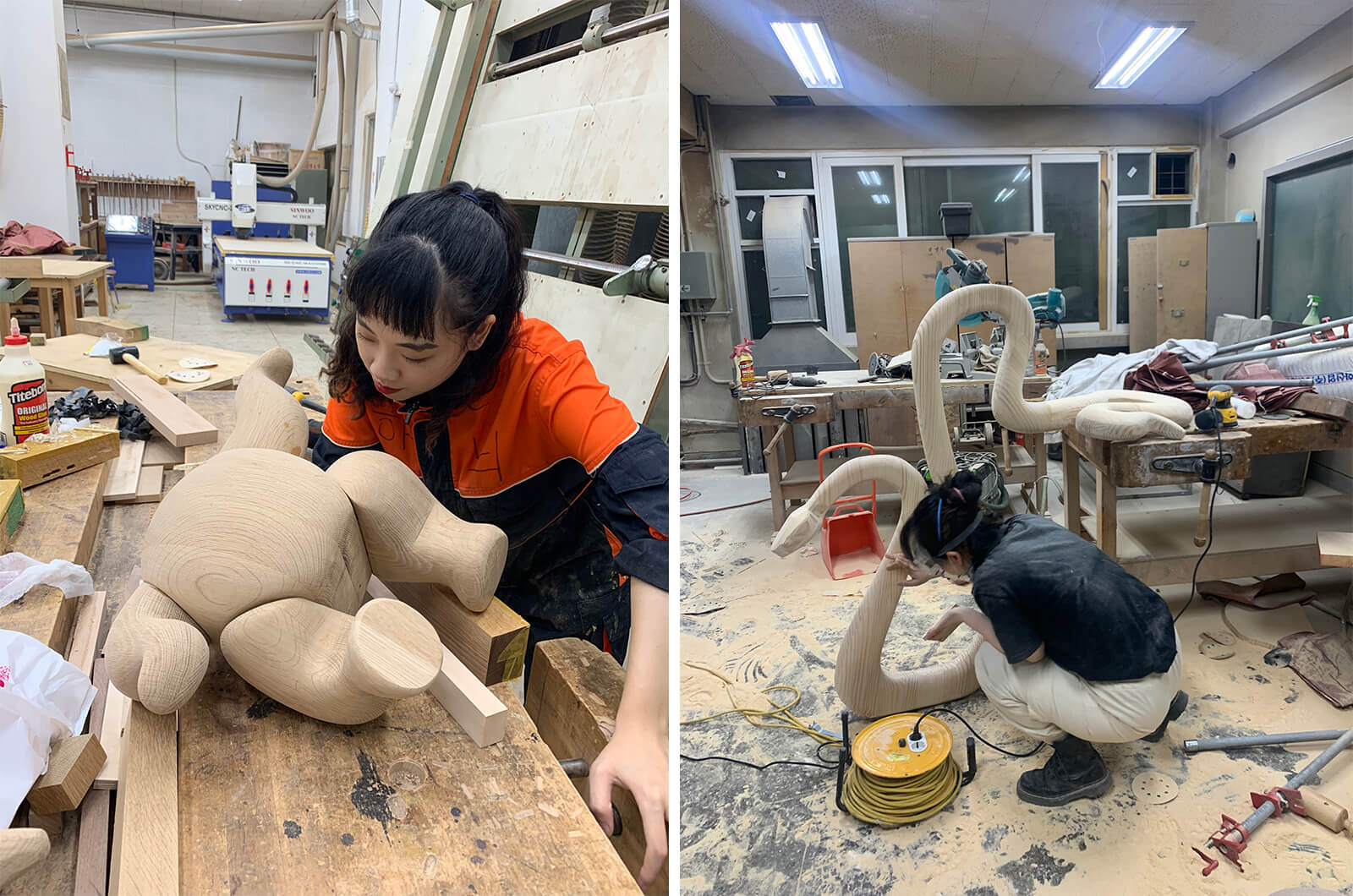
Pranjal: What have been some of the most memorable reactions or feedback you have received about your work?
Hanee: The most rewarding moments are when people experience what I call ‘Horrorbly’—the balance between horror and loveliness.
When people first encounter my Buguisa shelves, many instinctively hesitate because of the coiled snake form. I intentionally use that reaction. I believe snakes make effective guardians precisely because they create a sense of distance. The owner becomes familiar with the object, while visitors naturally become more cautious about approaching or touching it. This idea comes from Korean folk belief, where snakes living inside a house were traditionally regarded as protectors of the family’s wealth. Rather than seeing these stories as outdated folklore, I am interested in how they can still influence our psychology today.
One comment that has stayed with me was, “At first I thought it was strange and even unsettling, but the longer I looked at it, the more I wanted to touch it—and eventually, I wanted to live with it.” A Korean critic once described my work as “a bizarre yet captivating tale”, and I think that is one of the most accurate descriptions my work has received.
Rather than seeing these stories as outdated folklore, I am interested in how they can still influence our psychology today. – Hanee Shin
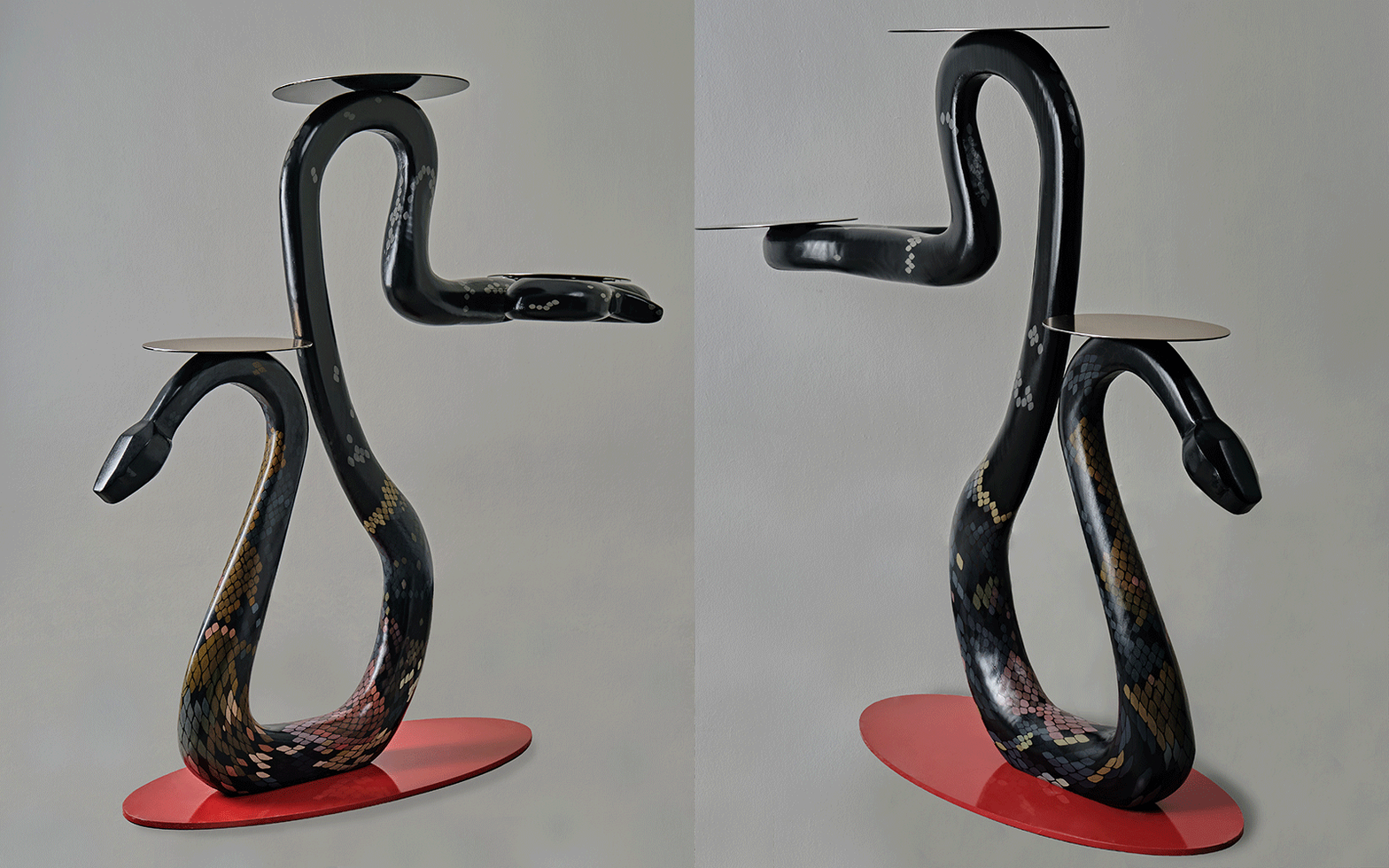
Pranjal: What do you enjoy developing more: the idea or the object?
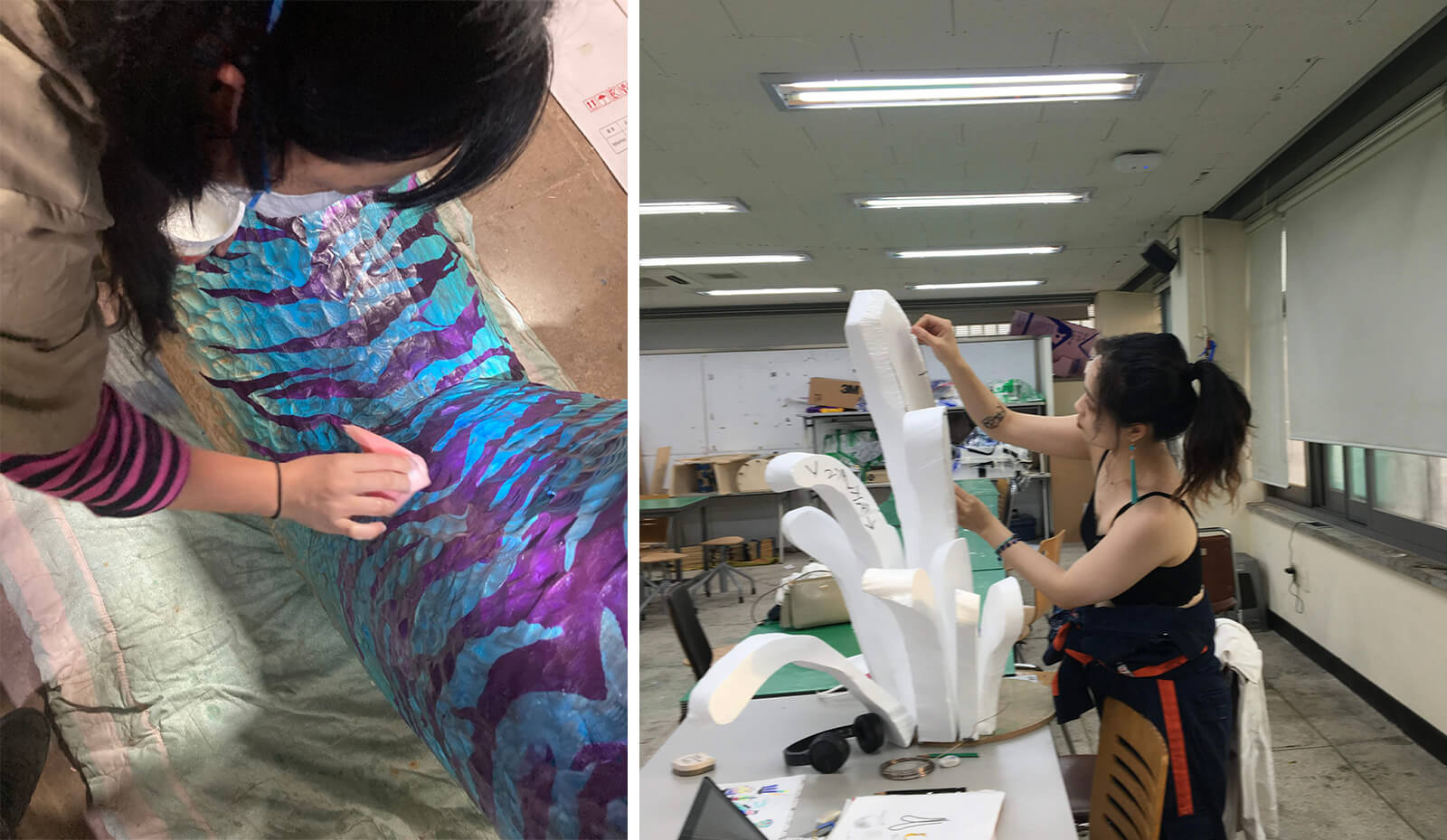
Hanee: Although concept is an important starting point, I enjoy the process of making far more than coming up with ideas. I combine traditional woodworking techniques with digital tools such as Rhino and ZBrush, moving back and forth between physical making and digital modelling.
I see furniture as one of the most intimate sculptural interfaces between the body and space. A concept only becomes meaningful once it takes on physical form—with real weight, scale, texture and presence. Throughout the making process, I constantly test, fail, adjust and rebuild. Those unexpected moments of negotiation with the material often shape the work more than the original idea itself. That is the part of the process I enjoy the most.
Pranjal: From your oeuvre, which product(s) would you say you are most emotionally attached to, and why?
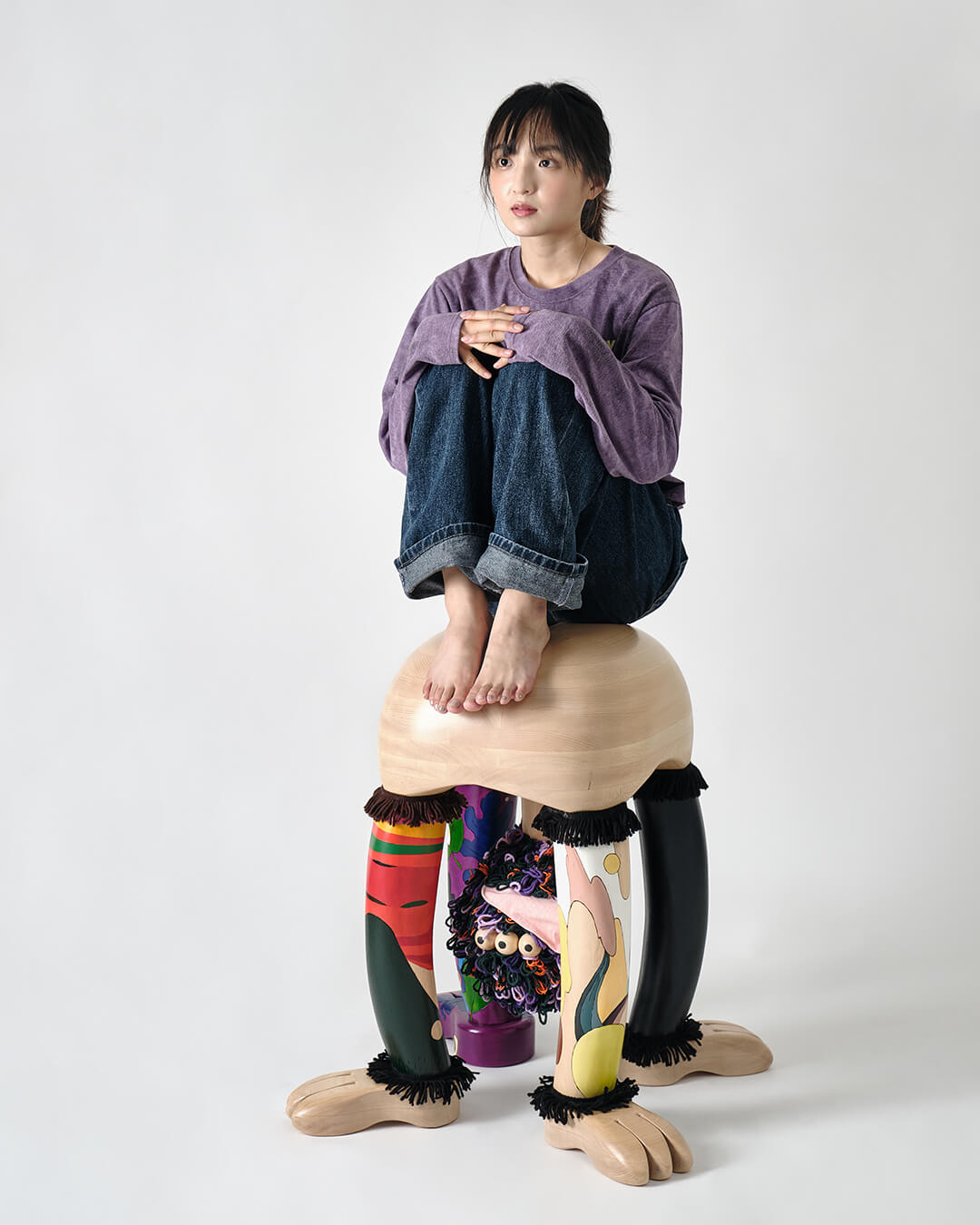
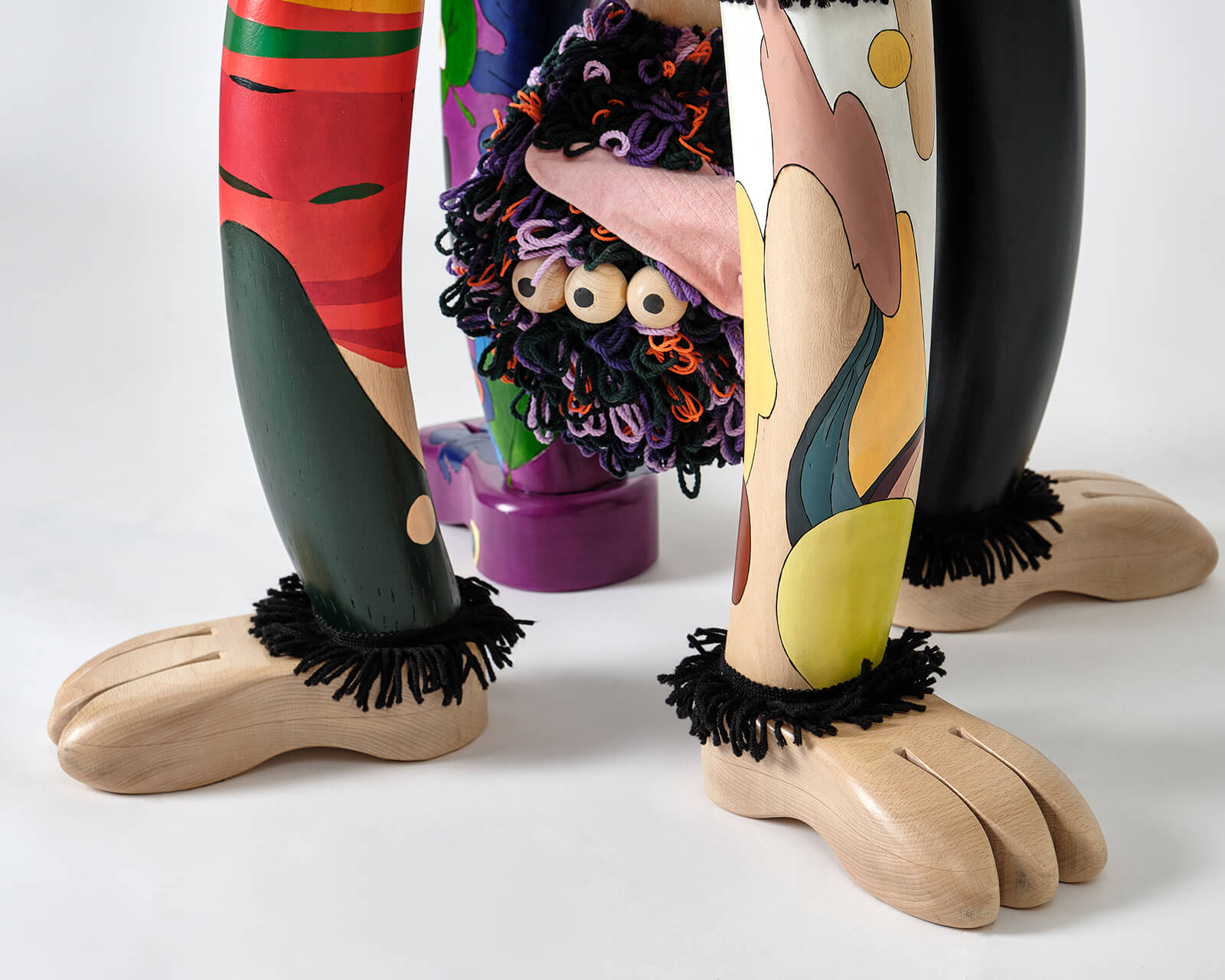
Hanee: The work I feel most attached to is The Goblin Butt chair (Dokkaebi butts stool). It is designed so that two people can sit back-to-back, with their hips gently touching. It is also almost the same scale as the human body, so it has always felt more like a companion than an object to me. Even now, when I see it standing in my studio, it feels like an old friend that has grown alongside my practice.
In Korean folklore, goblins are not evil creatures. They enjoy playing tricks on people, but they are also curious, energetic and deeply human. I often think of the goblin as the alter ego of my practice. Through that character, I am constantly reminded that even serious subjects can be approached with imagination, humour and a sense of play.
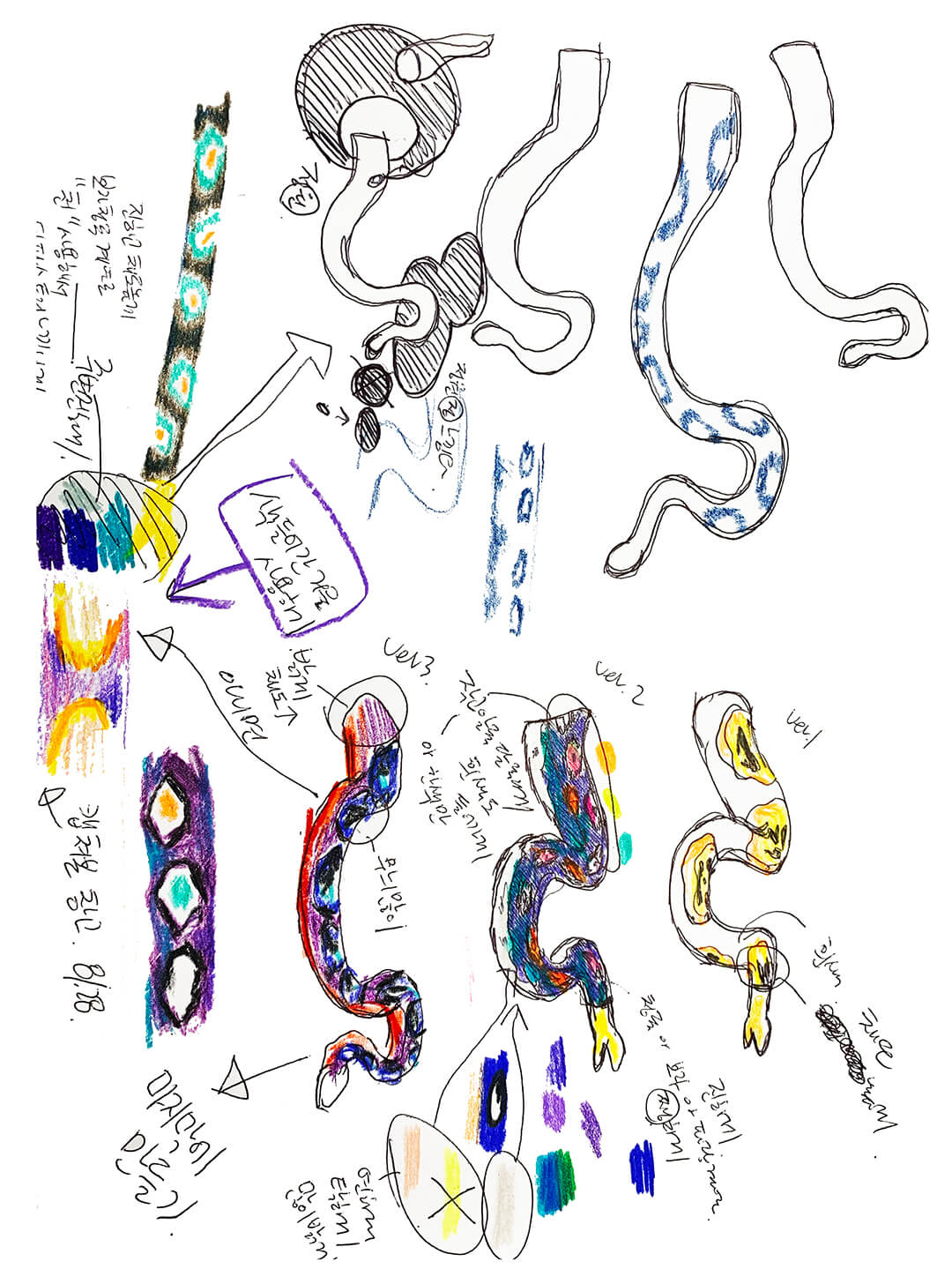
Pranjal: Do you see your design practice as a means to continue the relevance of Korean traditions, or do you prefer to keep your work open-ended for the user/observer to draw their own interpretation?
Hanee: I am not interested in simply introducing Korean traditions or folklore to an international audience. What interests me is something more universal: why human beings choose to believe in certain objects, stories and rituals in the first place.
Many of my works are rooted in Korean mythology and folk beliefs, but I don’t expect people to understand those references to connect with the work. Instead, I want to explore whether the underlying structure of those beliefs—protection, luck, comfort or emotional dependence—can still function across different cultures. If someone who knows nothing about Korean mythology can still feel protected, curious or emotionally connected to one of my objects through its scale, material, texture or physical interaction, then I think the work has succeeded.
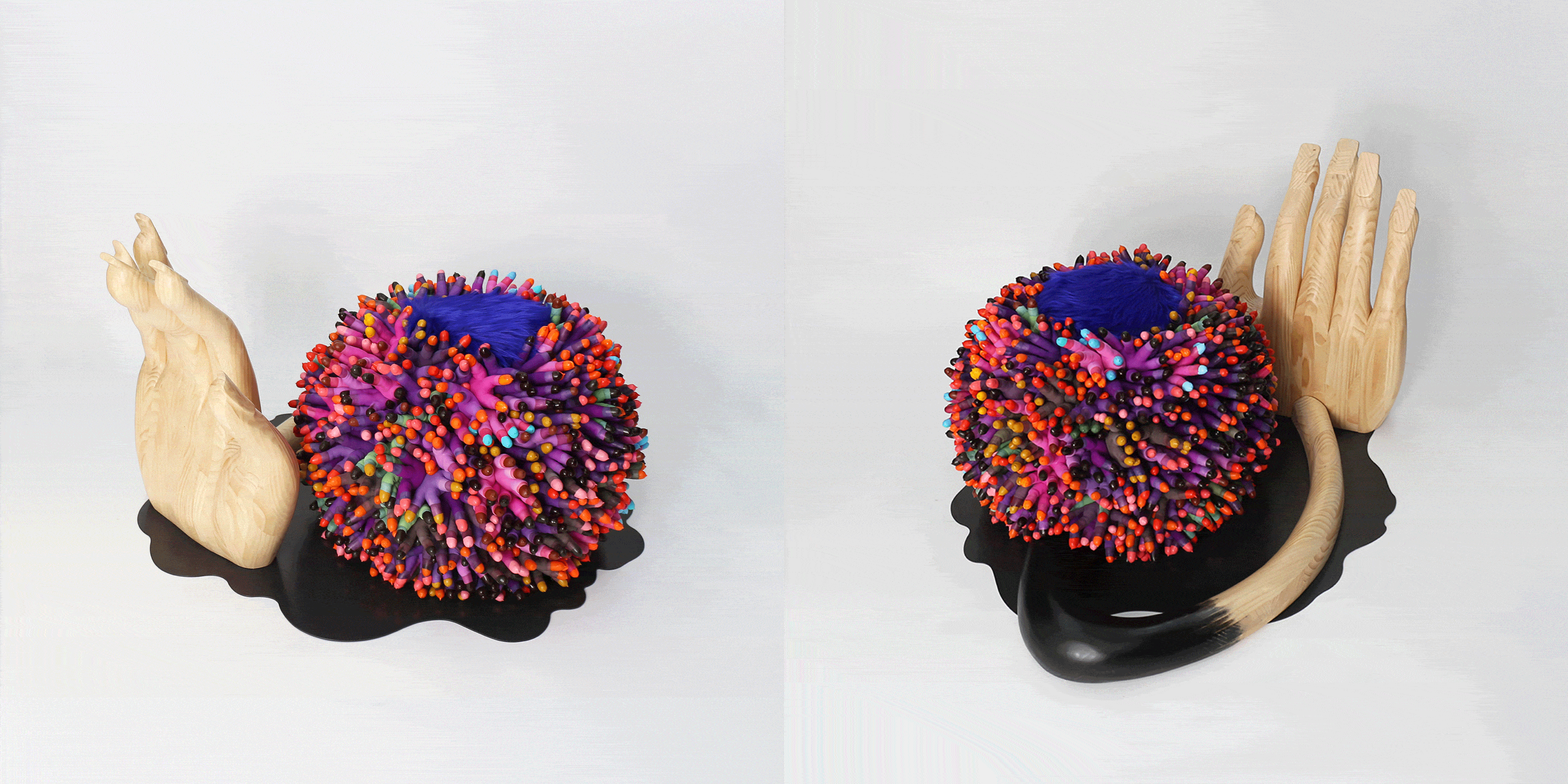
Pranjal: What do you find to be the most liberating aspect of your practice? And the most challenging?
Hanee: The most exciting part of my practice is seeing furniture disrupt everyday logic and invite people into a different way of thinking. I’m interested in the moment when an object is no longer seen simply as furniture, but as something people hesitate around, touch, question and gradually build a relationship with.
The biggest challenge, however, is making sure that the work is not reduced to being simply ‘Korean’ or ‘exotic.’ My visual language is often bold and immediately recognisable, but I hope people stay with the work long enough to discover the ideas beneath the surface. Ultimately, I want viewers to engage not only with its appearance, but also with the questions it raises about belief, comfort and the psychological relationships we form with objects.
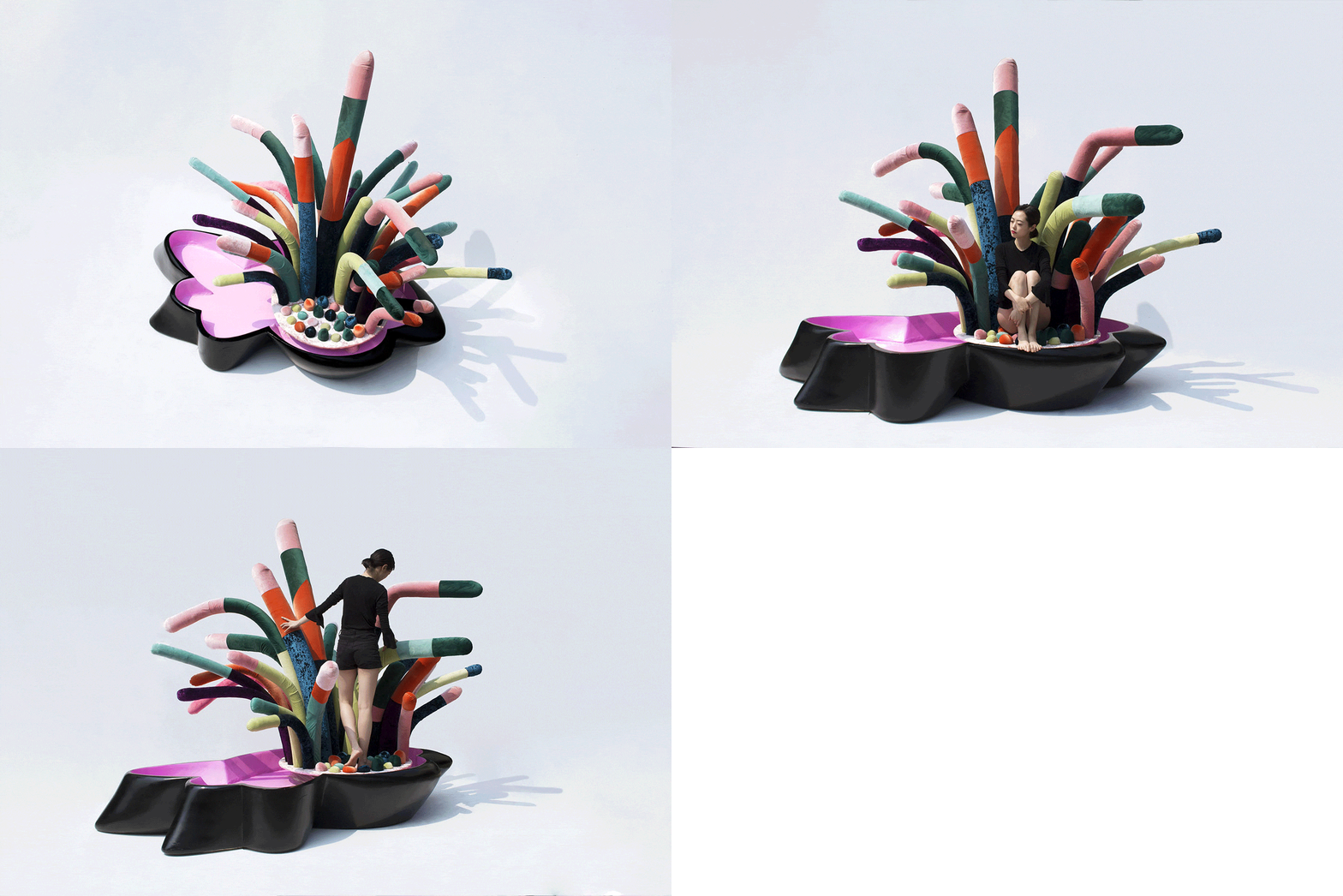
Pranjal: What will we see coming from you next?
Hanee: Rather than making work in Korea and then presenting it internationally, I want to begin my next chapter by creating within an international environment from the very beginning. This September, I will begin my MFA in 3D Design at Cranbrook Academy of Art in the United States. I see this as an opportunity to test my ideas through conversations with people from different cultures, backgrounds and ways of thinking.
Looking ahead, I hope to expand beyond individual furniture pieces and create larger environments where multiple objects work together as a system—spaces that encourage movement, rest, interaction and storytelling. I see this as the next stage of my practice.

by Mrinmayee Bhoot Oct 08, 2026
The game designer discusses their work and its manipulation of scale, scientific data and non-human perspectives to create speculative futures in conversation with STIR.
by Chahna Tank Oct 08, 2026
Javier Guzman Cervantes and Ulises Morin Arzola tell STIR about their ‘open code’ approach to design, working through a process of stockpiling and the idea of ‘queering’ materials.
by Pranjal Maheshwari Oct 07, 2026
Under the theme R.A.W. (Rebel Authentic Worth), one of Europe’s most awaited design festivals returns for its 26th edition to investigate solutions for a world in crisis.
by Chahna Tank Oct 03, 2026
Wooden chairs by the Chilean designer reveals handmade forms and painted details that weave memories, literary references and personal stories.

make your fridays matter with a well-read weekend
Enter your details to sign in
Don’t have an account?
Sign upOr you can sign in with
a single account for all
STIR platforms
All your bookmarks will be available across all your devices.
Stay STIRred
Already have an account?
Sign inOr you can sign up with
Verification link sent to check your inbox or spam folder to complete sign up process
Tap on things that interests you.
Select the Conversation Category you would like to watch
Please enter your details and click submit.
Enter the 6-digit code sent at


Popcorny Unicorny evokes Korean folklore through horrifyingly delightful furniture
by Pranjal Maheshwari | Published on : Aug 29, 2026


 Sign in with Google
 Sign in with email
What do you think?