Design07 mins. read
Nostalgic associations and precise craft define Tbilisi-based Rooms Studio’s work
by Mrinmayee BhootJul 25, 2026



by Chahna TankPublished on : Oct 03, 2026
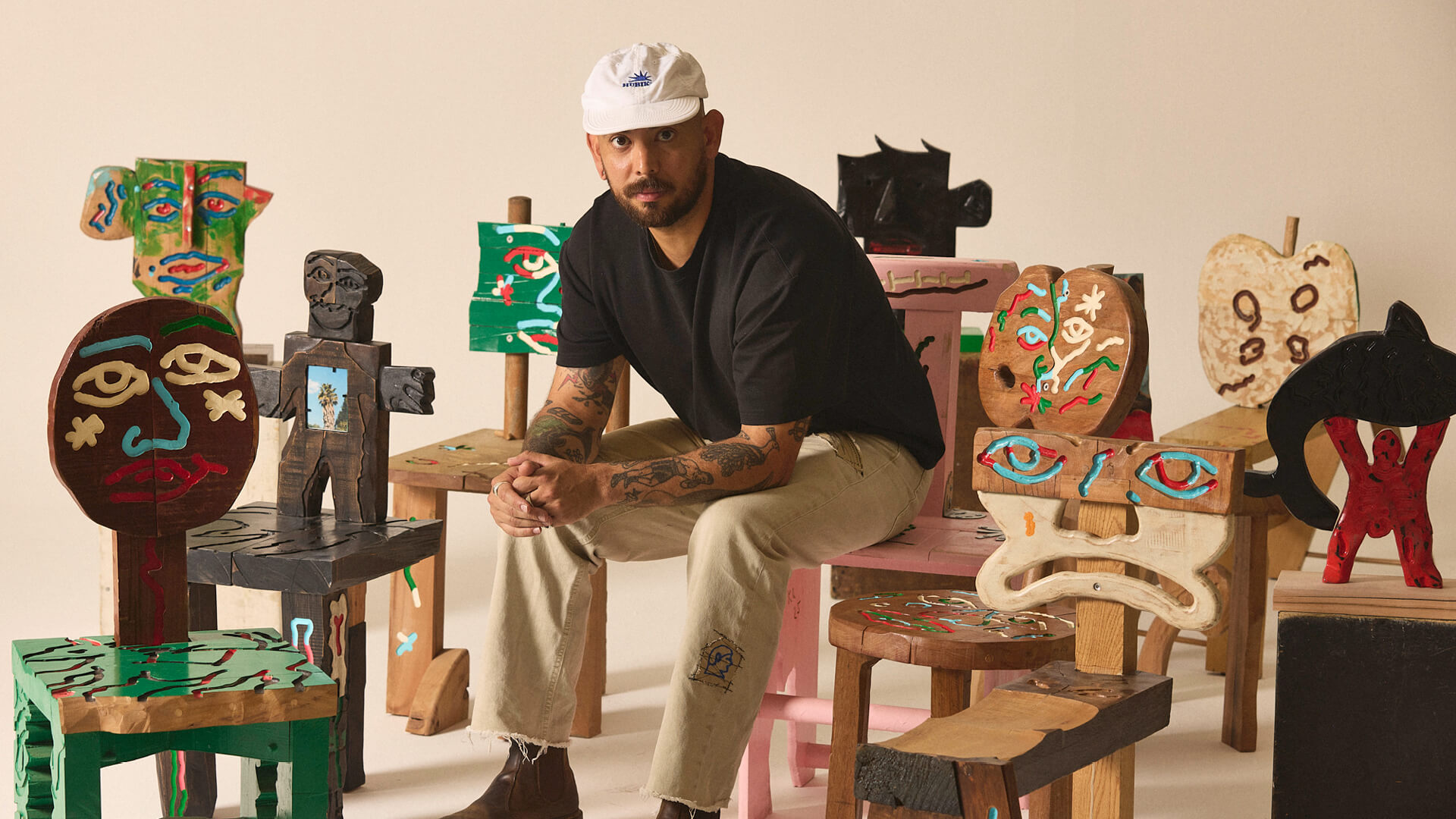
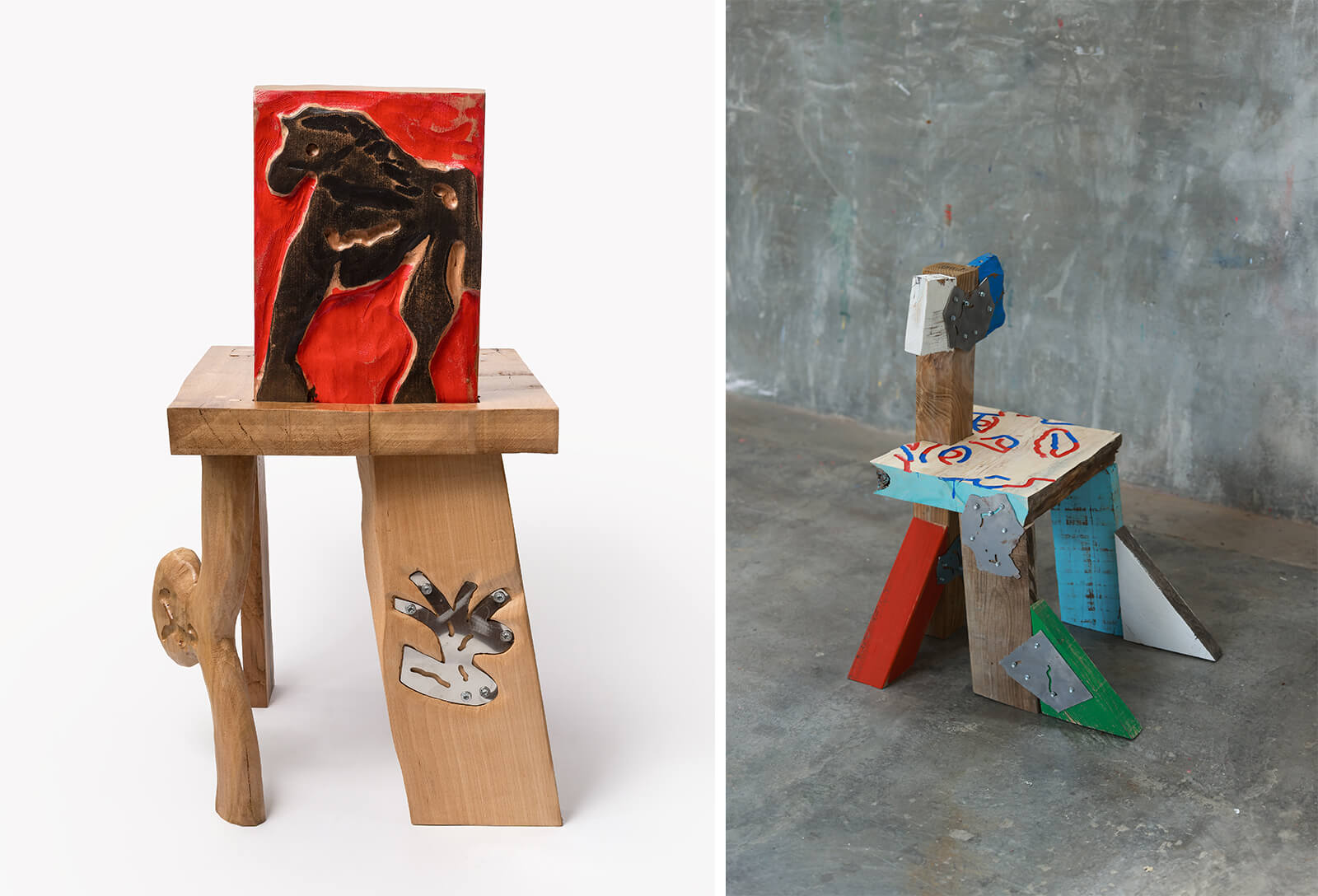
Painted details, carved marks, faces and figures populate the irregular surfaces of wooden chairs by Chilean artist and designer Camilo Huinca, turning each product into something equally eerie and expressive. The chairs look almost as characters themselves, a little theatrical with their own personalities and presence. Functional they may be, but they do not behave like conventional chairs—lingering somewhere between utility and sculptural design. Their construction remains visible, while their forms appear as interested in telling a story as they are in supporting a body.
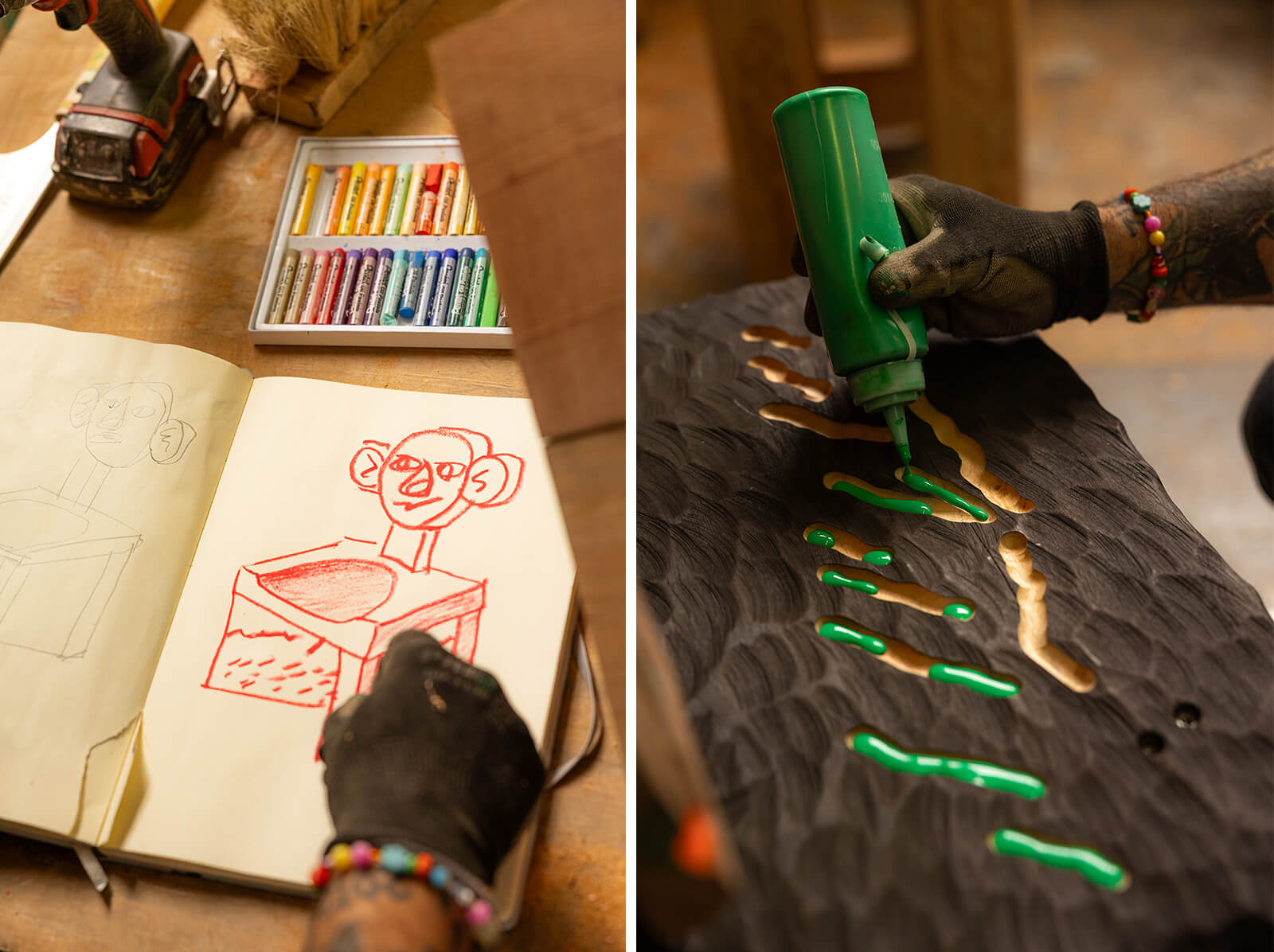
Working under the moniker ONLYJOKE, Huinca's multidisciplinary practice spans illustration, sculpture, painting, large-scale installations, public art and object design, built around simplified forms, bold colours and a distinct sense of humour. Furniture is a more recent extension of that visual language. Growing up in Chile around his grandparents, a carpenter and a seamstress, as well as manual trades and a culture of making with limited resources, deeply influenced his years ahead. For him, craftsmanship is both practical and intimate—a way of giving form to stories and experiences. "My practice explores the ways objects can carry memory. I am interested in how everyday forms, familiar landscapes and handmade materials become vessels for personal and collective stories," Huinca shares.
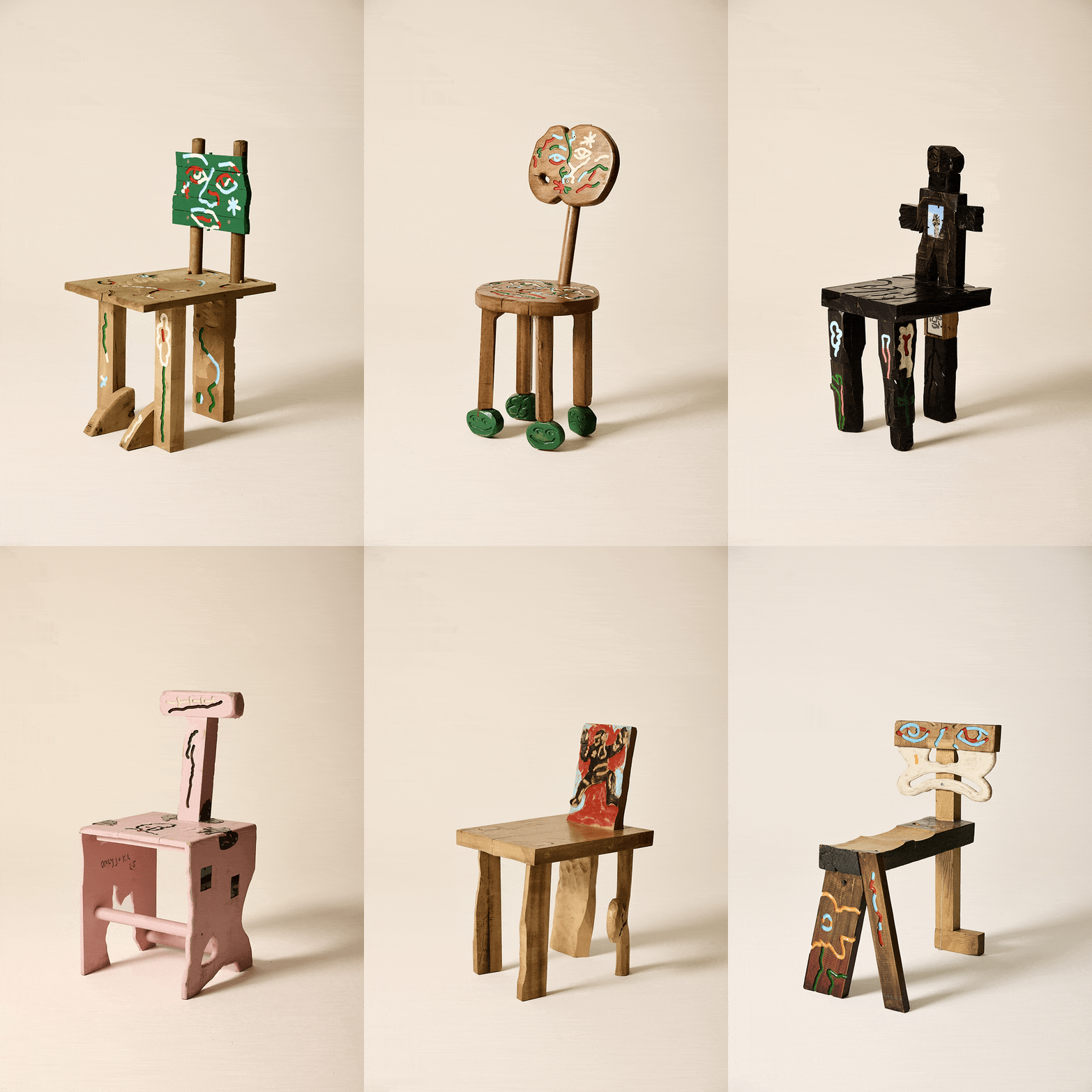
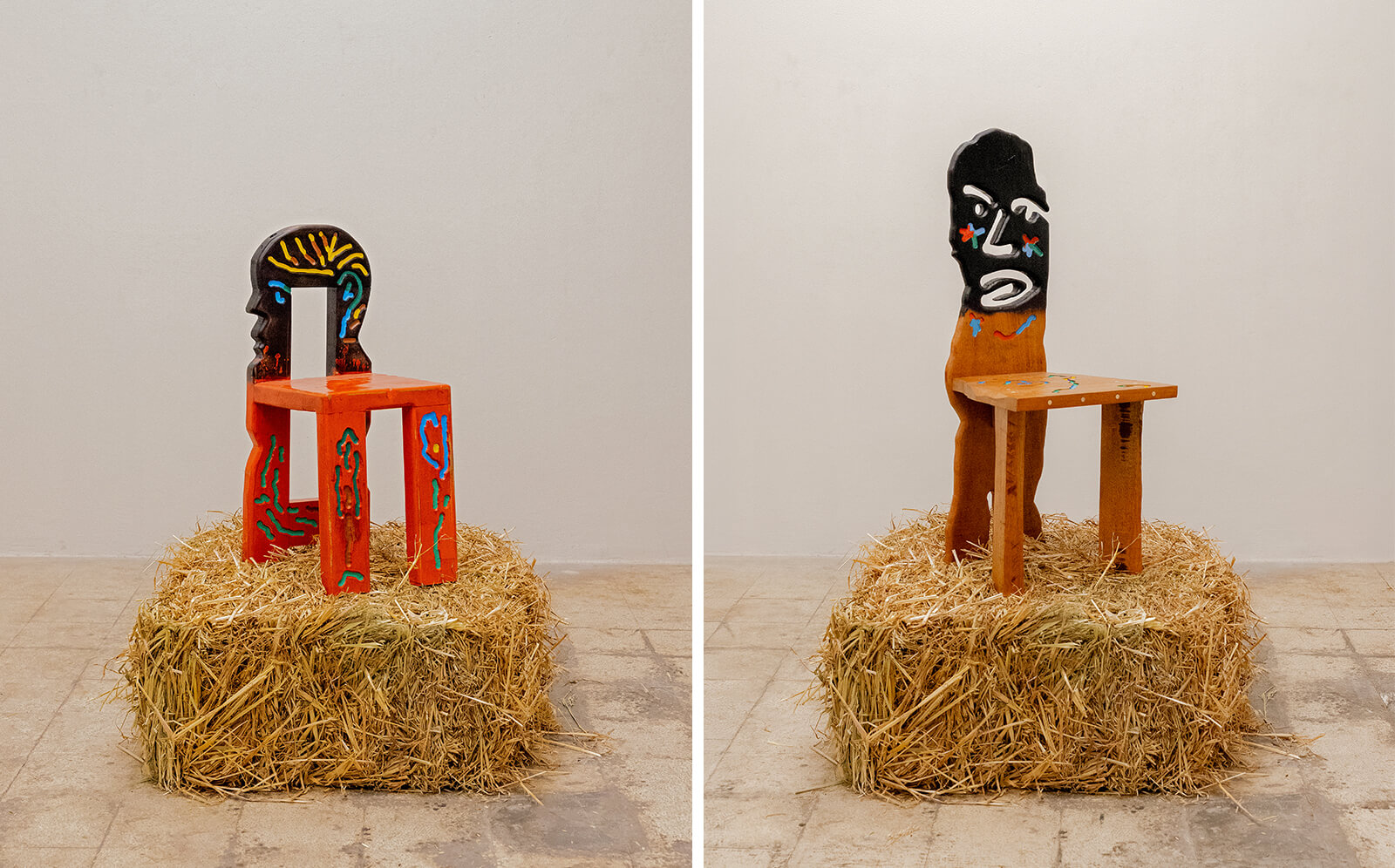
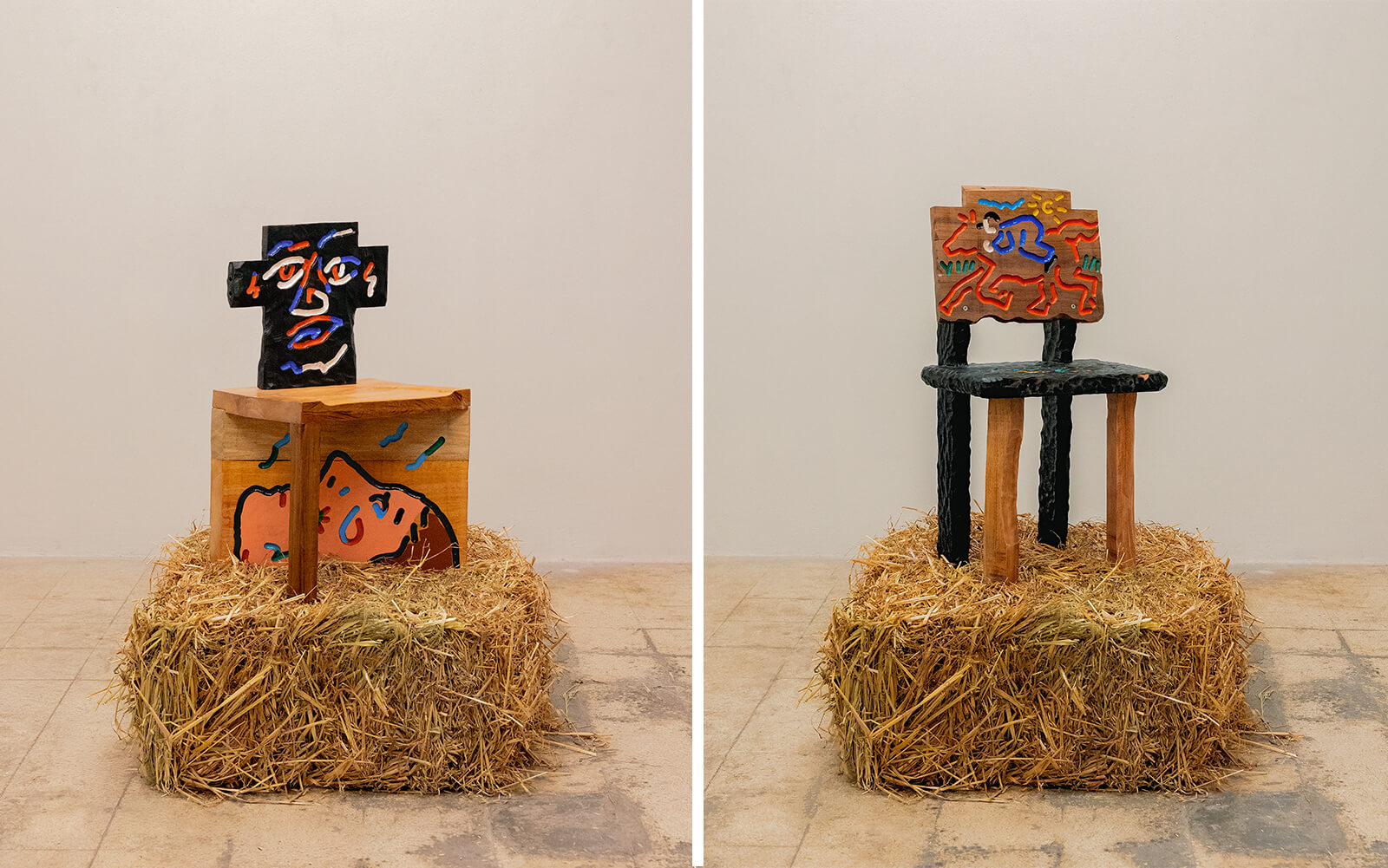
Handcrafted from wood, metal and acrylic paint, the chairs are built through a modular system that allows them to be assembled, disassembled and transformed. Their references, however, extend beyond material and form. Many of Huinca's pieces draw on literary figures including Rainer Maria Rilke, Franz Kafka and Chilean poet Gonzalo Millán, as he explores childhood, labour, family and rural life. The titles of the chairs also offer a way into their stories. Rather than simply naming the objects, the multidisciplinary artist uses them to add context, pointing towards a narrative. His own experiences and the ideas that have stayed with him are translated into the forms of the furniture, giving each chair a story of its own.
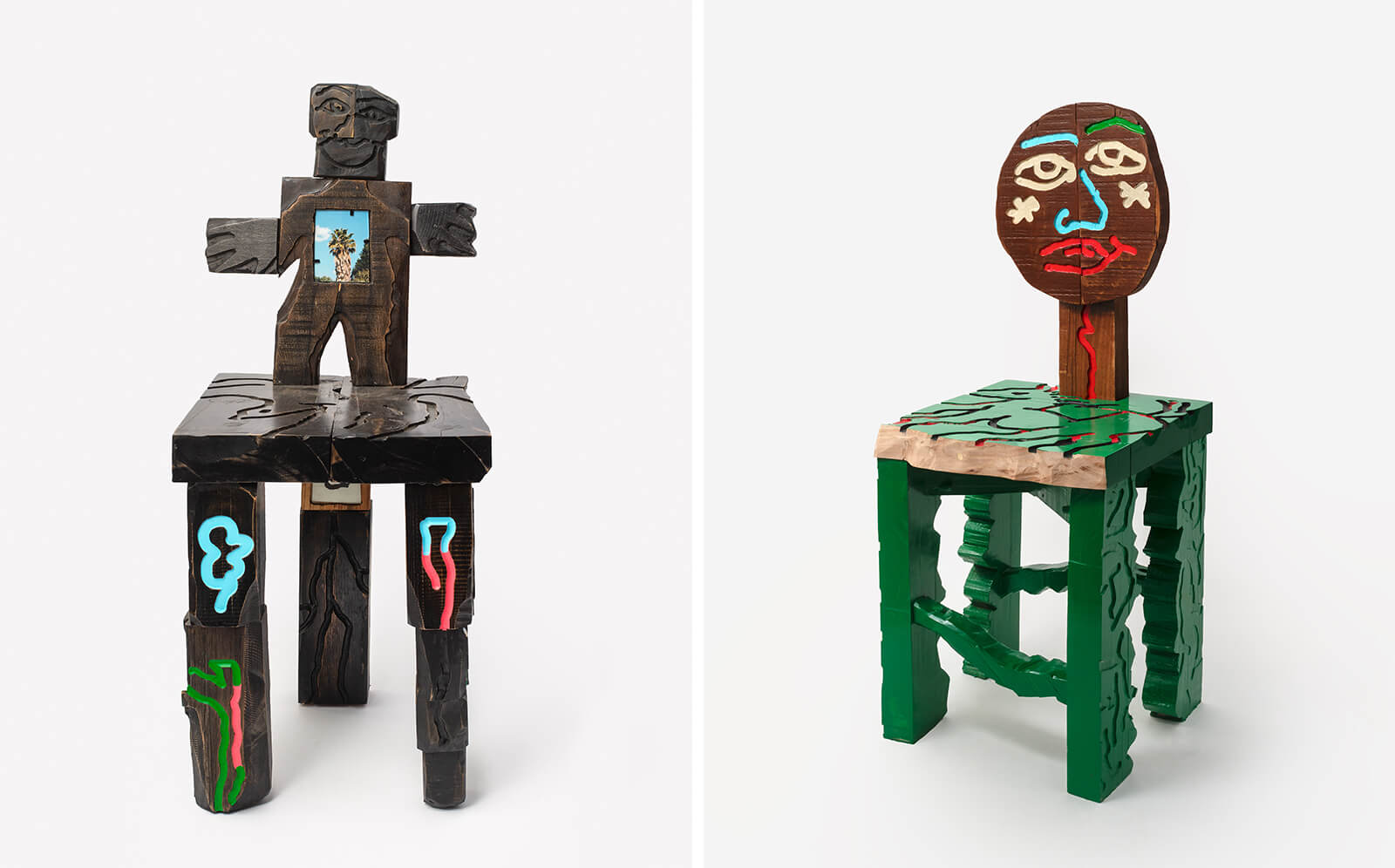
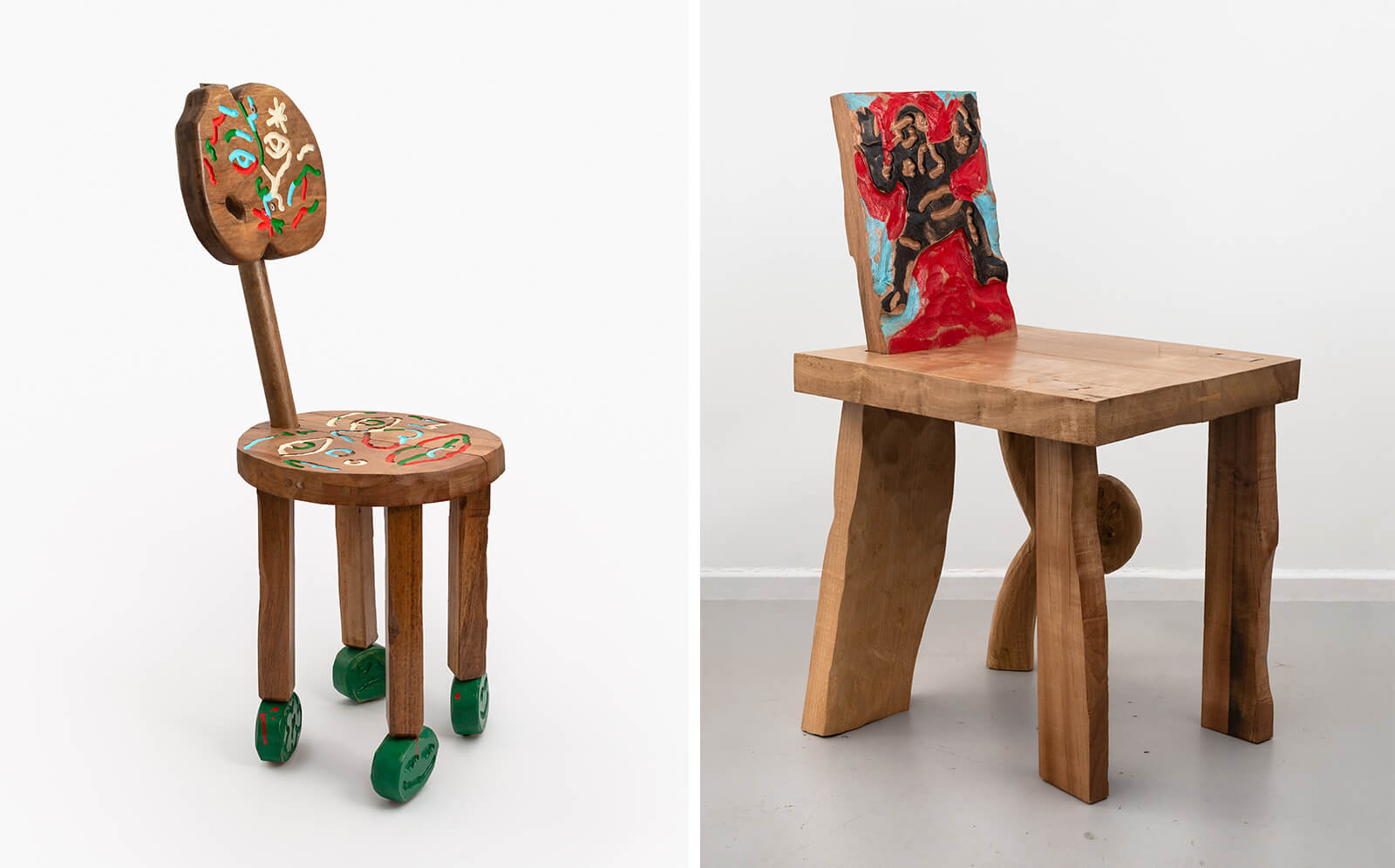
For Monólogo al Origen (Monologue to the Origin), Rilke’s idea that “man’s true homeland is childhood” became the starting point. The chair is built around simple geometric forms, with its backrest becoming a symbolic space for memories of early life. Sitting on it becomes, in Huinca’s words, a way of returning to the traces that shape us. Palma Sucia (Dirty Palm), on the other hand, turns towards the act of making itself. Taking its cue from a line by Millán about a palm stained by work, the chair is marked with shapes and reliefs that evoke a hand covered in paint or earth. The chair is about labour, but it is also visibly the product of labour: something made by hand, with the marks of making left on its surface.
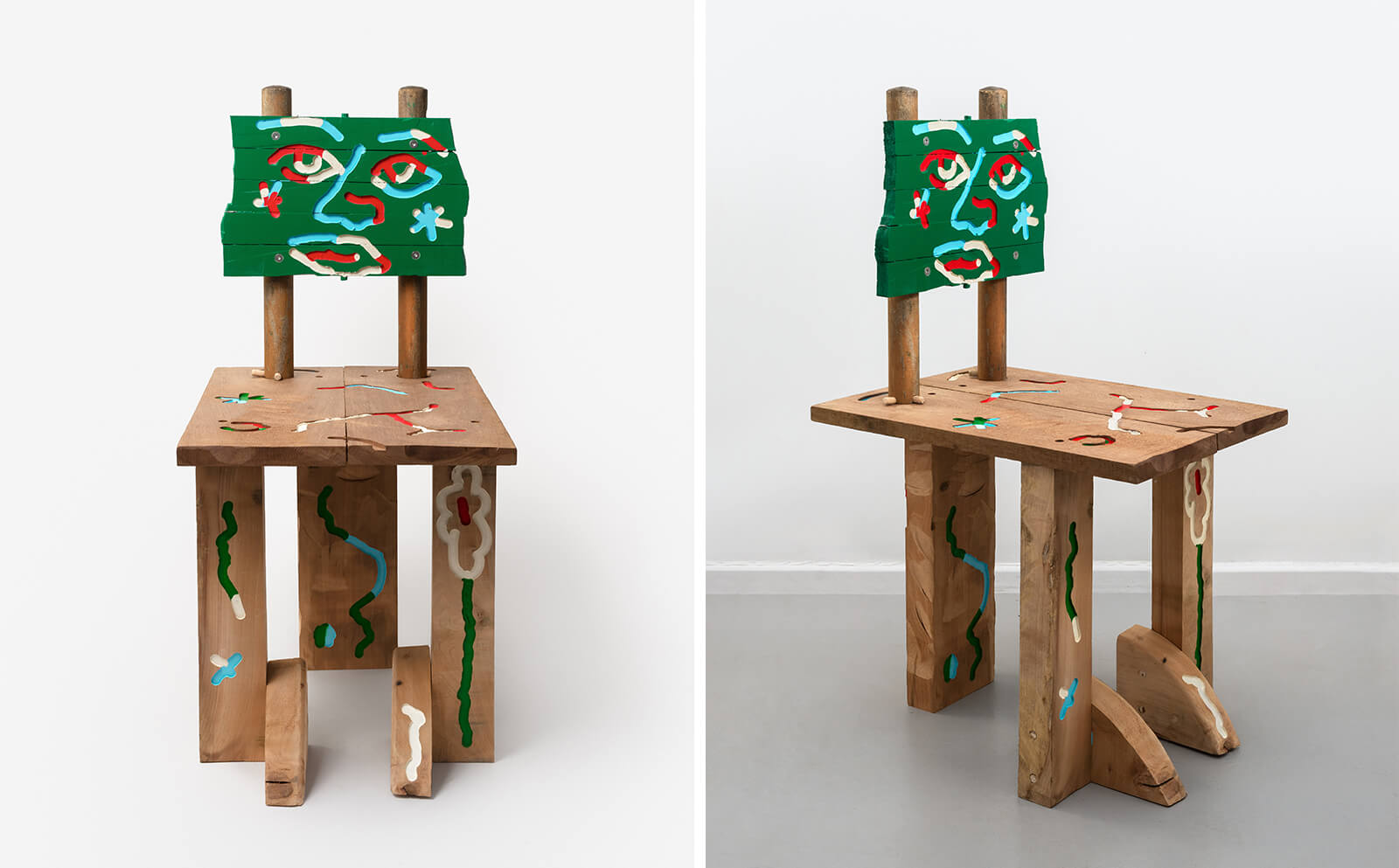
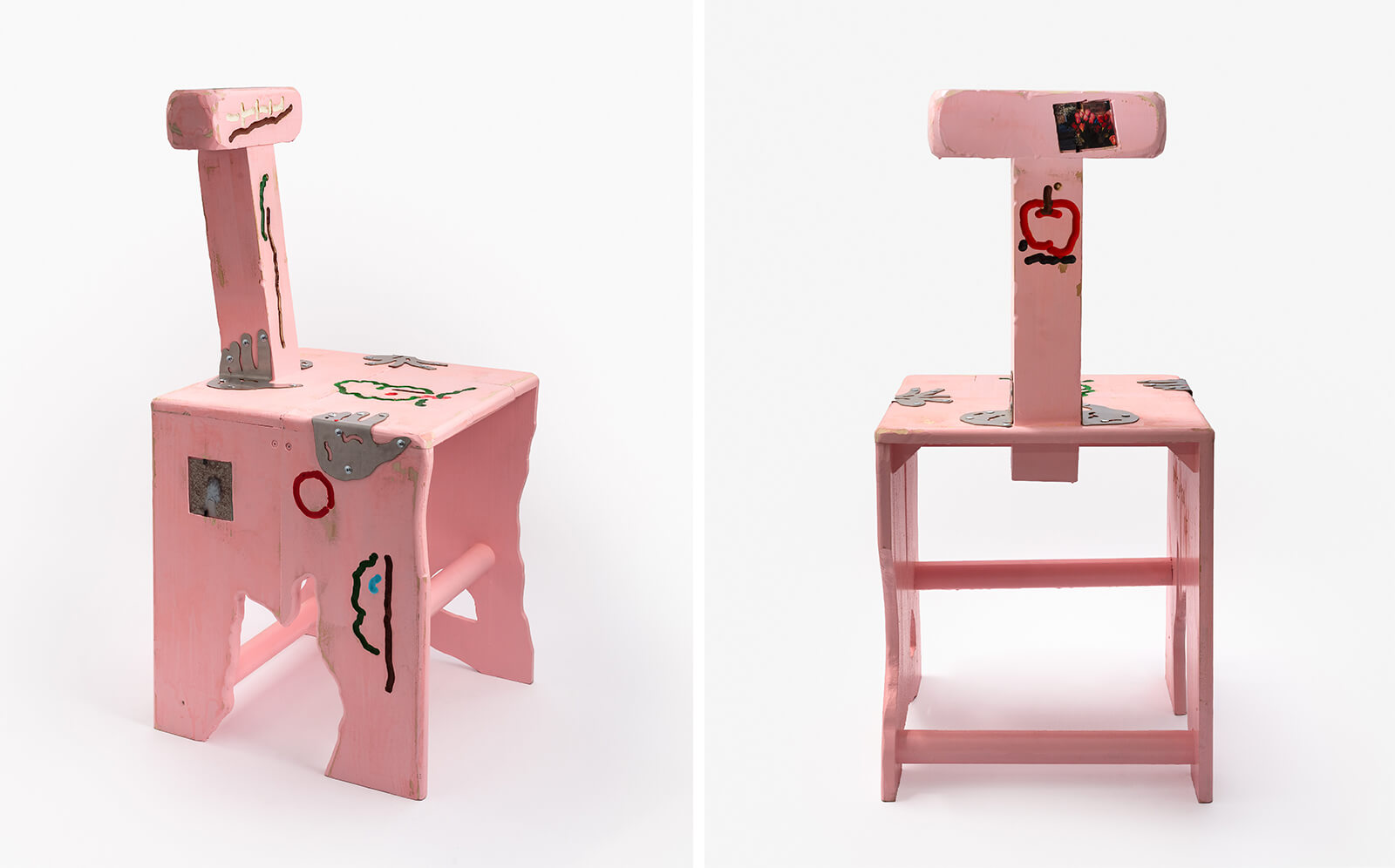
Millán’s writing also finds its way into Confluencia (Confluence), a chair rooted in memories of the countryside. Cuts and openwork across the wood suggest trees, mountains and other organic forms, while fragments of photographs set into glass become part of the chair’s surface. Elsewhere, the references become more personal and symbolic. El Diablo (The Devil), drawing on Kafka's words—"I am a finished man. But I do not care. Remaining in hell is also a way of existing"—takes a darker turn, using a black figure engulfed in flames and a black horse on its back to evoke anguish, rage and suffering. The chair becomes a character unto itself; its symbolism difficult to separate from its physical presence.
Other works in the series approach memory through different symbols. La Manzana (The Apple) turns to the familiar fruit as a symbol of knowledge, desire and transformation, while La Forma Insiste (The Form Persists) uses a fragmented and seemingly unstable construction to explore how meaning can emerge through form. In Jinete y su Caballo Herido (Horseman and His Wounded Horse), the relationship between body and structure becomes metaphorical: the seat represents the wounded horse that remains upright, while the backrest becomes its rider.
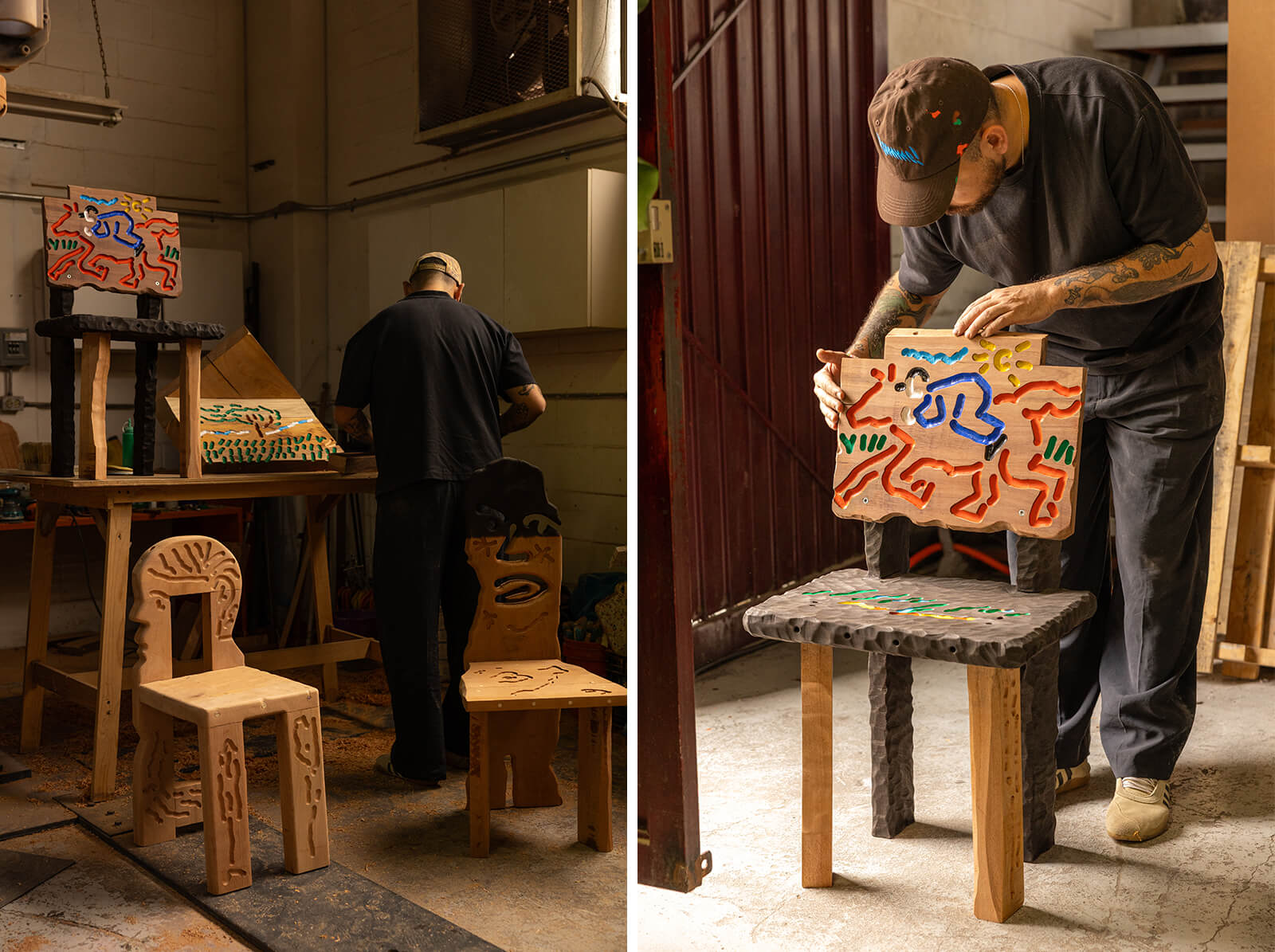
Across these works, Huinca is less interested in making furniture that blends into a space than making pieces that add to the space around it. For him, these objects are meant to be lived with rather than simply observed. As he notes, "A chair can hold the same emotional weight as a sculpture, just as an illustration can preserve memory in the same way a painting does. Function and narrative are not contradictory; they enrich one another." The stories embedded in them are therefore not fixed on the surface; they become part of the everyday life that happens around them. Perhaps that is what allows Huinca’s chairs to sit so comfortably between art and design. Literature, landscape, childhood and labour may have provided their beginnings, but everyday life around them provides whatever comes next—for they are objects with their own stories, and ones that can keep gathering more.

by Pranjal Maheshwari Oct 23, 2026
Co-authored by Jareh Das, Chairman traces the British designer’s fixation on chairs as symbols of power and identity and as mediums of expression and community building.
by Mirra Lynn Oct 22, 2026
The curators behind Palestine Design Week 2026 reflect on its intent, considering how design holds memory, makes space for loss and imagines a future in Palestine.
by Chahna Tank Oct 22, 2026
STIR speaks with the Mumbai-based type designer about her practice, type walks and why she wants more people to have stronger opinions about Indian-script fonts.
by Jincy Iype Oct 15, 2026
STIR explores craft, material intelligence and people shaping Indian design through dialogues with Design Democracy’s co-founders and the curators of its special exhibitions.

make your fridays matter with a well-read weekend
Enter your details to sign in
Don’t have an account?
Sign upOr you can sign in with
a single account for all
STIR platforms
All your bookmarks will be available across all your devices.
Stay STIRred
Already have an account?
Sign inOr you can sign up with
Verification link sent to check your inbox or spam folder to complete sign up process
Tap on things that interests you.
Select the Conversation Category you would like to watch
Please enter your details and click submit.
Enter the 6-digit code sent at


Camilo Huinca’s unconventional chairs are seats full of stories
by Chahna Tank | Published on : Oct 03, 2026


 Sign in with Google
 Sign in with email
What do you think?