Design05 mins. read
Design Democracy returns to Hyderabad with an intersectional programme
by Jincy IypeSep 04, 2026



by Jincy IypePublished on : Oct 15, 2026
A design fair can fill its halls with objects made by hand and still somehow leave the hands themselves out of the picture. At Design Democracy 2026, held at Hyderabad’s HITEX Exhibition Centre from September 18 – 20, 2026, the festival’s fourth edition made a concerted effort to foreground Indian craft, material knowledge and cultural memory. In doing so, it offered a platform for bringing regional practices and contemporary design into closer dialogue. The question of who gets to speak for design, and who gets to shape its future, however, remains open still.
As a media partner, STIR attended the design festival firsthand, speaking with its three co-founders, Pallika Sreewastav, Shailja Patwari and Arjun Rathi, as well as the curators behind its four special exhibitions and the designers, makers and brands presenting their work. Their perspectives reflected on the thinking behind these projects, their place within Design Democracy’s fourth edition and what it means to champion design in Hyderabad. An observation emerged about the Indian city’s steadily evolving landscape, both design and otherwise, where a growing technology sector appears to be influencing how design is imagined and proliferated. Yet much of the event remained recognisable within India’s established design-fair circuit: familiar faces, recurring conversations and similar impressions of what contemporary design looks like.
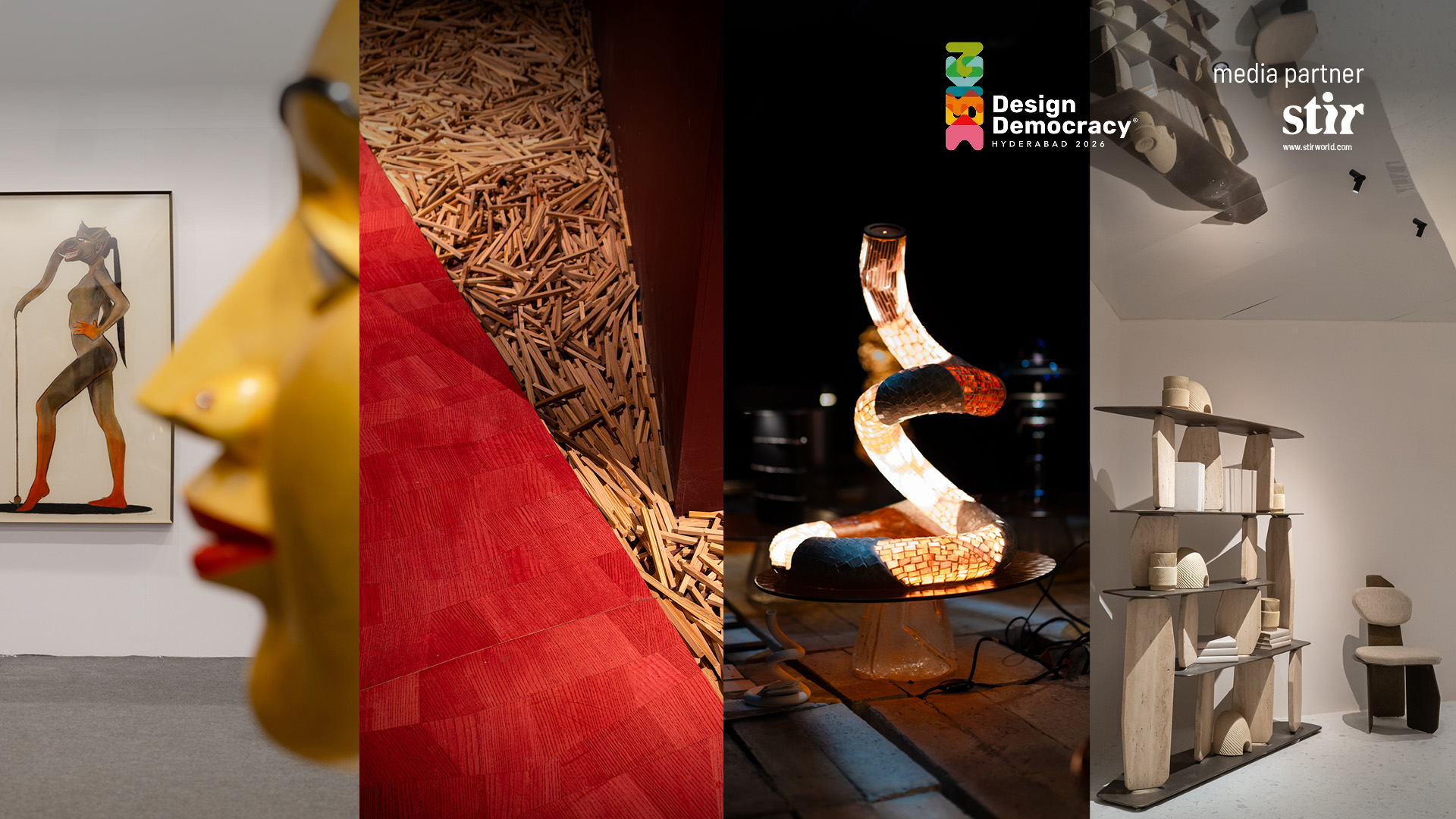
Across the design fair, Indian religious and heritage references kept cropping up with particular force. Jewelled tapestries depicted Krishna with gopis; metal sculptures evoked Shiva; crowned elephant sculptures created in intricate metal threads; vintage mirrors and tables sat alongside antique wooden Eucharistic tabernacles, while glittering chandeliers recalled the palaces of Jaipur. Stories drawn from nature as well as the Mahabharata and Ramayana appeared in monumental gilded frames, amid contemporary interpretations of material and form across furniture, lighting, rugs and surfaces. In Hyderabad, these references felt viscerally connected to the cultural life around Design Democracy, giving the fair a palpable regional texture that extended beyond its four pavilions. This rootedness felt especially pronounced against the backdrop of India’s wider design-fair circuit, where cultural specificity is often less prominent.
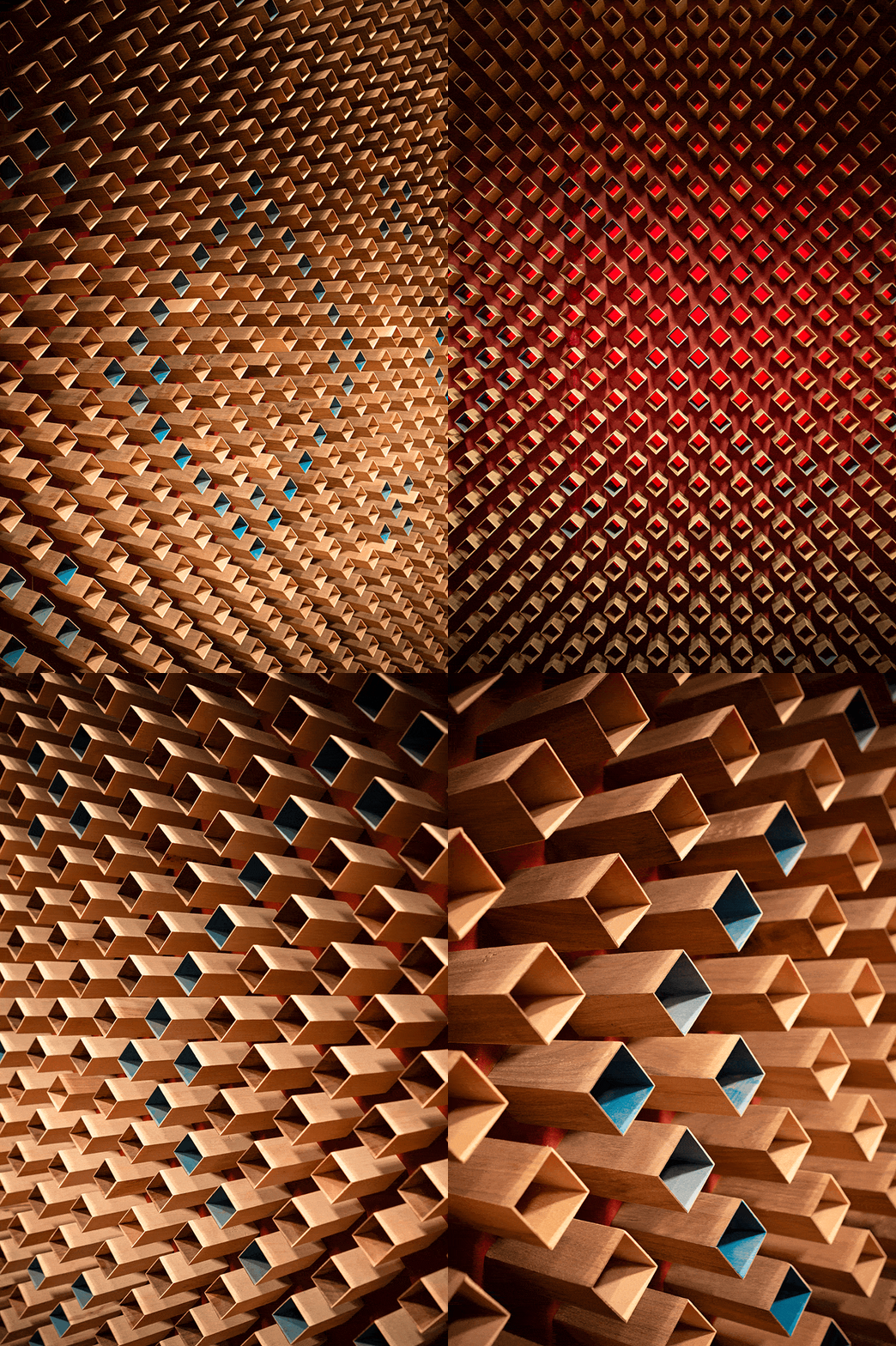
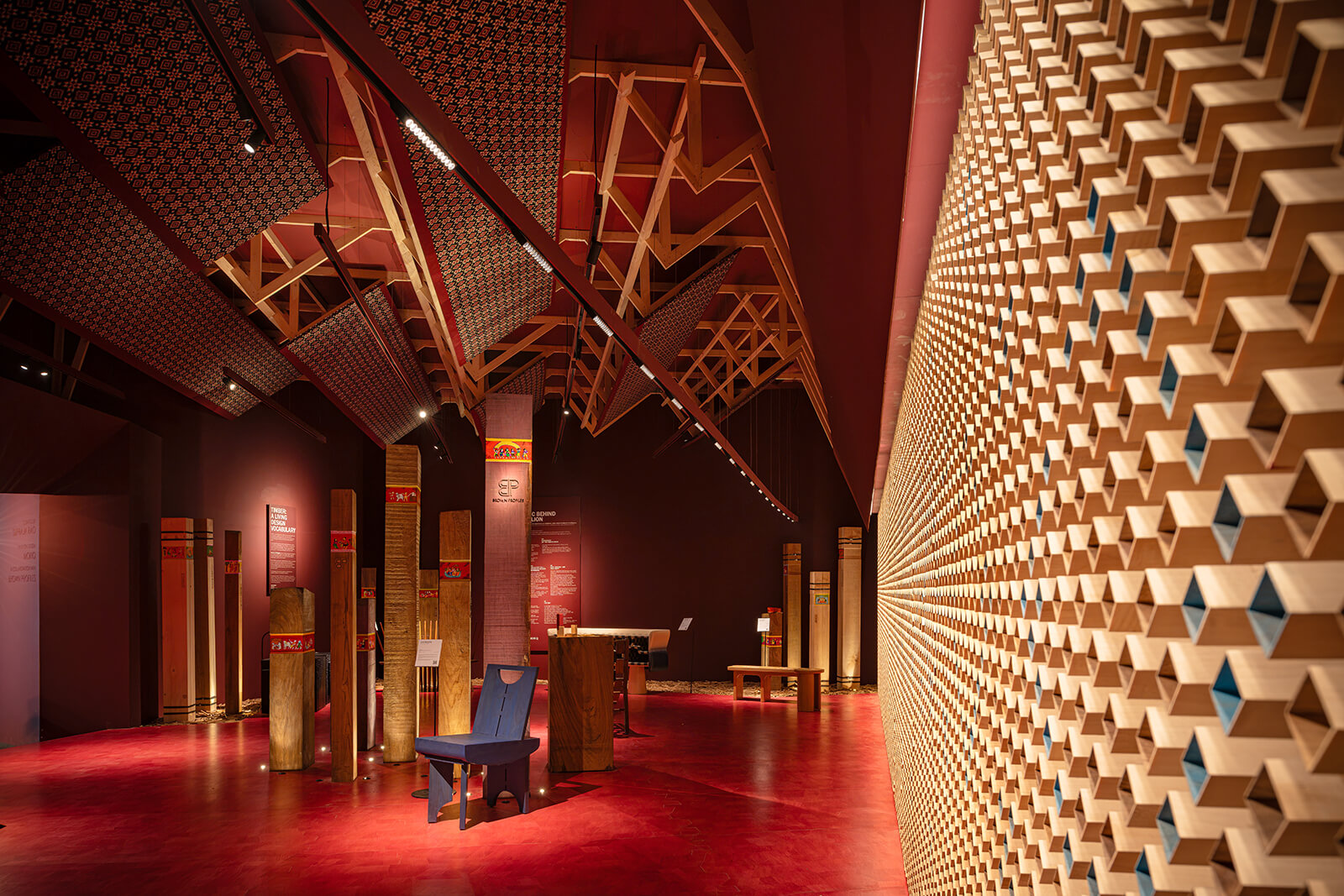
The special exhibitions offered some of the clearest expressions of this. Curated by Supraja Rao and designed by Riyaz Quraishi of MORIQ in collaboration with Brown Profile, Museum of Telangana brought a deliberate regional focus. Created as a platform for designers, makers and emerging practices from Telangana, its fourth edition turned to timber, following earlier explorations with brick and stone. Ten Indian designers, selected through an open competition, reimagined the material through its grain, texture, joinery and structural possibilities. Their works occupied a bustling red stall within one of the pavilions, set against a striking installation of 6,000 tapering modules realised in ash and walnut, with a stretch ceiling and colour-changing light behind them. With 60,000 pieces of different wood species spread across the space, the exhibition invited a closer look at timber as a material shaped by both nature and human making and at how traditional, local knowledge informs contemporary practice.
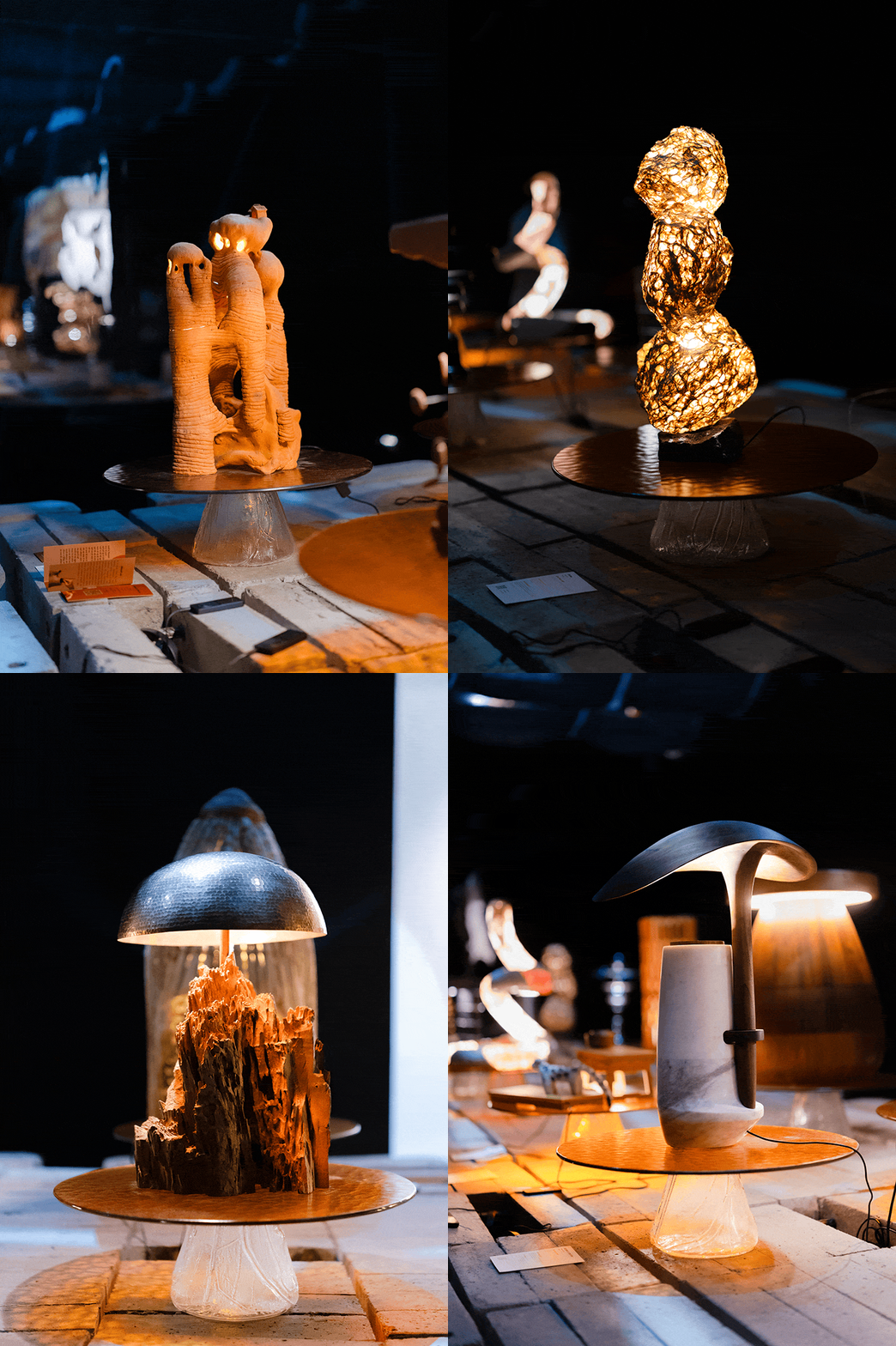
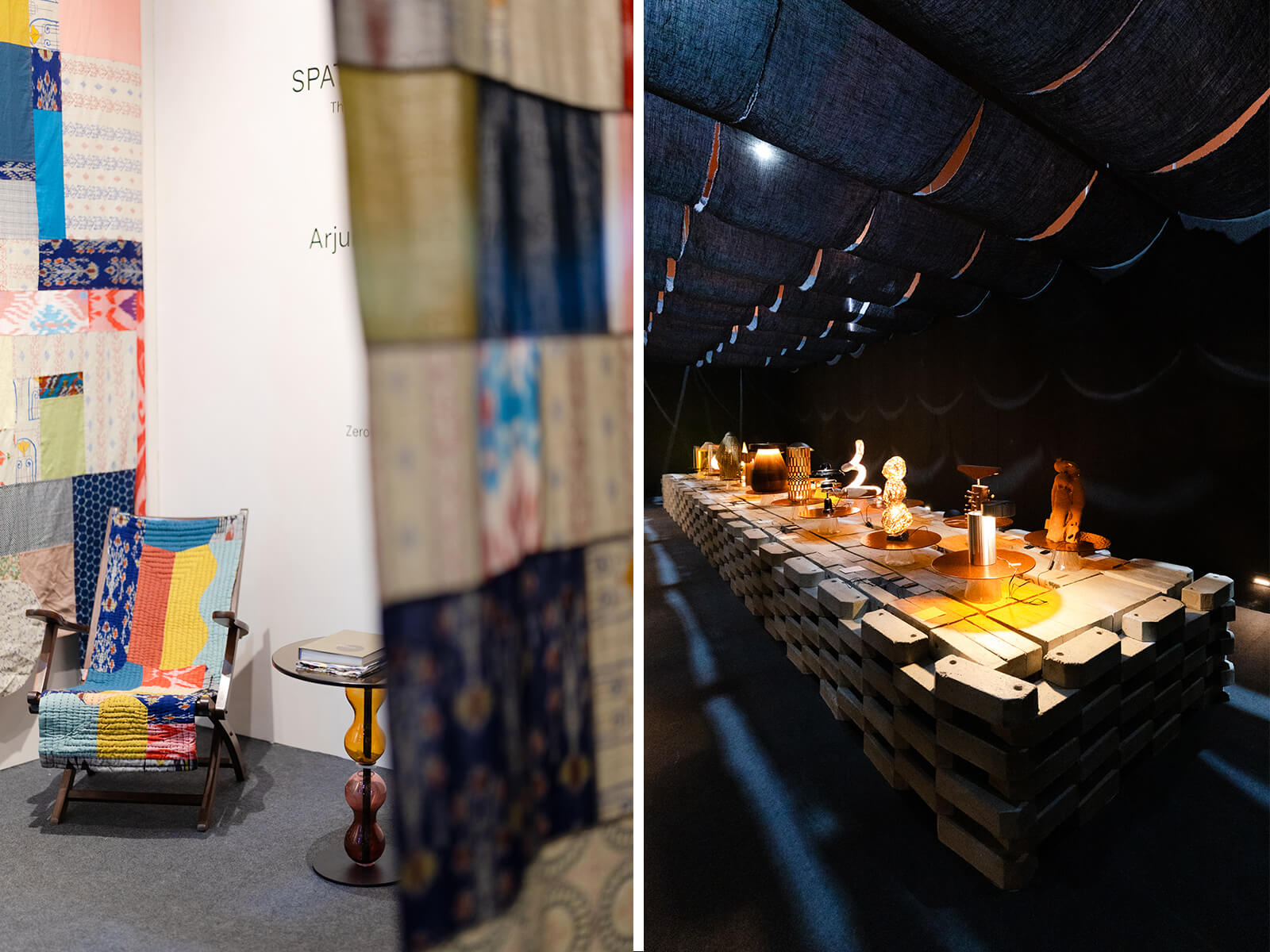
In the Gallery of Sustainability: Root & Radiance, curated by Jasem Pirani and Huzefa Rangwala of MuseLAB, 20 contributors developed table lamps through a shared framework of bases and shades, using natural or reclaimed materials such as clay, wood and steel, with mechanically assembled components designed for repair and longevity. Set atop a grey base of pre-cast slag blocks by Supercast, the lamp designs occupied a striking, darkened room beneath a draped ceiling. Here, sustainability took material form through choices around construction, maintenance and the extended life of objects, with the products themselves carrying the argument.
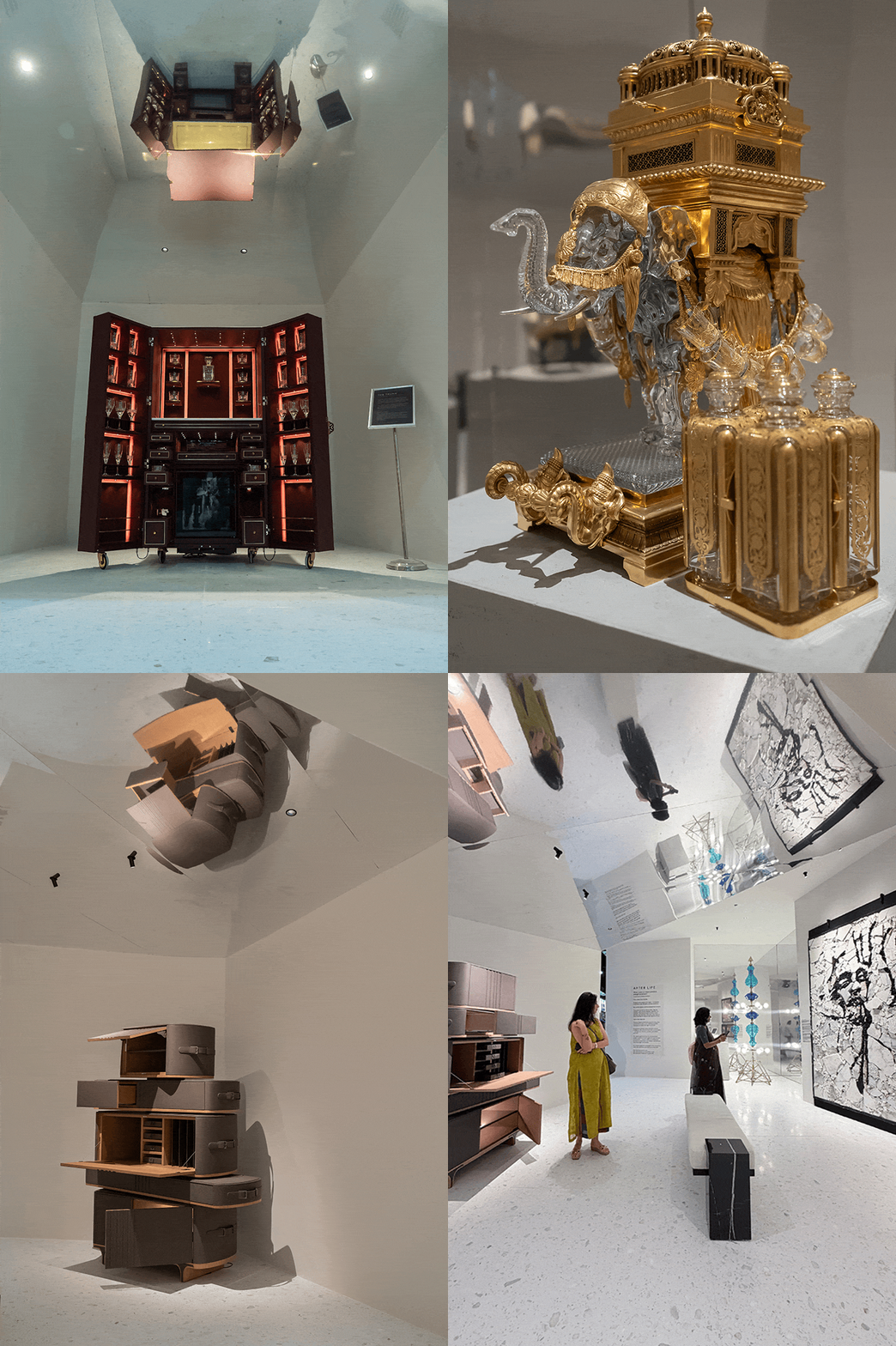
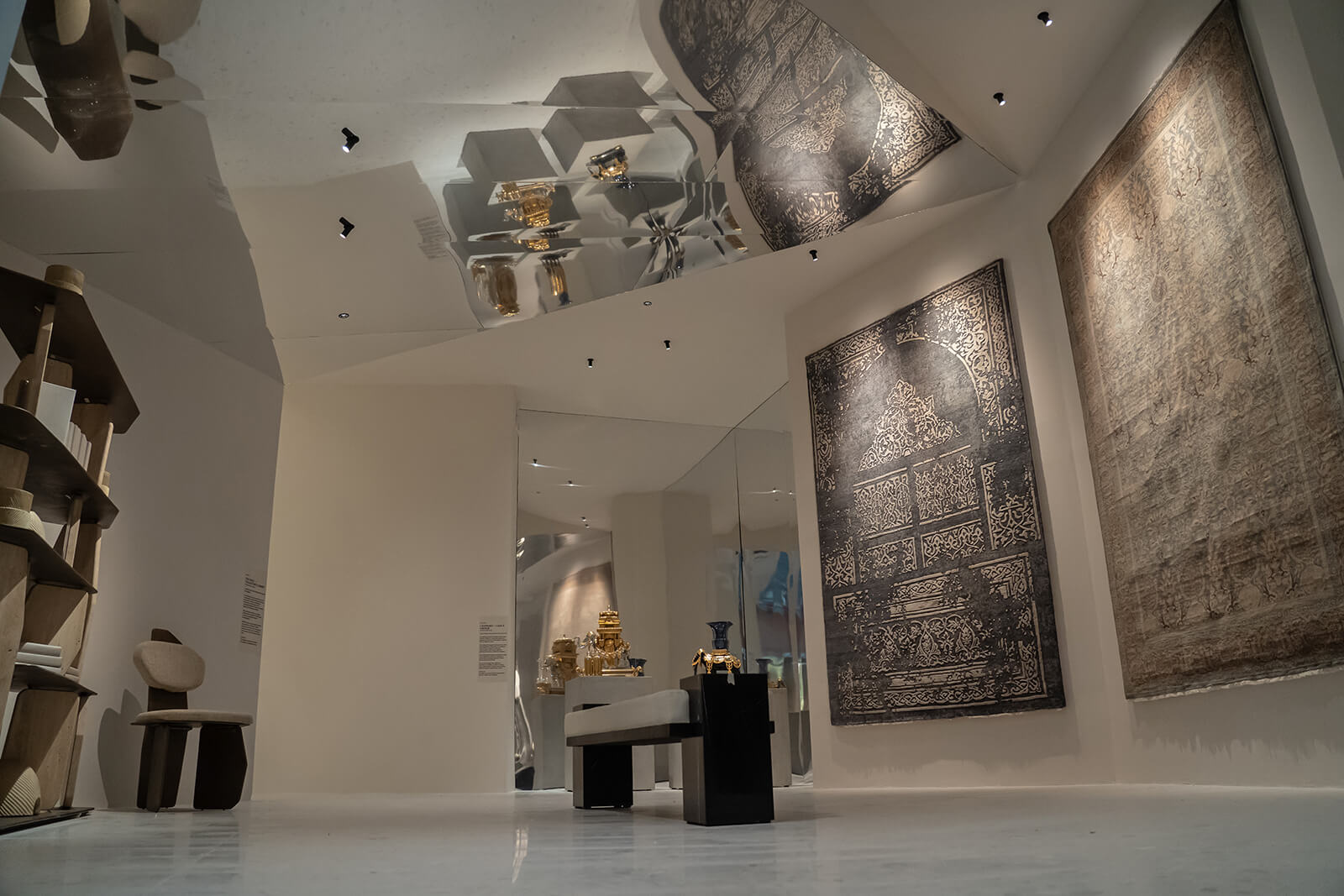
Precious Objects: AFTER LIFE, curated by Monika and Sarah Choudhary of ZHCollective | Habitat Architects, explored how objects accrue meaning through use, memory and inheritance. The booth’s mirrored ceiling, shifts in spatial compression and release alongside choreographed encounters gave furniture, sculpture, lighting, rugs and textiles room to the visitor to register these beyond the conventions of a showcase. At its centre, a Baccarat chandelier glistened above a glass chessboard, facing a wall artwork by a young artist from Hyderabad. The arrangement brought international luxury and home-grown creative practice into the same field of view, inviting them to be considered in relation to one another, as precious beings.
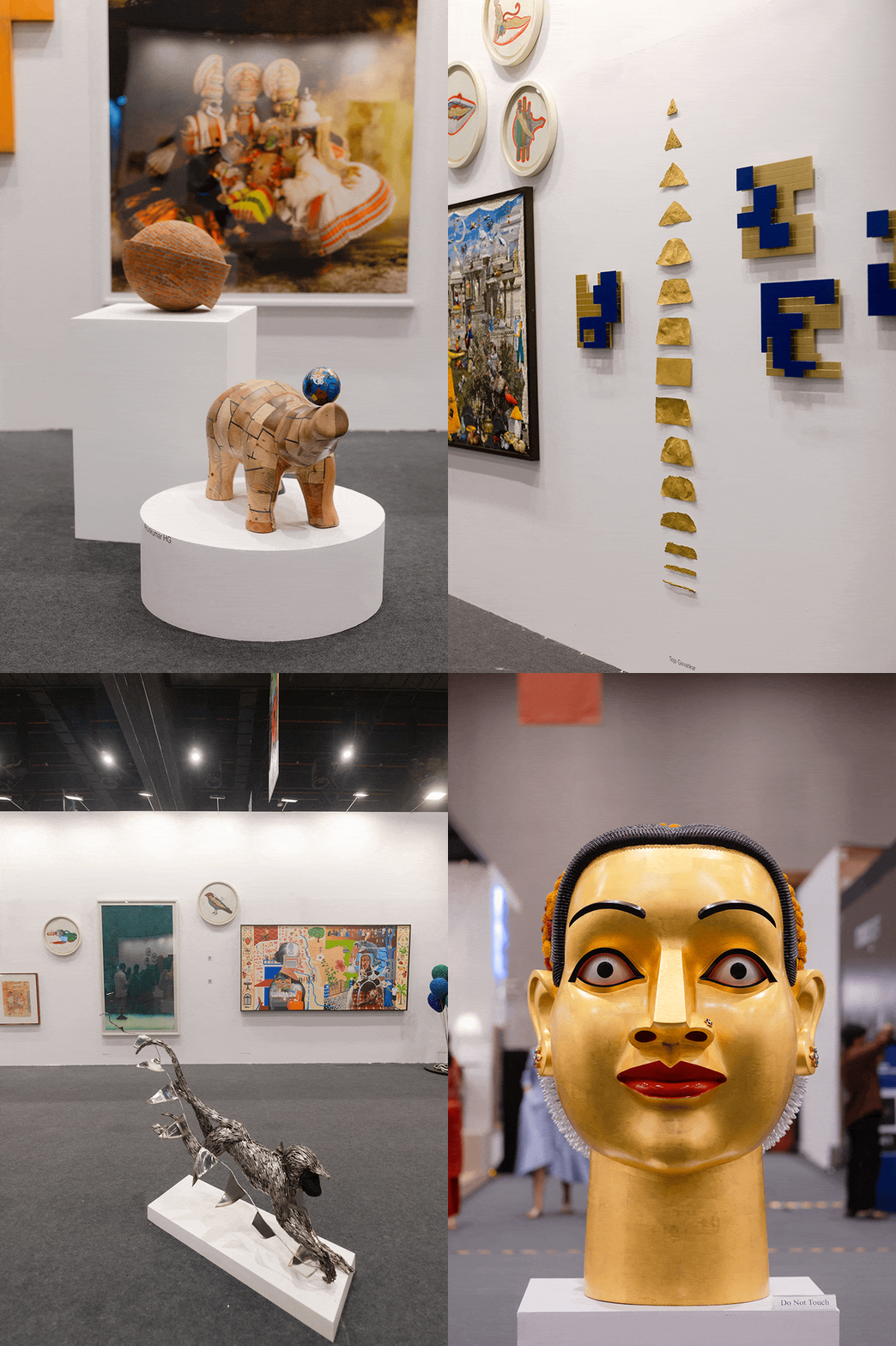
As the fair’s most explicitly art-focused endeavour, The Art Edit, curated by Anish Gawande with Sakshi Gallery (marking 40 years), took an art-historical route, bringing Indian modernism into conversation with contemporary practices and the shifting meanings of tradition. Ravinder Reddy’s Lakshmi (2019), rendered in gold-gilded and painted polyester resin and fibreglass, appeared alongside Varaha and the Traces of the Lost Forest (2026) by Arunkumar HG, made from repurposed waste wood and plastic, as well as other mixed-media artworks and sculptures in wood and metal. The Living Tradition by K. G. Subramanyan inspired the works presented in the open, white-walled exhibition space. As Gawande’s curatorial note explains: “The gallery showed Subramanyan alongside Manjit Bawa, Krishen Khanna, Himmat Shah and Jehangir Sabavala, and went on showing as liberalisation arrived and the country reorganised itself around new appetites, as a generation trained in one set of certainties found the ground shifting, as those who followed discovered the inheritance could be honoured but not repeated. This show gathers works from either side of that passage, setting those who made the modern legible in India beside those who inherited it.”
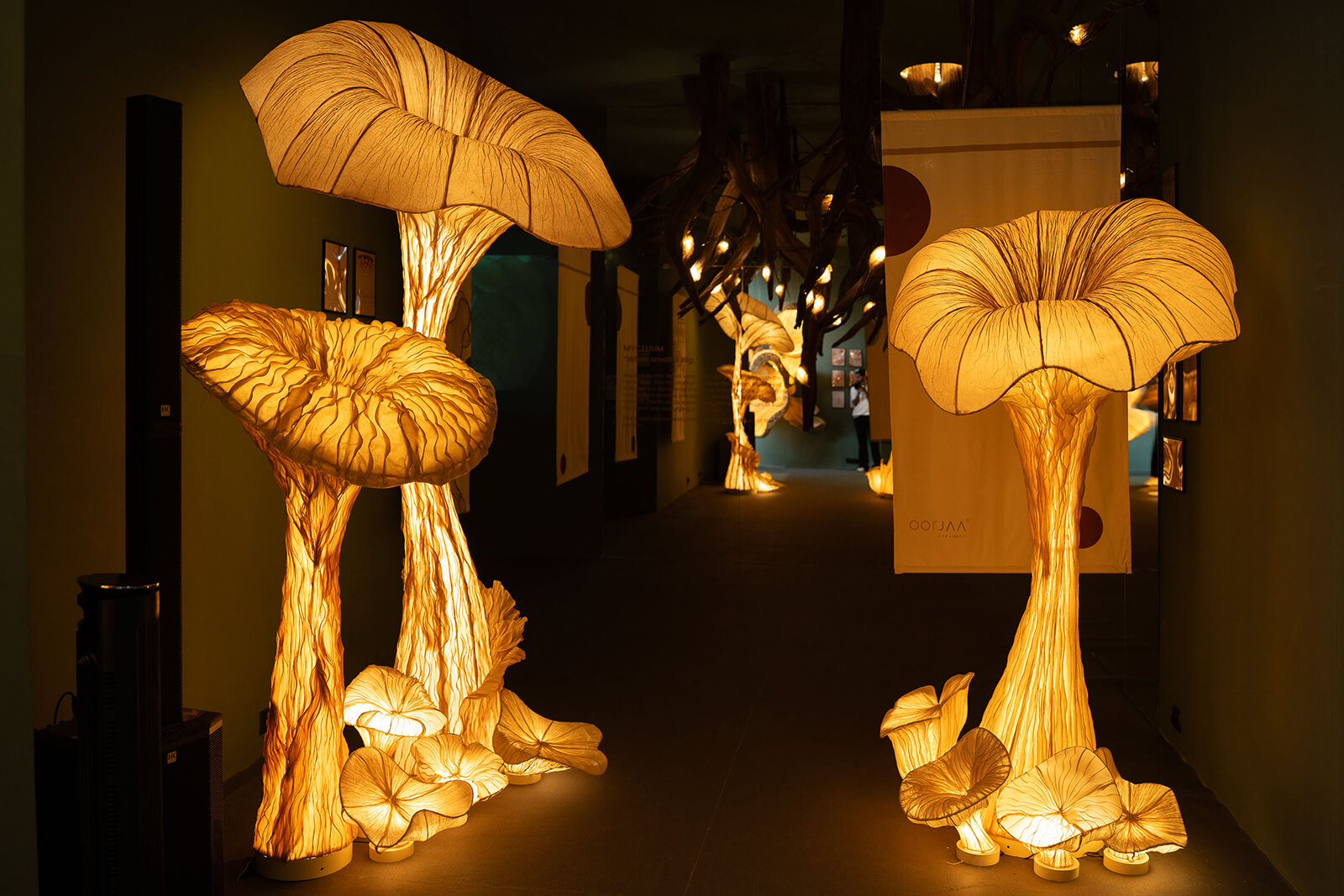
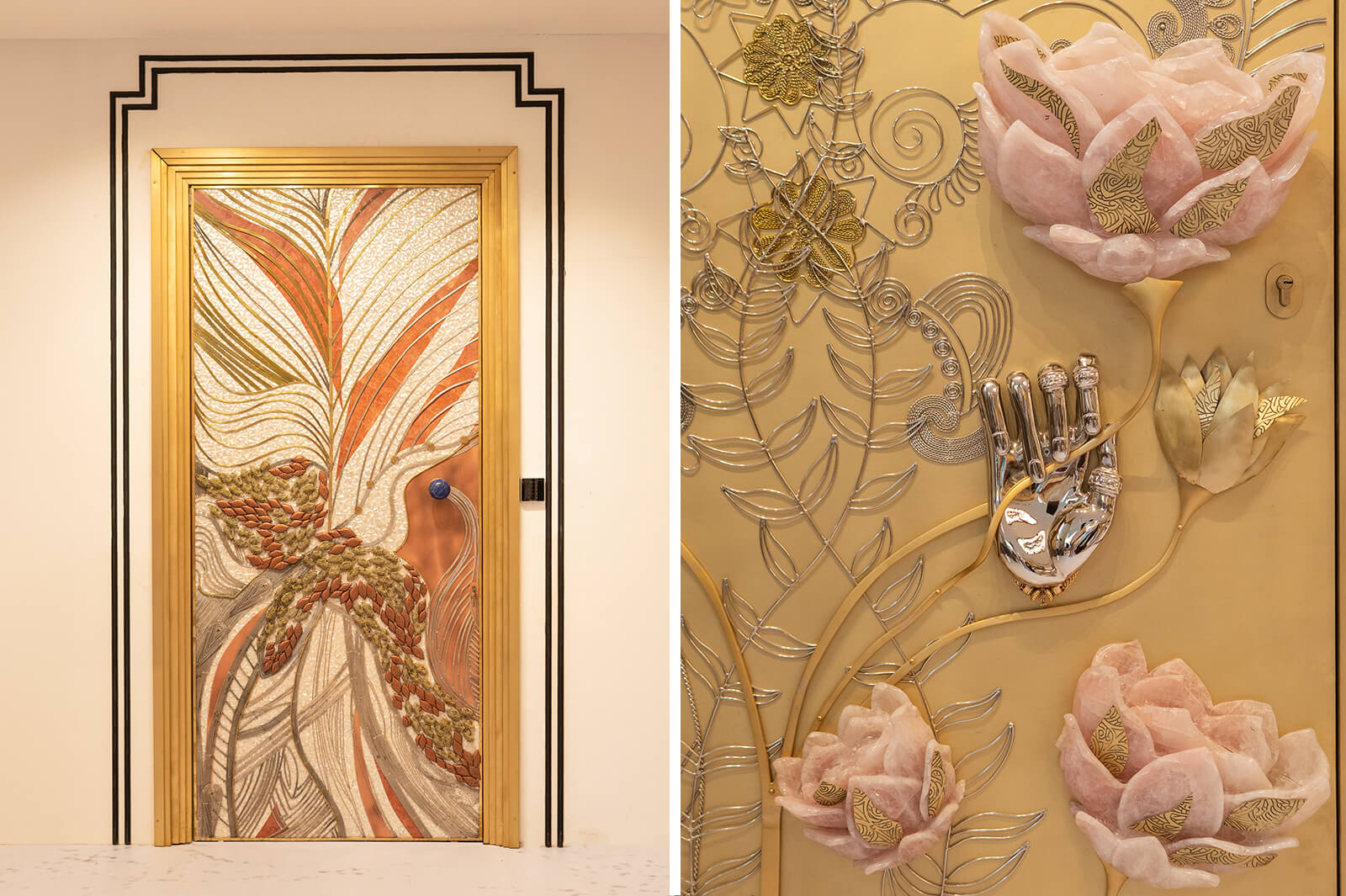
Across studio and brand booths, from the extravagant to the restrained, art and design found varied modes of expression, with commerce remaining the fair’s underlying condition. One hand-painted booth offered its own summation: ‘From India, with intent’. The Magic of the Forest by Oorjaa enlarged the geometries of leaves, mushrooms and spiderwebs into life-sized sculptural lighting, housed within an immersive setting. Luxury metalwork by the House of Aluminr brought intricate filigree from Cuttack, Odisha, to monumental golden doors and wall surfaces, featuring motifs of peacocks, lotuses and coastal geography. These presentations sat within a broader commercial landscape populated by established names such as Asian Paints, Technogym, Cesar and Artyk, alongside Gauri Khan Designs and others.
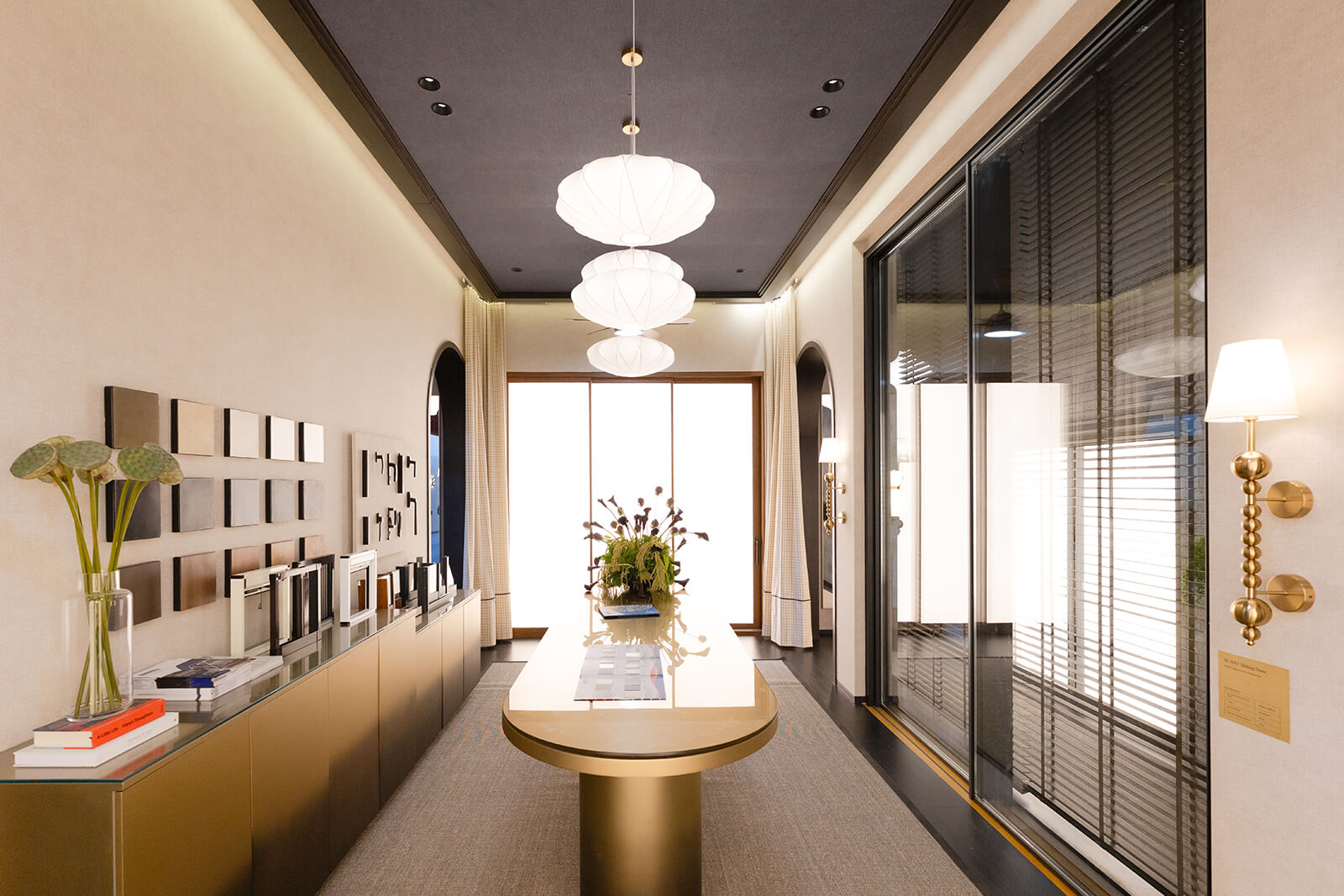
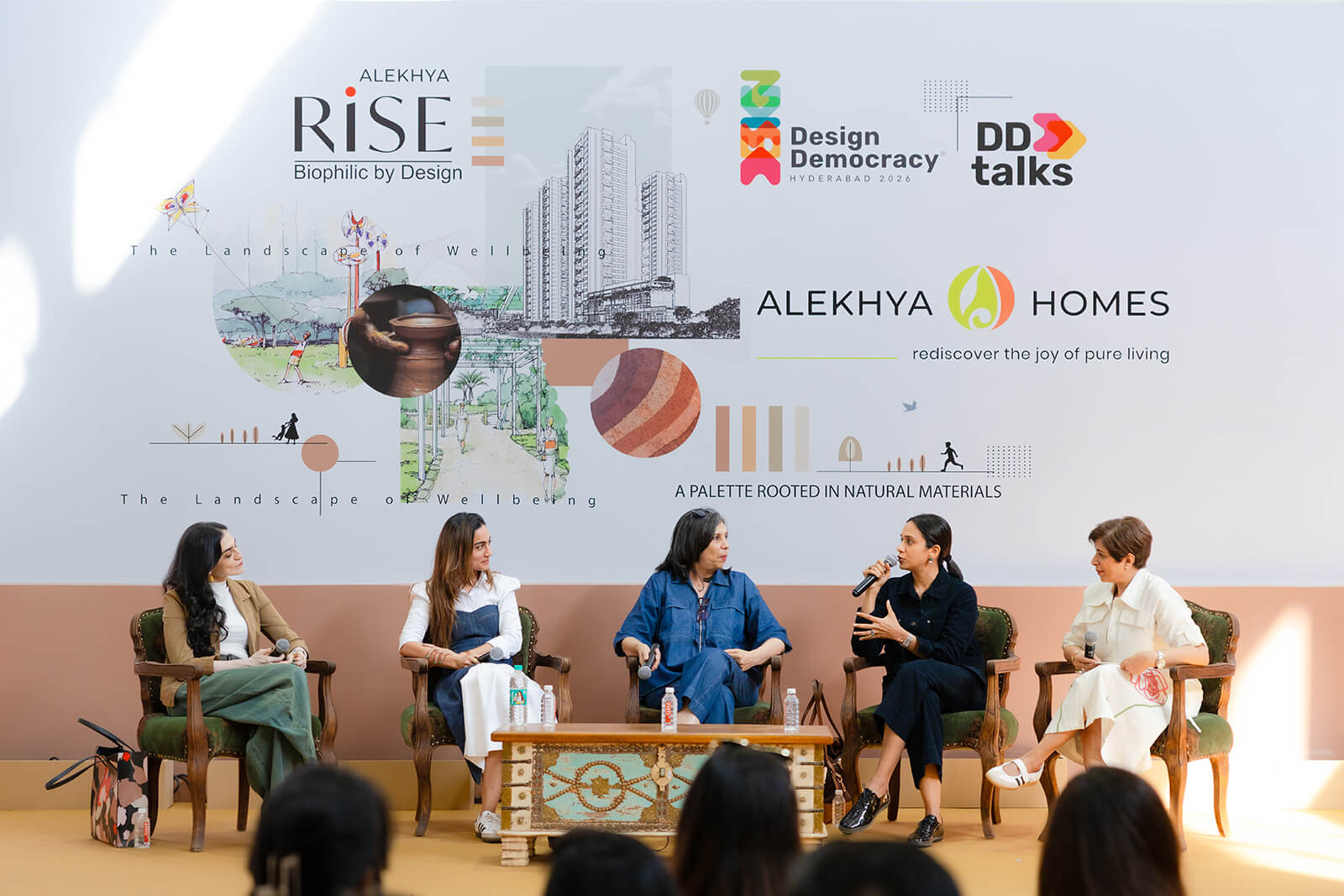
The conversations, while largely well-intentioned, were less consistently compelling. Discussions on luxury and sustainable design have become fixtures of design-industry programming, often circling familiar definitions without reaching more pointed questions about labour, production, access or accountability in India’s design ecosystem. These subjects warrant sustained attention, though repetition can leave them feeling diluted and unresolved. The programme could gain depth by bringing established practitioners into closer, more direct conversation with emerging designers and the karigars (craftspeople) themselves, whose skills give many of these objects their finality. Their direct participation could raise questions around the extant working conditions, authorship, credit and compensation, alongside the unequal distribution of visibility within the industry—discussions that remain largely absent from design forums in India.
Long-time attendees described this edition as a substantial leap in scale, presentation and overall management. Its next phase will depend on how deliberately it uses that scale: to make more room for younger practices, create more sincere exchanges between makers and audiences and ask harder, more pertinent questions of the systems that sustain design. In its core intent and in many ways, Design Democracy strives to further another curated platform for Indian design to be seen and acknowledged.
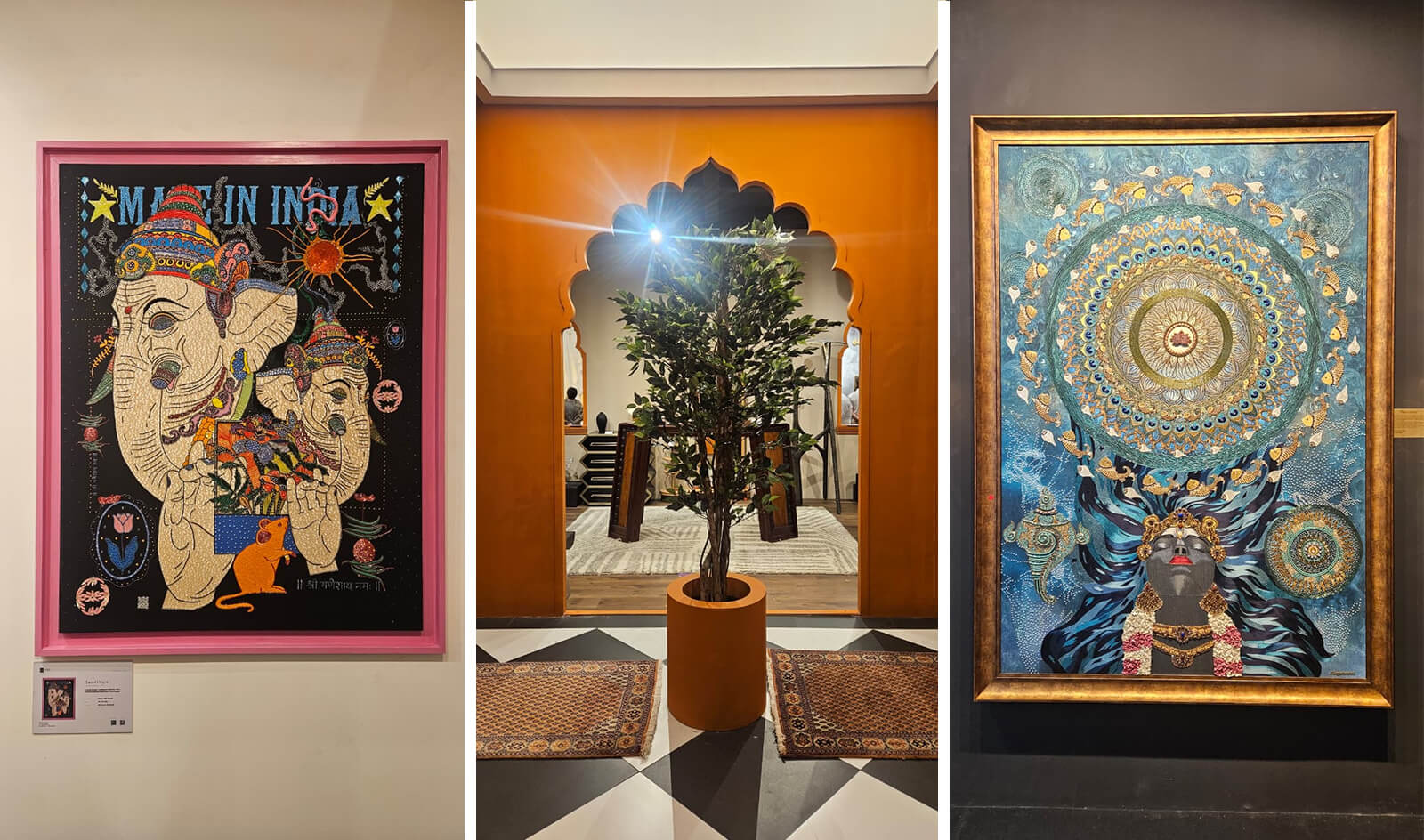
Moreover, the very tangibility of ‘Made in India’ carries weight beyond the finished object, as fairs of such nature might attest to. It rests on the knowledge held in a joinery detail, the judgement exercised over a material or sculpture, the skills passed between generations and the willingness to platform practices and the people behind them. At Design Democracy, design exhibitions such as the Museum of Telangana or the Gallery of Sustainability, apart from regional art and design works, brought this continuum into starker view, placing regional designers and material meaning within a wider conversation about contemporary design in India.
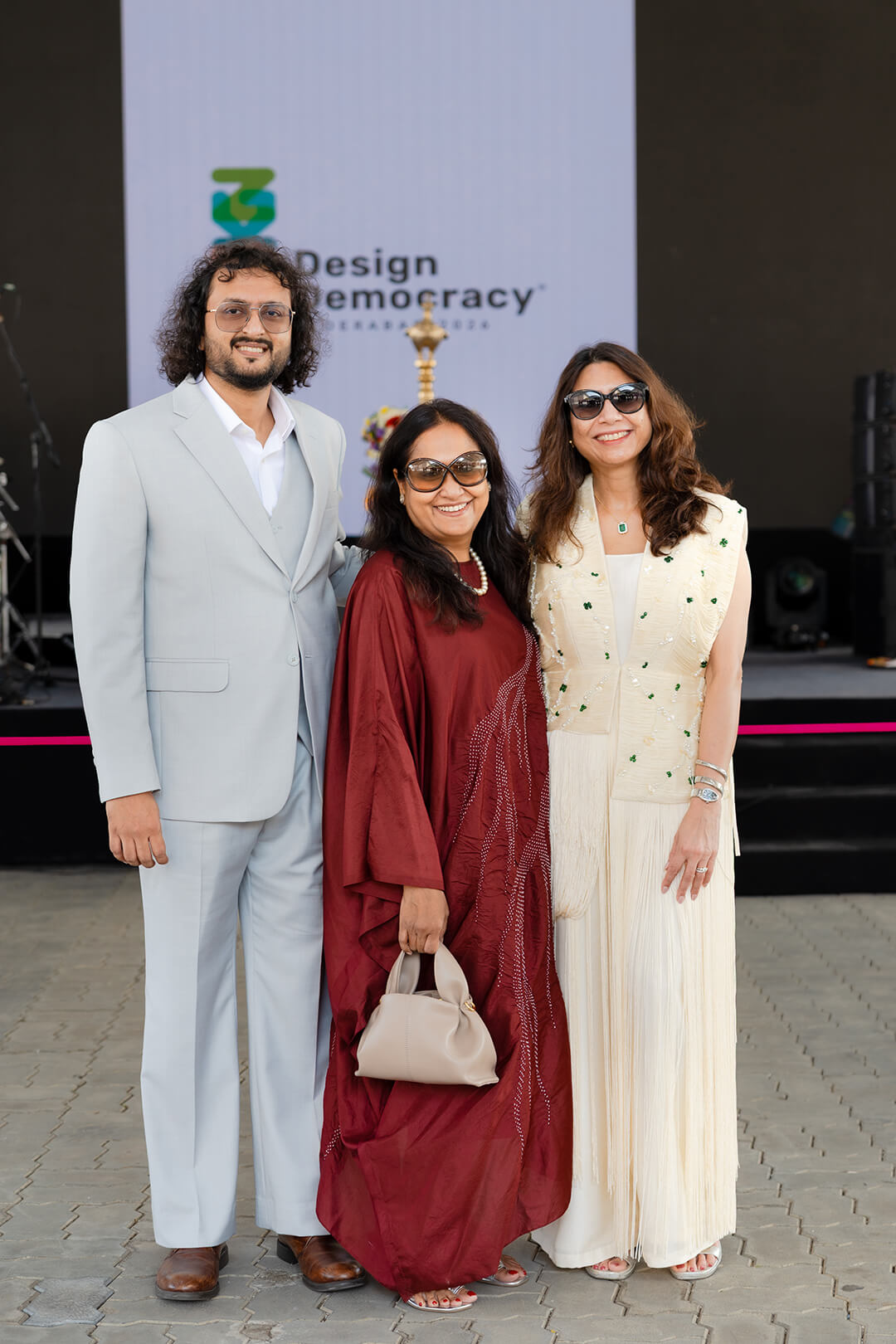
For a festival whose ambitions are growing alongside Hyderabad’s own transformation, the next step could be to give this ecosystem greater room to develop—connecting makers with new technologies, emerging practitioners with established industries and local knowledge with wider audiences and commercial settings. The promise of Indian design lies in the depth of what it already, sufficiently knows how to make, and in what it might yet learn to do when its practitioners have the support, resources and room to experiment.

by Pranjal Maheshwari Oct 13, 2026
Through furniture, art and films, the showcase at the Ian Potter Centre in Melbourne advocates for biophilic material cultures as an antidote to planetary degradation.
by Pranjal Maheshwari Oct 12, 2026
The exhibition reimagines the 20th-century Scottsville residence of the American sculptor and his partner, ceramicist Nancy Jurs, curated by their daughter Alison Castle.
by Chahna Tank Oct 08, 2026
Javier Guzman Cervantes and Ulises Morin Arzola tell STIR about their ‘open code’ approach to design, working through a process of stockpiling and the idea of ‘queering’ materials.
by Mrinmayee Bhoot Oct 08, 2026
The game designer discusses their work and its manipulation of scale, scientific data and non-human perspectives to create speculative futures in conversation with STIR.

make your fridays matter with a well-read weekend
Enter your details to sign in
Don’t have an account?
Sign upOr you can sign in with
a single account for all
STIR platforms
All your bookmarks will be available across all your devices.
Stay STIRred
Already have an account?
Sign inOr you can sign up with
Verification link sent to check your inbox or spam folder to complete sign up process
Tap on things that interests you.
Select the Conversation Category you would like to watch
Please enter your details and click submit.
Enter the 6-digit code sent at


Design Democracy 2026 puts regional design at the heart of Made in India
by Jincy Iype | Published on : Oct 15, 2026


 Sign in with Google
 Sign in with email
What do you think?