Design06 mins. read
Labor & Adornment at Superhouse positions craft as a radical act
by Chahna TankApr 21, 2026



by Pranjal MaheshwariPublished on : Oct 23, 2026
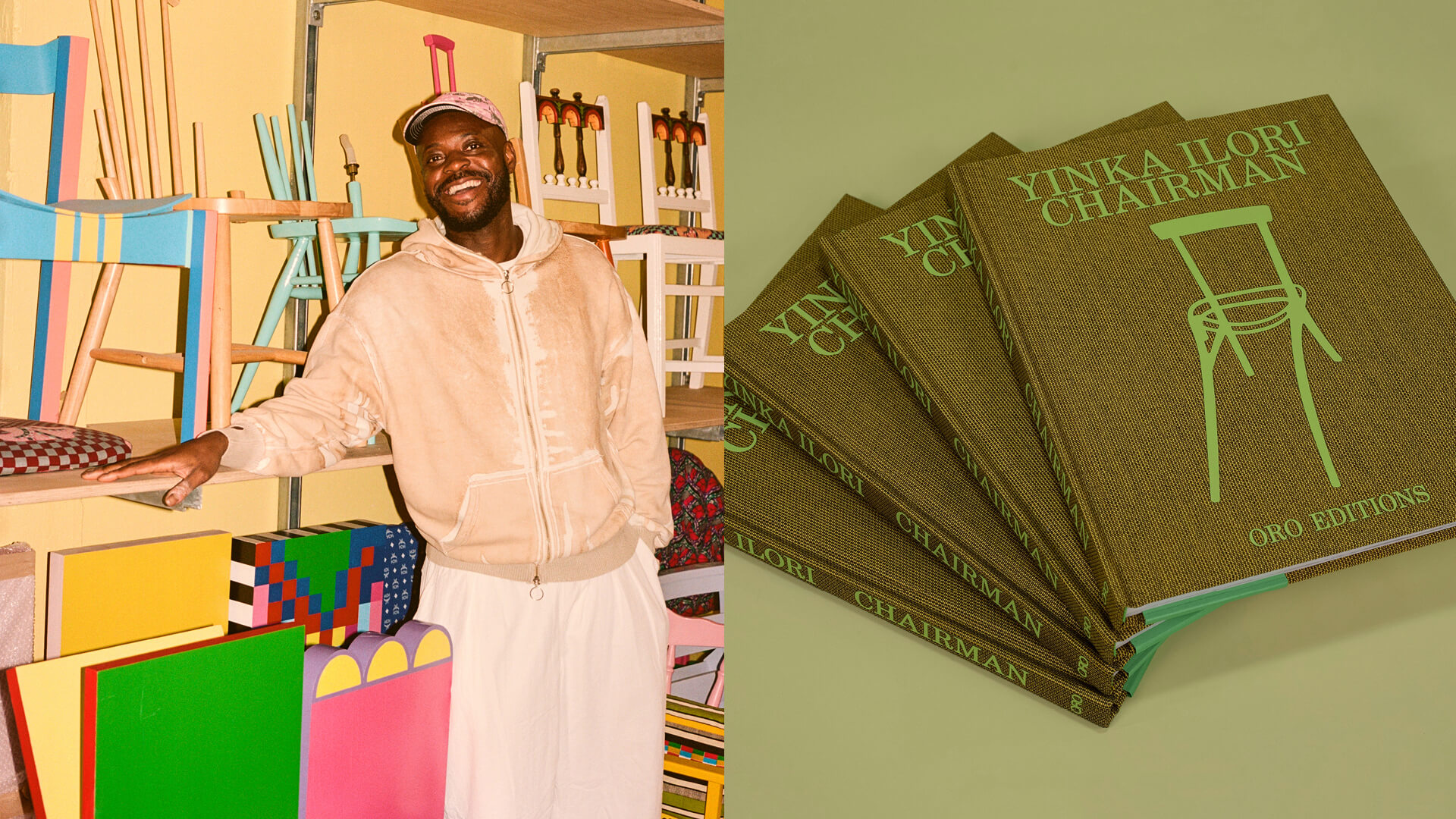
Fifteen years into his career, British-Nigerian designer and artist Yinka Ilori MBE continues to push the boundaries of design. His oeuvre, which is far beyond being contained by any disciplinary bounds—spanning furniture design, textiles, production design, architecture, public installations, graphic design and interior design, to name a few—is instead defined by a marked sense of vibrance and joy, ingrained through bold use of colour, a reflection of the designer’s West African heritage and a strong commitment to community building.
Over the last few years alone, the multidisciplinary artist has established an evident presence across the contemporary design landscape. His work has been featured at various prominent international festivals of architecture, design and art including the recent edition of Milan Design Week where he presented Chasing the Sun as an immersive installation; Bring London Together as a project presented as part of Mayor of London’s ‘Let’s Do London’ domestic tourism campaign during London Design Festival 2021; and the hand-painted timber pavilion Colour Palace at the Dulwich Picture Gallery at the London Festival of Architecture 2019. He has also collaborated with global brands including Adidas during their 2018 Creator Studio pop-up; LEGO for the interactive installation, Launderette of Dreams, in Shoreditch 2021; Marks & Spencer for a limited edition carrier bag during his solo exhibition, Parables for Happiness, at London’s Design Museum in 2023; California-based textile supplier Momentum for a commercial textile and wallcovering collection in 2024, as well as with creatives such as acclaimed stage designer Es Devlin OBE for the set design for the 2021 BRIT Awards.
As a fitting summation of this acclaim, in Nigerian pidgin the designer would likely be called the ‘Chairman’, the big man, the oga of design. For llori, the title has another, more paronomasic connotation for the one object that his thoughts, ideas and work keep returning to since his first forays into this world: the chair. Ilori has (re)designed about 75 chairs over the last decade, each telling its own story. It is only natural, then, that the object becomes the subject of his first monograph titled Chairman, co-authored by curator and researcher Jareh Das and published by ORO Editions
Since childhood, chairs have never been mere objects for Ilori; they are vessels of human experience and a witness to creative encounters and conversations. In his practice, chairs are the canvas where he explores ideas about expression and storytelling through design. The book, therefore, begins by tracing the designer’s story through his early days at design school. Das's foreword offers a peek into Ilori’s mind, his value systems and worldviews shaped by his cultural background and upbringing, and how he expressed them through chairs, which further shaped his multifaceted practice. Das notes, “[Ilori] demonstrates that design is never neutral, that even the most familiar objects carry histories of power, exclusion, aspiration and joy. By reframing chairs as storytellers, he expands the possibilities of what design can mean and who it can serve.”
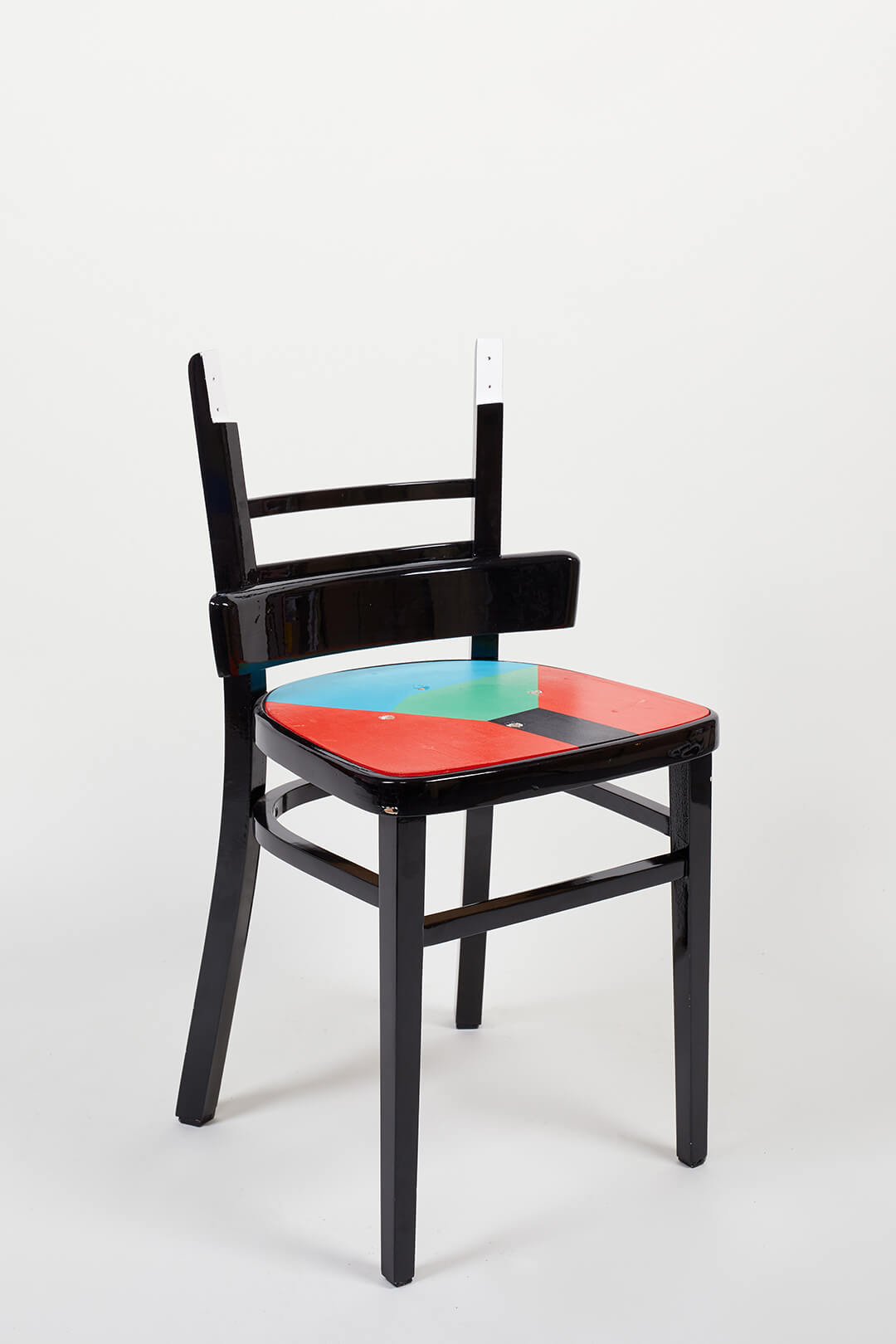
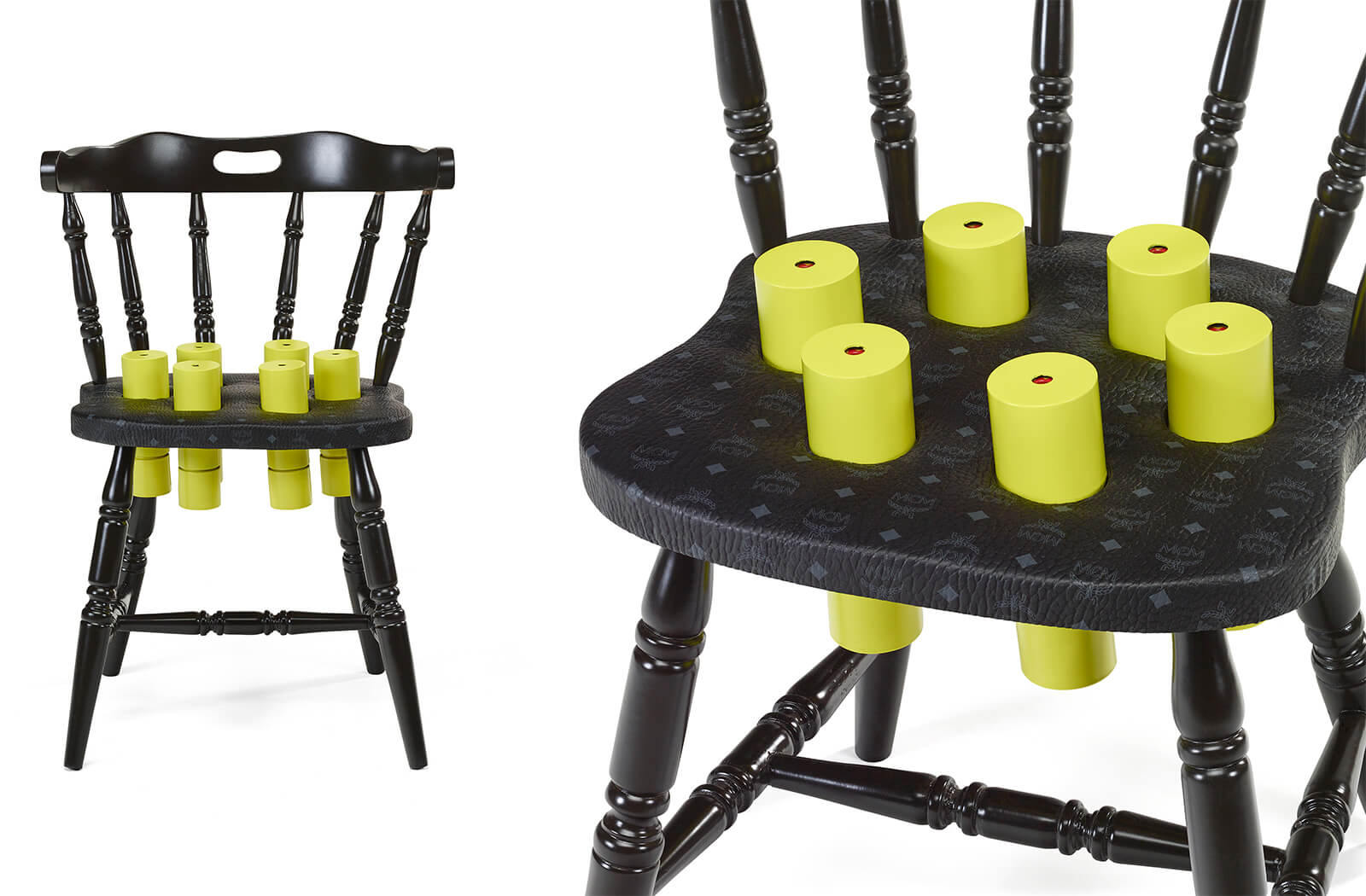
In her narrative, Das spotlights the key influences that shaped Ilori’s perspective on design during his studies at London Metropolitan University, two of which he confronts subsequently in the book. The first is British furniture designer and Ilori’s tutor Jane Atfield, whose project brief for Our Chair—requiring him to study, deconstruct and reimagine Atfield’s 1992 RCP2 chair with recycled plastics—broadened his understanding of materiality as both an aesthetic and ethical statement. In an excerpt immediately following her foreword, Das engages the teacher-student duo in a conversation that traverses Atfield’s early impressions of Ilori’s work and how her sessions shaped his understanding of sustainability as a dimension of community building and collective memory. The next is Italian designer Martino Gamper, for his famed project 100 Chairs in 100 Days, which, for Ilori, demonstrated the power of design as a form of storytelling. The dialogue between Ilori and Gamper in the book is particularly interesting to follow not only for Gamper’s responses, but for the shared curiosities of a fellow designer reflected in Ilori’s questions. Together, the duo illustrates the thrill and responsibility of working with found objects and imperfections to create designs that embed culture and memory, and how pedagogy plays a crucial role in defining the horizons of the industry.
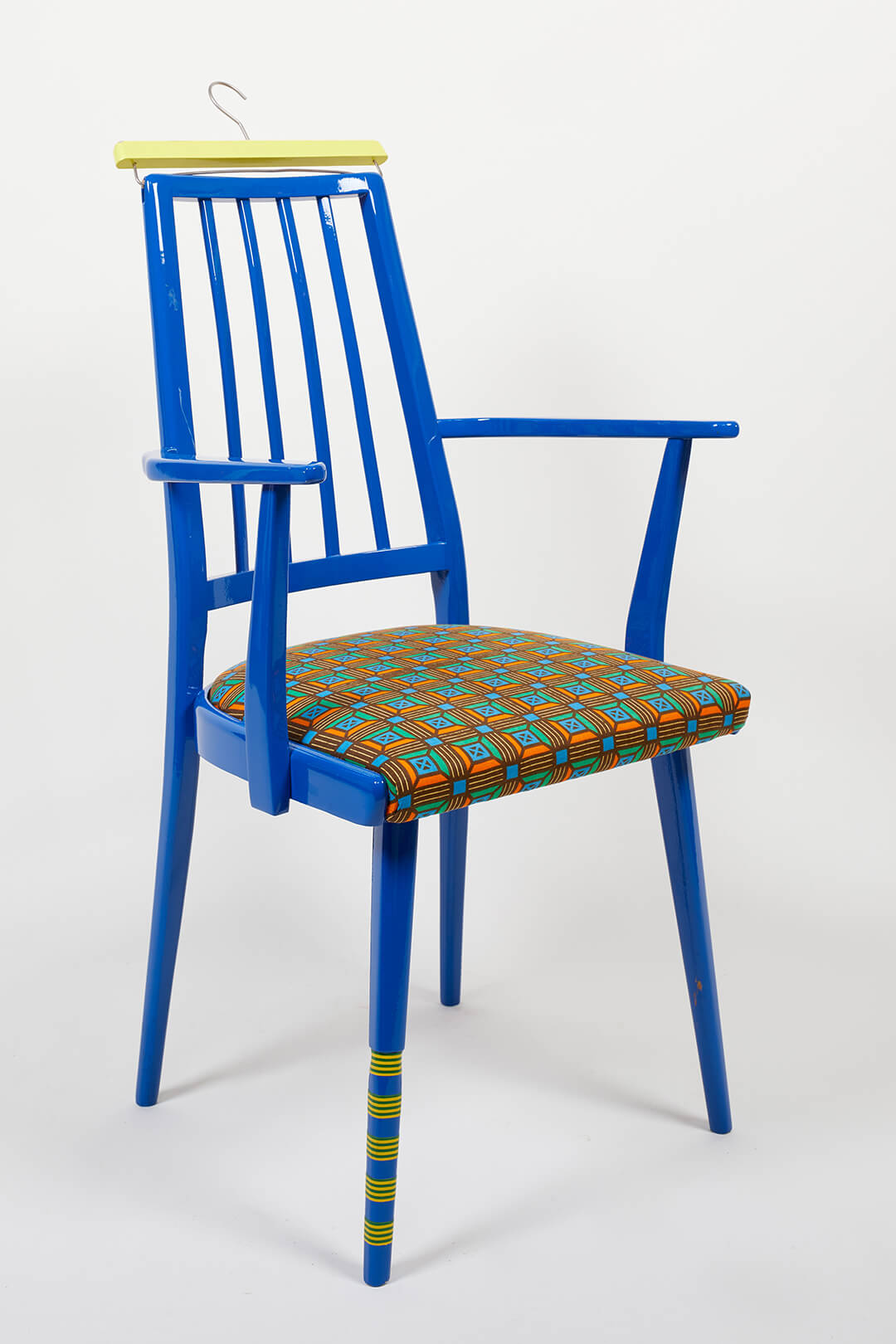
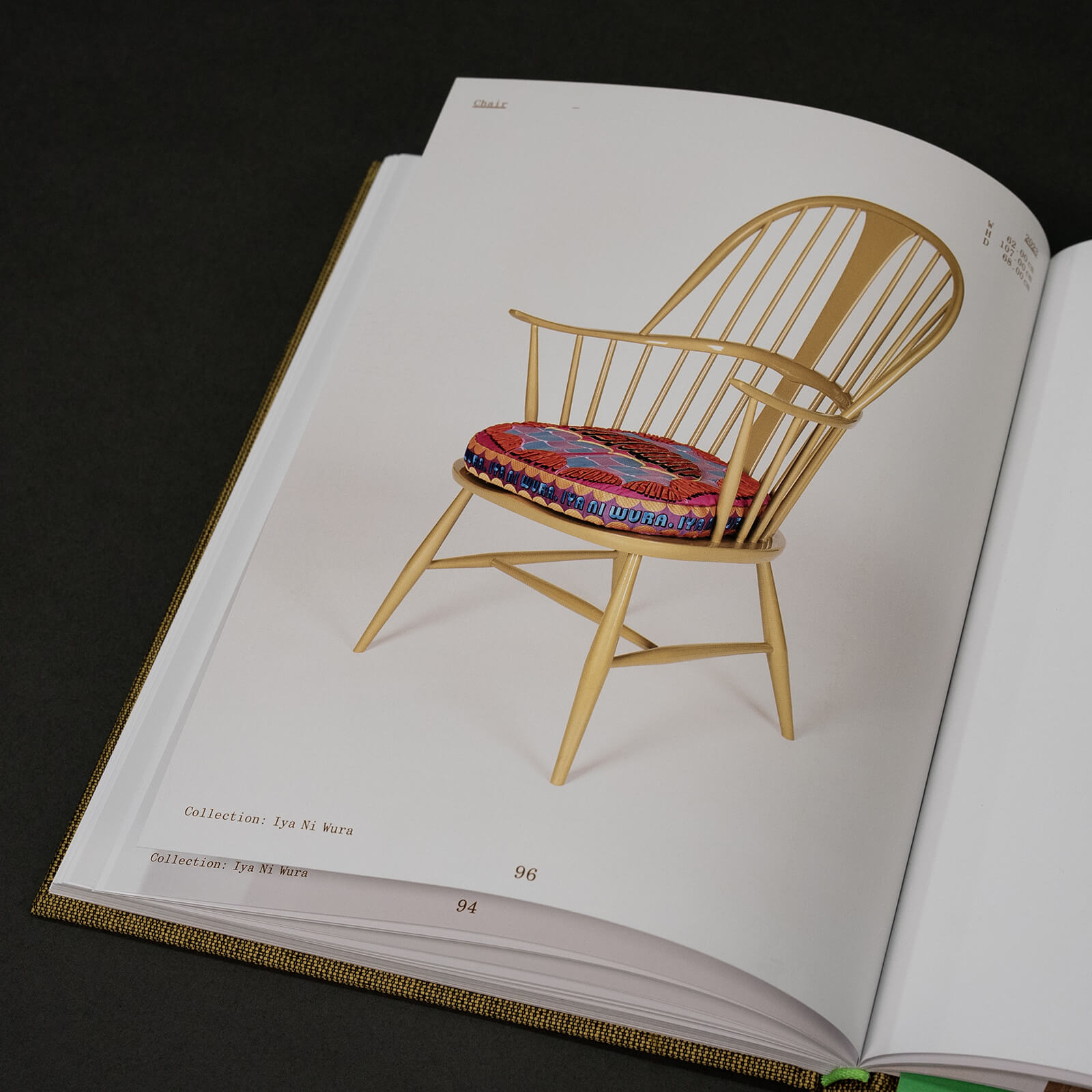
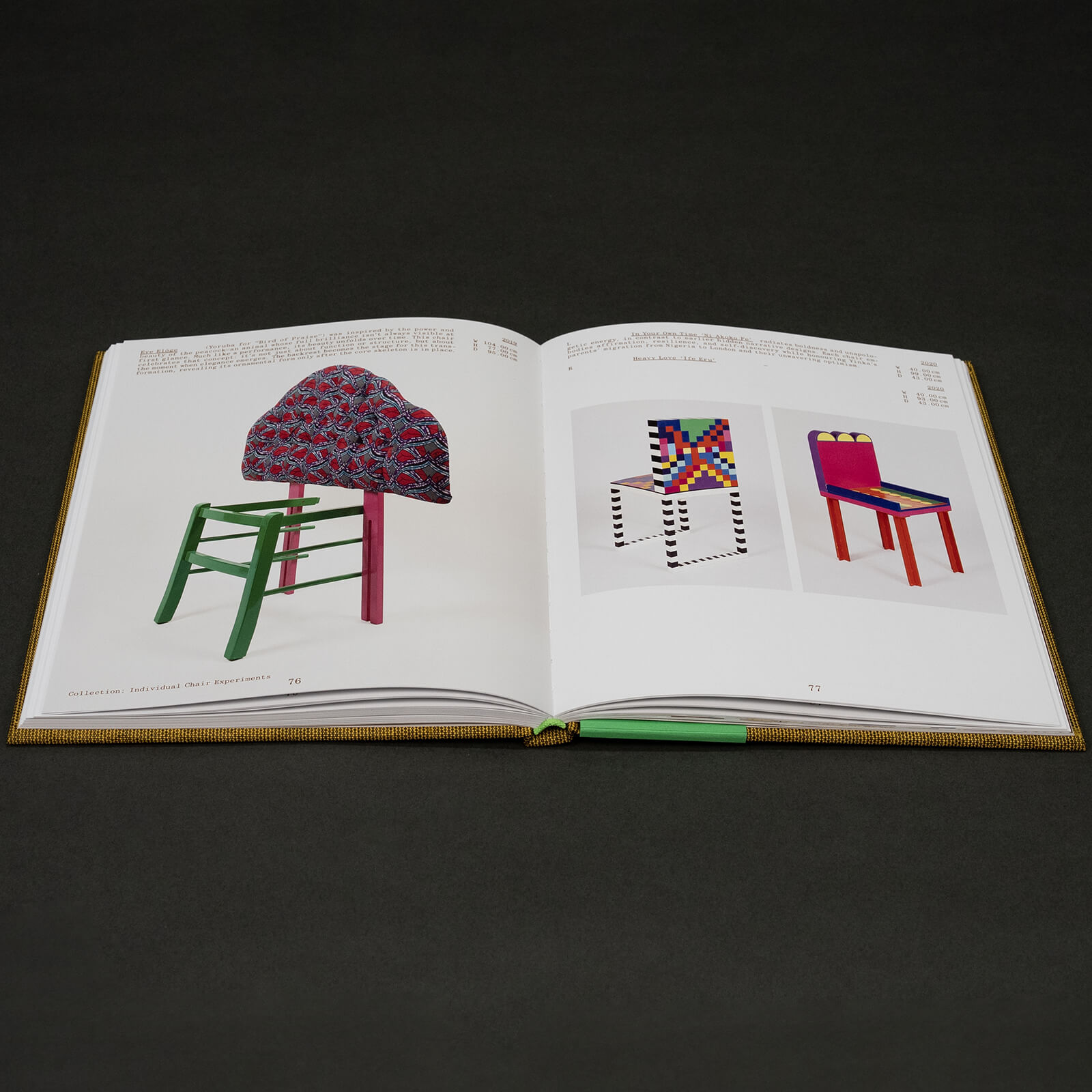
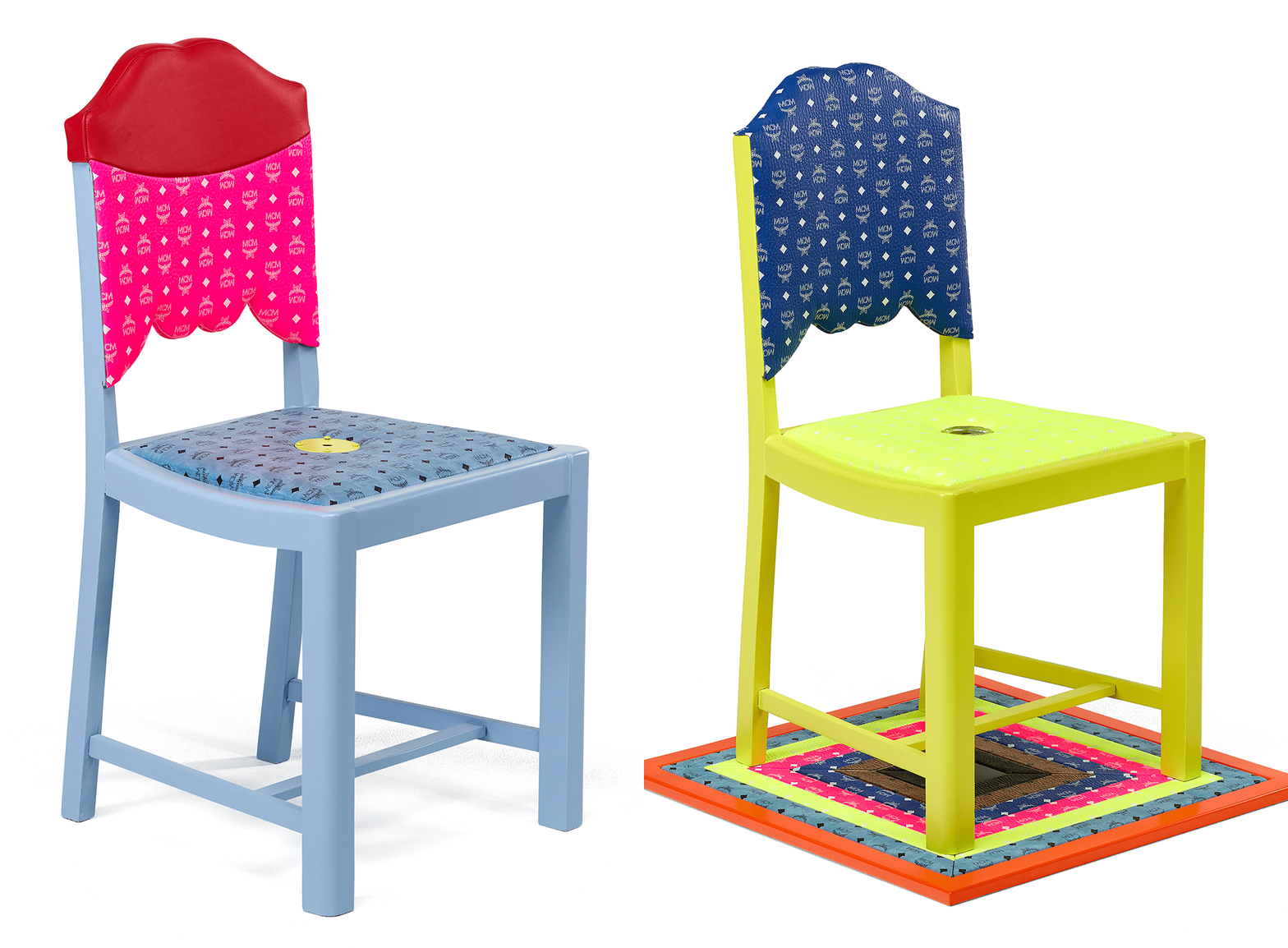
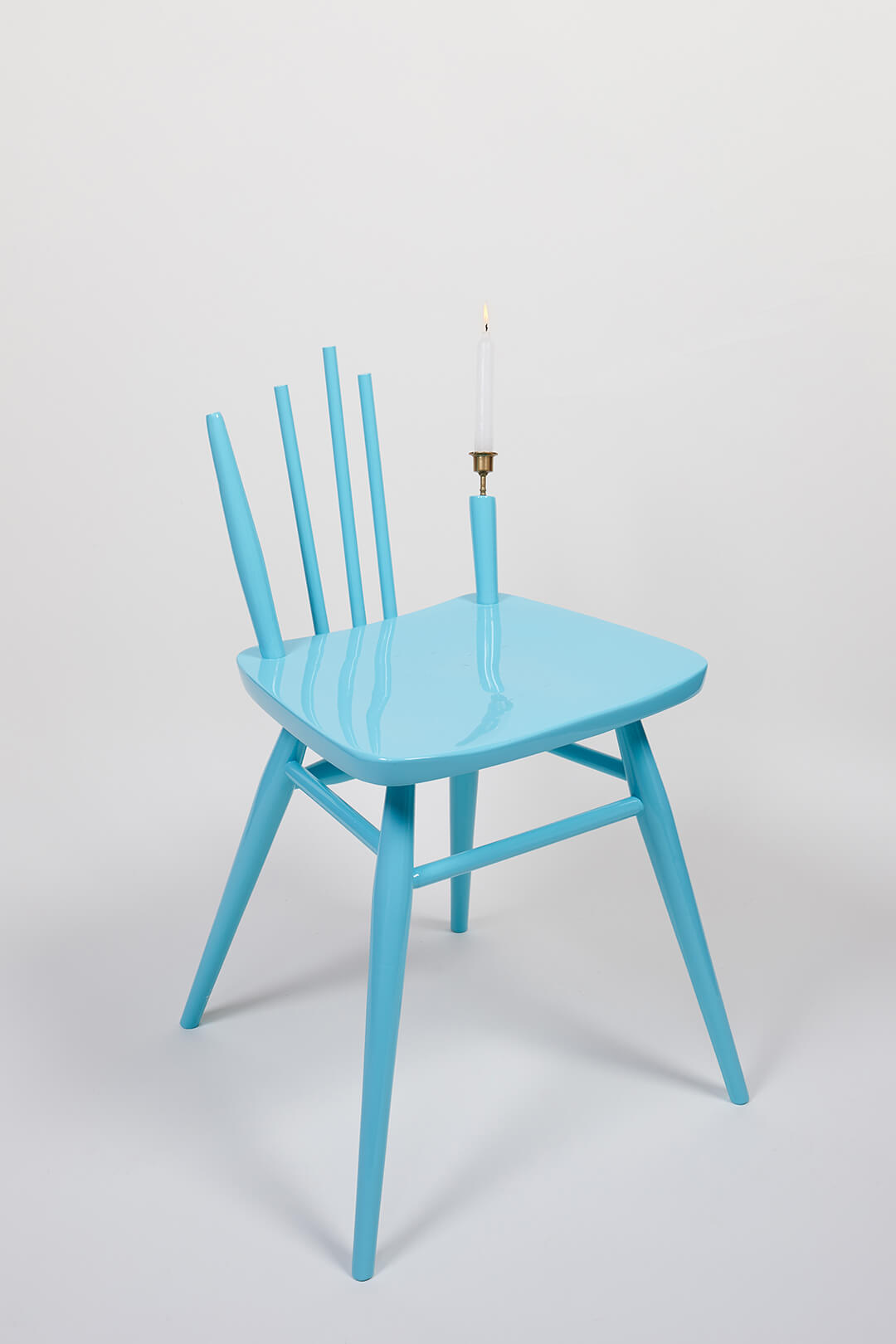
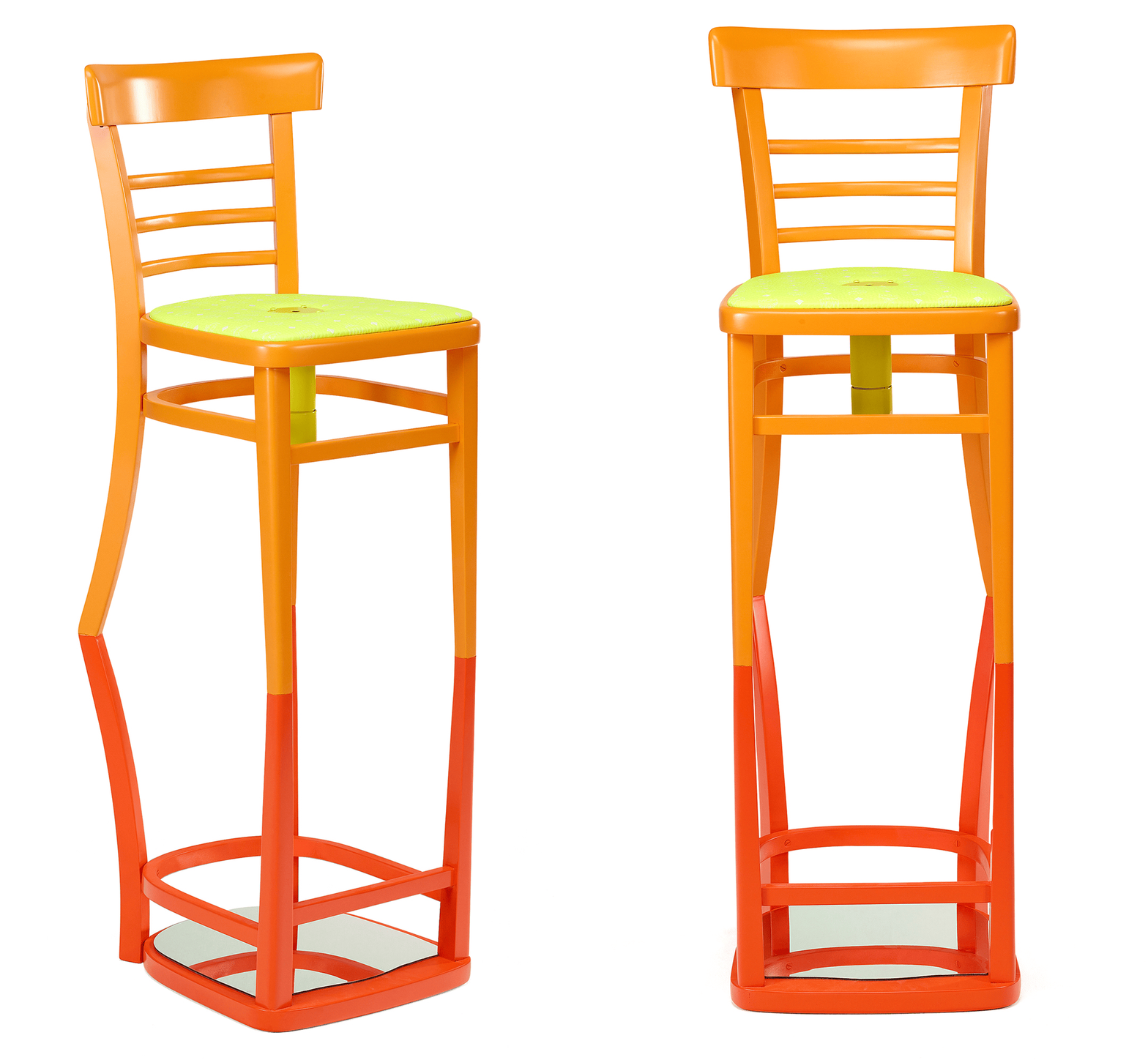
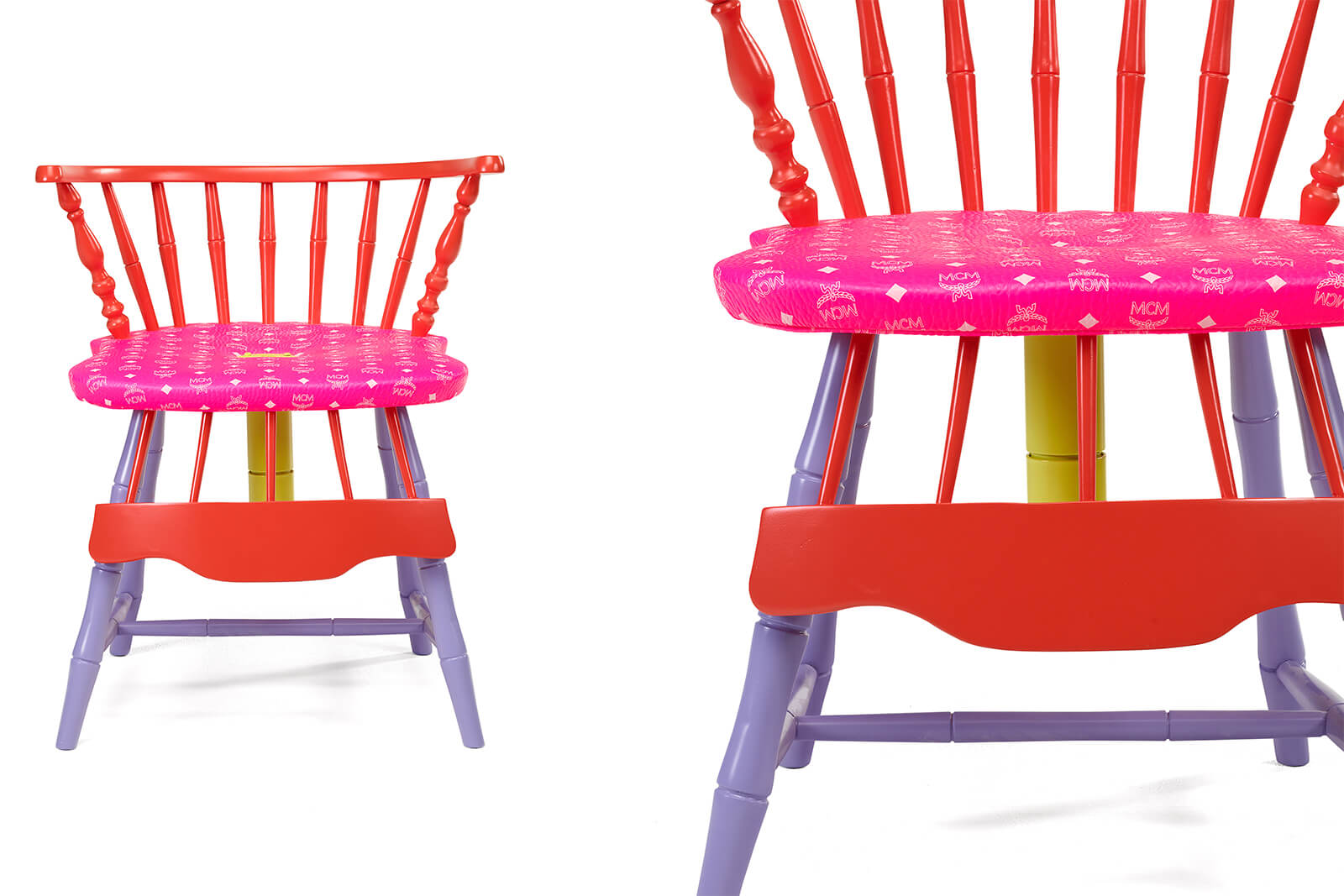
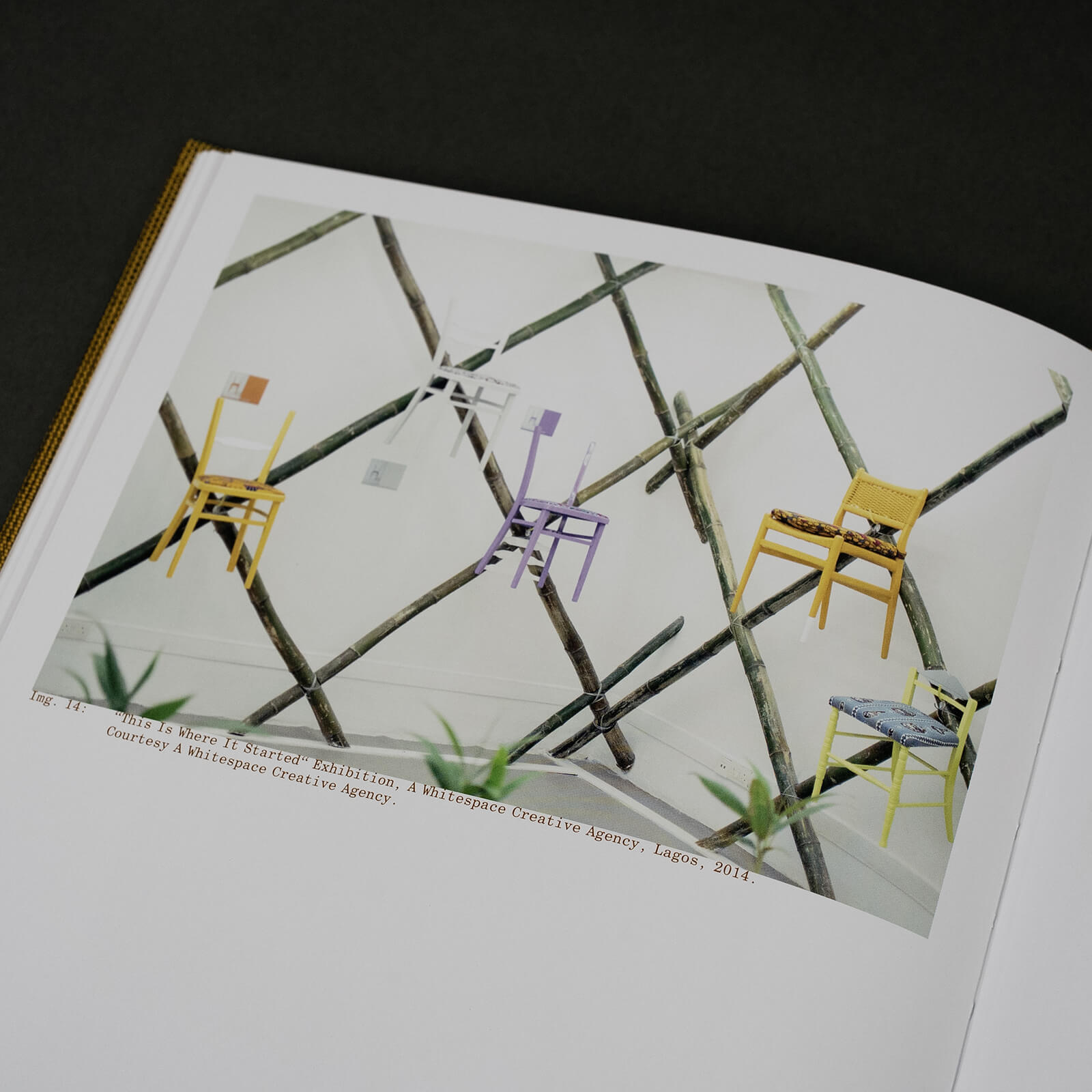
Between this and London-based filmmaker Julianknxx’s poem Chairman (No Dey Carry Last), which forms the epilogue of the book, one can find nearly all the chairs conceived by the British furniture designer from 2006 – 2023, starting with his very first Two Become One, whose distinct silhouette also embellishes the cover of the publication. The catalogue includes some of Ilori’s most prominent works and collections, such as Parables, It Started with a Parable, This is Where it Started, Because the Truth is Bitter, If Chairs Could Talk, Home Affairs, Do Good Because of Tomorrow, A Swimming Pool of Dreams and Types of Happiness.
Intrigued by Ilori’s enduring obsession with one of the world's most designed objects, STIR reached out to him for a brief email conversation. An edited excerpt follows.
Pranjal Maheshwari: What is a chair to you, if its existence were to be dissociated from the act of sitting?
Yinka Ilori: For me, a chair has never just been about sitting. Of course, that's what it's made for, but I think about all the things that happen around a chair. You sit with your family, you have conversations with your friends, you gather around a table, you listen to stories. A chair can hold so many memories and become part of your life without you even realising it. I remember seeing a discarded chair through the window of a bus in London, and it really made me think about how we assign value to things. Someone had decided that chair was no longer needed, but I couldn't stop thinking about its potential, its next life and the stories it might tell. That moment changed the way I looked at objects. I started to see chairs as vessels for human experience. They're about connection, belonging and the people who occupy the space around them. And if a chair can make someone smile, spark a memory or bring people together, then I think it's doing something far beyond simply giving us somewhere to sit.
Chairs are like a canvas for exploring the world around me. I don't think I'll ever run out of stories to tell through them. – Yinka Ilori
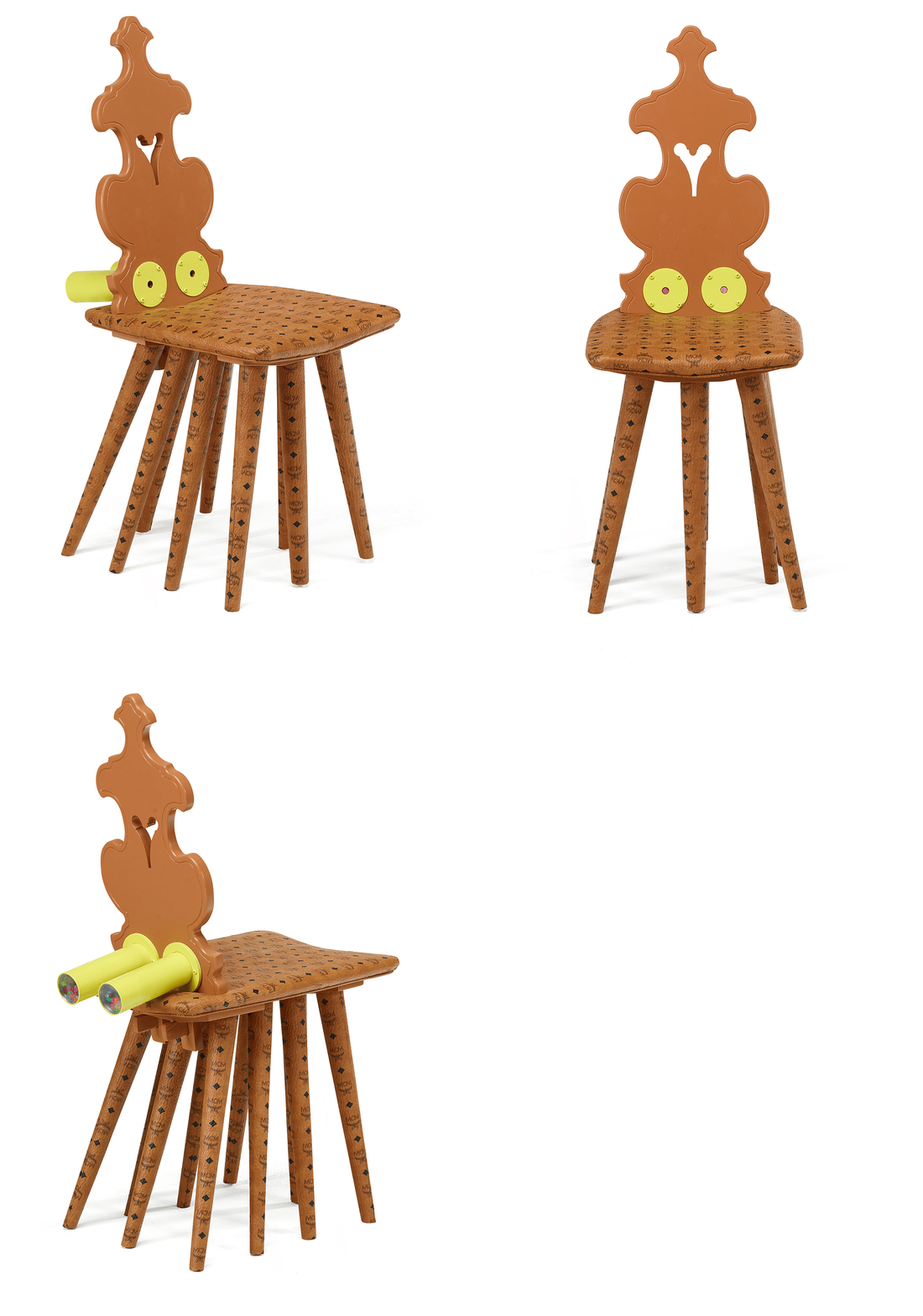
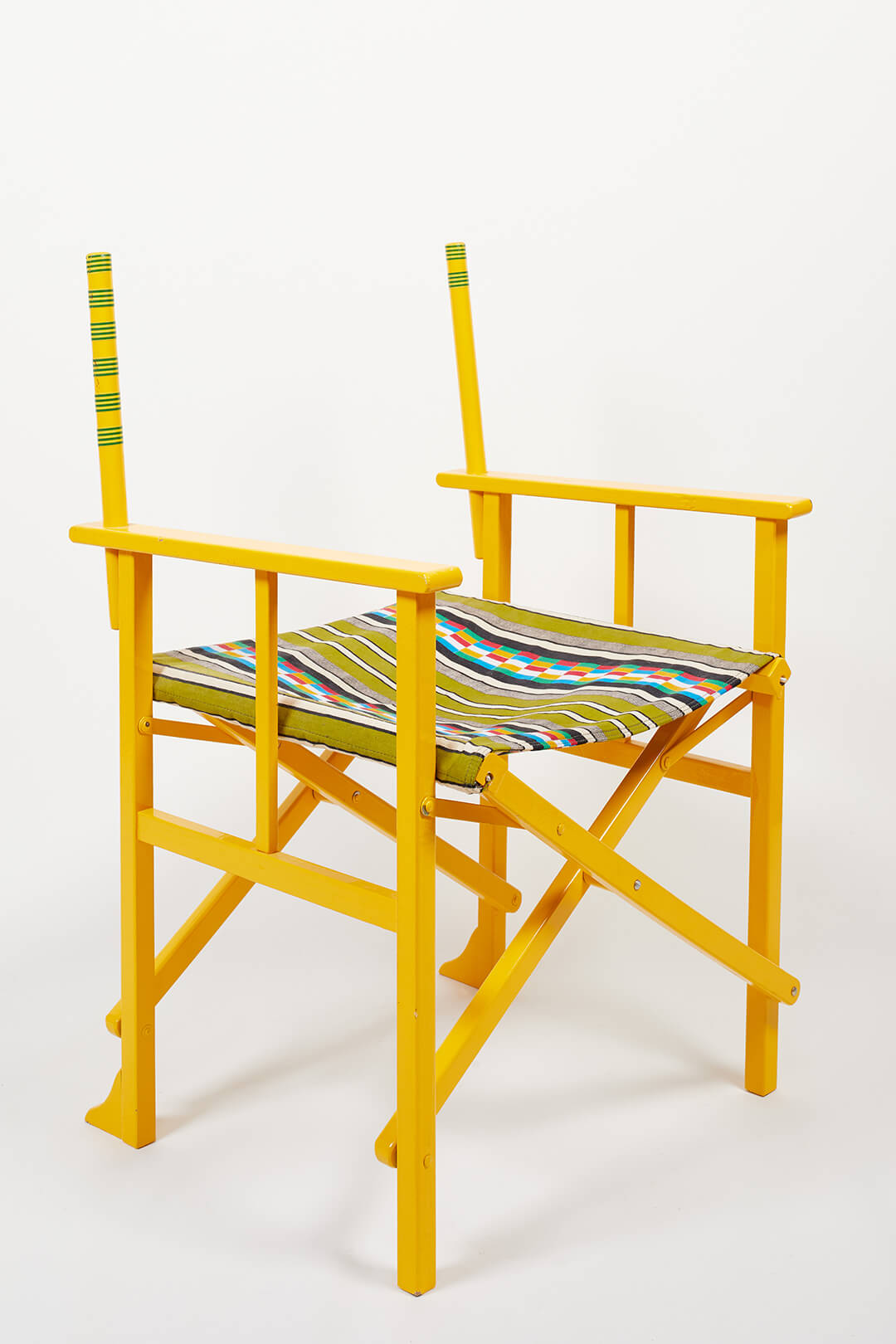
Pranjal: You have been working with chairs for the better part of two decades now. Do you wonder if there will come a time when you will be out of ideas about what to do with them?
Yinka: Never! I think that's the beautiful thing about chairs. They're everyday objects, but when you really stop and look at them, there's so much to explore. A chair can tell you something about a person's culture, identity, memories and the way they live—or lived. And then you have all the different materials, colours, patterns and techniques you can play with.
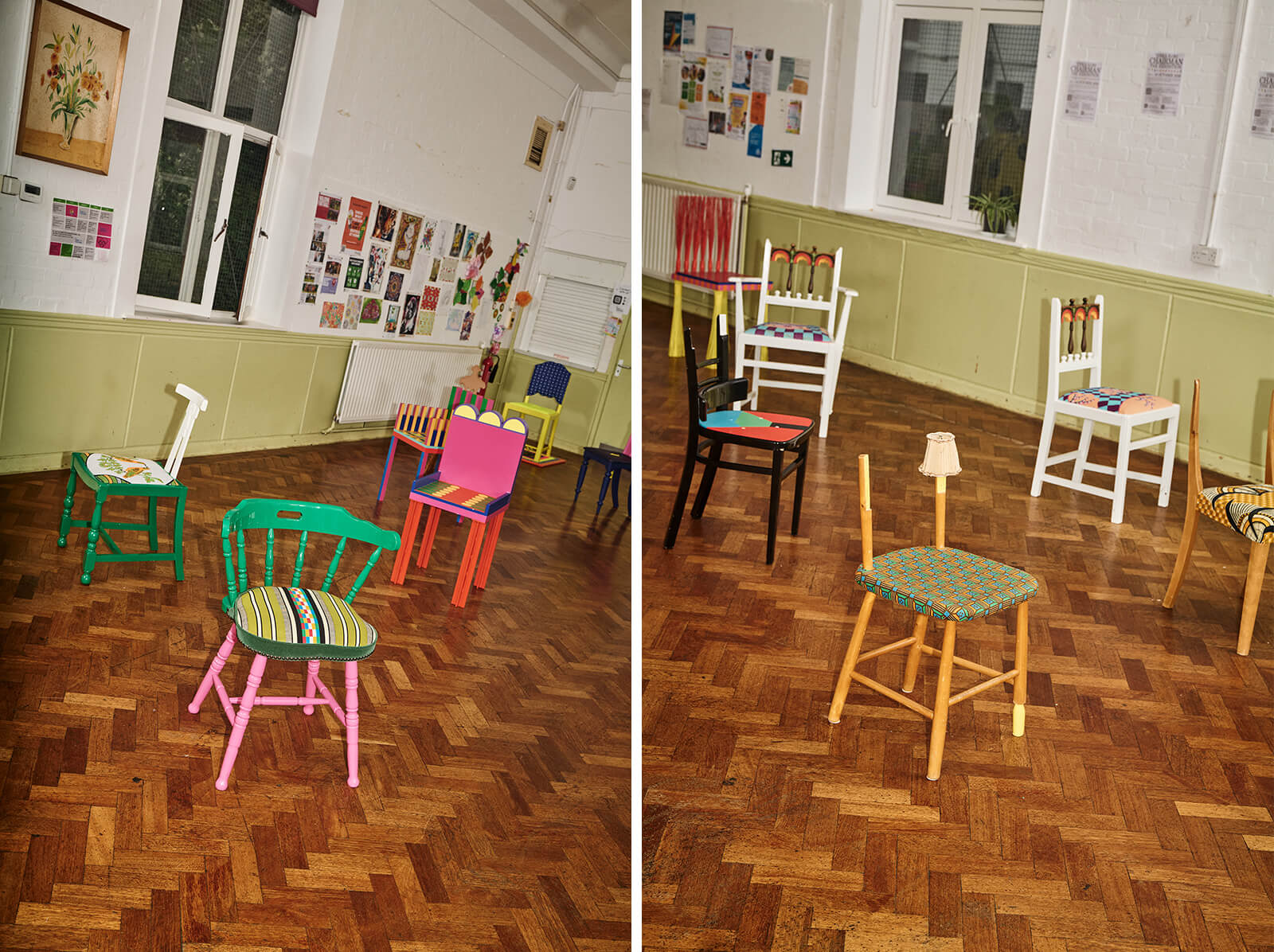
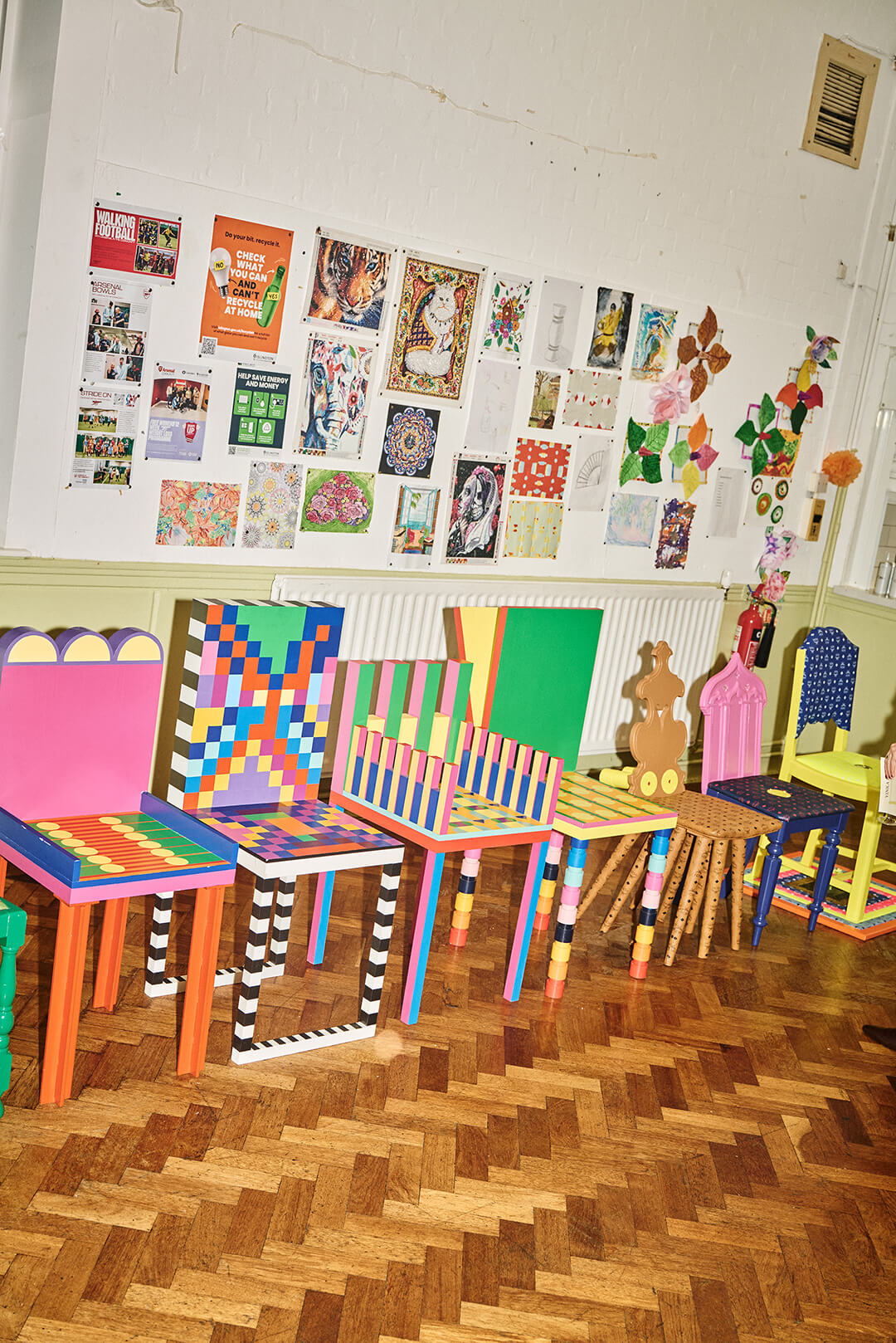
With Chairman and the exhibition accompanying its launch, which just wrapped up at the Walter Sickert Community Centre in my childhood neighbourhood, I was able to take stock of and celebrate 75 chairs I’ve redesigned over the last 10 years. Seeing them all in one place reminded me of the endless possibilities that art and design offer us, even when it comes to an everyday object or something that could be considered mundane in a different form. Chairs are like a canvas for exploring the world around me. I don't think I'll ever run out of stories to tell through them.
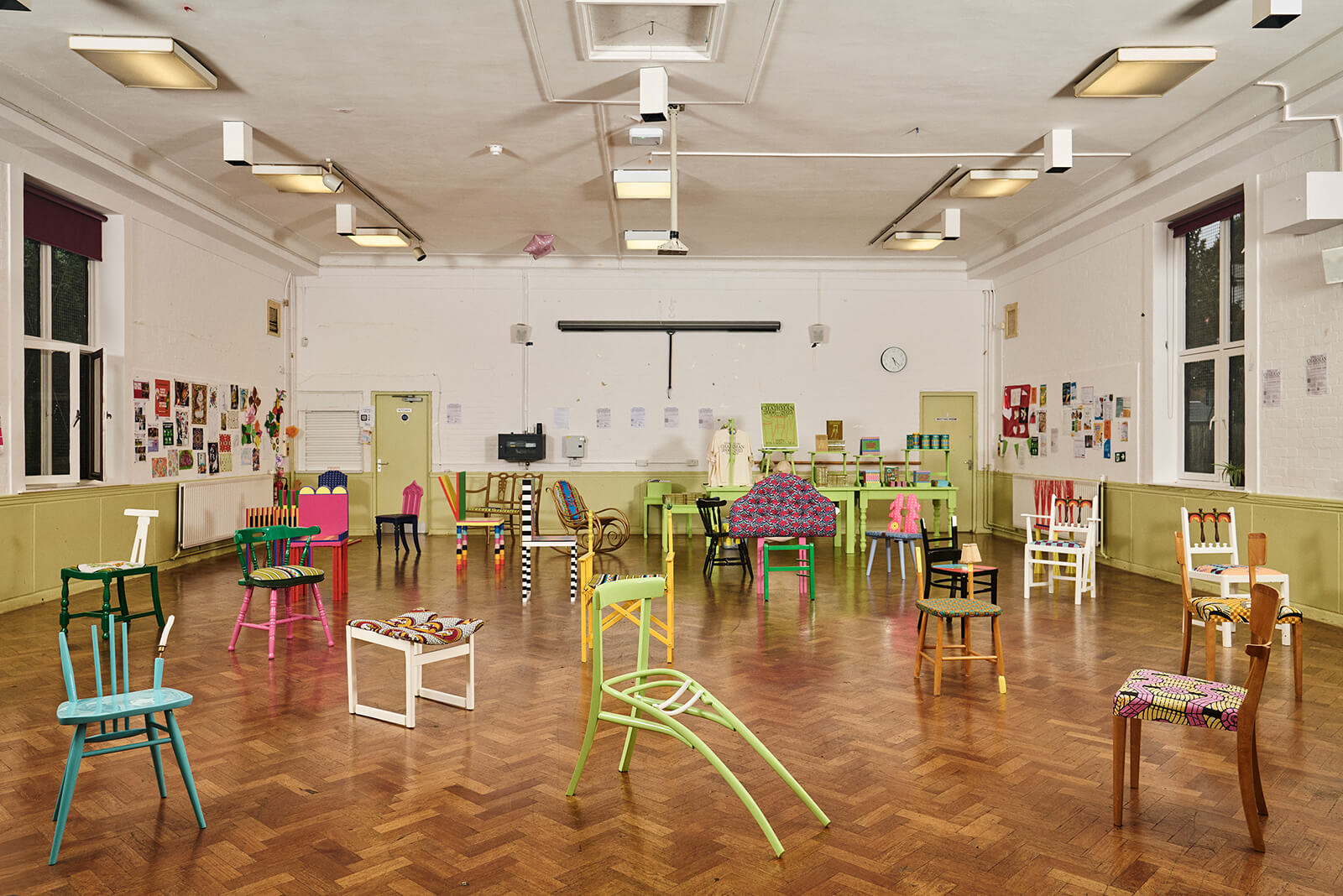
Pranjal: You are often called the ‘architect of joy’. What other emotions, apart from joy, have you explored through your chair designs over the years?
Yinka: Joy is a really important part of what I do, but I think there's a whole spectrum of emotions that sit alongside it. Nostalgia is a big one for me. I'm often thinking about childhood, family and the places that have shaped who we are. Sometimes a colour or a pattern can take you straight back to a particular moment in your life, and I love that. There's also curiosity, surprise and a sense of wonder. I want people to come across one of my chairs and think, 'Oh, I've never seen anything like that before!’
But I think there's reflection in the work, too. Joy might be what people recognise first, but underneath the colour and the playfulness, there's always a story, and those stories aren't always just about happiness.
Pranjal: Your work with chairs is inherently very tactile. Why a book then? What about written documentation appeals to you to have brought about this publication?
Yinka: The beauty of a book is that it allows the work to have a longer, more permanent life. It was humbling to see so many years of work all in one place, and to create something people could return to again and again. A book can sit on your coffee table, become part of your home and hopefully spark conversations with the people who pick it up. For me, it's another way of making the work accessible.
Pranjal: The chair may have been one of the most reproduced and designed products in human history. In this vast sea of objects, where do you see your works being seated?
Yinka: I think my chairs sit (no pun intended) somewhere between design, art and storytelling. I'm not necessarily interested in making another chair just for the sake of making another chair. I'm interested in what happens when you take something familiar and look at it differently. How can colour change the way we feel about an object? How can patterns tell a story? How can something we've seen all our lives suddenly make us stop and look again?
I also think every chair has a personality of its own. Some are playful, some are bold, some might make you think about your childhood or remind you of someone you love. If my chairs can sit in that space where an everyday object becomes something emotional, something that makes people feel or remember, then that's where I'd like them to be. I'm not trying to reinvent the chair; I'm trying to open up new conversations around it. Life is too short to be beige!

by Mirra Lynn Oct 22, 2026
The curators behind Palestine Design Week 2026 reflect on its intent, considering how design holds memory, makes space for loss and imagines a future in Palestine.
by Chahna Tank Oct 22, 2026
STIR speaks with the Mumbai-based type designer about her practice, type walks and why she wants more people to have stronger opinions about Indian-script fonts.
by Jincy Iype Oct 15, 2026
STIR explores craft, material intelligence and people shaping Indian design through dialogues with Design Democracy’s co-founders and the curators of its special exhibitions.
by Pranjal Maheshwari Oct 13, 2026
Through furniture, art and films, the showcase at the Ian Potter Centre in Melbourne advocates for biophilic material cultures as an antidote to planetary degradation.

make your fridays matter with a well-read weekend
Enter your details to sign in
Don’t have an account?
Sign upOr you can sign in with
a single account for all
STIR platforms
All your bookmarks will be available across all your devices.
Stay STIRred
Already have an account?
Sign inOr you can sign up with
Verification link sent to check your inbox or spam folder to complete sign up process
Tap on things that interests you.
Select the Conversation Category you would like to watch
Please enter your details and click submit.
Enter the 6-digit code sent at


Yinka Ilori’s first monograph is an anthology of stories embedded in his chairs
by Pranjal Maheshwari | Published on : Oct 23, 2026


 Sign in with Google
 Sign in with email
What do you think?