Design04 mins. read
Mayfair Design District 2026 turns its focus to What Matters Now
by Pia BhatiaSep 09, 2026


by Pranjal MaheshwariPublished on : Oct 07, 2026
The second quarter of the 21st Century seems to be dwelling on the promise of renewal. Design discourse around the world is revisiting its prevalent notions and practices to reconsider and recontextualise their relevance, especially in light of the systemic, environmental and technological crises plaguing the world.
Offering insights from Western Europe while facilitating global exchange, the Dutch Design Week (DDW) is returning to Eindhoven, Netherlands, from October 17 – 25, 2026. As a global platform for compelling discourse on contemporary design, the festival in its 26th edition looks forward to expanding the understanding and scope of design beyond products and services to acknowledge its influence and responsibility in shaping the cultures and futures of humanity and the planet. Moving beyond the COVID-19 hangover while retaining its insights, DDW rallied for action with Get Set in 2022, invoked alternate realities with Picture This in 2023 and studied the imagined realities in 2024 with REAL UNREAL. Journeying through Past. Present. Possible. in 2025, the design week arrives at a radical outlook for its upcoming edition titled R.A.W. (Rebel Authentic Worth). More than 2,500 designers and studios will be furthering last year’s explorations on speculative design with a specific focus on the raw and experimental.
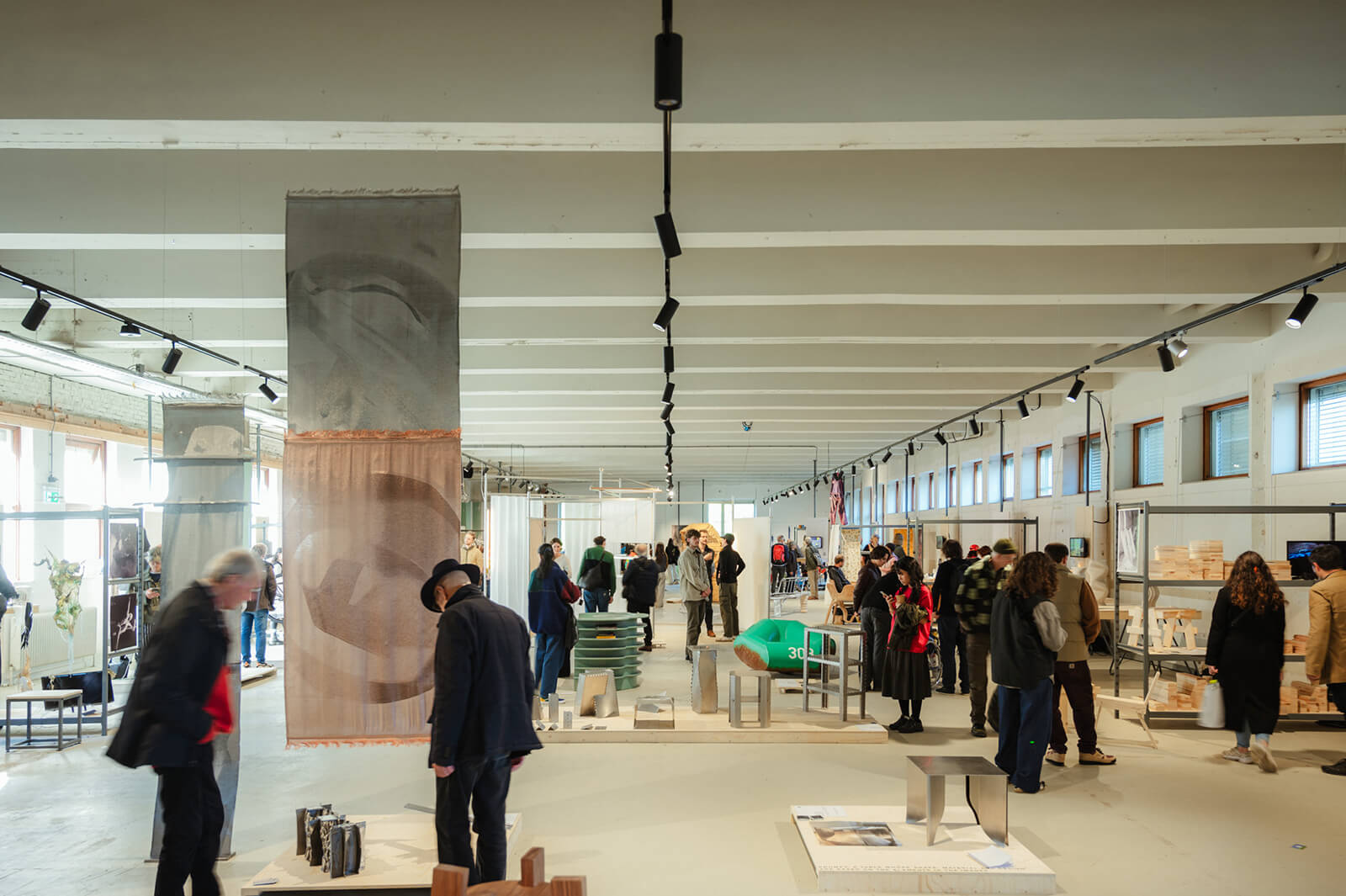
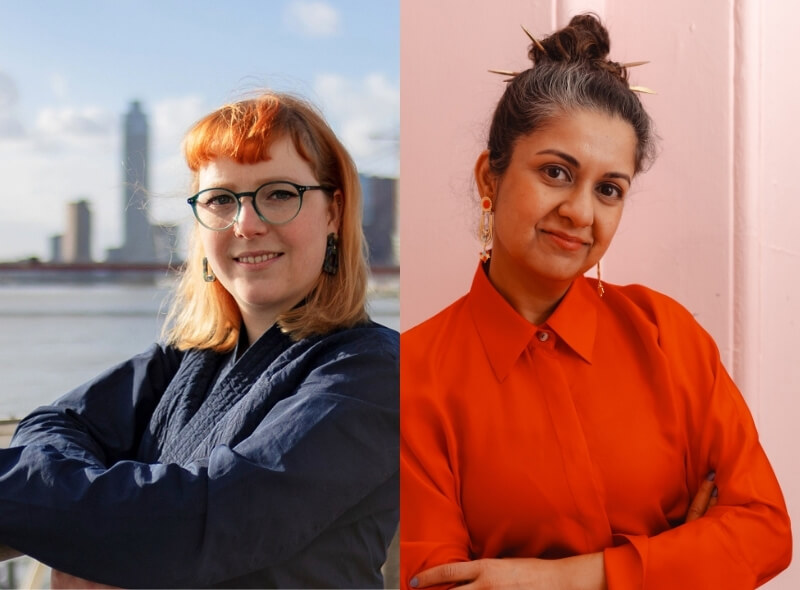
Over the course of nine days, Dutch Design Week 2026 will activate more than 120 venues across various neighbourhoods in the city, spanning residential areas such as Hallenwed and West, artisanal regions like Sectie-C, cultural hubs including Strijp-S and Strijp T+R, institutional localities around Station and commercial and trade hotspots along the Canal and in the Centre. As the regional and international ambassadors of the design festival—called the Beacons—the DDW team has appointed Rotterdam-based biodesigner Emma van der Leest and London-based designer, filmmaker and director of Superflux, Anab Jain. Like every year, the practitioners will explore how this year’s theme can help steer the industry towards better futures through projects, showcases, and dialogues focused on material and product innovation.
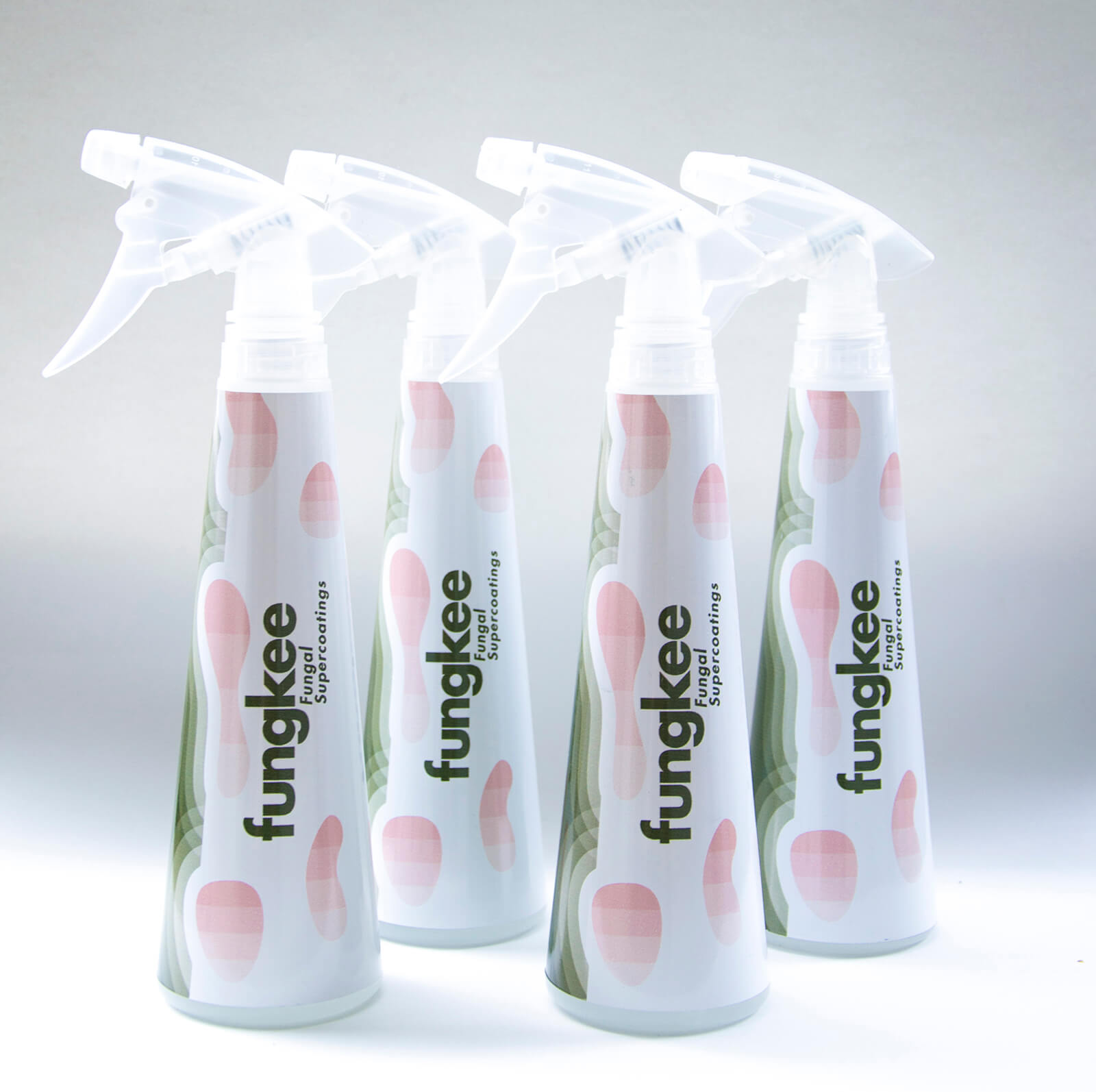
Throughout the city, the wider programme will be distributed in focused clusters across the various districts. Strijp-S will highlight the influence and future of digital design and AI through showcases at Building SFF (Bosch) and seminars such as Prompt and National Design Debate at the Next Nature Museum. The industrial-turned-cultural landmark Klokgebouw will form the nucleus of critical discourse with its range of exhibits, including The Biodesign Warehouse – Department Store for Life by Van der Leest, where she will present a case exploring the potential of biodesign for the planet.
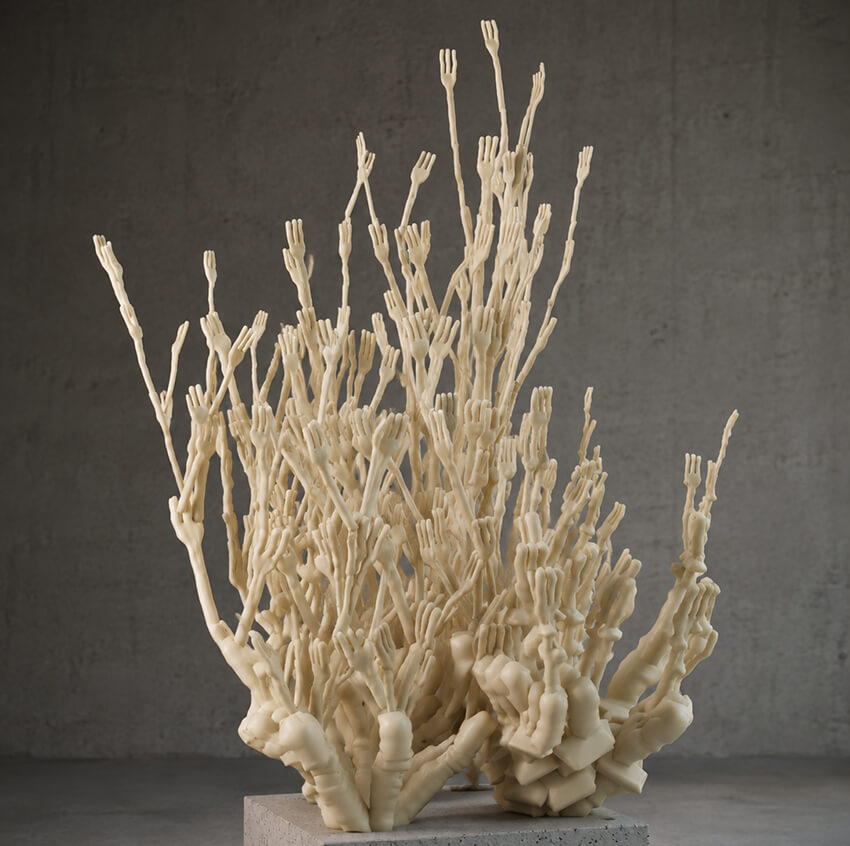
At the Foundation We Are, It Takes a Village by Newcastle-raised multidisciplinary artist Yamuna Forzani will present a collection of resting places, tapestries and curtains reminiscing about the notion of belonging through the lens of building community. Nearby, at BioArt Laboratories, Danish industrial designer Nicolas Nielsen will bring HYVE as a showcase unpacking the dichotomy between urban transit networks and natural habitats such as beehives. The display investigates the implications of adapting a millennia-old hive-migration technique for bee cultivation for modern urban networks using contemporary technologies. Elsewhere, at NOR, conceptual material designer Shahar Livne and educator Jelle Heuver’s PHALIVE will channel biological frameworks associated with corals and bacteria to explore novel possibilities in product design through digital manufacturing.
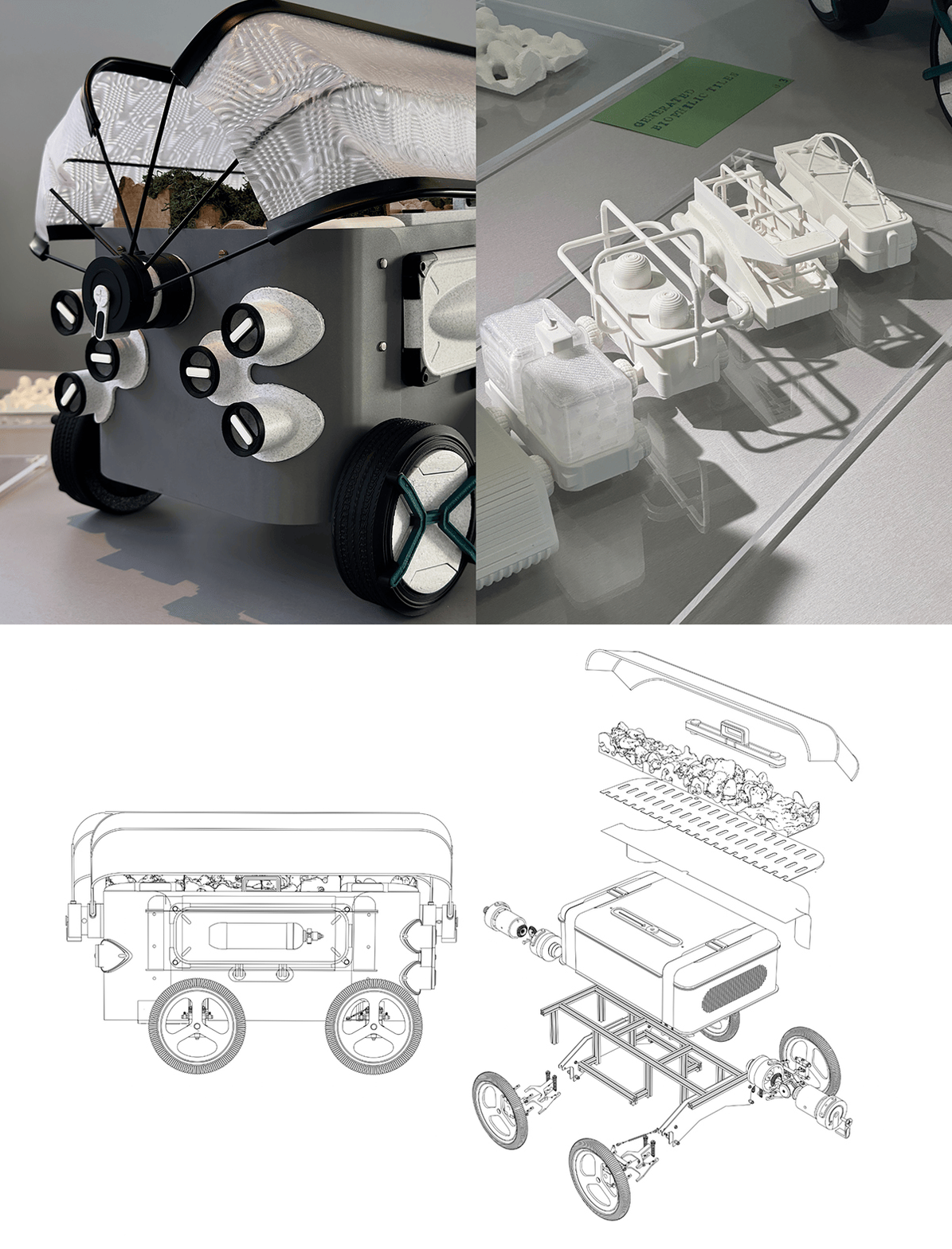
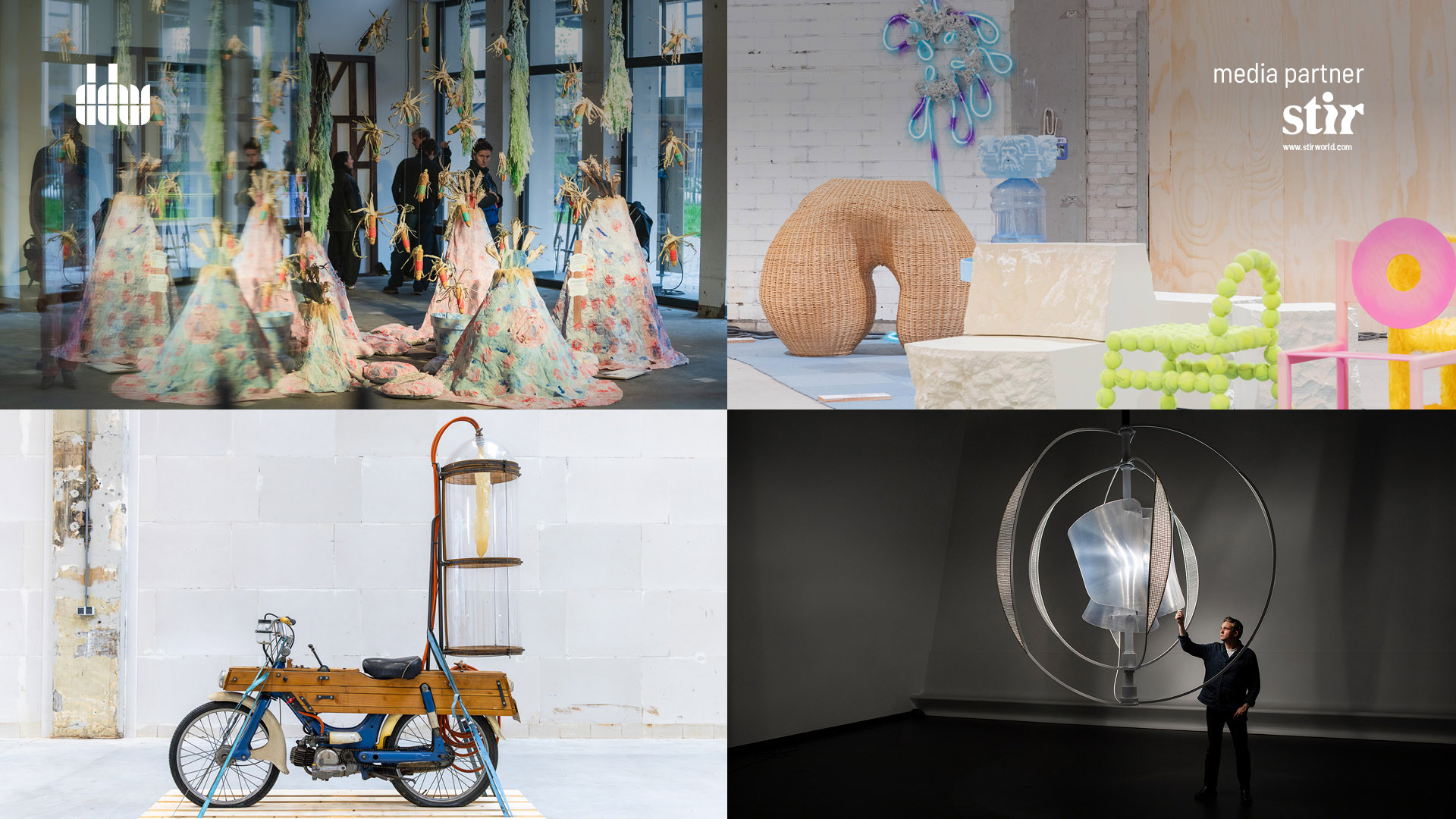
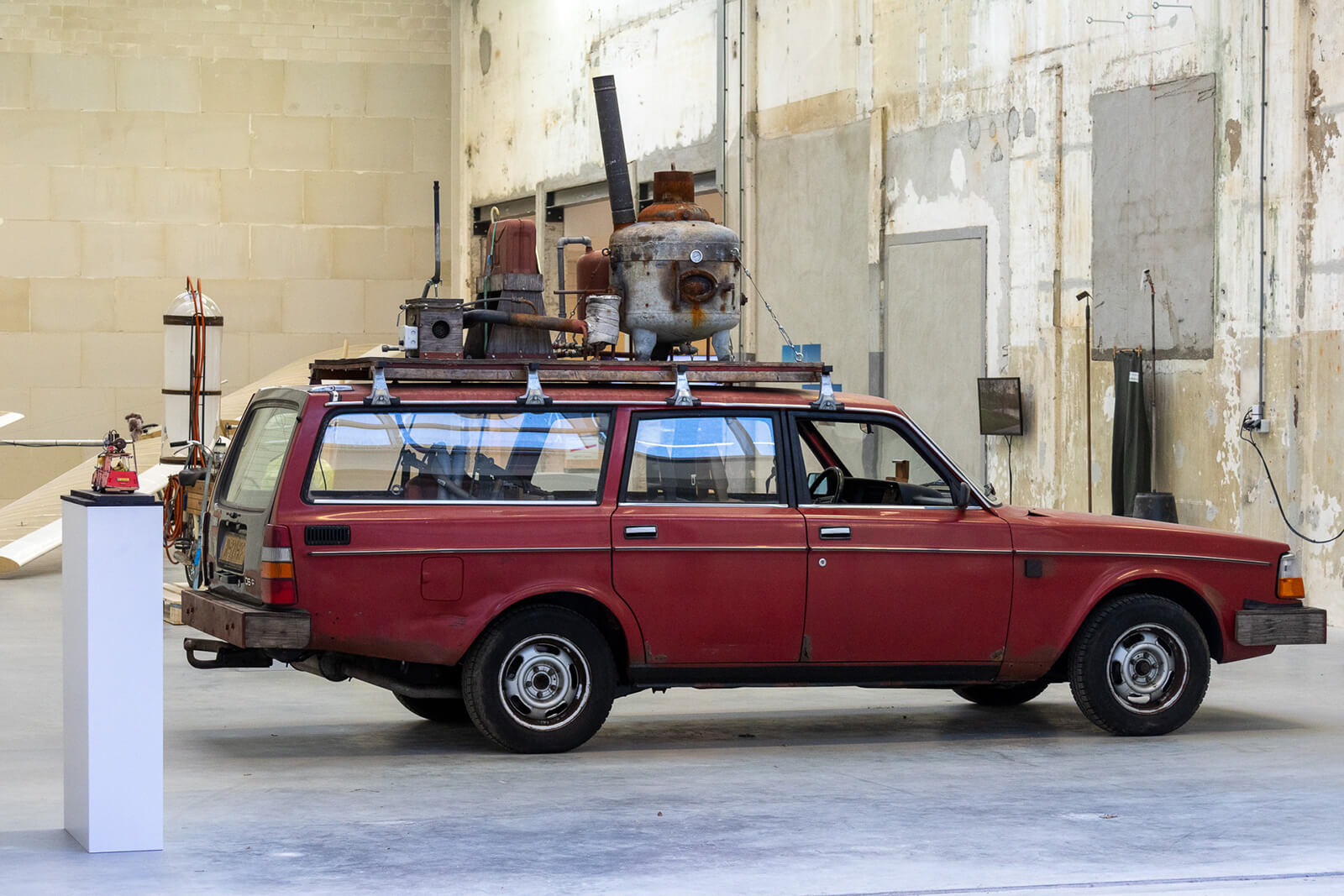
Along the route from Stirjp-S to Piet Hein Eek, venues such as Building TT and Building TX will transform into a hub for collectable design. At Building TX, Onderweg naar een toekomst by designer Gijs Schalkx conjures surprisingly functional steampunk-themed vehicles including a motorcycle running on swamp gas, a car on waste plastic and a bike on electricity, probing the convenience of fuel-guzzling modern motor vehicles and the inertia that keeps us locked into familiar ways of moving through the world.
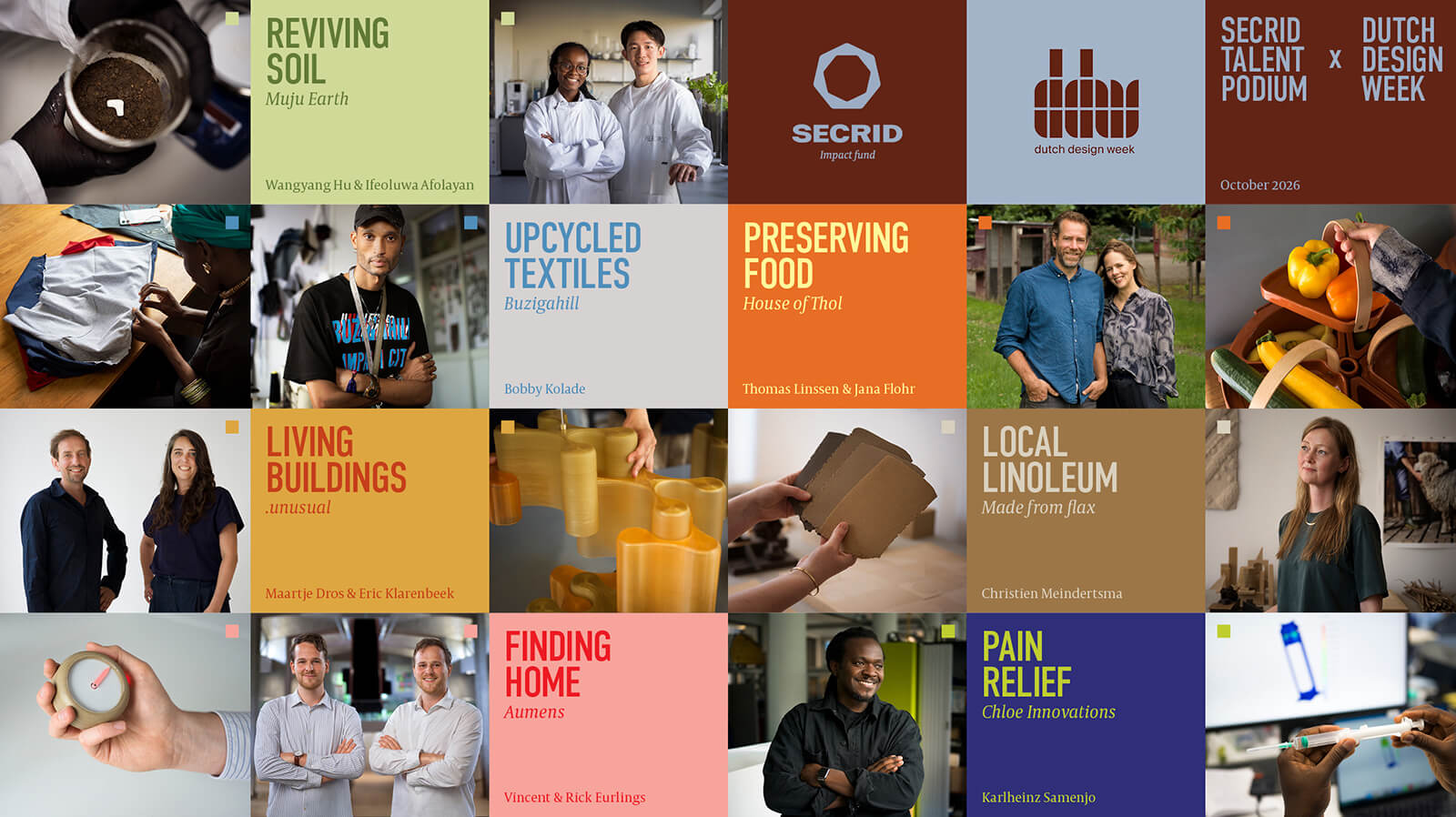
Concurrently, showcases by emerging designers will also be peppered across the city. Graduation Show 2026 at the Design Academy Eindhoven will present student innovations exploring provocative design concepts. Secrid Talent Podium by the legacy Dutch walletmakers, Secrid, will be presented as a group design exhibition by a community of more than 50 designers nurtured over the last five years, bringing to the fore innovations in bio-based design, inclusivity and healthcare. Celebrating the centenary of the HEMA department store chain, 10 young finalists from the HEMA Design Competition will showcase the simplicity and elegance in design solutions for everyday life at Klokgebow. The celebration will expand further with the Dutch Design Awards, which recognises rising talents at a global scale.
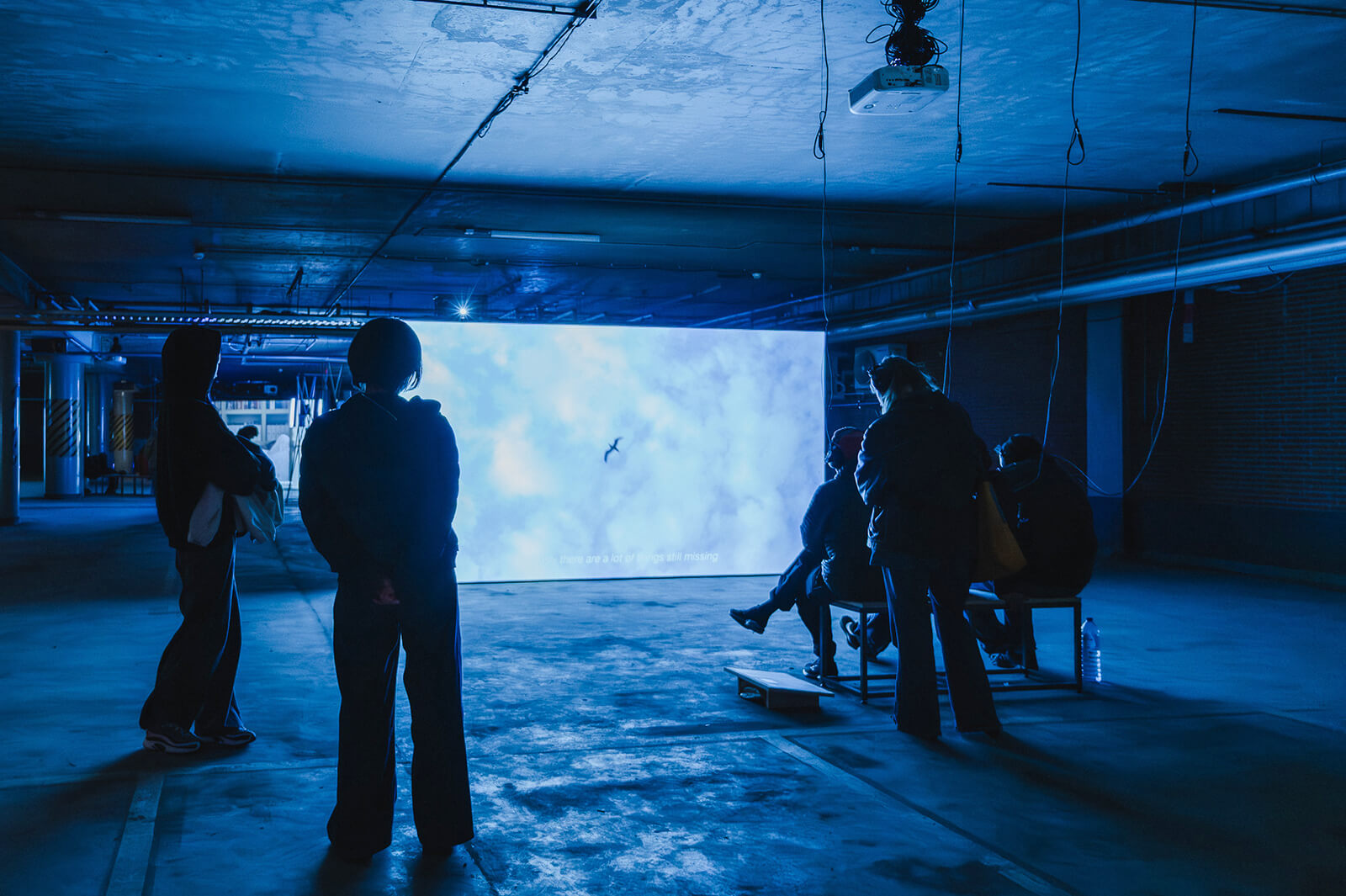
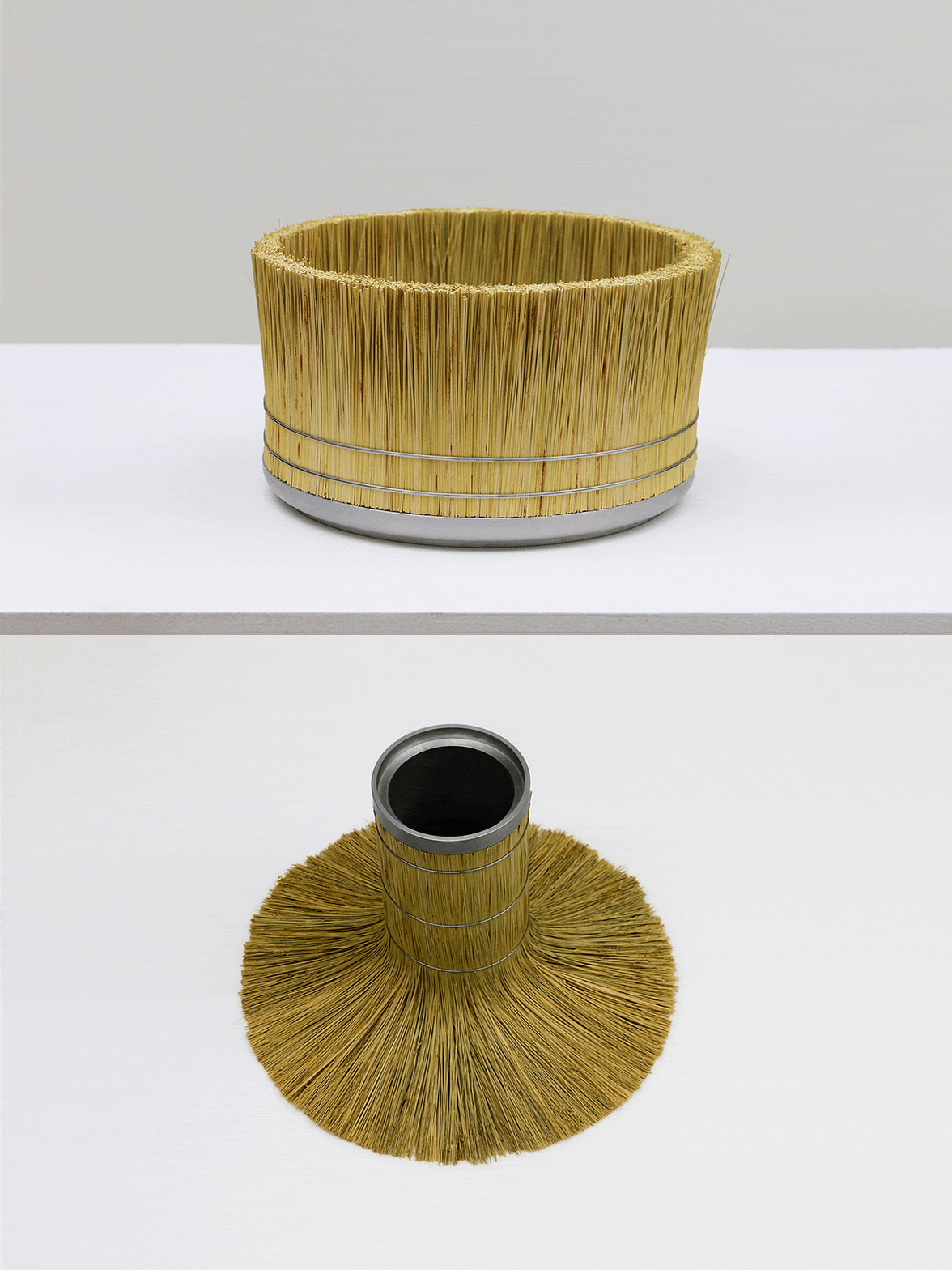
At Sectie-C district, Berlin-based artist and designer Simon Weckert’s Digital Camouflage will probe technologies being developed to counter technology—or, more precisely, its potential misuse—primarily motivated by privacy concerns in the age of information, AI and rampant deployment of cameras. At the Kazerne – Design Lab in the city centre, Studio Noff’s FOLK will present the results of its experiment with broomcorn (Sorghum bicolour)—a fibrecrop that owes its recent agricultural revival to a conscious shift towards climate-resilient cultivation practices—as a design material.

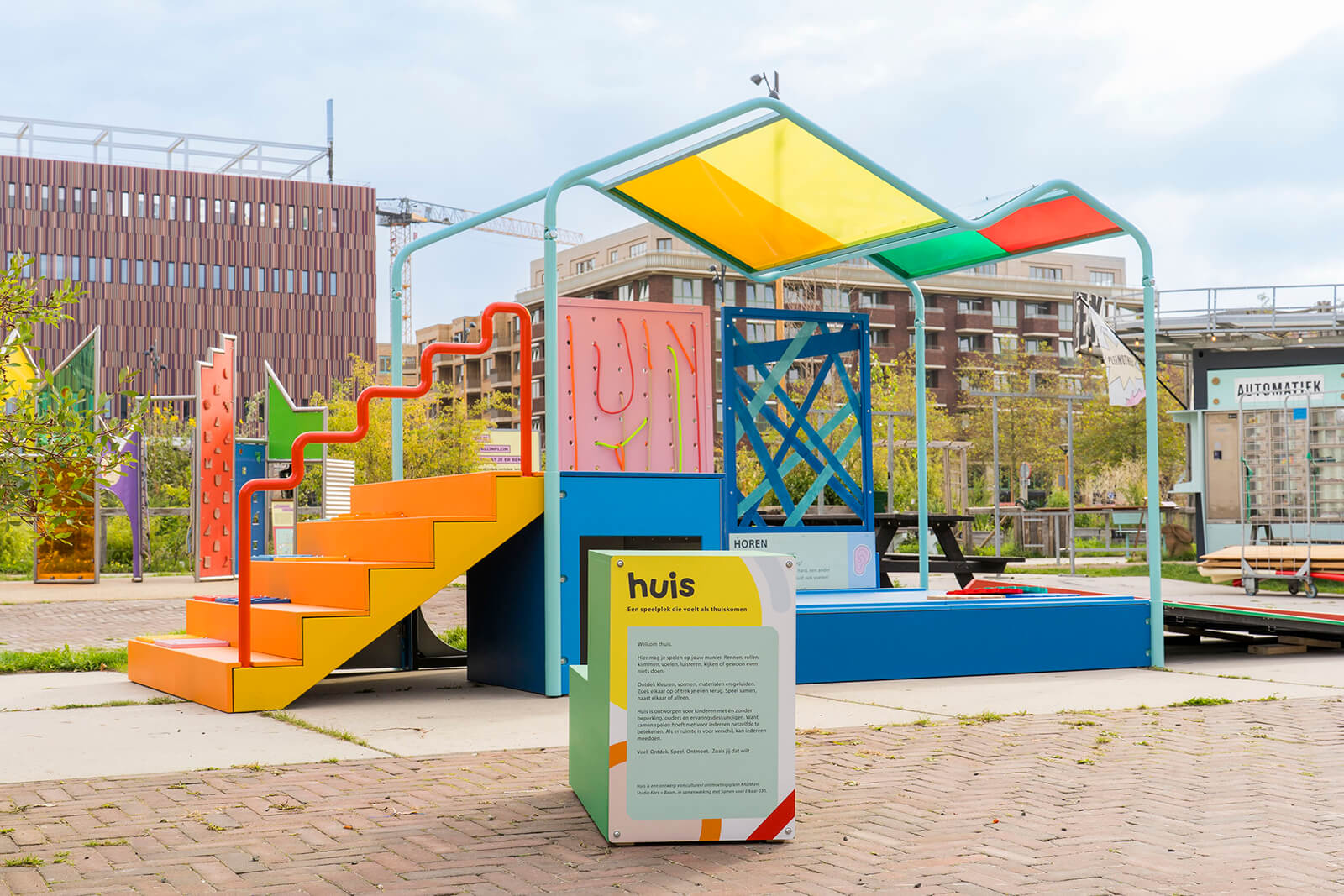
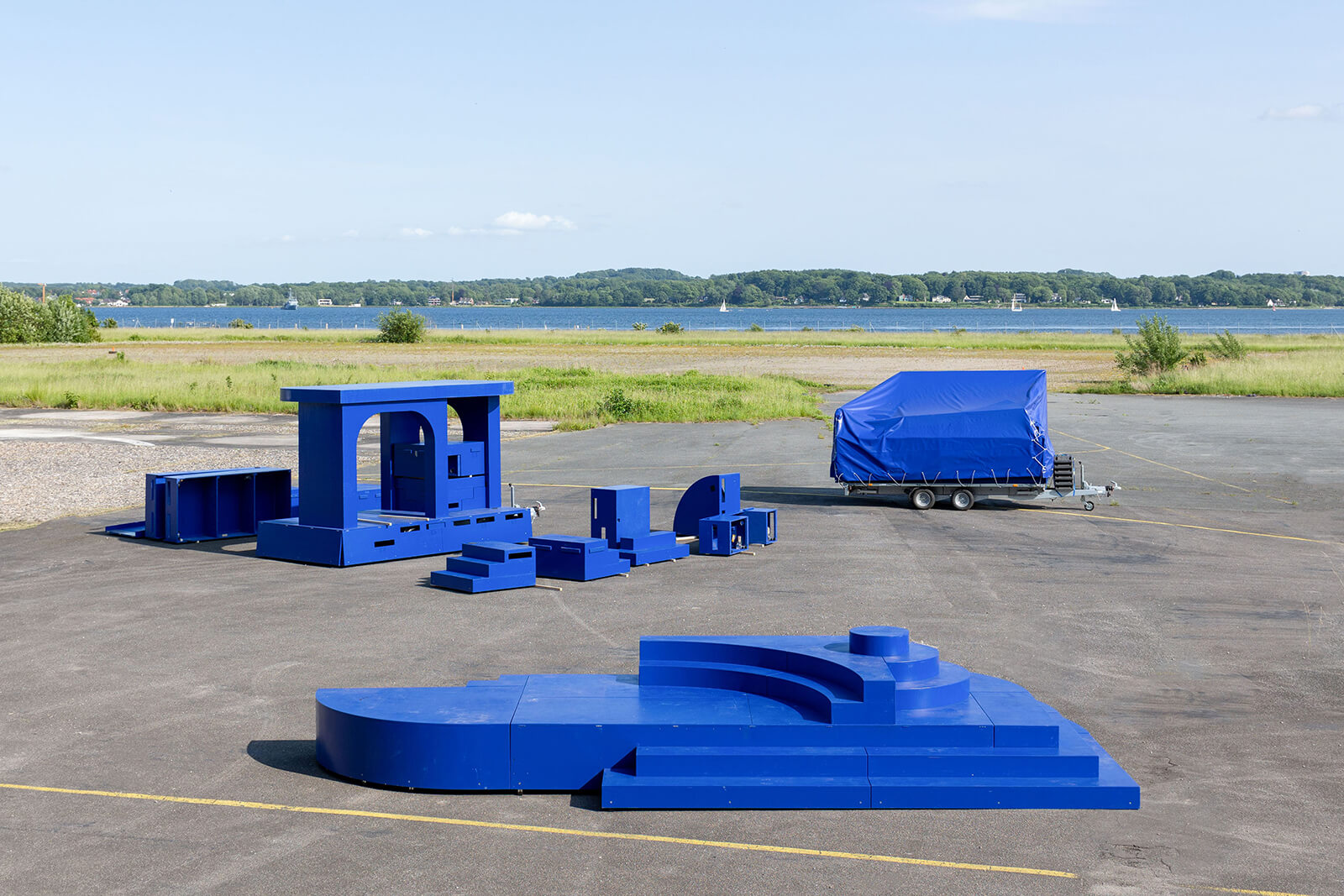
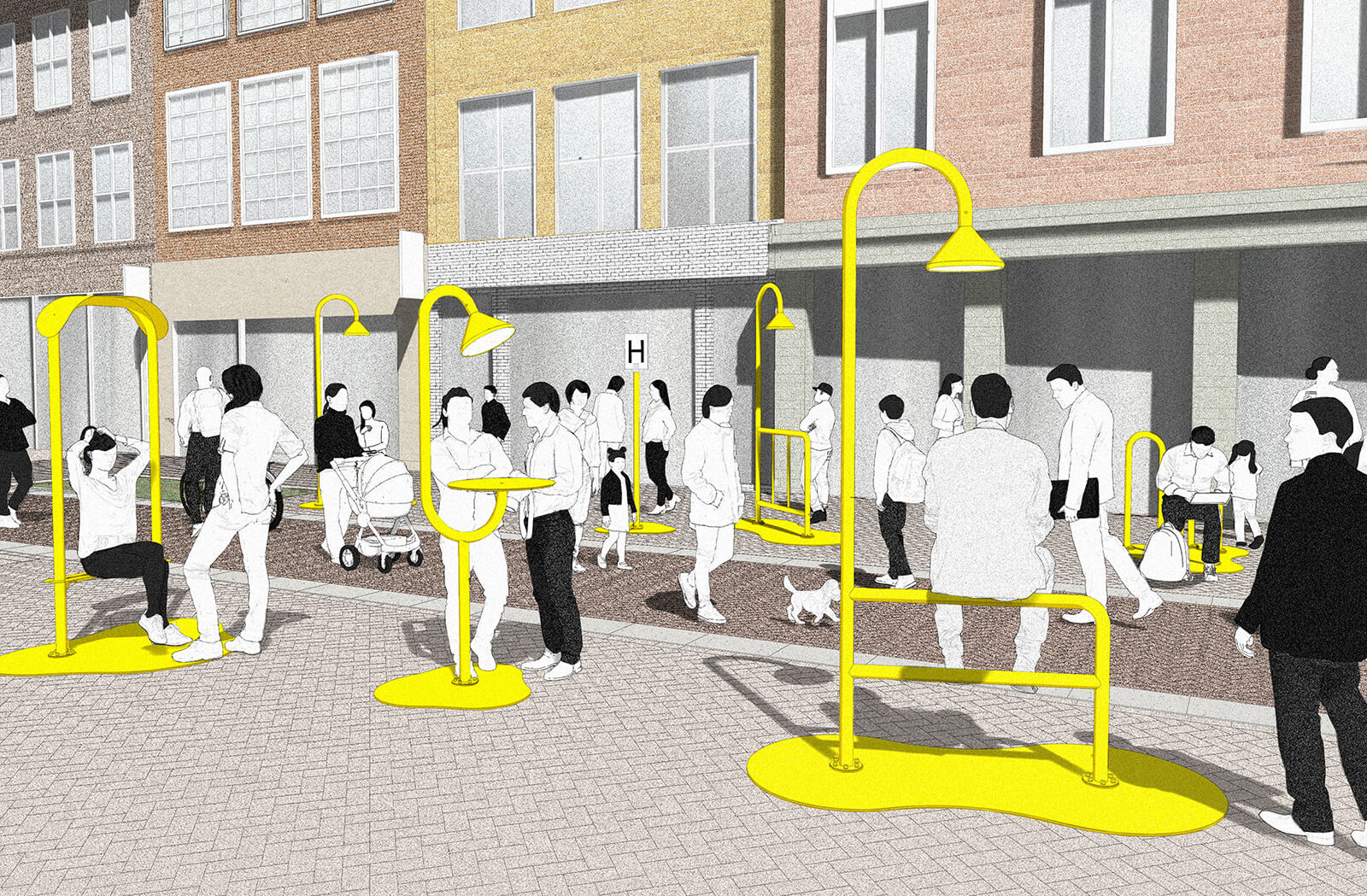
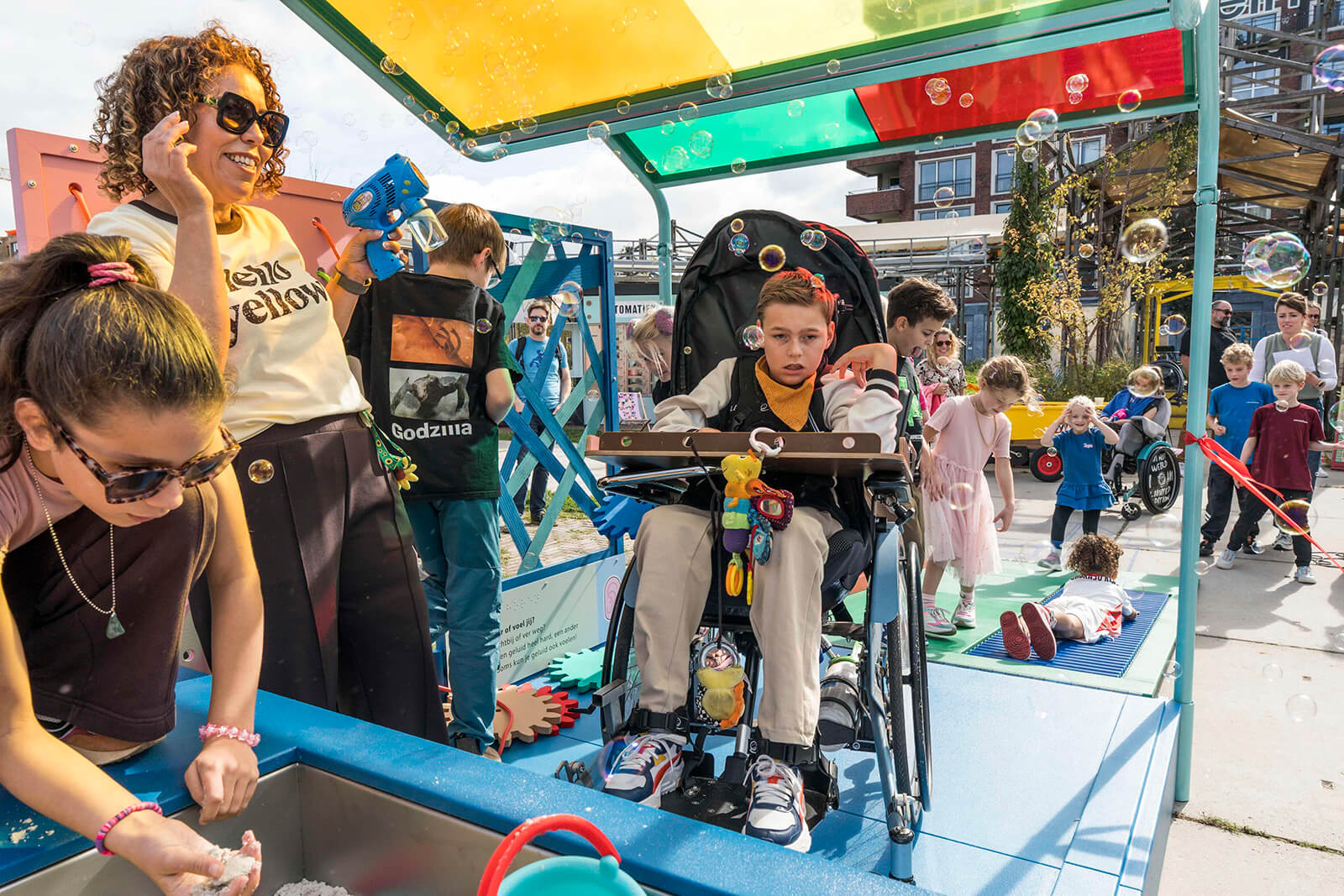
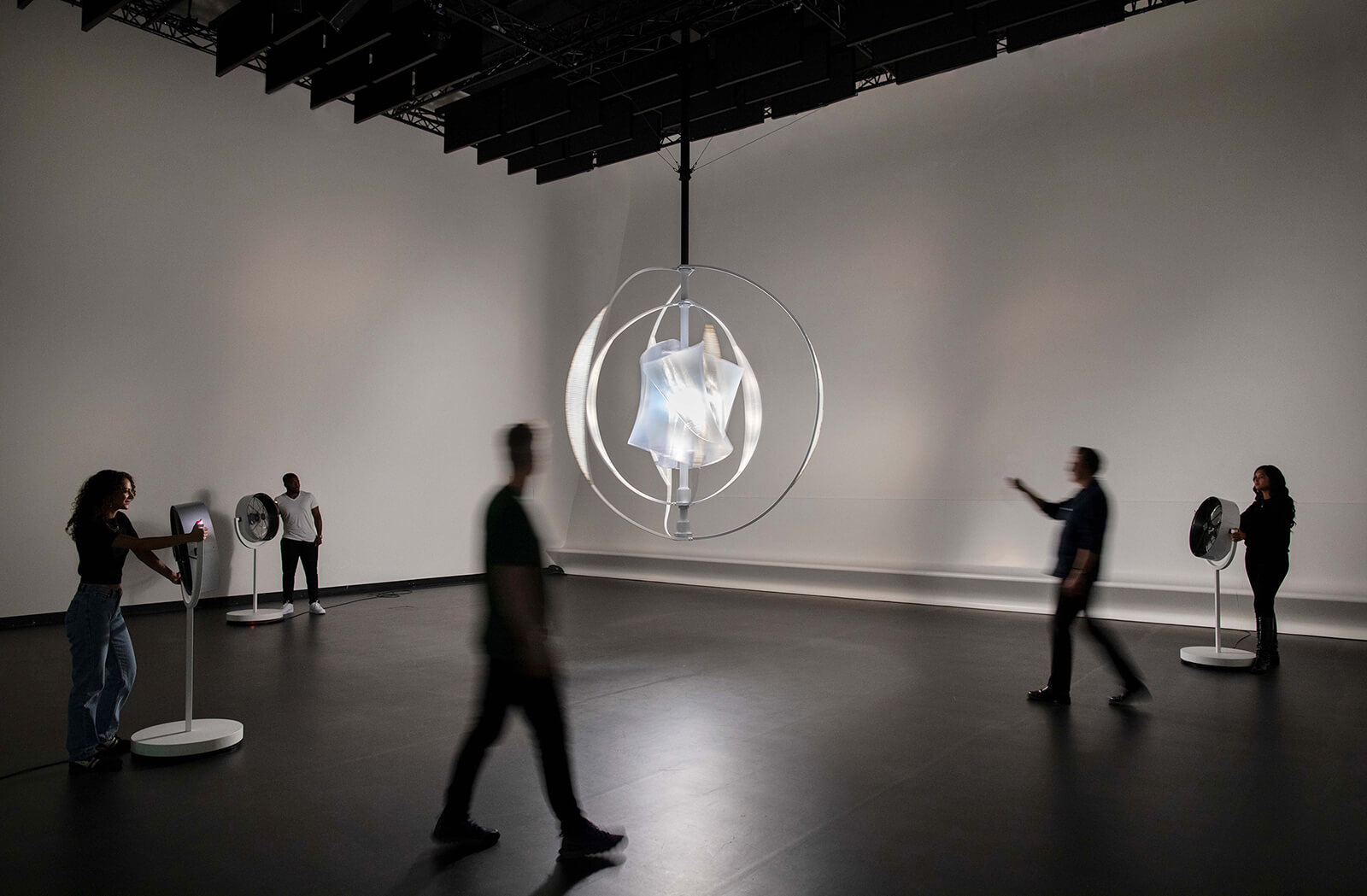
The design week will also enliven various public nodes around the city with life-sized installations. BLAUPAUSE by Kollektiv Plus X, a German collective with forays into design, art and urbanism, will emerge as a set of multipurpose street furniture that activates urban intersections by prompting pause and interaction. Waiting for the Bus by German product designer Luca Ortmann sensitises waiting spaces with elements consciously designed to facilitate this seemingly uneventful activity as an integral part of urban lifestyles. Huis, een installatie over drempels by the Utrecht-based practices Studio Kars en Boom and RAUM will be presented as a playful installation embracing accessibility as a fundamental right for children. Colonic Cleansing Clinic by Atelier van Lieshout will share how the journey from sickness to recovery can be better integrated with human lifestyles. FIELD by the London-based kinetic design studio Isabel + Helen will be an interactive installation comprising wind-powered turbines that allow manual changes to their configuration as a depiction of the synchronised movements between nature, energy and people.
From venues and nodes, the design celebration will spill onto city roads with DDW’s multi-year partnership with Swedish electric vehicle brand Polestar. The routes will become an exhibition ground as the roofs of various Polestar automobiles will be studded with design objects for the duration of the festival. Under the partnership, artist Thijs Biersteker was commissioned for a bespoke installation, We Harvest Wind, which will be on display at Kolkgebouw. The project is rooted in communicating the importance of renewable energy and its potential for a sustainable future.
At the turn of the new quarter, Dutch Design Week distils the resolution of the global polycrises into conversations around technology, biophilic material innovation and inclusivity. And while the propagation takes various forms and formats—from exhibits and installations to seminars and even mobile showcases—the core message focuses on encouraging new-age thinking by adapting seemingly antiquated concepts. What holds the promise about the 2026 edition is perhaps rooted in its theme and a deeper inquiry: At this stage of the global polycrises, will focusing on the raw and experimental lead us to revelations, or just more speculation?
by Chahna Tank Oct 03, 2026
Wooden chairs by the Chilean designer reveals handmade forms and painted details that weave memories, literary references and personal stories.
by Mrinmayee Bhoot Oct 01, 2026
As the European Central Bank concludes a public survey to determine the new designs for Euro notes, the discourse expands to how currency could signify shared values and identity.
by Pranjal Maheshwari Sep 28, 2026
Smita Thomas’ Bangalore-based studio embellishes construction waste—from doorknobs to marble slabs—to balance sustainable pursuits with artistic expression.
by Pia Bhatia Sep 24, 2026
The Belgian biodesigner and material researcher speaks to STIR about using materials like discarded tennis balls and plant roots to craft ‘deeply remembered objects’.

make your fridays matter with a well-read weekend
Enter your details to sign in
Don’t have an account?
Sign upOr you can sign in with
a single account for all
STIR platforms
All your bookmarks will be available across all your devices.
Stay STIRred
Already have an account?
Sign inOr you can sign up with
Verification link sent to check your inbox or spam folder to complete sign up process
Tap on things that interests you.
Select the Conversation Category you would like to watch
Please enter your details and click submit.
Enter the 6-digit code sent at


Dutch Design Week 2026 favours the raw and inquisitive in the quest for new futures
by Pranjal Maheshwari | Published on : Oct 07, 2026


 Sign in with Google
 Sign in with email
What do you think?