Design04 mins. read
Not just a chair: Urs Fischer elevates the banal through absurdity in Shucks & Aww
by Bansari PaghdarJan 31, 2026



by Pranjal MaheshwariPublished on : Jun 06, 2026
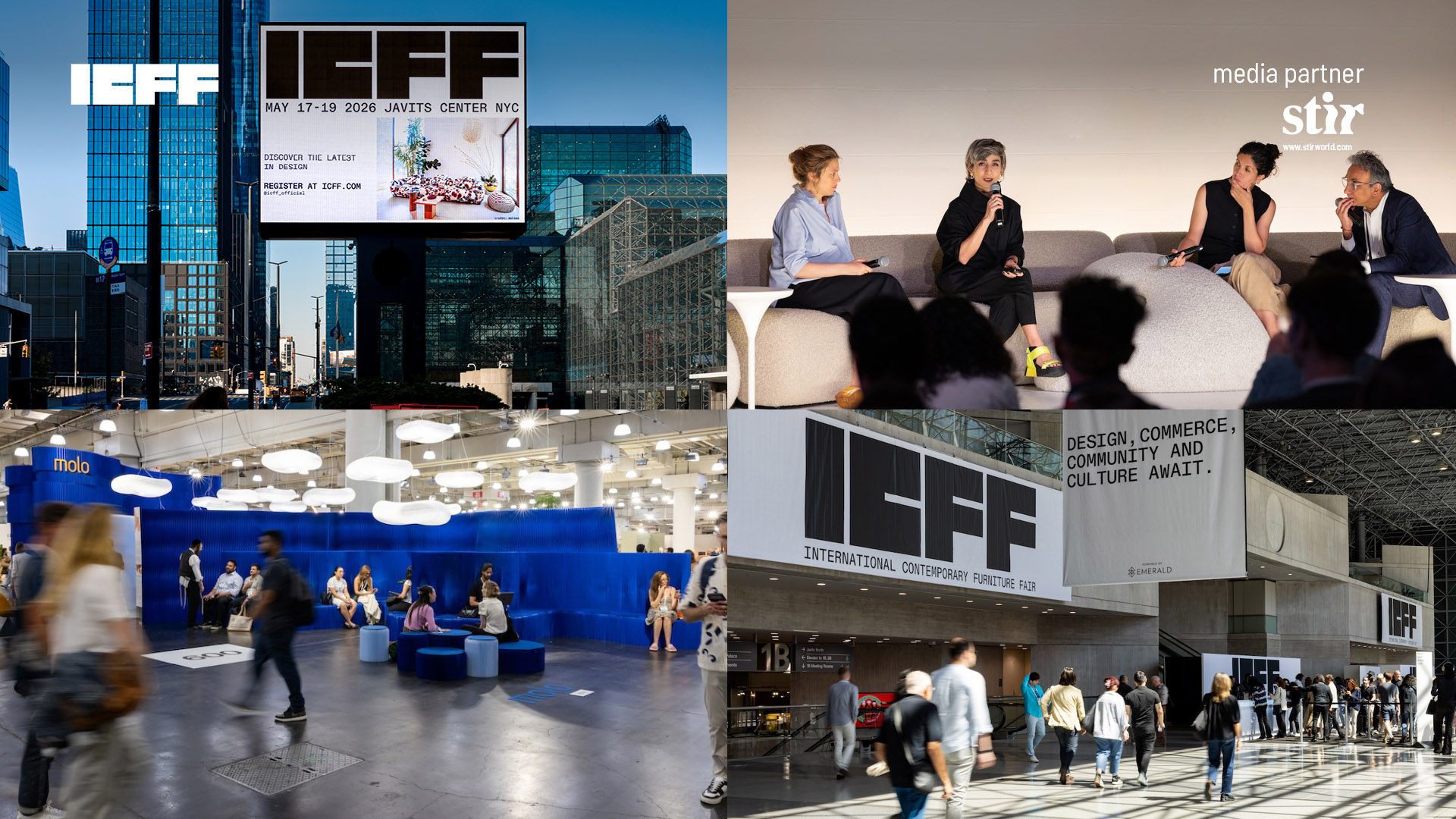
As uncertainty and chaos cloud global trade and the design industry, one of North America’s most awaited fairs for contemporary design and furniture arrived with a strong positioning—as a platform for critical discourse rather than a mere showcase of pioneering innovations. Under the theme Common Ground: A Global Dialogue on Design and Shared Values, International Contemporary Furniture Fair (ICFF) returned to the Javits Center in New York City from May 17 – 19, 2026. For this edition, which was hosted in conjunction with NYCxDESIGN, the focus—across an expanded programme of exhibitions, installations and talks—was on experimentation, discovery (and rediscovery) of design as a connective force for multiple cultures and perspectives.
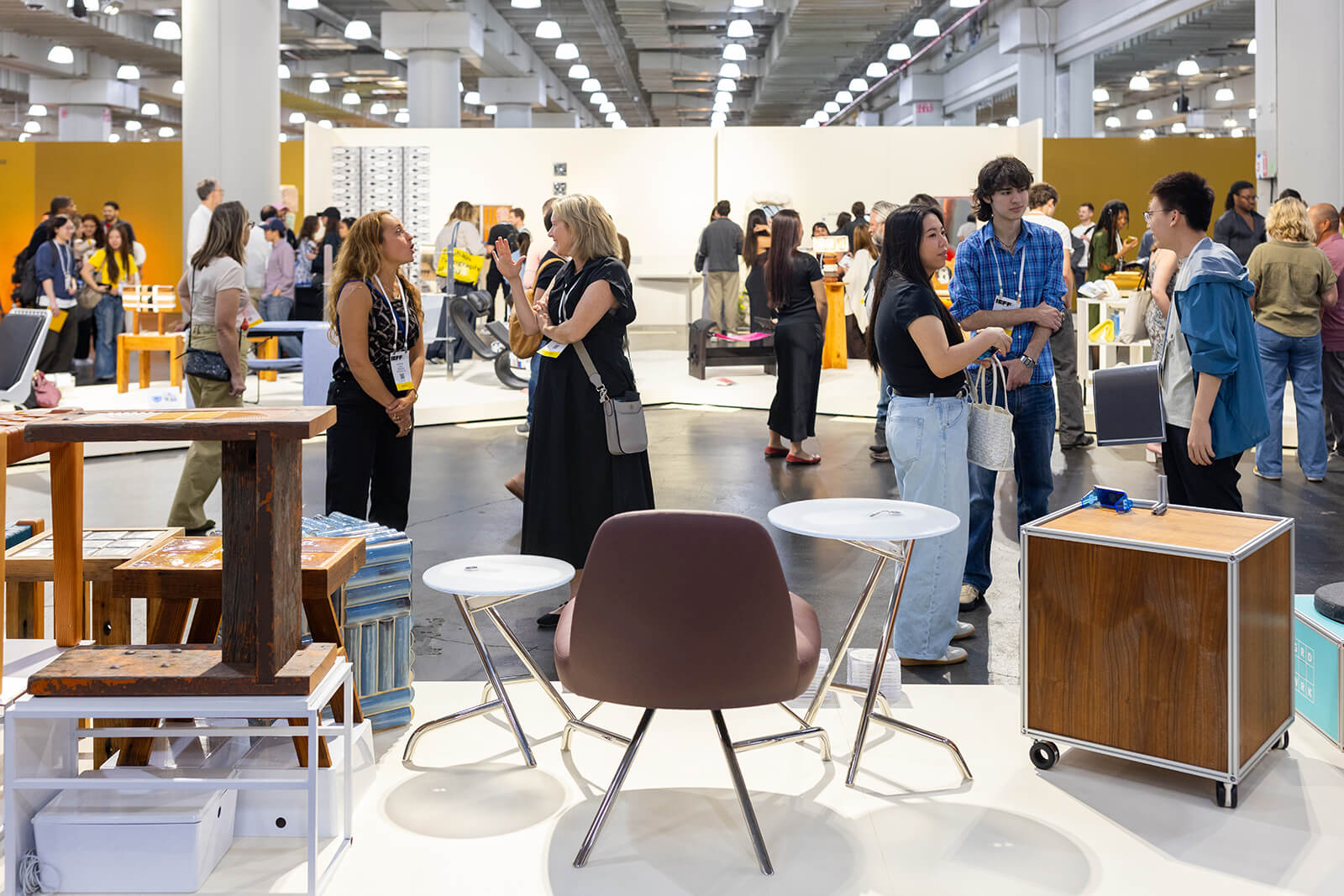
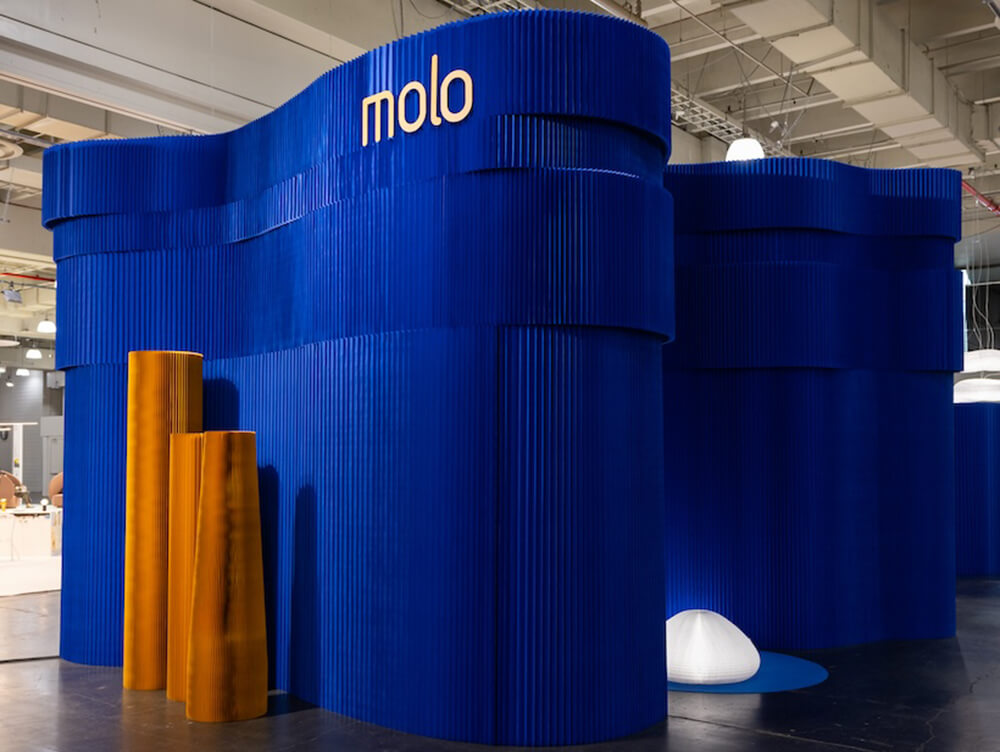
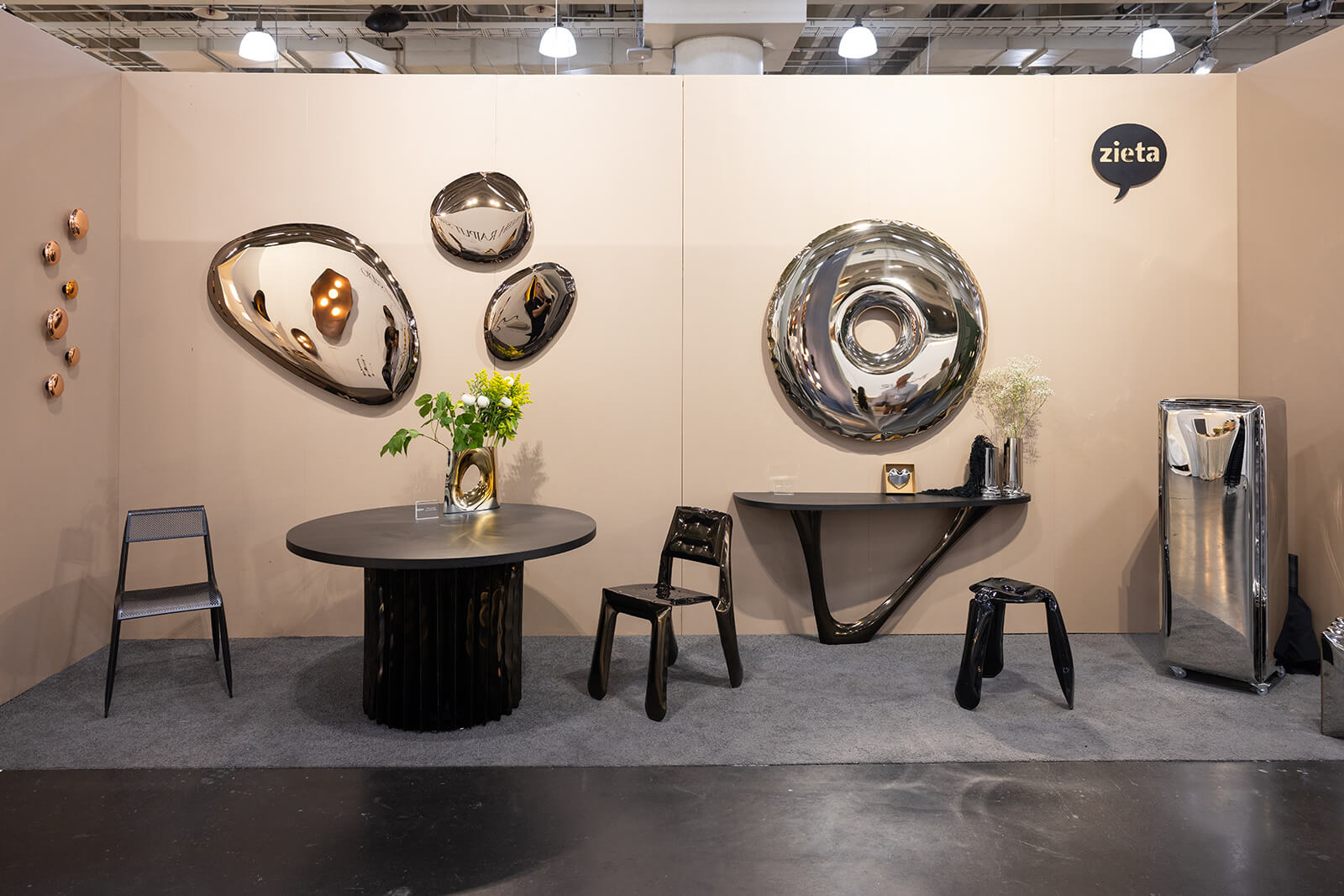
As is customary, the larger landscape of the fair—spread across an immersive floor plan conceived by Rodolfo Agrella Design Studio (RADS)—looked to global brands for different cultural perspectives, technological interventions and traditional means of developing shared values in contemporary design. molo, a multidisciplinary design and production studio based in Canada and led by Stephanie Forsythe and Todd MacAllen, returned to ICFF to introduce their new collaboration with Gmund Paper and showcase sloped softwall, a sculptural addition to the studio’s hallmark soft collection. Paris-based L-Acoustics, an internationally renowned sound-systems designer, conducted, among other design offerings, a panel discussion on the integration of sound and space moderated by the organisation’s global lead of architectural engagement, Grace Xu. The display booth of the Polish design studio Zieta was adorned with new manifestations of their metal inflation FiDU technology, including mirrors, lamps, a stool and a console. ILANZ, a Peru-based studio that designs bespoke collectables, through its new collection Awana, sought a common ground with Peru’s material heritage: Sillar (basalt stone), Alpaca and Toquilla fibres.
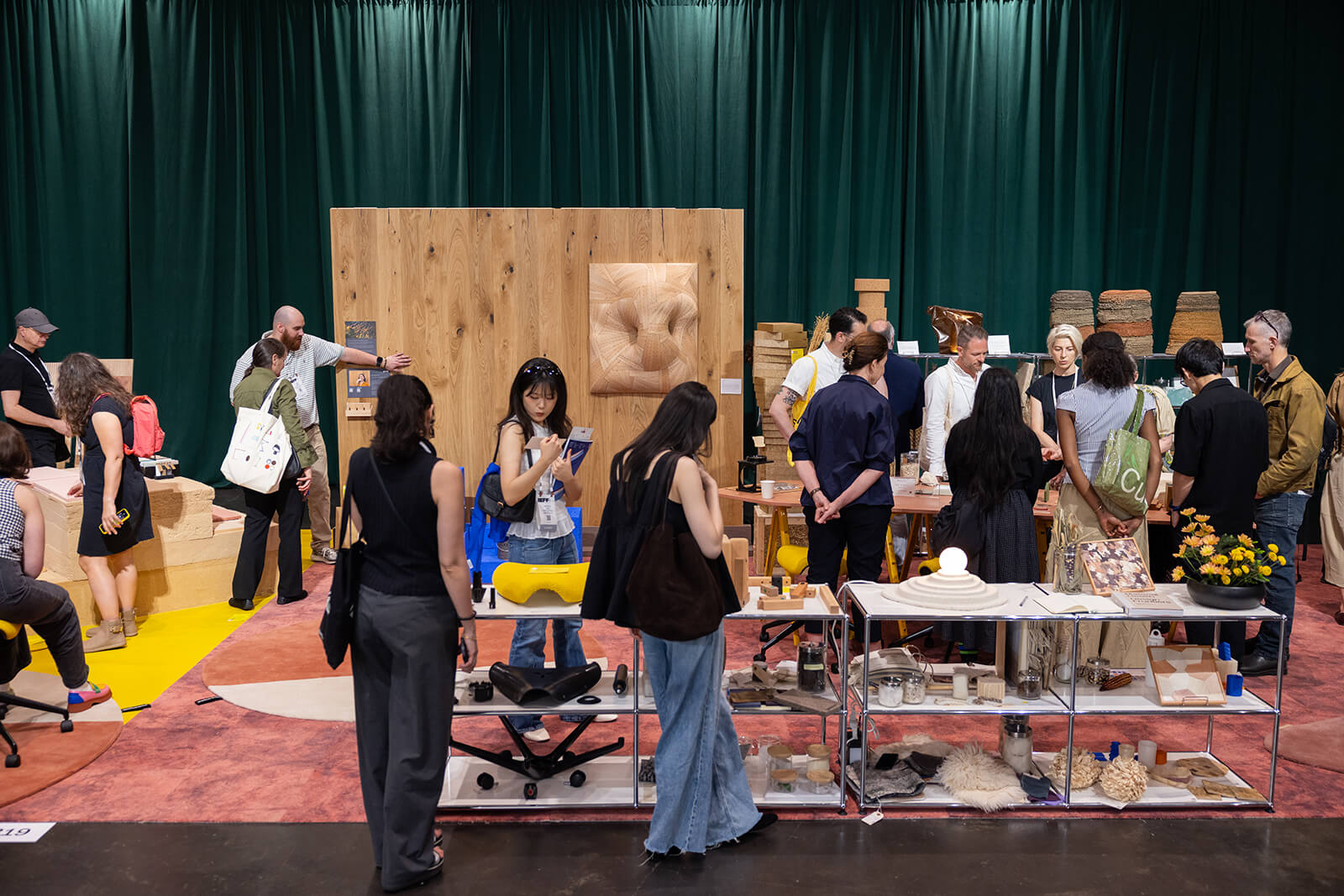
While established brands and designers offered their insights in the main fair, some notable exhibits took intriguing positions at ICFF’s flagship WANTED—the feature of the international design fair dedicated to showcasing novel ideas from emerging studios, young designers and top-tier design schools—spanning across a variety of topics from material innovation, sustainability, global collaboration and emerging technologies. The exhibits’ Schools Showcase registered its largest participation yet, of more than 24 design schools, including the University of Oregon, Appalachian State University, Centro Roberto Garza Sada-Universidad de Monterrey, Istituto Marangoni Design, Maryland Institute College of Art, Rhode Island School of Design and Syracuse University. The institutes presented student projects developed through workshops and studio sessions that focused on sustainability, material innovation and advanced design concepts.
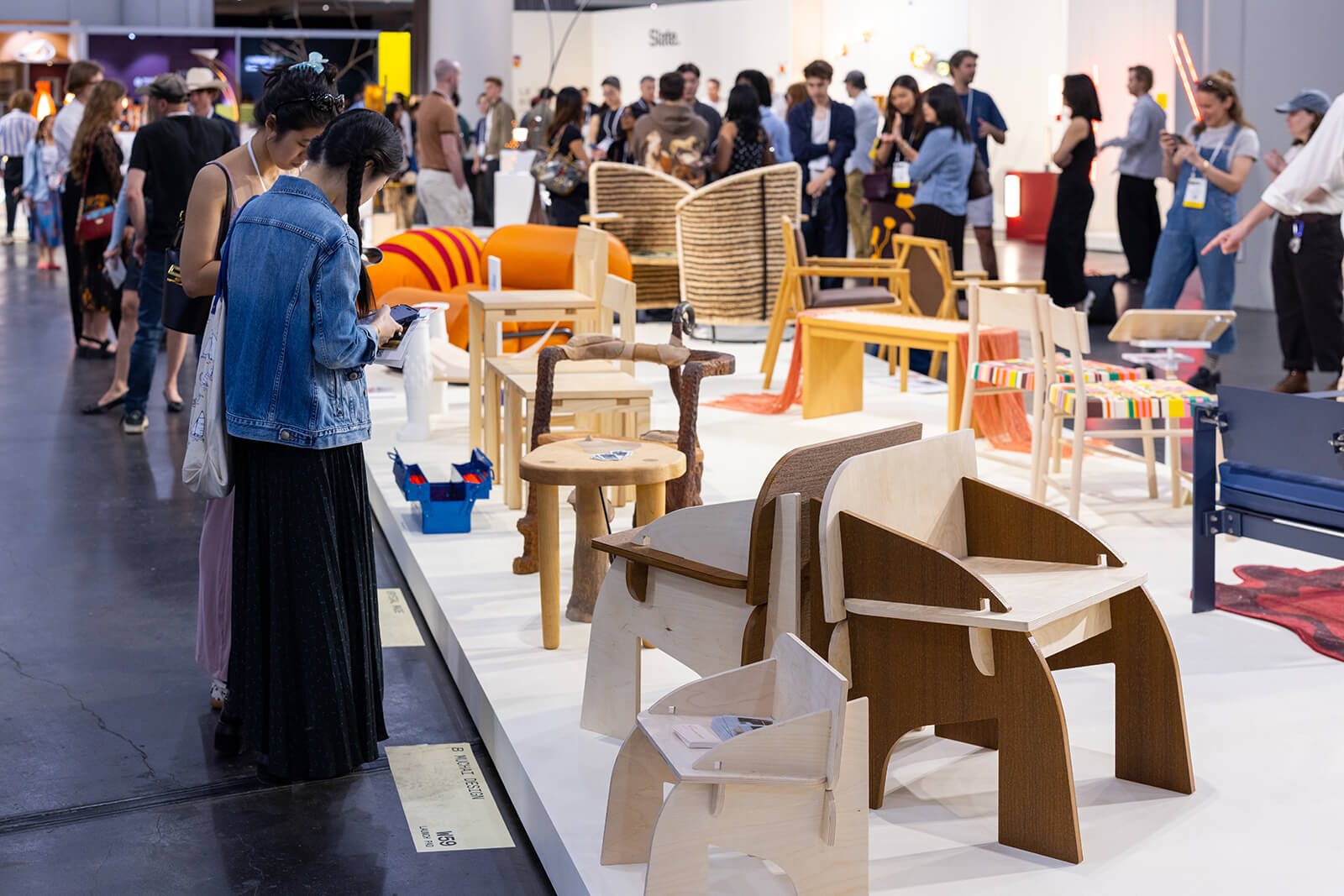
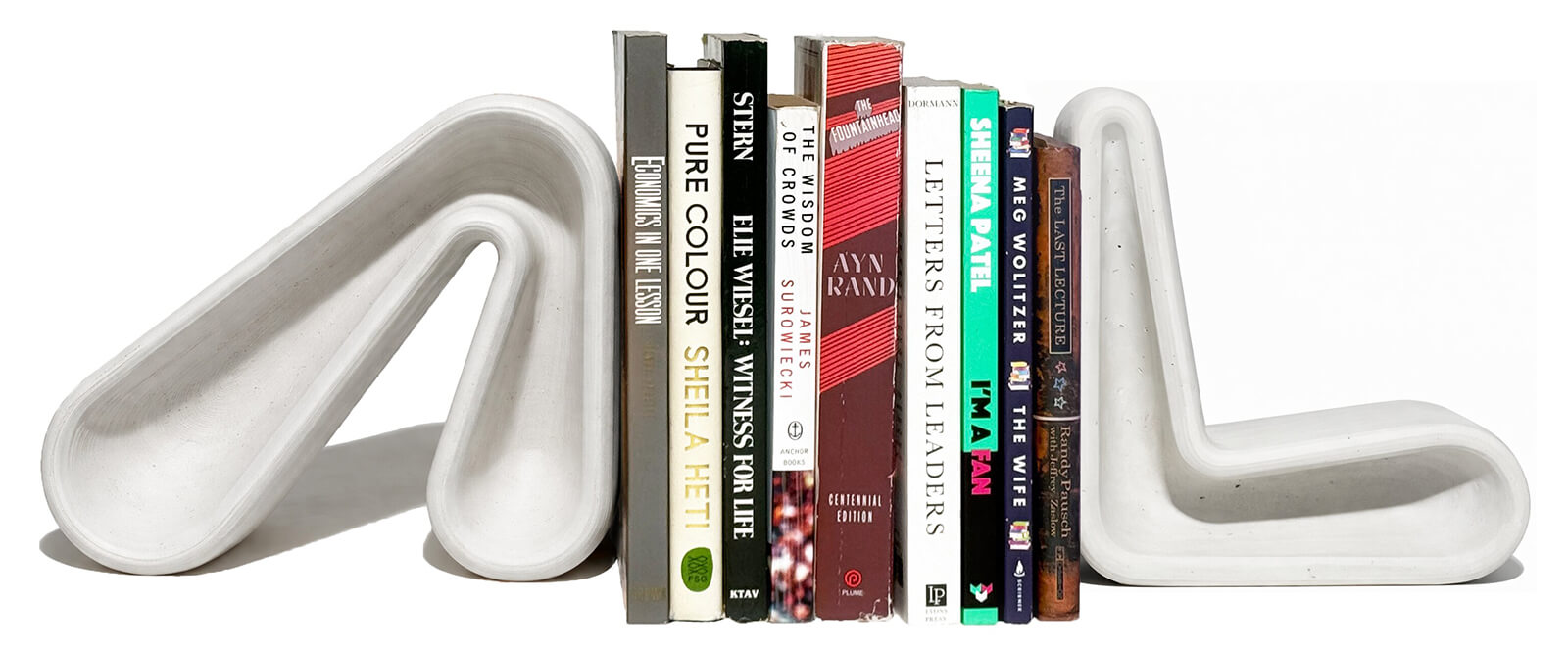
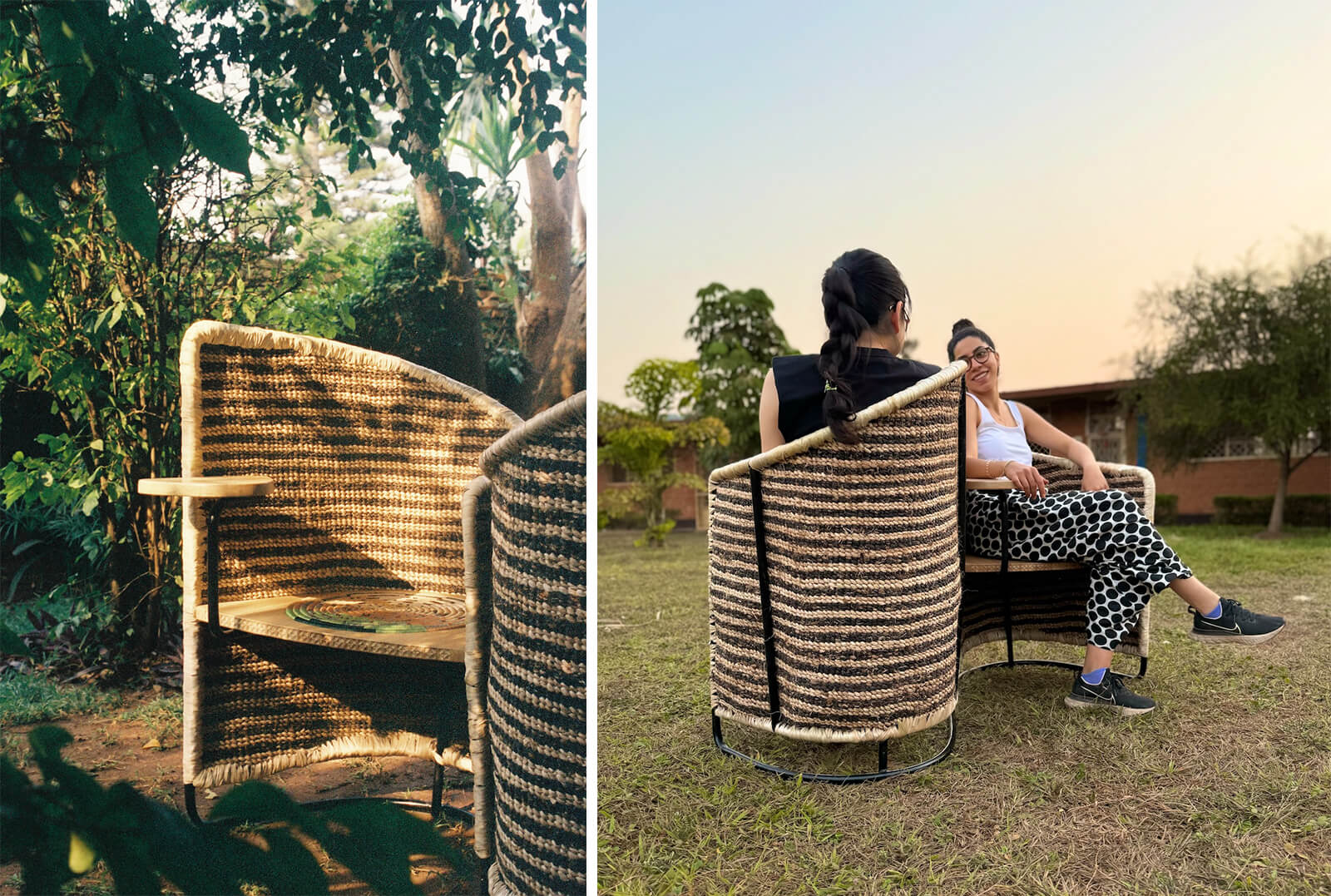
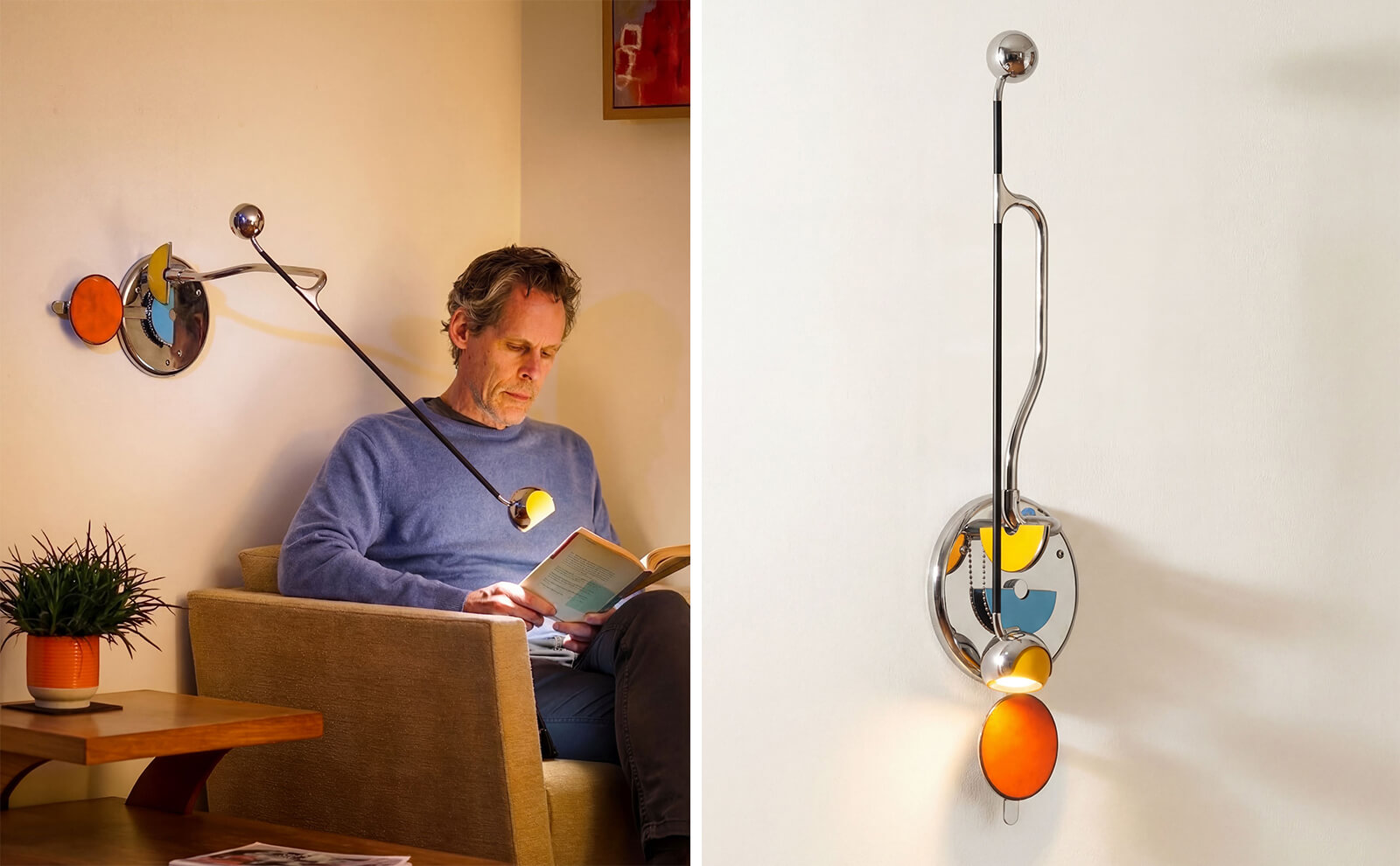
WANTED featured more than 80 emerging designers this year, strengthening ICFF’s image as the stage for new talent. The displays were characterised by functional sculptures that reintroduced the essence of craft and persona into everyday objects. Some highlights included New York-based Bookworms’ pair of objects, cast in an eco-friendly geopolymer cement, that can be used as bookends, book frames, book stands or page holders; and the playful fruit bowl by the Canadian industrial design studio object object object. North Carolina-based ulumulu design presented Floating Orb Reading Light, a contemporary interpretation of the essential object as an iconic mechanical design. The display also included Sozi chairs by Singapore-based Thalia Lee, which operate on the common ground of traditional techniques and modern public spaces such as convention halls and coworking areas. Crafted from banana fibre, steel, wood and grass, the curved chair offers a space for both public interaction and individual contemplation.

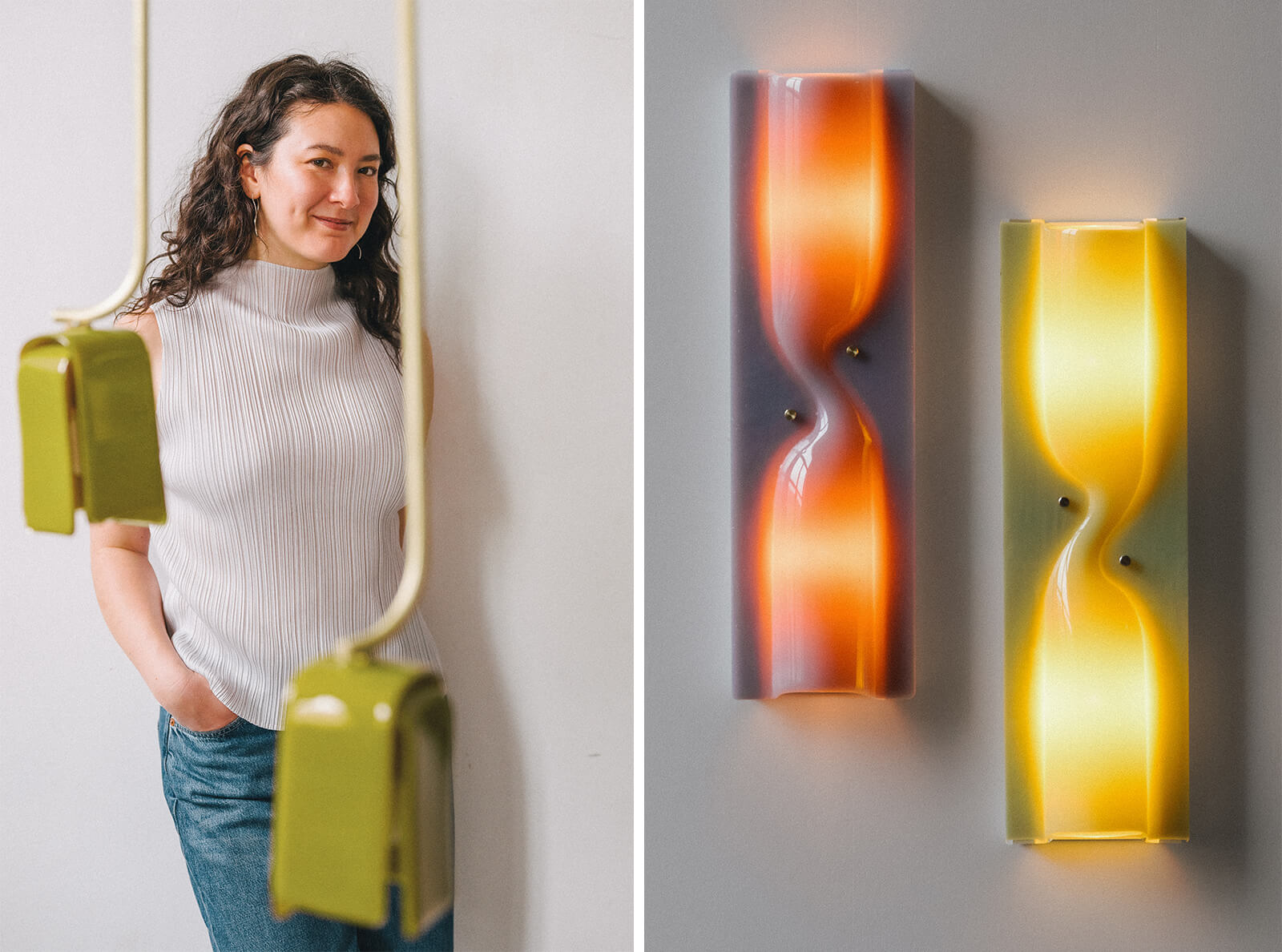
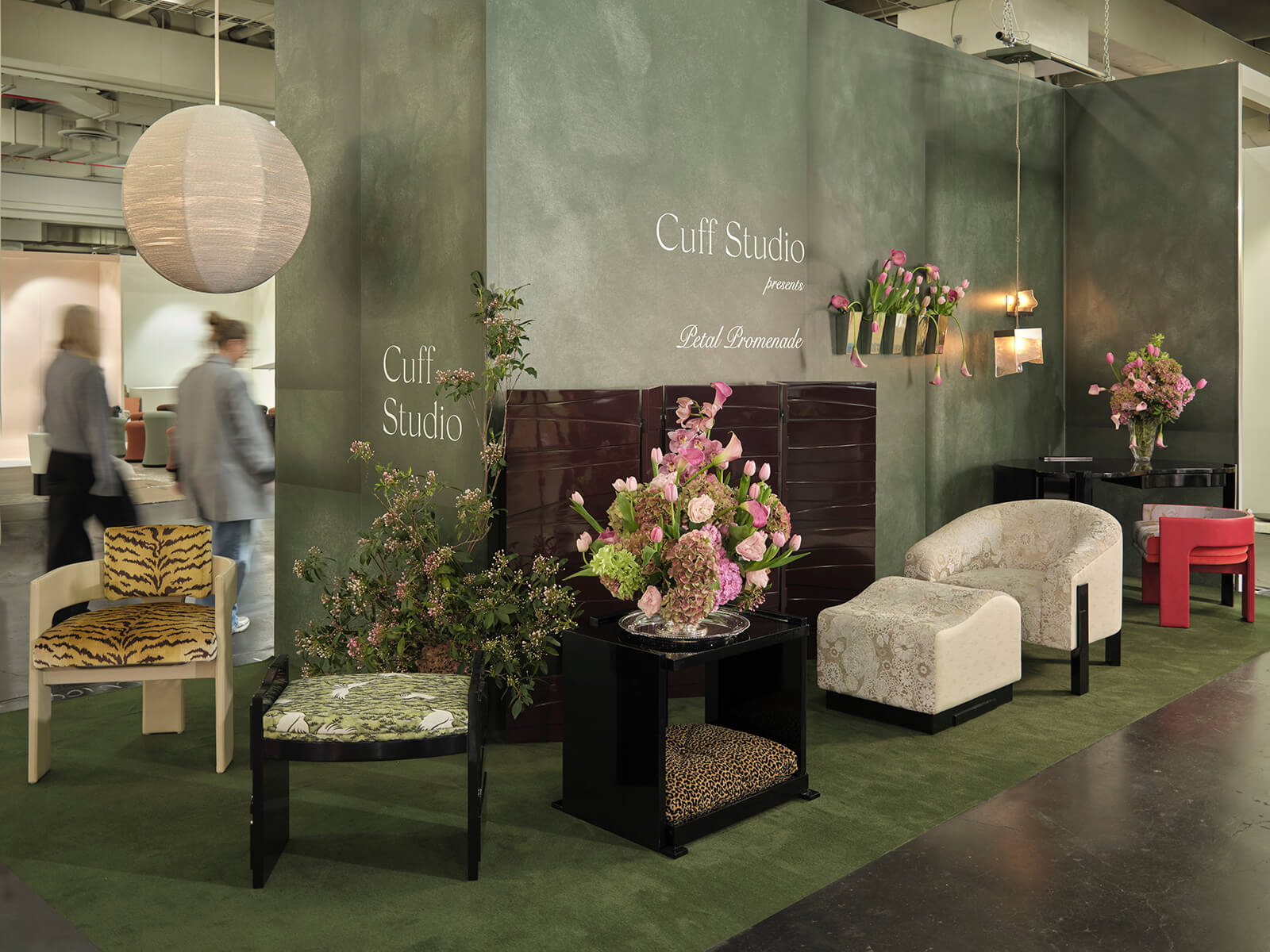
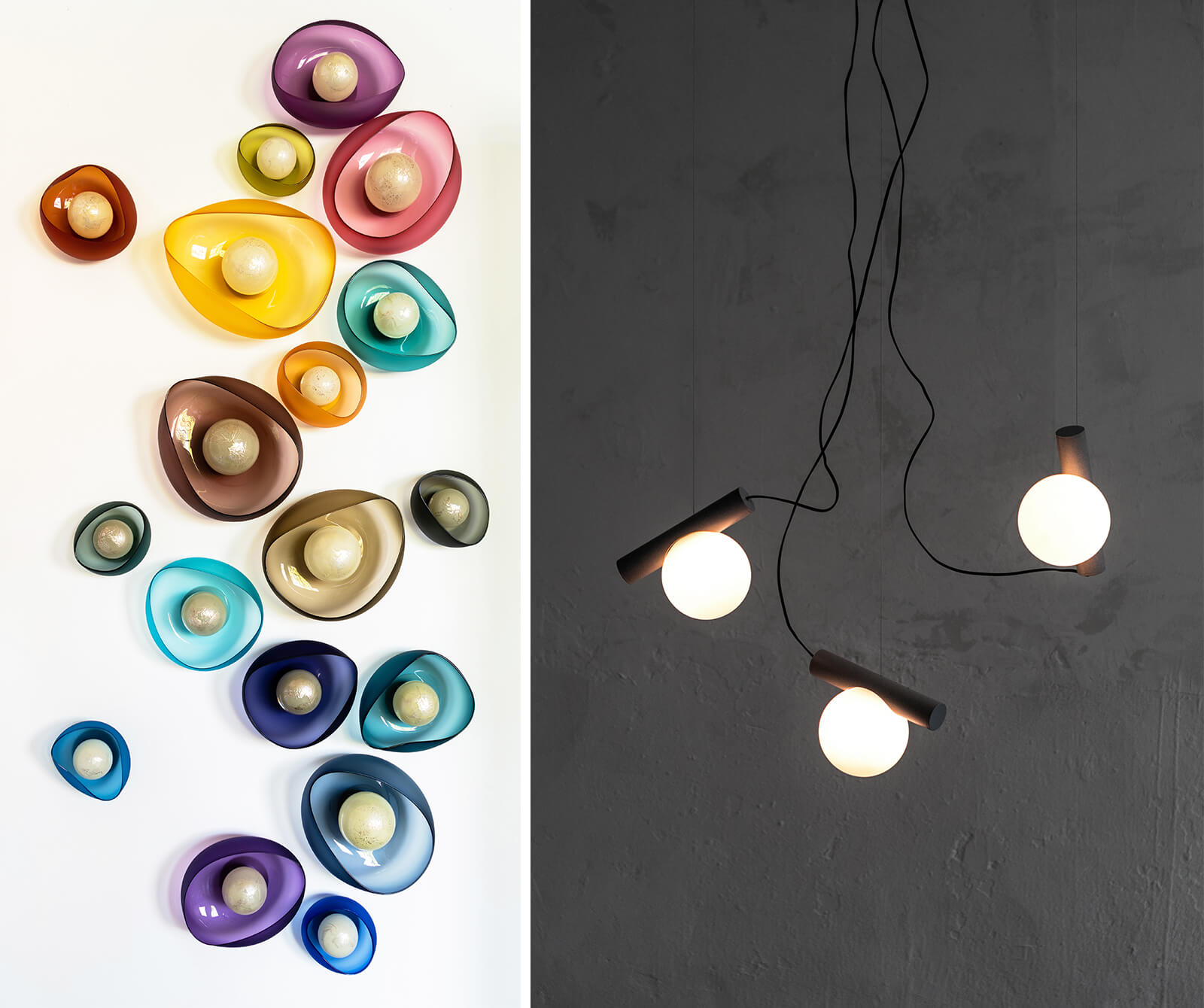
For the Look Book programme this year, London-based design curator and journalist Julia Haney Montanez curated the works of more than 60 North American design studios. One of the standouts was three new lighting collections by New York-based Studio Anna Dawson, Ribbon, Dancer and Twirl Table, which fuse the free-flowing forms of ribbon dancing with kiln-formed glass to create a range of sculptural lights, including chandeliers, pendants, sconces and table lamps. As a showcase of New York-style living, Cuff Studio, founded by the creative duo from California, Wendy Schwartz and Kristi Bender, presented Petal Promenade. The display draws from 20th-century decorative arts, specifically Scalamandré’s characteristic textiles, to render a sense of community in contemporary building interiors. A collaborative of female designers hailing from different cultures found common ground through Soft Structure, an exhibition of market-ready products that express and explore material softness through subtle gestures. The showcase included the work of lighting and product design studio Anony, industrial designers Maha Alavi Studio and Simone Ferkul Projects, glass designer Sylvia Lee and furniture designer Mary Ratcliffe Studio.
Every year, the ICFF awards are regarded as a prestigious recognition that commemorates the most engaging and innovative displays in the furniture fair. This year, the recipient of the highly-awaited ICFF Editors Awards was deliberated by a jury comprising design and editorial luminaries including Amit Gupta, founder and editor-in-chief of STIR; Anna Casotti, senior editor for chief magazines dedicated to design, architecture and lifestyle; Antonella Boisi, architect and journalist at Interni magazine; Jaxson Stone, associate editor and researcher at METROPOLIS magazine; Julia Demer, style editor at Homes & Gardens; and Matthew Marani, senior editor at Architectural Record.
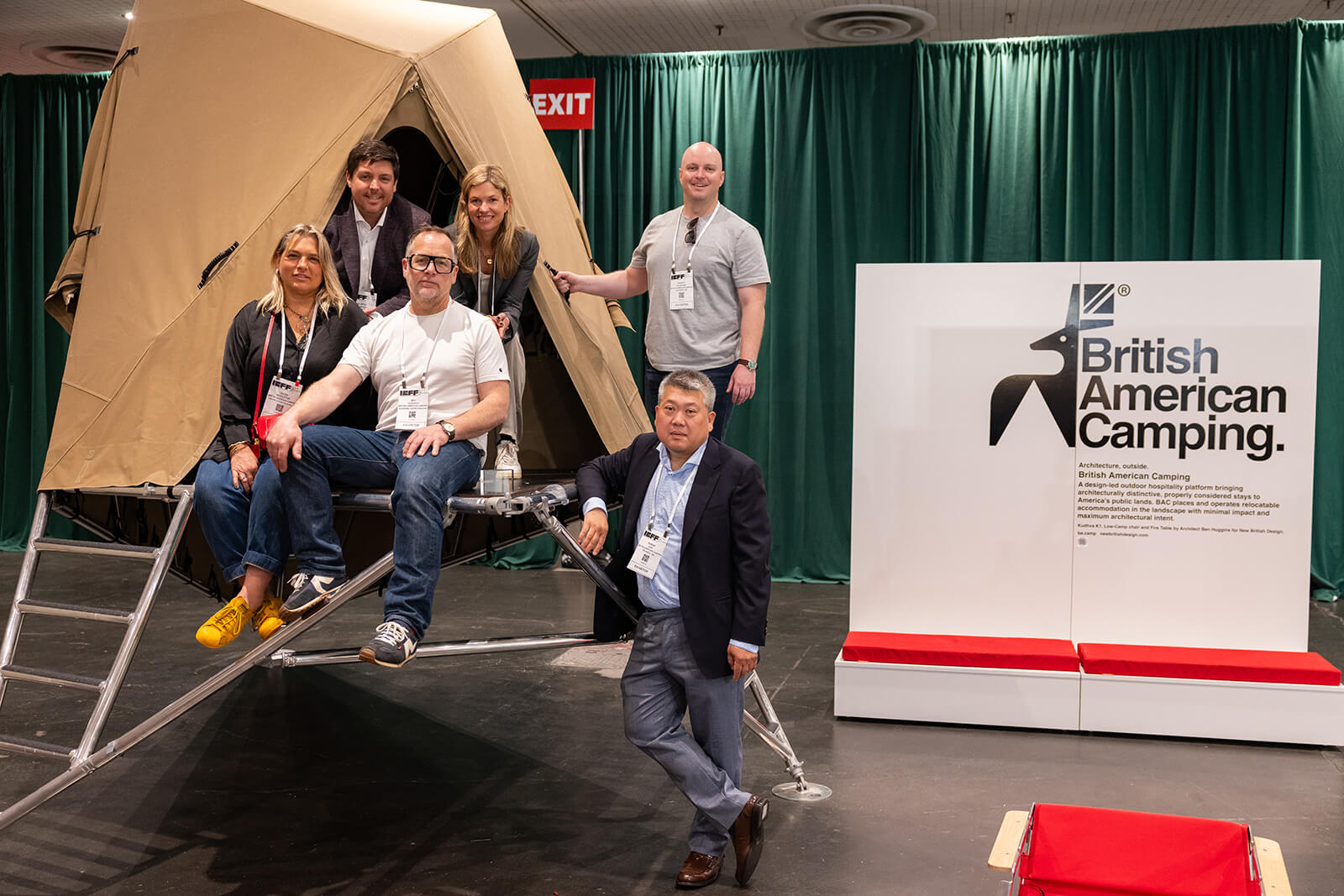
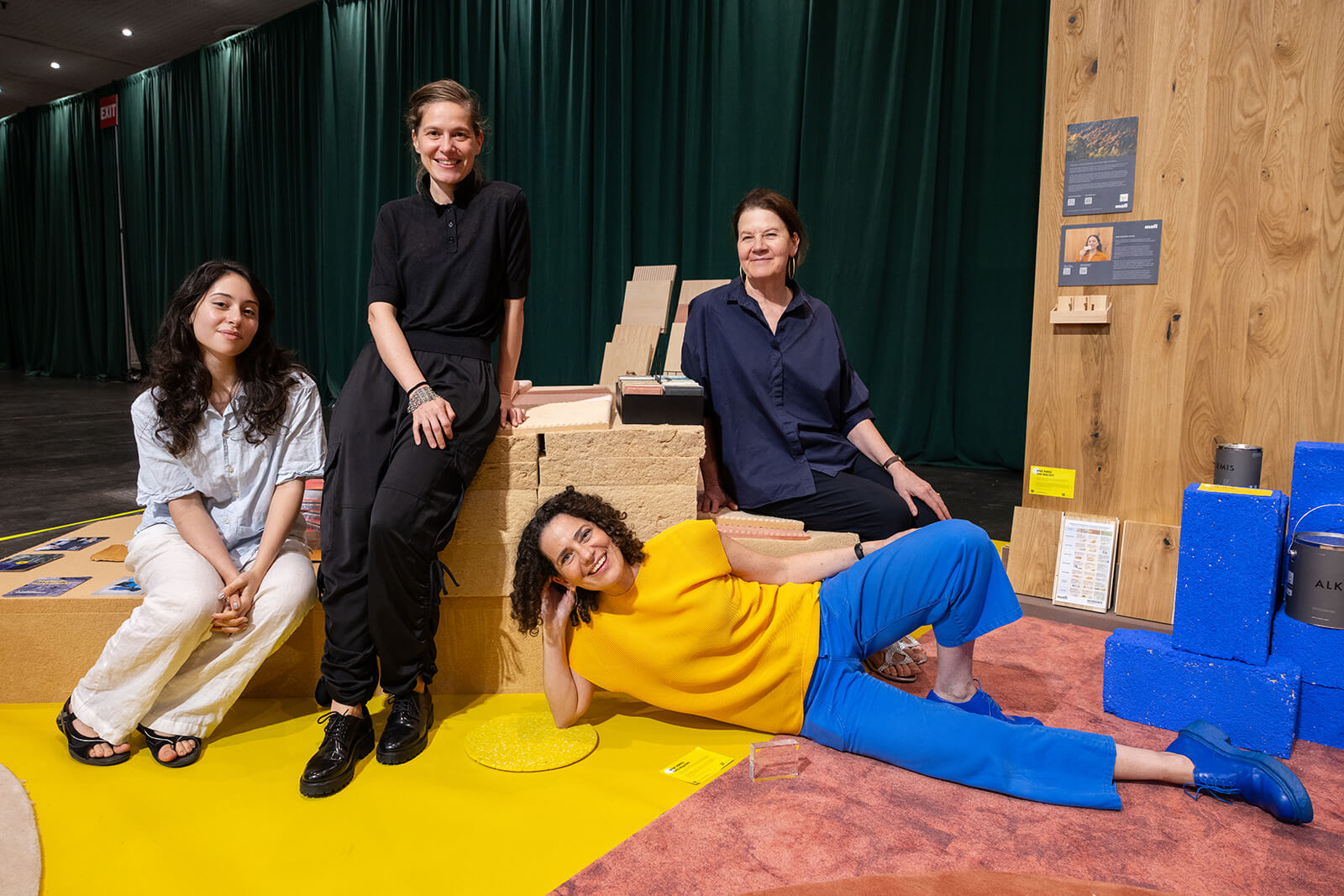
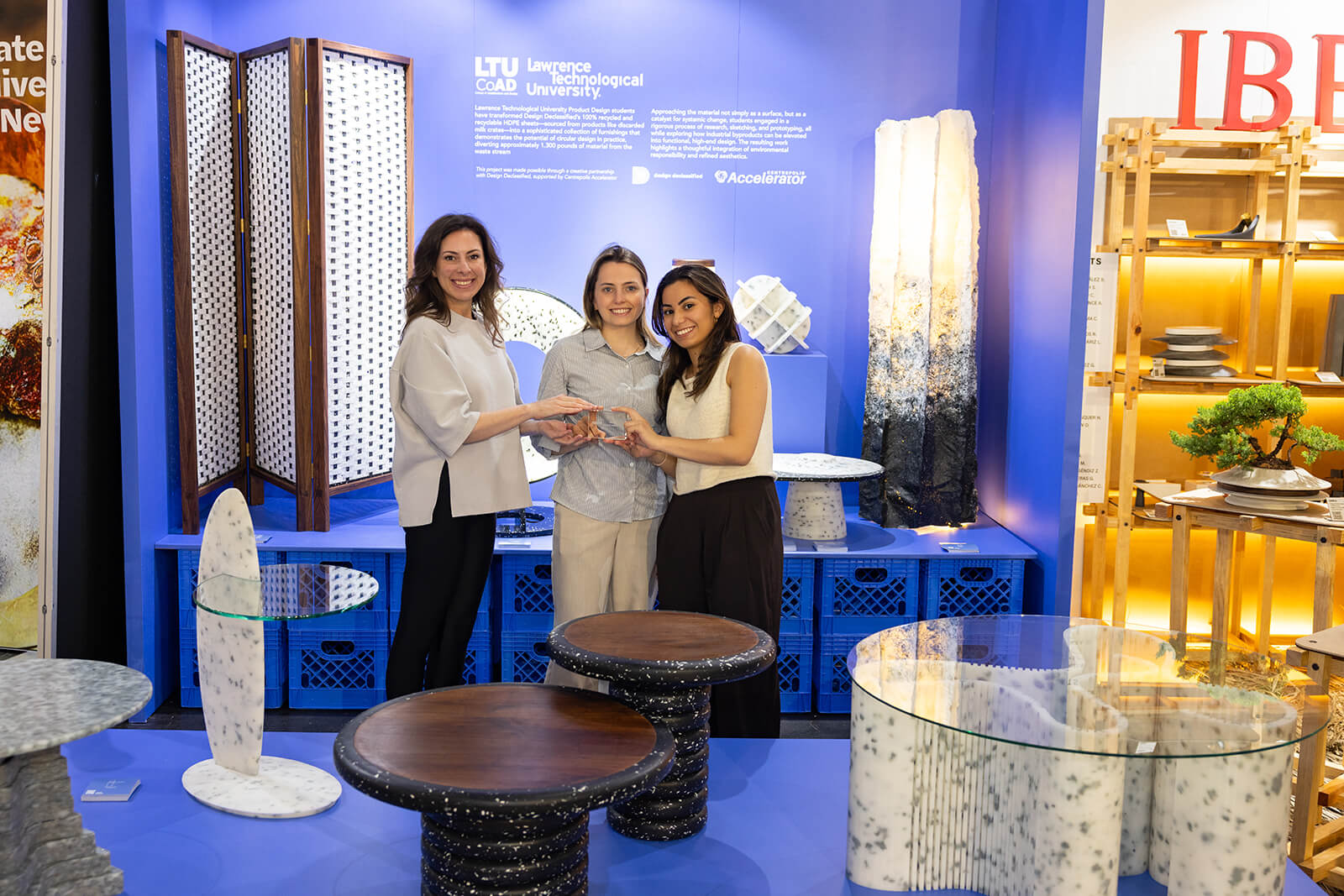
The ICFF Editors Award selected winners across a range of design disciplines spearheading the discourse on contemporary commercial design. The categories included Furniture (Bernhardt Design), Outdoor (British American Camping), Lighting (Ridezign), Materials & Surfaces (Leon Speakers), Craftsmanship (Atelier Lebuisson), Exhibit Design (Arboreal) and Sustainable Design (Parsons’ Healthy Materials Lab). The Best in the Show award, as well as the best International Brand, was backed by Zieta Studio. The recognition also translated to the best in Launch Pad for Furniture/Home Accessories (Amin Tadj Studio), Lighting (Mios), Best of Students (Heecham Kim of SCAD) and Best of Schools (Lawrence Technological University).The highlight, however, was the expansion of the fair’s Emerging Designers Spotlight initiative—an innovative platform that provides international exposure to early-career designers—into a year-long online editorial series, in partnership with American furniture designer, blogger and host of the Clever podcast, Amy Devers. At the live event at ICFF, the work of sculptor and furniture designer Joey Aji, which employs a hybrid of mineral-based materials and resins, was distinguished among the five finalists.
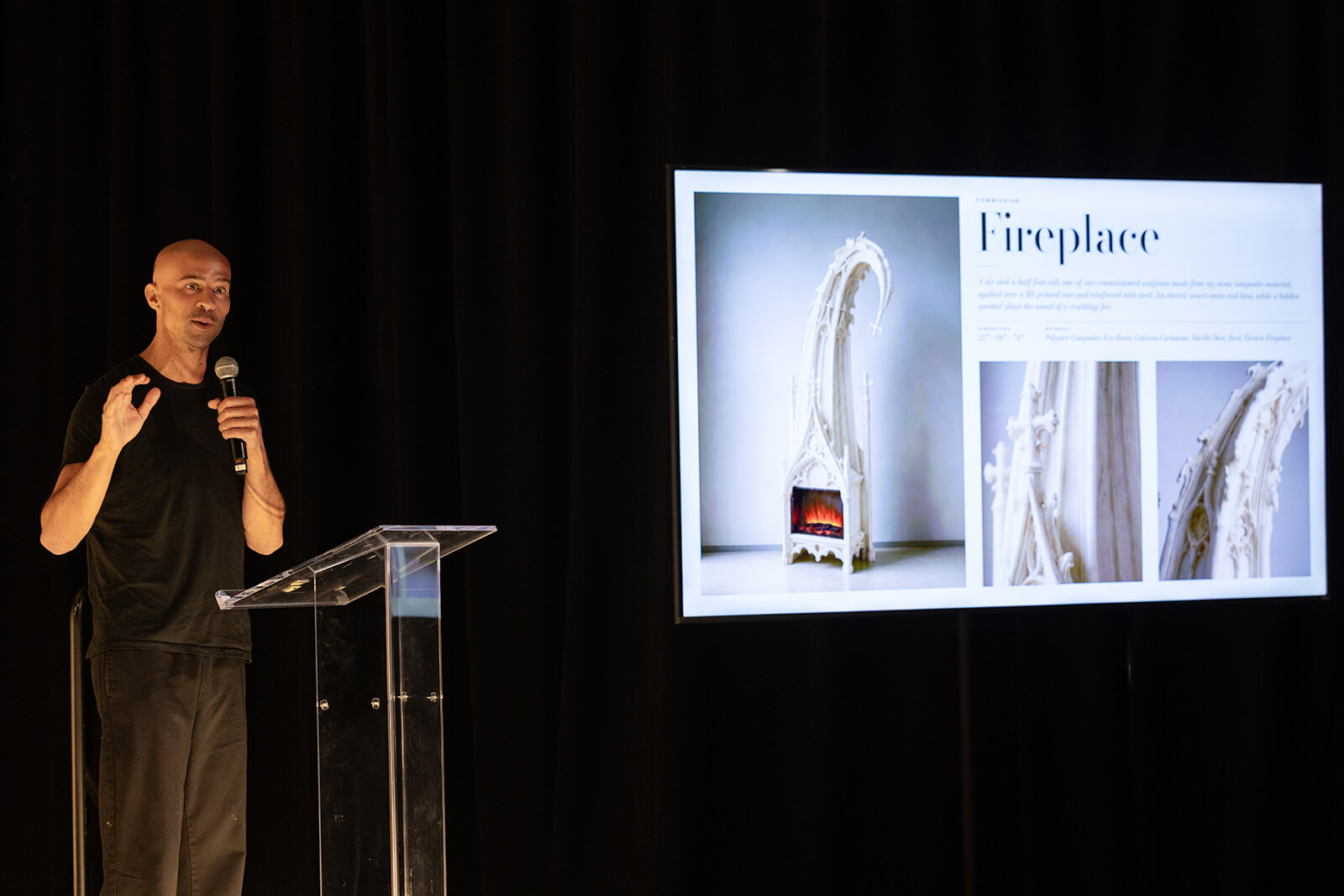
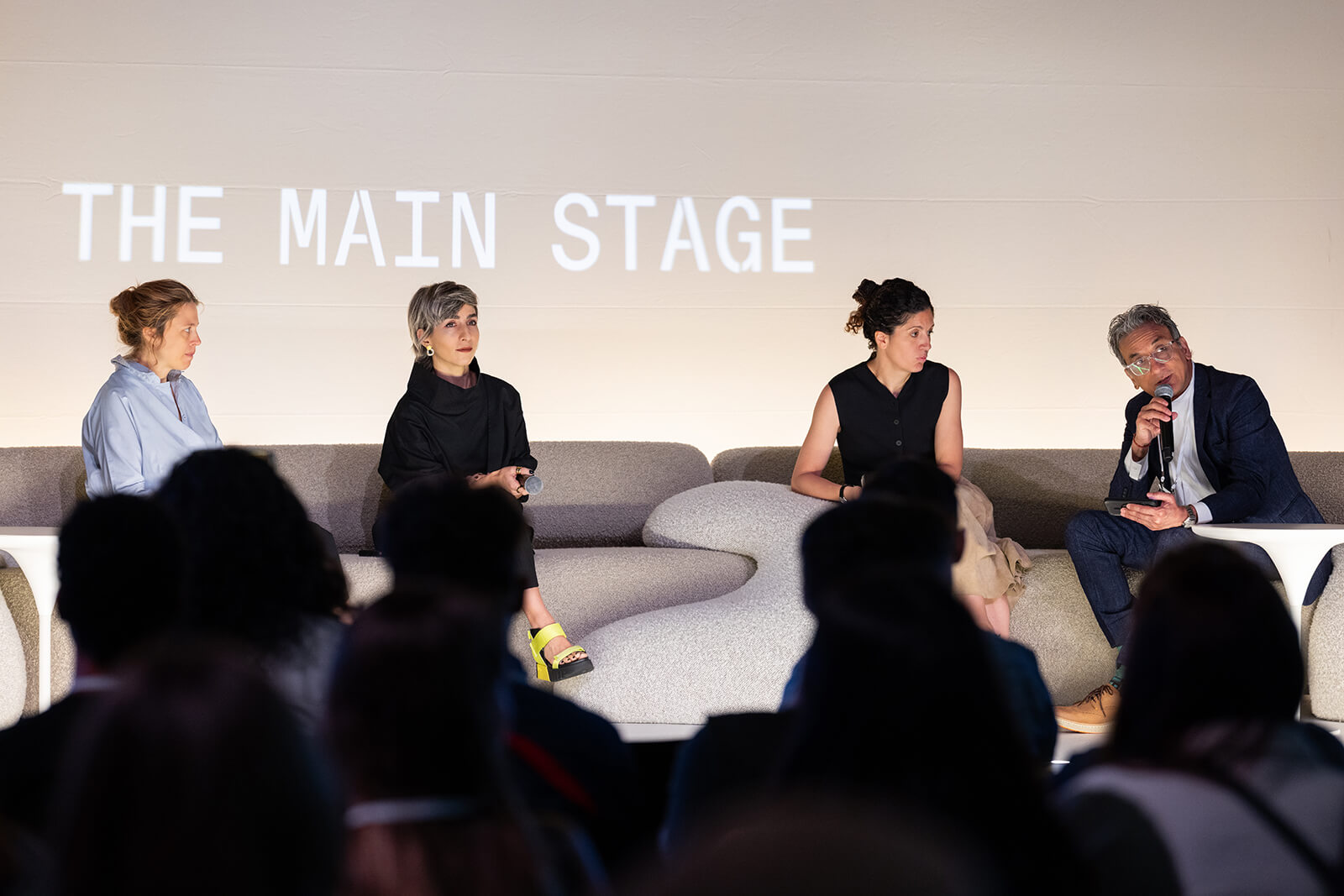
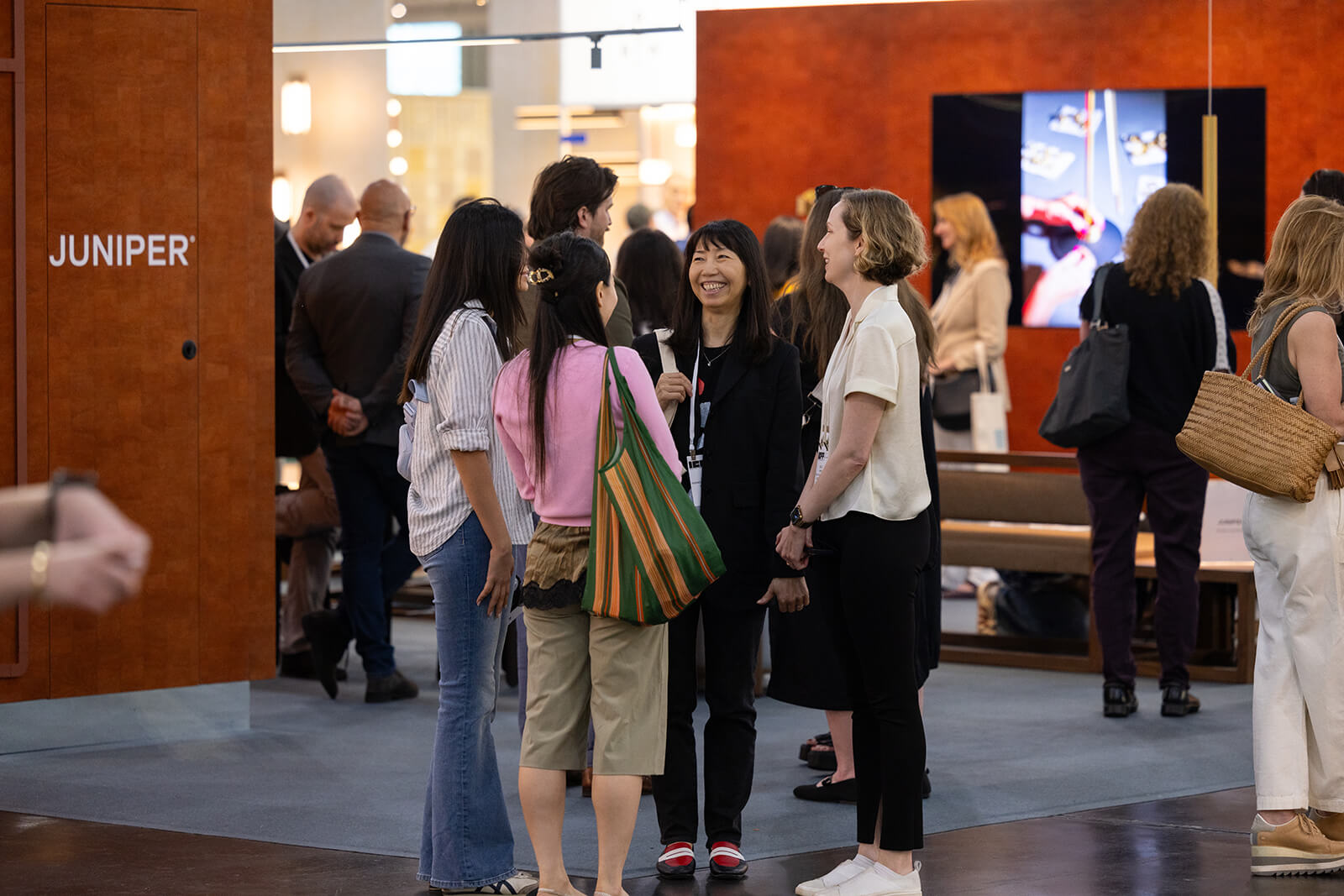
The quest for common ground progressed further through the series of curated talks that unfolded across the various venues of the contemporary furniture fair. While the Main Stage continued its legacy as the central hub for insightful talks across design media and cross-cultural collaboration, The Oasis provided a pause as a relaxing features area. Specific programmes were housed at other venues: Parsons’ Healthy Materials Lab for climate-positive, circular design; Bespoke Salon for exclusive and premium design products; deliberations at Aqua Atelier by GROHE and Juniper Recharge Lounge addressed topics such as quiet luxury, ‘aquatecture’ and lighting design.
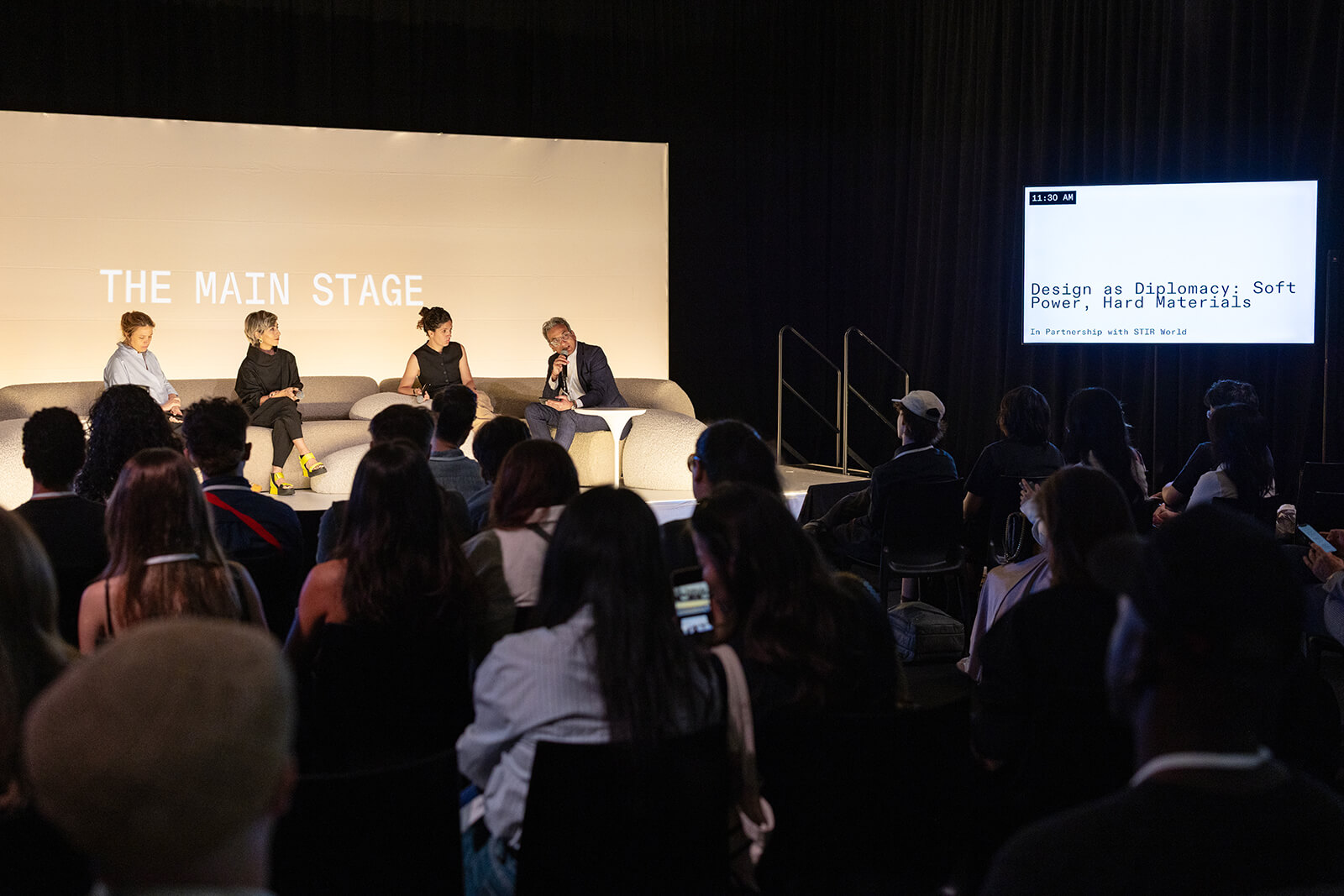
The talks programme, curated by Adrian Madlener, opened with Design as Diplomacy: Soft Power, Hard Materials, a conversation imploring designers to confront hard realities and recognise their role as negotiators between power and responsibility. The panel—comprising Paris-based design advisor Emily Marant of Studio Marant, American interdisciplinary designer and assistant professor at the MIT Media Lab Behnaz Farahi, Greco-American designer Eleni Petaloti of Objects of Common Interest and moderated by Gupta—discussed how, as design discourse forays deeper into non-allied and ecology-centric fields such as biology, geology and even geopolitics, it reveals the potential for shared futures that are engineered, not inherited. Other highlights of the programme included A Message for Mamdani, moderated by Julie Lasky of The New York Times, and The State of Affairs in Design Media, where the panel of designer editors Lila Allen, Dan Rubinstein and Jill Singer, hosted by Tiffany Jow, editor-in-chief of Untapped Journal, discussed the past, present and future of design media.
While reinforcing its customs—where more than 110 designers, editors, architects and thought leaders participated this year—the fair engaged in new (and perhaps much-needed) initiatives and curatorial partnerships. These included a collaboration with Habitat for Humanity New York City and Westchester, a nonprofit dedicated to building, preserving and advocating for affordable homeownership across NYC and Westchester County, to highlight the role of design in creating positive social impact. Parsons School of Design’s Healthy Materials Lab, led by Jonsara Ruth, presented a series of exhibitions, talks and workshops that explored bio-based materials and forward-thinking production processes. Hospitality Design and Mayfair Design District partnered for Bespoke: The Art of Making, an expanded feature comprising an immersive installation that brought craftsmanship to the centre stage and the Bespoke Salon, designed by Post Company, that hosted many live demonstrations, presentations and conversations throughout the trade fair.
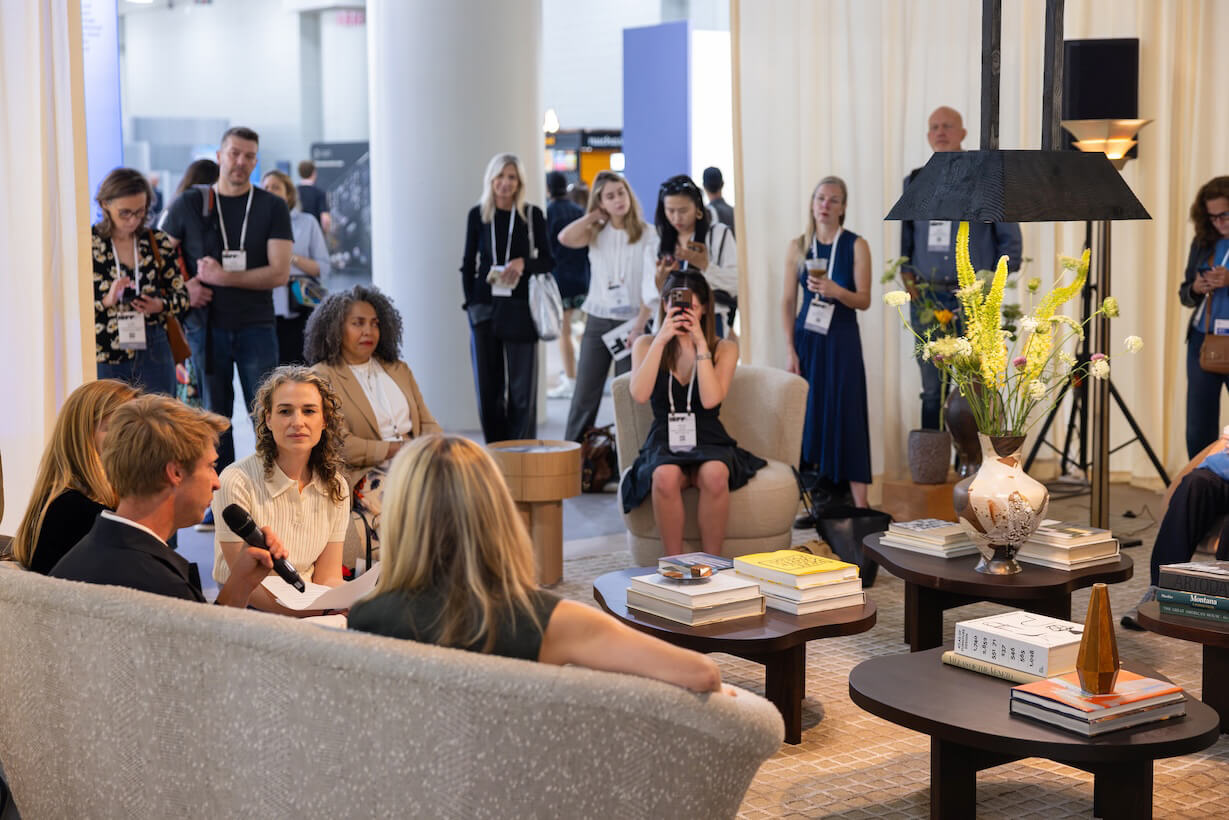
Beyond the main fair at the Javits Center, ICFF extended into two additional standout programs at NYCxDESIGN: ICFF Night Out and Look Book Offsite. ICFF Night Out invited designers, media and VIPs on May 15, 2026, for a curated series of events across NoMad and SoHo showrooms. As part of ICFF’s inaugural Look Book Offsite program, hospitality design firm AvroKO engaged the audience with an exhibit, Form and Feeling, at Host on Howard art gallery, displaying works from independent North American design studios that sought a common ground between traditional materiality and contemporary forms. With that, perhaps, both programmes marked the closure of a historic chapter formed during New York Design Week—ICFF’s closely linked partnership with the NYCxDESIGN. From 2027, the international fair will adopt a fall schedule, with its next edition announced forNovember 14 – 16, 2027, alongside the annual Boutique Design New York (BDNY) trade fair for hospitality design professionals.
While tensions around the commercial and ecological aspects of the design industry continue to rise, ICFF—by engaging and addressing a diverse audience ranging from students to emerging designers and established practices—leverages its position to foster critical conversations. “ICFF 2026 reflected the kind of thoughtful evolution we believe the design industry is actively seeking,” declared its brand directors Odile Hainaut and Claire Pijoulat in an official statement. “There was a strong sense of engagement throughout the fair. This edition demonstrated how design can bring people together while also creating meaningful business opportunities. Overall, the quality of attendees and level of engagement throughout the fair remained exceptionally strong.” If the fair has indeed offered itself this year as a ‘common ground’, a platform for discourse, the statements of Hainaut and Pijoulat validate its success by the sheer strength of its participants and the quality of the conversations that echoed through the Javits Center. But how long will these echoes last, and how will they influence the world of contemporary global design? That, indeed, will be the critical contribution of the trade fair in years to come.

by Pranjal Maheshwari Oct 23, 2026
Co-authored by Jareh Das, Chairman traces the British designer’s fixation on chairs as symbols of power and identity and as mediums of expression and community building.
by Chahna Tank Oct 22, 2026
STIR speaks with the Mumbai-based type designer about her practice, type walks and why she wants more people to have stronger opinions about Indian-script fonts.
by Mirra Lynn Oct 22, 2026
The curators behind Palestine Design Week 2026 reflect on its intent, considering how design holds memory, makes space for loss and imagines a future in Palestine.
by Jincy Iype Oct 15, 2026
STIR explores craft, material intelligence and people shaping Indian design through dialogues with Design Democracy’s co-founders and the curators of its special exhibitions.

make your fridays matter with a well-read weekend
Enter your details to sign in
Don’t have an account?
Sign upOr you can sign in with
a single account for all
STIR platforms
All your bookmarks will be available across all your devices.
Stay STIRred
Already have an account?
Sign inOr you can sign up with
Verification link sent to check your inbox or spam folder to complete sign up process
Tap on things that interests you.
Select the Conversation Category you would like to watch
Please enter your details and click submit.
Enter the 6-digit code sent at


ICFF 2026 offers a common ground of shared values for global trade concerns
by Pranjal Maheshwari | Published on : Jun 06, 2026


 Sign in with Google
 Sign in with email
What do you think?