Design05 mins. read
Design Democracy returns to Hyderabad with an intersectional programme
by Jincy IypeSep 04, 2026



by Jincy IypePublished on : Aug 07, 2026
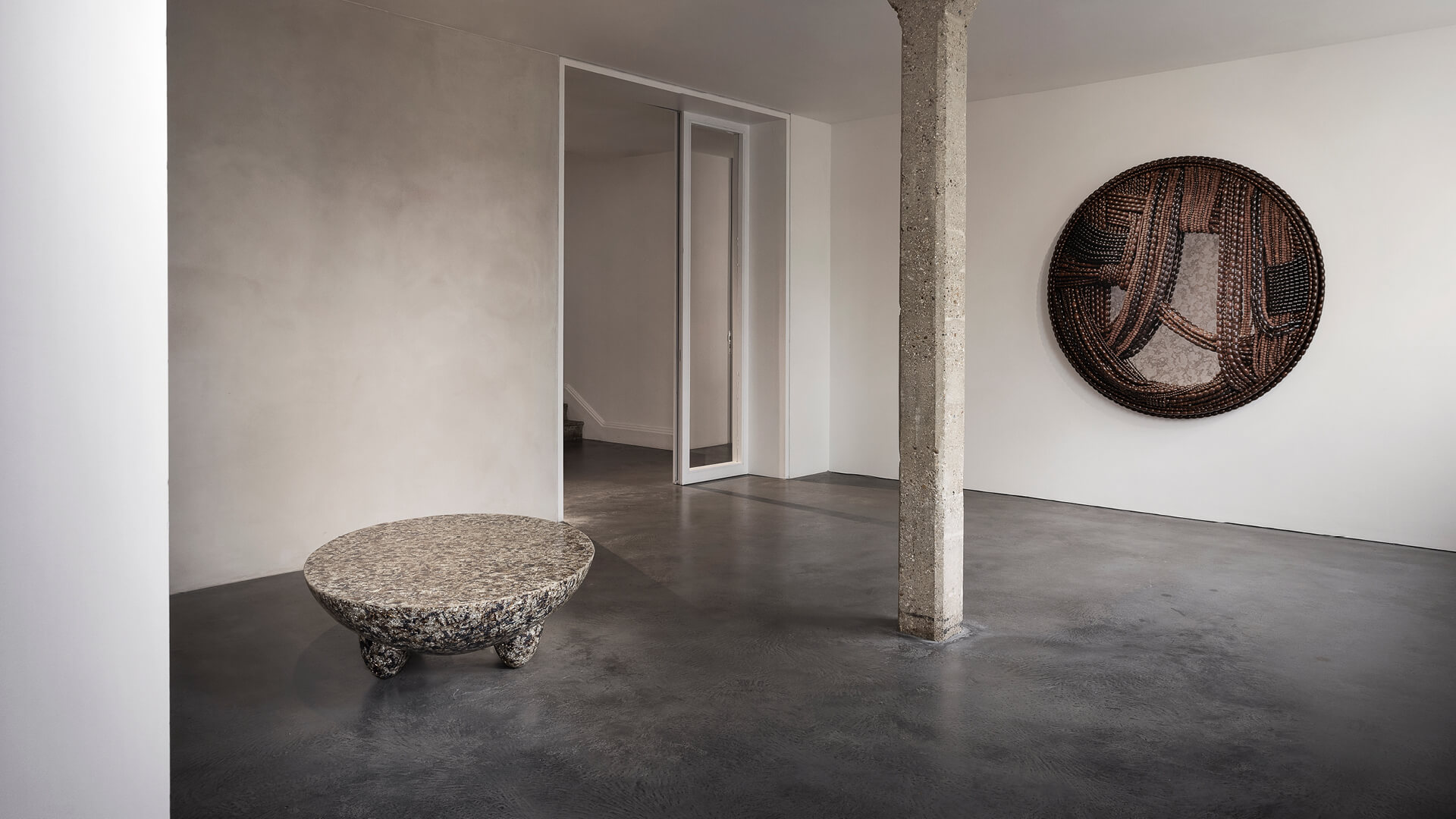
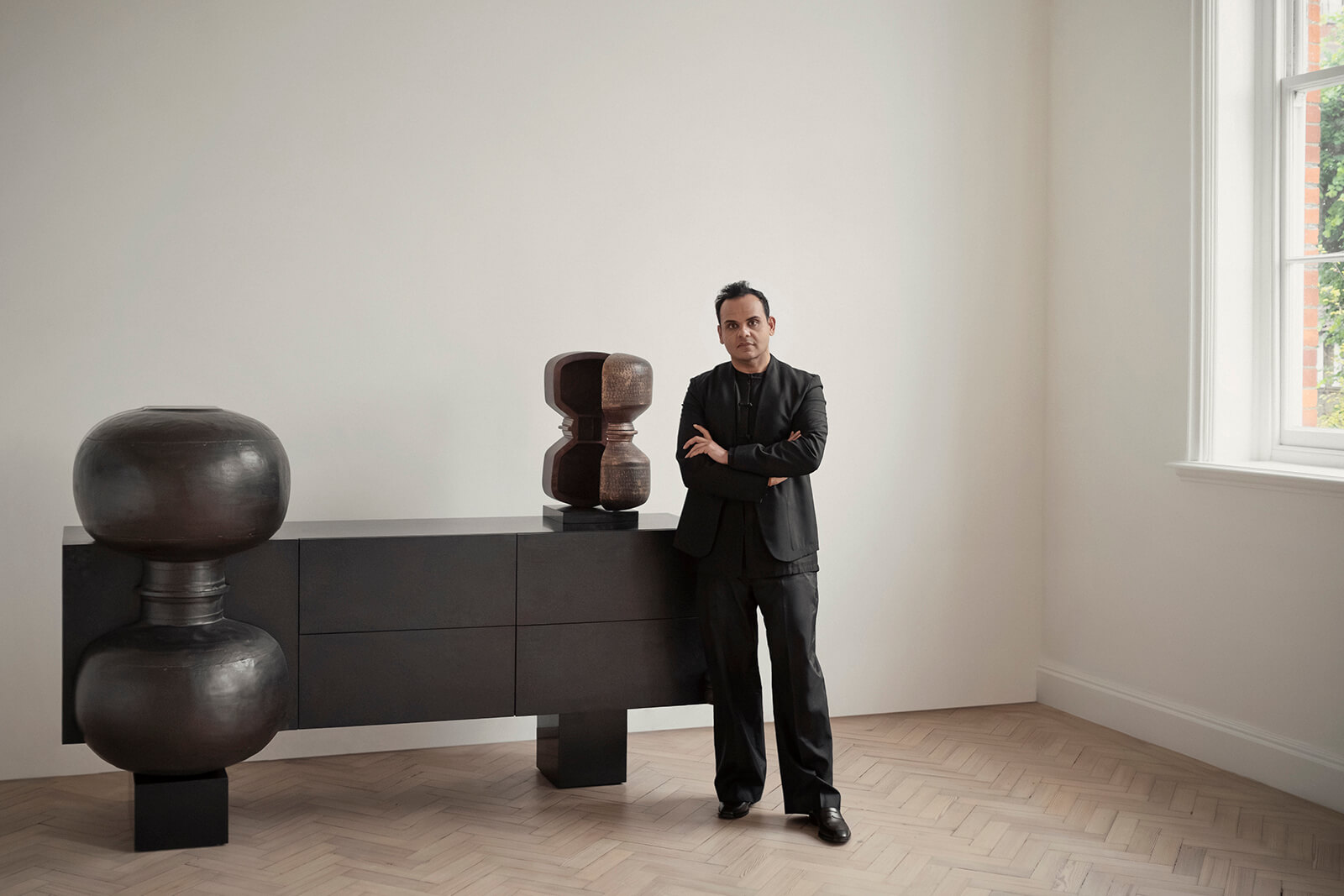
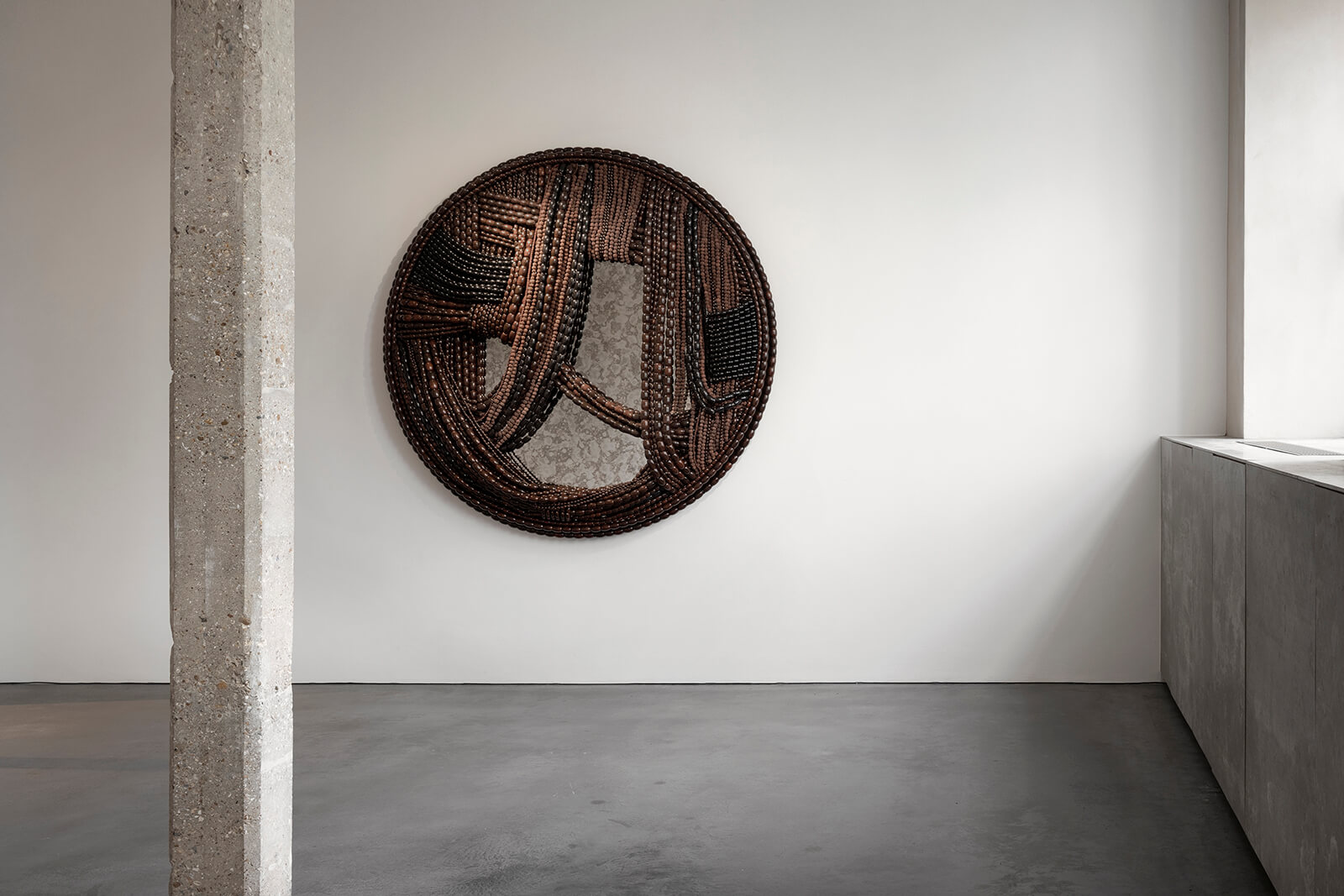
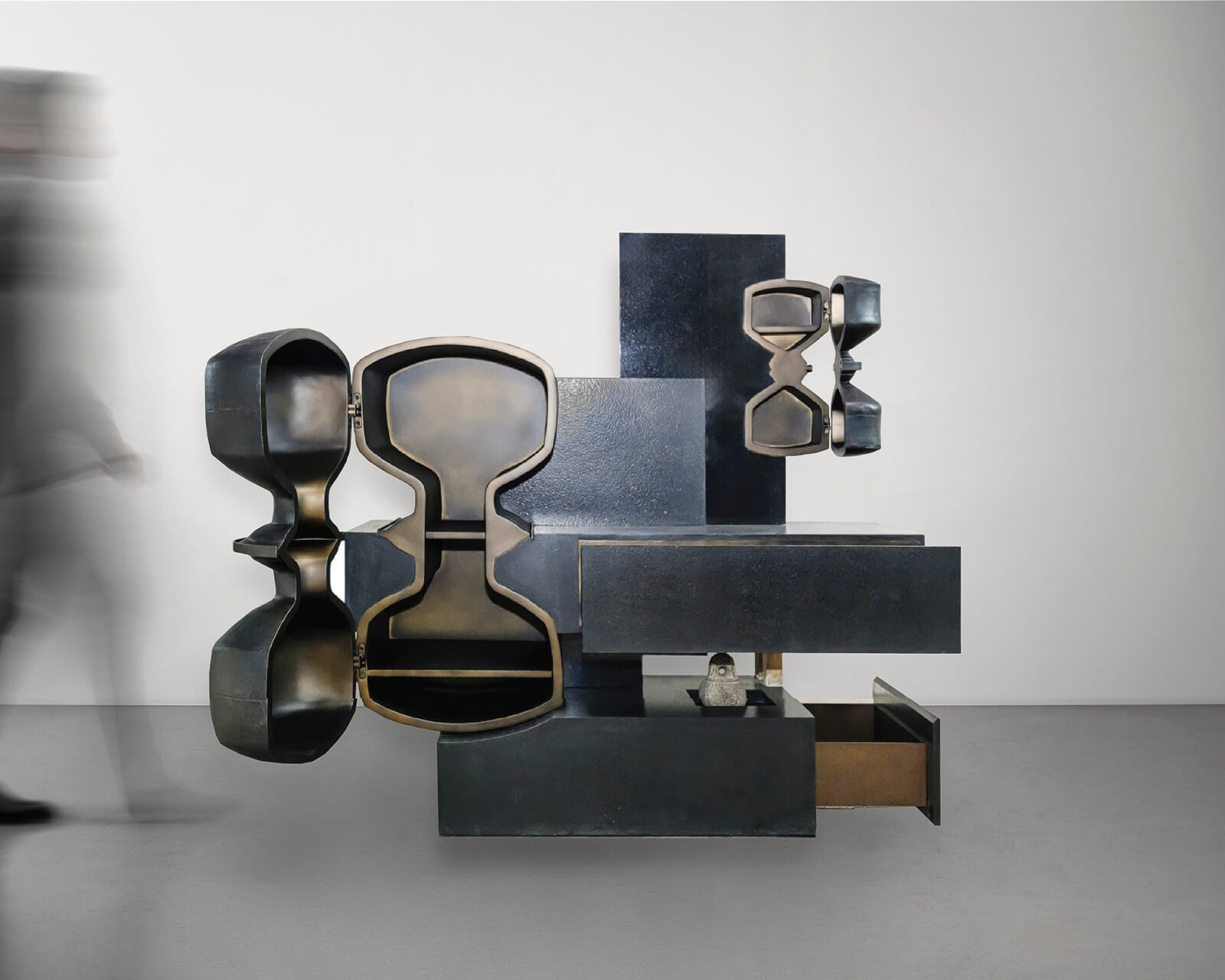
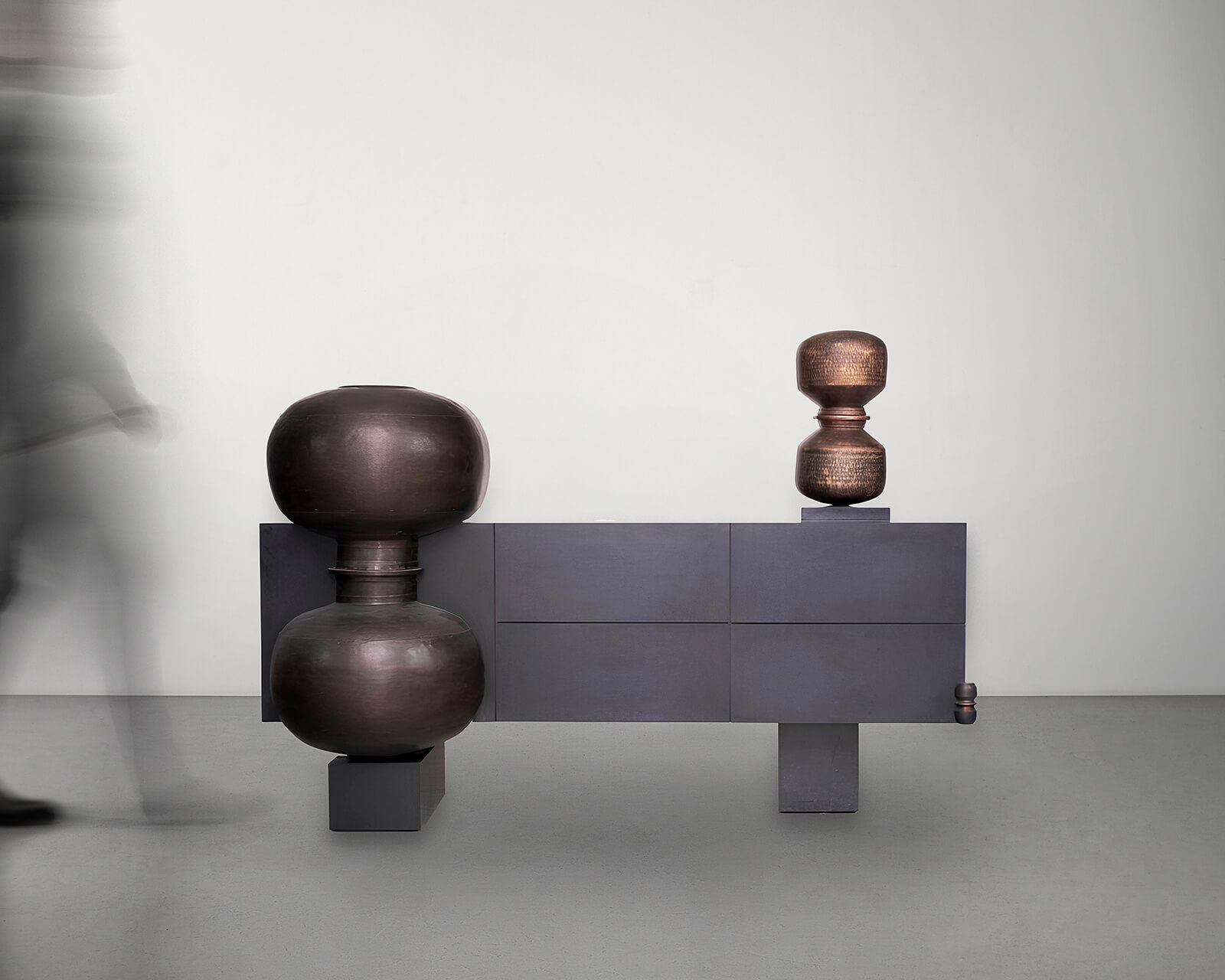
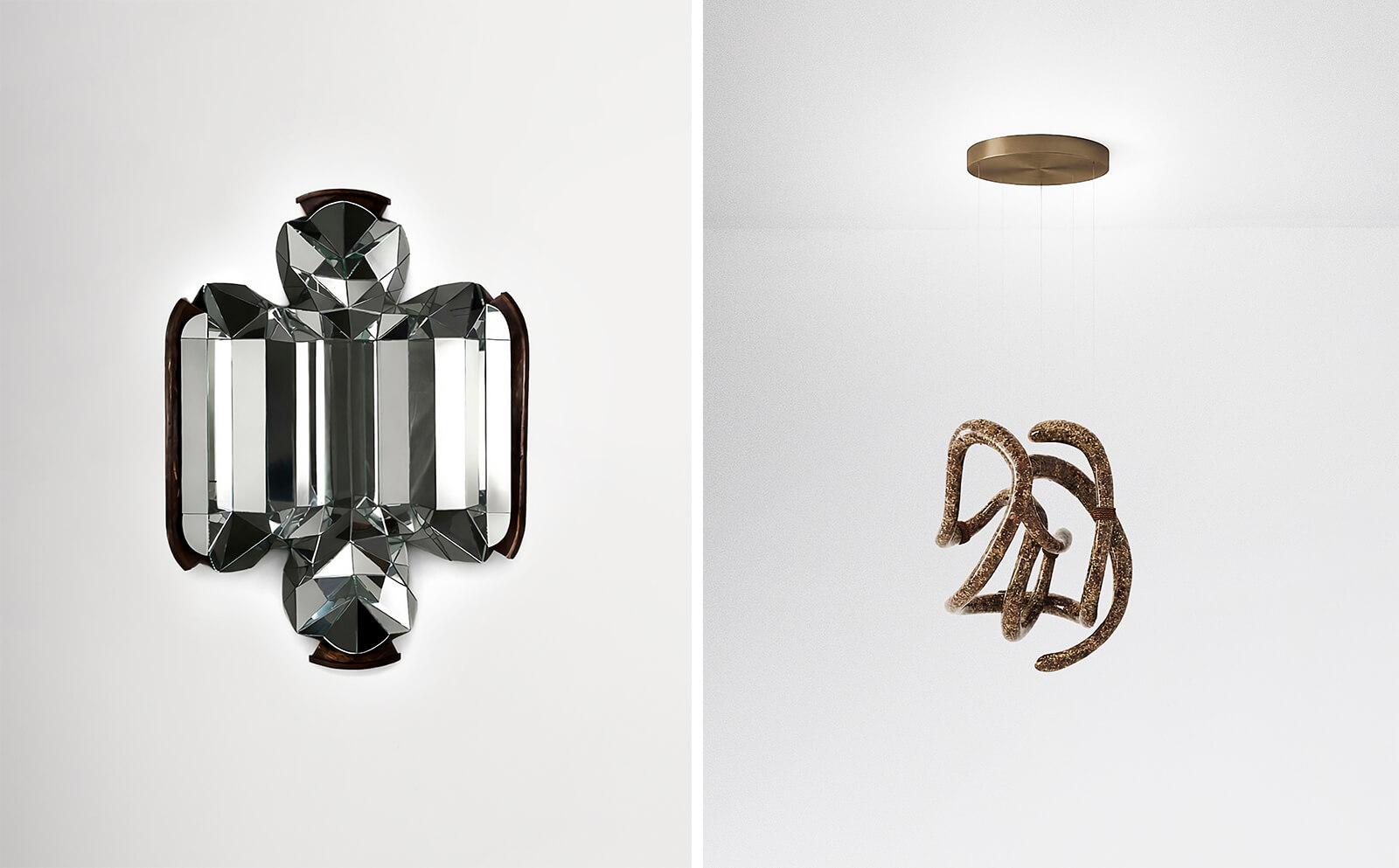
The distinct artefacts defining Taamr at the Carpenters Workshop Gallery, London, are woven, held or structured in copper and the stories that have long travelled with it in India. Antique copper vessels rest atop monolithic, Indian black granite bases in the two iterations of the Brahmand Cabinet, their everyday utility recast as sculptural presence. Holding geography as memory, the Dveep Coffee Table draws together mirror mosaic surfaces and multiple strands of hand-turned Channapatna beads from Karnataka, whereas the Matka Mobile suspends ash grey brass pots in a slow orbit, its form translating celestial movement through stainless steel, opaline glass and copper. Across the monastic showcase, the products, likely only embedded within Indian domestic rituals and everyday life, are reassembled and situated within a contemporary design vocabulary and context, without relinquishing the cultural and traditional memories they uphold and relay.
The design exhibition, on view from June 11 – September 20, 2026, marks Mumbai-based artist, architect and designer Ashiesh Shah's first solo exhibition in the UK, bringing together a body of collectible designs that continue his long-standing engagement with Indian craft techniques, material histories and architectural thinking. In Taamr, Shah positions this malleable and ductile metal as an active medium as much as the show’s conceptual and spiritual anchor. The exhibition text describes this premise succinctly: “In the designer's new works, taamr (Sanskrit for copper) is imagined as a symbol of transformation. Rooted in history and shaped by the present, the material is never frozen in its most pristine state but allowed to transfigure, deepen and evolve. Familiar yet restless, copper responds to air, time and touch, carrying traces of movement, use and change.”
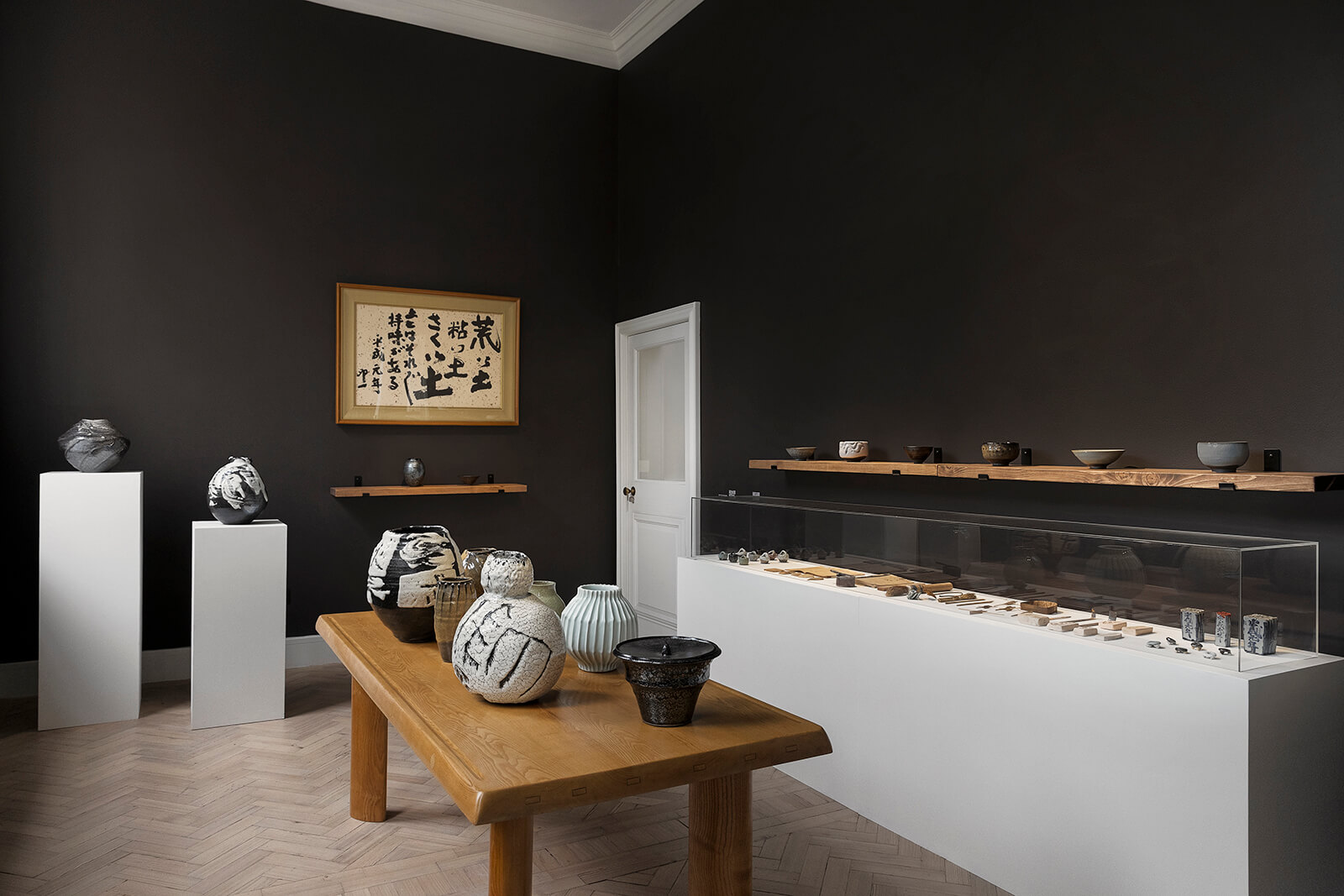
Taamr forms part of Carpenters Workshop Gallery's summer programme in London, alongside Small Car, Big Windows by French designers and artists Léa Mestres and Martin Laforêt, which explores sculptural furniture informed by the shifting landscapes between Paris and Brittany, and The Language of Glaze: Shimizu Uichi at 100, a presentation of previously unseen ceramics by the late Japanese ceramic artist that traces his lifelong pursuit of glaze as a language of expression. Though materially distinct, all three exhibitions consider how making becomes a vessel for memory, place and time.
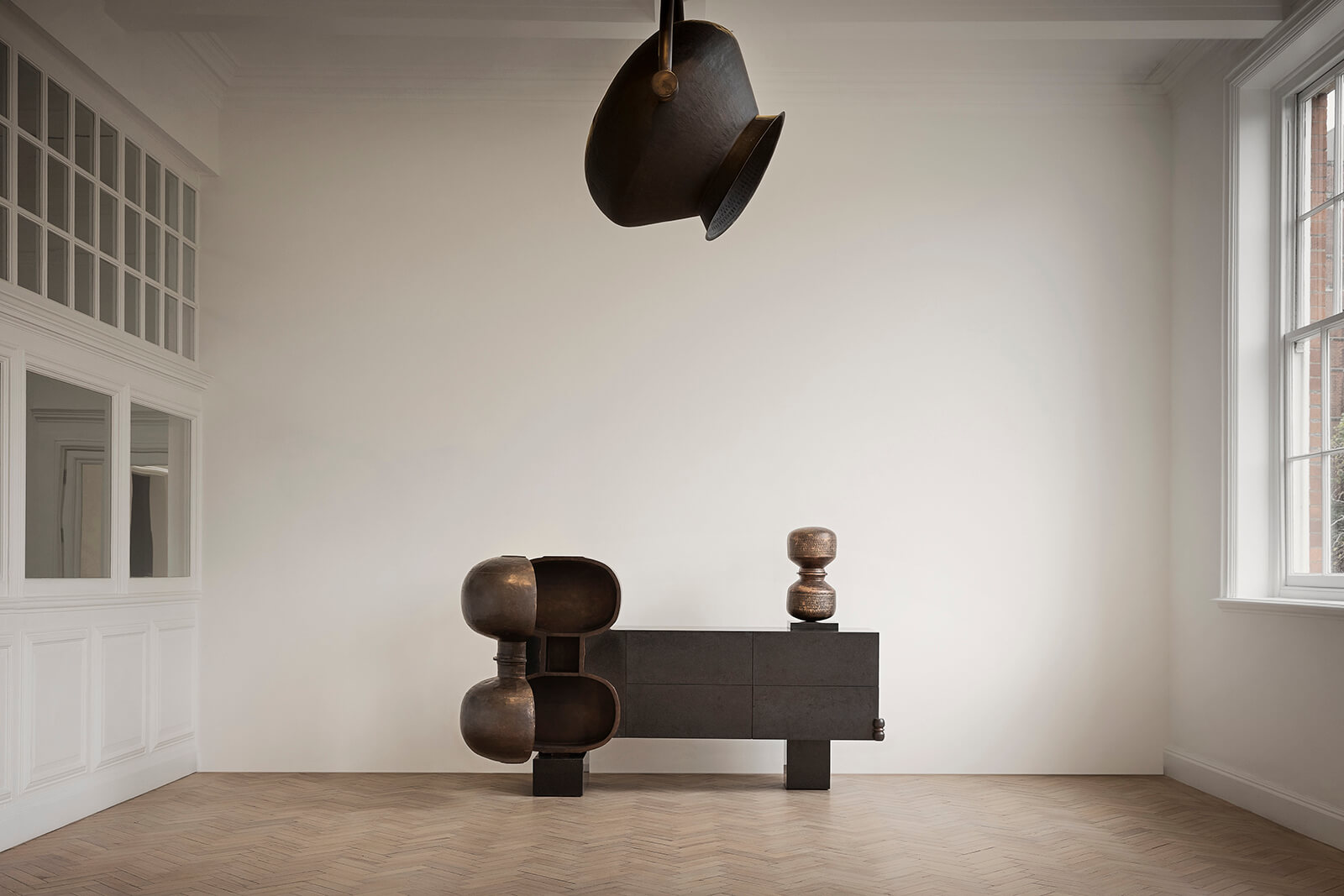
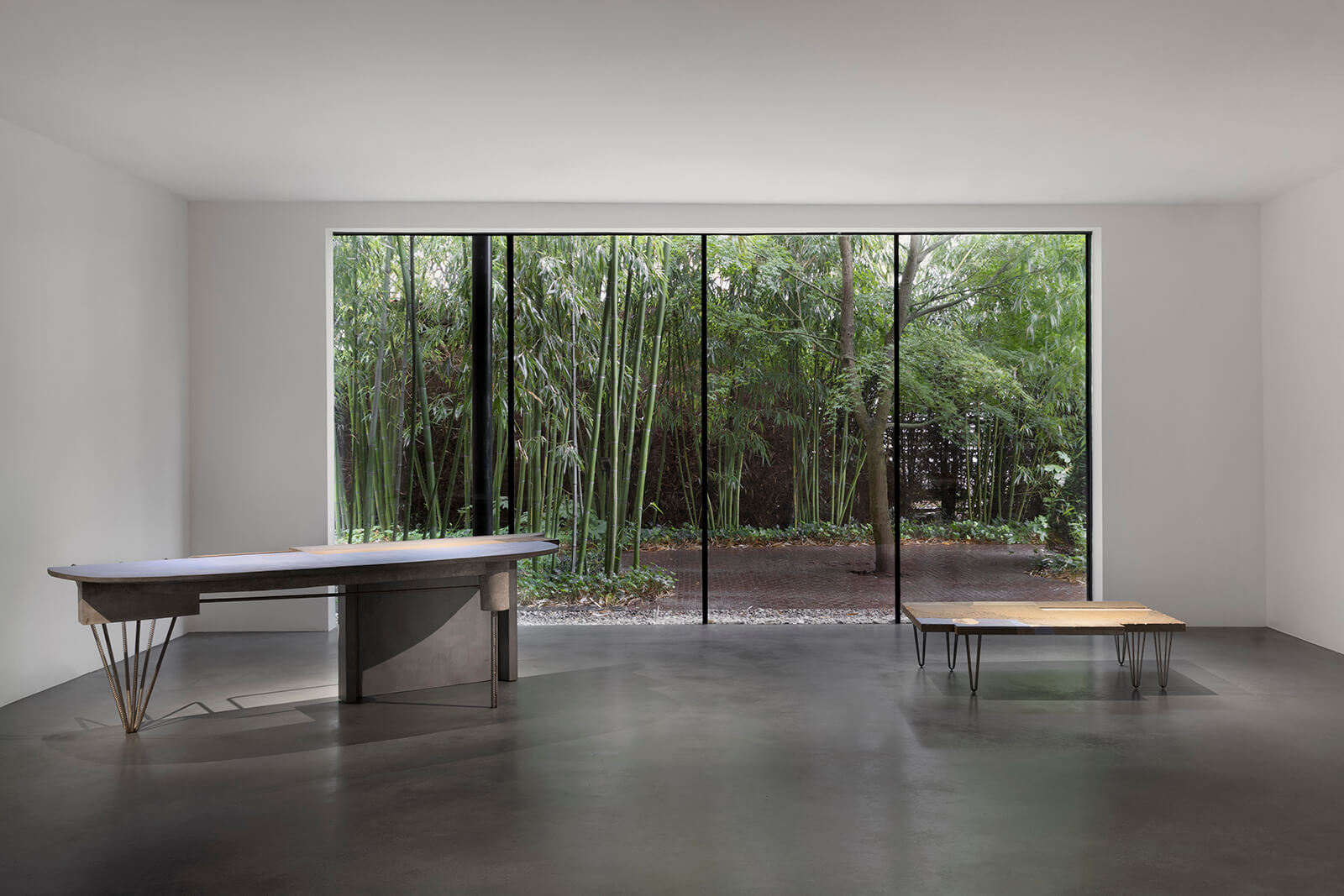
In India, copper has been made into ritual vessels and temple items, employed in domestic settings as utensils and water pots and inscribed into jewellery and design ornaments, prized as much for its durability as for the distinctive patina it acquires through use. Unlike other polished materials that resist age, copper records it. It transforms with touch, air and climate, accumulating traces of time in its being. Taamr draws upon this material history without attempting to preserve it in amber. It asks what happens when inherited forms, artisanal knowledge and contemporary design evolve together.
STIR spoke with Shah discussing copper as a living material, the use of language in shaping objects and the role of karigars (artisans) within his creative practice.
Jincy Iype: Why was it important for the show’s title to foreground the main material used?
Ashiesh Shah: Taamr is the Sanskrit word for copper, so the title immediately places the material at the exhibition’s centre. Copper has a unique relationship with time—it oxidises, develops a patina and changes through use. That idea of transformation became the starting point for the collection. Rather than treating material as a surface, I wanted it to shape the narrative. In many ways, the exhibition is about how materials carry memory, and copper does that naturally.
Jincy: It is profound how many of the works draw their titles from Sanskrit and Indian cosmological references—Brahmand, Dveep, Kumbh, Swayam. They seem to frame how the works should be read and considered, intentionally, instead of being mere descriptions. Could you elaborate on this decision and what role it plays in connecting material objects to larger ideas of memory or making?
Ashiesh: The titles aren’t labels—they’re points of departure. They give context without defining the work completely. Brahmand speaks about containment and the universe; Dveep about fragments coming together; Kumbh about ritual and gathering; Swayam about the self. These are ideas that already exist within our cultural memory, so the works don’t have to explain them. The titles allow the objects to exist within a larger continuum of history, philosophy and lived experience.
Jincy: Going back to copper, it rarely appears alone in these pieces; it sits alongside granite, antique mirrors, resin, Channapatna beads, Rudraksha seeds and more. What guided these material pairings?
Ashiesh: I’m interested in materials that bring different histories into the same object. Copper changes with time. Antique mirrors already carry traces of previous lives. Rudraksha beads hold ritual significance. Channapatna introduces colour and a tradition of making. When these materials come together, the conversation becomes richer. I’m interested in how each material can reveal something about the other.
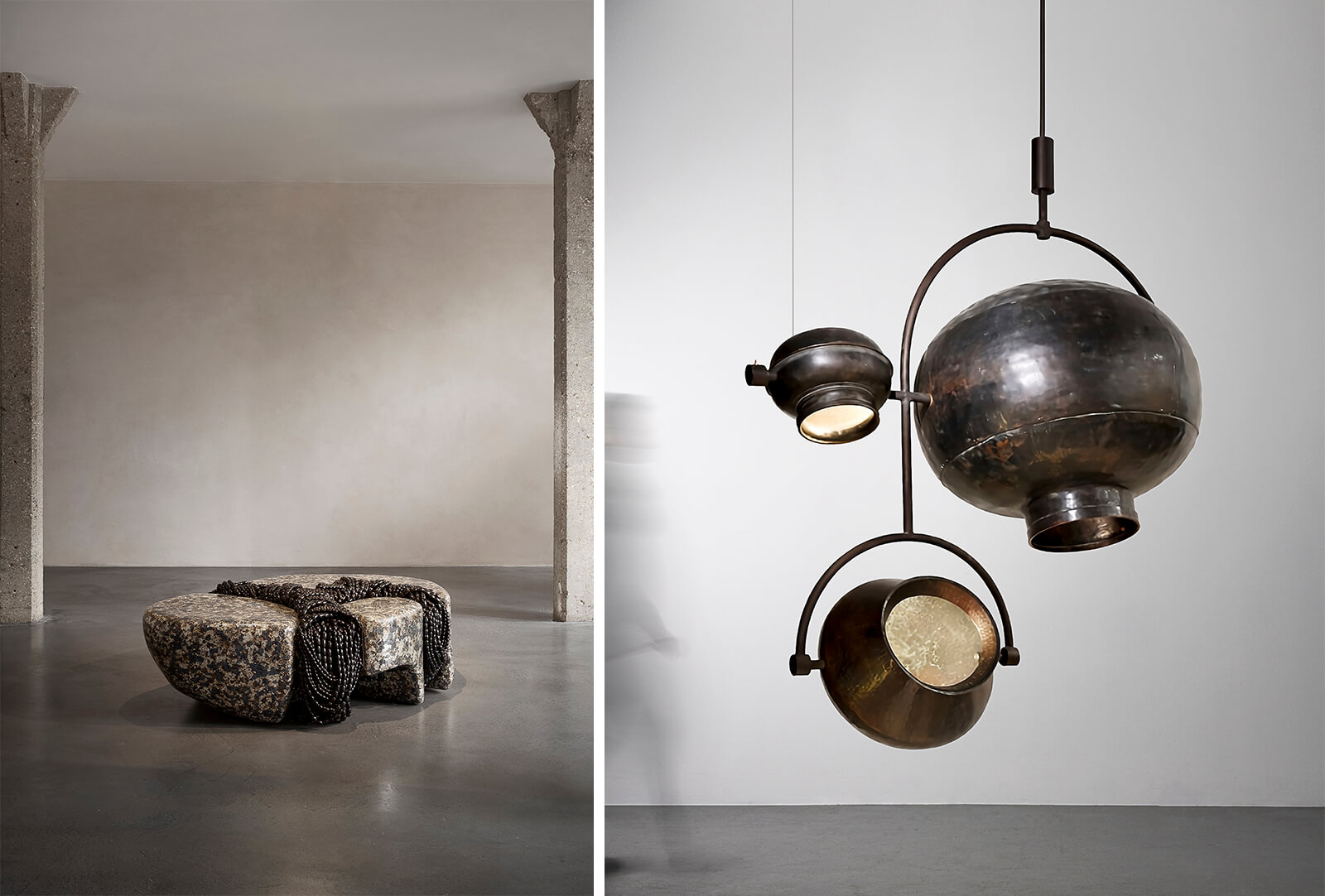
In many ways, the exhibition is about how materials carry memory, and copper does that naturally. – Ashiesh Shah
Jincy: Taamr marks your debut solo presentation in the UK, with Carpenters Workshop Gallery, a platform that has been one of the key players in the discourse and visibility around collectible design internationally. Has preparing work for this context changed how you think about your practice or the stories these pieces tell? How has the response been to the show?
Ashiesh: Working with Carpenters Workshop Gallery has been an opportunity to present the work within an international conversation around collectible design. It didn’t change the stories I wanted to tell, but it made me think about how materials and craft communicate across cultures. The references in Taamr are deeply rooted in India, yet the questions they explore—time, memory, transformation—are universal. It’s been encouraging to see people connect with the work through the material first and then gradually discover the cultural narratives behind it.
Jincy: Has working at the scale of collectible objects changed the way you think about architecture or spaces? Have the questions begun to flow in both directions?
Ashiesh: Architecture teaches you to think about space, movement and proportion. Collectible design allows you to explore those same ideas at a much more intimate scale. The questions move in both directions. Objects have made me more attentive to material and detail in architecture, while architecture continues to influence how I think about presence, balance and composition in the objects I make. They’re different scales of the same practice.
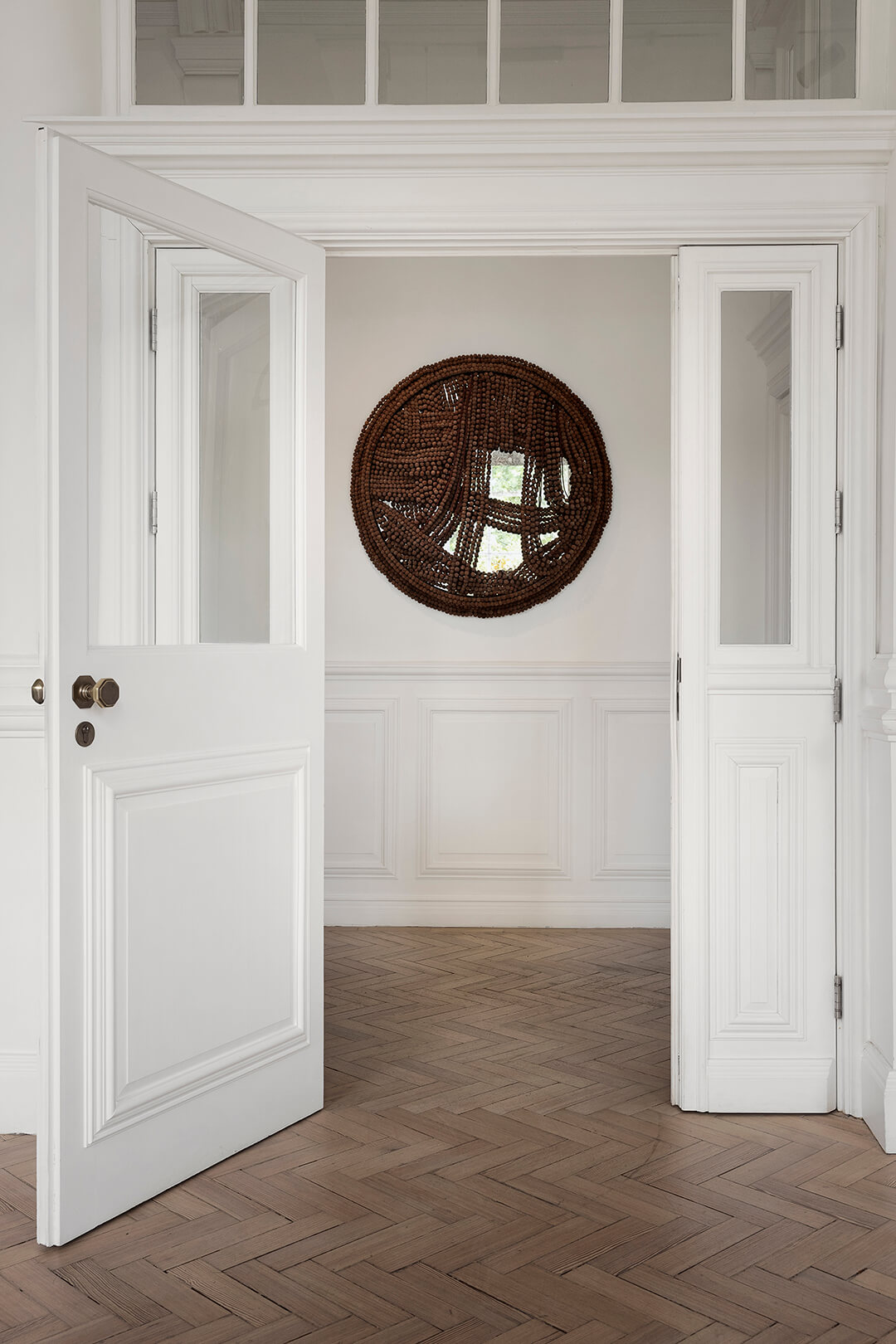
Jincy: Through Taamr, you’re also bringing focus to Indian craft traditions, placing them within the realm of contemporary luxury without being overtly preservationist. What responsibilities come with translating these artisanal and cultural skills and knowledge into collectible designs, and how do you ensure the craftspeople remain central or even part of that narrative?
Ashiesh: For me, the responsibility is to create genuine collaborations rather than simply borrowing a technique or aesthetic. Every craft tradition carries its own knowledge, rhythm and way of working, and those qualities should remain visible in the final piece. The goal isn’t to preserve craft in its existing form or to modernise it for the sake of it. It’s to create conditions where these practices can continue to evolve. The work is always a dialogue between design and craftsmanship, and that dialogue only exists because of the artisans who bring generations of knowledge to the process.
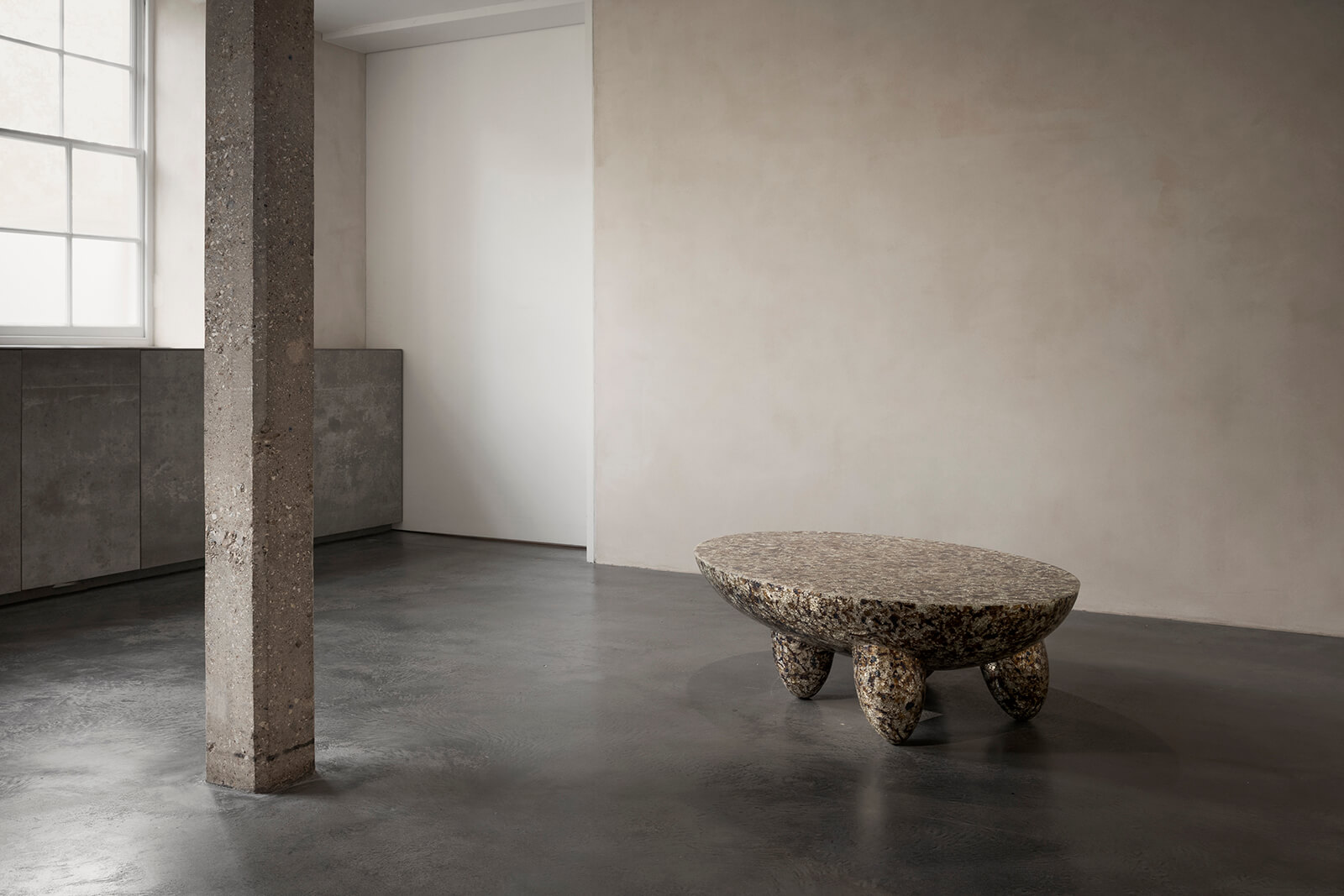
Seen together, the pieces in Taamr occupy a compelling convergence of object and archive. Their forms remain modern and recognisable—tables, mirrors, lighting, cabinets—yet each carries a lengthy material history that extends well beyond the gallery. Copper, in Shah’s context, is symbol, spectacle, story; a material intimate with Indian design, one that continues to transform and mature as it expresses, much like the techniques and hands that have forged and shaped it over many, many years.
‘Taamr’ by Ashiesh Shah is on view from June 11 – September 20, 2026, at the Carpenters Workshop Gallery, London.

by Pranjal Maheshwari Oct 07, 2026
Under the theme R.A.W. (Rebel Authentic Worth), one of Europe’s most awaited design festivals returns for its 26th edition to investigate solutions for a world in crisis.
by Chahna Tank Oct 03, 2026
Wooden chairs by the Chilean designer reveals handmade forms and painted details that weave memories, literary references and personal stories.
by Mrinmayee Bhoot Oct 01, 2026
As the European Central Bank concludes a public survey to determine the new designs for Euro notes, the discourse expands to how currency could signify shared values and identity.
by Pranjal Maheshwari Sep 28, 2026
Smita Thomas’ Bangalore-based studio embellishes construction waste—from doorknobs to marble slabs—to balance sustainable pursuits with artistic expression.

make your fridays matter with a well-read weekend
Enter your details to sign in
Don’t have an account?
Sign upOr you can sign in with
a single account for all
STIR platforms
All your bookmarks will be available across all your devices.
Stay STIRred
Already have an account?
Sign inOr you can sign up with
Verification link sent to check your inbox or spam folder to complete sign up process
Tap on things that interests you.
Select the Conversation Category you would like to watch
Please enter your details and click submit.
Enter the 6-digit code sent at


Taamr by Ashiesh Shah weaves copper through collectible design and cosmology
by Jincy Iype | Published on : Aug 07, 2026


 Sign in with Google
 Sign in with email
What do you think?