Design04 mins. read
Mayfair Design District 2026 turns its focus to What Matters Now
by Pia BhatiaSep 09, 2026



by Chahna TankPublished on : Apr 21, 2026
What does it mean to craft something? To make something by hand—to toil over every tiny detail? Crafting something has always been a laborious process—taking time and skills and endless patience—but in a world where so much work (be it making or thinking) is increasingly delegated to generative AI, making anything at all by your hands feels like a radical act. Craft, more than just an act of making, is a carrier of ideas, of lineages of techniques and knowledge that have been passed down from generation to generation. To craft, then, is not simply to produce an object, but also to engage with what it means and how it fits into the world; to participate in a continuum of thought that shifts between function and ideas, between the ornamental and the social.
It is this position of craft that the group exhibition Labor & Adornment: Radical Craft in America at Superhouse, New York, both occupies and tries to interrogate. On view from March 19 – April 25, 2026, the design exhibition unfolds around two central ideas: labour and adornment. “They point to two things that are often undervalued but fundamental to craft,” Stephen Markos, the founder and director of Superhouse, tells STIR. “Labour, in this context, is not just effort—it’s the accumulation of decisions, repetitions and care that become visible in the work. Adornment, similarly, isn’t superficial; it’s a way of carrying information—about identity, lineage, taste and cultural memory,” he shares.
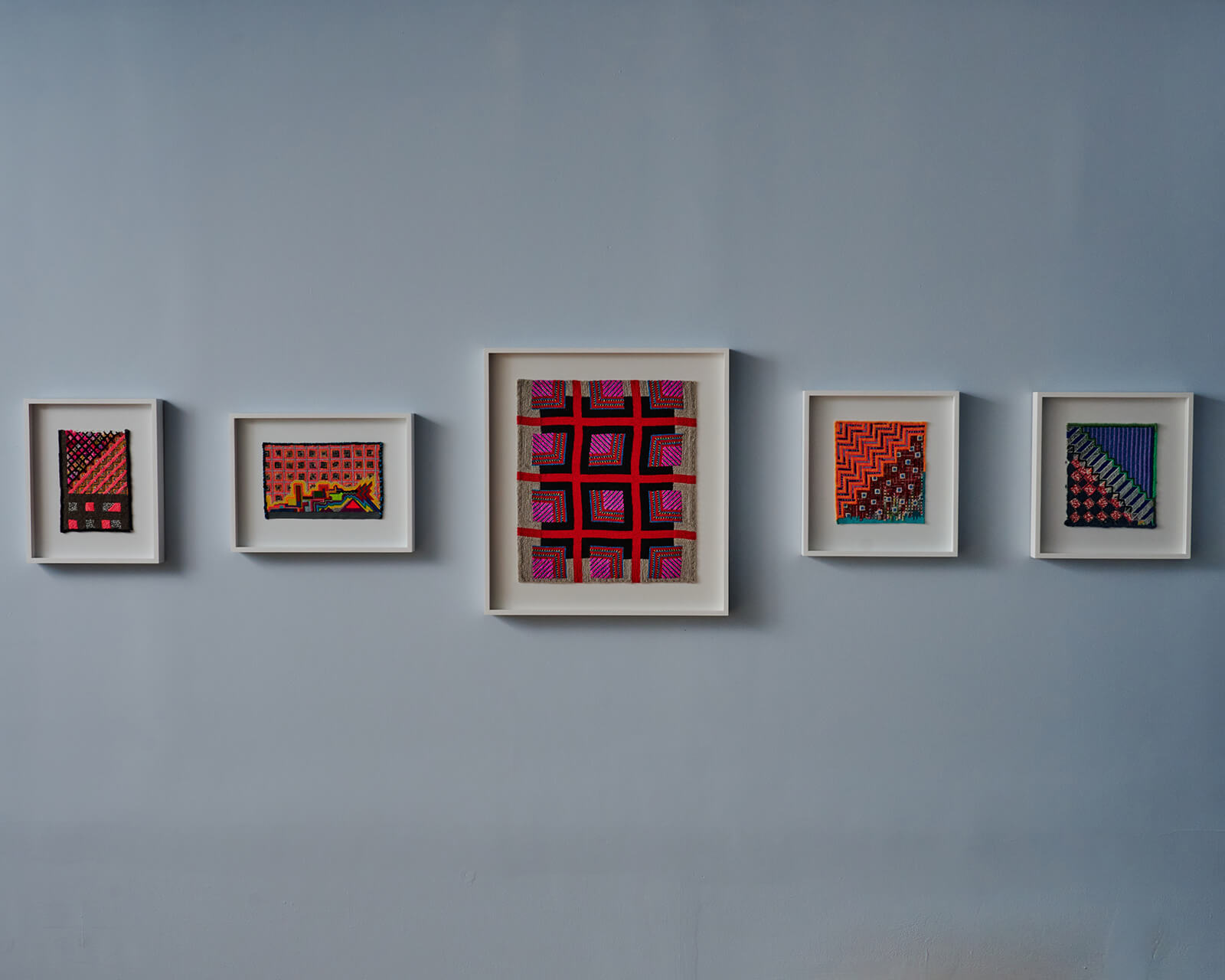
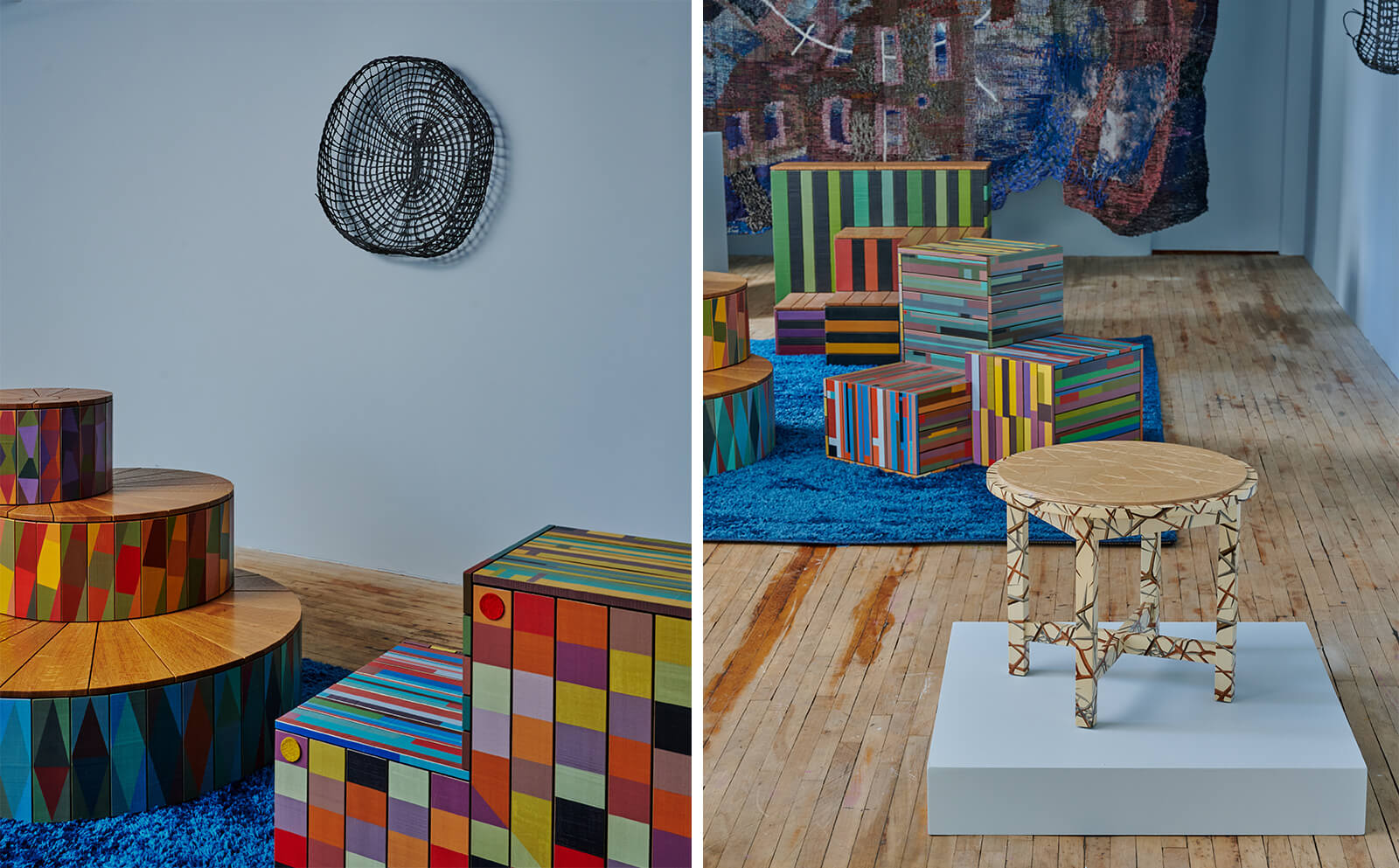
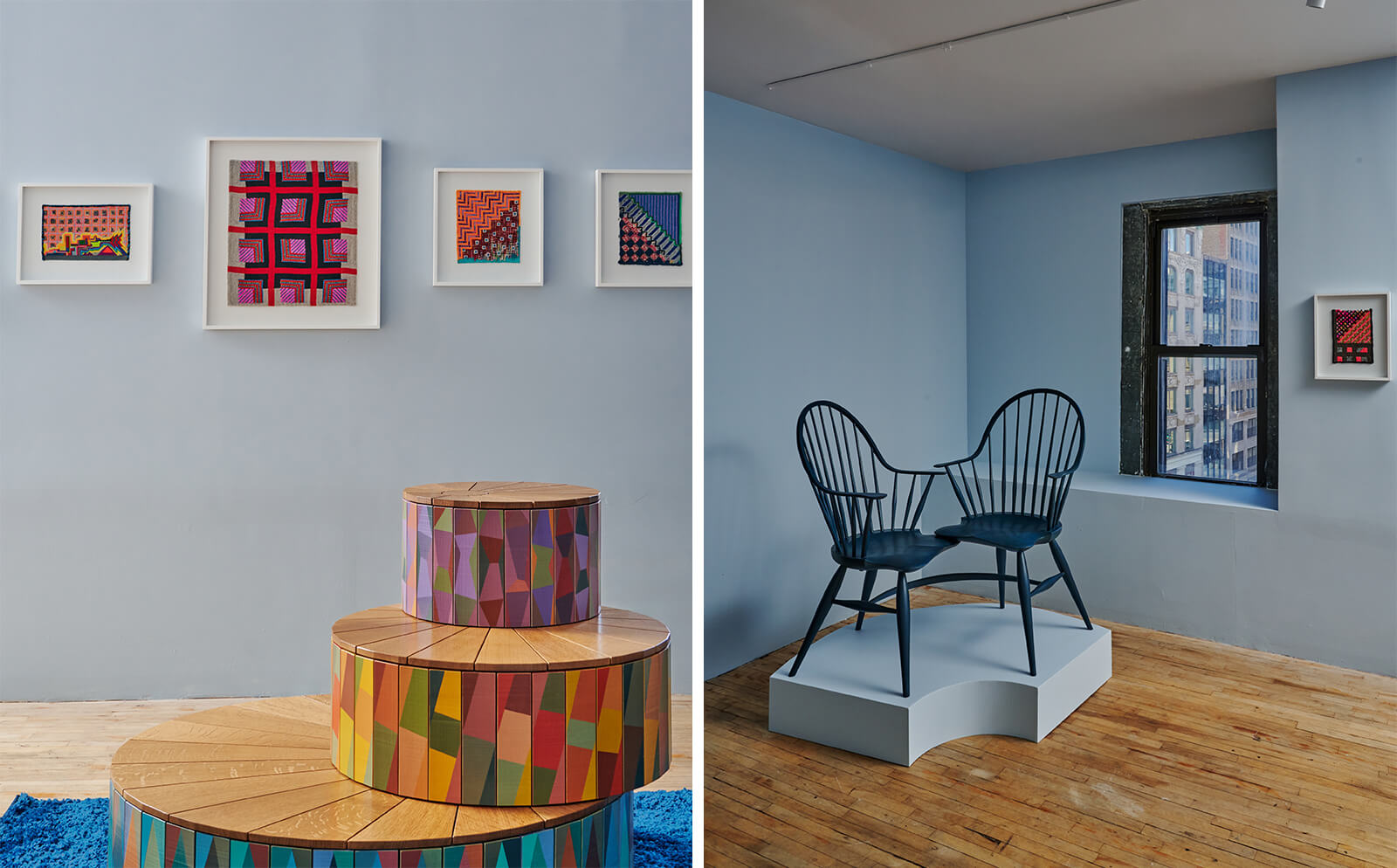
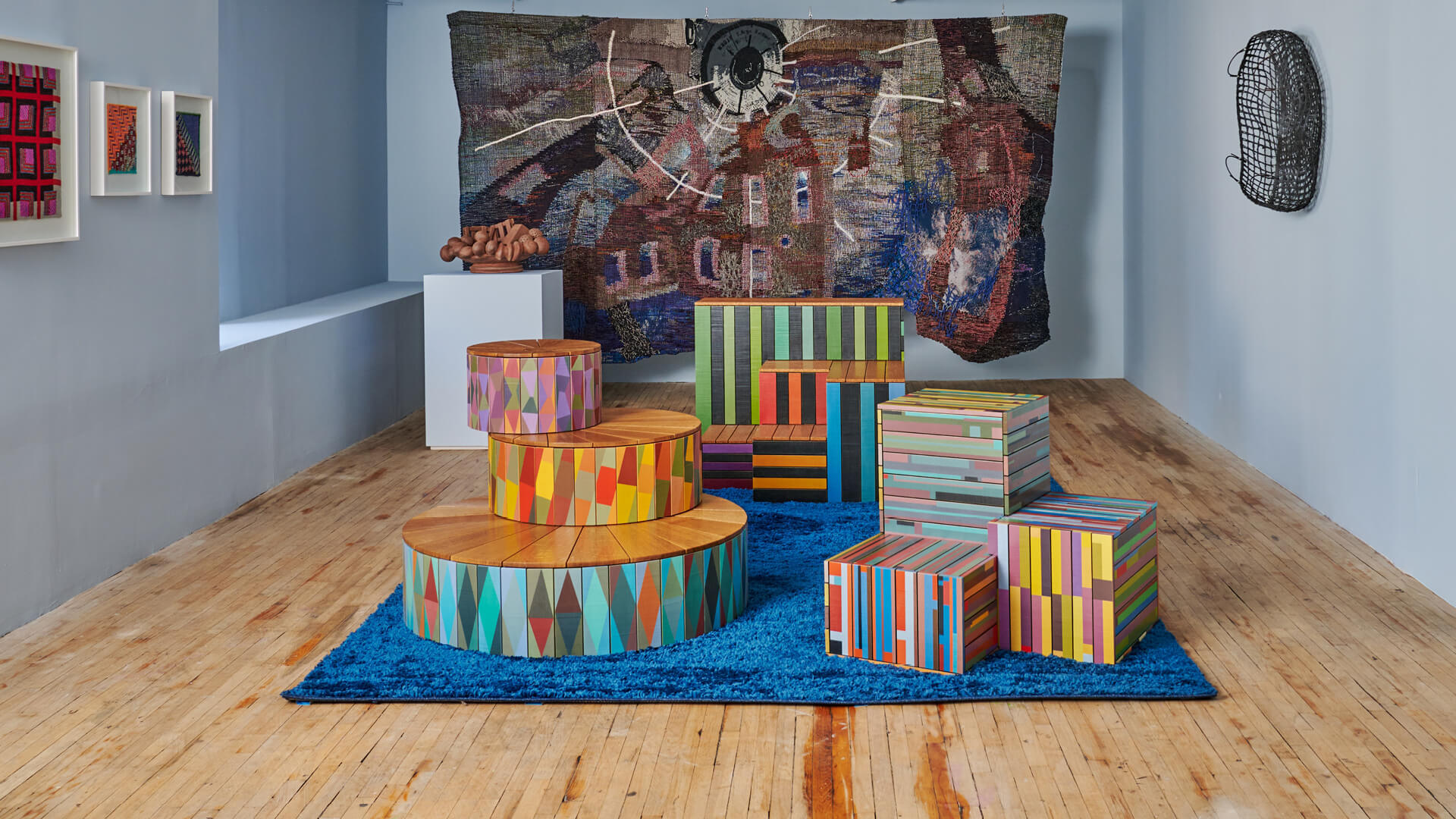
The show brings together a group of contemporary designers from across the U.S.—from the Northeast and Mid-Atlantic to the South, Midwest and West Coast—positioning craft as having never emerged from a single fixed centre but rather as circulated through different regions and heritage. Different artists work with different materials and mediums such as wood, fibre, ceramics, glass and basketry, to craft objects that move fluidly between functional and sculptural. Each object on view—whether it is furniture, textile, lighting or sculpture—probes the question of labour and adornment—establishing making as a ‘contemporary form of thought’. The exhibition’s curatorial approach was about “placing works in proximity so that their relationships could emerge—how a woven structure might speak to a carved form, or how a highly controlled surface might sit in tension with something more improvisational”, Markos continues.
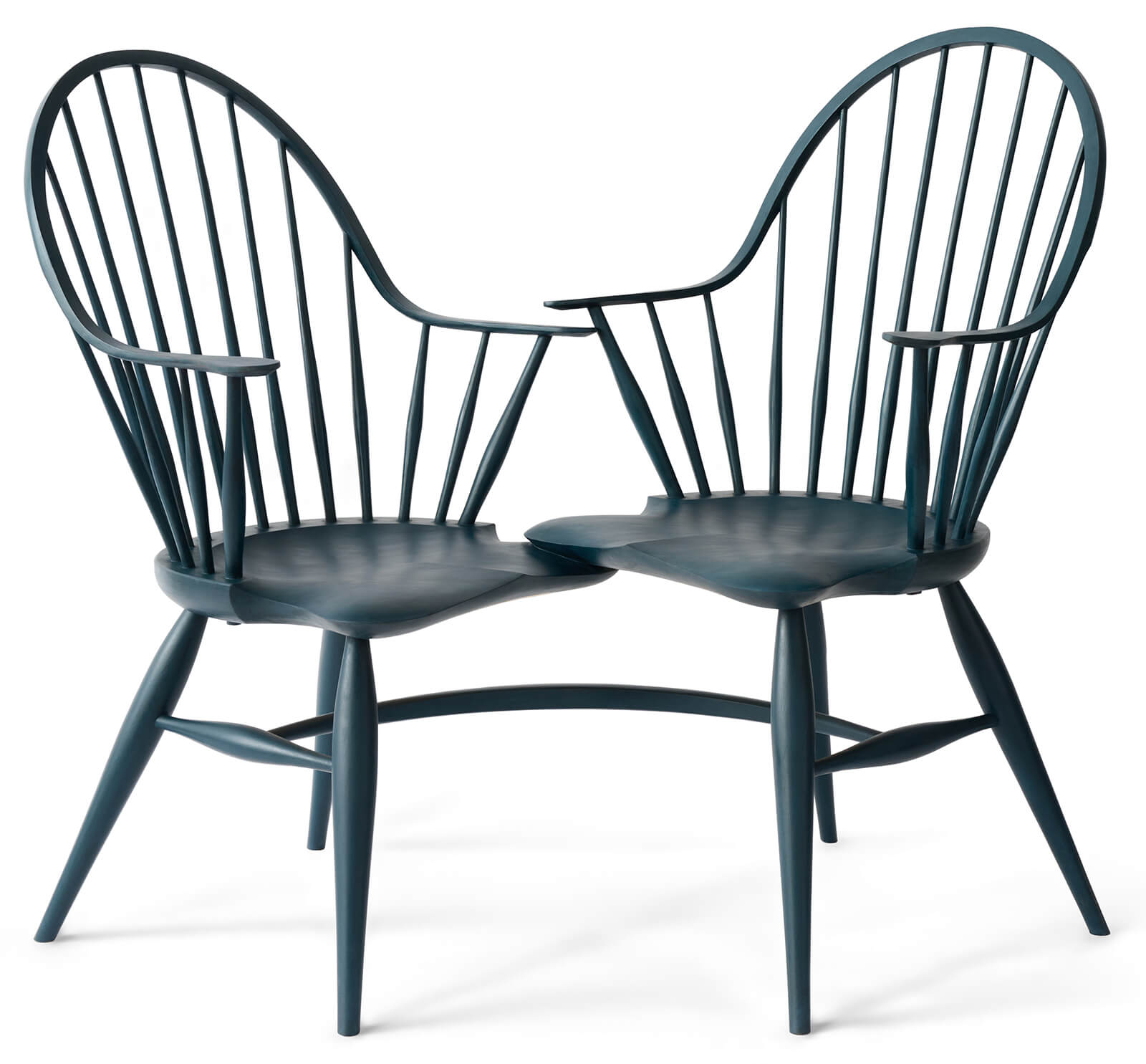
Across the exhibition, craft traditions are treated as not something that is fixed or needs to be preserved but as something to be revised and reworked in order to reshape them. In the works of American artist Liz Collins, who works with textile media, and furniture designer Aspen Golann, who is trained as a 17th–19th-century woodworker, domestic forms become sites for ritual and critique. Collins’s textile work, built with labour-intensive needlework—a feminised domestic medium—positions the object as more than just decorative, but as a space for practising care and agency. Golann approaches early American furniture through her conjoined Courting Chairs, where the familiar Windsor form is doubled into something just unfamiliar enough. As the form loosens its hold on function, the chair opens up to other readings—of gender, authorship and the structures that have long shaped its making.
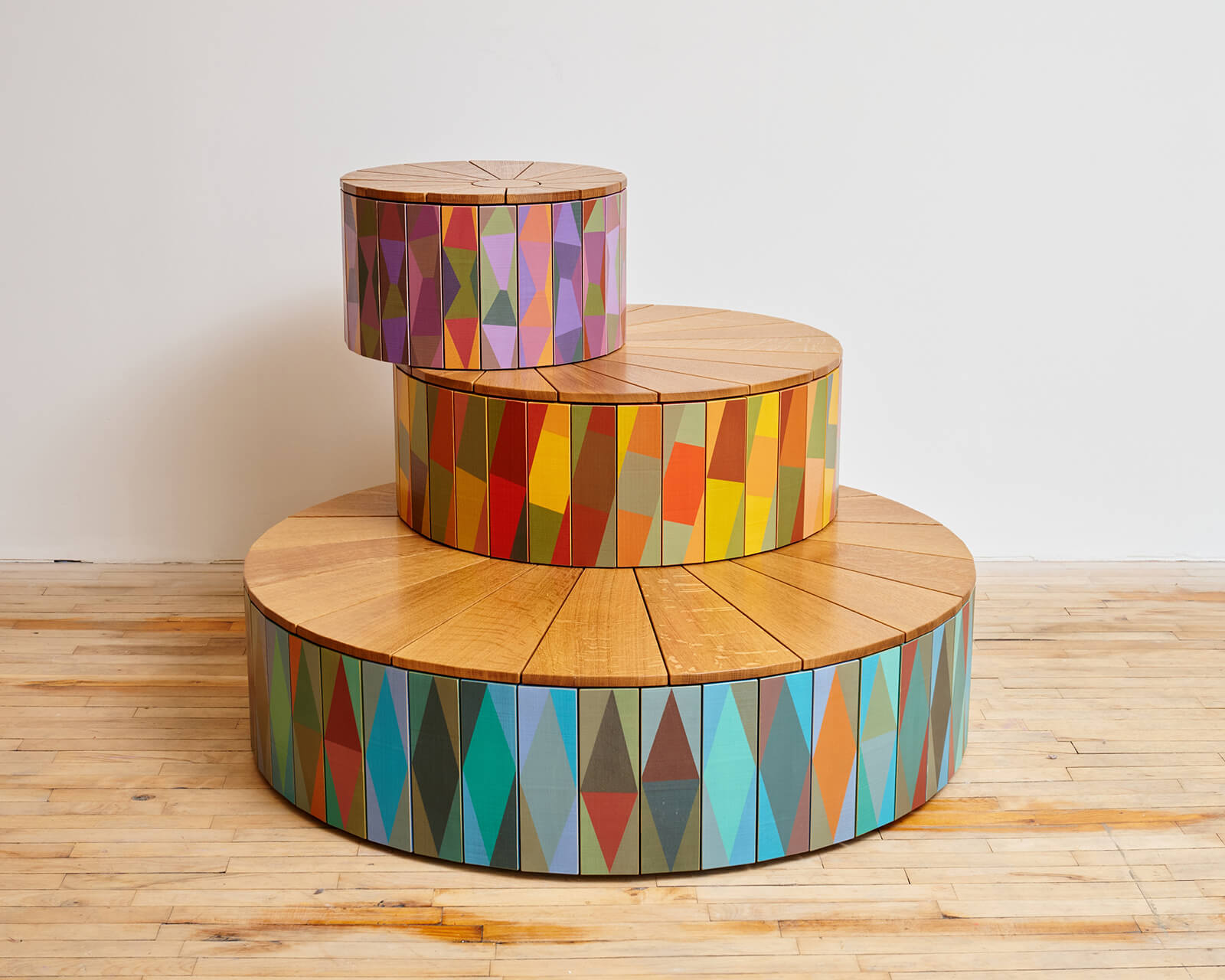
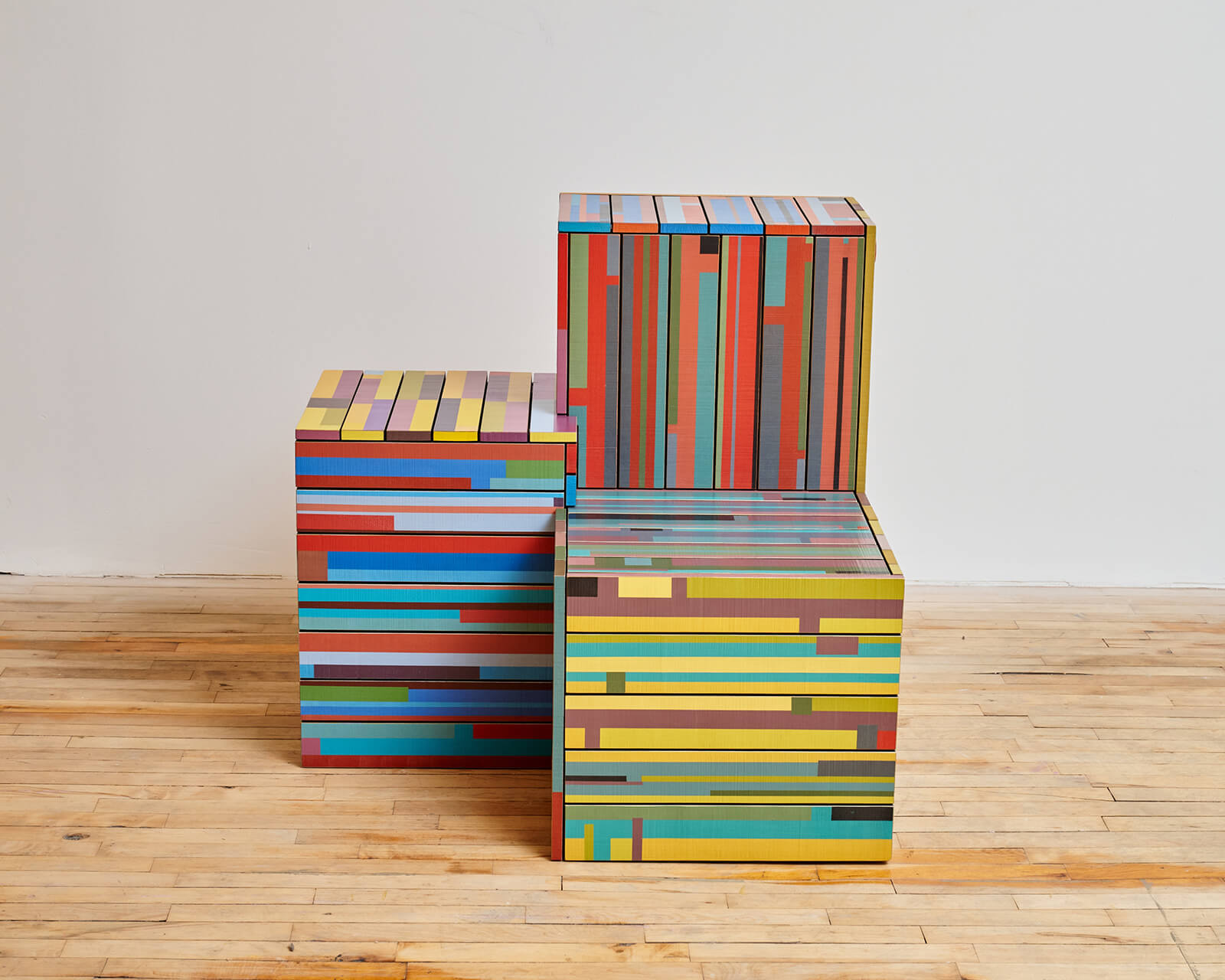
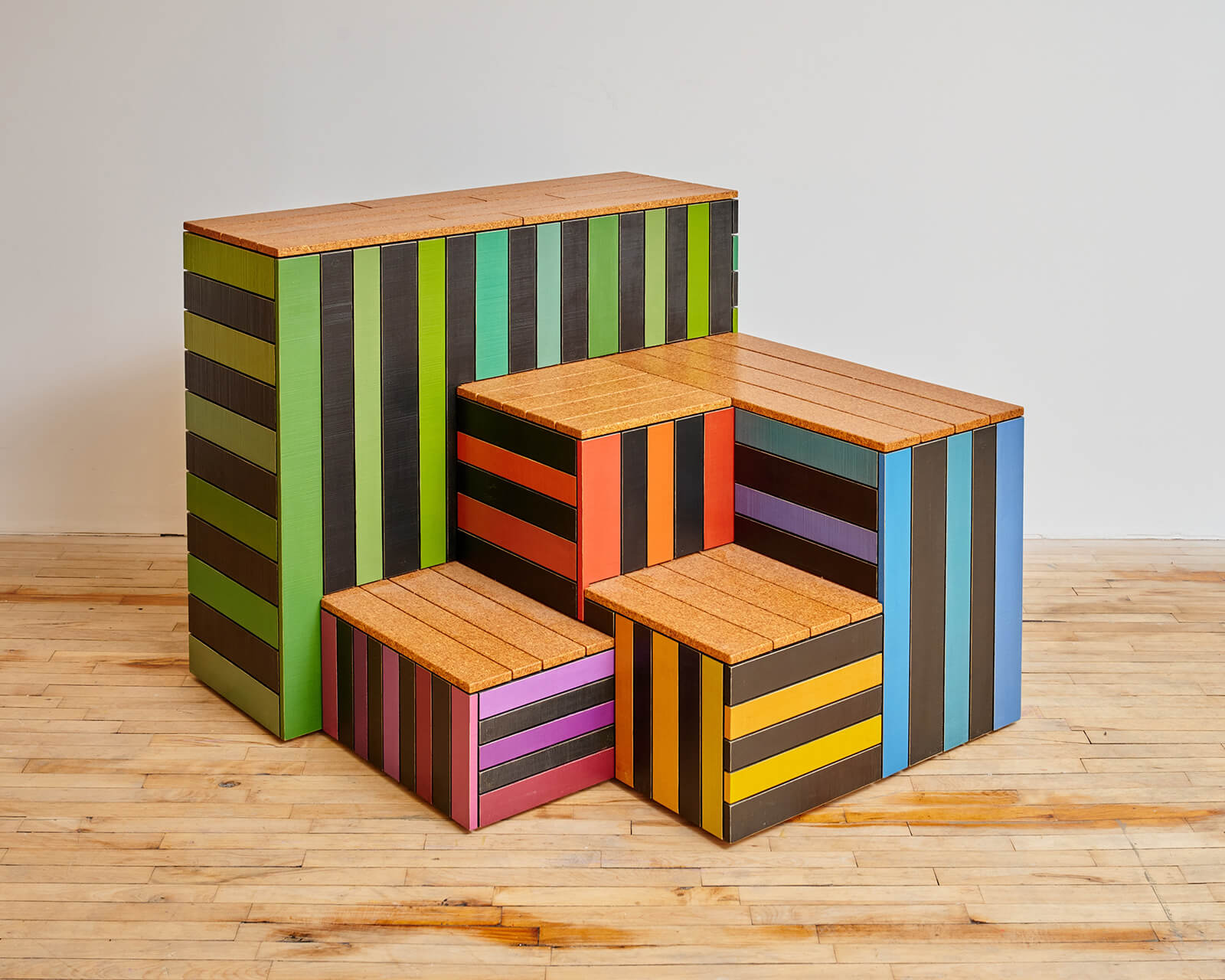
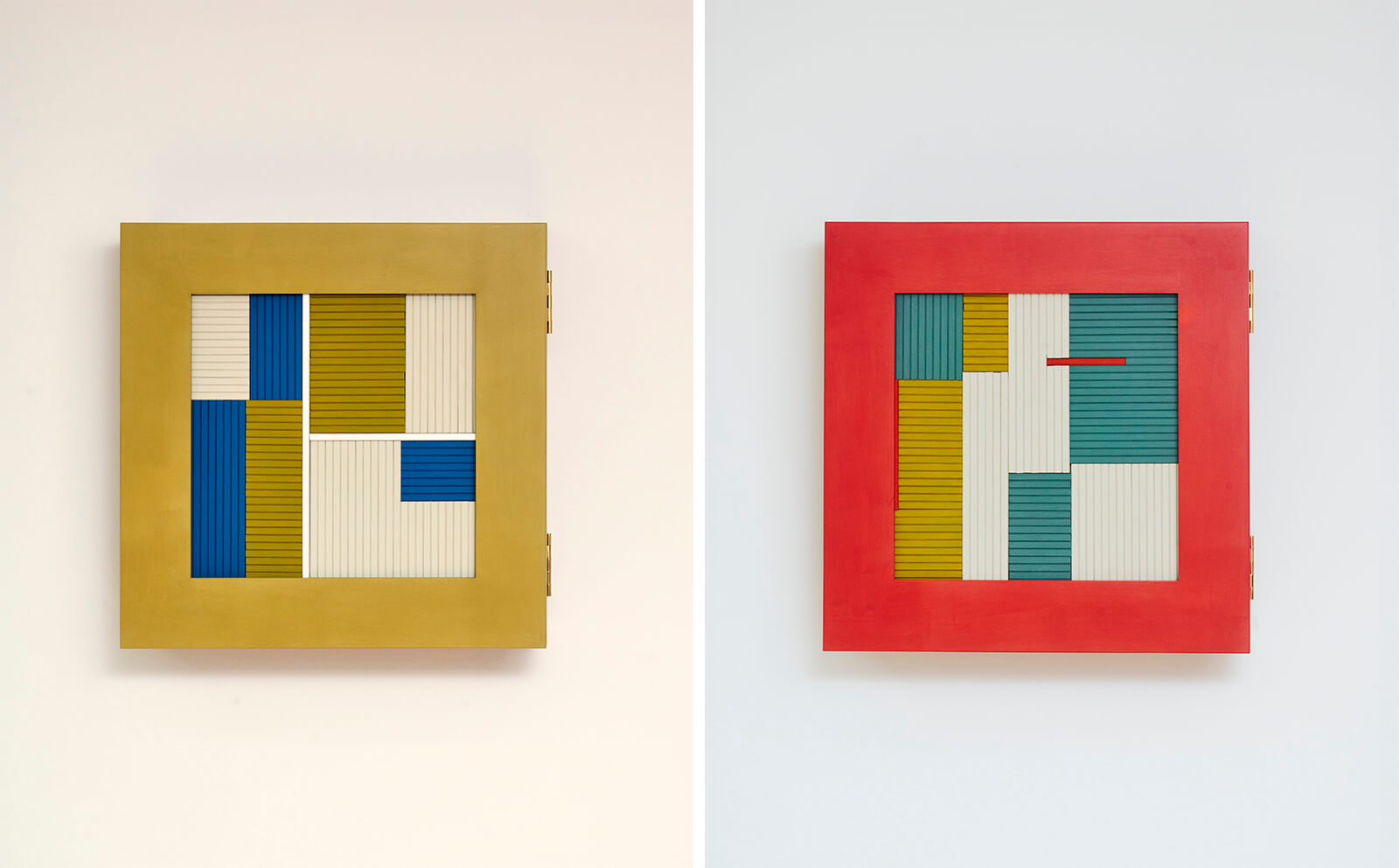
This impulse to rework familiar forms extends to the work of designers Wendy Maruyama, whose practice explores the social and political histories embedded in furniture, and Tom Loeser, who is known for his materially rigorous sculptural furniture, in which traditional forms are reworked through contemporary practice. Maruyama’s Rx (2024) and Nik Nak (2024) painted wall cabinets draw from early Bauhaus colour systems while remaining grounded in the language of domestic furniture. Loeser’s Sit-Upon Round (2025), Sit-Upon Morph (2025) and Sit-Upon Square (2025) seatings—stacked, tiered and vividly patterned—resist a single, fixed use; they open out into something more social and provisional, something that encourages gathering and playfulness.
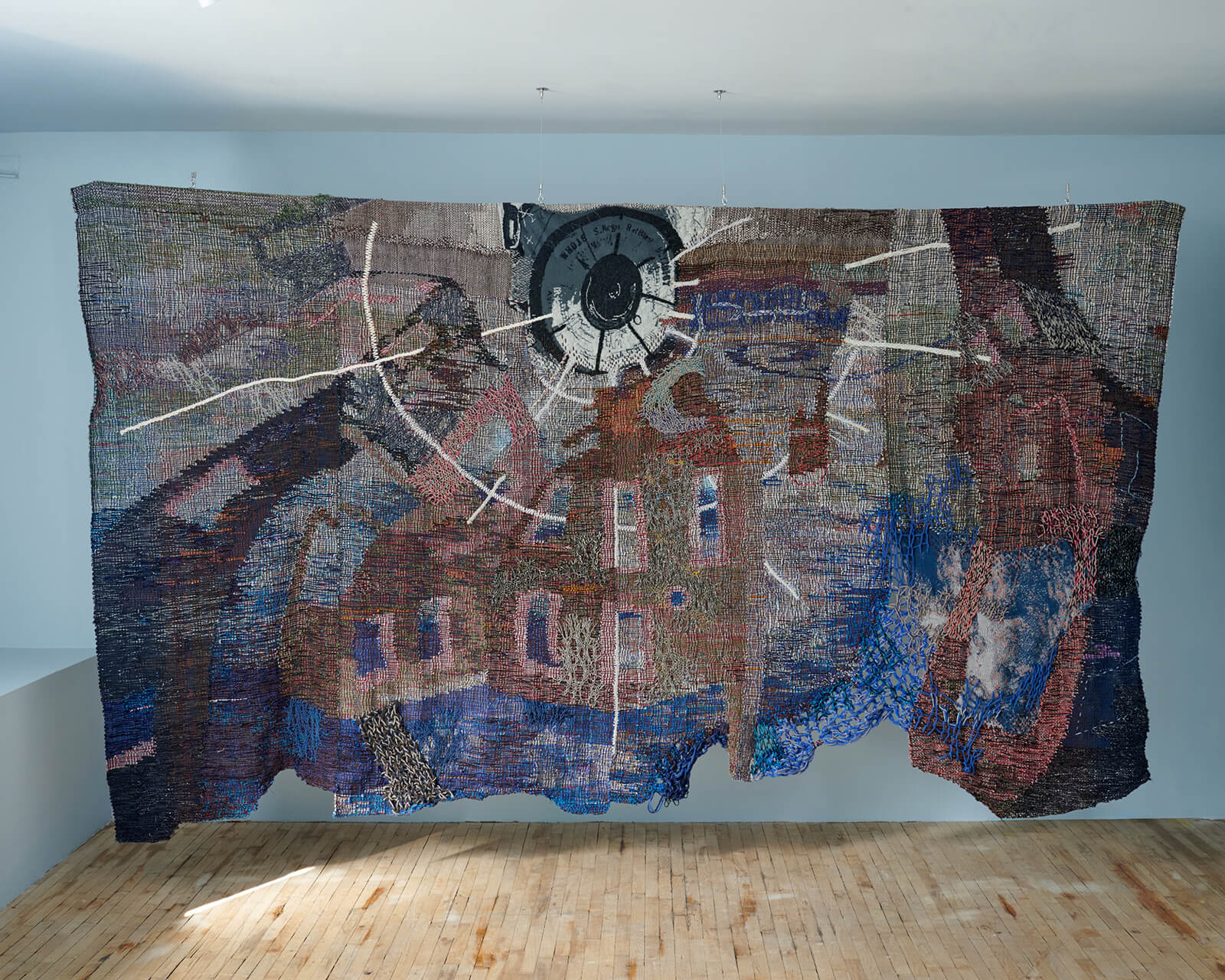
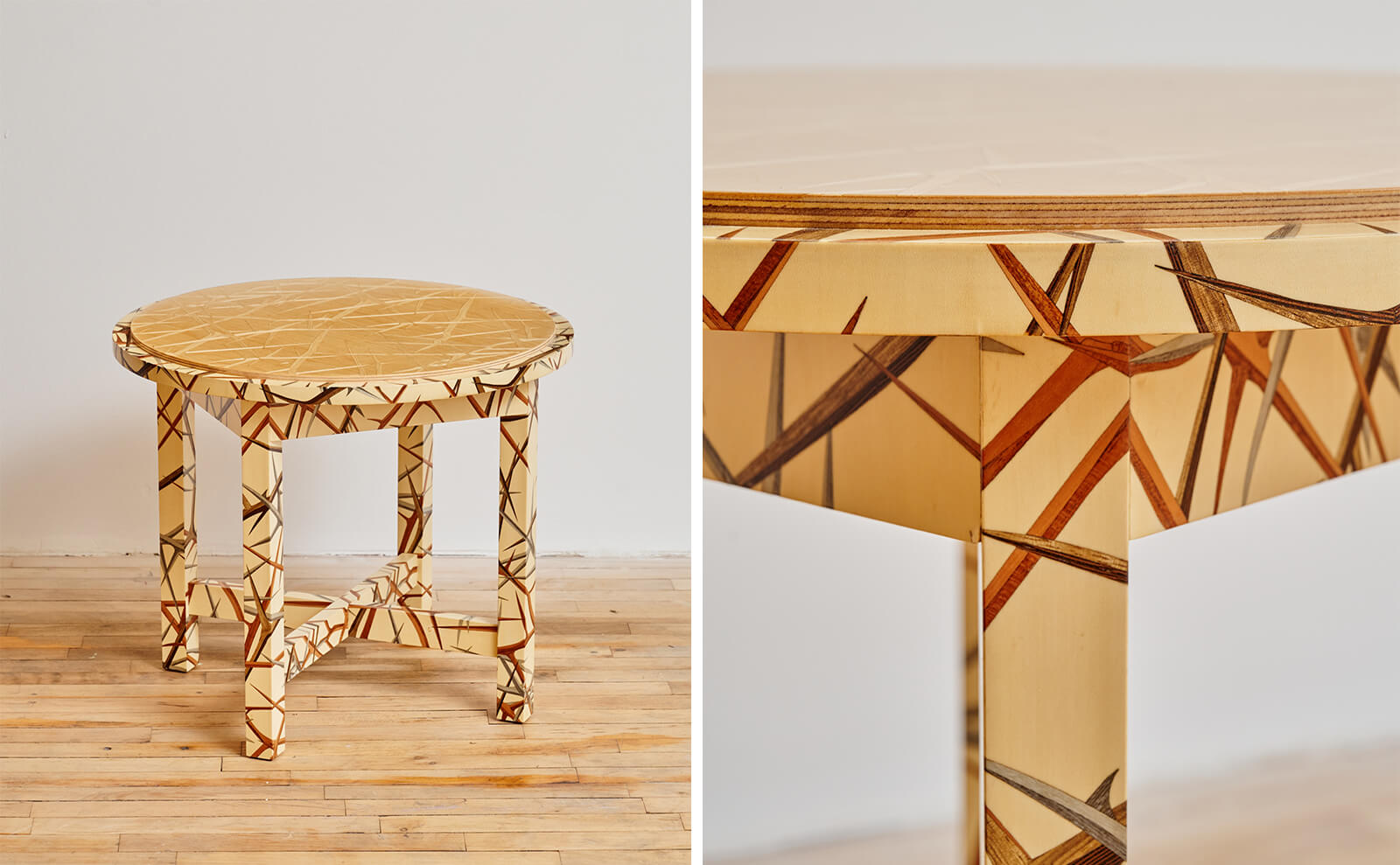
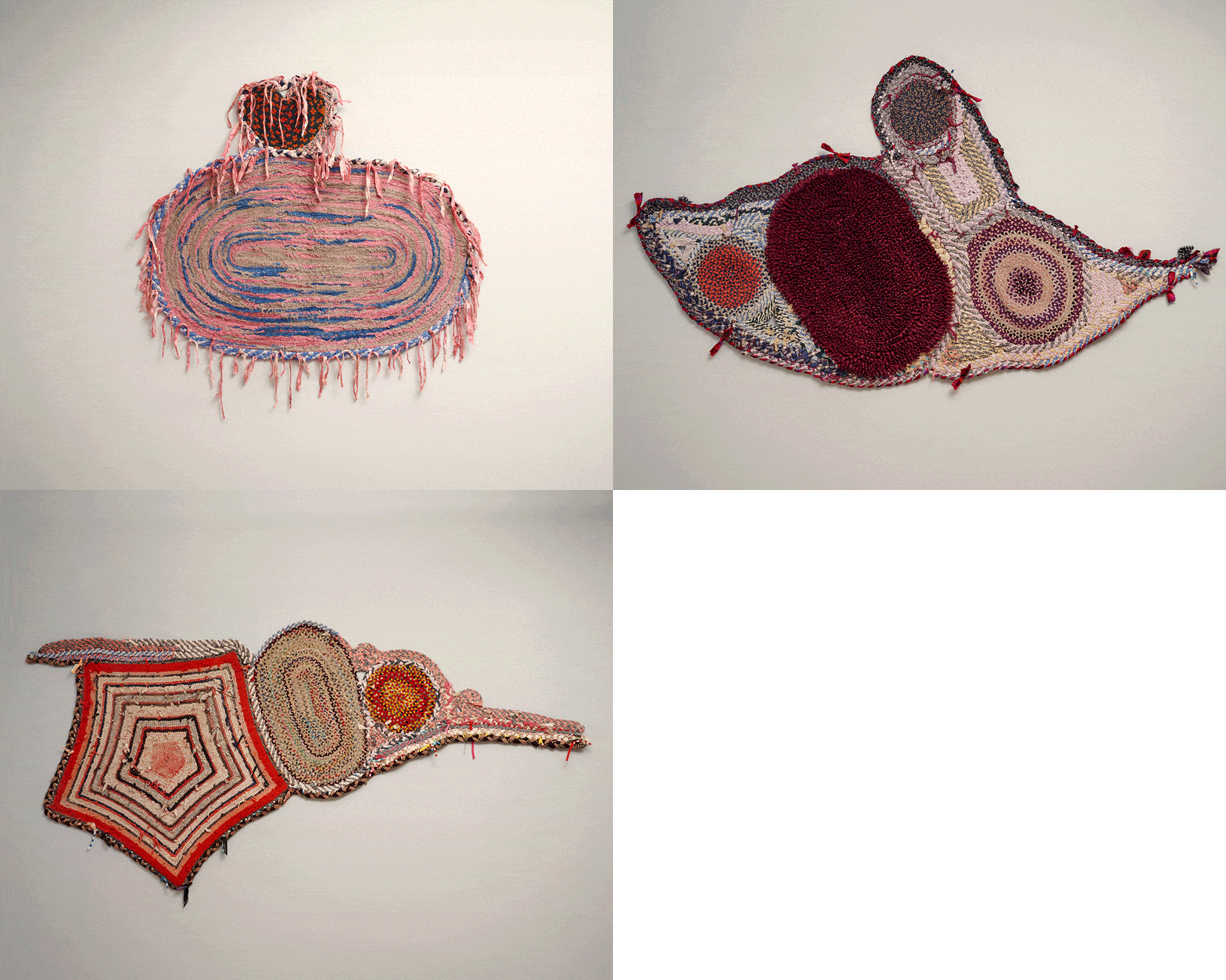
Other works on display turn toward the surface as a primary site of meaning. Across them, adornment is not treated as an addition to form, but as something embedded within it, where patterns, textures and materials carry structural weight. In the work of Dotan Appelbaum, who is known for bringing a theory-oriented, sociological approach to furniture, this is especially evident. In his Honey Locust Thorns (2025) marquetry table, intricate patterning is not applied but constructed into the object itself. Elsewhere, Maris Van Vlack, who works with weaving and large-scale visual fields, presents String Compass (2026), a tapestry shaped by both hand-weaving and digital patterning, in which patterns gradually morph into recognisable shapes, operating at once as image and structure. In Sophie Stone’s rugs, textiles slip between painting and use. Incorporating found and domestic materials that are cut, painted and restitched, their worn surfaces foreground labour as a record of accumulation and time.
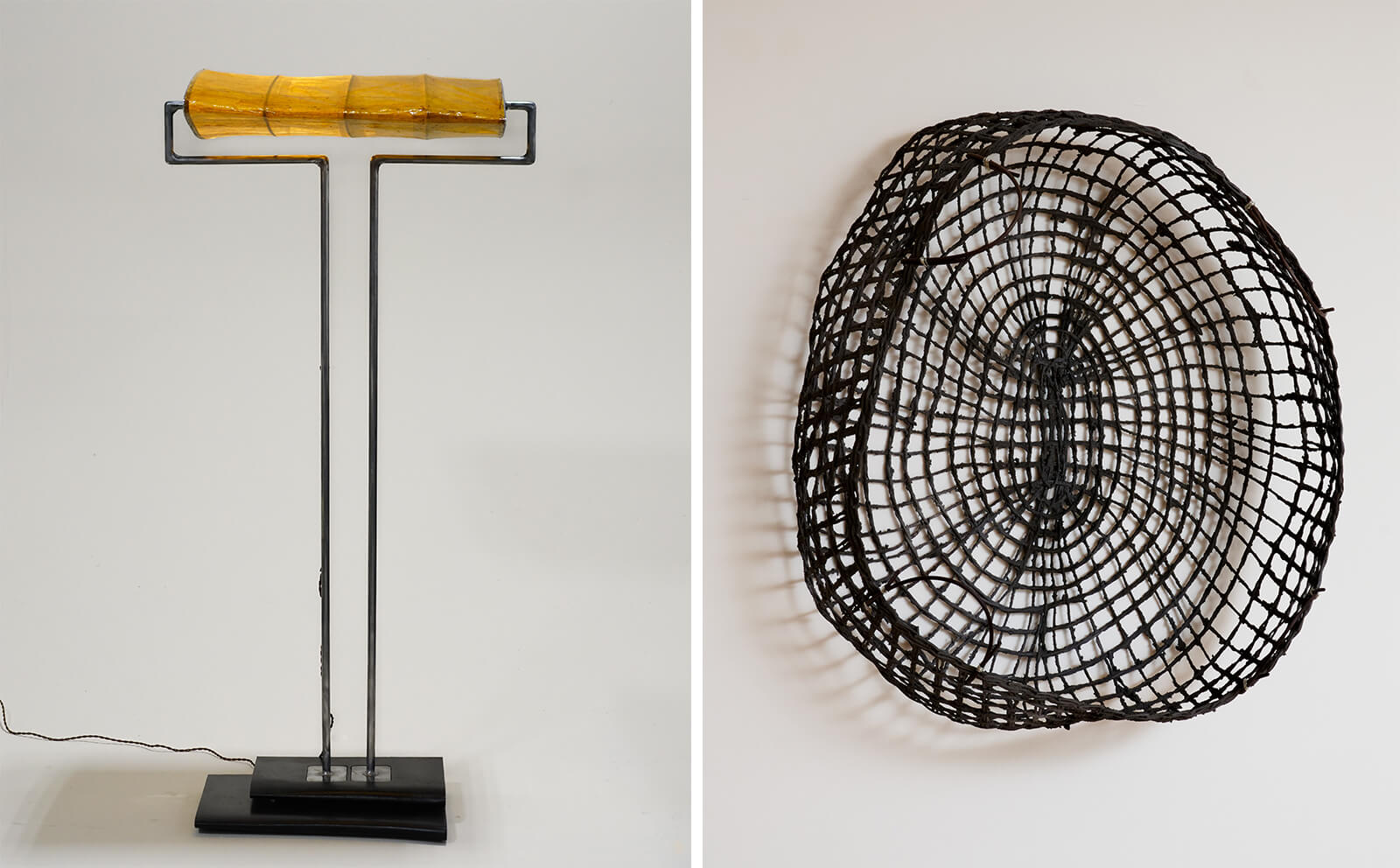
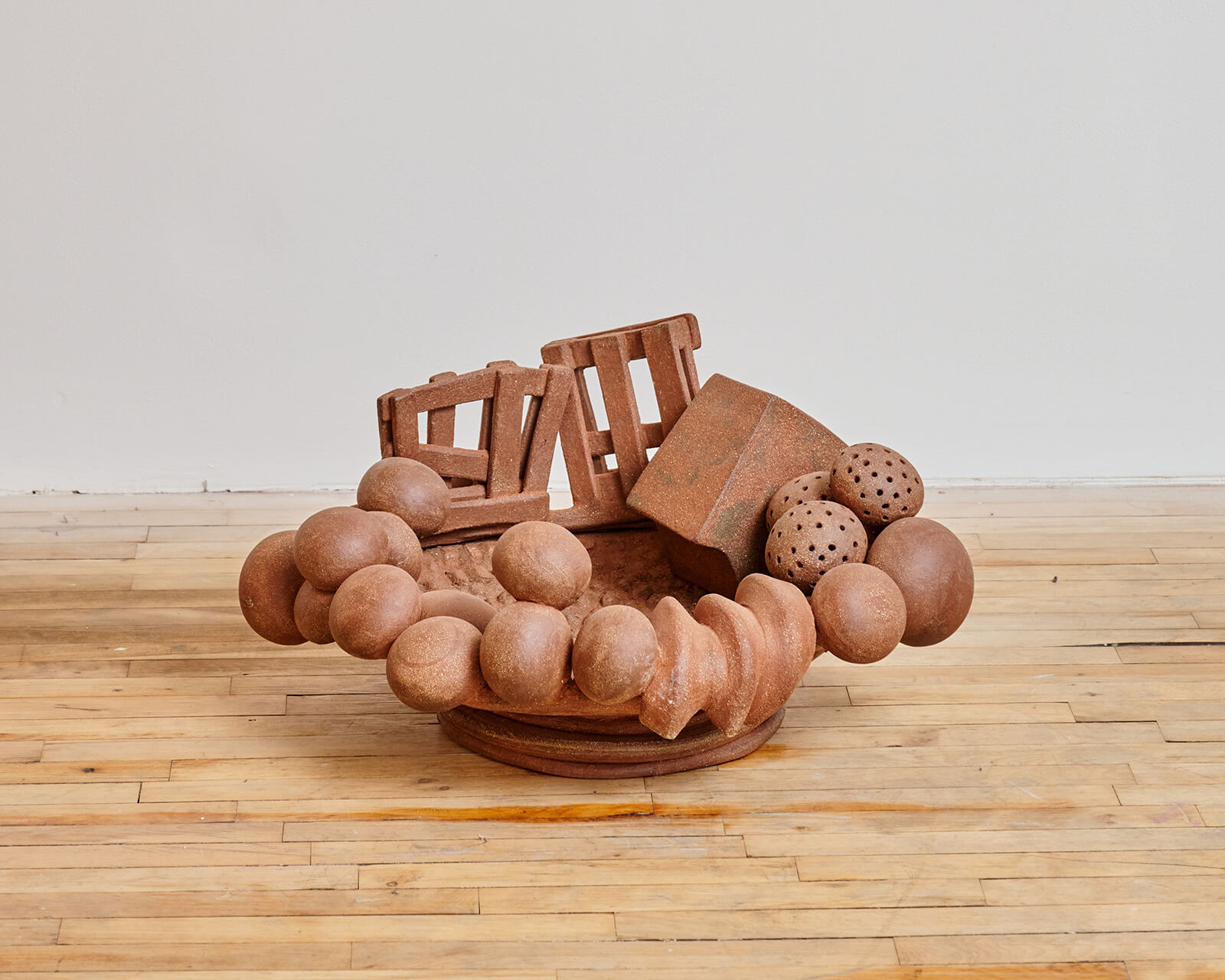
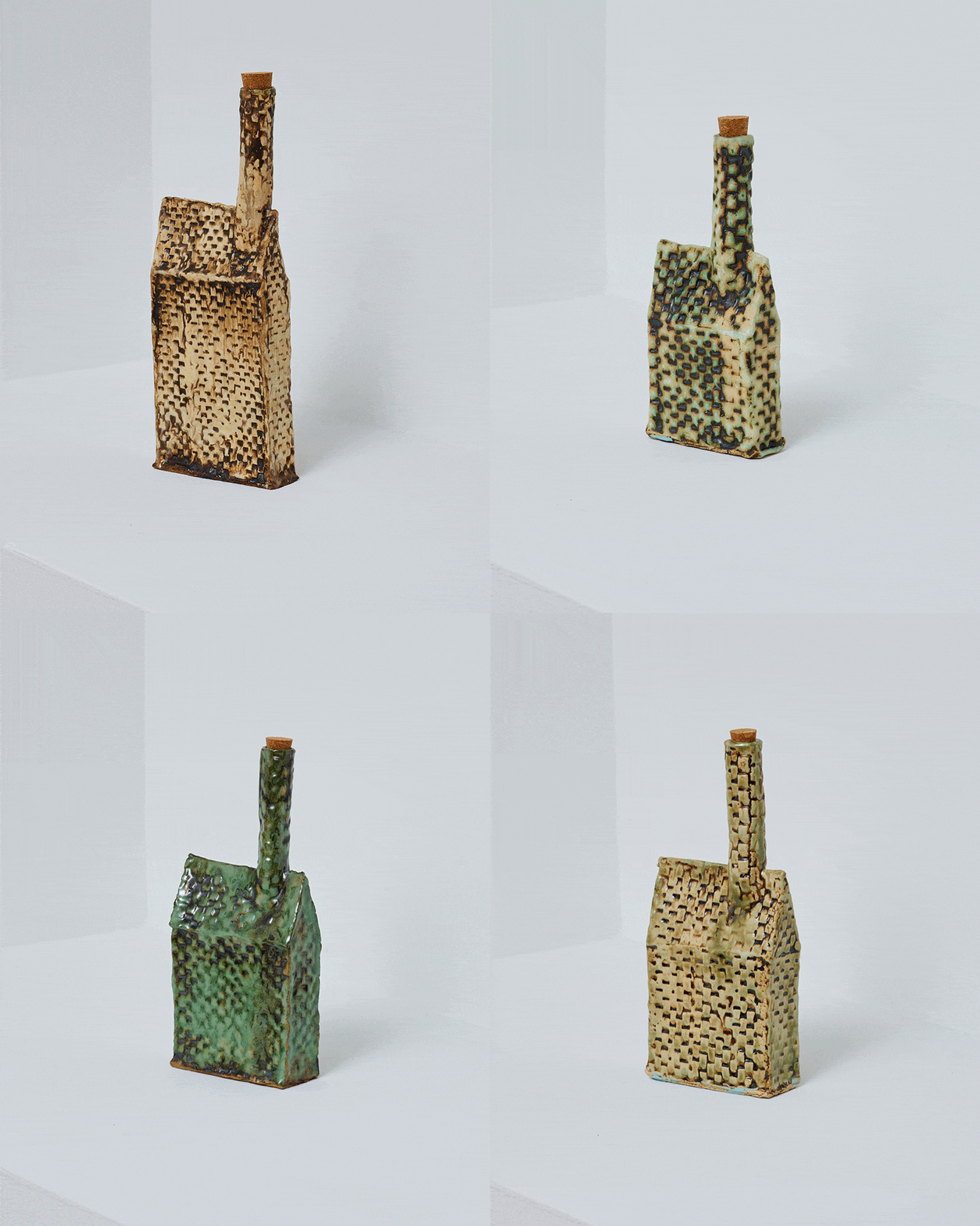
Craft is grounded in place, memory and lived experience, in other works. For example, in Sarita Westrup's basketry work, Presence IV draws from the material language of South Texas to position slow, deliberate labour as radical, whereas Syd Carpenter’s Farm Bowl with Orchard (2021) captures agricultural forms and material knowledge, linking craft to land and Black rural life. Cal Siegel’s House Bottle series reworks vernacular architectural forms, drawing from the domestic landscapes of New England, into sculptural objects that hold memory, collapsing the boundary between the domestic and the psychological.
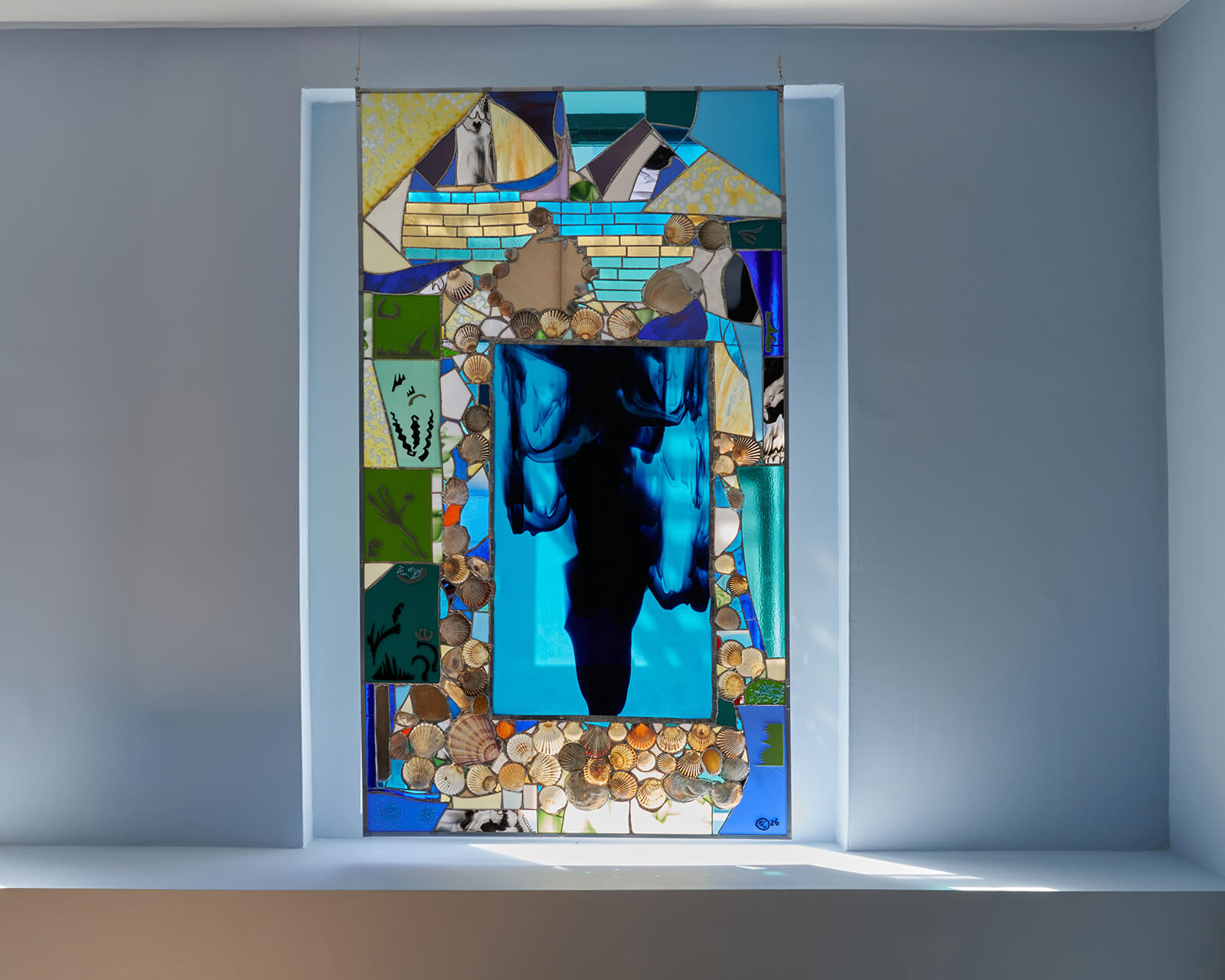
Other designers include Colin Knight, whose lamp Aileron (2026) reworks the visual language of mid-century design, using a streamlined, minimal silhouette and high-gloss, industrial finish to question how taste and desire are constructed. His practice builds on earlier explorations of masculinity and myth, as seen in his previous solo exhibition Hero’s Wreck at Superhouse. Further, Jonny Campolo, whose Tiffany-style stained-glass window intervention, Beach Bum (2026), transforms the gallery into a light-shaped threshold, where ornament becomes spatial and immersive.
Labor & Adornment reminds us that craft has never been neutral; that beauty has always been entangled with systems of labour, value and power. Across the show, a spectrum of approaches emerges that range “between precision and looseness, system and intuition, restraint and excess”, as Markos notes, reflecting on how craft is being practised today. The works on view do not resist technology outright, but instead “offer a different model of value—one that isn’t based on speed or scale, but on depth, specificity and material intelligence.”
What the exhibition ultimately suggests is that craft persists not just through preservation but as a method of thinking through the present, where adornment is just as important as structure, where labour is meaningful and to craft something, even now, is to insist on the value of time, attention and human intent in a world increasingly defined by their absence.
‘Labor & Adornment: Radical Craft in America’ is on view from March 19 – April 25, 2026, at Superhouse, New York.

by Pranjal Maheshwari Oct 23, 2026
Co-authored by Jareh Das, Chairman traces the British designer’s fixation on chairs as symbols of power and identity and as mediums of expression and community building.
by Mirra Lynn Oct 22, 2026
The curators behind Palestine Design Week 2026 reflect on its intent, considering how design holds memory, makes space for loss and imagines a future in Palestine.
by Chahna Tank Oct 22, 2026
STIR speaks with the Mumbai-based type designer about her practice, type walks and why she wants more people to have stronger opinions about Indian-script fonts.
by Jincy Iype Oct 15, 2026
STIR explores craft, material intelligence and people shaping Indian design through dialogues with Design Democracy’s co-founders and the curators of its special exhibitions.

make your fridays matter with a well-read weekend
Enter your details to sign in
Don’t have an account?
Sign upOr you can sign in with
a single account for all
STIR platforms
All your bookmarks will be available across all your devices.
Stay STIRred
Already have an account?
Sign inOr you can sign up with
Verification link sent to check your inbox or spam folder to complete sign up process
Tap on things that interests you.
Select the Conversation Category you would like to watch
Please enter your details and click submit.
Enter the 6-digit code sent at


Labor & Adornment at Superhouse positions craft as a radical act
by Chahna Tank | Published on : Apr 21, 2026


 Sign in with Google
 Sign in with email
What do you think?