|
Some romances are forged in time. Earth lends itself to the hand; clay yields to water and air, then hardens in fire, often outliving its maker. Between the natural and the man-made is a relationship shaped by change, endurance and the desire to leave something behind.

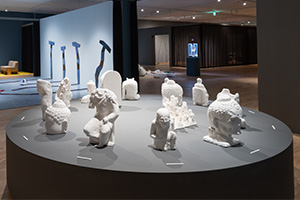
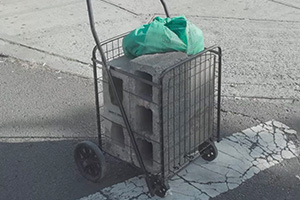
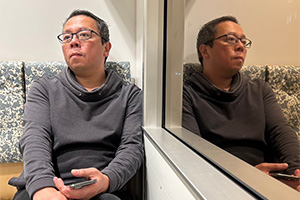
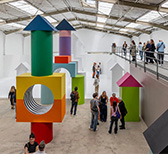
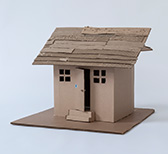
At the Gyeonggi Ceramics Biennale, clay holds geological time and inherited knowledge as makers test new techniques. John Wilson's 'The History of Concrete' turns to a familiar substance that is so embedded in city life that its afterlives slip from view into its cracks. Lee Kit works through fragments of
|
|
painting, text, projection and sound, allowing meaning to emerge through encounters that linger in memory. Across these, material is a means of making meaning, resisting control.
Unfired, clay is temporal: water and air can dissolve it back into earth. Fired, it can outlive its maker by millennia. Today we are torn between making things meant to outlast us and those meant to be thrown away. What do we owe to the material that lent itself to us, and to those who will inherit what we make?

|