Art14 mins. read
Gyeonggi Ceramics Biennale 2026 reframes the planet as co-author
by Srishti OjhaJul 30, 2026



by Srishti OjhaPublished on : Oct 27, 2026
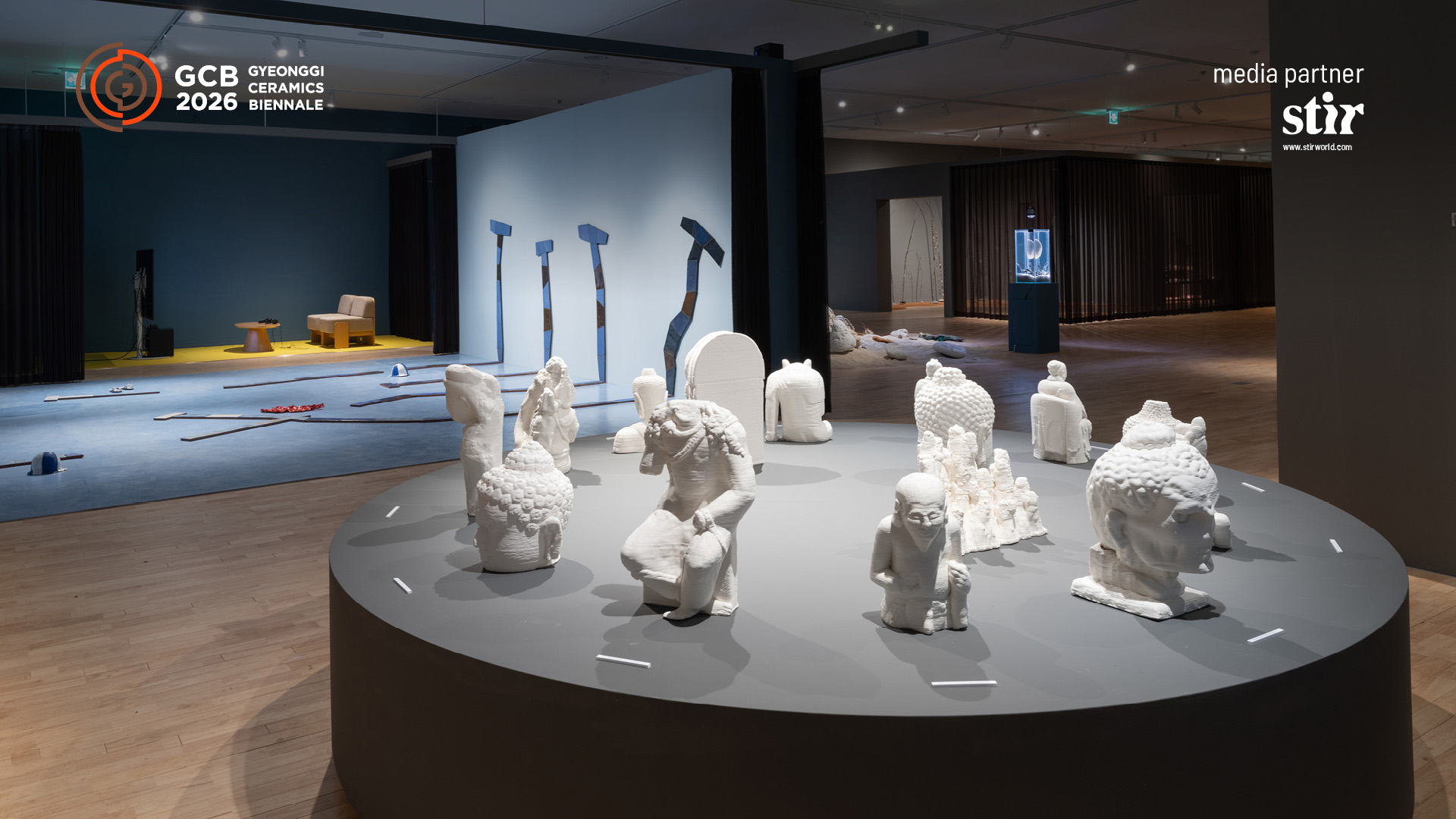
When I speak with artists and curators about their experience at the Gyeonggi Ceramics Biennale, one thread emerges. Each reflects with curiosity and reverence on the unfamiliar artistic practices and contemporaries they encountered. They recall discovering similarities and differences in the diverse forms with equal delight. Considering that ceramics is a siloed art form with fewer dedicated forums and events than, say, painting or sculpture, and is often relegated to the past, one of the biennale’s most important functions is to become a meeting place for the practitioners of ceramic art to meet, share techniques, draw inspiration from and collaborate. Held across Icheon, Gwangju and Yeoju in Gyeonggi Province, South Korea, from September 18 – November 1, 2026, the Gyeonggi Ceramics Biennale 2026 spans three venues. Its main exhibition in Icheon brings together 28 teams comprising 67 artists from 14 countries.
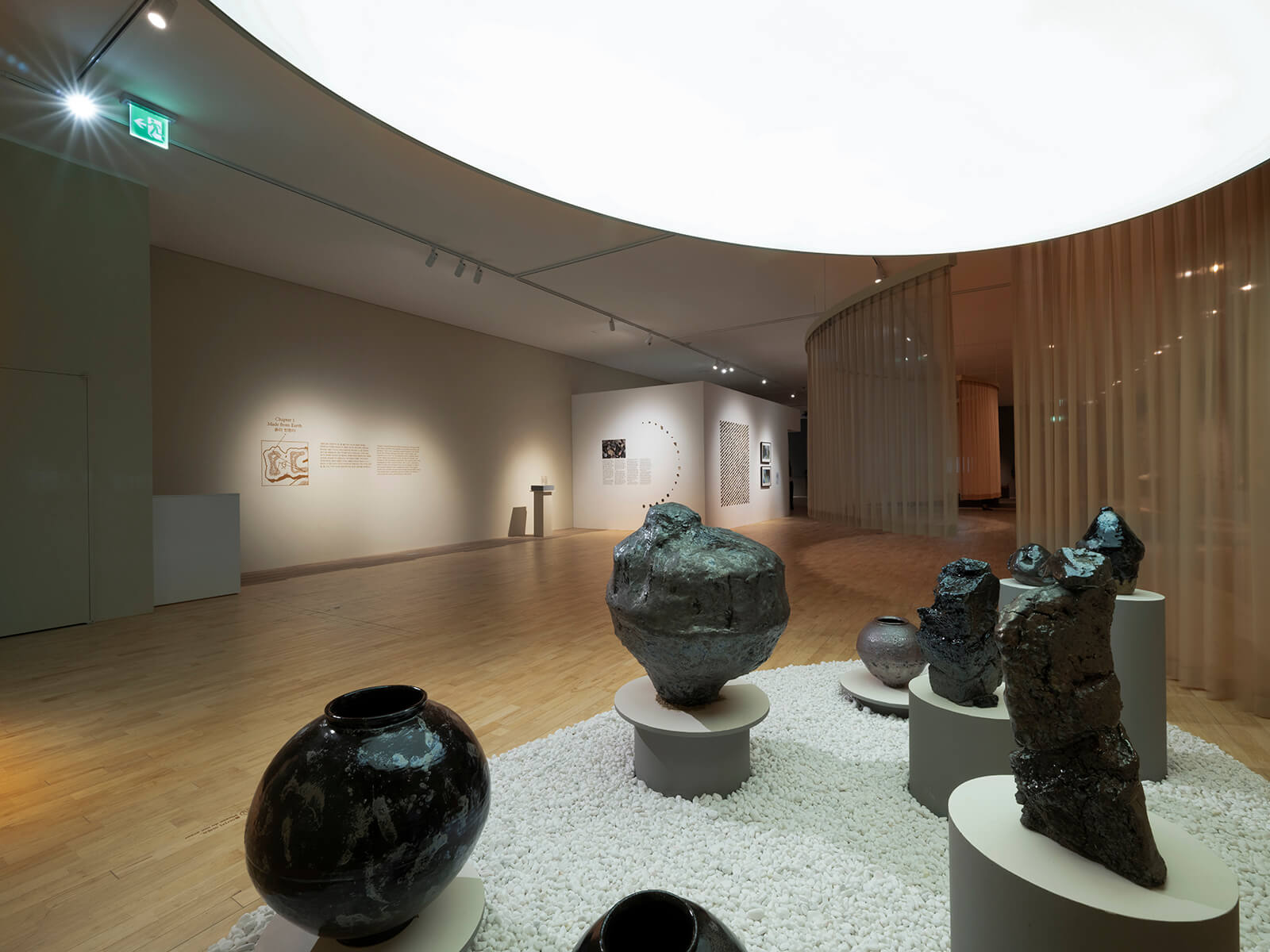
The 2026 edition of the biennale, centred around the theme Earth Makes, is helmed by Daehyung Lee, a curator of contemporary art who has merged art, popular culture and technology through a career that has ranged from curating the Korean Pavilion at the 2017 Venice Biennale to bringing contemporary art to a wider audience with the project Connect BTS, a collaboration with the world-famous K-pop group. Lee seems equally comfortable on formal institutional platforms and mainstream stages, with art history and the cutting edge of experimental art, with local traditions and global currents. He brought this sensibility to Earth Makes, which, in three sections—Made from Earth, Made by Earth and Made in Earth—traverses the timeline of ceramics from the formation of the Earth to far-off speculative futures, focusing on the particularities of local ceramic traditions and practices around the world.
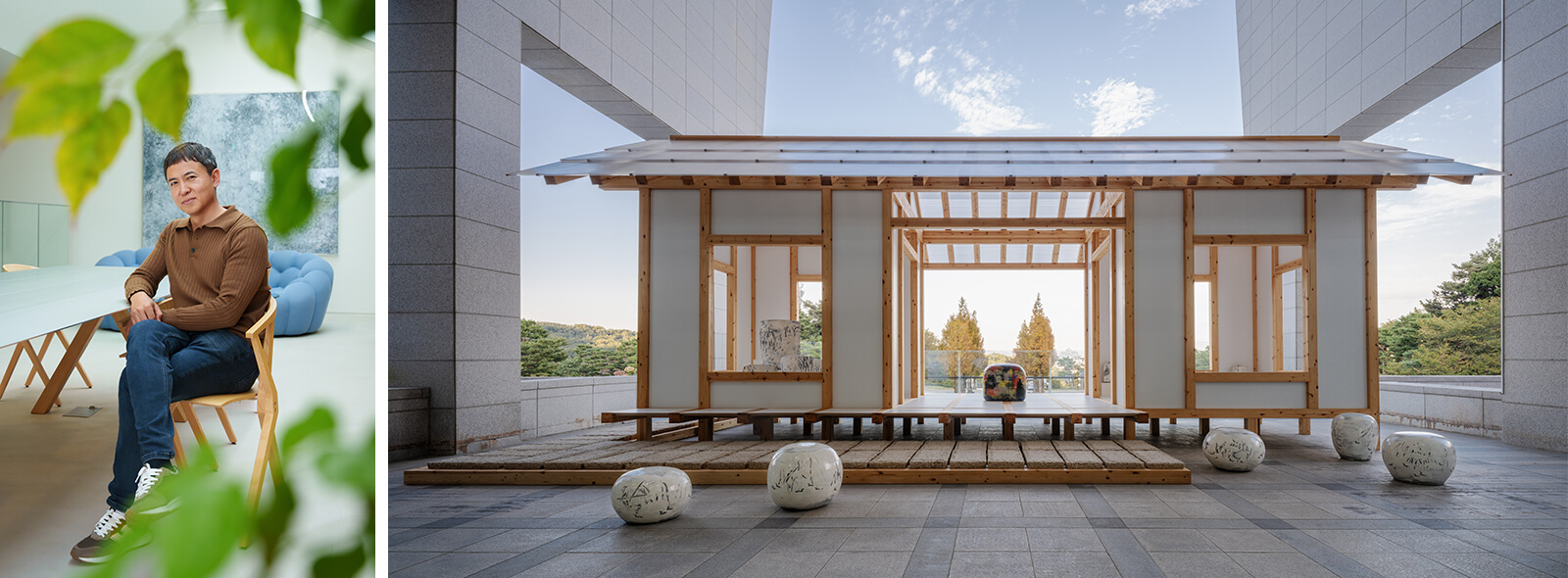
In a conversation with STIR, Lee recounted, “One of the most exciting surprises was discovering how ceramics could connect different generations, cultures, disciplines and technologies. Indian artist Birender Kumar Yadav worked with students from Korea Ceramic Art High School, bridging cultural and generational differences. LEE Wan, who represented Korea at the 2017 Venice Biennale, joined forces with ceramic 3D-printing artist Seongman Ahn…What excited me most was how unexpected collaborations and technological experiments could transform clay into a medium for exploring entirely new artistic possibilities.”
These projects demonstrated that ceramics is no longer confined to traditional materials, techniques or functions. – Daehyung Lee
The often futuristic, experimental programming was grounded in a strong connection to the local traditions and to the Earth. Here, ‘local’ does not refer to regions demarcated by political or cultural borders but to environmental factors like the character of the soil and proximity to the water bodies that shape the earth. While special exhibitions paid tribute to Korea’s rich ceramic heritage, they became part of a global conversation through the selection of a ‘focus country’, which this year was Australia.
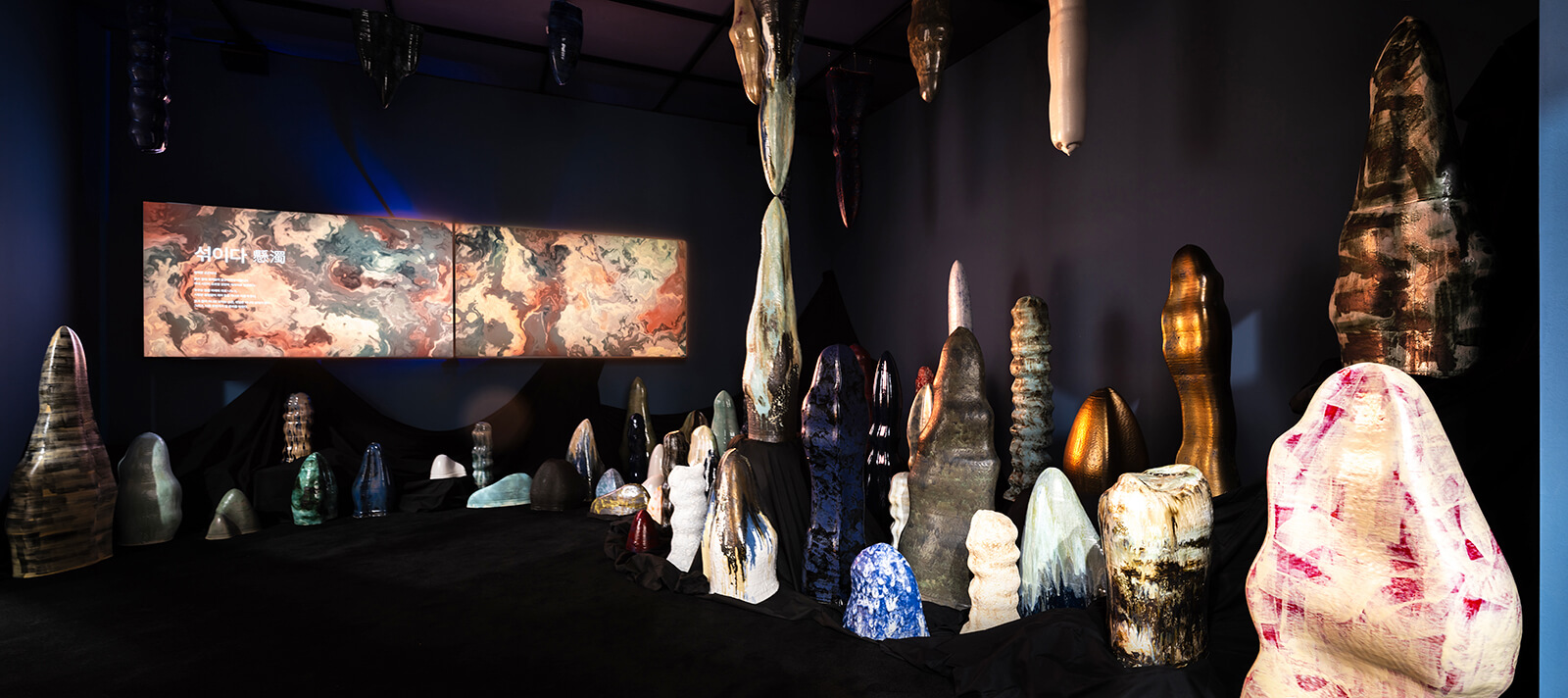
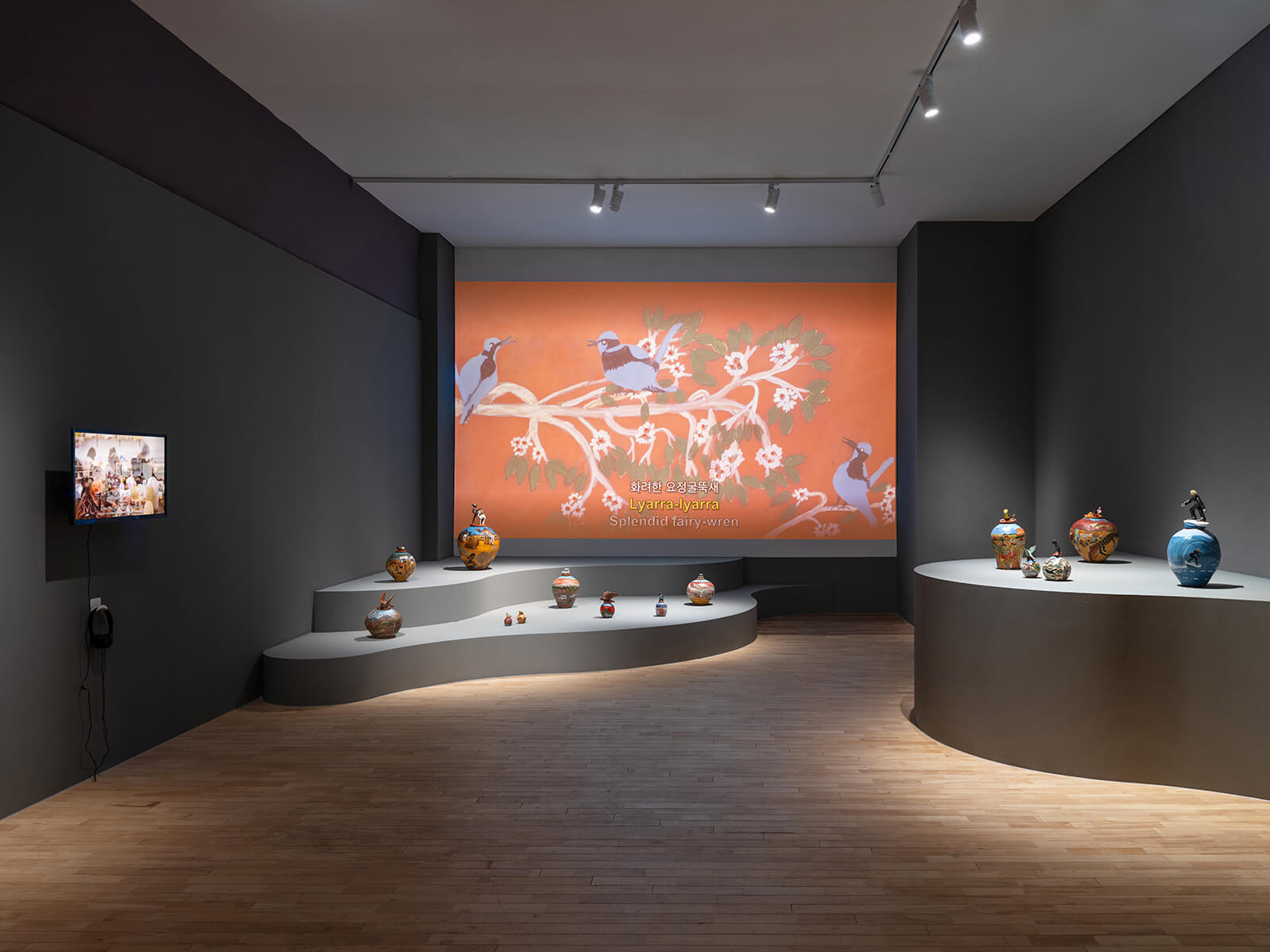
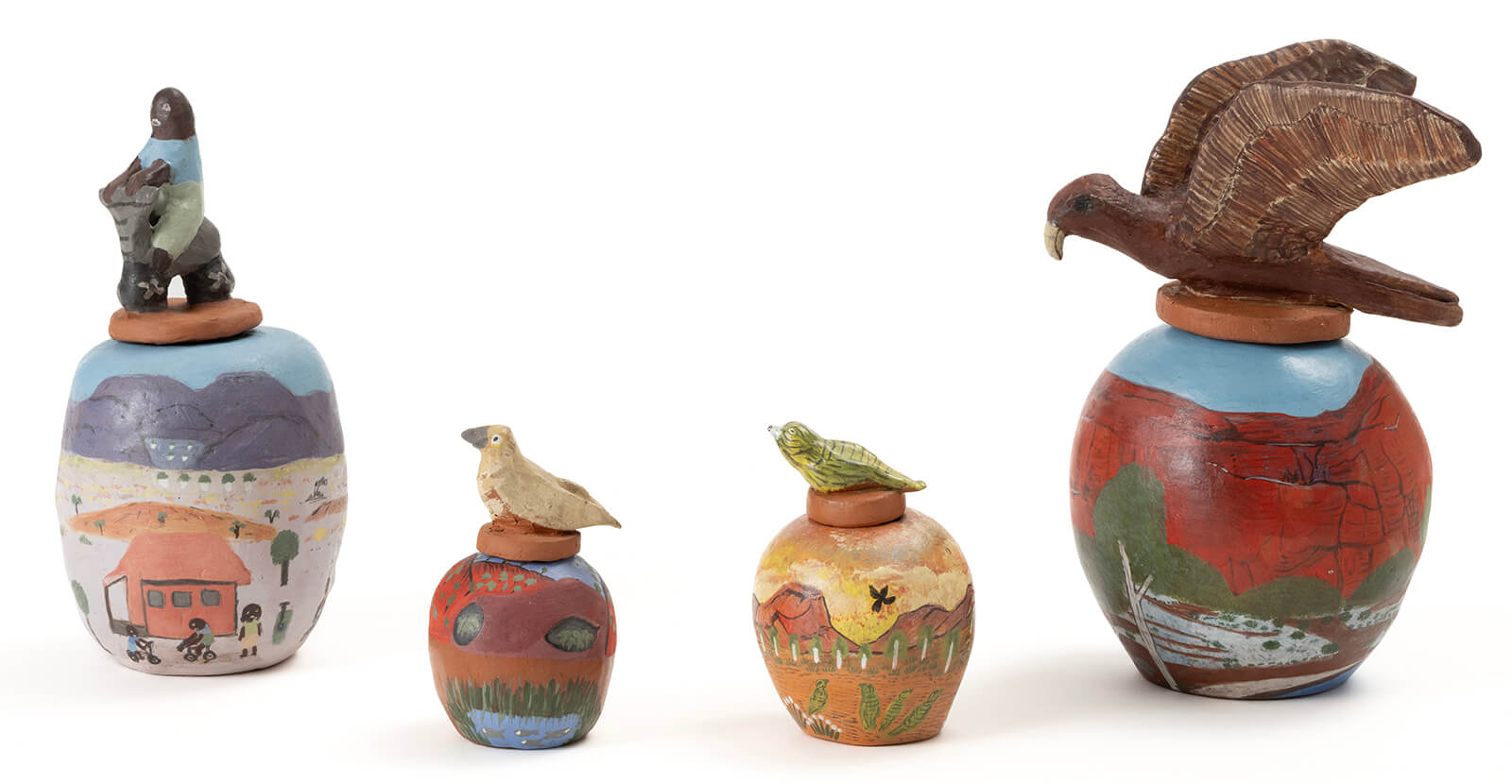
Natalie King, a curator and professor who served as the biennale’s Australian commissioner under the exhibition Focus Australia, spoke about the significance of this partnership and the opportunities for fusion it facilitated, saying, “I think that Korean and Australian ceramic practices are united by a sensitivity to soil and the environment…It was special to observe the Onggi master, Chang-Ho Kim, produce profoundly ancient vessels with longstanding tools and techniques alongside the Hermannsburg Potters, who shape pots with lids that depict local flora and fauna from the desert. Just as Mr Kim is a seventh-generation Onggi master, the Hermannsburg Potters share their wisdom between grandmothers, mothers and daughters.”
Ceramics is about clay and technique and also about identity, knowledge, place and belonging. – Bron Field
The Hermannsburg Potters, a group of Western Arrarnta artists from Central Australia, played an important role in this partnership. They brought their millennia-old traditional hand-coil and pinch technique to the biennale, a living chapter of ceramics history which outdates pottery and the kiln by centuries. Bron Field, mixed media artist and acting manager of the Hermannsburg Potters, said in conversation with STIR, “At Hermannsburg Potters, knowledge is passed between generations through working together. Technology can open new opportunities for making, communicating and exhibiting art, but it cannot replace the knowledge that comes from living on Country, learning from elders and family or sitting together and sharing stories while making pots. Every new generation brings its own experiences and ideas, so our tradition is evolving.”
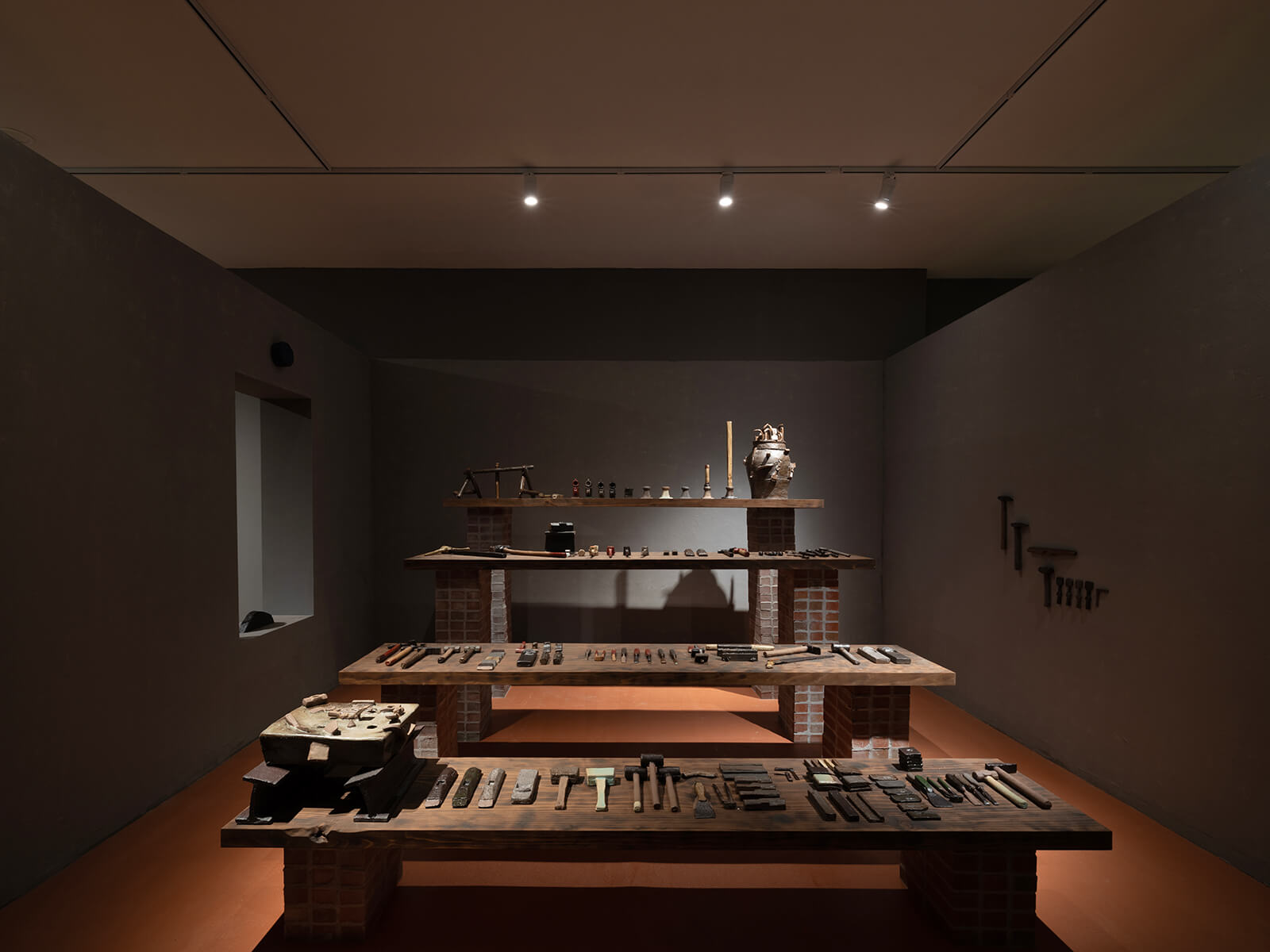
Identity, lineage and labour are central to Yadav’s practice. Born in Dhanbad, Jharkhand, India, he grew up among mining communities and was deeply influenced by the working lives around him, including that of his father, an ironsmith. In After Shift, presented at the Gyeonggi Ceramics Biennale 2026, Yadav brings together tools from India and Korea to reflect on the traces of labour, memory and the shared realities that emerge across different working cultures.
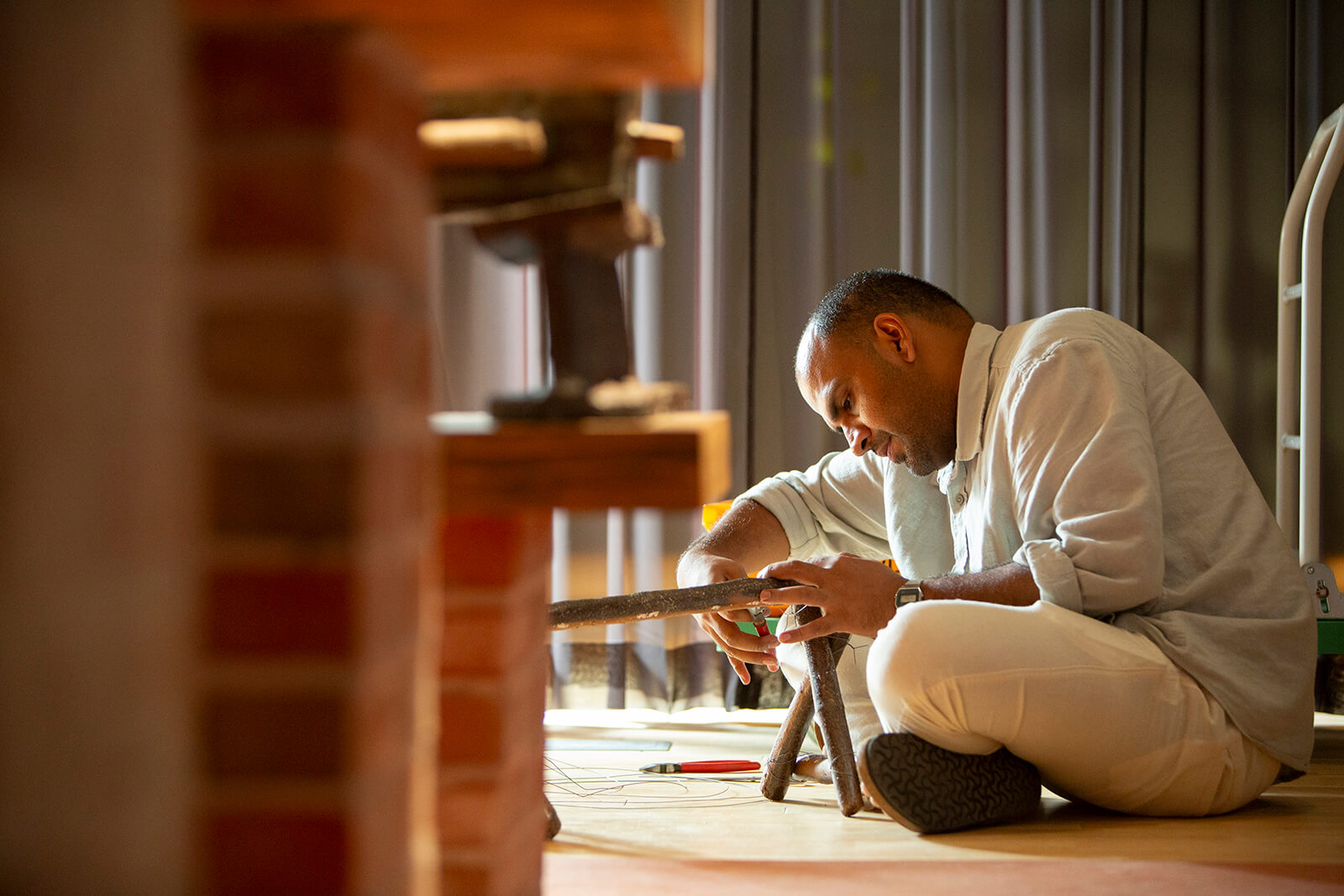
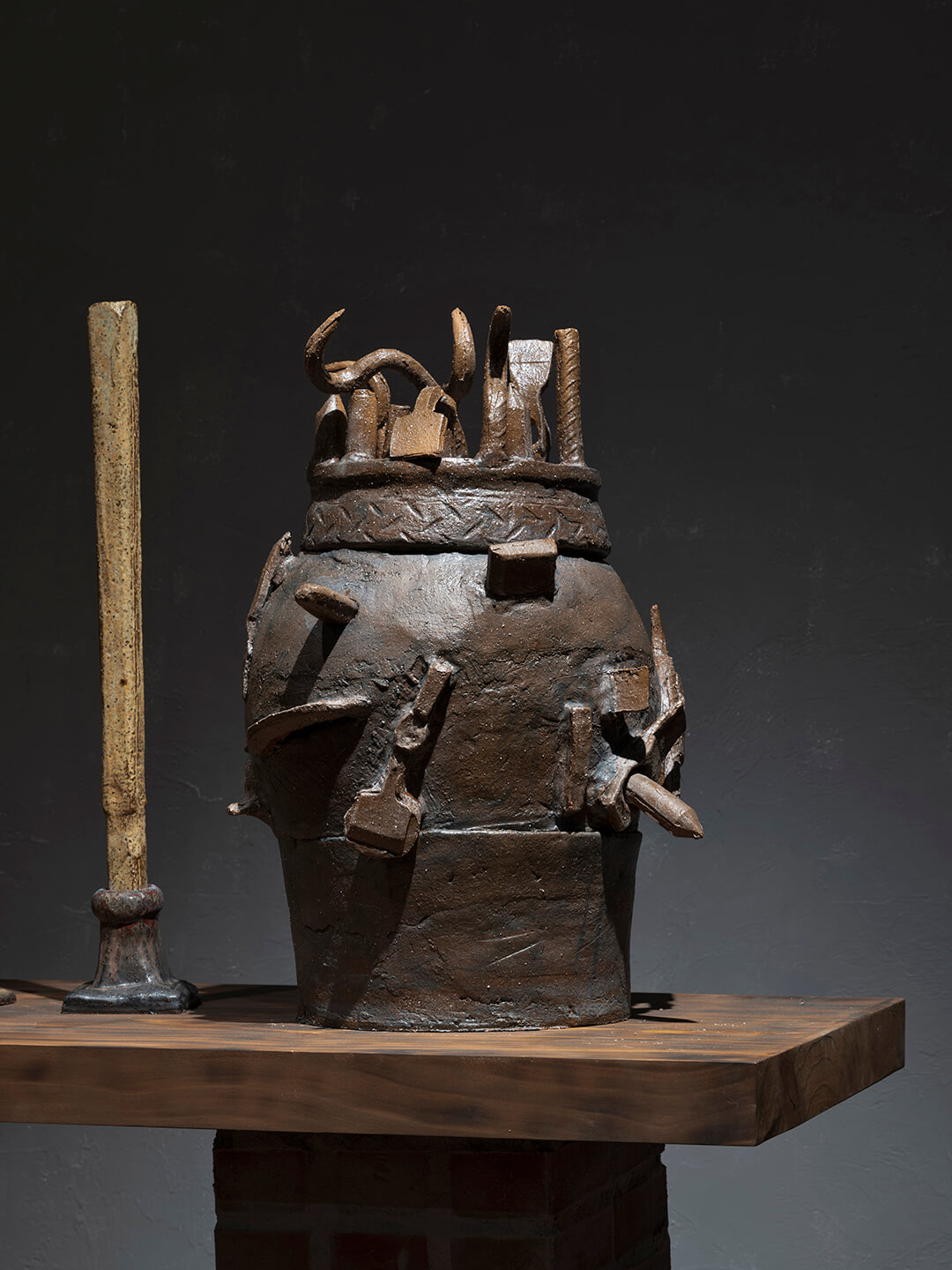
In a conversation about how international audiences may approach a work so grounded in its local fabric, Yadav said, “My experiences and conversations with artists in Korea have helped me understand that, despite our different geographical and cultural contexts, there are strong connections between artistic practices. For example, in conversations with Yasmin Smith, an Australian artist who collects stones, branches and other natural resources from specific sites and uses them to develop glazes, I recognised a connection between our practices through our engagement with land, ecology and material. Although our approaches are different, we are both interested in understanding how materials carry the histories of the places they come from.”
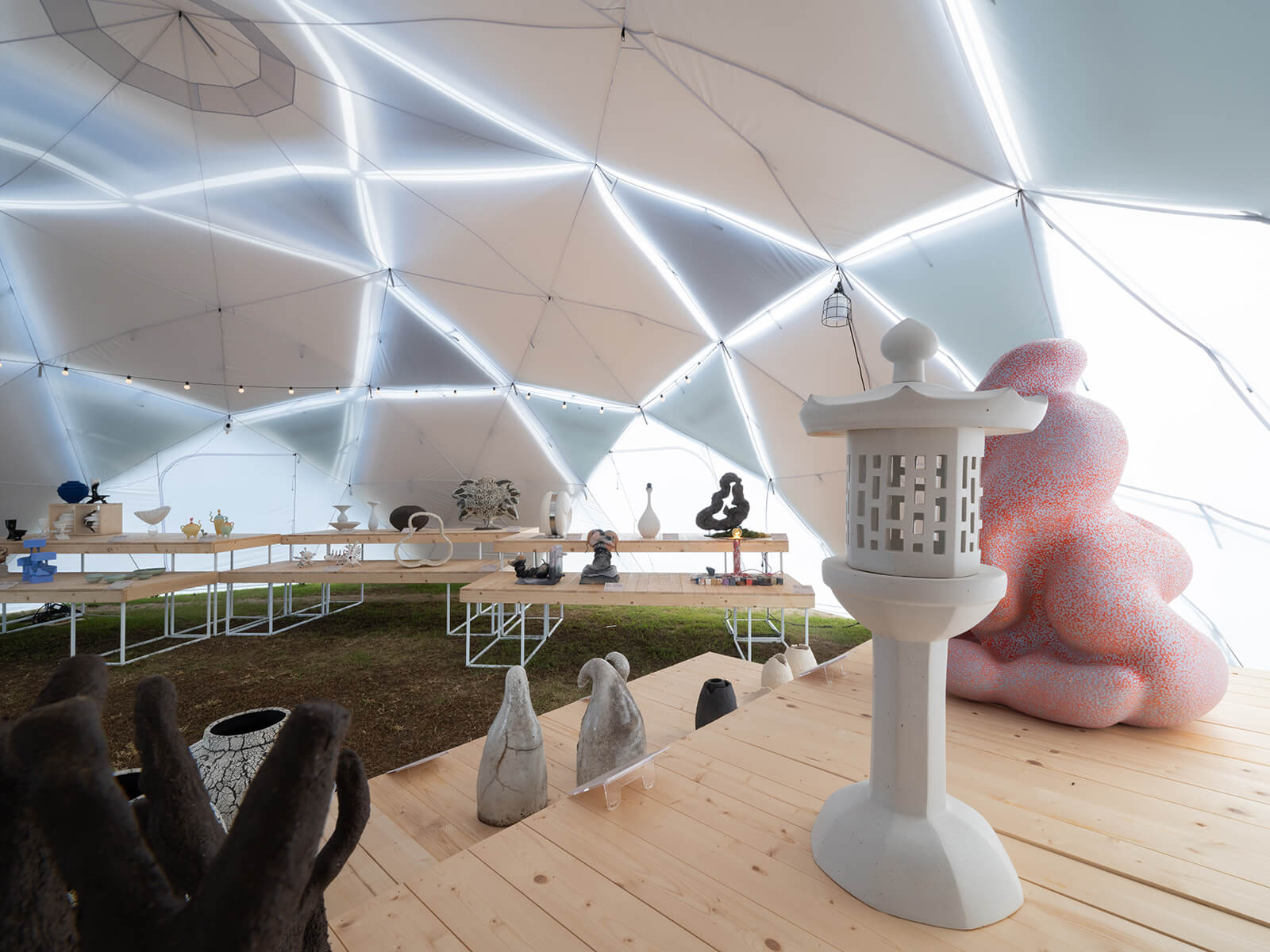
The Gyeonggi Ceramics Biennale imagines a future, pays tribute to the past and celebrates the present of this multifaceted, grounded and tactile form. The artists and works embrace technology while resisting its ephemeral, instant nature through their ceramic practice. Through workshops, student programmes like Dear Future (where university students imagine and create artefacts to send to a different civilisation), performances, talks and exhibitions, the Korean Ceramic Foundation (KOCEF) and the biennale team create a comprehensive immersive experience for students, masters and lovers of ceramics to share their knowledge, passion and vision of ceramics with each other and the world.
Dear Future reminded me that one of humanity's oldest materials can still carry our most ambitious visions of the future. – Daehyung Lee
Earth Makes holds the seeming contradiction between local and global, specific and universal by turning to the globe itself. Ceramics as an art form are shaped by ancient geological processes that stretch back to before the Earth as we know it existed. The works are authored and shaped by human hands, but also by the soil, water that makes clay and the air and fire of the kiln. This means ceramic forms and practices can take radically different shapes even in different parts of the same city or region. At the same time, ceramic practice is undeniably human, global and ancient, with a history stretching back to protohumans, uniting us with our ancestors, with each other and with generations to come. Through reverence for the Earth, local traditions, community and the spirit of innovation, the 13th edition of the Gyeonggi Ceramics Biennale finds room for it all.
The ‘Gyeonggi Ceramics Biennale’ is on view from September 18 – November 1, 2026, at venues in Icheon, Gwangju, and Yeoju, South Korea.
by Srishti Ojha Oct 26, 2026
The Taiwan-based artist shares his opinion on exhibition rituals, protests and his search for ‘fragmented beauty’.
by Srishti Ojha Oct 21, 2026
Increasingly, artists, filmmakers and activists are turning to VR to create more personal, tangible accounts of the climate emergency and its impact on vulnerable communities.
by Mirra Lynn Oct 20, 2026
The Indian artist paints the old wadas of central Pune, capturing the traces of everyday life that cling to these structures, battered by time but unbowed.
by Anmol Ahuja Oct 15, 2026
How do heaps of souvenirs and relics with racist Aboriginal motifs and features become art? MCA Sydney’s winter showcase—the artist’s largest to date—beckons a possibility.

make your fridays matter with a well-read weekend
Enter your details to sign in
Don’t have an account?
Sign upOr you can sign in with
a single account for all
STIR platforms
All your bookmarks will be available across all your devices.
Stay STIRred
Already have an account?
Sign inOr you can sign up with
Verification link sent to check your inbox or spam folder to complete sign up process
Tap on things that interests you.
Select the Conversation Category you would like to watch
Please enter your details and click submit.
Enter the 6-digit code sent at


The Gyeonggi Ceramics Biennale 2026 bridges global and local traditions
by Srishti Ojha | Published on : Oct 27, 2026


 Sign in with Google
 Sign in with email
What do you think?