Art10 mins. read
Cao Fei’s Swiss exhibition reimagines what an art gallery can (or should) be today
by Srishti OjhaJul 02, 2026



by Srishti OjhaPublished on : Oct 26, 2026
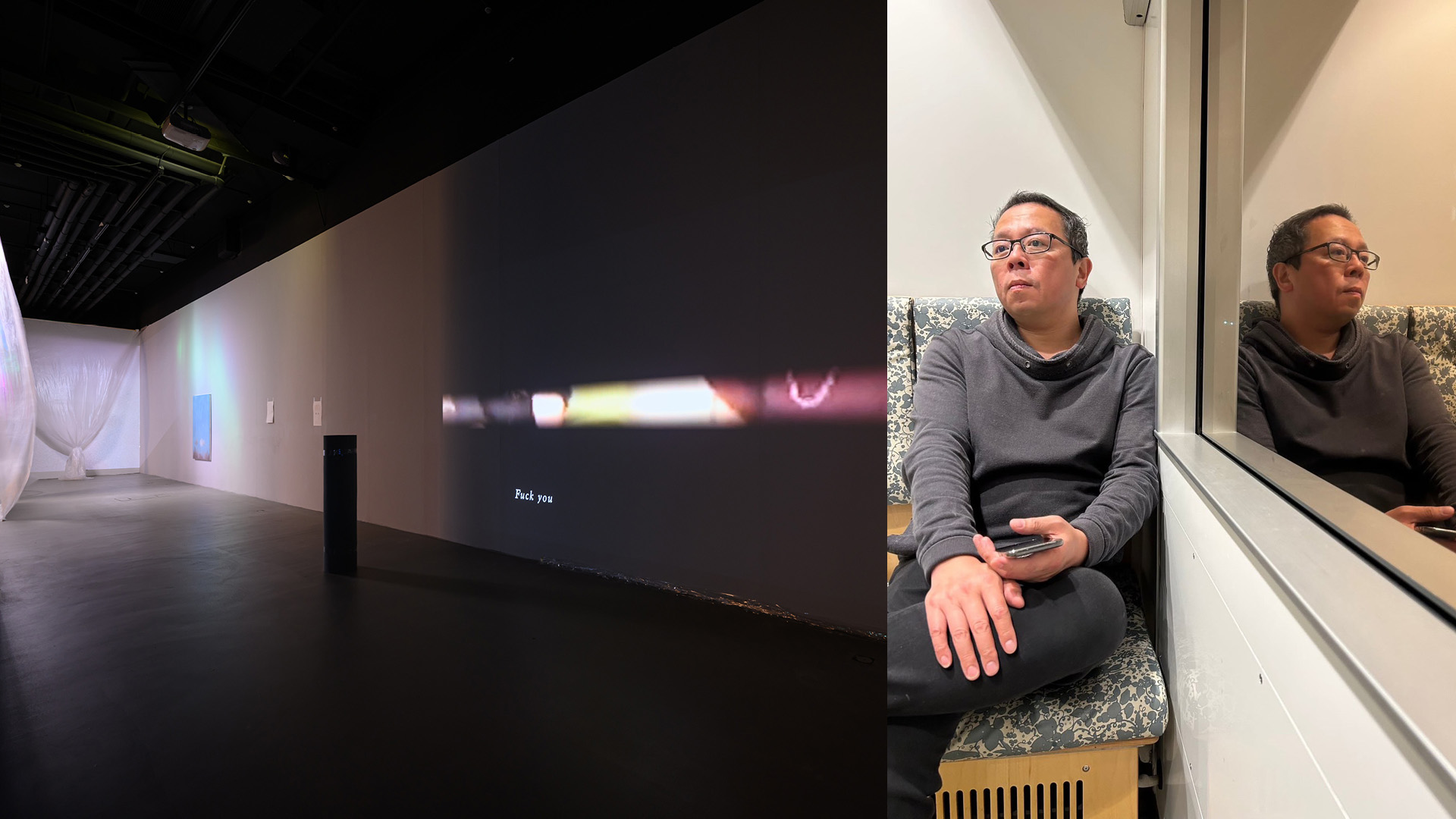
I am on a Zoom call with Lee Kit at 3 PM, Taipei time. He is smoking a cigarette and is much more candid than I have come to expect from those well-versed in the world of contemporary art and its veiled standard dialect. The artist, born in Hong Kong and based in Taiwan, does not adopt polite vagaries, though he is never rude. He starts off our interview with what I would come to understand as his characteristic directness. He states: “First things first. I always say that I’m quite unprofessional. I can easily be misunderstood as a conceptual artist or media artist, which is not true. I don’t care about ideas or concepts. If I can put the project into words, then I don’t have a reason to make the exhibition. There are some fragments; I call them keywords.”
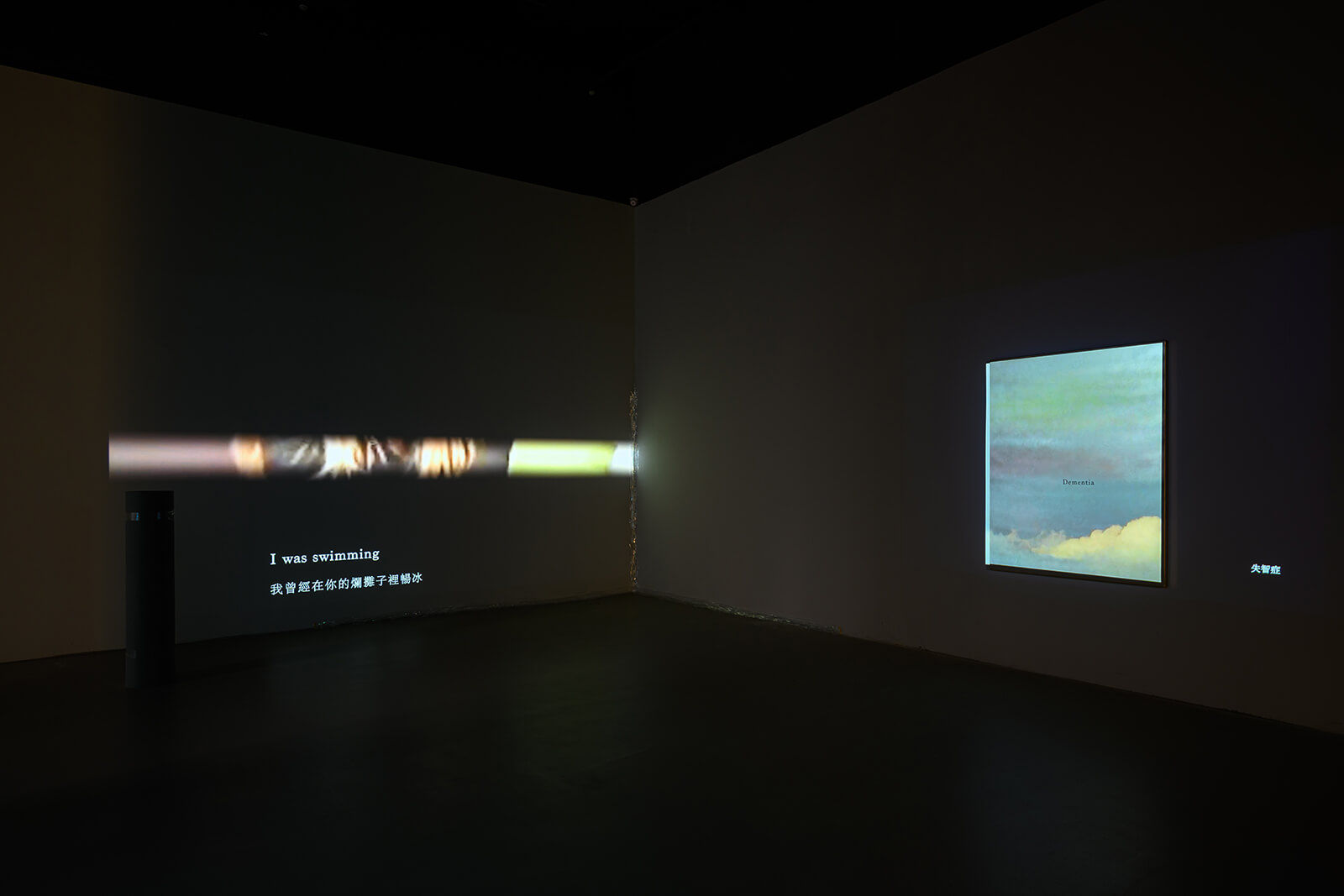
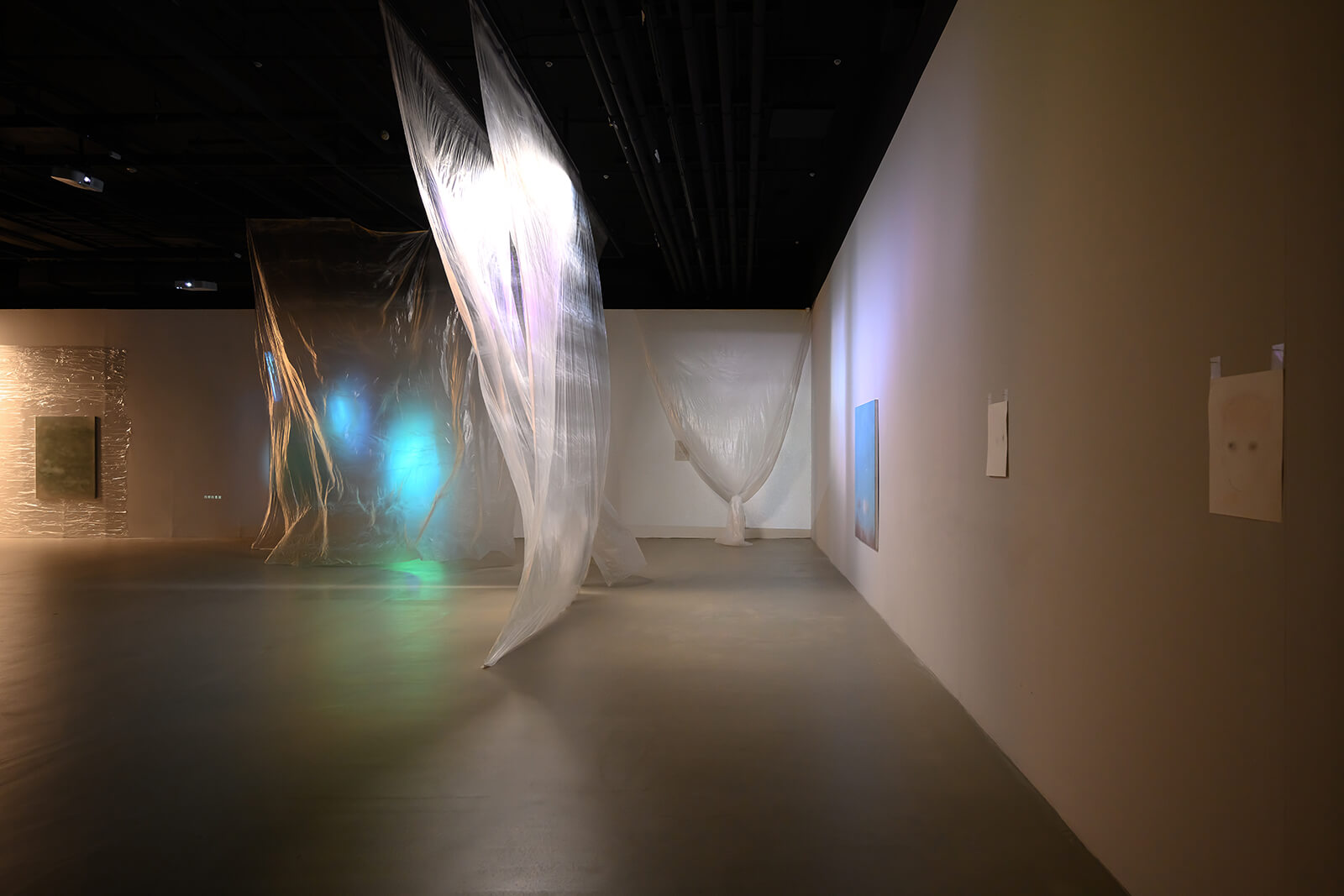
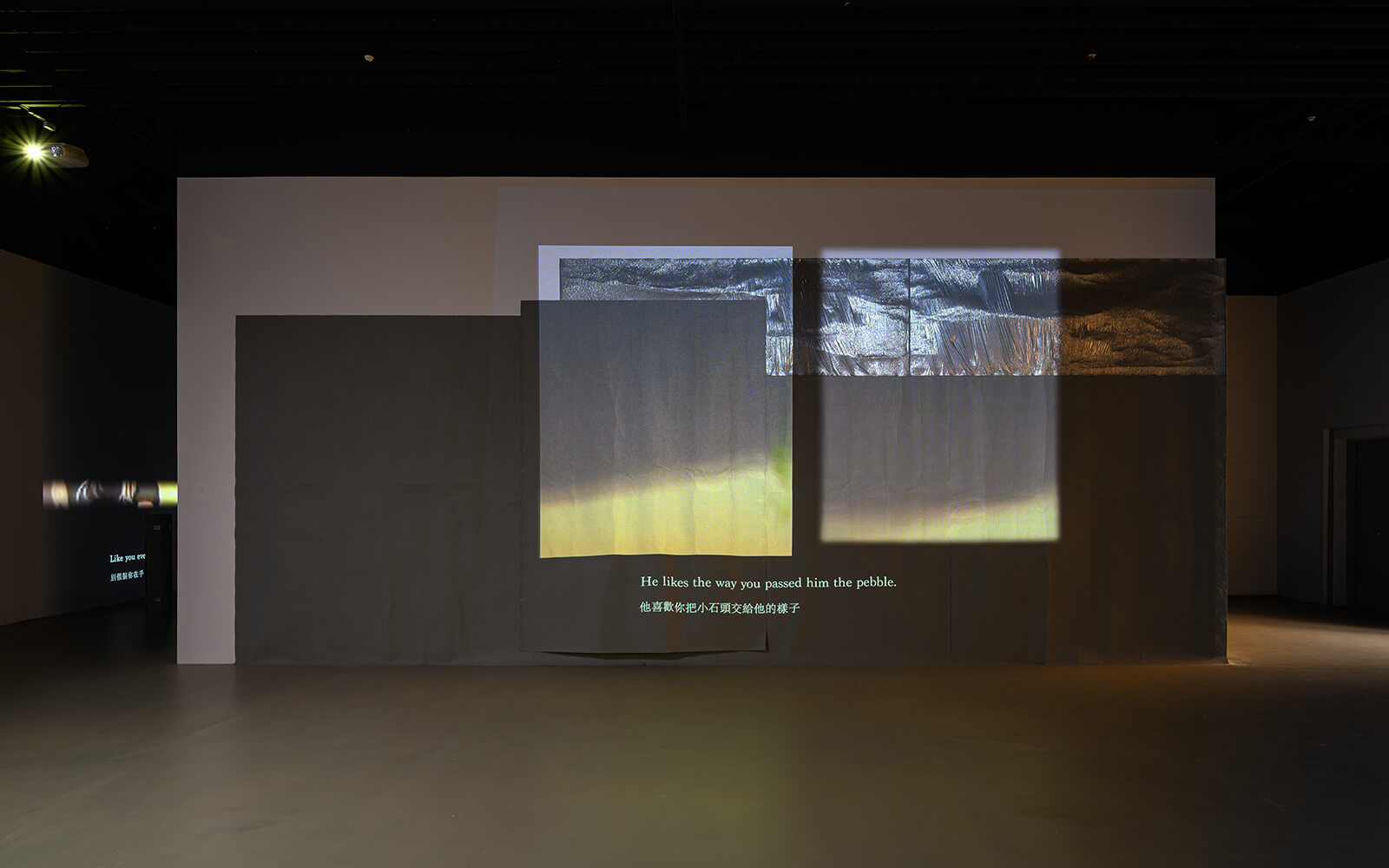
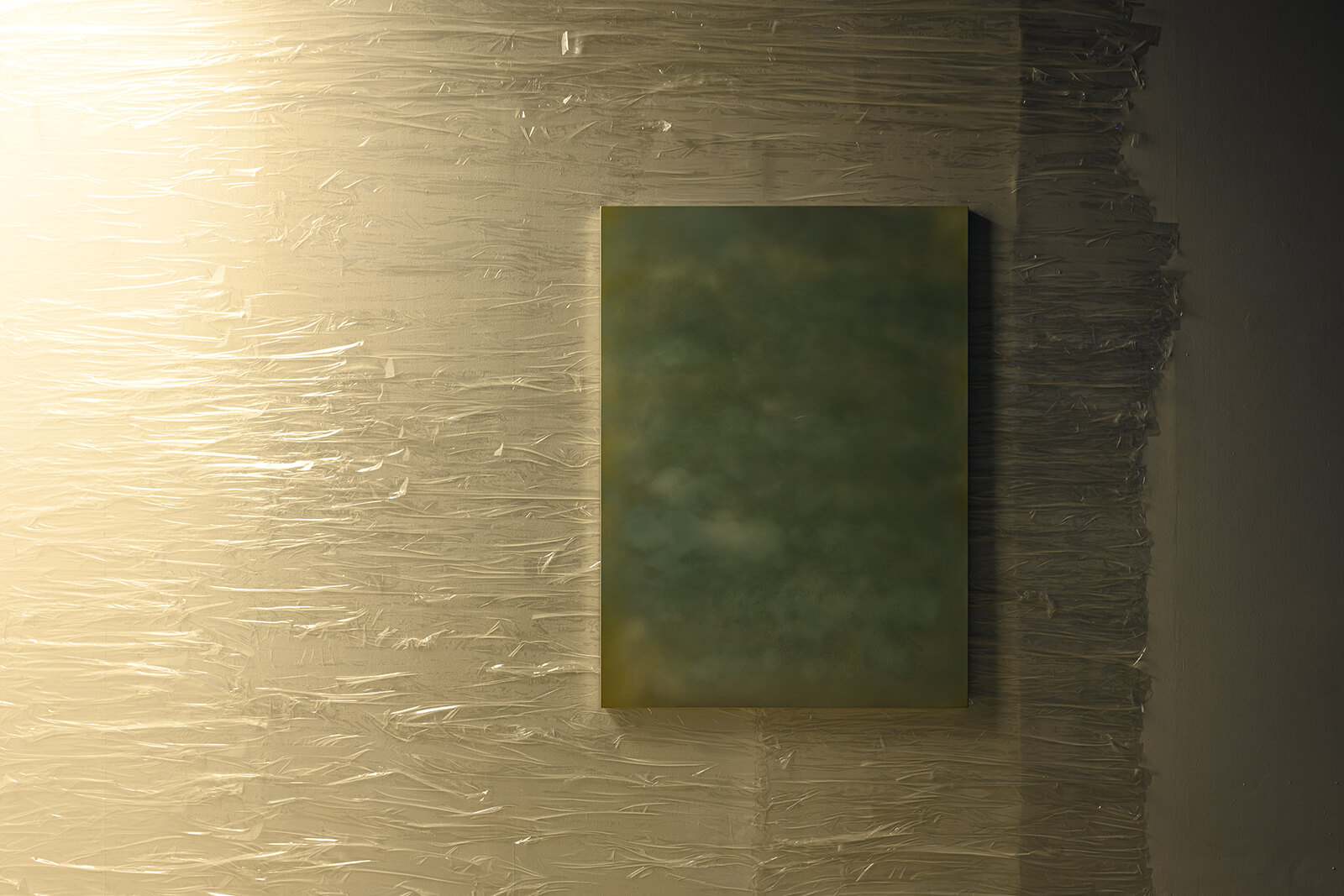
The keyword his recent show at TKG+ in Taiwan was based around was ‘grievance’. Kit’s exhibitions are as layered as the artist himself is direct. The gallery’s rooms display paintings on stainless steel and drawings on paper, which serve a dual function as a surface for Kit’s signature projections. Abstract videos played by hidden projectors light the exhibition, altering the surface of the artworks with their movement, adding staccato lines of text. Plastic sheets ripple in the windowless rooms, playing with the pixels and adding to the soundtrack—Kit on his guitar—that fills the space.
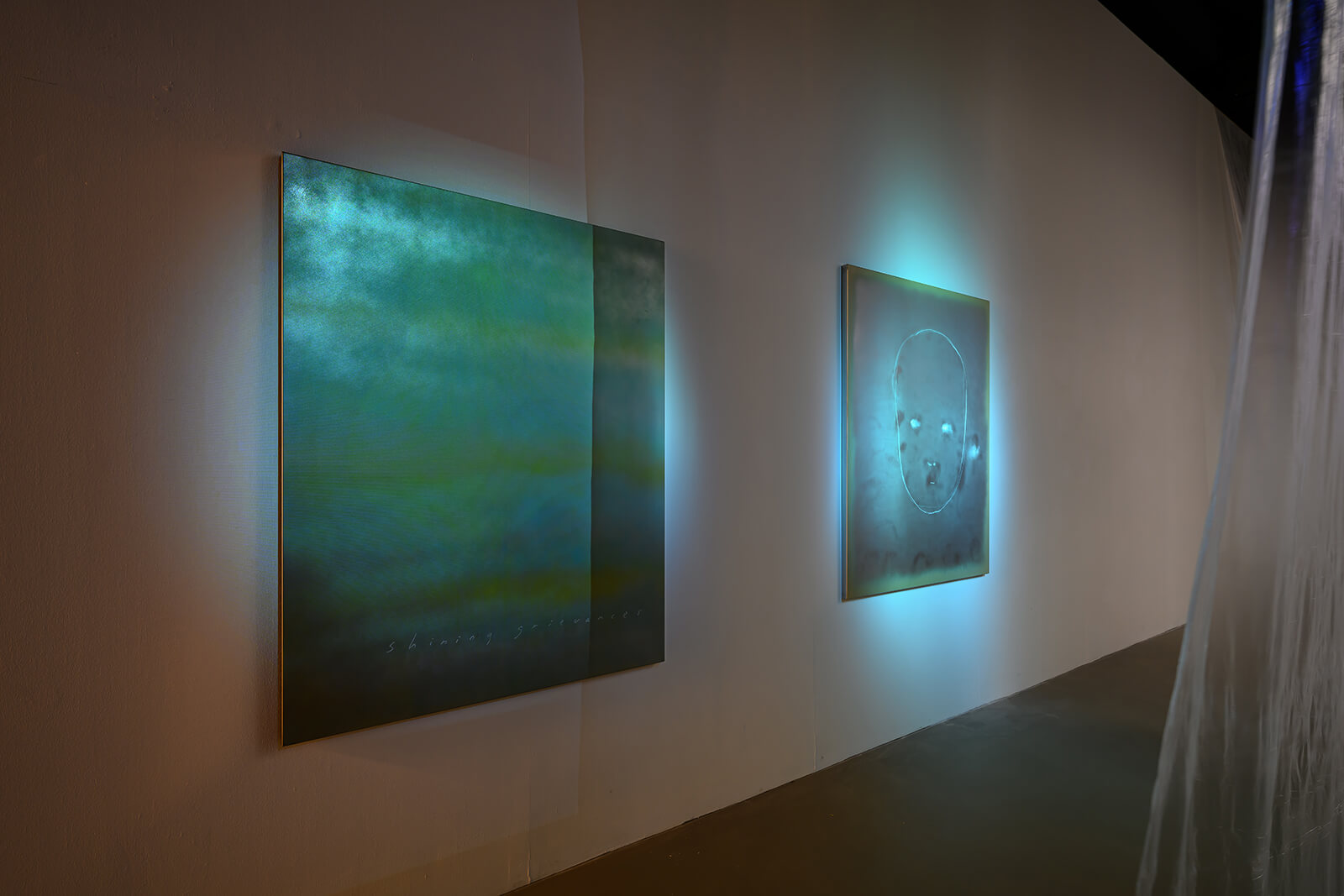
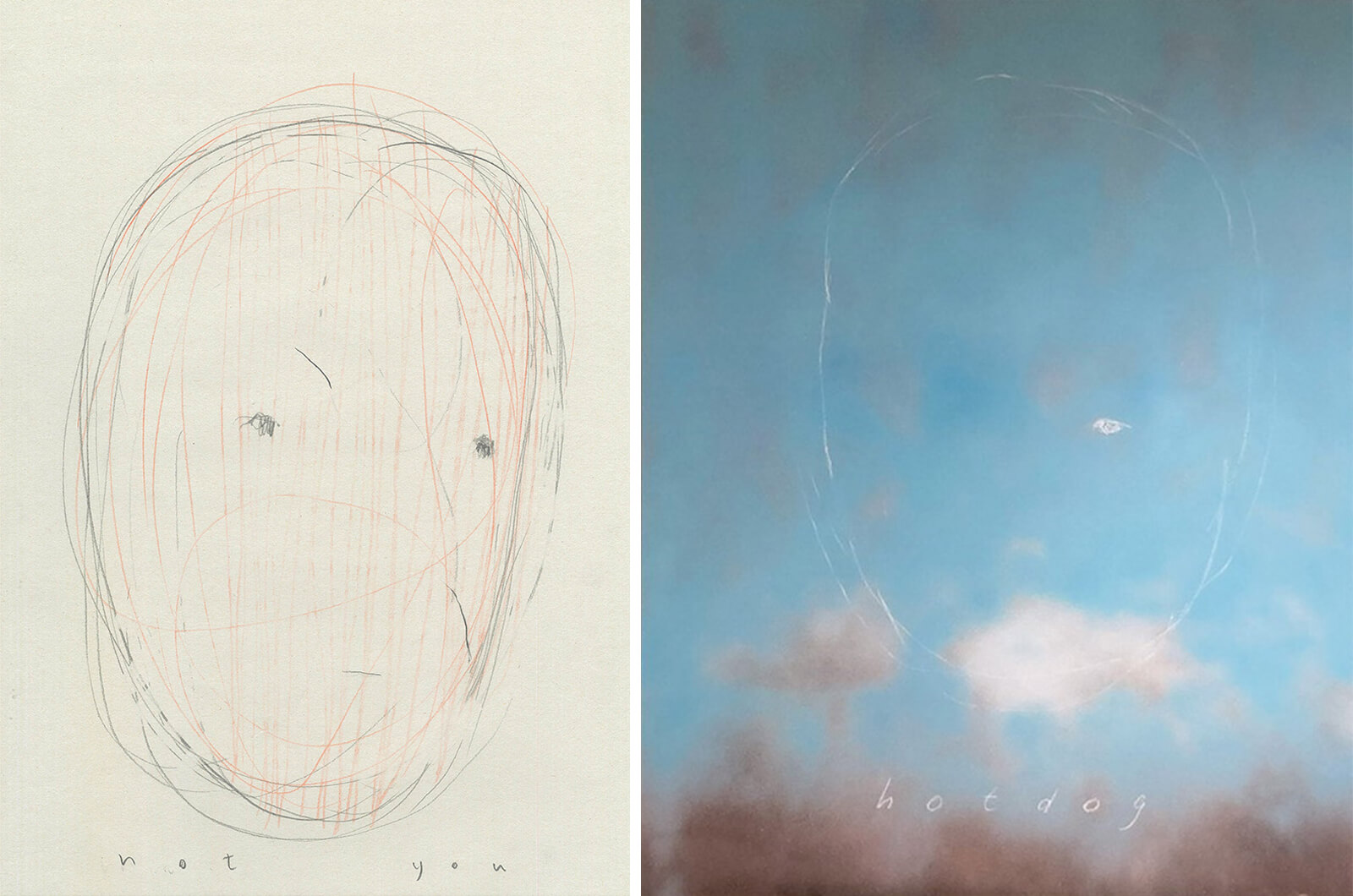
The paintings are stripped-back landscapes, their metallic surfaces giving them an oil-slick finish, while the drawings show faces, rendered sparely, almost scrawled, in pencil. “I was mimicking or making fun of the landscape painters in some way, but in a beautiful way, I think. So many artists or painters are moving to making landscape paintings, which is fine,” he states. This first expression of his grievance connects the otherwise abstract paintings to the real world, his world, that they are a response to. He continues, “I find that it’s for money. It’s okay! I feel happy for you if you earn a lot of money, which I don’t.”
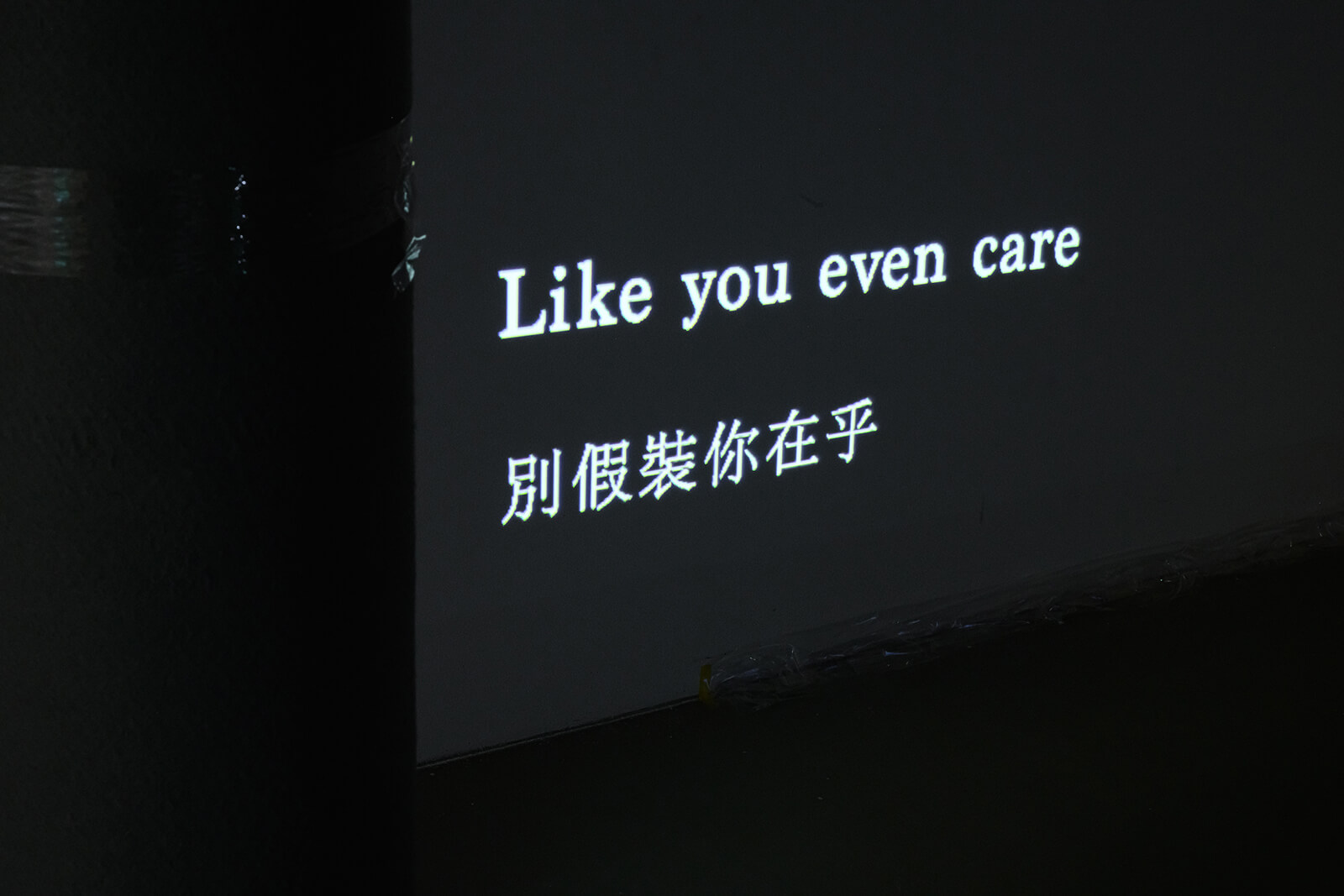
Kit’s style of speaking—laying bare the often unspoken truths of a carefully guarded industry—recalls, to me, the much interviewed, quoted and idolised late ‘bad-boy chef’ Anthony Bourdain and his bawdy, tell-all, behind-the-restaurant-doors book, Kitchen Confidential. As Kit speaks, dropping more opinions and non-sequiturs every so often—on spotlights (which he hates), exhibition texts (too long, a form of torture) and openings (who invented them?) I find myself craving a similar book about contemporary art from Kit. His distinctive tone carries into the lines of text included in the show, which read like excerpts of inner monologues and intrusive thoughts bottled in the midst of a conversation—“Like you even care”, “Staring into the distance”. Some are confrontational—“Your shitty face annoys my dog”, while others are distracted fragments, “He likes the way you passed him the pebble.”
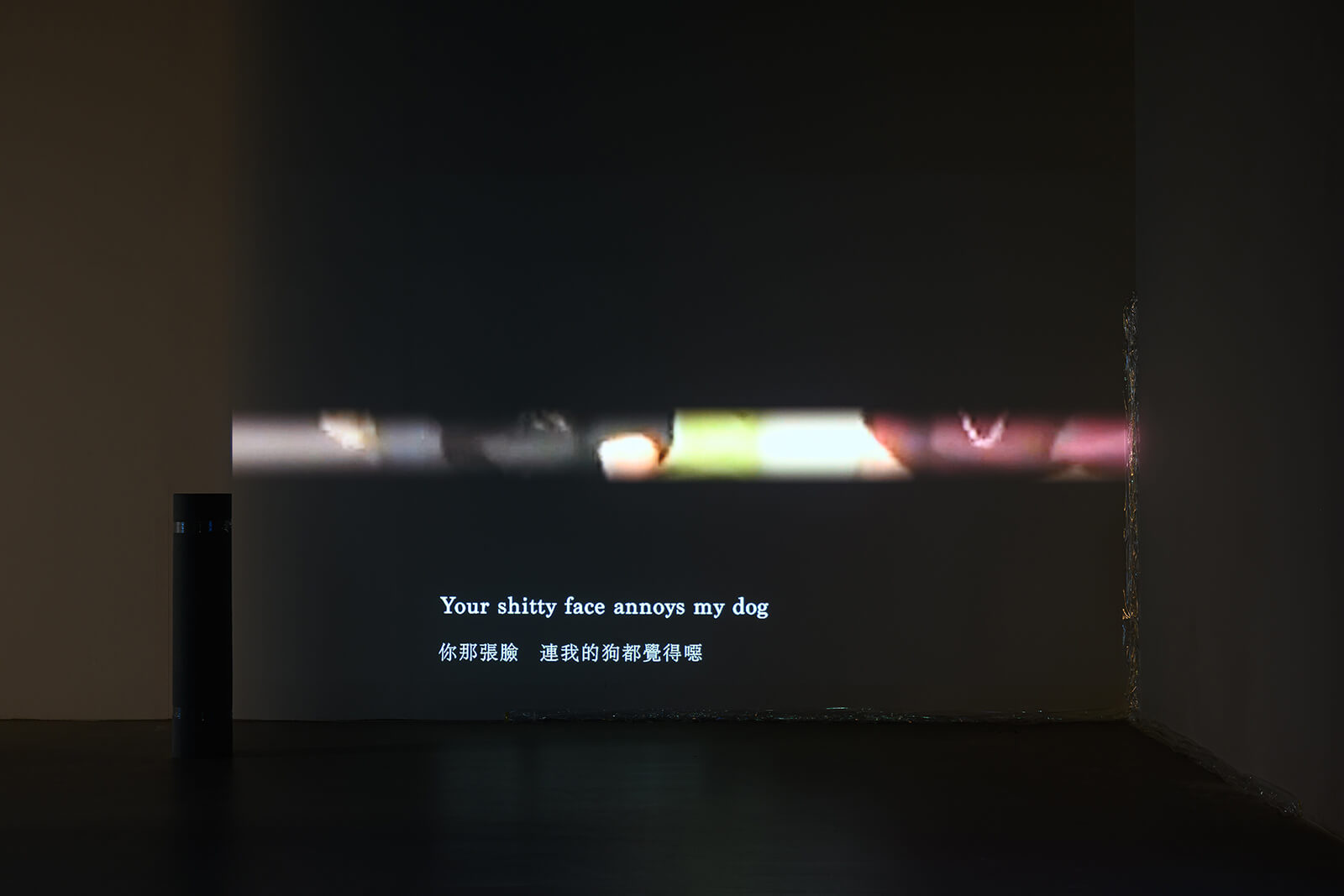
He captures the universal, everyday feeling of being trapped in a polite conversation, trying to ignore the restless itch of unsaid words that are thrumming beneath. This willingness to be honest, direct, ‘unprofessional’ is the force behind much of Kit’s work—he speaks where most of us cannot, or, after a lifetime in polite society, do not. His grievances and opinions, which risk giving him the air of someone ironic or insincere, reveal a more philosophical and humanistic side the more he elaborates on them, challenging and undercutting his own statements with every new turn of phrase.
He continues speaking about his landscapes, shifting into a more reflective mode: “We always look at the sky. If you have a good day, you look and say ‘Oh, such a beautiful day!’ If you have a bad day, you look and say ‘Shit.’ So when I looked at my landscapes, faces emerged, somewhere between happiness and sadness. It’s a very difficult moment of emotion to categorise. I start to visualise them through paper. But it’s not a painting exhibition to me. I see my paintings and works as readymades.”
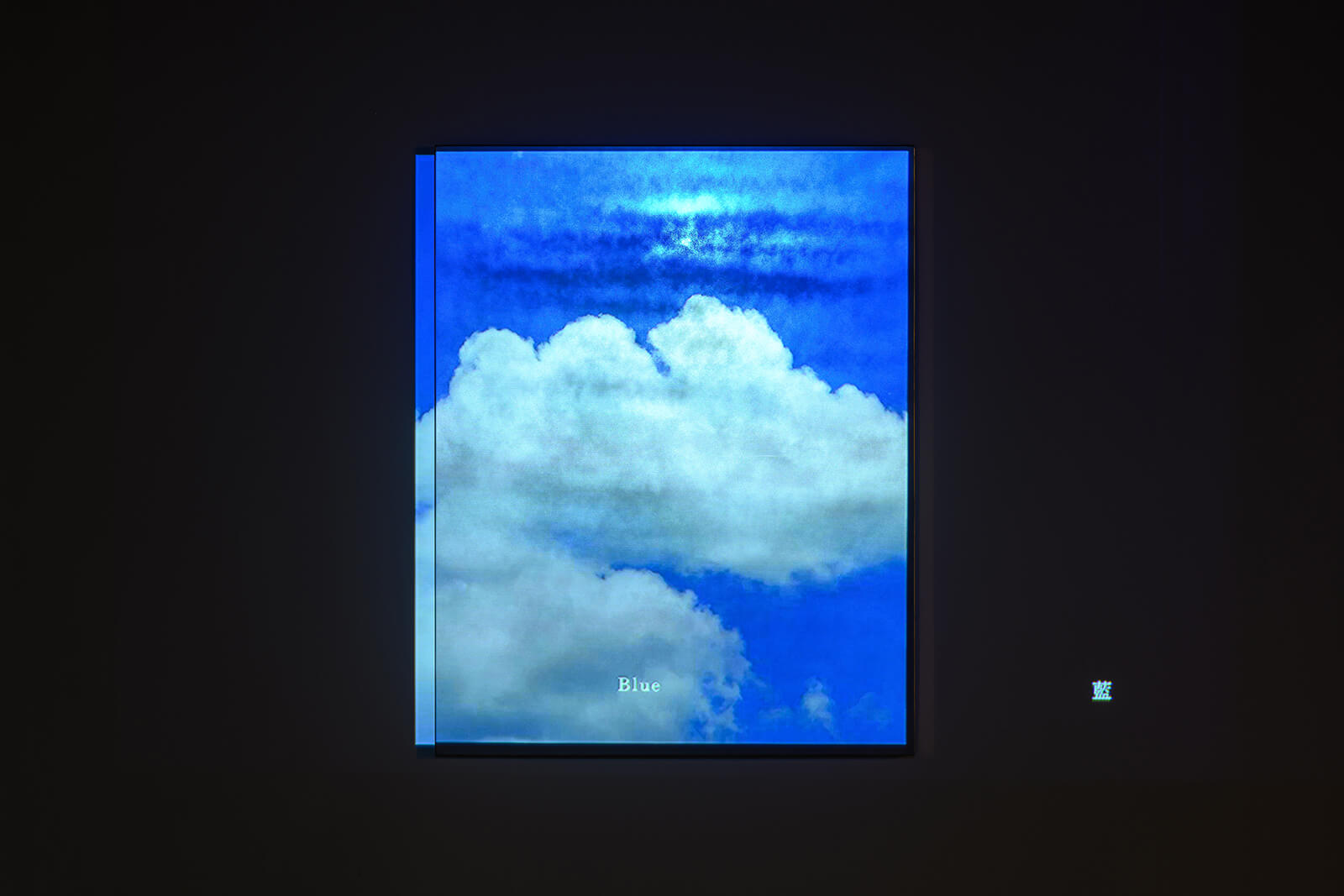
Kit’s role as an artist extends to the exhibition design: a central and solitary part of his practice. He talks about his need to be left alone, unrushed, to mount his works himself, to relentlessly edit every video, to climb ladders to adjust every projection and alter the soundtrack up until the last minute. He explains, “When I edit, I am editing the whole space. I try to gather the feelings in the air and re-edit them, link them. I’m not creating the things; I am seeing my own exhibition from third person. In that moment I become readymade as well.”
His commitment to this idea of being constructed, of being fragmented, comes through in his holistic view of an exhibition. None of the works can be understood in solitude—the paintings depend on the projections to bring them to life and to light, the soundtrack depends on the text to contextualise the mood it creates and each element comes together in an interplay that Kit likens to an orchestra or a concert—a live, embodied experience that cannot be captured in a recording, a catalogue or an exhibition text.
Embodied, unreplicable, difficult-to-pin-down experiences are at the heart of Kit’s practice and interest. In his upcoming show at ShugoArts in Seoul, A blank stare like a gasp, Kit (though he insists he is not a writer) will delve deeper into text, showing more of his abstract, atmospheric works contextualised by the story of a character, ‘B’. The text for the exhibition that opens on November 18, 2026, reads, “He finds it hard to settle in when he is living a relatively comfortable and quiet life. He likes to peel off life like there are so many layers of it—and it does—and still finds no peaceful solitude. After all, there is still rage about something, that he is not able to make peace with.”
This is an elaboration on the tension that Kit builds in Slow Motion Picture Soundtrack, which the artist articulates to me through two metaphors. The first is being overworked, hungry, sleepless and hungover, in a state of heightened sensitivity where one reverts to an animal-like state, noticing and reacting to everything, seeing yourself from above, moving frustratingly slower than your surroundings. The second is a similar lengthening of time, though in a less distressed context. He describes looking out at a river, finding one’s mind suddenly cleared of thought in a moment that seems to stretch into forever but breaks all too soon.
He is careful not to equate this headspace with meditativeness or peace, saying, “That moment of slowness is very essential because it's when we get closer to ourselves, even politically. Even in a protest, sometimes time feels longer because I'm thinking about a lot of things surrounded by a lot of people. It’s about trying to make the right decisions. Intuition is very simple, and the right call is usually a very simple decision.”
This brings us closer to the more serious side of his grievances. Protest is not an occasion in Taiwan but a near-constant state of guardedness, awareness and sensitivity that comes naturally to a nation that has to constantly justify its existence and survival. We joke about Donald Trump and the state of the world, but there is a profound weariness in Kit that extends from unsaid words in daily life to his frustration with the world as it exists today—one that is populated by those unwilling to slow down, to tap into sensitivity or intuition and insisting on avoiding the simple, right decisions that Kit tries to trace his way to.
Slow Motion Picture Soundtrack, along with his previous exhibitions like His Gaze Has Turned Into Disdain for Those Who are Well-Intentioned yet Incapable. (A Quiet Day) (2025), Anticipated Inertia (2 rooms) (2025) and Resonance of a sad smile (2019) are attempts to cut closer to truths that language and society elide. He is interested in one of the fundamental questions of contemporary human existence—how do people continue to live, breathe and even laugh in a world with diminishing freedoms and understanding and ever-increasing violence and inequality? Through incisive statements that are both deeply personal and resoundingly universal, in exhibitions that are atmospheric and orchestral but frank about their fragmentation, Kit confronts the unsaid and unseen.
However, when I ask him about his ambitions for his exhibitions, what he hopes spectators leave with, he answers with his usual one-two punch, “I don’t care. I only think about one audience, which is myself.” I wait, now knowing to expect the inevitable undercut: “Don’t get me wrong, I’m not being arrogant. It’s the other way around; I respect them. Instead of telling them everything, I respect every single individual. They can even say: ‘I hate this artist.’”
I confess that earlier in the interview, I considered leaving the question out, not expecting an answer, much less a straightforward one. He surprised me by adding more to his previous statement: “The best-case scenario would be five minutes or 10 days after seeing the show if they think about the exhibition. The aftertaste. When it happens, it’s beautiful. You feel sad weeks later because you think about my exhibition, then it works very well. We are kind of linked together.” I wait. He adds again, “I don’t need to know! You live your life, I live my life. If 10 years later we happen to see each other—‘Oh, that’s you!’ That's another kind of beauty. Fragmented beauty.”
Our time together comes to a close shortly after. Fragments, aftertastes and grievances linger in my mind for long after, as do the moving, pixelated surfaces of paintings and lyric-less soundtracks accompanied by music-less words. With any luck, I will run into him ten years later and remind him of this interview; we might smoke a cigarette together and then part ways, fragments, like everything and everyone.
by Srishti Ojha Oct 21, 2026
Increasingly, artists, filmmakers and activists are turning to VR to create more personal, tangible accounts of the climate emergency and its impact on vulnerable communities.
by Mirra Lynn Oct 20, 2026
The Indian artist paints the old wadas of central Pune, capturing the traces of everyday life that cling to these structures, battered by time but unbowed.
by Anmol Ahuja Oct 15, 2026
How do heaps of souvenirs and relics with racist Aboriginal motifs and features become art? MCA Sydney’s winter showcase—the artist’s largest to date—beckons a possibility.
by Vandana Kalra Oct 14, 2026
With his latest exhibition as a point of departure, the modernist discusses his decades-long practice, the spontaneity of drawing and the social responsibility of artists.

make your fridays matter with a well-read weekend
Enter your details to sign in
Don’t have an account?
Sign upOr you can sign in with
a single account for all
STIR platforms
All your bookmarks will be available across all your devices.
Stay STIRred
Already have an account?
Sign inOr you can sign up with
Verification link sent to check your inbox or spam folder to complete sign up process
Tap on things that interests you.
Select the Conversation Category you would like to watch
Please enter your details and click submit.
Enter the 6-digit code sent at


Lee Kit: A profile of an unfiltered, weary artist with a sense of humour
by Srishti Ojha | Published on : Oct 26, 2026


 Sign in with Google
 Sign in with email
What do you think?