Design04 mins. read
Mayfair Design District 2026 turns its focus to What Matters Now
by Pia BhatiaSep 09, 2026



by Mrinmayee BhootPublished on : Nov 05, 2026
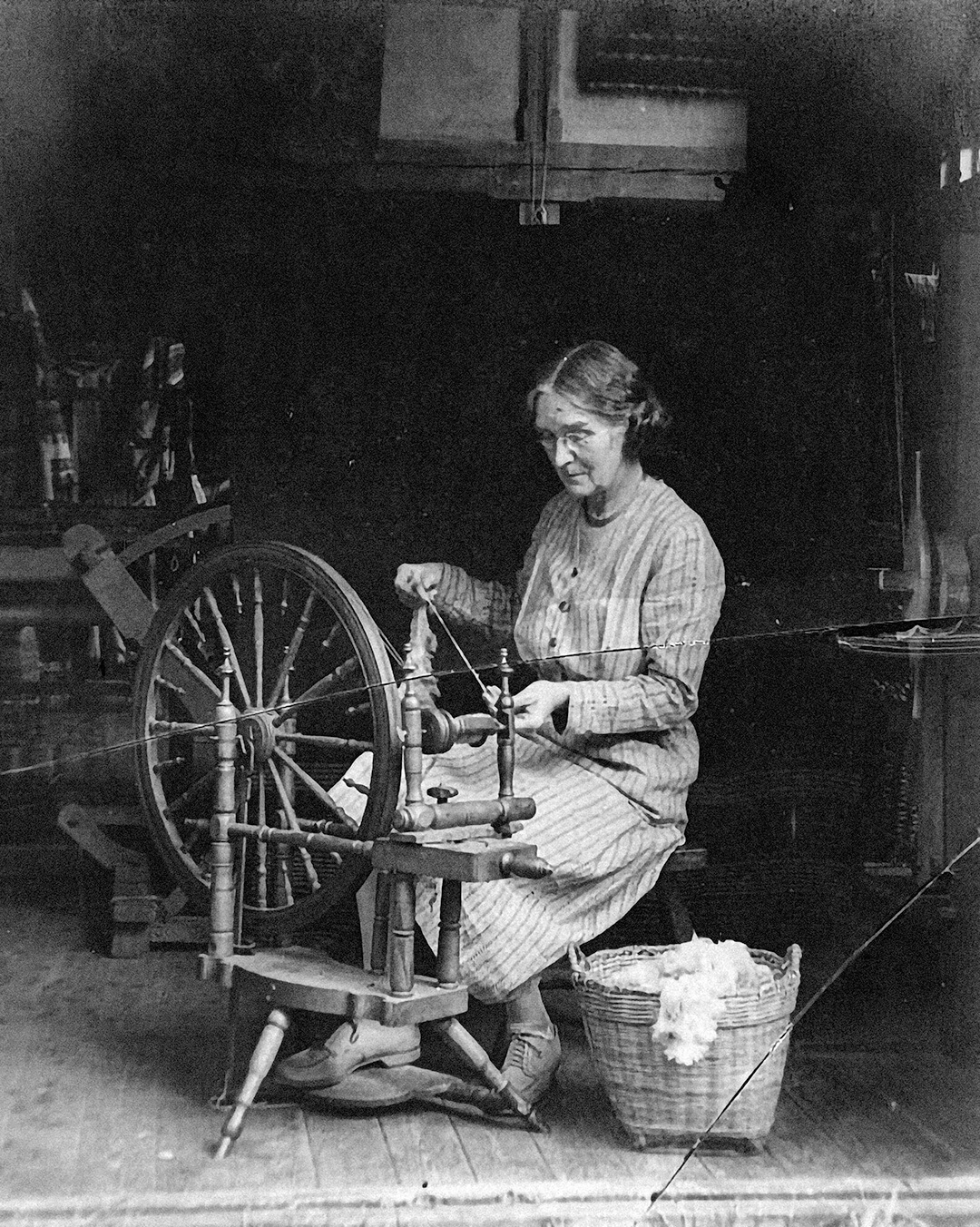
William Morris’ epic poem The Earthly Paradise follows a troop of Norse wanderers as they search for an imaginary place—a mythical paradise that symbolises hope and escape from the struggles of their time. Written as a testament to his admiration for medieval England and as a foil to the drabness and tedium of industrial life in the 19th century, the poem is said to have established Morris’ reputation as one of the foremost poets of his day. The painter, textile designer and proponent of the Arts and Crafts movement (alongside his mentor John Ruskin) might be best known for his contributions to British interior design, but his writing firmly places his politics as one invested in social revolution.
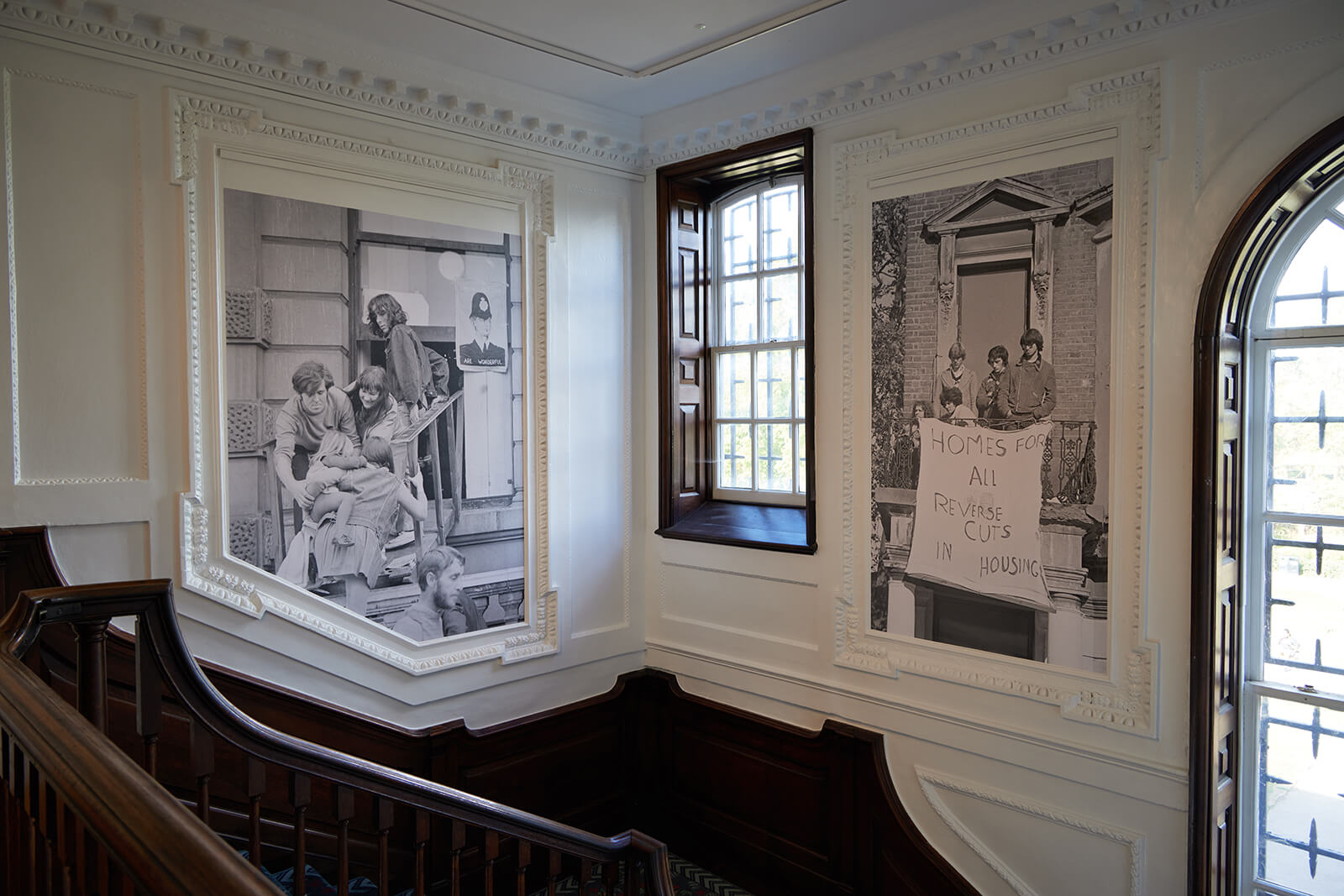
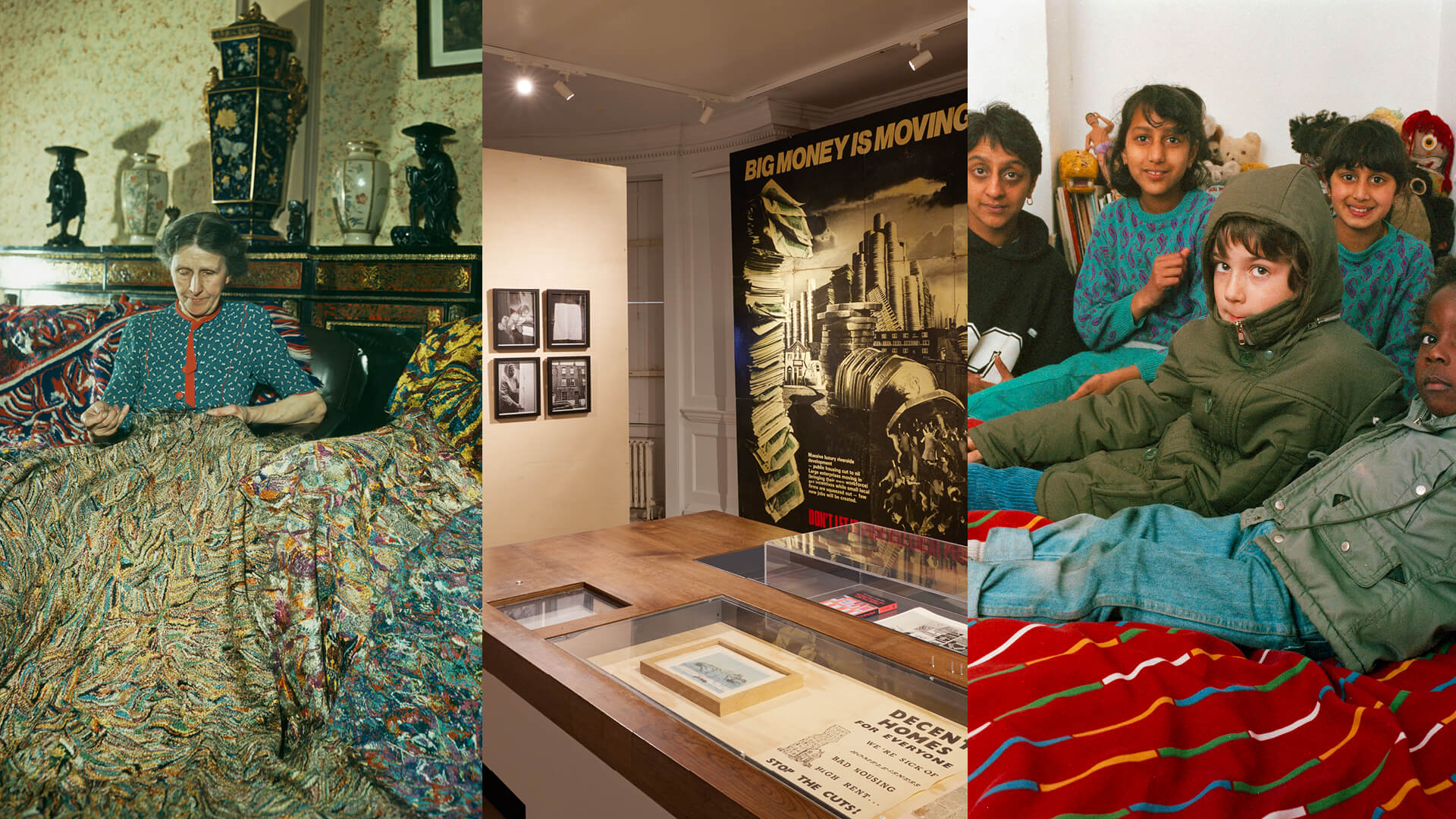
The title of the poem, and by extension Morris’ views on the interrelationship between art, labour and activism, becomes the fulcrum for an exhibition at the recently reopened William Morris Gallery in London. Through archival material, photography and a panoply of objects procured from artists’ estates, Earthly Paradise: Radical Living in the UK traces how artists and marginalised communities have agitated against the social conventions of their time, building spaces that “explore their new visions of society”. Through its structure, which moves from examining creatives and the convictions that shaped their private residences to communities and collective housing schemes and how they reinforce socioeconomic hierarchies, the exhibition considers the role of money and class in “providing access to these [private] spaces and the freedom to challenge social norms”.
The home, as refuge, a site of belonging and fostering community, continues to be a contested space in defining how society orders itself. A slew of recent design exhibitions consider this variously—from the lens of the suburban ideal in Suburbia, to the house of the future in a show at the LACMA, even dwelling on gendered notions of labour in the domestic realm with The Architect and the Housewife at the Groninger Museum. The operative term here for each of these showcases is utopia—no place or good place—turning its conception as a societal ideal into an everyday ethical practice. To Morris, that included the production of art.
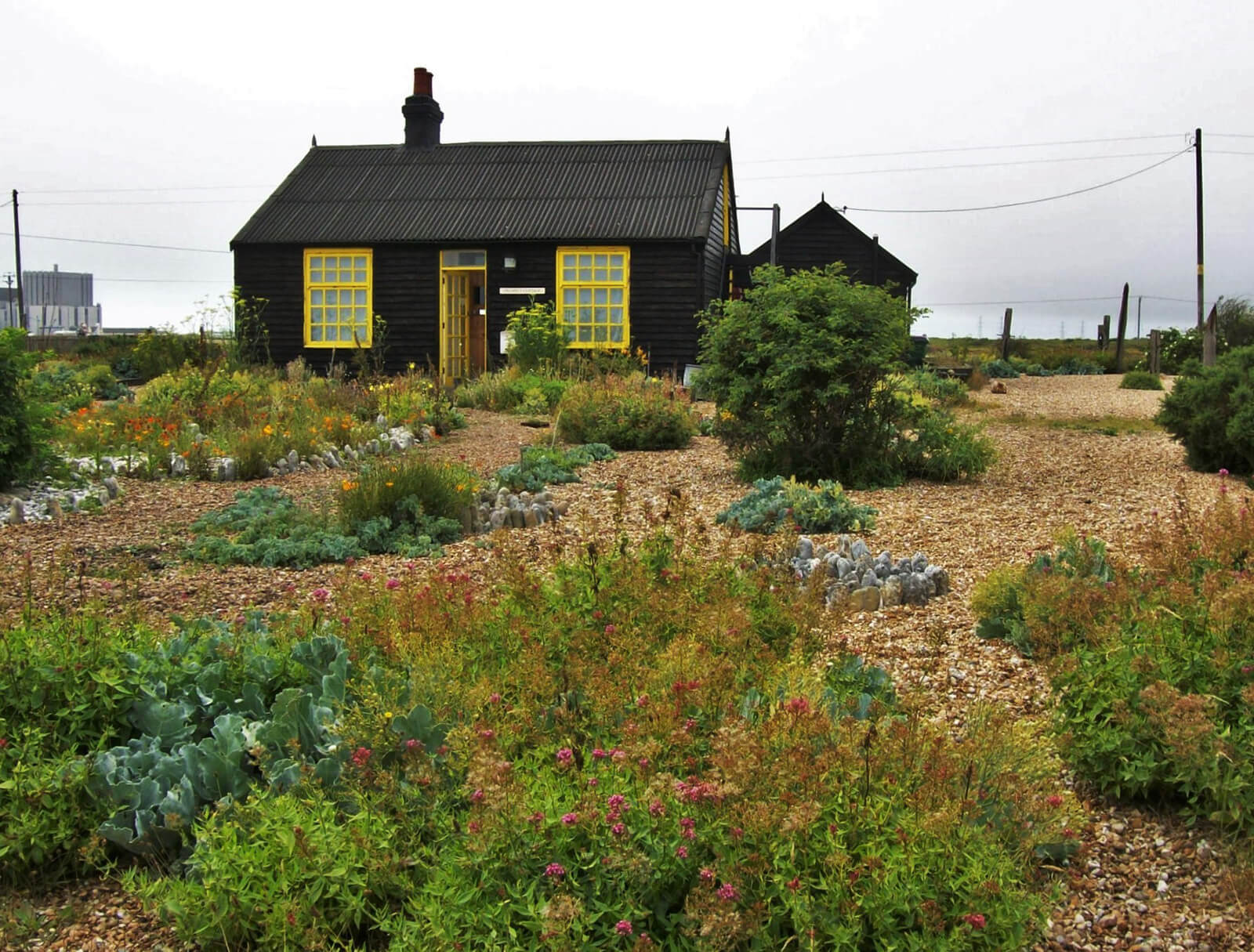
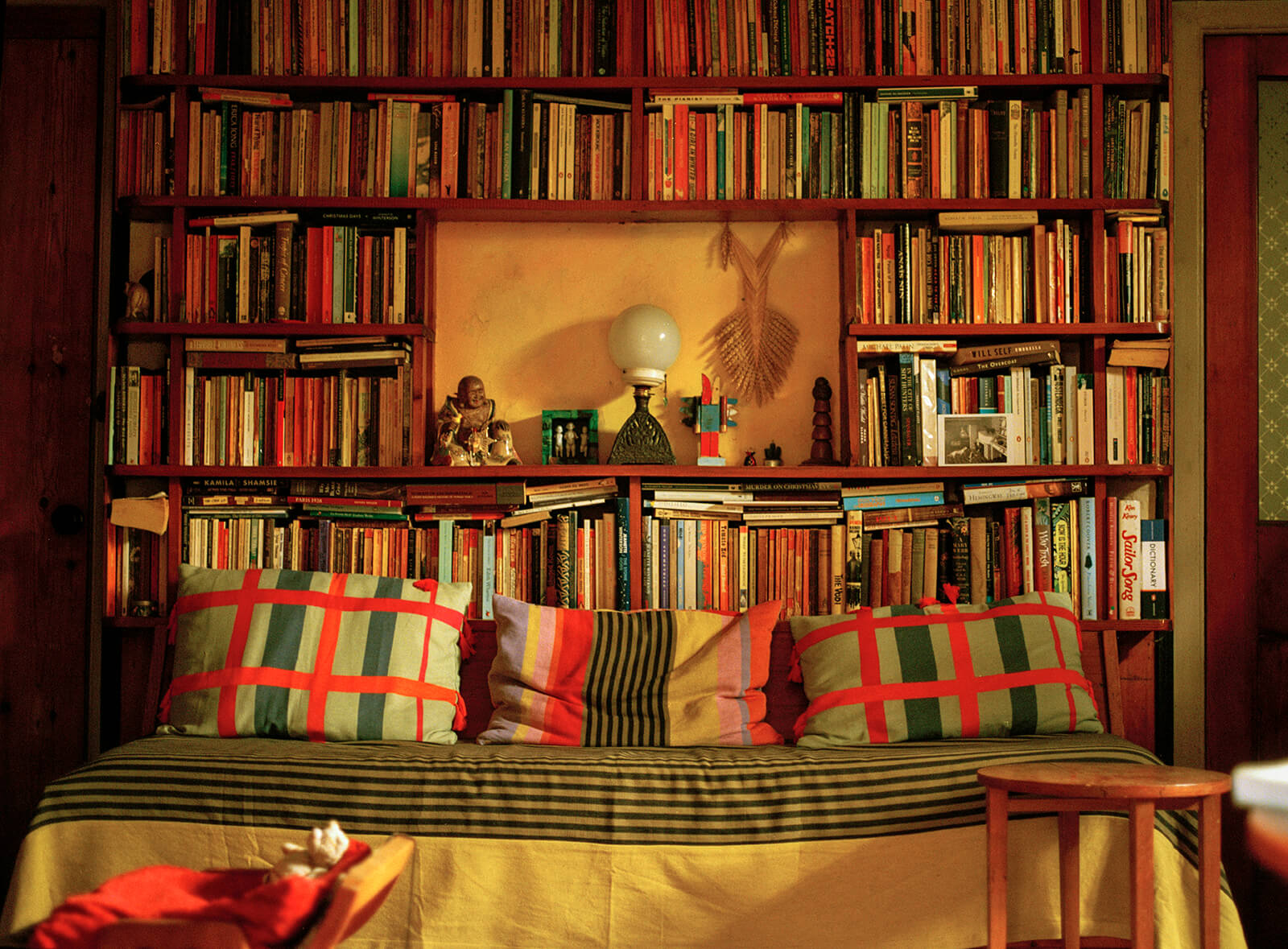
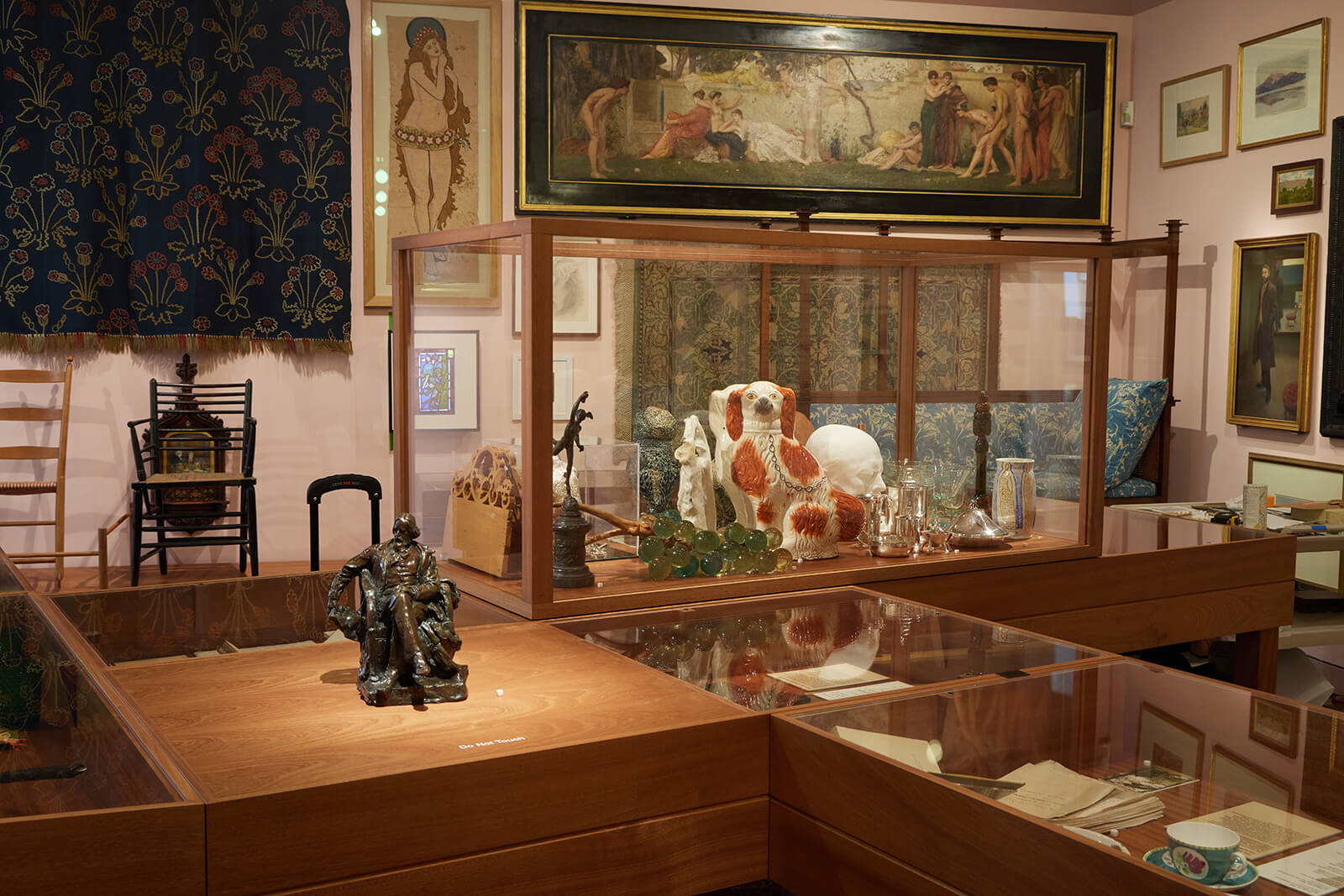
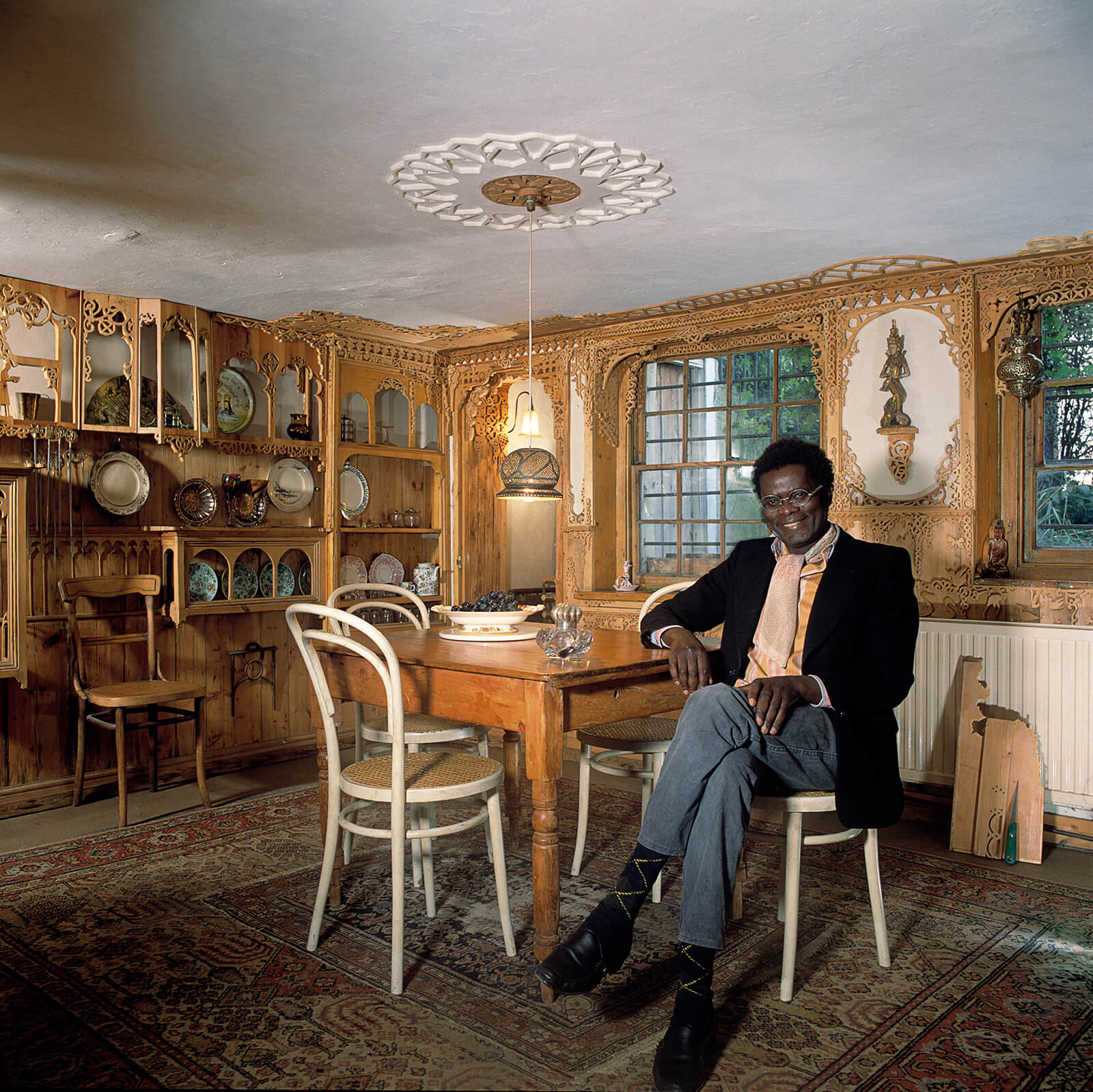
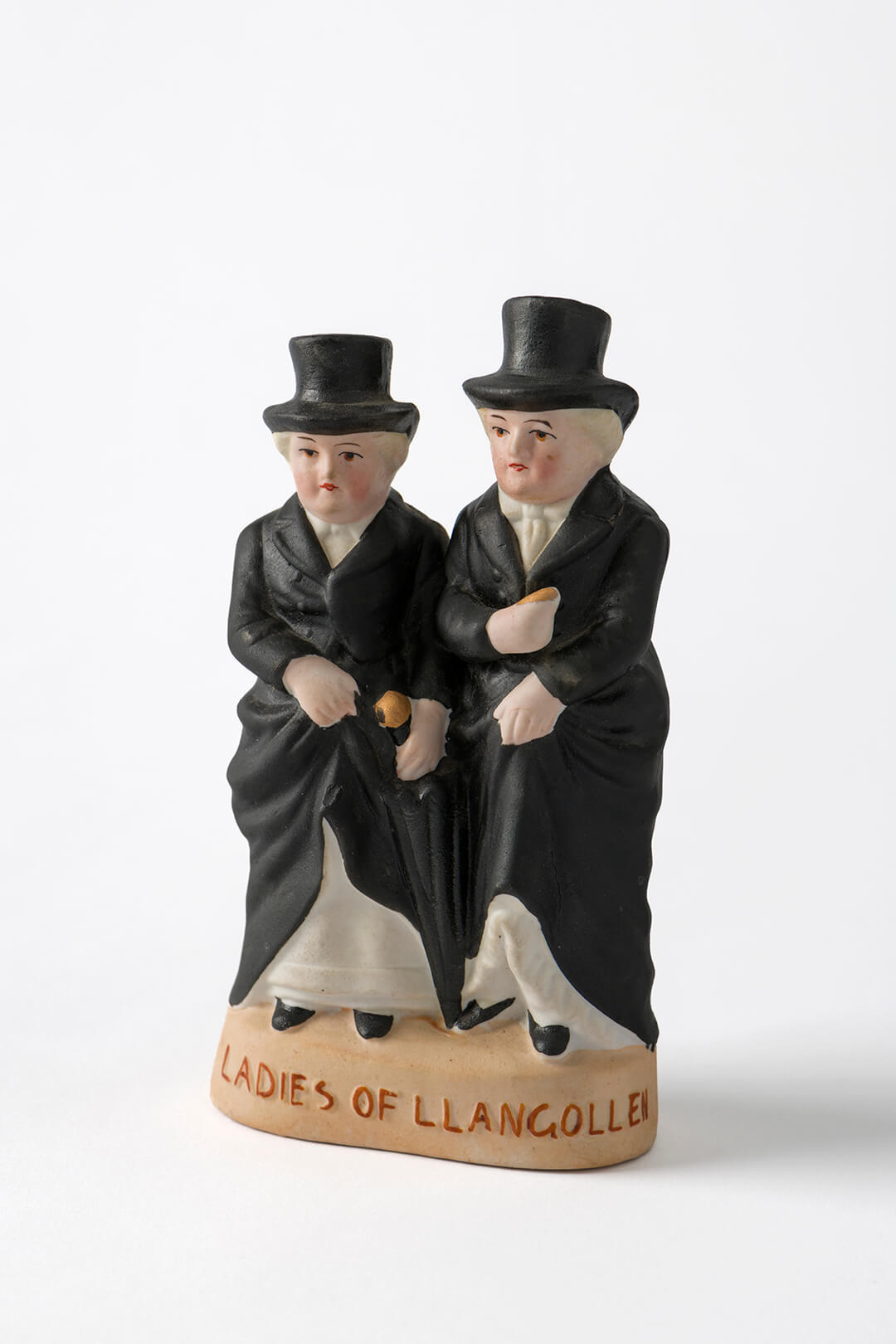
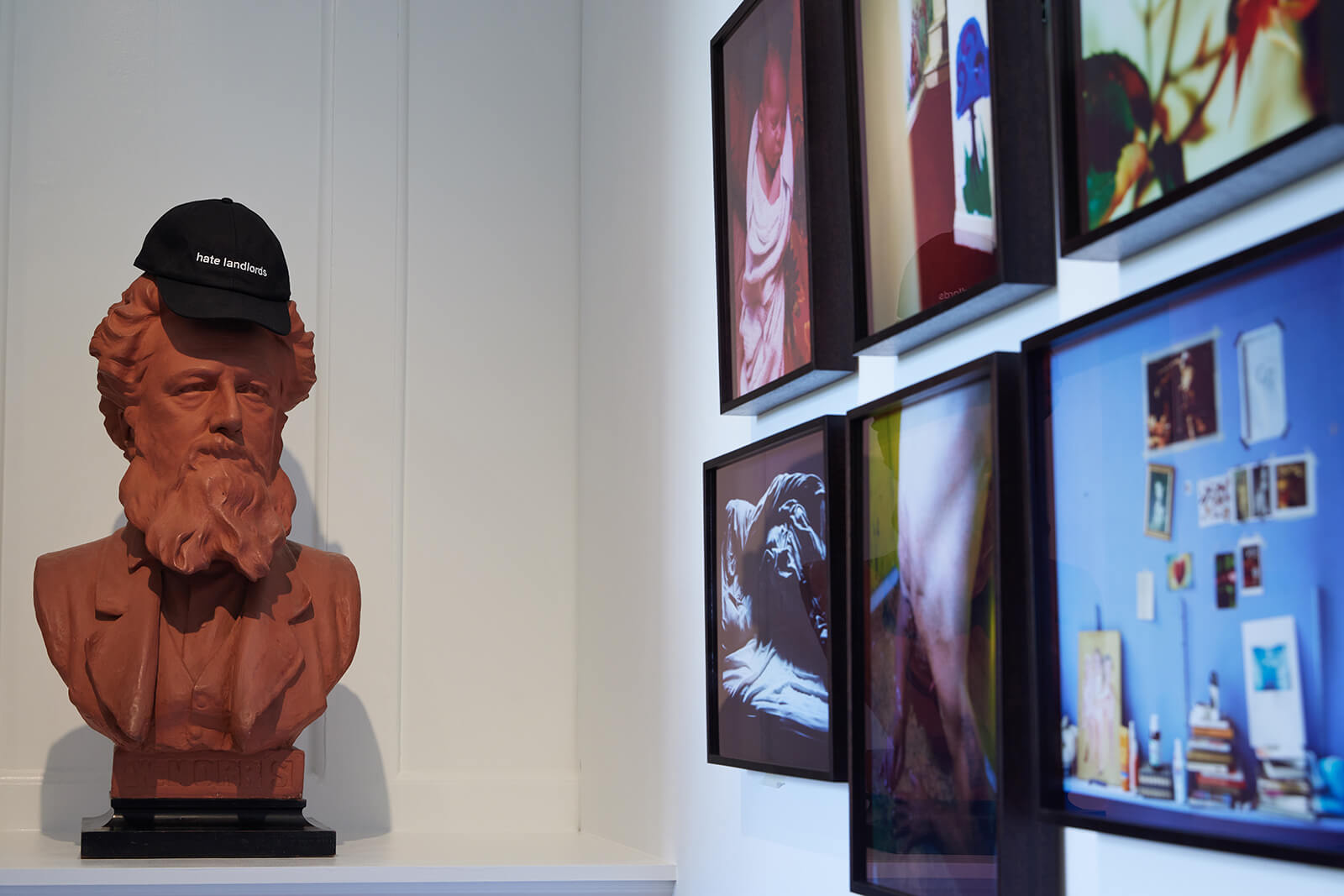
To populate this utopia (or a paradise of socialist ideals), a disparate selection of objects from the home clutters the lower level in the William Morris Gallery. Furniture, ceramic sculptures, carpets, paintings, silverware, books and other paraphernalia, collected from various creatives’ homes—including Morris’s Red House; Vanessa Bell and Duncan Grant’s modernist home, Charleston; Plas Newydd in Llangollen, North Wales, which was the home of Eleanor Butler and Sarah Ponsonby; 575 Wandsworth Road in south London, home of Kenyan-born poet Khadambi Asalache; and filmmaker Derek Jarman’s Prospect Cottage—are all placed in seeming disorder. While most of the objects are in vitrines, the patchwork nature of the display brings to mind a warm, cluttered home, with rugs on the floors and paintings covering every inch of bare wall.
Many of these homes, like Prospect Cottage or Charleston, would already be familiar to most visitors to the exhibition as sites of an alternative politics; bringing them together in one show indicates a common strain running through the individual artists’ worldviews: one that is opposed to a strictly patriarchal, heteronormative lifestyle. Critiquing such social order, the artists whose homes are the subject of the show make the case for communal living, a gentler, reciprocative relationship with nature (one can discern that in homes such as Prospect Cottage or Charleston, the idea of gardening and a close relationship to the soil was very much a vital aspect of defining them), and, as in the case of Jarman or the Ladies of Llangollen, the acceptance of queer relationships. This also draws attention to the contested threshold between public and private, especially for those who are considered to be on the margins of society.
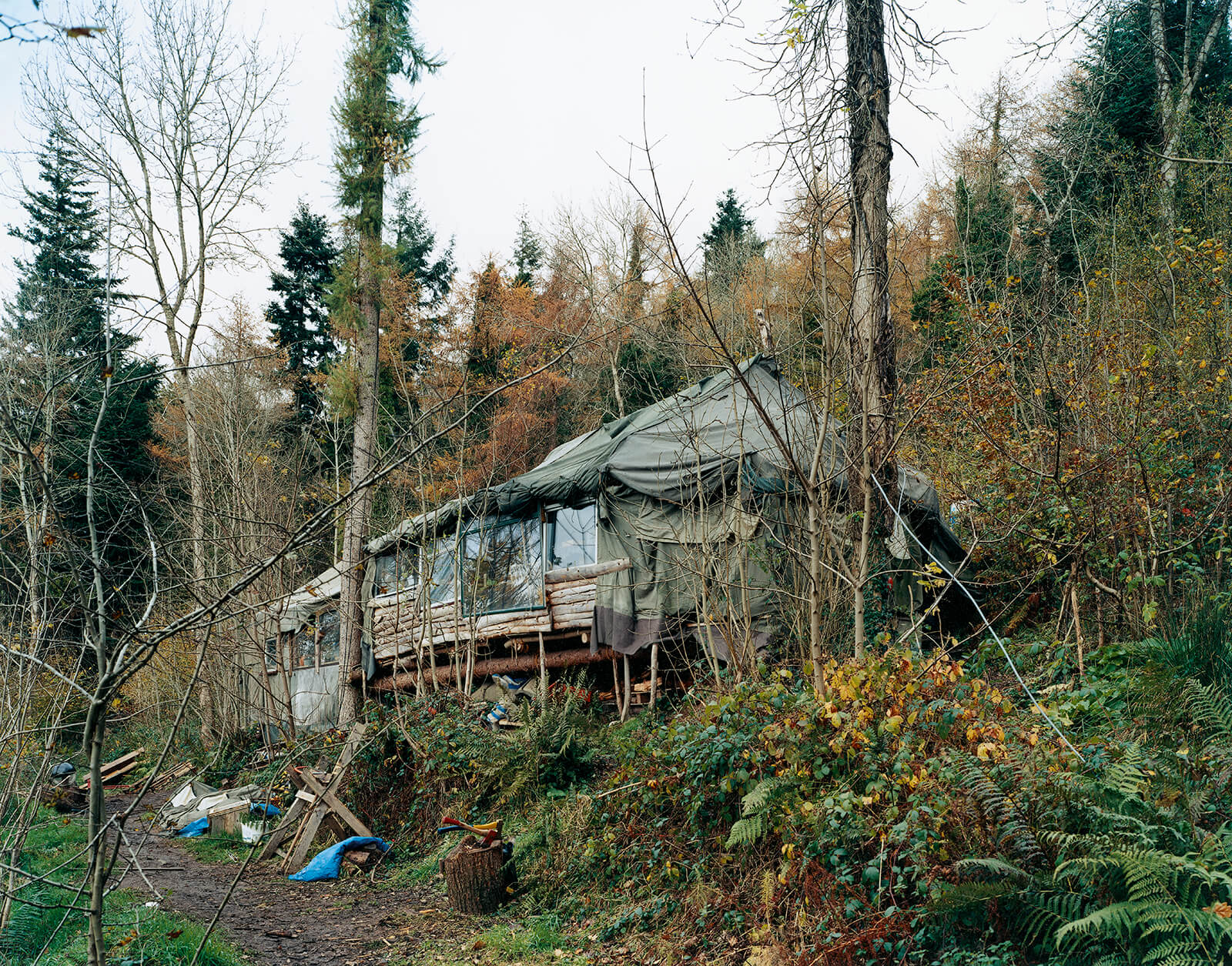
What’s also worth noting is the inextricable relationship between art and the private sphere in the considered residential architectures. A wonderful discovery, thanks to this showcase, has been Asalache’s terrace flat, where over several decades, the artist created decorative pine fretwork, a carefully arranged collection of textiles, and illustrations of African landscapes. It’s similarly worth making the connection here between art as labour of joy and its equation with the domestic interior. While women's craftwork such as weaving, embroidery and more has historically been delegitimised, here craft is displayed as a manifestation of radicality.
While the first section traces the idea of radicality from the late 1700s to the mid-20th century, the second section focuses on housing: how collective living highlights questions of race and economic difference, explored through public art, photography and installation works. Notably, it focuses on the period from the end of the Second World War to the present day. The time period considered began promisingly with the Festival of Britain and the hope to make good design accessible to the masses, believing it to be a vehicle for social reform. However, it might be most definitively distinguished by former Prime Minister Margaret Thatcher’s ‘Right to Buy’ policy—which aimed to build a ‘property-owning democracy’, but ensured inflated rents, depleted social housing stocks and pushed younger generations out of secure, affordable housing.
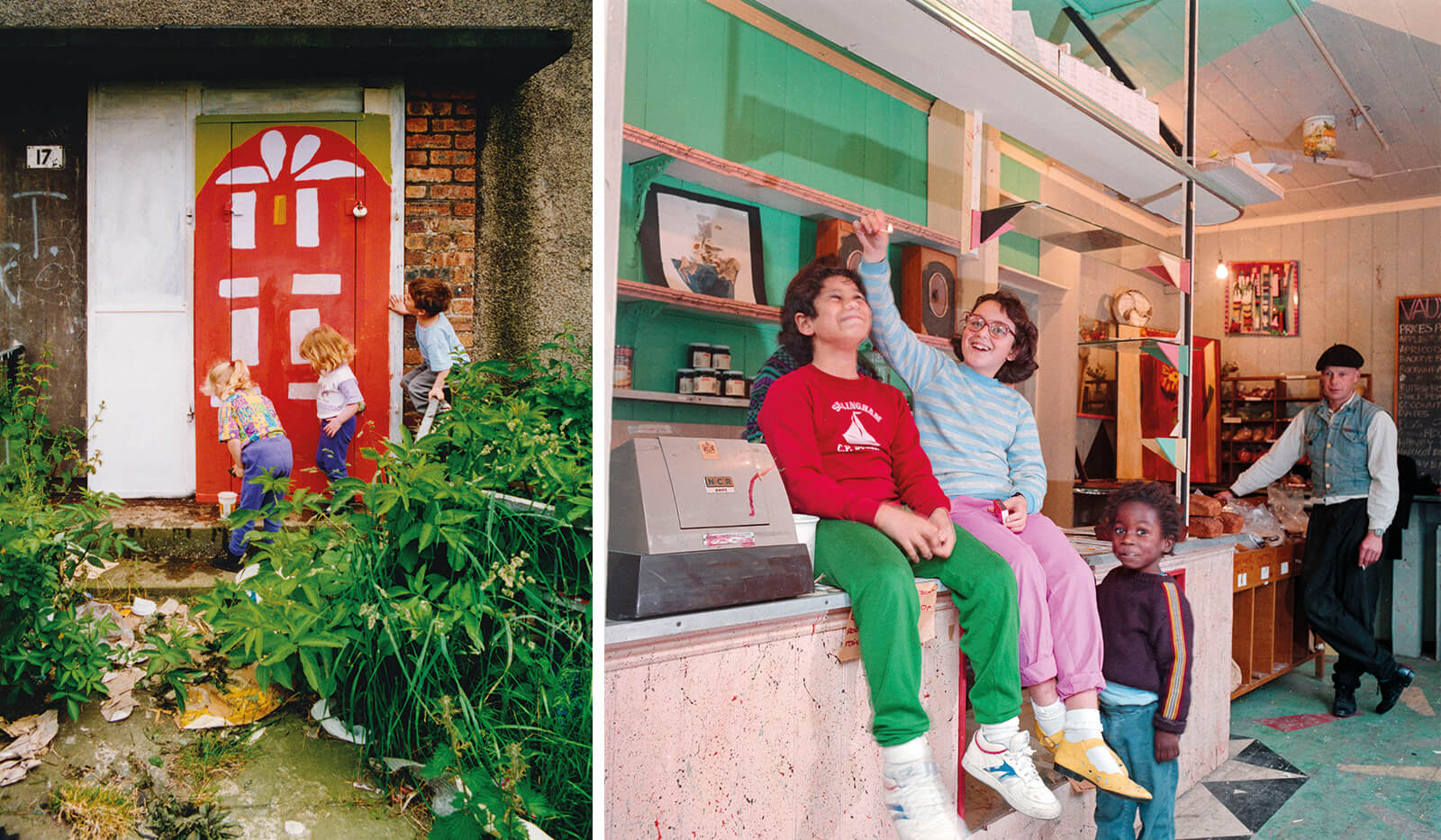
Perhaps no other project on display highlights the contested notion of belonging to a place as manifested through the construction of home as Nubia Way, a black-led self-build housing scheme in Lewisham. The scheme was built by Fusions Jameen, London’s first black-led housing co-operative, which gave priority to applicants in housing need and those of African and Caribbean descent. Claiming space for themselves when most council schemes rejected them, the self-build process was meant to demonstrate a viable alternative to the norms of owner-occupation or conventional social renting, and treated housing as a potentially transformative process for individuals and the community.
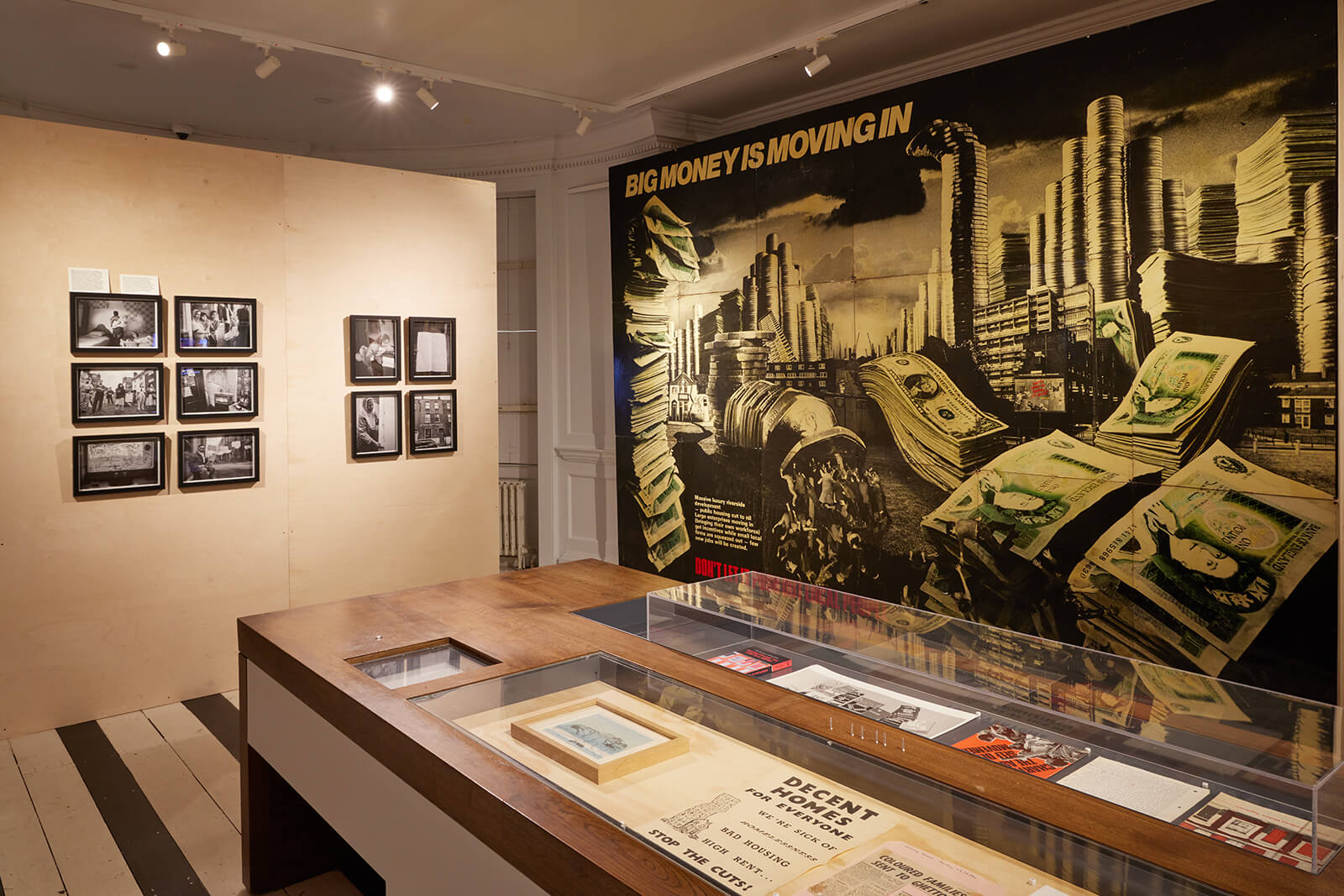
Similarly, GLC Race & Housing Action Team member Danièle Lamarche's photographic documentation of Bangladeshi families in Spitalfields opens the door to a London that often slips through the cracks. The photos, taken in the 80s, depict a thriving community, daring to play in the streets, to go about everyday life and even to celebrate, despite the growing racial discrimination against ‘Pakis’. The photos, with residents posing in front of broken windows and the burnt-out flats, don’t so much as depict an alternate lifestyle as the struggle to remain despite cultural differences. A poster from Peter Dunn and Loraine Leeson’s Docklands Community Project (from the same decade) is plastered on one wall of the gallery. The project, initiated in response to the concerns of East London communities over an extensive proposed re-development programme, feels all too contemporary, as East London continues to battle forces of gentrification. Most projects in the gallery on the upper level negotiate that tension between being an Other and the desire to be part of a community that plays out through the home.
If the central inquiry that sets forth the exhibition—tying together the individual spaces of refuge to the battleground of the housing estates—has been to ask what home means to those without a secure, safe and affordable room to call one’s own, that question continues to haunt. Today, the battle line has shifted to the bodily, contesting anyone considered to be different from a ‘National’ ideal. That distinction still plays out in questions of identity, and by extension, where we belong and how we make space.
If the selected figures in the first half of the show hoped to differentiate their space as distinctly their own, could a connection be drawn from this sublime self-expression to their disavowal of social conventions? It’s a question that holds far more weight when we further consider that the reason these creatives were able to express themselves the way they did was the wealth they had access to. For instance, Morris himself benefitted from his father’s investments in the Devon Great Consols copper mine. Would their rebellion against the status quo have taken a different form were they not wealthy?
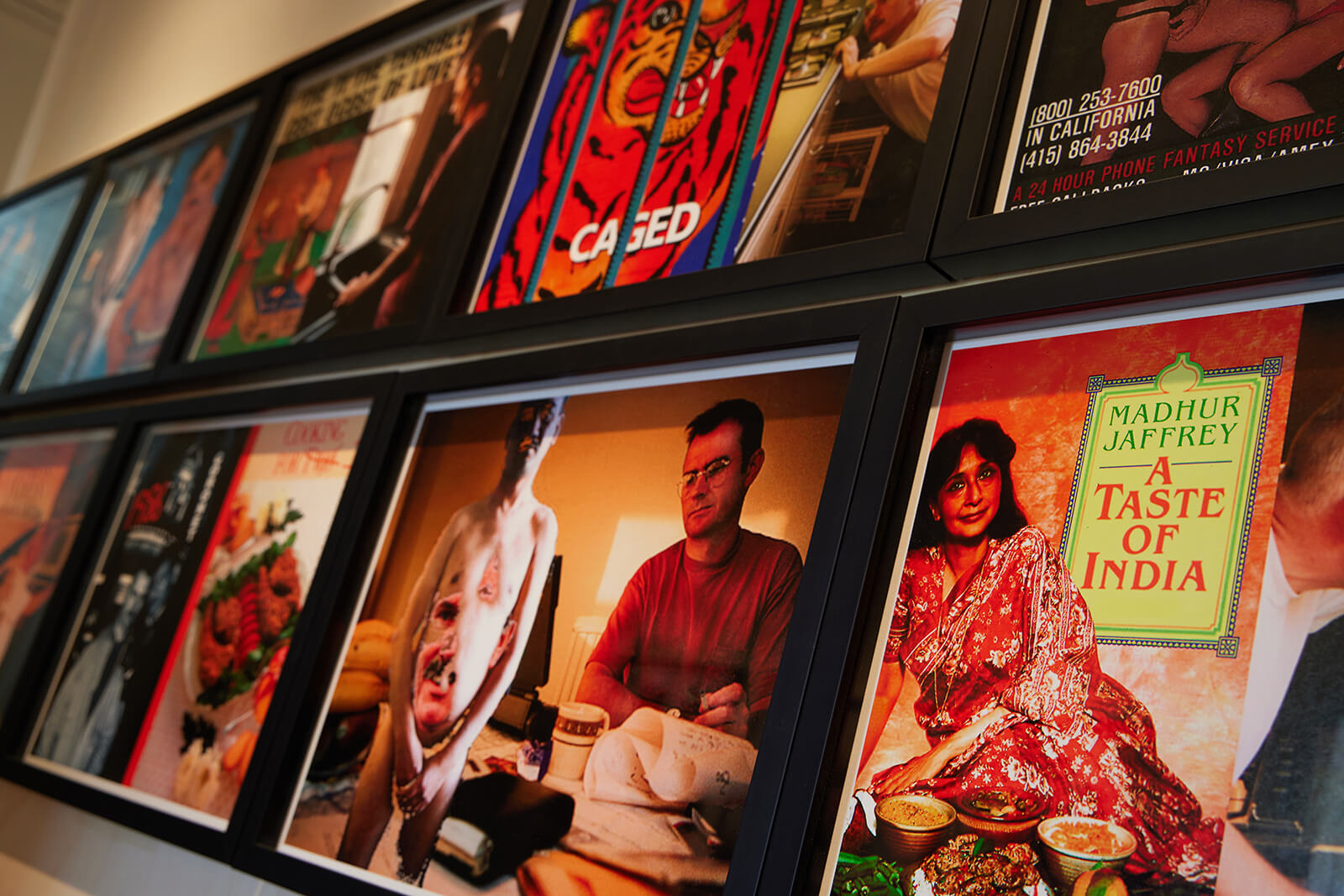
Questions of artistic labour aside, their construction of the space of the home to reflect their politics remains a worthy notion to explore—one that is by definition open, inclusive, diverse and vibrant. In many ways, the exhibition seems to argue that artistic labour (or craftsmanship) is as vital to the residence as other forms of domestic labour. One could not only trace this in the first half with the richly decorated spaces of artists known and discovered, but also in the photography of those like Gareth McConnell or Tom Hunter, who captured the squatter communities, and their appropriation of domestic spaces. Very much in line with the question of utopia, or an earthly paradise, the exhibition asks us to reconsider how home is constructed, who gets the luxury to construct it and what is being constructed. Revolution, after all, begins in the sink.
‘Earthly Paradise: Radical Living in the UK’ is on view from October 3, 2026 – March 28, 2027, at the William Morris Gallery, London.
The views and opinions expressed here are those of the author and do not necessarily reflect the official position of STIR or its editors.

by Anmol Ahuja Oct 29, 2026
In its narrative dissonance and deceptive titular chronicling, the John Wilson documentary makes pertinent observations on our cities and lives being more than concrete or history.
by Pranjal Maheshwari Oct 27, 2026
The Brazilian architects shape the residence with cues from its context, nimbly segregating its private and social realms with greens, lattice screens and a form-giving ascent.
by Pranjal Maheshwari Oct 24, 2026
A consortium of Copenhagen’s 3XN, Toronto’s B+H Architects and Shenzhen’s Zhubo Design has designed the museum to mimic the surrounding riverscape, topped with a public park.
by Pranjal Maheshwari Oct 19, 2026
The Mumbai-based architects integrate courtyards, mesh screens and north light trusses to create a dining space that doubles up as a community hub at SR University, Warangal.

make your fridays matter with a well-read weekend
Enter your details to sign in
Don’t have an account?
Sign upOr you can sign in with
a single account for all
STIR platforms
All your bookmarks will be available across all your devices.
Stay STIRred
Already have an account?
Sign inOr you can sign up with
Verification link sent to check your inbox or spam folder to complete sign up process
Tap on things that interests you.
Select the Conversation Category you would like to watch
Please enter your details and click submit.
Enter the 6-digit code sent at


Earthly Paradise lost and regained: the creation of radical domesticities in the UK
by Mrinmayee Bhoot | Published on : Nov 05, 2026


 Sign in with Google
 Sign in with email
What do you think?