Architecture09 mins. read
ADFF New York 2024 reminds us of the people and stories that shape our world
by STIRworldSep 17, 2024



by Anmol AhujaPublished on : Oct 29, 2026
For those of us involved in the making of and talking about buildings, à la architecture as a project and the city as a mega-project, a love-hate relationship with the discipline is not too far-fetched a position. The common denominator? It is often too overcoming, all-encompassing. Its scale is, without pun, massive. For all its rigidness and solidity, it is a fluid entity when seeping into other aspects of being. The hyperbolic equation between architecture and living itself is a real condition for many. Practising architects—or at least the ones immune to criticism because of the practice—are more likely to preach and own up to this frankly exhausting position; architecture IS indeed everything, shapes everything, influences everything. On a day with lesser frustrations, I might agree. But that is not today.
Everything ‘architecture’ above can be interchanged with ‘concrete’, and it will still be read and understood in mostly the same way. Such is the predicament of modern urban living. Around 90 per cent of most major urban centres (not whole cities) are estimated to be concrete, including, obviously, the grotesque sibling of architecture: infrastructure. That comprises your roads, pavements, bridges and other surfaces that are a far cry from the sexy exposed concrete frenzy in puritan(ish) buildings today. In that sense, concrete—and, by reckless, wanton extension, architecture—being everywhere and everything is indeed not a hyperbole. But in the near ubiquitousness of material, process and product, there is a poignant point to be made.
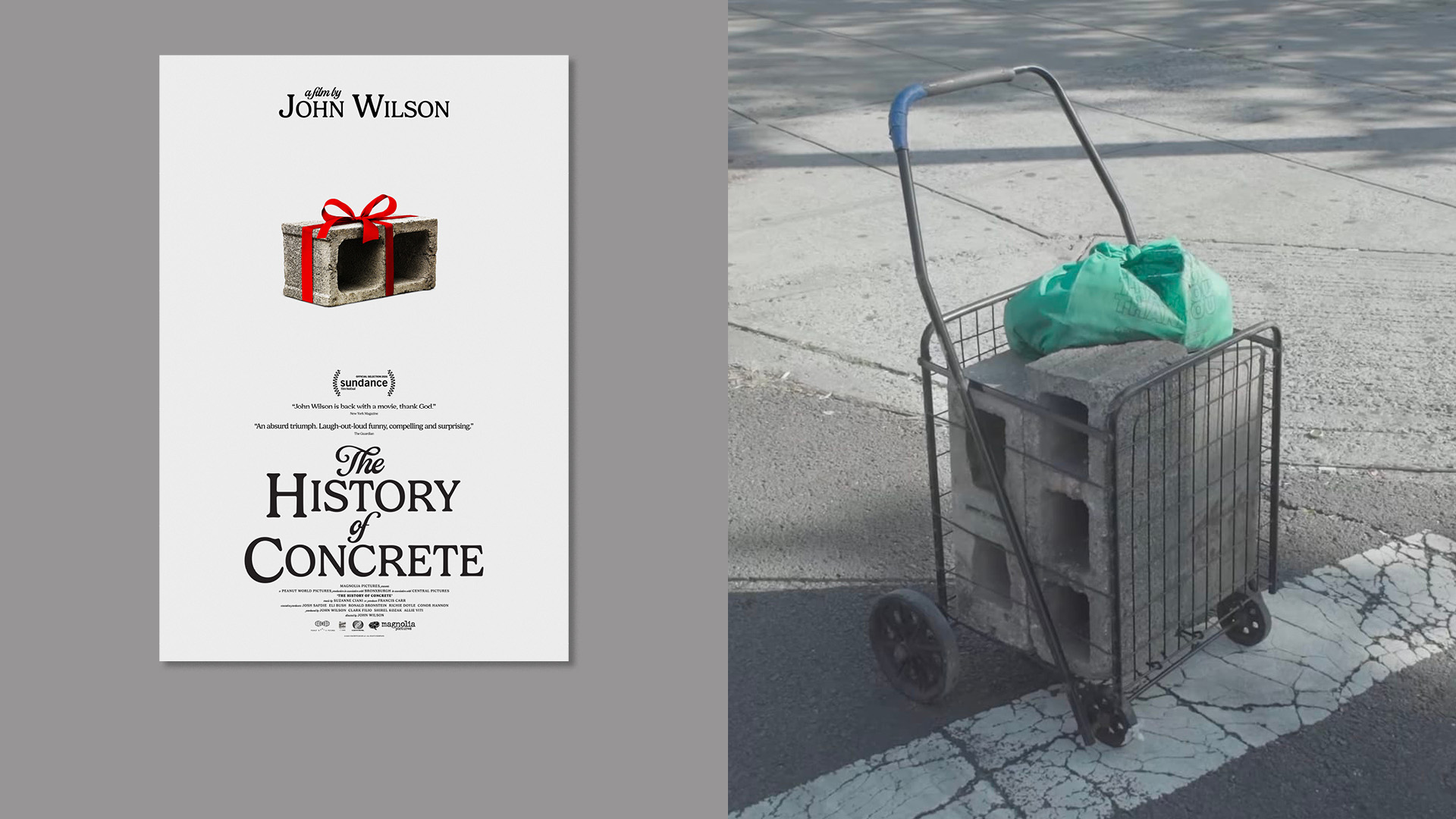
“Do you ever think about concrete,” asks director John Wilson. Nearly every interviewee in The History of Concrete (2026)—a laugh-out-loud but more-than-meets-the-eye documentary about concrete and virtually everything else it touches—bafflingly says, "No." Baffling, because I can’t imagine people not thinking about concrete. It’s virtually all there is.
Testimonies (and more) from what are presumably ‘normal’ people—outside of the sphere of direct influence of capital A architecture—including pedestrians, apartment-dwellers and renters, flaneurs, guards, musicians, filmmakers, runners and others, firmly position concrete in the far background of urban living, despite its overwhelming presence.
“Do you ever think there is too much concrete in the city,” asks Wilson to a rushing short film crew he randomly chooses to witness amid the odyssey of making his own feature-length documentary. “Sorry, too busy,” says the guy, hurriedly rushing to the task at hand. And that is my prime takeaway from The History of Concrete. As I coyly state in the title, the documentary comes across as brilliant because of its absurdity, and precisely because it is resolute in pushing concrete and architecture to the background, making sure they stay there.
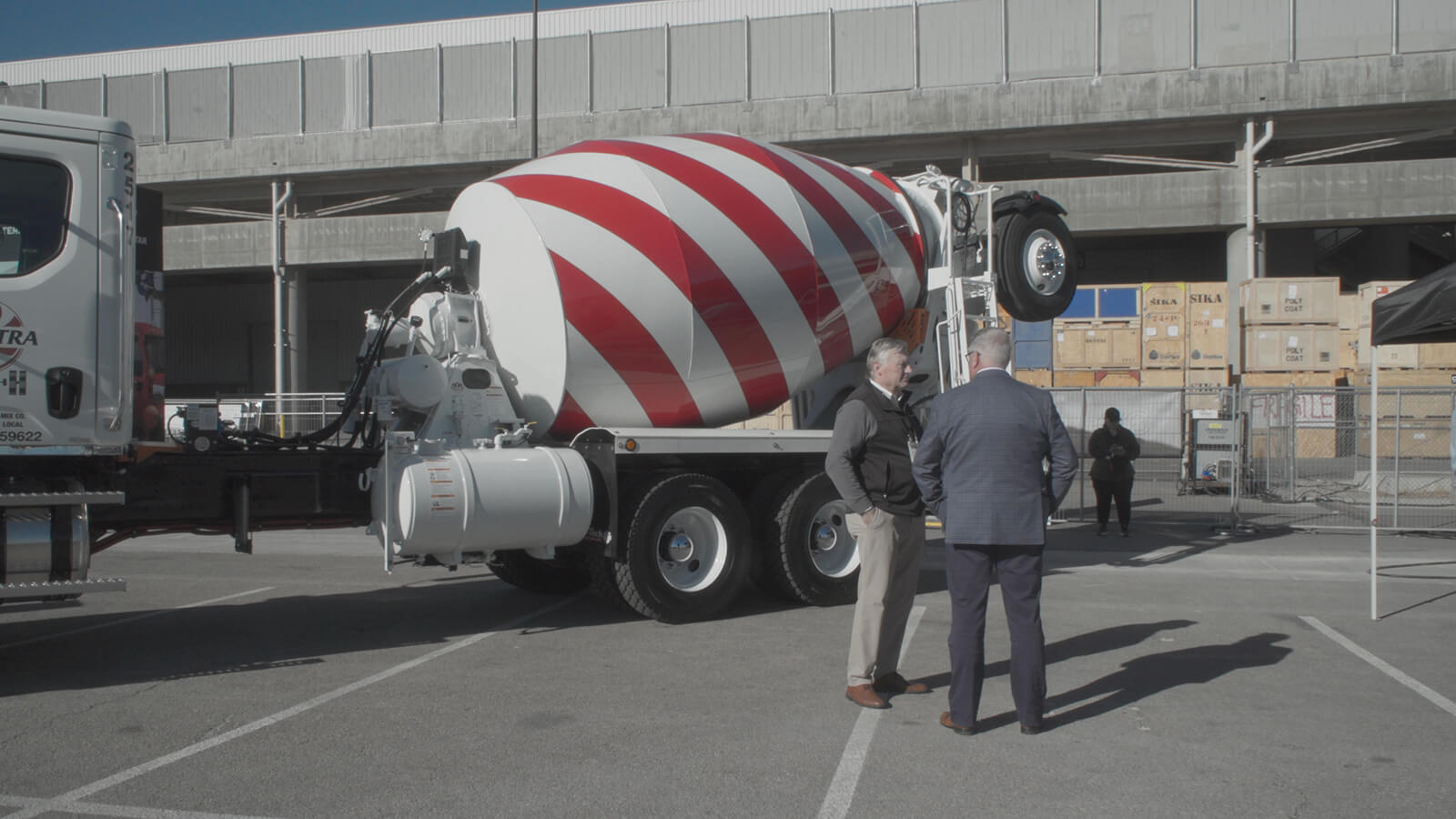
If HBO’s How To with John Wilson (2020) was any clue, the Wilson brand of absurdism supersedes dialogue and defines the very structure and flow of the film. Expect random detours and digressions into territories and subplots that you wouldn’t imagine, but the film wants you to believe have something to do with concrete. And so, like any filmmaker working with that title, you would go back to the very place it started—or at least the North American understanding of it. A misplaced history of concrete, if you will.
Wilson, after deciding to fill a multi-million HBO show-sized void with concrete, ascertains it’s the Pantheon in Rome that he needs to head to for that purpose. Boasting the largest non-reinforced concrete dome in the world, Wilson hopes it will be the perfect antidote (and sell) to the wonky quality of concrete in New York where he begins. Much to his chagrin, most Romans around the monument don’t know or care about the behemoth concrete feat. Neither do the tourists that have presumably flown miles to see it. Is this pilgrimage about architecture at all anyway? Do we all spend unreasonable amounts to travel to different places and see…concrete? I ask myself. Wilson, on the other hand, has expended most of the film’s budget by this point—around the 20-minute mark.
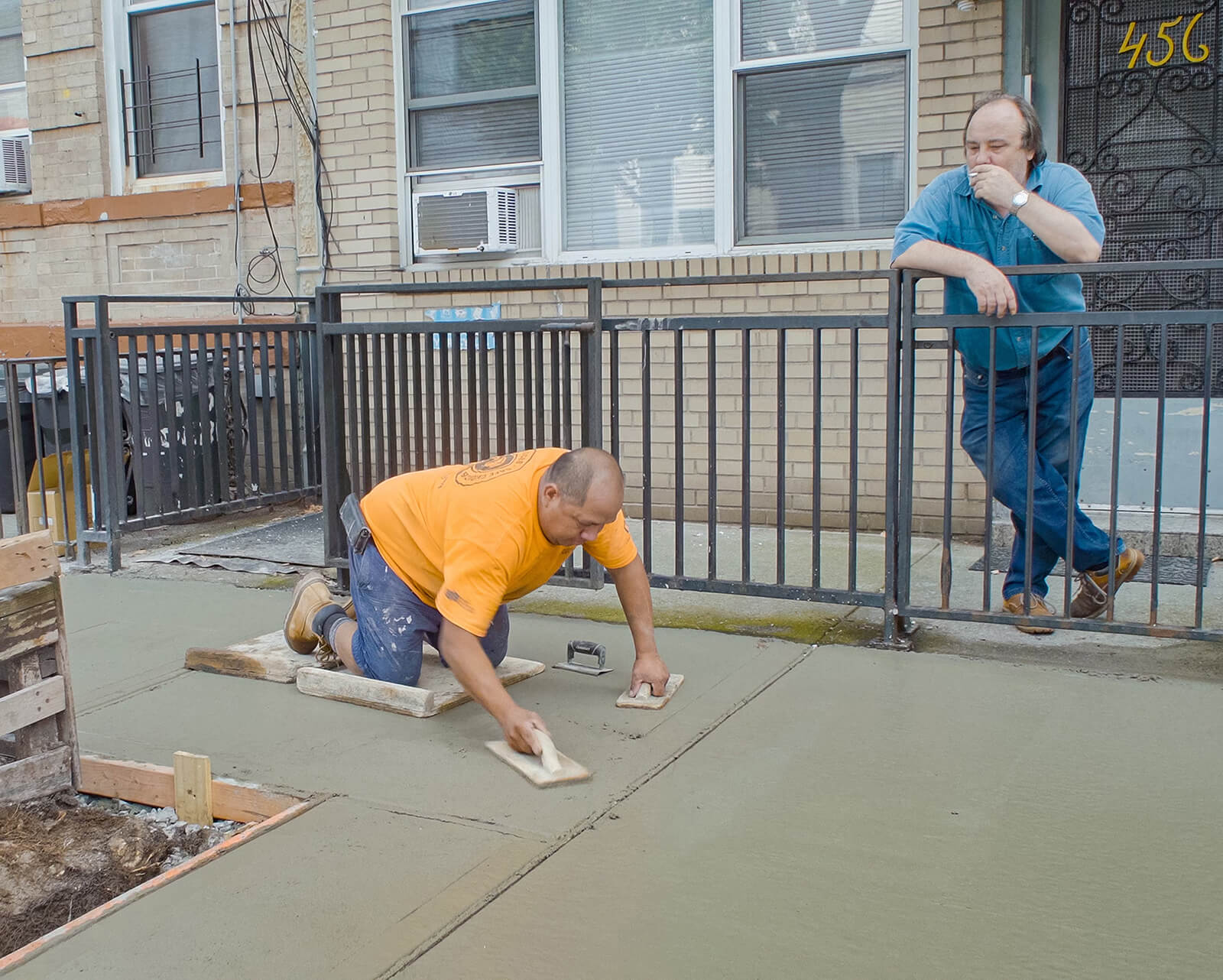
The quest for uncovering this history further takes Wilson in some interesting directions back in New York. He dwells pensively on the varying quality, colour and texture of concrete on New York’s sidewalks for a few minutes, but it is enough to make you care about something most people inconspicuously walk across every day. A particularly heartening instance is when a large portion of sunk concrete on the sidewalk, next to a tree, gives way to a fish or two floating in rainwater. All kinds of poetic musings begin to conjure within the viewer: maybe city dwellers are those fishes, floating around in whatever space the city unscrupulously makes for us. Maybe the cracks are the point. Maybe life will find a way. Or it could mean nothing, as the supposed joy and surrender are cut short by the very next shot showing the gap paved over with fresh concrete. The fate of the fishes? A mystery. Perhaps we can be happy that the authorities took note of the sunken concrete and ‘fixed’ it. Perhaps not.
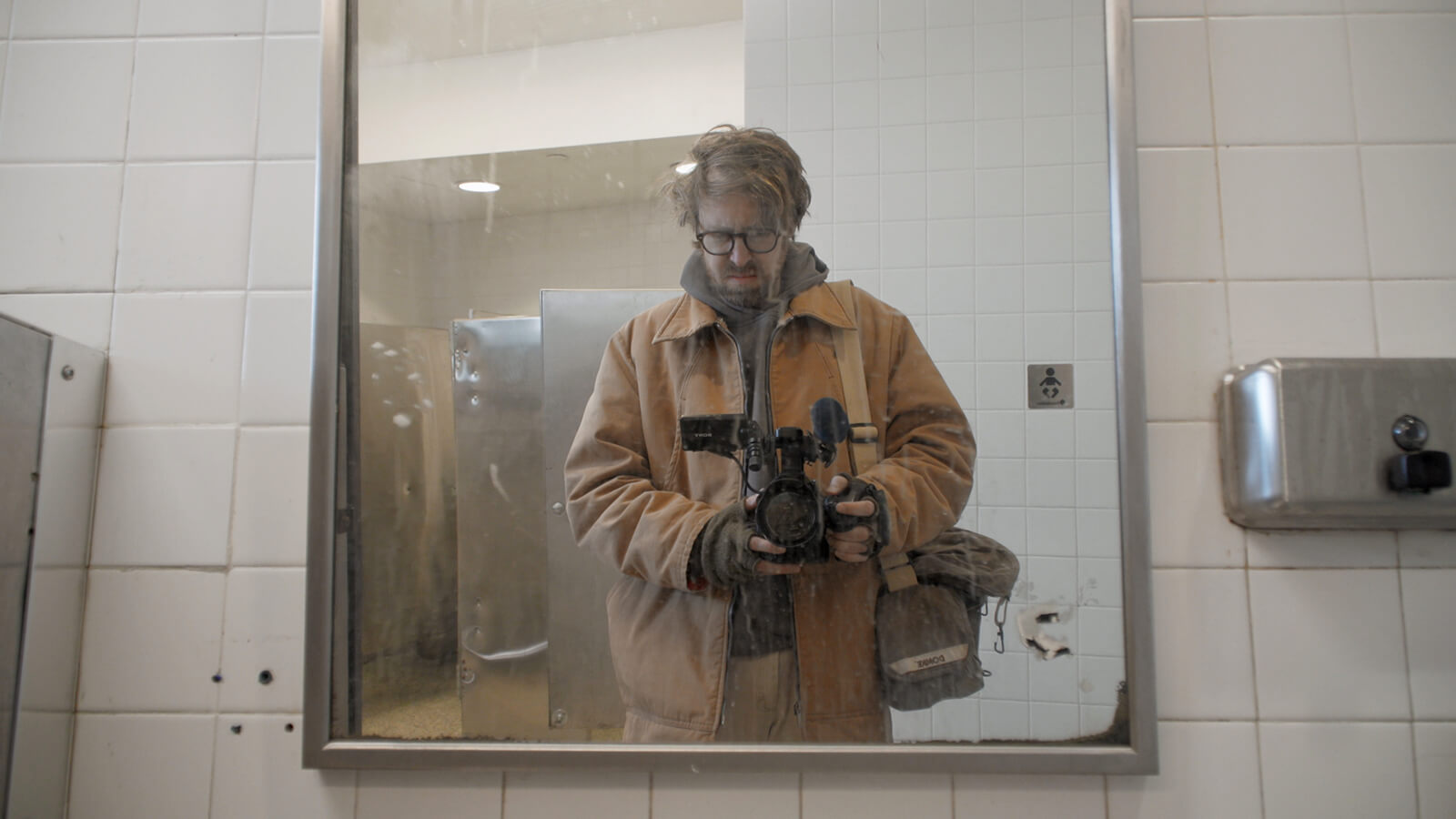
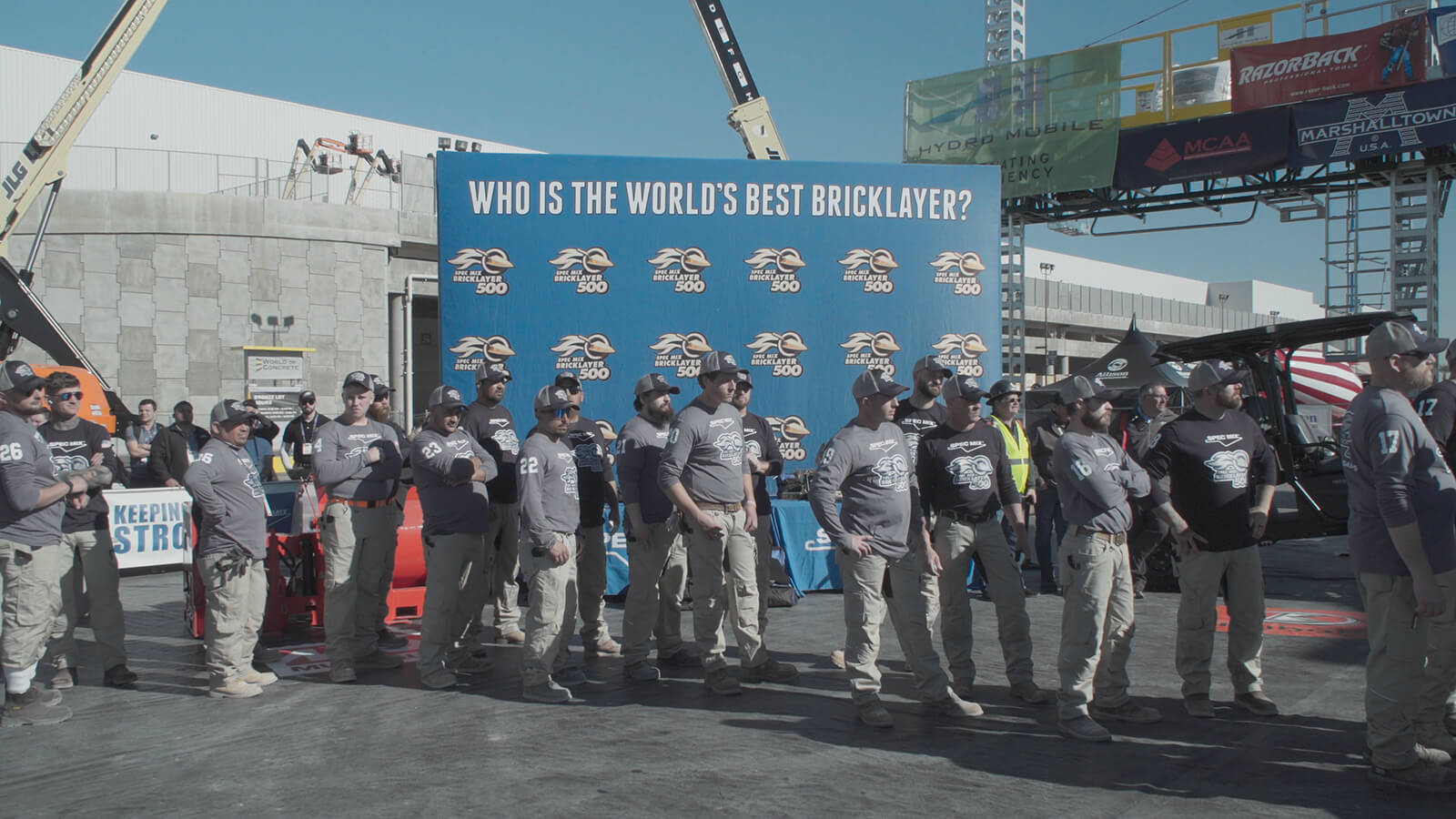
Wilson sets the stage for this musing early on in the film, as he takes part in and films a workshop on how to write Hallmark movies in a bid to better market his own film on a building material. Urban oddities abound, Wilson seems to be suggesting—through the Hallmark workshop observations, of course—that there must be likeable protagonists to root for (himself with a movie camera in the city), a tragedy in the background that yields a supportive, inspiring character (the bar-band musician and his dead fiance), a community activity (a bricklaying contest or the World of Concrete convention in Las Vegas) and a not insurmountable series of odds that are easily overcome by the end of the film (Wilson seems to be zeroing down on the global sand shortage that will inevitably affect concrete production and thus, urban development). There are also the Sri Chinmoy marathon runners doing the Sri Chinmoy Self-Transcendence 3100-mile race—circling a city block in Queens for around 52 days in this Hallmark dreamboat for a higher reason. Or, it could all mean nothing.
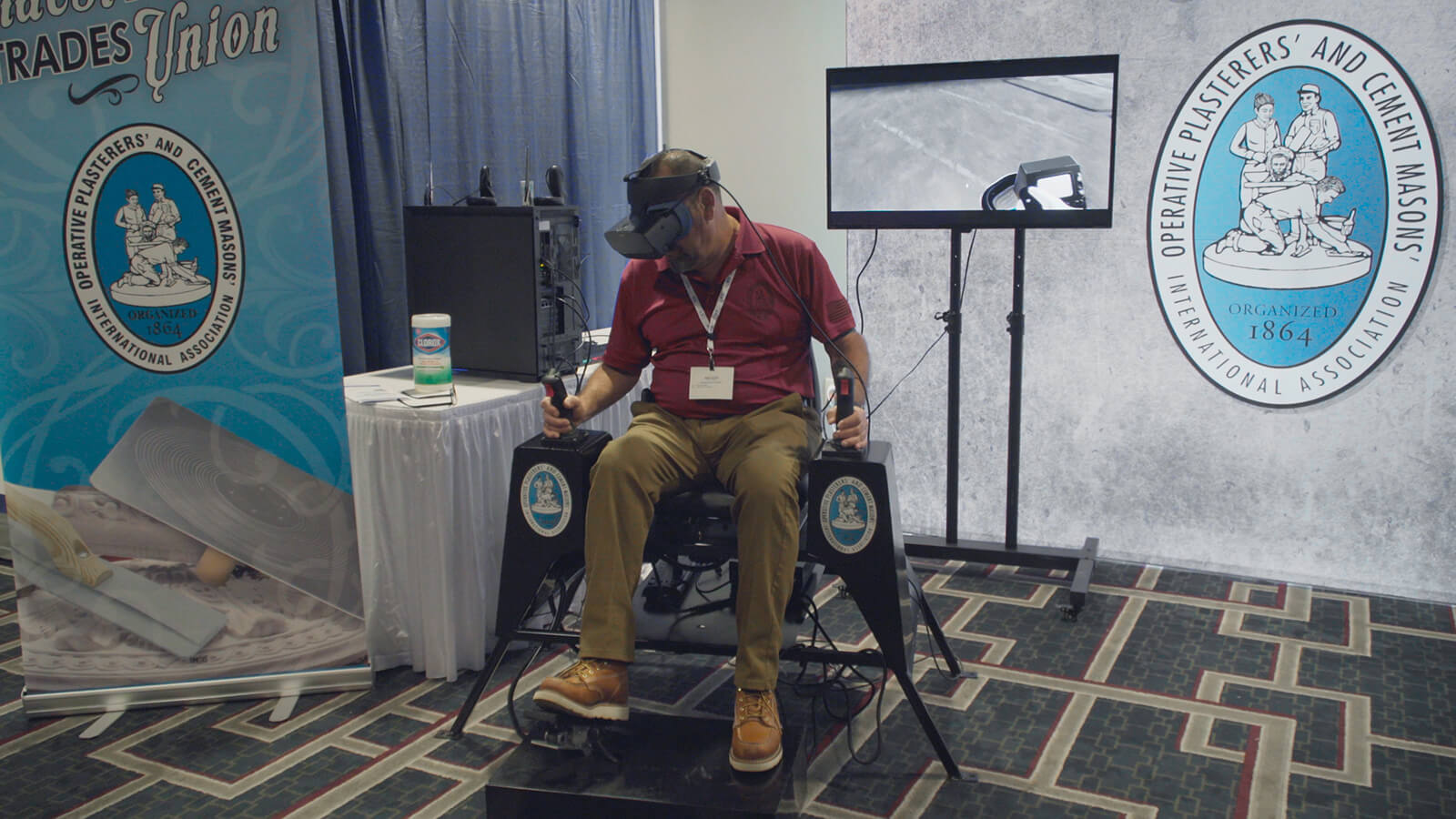
Needless to say, a necessary pit stop for all this romanticism within the built environment is a New York housing block. In shambles, obviously. In a pre-Mamdani era, with limited tenants’ protection laws and landlord duties, it would appear like all concrete could do was crumble, rot and not house—a stark deviation from the Modernist ideal. I believe this was one of the rare instances in the film to have concrete presented in a literal, life-altering capacity, outside of Wilson’s quirks, and the starkness is intentionally striking. Housing, globally, is just one of those subjects. Can more concrete prove to be a relief? Or is the kind of space-concrete for lunar habitats being talked about at the World of Concrete convention the way to go?
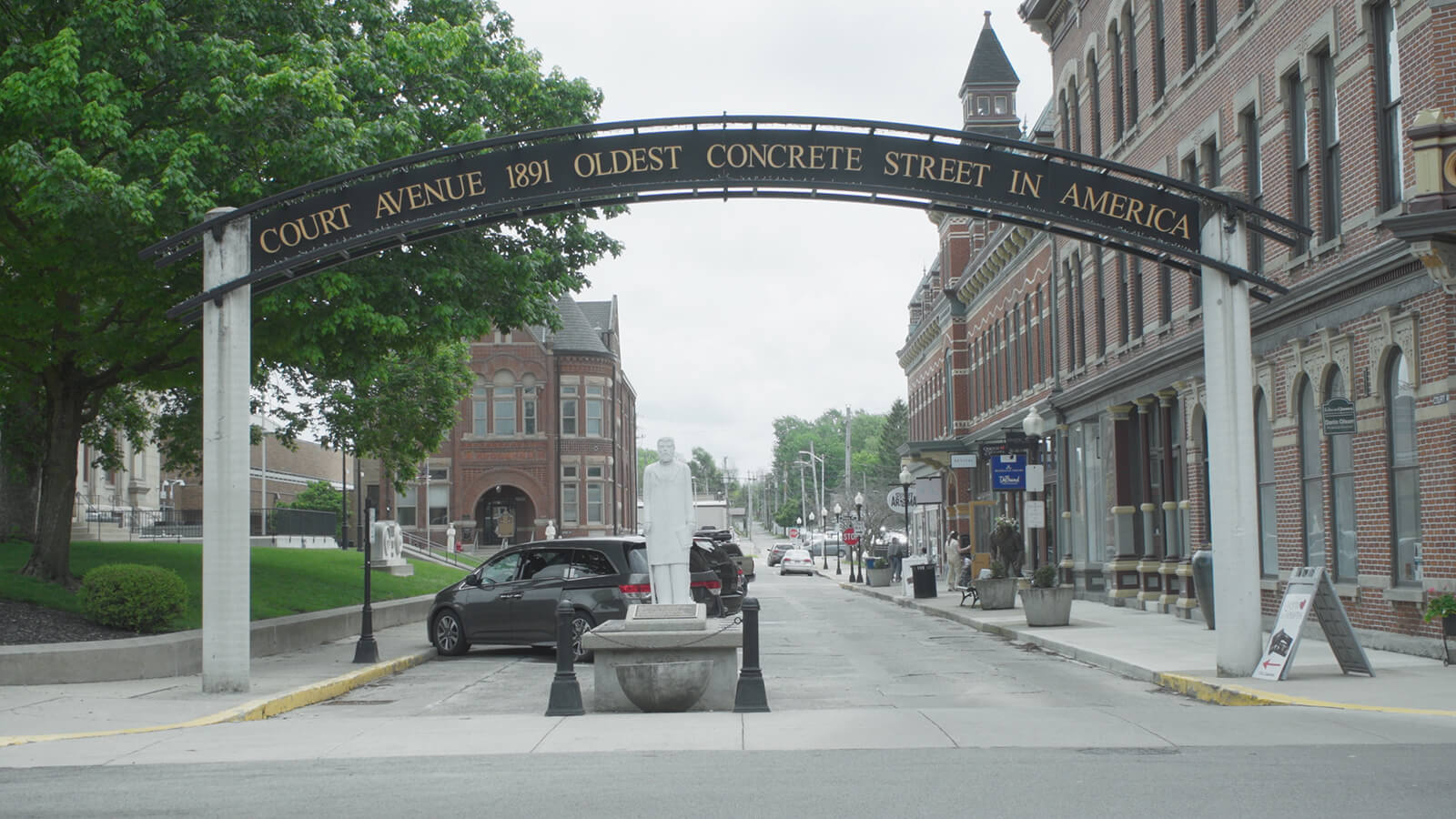
Wilson probes deeper for answers by visiting famous US landmarks that have, again, something to do with concrete—Court Avenue, the oldest concrete street in the States, and McKinley Street, the shortest one in North America, measuring 30ft without and 45ft with the pavement affronting it. Both are local landmarks and photo ops, but the latter is particularly interesting, in that it brings out a uniquely American way of being and sensationalising what is essentially a shopfront. There is also a hint of the power of the commemorative image in there—something the current government in the US puts to great effect for dubious means—that Wilson bolsters with a local business called ‘Save My Ink Forever’, specialising in surgically removing a deceased loved one’s tattooed skin and preserving it as art. It is the kind of immortalising often ascribed to concrete, in both building and literary terms; Wilson seems to point through these whimsical detours. Or, it could mean nothing.
The same sense of ‘could that mean something else’ overcomes the film and, in the second half, becomes it. The almost ridiculous toying is admittedly a delightful experience, because above all, it is bound to be perceived differently by each person, just as a city or a condition of living is bound to be experienced differently by everyone. The Gum-Busters ‘vaporising’ chewed-up pieces of gum stuck to concrete sidewalks could be a metaphor for conditioning, Wilson exclaims in a rare spelling out. Maybe the crumbling housing blocks and the alarming revelations of the disrepair in the Brooklyn-Queens Expressway and the public swimming pool in the Bronx—bringing up questions on band-aid patching or rebuilding entirely, and thus on concrete’s supposed longevity—are to be taken as seriously as ‘Category 1’ or ‘Category 2’ instances in the pool prompting shutdowns over disembowelments. Maybe the ritual and grit of marathoners doing 3100 miles over unmoving, unshifting concrete is a testament to our resilience in the face of cities that continually fail us.
Maybe it is all about architecture in the end—or at least concrete—and maybe a documentary is supposed to be just that: a documentation of everyday absurdity masquerading as material truth. Maybe the real treasure was the friends we made along the way and all the concrete we lived with. Or it could all mean nothing.

by Pranjal Maheshwari Oct 27, 2026
The Brazilian architects shape the residence with cues from its context, nimbly segregating its private and social realms with greens, lattice screens and a form-giving ascent.
by Pranjal Maheshwari Oct 24, 2026
A consortium of Copenhagen’s 3XN, Toronto’s B+H Architects and Shenzhen’s Zhubo Design has designed the museum to mimic the surrounding riverscape, topped with a public park.
by Pranjal Maheshwari Oct 19, 2026
The Mumbai-based architects integrate courtyards, mesh screens and north light trusses to create a dining space that doubles up as a community hub at SR University, Warangal.
by Mrinmayee Bhoot Oct 17, 2026
The Rotterdam-based institute centres the Indian Ocean as a network for exploring material histories and transnational links shaping coastal cultures, positing them as future models.

make your fridays matter with a well-read weekend
Enter your details to sign in
Don’t have an account?
Sign upOr you can sign in with
a single account for all
STIR platforms
All your bookmarks will be available across all your devices.
Stay STIRred
Already have an account?
Sign inOr you can sign up with
Verification link sent to check your inbox or spam folder to complete sign up process
Tap on things that interests you.
Select the Conversation Category you would like to watch
Please enter your details and click submit.
Enter the 6-digit code sent at


The History of Concrete: a docu-triumph owing to its evasion of polemic architecture
by Anmol Ahuja | Published on : Oct 29, 2026


 Sign in with Google
 Sign in with email
What do you think?