|
In Suzanne Collins's Panem, power rests on controlling the edit: deciding what reaches the public, which truths are buried and what manufactured version of events passes for reality. More often than not, history is remembered and represented through similar acts of selection, framing and omission.

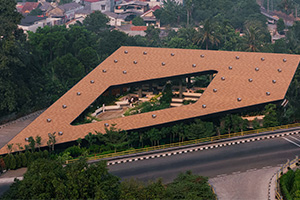
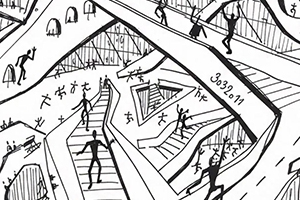
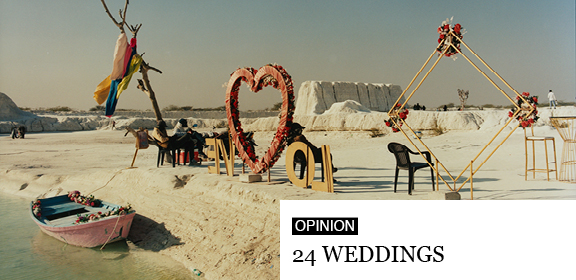
This week we witness how ACW 2026 foregrounds communities overlooked within mainstream climate discourse; RAD+ar reworks the commercial brief to make public life, community and ecology central to Mitte Oblique Garden; in architect Pero Puljiz's first graphic novel, the visual language is left open to
|
|
personal interpretation; while Bharat Sikka strips Rajasthan of familiar spectacle through his photographs in '24 Weddings'.
Editing is indispensable to creative practice and storytelling—it is power and agency. Yet, as Haymitch observes, it can be “less flat-out lying than lying by omission.” We must question who controls the edit, what biases shape it and what its omissions reveal or conceal. The same scrutiny must extend to the narratives we are fed.
|