Design06 mins. read
Spanning creative spectrums, LDF reveals winners of the 2025 London Design Medals
by Bansari PaghdarSep 09, 2025



by Jincy IypePublished on : Oct 31, 2026
For many urban dwellers, city life has been a steady progression of adapting, tolerating and adjusting, often failing to fit into urban spaces and use objects that seem indifferent to us. Our cities are full of assumptions about the bodies that inhabit them. The car’s seatbelt (calibrated around a male default), the street, the bench, the restroom: each can reflect a narrow idea of who will use it, leaving much of the population to work around its limitations. In Invisible Women (2019), Caroline Criado Perez brings to attention how such defaults systematically fail women and also put them at risk. The consequences extend across other bodies through spaces that prescribe how we move, gather and exist. For many, even the cities we call home—or those we migrate to—can feel like they are rejecting us, deciding who we are before we arrive and making little room for diverse, joyous ways of living. For others, these limitations barely register; the city simply, already accommodates them.
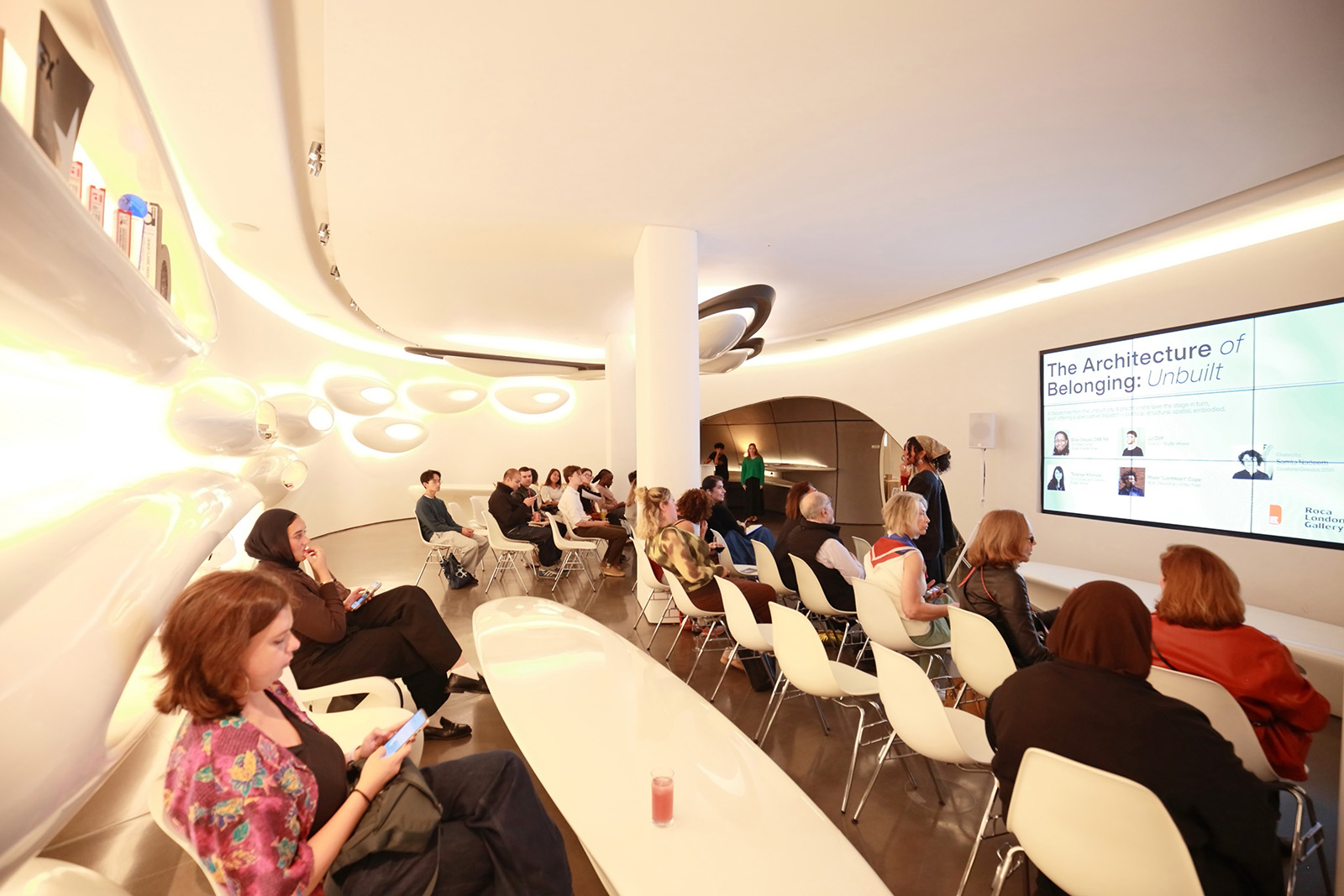
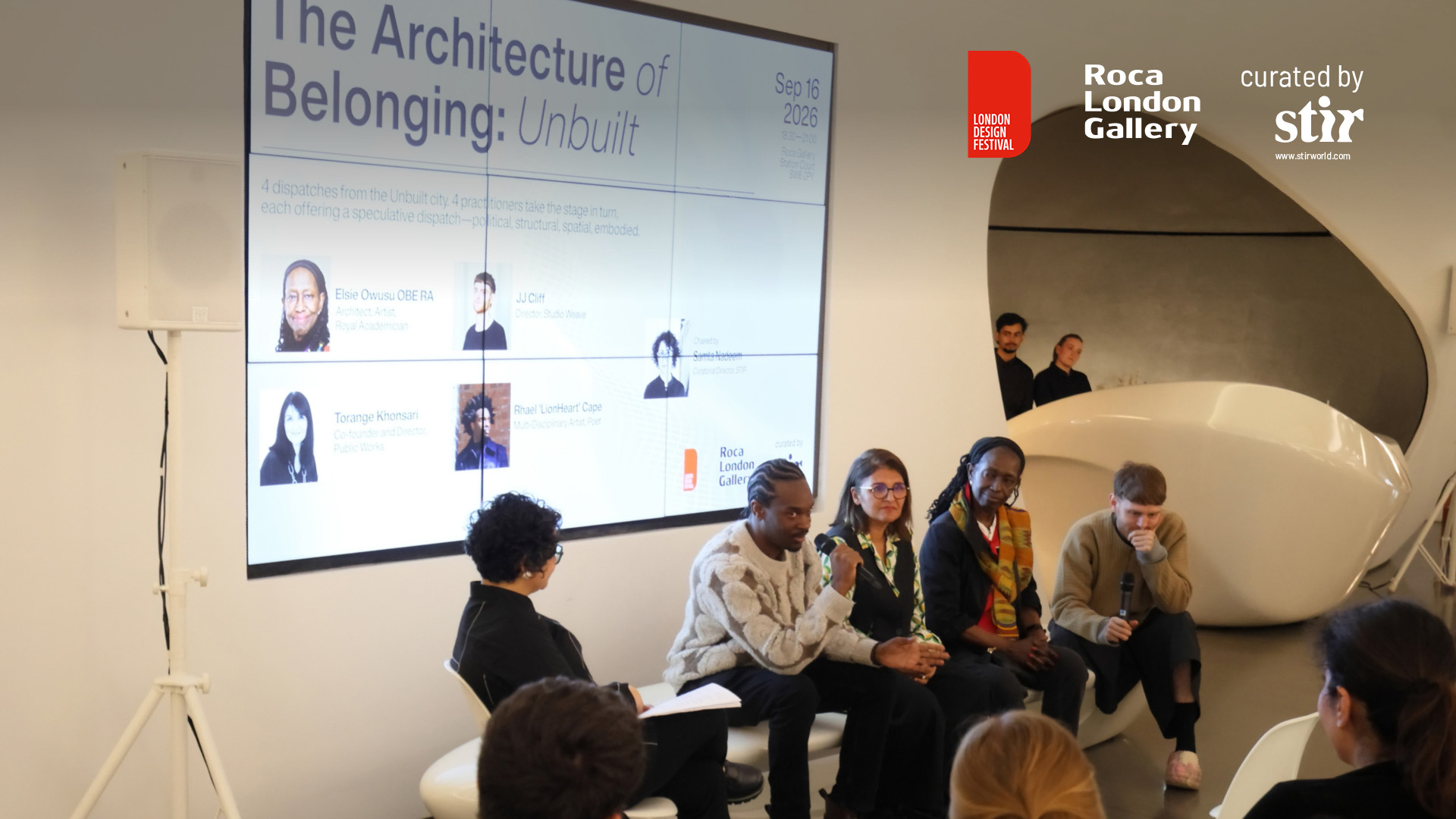
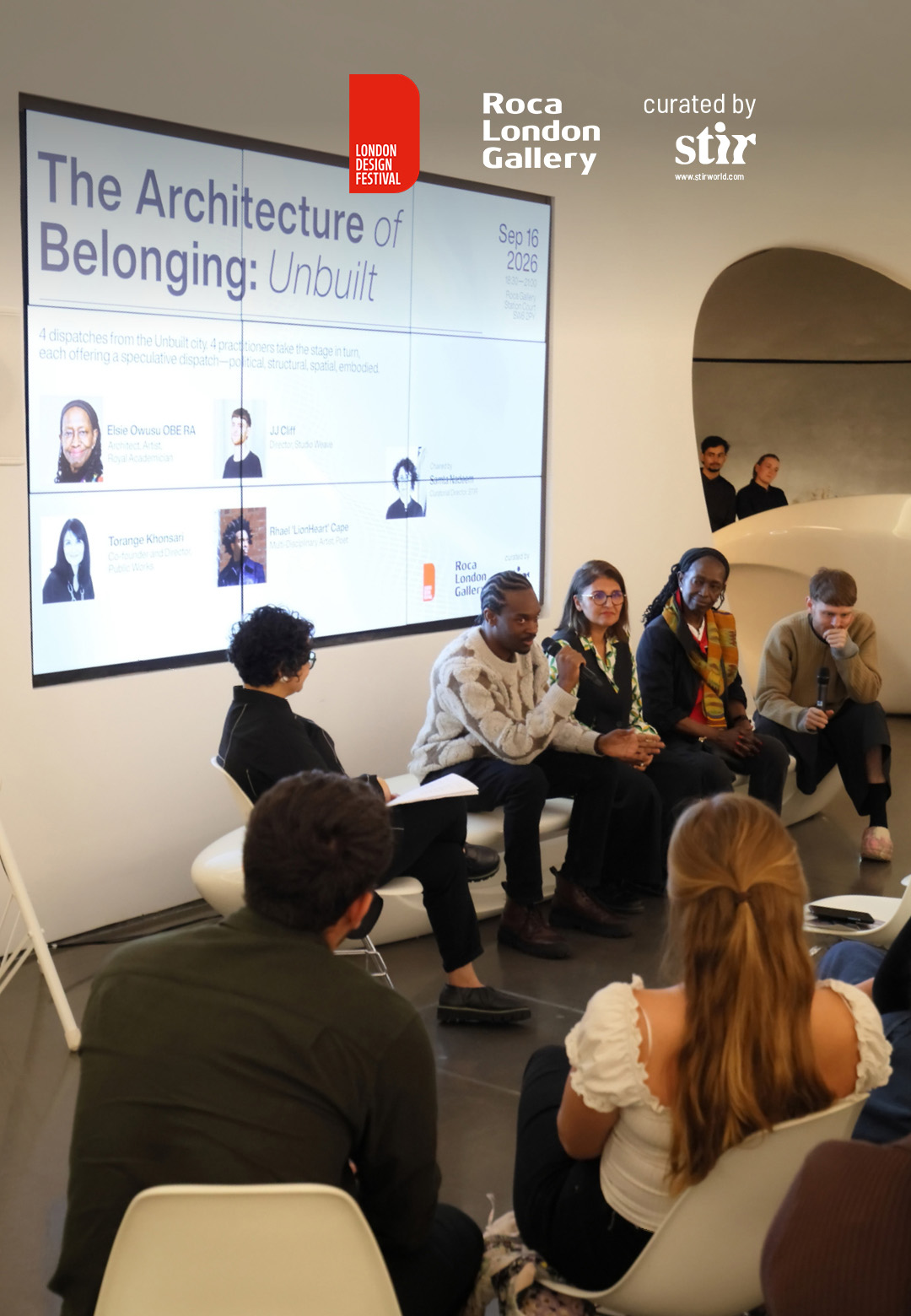
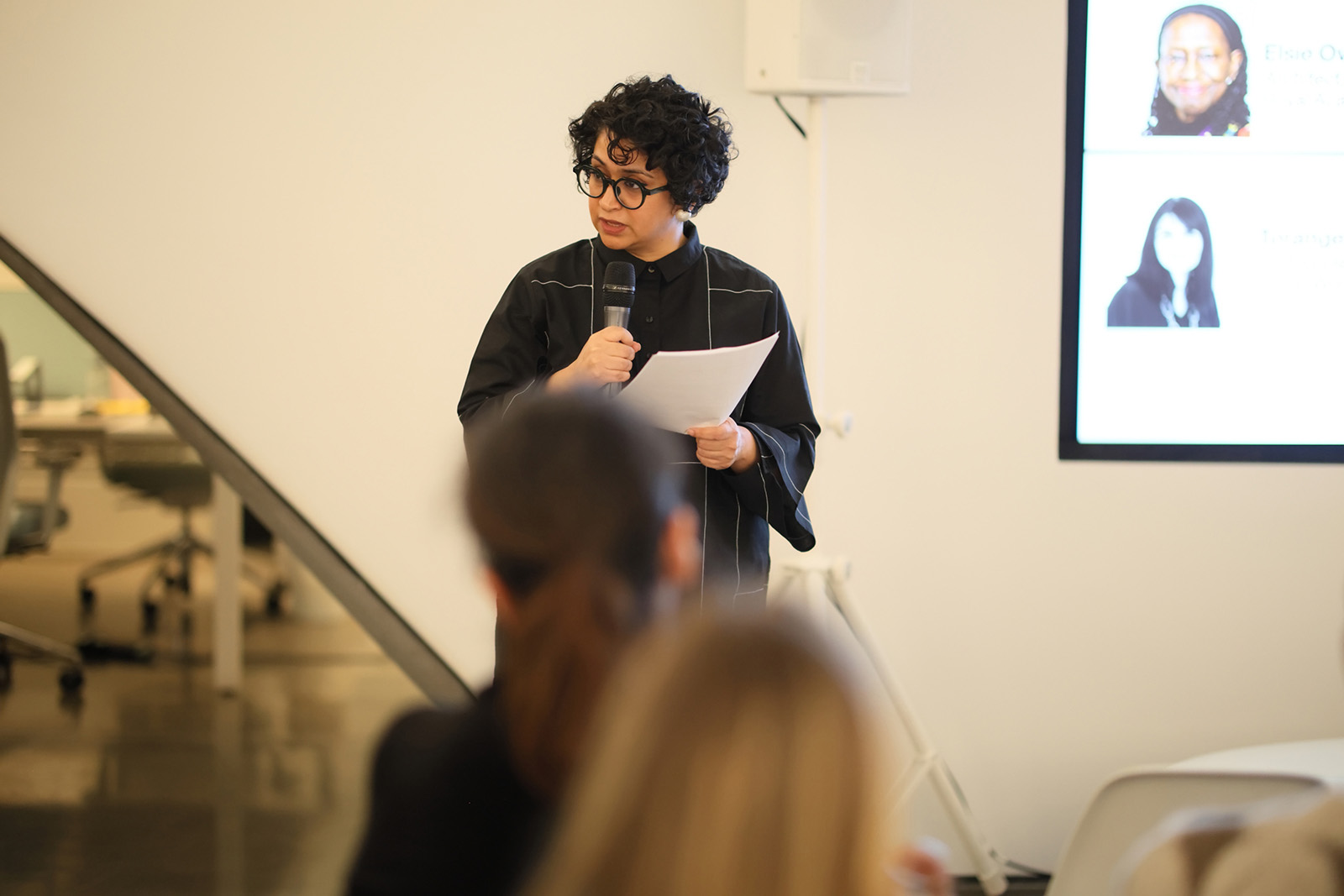
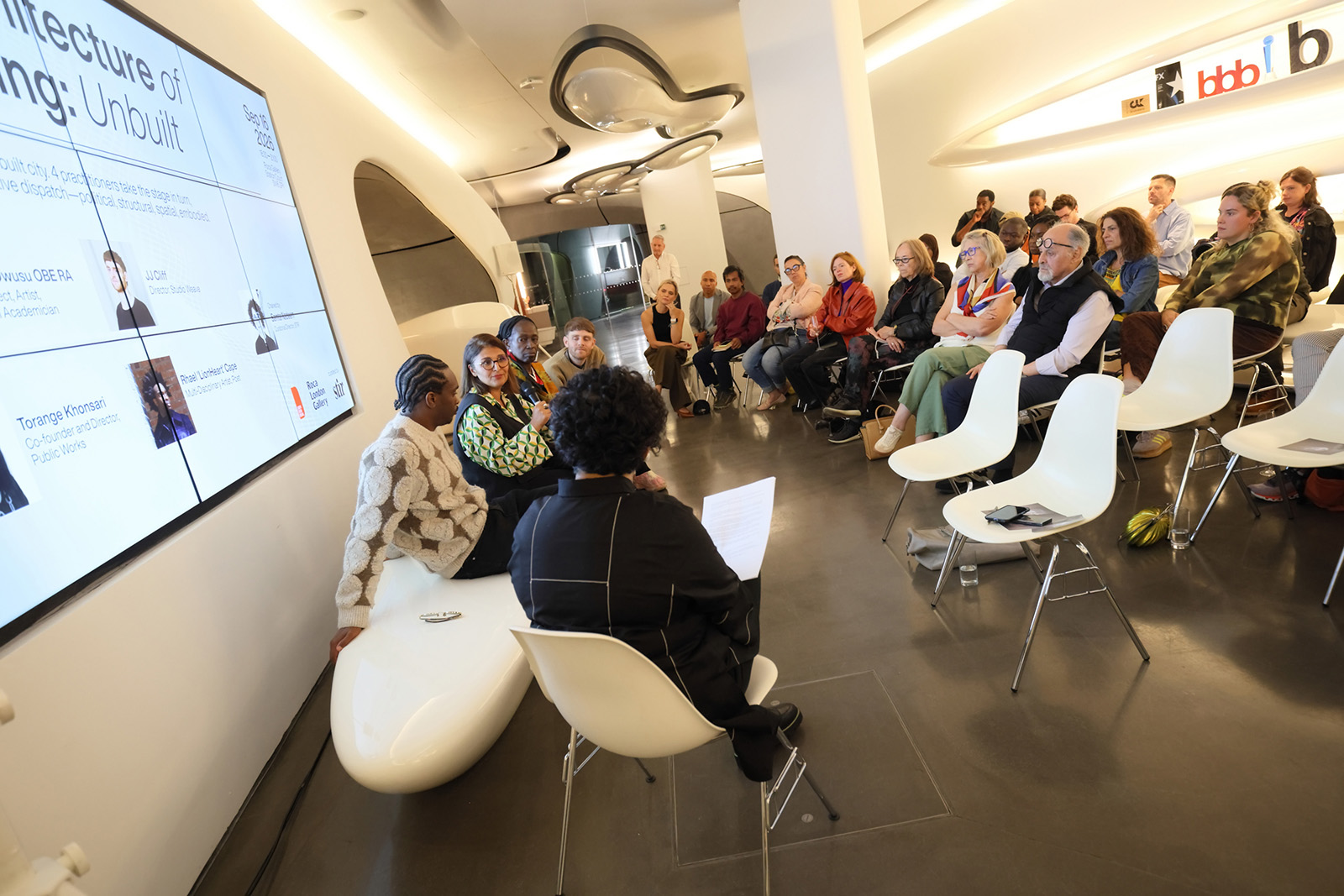
In The Architecture of Belonging: Unbuilt, the second in a two-part public event series curated by STIR for Roca London Gallery—following June’s In-Between—such registers found resonance. Held on September 16, 2026, as part of the London Design Festival this year, the session at the gallery shifted the conversation from the intimate, embodied experience of belonging towards its civic and political conditions. Introducing the evening, Samta Nadeem, curatorial director at STIR, posed a question: “What if there was this city, slightly speculative but very desirable, and if it was designed on the foundation of belonging from scratch, what would that look like, feel like?” Belonging, she suggested, need not mean finding comfort in fitting in, or pursuing its aesthetics. “We mean the structural, political, spatial and embodied conditions that determine whether a city holds you or refuses you.”
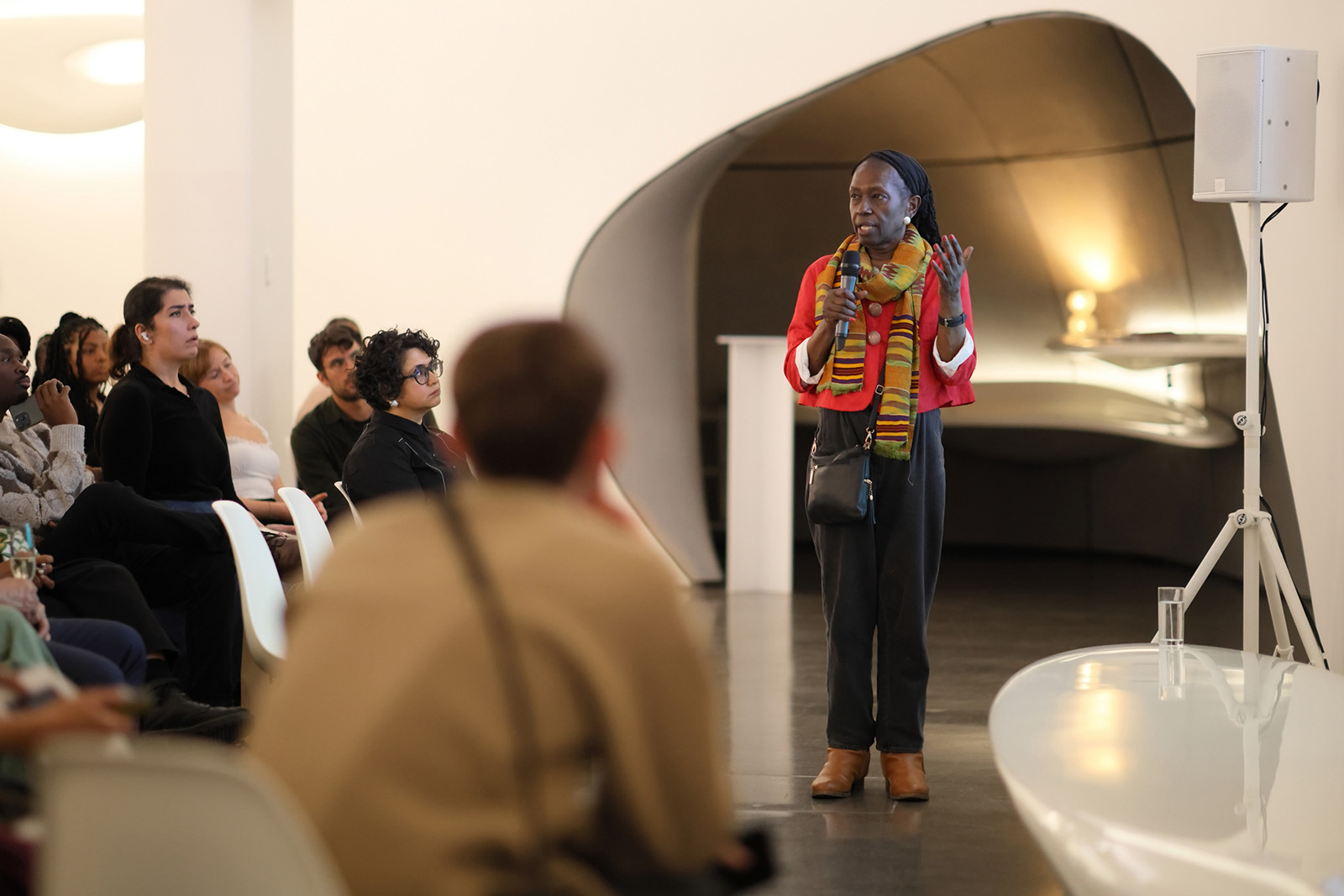
Unfolding in a similar format as In-Between, the evening’s first dispatch, The City We Were Owed, by architect, artist and Royal Academician Elsie Owusu OBE, considered disability and the built environments that fail to account for it. Recalling a conversation with her friend, a wheelchair user, who had to be lifted up a short flight of stairs, Owusu shared their response: “I am not disabled. I live in a disabling environment.” The distinction shifts the burden from the individual themselves to the structures and institutions around them, almost always designed around able-bodied users. Her account of dropped kerbs, step-free access and the relationship between art, landscape and architecture made a case for public infrastructure that anticipates more inclusive ways of inhabiting the city.
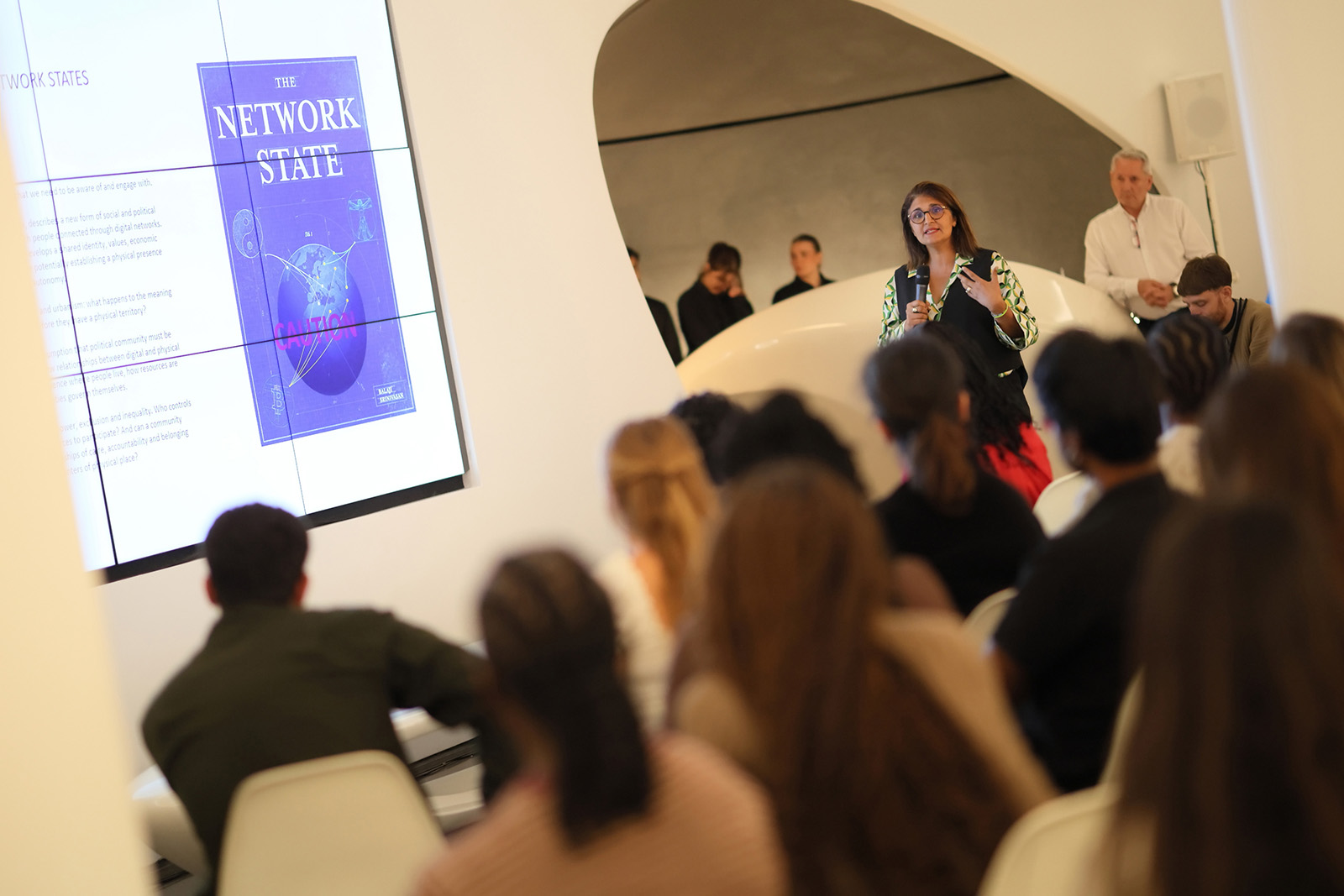
In The Ground Beneath Belonging, Torange Khonsari, co-founder and director of Public Works, turned to the commons, the collective: who shapes it, who governs it and how it might be protected or even better understood. Her research into blockchain and the idea of ‘The Network State’ raises questions about the communities forming through digital networks, and the unseen but very much present, political and social assumptions embedded in them. “It doesn’t mean we have to retreat into the digital, it means we have to design what this relationship between the physical and digital is so it is not imposed on us,” she stated. Publicness, in this sense, is to be actively negotiated and actively designed.
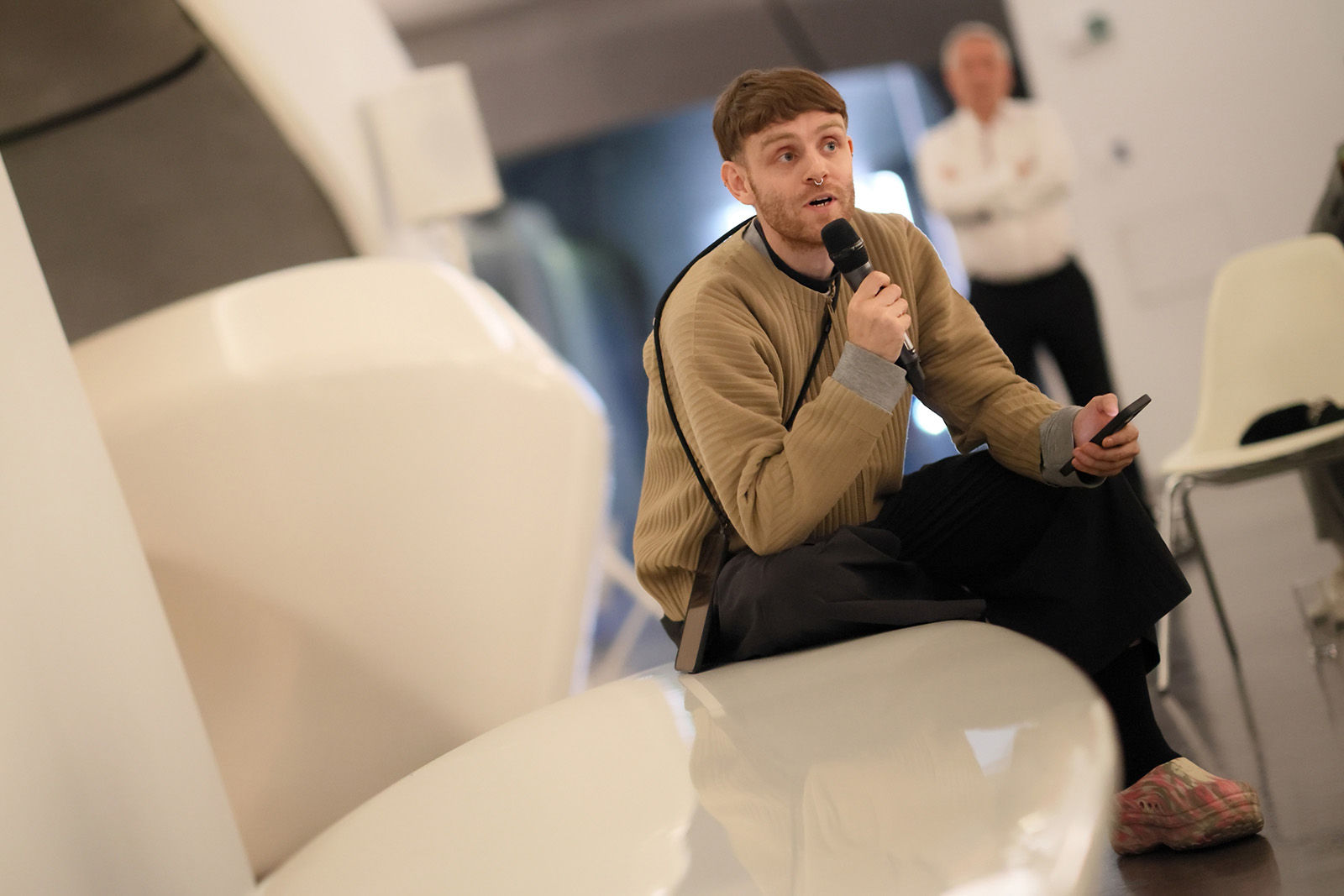
JJ Cliff, director of Studio Weave, brought the argument closer to the body in The Smallest Acts of Welcome, asking: “Are we comfortable with the world with the way we find it and where we are within it?” He considered how landscape, cultural memory and everyday objects such as chairs shape or sustain our encounters with the built. From the Camden bench to the difference between bespoke headrests and standardised doors, his dispatch suggested that welcome can be found in the smallest but considered spatial design decisions, and that discomfort, too, is learned. Much of how we inhabit and respond to our surroundings, he proposed, is a matter of conditioning.
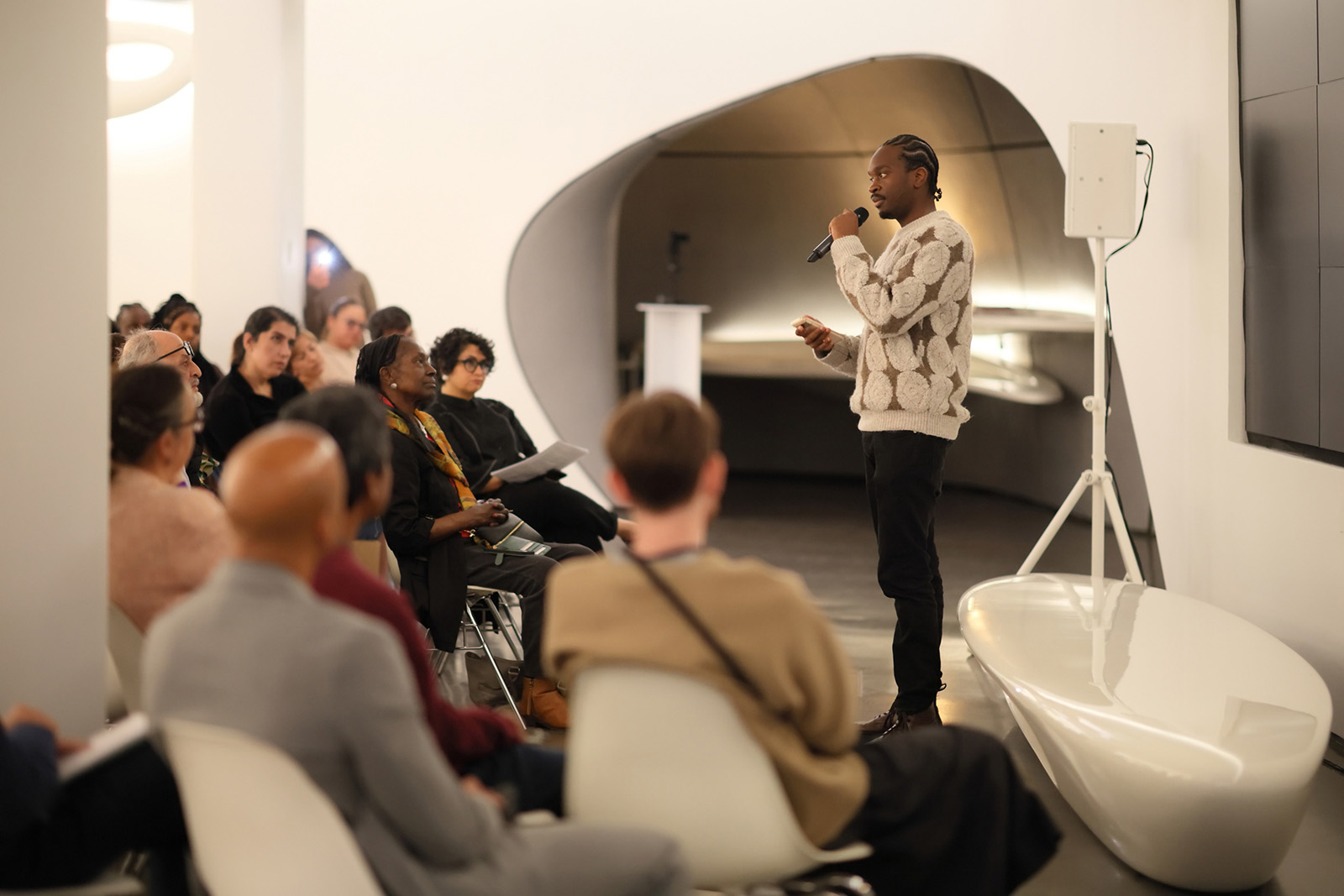
The Body That Belongs, the final presentation, arrived as a theatrical reading by multidisciplinary artist and poet Rhael ‘LionHeart’ Cape. “The city is a simile,” he began. “Incomparable yet juxtaposable…” Through personal recollections of the body and its memories, Lionheart considered what it means to inhabit a city that continually reads, categorises and sometimes refuses the people within it. His imagined city offered a different proposition: one where the body is no longer provisional, no longer required to justify its presence. “I’m convinced, belonging is a practice that requires grit and perseverance,” he reflected. “I think every city is perceptive, it’s observant…the city is a sentiment; unspoken but pronounced.”
In the panel discussion and audience interaction that followed, the speakers returned to the learned nature of belonging, the feelings of spaces never explicitly designed for us, the difference made when they do accommodate us as well as the possibility of architecture with multiple authors. Owusu brought the dialogue back to the word itself: the ‘being’, the ‘longing’ and the bringing of those together. The discussion left open a tension between the city as it is and the one we might yet make.
Unbuilt brought into view how hostile architecture and standardised designs persist, often presenting exclusion as natural function or necessity. Yet, as the first session’s exploration of the in-between suggested, belonging does not only depend on perfect sameness or prescribed intimacy. It might begin with something simpler and more consequential: a sense or pursuit of ‘amongness’, the recognition that others have lived, felt and made space for experiences like ours and that we need not be alone in navigating the built.
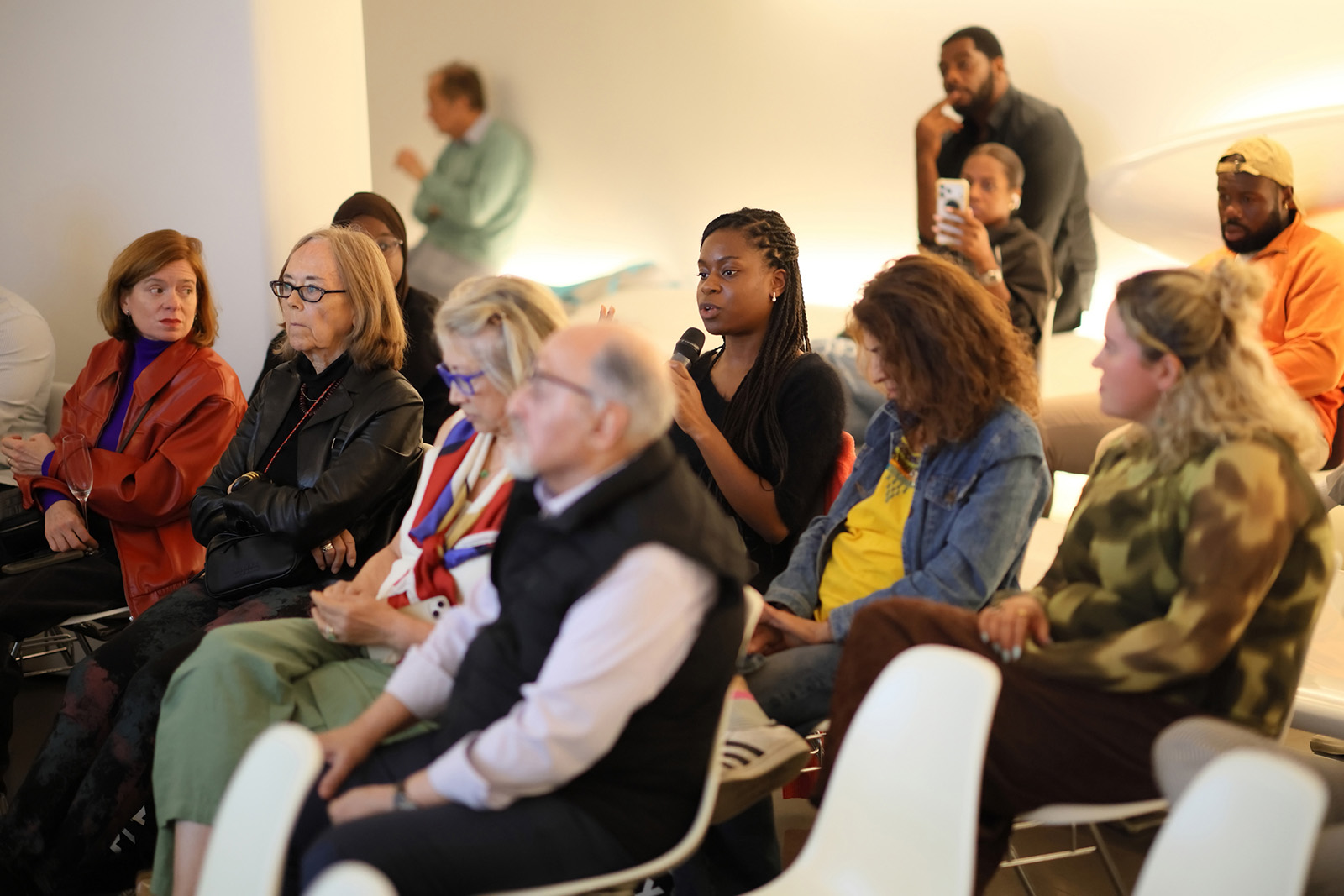
The unbuilt city, then, is not an empty utopia waiting for its architect. It lies in the possibility of designing, right now, a world where fewer people must fight to be accommodated and where more can exist with dignity and comfort. To bring landscape, built form and people into a more considered relationship is itself an act of designing belonging. What if ‘amongness’ became the default: a principle or conditioning that architects, planners, designers and artists worked from, rather than an aspiration they occasionally accommodate, so calling a city home is not a far-fetched dream?

by Mrinmayee Bhoot Nov 05, 2026
At the William Morris Gallery in Walthamstow, Earthly Paradise: Radical Living in the UK traces how creatives and communities have shaped alternative domiciles and ways of living.
by STIRworld Oct 30, 2026
With the Indian museum ranking ninth among the world’s 100 best museums, STIR reviews its design by Maki and Associates with _Opolis as a measured urban response to Patna.
by Anmol Ahuja Oct 29, 2026
In its narrative dissonance and deceptive titular chronicling, the John Wilson documentary makes pertinent observations on our cities and lives being more than concrete or history.
by Pranjal Maheshwari Oct 27, 2026
The Brazilian architects shape the residence with cues from its context, nimbly segregating its private and social realms with greens, lattice screens and a form-giving ascent.

make your fridays matter with a well-read weekend
Enter your details to sign in
Don’t have an account?
Sign upOr you can sign in with
a single account for all
STIR platforms
All your bookmarks will be available across all your devices.
Stay STIRred
Already have an account?
Sign inOr you can sign up with
Verification link sent to check your inbox or spam folder to complete sign up process
Tap on things that interests you.
Select the Conversation Category you would like to watch
Please enter your details and click submit.
Enter the 6-digit code sent at


Conjuring the unbuilt: STIR x Roca London Gallery imagines the city we are owed
by Jincy Iype | Published on : Oct 31, 2026




 Sign in with Google
 Sign in with email
What do you think?