Architecture12 mins. read
On planetary speculation as shared cultural infrastructure: Liam Young's In Other Worlds
by Bansari Paghdar, Anmol AhujaMay 28, 2026




by Justyna GreenPublished on : Apr 03, 2020
Suzanne Livingston is the curator of the Barbican Centre’s exhibition, AI: More Than Human, which explores our relationship with artificial intelligence. Livingston is well placed in the role, as her involvement with AI and cybernetics began back in the 1990s. She was interested in the topic throughout her MA in Cultural Studies at Birmingham University, and then at the University of Warwick where she helped launch the new research department of Cybernetic Culture, together with Sadie Plant and Mark Fisher.
Suzanne describes being part of that department as an ‘intense moment’ of counter-culture, rooted in avant-garde explorations of cyberculture. The group actively questioned the idea of what a human being is—a notion she believes warrants further examination. She believes the idea is often narrowly defined, especially in western culture where humans are seen as autonomous, rational and in control; yet often closed off from their environment. This, Livingston believes, generates the ‘fear of the other’, feelings of being threatened and induced competitiveness.
Instead, she suggests we see being human as an ‘active zone’, constantly evolving, merging with technology and biology to create new configurations. Asian tradition of Shintoism is closer to that approach, in which attributes such as soul and spirit are assigned to inanimate objects. It can also be seen in Jewish folklore and in gothic traditions – different cultures trying to infuse objects with life and agency of their own. This exploration of centuries-old traditions forms the start of the exhibition, examining the desire to create copies of ourselves, control them or give them powers.
The exhibition then took us through the Golden Age of AI—the 19th and 20th century—featuring pioneers such as Charles Babbage, Ada Lovelace, Alan Turing, John McCarthy, Claude Shannon and Marvin Minsky. Their work started with what Suzanne calls ‘classic AI’; how the brain can be turned into a series of facts and rules, which can then become programmable code. From the 1940s, the research moved to explore artificial neural networks. This approach was a step away from pre-programmed technology, and focused on machines learning for themselves and self-improving over time.
As the machines keep learning, another question arises—is technology capable of creativity and reflection? Suzanne believes so. An example of this being a historic game of ‘Go’ between AlphaGo by Deep Mind and world-champion Lee Sedol. As the machine won, it changed the game forever with its ingenious responses.
And whilst some of us feel threatened by technology, others are building new relationships with it. Such is the case of people’s emotional reactions to engineers hitting the Boston Dynamics’ robotic dogs. We can quickly become protective of something that’s simply a combination of code and wires.
Suzanne believes it’s the binary thinking of seeing technology as good or bad that’s closed-minded. Instead, she believes we should accept our lack of control and be attuned to the changes. We should be reflective about technology and be ready for the world in which it increasingly merges with biology and humanity.
AI is already used to fight climate change, support disease detection and food production in inhospitable climates. What Suzanne believes is the future of AI, though, is increased gene editing, brain emulation and uploadable brains. All whilst we reflect on key philosophical questions, such as the distinction between life and death, and the notion of ‘natural’.
Listen to more Justyna Green podcasts now on Apple Podcasts, Spotify and Google Play.

by Pranjal Maheshwari Oct 23, 2026
Co-authored by Jareh Das, Chairman traces the British designer’s fixation on chairs as symbols of power and identity and as mediums of expression and community building.
by Chahna Tank Oct 22, 2026
STIR speaks with the Mumbai-based type designer about her practice, type walks and why she wants more people to have stronger opinions about Indian-script fonts.
by Mirra Lynn Oct 22, 2026
The curators behind Palestine Design Week 2026 reflect on its intent, considering how design holds memory, makes space for loss and imagines a future in Palestine.
by Jincy Iype Oct 15, 2026
STIR explores craft, material intelligence and people shaping Indian design through dialogues with Design Democracy’s co-founders and the curators of its special exhibitions.

make your fridays matter with a well-read weekend
Enter your details to sign in
Don’t have an account?
Sign upOr you can sign in with
a single account for all
STIR platforms
All your bookmarks will be available across all your devices.
Stay STIRred
Already have an account?
Sign inOr you can sign up with
Verification link sent to check your inbox or spam folder to complete sign up process
Tap on things that interests you.
Select the Conversation Category you would like to watch
Please enter your details and click submit.
Enter the 6-digit code sent at


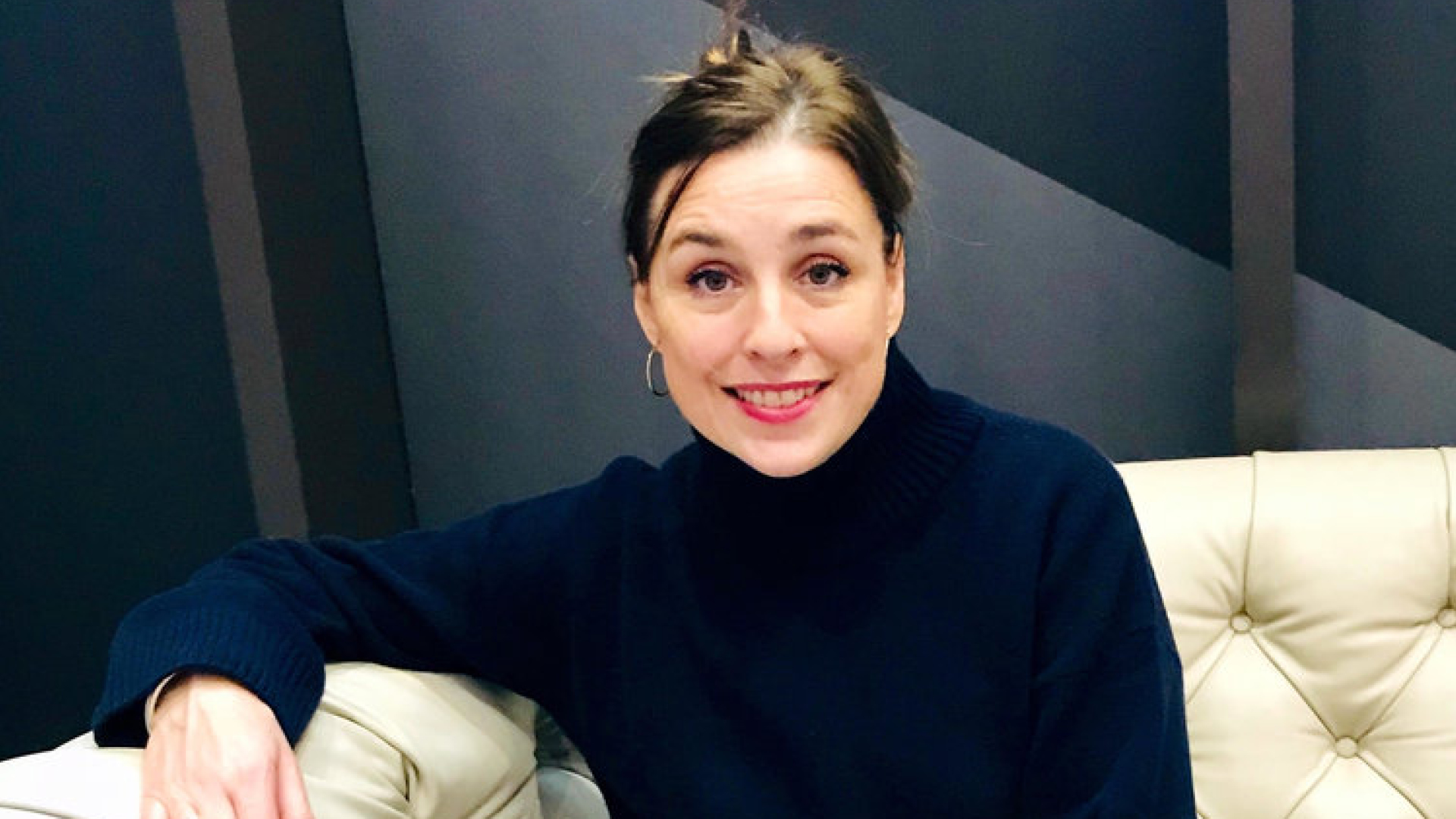
Suzanne Livingston, on Artificial Intelligence
by Justyna Green | Published on : Apr 03, 2020


 Sign in with Google
 Sign in with email
What do you think?