Architecture10 mins. read
Jouin Manku drafts Korean landscape in the interiors of Van Cleef & Arpels Seoul Maison
by Sunena V MajuJan 10, 2023



by Pranjal MaheshwariPublished on : Nov 13, 2026
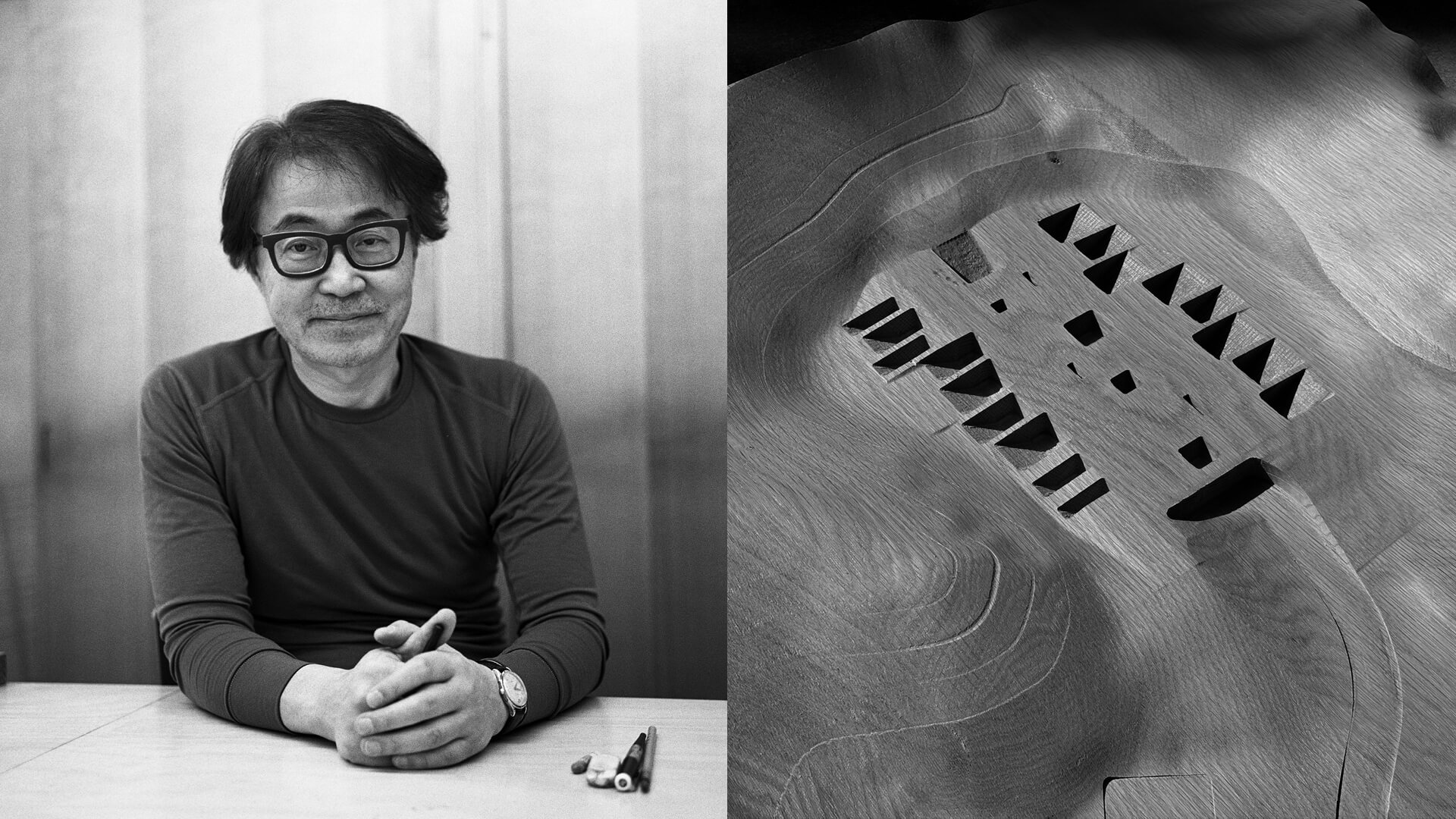
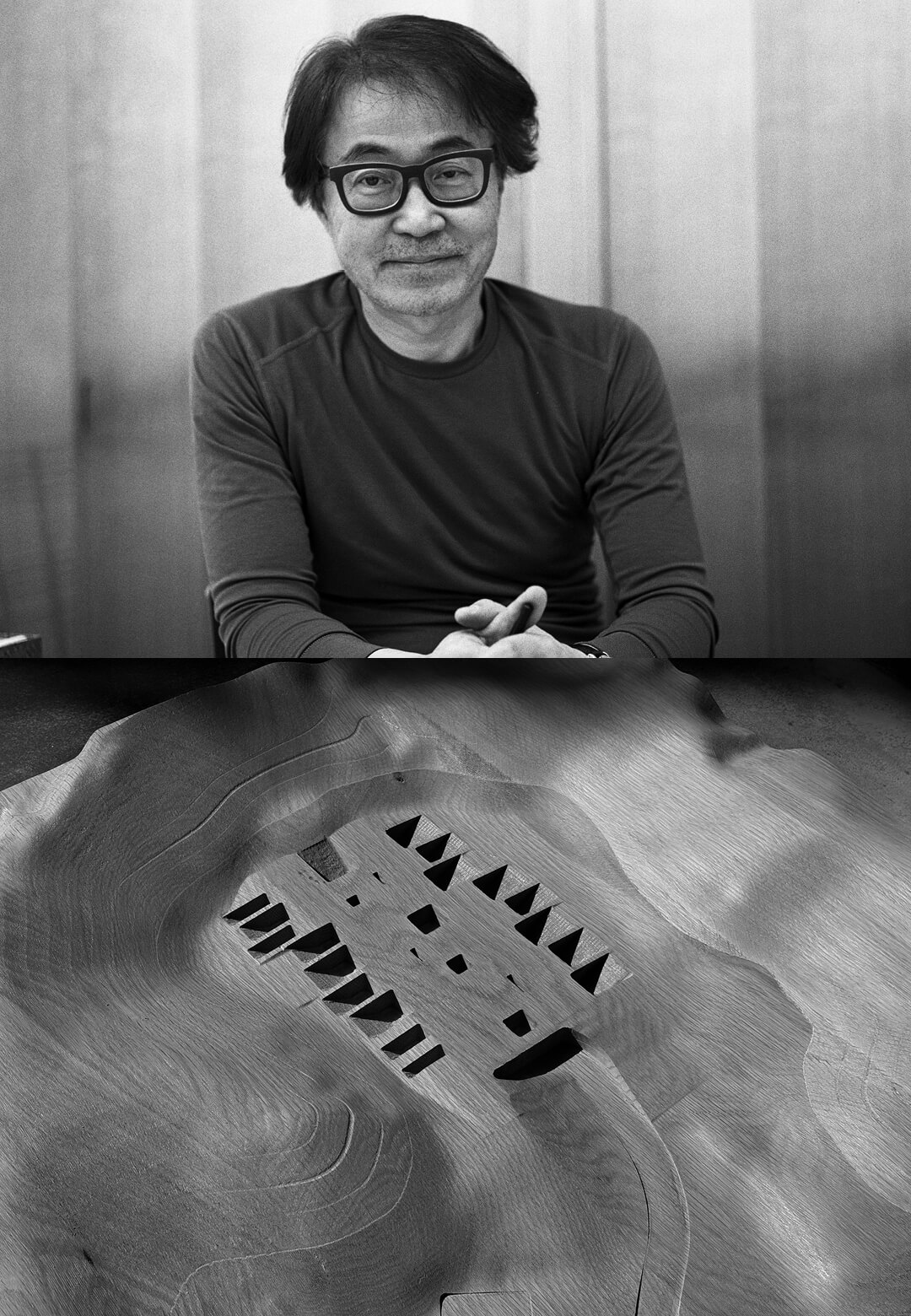
Byoung Soo Cho practices architecture on the principles he learnt from farmers. Now based in Seoul, he frequently engaged with the farming communities in his parents’ homeland in rural South Korea as a child. These interactions lent him a deep reverence for the land as a natural, giving entity. It provides sustenance and nourishment, but only if you move with its rhythms; if not, both the land and the crop perish. When viewed through this lens, architecture is to be considered a practice embedded in the landscape, charged with inhabiting as well as propagating its existing rhythms. His regard for topography and ecology as integral components of the essence of a place became the cornerstones of his practice, BCHO Architects Associates (BCHO), established in 1994.
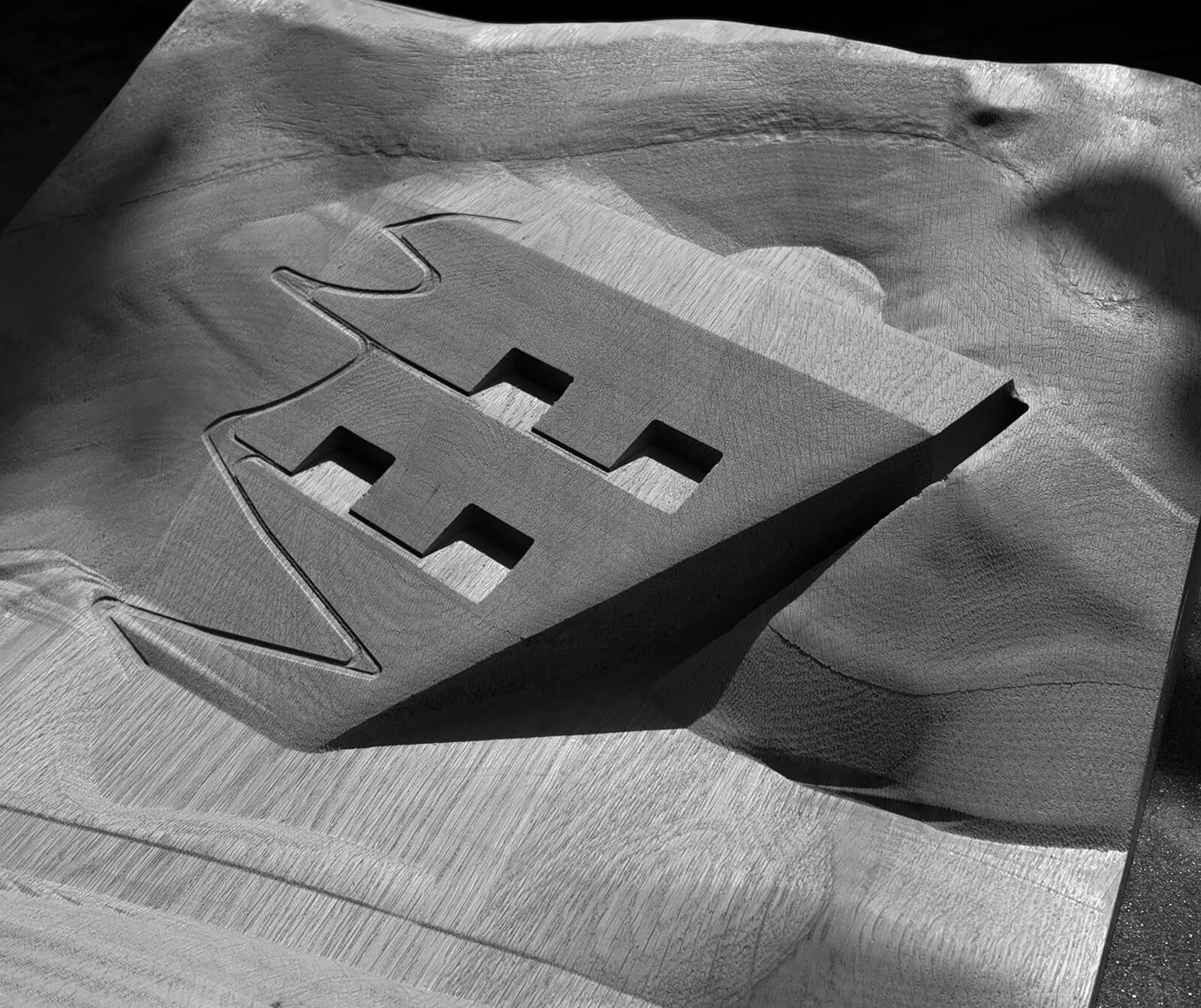
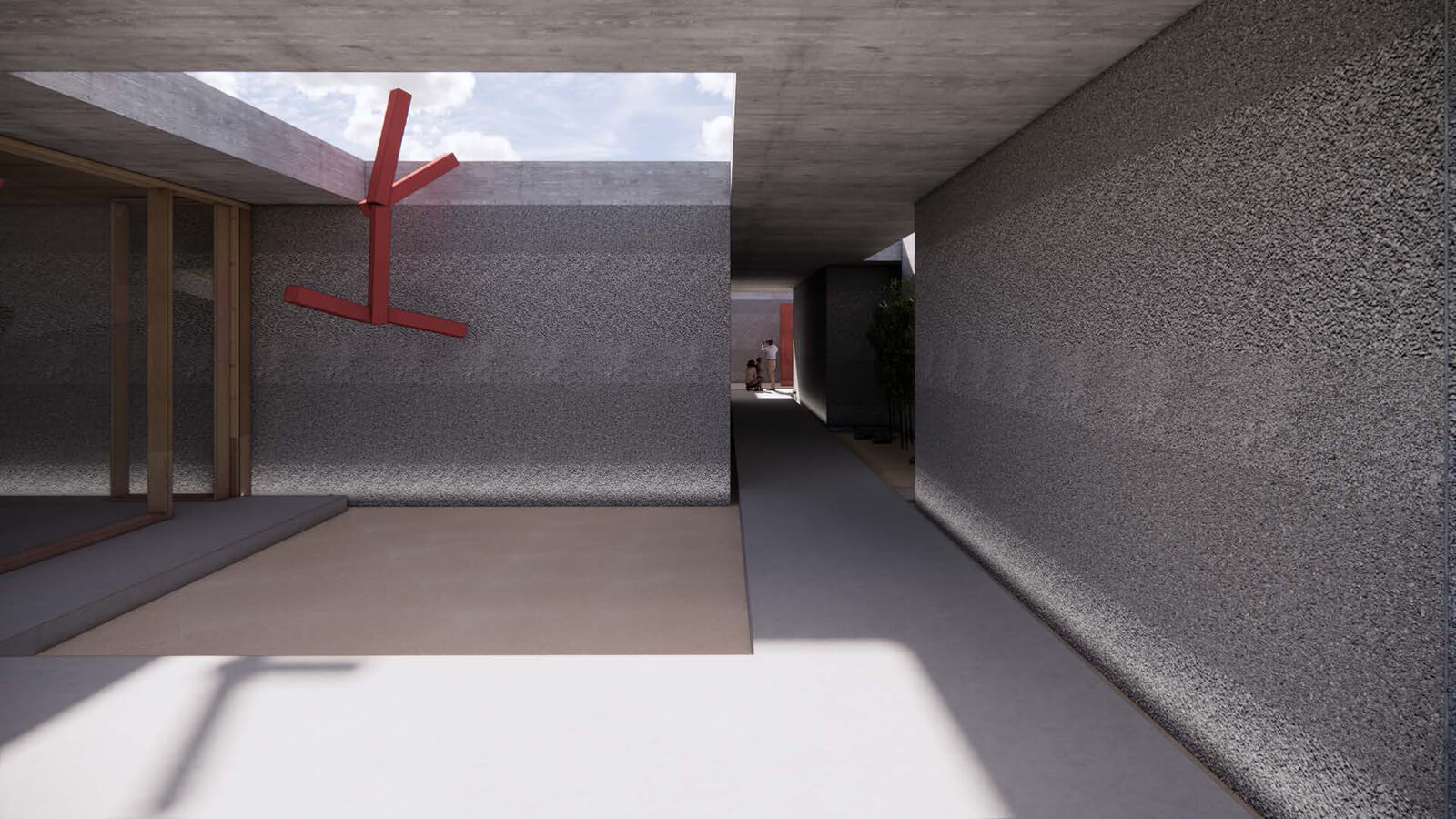
What began as a design-and-build venture more than three decades ago has evolved into a multidisciplinary practice spanning architecture, landscape design, art, curation, pedagogy and exhibition design, among others. The Korean architect’s respect for ecological systems was further reinforced when he encountered farming communities in Montana, US, while pursuing his architectural education at Montana State University. What particularly fascinated him was the minimal, almost frugal essence of agricultural architecture that resonated with his understanding of Korean architecture. Among Cho’s early architectural concepts during his graduate studies were designs inspired by the simple image of a hole in the ground covered by branches: a habitable space in its simplest form, without any objectifying connotations. He extended this approach to the self-commissioned Concrete Box House in 2004, which, although not a subterranean volume, stands as a solid concrete block perforated by two courtyards and no windows.
What the Concrete Box House might lack in its image—which seems to be the packaging of imagability itself, a staple of contemporary architectural consumption—it makes up for with its distinct, rooted spatial experience. A simple, rectangular plan divided into six small rooms, contradicted and complemented by the open courtyard, illuminated by natural light and, owing to its lack of fenestration, a profound sense of spatial awareness.
We are trained to exaggerate forms too much today. How it looks, rather than what we are building it for; to really care about the place and the people. So when I came back to Korea, I told my people that I wanted to design something that nobody could tell was Byoung Cho’s design. – Byoung Soo Cho
While the practice evolved over the years to experiment with different contexts, concepts and complexities, they can be connected by a consciousness of their intersection with the immediate topography. However, with the Korean architect’s deep appreciation for nature—inspired by its simplicity and interconnected ecosystems—the rampant degradation and disregard of the vitality of land also forms a source of concern—something Cho addresses not by building, but through the more pedagogical arm of his practice, alongside his other academic commitments.
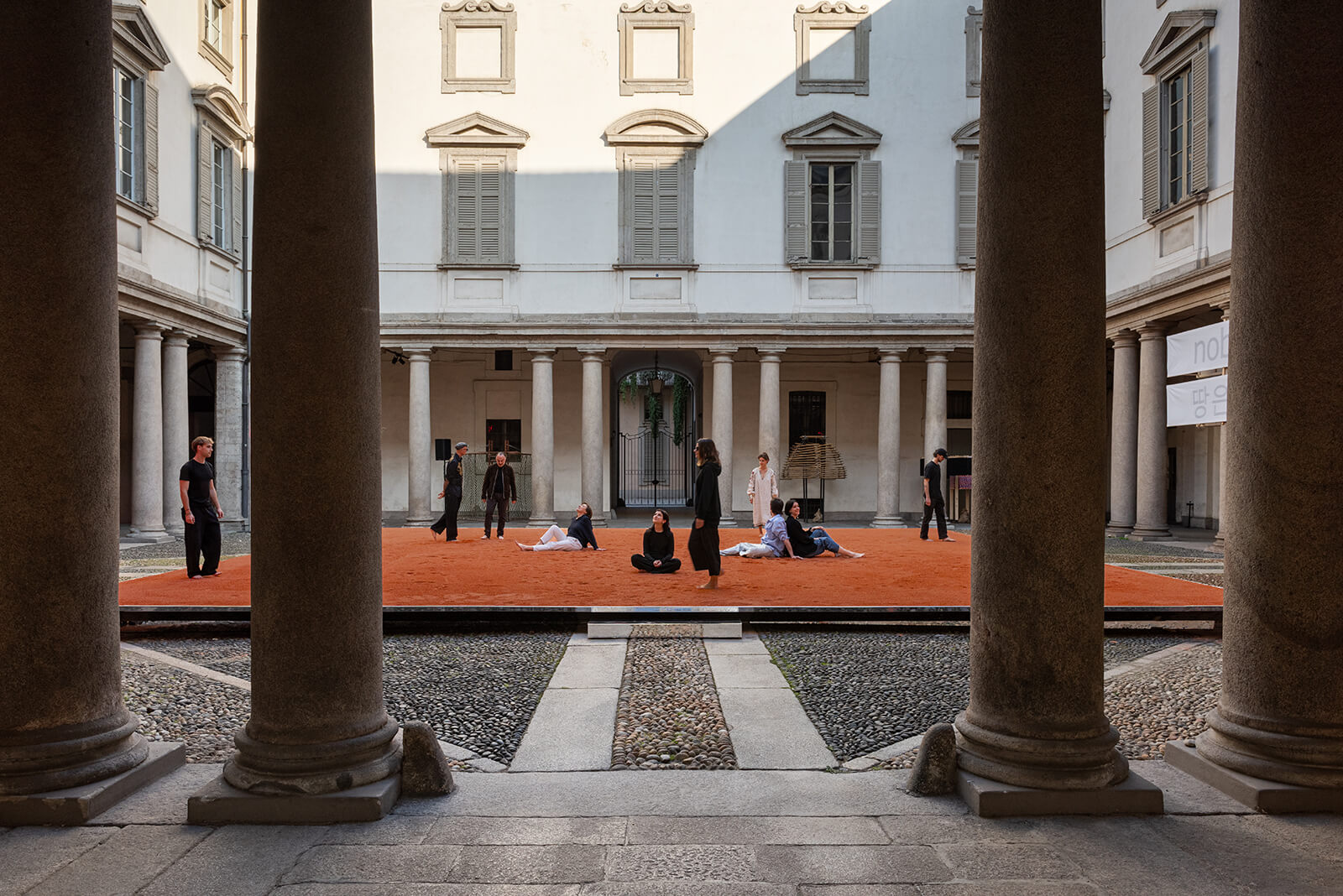
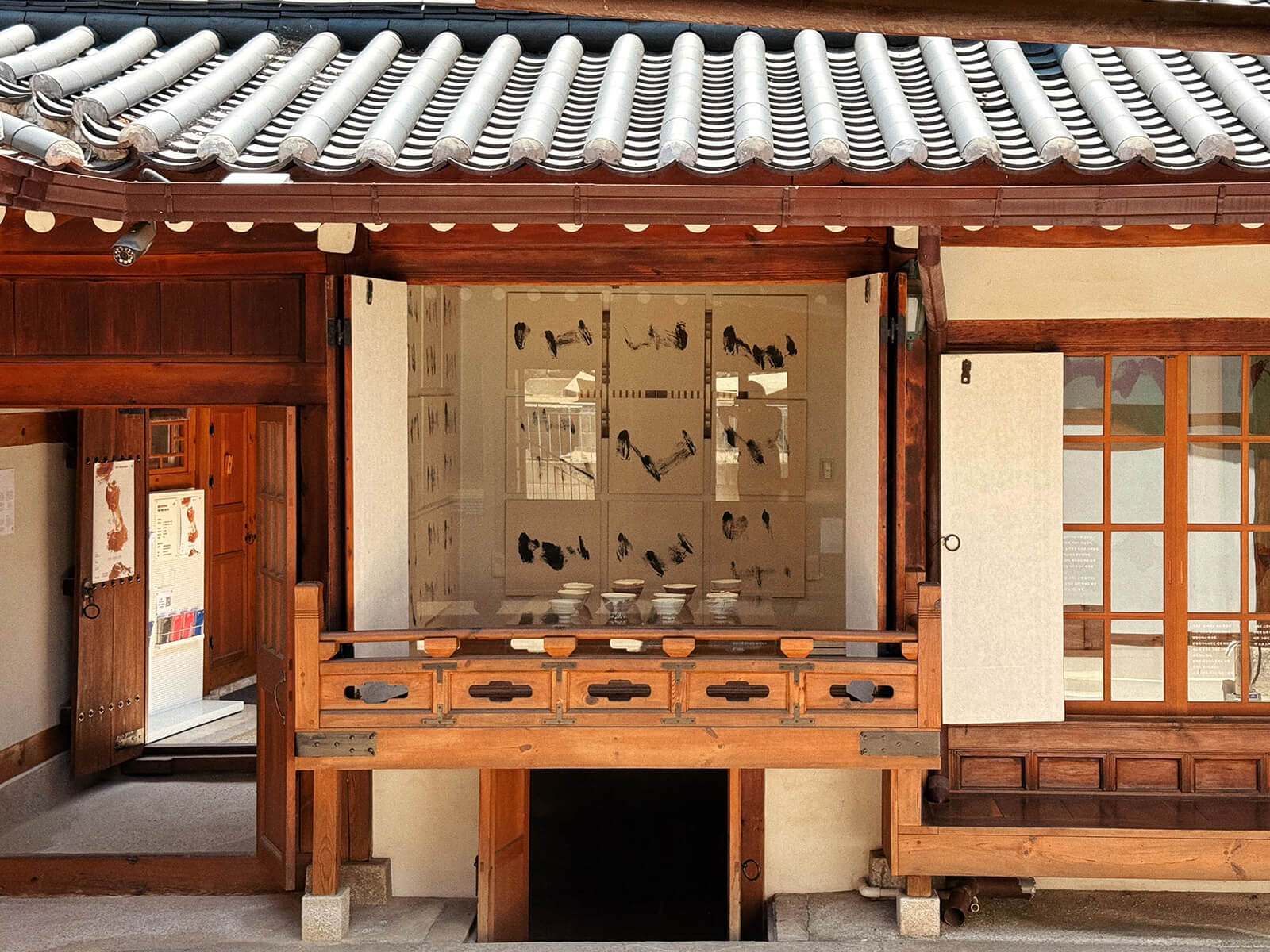
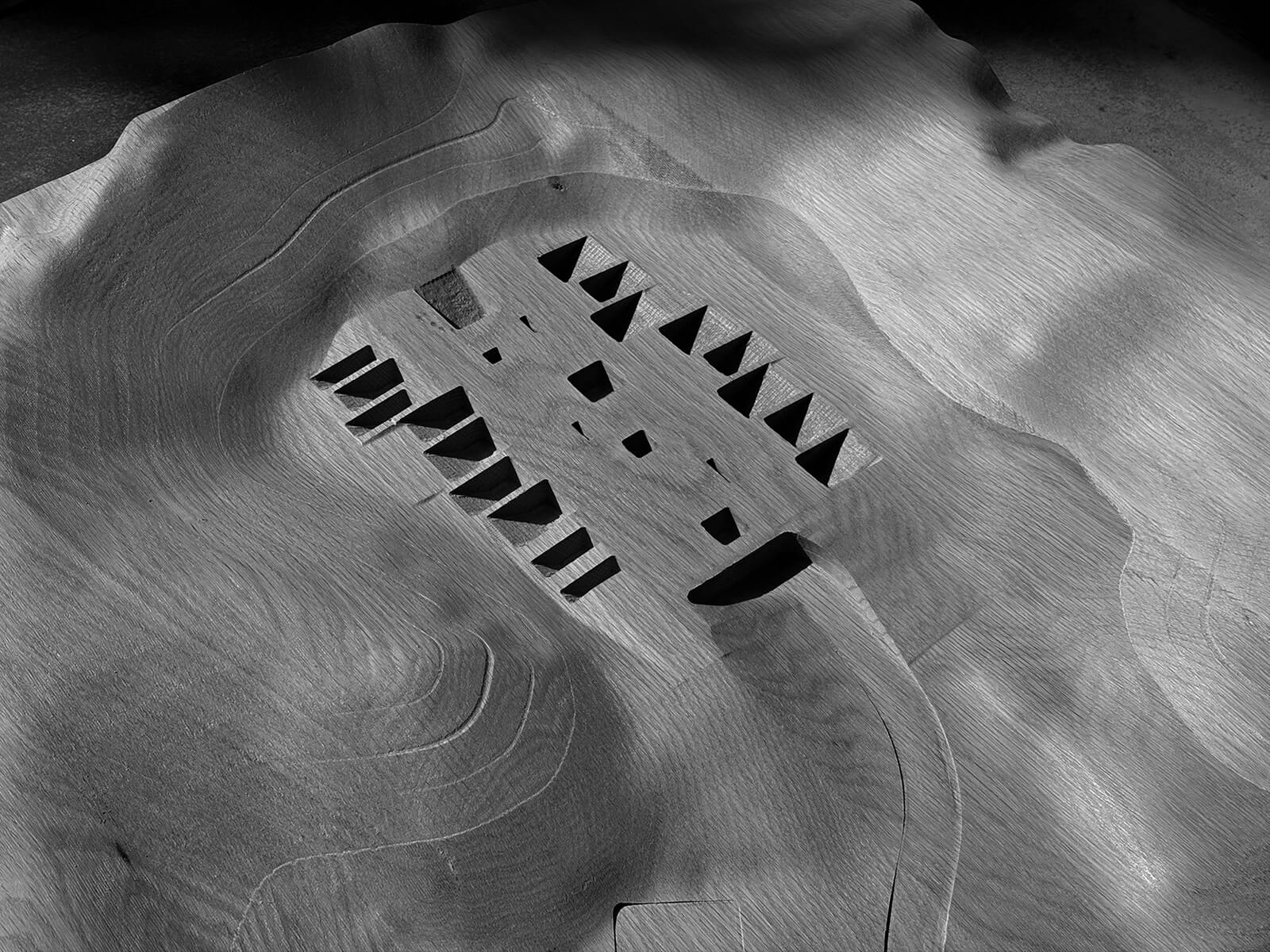
Nobody Owns the Land exhibition at Milan Design Week 2025, for instance, proffered a shared ownership of the planet, imploring society to avert the many conflicts propagated in the name of imaginary boundaries and the illusion of possession. Through a showcase of different designers and various artworks by Cho peppered around the central installation Earth / Forest / Mahk, the design exhibition recalled the purity and beauty of earth and forest that are perhaps scarcely encountered today. A community hub in Saemanguem extends this custodianship beyond architectural expression by integrating a programme for educating the neighbouring community on the damage and restoration of a former landfill site into an ecological sanctuary within its public library. “I wanted to see how we could recover all this destroyed environment”, Cho says in a video interview with STIR, “not in the sense of forcefully recovering it, but naturally.”
Cho’s ecological concern further seeps into the act of consumption and generation of waste that is propagated by an ignorant production system, informing his curation of the 2023 edition of Seoul Biennale, under the theme Land Architecture, Land Urbanism-City of Mountain Ranges, Waterways and Wind Breezes-Drawing of the Seoul’s Next 100 Years. That year, both the displays and the event itself strove to create minimal waste. Cho envisioned the exhibits and venues made from frugal materials such as scaffolding and wood, that could be dismantled and rebuilt elsewhere as needed. For the more concrete components, such as the foundations for the scaffolding structures, the acclaimed architect later adapted them into a furniture collection and other suitable alternative purposes.
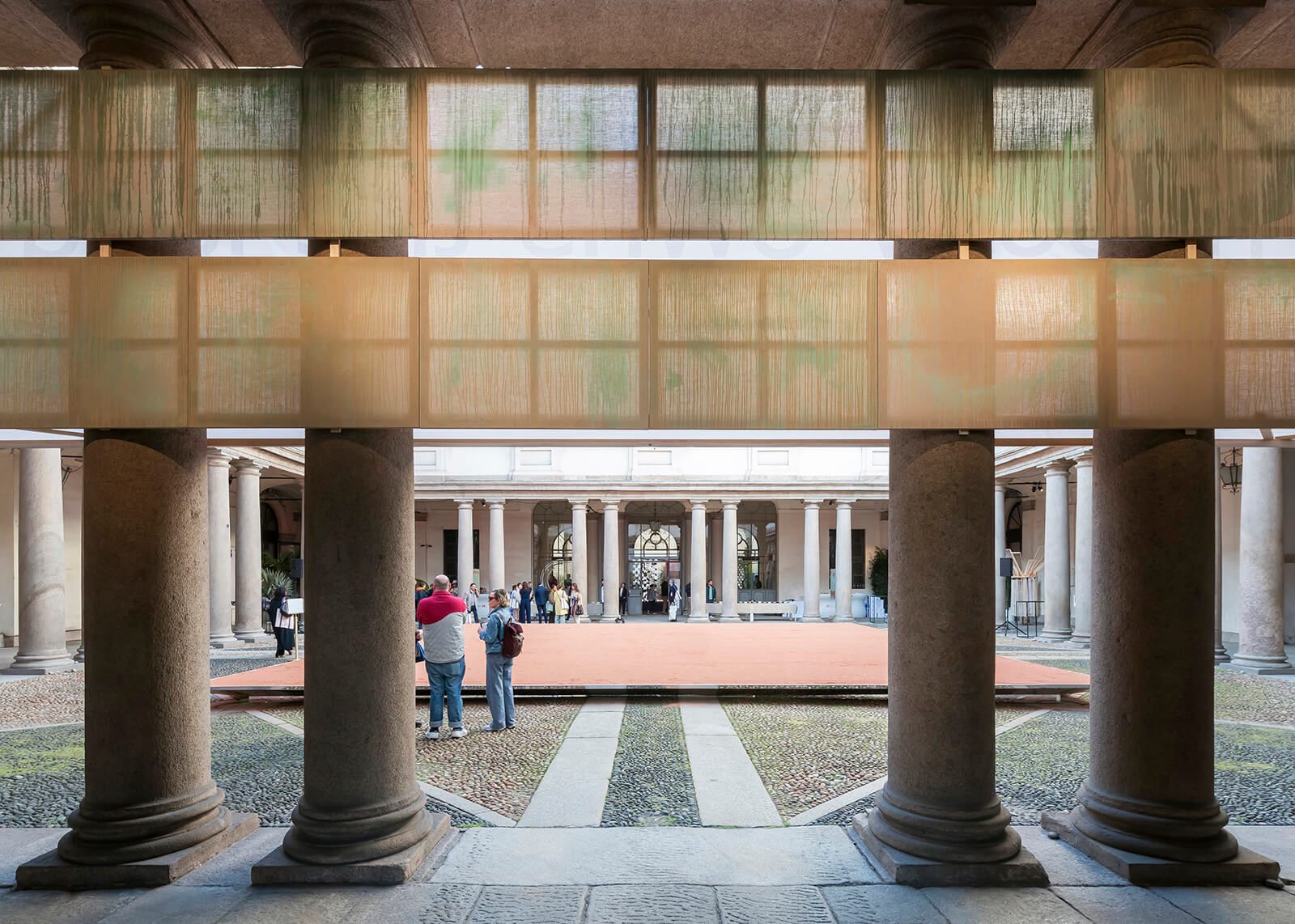
All civilisation, religion and culture, I believe, came from this given condition of the environment. But today, the conflict all comes from not wanting to understand each other. – Byoung Soo Cho
While the conceptual notes for the Biennale reference Cho’s ecological apprehensions and interests, the projects themselves carry a strong sense of building, making and execution—tying into current discourse on Biennales and other means of ‘alternative’ architectural production veering away from the built. For him, although the process of designing and planning holds immense importance, its scope is limited compared with making them a reality. “When a bird makes their nest, they know the material, their tools and skill set,” he relays to STIR. “They don’t sit and design it first!”
He also carries a deep admiration for how two elements come together, work as a couple and form part of a larger, interconnected web of systems. Cho’s fascination for interdependent systems can also be traced back to his learnings on the farm. That may be his default view of the world: as a coherent, interconnected ecosystem where everything tends to something else. Perhaps that is why a conversation with him can start from discussing a potential pivot into critical theory for architecture and naturally sway into a recollection of the rolling landscapes of Switzerland from his time as an exchange student from Harvard.
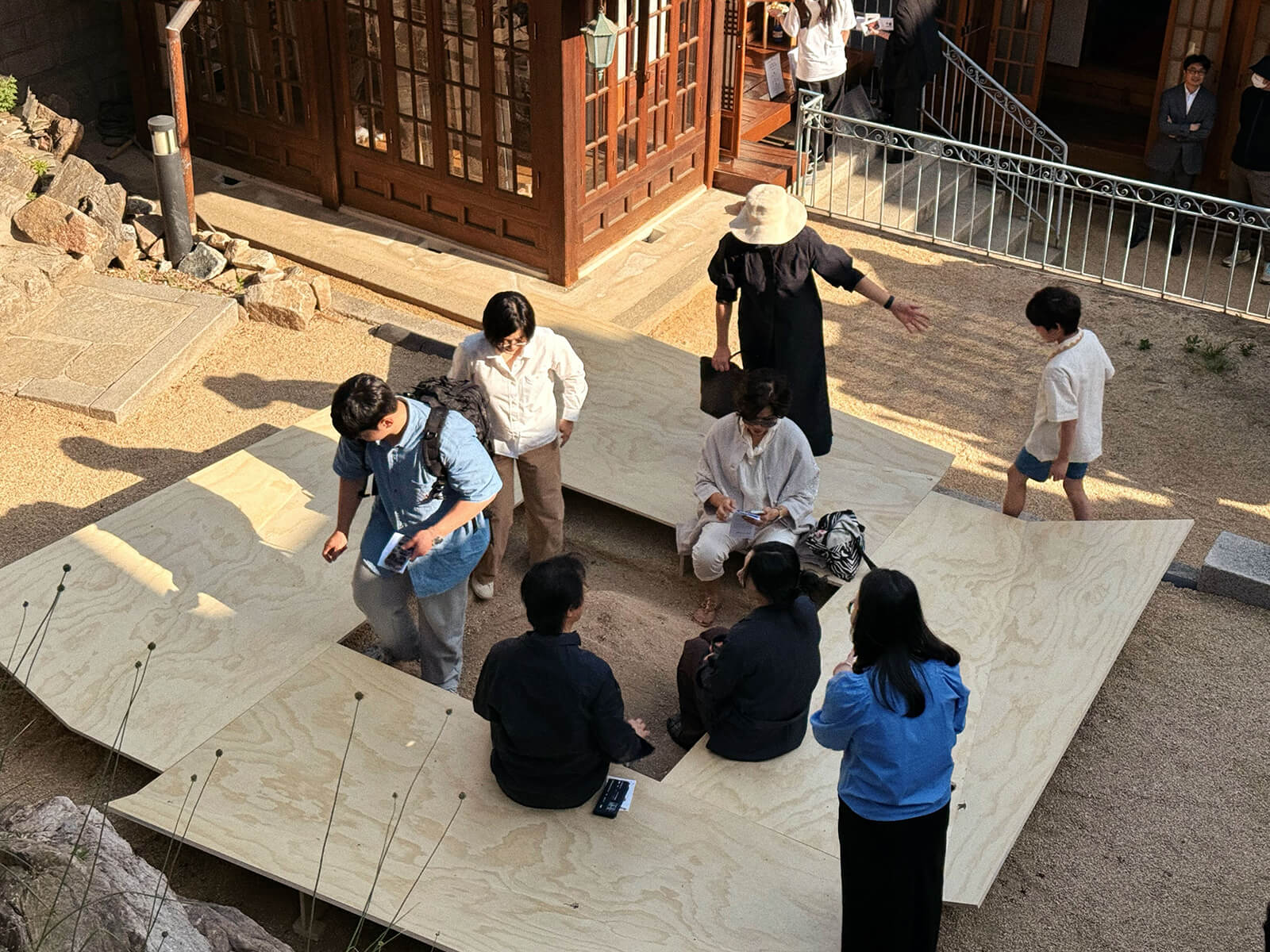
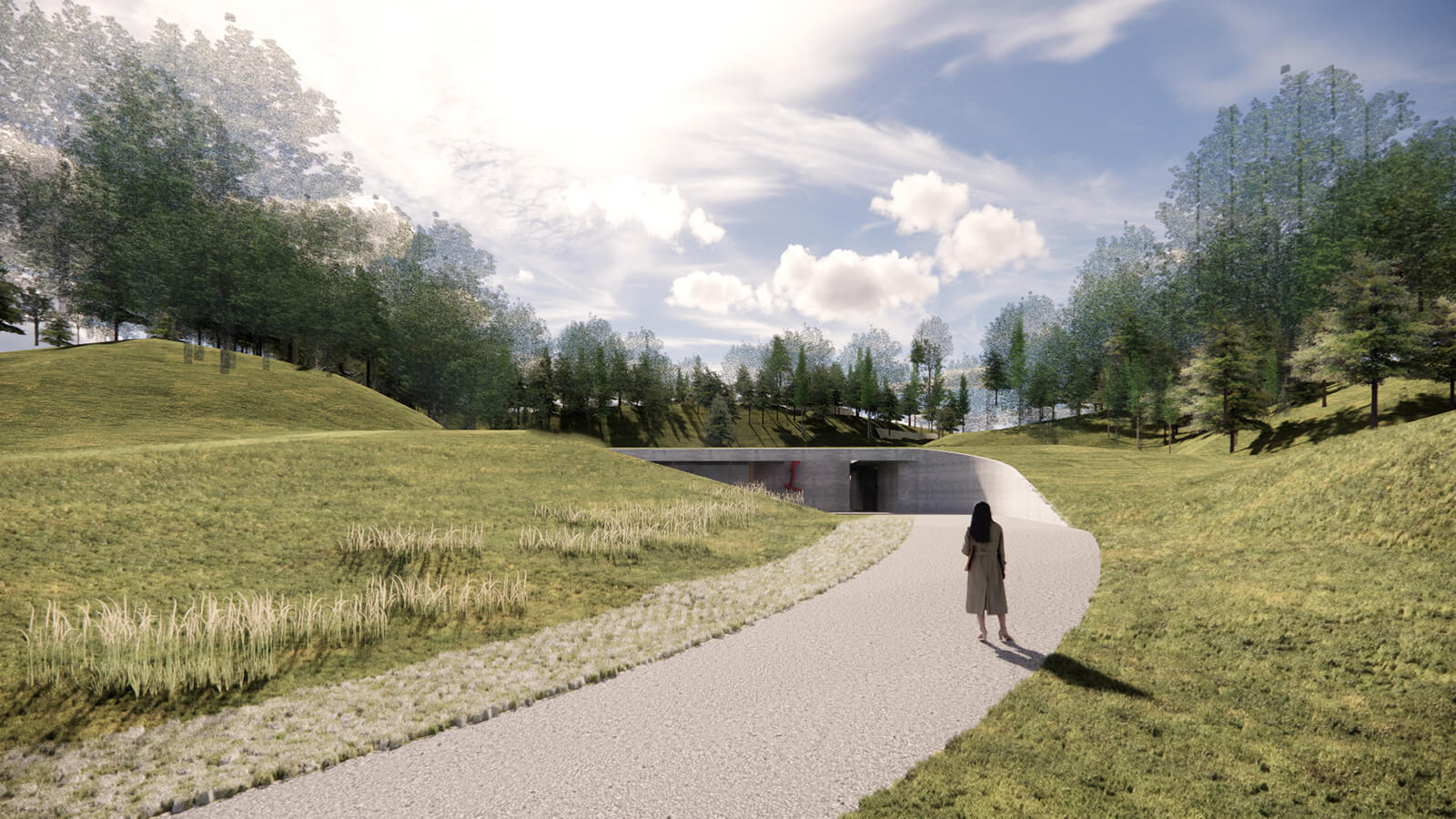
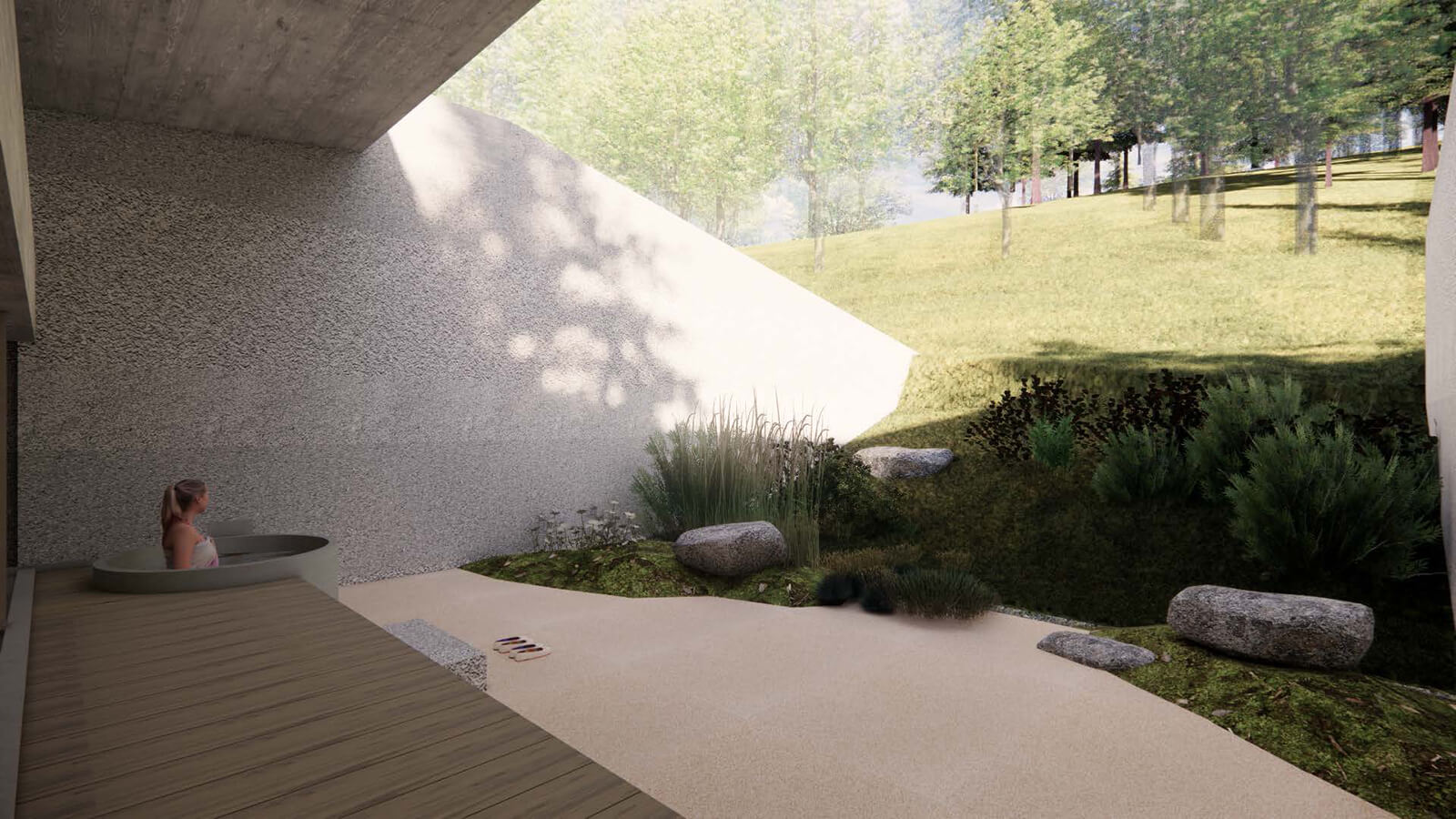
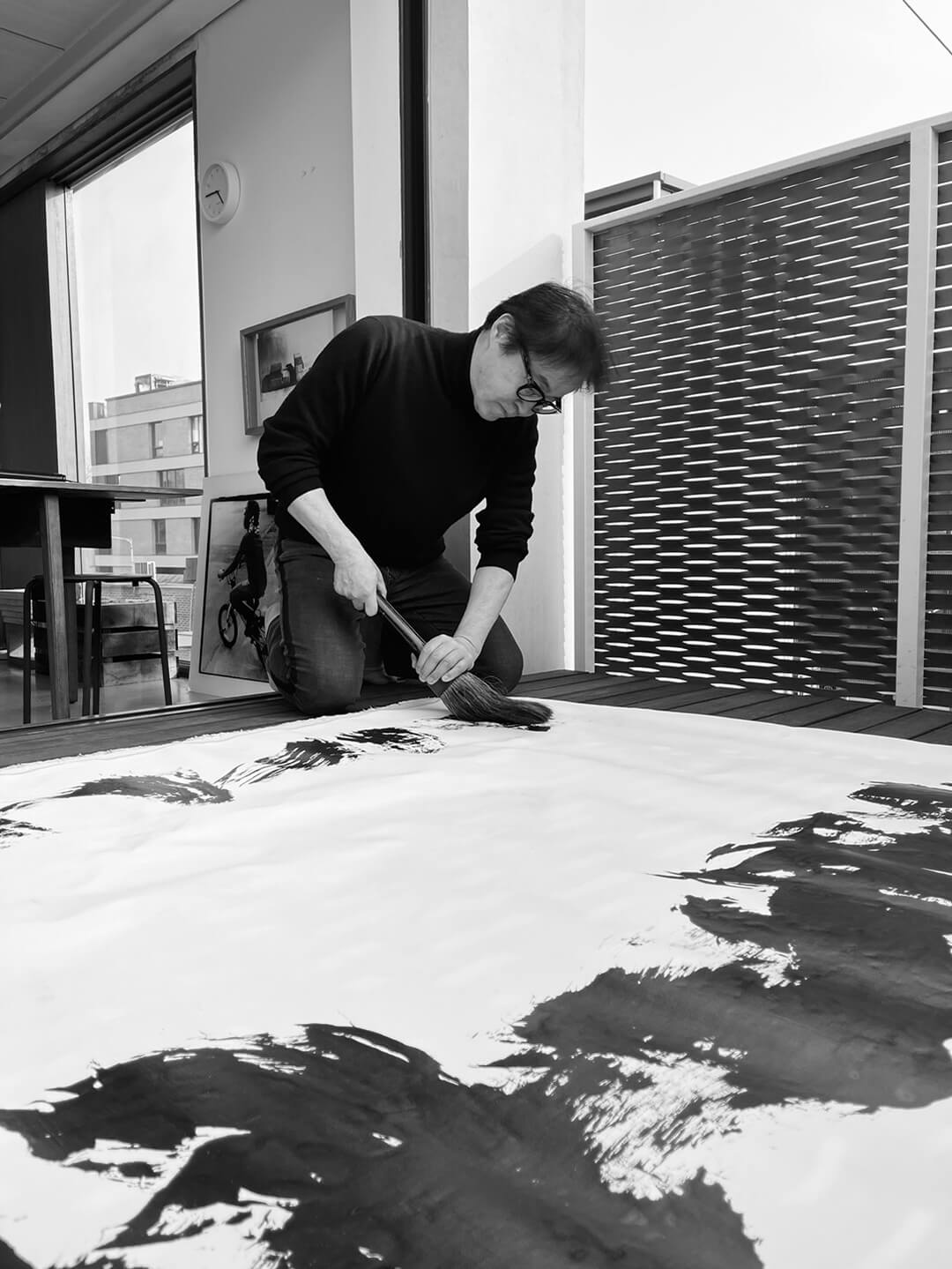
In contemporary architecture, imageability has managed to supersede even functional values. That was never an aspiration for Cho; he did not seek a signature aesthetic, or any aesthetic for that matter, but simply ways to build what he liked. Even his foray into architecture—an industry he has been part of for more than four decades now—resulted from an attempt to preserve his association with art in an industrialising nation emerging from the ravages of the Korean War of 1953. His artistic practice, which he has recently rekindled, also revolves around his simple fascinations as a means of self-exploration. He defines it through the concept of Mahk from Korean culture, which translates to ‘roughly made’ or ‘created with informal spontaneity’. It is essentially his intuition that guides the process, free from any prejudice or quest for preconceived notions of beauty, much like his architecture.
by Pranjal Maheshwari Nov 13, 2026
The Maestro Ilaiyaraaja Centre for Music at IIT Madras is conceived by the Delhi-based studio as a premier research facility shaped through natural materials and organic curves.
by Chahna Tank Nov 11, 2026
STIR speaks with the Italian photographer about his book exploring the ruins of military architecture and its uneasy relationship with the natural landscape.
by Mrinmayee Bhoot Nov 07, 2026
The third iteration of the acclaimed triennial aims at appraising architecture’s role in shaping collective life in a world marked by rapid transformation and movement.
by Mrinmayee Bhoot Nov 06, 2026
Andrew Santa Lucia and Daniel Jonas Roche’s book traces an alternative genealogy for architecture, drawing on historical examples and radical theorists’ work.

make your fridays matter with a well-read weekend
Enter your details to sign in
Don’t have an account?
Sign upOr you can sign in with
a single account for all
STIR platforms
All your bookmarks will be available across all your devices.
Stay STIRred
Already have an account?
Sign inOr you can sign up with
Verification link sent to check your inbox or spam folder to complete sign up process
Tap on things that interests you.
Select the Conversation Category you would like to watch
Please enter your details and click submit.
Enter the 6-digit code sent at


Byoung Soo Cho on the beautiful, functional and natural in his architecture
by Pranjal Maheshwari | Published on : Nov 13, 2026


 Sign in with Google
 Sign in with email
What do you think?