Architecture10 mins. read
ADFF:STIR Mumbai 2026 promises a radical vision connecting cinema, space and city
by Jincy IypeDec 15, 2025



by Anne FeenstraPublished on : Nov 27, 2026
India is building at a scale and pace unprecedented in its history. Yet, much of what rises carries the quiet weight of conformity: efficient, sometimes good-looking, but seldom surprising and rarely truly alive. It is a standard spectacle, replicated across cities, and extolled as a marker of a progressive new world, a world elusive of the possibilities that hide within its frozen footprint. The built environment, at the heart of it, lacks something fundamental. It does not lack infrastructure, investment or intention. What is missing is the willingness to break the predictable grammar of the cube.
Teachers accept the cube, practising architects embrace it and the combined real estate-builders world loves the standard solution for space-making. It is not just the form; it is a habit of mind. The fault lies not in the cube itself, but in our unwillingness to question it. Our collective failure to interrogate it has hardened the cube from a point of departure into a boundary. From these default fringes emerges a limiting vision of a future that upholds the visual over the lived, logic over possibility and survival over sustenance. Some of the most enduring architectures the world over are not built by accepting the cube. They are built by going beyond the XYZ-habit of mind. These reflections stir a more pertinent question: is the cube the best that architecture can offer?
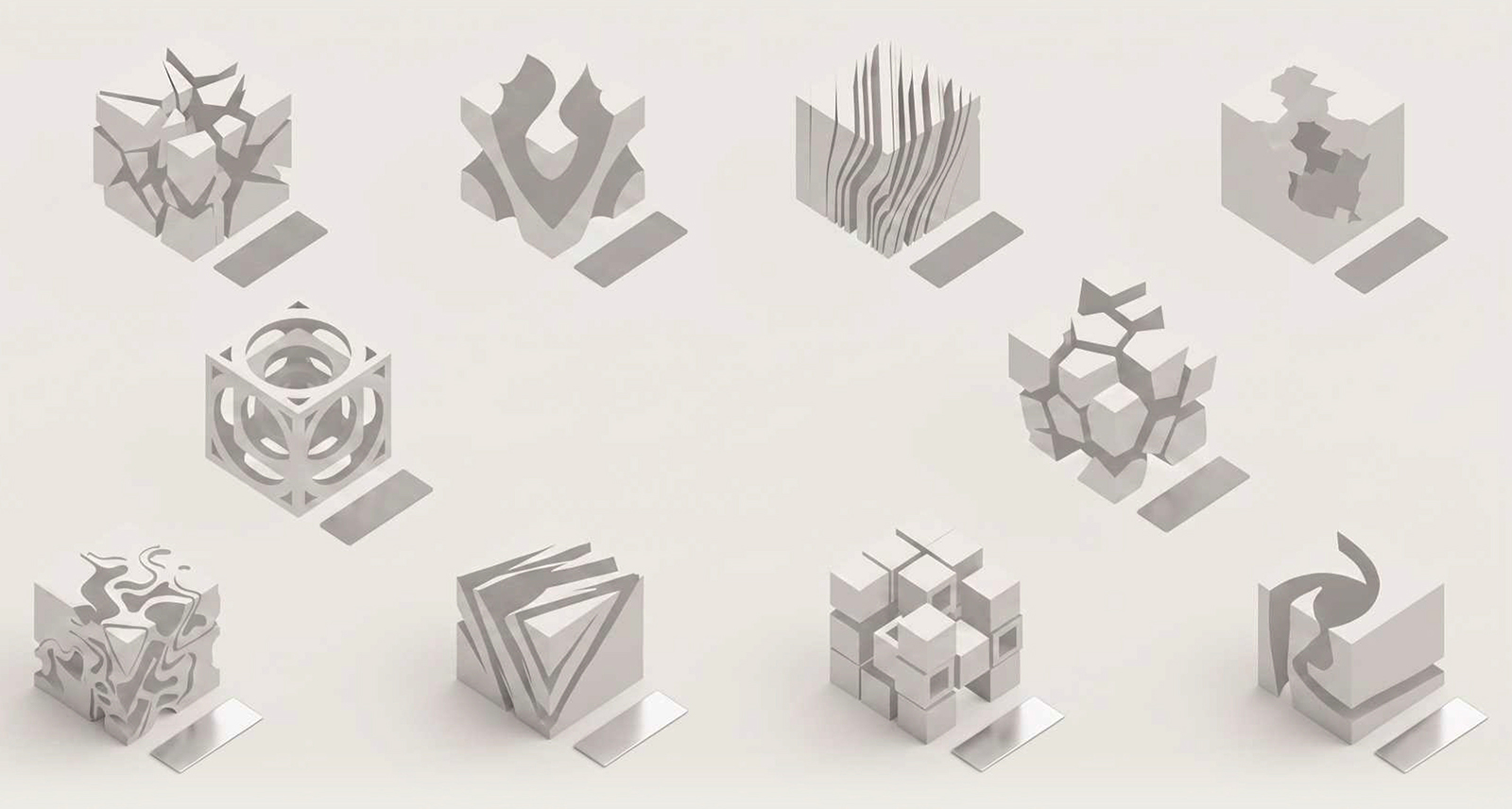
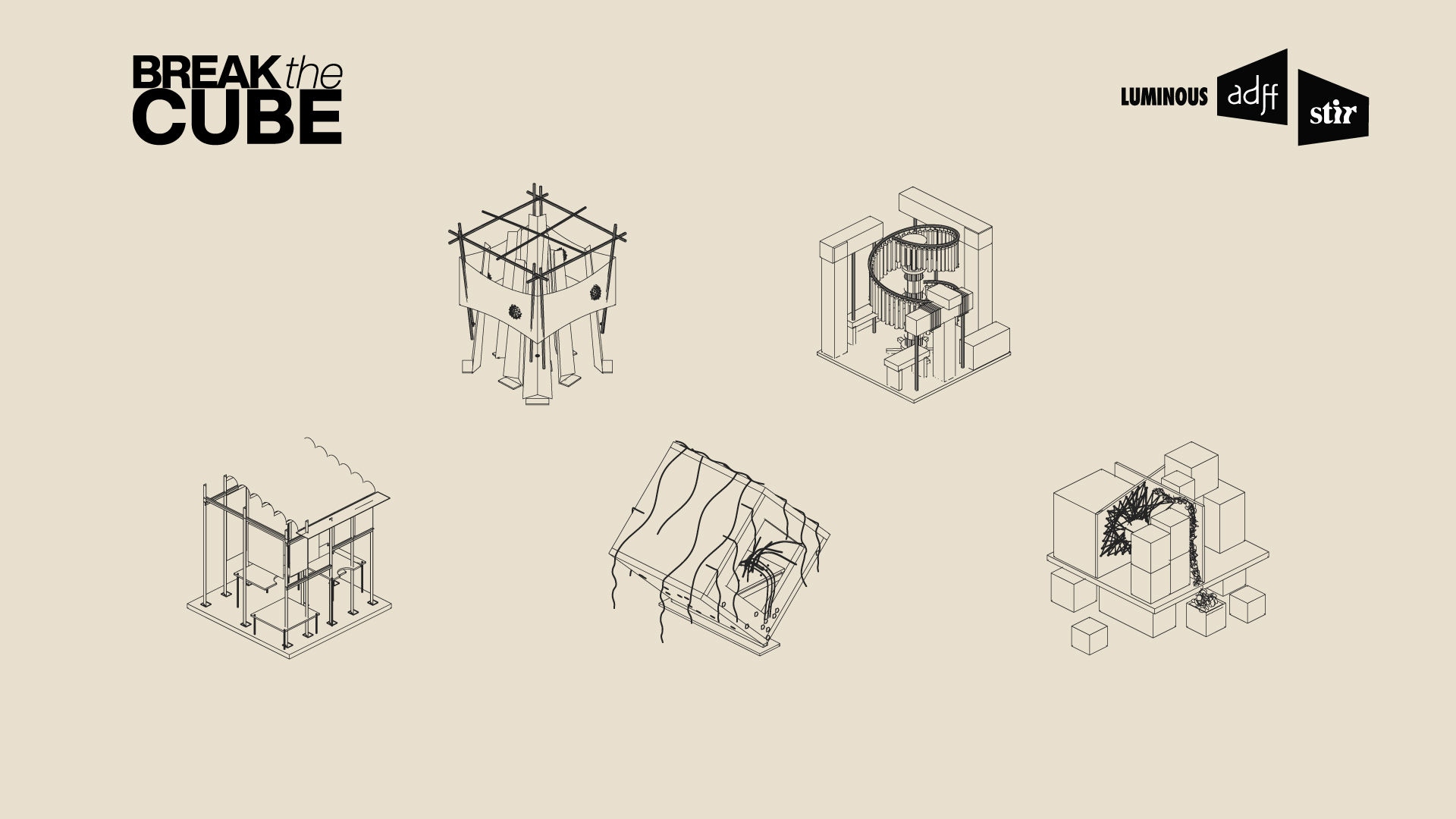
Break the Cube at ADFF:STIR III, in partnership with Luminous, has invited nine architectural schools from across India to explode form, warp space and defy the obvious, bringing propositions that rethink the three axes and norms they were taught to obey. The Special Project is to be hosted at the Purana Qila in New Delhi, as part of The India Biennale, running from December 04, 2026 – March 21, 2027. The carefully selected family of nine schools of architecture spans the southern tropics to the northern Himalaya, 2100km apart. STIR invited these schools as crucial laboratories of true design-thinking based on design-power and gusto of the brightest young minds, combined with the wisdom and experience of brilliant professors.They were given one brief: to break the cube! To question familiarity, adherence and familiar grammar of a 2 x 2 x 2 metre cube, in form, framework and fundamentals.
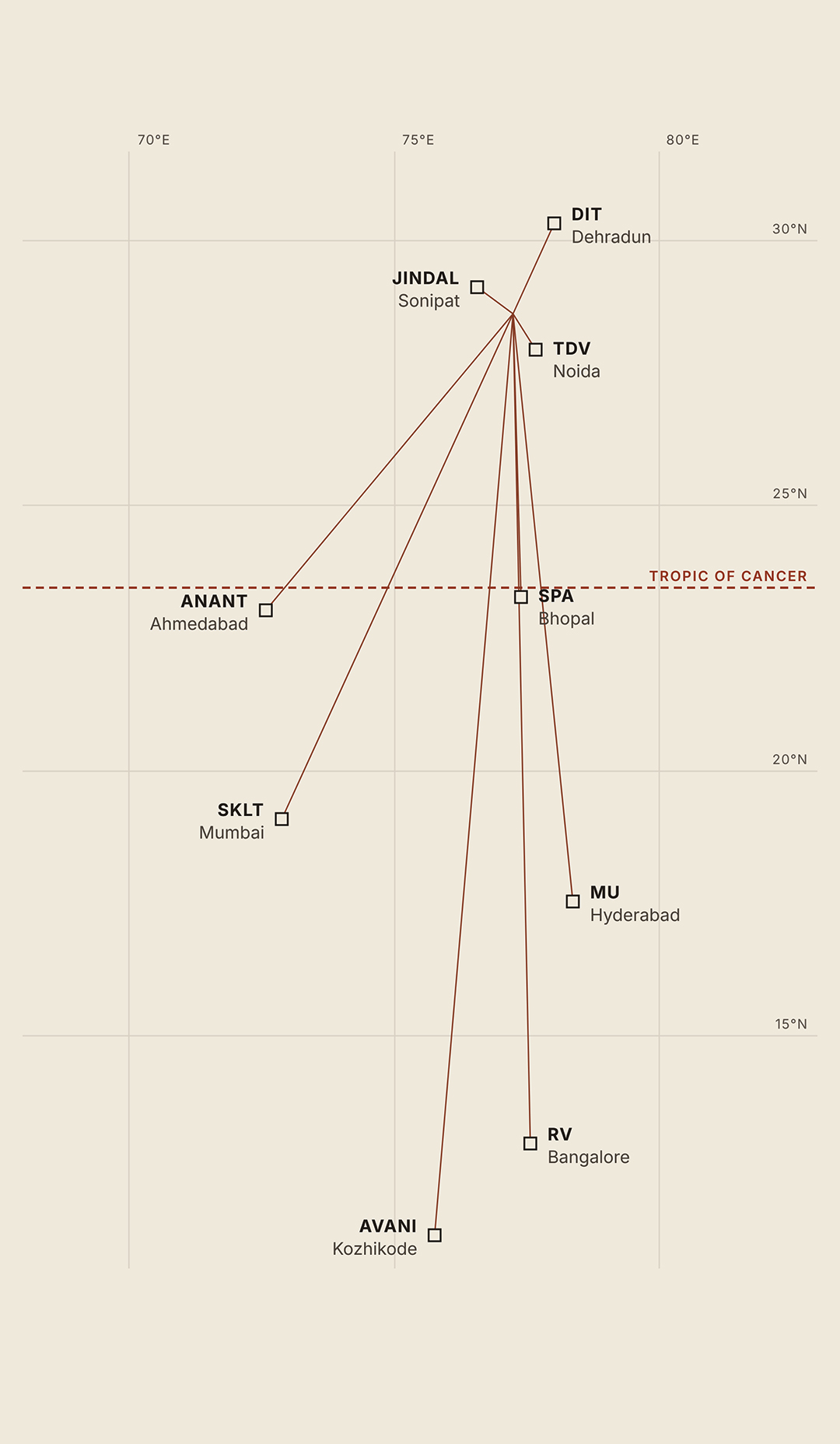
The participating schools, representing a diverse cross-section of architectural thought from across the country, include Anant National University, Ahmedabad; Avani Institute of Design, Kozhikode; DIT University, Dehradun; Jindal School of Design and Architecture, Sonipat; Mahindra University, Hyderabad; RV College of Architecture, Bengaluru; School of Planning and Architecture, Bhopal; Smt. K.L. Tiwari College of Architecture, Mumbai; and The Design Village, Noida.
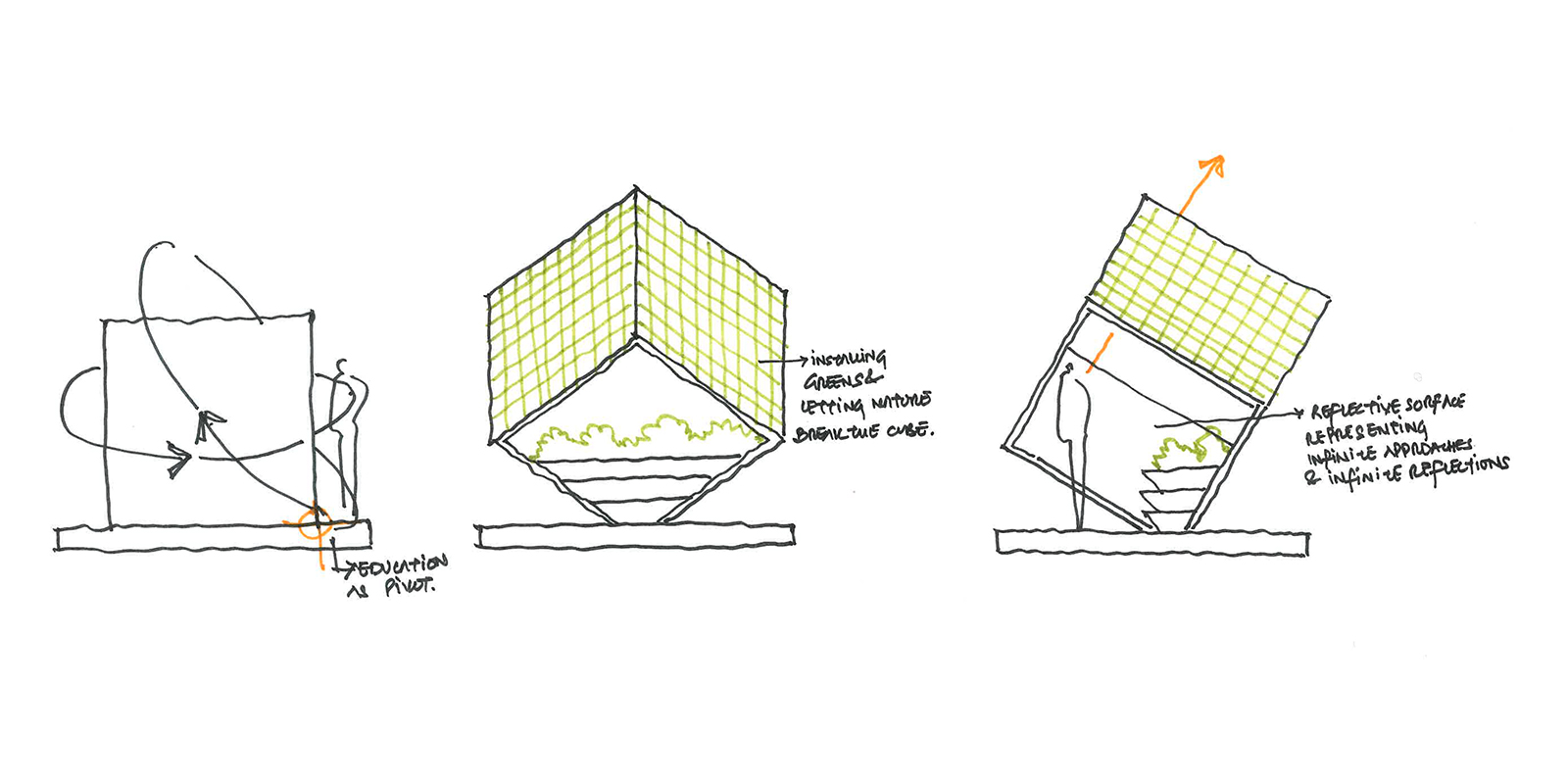
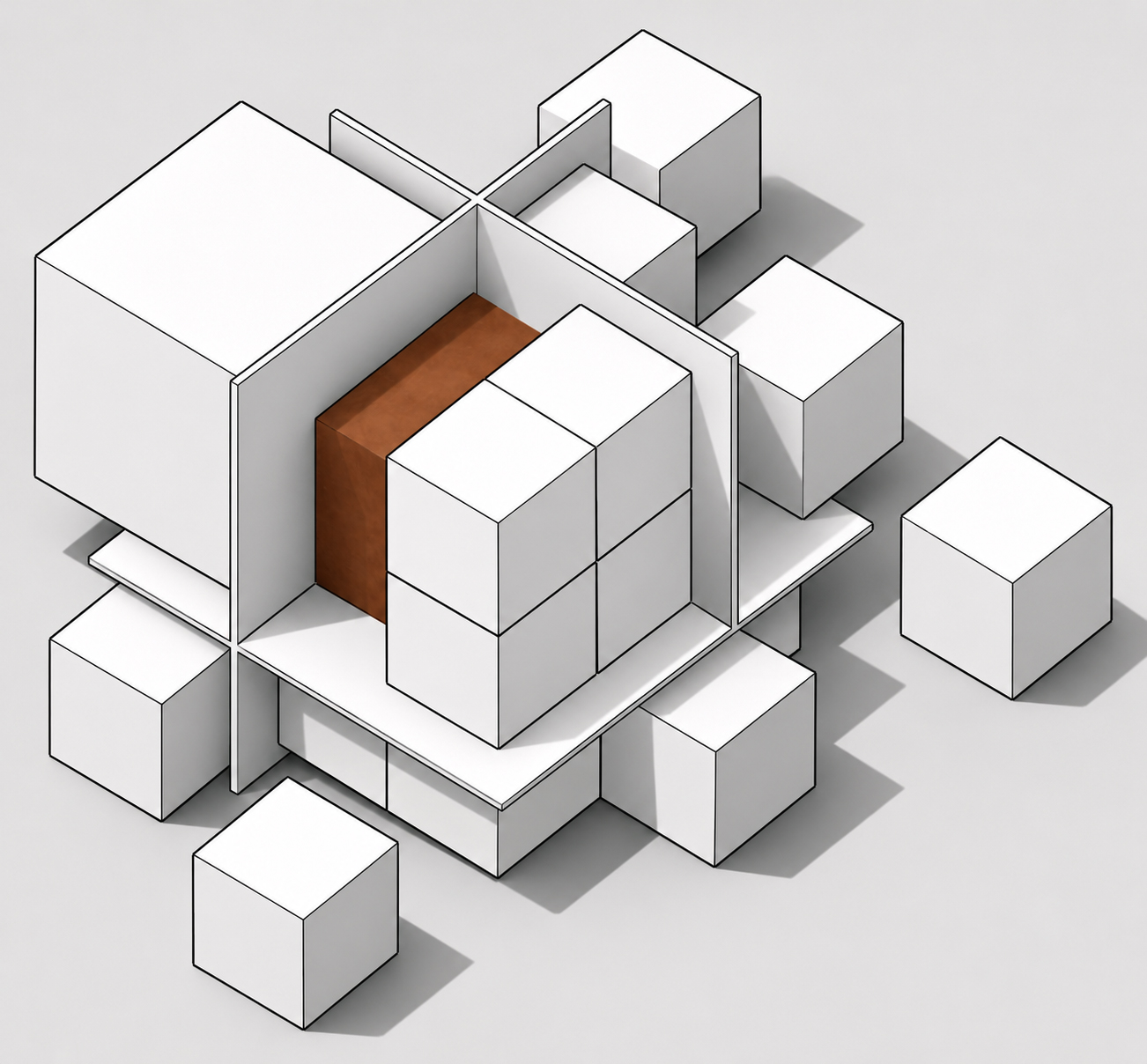
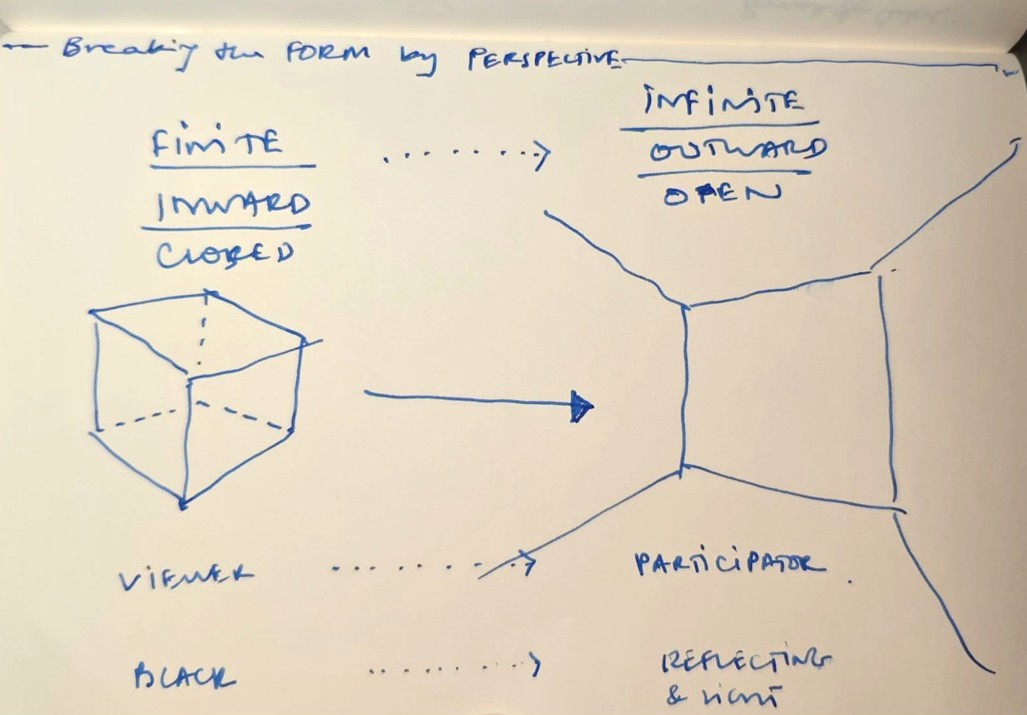
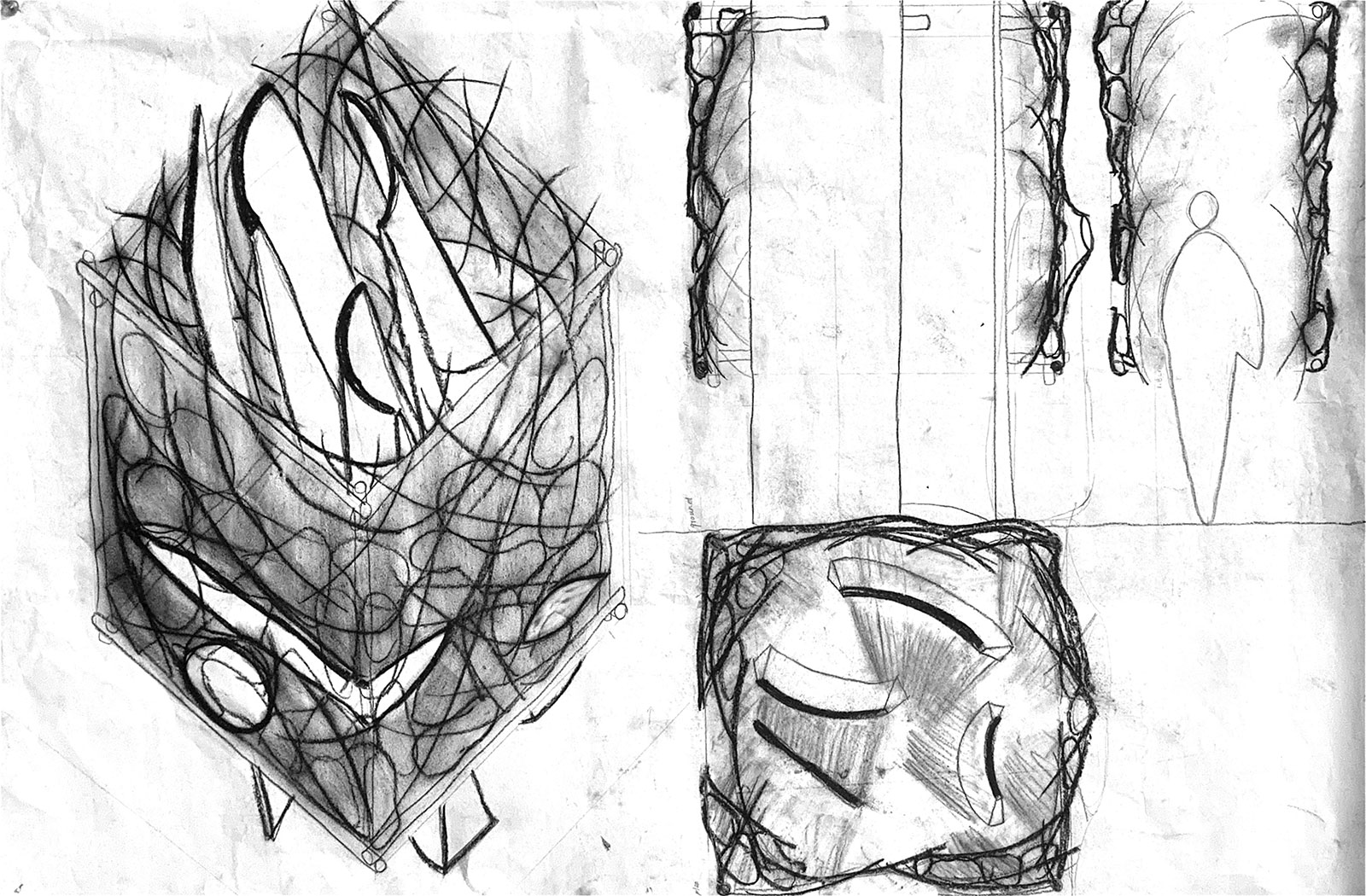
The nine propositions offer a rich spectrum of interpretations with a maximum expansional space of 3 x 3 x 3 metres. All schools took time to find connections between their own school’s context and philosophy during their design journeys. Some schools came up with shadow patterns, bent diagonals and anti-spaces in order to bring dynamic tension to what was once static, and the solid gave way to abstractness, re-imagined spatial qualities and created contemplative pause points. Pedagogy leaves the design studio and meets the tangible world at full scale—in public, in matter. Beside each broken cube, a reflection asks what the cube resisted, what it revealed and what it taught about making architecture.
Some cubes invite the visitor to interact, have a dialogue, dance, meditate or contemplate experiences of migration and memory. Two schools literally embrace the micro-ecological context of Purana Qila with its Ashoka trees. Several cubes introduce fascinating kinetic elements, and some make use of sound, touch, perhaps even a little bit of taste, provoking the senses beyond the visual. During your visit, you can actively contribute and leave a different cube behind.
Together, the explorations seek to question architecture beyond formal conventions, making room for nature, collective identity, participation and the intangible possibilities of space. Each work is an act of creative will on a constrained geometry, a dialogue with the impossible.

Break the Cube at ADFF: STIR III will become, in the evening, an inspiring family of illuminated lampions, creating multiples of magic at the historic site of Purana Qila. It shows that Indian architecture schools possess the craft, courage and curiosity to completely redefine our built environment, proving yet again that landmarks are not built by conforming to the cube, but by overcoming it.
My job as a curator was to ensure that, even as schools strove to think out of the box, they didn’t end up jumping into another one. Together with STIR founder Amit Gupta, mentors Thai architect Kulapat Yantrasast and British culture creator Sevra Davis, we had to ensure that each school, with love and dedication, would create their broken cube as a great Indian friend. Thought-provoking, multi-layered, easy-going yet complex, well-informed and argumentative, interactive in the daytime and magic in the night!

by Aric Chen, Rahul Mehrotra Nov 27, 2026
Curators Aric Chen and Rahul Mehrotra probe the possibilities of adaptable, reversible and ephemeral architectures through Jaquar Pavilion Park at Luminous ADFF:STIR.
by Mrinmayee Bhoot Nov 23, 2026
Discussions at a day-long symposium at the Rotterdam-based institute centred the tension between material archives and embodied knowledge, using language as critique.
by Zohra Khan Nov 20, 2026
The graphic novel by architect Pero Puljiz proffers a series of frenzied black and white drawings of an alternate universe, eschewing a linear narrative.
by Pranjal Maheshwari Nov 18, 2026
The Indonesian architectural firm designs Mitte Oblique Garden as a porous and socially engaging tropical urban forest puncturing the dense fabric of the national capital.

make your fridays matter with a well-read weekend
Enter your details to sign in
Don’t have an account?
Sign upOr you can sign in with
a single account for all
STIR platforms
All your bookmarks will be available across all your devices.
Stay STIRred
Already have an account?
Sign inOr you can sign up with
Verification link sent to check your inbox or spam folder to complete sign up process
Tap on things that interests you.
Select the Conversation Category you would like to watch
Please enter your details and click submit.
Enter the 6-digit code sent at


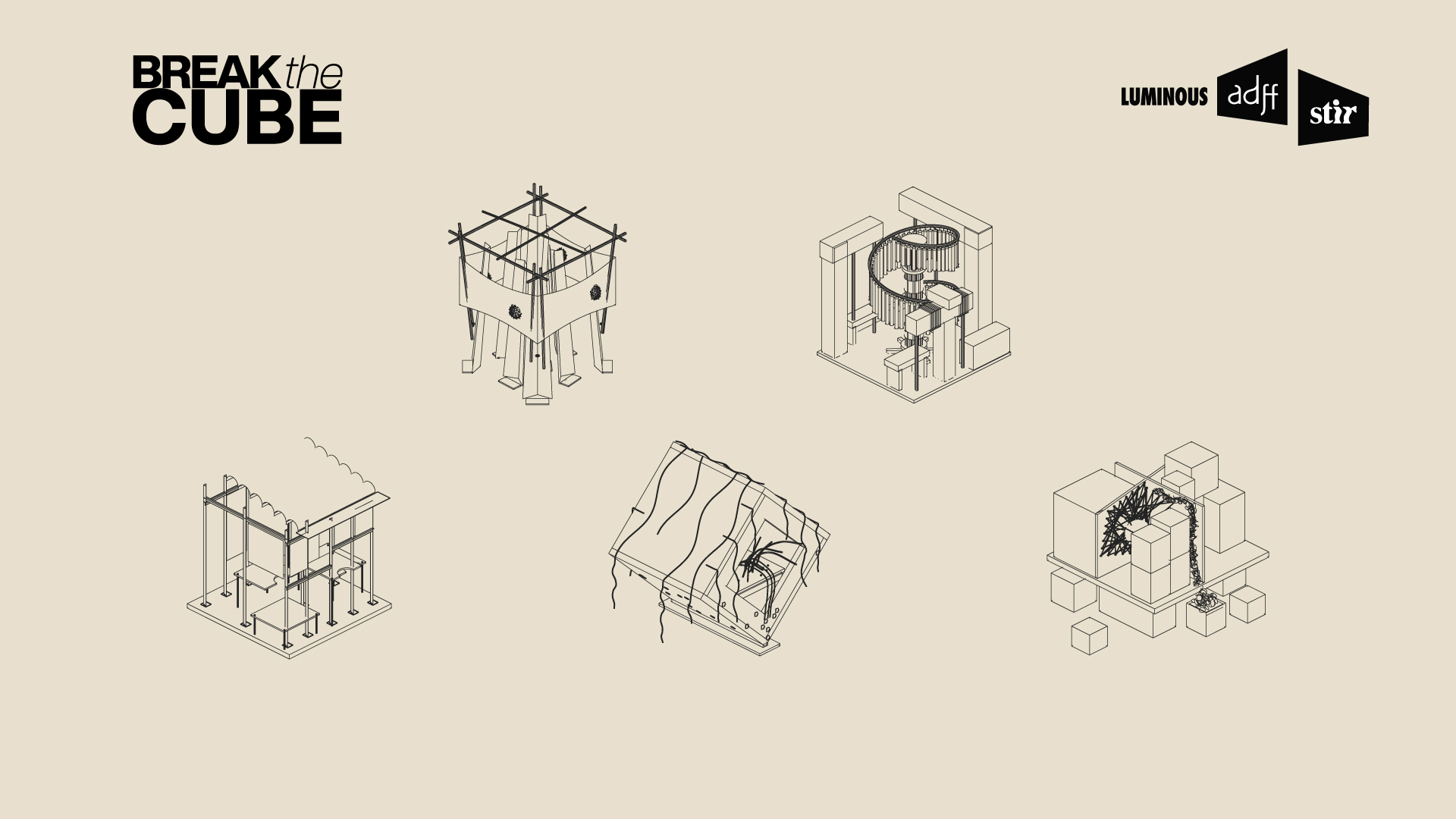
Break the Cube: rethinking the three axes beyond constrained geometry
by Anne Feenstra | Published on : Nov 27, 2026


 Sign in with Google
 Sign in with email
What do you think?