Architecture10 mins. read
ADFF:STIR Mumbai 2026 promises a radical vision connecting cinema, space and city
by Jincy IypeDec 15, 2025



by Srishti OjhaPublished on : Nov 27, 2026
Purana Qila, with its centuries-old history and imposing architecture, will become the setting for the third edition of the acclaimed ADFF:STIR. Following two successful editions in Mumbai, STIR brings the Architecture & Design Film Festival (ADFF) to Delhi. The festival is a part of The India Biennale '26 (December 4, 2026 – March 21, 2027), with its built explorations on view throughout the 108 days of the Biennale and its illustrious public programme unfolding from January 20 – 24, 2027.
Eluding preexisting structures and moving into its historic outdoor venue, this edition of ADFF:STIR, presented in partnership with Luminous, becomes a canvas for architects and designers to experiment with public space and redefine the forms and possibilities of a festival. Here, the often hidden scaffolding that structures human life—architecture and design—and the forces that shape culture—art and media—are made visible through the work of invited curators, architects, designers, students, artists and cross-disciplinary professionals. By bringing these specialised disciplines out of their traditional contexts and into public discourse, ADFF:STIR III encourages audiences to question, rethink and respond to the built environment of the world they inhabit.
The festival retains its signature four-pillar structure: the Jaquar Pavilion Park, an expansive film lineup, the ~lo(gue) programme and commissioned Special Projects, expanding upon it in novel ways that respond to the renewed context. As a special part of The India Biennale ’26, this edition unfolds in two stages. Temporary architectural installations and pavilions designed by internationally renowned architects and academic institutions, alongside auditoriums commissioned and designed specifically for the festival, will open and remain on view for the entire duration of the Biennale.
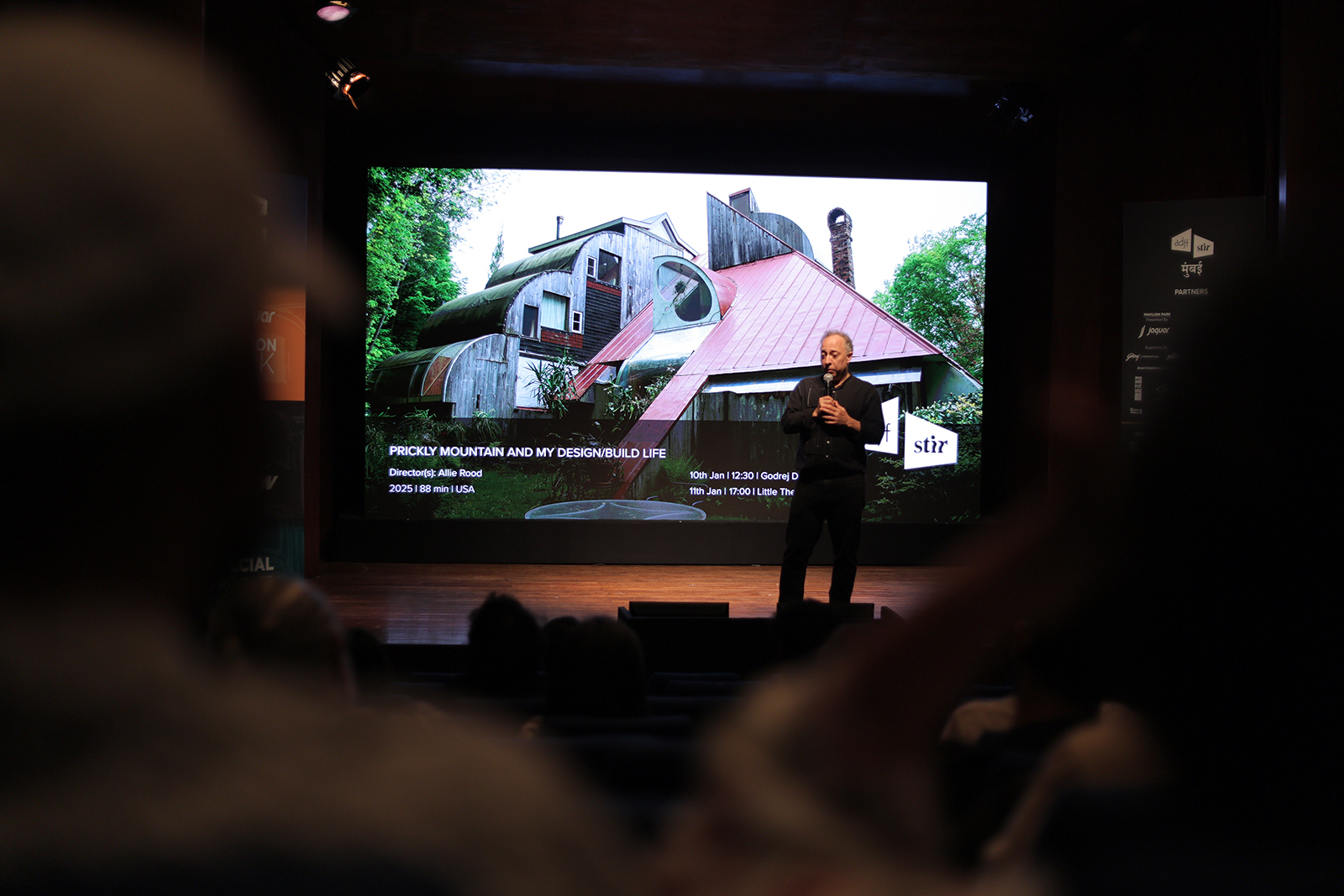
A diverse programme of public events activating these, including four days of film screenings featuring auteurs like Wim Wenders and his forays into experimental 3D cinema, along with a slew of returning classics and numerous eclectic profiles of luminaries and trailblazers; STIR’s experimental ~lo(gue) programme sparking conversations between communities, colleagues and creators; and spontaneous encounters, questions, conversations and dialogues bringing the interconnections between art and design, architecture, cinema and community to life, will comprise the festival’s main run from January 20 – 24, 2027.
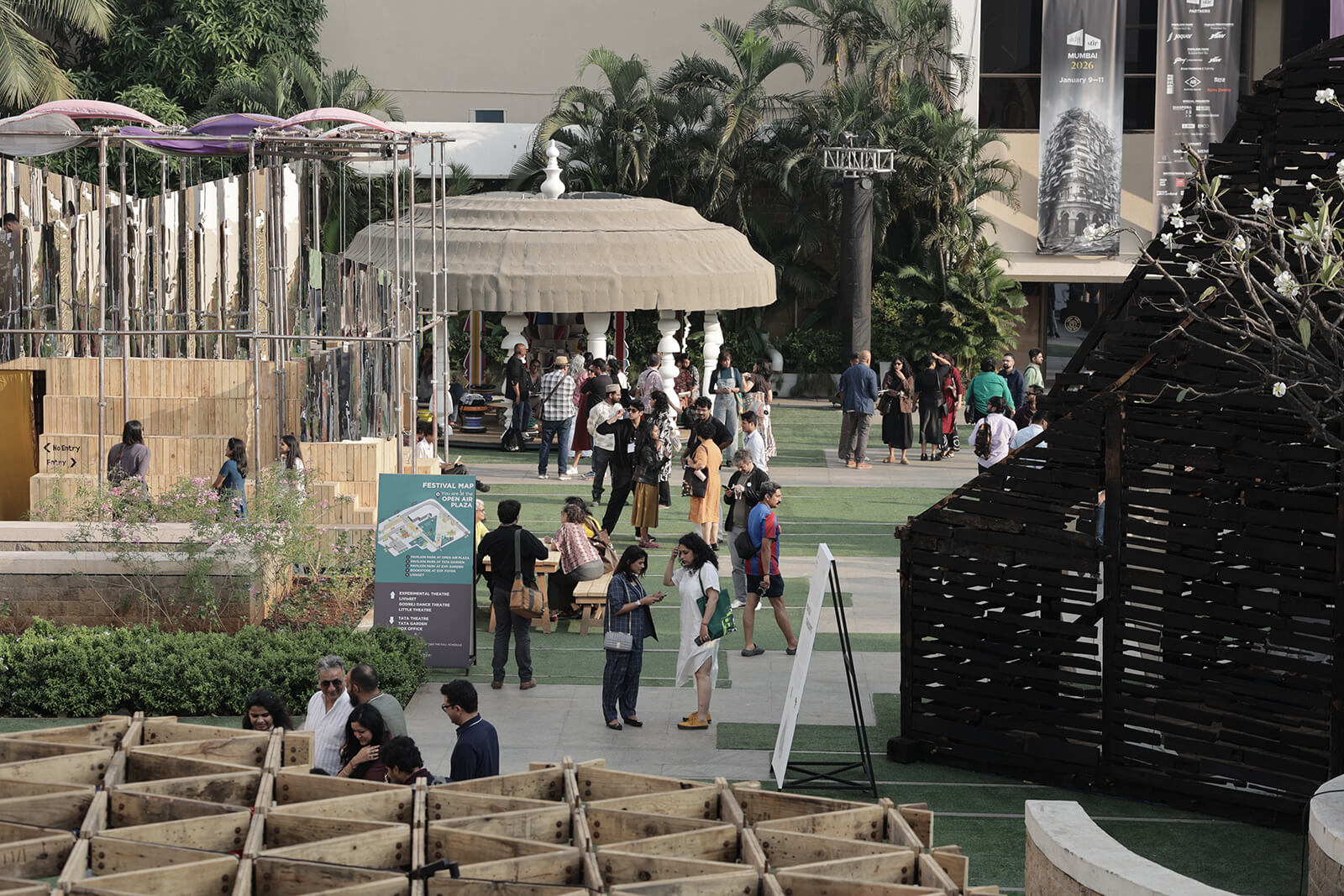
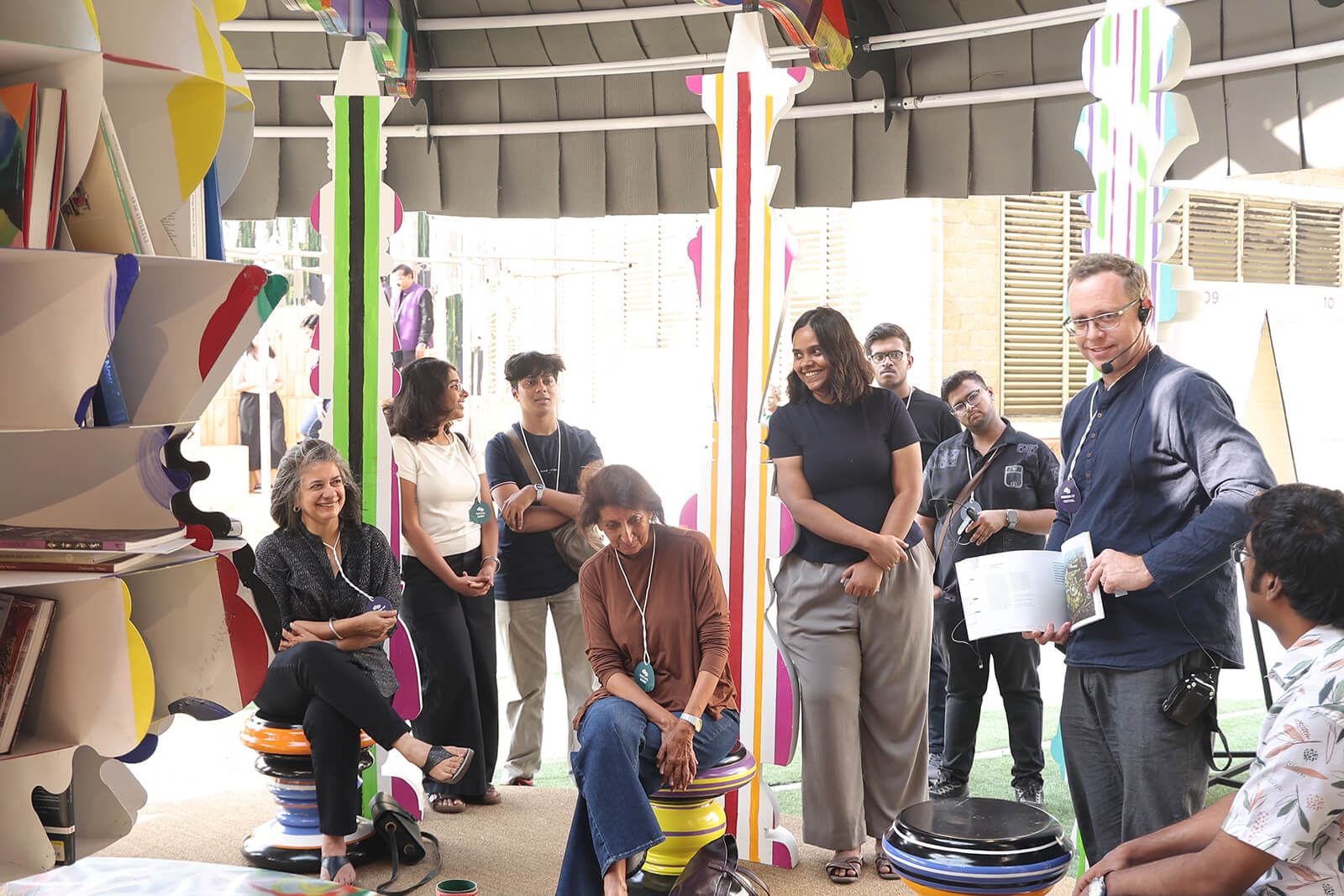
This year, the Jaquar Pavilion Park evolves into Pavilion City—a temporary ‘neighbourhood’ co-curated by Aric Chen, curator, writer and currently the director of the Zaha Hadid Foundation, and Rahul Mehrotra, founder principal of RMA Architects and John T. Dunlop Professor in Housing and Urbanisation at the Harvard Graduate School of Design. Seven international as well as Indian architects with varying visions, design ideologies and materials craft temporary structures that respond to each other and the surrounding city. Pavilion City draws from a global canon of experimental architecture not only in the formal or institutional sense, but also from local markets, informal settlements and refugee camps that pavilions take inspiration from. By considering forms increasingly synonymous with urban life, they explore what temporary architecture can create in a world facing climate and refugee crises, worsening income inequality and rapid urbanisation.
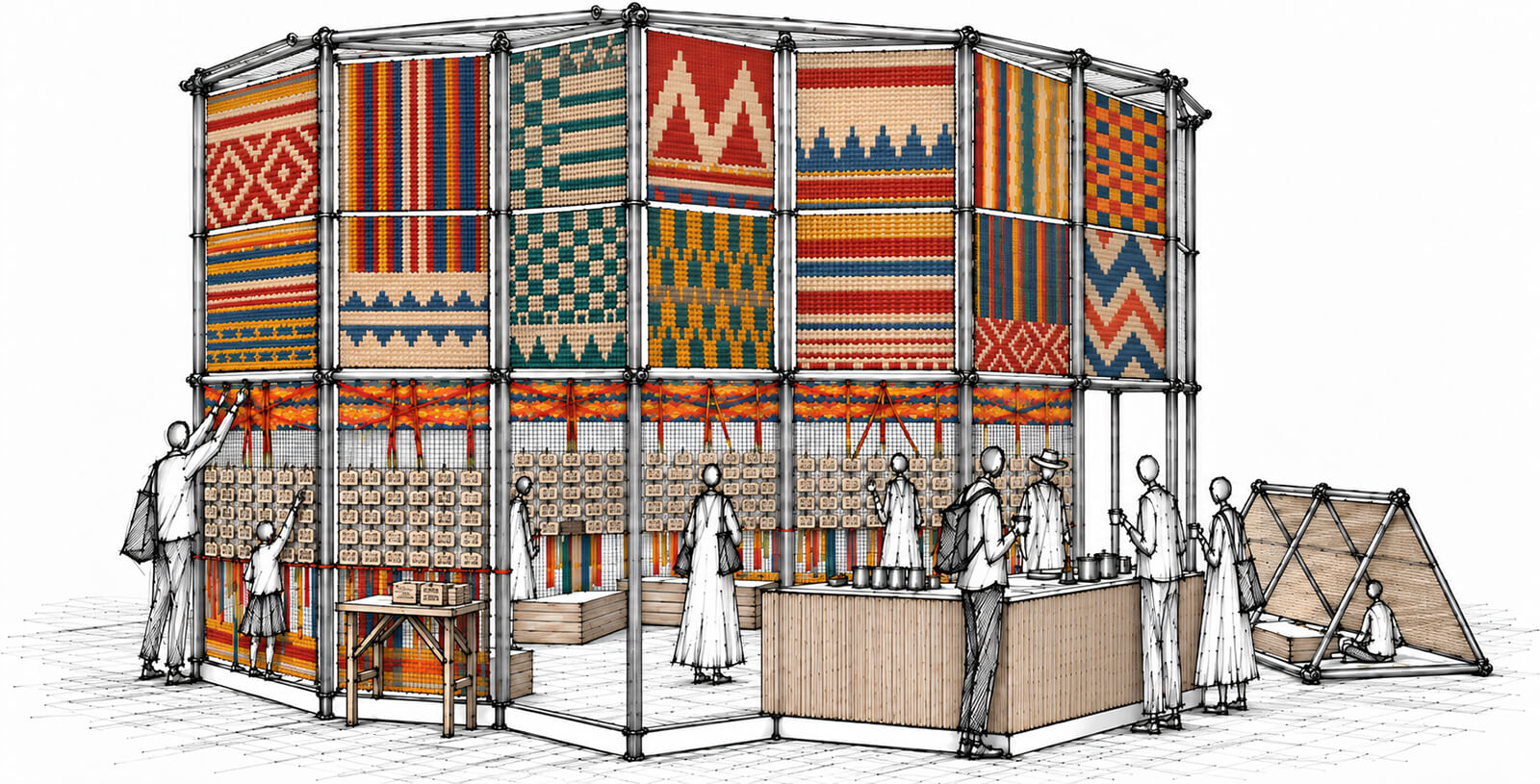
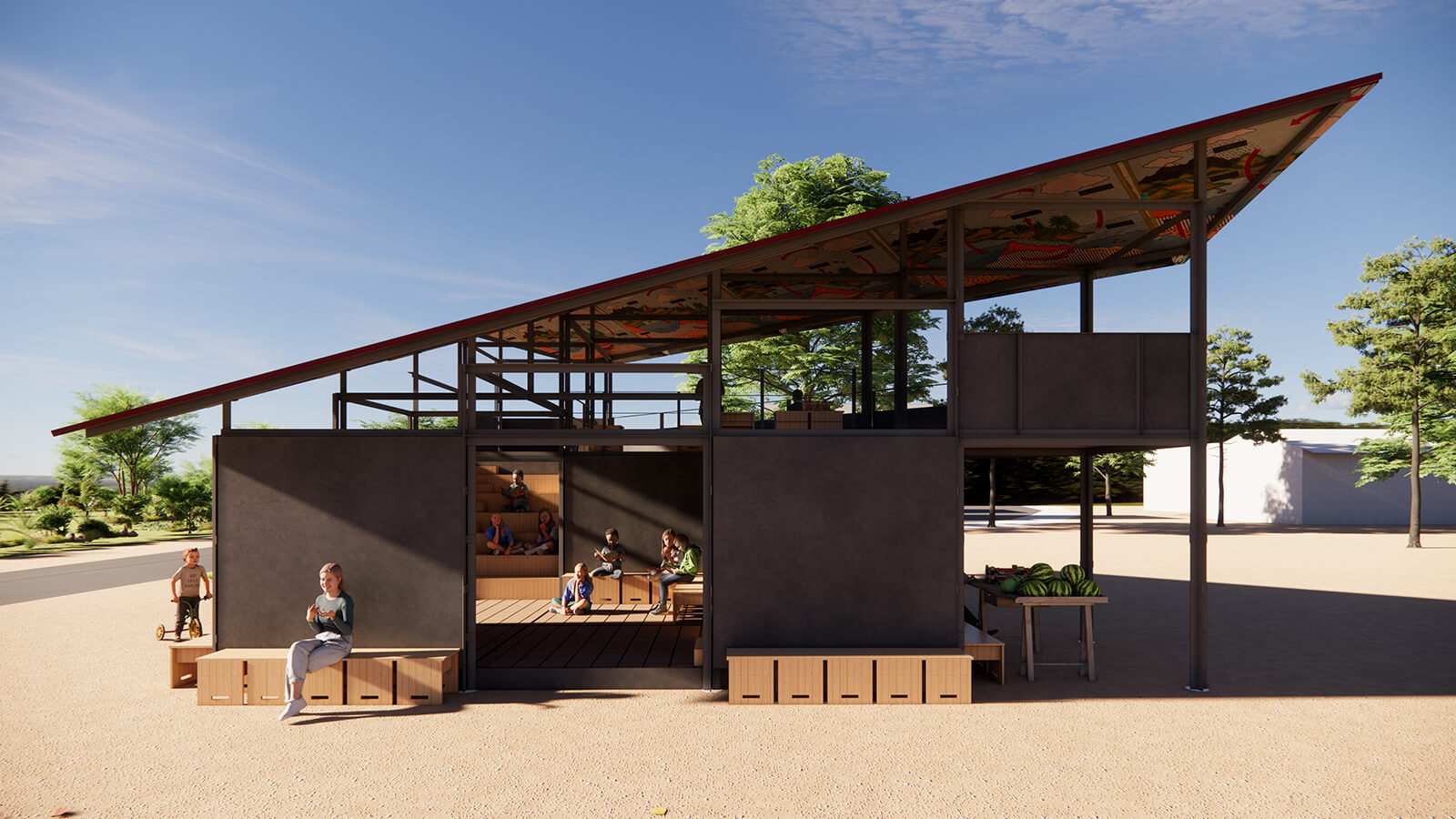
Indian architects Ambrish Arora (Studio Lotus) and Pooja Khairnar (PK_iNCEPTION) each use their pavilions to imagine future infrastructures grounded in hope, inclusivity and dignity. The former’s Pavilion of Hope/ रैन बसेरा uses familiar construction materials like scaffolding, mesh and reclaimed timber to form a modular structure that can be deployed as a civic space, an individual shelter or a cluster of interconnected gathering spaces. The latter, titled HOPE, harnesses Khairnar’s expertise with schools in rural India to suggest communal ways of gathering and learning that supersede the red tape of private institutions. Rohan Chavan’s (RC Architects) structure responds to the challenges of the moment, rendering a modular pavilion—The Habitat Kit—created using a kit consisting of lightweight metal members, tension cables and articulated connectors which form an enclosure that can be reconfigured according to its inhabitants’ needs.
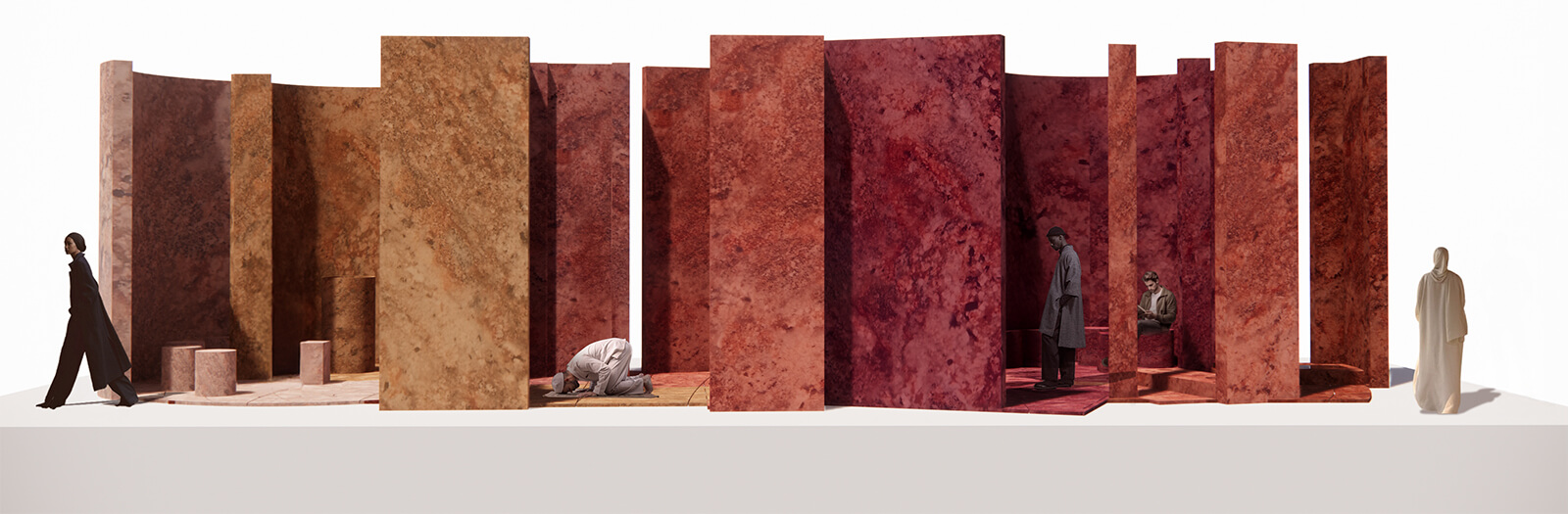
Sumayya Vally (Counterspace) turns to the Purana Qila’s design and Islamic cultural significance to create Sundial. The pavilion’s open walls function as the eponymous object, using geometry to mark Salah (the five daily prayers in Islam) in a choreography of light. The sun’s light and its spiritual power are a universal source of inspiration, as also seen in the Solar Temple created by Nuru Karim (NUDES). He creates a temple that gives back to the city—a solar-panel-covered structure that generates 60 MWh of clean energy annually that can be harvested for those in need. Sandeep Bogadhi’s (Earthling Ladakh) pavilion, The Stupa, magnifies this spiritual connection by framing light in a structure modelled after sacred Himalayan stupas. In a similar vein, Xu Tiantian (DnA_Design and Architecture) draws on the traditional Chinese ‘woven bridge’ technique to create The Bridge | The Canopy, an open space that facilitates transition, connection and gathering.
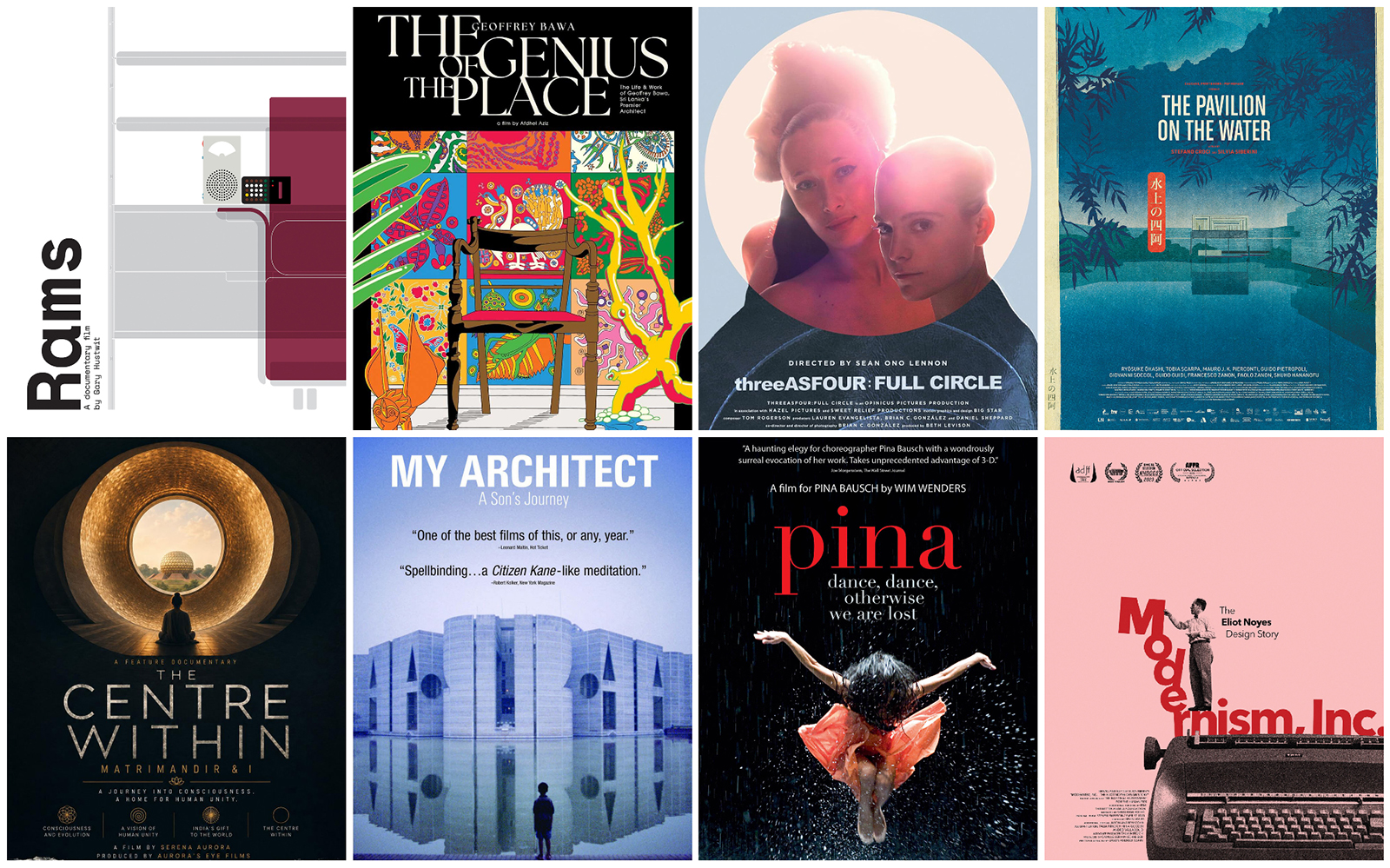
This experimental, interactive spirit flows through the festival’s film programme. Over 30 films coalesce to create a moving, visual journey through architecture, design and the arts, bringing the works, stories and philosophies of visionaries like Frank Gehry and Louis Kahn to life for new enthusiasts and expert insiders alike. In The Promise. Architect BV Doshi (2023), a returning favourite, the late Pritzker Architecture Prize winner BV Doshi reflects on his life and 70-year-long career before his passing. Five Living Buildings (by Renzo Piano) (2026) brings viewers on an intimate tour of the Italian architect’s buildings in Greece, Uganda, New York, China and Paris, illuminating architecture’s everyday influence and affect. Other films, such as Dior and I (2014), showcase the many manifestations of design in different disciplines and practices.
Design thinking at ADFF:STIR III extends from the screen to the bespoke auditoriums that house them. While the Old Fort is far from a tabula rasa, hosting a film festival and several built explorations warrants essential infrastructure, emerging as an opportunity to expand the festival’s pedagogy beyond the incumbent context.
Temporary auditoriums, one designed by Kulapat Yantrasast (founder and creative director, WHY Architecture) and Ananya Singhal (managing partner, Studio Saar), and the other by Sourabh Gupta (director, principal architect, Studio archohm) for the festival, fulfil that purpose.
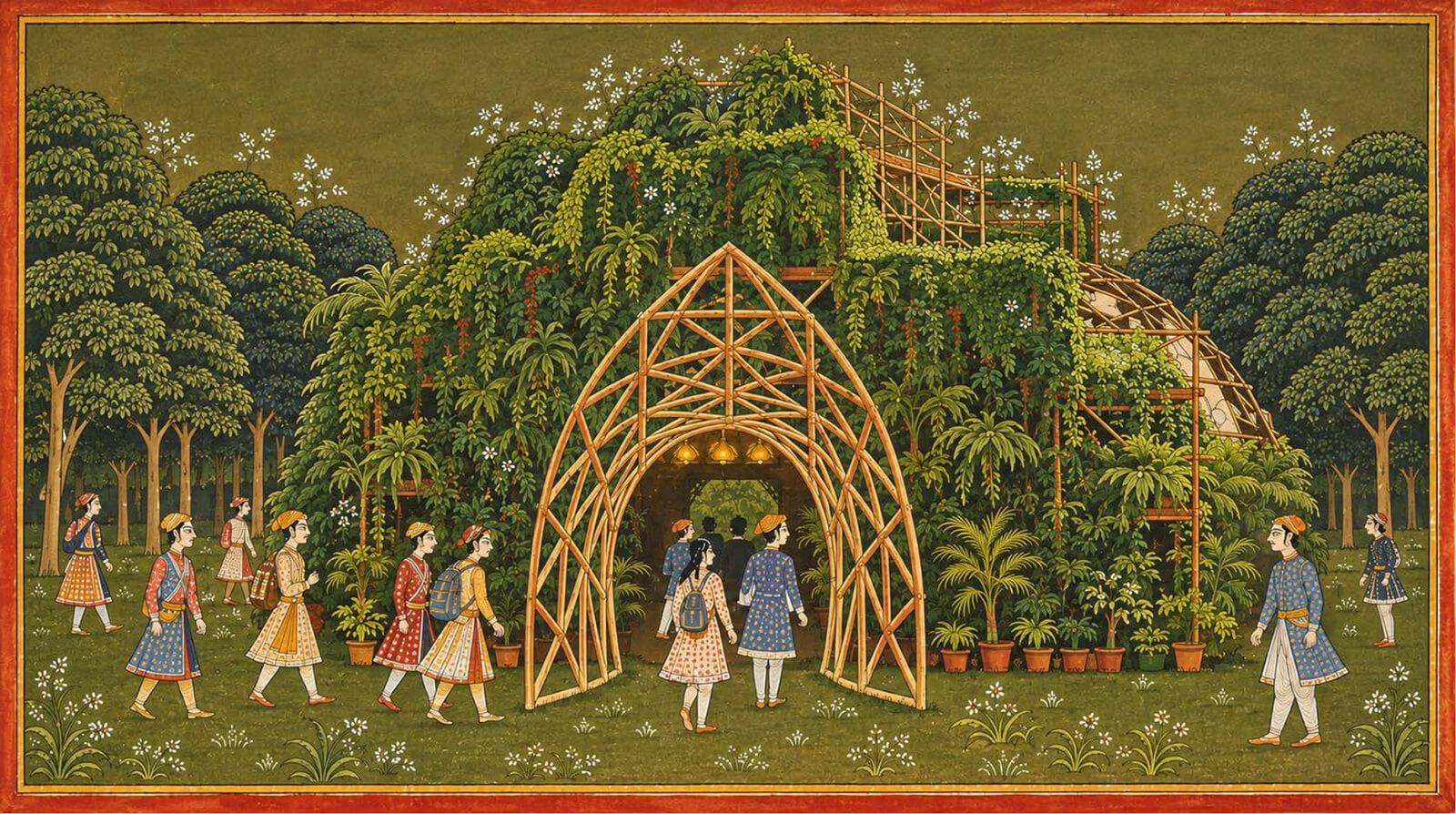
Giri Gufa, designed by WHY Architecture and Studio Saar (supported by Secure), is inspired by traditional Indian rock-cut caves as spaces for gathering and storytelling, and also draws from the Hindu mythological story of Krishna raising Govardhan Parbat. Materially, the auditorium is conceived as a ‘woven cinema’, with hundreds of handwoven knups (bamboo rain shields) from Meghalaya layered alongside dark curtains inside; plants climb around a bamboo structure conceived as a collective space to experience films, conversations and events celebrating architecture, design and art.
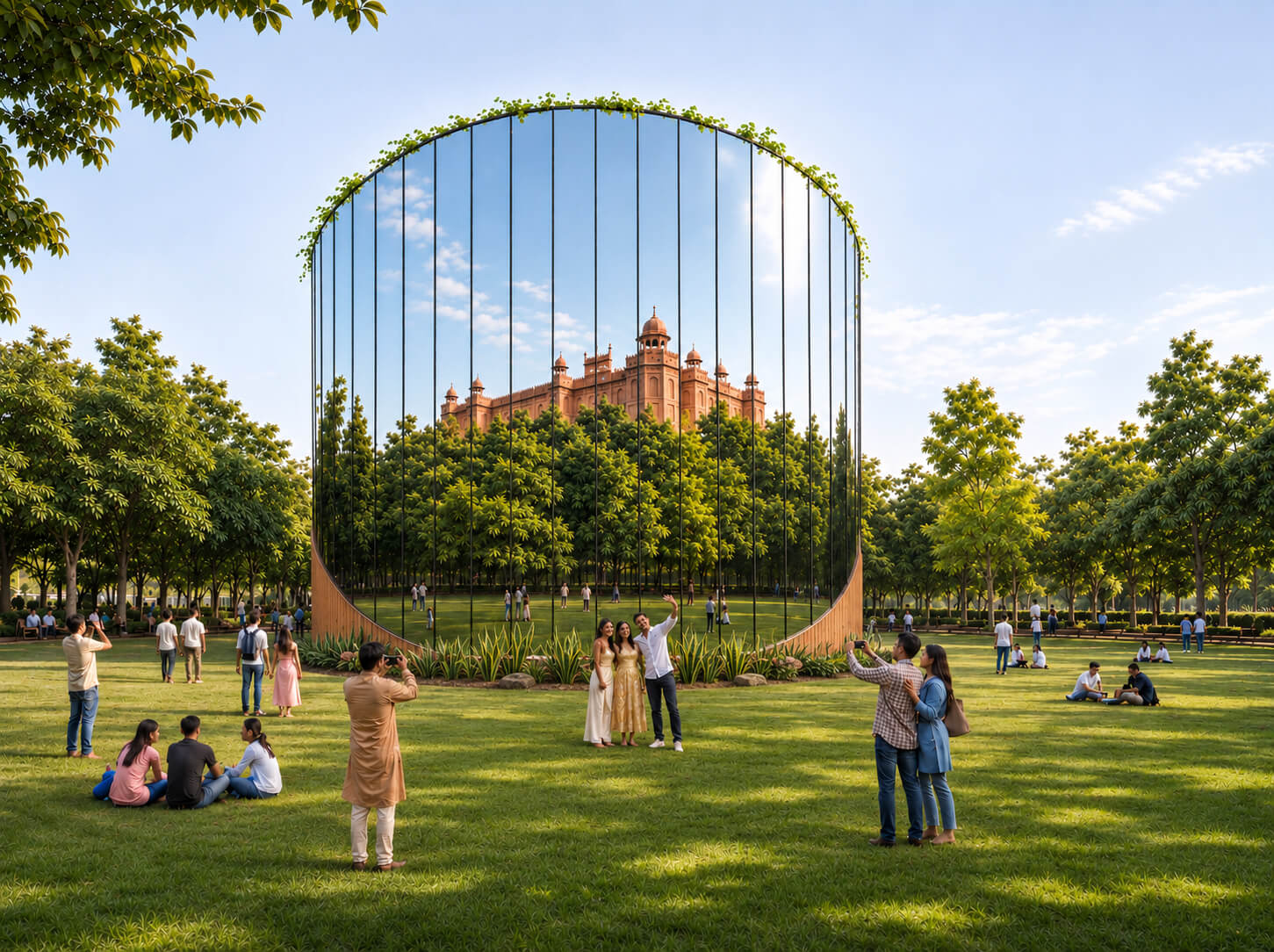
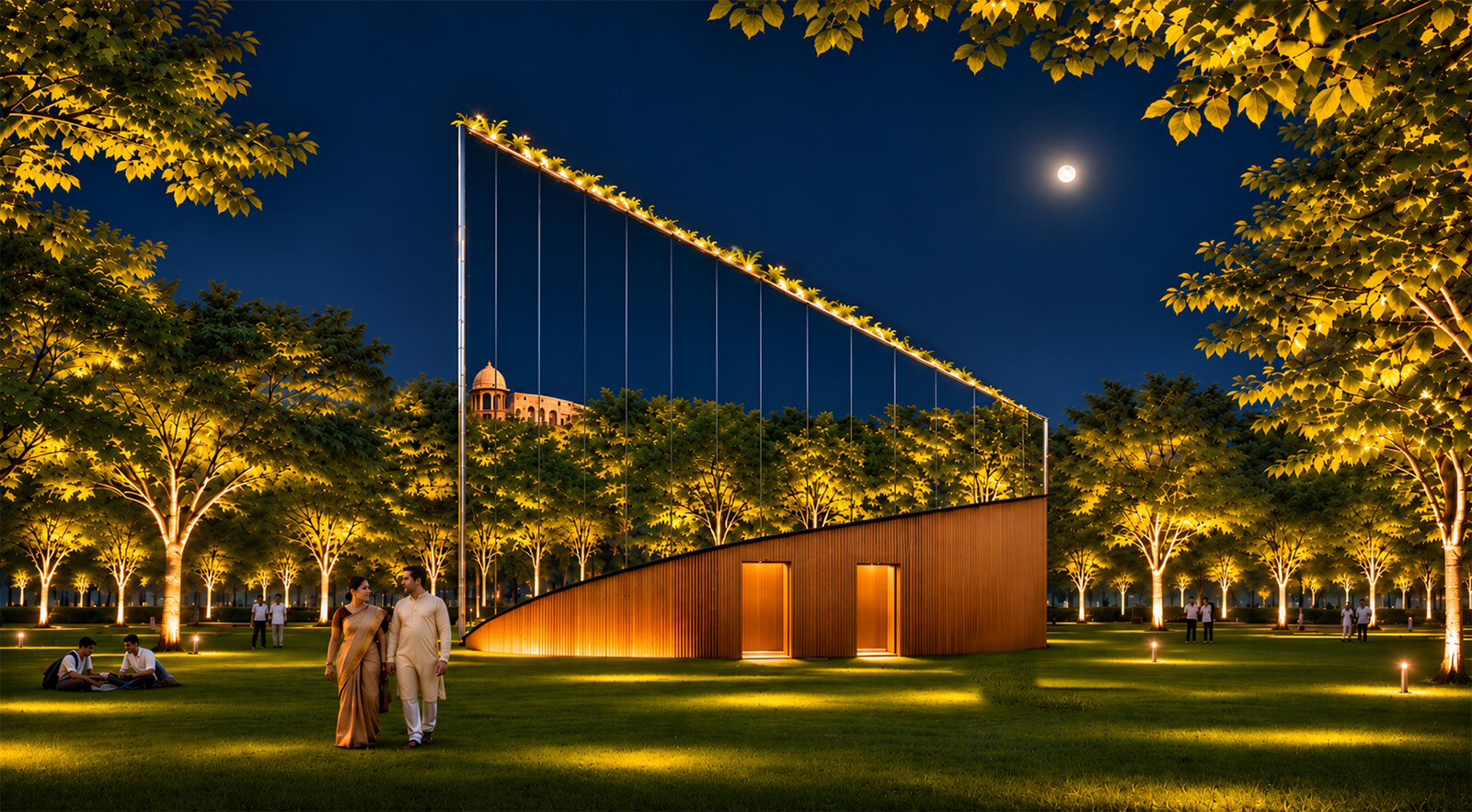
Meanwhile, Naya Qila by Studio archohm is created as a foil to the Purana Qila and its commanding presence. The 30-metre-tall and 20-metre-wide amphitheatre incorporates elements from the heritage structure, such as its jali panels and bastion, to create a contemporary experience by respecting history without repeating it, giving the present a place beside it. The open-to-sky, circular structure’s focal point is its reflective façade, which mirrors the Old Fort so fully that the new building almost disappears.
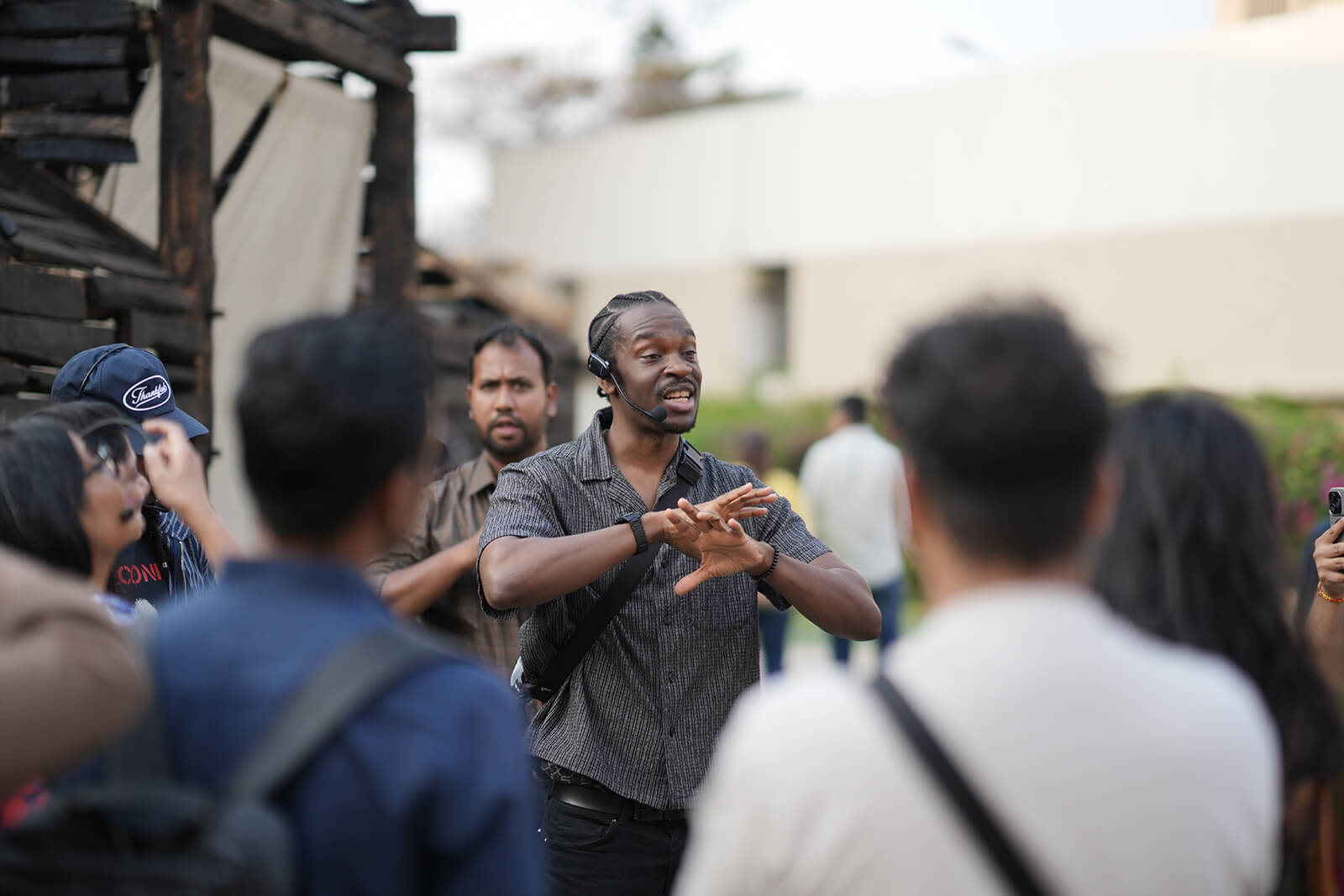
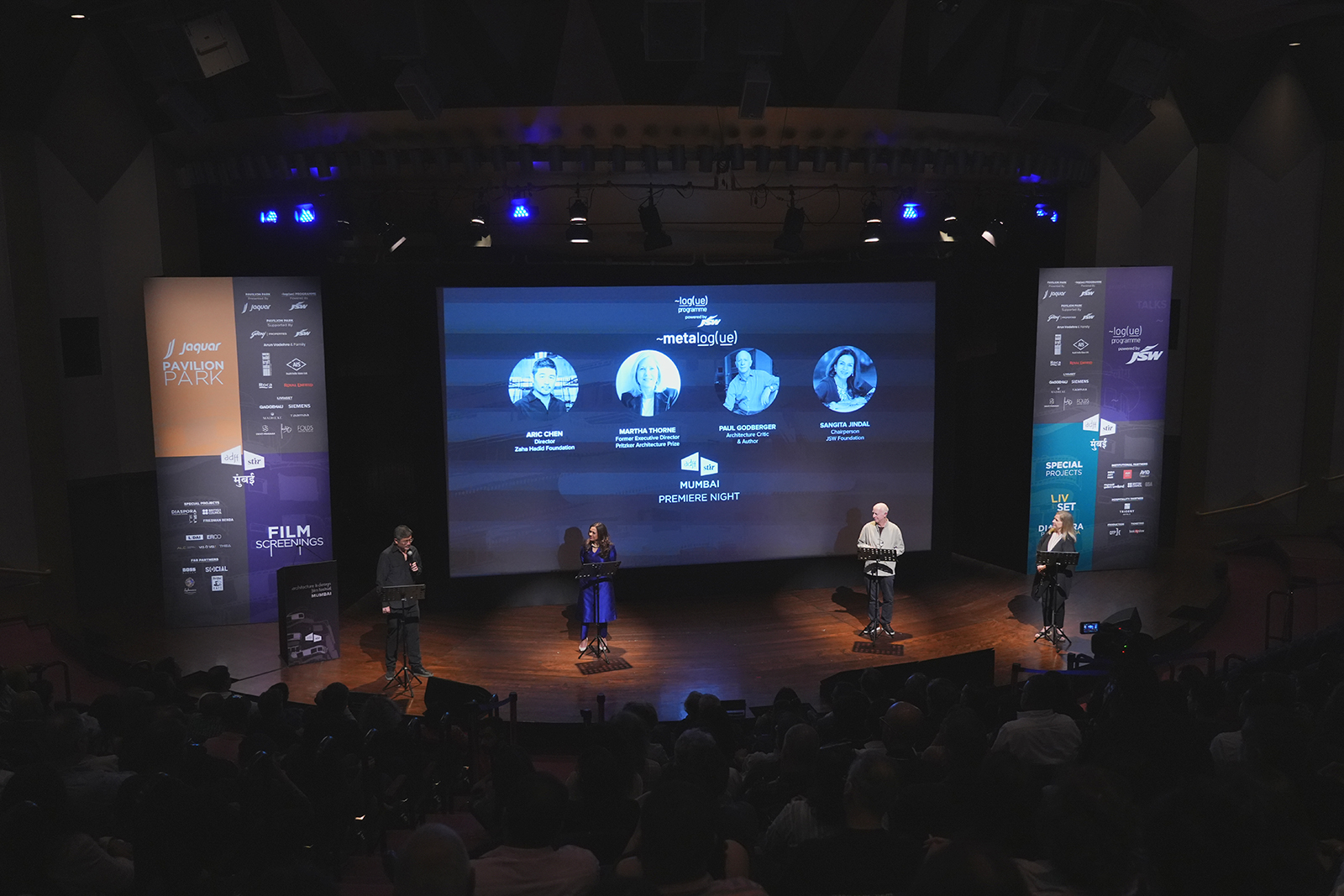
As part of ADFF:STIR’s commitment to fostering spontaneous interactions, dialogues and moments of connection that arise in response to programmes, the festival will also feature live music, book stalls and performance art as part of the ~log(ue) programme from January 20 – 24, 2027. Across ~dialog(ue)s, ~multilog(ue)s, ~epilog(ue)s and ~analog(ue)s, the lines that might separate audiences and speakers, moderators and inquirers, architects, designers, poets, filmmakers, artists, students and critics will cross, over and over again, to create an interlocking web of discourse, inquiry and imagination.
Co-curated by Samta Nadeem, curatorial director of STIR, and Wribhu Borphukon, culture producer and curator, the 2027 ~log(ue) programme will include sessions with Korean art curator Daehyung Lee; MoMA’s chief curator of architecture and design Martino Stierli; Australian curator and writer Natalie King; Glenn D. Lowry, Director Emeritus, Museum of Modern Art, New York; and South African architect Vally, among many others.
The ~log(ue) programme speaks to ADFF:STIR’s existence as a polyphonic cultural forum that seeks to bring architecture, design, art and cinema into mainstream public conversations, welcoming visitors from all walks of life to encounter and add to the logic, language and values of these disciplines.
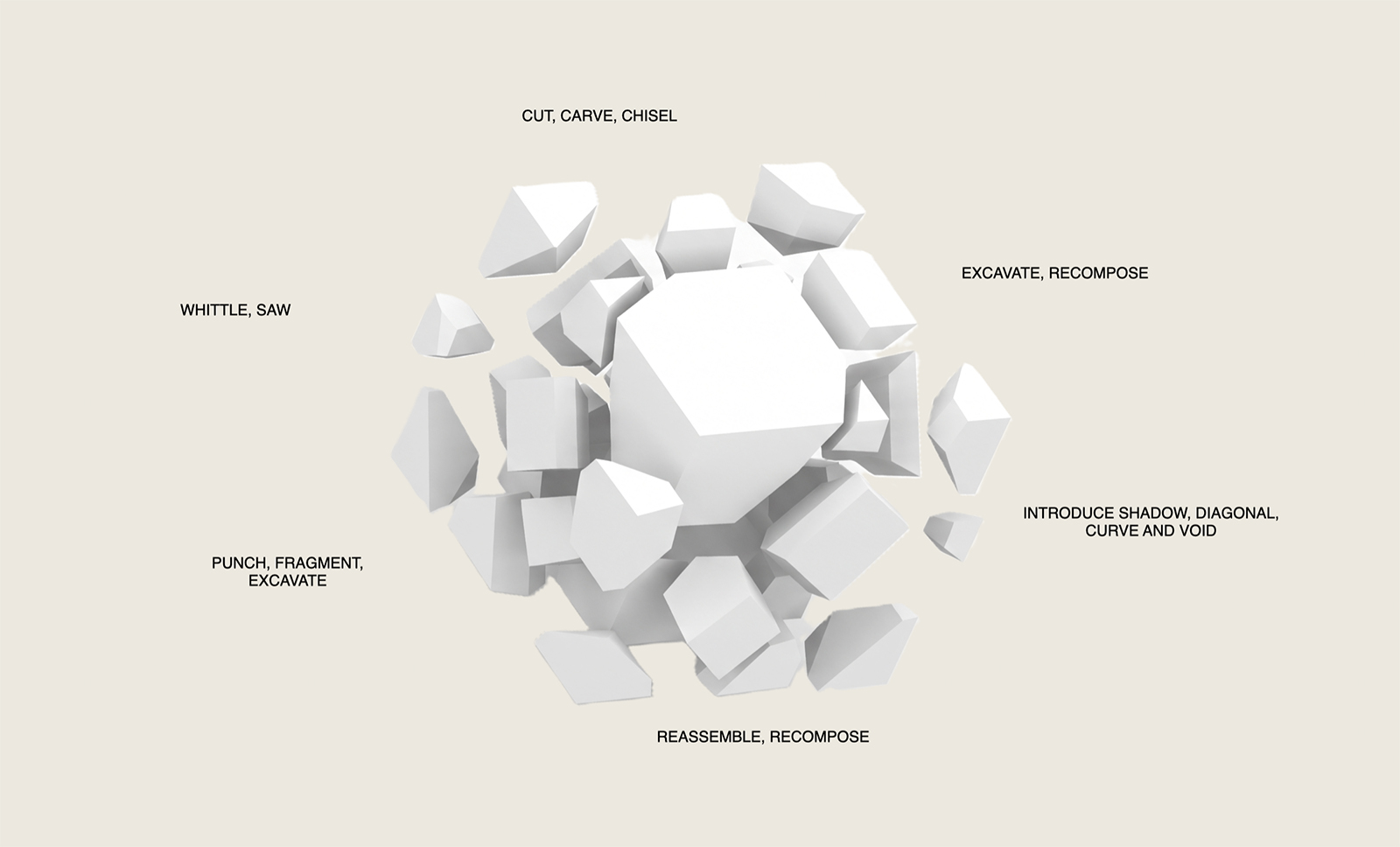
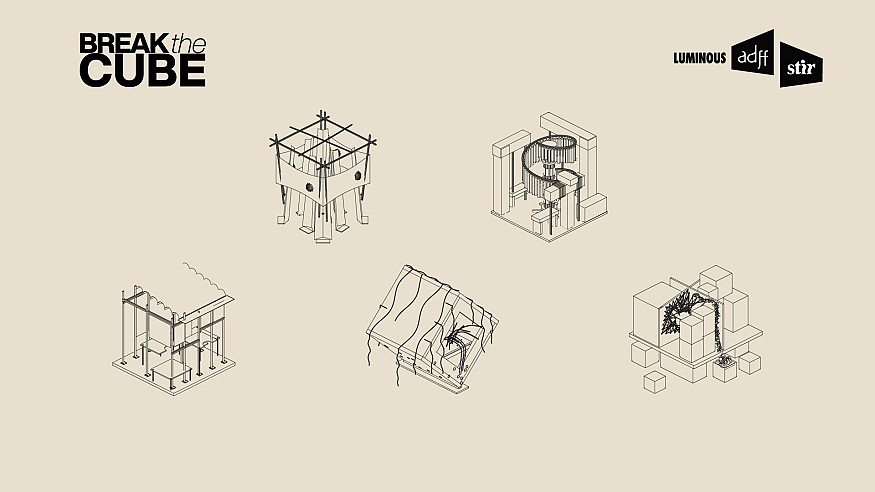
As an extension of this effort, the festival will showcase the work of the next generation of the nation’s architects in a special project titled Break the Cube, curated by Prof. Anne Feenstra (architect, academic and former dean of Architecture, CEPT) and STIR. Nine architecture schools from across India will respond to the same challenge—‘breaking’ a 2 x 2 x 2 metre cube, a building block of architectural convention and pedagogy.
Under the mentorship of Yantrasast and Sevra Davis (director of architecture, design and fashion at the British Council), the students are encouraged to excavate, question and deconstruct the cube in their own unique way, contributing to a new grammar of architecture. The participants include Jindal School of Design and Architecture, Sonipat; The Design Village, Noida; Dehradun Institute of Technology, Dehradun; Mahindra University, Hyderabad; School of Planning and Architecture, Bhopal; AVANI Institute of Design, Kozhikode; RV College of Architecture, Bengaluru; Smt. K.L. Tiwari College of Architecture, Mumbai; and Anant National University, Ahmedabad.
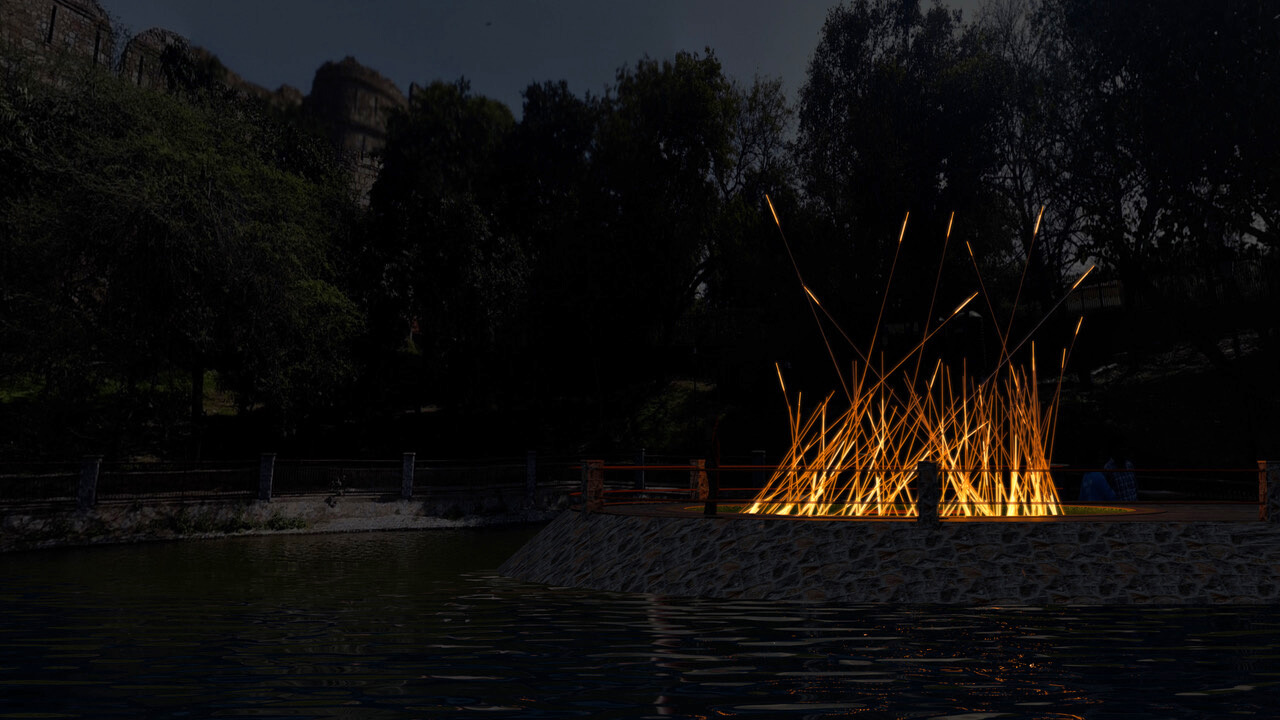
Fluxit, a light installation and special project by Amsterdam-based artist duo Paul Vendel and Sandra de Wolf, will illuminate a special spot for the festival and venue at dusk. Tonkin poles tangled in a pyramid of sticks point upward, illuminated by orange LED tubes. By night, the installation transforms into a kind of sculptural fire as light reflects off the poles and LEDs at their tips seem to emit sparks. Fluxit exemplifies the ability of the human mind to find order, meaning and memory amidst even random or chaotic arrangements of material.
ADFF:STIR III, on the grounds of an almost 500-year-old monument and as part of The India Biennale ’26, exists as a threshold between the ancient and emerging, the conventional and the radical, niche and mainstream. It is an open space where contradictions meet and multiply, rather than resolve, through conversation. The festival’s dialogic, interdisciplinary programme is a unique addition to the capital city’s roster of cultural events.
Luminous ADFF:STIR will be on view from December 4, 2026 – March 21, 2027, with the films and ~lo(gue) programme running from January 20 – 24, 2027, at Purana Qila, New Delhi, India.

by Aric Chen, Rahul Mehrotra Nov 27, 2026
Curators Aric Chen and Rahul Mehrotra probe the possibilities of adaptable, reversible and ephemeral architectures through Jaquar Pavilion Park at Luminous ADFF:STIR.
by Anne Feenstra Nov 27, 2026
A Special Project by ADFF:STIR III invited nine Indian schools of architecture to deconstruct the predictable grammar of the cube, inspiring global architectural futures.
by Mrinmayee Bhoot Nov 23, 2026
Discussions at a day-long symposium at the Rotterdam-based institute centred the tension between material archives and embodied knowledge, using language as critique.
by Zohra Khan Nov 20, 2026
The graphic novel by architect Pero Puljiz proffers a series of frenzied black and white drawings of an alternate universe, eschewing a linear narrative.

make your fridays matter with a well-read weekend
Enter your details to sign in
Don’t have an account?
Sign upOr you can sign in with
a single account for all
STIR platforms
All your bookmarks will be available across all your devices.
Stay STIRred
Already have an account?
Sign inOr you can sign up with
Verification link sent to check your inbox or spam folder to complete sign up process
Tap on things that interests you.
Select the Conversation Category you would like to watch
Please enter your details and click submit.
Enter the 6-digit code sent at


ADFF:STIR III stages a conversation between heritage and contemporary expression
by Srishti Ojha | Published on : Nov 27, 2026




 Sign in with Google
 Sign in with email
What do you think?