Architecture05 mins. read
The Mumbai Transcripts at ADFF:STIR Mumbai 2026: cinema as the city’s lens
by Aarthi MohanDec 31, 2025



by Aric Chen, Rahul MehrotraPublished on : Nov 27, 2026
From the experimental architectures of Yona Friedman and Emilio Pérez Piñero to Archigram’s imagined ‘Instant City’, architects have long asked how buildings might move, adapt or be assembled elsewhere. Yet the temporary city is not only an architectural proposition. It is also a lived reality: in the Kumbh Mela, in markets and festivals, in refugee settlements, construction sites, military encampments and disaster-response areas. These places differ enormously in purpose, scale and duration. Some last days; others persist for years. What connects them is the need to deploy, assemble, operate and adapt—and sometimes, eventually, to disappear.
Temporary structures and adaptable infrastructures have inspired architectural and urban imaginaries for decades. They are both situated and not. But temporary does not automatically mean responsible. A structure may be dismantled and still be wasteful, extractive or harmful. Its impacts depend on how it is made, who uses and maintains it, whether its parts can serve another purpose and what happens when it comes down or relocates. The question, then, is not only whether something can be taken apart or moved. It is whether it was conceived with change in mind—and whether it can change without simply shifting its costs elsewhere.
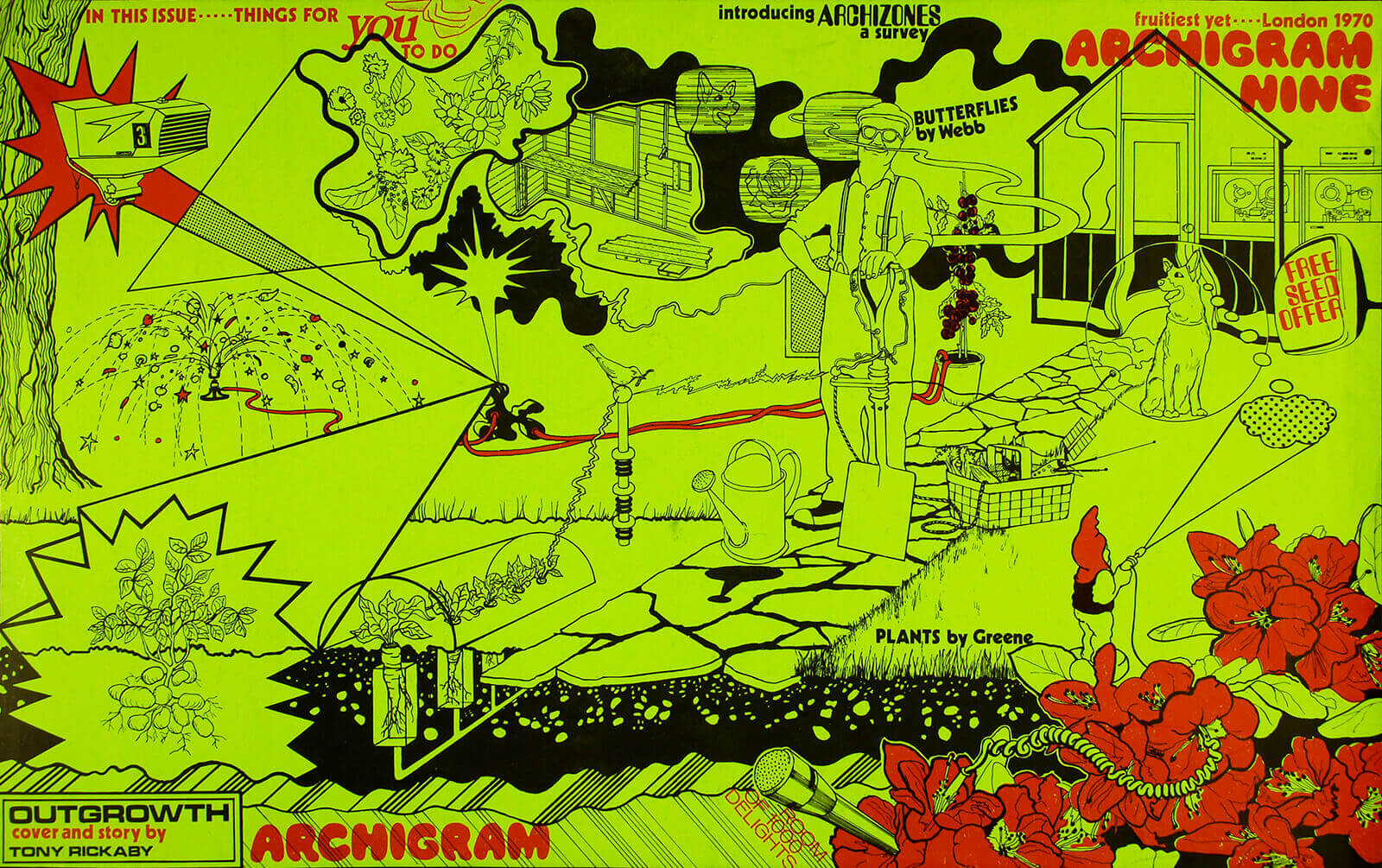
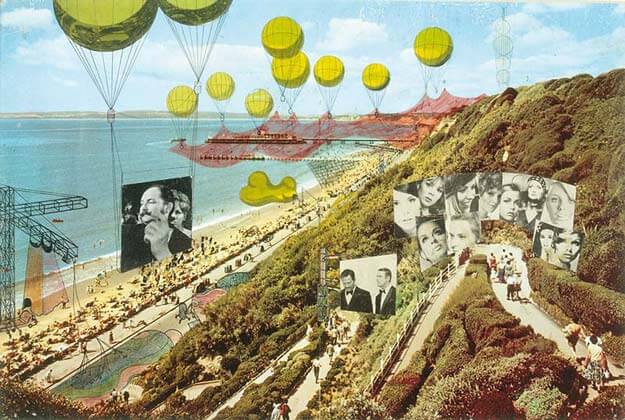
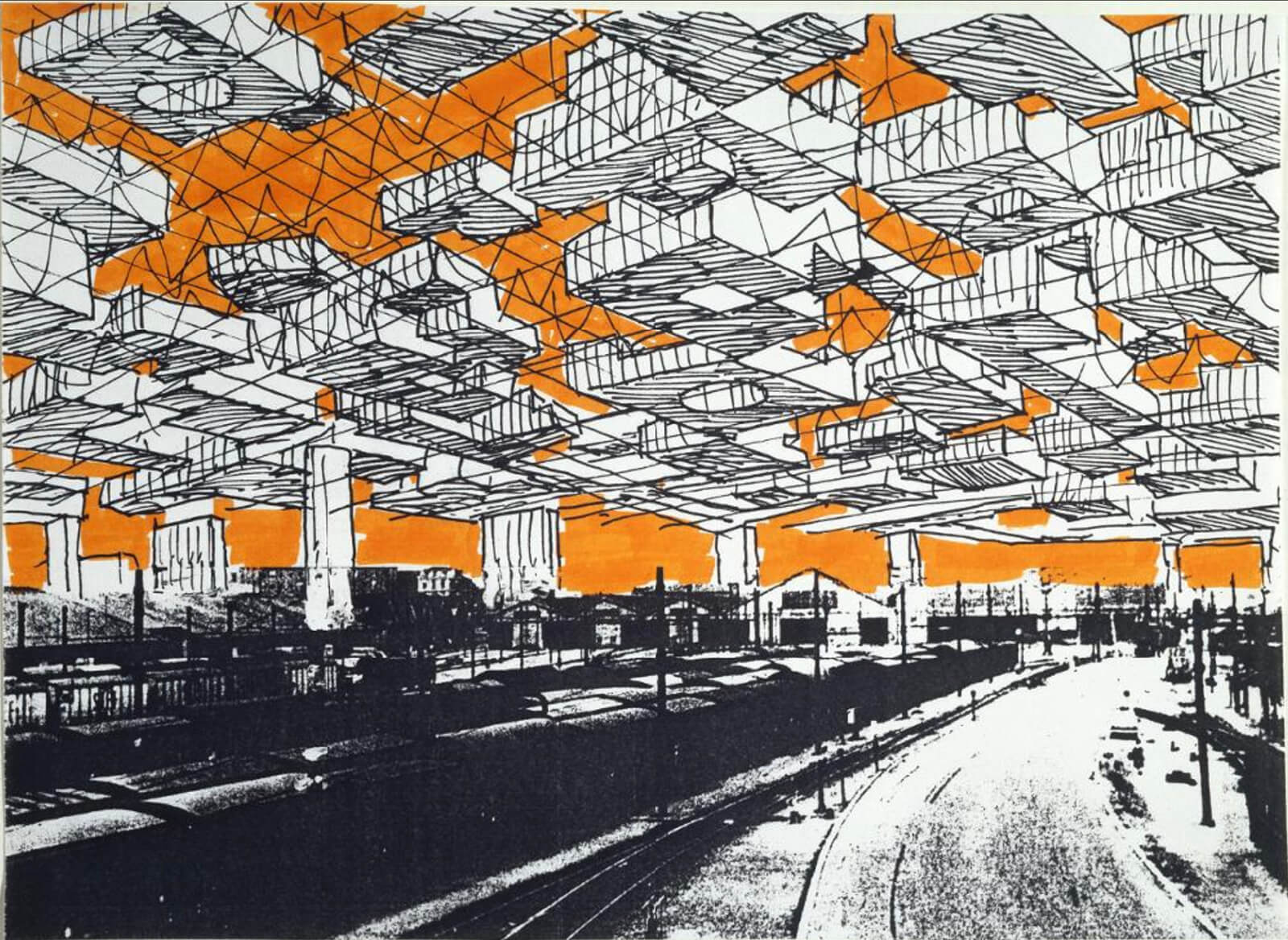
Reversibility begins with questions asked at the moment of design. Can a structure be adapted, unmade, relocated, reused or given another function? What materials and forms of labour does it require? What traces will it leave—physical, social, spiritual and ecological? How might resituating it in a different context change its purpose and meaning? A reversible design does not claim to control the future. It makes room for others to undo, alter, repurpose or carry forward what has been built. There is humility in this approach: the recognition that a project need not be the final word on a place, and that there is both value and beauty in the temporal.
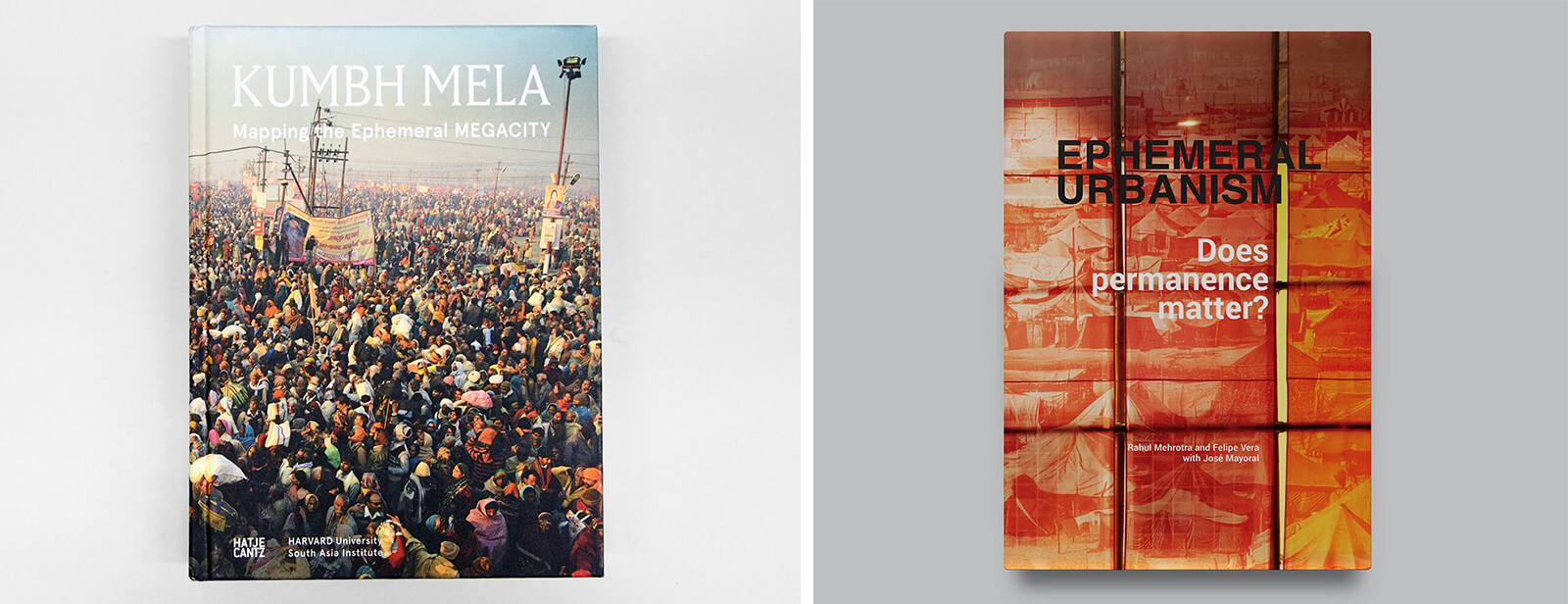
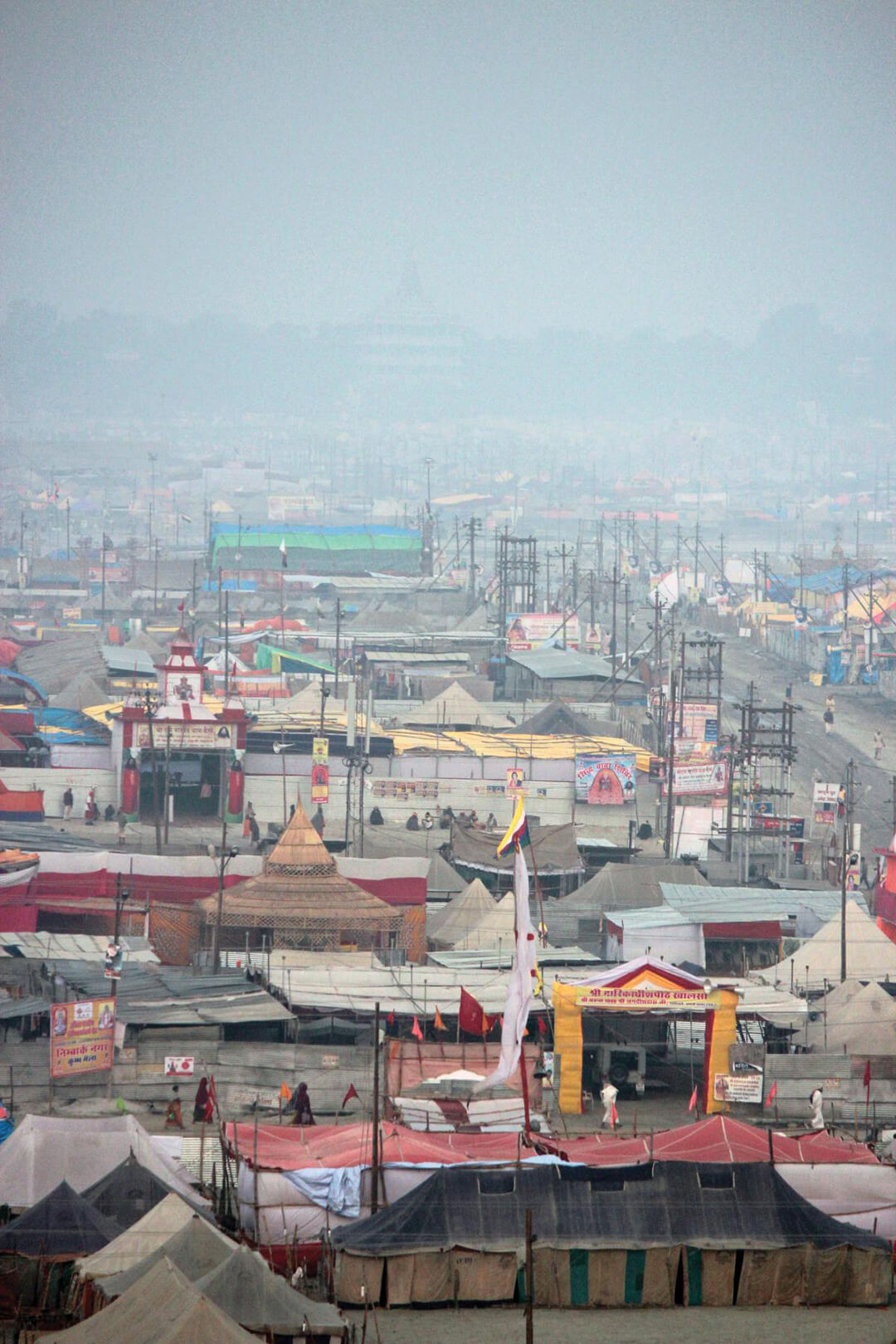
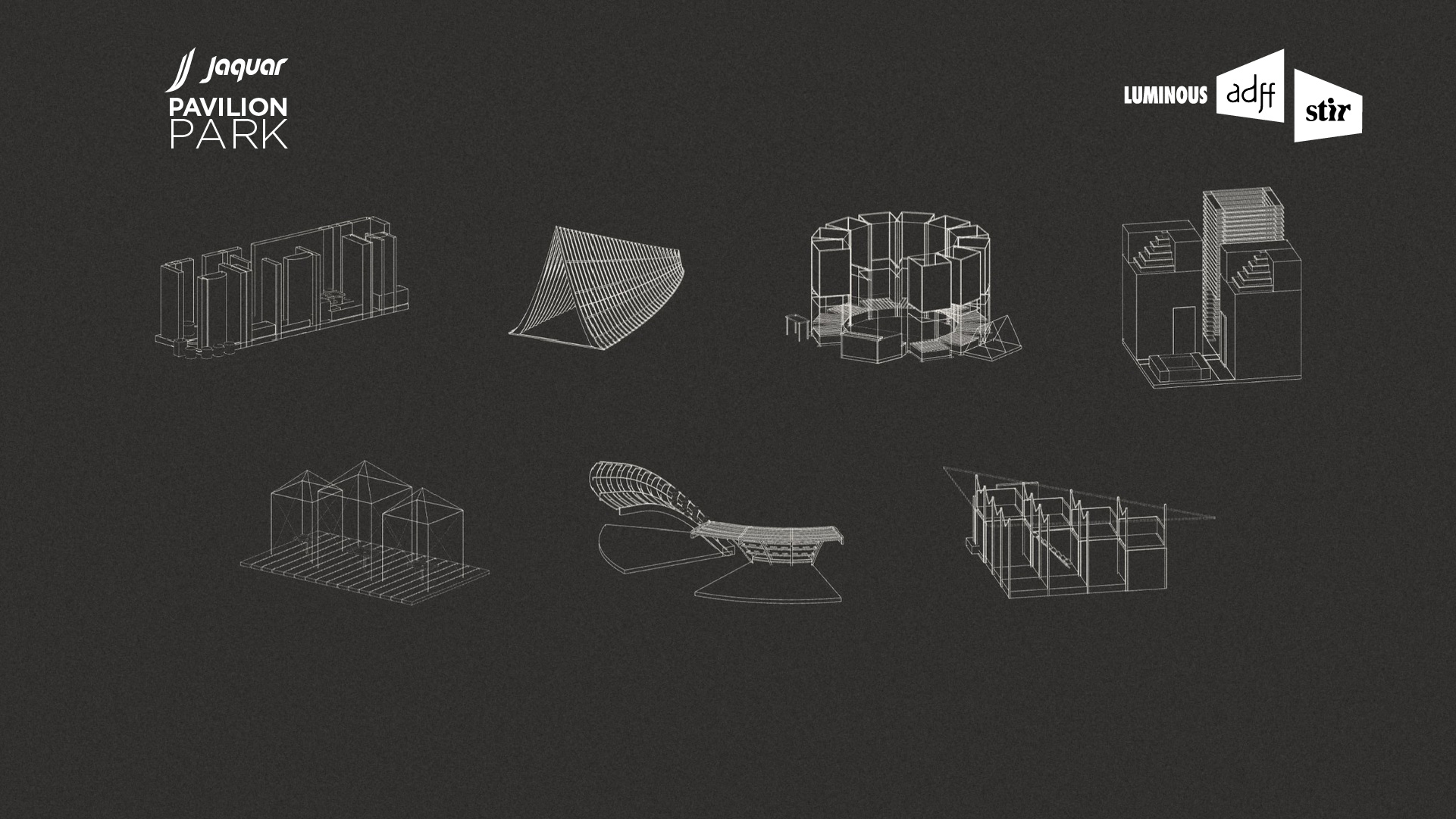
ADFF:STIR’s Jaquar Pavilion Park brings these questions into a shared, speculative setting. Seven architecture studios have been invited to design temporary pavilions that together form a Pavilion City. Rather than presenting seven isolated objects, the project asks what might emerge through their encounter: new possibilities for gathering, movement and exchange and new ways to imagine the relationship between architecture and urban life.
Pavilion City investigates how space, time and activity shape one another—across formal and informal, speculative and everyday, private and public conditions. It is conceived as a liminal space, much like a film. The pavilions become itinerant sets; their arrangement suggests chapters in an open-ended, non-linear narrative. Here, urbanism is not understood only as activity taking place among permanent structures. Temporary structures, too, can host and enable activity. The city is not simply a fixed backdrop: it is continually made through use, encounter and change. Pavilion City brings that inquiry into a public, spatial experience that is, by design, fleeting. Visitors are not just observers but protagonists, moving through a place that invites them to imagine how temporary urbanism might work—and for whom.
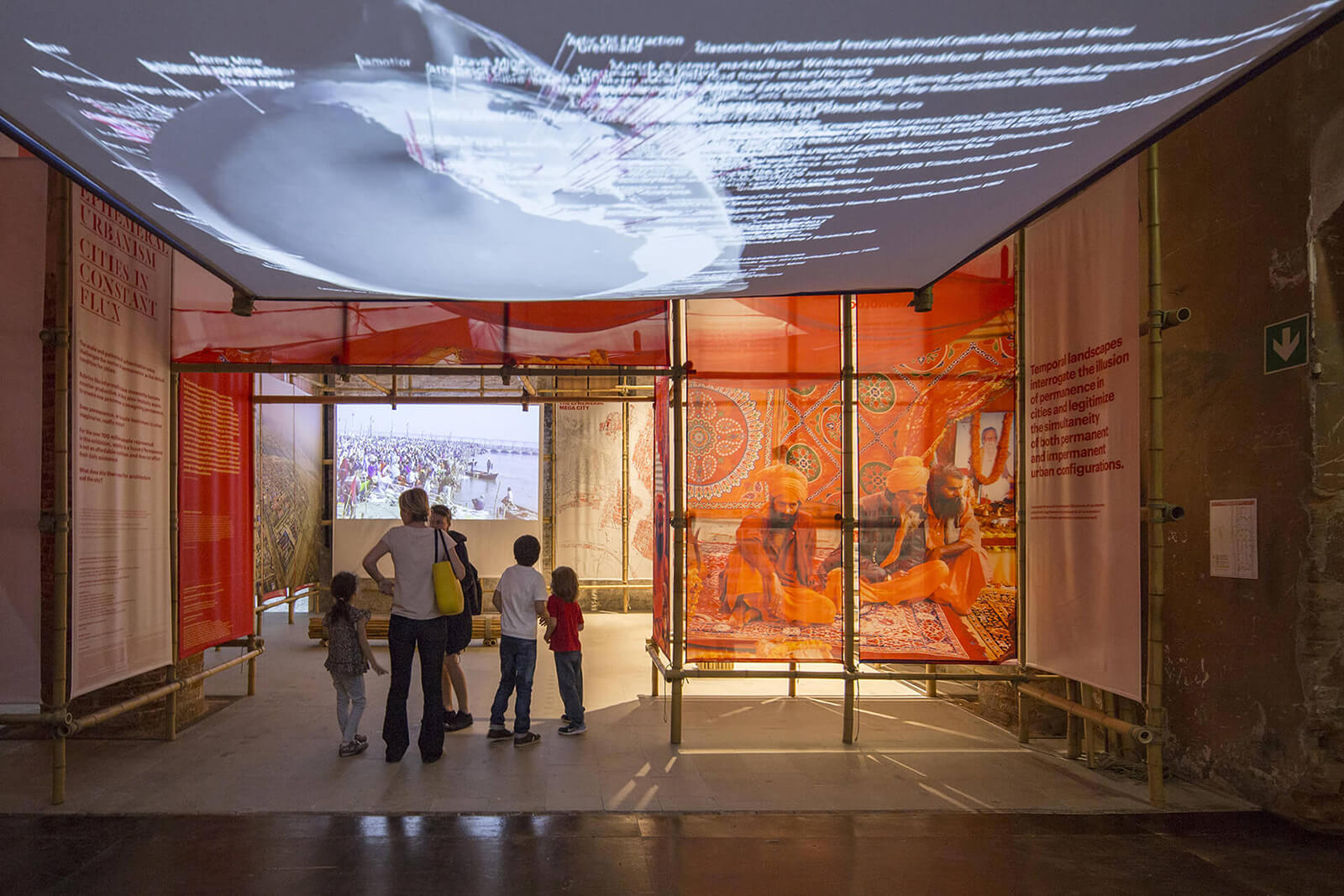
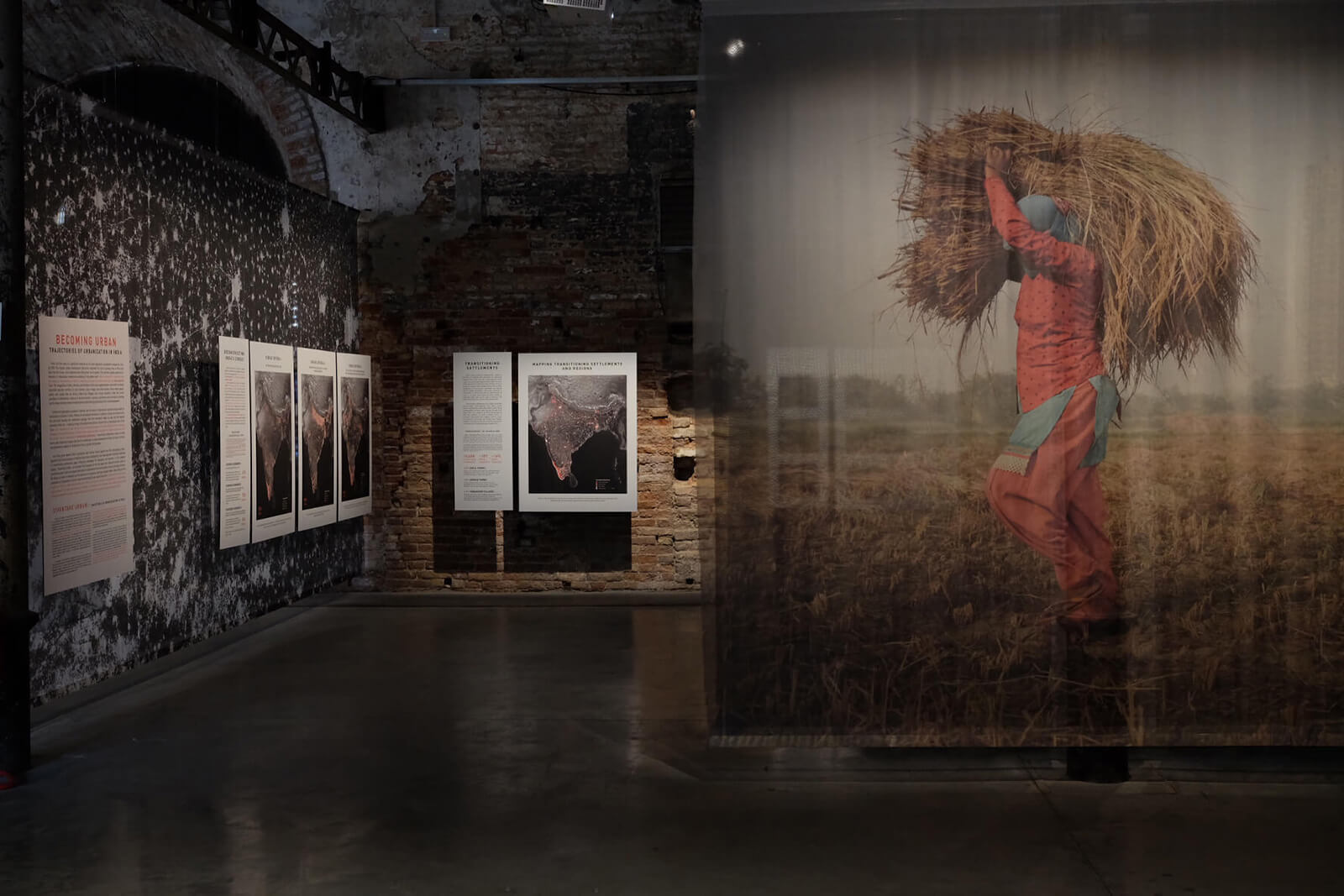
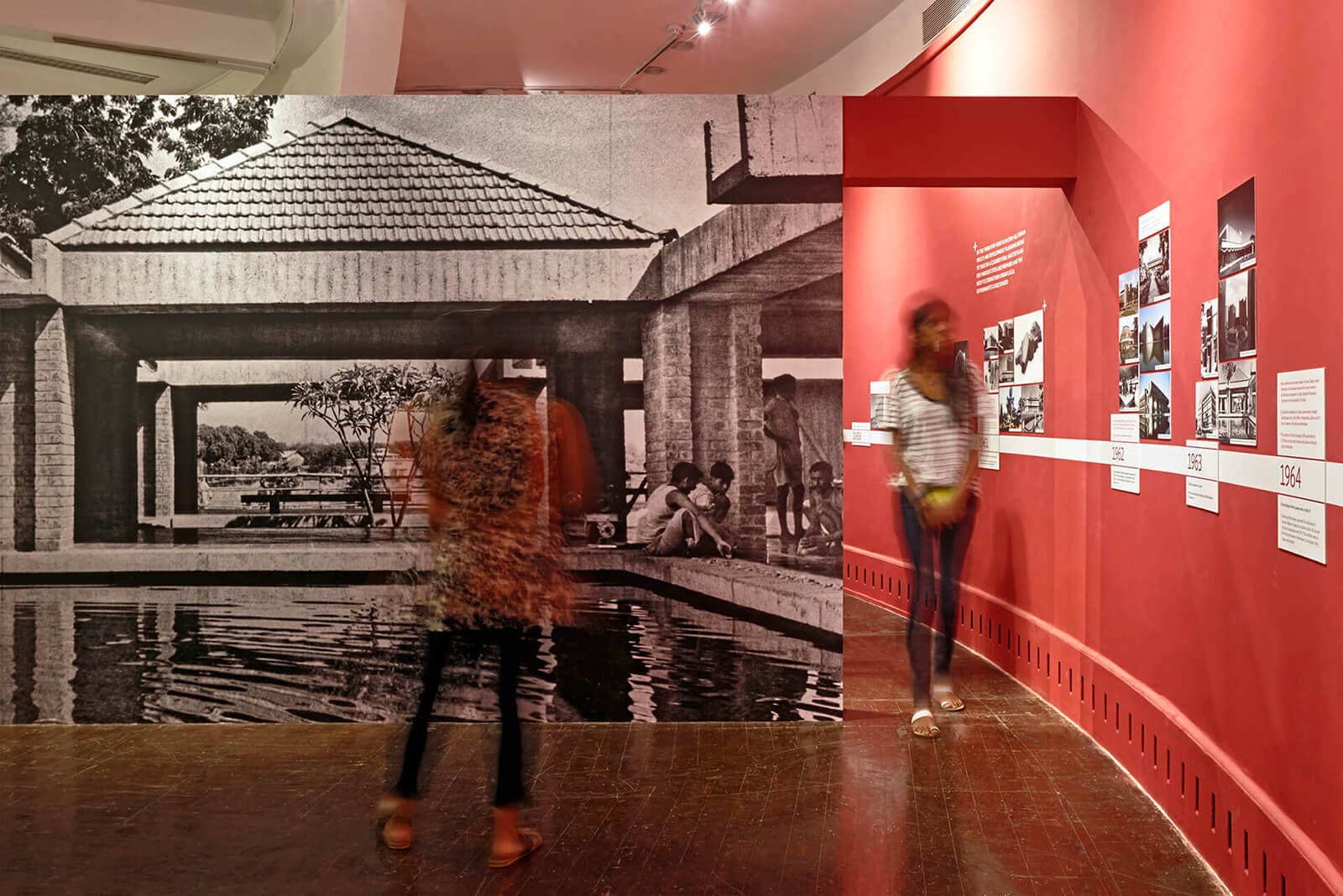
The pavilions are not offered as ready-made answers to urgent urban challenges. Instead, they open a space for questions. Where might adaptable structures matter most? What kinds of agency could they offer to communities, and what are their limits? Why does their potential so often remain unrealised where it might be most needed? And what do we mean when we call something ‘temporary’ or ‘permanent’? These may not be fixed categories, but different ways of describing a place in transition, or transition itself. Pavilion City invites us to consider how design can respond to that transition with care, and how the structures we build might leave room for what comes next.
Luminous ADFF:STIR will be on view from December 4, 2026 – March 21, 2027, at The India Biennale '26, Purana Qila, Delhi, with the films and ~lo(gue) programme running from January 20 – 24, 2027.

by Anne Feenstra Nov 27, 2026
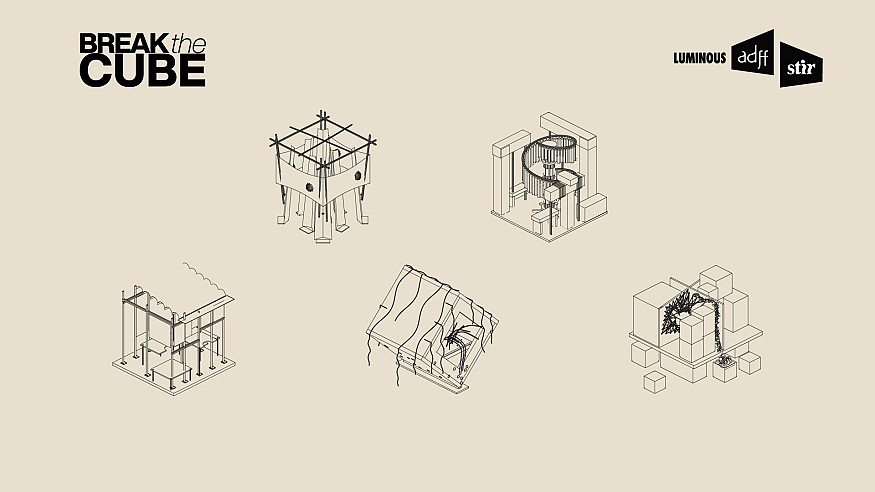
A Special Project by ADFF:STIR III invited nine Indian schools of architecture to deconstruct the predictable grammar of the cube, inspiring global architectural futures.
by Mrinmayee Bhoot Nov 23, 2026
Discussions at a day-long symposium at the Rotterdam-based institute centred the tension between material archives and embodied knowledge, using language as critique.
by Zohra Khan Nov 20, 2026
The graphic novel by architect Pero Puljiz proffers a series of frenzied black and white drawings of an alternate universe, eschewing a linear narrative.
by Pranjal Maheshwari Nov 18, 2026
The Indonesian architectural firm designs Mitte Oblique Garden as a porous and socially engaging tropical urban forest puncturing the dense fabric of the national capital.

make your fridays matter with a well-read weekend
Enter your details to sign in
Don’t have an account?
Sign upOr you can sign in with
a single account for all
STIR platforms
All your bookmarks will be available across all your devices.
Stay STIRred
Already have an account?
Sign inOr you can sign up with
Verification link sent to check your inbox or spam folder to complete sign up process
Tap on things that interests you.
Select the Conversation Category you would like to watch
Please enter your details and click submit.
Enter the 6-digit code sent at


Pavilion City: curating for a time of flux
by Aric Chen, Rahul Mehrotra | Published on : Nov 27, 2026



 Sign in with Google
 Sign in with email
What do you think?