Design12 mins. read
The Milan Edit by STIR x The Third Space: Design and people beyond the Milanese fair
by Jincy IypeJun 19, 2026



by Bansari PaghdarPublished on : Apr 13, 2026
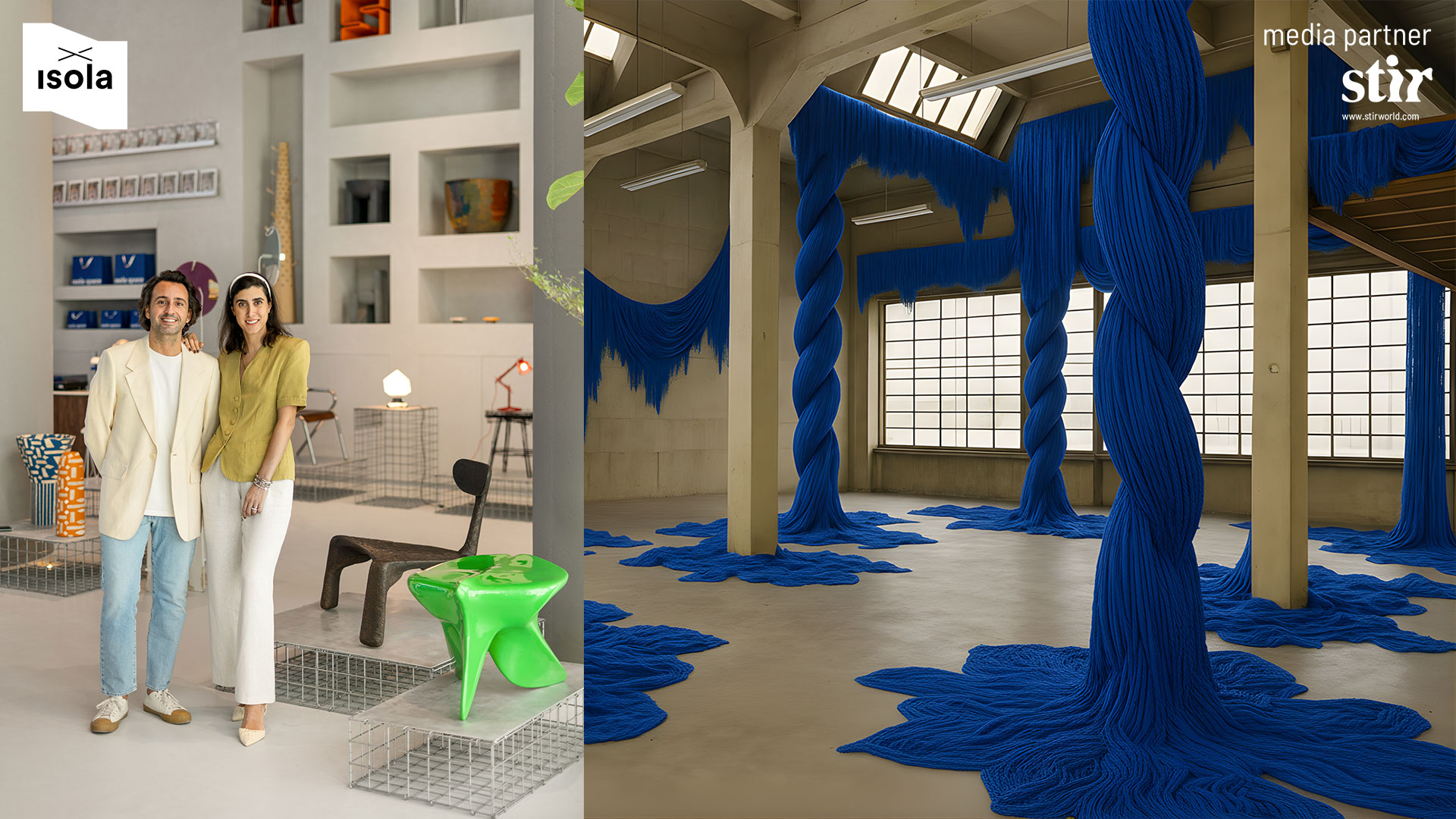
Architect and design curator Elif Resitoglu, along with Gabriele Cavallaro, an entrepreneur with a background in marketing and business management, established the Isola Design District in 2017. Cavallaro’s first home in Milan was situated in Isola—a neighbourhood with ‘energy and independent spirit’—while Resitoglu’s journey in the city began with Politecnico di Milano. Combining their individual expertise, travels and creative experiences, the duo proffered a platform to amplify the voices of independent designers through the district, eventually expanding into creative consultancy and a digital platform, as it evolved into the Isola Design Group.
With Cavallaro as CEO and Resitoglu as creative director, the group has since expanded to the UAE and now curates exhibitions and events across Dubai, Eindhoven, London and Milan. Marking this seasoned evolution, Isola Design Festival returns for its 10th edition at Milan Design Week 2026, under the theme, TEN: The Evolving Now.
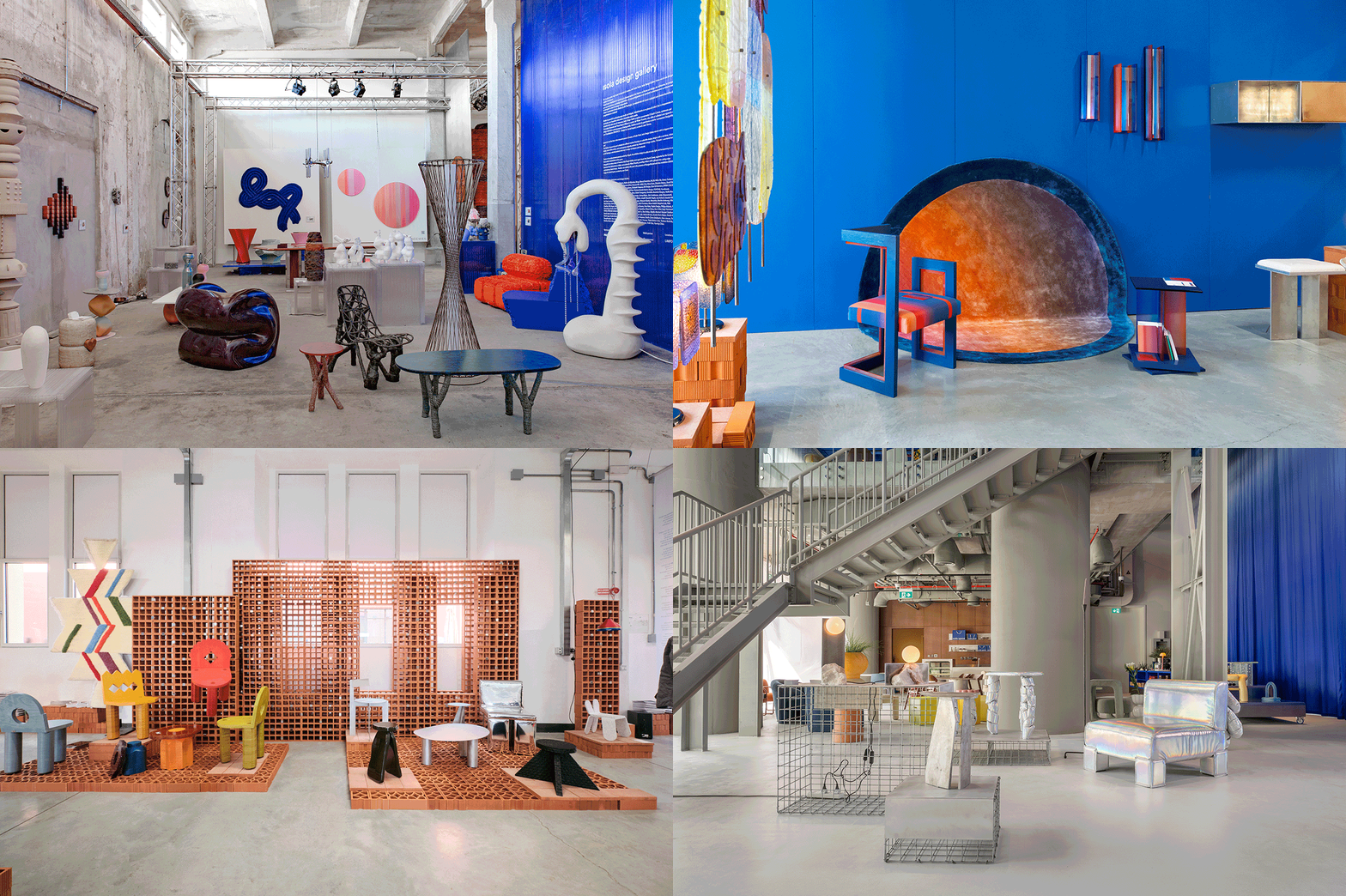
Isola was established in response to certain gaps in the then structure of Milan Design Week and the city’s broader design landscape, where young and independent designers often struggled to gain proper or any visibility during the design week. Limited access to space and increasingly prohibitive costs further restricted these opportunities, prompting the emergence of Isola as an accessible entity, offering a platform and visibility to the young designers. While the design district has grown immensely over the past decade, this core ethos remains unchanged.
This year’s showcase spotlights precisely this evolution—from a local initiative to a district-wide platform—coalescing diverse disciplines, geographies and both emerging and established designers. TEN: The Evolving Now revisits some of Isola's most noteworthy exhibition formats from past editions, reactivating familiar spaces in tandem with collaborating with key contributors to the district’s history.
In an exclusive conversation with STIR, Cavallaro and Resitoglu reflect on Isola’s journey apart from its multiplicity of voices, curatorial coherence and the future of design.
Bansari Paghdar: You’ve described the early days of Isola as ‘knocking on doors’ and embracing the identity of ‘Fuorisalone pirates’. Looking back, do you think that outsider positioning was a temporary necessity or has it become a structural ethos that continues to define Isola today?
Gabriele Cavallaro: In the beginning, it was definitely a necessity. We couldn’t afford to rent spaces in the established districts, but we had a lot of energy and a strong desire to find alternative solutions and take an independent approach. Knocking on doors was the only way in, allowing us to root ourselves in the neighbourhood and build something that truly involved its spirit—a real territorial project.
Over time, that attitude evolved. From bringing global ideas and perspectives into an Italian district, we started to look outward, bringing our spirit and community beyond Milan. This shift led us to remove the word ‘district’ from our name and become Isola Design, while also developing a digital platform and our first physical space in Dubai.
Today, like other major design events such as Dutch Design Week, London Design Festival, Dubai Design Week and Ithra Design Week, we operate on an international level. [Even] when we collaborate with major institutions and brands, we try to maintain that same mindset—questioning formats and staying independent in our thinking. We may be rooted in Milan, but we now see opportunities on a global scale.
Bansari: This year’s edition simultaneously looks backwards and forward. How did you approach curating a 10-year milestone that acknowledges Isola's legacy without relying heavily on nostalgia?
Gabriele: This year, we are bringing back the best of Isola’s collective design exhibitions, with many new faces alongside designers, partners and installations by those who have supported and been part of the design festival over the years—many of whom return as established designers and curators.
Across different shows and formats, we are also preparing a documentary to accompany this 10th edition, where a sense of nostalgia will naturally emerge. Through the words of those who have been part of previous editions, we want to tell our story, retracing the evolution and rebranding of Isola, and guiding visitors through the journey of the Isola Design community.
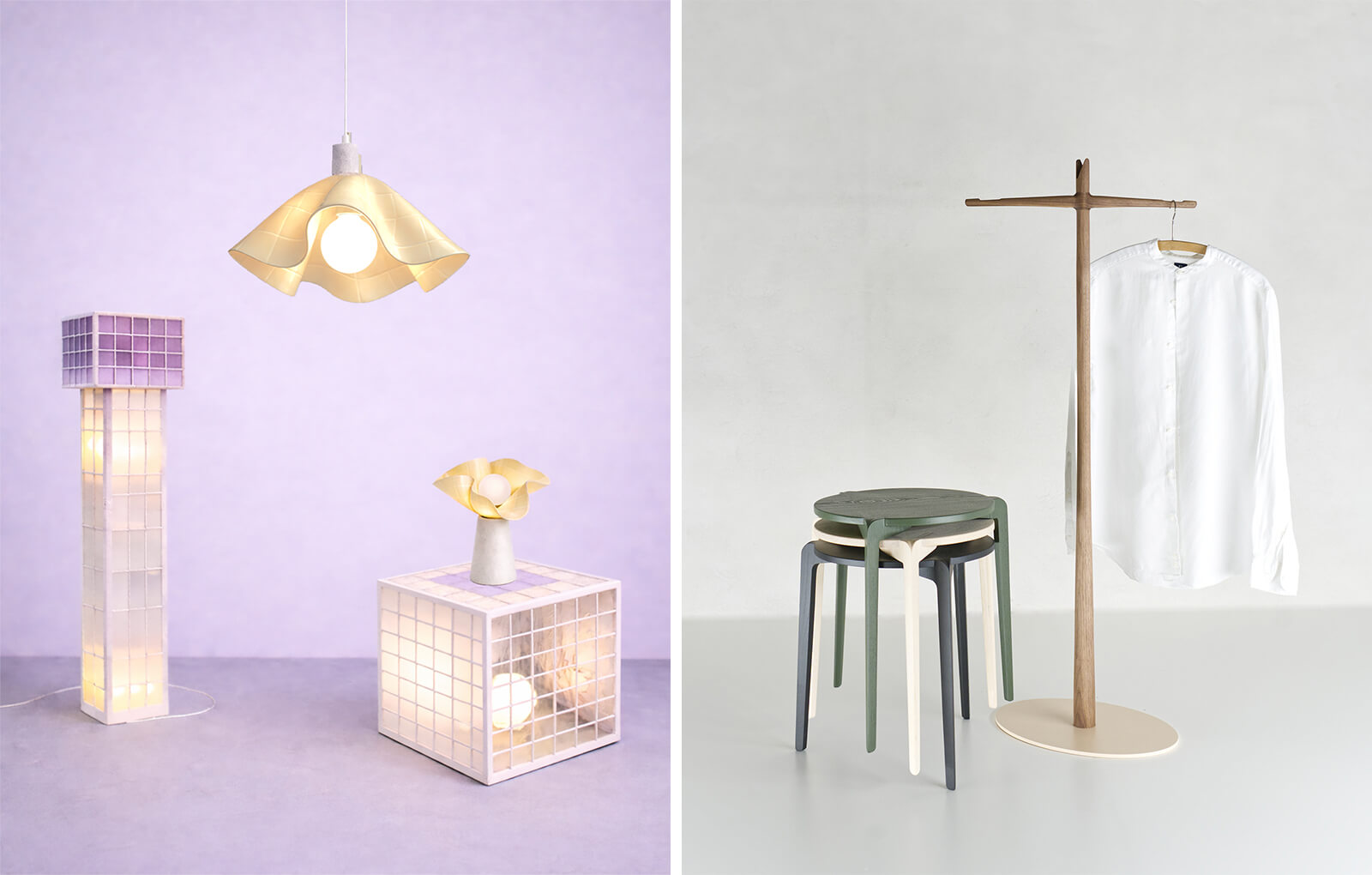
Bansari: The return to Fabbrica Sassetti feels both symbolic and strategic. What does this building represent to you in terms of Isola’s identity, particularly its relationship to production, craft and regional memory?
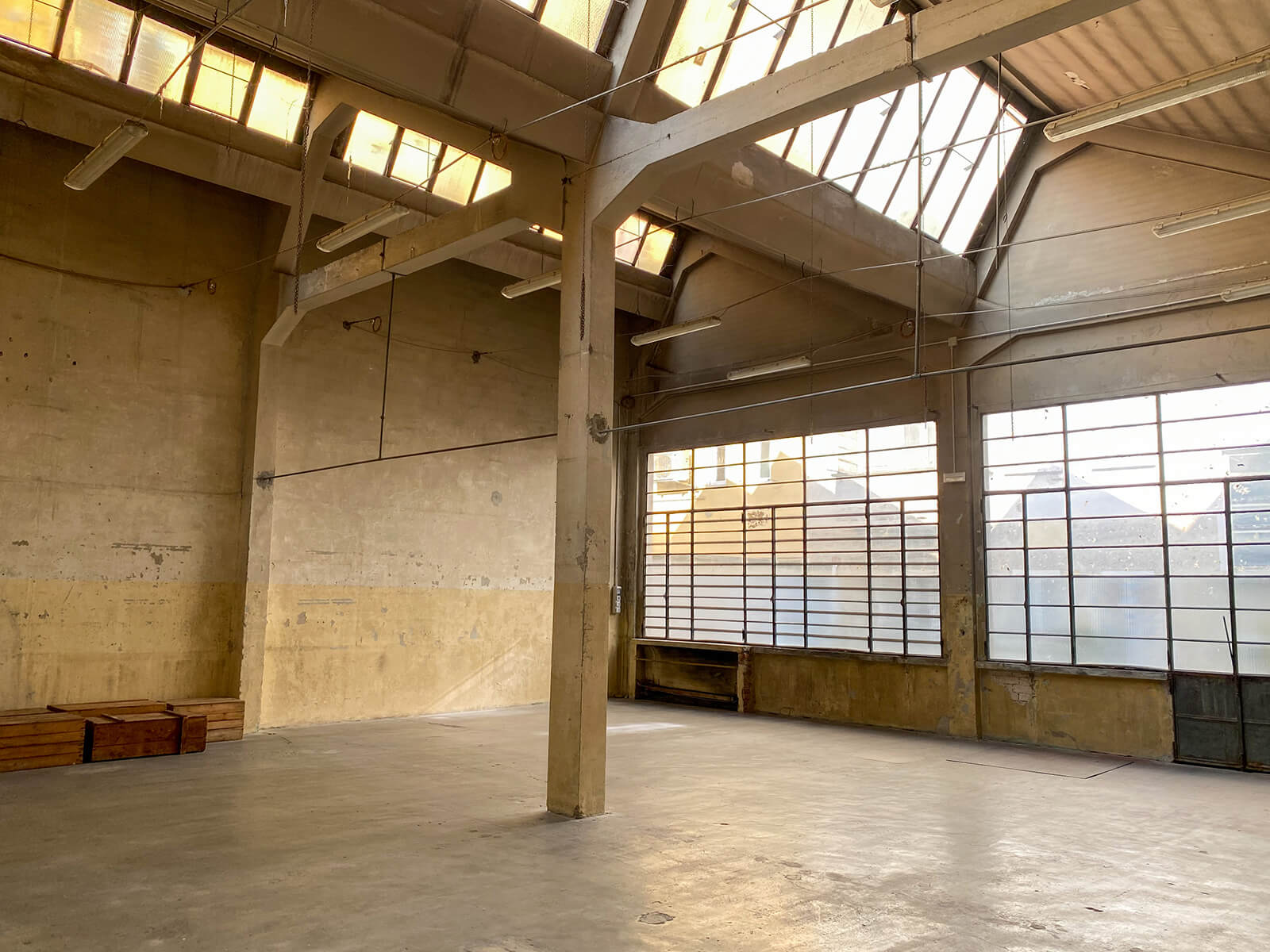
Elif Resitoglu: When we held our first exhibition at Fabbrica Sassetti, it was also the first physical event we organised after Covid. We hosted many designers and studios, many of whom we continue to collaborate with today, building [projects] that open opportunities. That space brings us back to the core of Isola. It has this raw, urban character that reflects the diversity of Milan’s spaces and the spirit we started from.
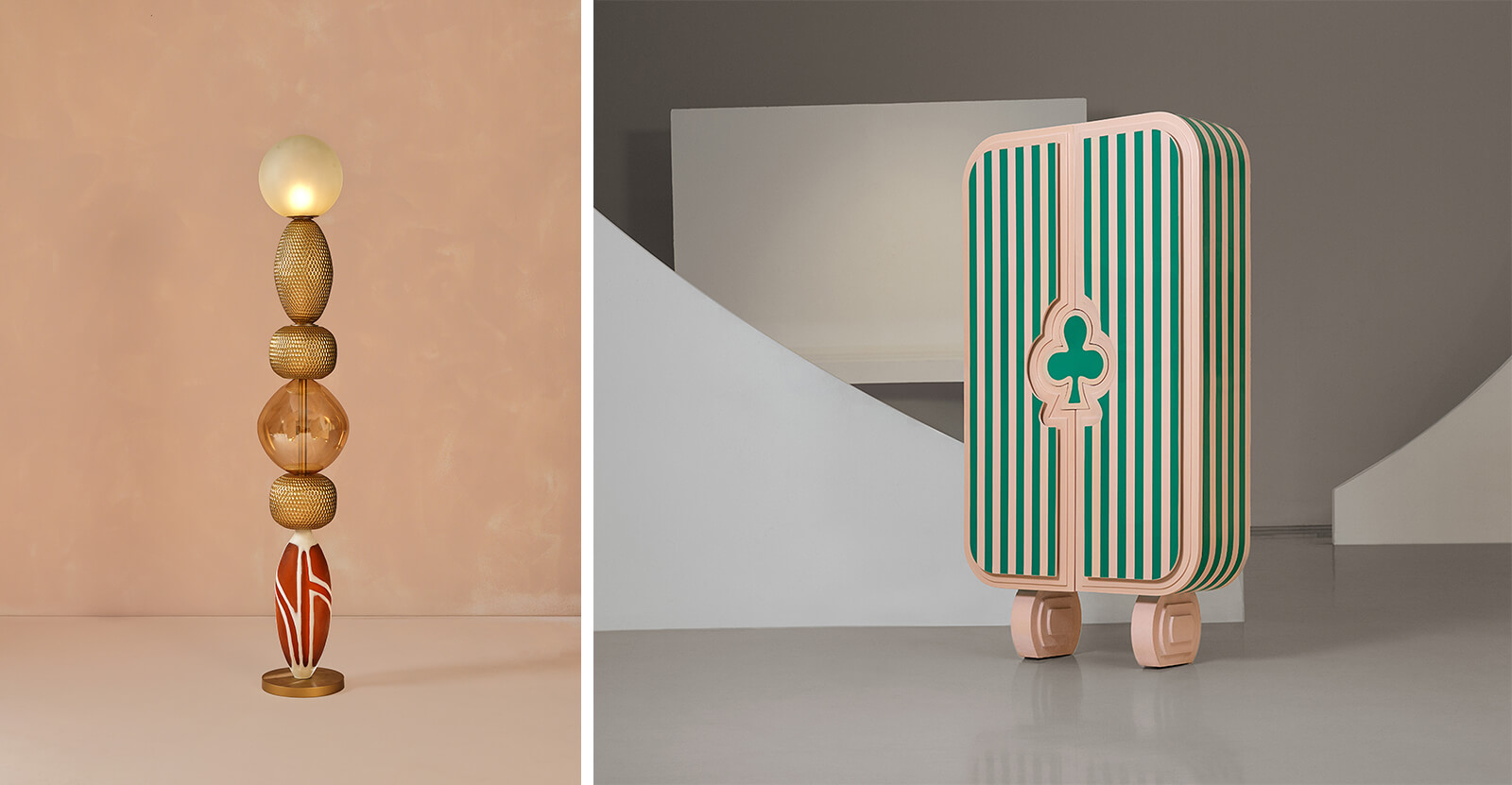
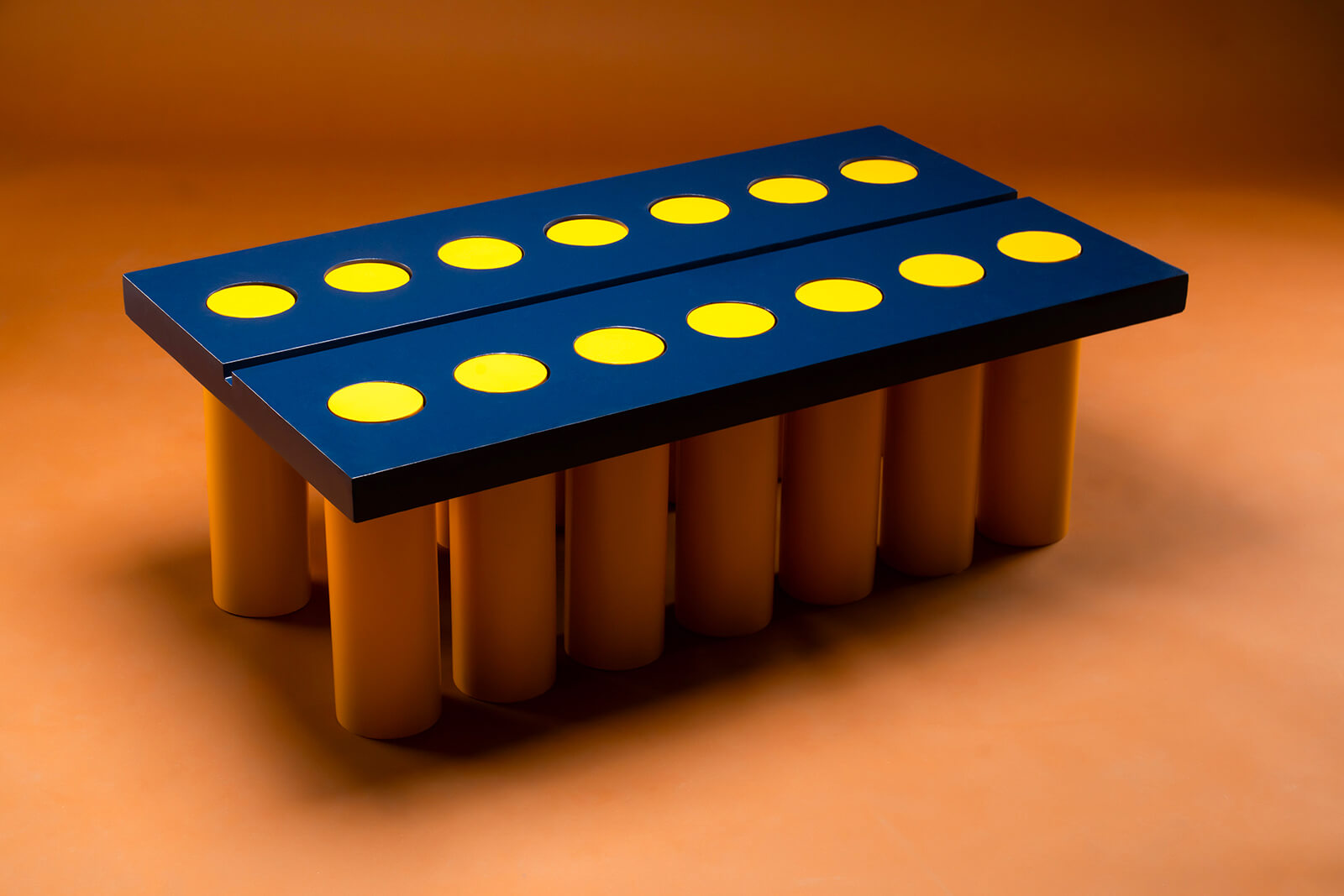
Through the words of those who have been part of previous editions, we want to tell our story, retracing the evolution and rebranding of Isola, and guiding visitors through the journey of the Isola Design community. – Gabriele Cavallaro, co-founder and CEO of Isola Design Group
Bansari: With multiple co-curated exhibitions—such as Rasa, Shape of Belonging and Archivi Futuri —this edition emphasises distributed authorship. How do you balance curatorial coherence with this multiplicity of voices?
Elif: All these partnerships began from individual stories and long-term relationships. Curators such as Pietro Petrillo and Varun E S first engaged with Isola as participants, and over time, we built a shared understanding of our DNA. We bring our curatorial experience and network, while they contribute strong local knowledge and new perspectives. The balance comes from trust. We stay connected and support the process, while giving them full freedom to their curatorial voice, grounded in shared values.
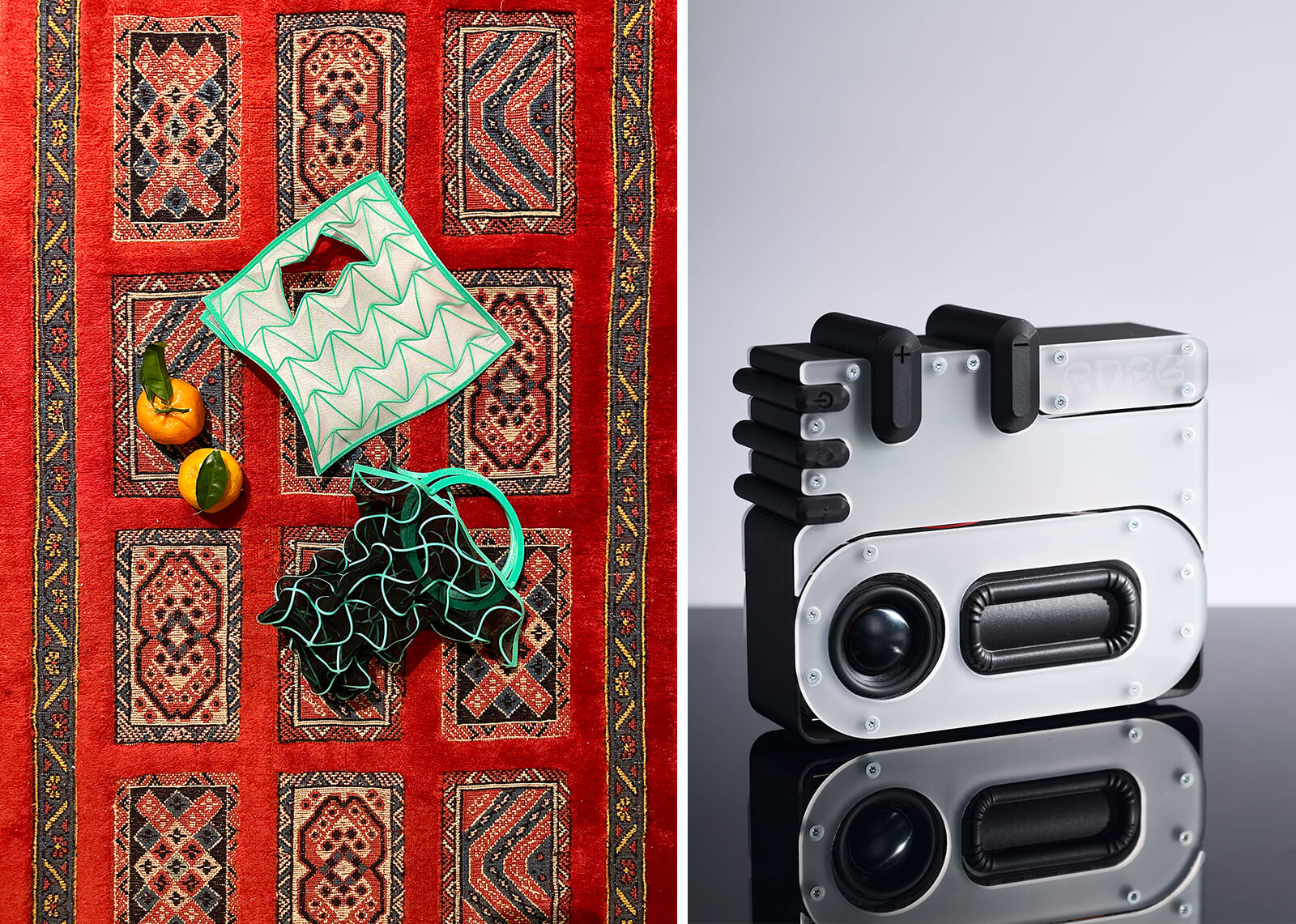
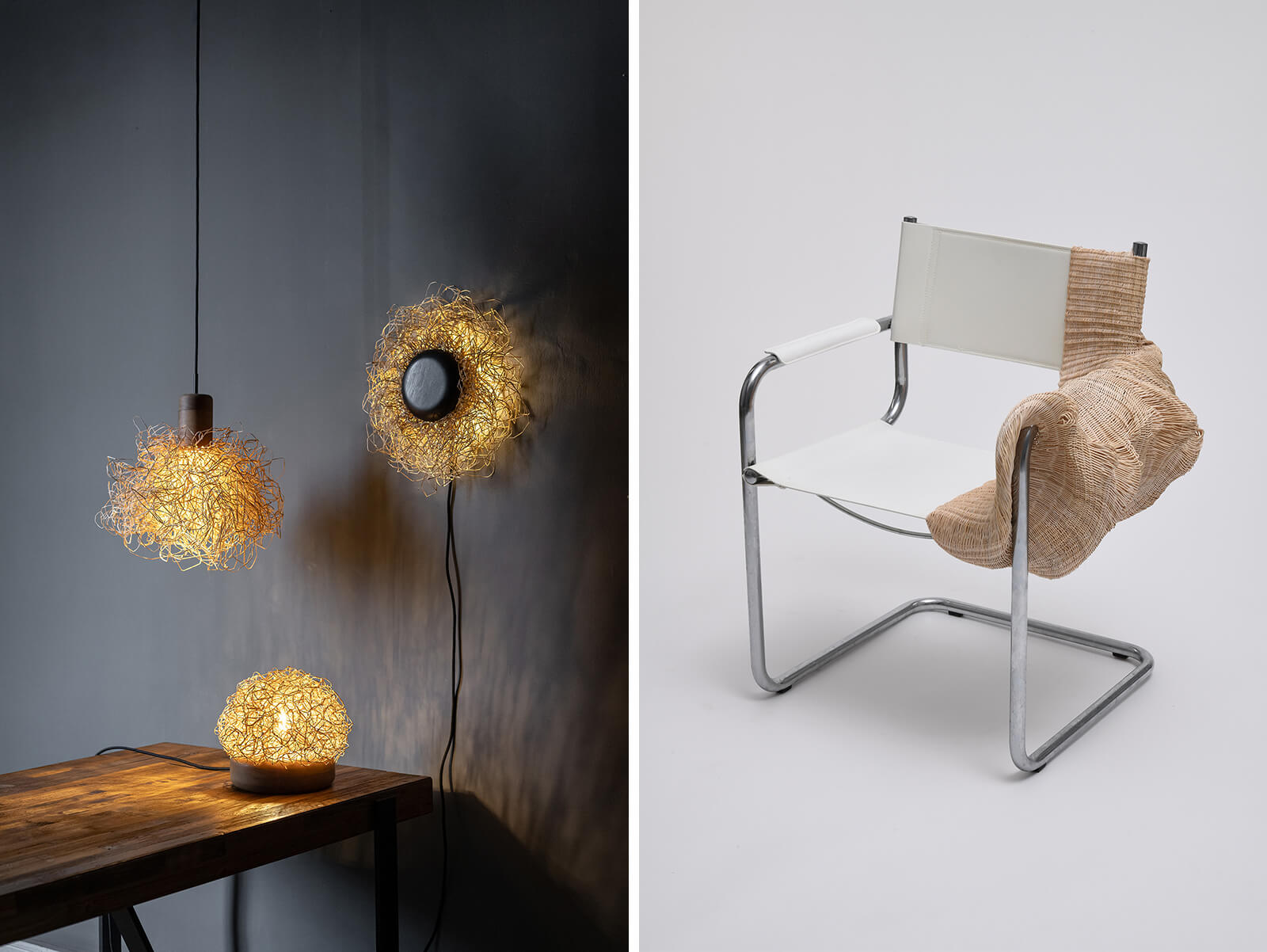
Bansari: Exhibitions such as No Space for Waste and The New State of Materials foreground circularity and innovation. Do you see Isola as reflecting broader industry shifts or actively attempting to steer them?
Elif: I think it’s both. We definitely reflect what is happening in the industry, especially the growing focus on circular design and material innovation. At the same time, we’ve been working on these topics for years now, before they became mainstream. Through our exhibitions, research and collaborations, we built sustainable exhibition setups, while giving visibility to practices where these values are already inherent. More than individual shows, what interests us now is the next step: how this language can evolve into a real ecosystem, where research becomes reality and supports more initiatives.
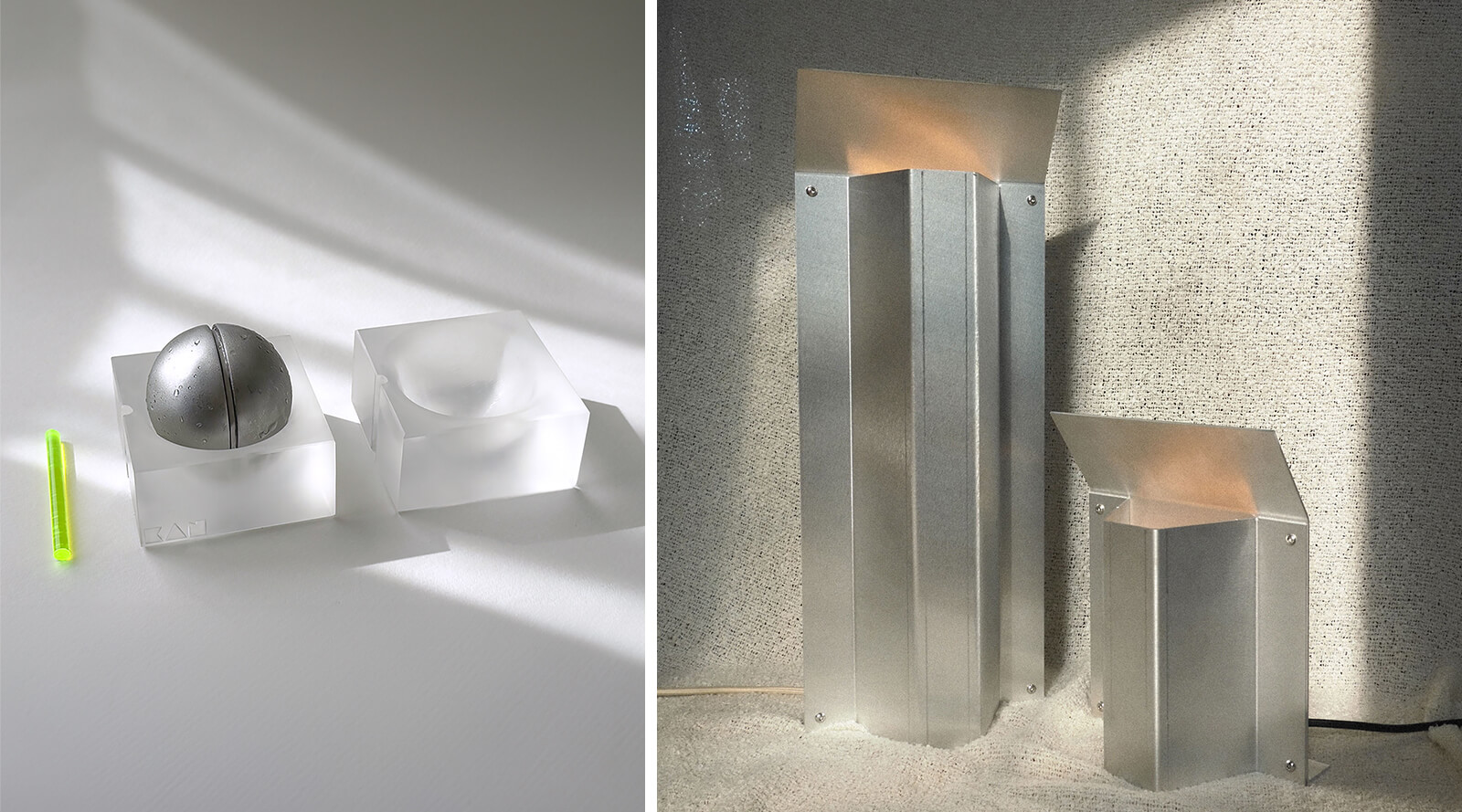
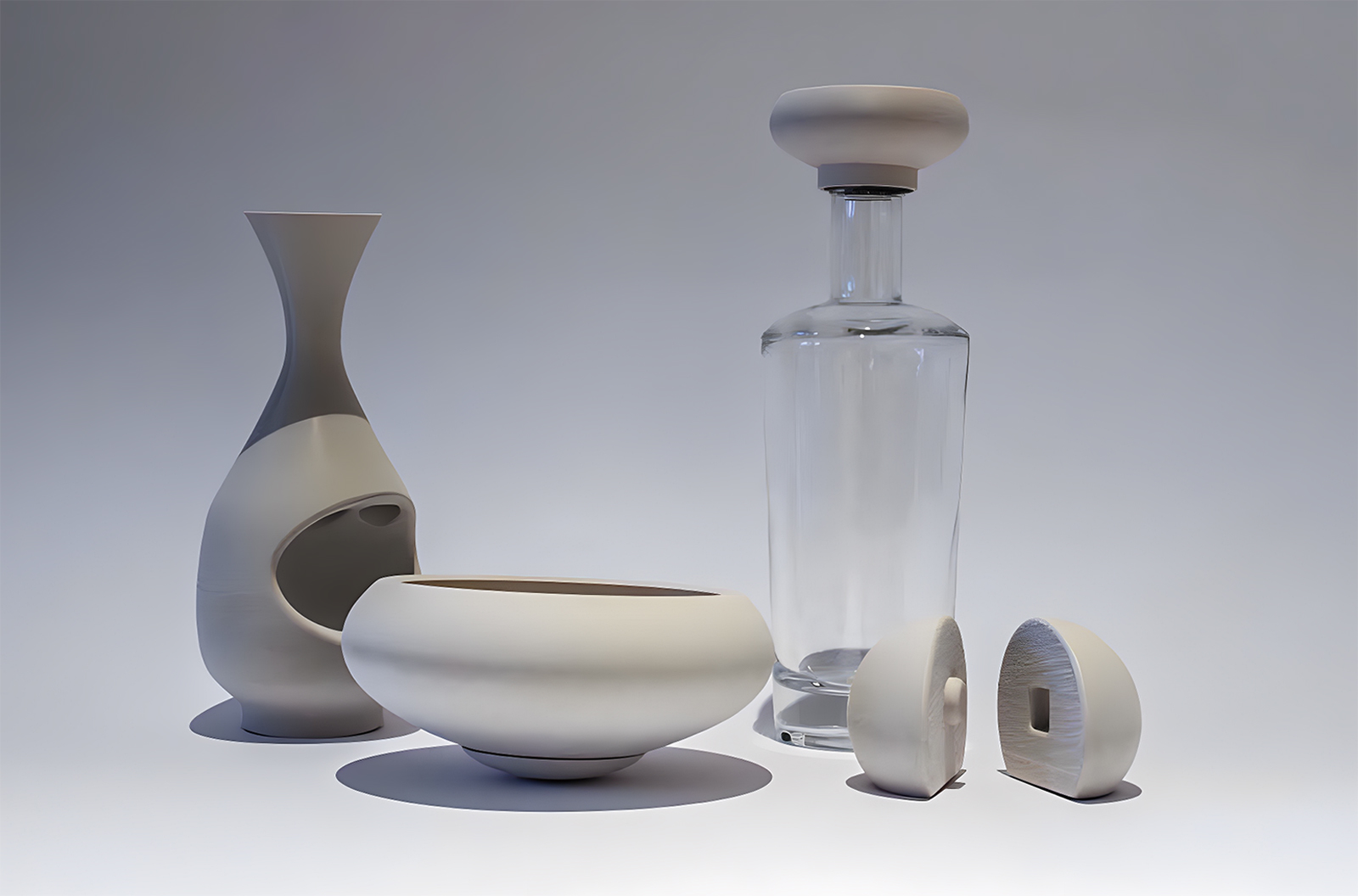
[The core of Isola] has this raw, urban character that reflects the diversity of Milan’s spaces and the spirit we started from. – Elif Resitoglu, creative director and co-founder, Isola Design Group
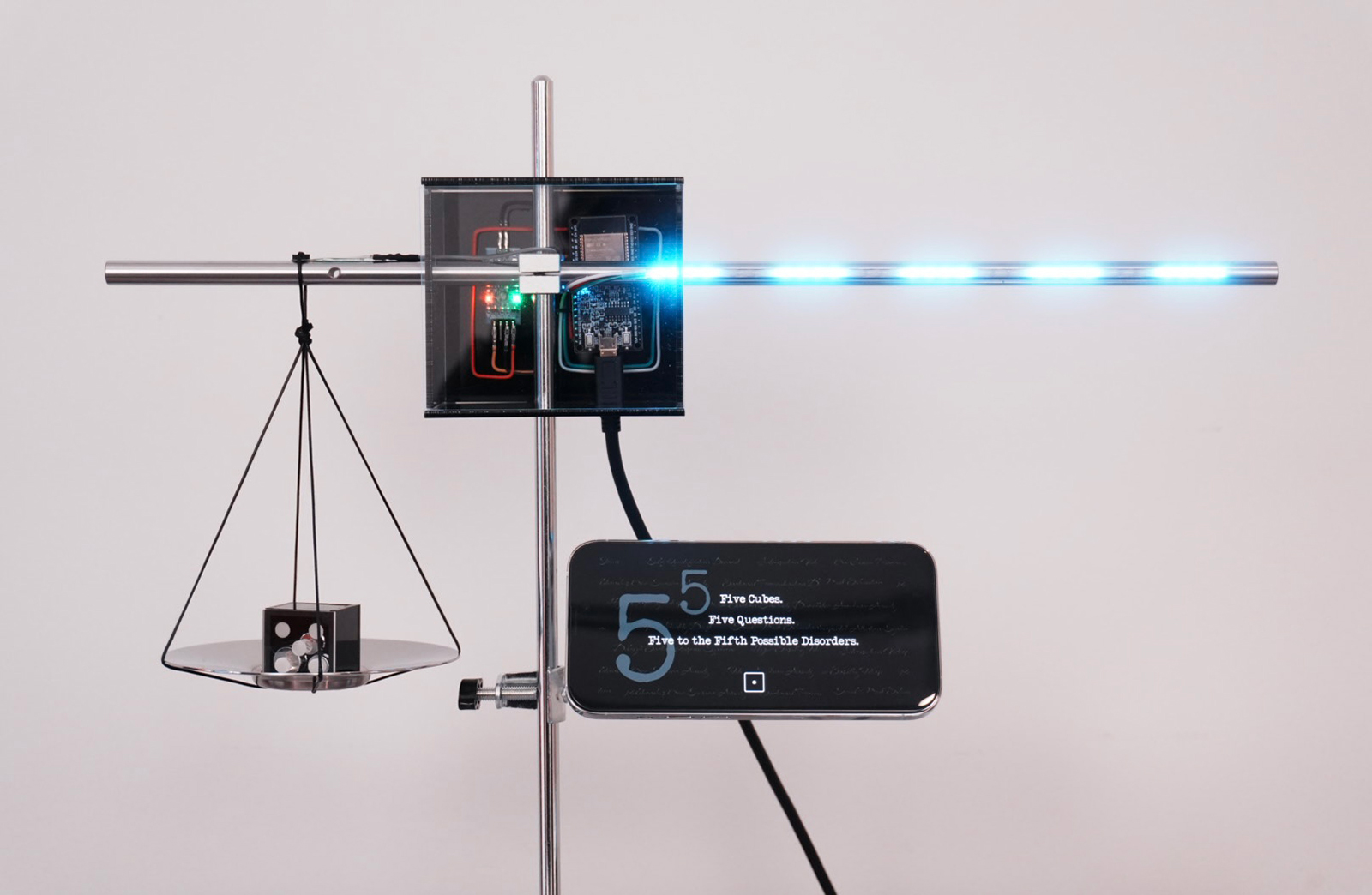
Bansari: The inaugural edition of Archivi Futuri investigates the future of objects beyond 2050 through AI, traditional craft and documentation. How do you critically frame these tools so they contribute meaningfully to design discourse rather than becoming a spectacle?
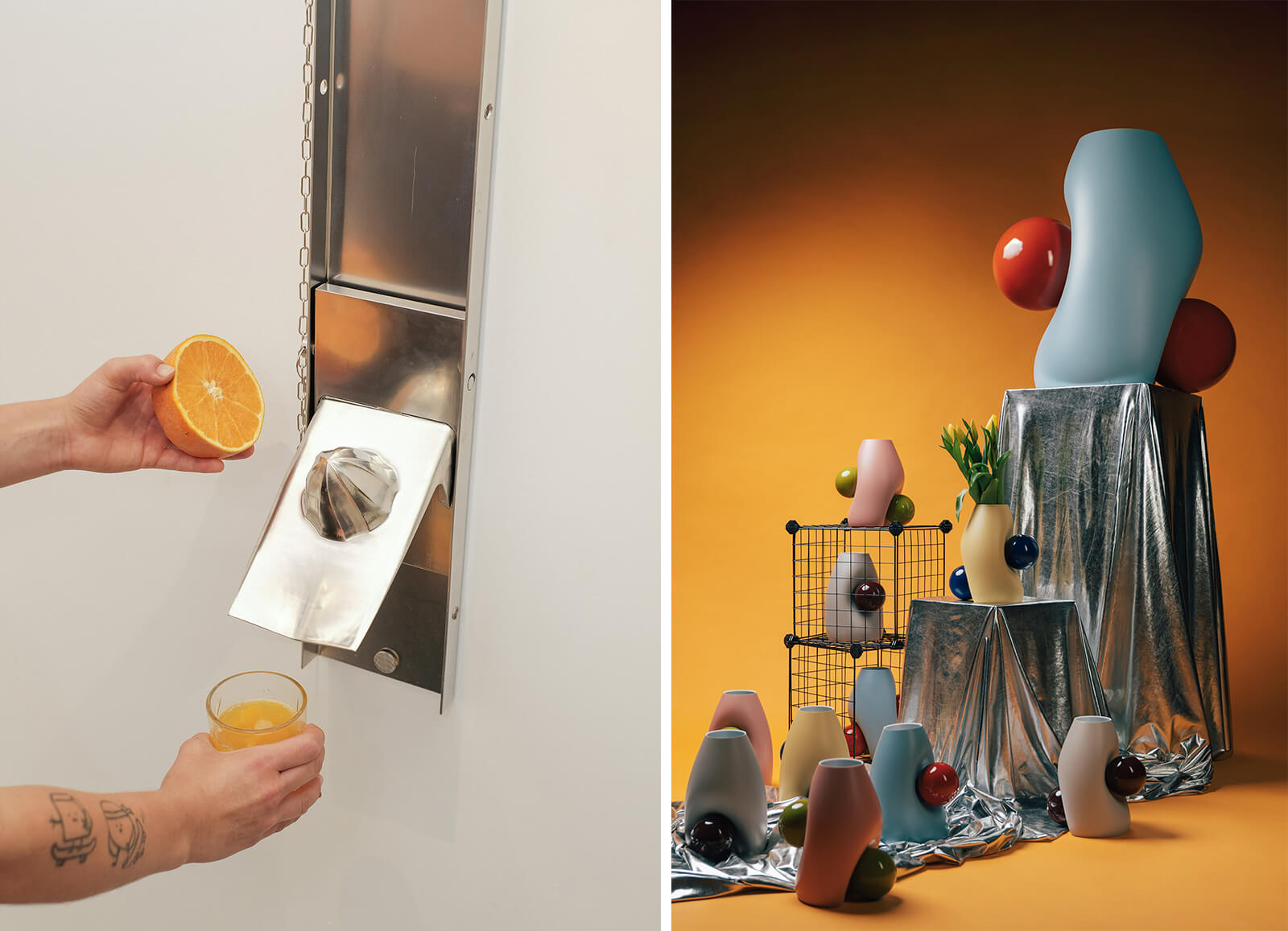
Elif: AI, craft and documentation are not used as effects but as tools to investigate real questions about how we design, produce and preserve objects over time. With Archivi Futuri, we take a very human approach to archiving the present into the future. Some projects are rooted as classics, in hands-on practices—ceramic pieces representing plants which may not survive until 2050. Others are more experimental, while some focus on preserving traditional techniques through documentation, allowing visitors to access deeper layers of information about each work.
For us, it’s important to create exhibitions where people don’t just look at objects, but feel encouraged to read, explore and understand the thinking behind them—not just aesthetics, but curiosity and knowledge. At the same time, in some other exhibitions—such as the project we are co-curating with Ithra—visitors contribute their perceptions and experiences, with AI used simply as a tool to collect and interpret this data, not as the focus. We don’t emphasise the technology itself; for us, it’s just one of many tools we use. What matters is the outcome and the conversation it creates.
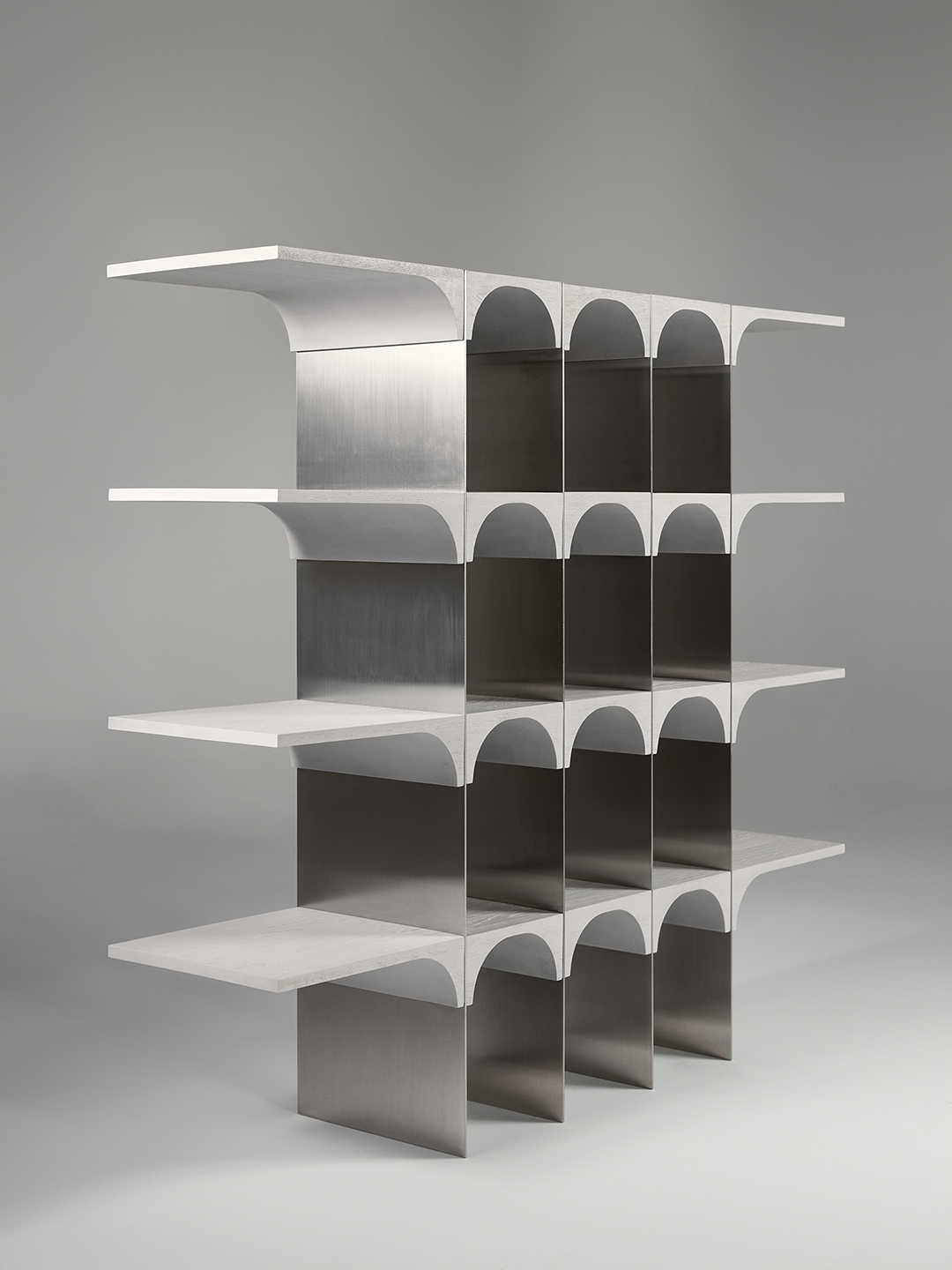
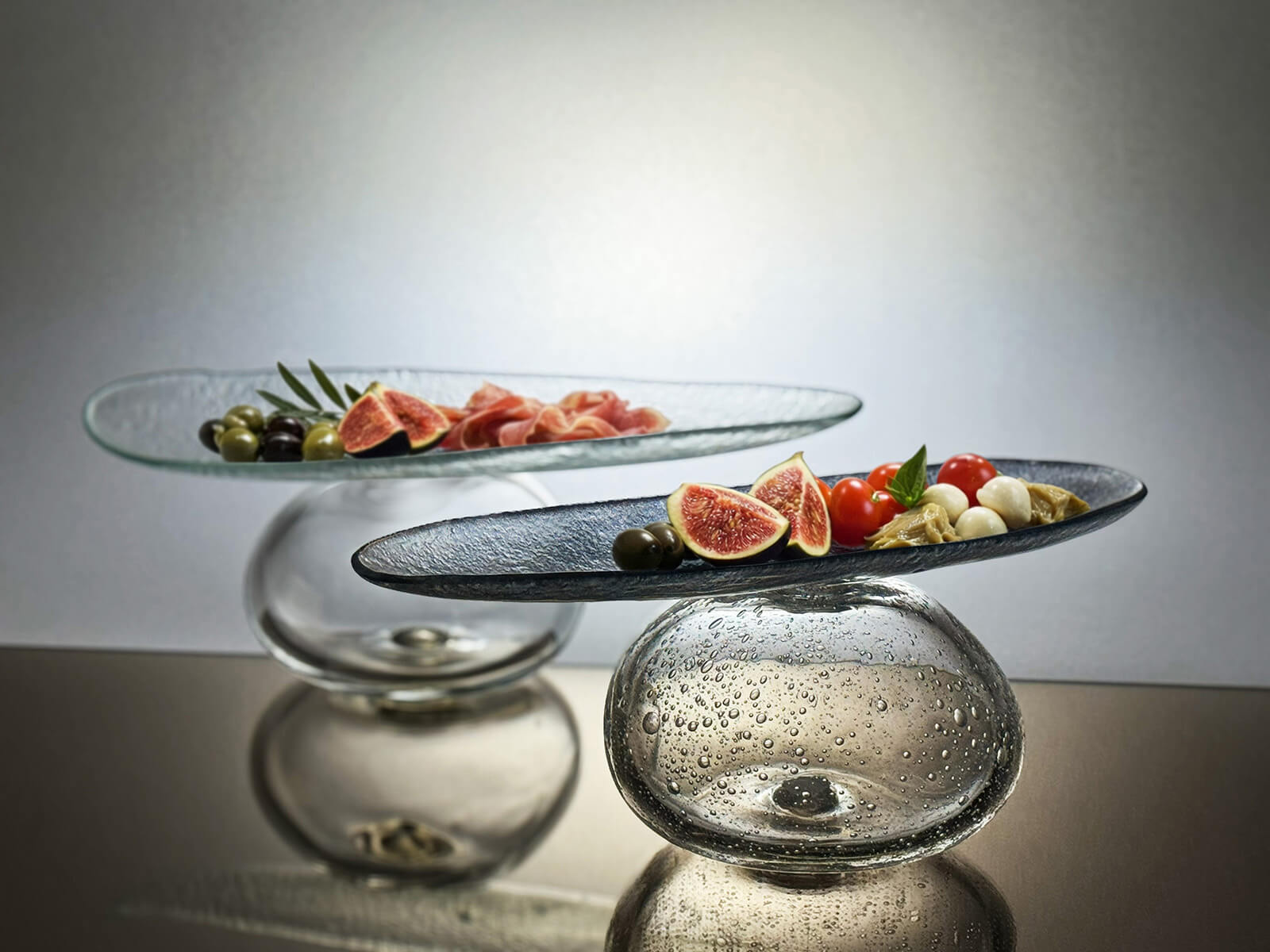
Bansari: Many designers who began as emerging voices within Isola are now established figures returning to the platform. What does this reveal about Isola’s long-term impact, and how do you envision its role in shaping the next decade of design culture?
Gabriele: I think it shows that Isola has been able to build real, long-term relationships and support designers beyond a single moment or event. Seeing people grow with us and come back as established voices is probably the most meaningful impact we could have. However, it also tells us that it’s time to evolve. As we grow, we want to remain with the same soul, but engage with larger structures and more complex projects to create a stronger presence in the design industry to shape what comes next.
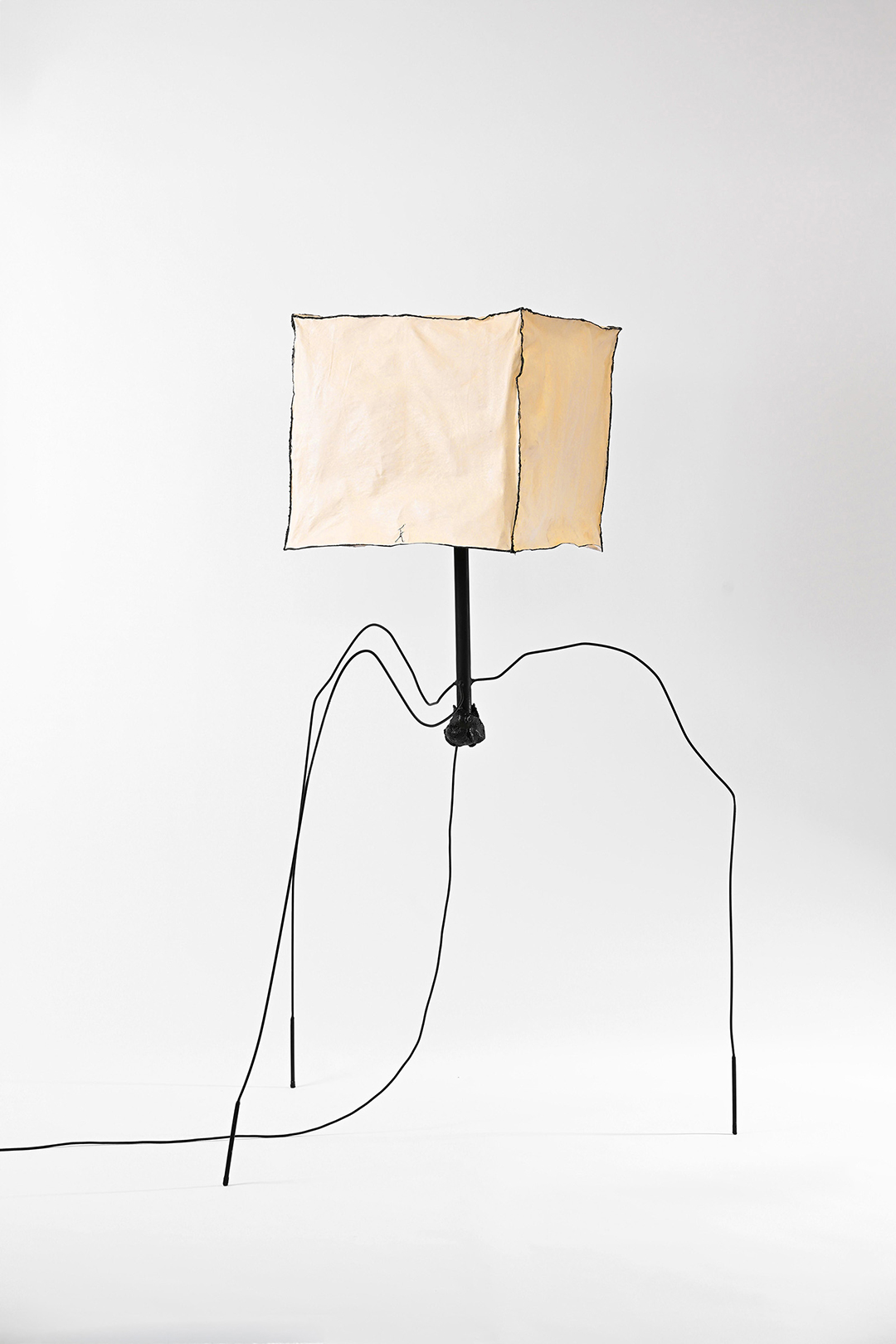
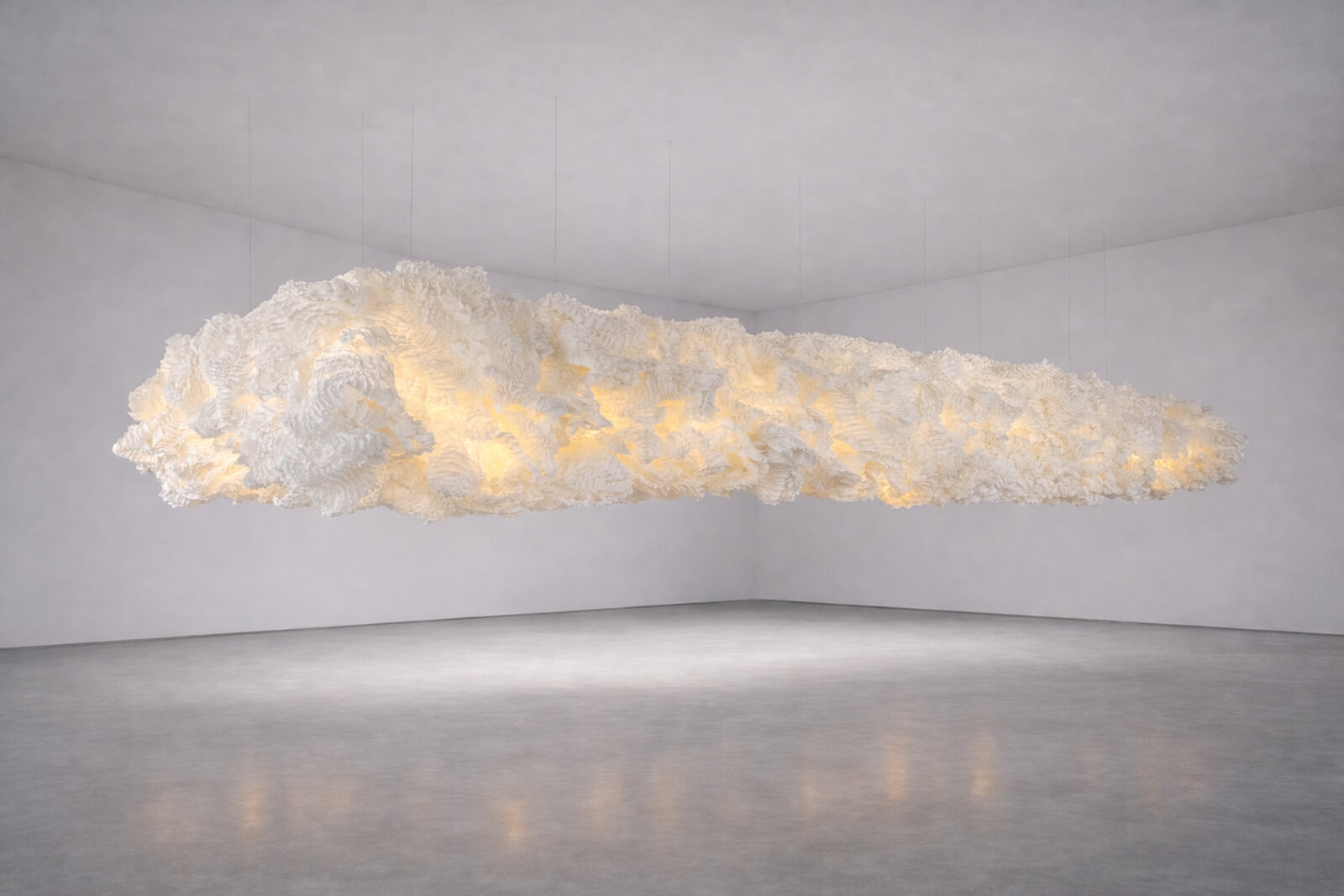
Bansari: You speak about Isola as a community-driven project, almost as something that grew beyond you. But at this stage—after a decade of expansion, recognition and institutional proximity—do you ever feel a tension between the Isola you personally believed in and the one it now is?
Gabriele: We actually started without the intention of gaining recognition. We were just a group of young people trying to make the most of an opportunity like Milan Design Week and find our place within it. Over time, everything evolved very organically—and to be honest, the most meaningful outcome is the community.
This community has never existed only from a business perspective. Many of the relationships we’ve built have turned into real friendships. We don’t just come together for projects; we share moments, experiences and support each other beyond work. The same applies to our team—even when people move on or no longer work with us directly, those bonds remain. So rather than feeling tension, I think what we’ve built has stayed true to what we believed in from the beginning. It has just grown into something bigger than us.
Stay tuned for exclusive coverage and highlights of Milan Design Week 2026 and Salone del Mobile.Milano 2026 on STIR. Tap here for regular updates on all design districts, including Fuorisalone, Brera, 5vie, Isola and beyond.

by Pranjal Maheshwari Oct 23, 2026
Co-authored by Jareh Das, Chairman traces the British designer’s fixation on chairs as symbols of power and identity and as mediums of expression and community building.
by Mirra Lynn Oct 22, 2026
The curators behind Palestine Design Week 2026 reflect on its intent, considering how design holds memory, makes space for loss and imagines a future in Palestine.
by Chahna Tank Oct 22, 2026
STIR speaks with the Mumbai-based type designer about her practice, type walks and why she wants more people to have stronger opinions about Indian-script fonts.
by Jincy Iype Oct 15, 2026
STIR explores craft, material intelligence and people shaping Indian design through dialogues with Design Democracy’s co-founders and the curators of its special exhibitions.

make your fridays matter with a well-read weekend
Enter your details to sign in
Don’t have an account?
Sign upOr you can sign in with
a single account for all
STIR platforms
All your bookmarks will be available across all your devices.
Stay STIRred
Already have an account?
Sign inOr you can sign up with
Verification link sent to check your inbox or spam folder to complete sign up process
Tap on things that interests you.
Select the Conversation Category you would like to watch
Please enter your details and click submit.
Enter the 6-digit code sent at


Elif Resitoglu and Gabriele Cavallaro on the evolution of the Isola Design Festival
by Bansari Paghdar | Published on : Apr 13, 2026


 Sign in with Google
 Sign in with email
What do you think?