Art07 mins. read
In ‘Bridge to Lanka’, experimental photographs reimagine a turbulent island
by Sonali BhagchandaniAug 17, 2024



by Pranjal MaheshwariPublished on : Apr 30, 2026
Our mind is constantly replaying memories—good, bad, ugly—that often visit our conscience unannounced and are triggered by a smell, image, sound or a place. But do we cherish everything that we remember? What do we let go, and what remains? A recent photo exhibition by the Goa Open Arts Foundation and Museo Camera examined just that, and more.
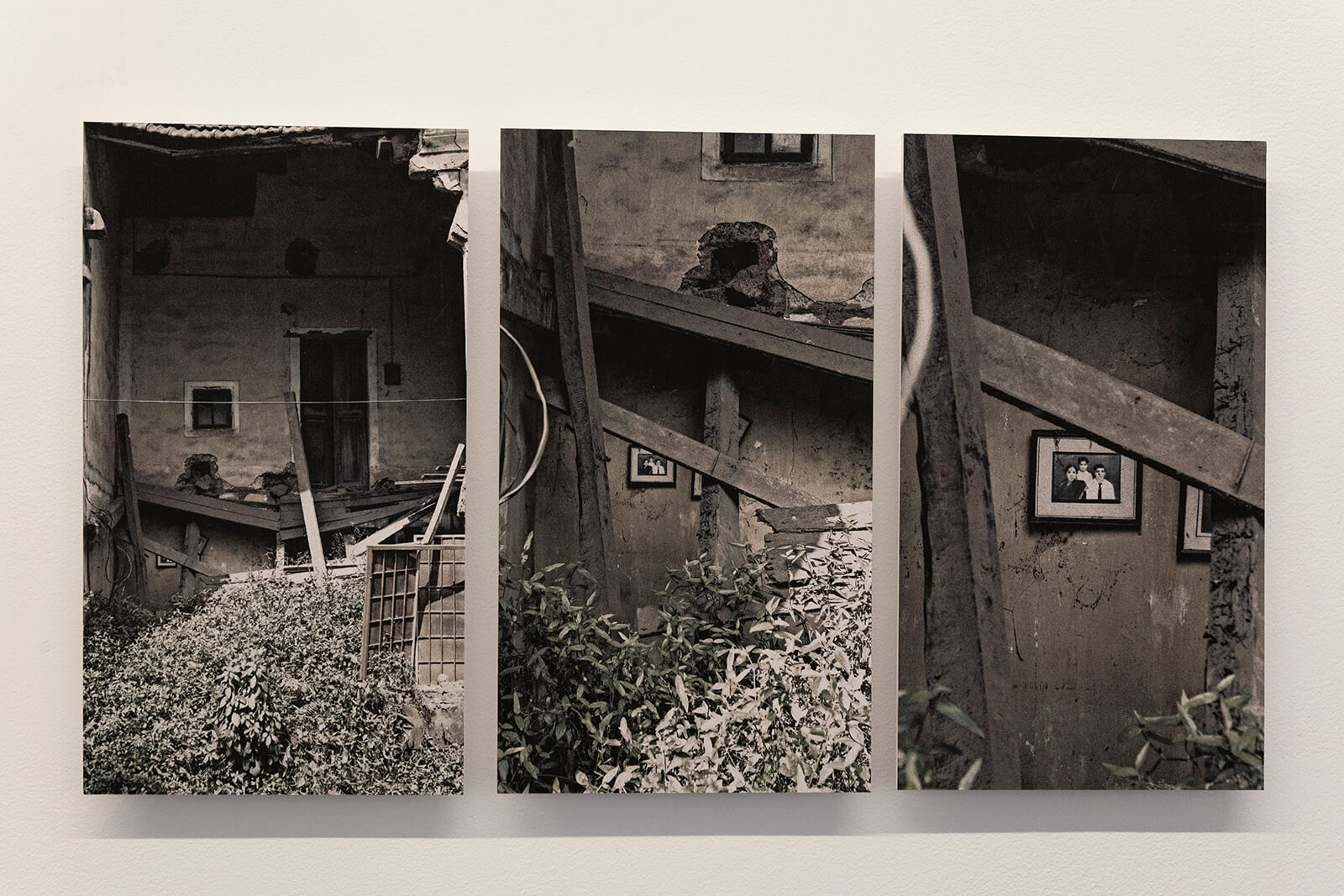
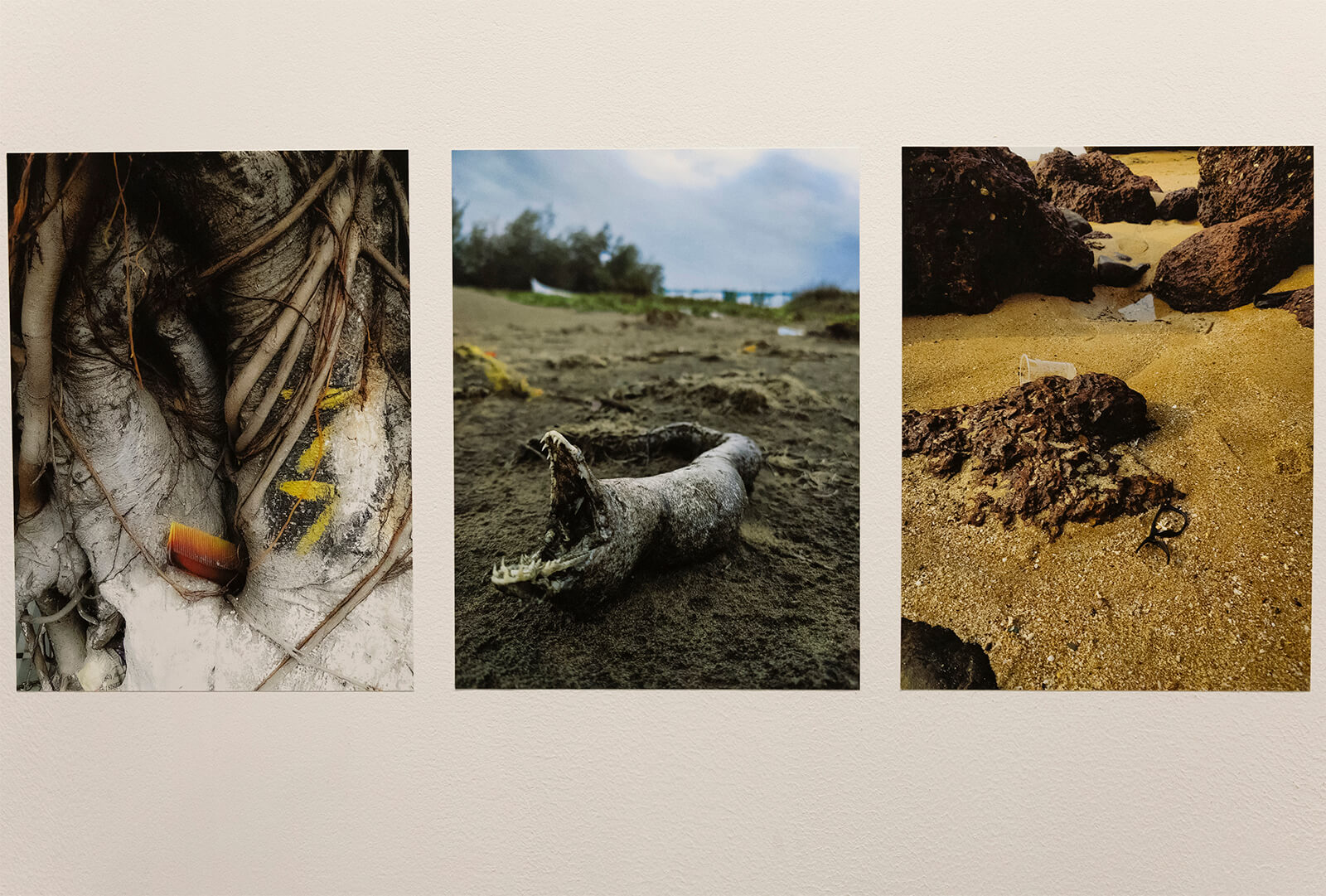
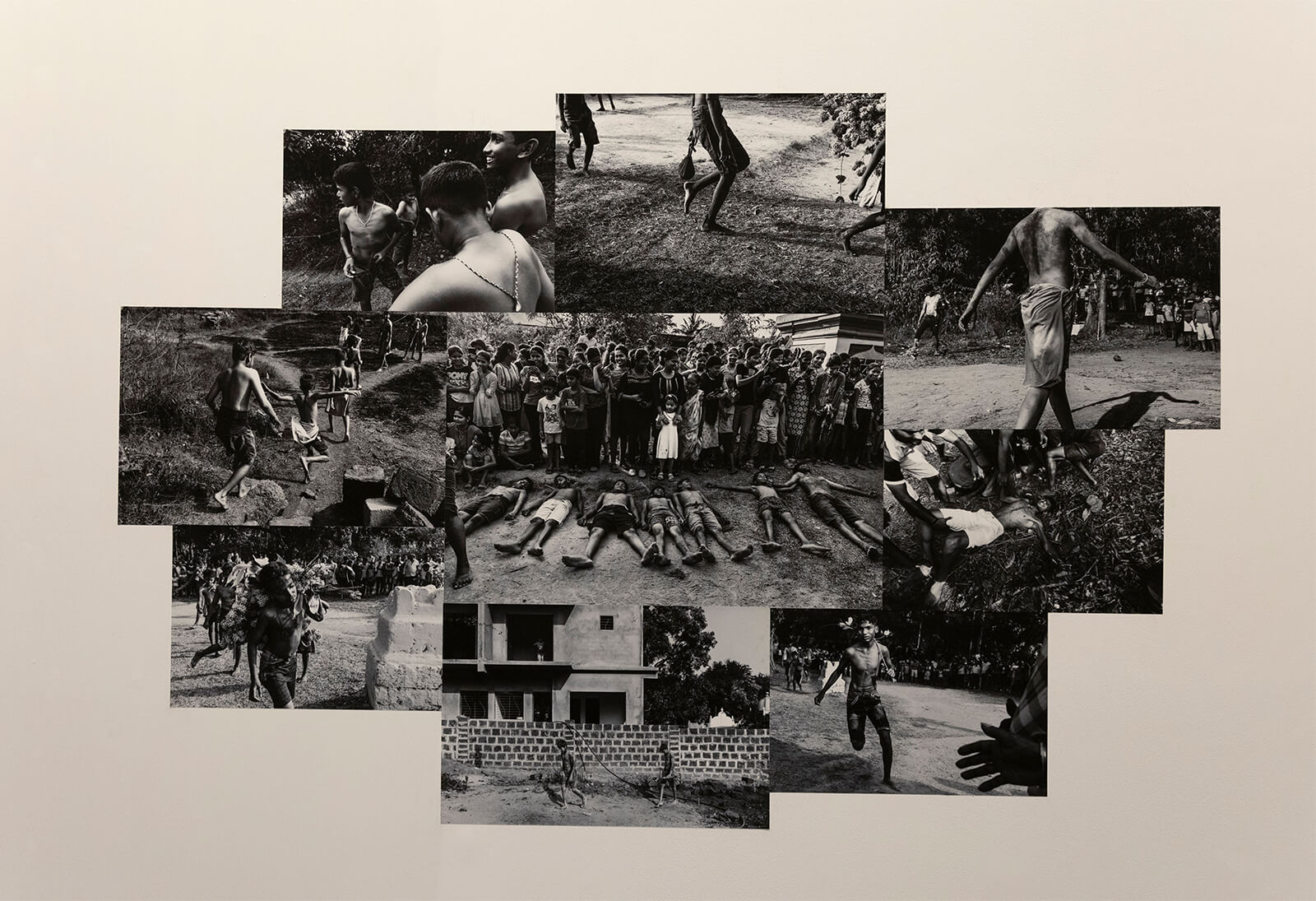
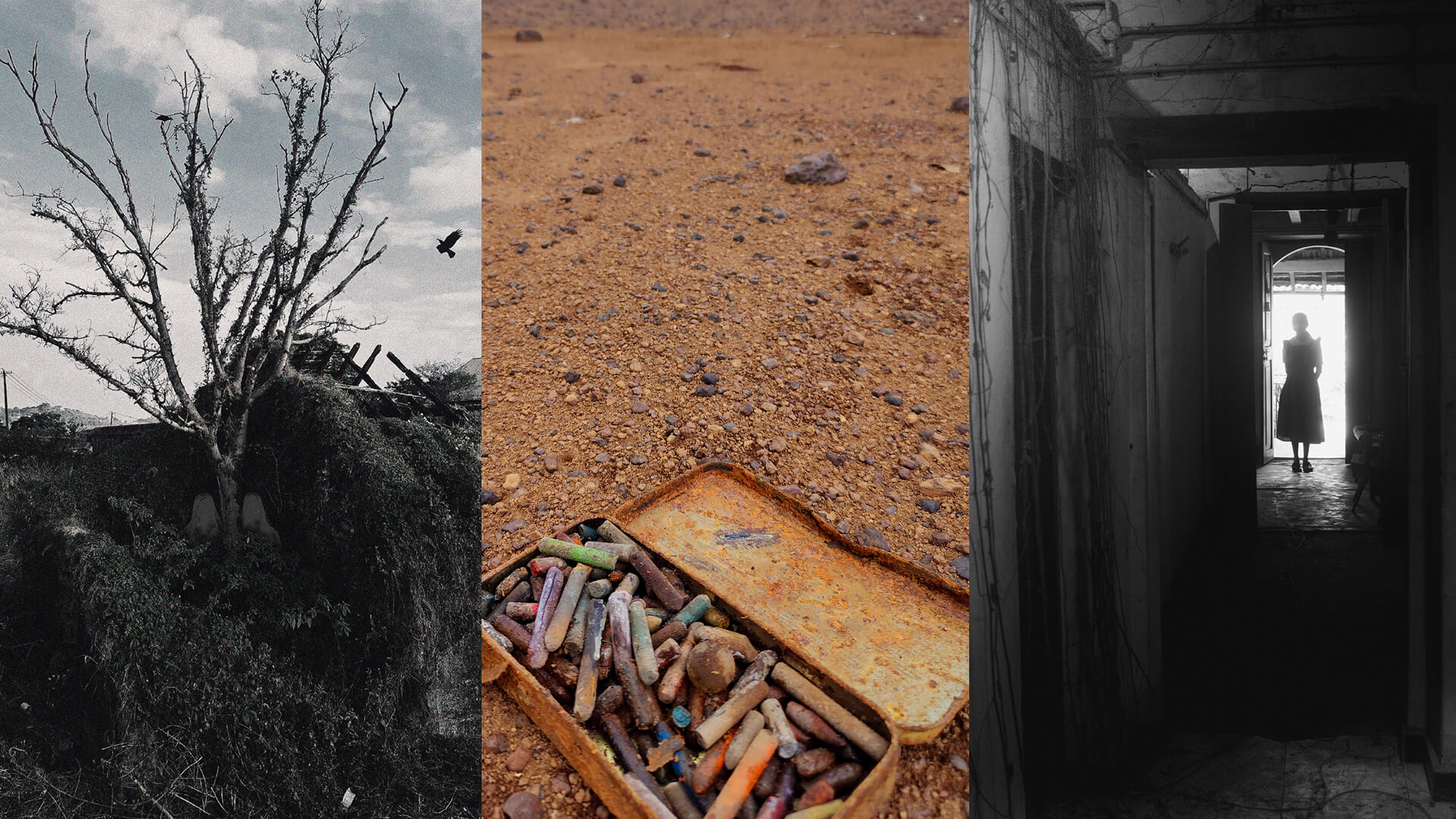
The travelling exhibition, fittingly titled, What Remains presented the works of 10 international visual artists in the form of photographs, cyanotypes and digital editing to document, highlight and reimagine memories—of personal loss, change, longing and everyday moments—embedded in objects, rituals, moments and experiences. STIR speaks with select artists whose works stood out, allowing these conversations to open onto the larger landscape of the exhibition.
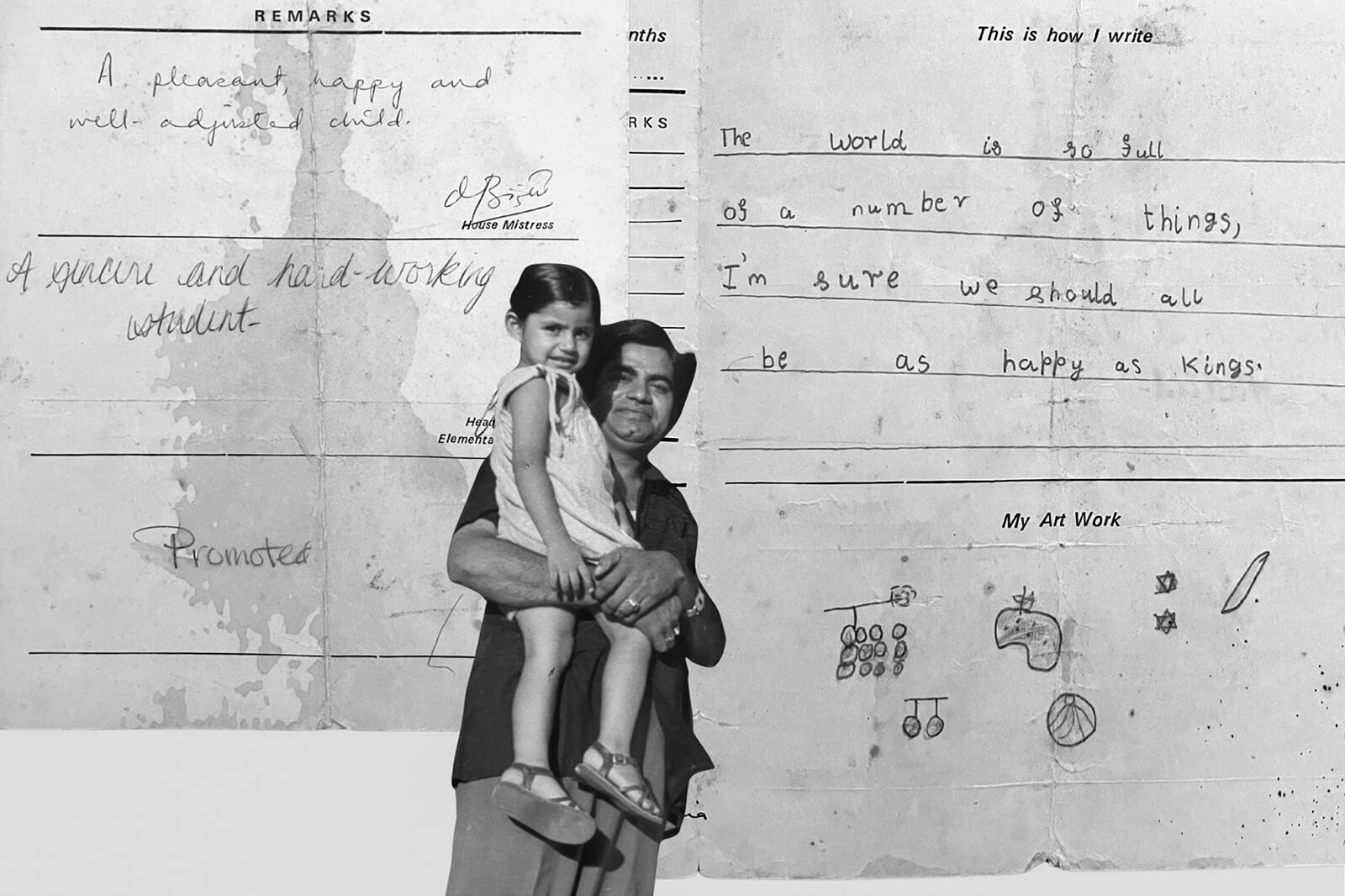
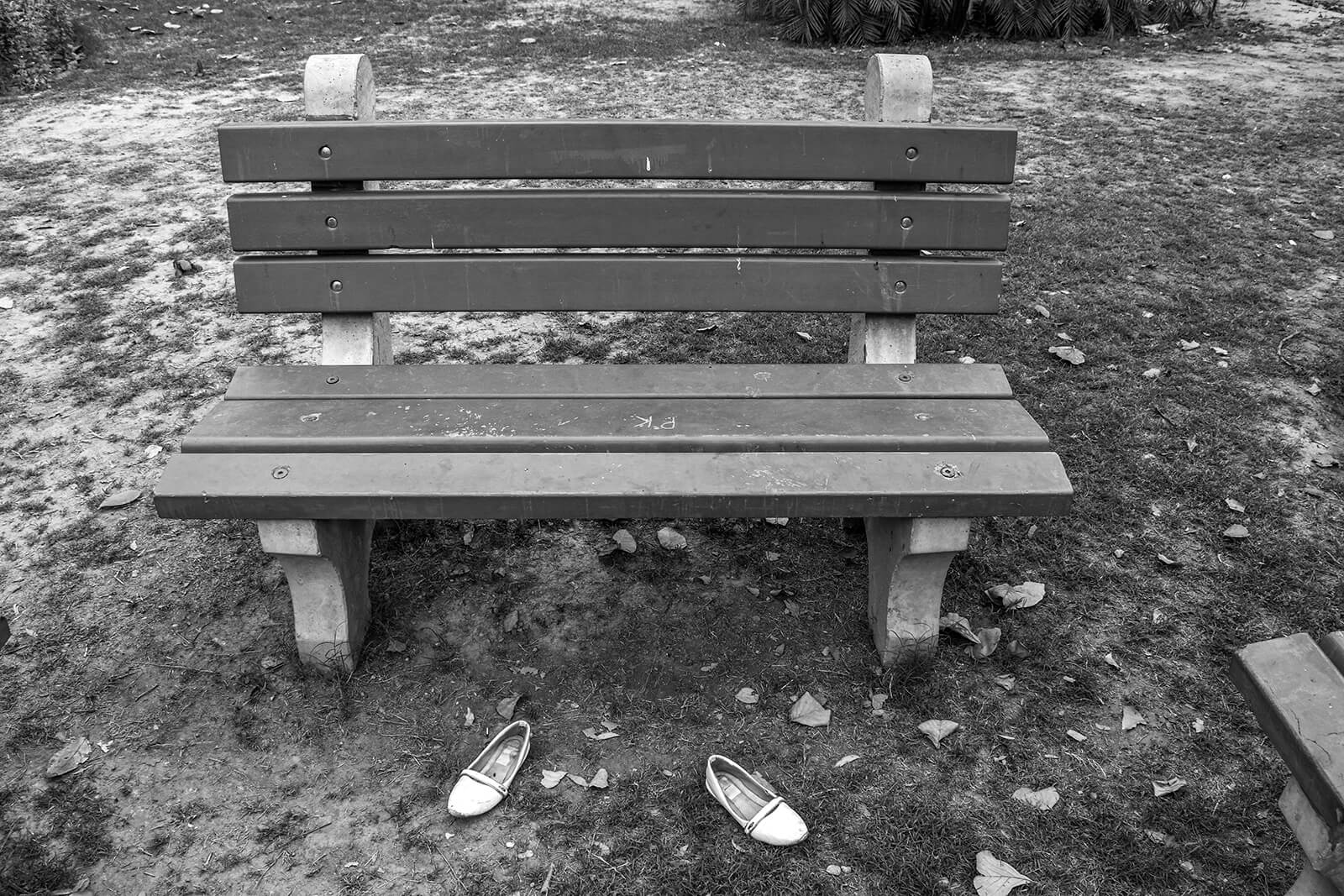
Grief is one of the most creatively documented feelings. Through both its suddenness and impact, it forms a transformative experience that often prompts expression as a relief. A photo series by Mumbai-based photographer Khanjan Purohit recalls the deeply personal memories of her late father—whose influence in her formative years prompted her to pursue the arts, and eventually, photography. “In Shape of Memory, I tell a personal story tracing my recollections that remain of the father I lost in my teens, and of remembrances surfaced by moments—places and spaces—I now experience as an adult, evoking feelings that remind me of what I could never share with him,” she tells STIR. Otherwise known for capturing life on the streets and urban landscapes, the photographs echo a story of fondness, admiration and loss.
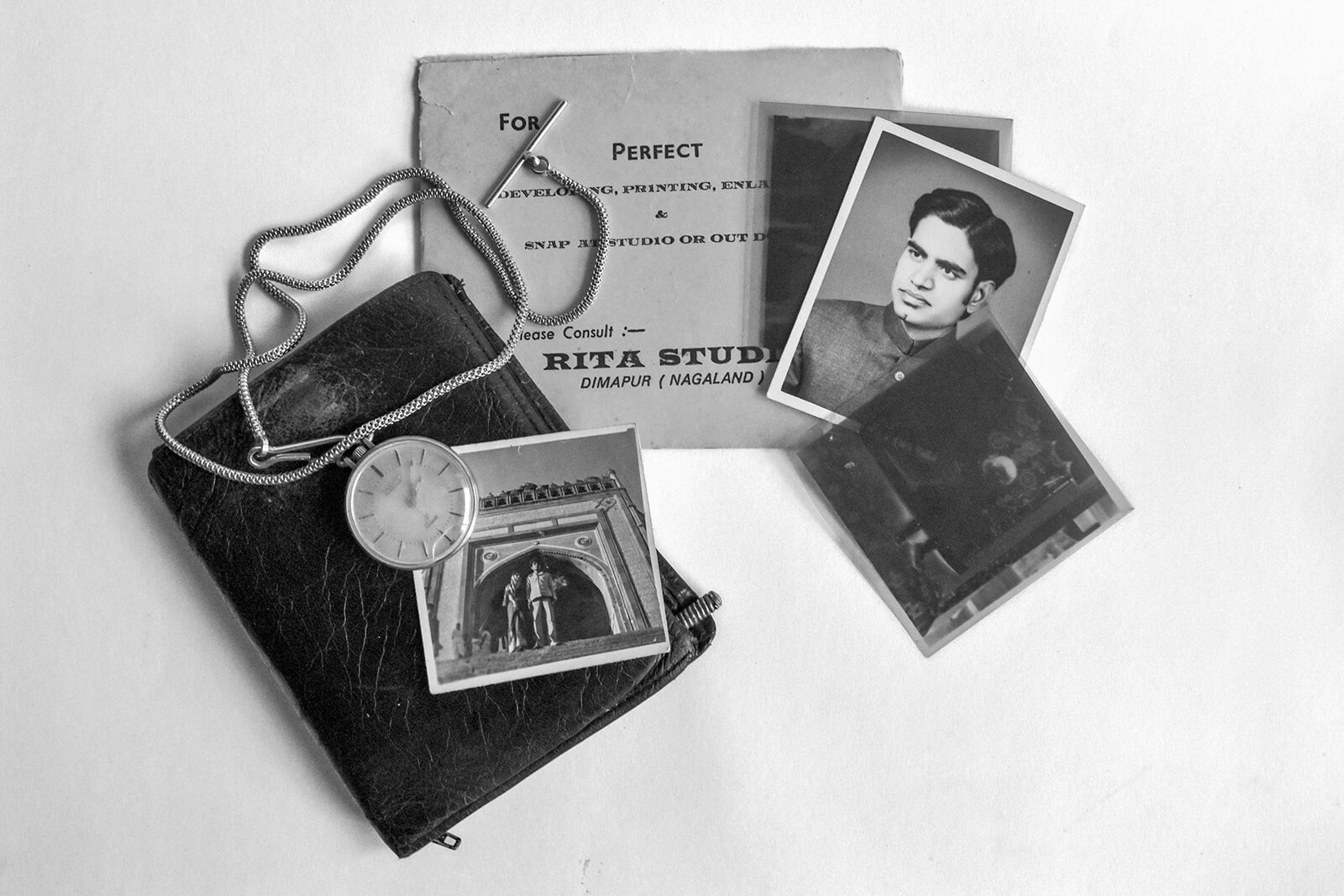
“I choose to keep his artefacts and memories, each reinforcing the other,” she continues. “Artefacts of my late father that once used to convey a sense of physical proximity, memories in physical form; that form a bridge to a time and place I associate with him.” Through the series, Purohit reflects on the interdependence between longing and belonging, how one perpetuates the other and is channelled through places, cultures, communities or people as the ‘anchors’. “In the anchor’s passing, the memories left behind of when we belonged to the anchor live on as a longing unrealised in the present, and nostalgia for that time seeks to connect us to it,” she observes. “Remembering ensures we’re still a part of what we long for, even if intangible, ensuring we haven’t lost the anchor entirely.”
The memory of loss is extremely personal: some remember the loss itself, while some carry and are often transformed by the process of grieving. For Goa-based interdisciplinary artist Poonam Patel, the transformative realisation was induced by a single black cable that accompanied her on her nervous walks around her apartment as a mourning ritual. In her photo series Still Moving, she documents the perseverance of the wire as it stretched, curved, waved, yet continued, much like life does, even when strained with tragedy and loss.
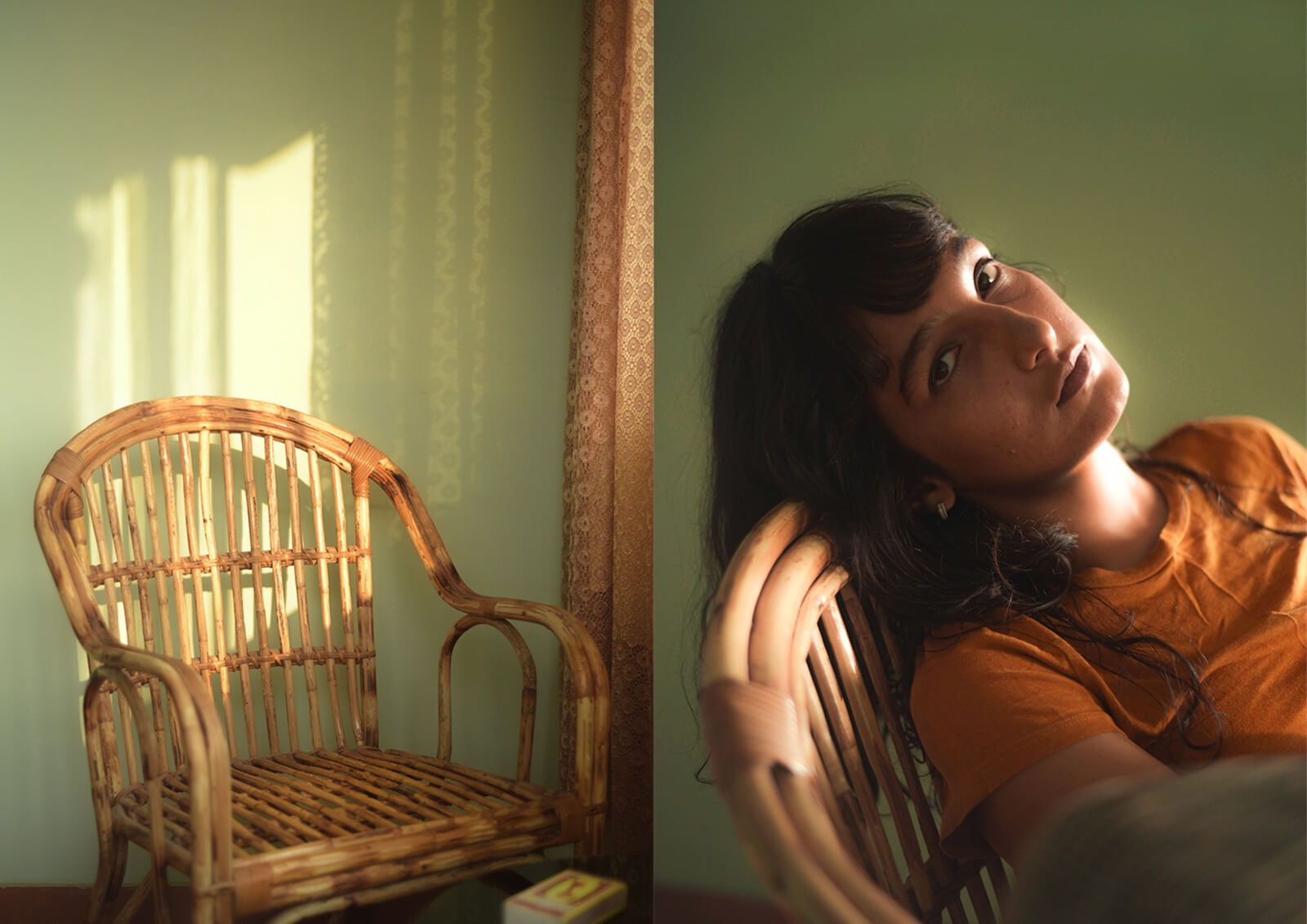
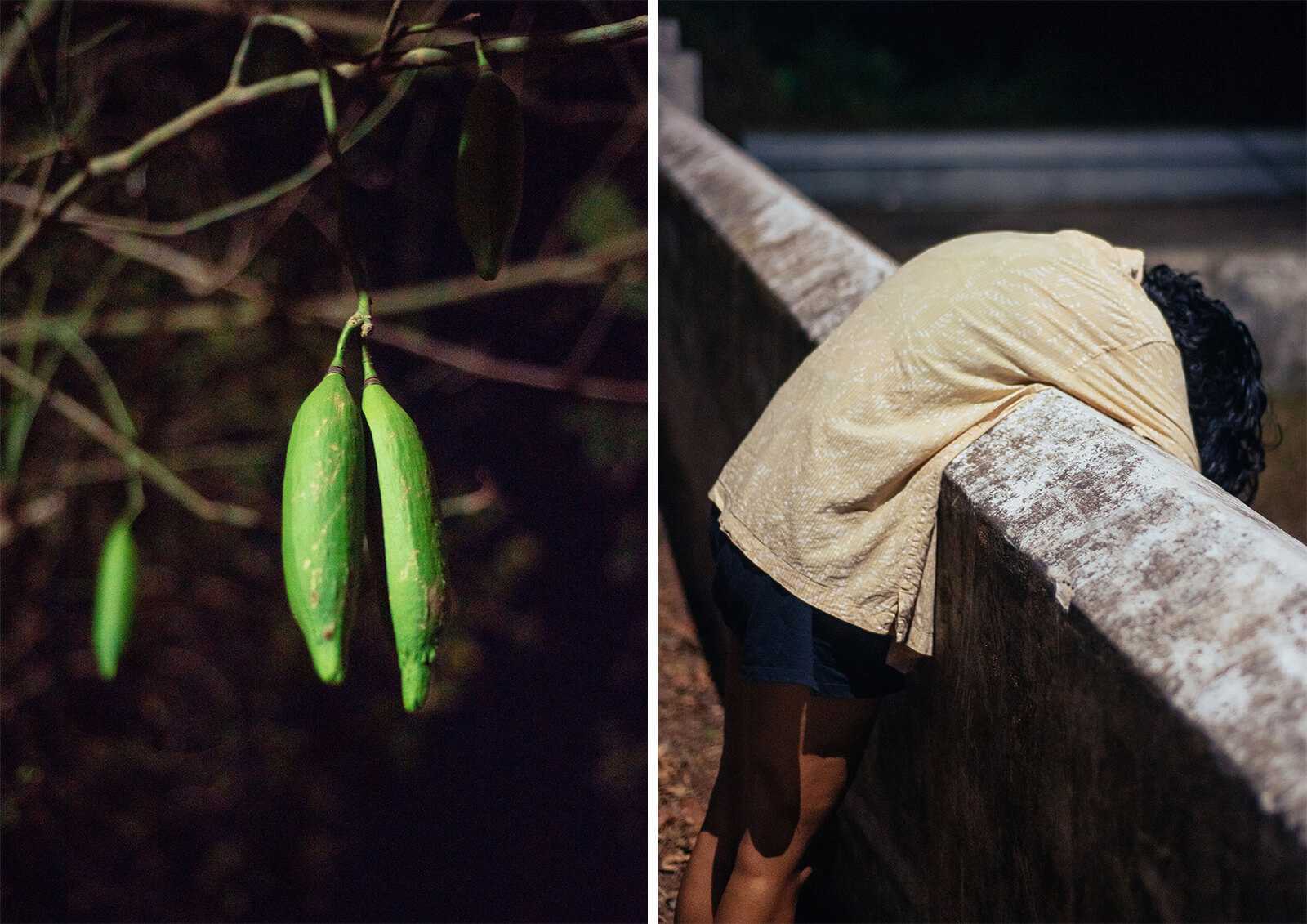
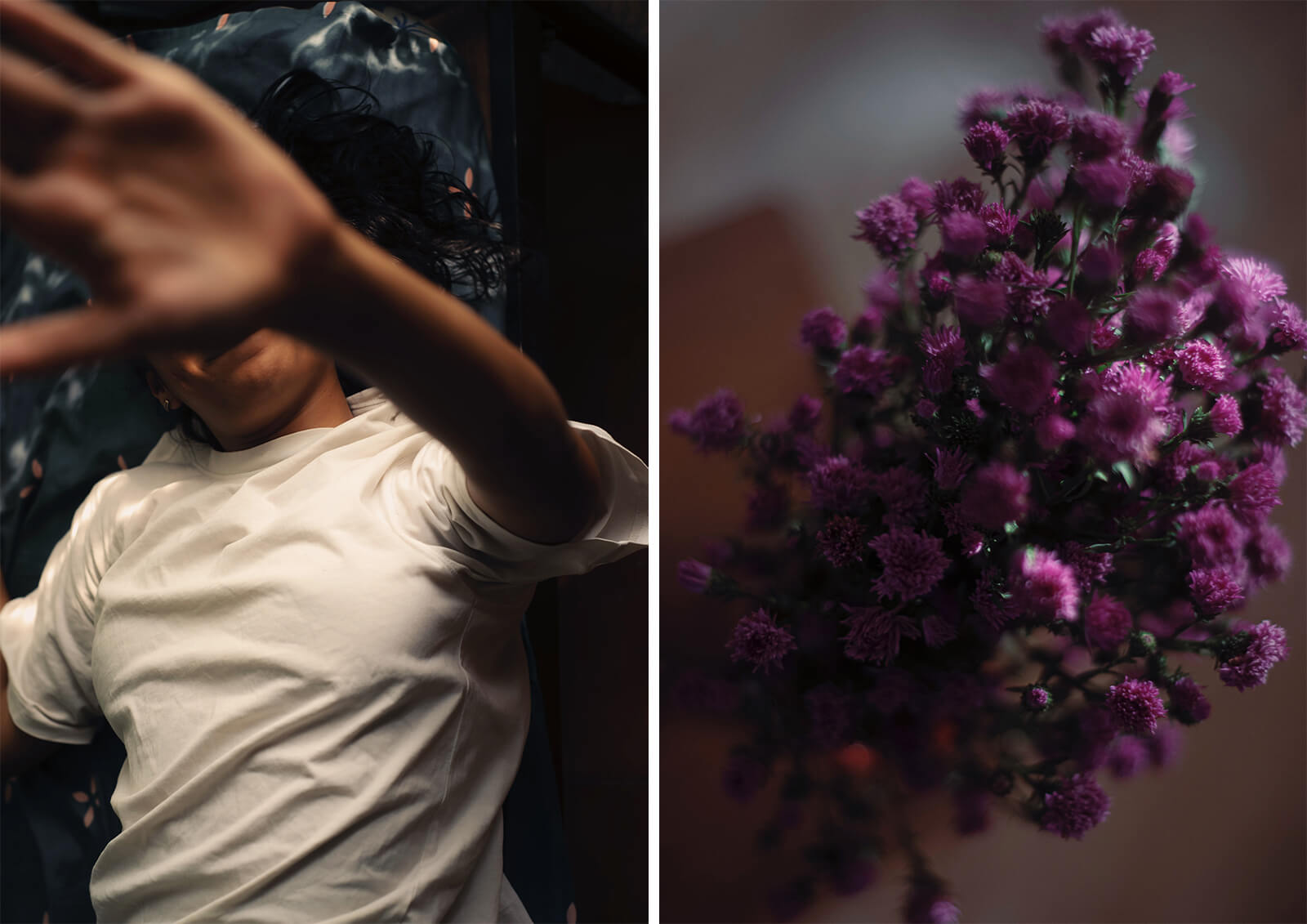
What many choose to hold on to can also be simple, everyday moments, small markers that chronicle the journey so far. For Prabhakar Duwarah, a writer-photographer hailing from Guwahati, life is defined by sharing it with others, and the process of finding, or defining a ‘home’, begins from the urge to collect these shared experiences as memories. He channels—and summons—this feeling in a series of candid photographs, Homing. “What remains for me through this process of homing is something opposite of alienation: the specific kind of alienation that most of us have learned to live inside as a condition of the economy,” Duwarah shares with STIR. “The feeling I keep returning to, and that I hope these images make a space for, is something the Sotho people expressed as motho ke motho ka batho, ‘we are people through other people’. It is the recognition that the self is not self-sufficient, that it is constituted in relation. It manifests as something felt in the body, in shared spaces, in the ordinary intimacies that homing makes possible.”
Duwarah’s series does not follow a chronology, but rather is an organic product of two independent, but concurrent events: shifting houses for the 15th time, and reading Species of Spaces and Other Pieces (1974) by French novelist Georges Perec. “Rather than a specific narrative, these images are all connected by a larger, amorphous feeling of what homing in the 2020s has felt like,” he explains to STIR. “The Perec connection matters here as a structural reference as well. Species of Spaces doesn’t have an argument; it works through accumulation and adjacency. The diptychs are supposed to function similarly; they ask the viewer to do the work of association, which is also the work of homing. We understand spaces by living in them alongside other things and beings, until they start to mean something. The most important guiding force for me for the selection and sequencing of photographs for this series was that they would hopefully leave enough space for the viewer to make their own associations.”
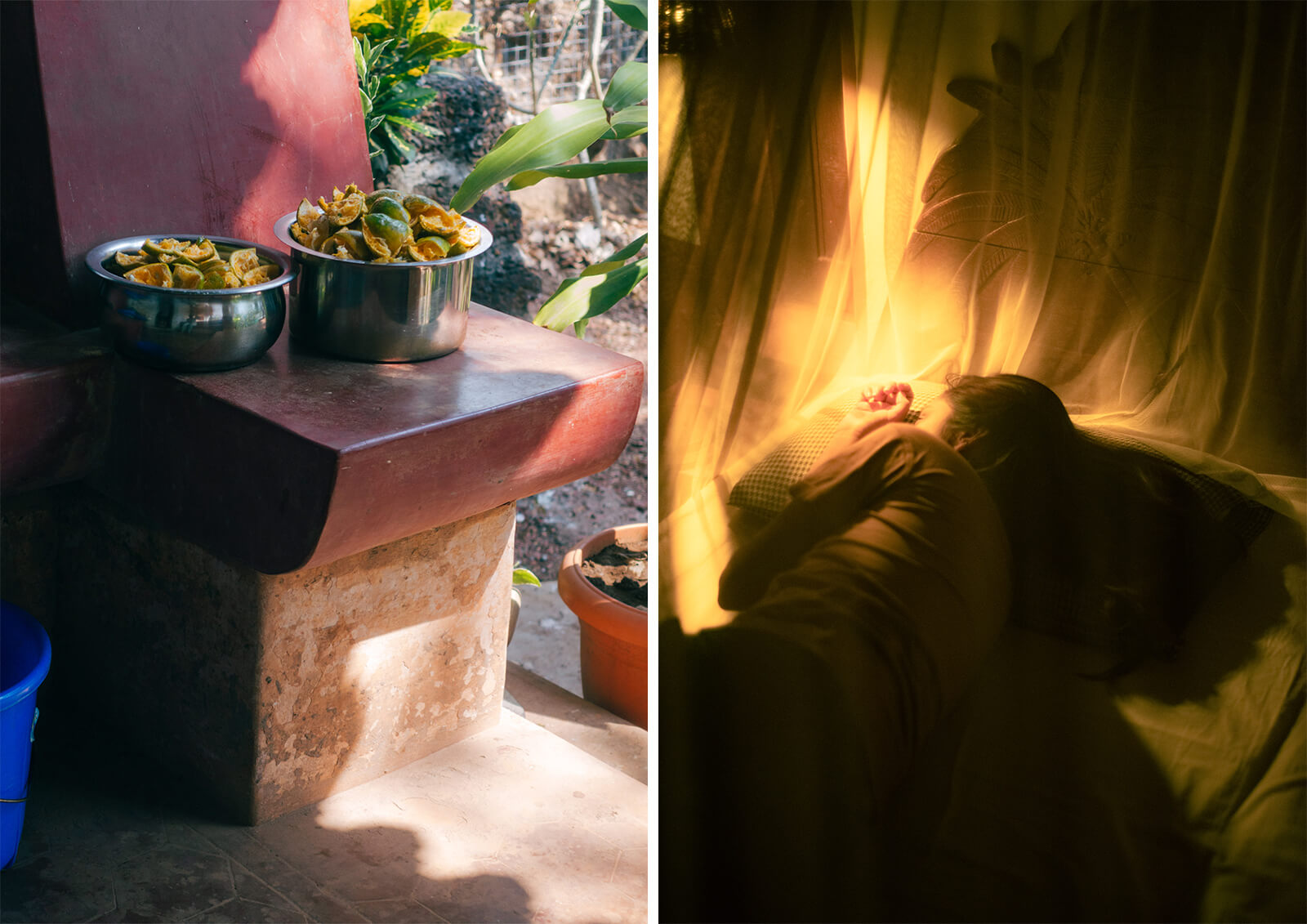
Change, however, is not always cherished, especially when it is a reminder of coercion rather than growth. What the mind lingers on, in that case, is nostalgia as a reinforcement, coerced, much like the original experience. In My Mother’s House, My Summers, visual storyteller Soham Bhende documents visiting his mother’s ancestral home after a decade. The photographs convey perplexity, sadness and a kind of longing—one that has accepted its fate and yet yearns to repeat itself.
For some, the story of change and remembrance extends beyond their homes, into their neighbourhoods. Spatial designer Ankit George brings Portraits of the Abandoned: a photodocumentation of dilapidated houses from different parts of Goa, using digital editing to highlight the ‘ghosts of the past’. Natalie Lycops, a Belgian graphic designer and photographer, collects the sightings of what she finds fascinating, something specifically artificial—a plastic comb, a plastic wrapper, a broken sculpture, a single flip-flop, probably parted from its twin during a similar adventure—during the multiple nature walks she took in India and Belgium in her photo series What is Left Behind. Photographer and film-maker Shivam Harmalkar portrays how ritual and tradition can transcend change, as resistance, or perhaps as an evolution. Through a series of images, Children of Earth: Rakhnyanche Gade, he records how a tribal forest rite travels across time from canopy to clearing; a practice shaped by the land that has long lost its essence, repeated as a reverence, or as an acknowledgement of change.
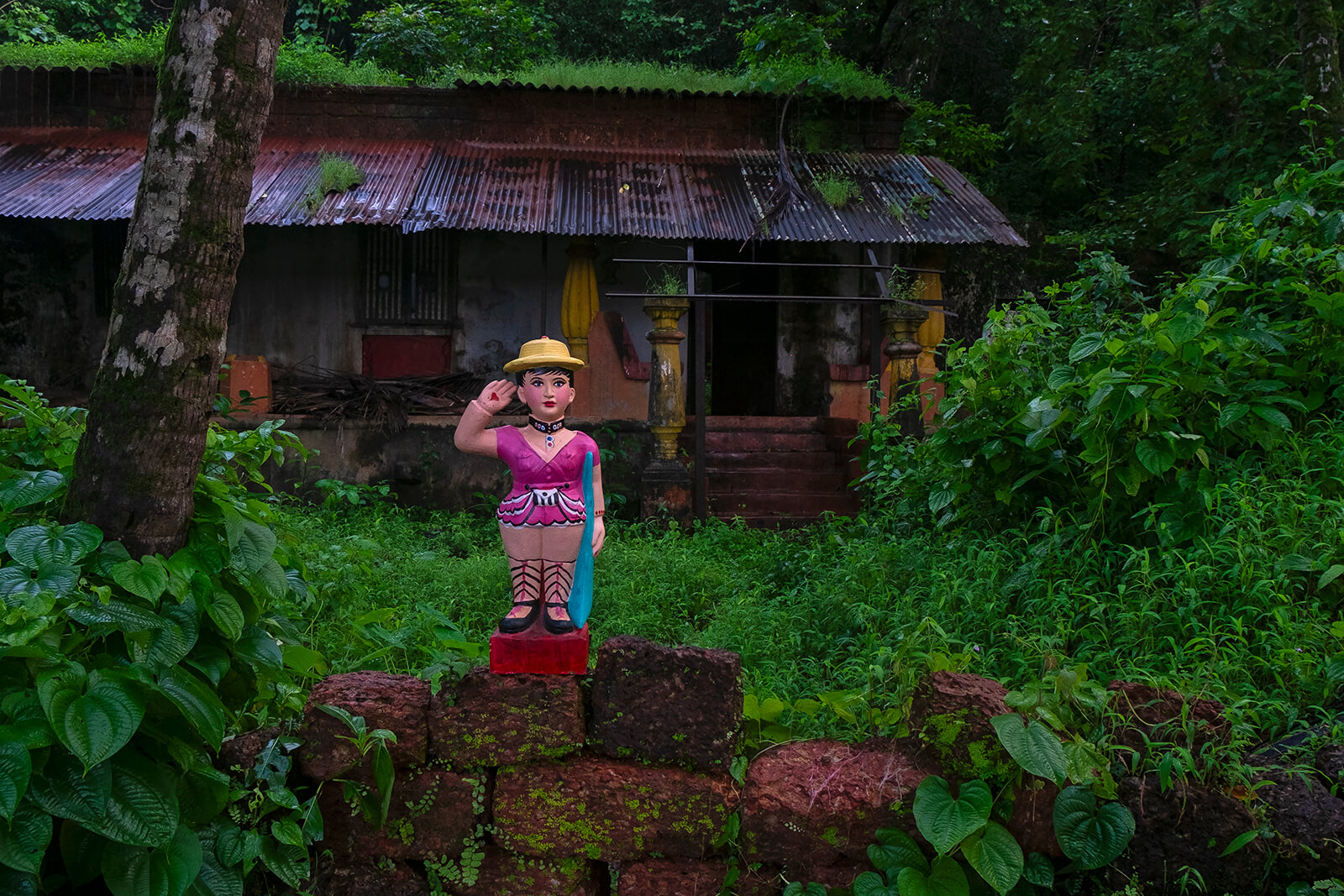
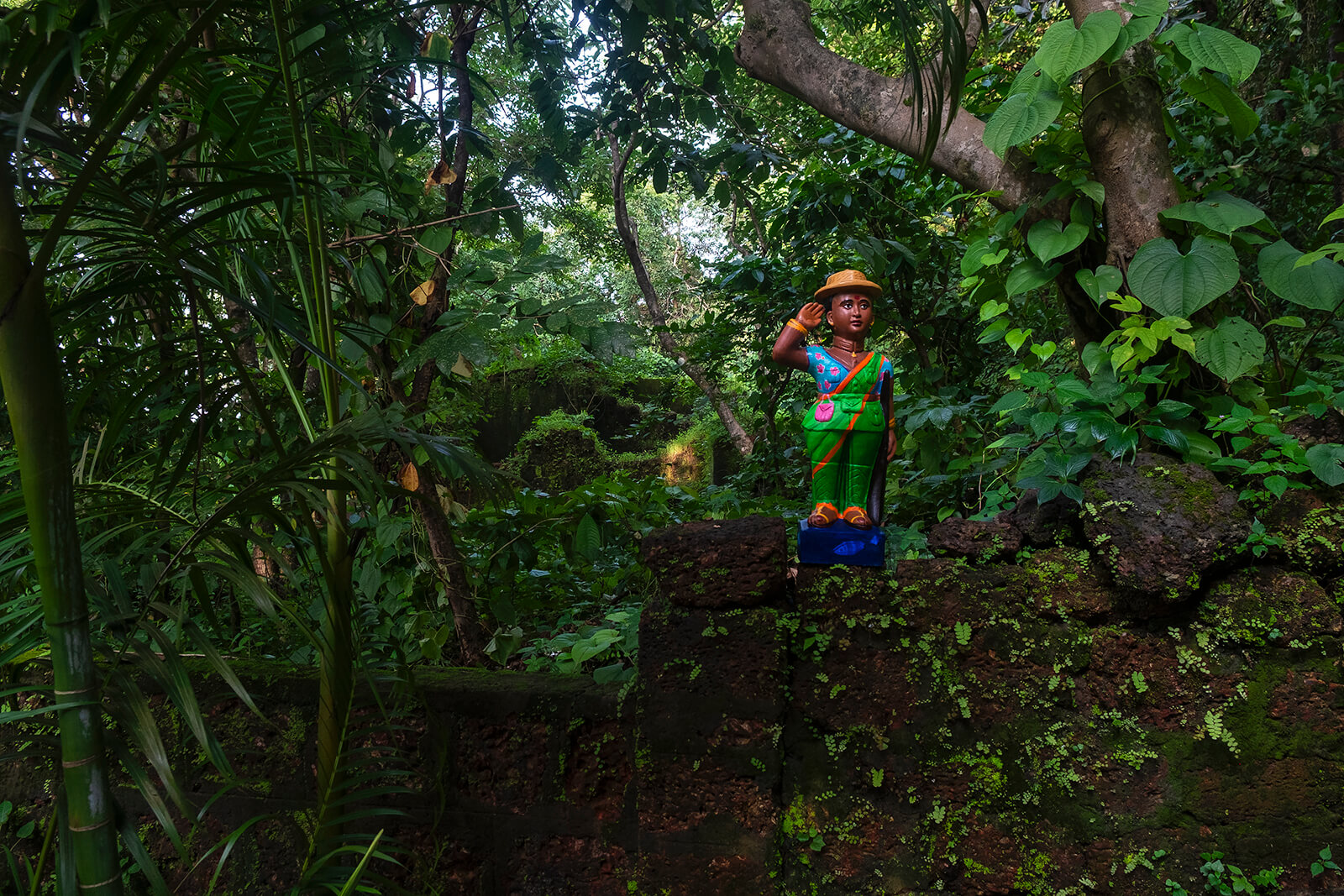
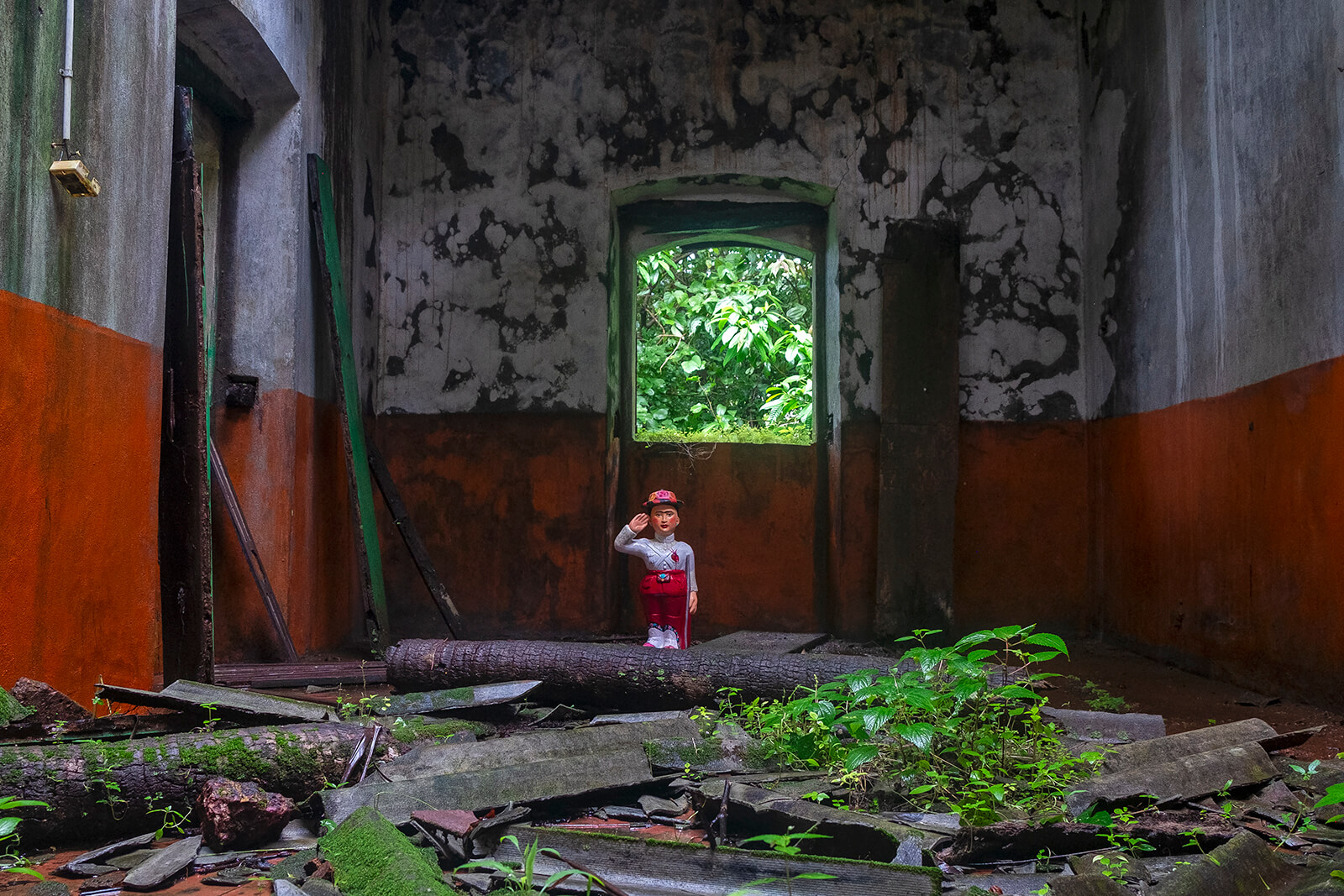
The soldiers themselves are relics of Goa’s Portuguese past, but against the state’s disposition of rapid change, visual storyteller Gopika Chowfla identified them as a distinct symbol of blending cultures in her photo series The Other Soldiers. “For me, the statuette of the saluting soldier became a symbol of a disappearing Goa. I created my own versions of this guardian figure by painting the figurines in unexpected attire, adding a new layer of history to them,” the Goa and New Delhi-based artist relays to STIR. “Photographing them in crumbling old homes, surrounded by overgrown vegetation and lit by the moody monsoon light, helped enhance the story I wanted to tell—one of loss and change.”
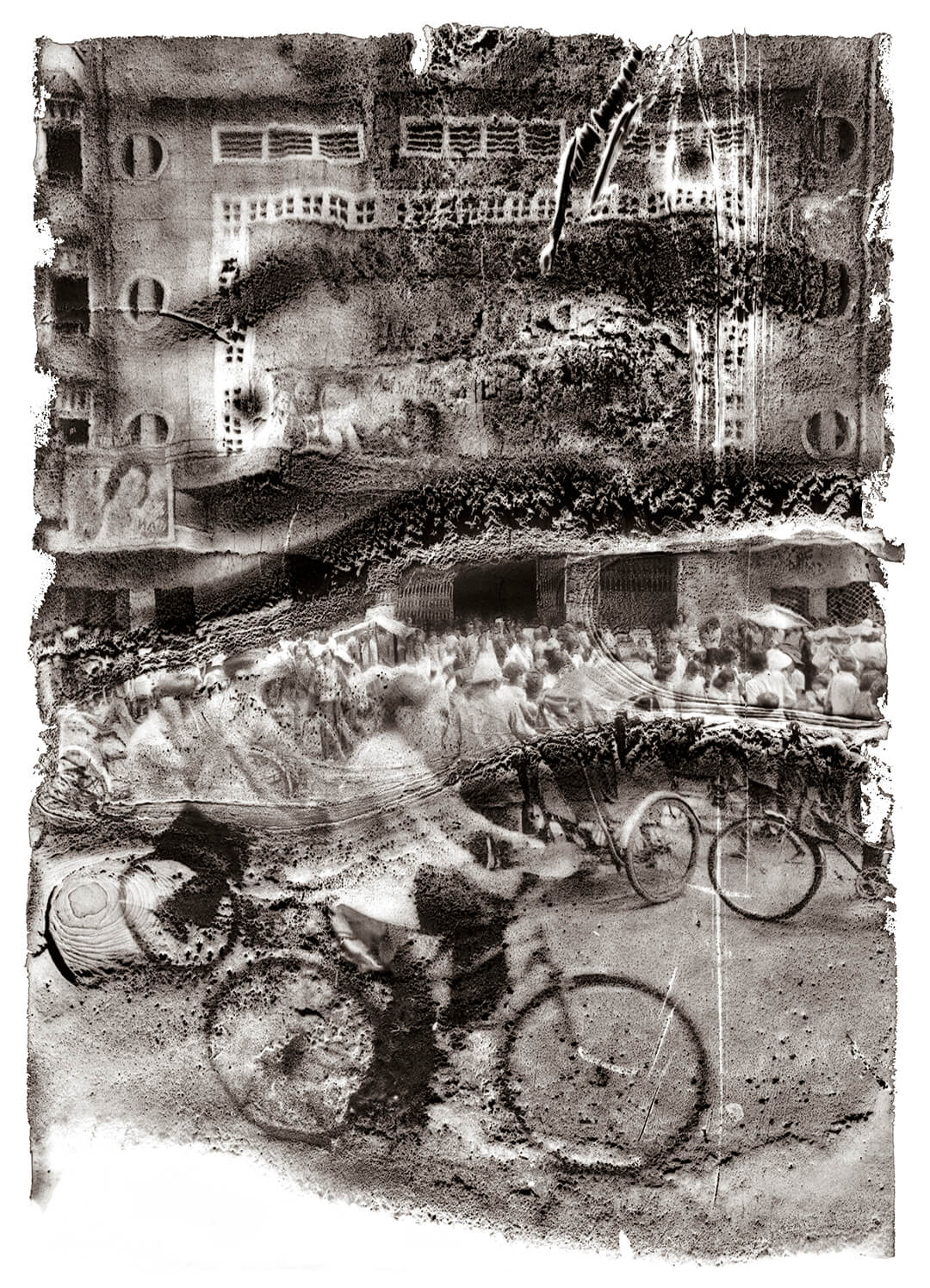
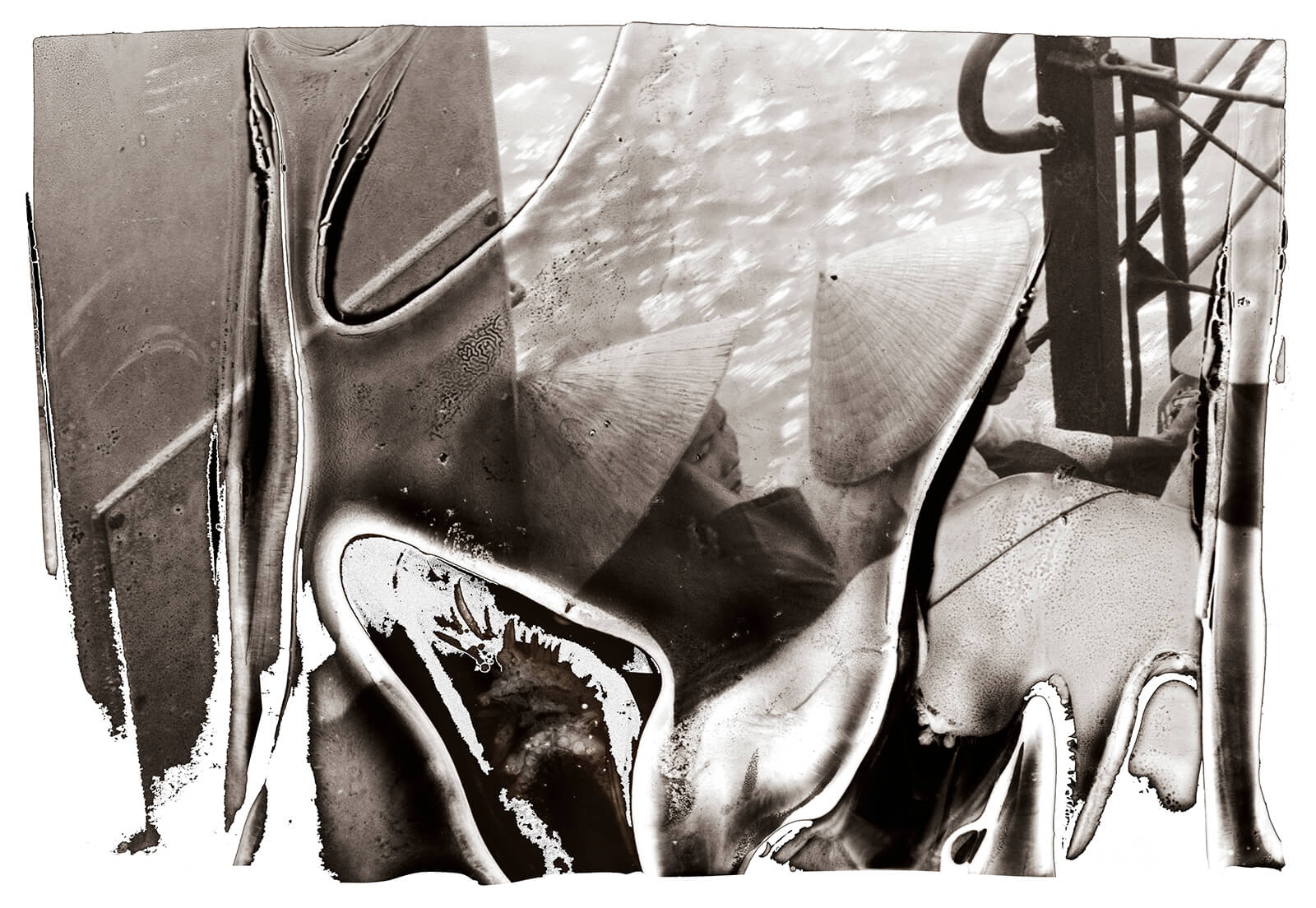
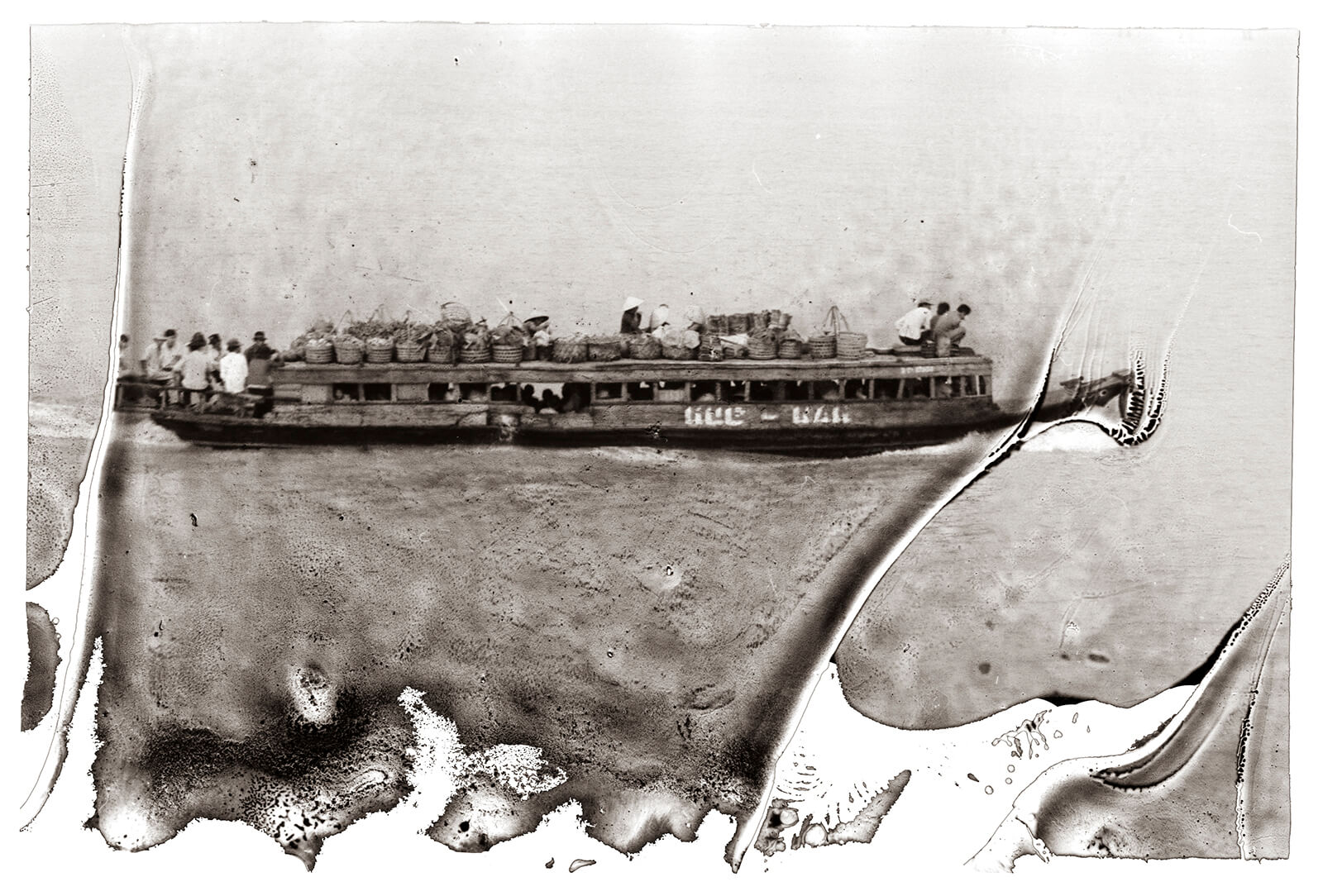
Prashant Panjiar, a Goa-based photographer-curator and the co-founder of Nazar Foundation and the Goa Open Arts Foundation, presented the image series Impermanence, developed from damaged negatives of his time in Vietnam more than two decades ago. While the captured scenes serve as reminders of the past, the blotches highlight how times have now changed. ‘What Remains’, for him, is captured at the intersection of emotions, history and memory.
To him, the damage to the negatives does not affect the original nature of the documentation, but rather presents its violent history as an integral, perhaps even as a ‘beautiful’ part of its past. “Since Vietnam’s economic transformation has been remarkable and it is now one of the fastest growing trade‑open economies of the world, there is a ‘forgetting’ of its past – a past marked with war, hardship and immense courage,” he remarks.
Memories are not, however, just limited to our personal belongings or surroundings. Cultural and symbolic cues, especially from our formative years, often instil a sense of nostalgia and comfort. Italian designer and visual artist Diana Linda expresses her interpretations of identity and womanhood by rendering mid-20th-century iconography in tones of Prussian blue with Unbound: Echoes in Blue.
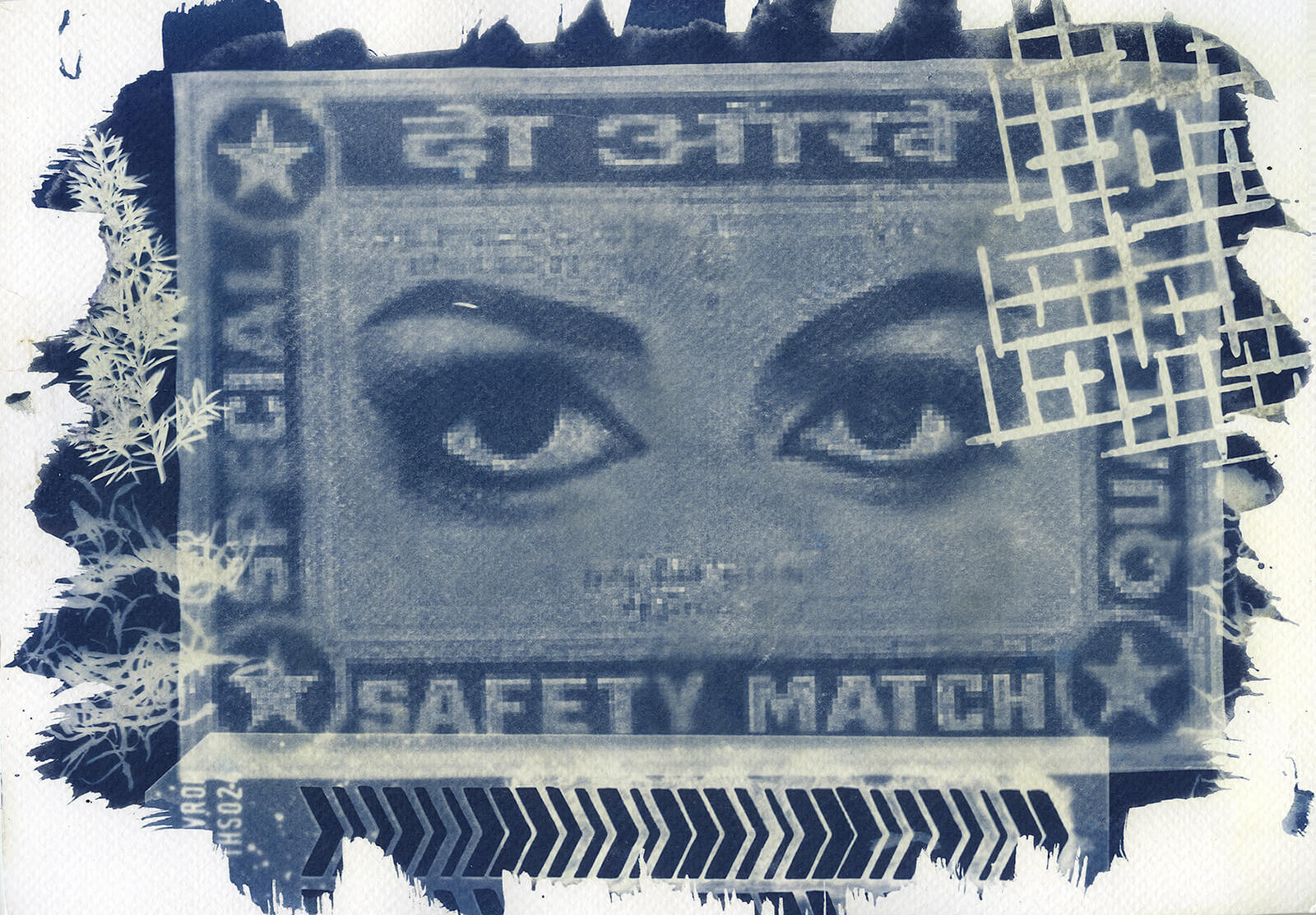
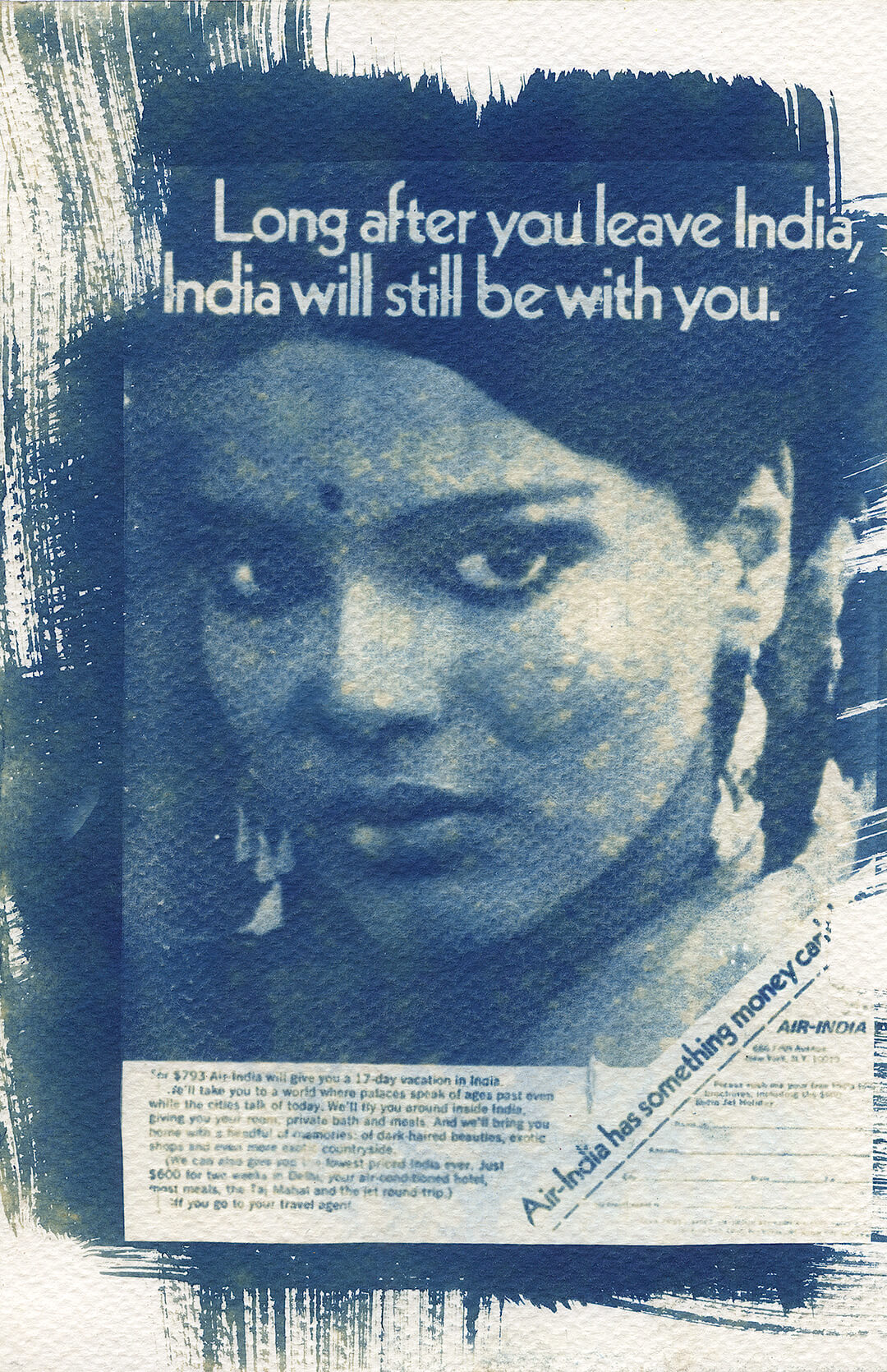
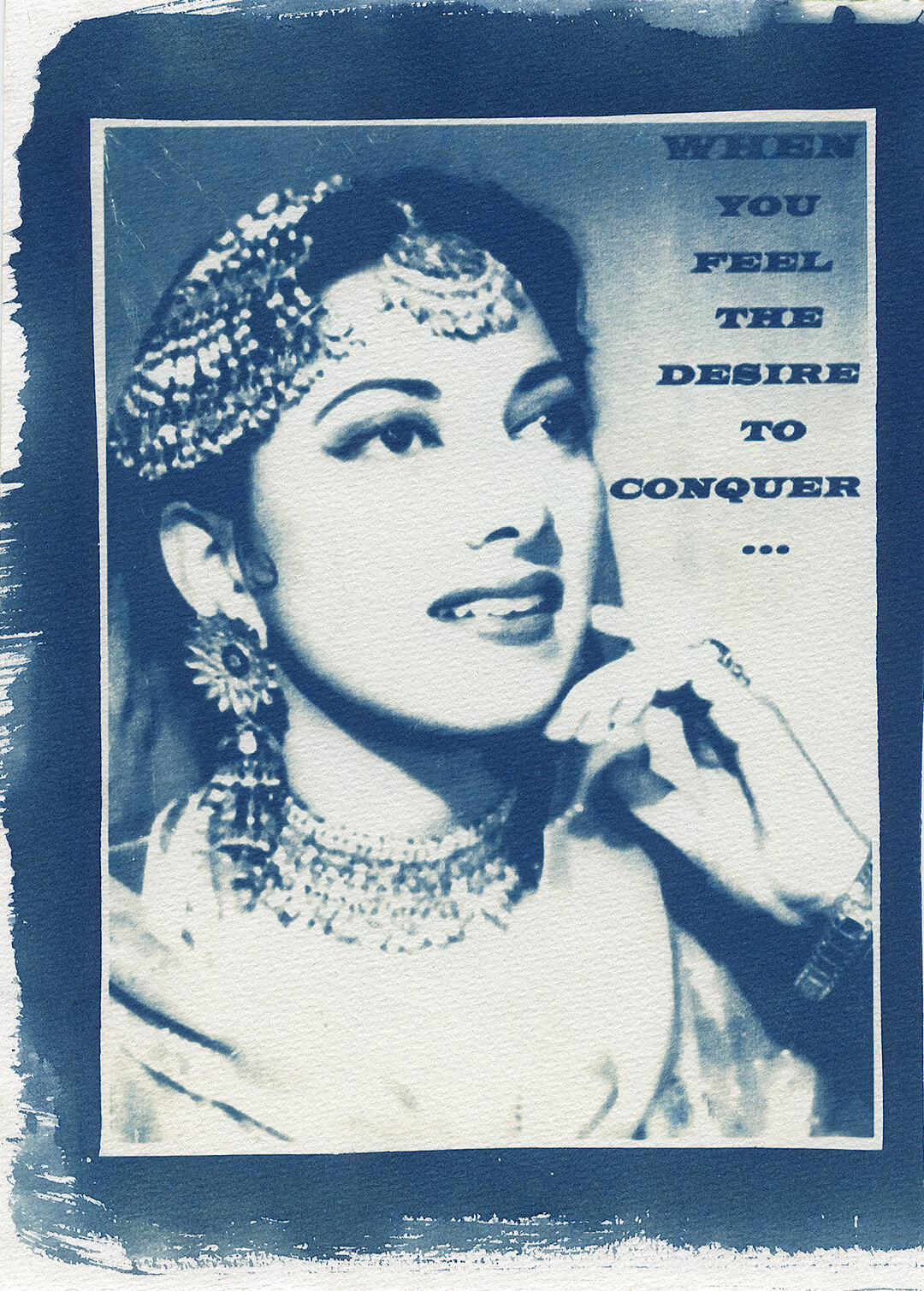
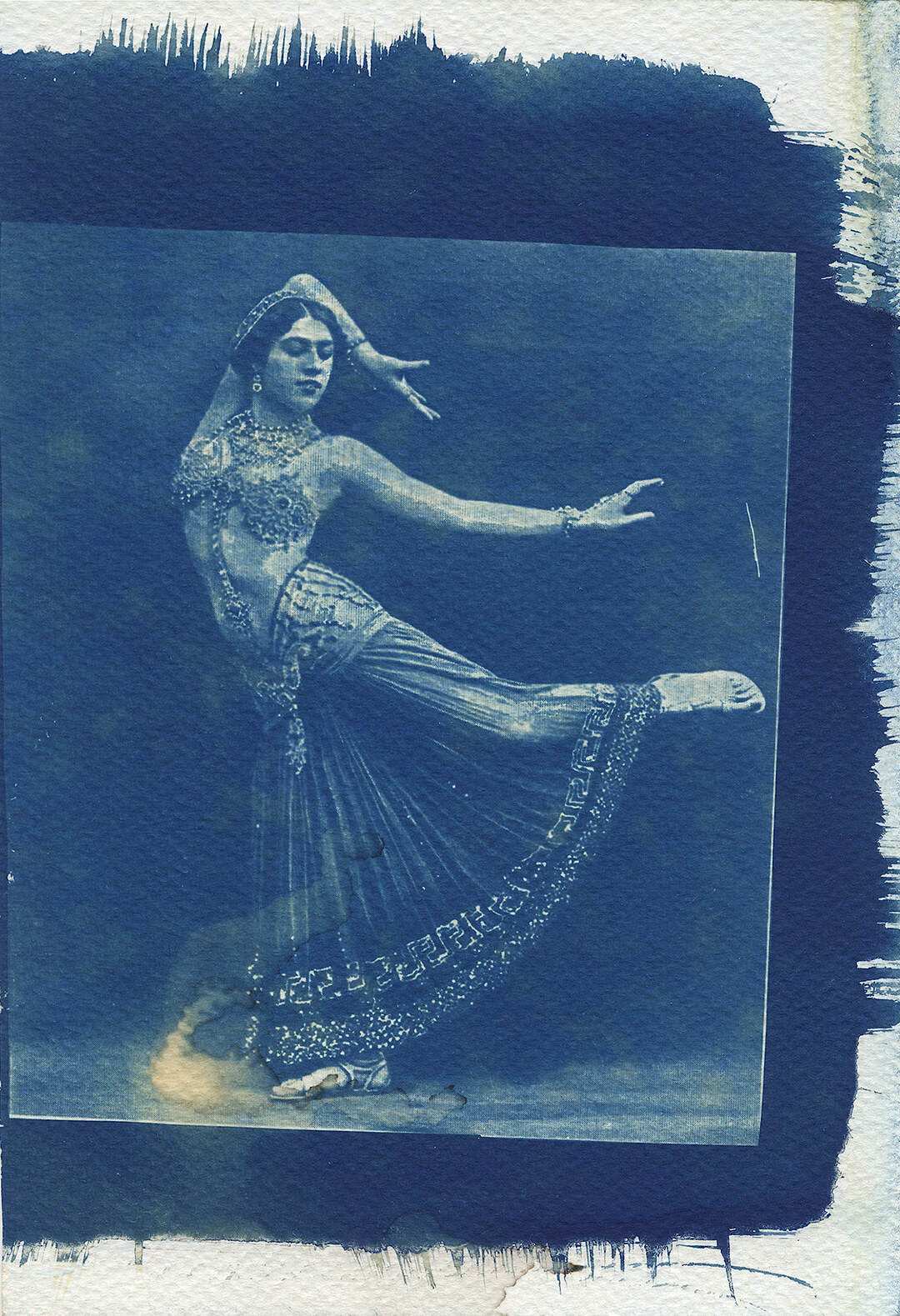
“I keep what feels resonant,” she tells STIR. “Images that move us emotionally and live in the collective memory: commercial icons, iconic pictures with classical representations of women and mid‑20th‑century celebrities that carry cultural weight and affective charge.” While some elements are also selected for their nostalgic iconography, the essence of the curation lies in the resonance of a singular, complex feeling. “The icons intersect with my own experience of the male gaze and womanhood, so reworking them becomes both a collage practice, a resistance and an act of personal expression.”
What Remains presents an assortment of memories, in different shapes, forms and feelings. In times of uncertainty and constant change, as the world rushes forward, it feels ever more urgent to pause and ask: what from our past continues to hold meaning, and why?
by Srishti Ojha Oct 21, 2026
Increasingly, artists, filmmakers and activists are turning to VR to create more personal, tangible accounts of the climate emergency and its impact on vulnerable communities.
by Mirra Lynn Oct 20, 2026
The Indian artist paints the old wadas of central Pune, capturing the traces of everyday life that cling to these structures, battered by time but unbowed.
by Anmol Ahuja Oct 15, 2026
How do heaps of souvenirs and relics with racist Aboriginal motifs and features become art? MCA Sydney’s winter showcase—the artist’s largest to date—beckons a possibility.
by Vandana Kalra Oct 14, 2026
With his latest exhibition as a point of departure, the modernist discusses his decades-long practice, the spontaneity of drawing and the social responsibility of artists.

make your fridays matter with a well-read weekend
Enter your details to sign in
Don’t have an account?
Sign upOr you can sign in with
a single account for all
STIR platforms
All your bookmarks will be available across all your devices.
Stay STIRred
Already have an account?
Sign inOr you can sign up with
Verification link sent to check your inbox or spam folder to complete sign up process
Tap on things that interests you.
Select the Conversation Category you would like to watch
Please enter your details and click submit.
Enter the 6-digit code sent at


Goa Open Arts’ photo exhibition probes change, loss and what remains
by Pranjal Maheshwari | Published on : Apr 30, 2026


 Sign in with Google
 Sign in with email
What do you think?