Art11 mins. read
Local voices, global reach: Latin American art fairs gain ground
by Mercedes EzquiagaApr 28, 2025



by Vandana KalraPublished on : Nov 27, 2026
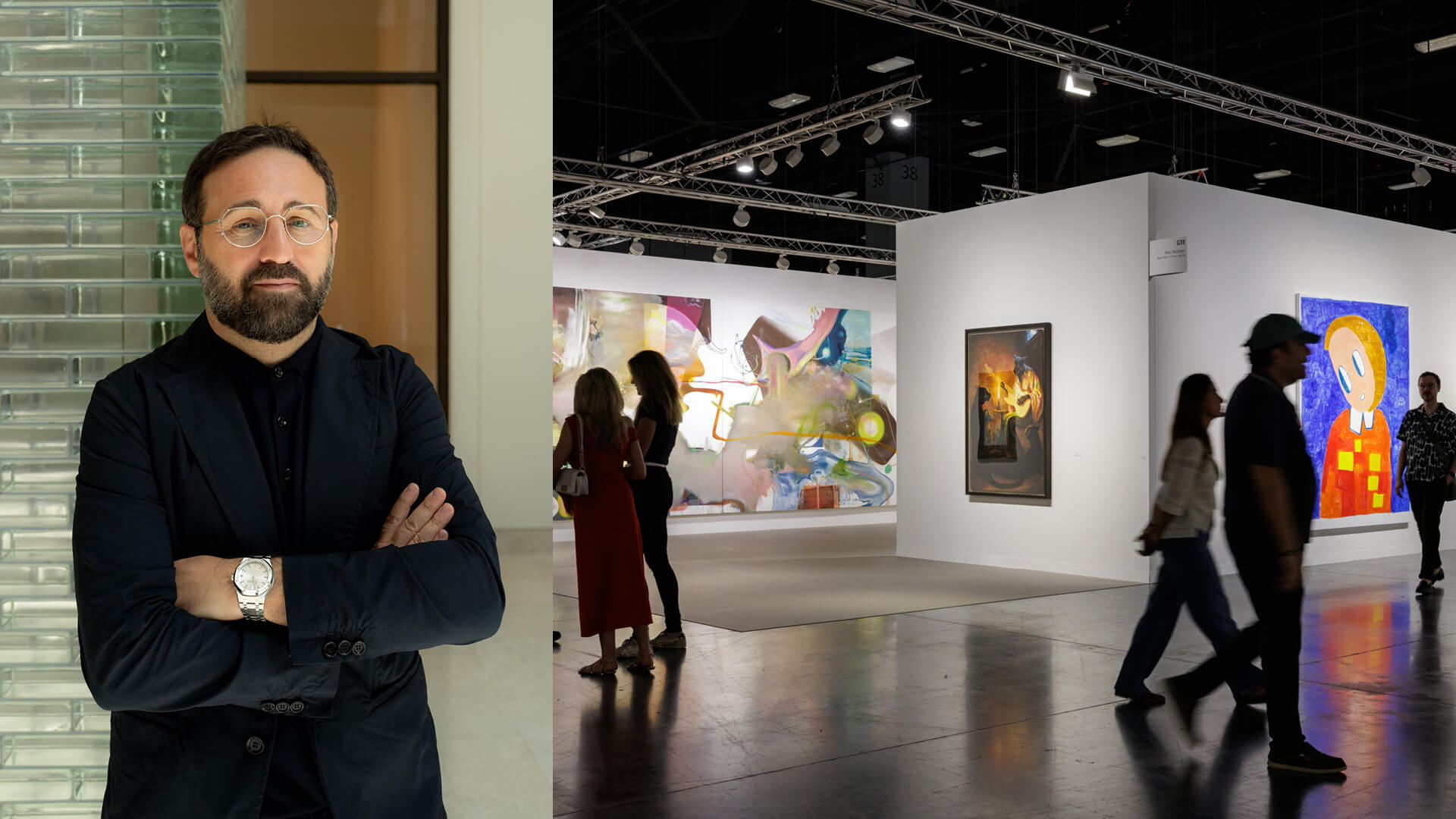
Having worked across independent art spaces, museums and international art fairs, Italian curator Vincenzo de Bellis brings a diverse perspective that has been informed by learnings from his curatorial practice and the art market as the chief artistic officer and global director of Fairs at Art Basel. He oversees the artistic direction of one of the most influential platforms for modern and contemporary art, with fairs across the globe, from Basel to Hong Kong, Paris, Miami Beach and Qatar.
Born in the Apulia region of Italy in 1977, de Bellis studied cultural heritage at the University of Lecce, followed by postgraduate studies at Sapienza University in Rome and at Bard College, New York. He co-founded Peep-Hole in 2009, as an independent art space in Milan, which he directed until 2016, when he joined the Walker Art Center in Minneapolis as curator and associate director of Programs. In a conversation with STIR, he discusses the relationship between commerce and curatorial vision, the importance of engaging audiences beyond the fairgrounds and the shifting geography of the global art world. Edited excerpts follow.
Vandana Kalra: You have been a curator, part of an experimental art space and are now the global director of Art Basel. These are very different roles within the same ecosystem. How have you seen the production and perception of art change in these many years?
Vincenzo De Bellis: I think art is evolving in the same way society is. I was used to a much smaller art world, partly because my own knowledge was more limited. In recent years, I have learnt a lot about other cultures and places, because of which my understanding of art and what constitutes quality has also shifted. Being immersed in a different environment has made me realise that I had many preconceptions shaped by my Western education. I don’t agree with those who say that art is becoming all the same or less interesting because it is not as experimental as it used to be. There is a lot of experimentation happening with digital media, but I feel the art world is actually very slow in recognising what artists are doing. I know that sounds counterintuitive, but artists are exploring things that the art market and the art scene will only embrace much later. I am an optimist and believe art is a space where people can express things that they cannot necessarily say elsewhere. If there is anything that can help us collectively fight against the things that are not right in the world, it is art.
Vandana: Do you think artists have a responsibility to do this?
Vincenzo: I wouldn’t call it a responsibility, but none of us lives in a bubble, untouched by what happens in the world. Artists have the same concerns and issues as everyone else, and they have a platform to express them.
Vandana: Drawing on your own experience of working within an experimental art space, how have you brought that approach to Art Basel, which is a much more structured organisation?
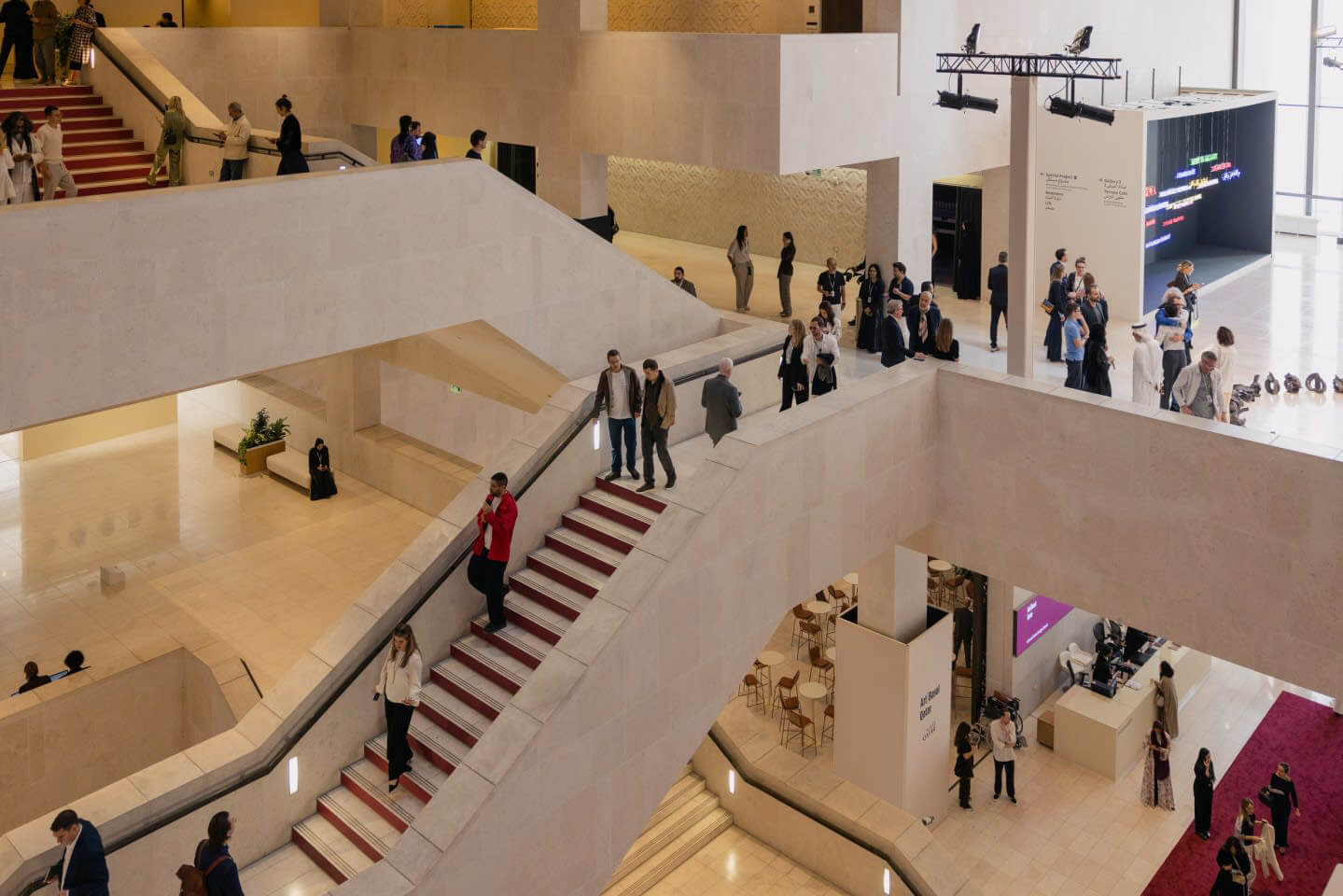
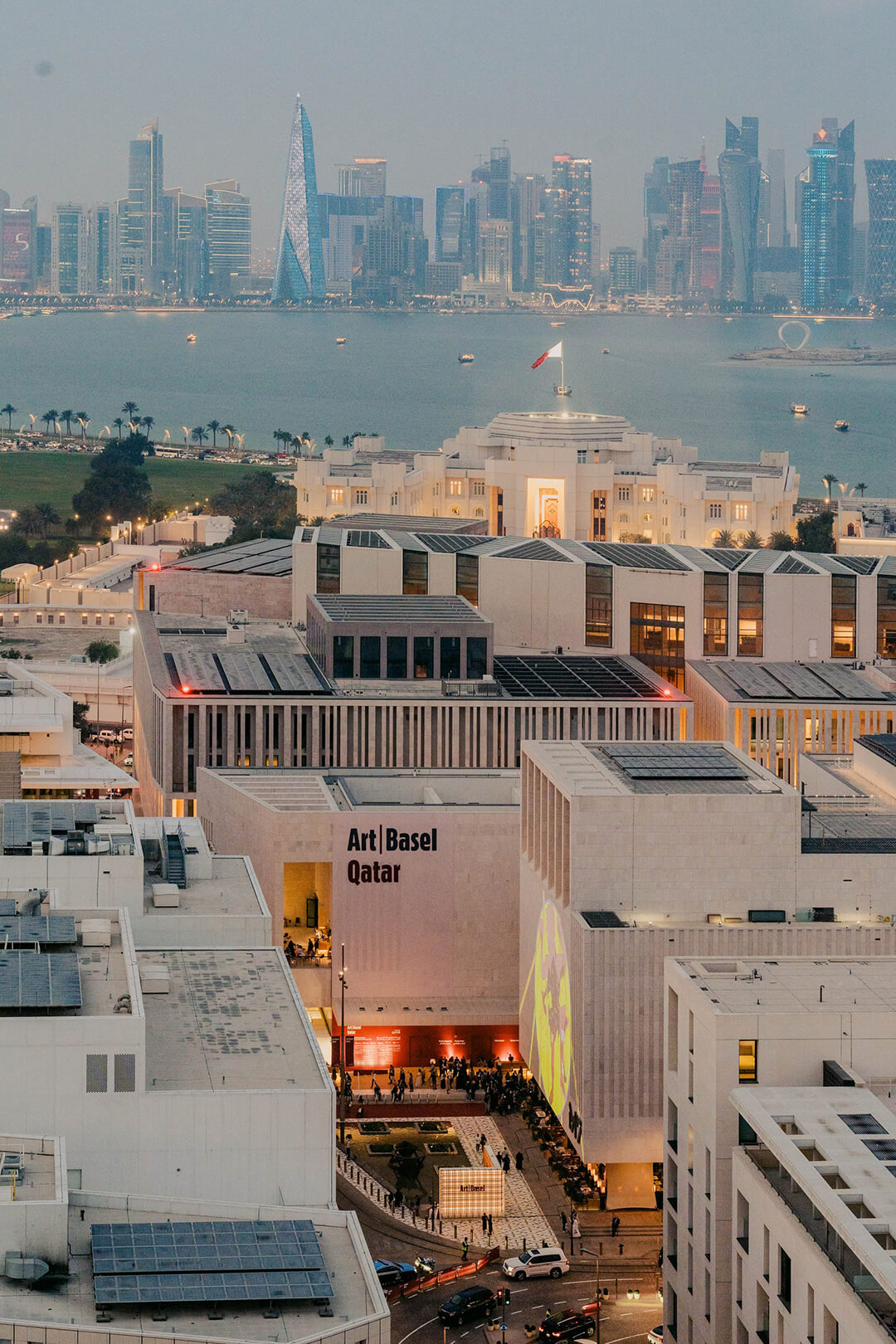
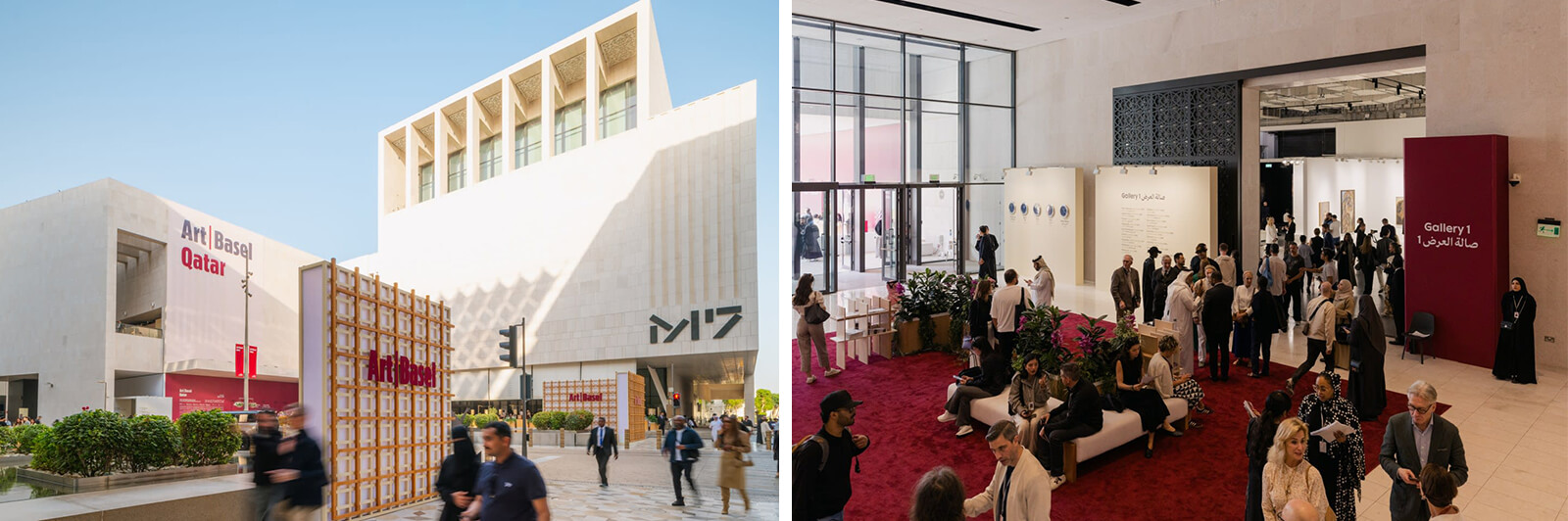
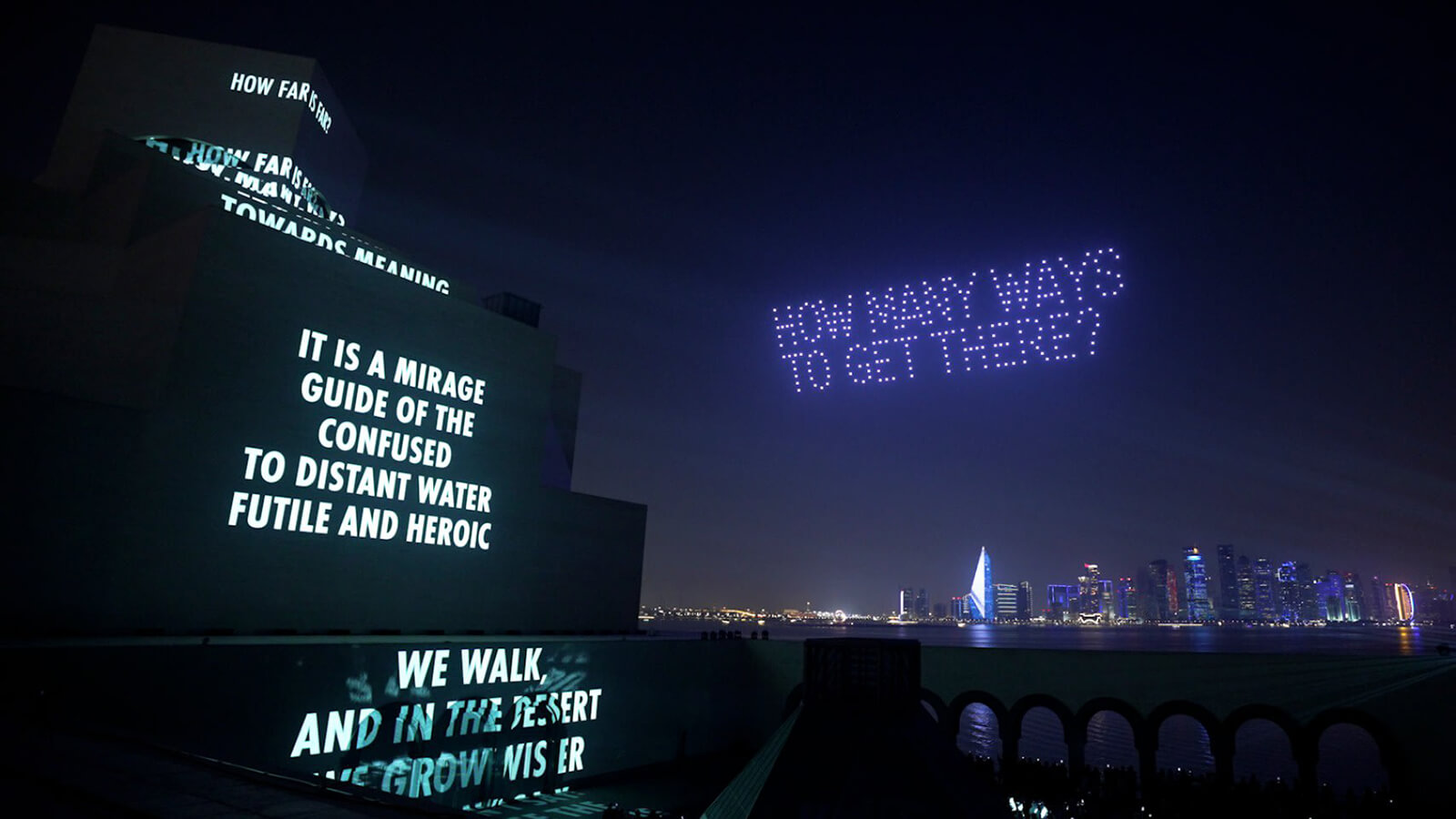
Vincenzo: One way I have done this is by shifting the focus more towards the artist and slightly away from the other components of the art world. Art Basel Qatar, for instance, was curated by an artist, which I think was the first time an art fair has been curated in this way. It was, and continues to be, a solo-artist presentation, which places the artist at the centre. The Art Basel Awards are another example of how I envision Art Basel as a platform where all members of the industry recognise one another, including their peers. The voting process combines jury selection with a peer-to-peer component, through which participants decide who receives the gold award. This represents an important shift in mindset, where each participant has the responsibility of saying, "Among us, I would like you to receive this award."
Vandana: How easy or difficult is it to experiment with the fair format?
Vincenzo: It is not easy because you are responsible for the financial success of galleries and artists. You have to strike a balance between what you believe is right and what the galleries and the rest of the art system expect. In some ways, it is not that different from a museum, which has to balance what the public wants, what the art world wants and what the board expects. In the case of a fair, galleries pay their rental fees, so we depend on them, and the show is put together to help them succeed. At the same time, galleries come to a fair because they want people within the organisation who can improve their presentations and, ultimately, their sales. While it is not easy, galleries also have a fair amount of respect for those who try new things, provided they believe these changes are being made not despite them, but for them and in response to their needs.
Our golden rule is simple: we obey the law of the land wherever we operate, and we respect the cultural specificities of each place. – Vincenzo de Bellis
Vandana: What responsibility does an art fair, as a business, have towards emerging artists, new practices and galleries?
Vincenzo: It is a big responsibility because they represent the future of the industry. Without emerging artists and galleries, the system will not last long. I think Art Basel has done a very good job of creating opportunities for emerging artists and galleries to succeed. Every Art Basel fair has an emerging art and emerging gallery section, where galleries have a more contained price point and smaller booths. Consequently, the cost of participating is much lower. Also, within our VIP global organisation, our VIP team and our galleries team, we offer the new galleries and the emerging galleries a great platform because they can always encounter new clients.
Vandana: How do you see the collector base expanding across the world, given Art Basel's presence in different regions?
Vincenzo: We are at a very important moment of generational shift. The art world as we know it today largely took shape after the Second World War. The first art fair was held in 1967. The youngest buyers at the time would have been around 25, which means they were born in 1942. They are now around 84. So, a generation that has been instrumental in bringing the art world to where it is today is ageing. For them, art, artists and galleries represented a mission: to support them and create a system that would allow art, and themselves, to flourish. Several generations have followed, and newer generations of collectors are much more geographically dispersed. The market used to be very America-centric, but today there are many more significant markets around the world where collectors are generally younger, because the countries themselves are younger, wealth is a more recent phenomenon and its distribution has expanded considerably in recent years.
As fair organisers, we need to understand that although America and China remain the two biggest markets, there are many other smaller markets which, taken together, have enormous potential. This is why we launched Art Basel Hong Kong 15 years ago.
One thing we need to change is not necessarily our habits, but our approach to collectors. They no longer come simply to acquire works. They want an experience and spend a few days seeing artists, galleries and museums, while also experiencing things that have nothing to do with art. We need to provide these opportunities if we want to engage with a younger generation of collectors.
Vandana: One of the things about Art Basel is that a lot happens around the city; it is not just about the fair itself. How important is this to you and how much emphasis do you place on it?
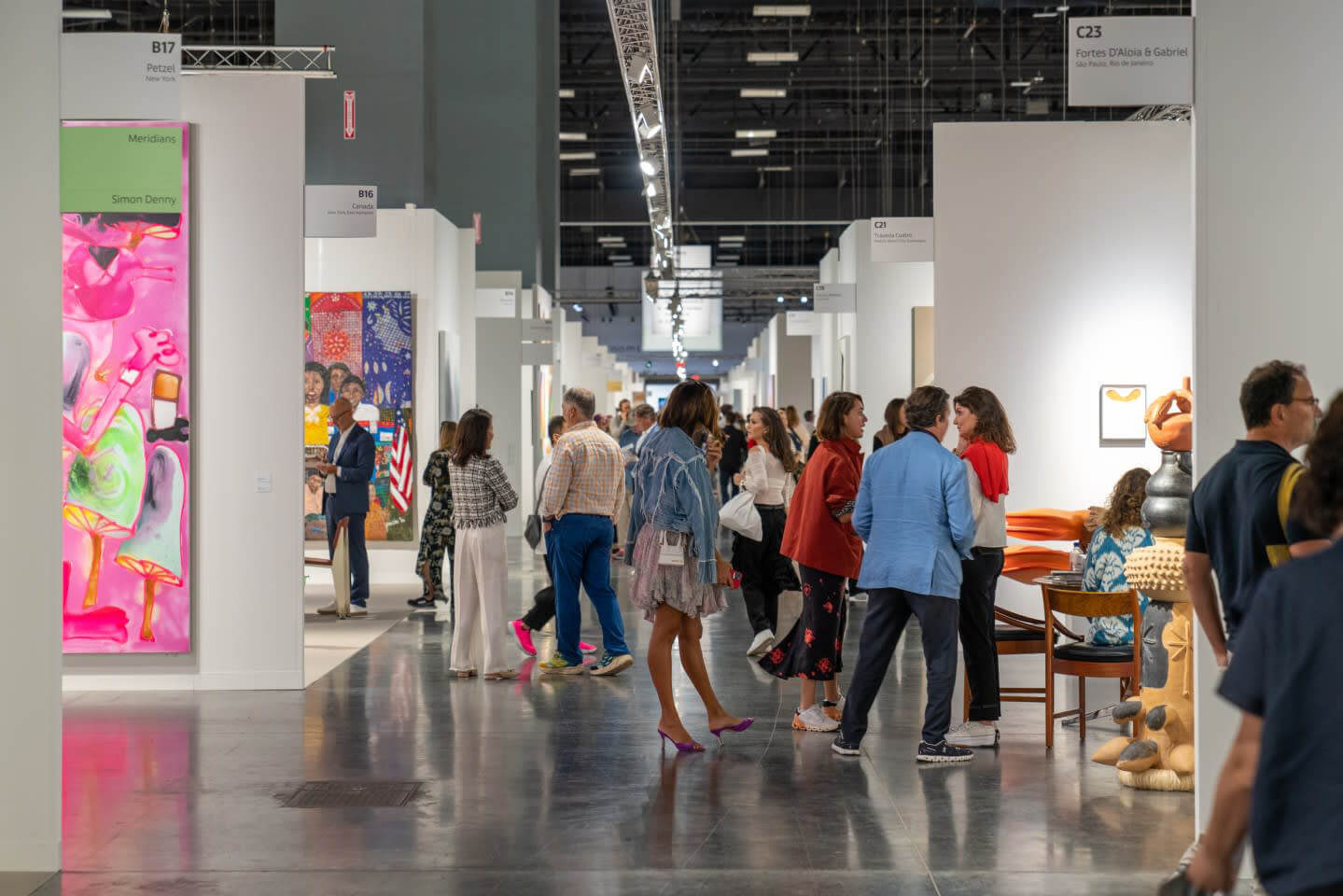
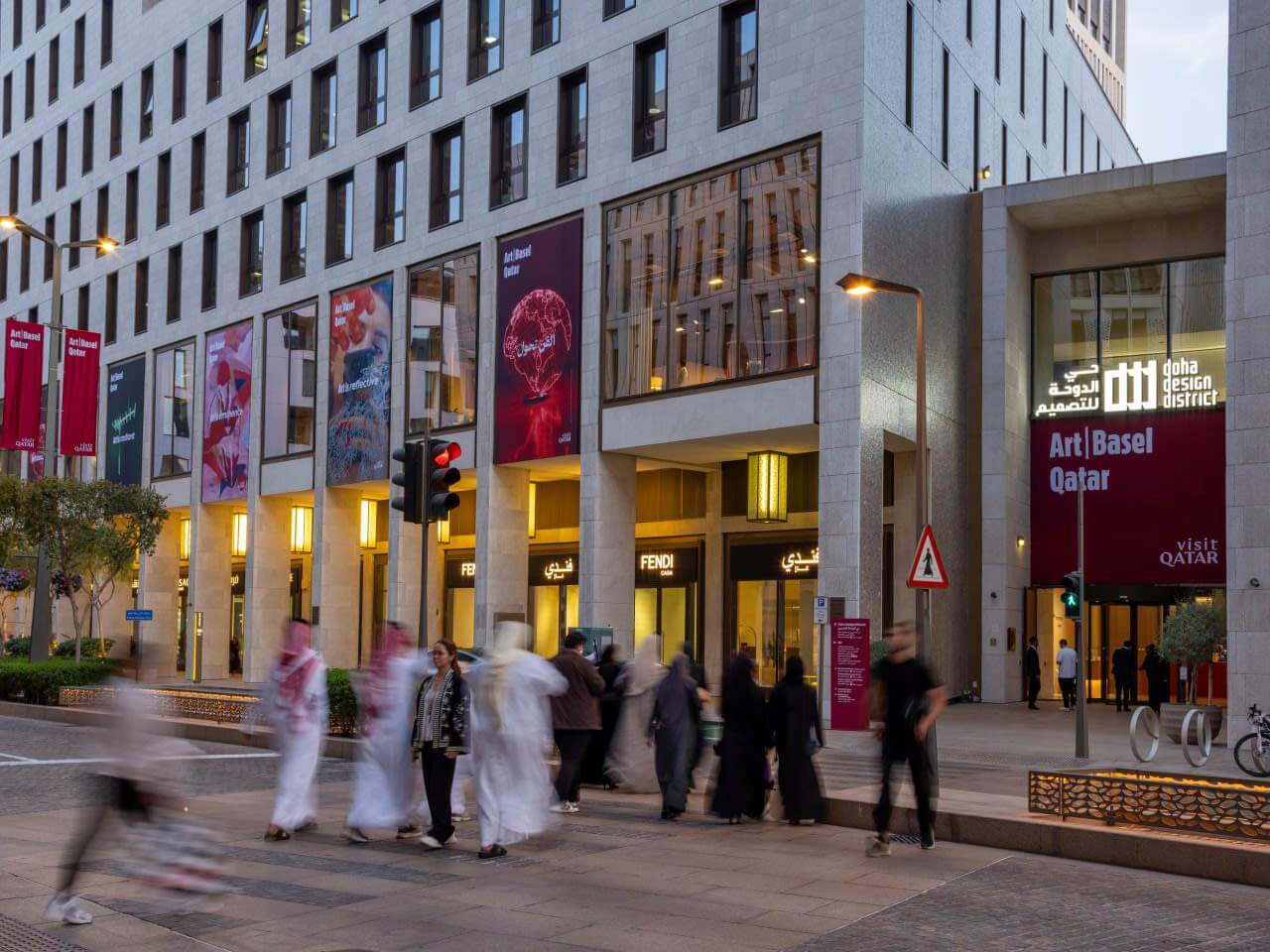
Vincenzo: I think it is very important because, as I just said, not everyone among collectors and the wider art-going public can necessarily acquire a work of art. You need to respect the fact that fairs are, first and foremost, business-to-business platforms (B2B). But at the end of the day, our fairs also attract thousands of people who simply want to experience art for two or three days because they love it. Providing opportunities for them to do so in public spaces is very important. It helps generate interest in culture, which we firmly believe in, and eventually has an economic impact on cities. The more you do outside the fair, the more you help the city shine and showcase what it has to offer. This also encourages people to return year after year. The art fair itself remains more or less the same, but the more you build around it, the more you can differentiate your offering and diversify your audience.
Vandana: How do you view the decentralisation of the art market, particularly with new markets emerging across different regions? Which parts of the world do you see becoming significant art markets in the coming years?
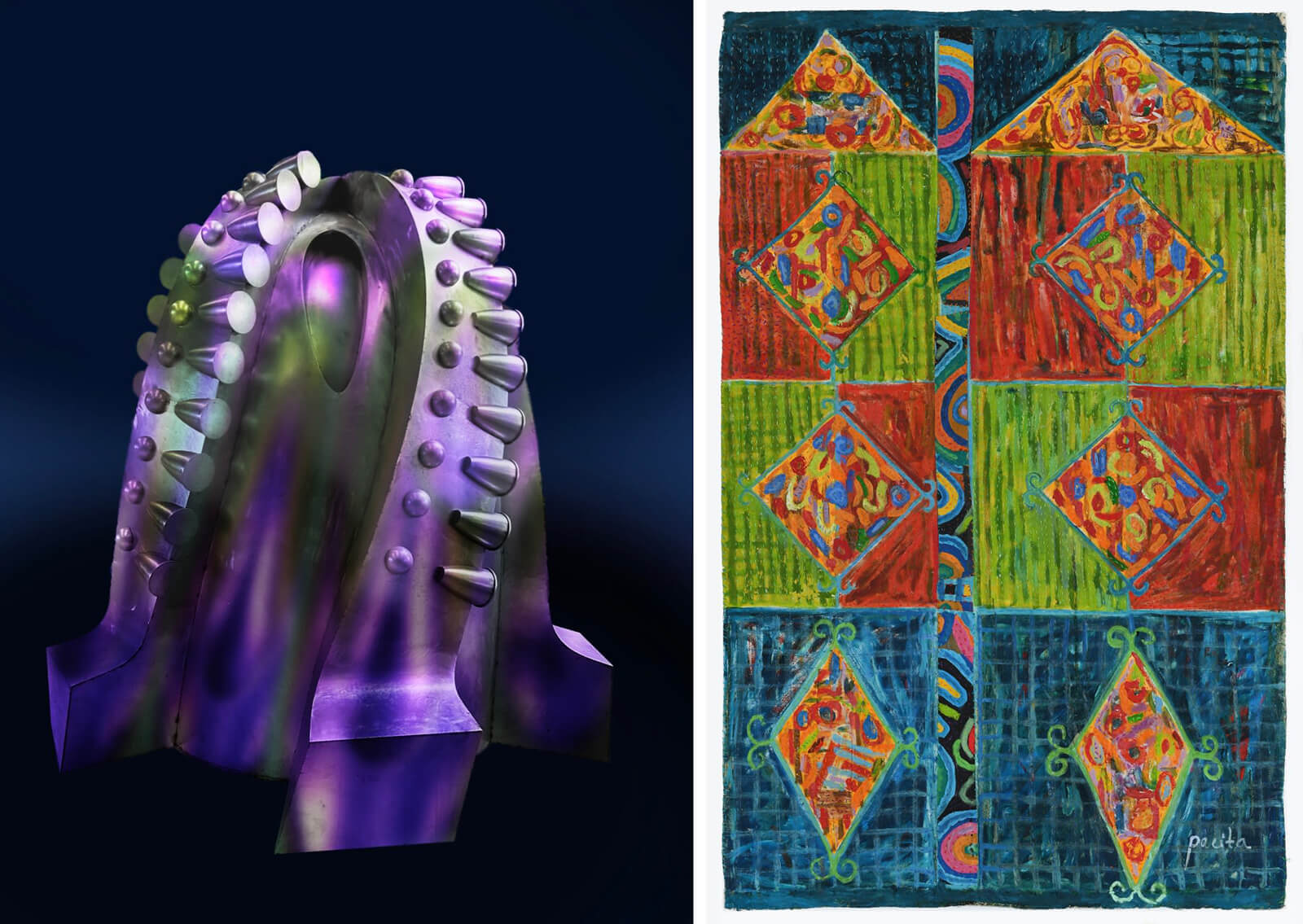
Vincenzo: I think South Asia, Southeast Asia and Central Asia, and Asia more broadly, still have a lot to offer. I also believe that the Global South is a part of the world where there is great art to be discovered and seen, and therefore potentially a significant market. I don’t believe that there is a market where there’s no art. If art is being produced, there is market potential. I think that is a very important point: you cannot import or force something. You need to have art being produced locally. One could argue that art is produced everywhere, and that is true. It is up to us to discover it.
Vandana: As an art fair operating in different parts of the world, do you also have to navigate different political systems and cultural contexts? How does the fair approach this, and what challenges have you encountered?
Vincenzo: The short answer is yes, we have a responsibility in this regard. Our golden rule is simple: we obey the law of the land wherever we operate, and we respect the cultural specificities of each place. This applies to every city and country in which we operate. I don't want to give the impression that this applies only to places commonly perceived as having political, religious or social sensitivities. We operate in America, too, where there are certain sensitivities and cultural specificities that may not be recognised by many people around the world. Every place in which we operate has its own sensitivities and cultural specificities.
by Srishti Ojha Nov 20, 2026
The exhibition at Joburg Contemporary Art Foundation in South Africa imagines a future shaped by technology, memory and the emancipation of the Global South.
by Samar Jodha Nov 19, 2026
More than three decades after first meeting the photographer as a schoolboy, Samar Jodha reflects on his distinctive vision of Rajasthan, beyond its familiar spectacle of colour.
by Srishti Ojha Nov 16, 2026
The second edition of Ahmedabad Cultural Week brought contemporary art on climate change into closer conversation with the realities of those most affected by it.
by Vandana Kalra Nov 12, 2026
Doryun Chong, Kamini Sawhney and Raphael Chikukwa, among others, expand on ways museums can better connect with audiences and acknowledge colonial histories.

make your fridays matter with a well-read weekend
Enter your details to sign in
Don’t have an account?
Sign upOr you can sign in with
a single account for all
STIR platforms
All your bookmarks will be available across all your devices.
Stay STIRred
Already have an account?
Sign inOr you can sign up with
Verification link sent to check your inbox or spam folder to complete sign up process
Tap on things that interests you.
Select the Conversation Category you would like to watch
Please enter your details and click submit.
Enter the 6-digit code sent at


Vincenzo de Bellis on Art Basel and the changing global art market
by Vandana Kalra | Published on : Nov 27, 2026


 Sign in with Google
 Sign in with email
What do you think?