Art09 mins. read
Artist Pierre Fouché is constructing and dismantling binaries with bobbin lace
by Srishti OjhaOct 09, 2026



by Vandana KalraPublished on : Nov 12, 2026
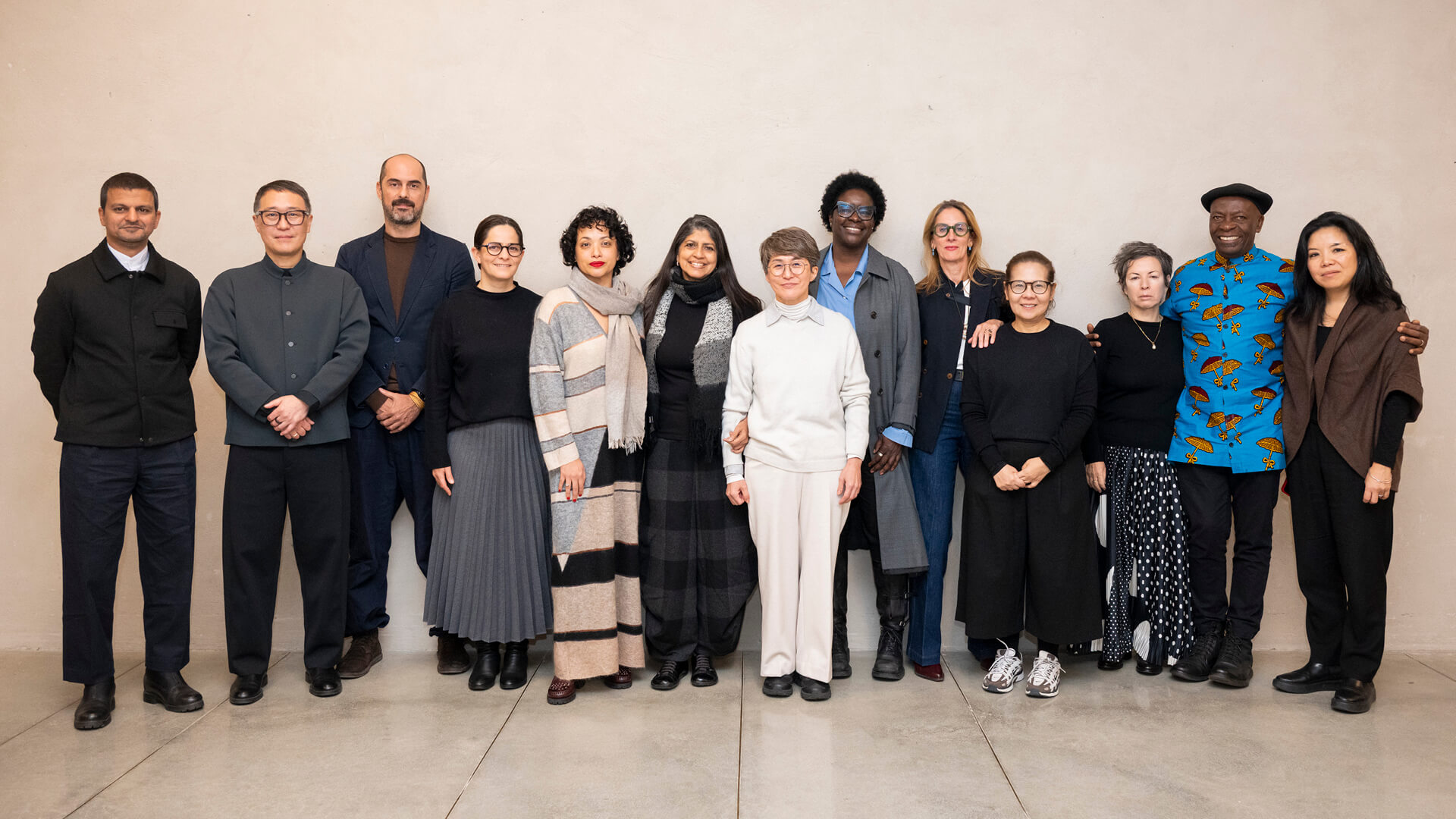
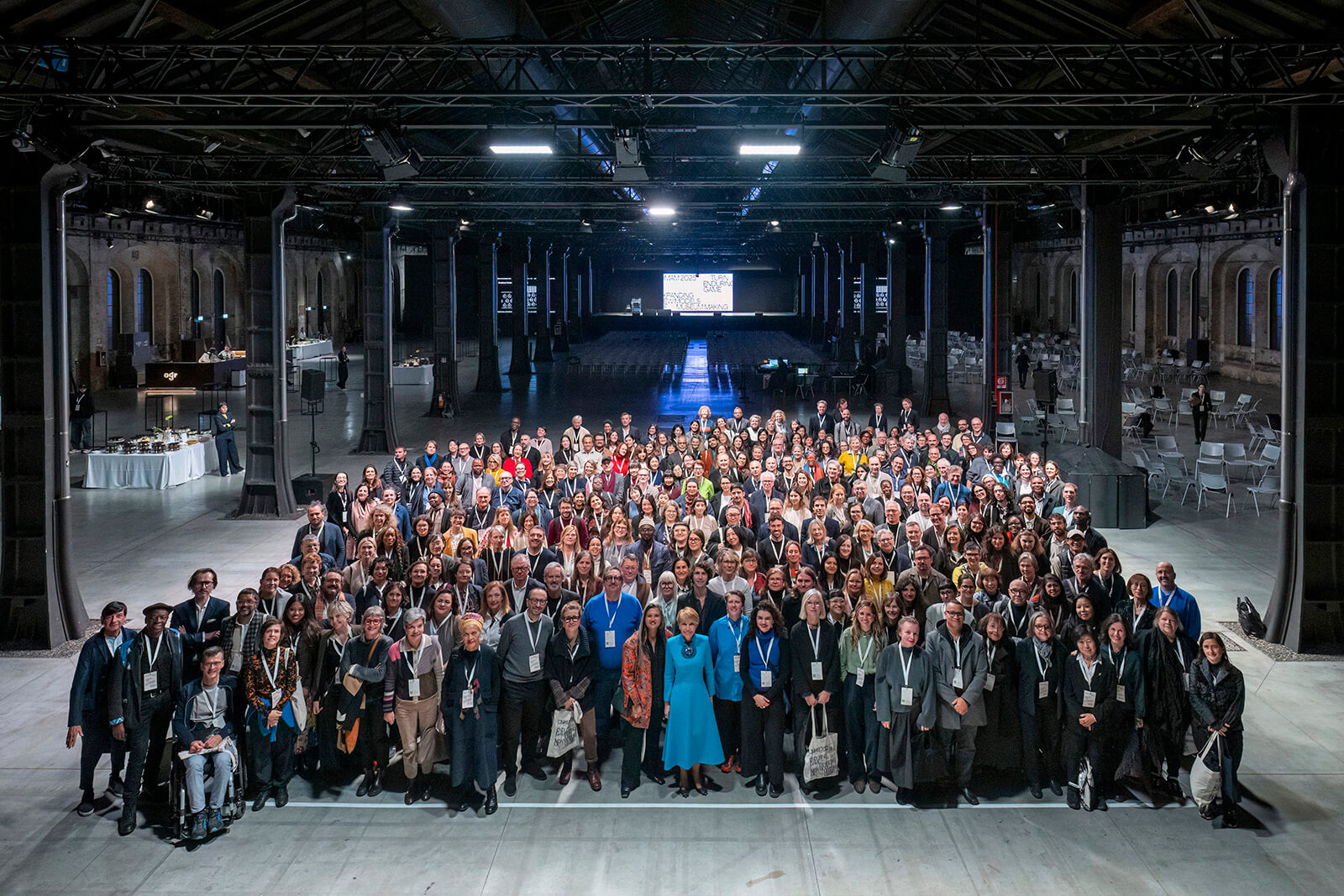
Across the world, museums today are being called upon to reckon with their colonial legacies and reconsider their relationships with communities to make space for histories that have long remained at the margins. This urgent need to rethink the role and responsibilities of museums will also be the focus at the 58th annual conference of CIMAM (International Committee for Museums and Collections of Modern Art), scheduled to take place at the National Gallery of Zimbabwe in Harare, Zimbabwe, from November 20 – 22, 2026.
Titled Museums Beyond Limits: Imagining Repair Across Cultures, Ecologies and Knowledges, this is the first time the conference will be held in Africa since its inaugural edition in The Hague in 1962. Ahead of the conference, STIR spoke with members of the CIMAM Board from across the world about the possibilities and challenges facing museums today.
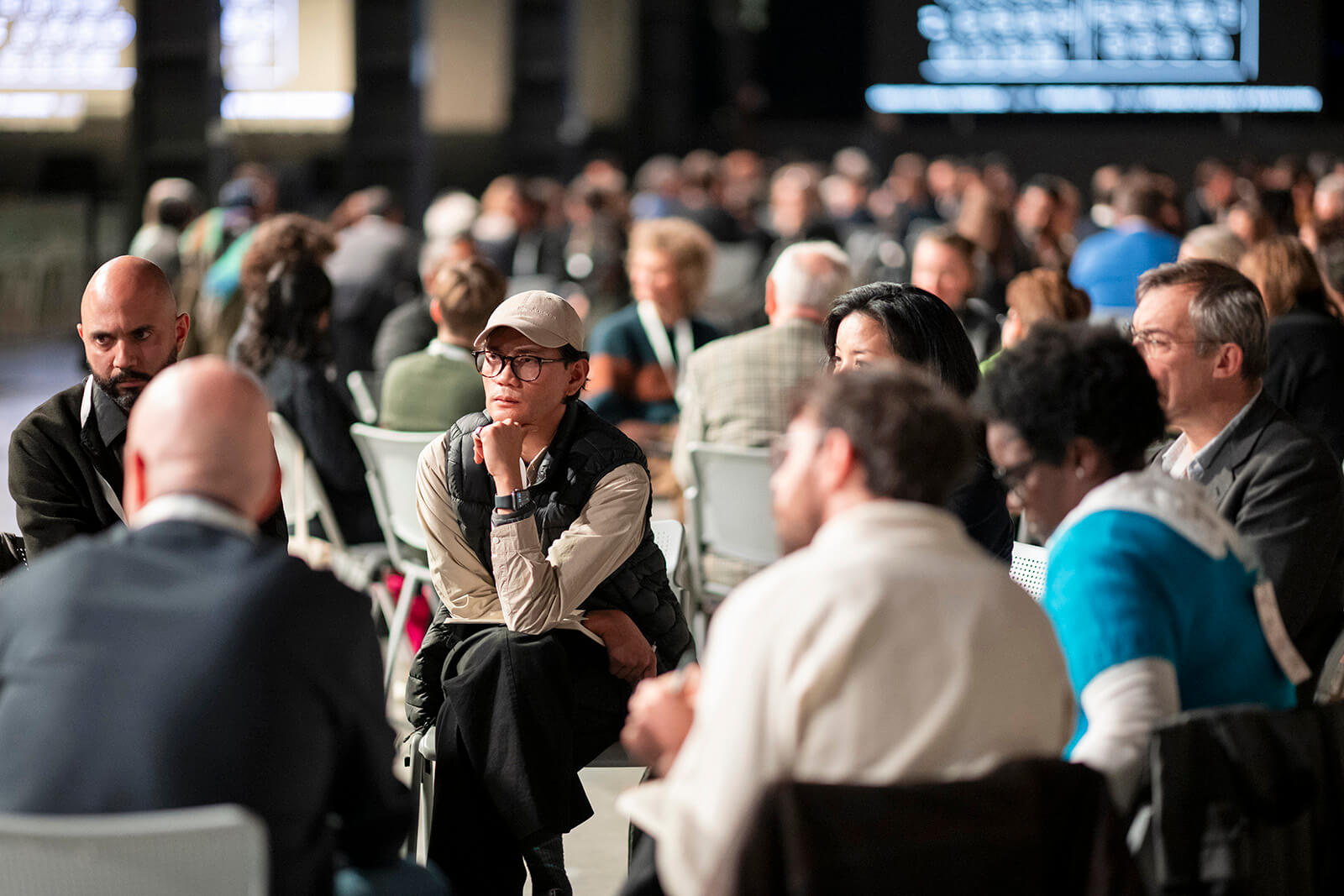
Vandana Kalra: Much of modern art history has been written outside Asia. Do you think that is changing now, and is the story of modern and contemporary art from Asia now being written without making the West its point of reference?
Doryun Chong (artistic director and chief curator, M+, Hong Kong): First, it is important to recognise that Asia encompasses diverse definitions—geographically, geopolitically, historically and culturally. At M+, we often view Asia as stretching from Turkey to Japan, though we choose not to dwell rigidly on precise boundaries. It may be at least partially true that, historically, pioneering efforts to write the history of modern and contemporary Asian art were spearheaded by a dedicated group of scholars, researchers and curators within academic and institutional frameworks primarily in the Anglo-American world. At the same time, it is crucial to recognise committed forerunners across Asia who organised exhibitions, authored critical works and forged networks and institutions—frequently with scarce resources. The ongoing transformation of the traditionally Euro-American-centric canon by institutions like M+ relies heavily on this foundational work. True revision, however, does not stem from simply repudiating former centres and replacing them with new ones in Asia. Rather, its lasting strength lies in framing the history of modern and contemporary art—both in Asia and across the global majority—as profoundly entangled, interwoven and hybridised.
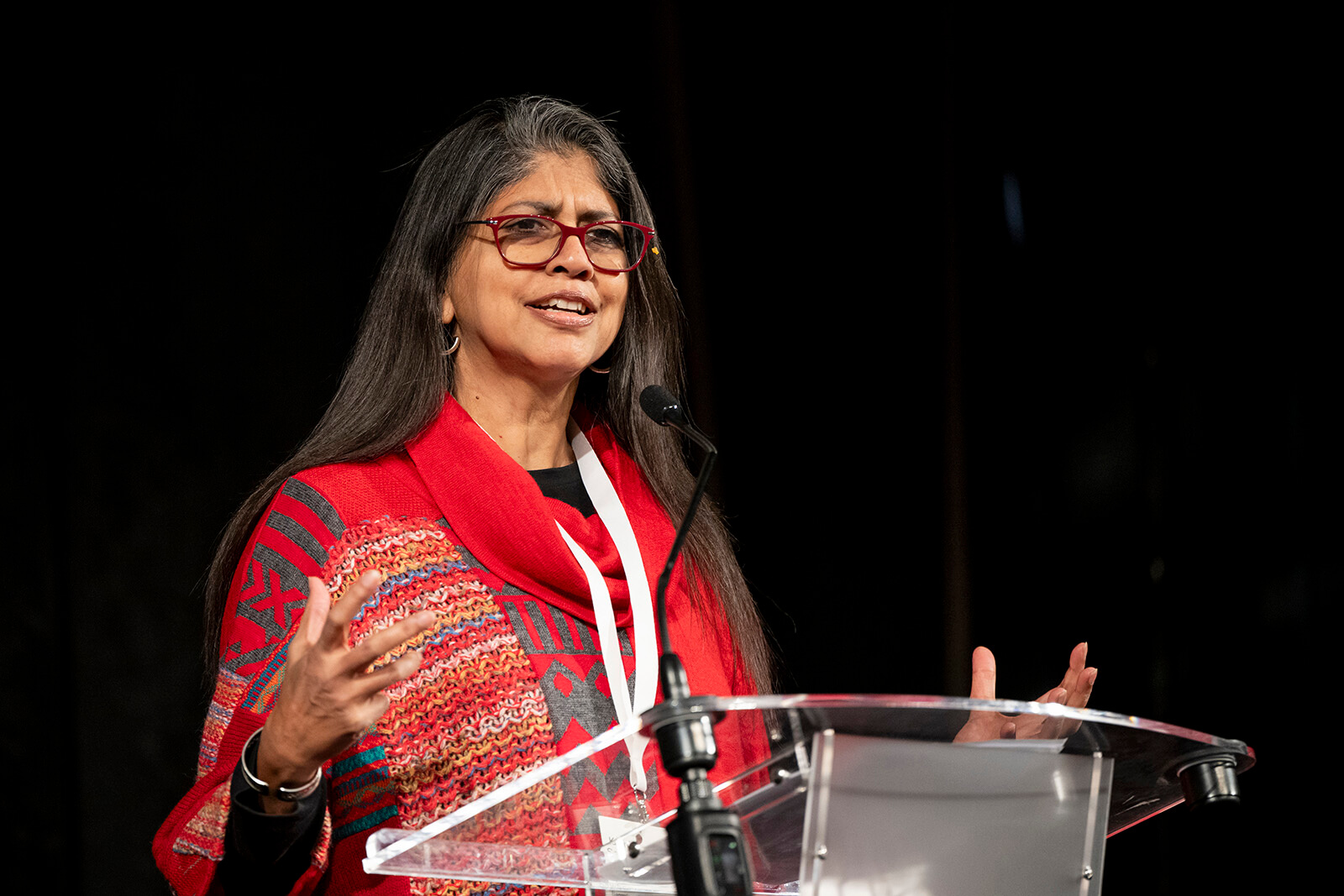
Vandana: Indian art is attracting global attention, but it still feels distant to large sections of the public within India. What are the ways in which institutions in India can connect better with the audience?
Kamini Sawhney (artistic director, Public Arts Project, BLR Hubba): Art has always been a way of life in India, an integral part of daily living, rituals, festivities and traditional practices. But the moment it is separated from its context, it seems to lose its significance for a large part of the community. The museum model we inherited from our colonisers has only increased the distance, holding little appeal for large sections of our audience. Perhaps we need to develop indigenous models that respond to the community’s needs, that enable people to develop a sense of ownership and belonging over these spaces—models that enable us to reclaim our histories, to present authentic accounts that reflect a more layered understanding of our own culture.
In India, where political and social hierarchies have created huge inequalities, I believe that museums can be platforms for multiple voices, especially those that struggle to be heard. The hierarchies of patriarchy, caste and class extend into every aspect of life, including art institutions influencing collection practices, institutional narratives and the people we hire. But I think there is an increasing understanding of how richer our storytelling can be when it is inclusive, drawing on diverse perspectives and a range of lived experiences.
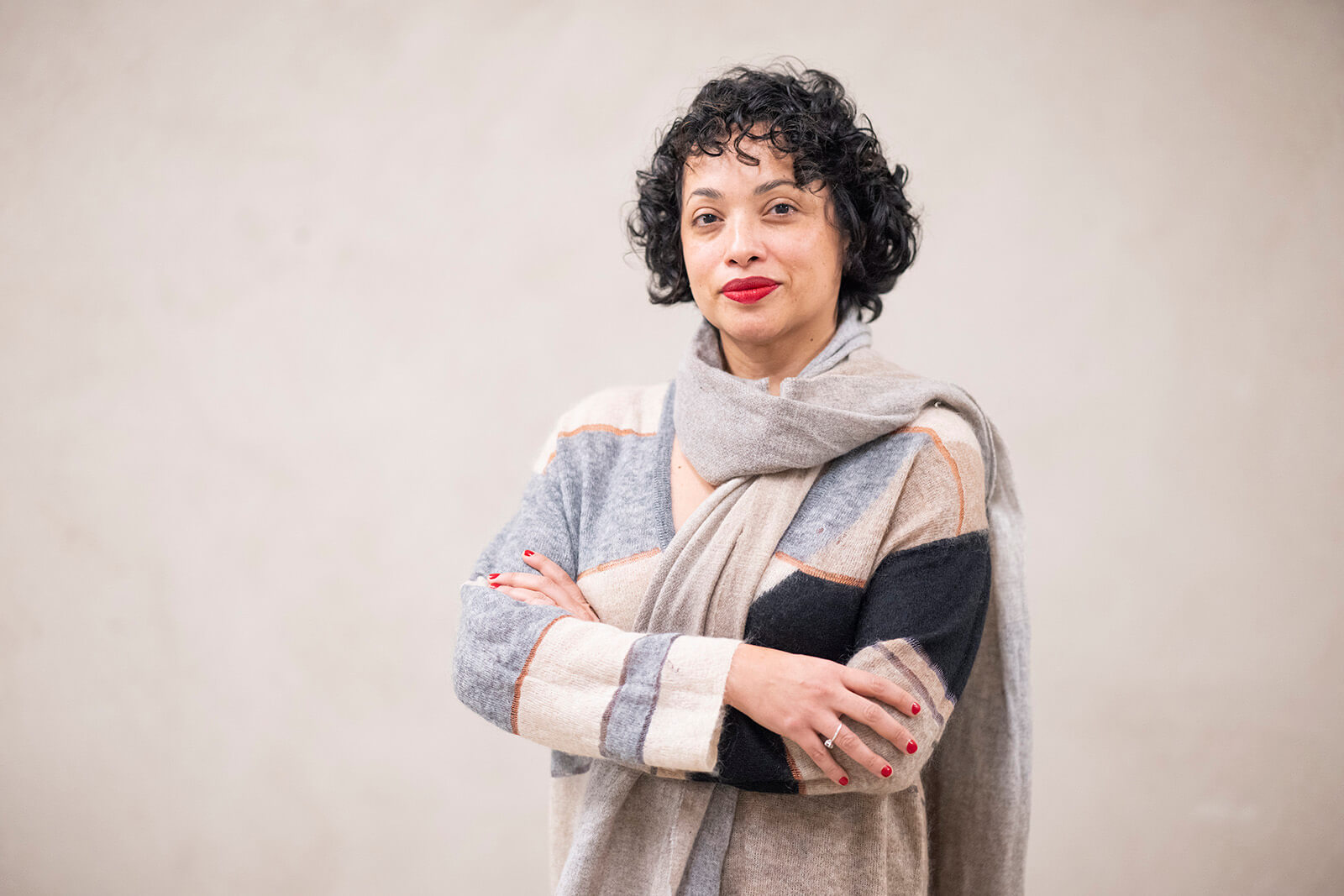
Vandana: As art institutions are now exploring the use of AI in several areas, from interpretation to research and audience engagement, where do you see AI genuinely adding value to museums, and what caution do you think needs to be maintained while using AI?
Amanda de la Garza Mata (CIMAM president (2026 – 28), deputy artistic director, Museo Reina Sofía, Madrid): AI can be a tool that can help to process enormous amounts of information related to databases as well as facilitate the administration of collections, data and other information-based processes in cultural institutions. But in order to use it wisely, we need to have a clear idea of its benefits and also of the need for regulations that can help preserve human creativity and human connection. AI, like any technology, is biased and has been developed in the centres of economic power that even transcend the nation state, so we are already working with a technology that acts from a neocolonial perspective. Therefore, museums should be part of a bigger conversation that involves developing as a community and at the level of policy and law, making regulations that allow the use of AI in a safe and productive way. Also, museums should agree on basic ethical principles for the use of AI, especially when it comes to the work of artists, designers, curators, thinkers and the rest of the creative communities involved with the museum and beyond it.
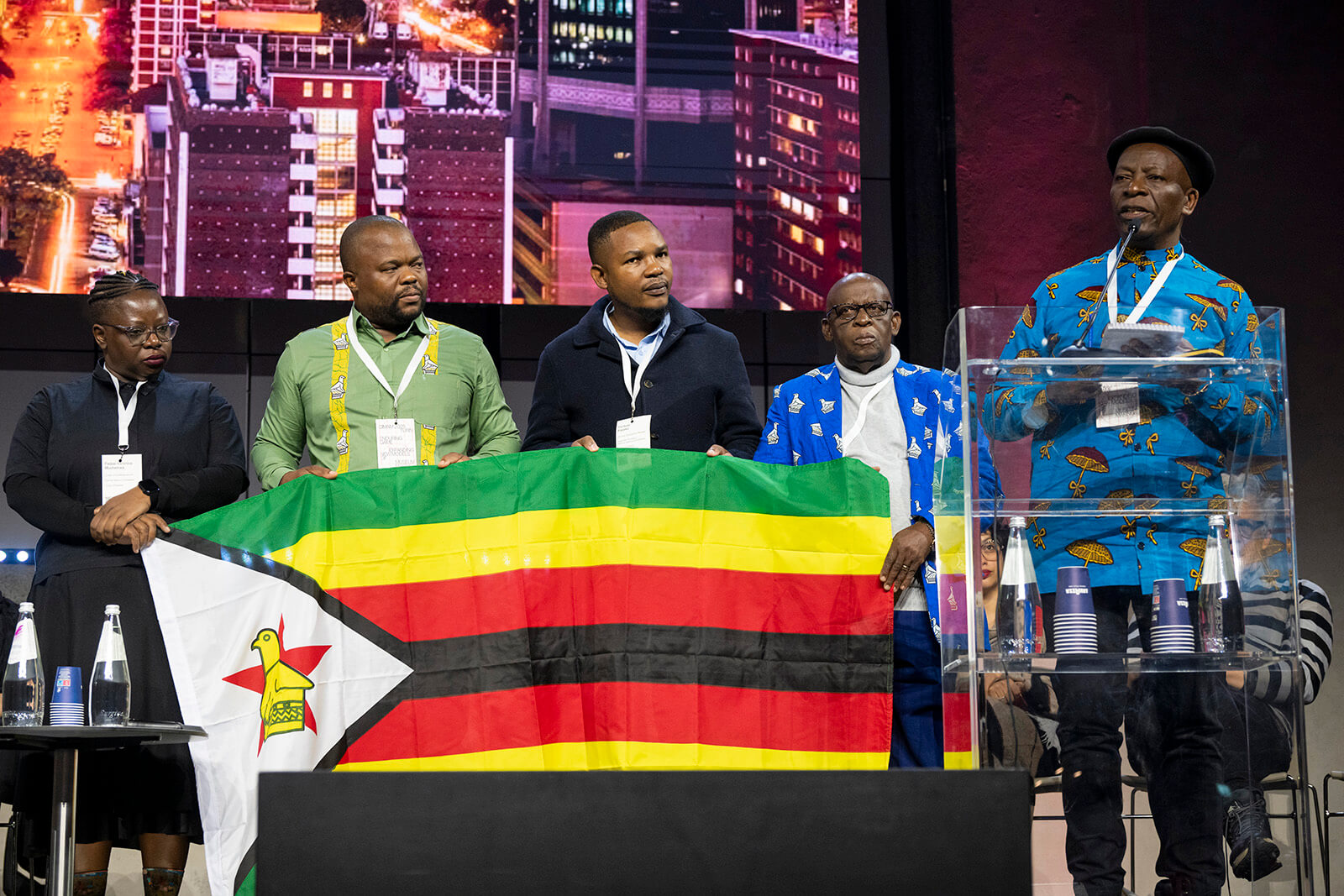
Vandana: What would a genuinely decolonised museum look like in the African context, and how are museums in Africa reshaping global narratives?
Raphael Chikukwa (executive director, National Gallery of Zimbabwe, Harare): The issue of decolonising museums in Africa is a journey, not an event. It will take years and generations to contribute. The struggle for independence was not only about political independence or economic independence, it was also about cultural independence. Since yesterday, our museums are full of colonial narratives and interpretations that do not reflect our people, cultures and languages. Investing in provenance research is more urgent than ever. Repair across cultures should be made a reality; otherwise, we will remain passengers in our own ship.
On the second question, 'how museums in Africa are shaping the global narratives', it is my opinion that the current call for repatriation of stolen archives, human remains and objects is a chorus that has remained in the global news. Given that there are few museums of modern and contemporary art in Africa, those that are there continue to try to push for travelling exhibitions outside the continent; these include museums in Senegal, Ghana, the National Gallery of Zimbabwe, Johannesburg Art Gallery and Zeitz MOCAA.
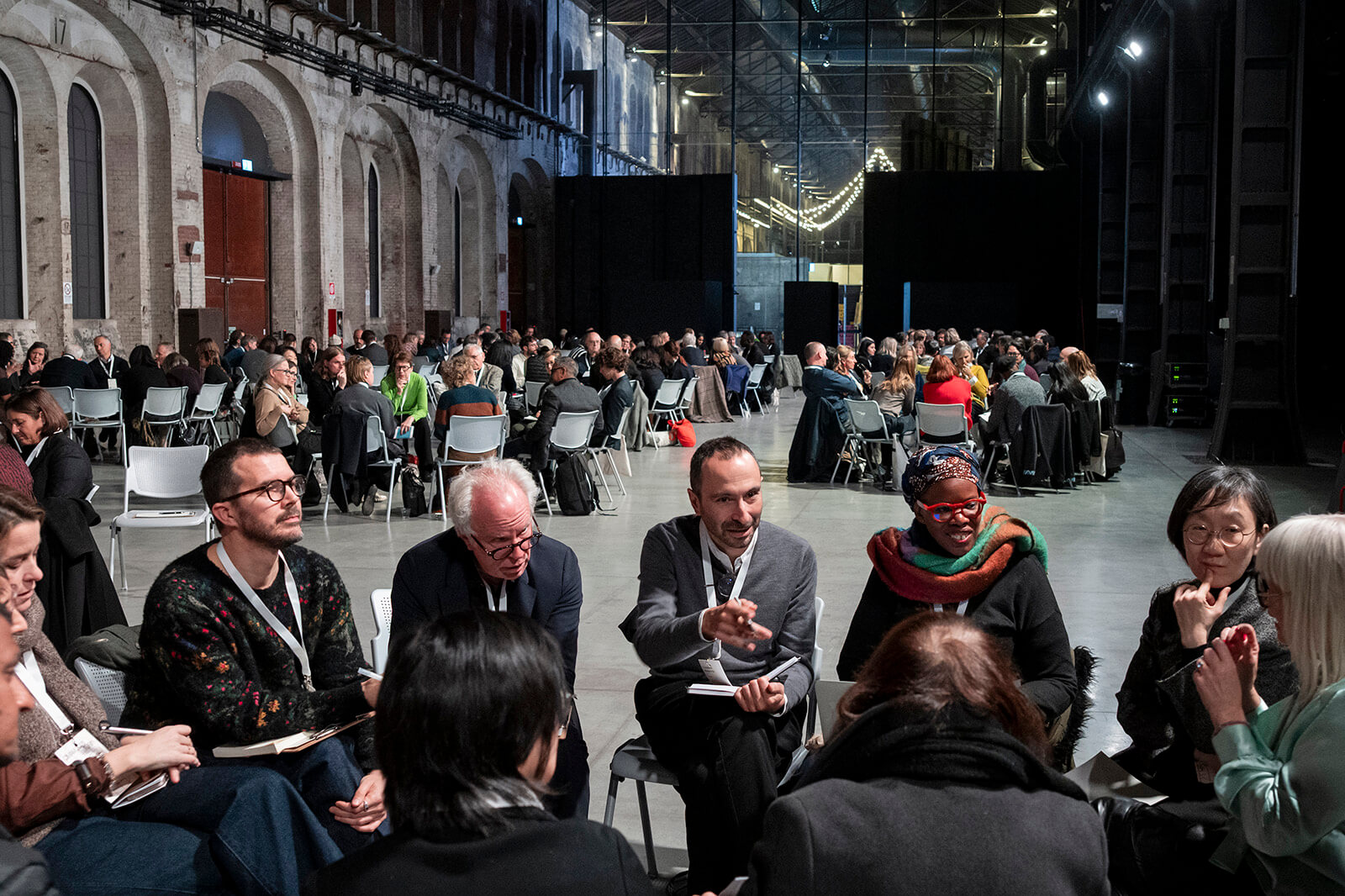
Vandana: With several major museums and cultural institutions now opening in the Gulf, do you see the centre of art activities expanding? Could also talk about the new possibilities and responsibilities that come with this?
Stephanie Rosenthal (director, Guggenheim Abu Dhabi Project, Abu Dhabi, UAE): I think what is interesting is that there isn’t a single centre anymore, but rather the emergence of multiple centres, with different perspectives and different histories becoming more visible and entering into conversation with one another.
For me, Abu Dhabi is a very particular place from which to think about this. It has always been shaped by movement, trade, migration and cultural exchange, and it sits geographically between different worlds. For Guggenheim Abu Dhabi, we have tried to develop a museum that grows out of this specific place while being transcultural in its outlook, reflecting its community. It allowed us from the beginning to look at art history differently: not to replace one canon with another, but to bring multiple histories into dialogue and to make visible connections that have often been overlooked.
It also means that institutions like us can contribute a different perspective to the global conversation rather than simply reproducing existing museum models.
But, of course, with that possibility also comes responsibility. That means we need to listen, research, exchange and build more relationships over time; it also means creating a museum that is a place for different forms of encounters.
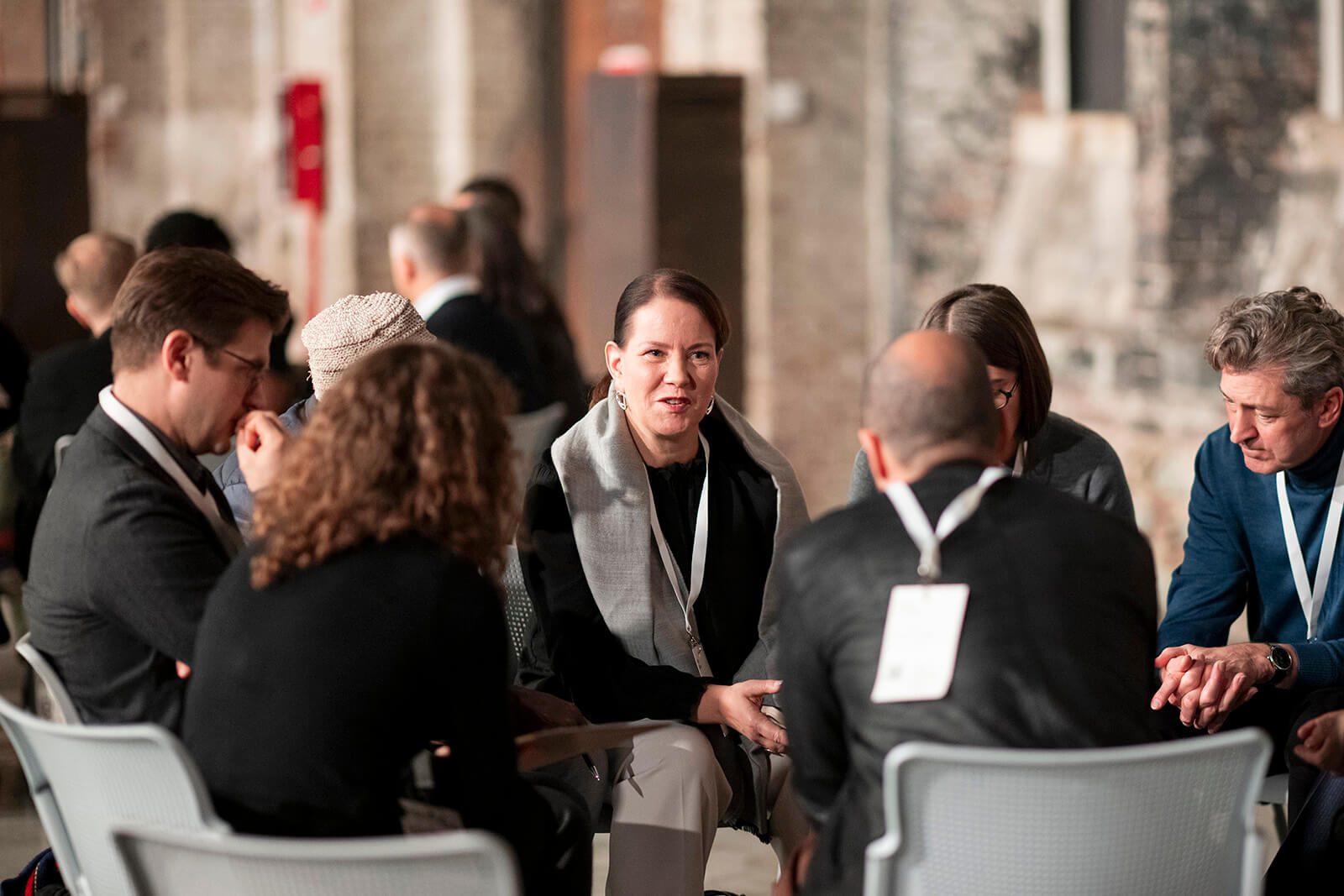
Vandana: Museums are increasingly re-considering histories behind the objects in their collection. How significant is it to acknowledge colonial histories beyond just changing the label? What would fundamental rethinking entail?
Jochen Volz (director, Pinacoteca de São Paulo): Creating visibility does not simply mean exhibiting more objects. Above all, it means building lasting structures of visibility that respect alternative rhythms of production, cultural specificities and different forms of knowledge. It also means ensuring that historically marginalised artists do not appear merely as exceptions, but as a constitutive part of the institutional discourse. Museums have come to be understood as organisms in constant transformation, permeable to the urgencies of the present and to the conflicts of memory that shape our societies.
We recognise that the very idea of cultural heritage must be constantly renegotiated. It is not simply a matter of filling gaps, but, above all, of questioning the criteria that for so long determined what should be preserved, exhibited and researched.
In this process, museums embrace incompleteness as a constitutive condition. Making these layers visible may be one of the most important tasks of cultural institutions today: not to offer stable certainties about the past, but to open possibilities for new interpretations and forms of belonging to emerge continuously. Inclusion also entails—in the context of Brazil, for example—sharing interpretive authority and creating space for indigenous artists and researchers to participate actively in constructing the discourses that permeate the institution.
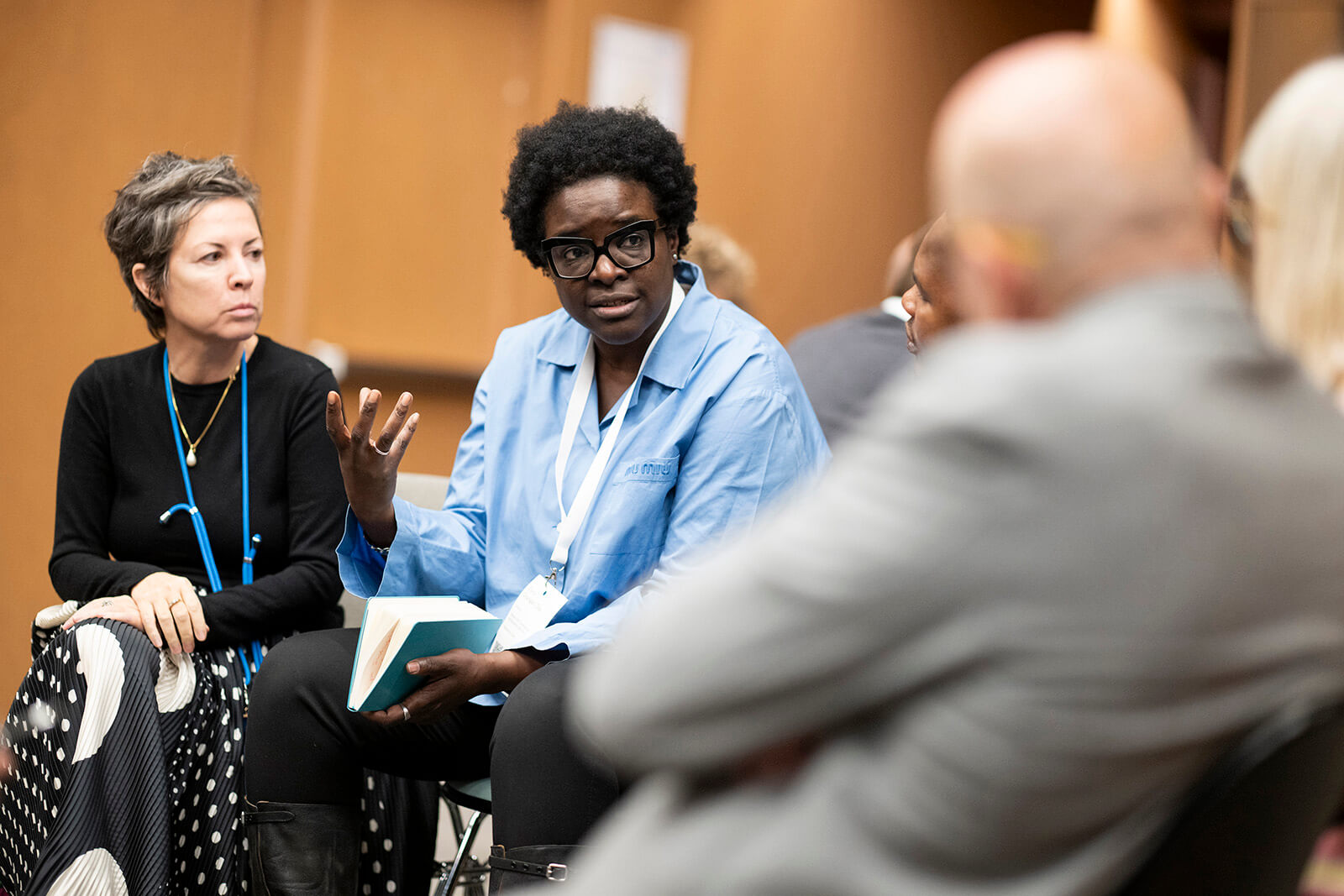
Vandana: You have questioned traditional boundaries between art, nature, gender, technology and knowledge. What kind of changes are required at an institutional level to blur the compartmentalisation?
Chus Martínez (head, Institute Art Gender Nature, Basel, Switzerland): The effort museums and institutions are making in programming is incredible. At this point, we need to lobby for resources for mediation: citizens’ conversations starting in museums and moving into neighbourhoods and public art schools, creating trust in art as an alternative to the rising presence of AI in society. Art is science, but art and science in the presence of people. Art and exhibitions have much to offer in times of digital speed and supremacist narratives flooding society with negative feelings. Soon, we will see how much we need qualitative spaces of presence to ponder the processes surrounding and controlling our sense of life. This requires two difficult things: political comprehension of the problem and measures to counteract techno-anarcho-capitalism; and a plan to activate the social body towards values that create social possibility and educational access. This is difficult when political classes are at their lowest point of social commitment and resources are wrongly allocated to national defence and techno-greed interests.
Vandana: The idea of repair can mean very different things across cultures and contexts. As a space for repair, what are the possibilities and limitations for a museum?
Elvira Dyangani Ose (artistic director, Zeitz Museum of Contemporary Art Africa): Repair is never a neutral word. It carries the weight of both: whoever is doing the mending and the reality of the object, the community or the history it belonged to. That is why I find the definition of ‘repair’ by Anawana Haloba, one of our panellists at this year's CIMAM Annual Conference and the founder of LoCA, the Livingstone Office for Contemporary Art in Zambia, so clarifying. In her recent doctoral monograph, she splits the word in two: (Re)Pair. The ‘re’ stands for care, which she calls ‘the first act of responsibility’, because we repair only what we care for. The ‘pair’ means bringing together what dominant structures of knowledge have kept apart: for instance, orality and the archive, African operatic traditions and the Western canon and elders and younger artists.
This is where the museum's possibilities and limits sit. The museum should be a place where such pairing happens. It can gather knowledge that was never allowed to sit side by side. However, the museum is also part of the damage. Its collections, classifications and ways of speaking were shaped by the very histories that now ask to be repaired. So its first limitation is that it cannot repair from a position of innocence, and it cannot claim to heal on behalf of others.
The 58th CIMAM Annual Conference will take place from November 20 – 22, 2026, in Harare, Zimbabwe.
by Mirra Lynn Nov 10, 2026
The Chilean artist’s first major UK show traces six decades of work shaped by exile, ecology and Indigenous cosmologies.
by Srishti Ojha Nov 05, 2026
In conversation with STIR, the Bhutanese artist speaks about her continuing evolution and experimentation following her win of the 2026 Rubin Art Prize.
by Samar Jodha Nov 04, 2026
The exhibition in Delhi explores how colonial records and land classifications have shaped our understanding of shared resources and the communities that depend on them.
by Mrinmayee Bhoot Nov 03, 2026
The Pakistani-American artist’s first solo show in Europe brings together paintings that explore queer and immigrant lives, human connection and the complexities of cultural belonging.

make your fridays matter with a well-read weekend
Enter your details to sign in
Don’t have an account?
Sign upOr you can sign in with
a single account for all
STIR platforms
All your bookmarks will be available across all your devices.
Stay STIRred
Already have an account?
Sign inOr you can sign up with
Verification link sent to check your inbox or spam folder to complete sign up process
Tap on things that interests you.
Select the Conversation Category you would like to watch
Please enter your details and click submit.
Enter the 6-digit code sent at


Ahead of CIMAM 2026, global museum leaders discuss decolonisation, repair and AI
by Vandana Kalra | Published on : Nov 12, 2026


 Sign in with Google
 Sign in with email
What do you think?