Art08 mins. read
The Gyeonggi Ceramics Biennale 2026 bridges global and local traditions
by Srishti OjhaOct 27, 2026



by Mirra LynnPublished on : Nov 10, 2026
In the book The Precarious: The Art and Poetry of Cecilia Vicuña (1997), American anthropologist Regina Harrison, in conversation with the artist, sets two poems side by side. One is a traditional Quechua verse from the Cuzco region, which reaches us in Mark Strand’s English translation, carried over from the Spanish, as Pastoral:
I wanted a llama
with a golden coat
bright as the sun,
…
unravelled by dawn,
in order to make
a knotted rope
for keeping track
of moons that pass,
of flowers that die.
The other is Vicuña’s own Poncho:
they say wooly animals
are born high in the
mountain springs
water and fiber
are one
…
the poncho
is a book
a woven message
a metaphor
spun
Harrison hears the Andes in both, in the grains of the language as much as in its imagery, though Vicuña wrote her poem in English, a writing process she considered ‘an act of emergency’. Pastoral had farther to travel, from Quechua to Spanish to English, like a scarf unravelled and reknit through generations. What its speaker wants the wool for is a quipu: the Andean cord of knots that keeps knowledge without a page and gives it up only to the hand that knows how to read it.
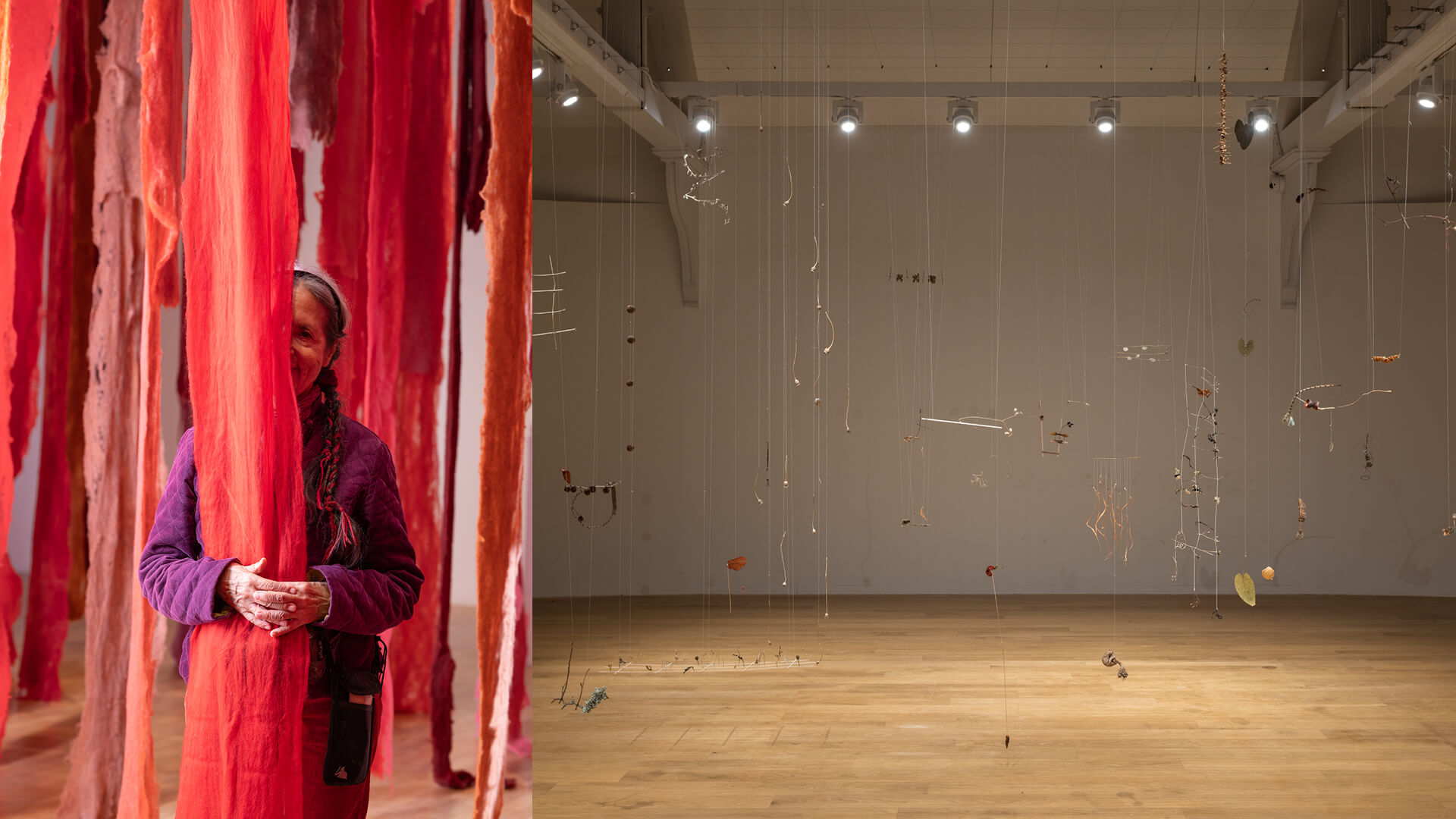
The exhibition Cecilia Vicuña: Living Threads in London is full of such cords. Her first major UK show, at Whitechapel Gallery, on view until February 14, 2027, brings together six decades of installation, video, painting, poetry and activism, curated by Leila Hasham and Carolina Jozami in partnership with the Irish Museum of Modern Art in Dublin. Vicuña’s threads, as the exhibition’s description says, let us see the unseen, and the first thing the show invites us to encounter is Menstrual Quipu, which started on a mountain. In January 2006, she climbed El Plomo in Chile and spread strands of wool across its slope: a menstrual quipu, simultaneously an offering, indictment and plea. Chile’s glaciers were being carved away by privatisation, their meltwater priced and parcelled out. Vicuña addressed the gesture to then-President Michelle Bachelet, urging her government to protect them and reconsider the law that had made the sale possible. The plea went unanswered. Vicuña then carried the quipu to Santiago in 2006 and laid it at the entrance of the Presidential Palace. As Jozami tells STIR, the work brings together “the symbolism of menstrual blood, the sacredness of water and the vulnerability of the natural world”.
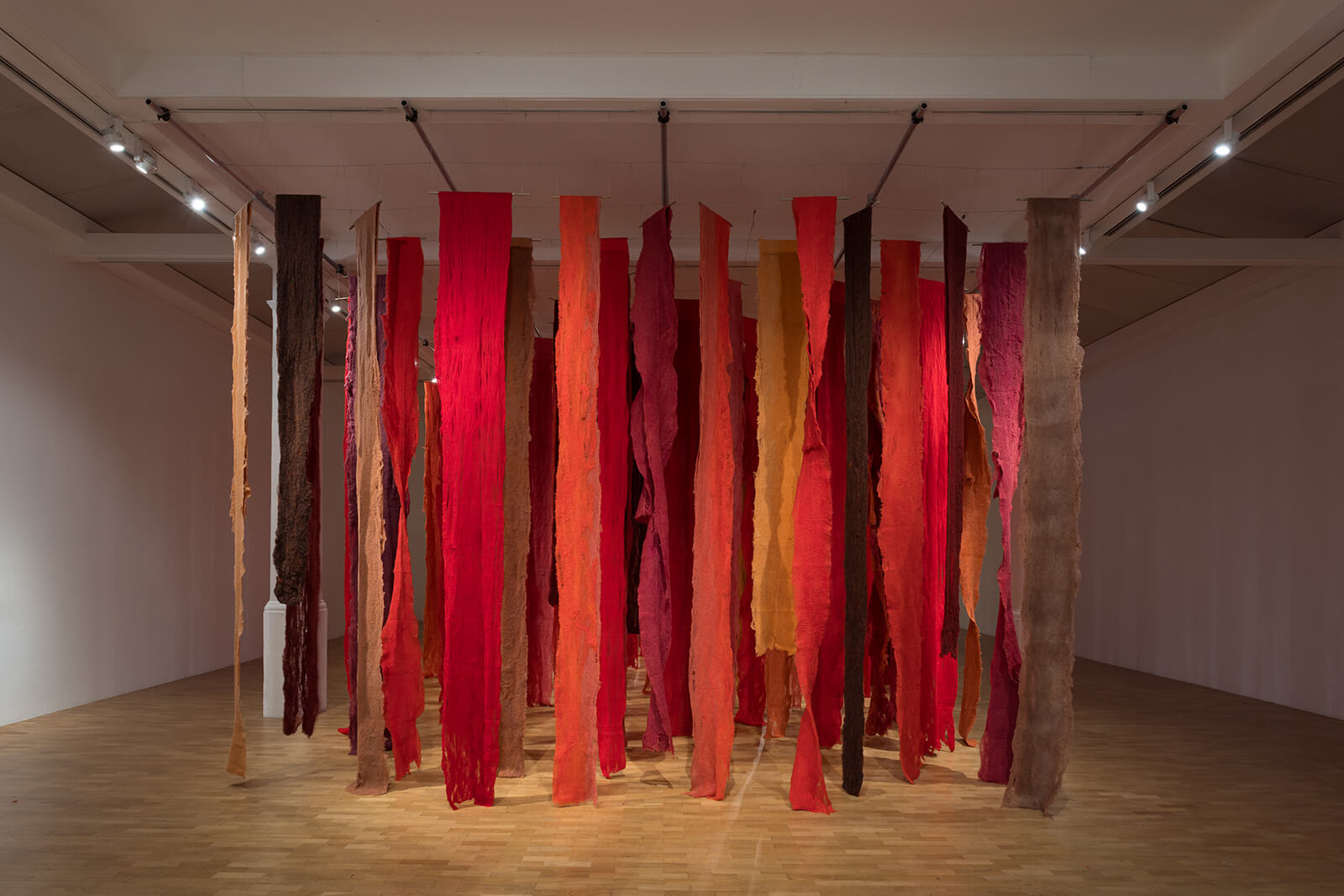
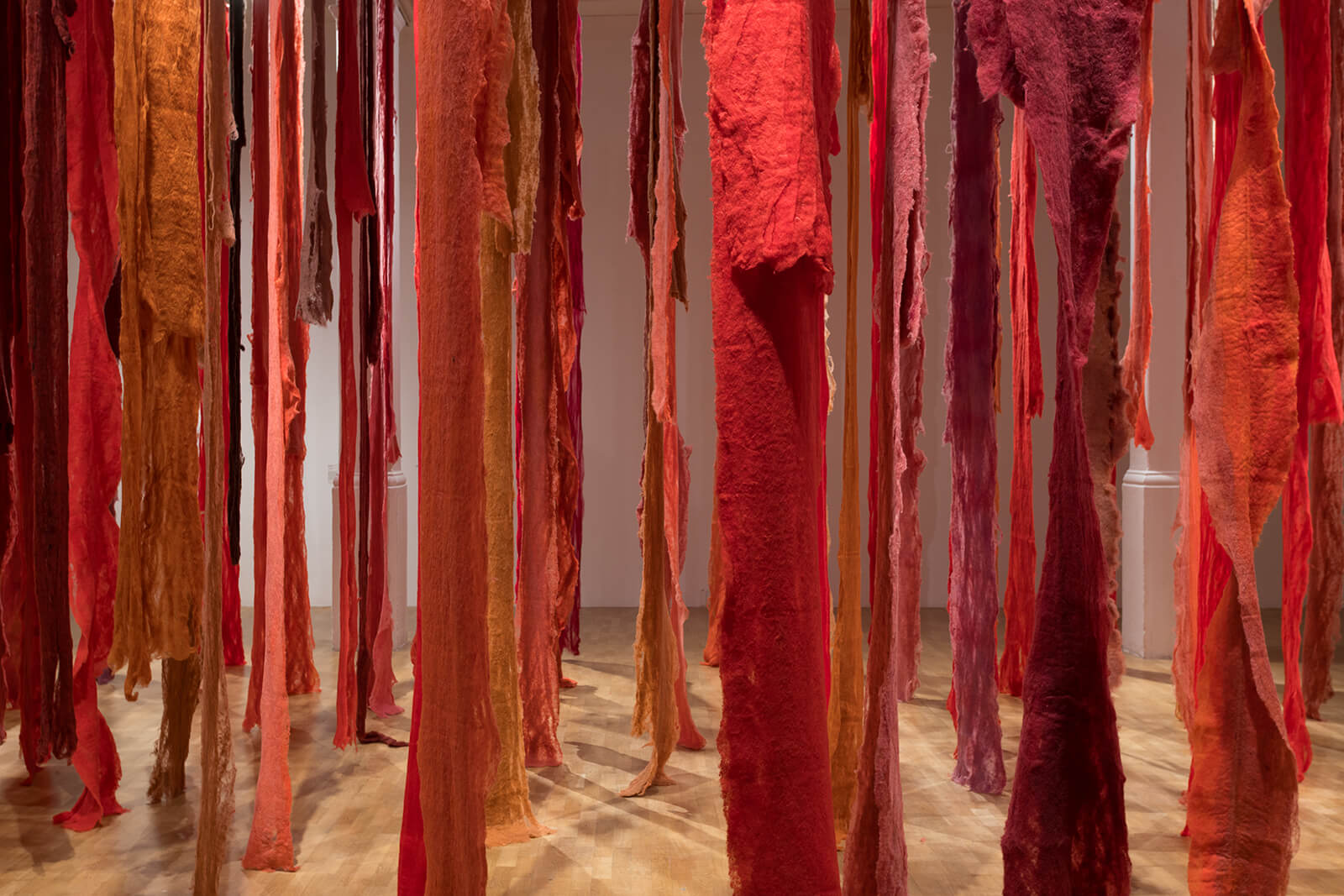
Vicuña knows how old the gesture of spinning is. In a conversation with writer and critic David Levi Strauss recorded in his book From Head to Hand: Art and the Manual (2010), from when she had asked him to join her as she installed her cloud-net, an open net assembled from unspun white fleece, she imagines its origin: long ago, someone, probably a woman, came across wool a llama, a vicuña or an alpaca had left behind on a shrub or a rock, pulled it free, and twisted it between thumb and forefinger. That, she says, was the beginning of making the world. Wool curls into a spiral when caught by the wind; whatever is held between two rubbing fingers turns to the right or to the left. Everything around us carries this spinning energy, she suggests, tracing it back to the first expansion of the universe, when space itself began to stretch outwards. We have been spinning ever since.
From her earliest work, Jozami tells STIR, Vicuña has understood the destruction of nature and the erasure of Indigenous communities as deeply interconnected forms of violence. In Liderezas (2022), the argument takes on faces. Five women who stood between their territories and those who encroached on them are painted together: Berta Cáceres, the Honduran activist who was murdered in 2016 after opposing the dams on a Gualcarque River, considered sacred by the Indigenous Lenca people; María Taant, a Shuar leader who resisted mining in the Amazon and died after being struck by a vehicle; Máxima Acuña, the Peruvian farmer who has refused to yield her land to a mining project; Elisa Loncón, the Mapuche linguist who presided over Chile’s Constitutional Convention in 2021; Nemonte Nenquimo, the Waorani leader from Ecuador whose campaign helped protect almost 500,000 acres of the Amazon rainforest and Indigenous land from Big Oil. It is a tribute and a eulogy: a celebration of their resistance but also a mourning of the disproportionate violence faced by Indigenous women who defend their ancestral lands. Their portraits make clear that the struggle to protect the natural world cannot be separated from the struggle to protect the people, cultures and knowledge systems that have sustained it for generations.
The exhibition’s narrative begins in London. Vicuña had been making art since the mid-1960s and had shown twice at the Museo Nacional de Bellas Artes in Santiago before arriving at the Slade in 1972, and her earlier work is held in the gallery as part of her archive. But she and the curators agreed that the narrative should begin where dictatorship and displacement physically ended her life in Chile and made London the place where she had to start over. In September 1973, the coup in Chile closed the road home for Vicuña, and London became both exile and workshop at once. She called for solidarity with the Chilean people, and in 1974 that found expression in the collective Artists for Democracy, founded with Guy Brett and David Medalla. Art, Jozami tells STIR, became for her “a means of mobilising solidarity and bringing political struggles into the public sphere”.
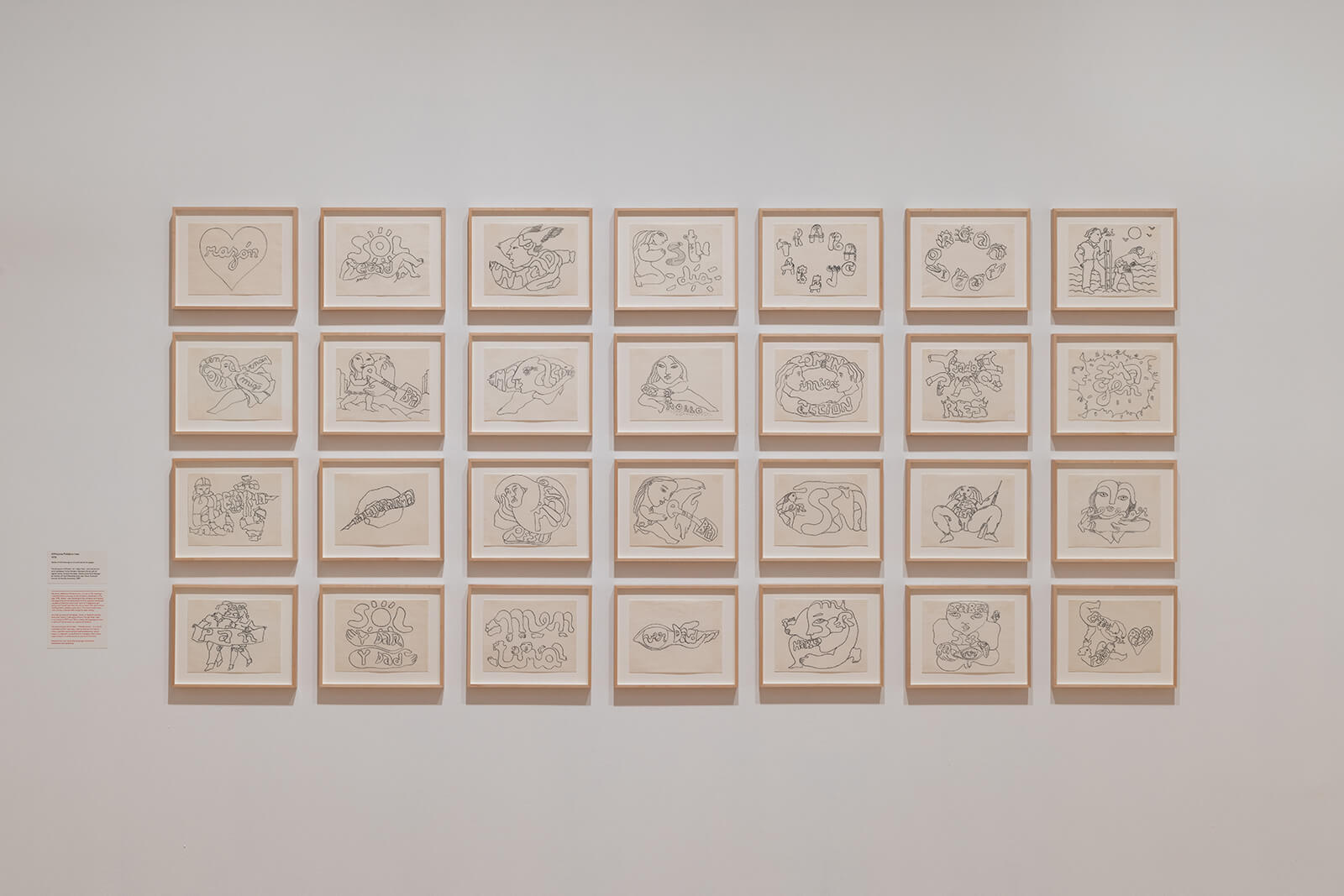
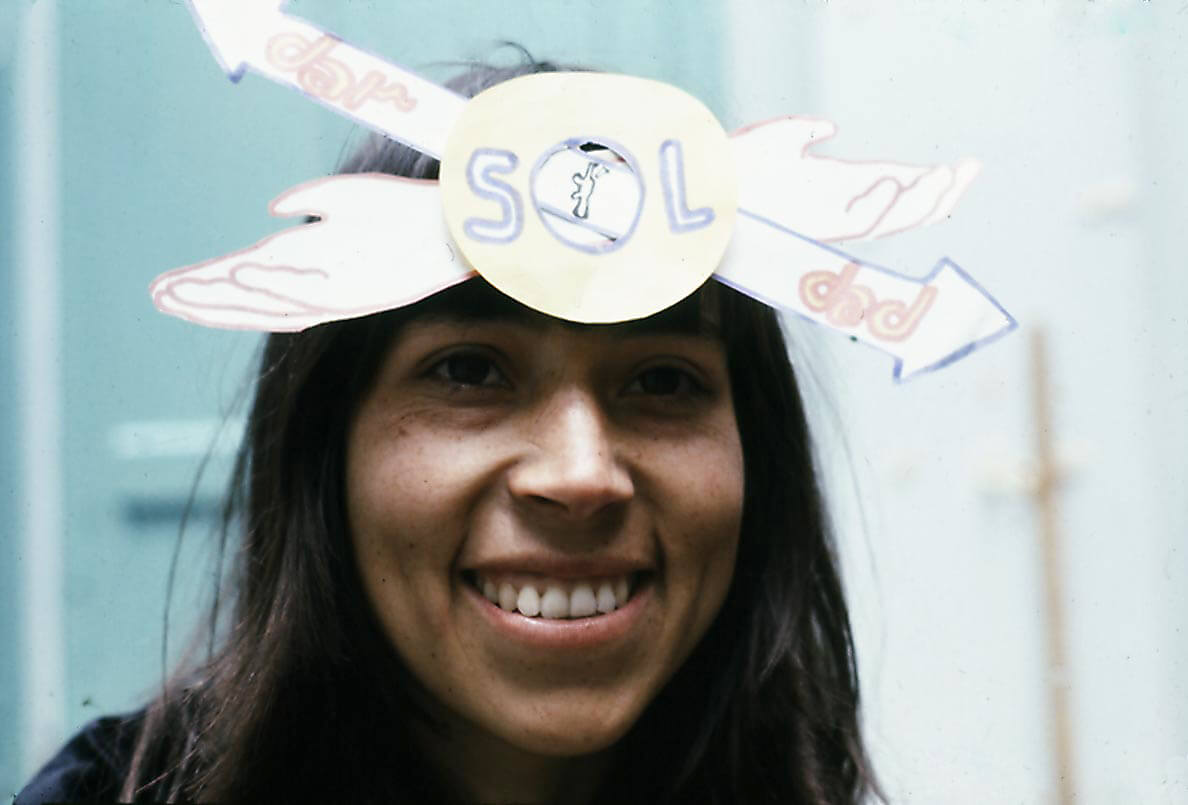
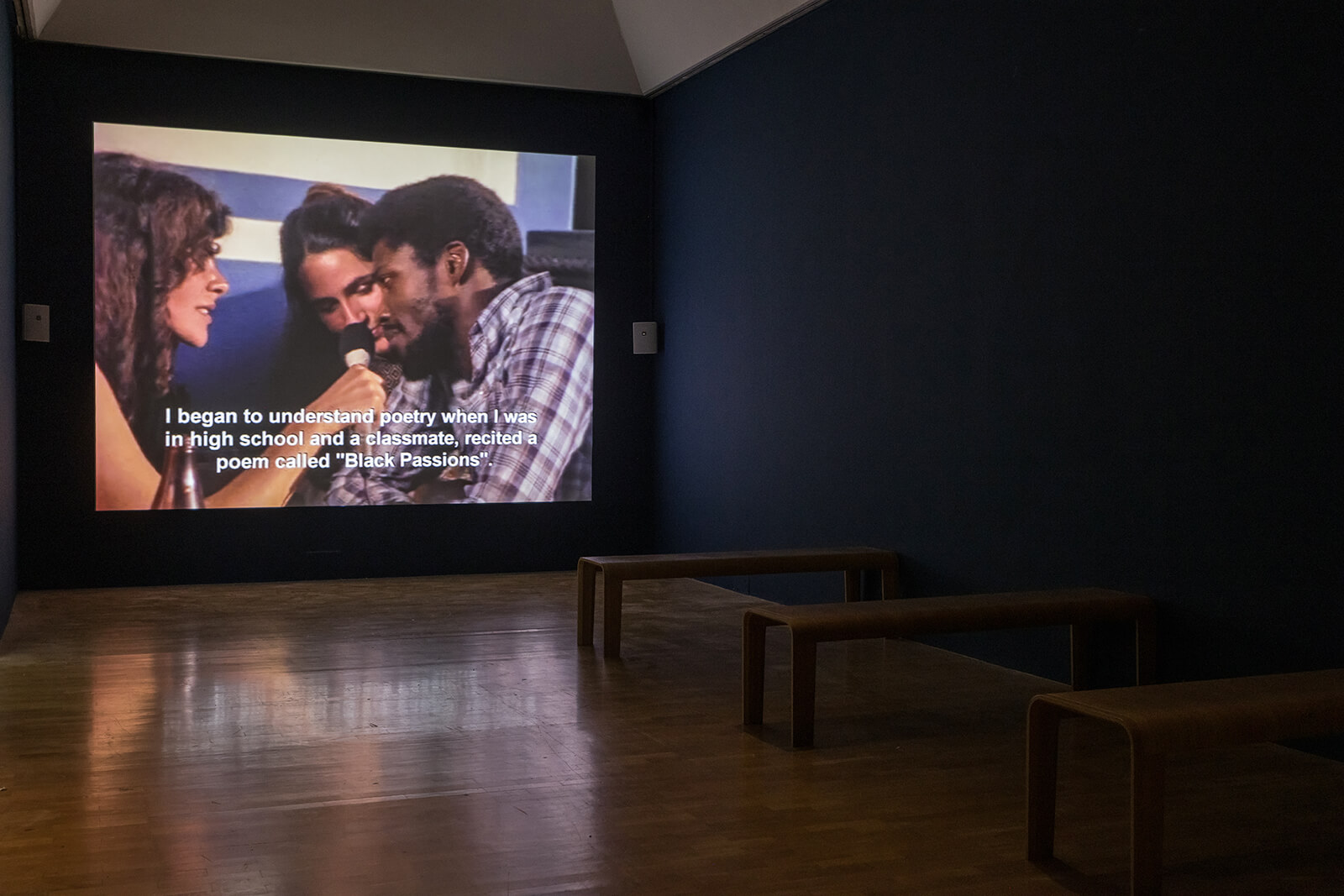
What London did not help Vicuña keep, it lost. The paintings she made here disappeared, scattered by displacement and her lack of means to preserve them, a fragility that followed her into exile in Bogotá. Painting itself grew painful for Vicuña, as Jozami states, and from around 1978 until 2012 she did not make any. When she returned to London, she traced her steps backwards and began with what had gone missing. Working from photographs, archives and her own memory, she recreated the missing works, starting with Los ojos de Allende, now shown within La Ruca beside a film of its making.
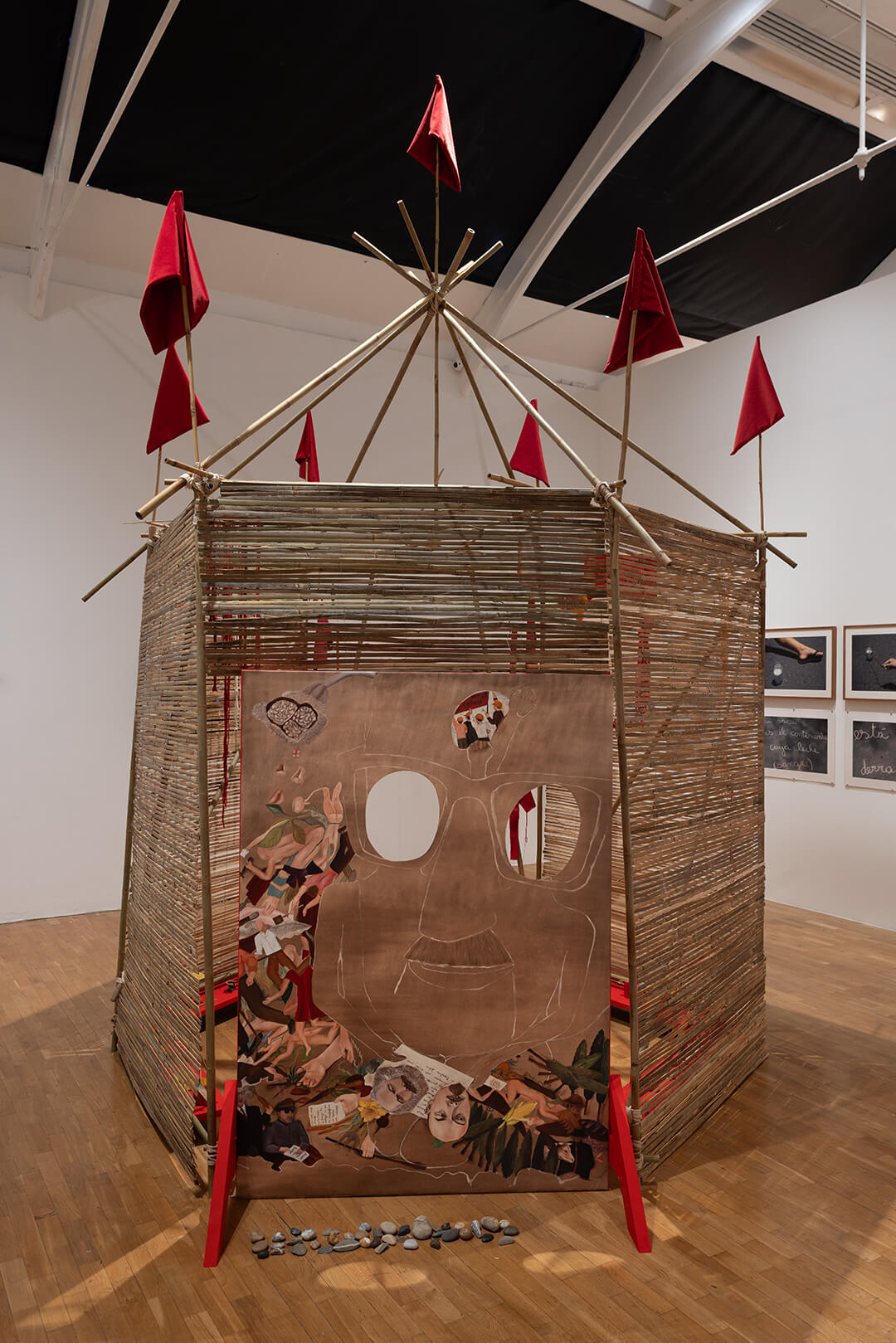
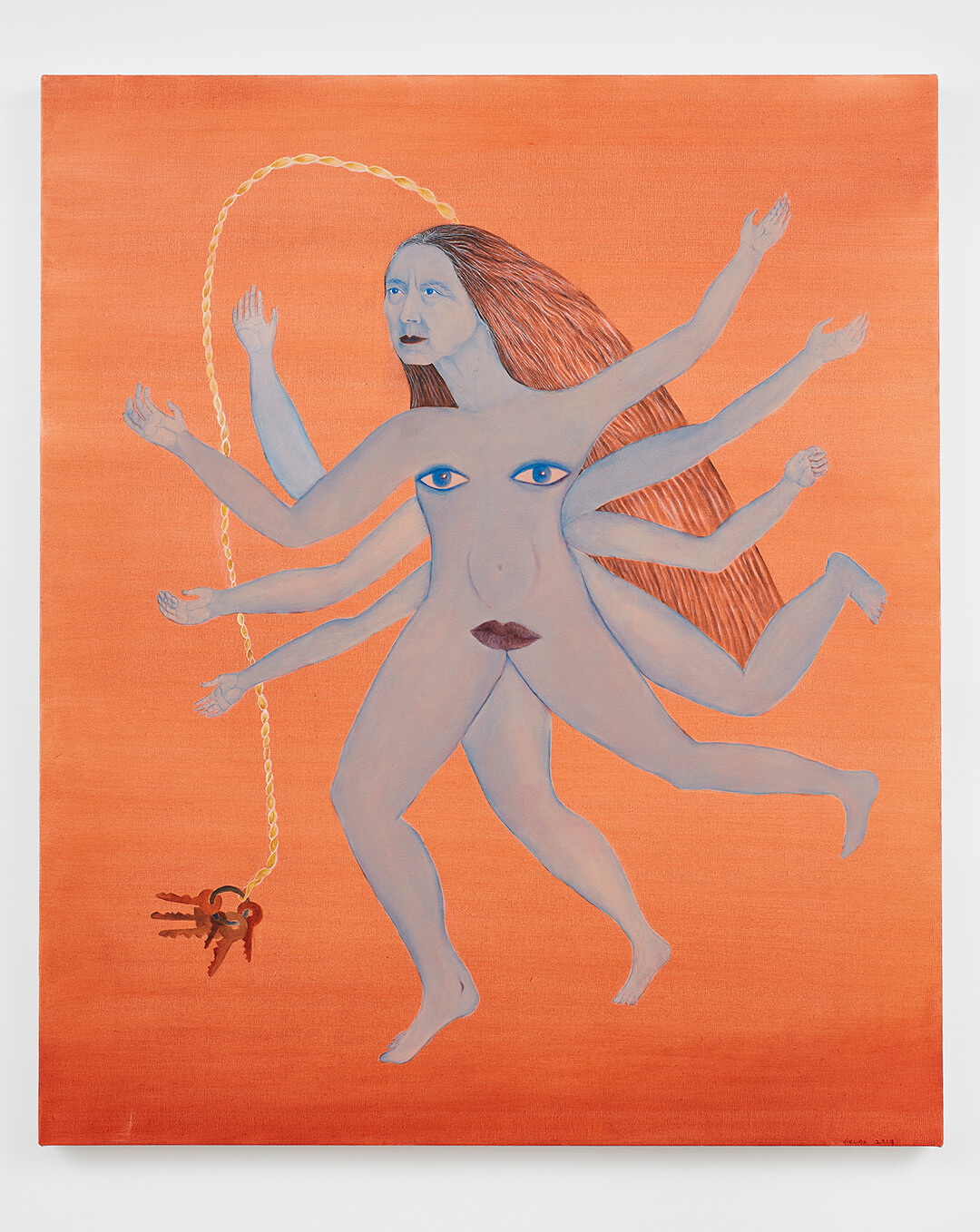
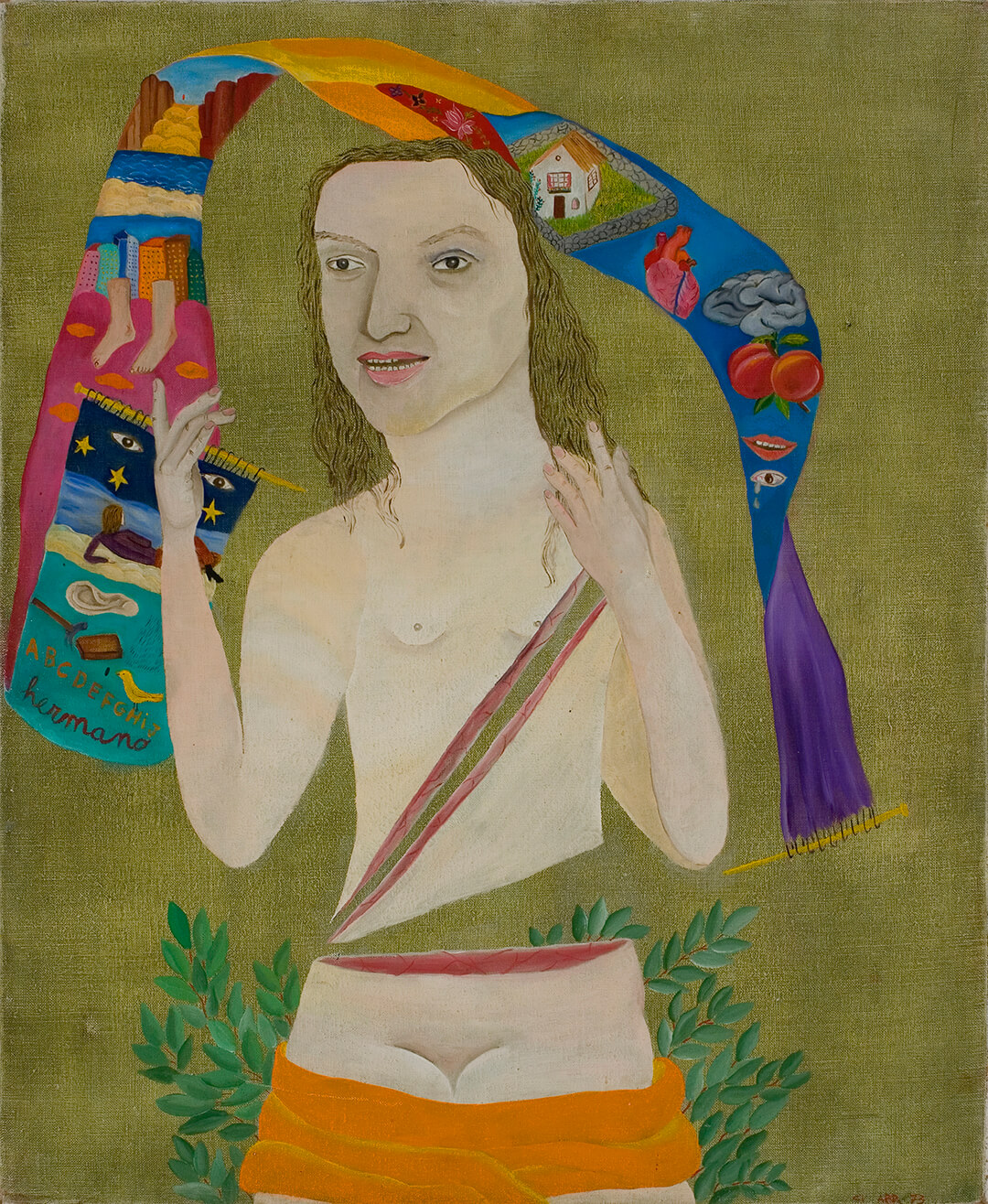
Jozami tells STIR that what is most interesting about the recreated paintings is that they are not exact replicas of their lost originals: time has altered both the works and the painter. Repainting is “an act of remembering, but also of reclaiming”, she says. Hung beside the works that survived, the recreated paintings leave a question in the air: how many different forms of memory can an artwork hold? They also gather what the curators call precariousness, the strand that runs from Vicuña’s first scraps and her basuritas, her ‘little bits of rubbish’, to the fragility of every made thing. The metaphor that Poncho calls spun is unspun in these rooms by exile and loss, and spun again from what remains, carrying the lesson of Pastoral over another border, that nothing crosses unchanged.
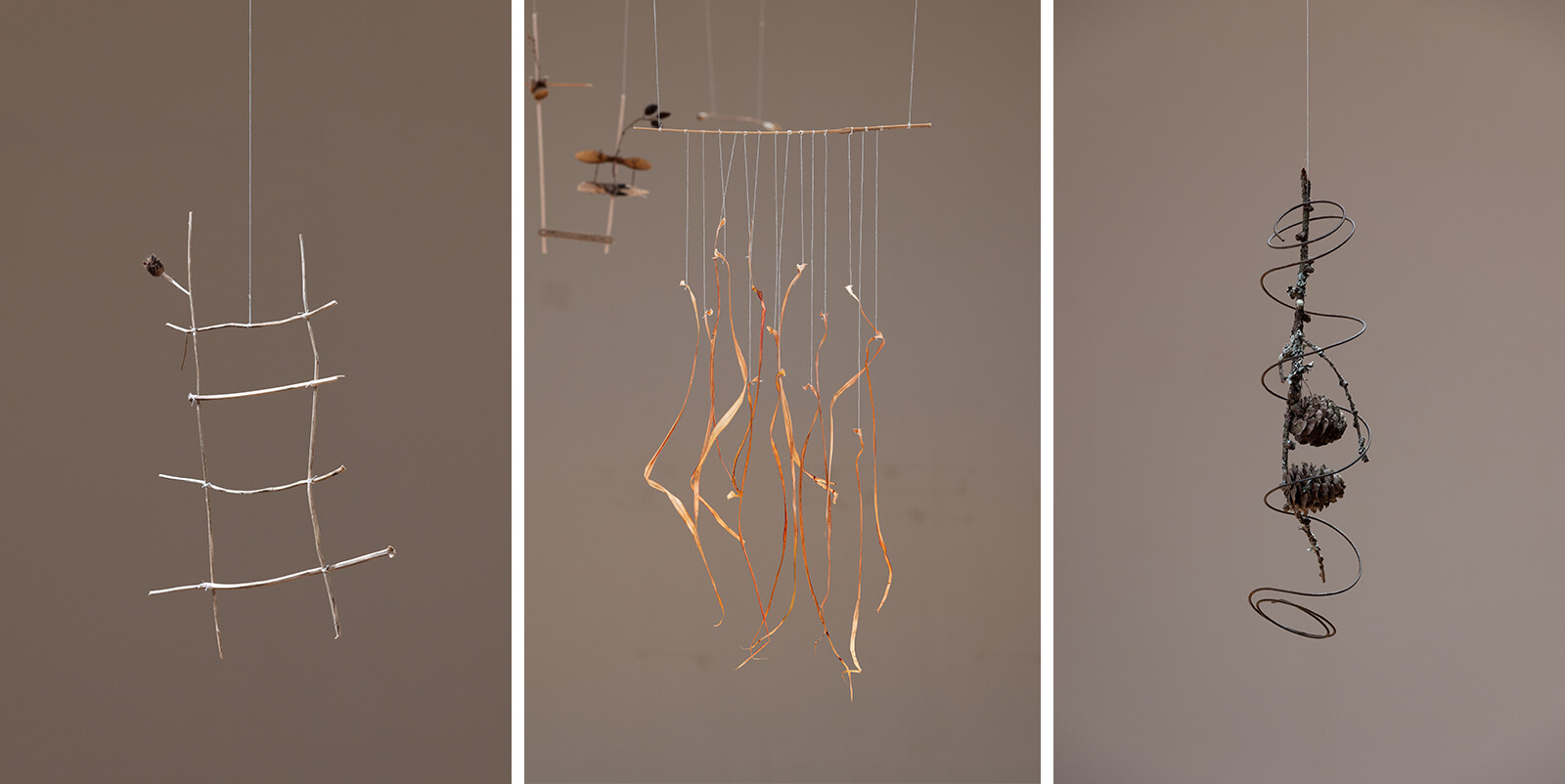
Foraging Quipu is the closing work of the exhibition. Made from materials gathered by members of the local community—plant matter, seeds, twigs and fungi—suspended in a web-like constellation. Extending the quipu beyond its historical associations with Andean systems of recording and communication, Vicuña imagines it as a collective form of inscription that reflects harmony with nature.
The speaker in Pastoral wanted a rope to keep the moons that pass and the flowers that die. Six decades of Vicuña’s work have made it, knotted with a glacier, a coup, five indomitable women and paintings that returned to their creator. It is still being spun, waiting for someone who can read it.
‘Cecilia Vicuña: Living Threads’ is on view from October 7, 2026 – February 14, 2027, at the Whitechapel Gallery, London.
by Srishti Ojha Nov 05, 2026
In conversation with STIR, the Bhutanese artist speaks about her continuing evolution and experimentation following her win of the 2026 Rubin Art Prize.
by Samar Jodha Nov 04, 2026
The exhibition in Delhi explores how colonial records and land classifications have shaped our understanding of shared resources and the communities that depend on them.
by Mrinmayee Bhoot Nov 03, 2026
The Pakistani-American artist’s first solo show in Europe brings together paintings that explore queer and immigrant lives, human connection and the complexities of cultural belonging.
by Srishti Ojha Oct 27, 2026
The 13th Gyeonggi Ceramics Biennale in South Korea showcases global ceramics, from ancient traditions to contemporary experimentation

make your fridays matter with a well-read weekend
Enter your details to sign in
Don’t have an account?
Sign upOr you can sign in with
a single account for all
STIR platforms
All your bookmarks will be available across all your devices.
Stay STIRred
Already have an account?
Sign inOr you can sign up with
Verification link sent to check your inbox or spam folder to complete sign up process
Tap on things that interests you.
Select the Conversation Category you would like to watch
Please enter your details and click submit.
Enter the 6-digit code sent at


Cecilia Vicuña: Living Threads unravels histories of art, activism and poetry
by Mirra Lynn | Published on : Nov 10, 2026


 Sign in with Google
 Sign in with email
What do you think?