Art10 mins. read
Performance and lived reality animate Abhishek Khedekar’s Tamasha at NCPA
by Srishti OjhaJun 15, 2026



by Mrinmayee BhootPublished on : Dec 09, 2025
A photograph by American artist Diane Arbus is like no other. Interested in those who “go through life dreading they’ll have a traumatic experience”—the freaks—Arbus’ mechanical eye depicts them plainly. The subjects look straight at you, demanding a visibility they have often otherwise been denied. Often, they are captured in her widely recognised photographs in public spaces, as they wish to be seen. If one is interested in the postwar history of the United States, one is familiar with her photography. Arbus manages to capture the breadth of American social life. Along with the likes of Lee Friedlander and Garry Winogrand, she occupies part of a documentary canon who, according to the MoMA’s Department of Photography 1967 exhibition New Documents, were: “A new generation of photographers [who] has redirected the documentary approach toward more personal ends…. Their work betrays a sympathy—almost an affection—for the imperfections and frailties of society. They like the real world, in spite of its terrors, as the source of all wonder and fascination and value.”
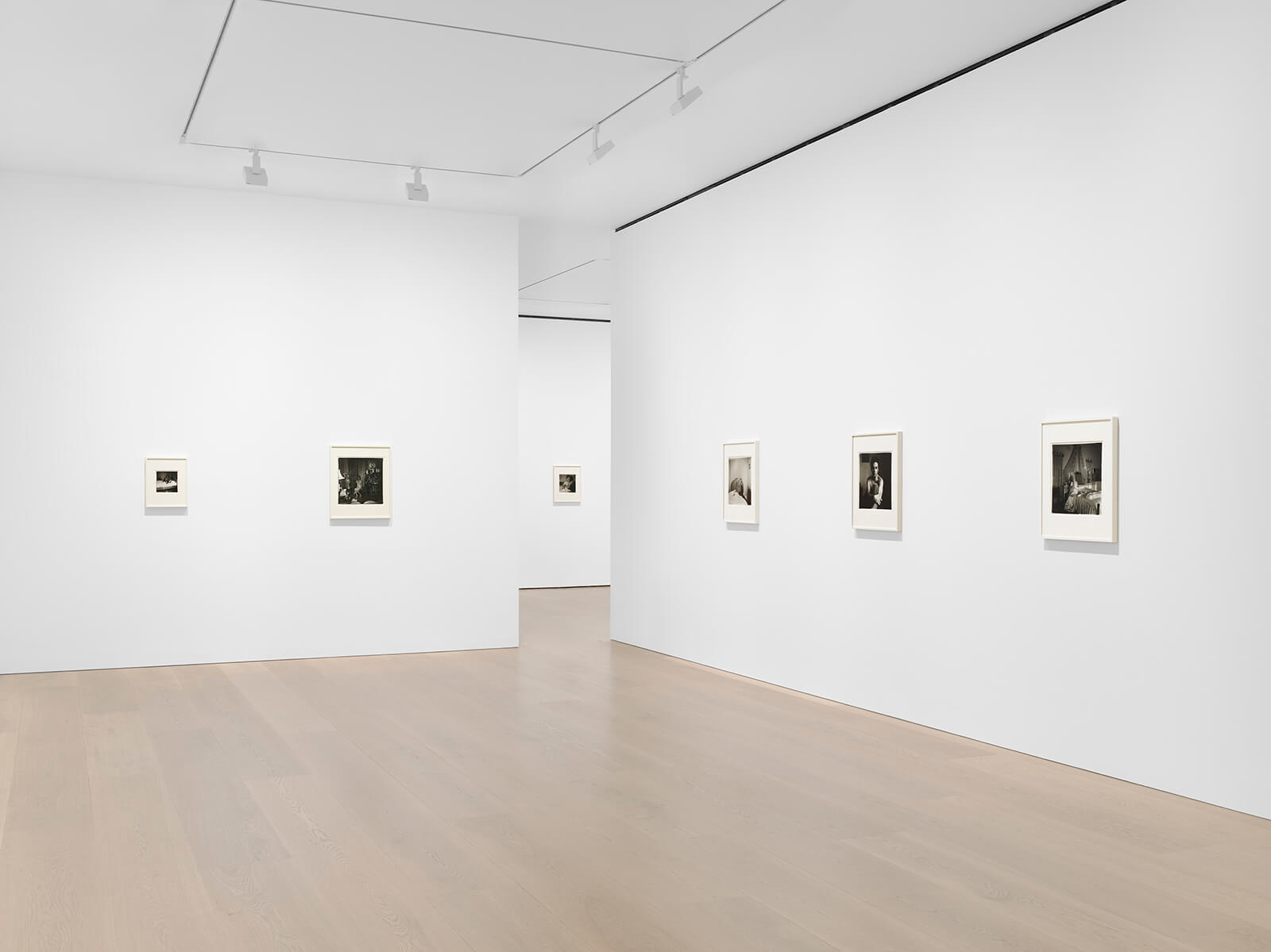
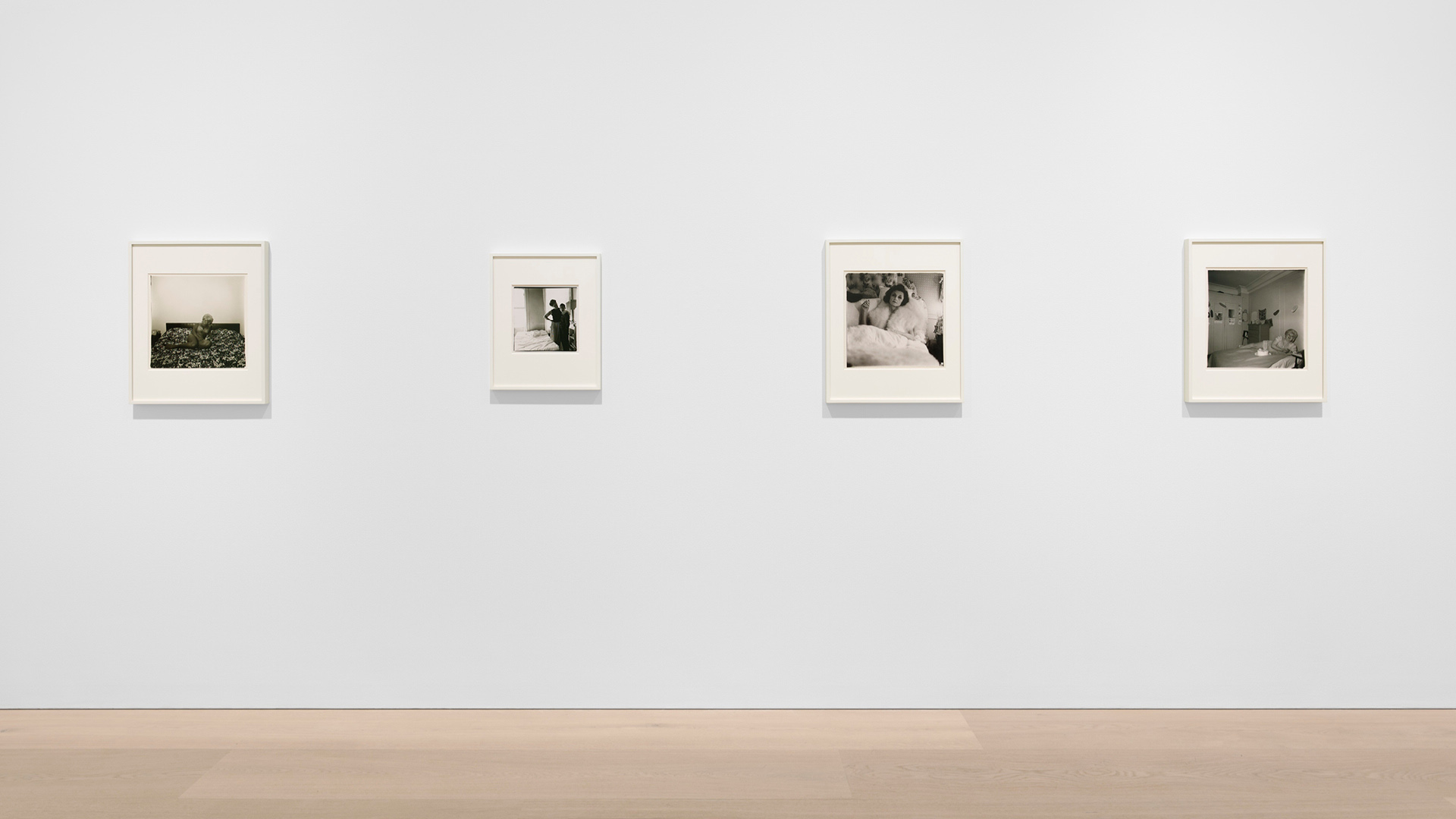
This legacy continues to influence contemporary artists like Nan Goldin, Judith Joy Ross and Deana Lawson. So, to mount an exhibition of Arbus’ work today requires a certain new perspective, as demonstrated by Sanctum Sanctorum at the David Zwirner gallery, in London. Presenting 45 works she created between 1961 and 1971, the showcase brings together little-known images from the last years of her life, underscoring that sense of intimacy Arbus often mined with her photographs. As James Green, senior director and head of the gallery, notes in conversation with STIR, “The unusually specific focus of this Diane Arbus exhibition—rare in the seven decades of her photographs being exhibited—has allowed us to bring together 45 prints that most clearly demonstrate Arbus’ ability to photograph the true selves of her sitters. Whether she was sent on assignment, invited into someone’s home, or simply invited herself in, Arbus—often after a number of steps to gain access—managed to capture people within their most private spaces. Seen through this lens, her 15-year oeuvre reveals some of her most iconic images.”

In tracing these images captured by Arbus in the 60s, the attempt was also to demonstrate her transition from using 35mm film in the late 1950s to using 2¼-inch film in her now-iconic square format. “With the latter, Arbus held the camera at waist height, altering the angle of the shot and enabling direct eye contact with the subject,” Green notes, “That shift, I believe, adds an intensity to the interactions recorded in these photographs.” The direct eye contact, a kind of breach between the frame and the viewer, is able to engender an intimacy that is perhaps intended with exhibiting works where Arbus photographs her sitters in their inner sanctums, their most private selves on display for the camera.
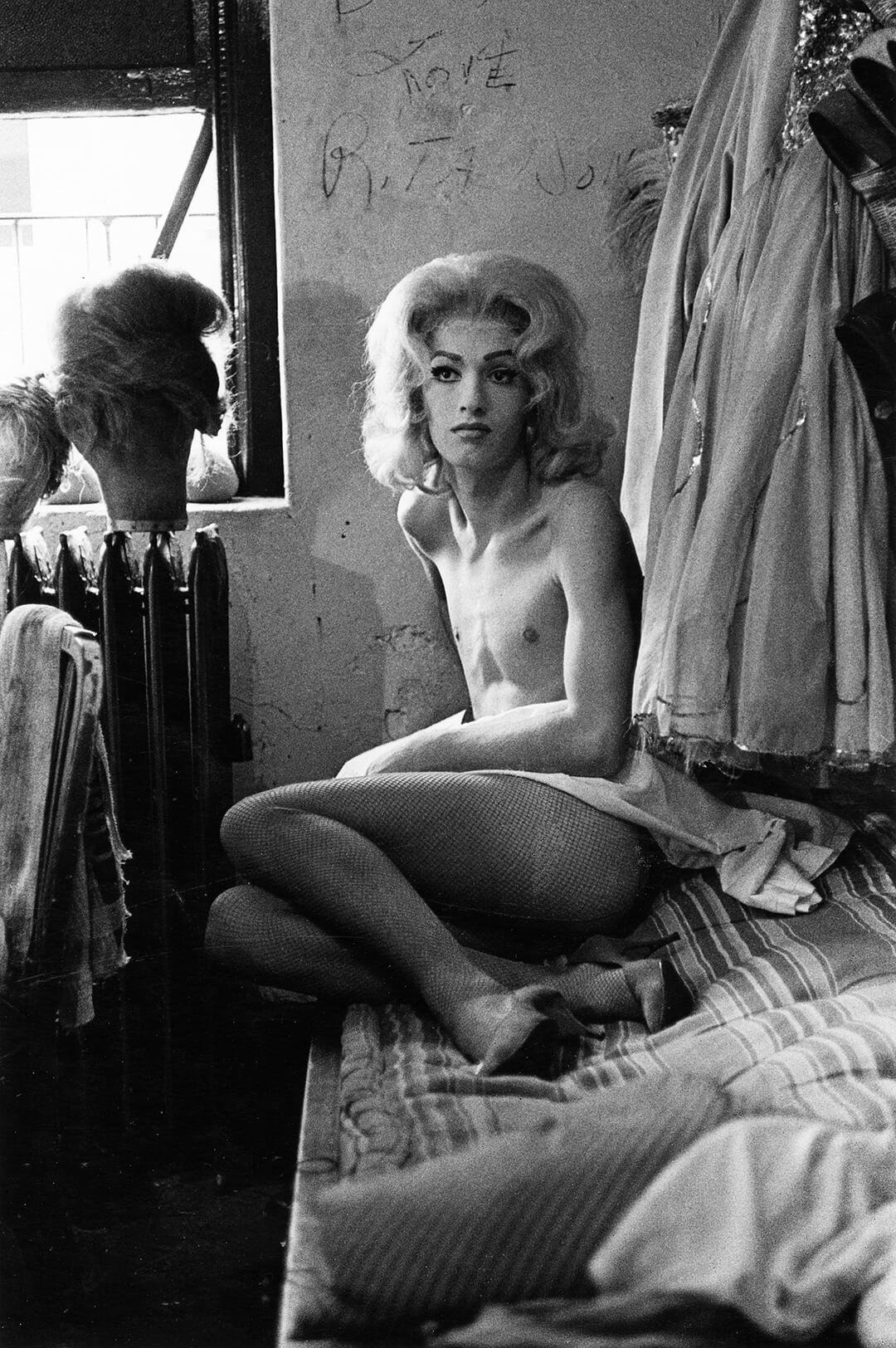
Are we to look at these images with pathos, or resonate with the defiance that they bring forth? It’s perhaps entirely up to your own perception. The most arresting works are exactly those where subjects look directly at you. There’s one of a woman clad in furs, lounging on the bed; one of a trans woman—looking slightly irritated—sitting at the edge of one with a birthday cake. There’s an image of a man in nothing but his undergarments lounging on a leather sofa, and others who are clad in business suits as they look away, speaking to someone else.
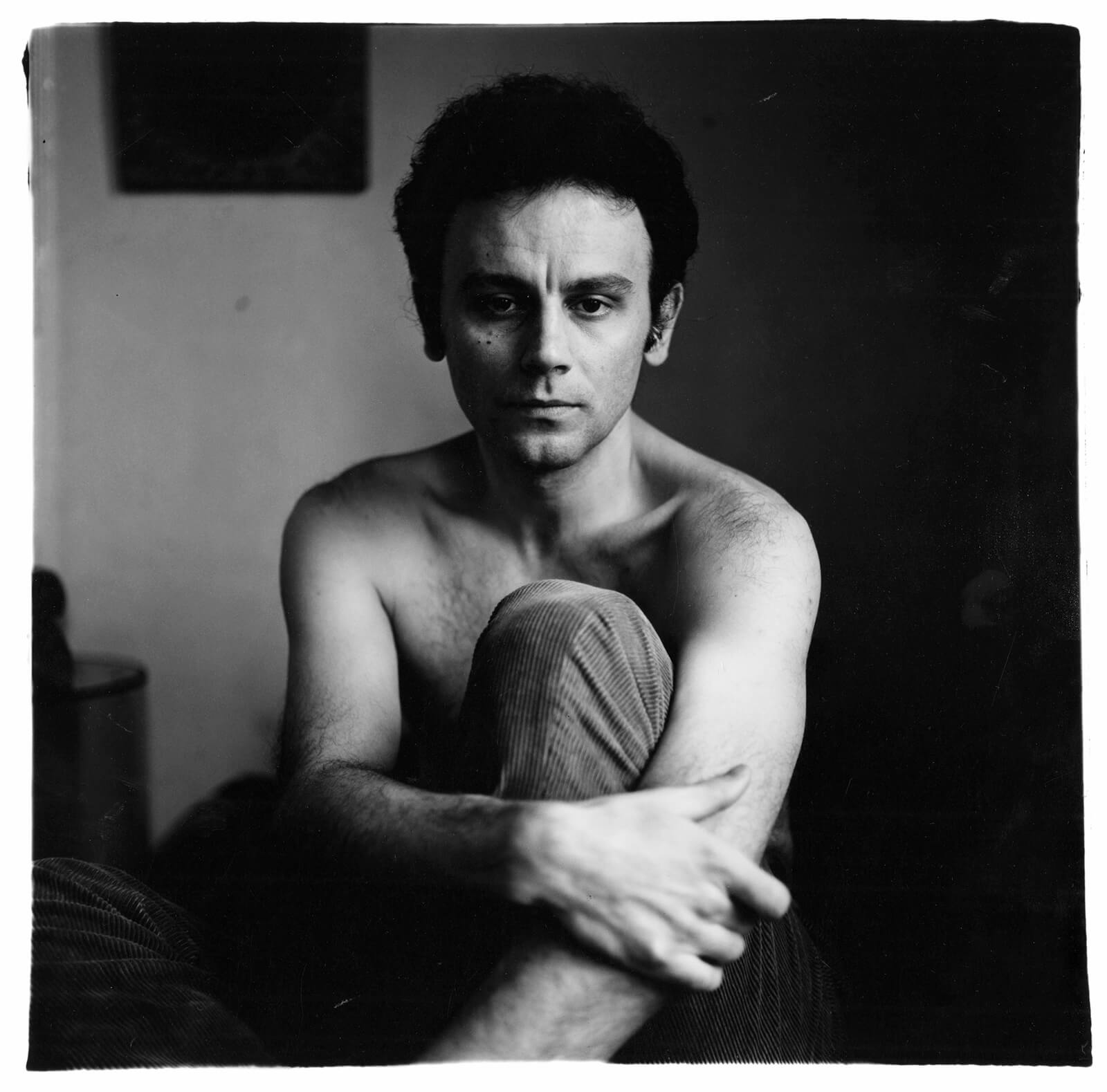
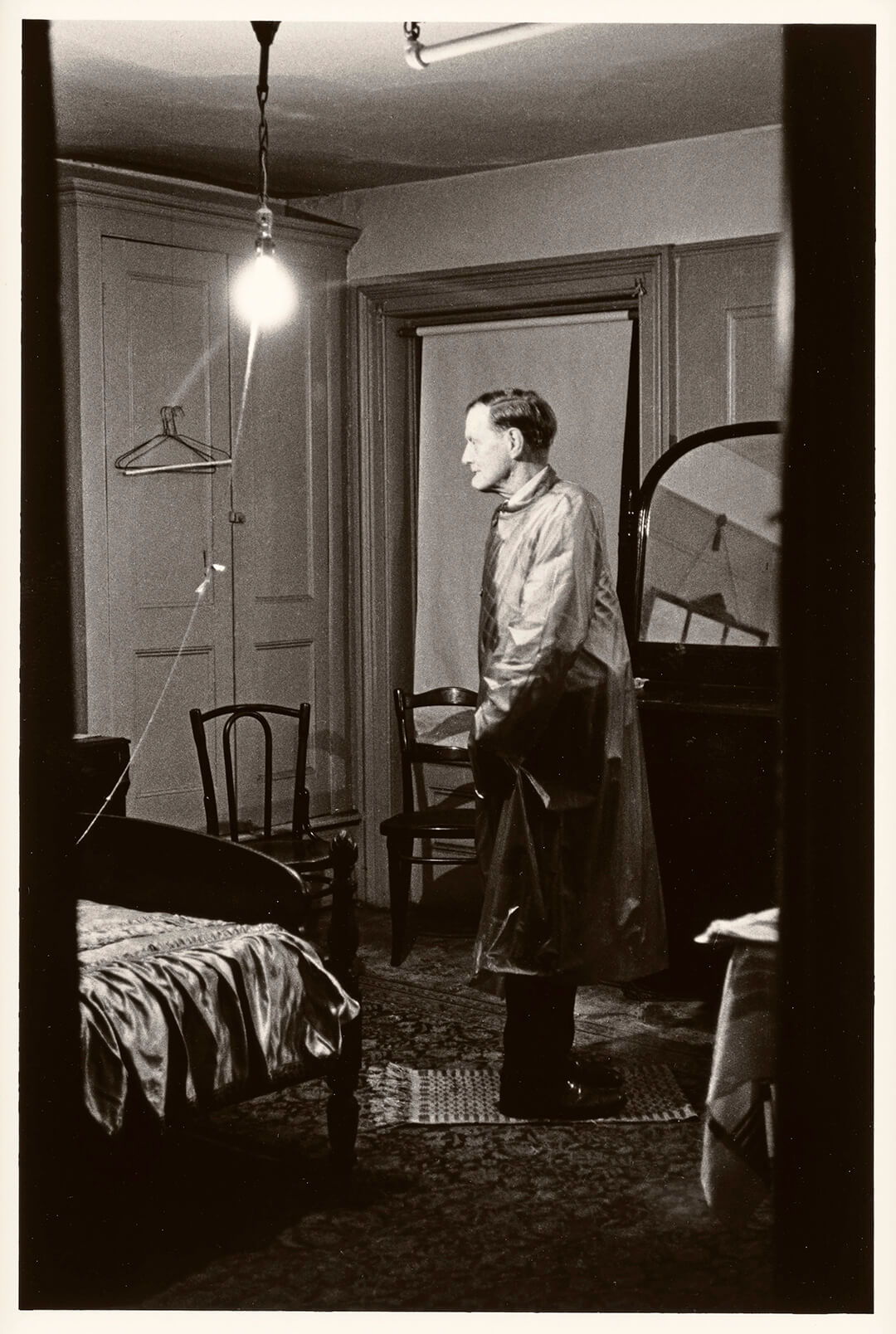
Speaking about Arbus’ profound legacy, and the subjects which she was particularly interested in, Green states, “The moment of capture, therefore—created without any expectation of printing, exhibiting or selling the work—represents the pure culmination of this shared exchange between Arbus and her sitters.” Without any transactional nature to the interaction, Arbus was able to connect to a certain humaneness. The images, then, even in their unbelievably untouched form, feel like one has stumbled upon something intimate. Perhaps that’s how Arbus intended people to receive her photos, as some form of dialogue.
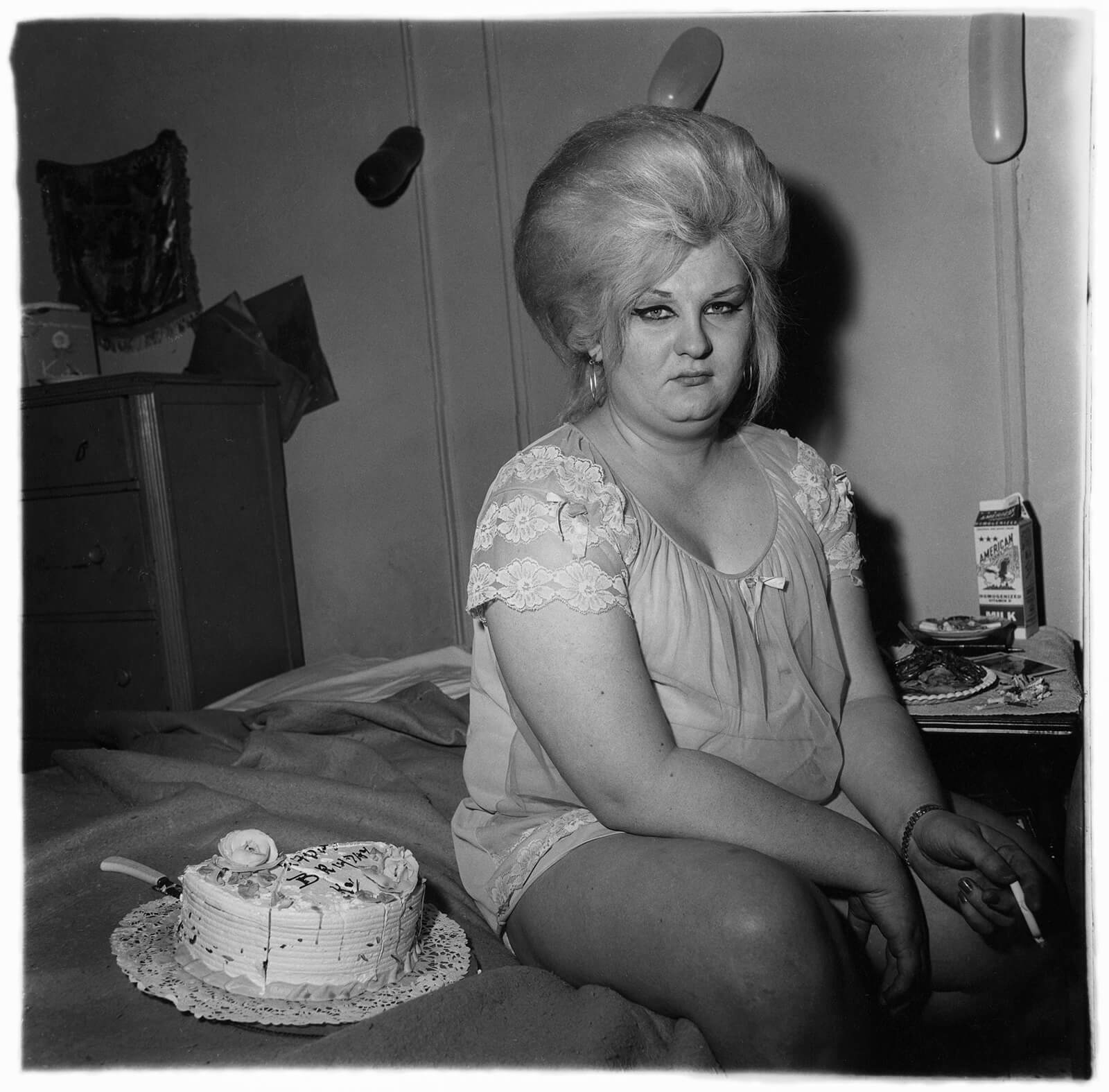
Green reflects, “As these images capture far more than a fleeting interaction between Arbus and her subjects, they allow us to witness how she navigated the complex—and often disconcerting—space between a person’s constructed public persona and their more authentic self. She approached this gap not by exposing or challenging her sitters, but by seeking a humanistic connection with them, one that allowed something truer and, sometimes, more vulnerable, to surface.”
‘Diane Arbus: Sanctum Sanctorum’ is on view from November 6 – December 20, 2025, at David Zwirner, London.

by Srishti Ojha Oct 21, 2026
Increasingly, artists, filmmakers and activists are turning to VR to create more personal, tangible accounts of the climate emergency and its impact on vulnerable communities.
by Mirra Lynn Oct 20, 2026
The Indian artist paints the old wadas of central Pune, capturing the traces of everyday life that cling to these structures, battered by time but unbowed.
by Anmol Ahuja Oct 15, 2026
How do heaps of souvenirs and relics with racist Aboriginal motifs and features become art? MCA Sydney’s winter showcase—the artist’s largest to date—beckons a possibility.
by Vandana Kalra Oct 14, 2026
With his latest exhibition as a point of departure, the modernist discusses his decades-long practice, the spontaneity of drawing and the social responsibility of artists.

make your fridays matter with a well-read weekend
Enter your details to sign in
Don’t have an account?
Sign upOr you can sign in with
a single account for all
STIR platforms
All your bookmarks will be available across all your devices.
Stay STIRred
Already have an account?
Sign inOr you can sign up with
Verification link sent to check your inbox or spam folder to complete sign up process
Tap on things that interests you.
Select the Conversation Category you would like to watch
Please enter your details and click submit.
Enter the 6-digit code sent at


Diane Arbus’ intimate look at the Sanctum Sanctorum of strangers
by Mrinmayee Bhoot | Published on : Dec 09, 2025


 Sign in with Google
 Sign in with email
What do you think?