Art14 mins. read
Vishal K Dar on taking art outside the white cube at sā Ladakh Biennale
by Samta Nadeem, Vandana KalraAug 27, 2026



by Srishti OjhaPublished on : May 20, 2026
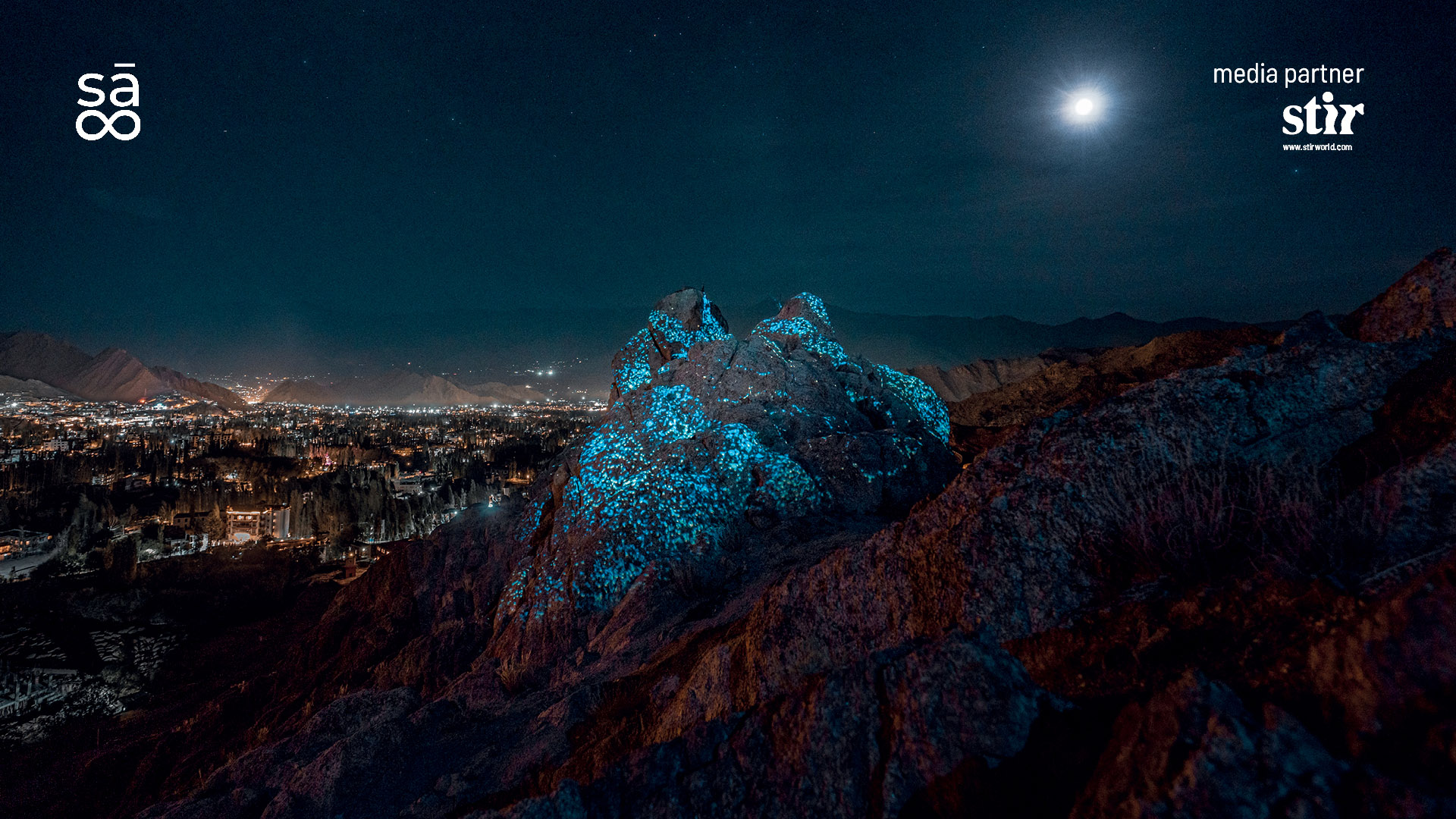
Being the world’s ‘highest biennale’ goes far beyond a superlative or claim to fame for the sā Ladakh Biennale. Its location in the ecologically precarious, high-altitude, remote region, far from the cosmopolitan cities that generally host such art events, presents a host of unique challenges and opportunities for the curators, artists and local communities involved. Ladakh, which stretches from the Himalayas to the banks of the Indus River valley, is home to close-knit indigenous communities, traditional crafts and folk art traditions that are all threaded with a deep knowledge and appreciation for the environment, climate and seasonality. The sā Ladakh—which was introduced as a land art exhibition in 2023—has since reflected and honoured this way of living and creating. The platform highlights Ladakhi artists while incorporating the landscape as a canvas for massive, memorable works of land art alongside furthering its commitment of being ‘regenerative’—one that centres ecological and social concerns in its content, presentation and logistics.
This year marks the inaugural edition of the sā Ladakh Biennale, curated by Indian artist-architect Vishal K Dar, whose site-specific projects coalesce satire and scale to address personal and political anxieties. Dar is joined by Tsering Motup Siddho as the associate curator, whose multimedia practice explores Ladakhi identity, culture, material conditions and the shifts therein.
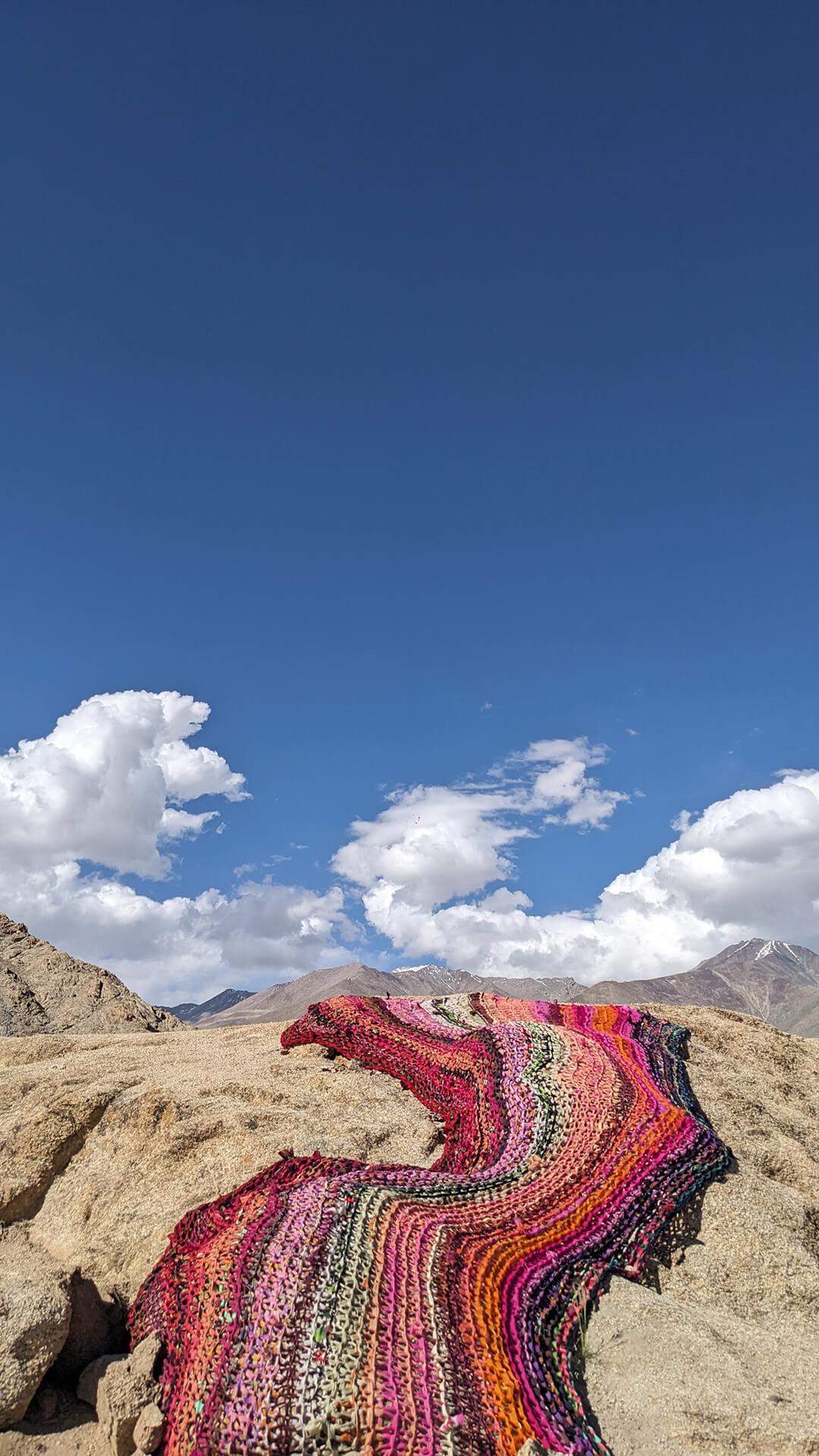
“Bringing together Ladakhi and international artists from diverse geographies and practices, the biennale takes the form of a field of signals, foregrounding attentive, site-responsive practices that engage with the land, its memory, weather, trade routes, communities and histories,” Dar tells STIR, media partner of the biennale. A deep, multicultural history thrums through the designated locations, unfolding across the Leh–Kargil corridor, a key point of the Silk Road. The biennale will launch site-specific artworks, participatory installations, workshops and community-led initiatives in the villages, community spaces and open landscapes of Leh, Basgo, Likir, Nurla, Lamayuru, Henasku, Mulbekh and Kargil.
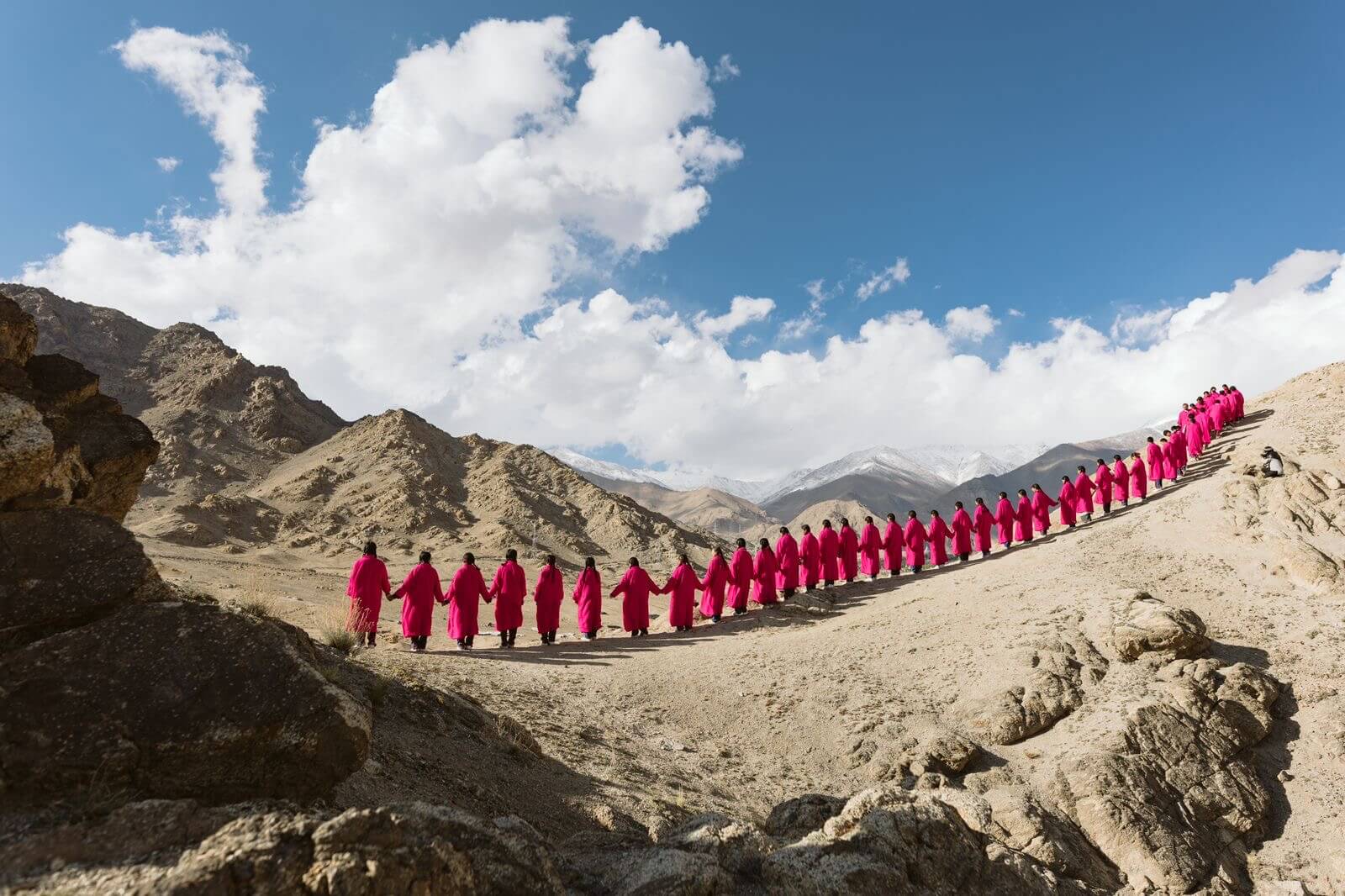
The 2026 biennale will be shaped around Dar’s curatorial theme, Signals from Another Star. Dar, who has also curated Ear to the Ground, an exhibition of Satish Gujral’s work at India Art Fair 2025, The Long Road at Journeying Across The Himalayas (2024) and The Masterplan as an exhibition at IAF 2024 commemorating 50 years of the Jawaharlal Nehru University campus, explains, “Each artist was asked to imagine their work as a ‘signal’. Each ‘signal’—to be beamed from a specific location on the 200+ km route—is composed of material or ephemeral transmissions that expand from that site across a larger landscape. Every ‘signal’ is a call, a beacon, a transmission to the beyond and we happen to be there, given the choice of being a witness, a bystander or an actor.”
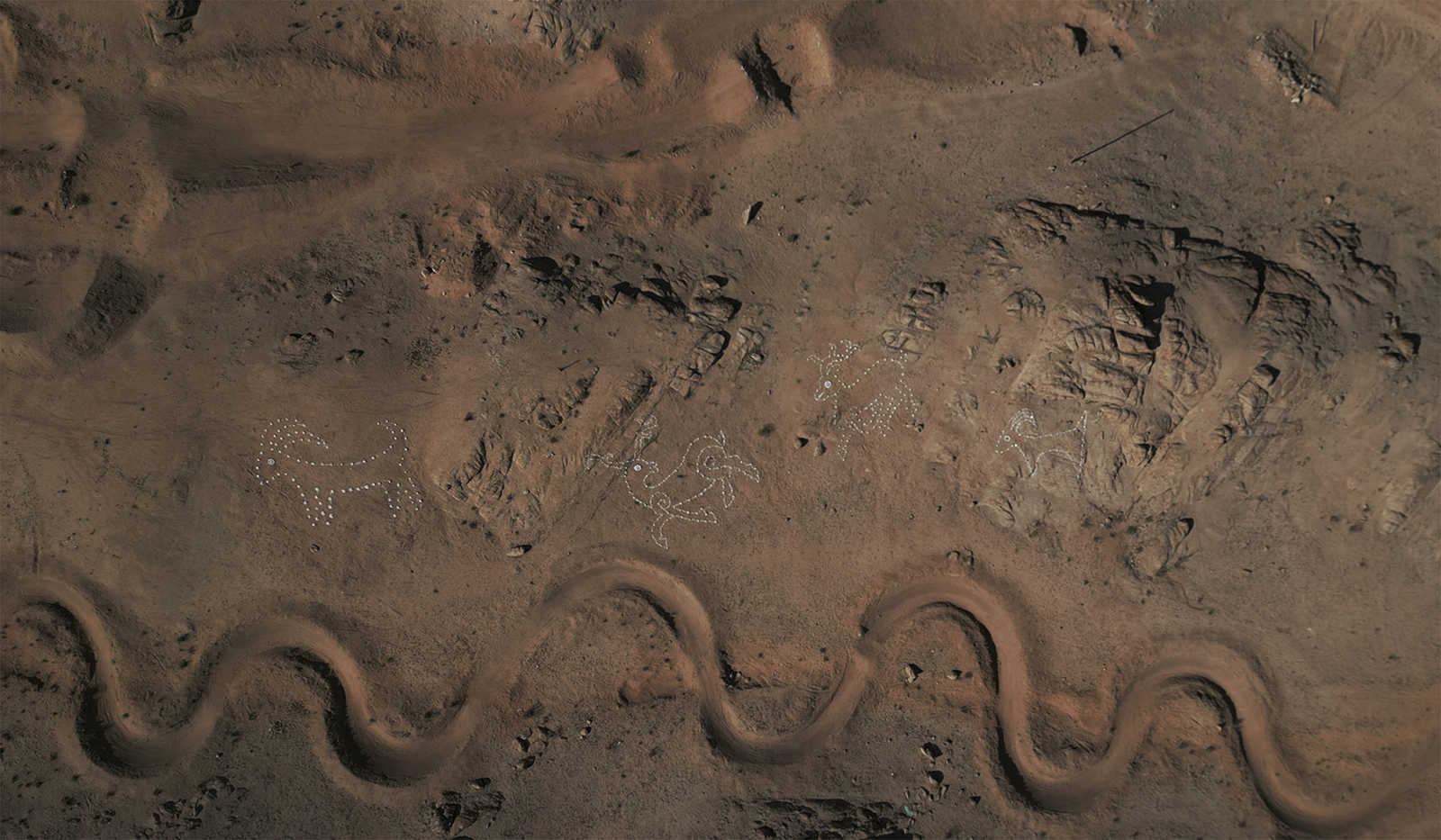
The presenting local artists who will showcase site-specific land-based art include Leh-based Chemat Dorjey, who explores Himalayan life, culture and ecology through art; sculptor Stanzin Samphel; Kargil-based multimedia artist Zahara Batool; ceramic artist Tundup Dorjay from Igoo in Leh, and Stanzin Tsepel from Rangdum, Ladakh, whose practice centres memory, displacement and climate, to name a few. International exhibitors include names like American artist Avantika Bawa, known for her large-scale art installations; German artist David Soin Tappeser and Indian artist Himali Singh Soin, who collaborate as the artistic duo Hylozoic/Desires; and Swiss artist Tom Mùller, who works at the intersection of sculpture and architecture
Apart from the main exhibition, the biennale will include three special projects. In Leh’s Old Town, five Ladakhi artists will activate the site, creating a participatory cultural space shaped by the local community and supported by the Ladakh Arts and Media Organisation (LAMO). Nepalese artist Amrit Karki will also present a new work commissioned for the biennale, in collaboration with the Rubin Museum of Himalayan Art. A collateral project will feature Ayan Biswas, an artist based in Likir, Ladakh, using artistic techniques such as printmaking to document Kargil's medicinal plants and their uses. The project includes school workshops that seek to preserve this tradition for future generations. This collaboration with the Quiet Art Movement in India will culminate in a biomass-based art installation. The QAM will also support a new project by Urgain Zawa, a Ladakhi artist drawing on indigenous knowledge systems to create artworks from natural materials like soil and clay.
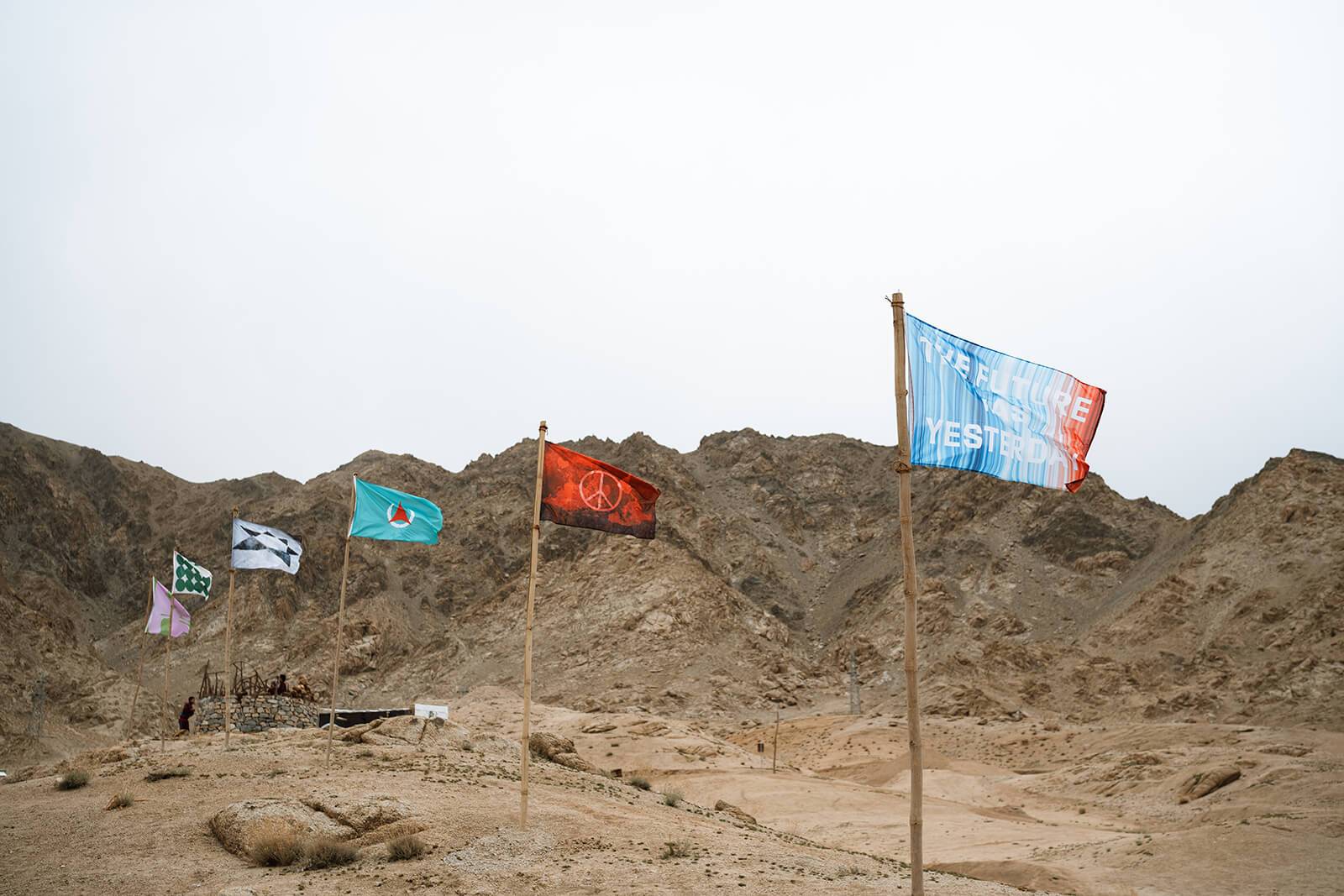
Further stretching across the event will be the final special project—a continuation of the biennale’s 2024 collaboration with museum in progress, an Austrian non-profit art organisation—the raising flags project. This project reclaims the form of a flag, generally used only for establishing sovereignty and nationality, making it a platform for raising concerns and questions about peace, life and the environment. Some flags are printed with more abstract textile art, while others carry slogans such as ‘I WANT NOTHING’, ‘THE FUTURE WAS YESTERDAY’, or simply, ‘CAN YOU FEEL THIS WIND?’. The 2026 Ladakh edition of this project will include a new addition by Ladakhi artist, Skarma Sonam Tashi, whose papier-mâché reconstruction of Ladakh’s vernacular architecture, Echoes of Home (2026) will be presented as part of the India Pavilion at the Venice Art Biennale 2026.
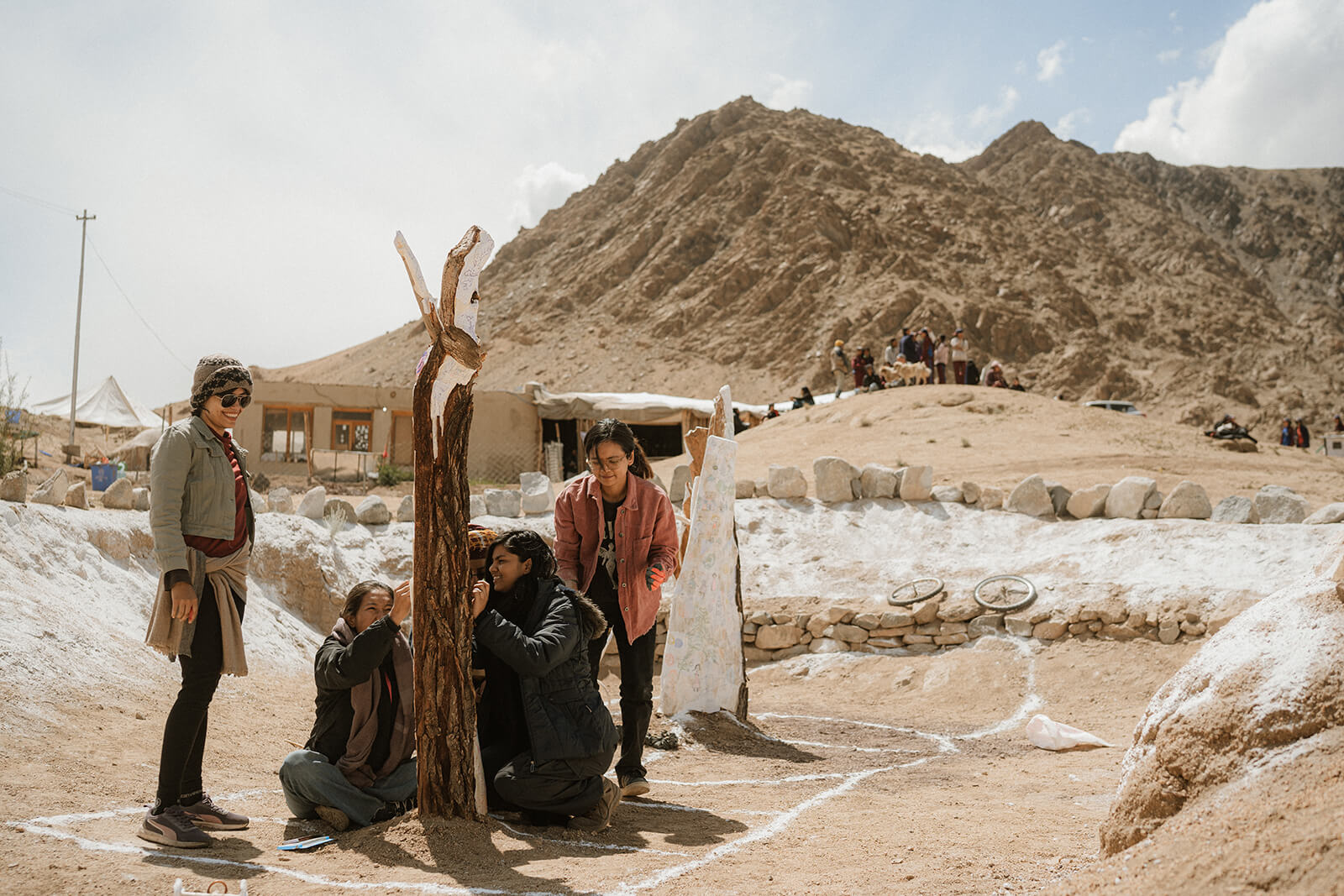
This emphasis on grounding the biennale in the specific landscape and communities of its place represents a new model for biennales—one that enriches a region, seeing it not as a temporary exhibition site, but as a site for long-term initiatives and collaborations. This model is particularly resonant, arising from Ladakh, which is a microcosm of the world’s most urgent ecological and cultural issues—the frigid landscape and its melting glaciers reflect the effects of rapid climate change, while local communities struggle with the effects of tourism and retaining culture and practices of care in the face of modernity. The sā Ladakh Biennale raises urgent, global questions by zeroing in on this sensitive, tight-knit region while setting a precedent for how art events can respect and add to their host regions. Here, environmentalism is not merely a message or a theme, but undergirds every aspect and decision of the biennale, both logistical and artistic. This commitment is foregrounded in the very name of the event, with sā meaning ‘soil’ in Ladakhi.
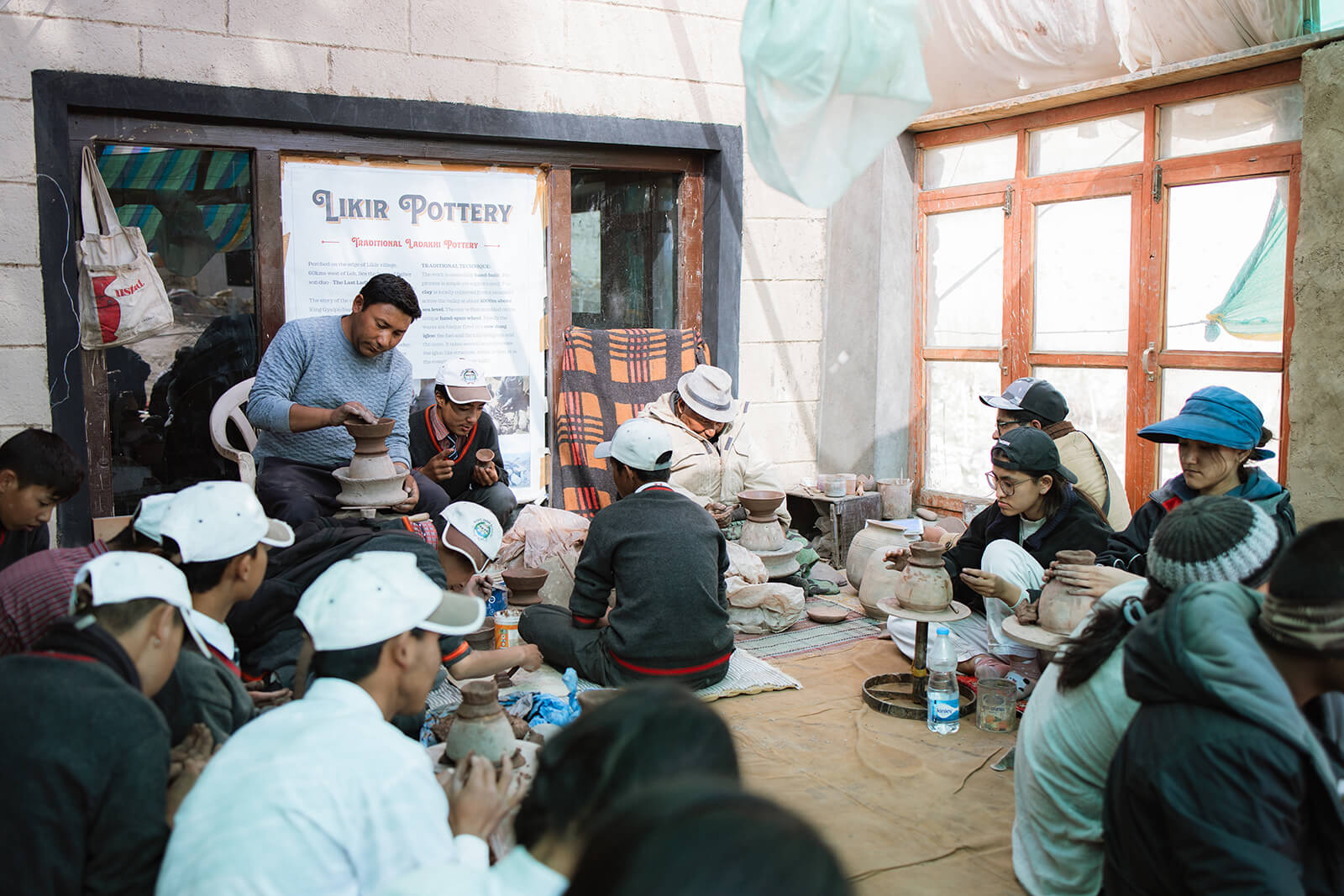
Co-founder Raki Nikahetiya elaborates on this ‘regenerative’ methodology in a conversation with STIR, saying, “For us, regeneration has to go beyond sustainability as a checklist and become embedded in the thinking behind the biennale—socially, environmentally and culturally. In Ladakh, a fragile high-altitude region, we are very conscious of not operating with a temporary mega-event mentality that leaves extraction behind. Instead, we are trying to build longer-term relationships with local communities, knowledge systems and landscapes. This also informs our methodologies and ongoing learning: prioritising adaptive reuse, site-responsive works over resource-heavy construction, local collaboration, slower production models and more circular approaches to materials and infrastructure.”
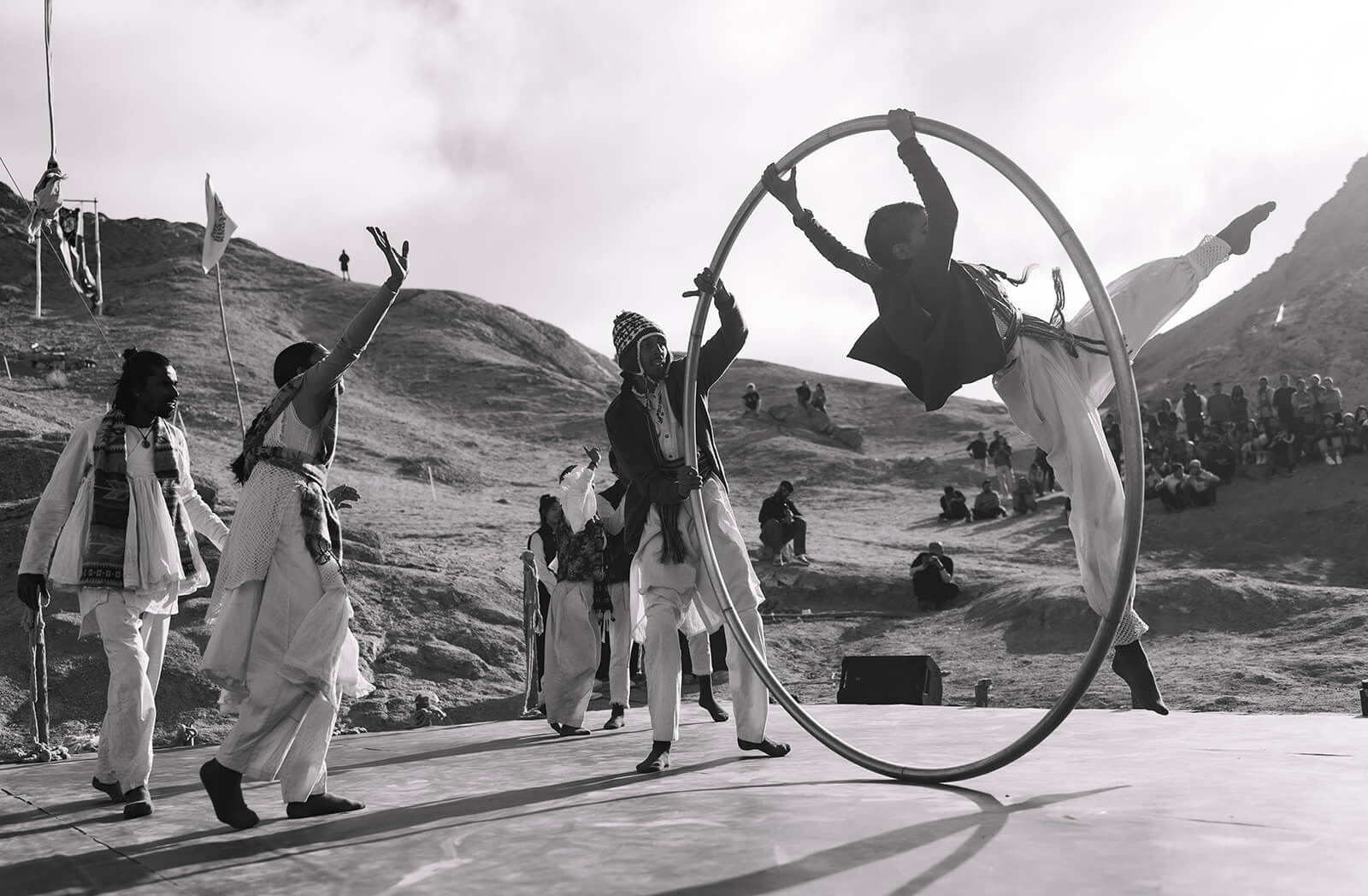
This deep-rooted commitment goes beyond considerations of carbon footprints and repurposed materials, and instead shifts to a long-term perspective, or ‘deep-time thinking’, that considers not only this year’s event or the next, but the impact on multiple future generations. Here, the process, materials, potential and impact of an artwork are as important as the work’s content and form. Art, science and technology come together in multimedia projects and practices that involve the community and work with them to develop systems that evolve from local, historical practices. It is an occasion to share knowledge, retell culture on a new stage and learn from indigenous knowledge systems and ecological practices. Regenerative art and the sā Ladakh Biennale are solution-seeking models driven by climate optimism and multigenerational thinking.
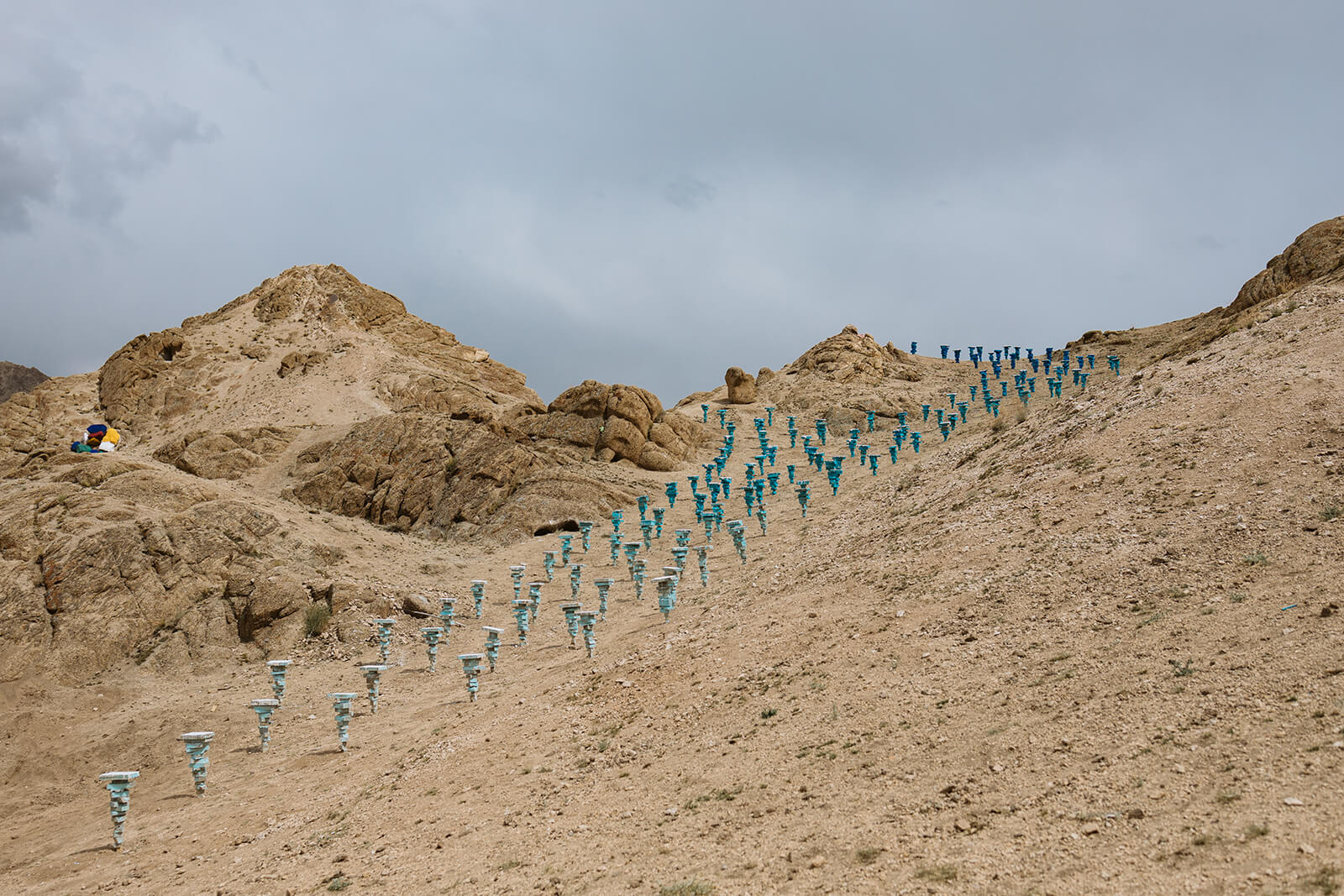
The 2026 edition of the biennale promises many things—from the outside, there will be the unforgettable visuals of land art against the rocky, icy backdrop of Ladakh and the introduction of a host of Ladakhi artists and traditions into the mainstream. However, the biennale’s main concern lies in its quieter, less outwardly visible impacts. Here, the means of creating long-standing collaborative relationships with local communities, documenting and passing on fading traditional knowledge and culture to future generations and respecting and taking responsibility for the ecosystem and landscape, matter far more than the ends of hosting a temporary art event. The regenerative philosophy that arises from the community and land of Ladakh, and is carried through the biennale by its founders, curators and artists, seeks to create not only beautiful, meaningful, impactful artworks but a new model for building and sustaining intergenerational systems of care for global landscapes, climates and ecologies.
The sā Ladakh Biennale 2026 will be on view from August 1 – 10, 2026, in Ladakh, India.
by Srishti Ojha Oct 21, 2026
Increasingly, artists, filmmakers and activists are turning to VR to create more personal, tangible accounts of the climate emergency and its impact on vulnerable communities.
by Mirra Lynn Oct 20, 2026
The Indian artist paints the old wadas of central Pune, capturing the traces of everyday life that cling to these structures, battered by time but unbowed.
by Anmol Ahuja Oct 15, 2026
How do heaps of souvenirs and relics with racist Aboriginal motifs and features become art? MCA Sydney’s winter showcase—the artist’s largest to date—beckons a possibility.
by Vandana Kalra Oct 14, 2026
With his latest exhibition as a point of departure, the modernist discusses his decades-long practice, the spontaneity of drawing and the social responsibility of artists.

make your fridays matter with a well-read weekend
Enter your details to sign in
Don’t have an account?
Sign upOr you can sign in with
a single account for all
STIR platforms
All your bookmarks will be available across all your devices.
Stay STIRred
Already have an account?
Sign inOr you can sign up with
Verification link sent to check your inbox or spam folder to complete sign up process
Tap on things that interests you.
Select the Conversation Category you would like to watch
Please enter your details and click submit.
Enter the 6-digit code sent at


sā Ladakh Biennale 2026: Inside the world's highest biennale and its regenerative vision
by Srishti Ojha | Published on : May 20, 2026


 Sign in with Google
 Sign in with email
What do you think?