Design04 mins. read
Jordi López Aguiló’s industrial design objects reveal the mechanics of their making
by Bansari PaghdarMay 23, 2026



by Chahna TankPublished on : Jun 22, 2026
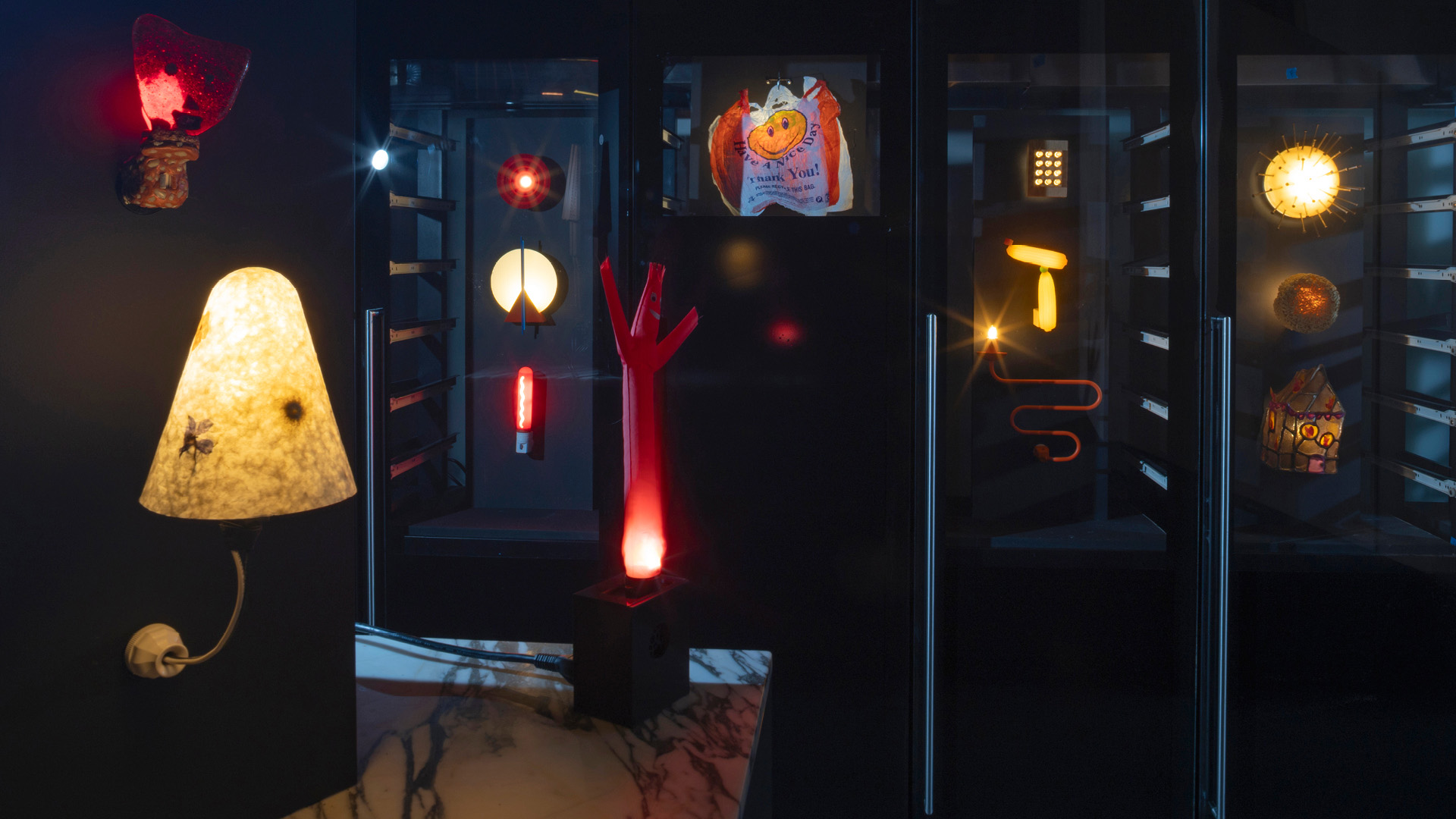
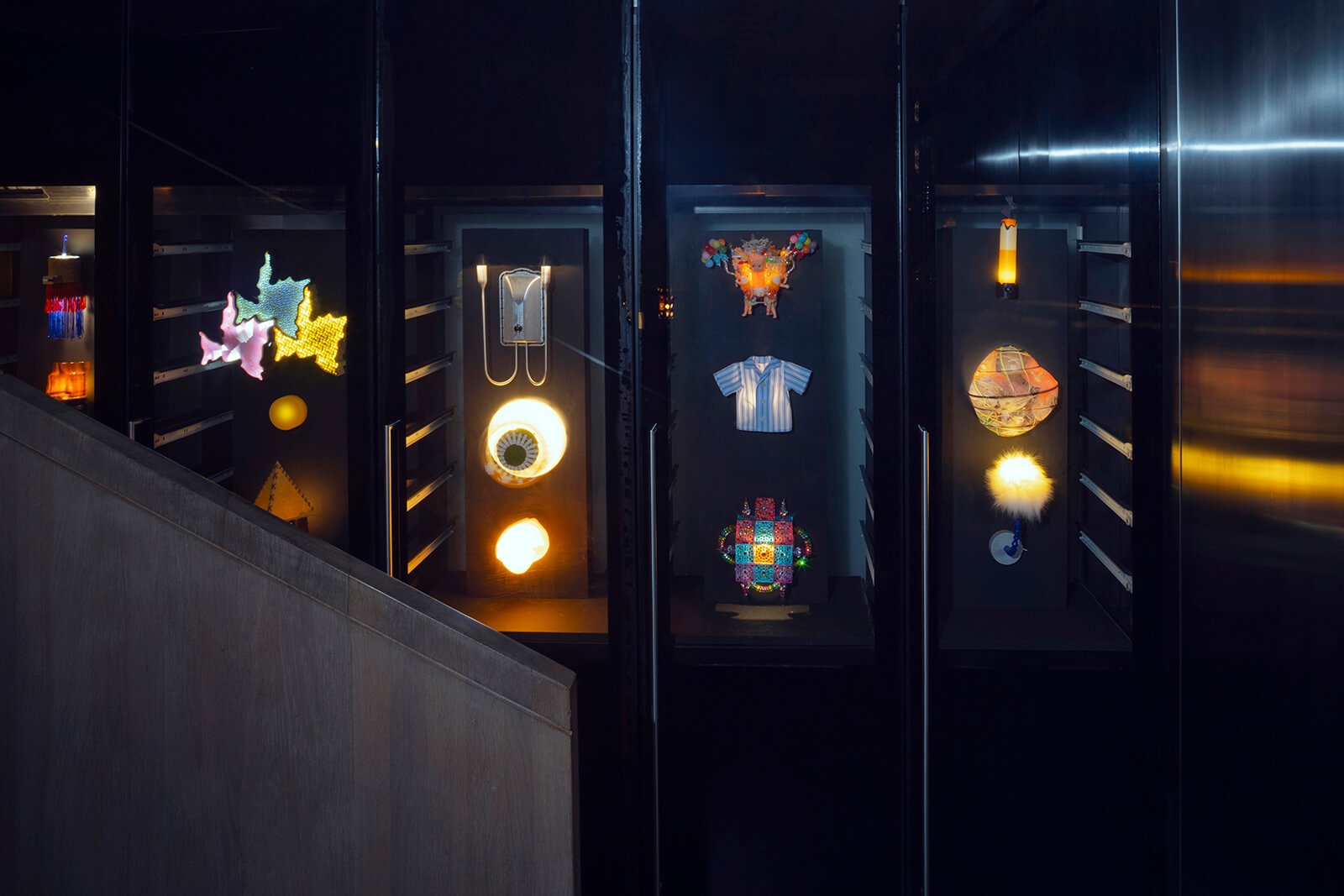
A rat glowing from within, the man in the moon imagined as a drag queen, a green tiled swimming pool aglow at night, a beaded cigarette seemingly burning away—all these, and more, are some of the over 130 nightlights currently adorning the New York-based The Future Perfect gallery's West Village townhouse. On view till June 26, 2026, the design exhibition DUDD LITE, conceived in collaboration with Philadelphia-based design collective DUDD HAUS, transforms one of the most unassuming domestic objects—the nightlight—into a site fertile for artistic and creative experimentation.
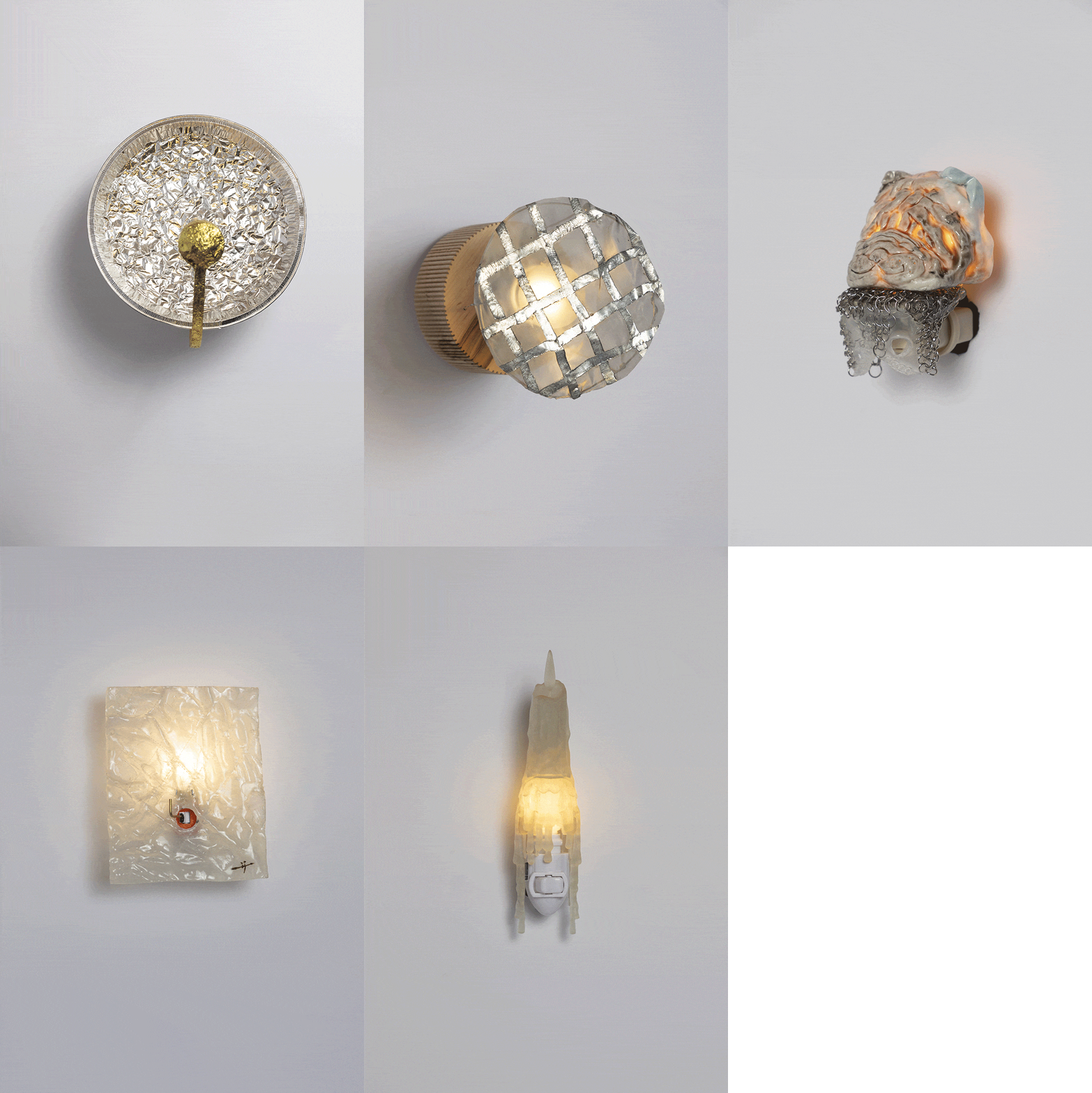
Resulting from an open call with a simple premise—reimagine a nightlight—to which over 400 contemporary artists and designers, both emerging and established, responded, the selected works on display at the design gallery range from humorous and absurd to nostalgic and intimate sculptural designs. "We're always surprised by the range of interests and processes people are exploring across the spectrum. Shortlisting was pretty difficult and took three or four rounds of review to draw it down to a number of nightlights we could actually exhibit," Chris Held, creative director of DUDD HAUS, tells STIR. Spanning a wide range of materials, forms and approaches, the lighting on display offers a glimpse into the diverse sensibilities and practices of designers from across the globe, as well as many fresh takes on this quotidian object!
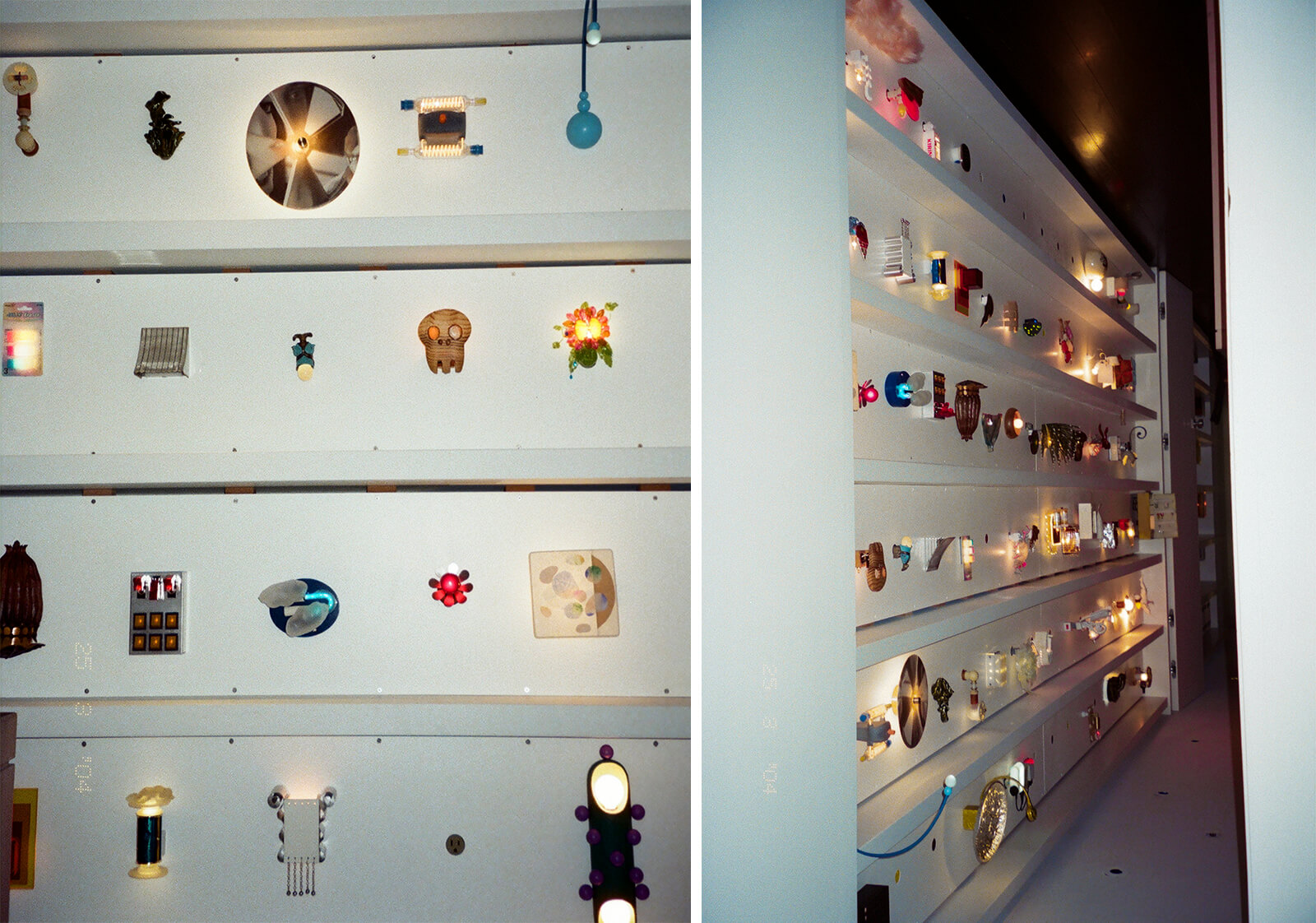
The nightlight occupies a very peculiar place in domestic life. It is rarely considered a design object in its own right. For some, it may carry memories of a childhood bedroom where it served as a beacon against darkness and monsters under the bed; for others, it may evoke a feeling of warmth and security—a soft glow suffusing the room long after everybody has gone to sleep. This combination of intimacy, nostalgia and functionality is what makes the nightlight such a compelling object for design inquiry.
For Laura Young, the managing director of The Future Perfect, the appeal of selecting the nightlight as the exhibition's focus was also rooted in lived experience. She recalls using a trail of nightlights to train and guide her dog to the bathroom, only to discover a surprising lack of well-designed ones in the market. "There weren't many options, and certainly not many beautiful ones," she tells STIR. The idea for DUDD LITE emerges from this lack, proposing that nightlights are objects flushed with design potential and could use greater attention and imagination.
"Remember that crazy mushroom nightlight everyone bought around 2020? I loved that thing. Unfortunately, it broke," Young says. "It made me realise there was a genuine gap in my life for an object that was functional, beautiful and built to last. That's why the nightlight felt right. It wasn't just a format for an exhibition. It was an opportunity to elevate an everyday object that almost everyone interacts with, transforming something ordinary into something personal, collectible and meaningful," she shares.
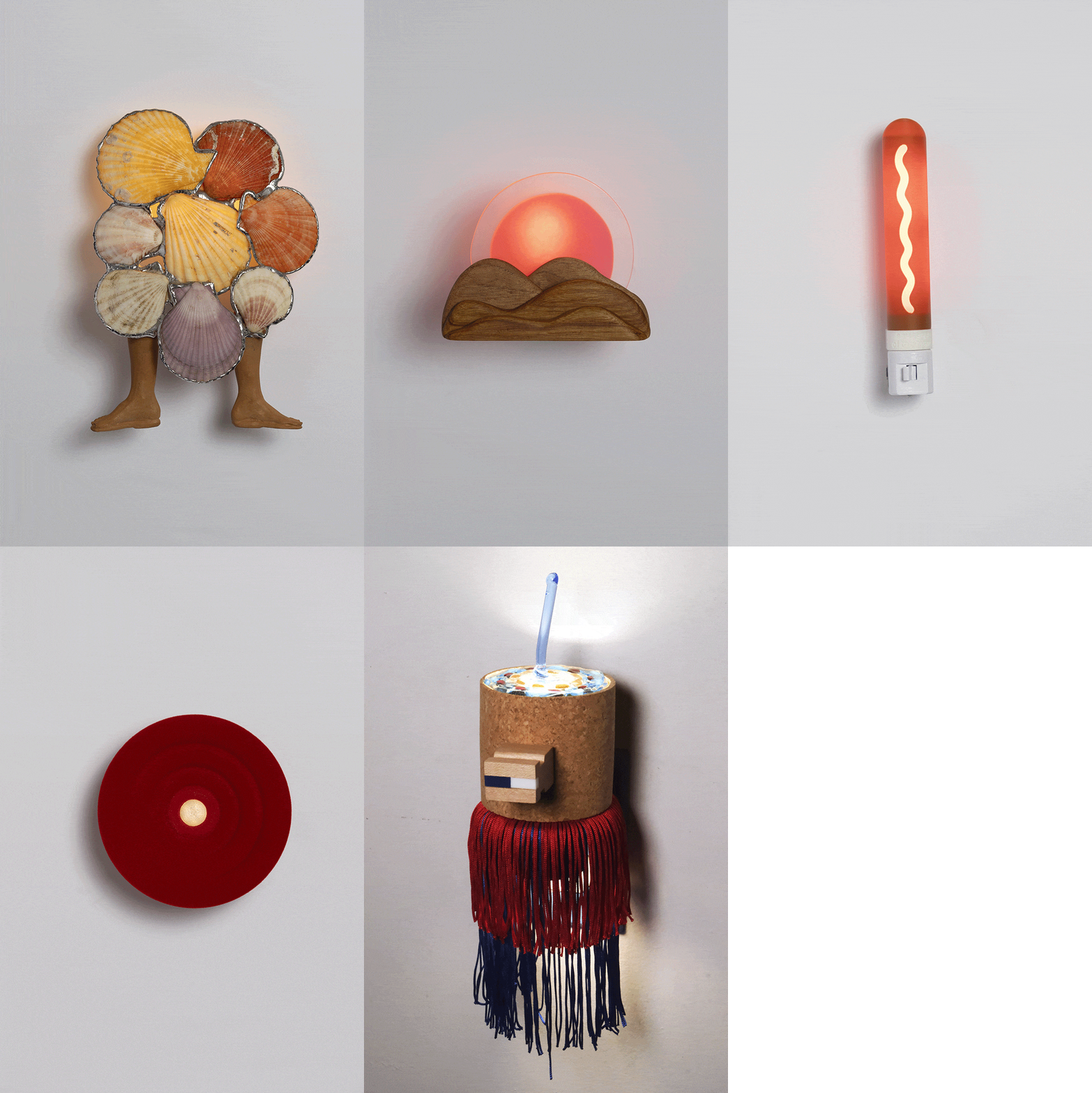
The exhibition's breadth is reflected in its roster of participants. Alongside emerging designers, DUDD LITE features contributions from several established creatives and practices in contemporary design, including Bethan Laura Wood, Lindsey Adelman, Chris Wolston and Rich Aybar, among others.
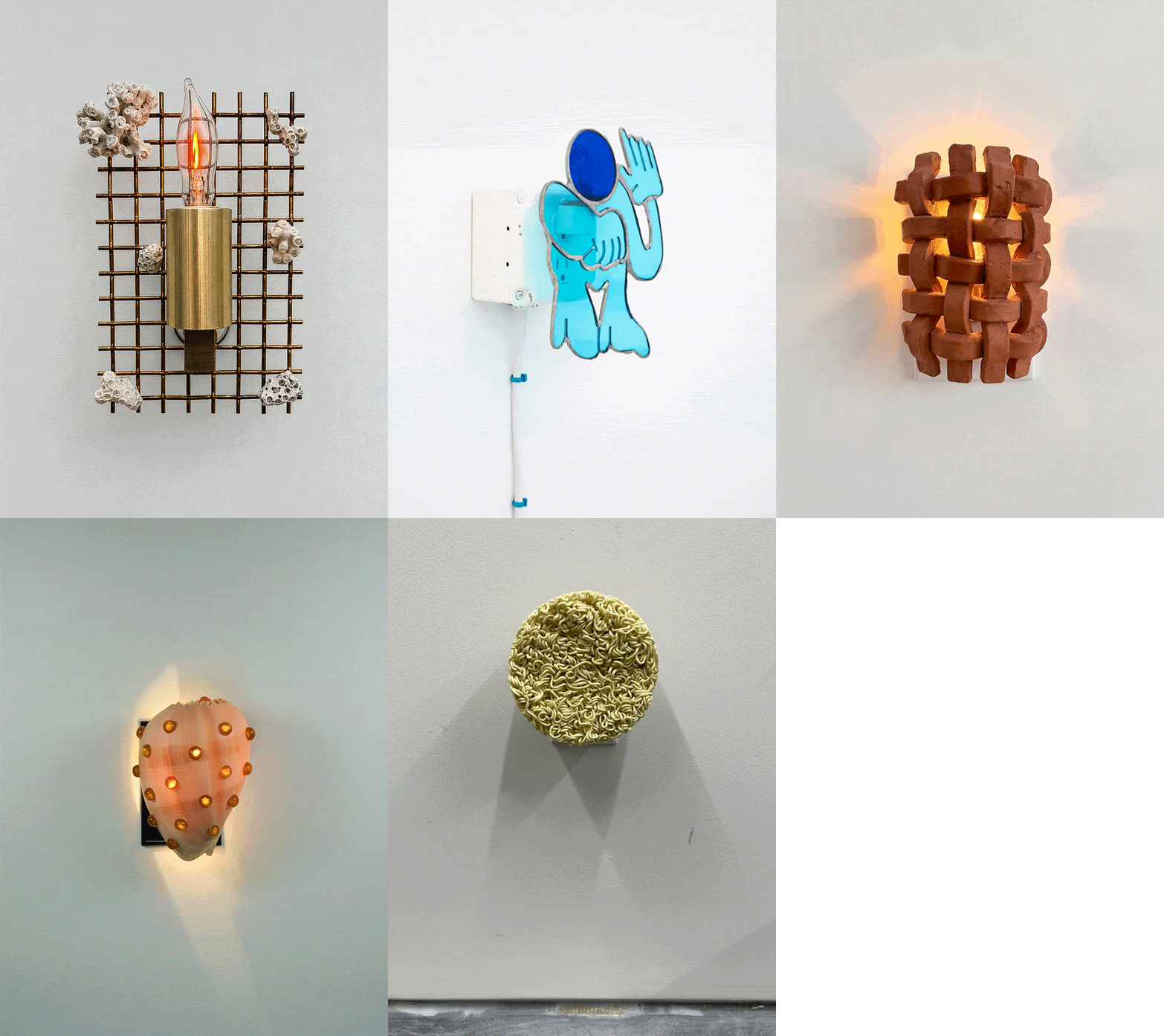
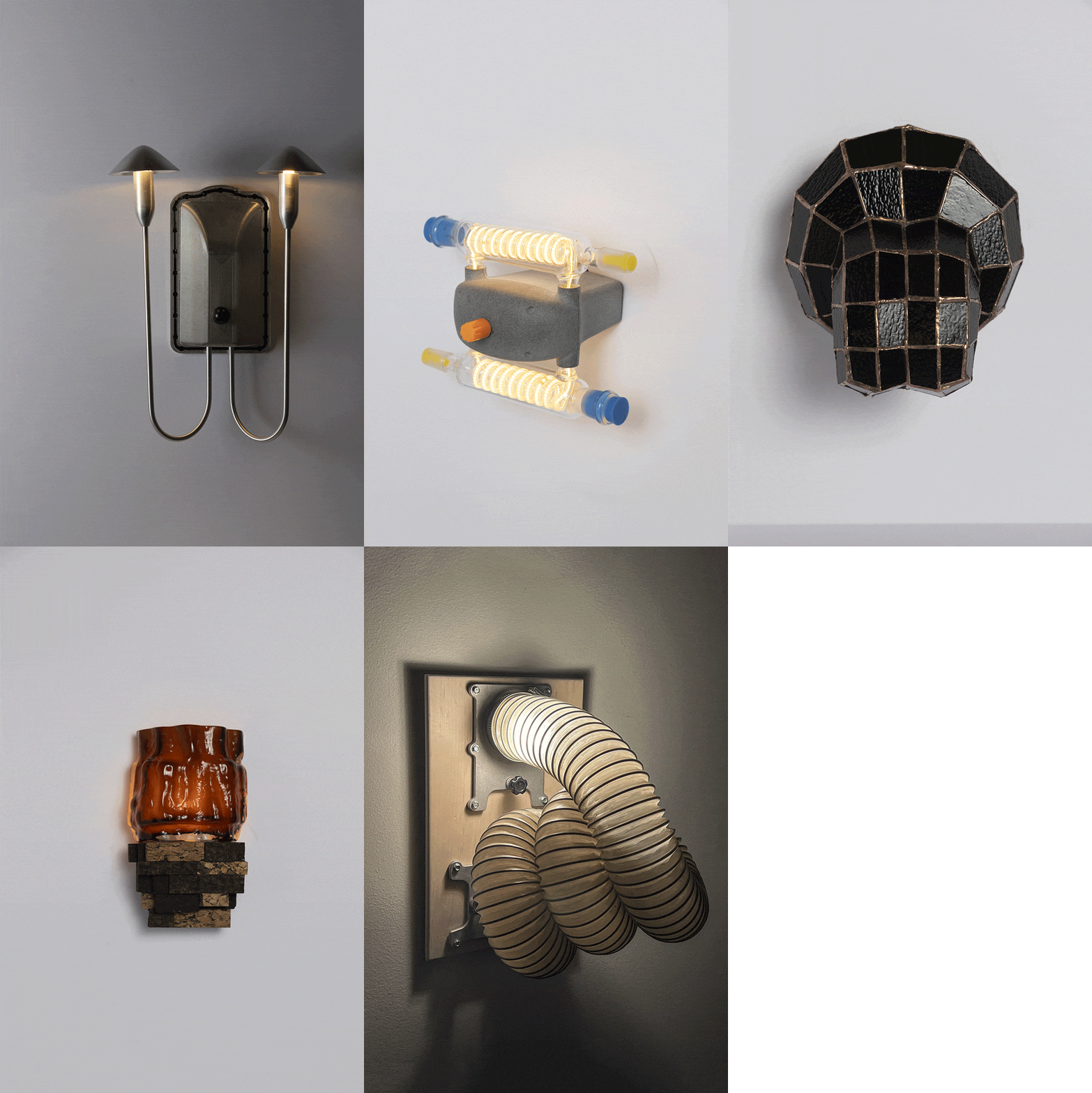
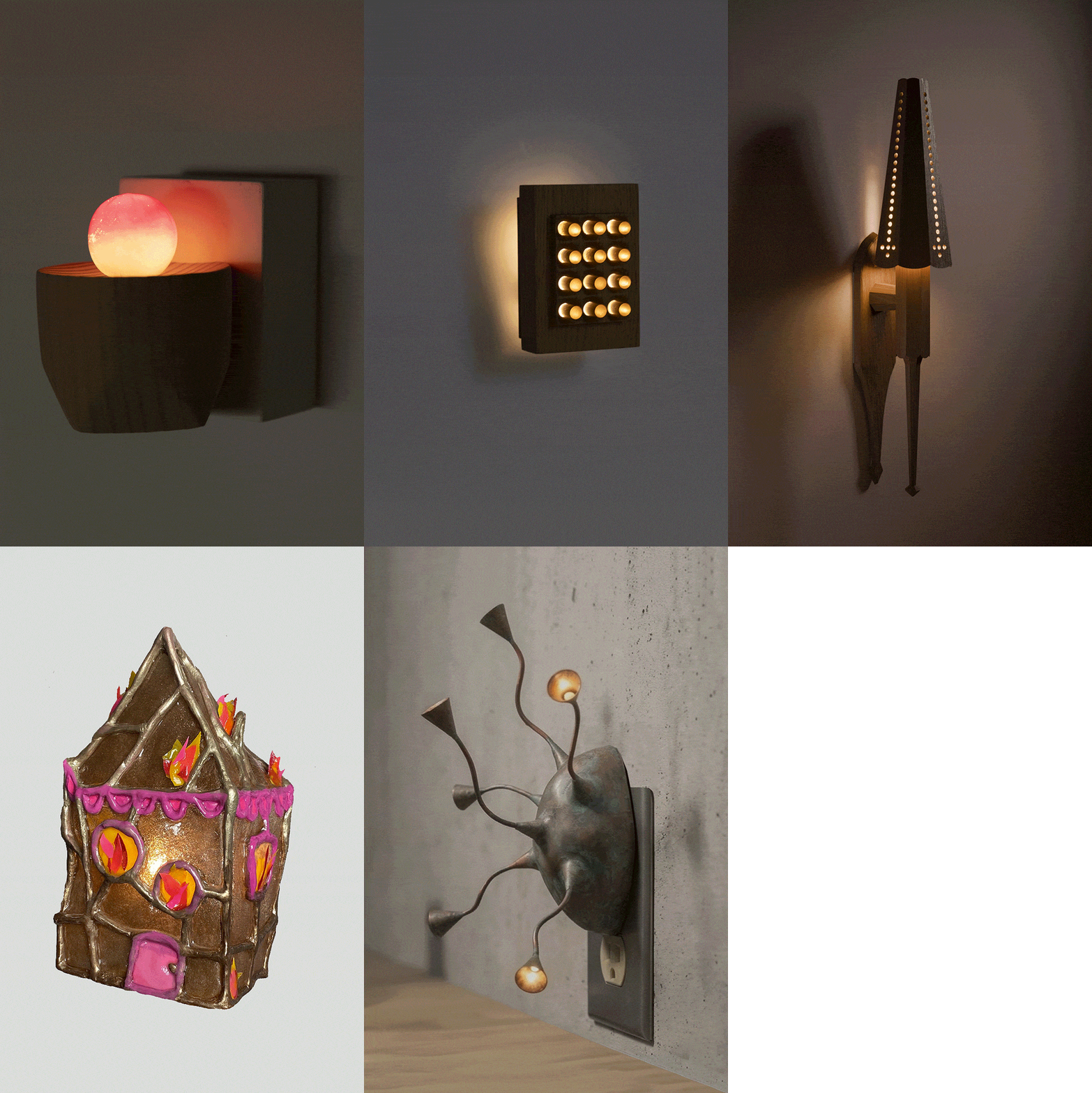
DUDD LITE demonstrates just how expansive a seemingly simple brief can become. While the lamp designs vary wildly in form and material, many of the most memorable ones draw on experiences associated with the hours after dark. Brooklyn-based industrial designer Nicholas Baker's Reading Man, described by him as 'a lamp that accidentally became a person', captures the feeling of reading before bed; the lamp itself is holding pages, as if reading, in its own light. Similarly evocative of late-night rituals is sculptor Lydia Ricci's I Just Need A Little Something, a miniature refrigerator stocked with snacks one might hunt down during a midnight trip to the kitchen.
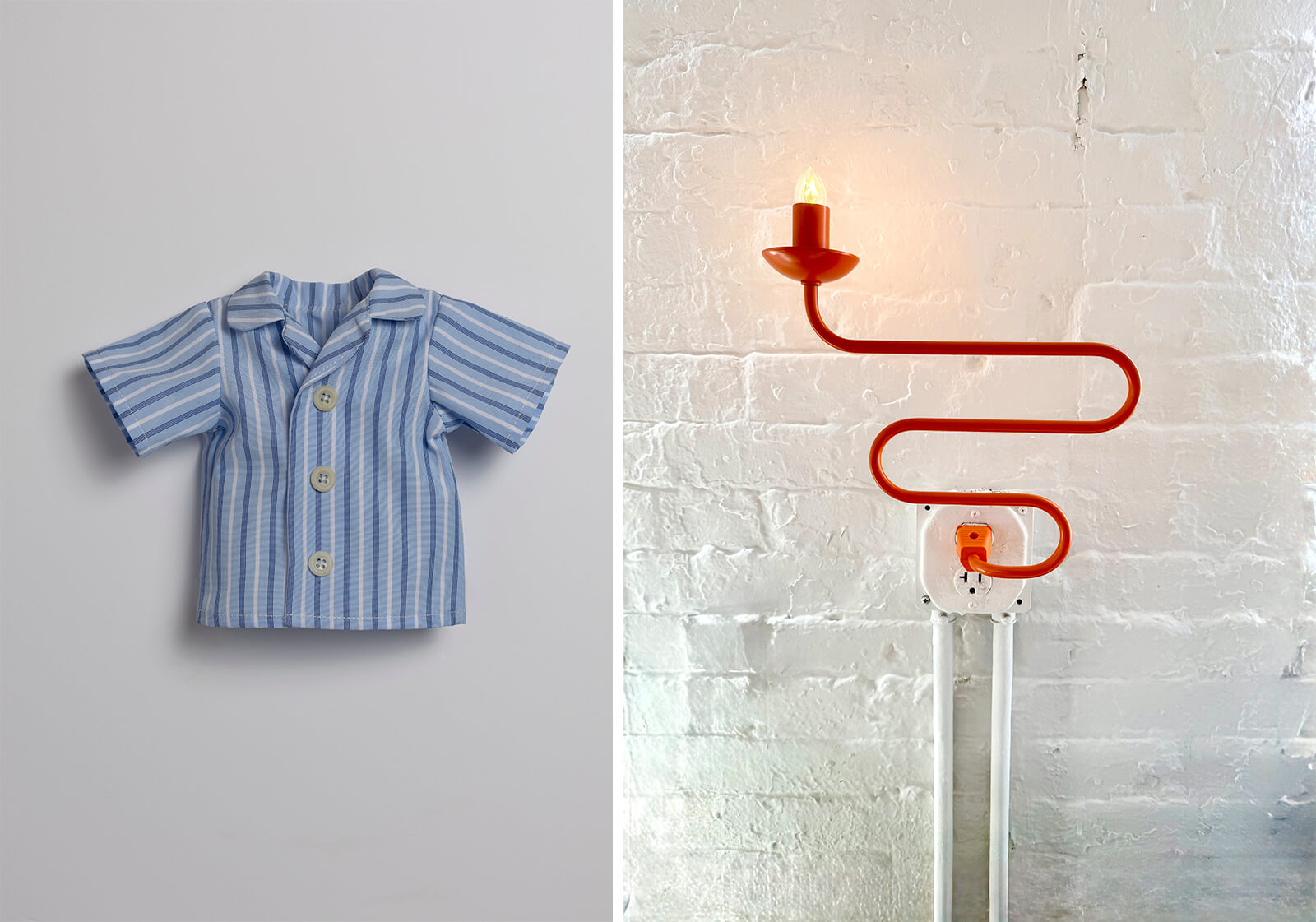
Several designers chose to reinterpret objects associated with nighttime routines. American designer Nino Chambers' Nightshirt, for example (crafted from 100% cotton, no less!), is a striped shirt enveloping a source of light, or The Paste by the design duo Mohammad Asgari & Andrew Laska of the Toothpaste Lamp Guys, sports a neon glow oozing from a toothpaste tube. Industrial designer Henry Julier and his daughter Gemma Turner-Julier's Gemini evokes the starry night sky, but its perforated nickel-plated aluminium surface also seems like a showerhead—another object part of the daily routine of winding down at night for many.
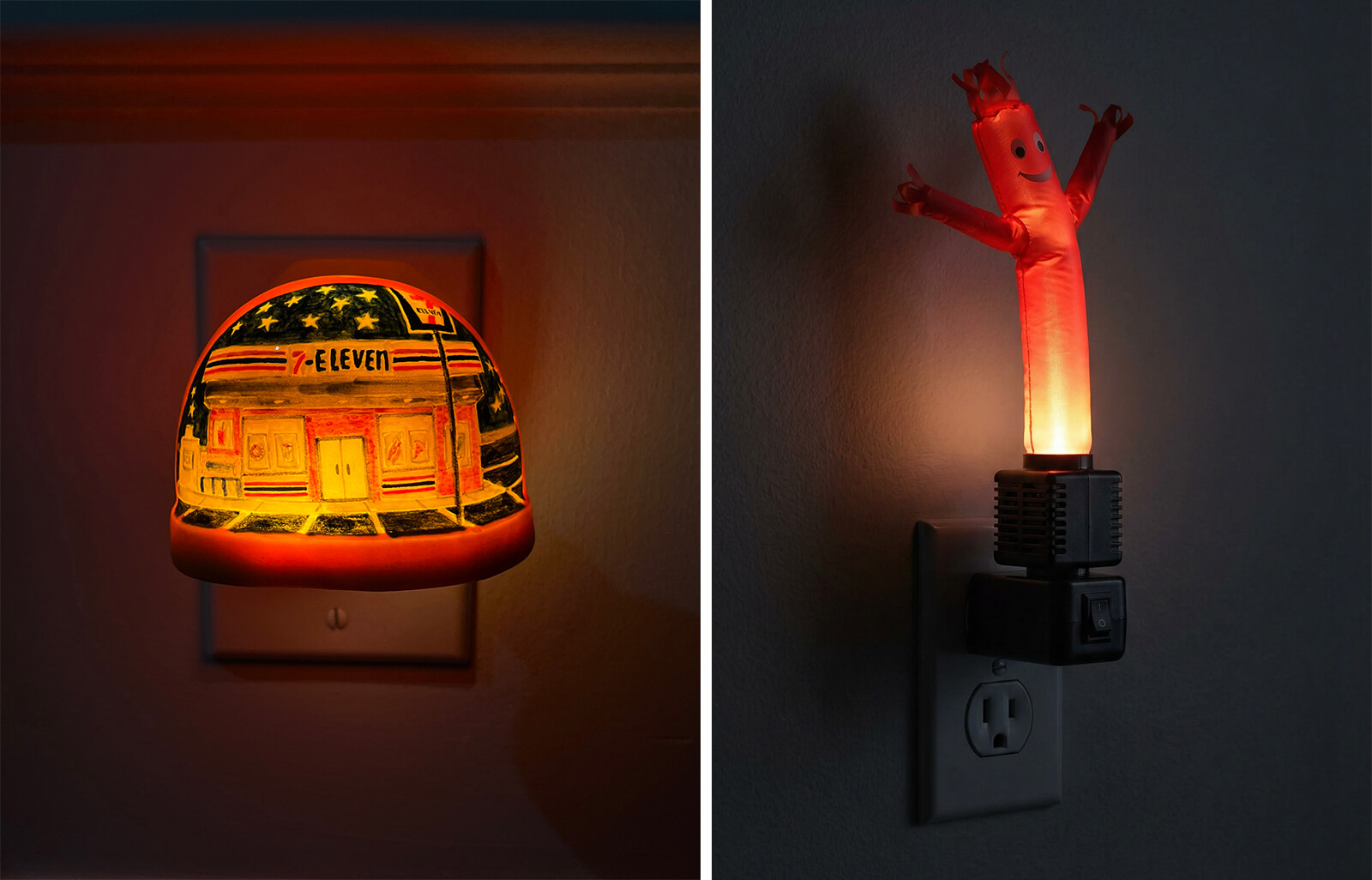

Other works channel the atmosphere of specific nocturnal encounters and places. American artist Stefanie Haining's Oh, Thank Heaven reimagines the glow of a late-night 7-11 convenience store inside a snow globe, distilling the comfort of a brightly lit store at night. Product designer Byron Pang's Tokyo Vending Machine transports us to a Tokyo street at night, bathed in the glow of vending machines, guiding us home. Elsewhere, Chicago-based furniture designer Kazuki Guzman’s Bon’yari evokes the subtle silhouettes of domestic objects seen through an illuminated window at night from the street outside.
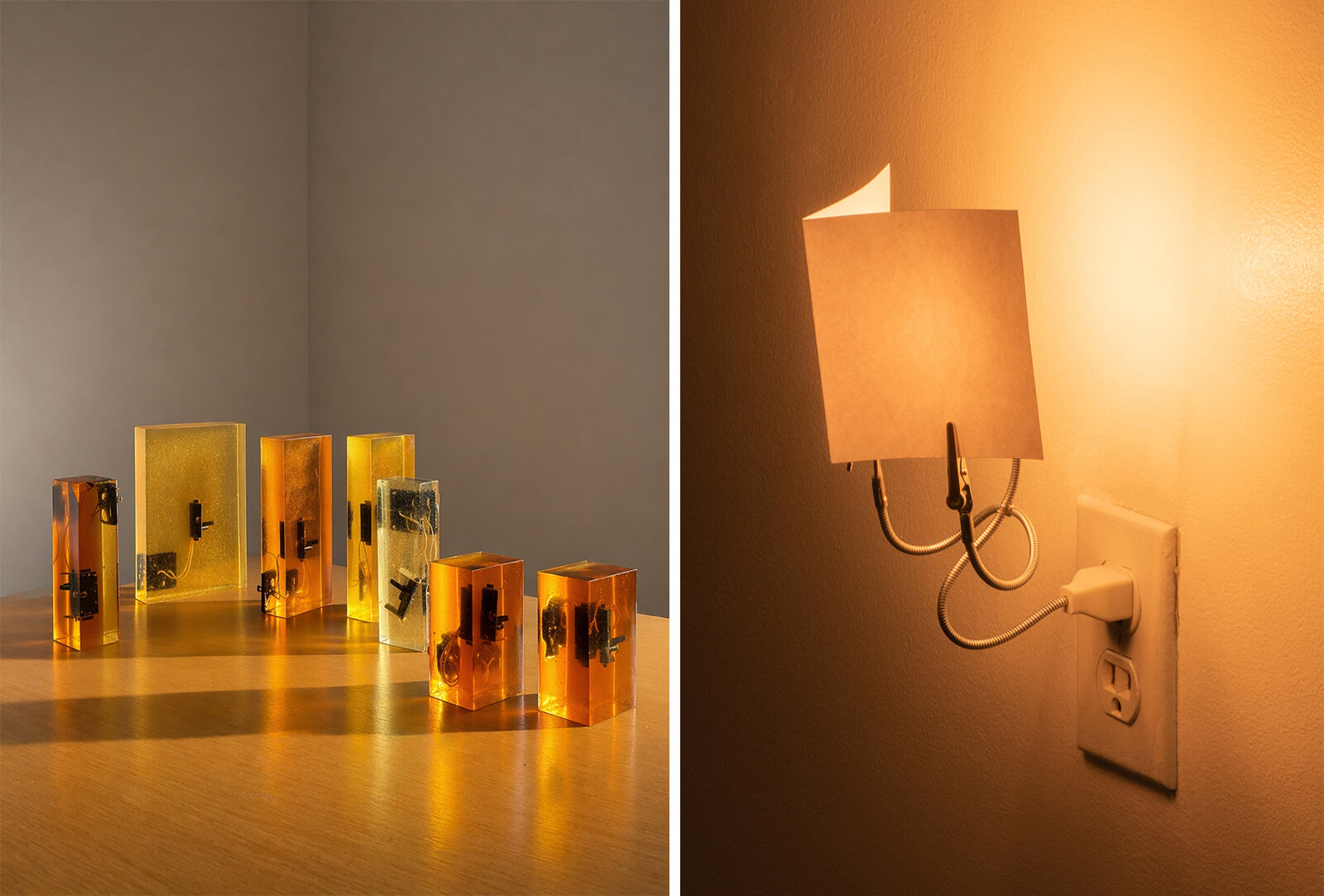
Further, designers turn their attention toward the mechanics and materiality of illumination itself. Works such as Plug Me In and Turn Me On by artist-designer Keenan Rowe is a cheeky lamp made from light bulbs, adapters and splitters. Extension Cord Germination by Normalcy mimics a living extension cord slithering out from the wall. The series of eight NIGHTBLOCK lamps by designer Rich Aybar, each titled Walk I to VIII, reveals the lamp's inner circuitry enclosed in a polyurethane rubber. The translucent forms capture and diffuse light within dense glowing volumes, creating subtle shifts in colour, opacity and luminosity.
What makes DUDD LITE compelling is not just the novelty of 130 designers reinterpreting the same object, but the way the exhibition reveals the possibilities hidden within an overlooked typology. The appeal of the nightlight lies not merely in its ability to illuminate a room, but in its capacity to shape the experience of inhabiting it—transforming a functional object into one that is also joyful and whimsical. These lamps seem to prove that even the smallest light can have an outsized personality; each bringing a little wonder to the hours after dark.
‘DUDD LITE’ is on view from May 12 – June 26, 2026, at The Future Perfect, New York.

by Pranjal Maheshwari Oct 23, 2026
Co-authored by Jareh Das, Chairman traces the British designer’s fixation on chairs as symbols of power and identity and as mediums of expression and community building.
by Chahna Tank Oct 22, 2026
STIR speaks with the Mumbai-based type designer about her practice, type walks and why she wants more people to have stronger opinions about Indian-script fonts.
by Mirra Lynn Oct 22, 2026
The curators behind Palestine Design Week 2026 reflect on its intent, considering how design holds memory, makes space for loss and imagines a future in Palestine.
by Jincy Iype Oct 15, 2026
STIR explores craft, material intelligence and people shaping Indian design through dialogues with Design Democracy’s co-founders and the curators of its special exhibitions.

make your fridays matter with a well-read weekend
Enter your details to sign in
Don’t have an account?
Sign upOr you can sign in with
a single account for all
STIR platforms
All your bookmarks will be available across all your devices.
Stay STIRred
Already have an account?
Sign inOr you can sign up with
Verification link sent to check your inbox or spam folder to complete sign up process
Tap on things that interests you.
Select the Conversation Category you would like to watch
Please enter your details and click submit.
Enter the 6-digit code sent at


DUDD LITE at The Future Perfect reimagines the nightlight as an object of whimsy
by Chahna Tank | Published on : Jun 22, 2026


 Sign in with Google
 Sign in with email
What do you think?