Design10 mins. read
NGV’s Plant Life traces the past, present and possible futures of plant-based design
by Pranjal MaheshwariOct 13, 2026



by Pranjal MaheshwariPublished on : Aug 22, 2026
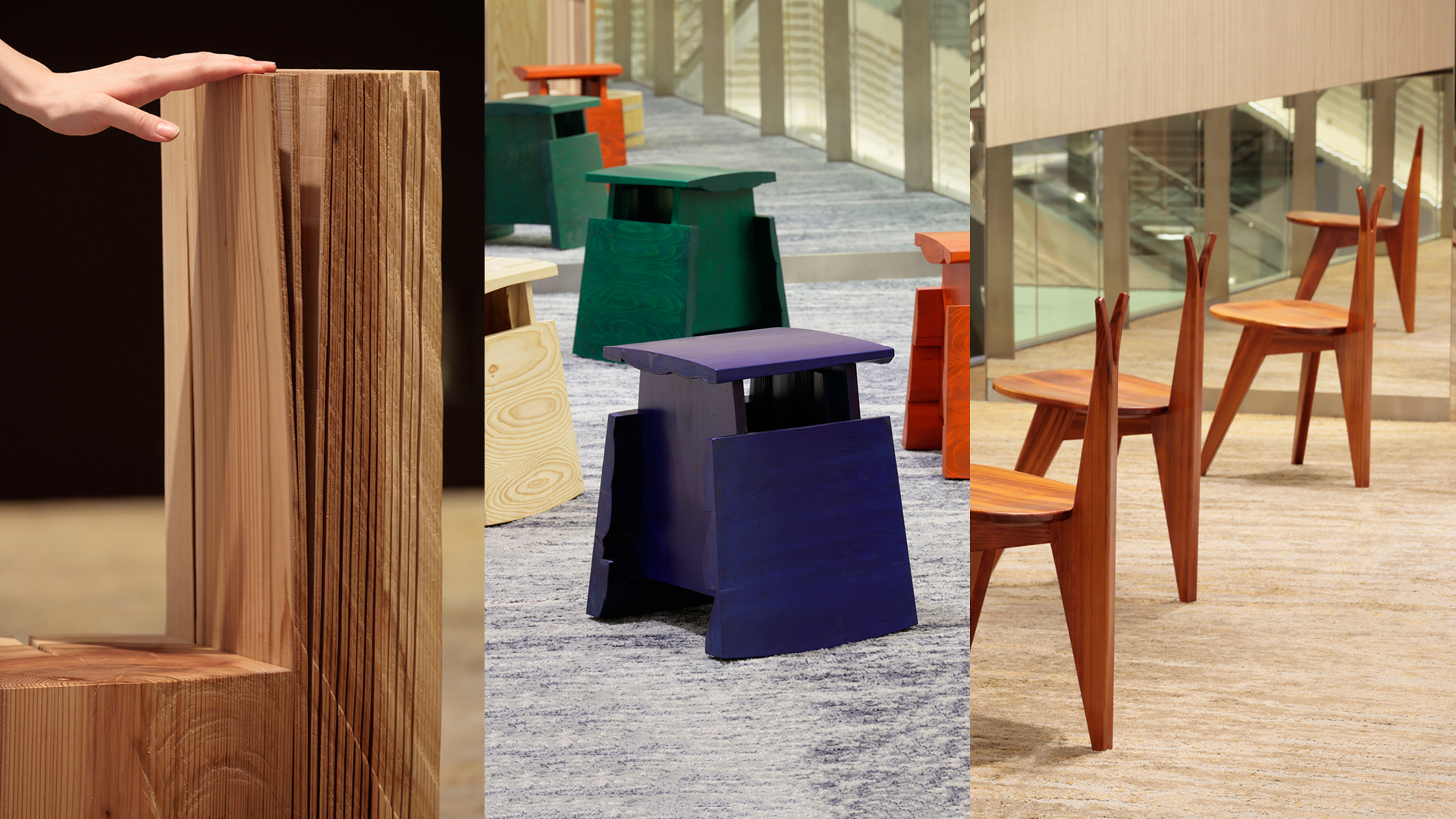
Where does craft begin? At the workshop, with the maker’s tools, or does its genesis lie earlier, with how the material is processed, or perhaps even before that: how it is formed, grown and moulded by nature? In spring 2025, Tokyo-based architectural studio DAIKEI MILLS and the commercial enterprise and complex GINZA SIX launched A Tree, a three-year-long art and design project that traces the origins and lifecycle of wood, while exploring and rediscovering the relationship between material, craft and design and the reverence for it all. As its name suggests, the project follows the journey of Yoshino cedar from a century-old forest in Mt. Yoshino, Japan, from its source and processing to its manifestation into furniture and ultimately, architecture.
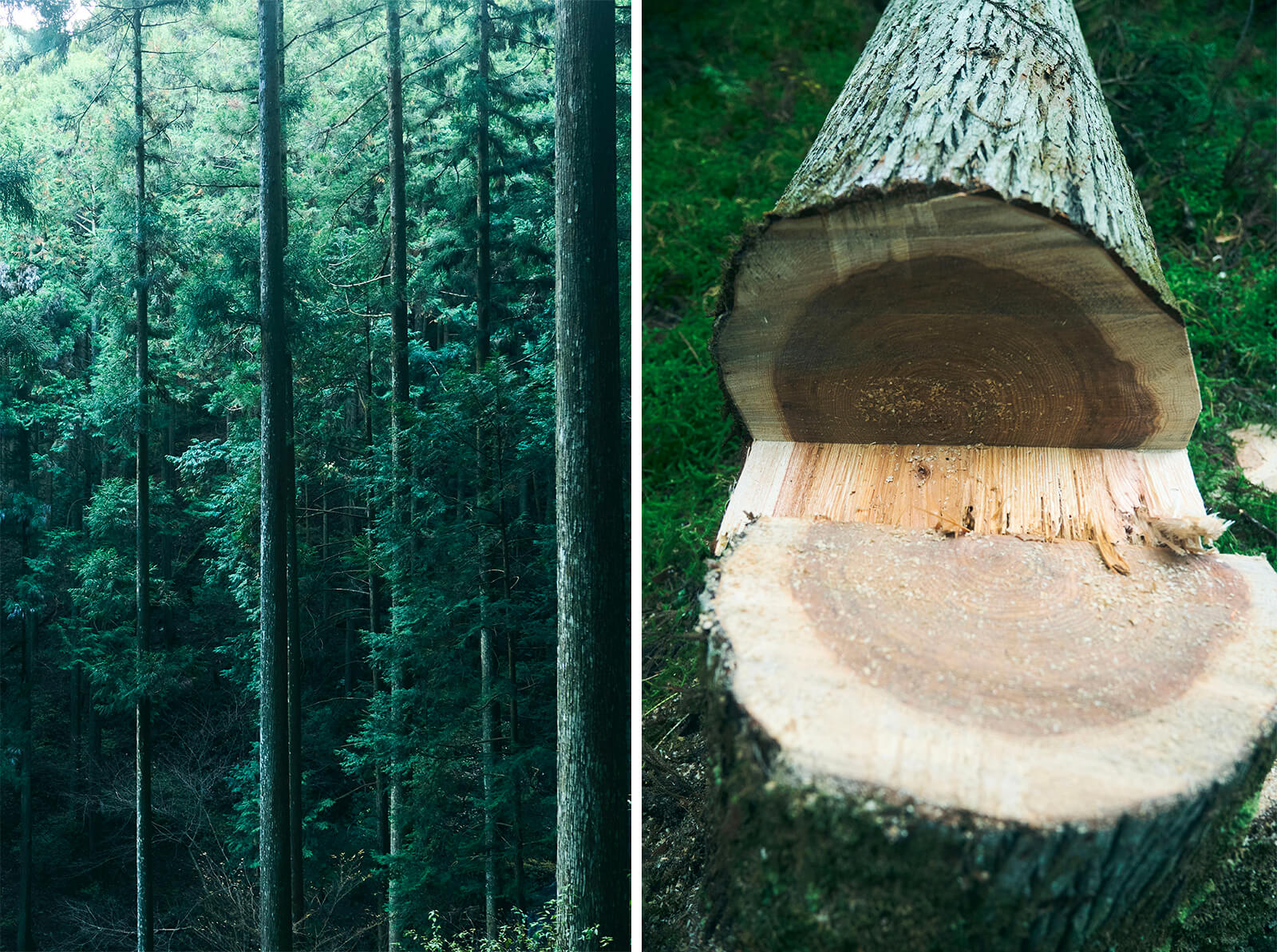
The project is divided into multiple phases: The first focused on the natural features of the cedar itself, drawing attention to its fine grain and durability, a material ‘with nearly 500 years of cultivation history,’ and one employed across Japanese architecture and objects, according to the organisers. Keisuke Nakamura, founder and director at DAIKEI MILLS, tells STIR, “From cutting to distribution to becoming a work, the project shows how one tree can transform into furniture, architecture and eventually a communication tool.”
The recently completed second phase introduced six international contemporary designers to this Yoshino cedar, inviting them to interact with and study the material and express their individual understanding and resonance by means of craft and furniture forms. “What interested us was how one tree could become different forms through different perspectives. We selected the six designers for their respect for material and willingness to engage with Yoshino cedar sincerely,” Nakamura explains.
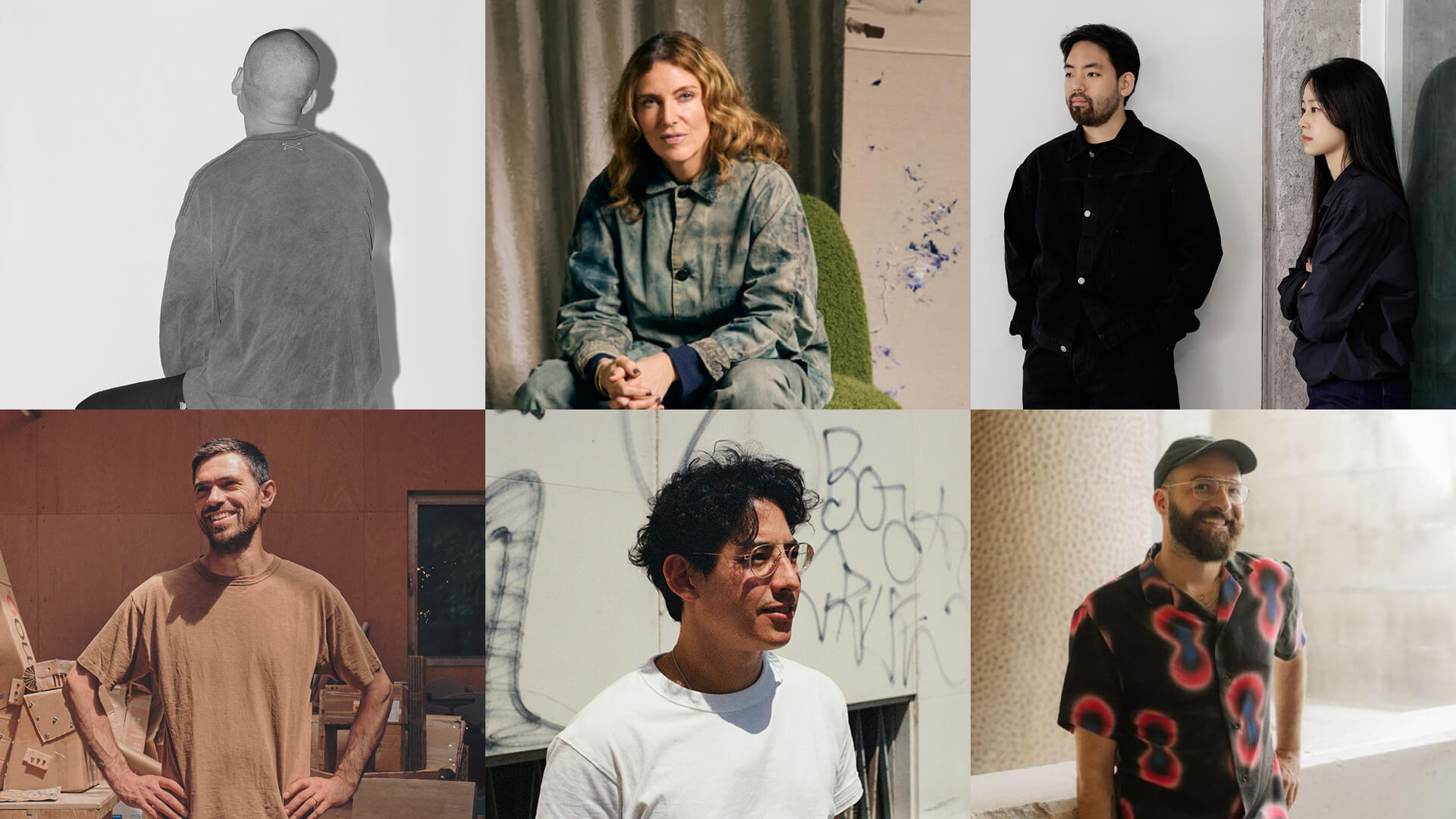
These designers—Faye Toogood, Max Lamb, KUO DUO, Siin Siin, Fabien Cappello and Rio Kobayashi—first visited and studied the wood in the Yoshino forest before being given 20 – 25 metres of a single log, of which around five metres was intended as the subject of this phase.
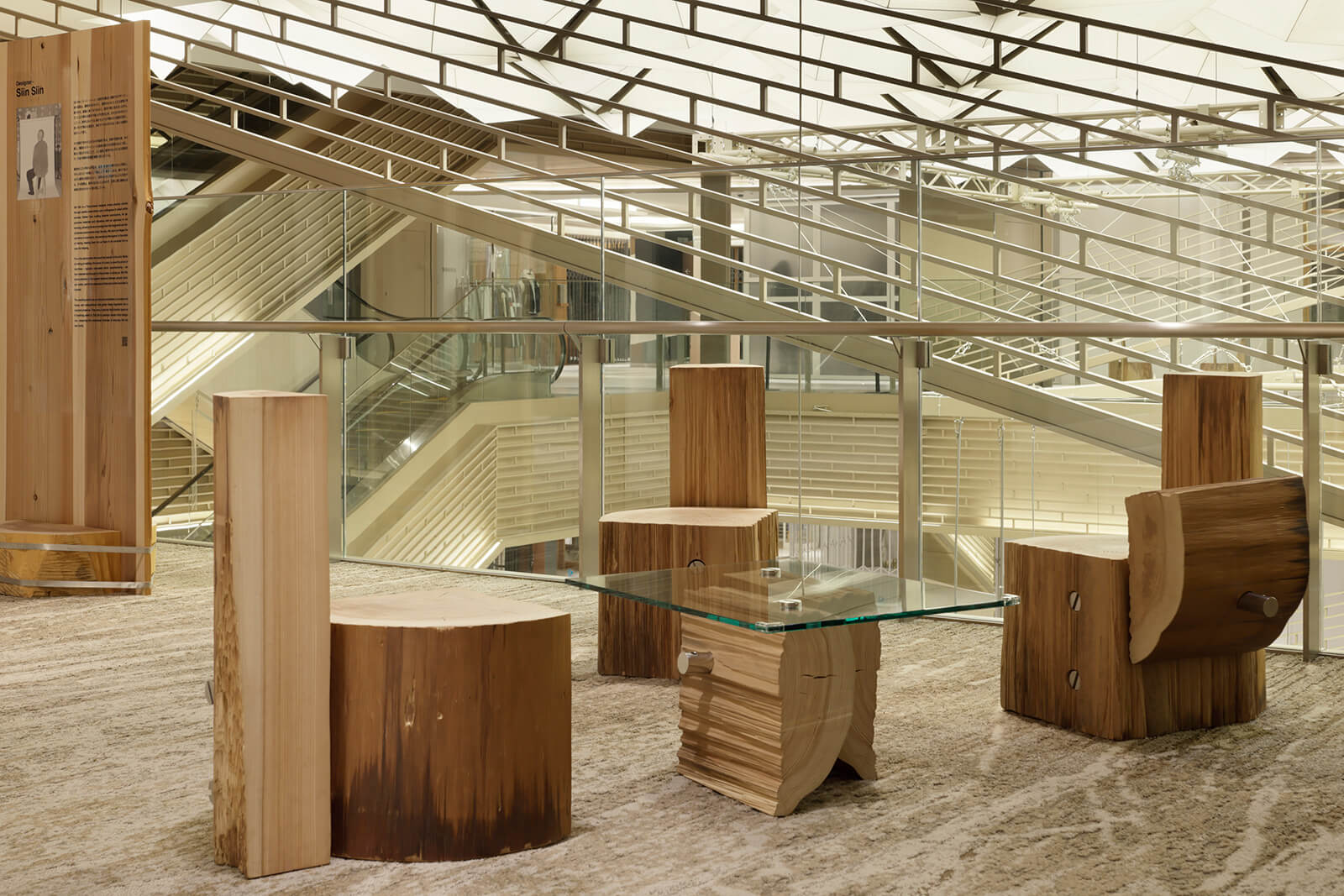
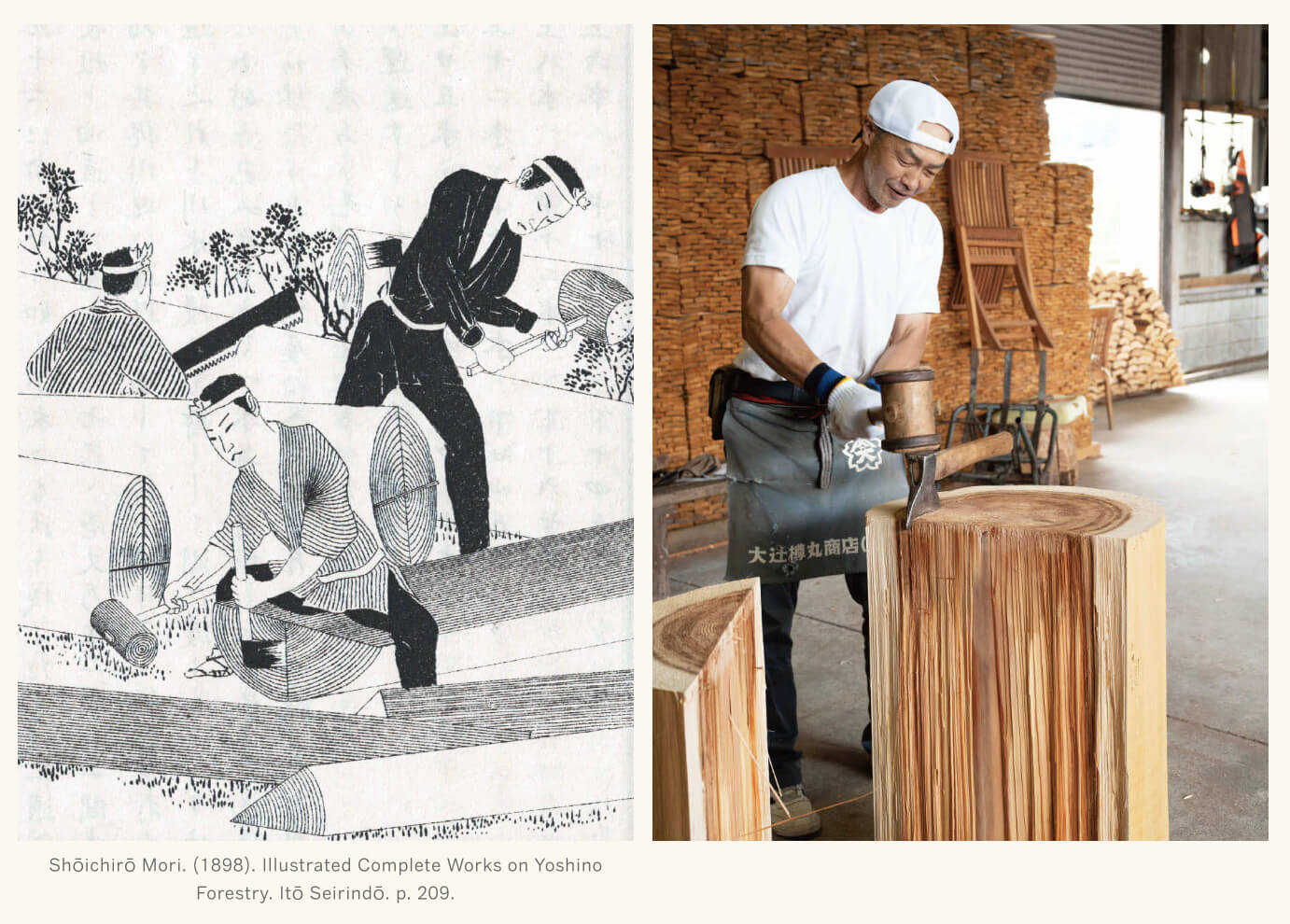
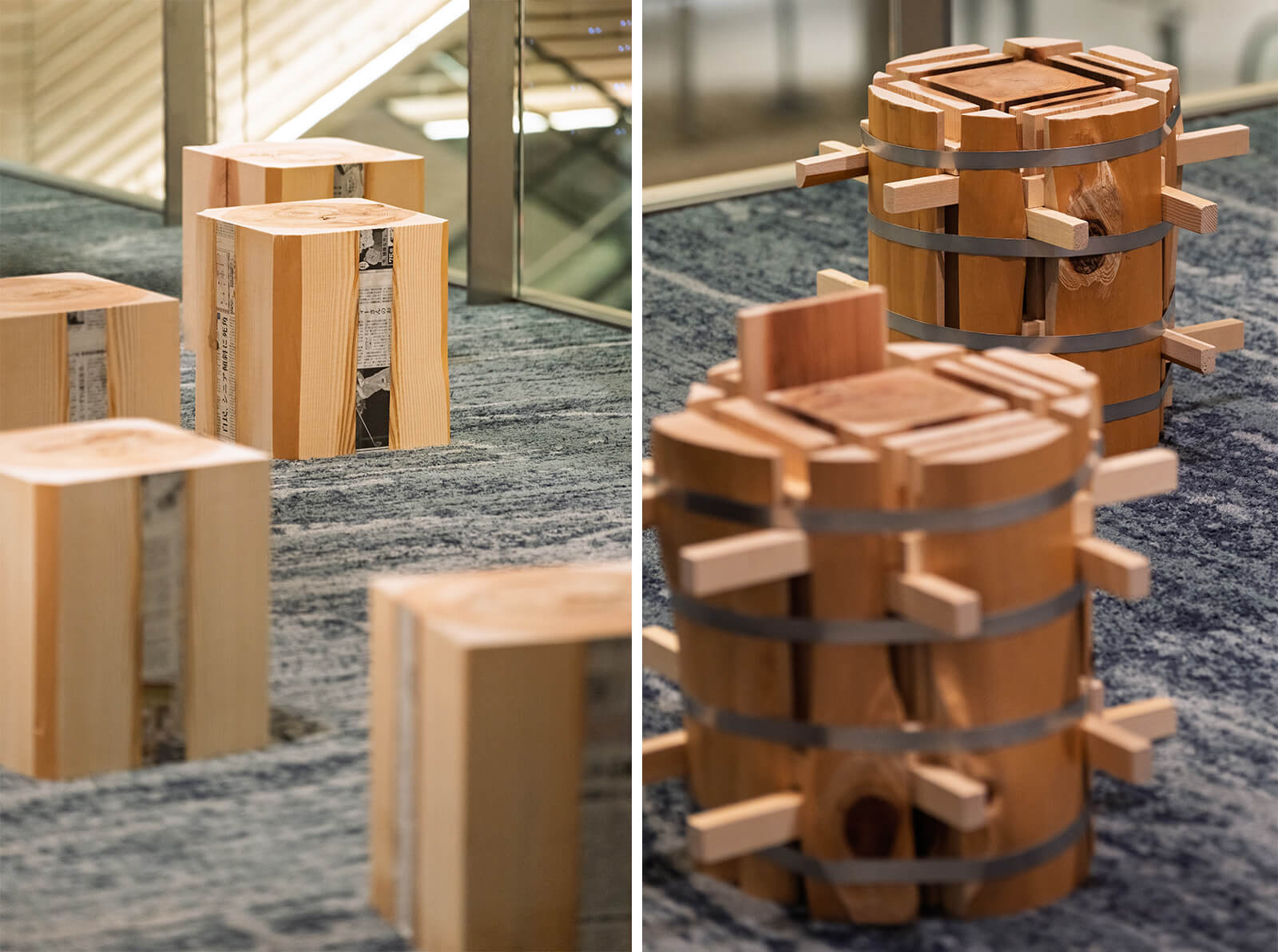
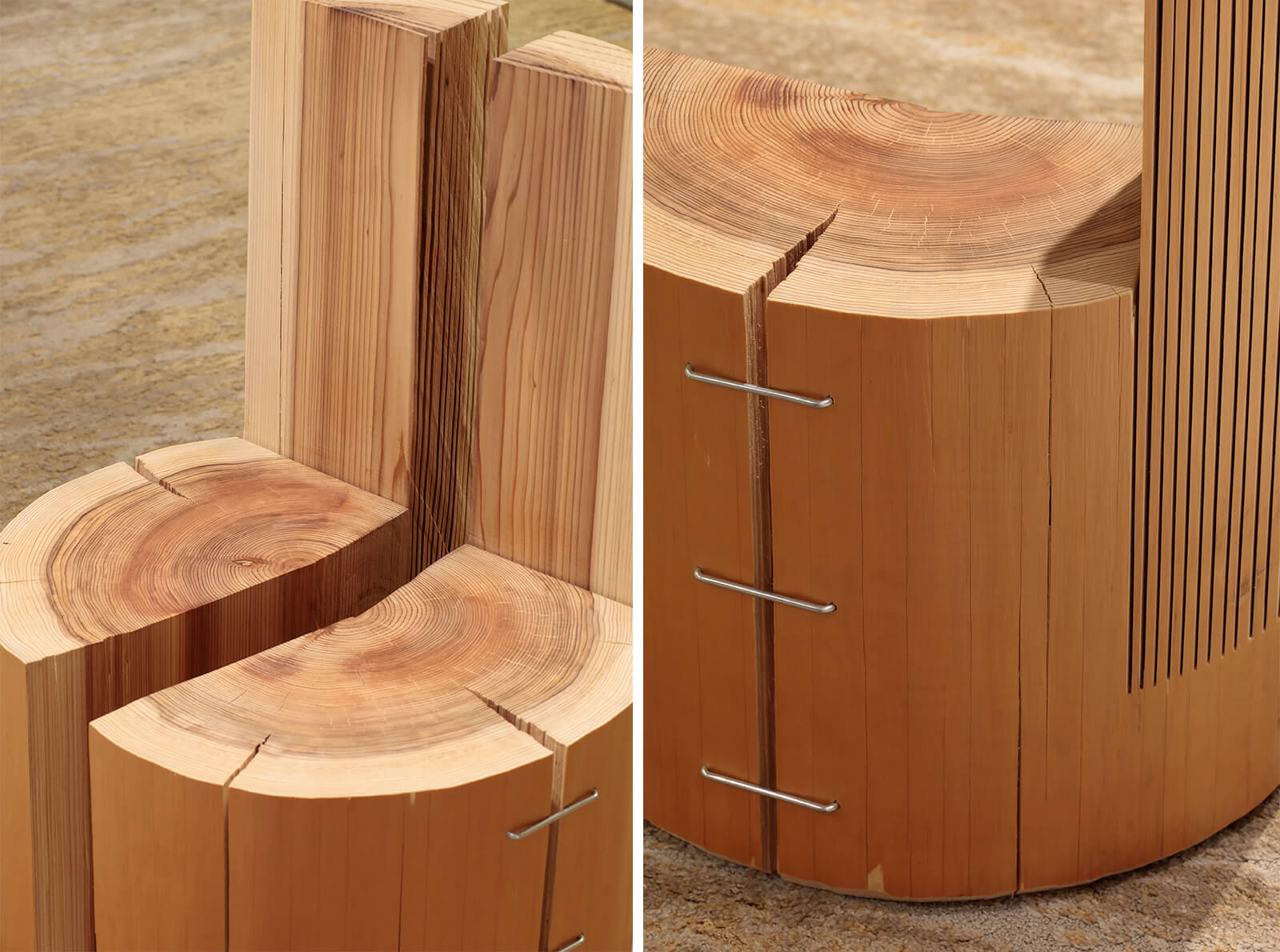
Tokyo-based experimental design practice Siin Siin crafted the Tou Tou collection (Japanese for ‘at the end of a long process’) in which a rudimentary-looking assembly of wooden logs are held together by steel members, revealing rhythmic, jagged edges. The wooden furniture employs the traditional process of kenwari, used to produce wooden barrel staves. “The process brought together people involved in forestry, milling, barrel-stave production and furniture making, each engaging with the tree at a different stage,” Siin Siin shares with STIR.
The year-long journey also instilled a newfound appreciation for natural processes in the Japanese designer. “Cracks, grain and variations in form can be read as traces of time and environment,” he explains. “[Over the past year], I came to feel that design should be a careful form of intervention, grounded in respect for both the material and the people who have cultivated, understood and worked with it.”
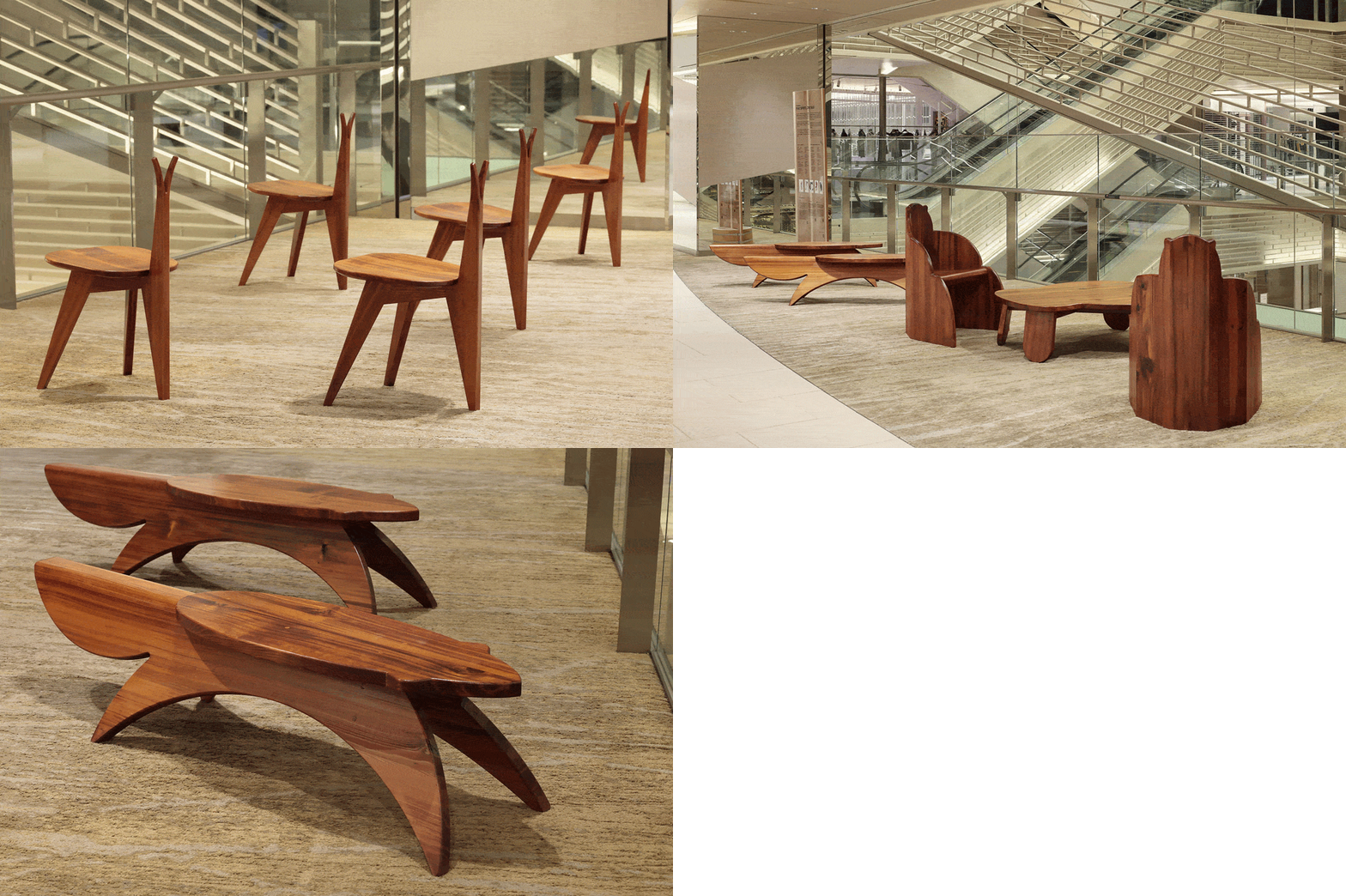
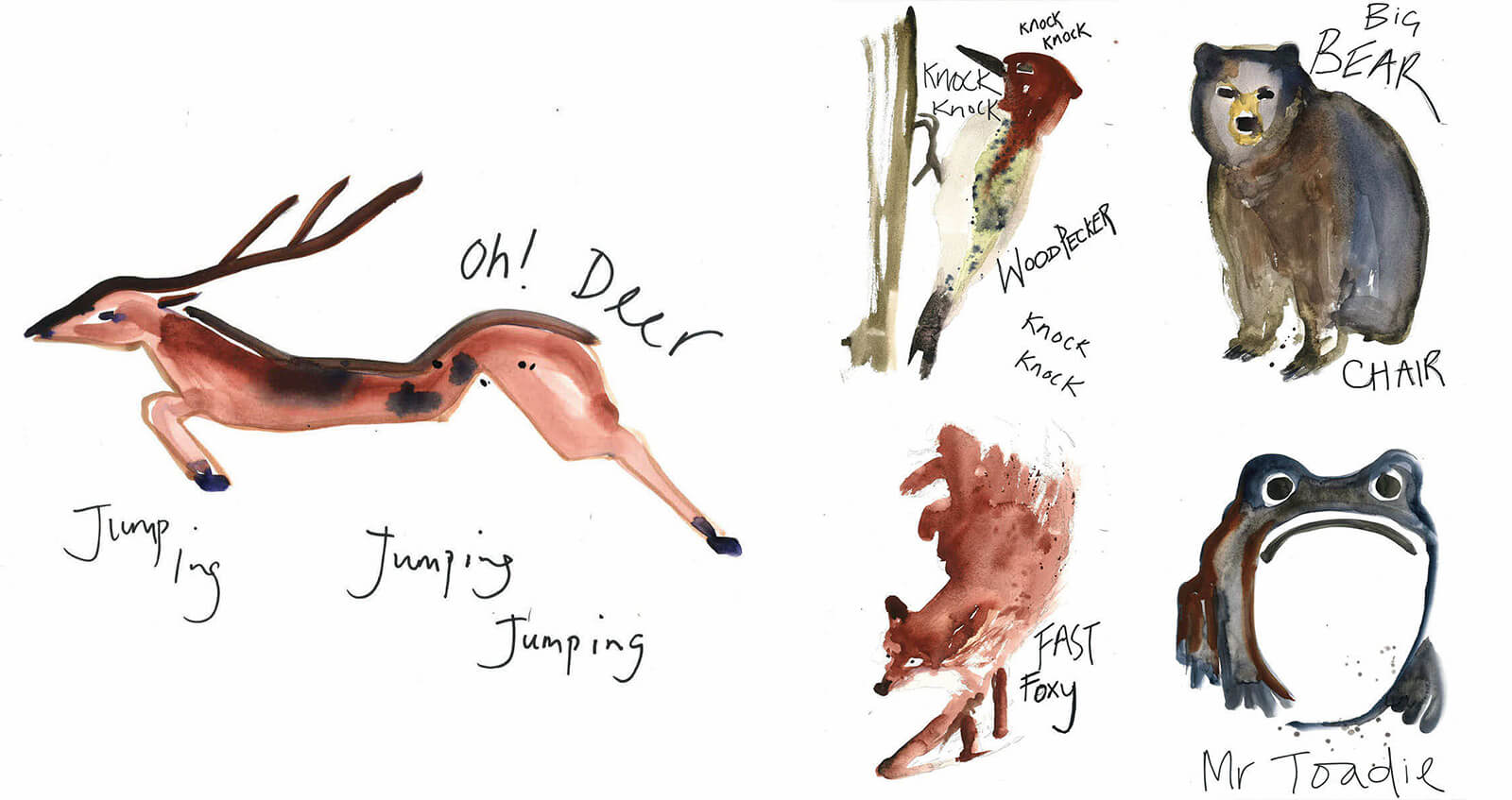
For London-based multidisciplinary designer Faye Toogood, inspiration came from her first visit to the forest and observing the community of animals and humans surrounding it. “The deer, fox, bear, toad and woodpecker—these five spirits all encompassed different qualities of the Sugi (cedar) and led me to create a range of furniture,” Toogood shares with STIR. Each piece in the resultant collection embodies a forest spirit, flaunting its defining features: a deer’s bowed line, a woodpecker’s rhythmic marks, a toad’s grounded curve, a fox’s sly angle and a bear’s soft mass.
Arranging the FIVE SPIRITS, ONE SUGI collection in space continued the British designer’s journey of recreating a forest sequence. As she conveys, “we wanted to create a visual 'next' phase, the re-growth. Completing the cycle through the form of a sculptural sapling that marks the life of a new Sugi. And among those saplings at GINZA SIX you’ll see a deer stalking or a fox slipping.”
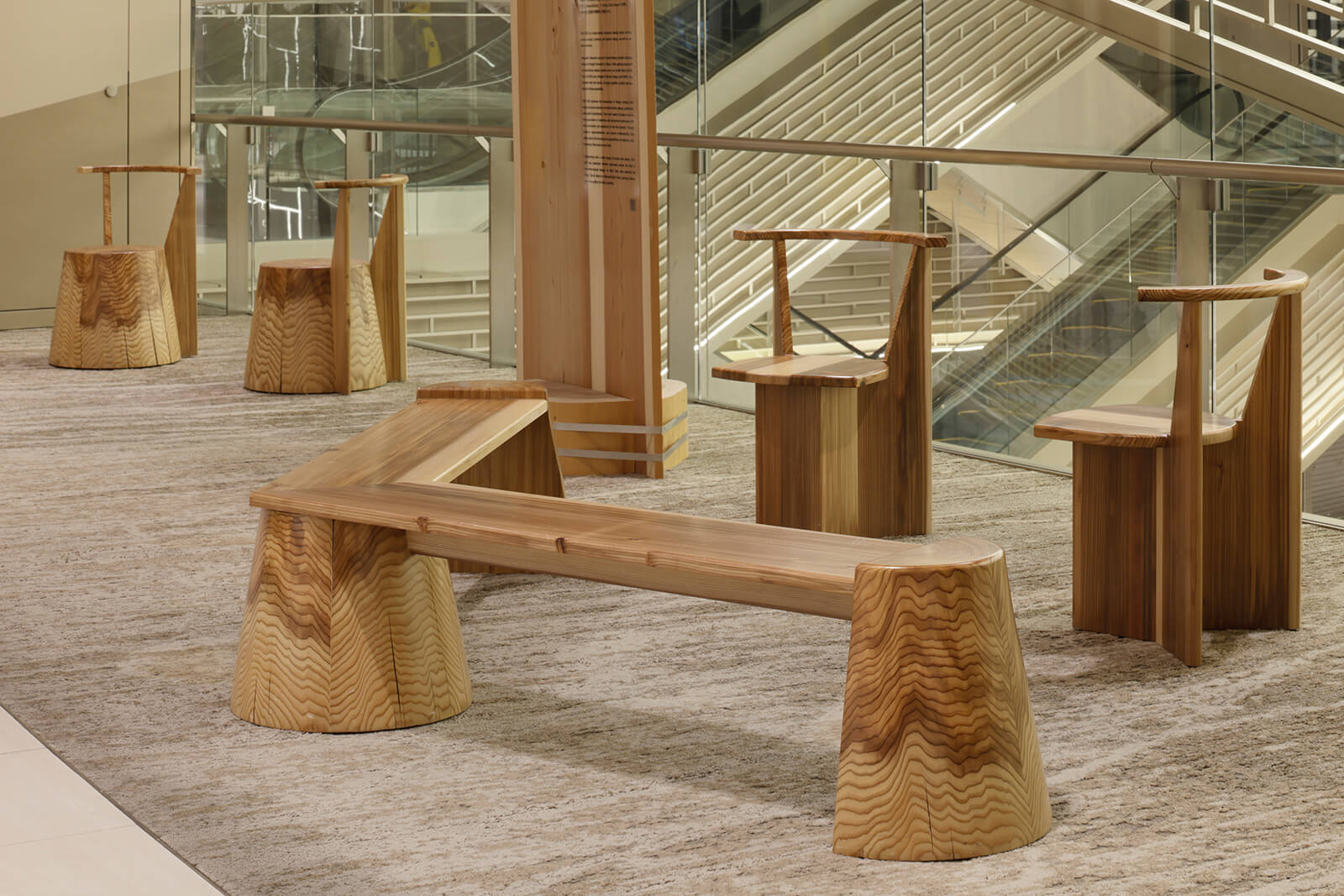
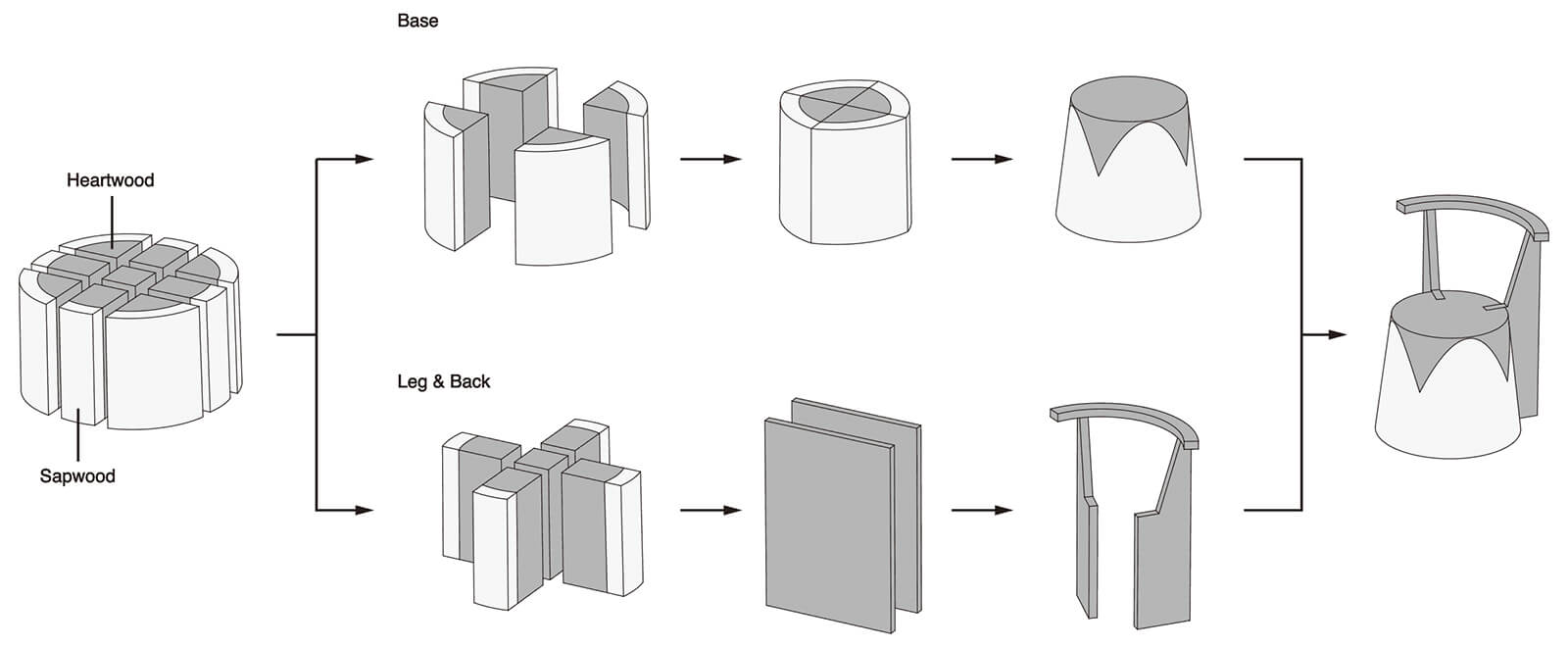
The KIRI KABU collection, crafted by Seoul-based industrial design studio KUO DUO led by Hwachan Lee and Yoomin Maeng, takes inspiration from tree stumps in the forest. “We imagined stumps dispersed within an interior space of GINZA SIX. Through precise cutting and woodturning, each log was reshaped into a cylindrical form that echoes a stump while preserving its internal memory,” the Korean designers explain. “Our process gradually shifted from creating new expressions to revealing what already exists within the material. Rather than transforming cedar into something new, we aimed to trace its transformation,” they continue.
The outcome is a series of everyday furniture that has a conical, stump-like form as its base and is crafted to feature the subtle gradation from heartwood to sapwood across cedar’s growth rings. When in use, the product designs are intended to be interpreted and used at the scale of architecture, extending the forest’s natural atmosphere into the man-made interior of the complex.
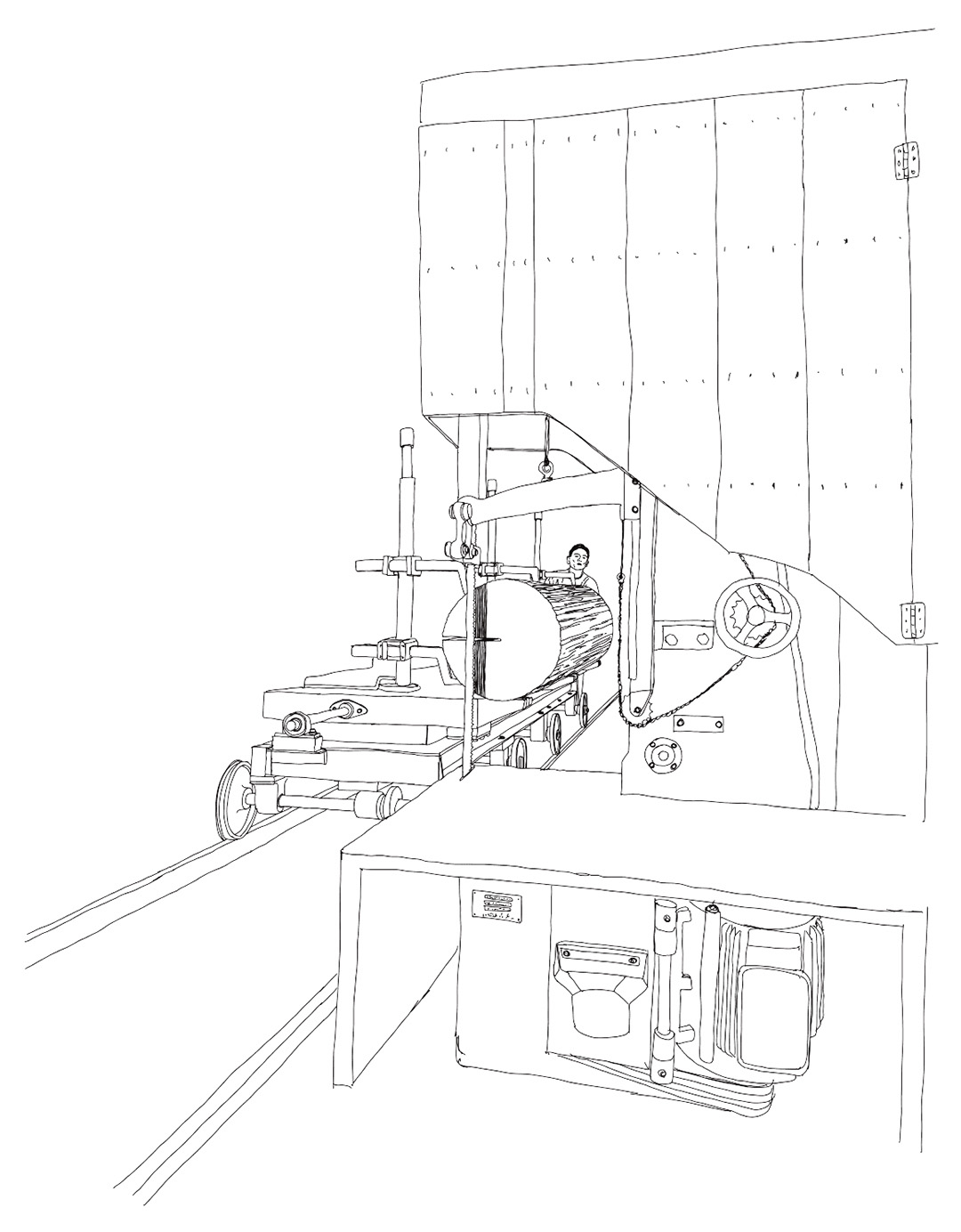
While some designers worked with and found inspiration in the natural registers of Yoshino cedar, London-based artist and product designer Max Lamb was drawn to its material properties and limits. He designed Cedar is a Soft Wood to challenge its industrial perception as a hardwood. With the help of a local craftsman, Ohtani San, and his bandsaw (a machine capable of delivering precise, closely spaced cuts into the raw wood, the British designer transformed a log into a chair with a backrest. Composed of multiple 5 mm wooden planks sharing a common base, the backrest bends under pressure, displaying an unexpected softness while retaining support.
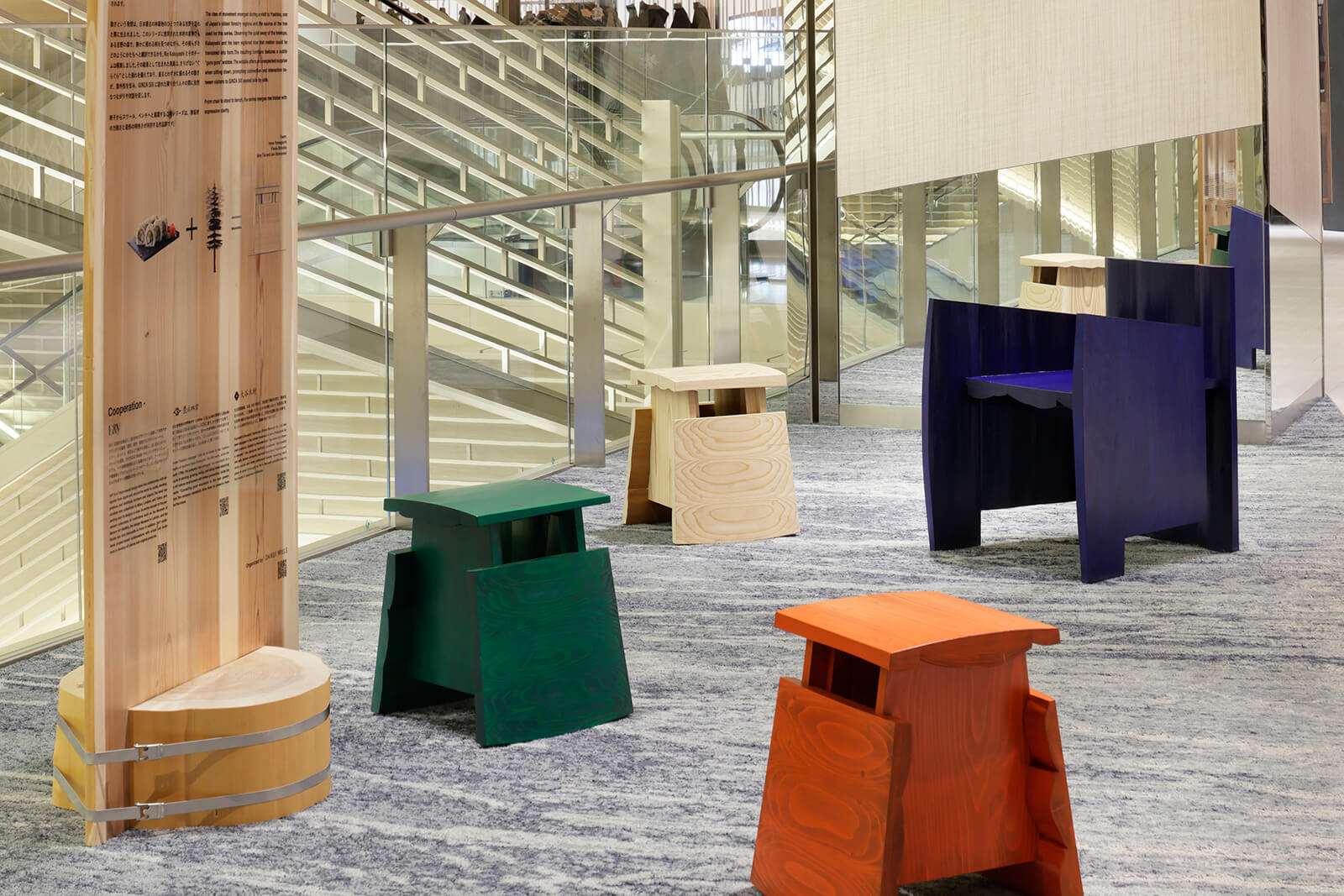
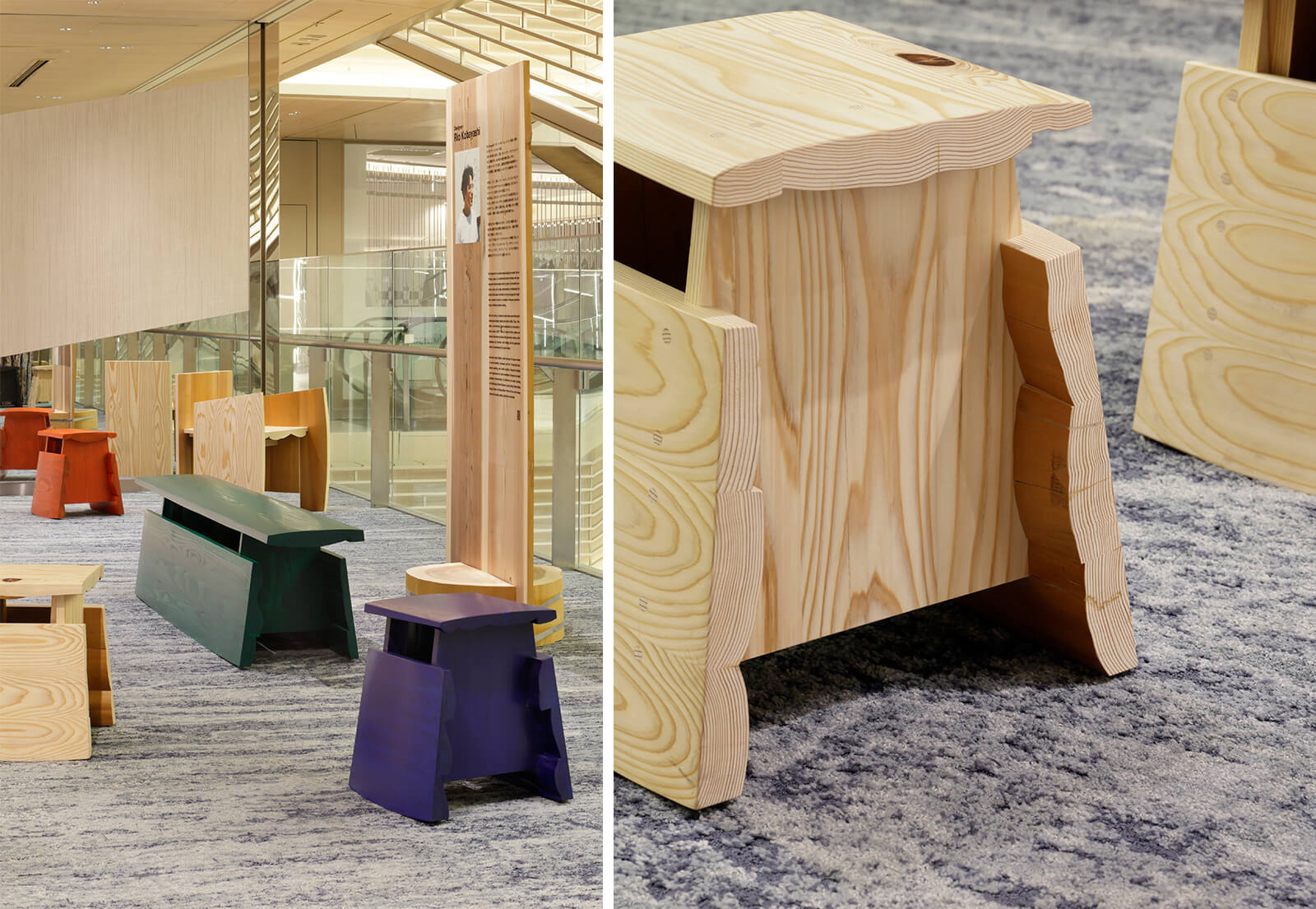
For the London-based Japanese designer Rio Kobayashi, the most fascinating element of the tree was its irregularly textured bark. “[In the forest], I learned how using any part of this life should come with gratitude, not convenience,” Kobayashi shares with STIR. “That thinking led me to the focus on the tree’s irregular outer skin—the part of the tree that is usually discarded—and to ask what it means to respect a material fully.”
The collection, titled Edisni tuo, or ‘Inside Out’, consists of chairs, stools and benches that pair the generally discarded parts of a tree with an expression of movement, derived from the constant sway of its canopy. “I kept the irregular outer skin of the tree and exposed the cut surfaces beneath it. The idea of movement came from the short but intense stay in Yoshino. That tension [between the trunk and treetops] stayed with me, and I gave the furniture a subtle tremor, a quiet rocking, as if the trunk had finally found the movement it never had,” says Kobayashi.
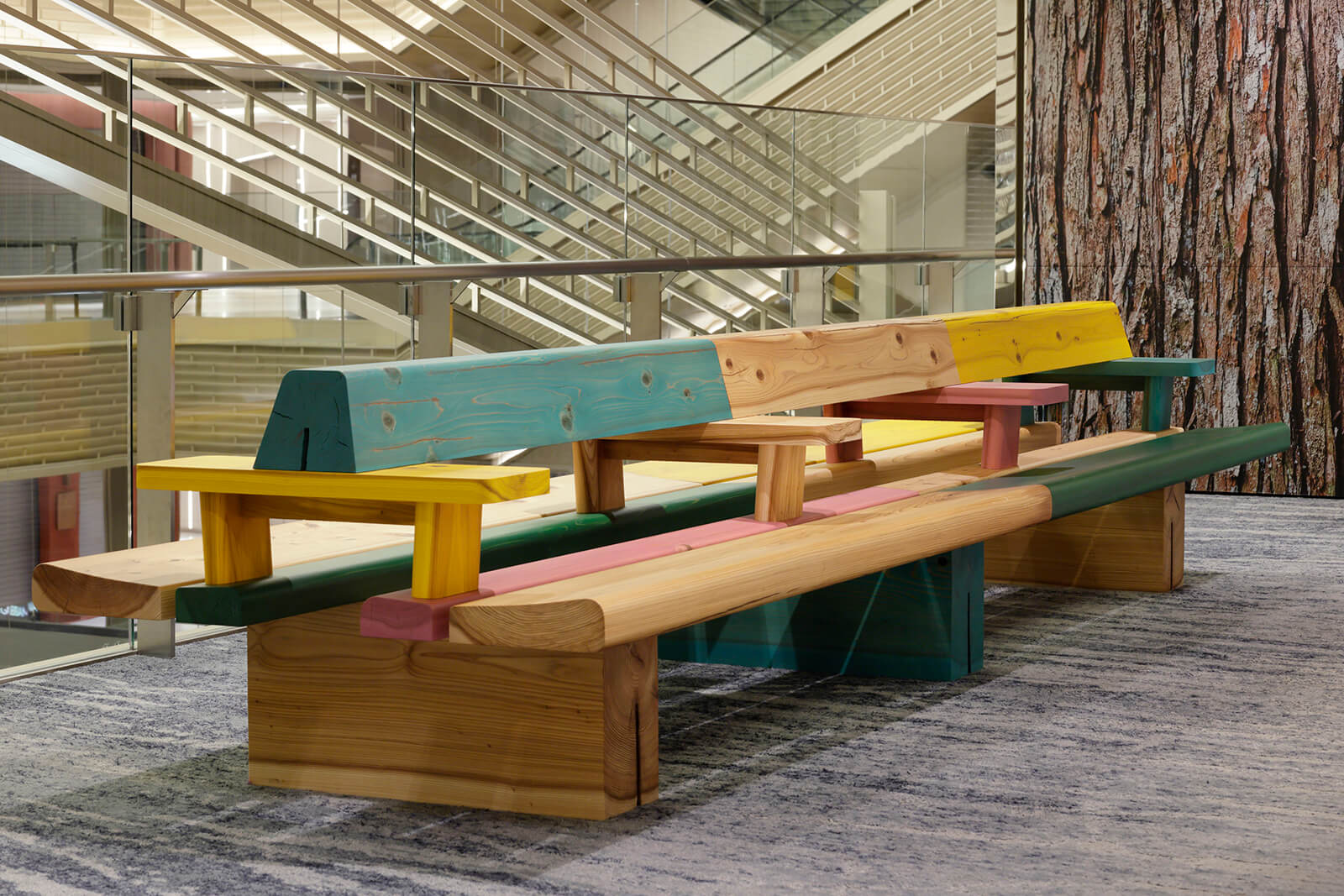
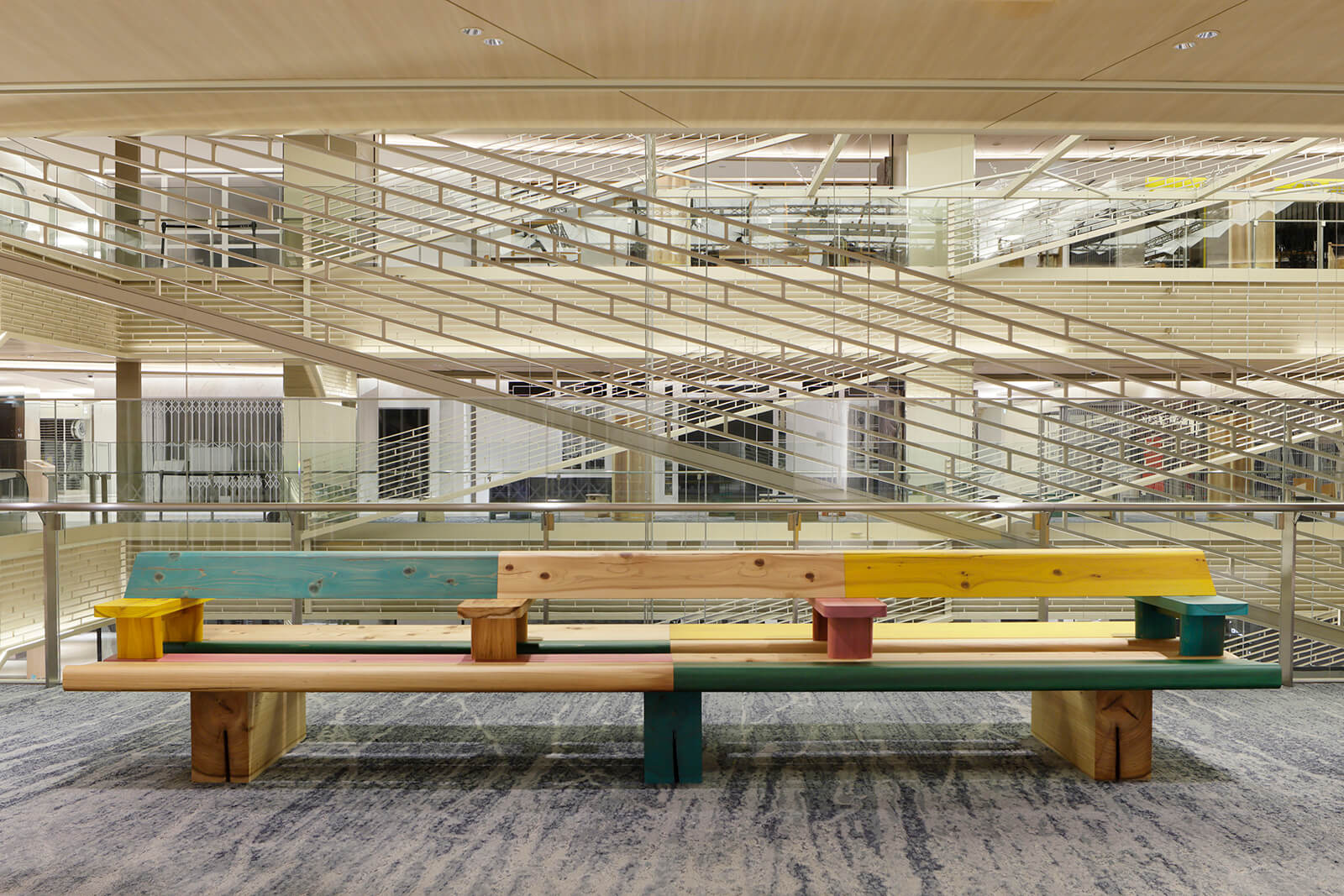
For the Mexico-based furniture designer Fabien Cappello, the project unfolded in a way to understand "the object as a public vessel—something that can become part of everyday life and hold shared experiences. At the same time, the project has reinforced my understanding of material as something in constant transformation,” as he explains.
The public bench, Multi, embodies Cappello’s fascination with the continuity of wood from a vertical tree into the horizontal element of furniture. “Wood is an incredibly valuable material and its transformation is meaningful when it creates spaces that people can share, inhabit and make their own. Ultimately, it is those human encounters that justify the material’s transformation,” says the designer. The bench’s design borrows directly from the form of public seats seen in hubs such as airports, parks and bus stations, reaching for a typical sense of comfort, while its vibrant colour palette strives for a more relaxed, inviting aesthetic.
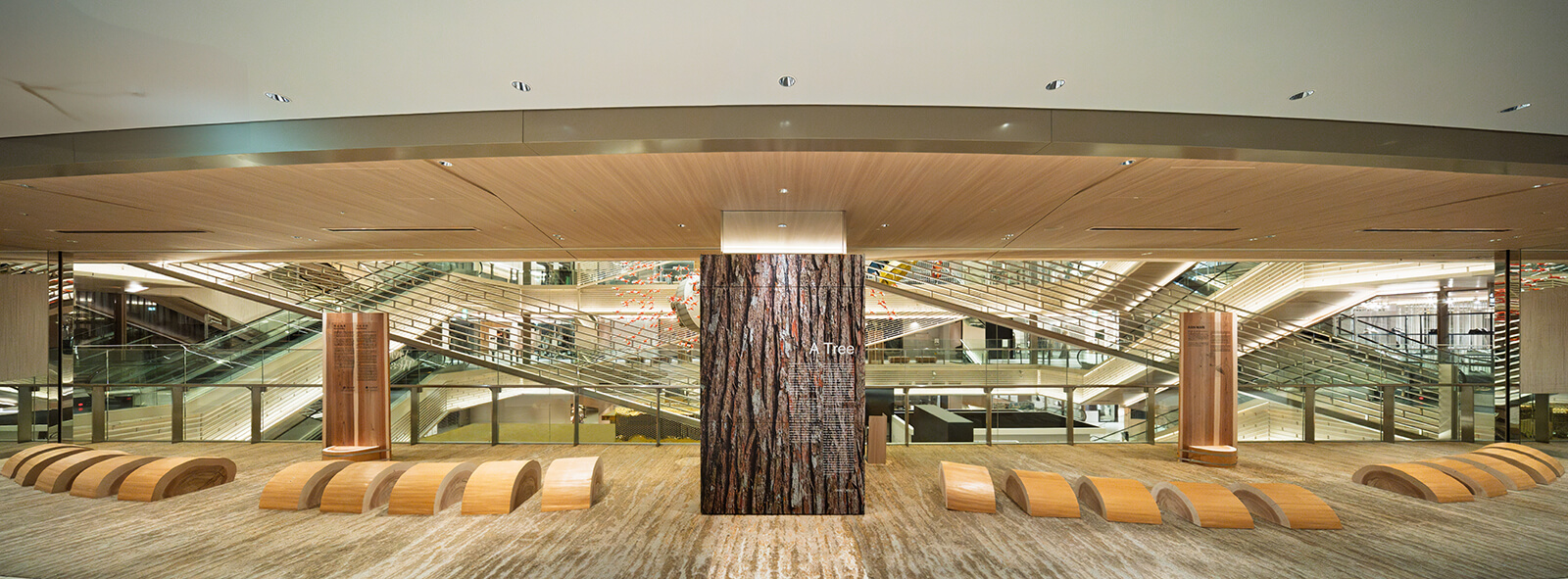
These collections are currently being showcased at the GINZA SIX complex designed by Japanese architect Yoshio Taniguchi, around its central atrium from the third to the fifth floors. “A Tree can be encountered almost unexpectedly as visitors move through the building,” Nakamura describes. “GINZA SIX is a place where art, culture, fashion, commerce and daily life overlap. Here, the works can be seen as art, but also touched, used and experienced in everyday life.”
As a project, A Tree dwells, almost uniquely, in the space between the origin of a material and its eventual transformation into an object; between craft and ideation, spotlighting the sundry layers that are often erased from the finality of an object. As Nakamura articulates, “Behind every object, there are often invisible elements: the environment where the material was born, the people who shaped it and the process of distribution before it reaches us. Through Yoshino cedar, we want to return to the origin of making things and make that process visible.” What emerges is a learning of craft and making as a continuum—one that begins long before the maker encounters the material and continues through its transformation, use and eventual return to the spaces we inhabit.
The next phase of A Tree, scheduled to commence after the summer of 2026, will extend this continuum into more experimental and interactive spatial explorations, according to its organisers.

by Chahna Tank Oct 22, 2026
STIR speaks with the Mumbai-based type designer about her practice, type walks and why she wants more people to have stronger opinions about Indian-script fonts.
by Jincy Iype Oct 15, 2026
STIR explores craft, material intelligence and people shaping Indian design through dialogues with Design Democracy’s co-founders and the curators of its special exhibitions.
by Pranjal Maheshwari Oct 13, 2026
Through furniture, art and films, the showcase at the Ian Potter Centre in Melbourne advocates for biophilic material cultures as an antidote to planetary degradation.
by Pranjal Maheshwari Oct 12, 2026
The exhibition reimagines the 20th-century Scottsville residence of the American sculptor and his partner, ceramicist Nancy Jurs, curated by their daughter Alison Castle.

make your fridays matter with a well-read weekend
Enter your details to sign in
Don’t have an account?
Sign upOr you can sign in with
a single account for all
STIR platforms
All your bookmarks will be available across all your devices.
Stay STIRred
Already have an account?
Sign inOr you can sign up with
Verification link sent to check your inbox or spam folder to complete sign up process
Tap on things that interests you.
Select the Conversation Category you would like to watch
Please enter your details and click submit.
Enter the 6-digit code sent at


From forest to furniture: six designers, six unique transformations of A Tree
by Pranjal Maheshwari | Published on : Aug 22, 2026


 Sign in with Google
 Sign in with email
What do you think?