Design04 mins. read
Mayfair Design District 2026 turns its focus to What Matters Now
by Pia BhatiaSep 09, 2026



by Chahna TankPublished on : Feb 09, 2026
Wood is a material that holds memory—its surface records the passage of time as readily as it holds scars and grain, retaining evidence of what it has endured even when shaped into new forms. Long associated with shelter, furniture and everyday support, wood offers a way to think about regeneration and to make space for bodies, rest and gathering.
To mark any tragedy—especially one where wood plays a central role—through an exhibition is to work with a fragile balance, moving beyond commemoration toward forms of engagement that carry weight beyond mere symbolism or gesture. From the Upper Valley in the Foothills, at the Los Angeles-based gallery, Marta, operated with this tension: unfolding one year after the 2025 Los Angeles wildfires which irrevocably altered the city's landscapes, claimed many lives and became the most destructive wildfire in the city’s history.
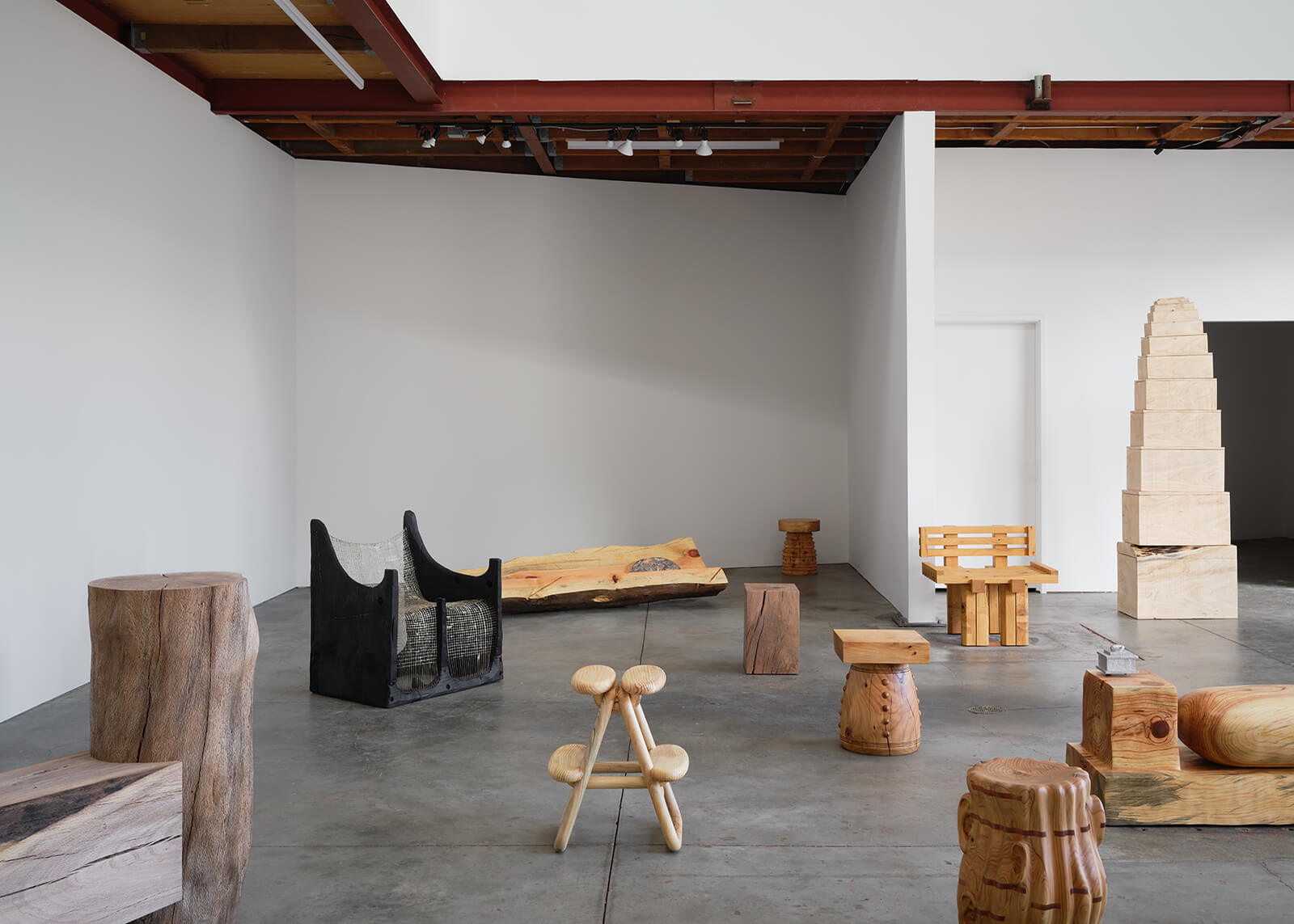
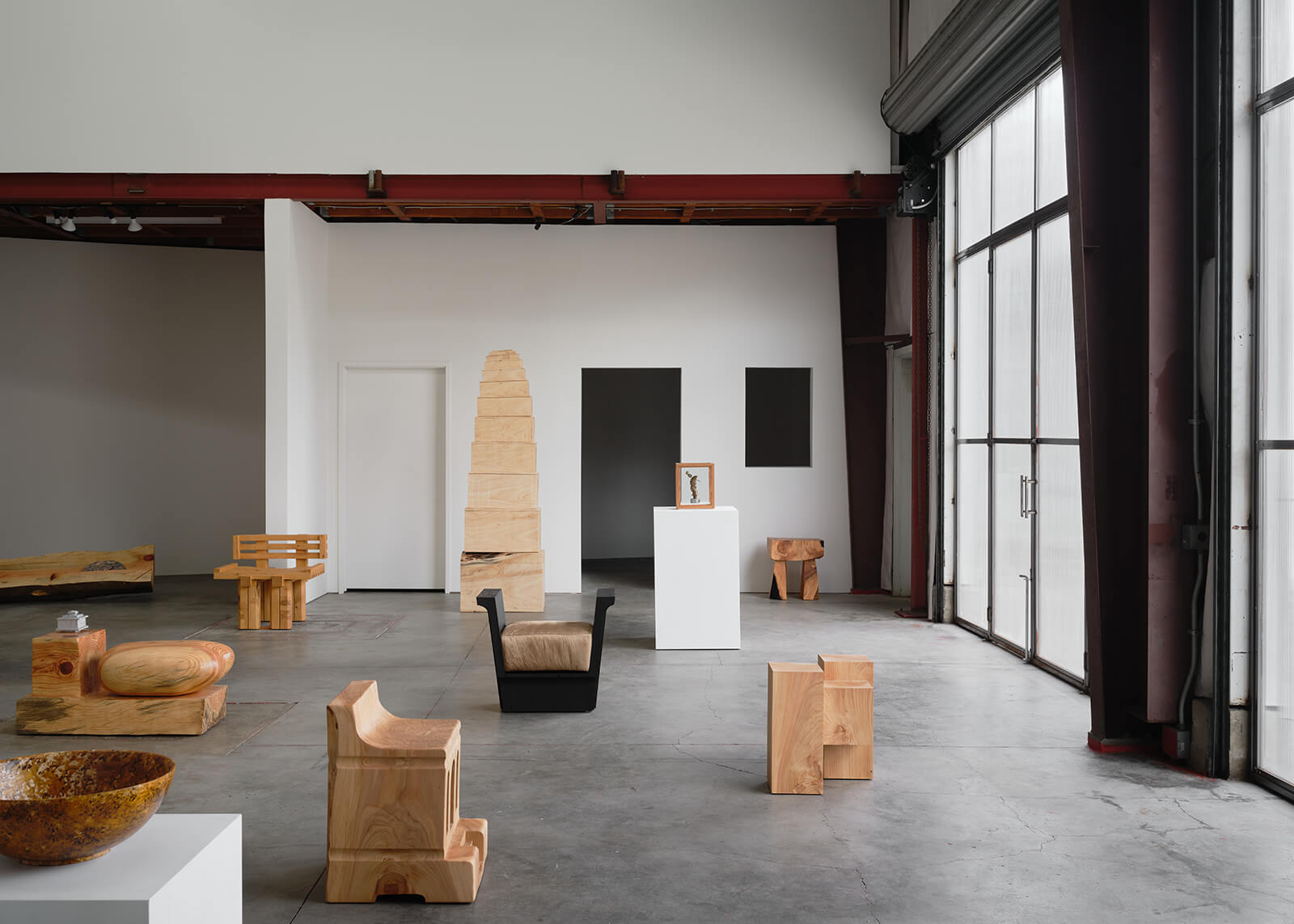
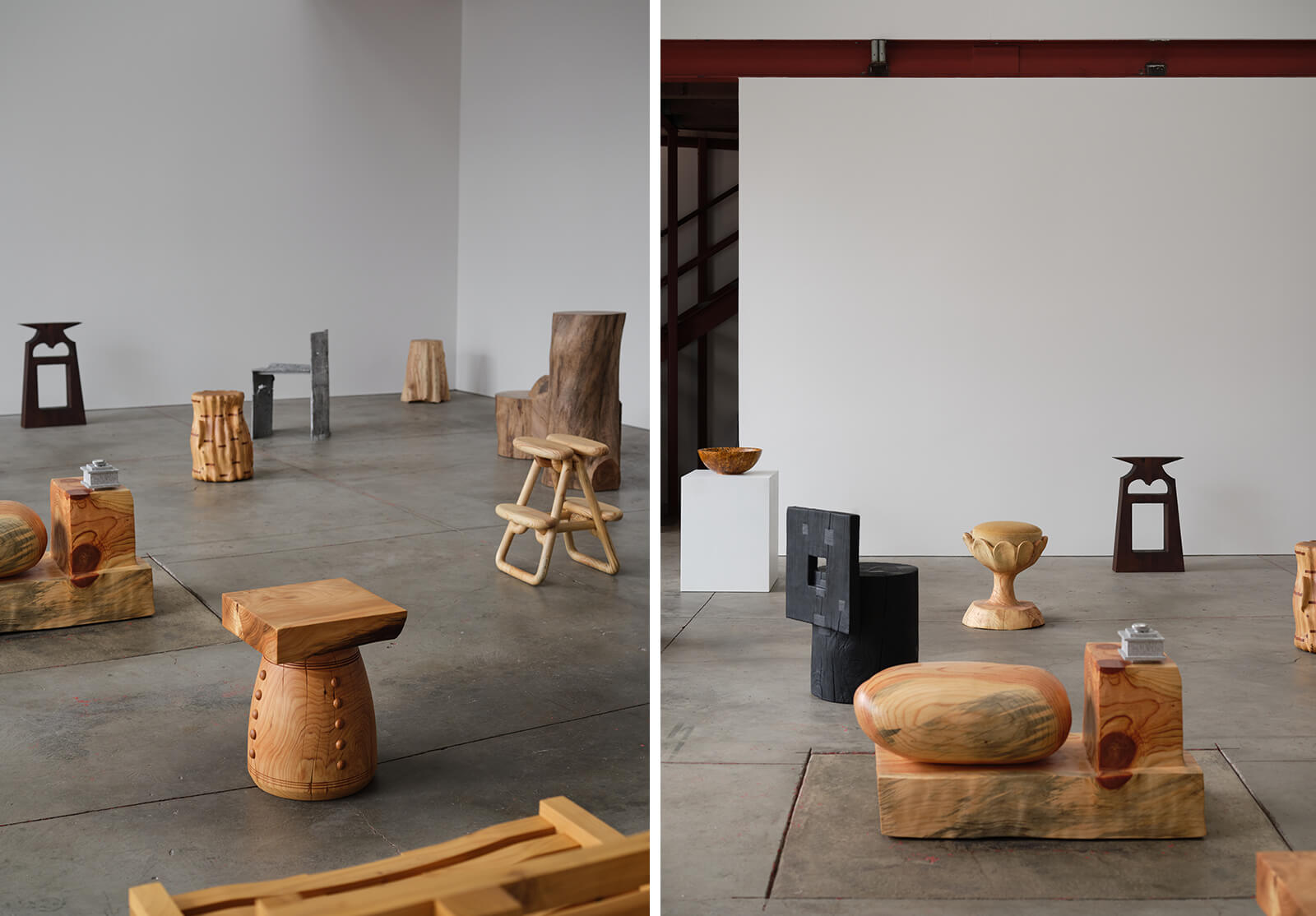
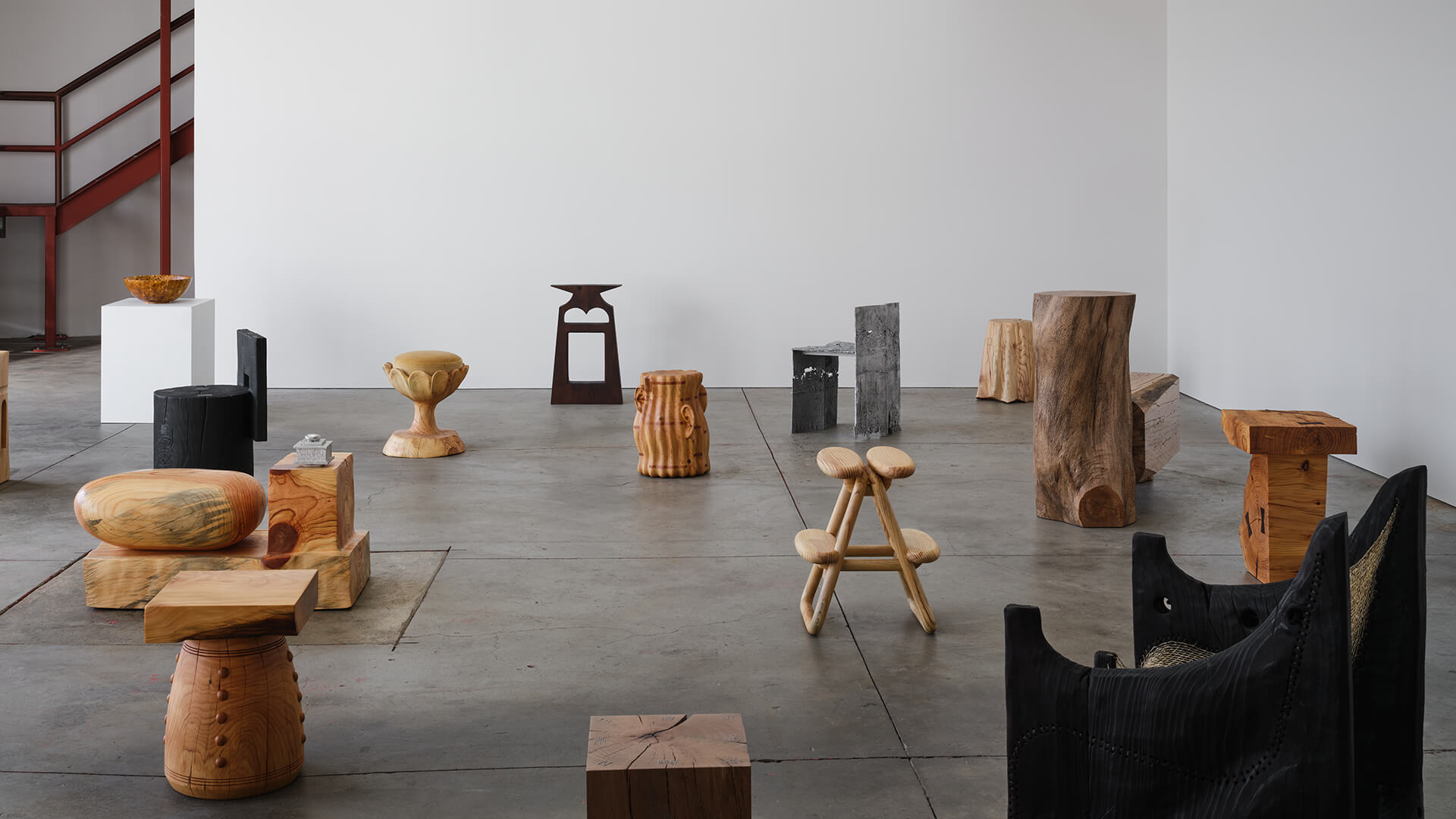
Rather than fixing the disaster in memory, the now-concluded design exhibition sought to remain in dialogue with its ongoing material and social consequences. It emerged as a “collective experience of grief and hope—a monument to the past and a journey toward the ever-evolving future”, as the official release noted. Co-curated and co-organised in collaboration with California-based sculptor Vince Skelly and material partner Angel City Lumber, the group exhibition brought together 22 contemporary designers and artists working across LA to respond to this tragedy using this simple material—wood.
For From the Upper Valley in the Foothills, each participant began with a single section of salvaged wood sourced from the foothill community most deeply affected by one of the fires. The species—Aleppo pine, cedar, coastal live oak and Shammel ash—were sourced through Angel City Lumber’s ongoing work reclaiming downed urban trees for civic and community use across LA. The ecological specificity of the material shaped design decisions for the exhibition: knots, cracks and burn marks became features to embrace rather than flaws to erase, grounding each object in a precise place and history.
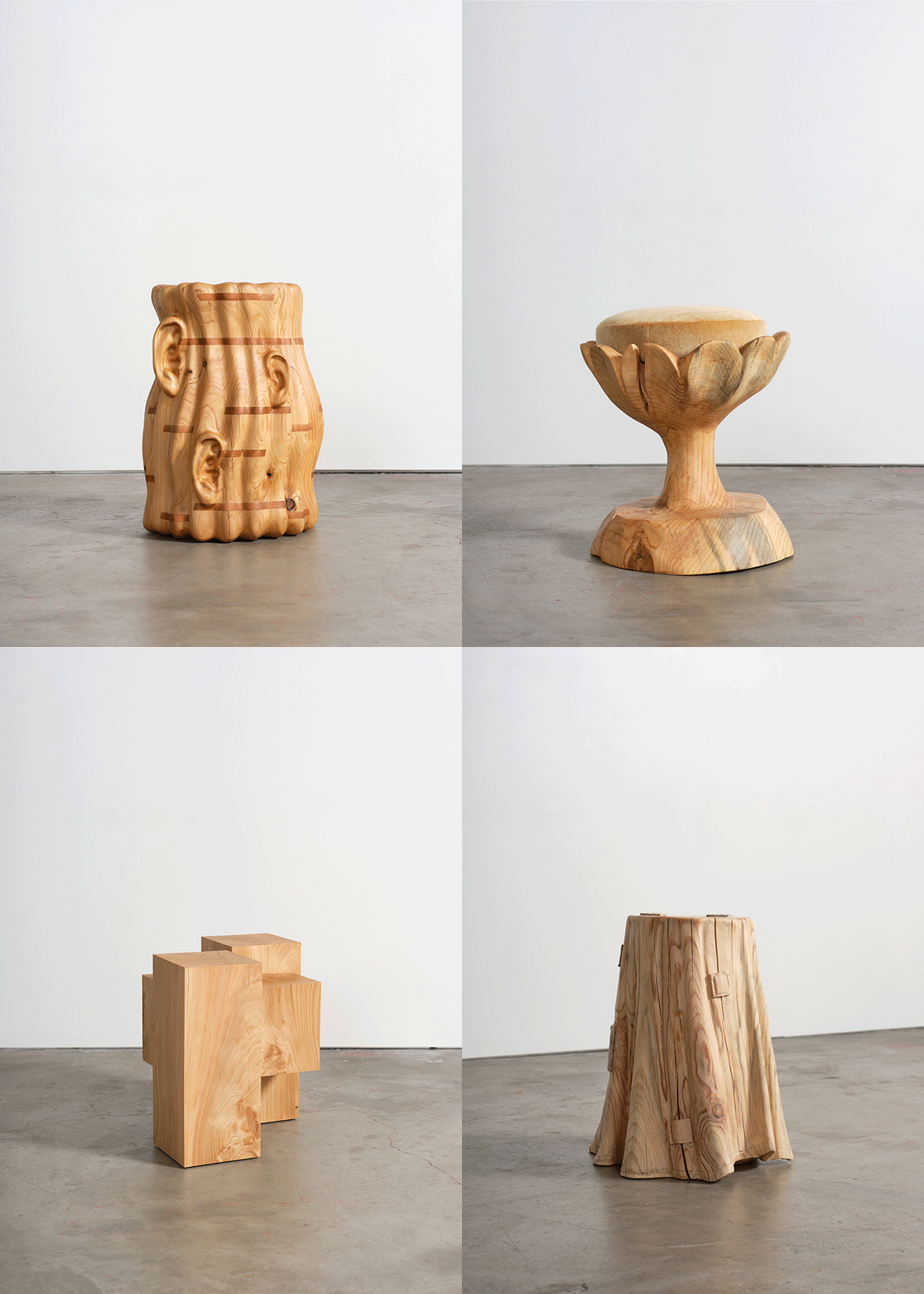
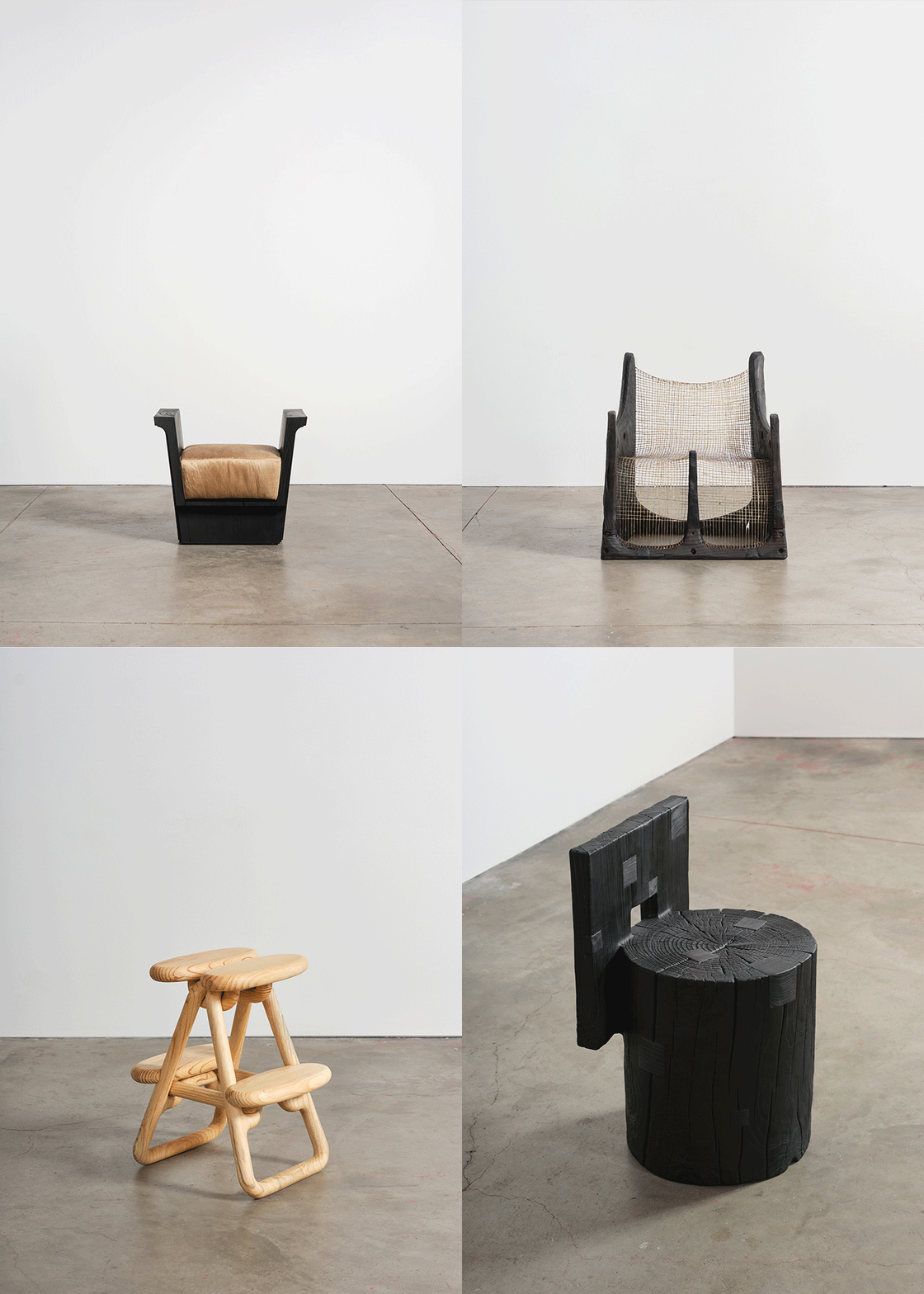
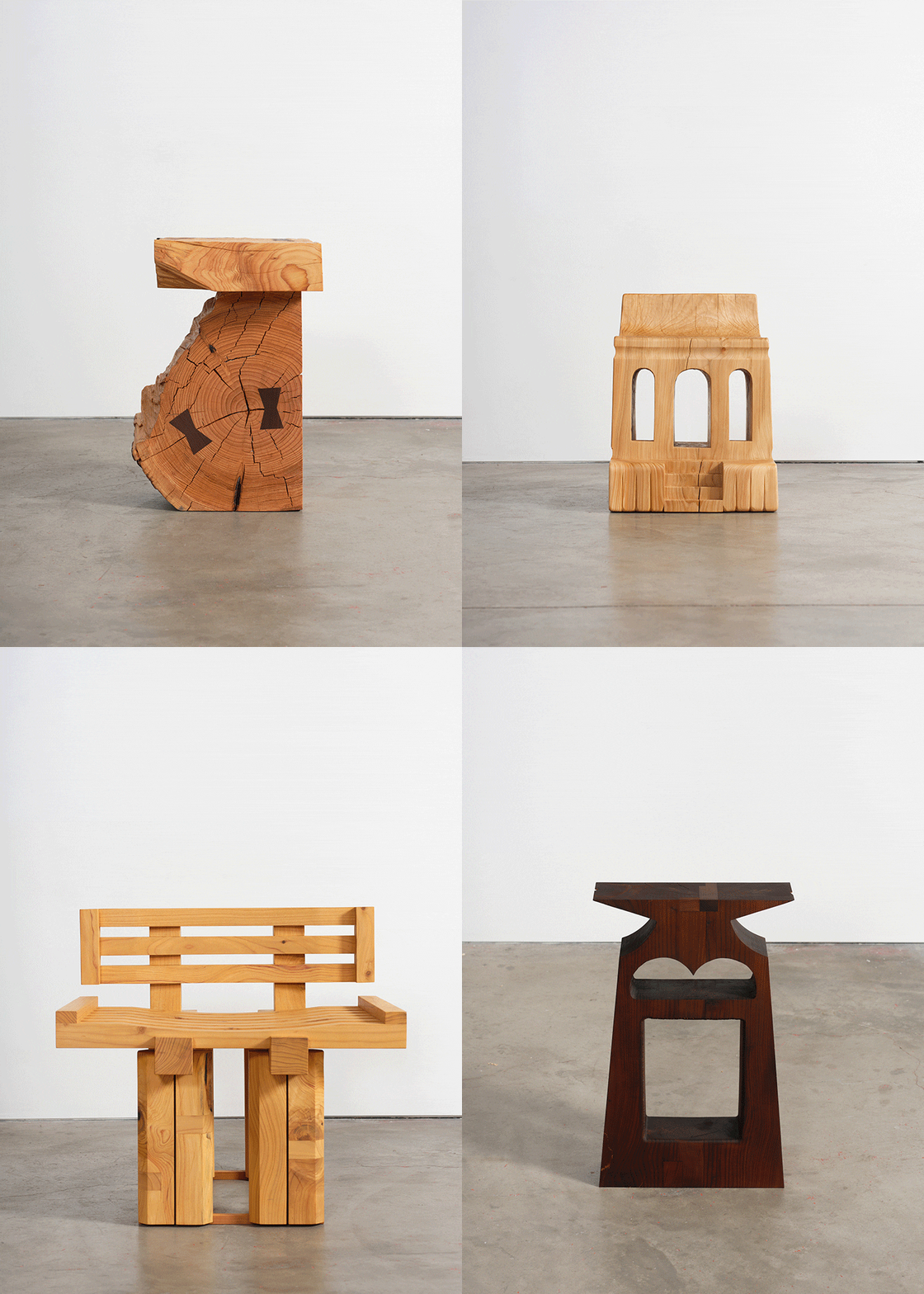
Across the gallery, artists presented furniture and product designs ranging from chairs, stools, benches and tables, to vessels and hybrid forms, each responding to the unique contingencies of their chosen timber. Designer Sam Klemick used wooden patches, like Band-Aids, to prevent cracks from expanding in her Dressed Stool, for example. Rachel Shillander's stool, Power Pole, preserved the burn marks and engraved a folk song associated with fires, with a compass engraved on top. Co-curator Skelly presented his Assembled Foothills Side Table, reflecting his sustained practice of working with salvaged wood, embracing its imperfections and structural limits as creative forces.
Other designers on view included Dan John Anderson, Ryan Belli, Noah Cohen, Nik Gelormino, Asher Gillman, Brian Guido of Barni Goudi, Max Hertz, Tristan Louis Marsh, Doug McCullough, Mark Morones, Lindsey Muscato and Joshua Friedman of Base 10, Christopher Norman, Dave O’Brien, Shin Okuda and Kristin Dickson-Okuda of Wak Wak & Iko Iko, Vincent Pocsik, Ellie Richards, Josué da Silva, Jonathan Snyder and Alejandro DePass of Snyder DePass and Marley White, whose varied practices reflect the breadth of contemporary design approaches to working with reclaimed material.
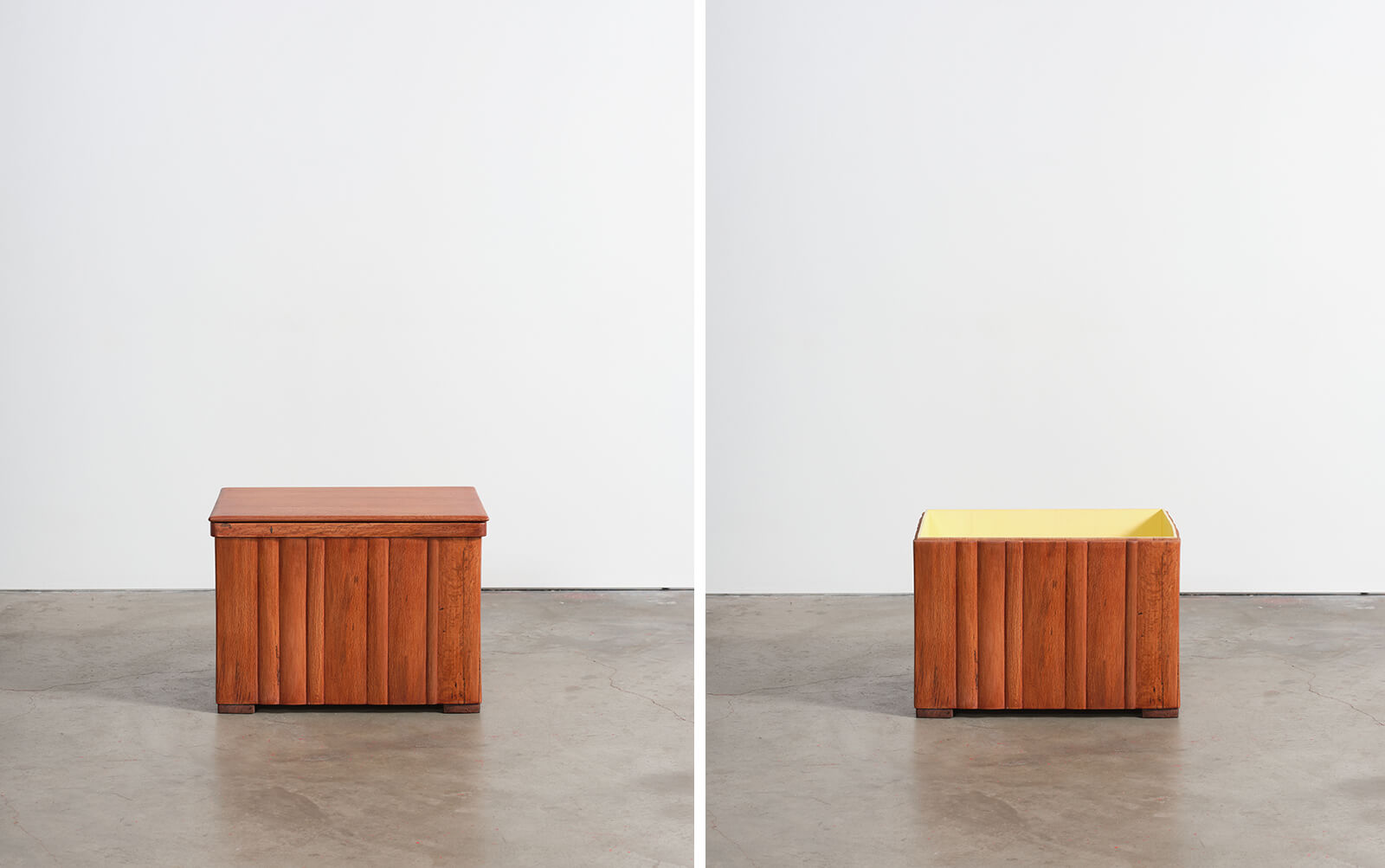
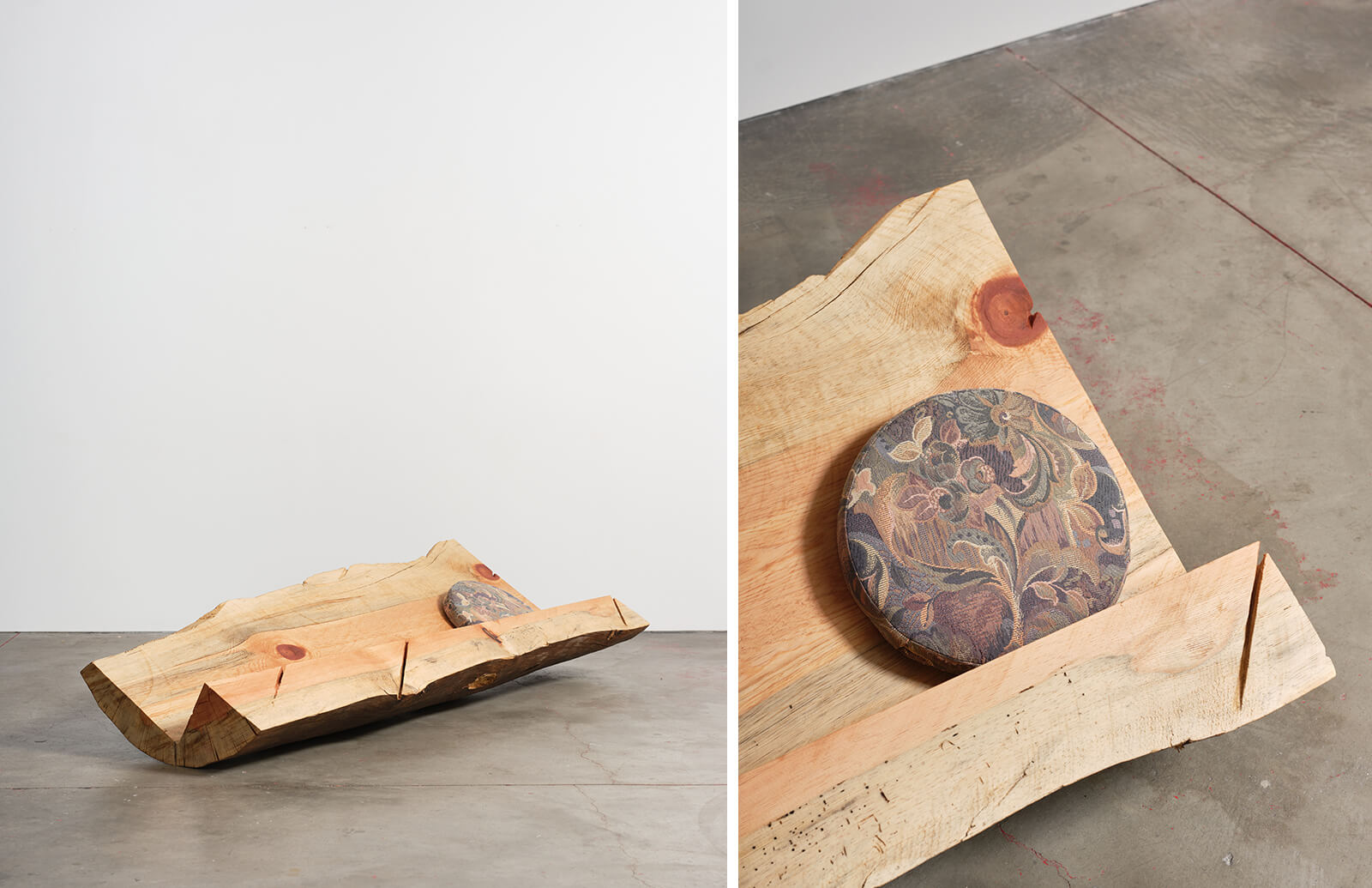
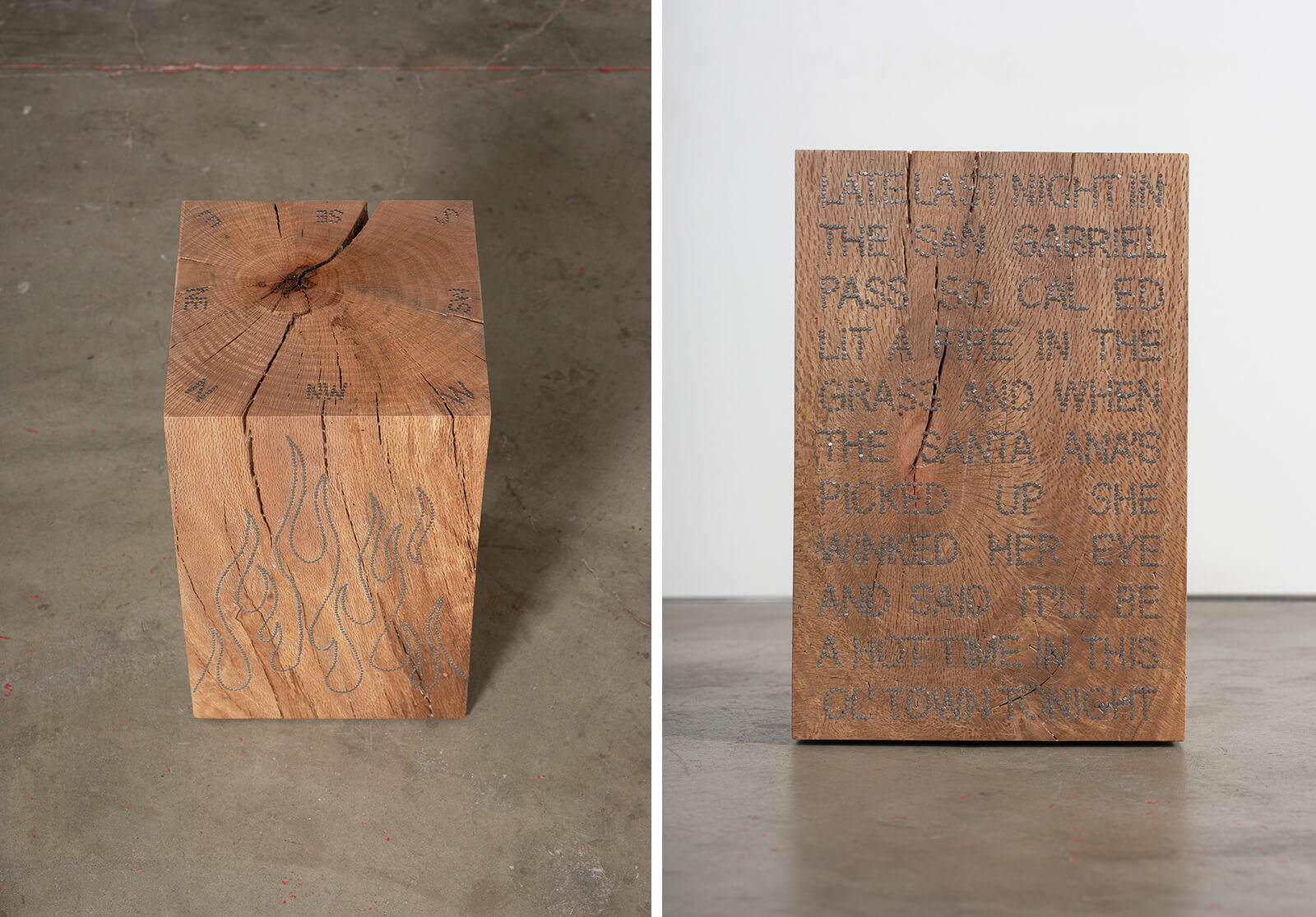
Spatially, the exhibition was organised to avoid any hierarchy. Works were scattered across the exhibition space without a dominant centre, encouraging visitors to move freely and encounter each piece on its own terms. Seating remained low and grounded, while smaller objects occupied peripheral zones, producing an atmosphere that echoed the experience of navigating a wooded landscape rather than a conventional gallery display. Polished, refined surfaces were set alongside raw, scarred timber, creating contrasts that underscored the interplay between fragility and fortitude within the works and across the exhibition as a whole.
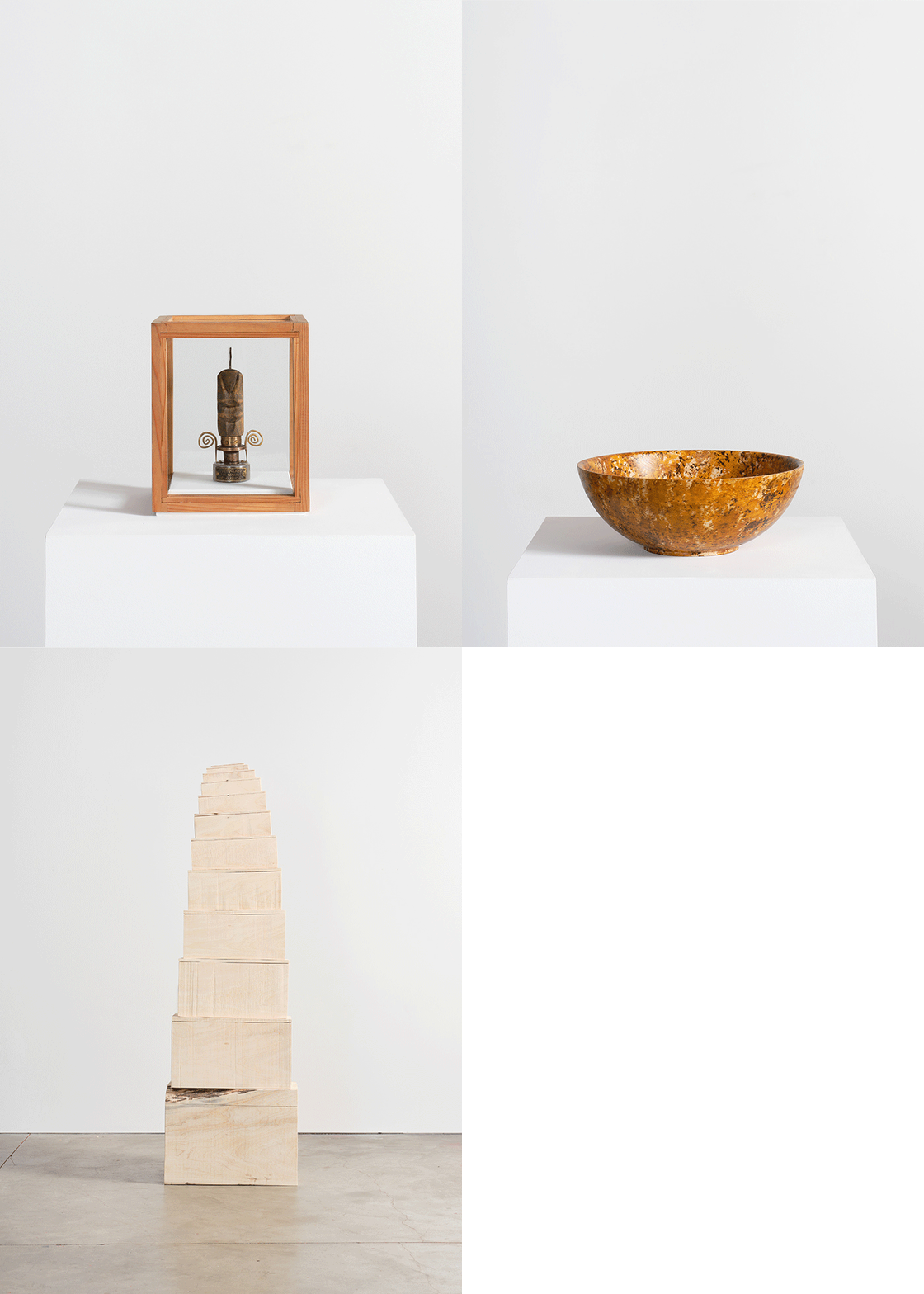
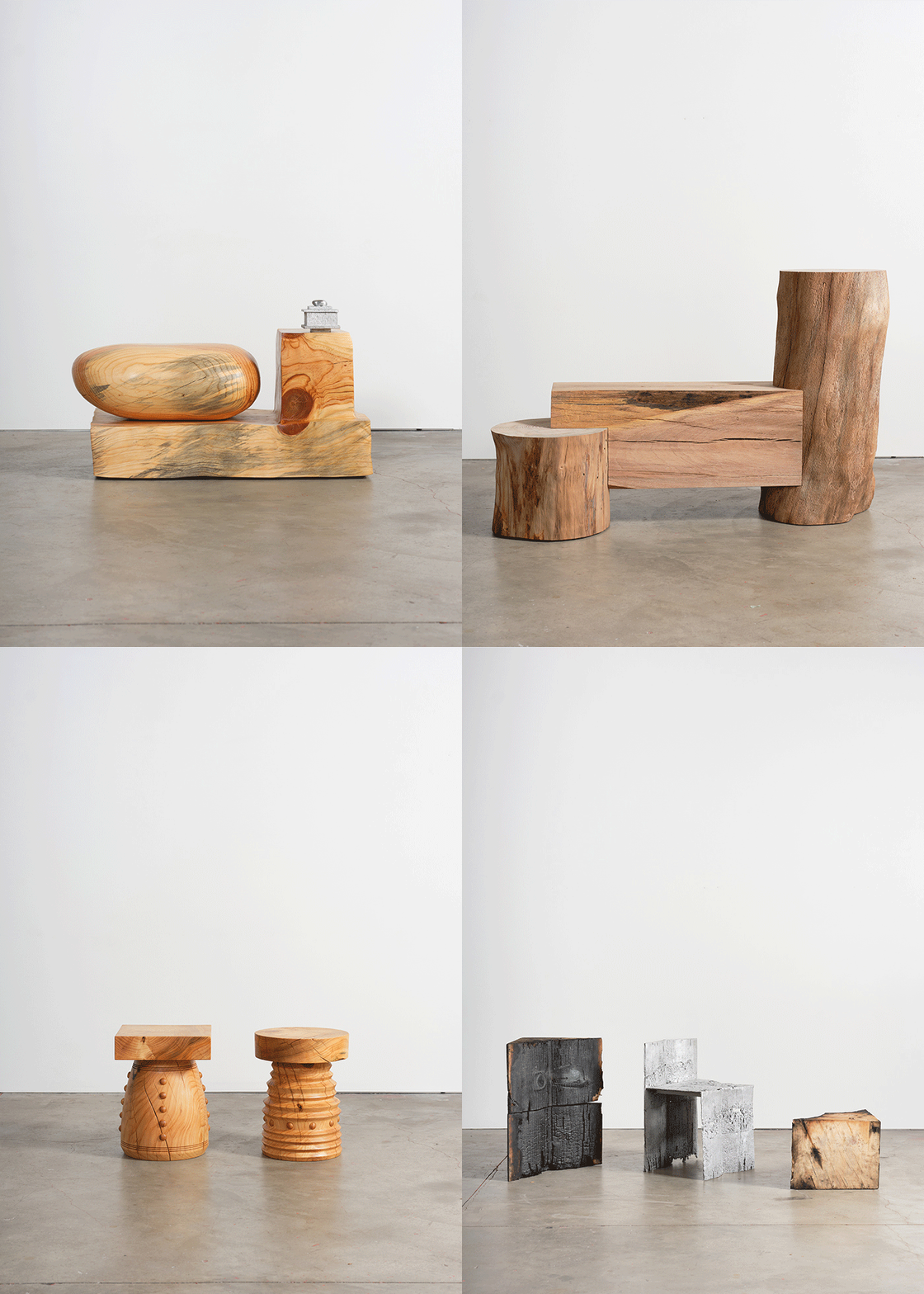
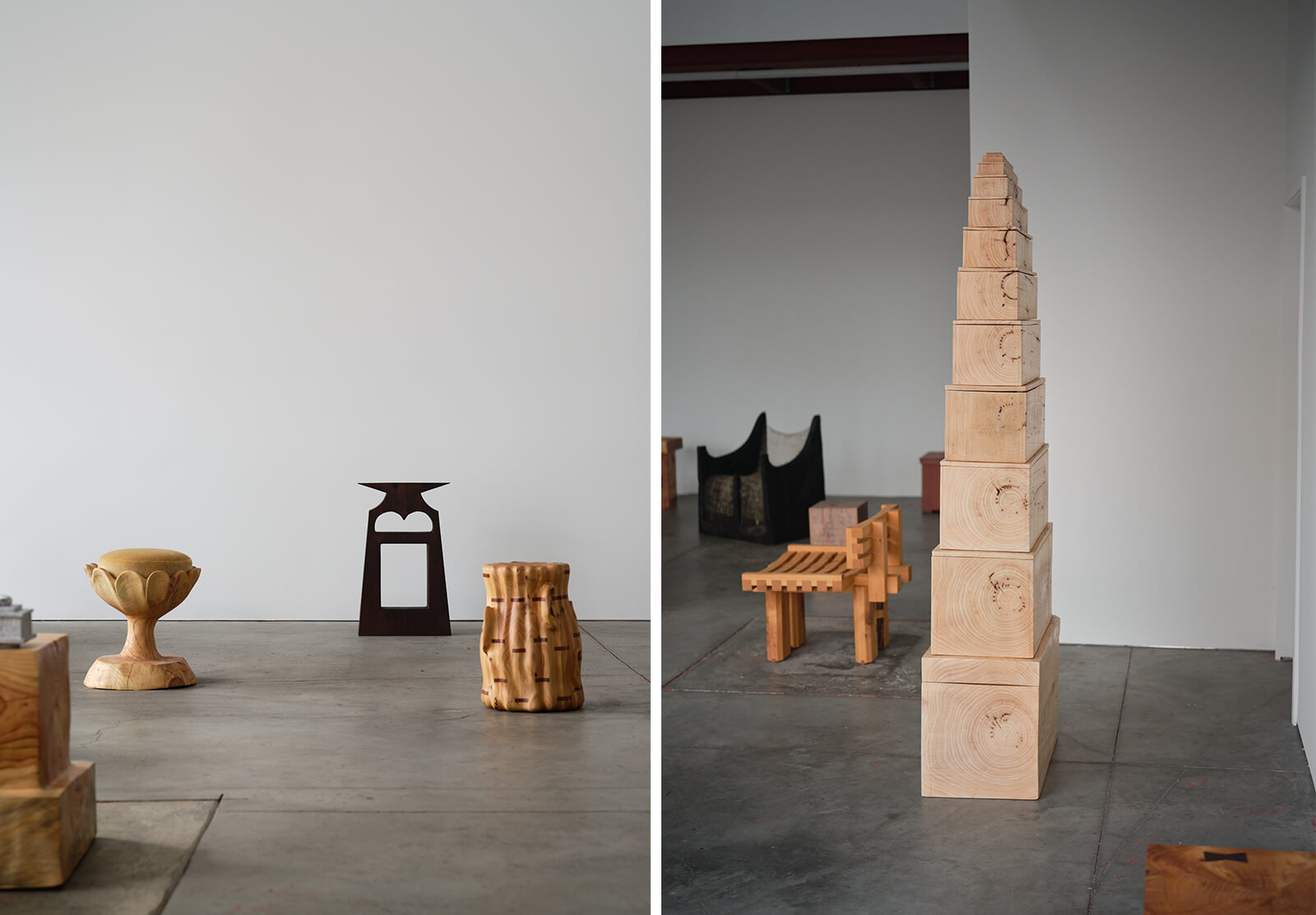
Throughout From the Upper Valley in the Foothills, the resilience and regenerative potential of wood was felt not solely through repair, but also continuity. Many of the work surfaces preserved signs of previous damage—scorch marks, knots and irregular grain—allowing traces of rapture and transformation to remain legible, reading wood as a record of endurance.
At the same time, the exhibition foregrounded the collective strength of Los Angeles’ local creative community, whose work reflected care, adaptability and renewal. By bringing together these individual acts of making, the exhibition acknowledged loss while pointing toward recovery, asking: if wood can carry memory, and making can respond to loss, what can design rooted in community help us rebuild?

by Pranjal Maheshwari Oct 23, 2026
Co-authored by Jareh Das, Chairman traces the British designer’s fixation on chairs as symbols of power and identity and as mediums of expression and community building.
by Mirra Lynn Oct 22, 2026
The curators behind Palestine Design Week 2026 reflect on its intent, considering how design holds memory, makes space for loss and imagines a future in Palestine.
by Chahna Tank Oct 22, 2026
STIR speaks with the Mumbai-based type designer about her practice, type walks and why she wants more people to have stronger opinions about Indian-script fonts.
by Jincy Iype Oct 15, 2026
STIR explores craft, material intelligence and people shaping Indian design through dialogues with Design Democracy’s co-founders and the curators of its special exhibitions.

make your fridays matter with a well-read weekend
Enter your details to sign in
Don’t have an account?
Sign upOr you can sign in with
a single account for all
STIR platforms
All your bookmarks will be available across all your devices.
Stay STIRred
Already have an account?
Sign inOr you can sign up with
Verification link sent to check your inbox or spam folder to complete sign up process
Tap on things that interests you.
Select the Conversation Category you would like to watch
Please enter your details and click submit.
Enter the 6-digit code sent at


From the Upper Valley in the Foothills at Marta finds resilience in making
by Chahna Tank | Published on : Feb 09, 2026


 Sign in with Google
 Sign in with email
What do you think?