Design05 mins. read
Design Democracy returns to Hyderabad with an intersectional programme
by Jincy IypeSep 04, 2026



by Sunena V MajuPublished on : May 21, 2026
“The tendency today is toward too much information; everything is reduced, translated into information and understood as knowledge. Art is something other than information and knowledge. It cannot be taught in the same sense as you can teach the sciences. The questioning is more important than the answers. You have to have questions of your own.” - Isamu Noguchi1
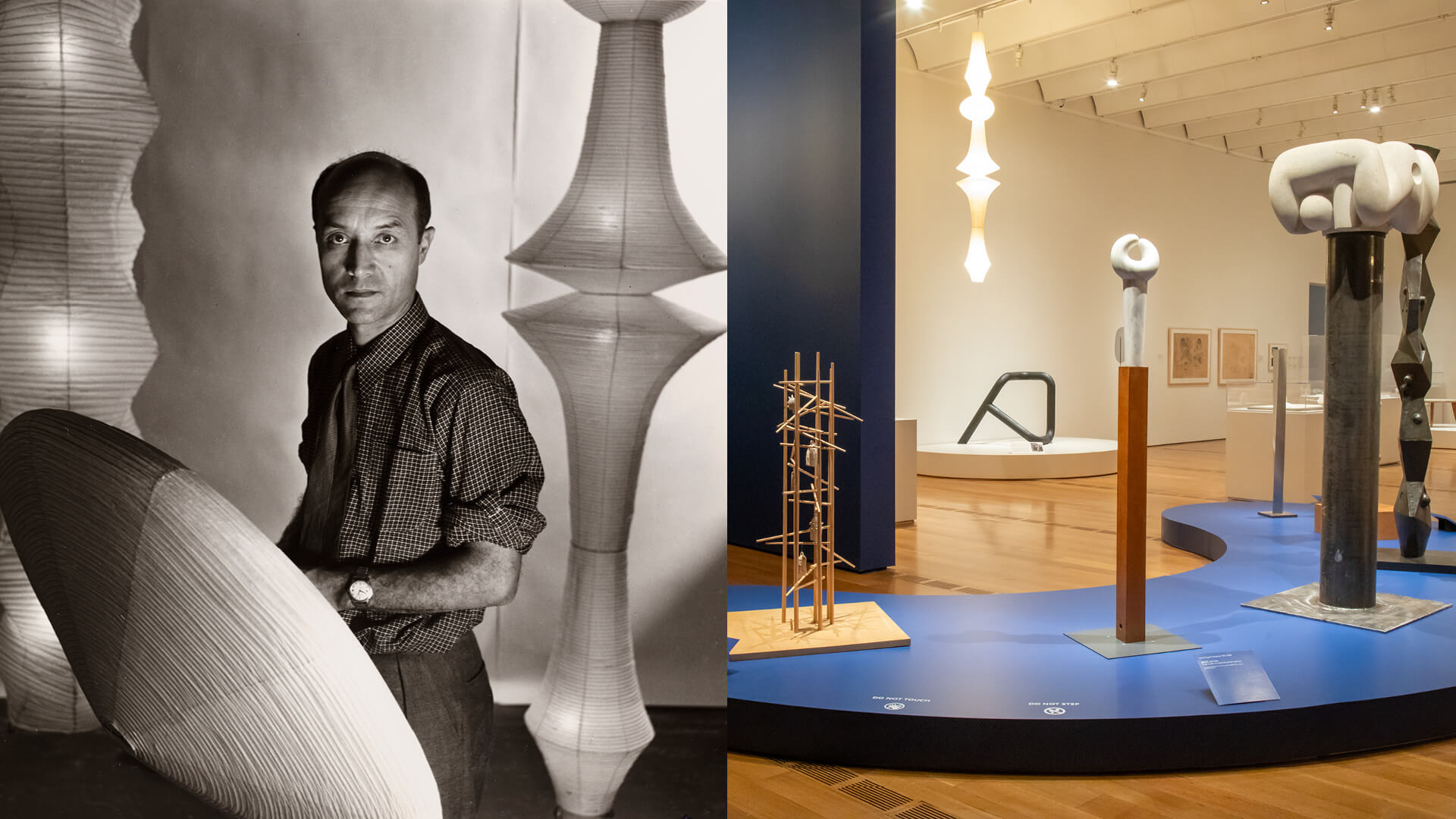
The very soul of Isamu Noguchi is his words above. His sensitivity to materials and his perception of their elemental nature as sacred have kept his work relevant to the generations that came after him. He despised categorisation. For a man who made sculptures, parks, gardens, art, products and architectural structures, he always preferred to be called a sculptor, and perceived sculpture as something that transcends objects or individual works of art. For him, sculptures had to be experienced rather than seen. Therefore, it is only right that a retrospective exhibition about his expansive oeuvre borrows from his infamous lines, “I am not a designer.”
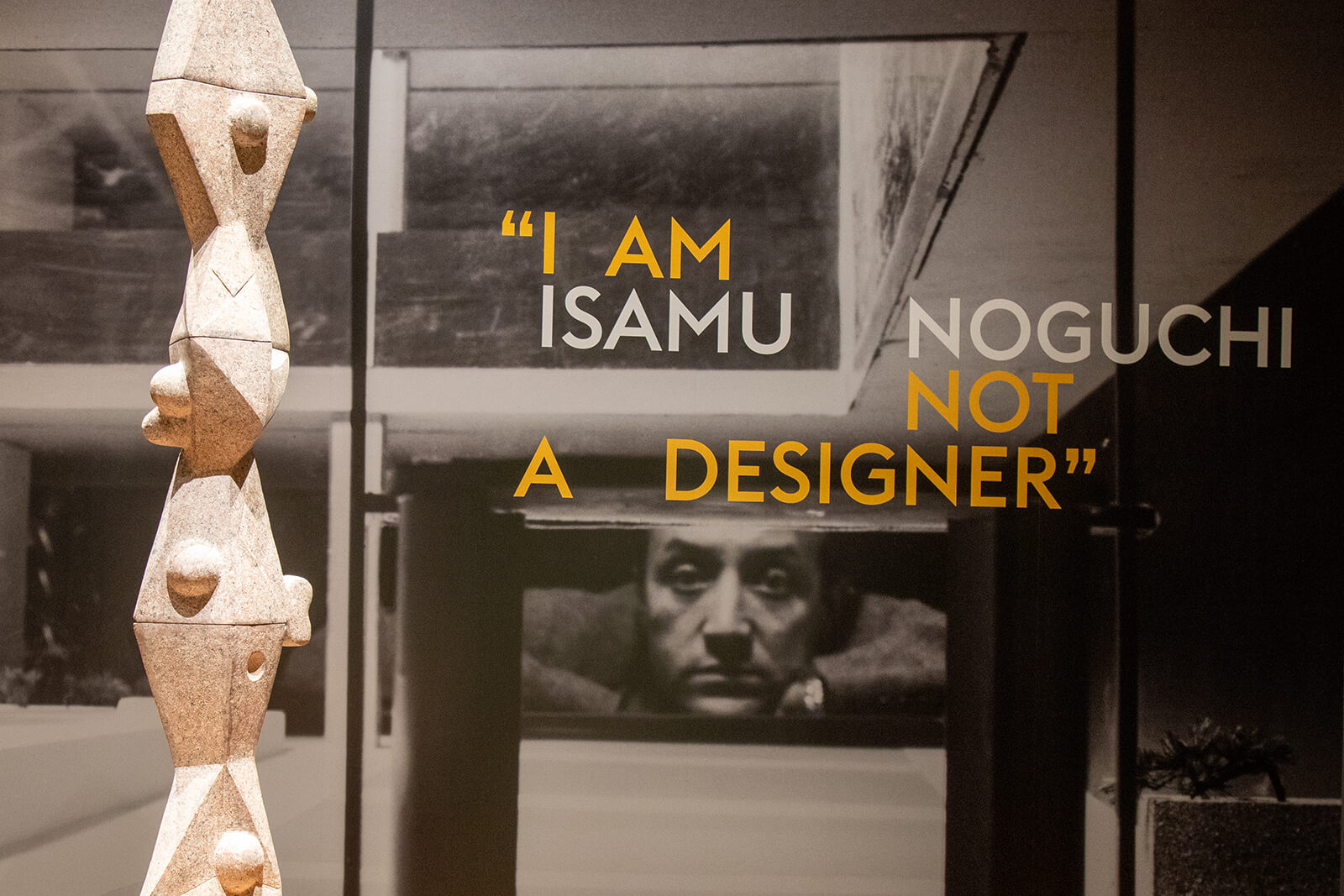
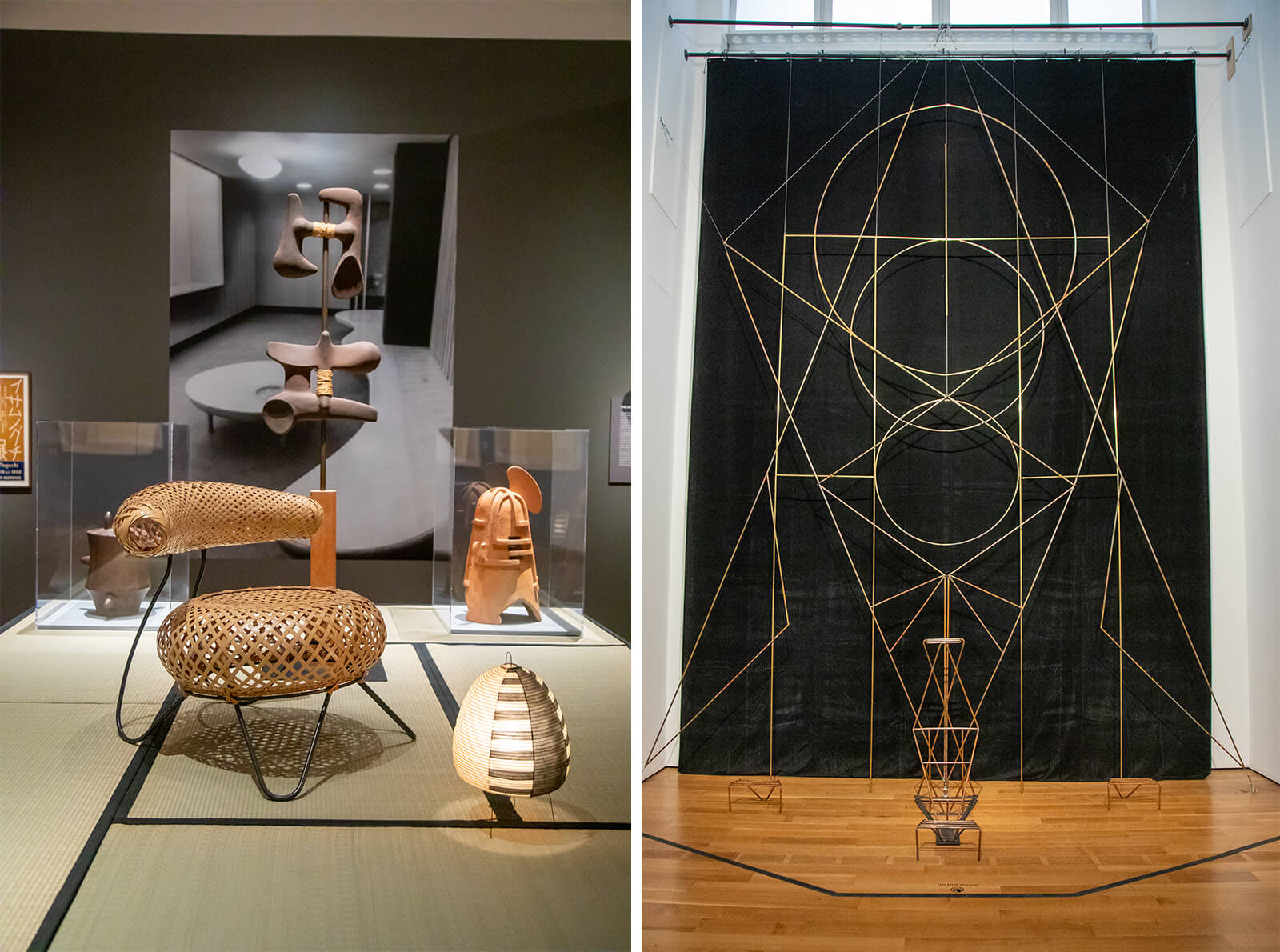
Isamu Noguchi: “I am not a designer” at the High Museum of Art in Atlanta, Georgia, is Noguchi’s first design exhibition in nearly 25 years. Throughout his career, the Japanese-American visionary deeply engaged with the role and influence of art in public life—creating plazas, playgrounds, gardens and memorials that harmonise art, architecture and nature. His industrial and commercial designs, including famed Herman Miller furniture and Akari light fixtures, continue to stand out among the most well-known and celebrated in the field. Co-curated by Monica Obniski, the curator of decorative arts and design at High Museum of Art, and independent curator and sculpture scholar Marin R. Sullivan, the exhibition is grounded in an interdisciplinary approach—Noguchi’s preferred mode of working—and features nearly 200 objects from an international array of institutional and private lenders. Highlights include sculptural models of potential and unrealised designs, such as Play Mountain (1933), tables designed with manufacturers including Knoll and Herman Miller and a model of a house Noguchi designed in collaboration with architect Kazumi Adachi. The exhibition features large-scale installations, notably the spectacular stage set for choreographer Martha Graham’s rarely performed Seraphic Dialogue (1955) and the interactive Play Sculpture (designed ca. 1966 – 1976), one of Noguchi’s curious pieces of play equipment.
Talking about the exhibition, Obniski shares, “Today we think about design as expansively as Noguchi thought about sculpture during his lifetime—or to put it another way, what Noguchi broadly classified as sculpture is something far closer to what we now understand as design. By exploring Noguchi’s work holistically, but intentionally from a design perspective, this exhibition offers a revisionist history that more fully accounts for the diversity of his projects and the crucial role collaboration played across this practice.” Organised thematically, the exhibition begins with an introductory gallery featuring the never-before-loaned Song of the Bird (1958). Noguchi based this showstopping pair of marble and granite sculptures on a pivotal unrealised design for American architect Gordon Bunshaft’s Lever House in New York. From there, Noguchi’s works unwind across three sections: Making Multiples, Elements of Architecture and Shaping Spaces.
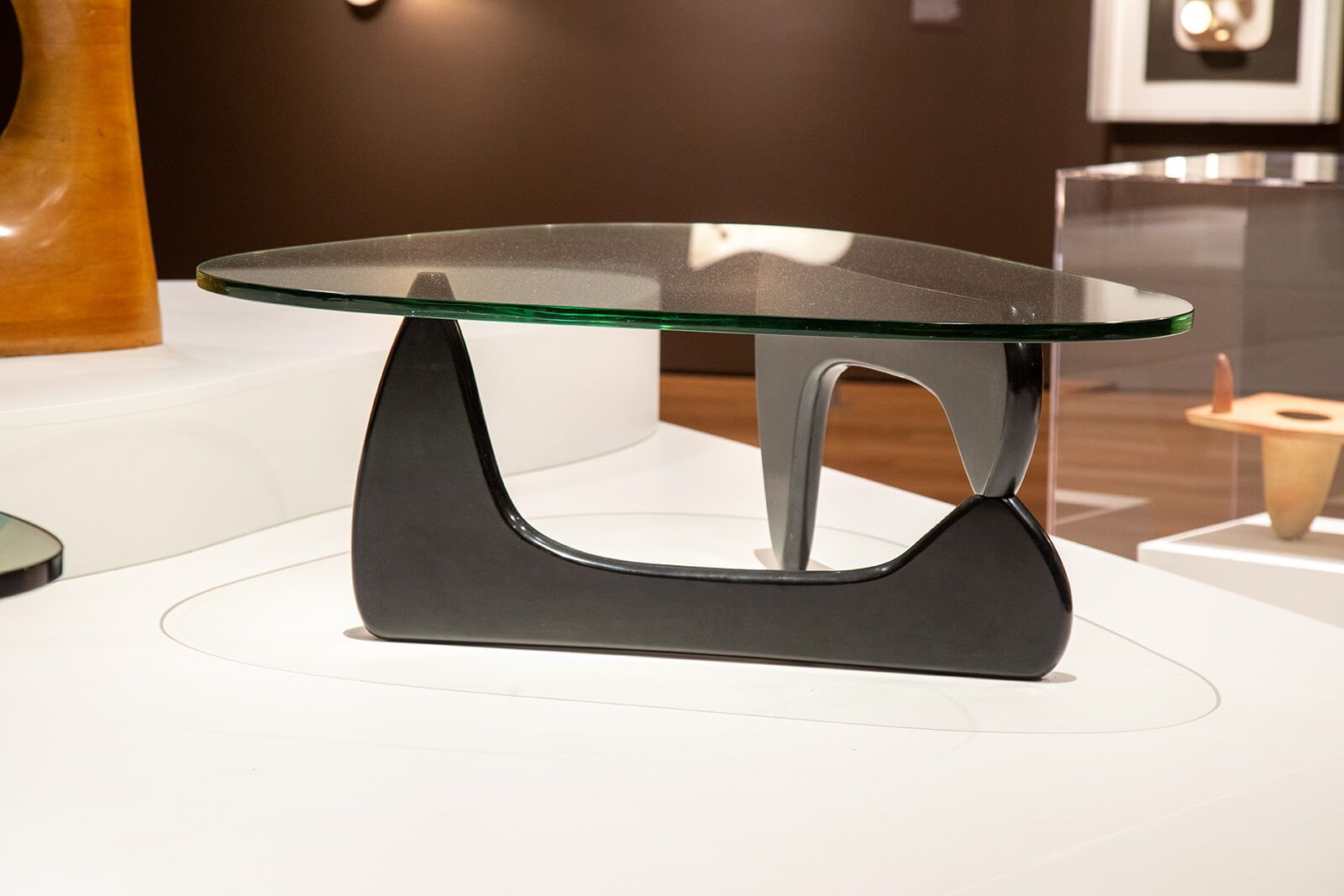
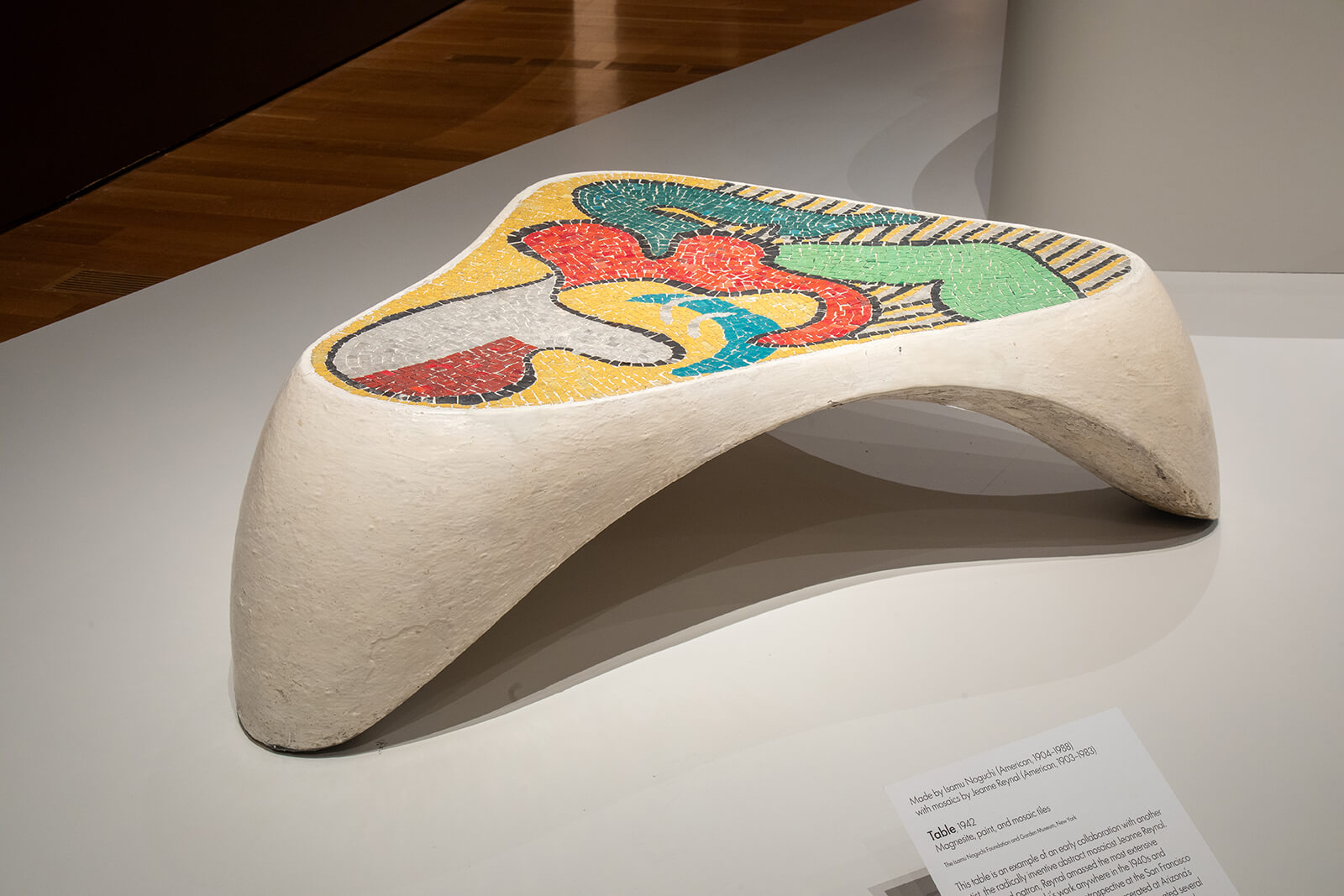
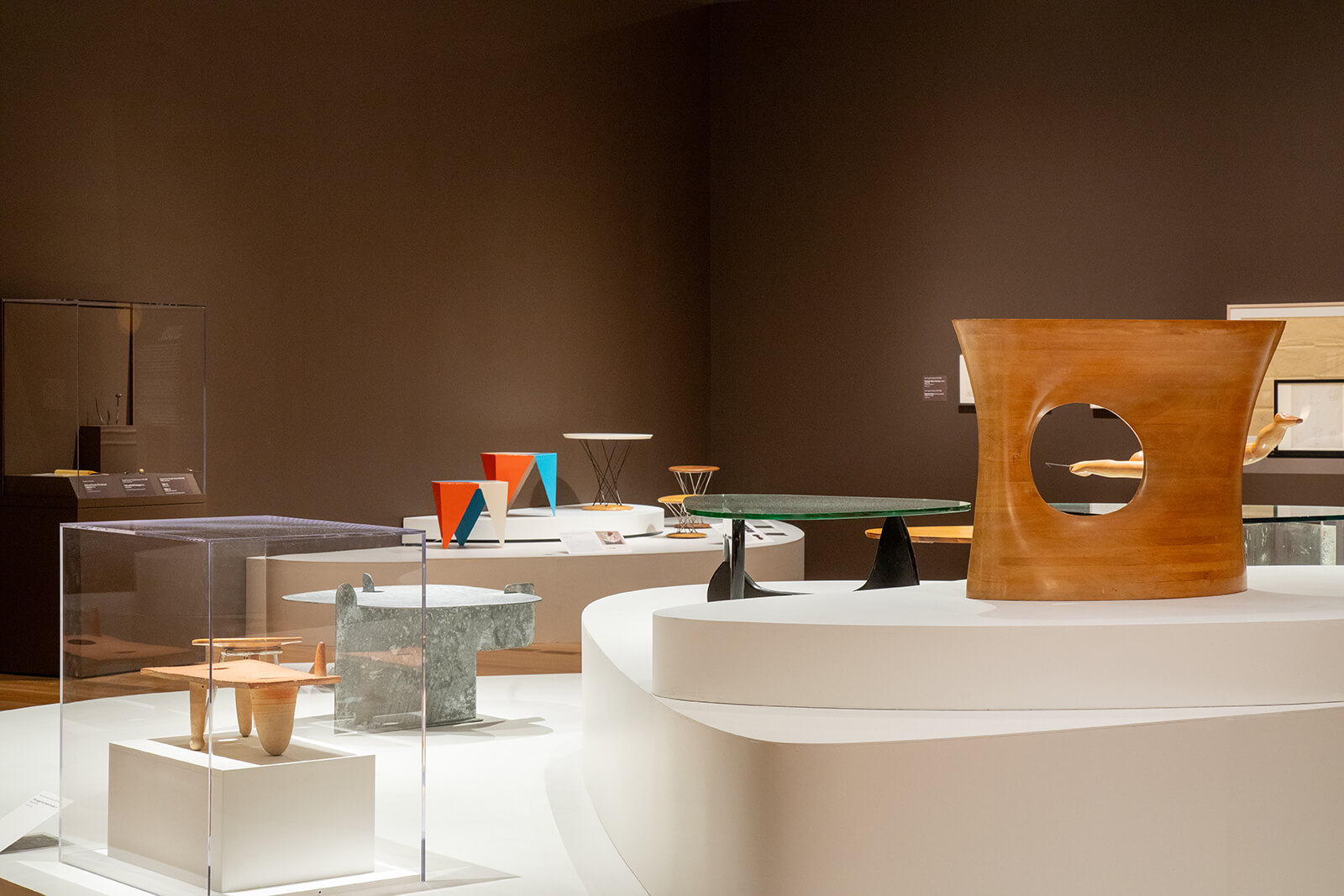
Making Multiples explores how reproducibility is central and inherent to design production, but has a more ambiguous status in the realm of fine art. As contrary as it sounds to the philosophies Noguchi stood for, this section is a witness to the same. Even as an artist who did not like the idea of reproduction, he had pieces reproduced by famous brands such as Herman Miller and Knoll. The Herman Miller Coffee Table (IN-50, designed 1944) did not start as a design for the brand. It was originally designed in 1939 as a commission from the president of the Museum of Modern Art (MoMA). In 1944, George Nelson asked Noguchi to illustrate an article he called, ‘How to Make a Table’, prompting him to create a variant of the piece. Soon after, Nelson joined Herman Miller as its design director and with that, the famous coffee table first hit the market in 1947. It was reissued in 1984. Most of Noguchi’s industrial design pieces hit the market in a similar fashion—never made for mass production in the first place. Now the Noguchi Coffee Table from Herman Miller can be purchased from MoMA Design Store or Herman Miller for about $2000. It is a strange irony that a man who resisted reproduction now has his work sitting in a shopping cart. The question Noguchi never stopped asking was not what to make, but why; and reproduction, to him, was the wrong answer entirely: “How absurd it is that a reproduction is taken seriously while each step in the process removes it further from the artist and the sculpture he first made."2
![Model for ‘Play Mountain’ [unrealised], 1933 | Isamu Noguchi: ‘I am not a designer’ | High Museum of Art | STIRworld](images/see/7194_Noguchi_7.jpg)
![Model for US Pavilion Expo ’70 [unrealised], 1968 | Isamu Noguchi: ‘I am not a designer’ | High Museum of Art | STIRworld](images/see/7194_Noguchi_8.jpg)
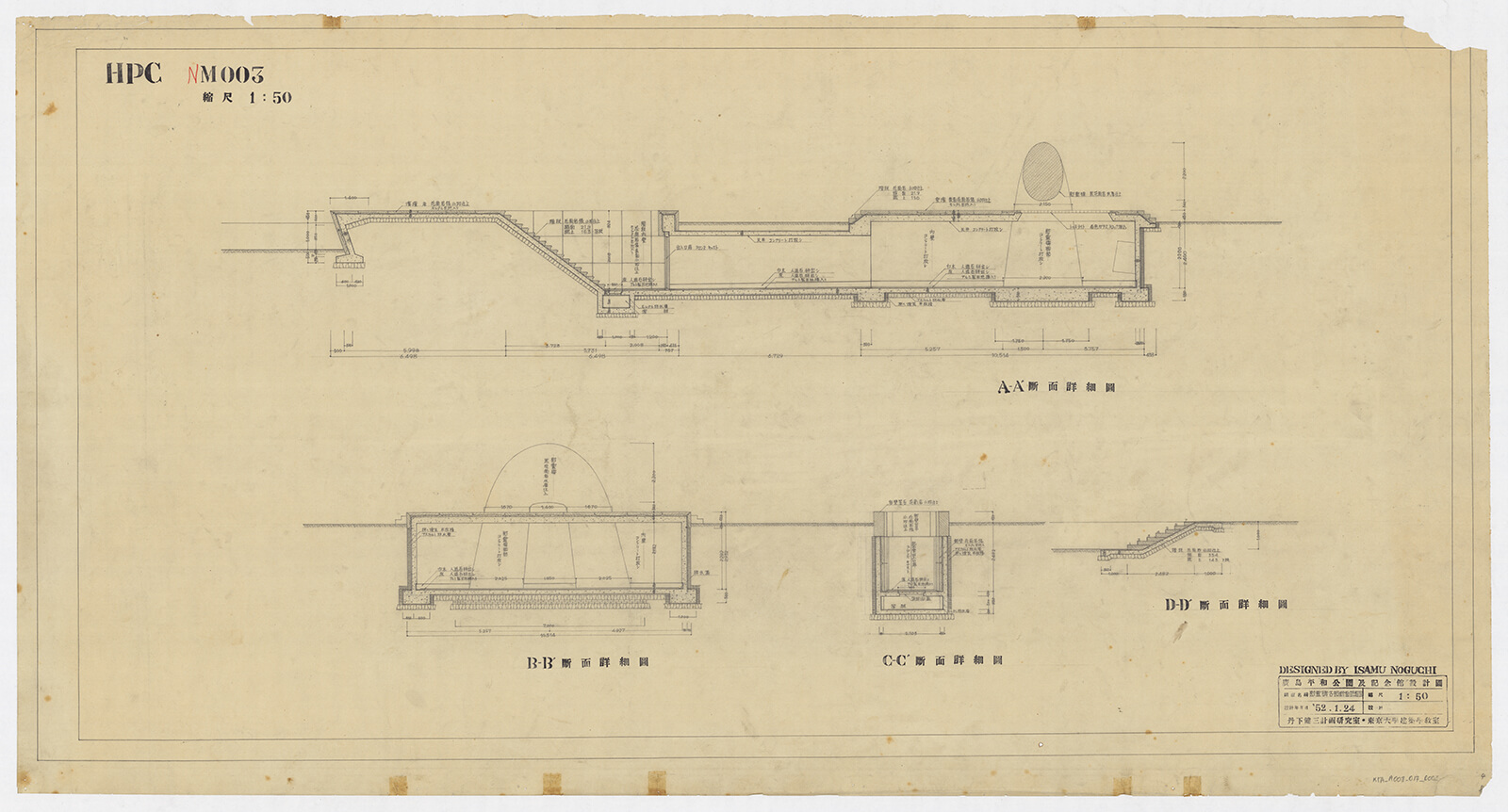
Elements of Architecture follows the expansion of Noguchi’s design thinking to the scale of inhabitable interiors, his reimagination of architecture’s elemental principles in sculpture and his many collaborations in the architectural field. Key pieces in this section include Noguchi’s architectural projects for Hiroshima’s Peace Memorial Park, a key collaboration with Kenzō Tange and the stage set for Seraphic Dialogue, which has not been seen since the 1960s. Noguchi’s architecture—both built and unbuilt—is a treat to experience. Most of them were too artistic and abstract for the architects of the post-war era. For the most part, Noguchi used architecture to reimagine the social purpose of sculpture, something evidently visible in The Noguchi Museum in New York. It appears more like a garden of sculptures than a museum to preserve his work. “I may say that I have become impatient with clutter and decoration. This makes it very difficult for me to work with others, such as architects, for they suspect me of wanting to take over everything.”3 Rightfully so, clutter and decoration are things you don’t see in Noguchi’s architecture. This impatience and refusal to compromise the relationship between object and space allowed him to shape spaces that felt genuinely human.
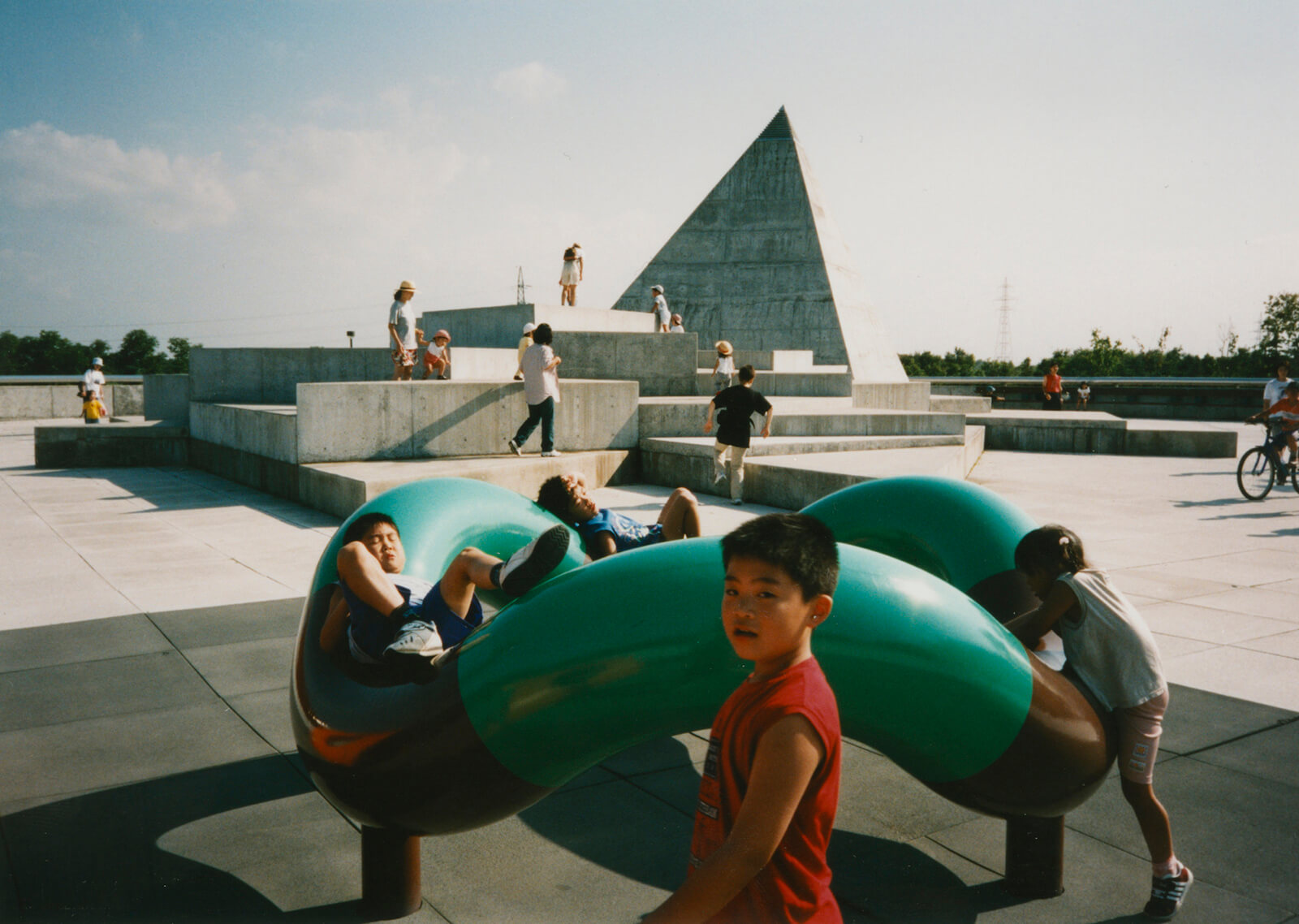
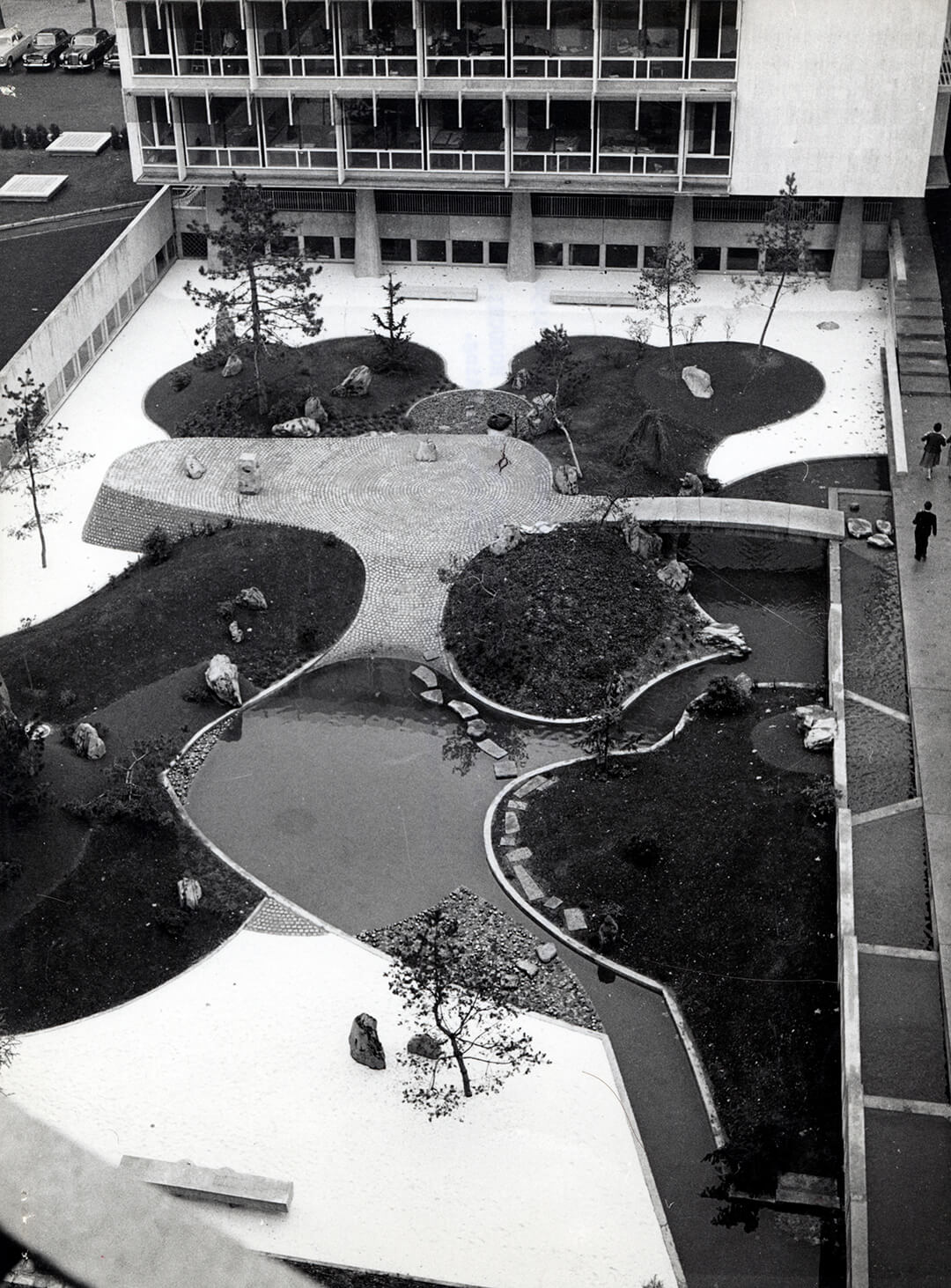
The exhibition’s last section, Shaping Spaces, looks into Noguchi’s built utopian spaces and how they positively impacted their inhabitants. In the section are a selection of models, drawings and visual materials that show how Noguchi shaped social and public spaces, notably Atlanta’s Playscapes, and UNESCO’s Jardin Japonais (1956 – 1958). Noguchi did not have a set style of architecture. He was inventive, enthusiastic and had a deep understanding of the relationship any object has with its environment. The beauty of Noguchi’s design was also this. There were no constraints on style, material palette, principles, theories or cultural constructs. He was well-travelled. He studied architectural styles from around the world. He understood Modernism and Surrealism alike. He knew how to bridge the East and the West. But above everything, he knew how to observe and make, not design but make. Making is a process; it takes more physical understanding of the object, the material, the technique, the people involved, the people viewing and himself. Though these were characteristics he picked up as a sculptor, he extended the same learning on a larger scale towards his architecture. Across the wide array of pieces in the different sections, the exhibition demonstrates how Noguchi physically translated these characteristics into his work.
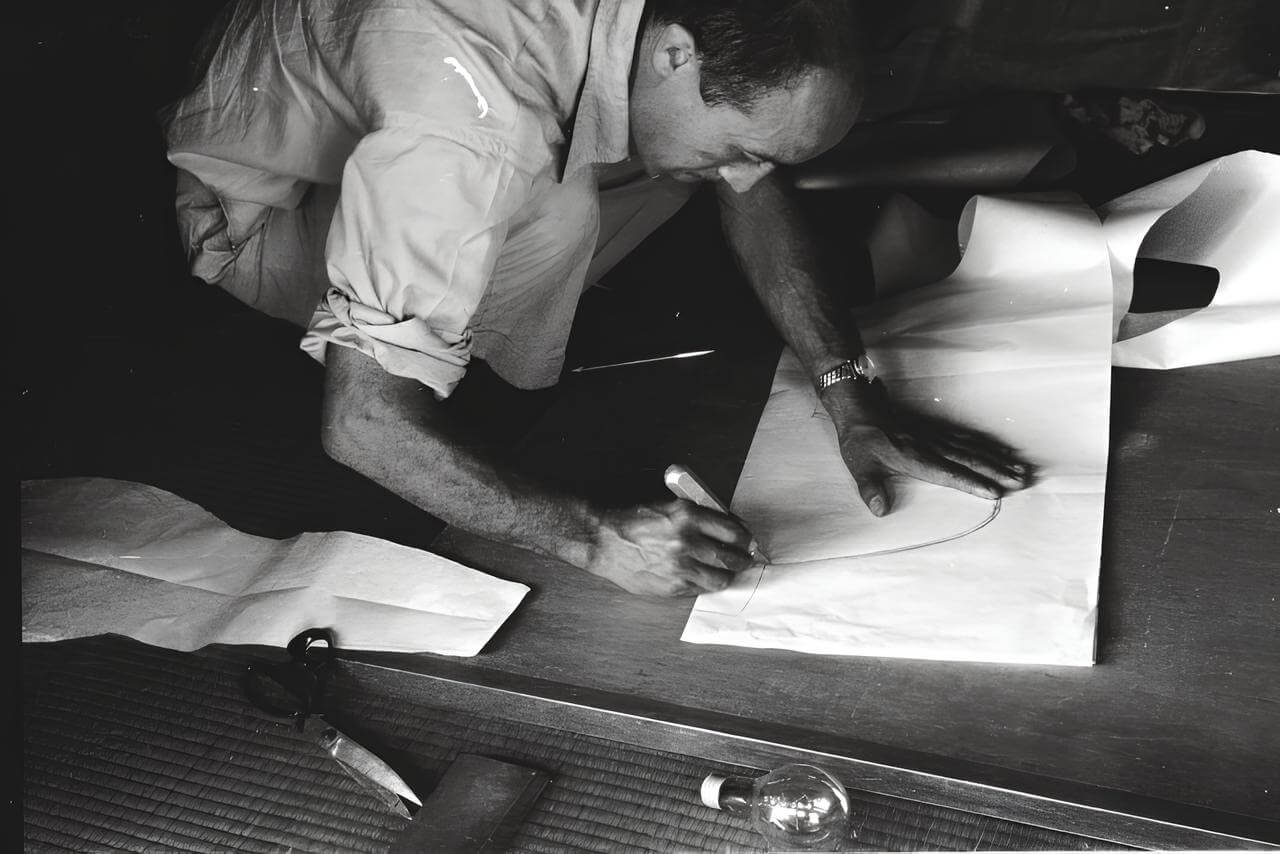
Noguchi believed in art that was slowly seen, observed and understood. He reiterated throughout his life that art cannot be taught or explained. His art was never about quantity. Therefore, 38 years after his death, it is interesting to see how his works have evolved and are being perceived by a new generation of creatives. Isamu Noguchi: “I am not a designer” is a simple exhibition. It is a retrospective that analyses Noguchi’s design and unveils his ideologies. It shows everything Noguchi made, everything he wanted to make and everything he expected would not be made again. The exhibition is not only about Noguchi but the contemporary design culture as well. Noguchi criticised too much information and knowledge at a time when technology was still developing. But since then, the takeover in the design industry has been rapid. There is a new designer and design coming up every hour, and access to knowledge and global convenings of design have made most things look similar. In this context, where do we draw the line regarding consuming information and instead ask more questions? In a world that has only accelerated since Noguchi first warned against it, the exhibition is a quiet insistence that the questioning still matters more than the answers.
‘Isamu Noguchi: “I am not a designer”’ is on view from April 10 – August 2, 2026, at the High Museum of Art, Atlanta, Georgia.
References
1.Isamu Noguchi and Rhony Alhalel, “Conversations with Isamu Noguchi,” Kyoto Journal, Spring 1989 [published posthumously], 32–37. The Noguchi Museum Archives, B_CLI_2067_1989
2.Isamu Noguchi, “Preface,” The Isamu Noguchi Garden Museum (Abrams: New York, 1987), 11–12
3.Isamu Noguchi, “[Untitled Artist Statement],” c. 1959, unpublished, Stable Gallery records, 1916–99, bulk 1953–70. Archives of American Art, Smithsonian Institution.

by Pranjal Maheshwari Oct 13, 2026
Through furniture, art and films, the showcase at the Ian Potter Centre in Melbourne advocates for biophilic material cultures as an antidote to planetary degradation.
by Pranjal Maheshwari Oct 12, 2026
The exhibition reimagines the 20th-century Scottsville residence of the American sculptor and his partner, ceramicist Nancy Jurs, curated by their daughter Alison Castle.
by Chahna Tank Oct 08, 2026
Javier Guzman Cervantes and Ulises Morin Arzola tell STIR about their ‘open code’ approach to design, working through a process of stockpiling and the idea of ‘queering’ materials.
by Mrinmayee Bhoot Oct 08, 2026
The game designer discusses their work and its manipulation of scale, scientific data and non-human perspectives to create speculative futures in conversation with STIR.

make your fridays matter with a well-read weekend
Enter your details to sign in
Don’t have an account?
Sign upOr you can sign in with
a single account for all
STIR platforms
All your bookmarks will be available across all your devices.
Stay STIRred
Already have an account?
Sign inOr you can sign up with
Verification link sent to check your inbox or spam folder to complete sign up process
Tap on things that interests you.
Select the Conversation Category you would like to watch
Please enter your details and click submit.
Enter the 6-digit code sent at


Isamu Noguchi was never a designer, affirms High Museum of Art, Atlanta
by Sunena V Maju | Published on : May 21, 2026


 Sign in with Google
 Sign in with email
What do you think?