Architecture09 mins. read
Sordo Madaleno Arquitectos on balancing acts of belonging to the land
by Jincy IypeMay 09, 2025



by Chahna TankPublished on : Mar 02, 2026
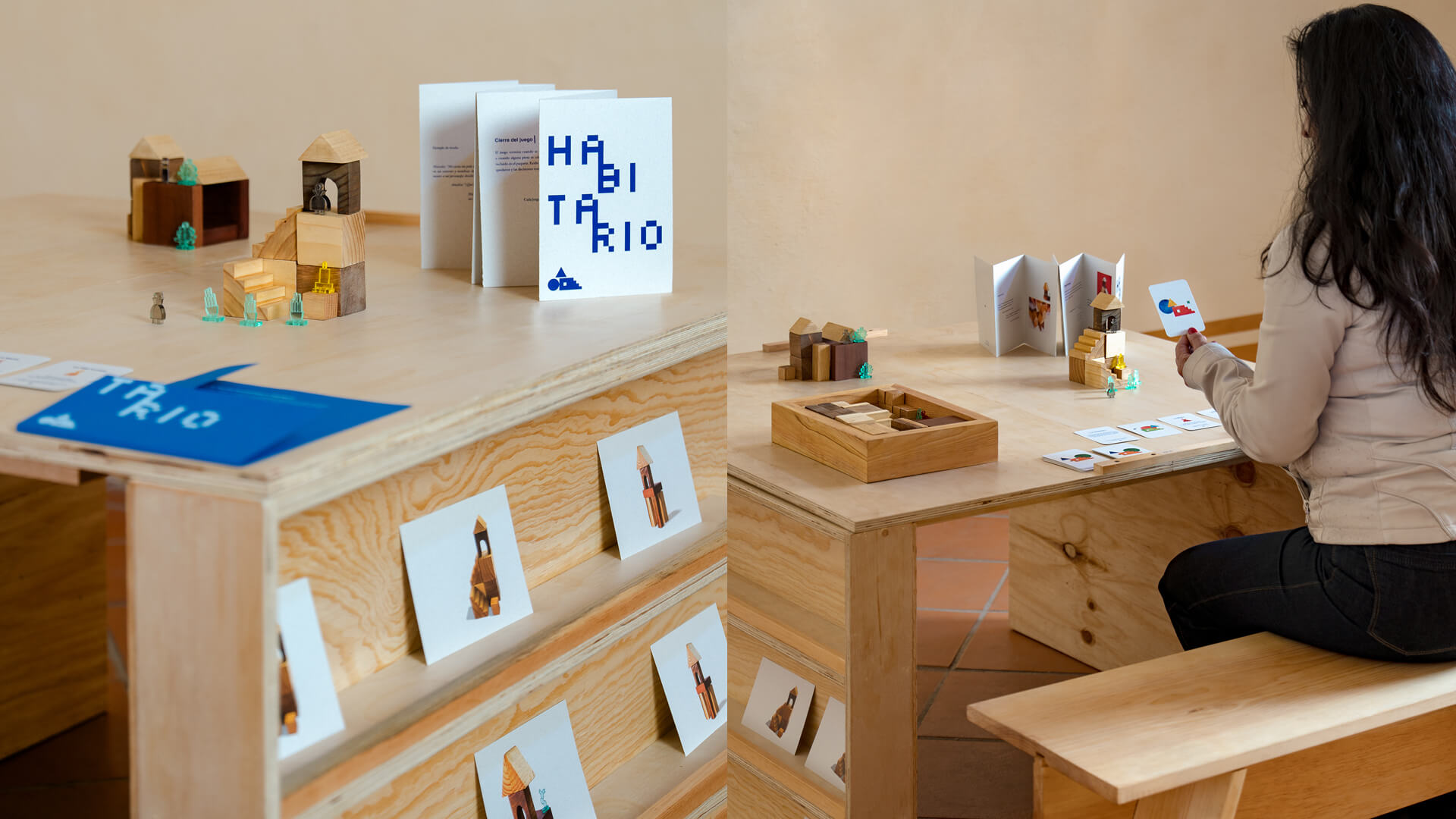
To be able to have a home—merely a roof overhead, let alone a patio, a kitchen or a shared table for meals—is contingent on sociopolitical and economic hierarchies, increasingly shaped by race and nationality. Beyond this unequal access lies a deeper contradiction: domestic spaces—imagined as a refuge, a place of safety and belonging, historically thought to be the purview of women—fail to reflect our lived realities; our desires, labour or agency. To be able to spatialise our desires, our wills, our rituals and our movements, then, is a radical act in itself. It is to confront this contradiction that Mexican architect and artist Brenda Isabel Pérez has developed Habitario, a board game that reconsiders what it means to construct a home, both materially and symbolically.
Part of a broader project examining domestic spaces, U/Topías domésticas, Pérez hopes to spotlight architecture as both ‘an affective and social practice’. Grounded in research, writing and material experimentation, her work invites participants to engage with and challenge conventional ideas of domesticity in imaginative and critical ways. “My engagement with space began in architectural theory, later intersecting with feminist theory and the essay as a hybrid form. I then moved toward installation and visual arts,” Pérez explains to STIR, reflecting on the trajectory that ultimately led to the making of Habitario.
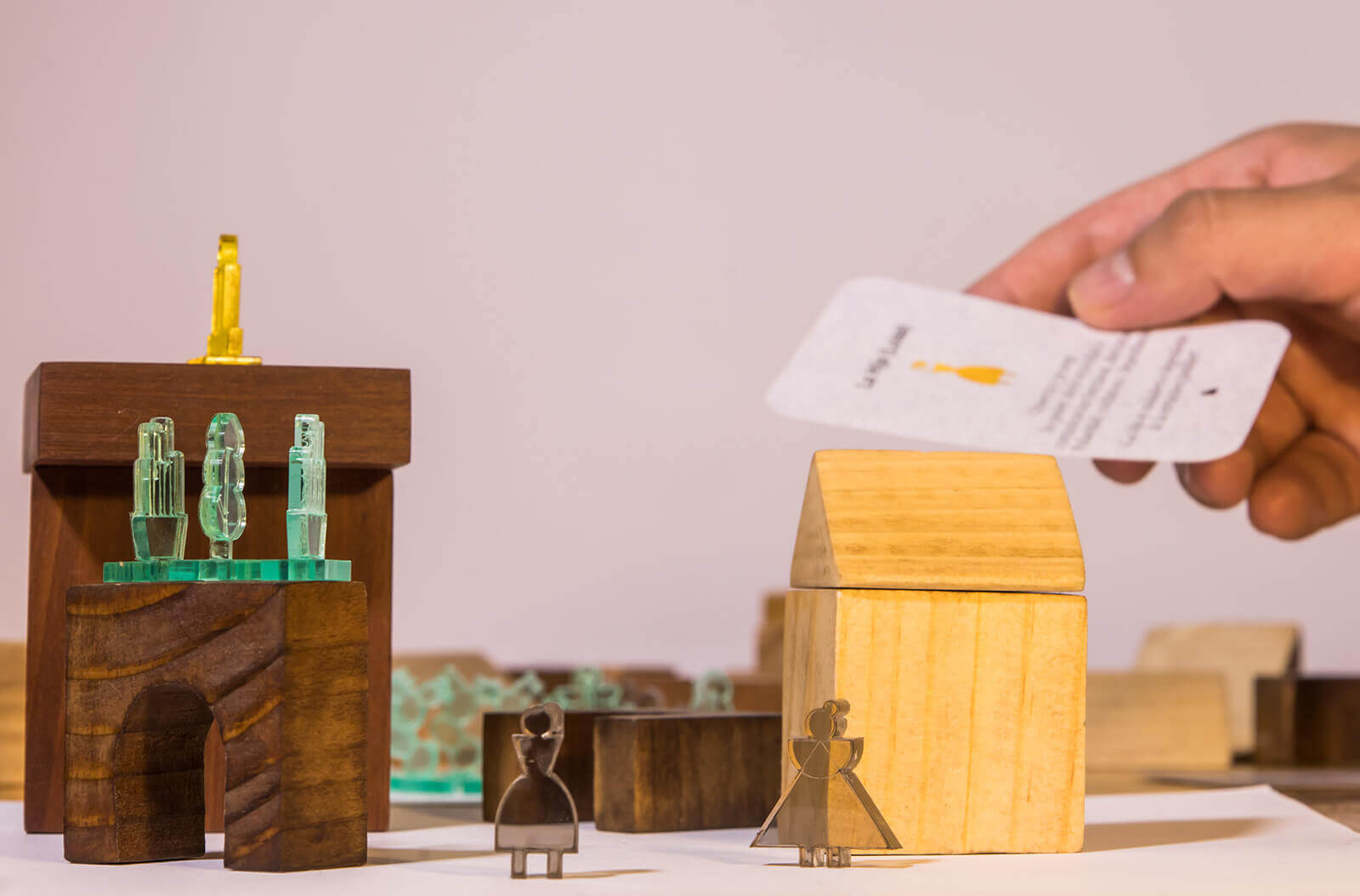
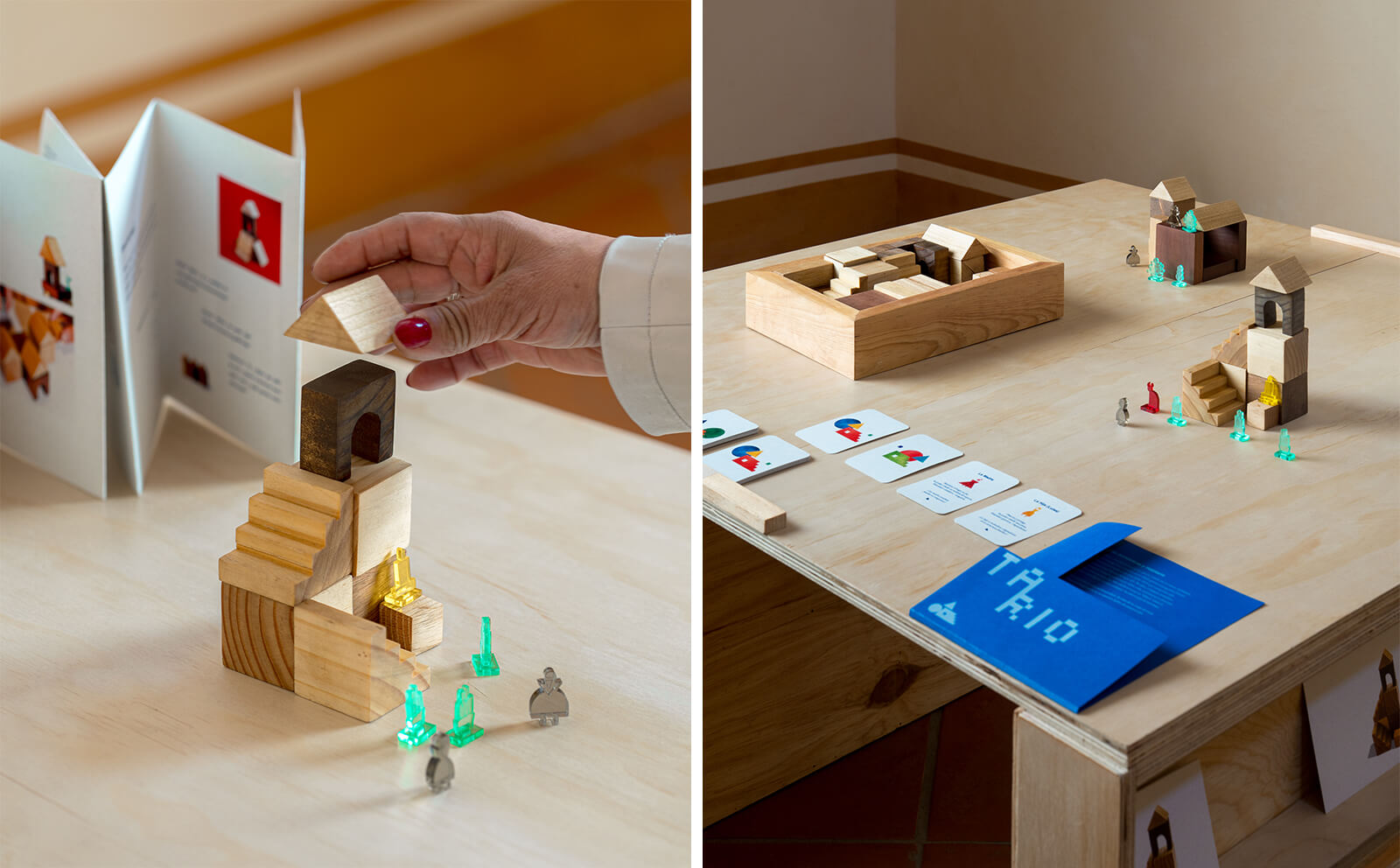
Centring the writings of four Mexican authors—Inés Arredondo, Amparo Dávila, Elena Garro and Gabriela Damián Miravete—who render domestic interiors as psychologically charged and often oppressive spaces, Habitario invites participants to collectively build what Pérez calls ‘speculative houses’. The game, rather than proposing ideal houses, allows for the players’ imagination to become a form of radical space-making laced with agency. As the Mexican artist explains, “The act of constructing—even speculatively—becomes empowering. These temporary configurations resist normative expectations of efficiency, ownership and permanence. They allow players to rehearse alternative domestic orders, ones structured by memory, affect and negotiation.”
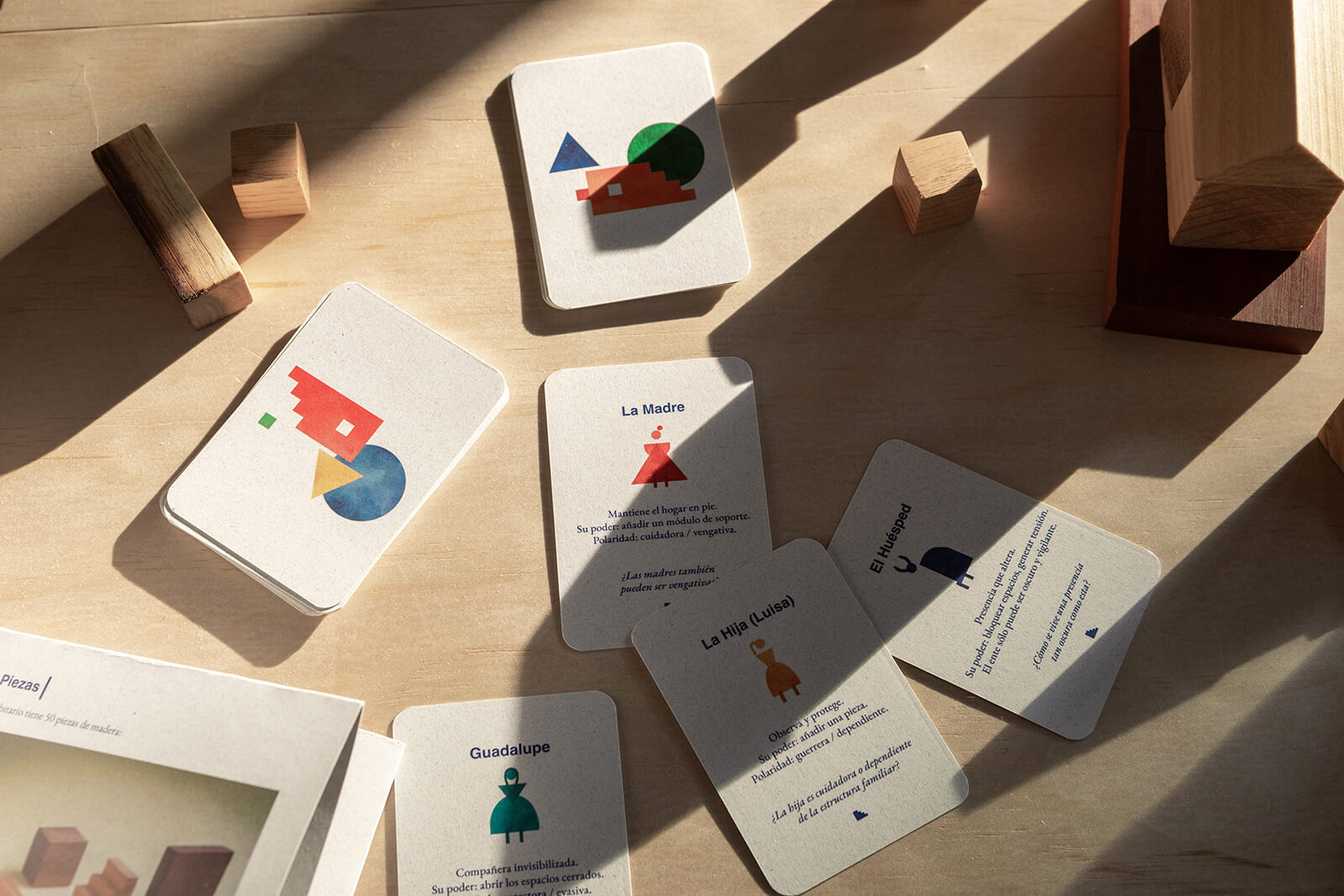
Through the gameplay, participants are urged to scrutinise the structures of power normalised within the spaces they inhabit daily, while underscoring how residential architectures dictate patterns of community, care, labour and familial relations—raising the question of what spatialities might emerge if domesticity were disentangled from the patriarchal models entrenched in Mexican society (and elsewhere). “When you play Habitario, you are not simply arranging walls or spaces; you are entering a system of negotiated agreements. Each participant embodies a character or archetype, who are mostly women, with the exception of ‘the guest’, which immediately situates the piece within a field of gendered sensitivity and relational awareness,” Pérez tells STIR.
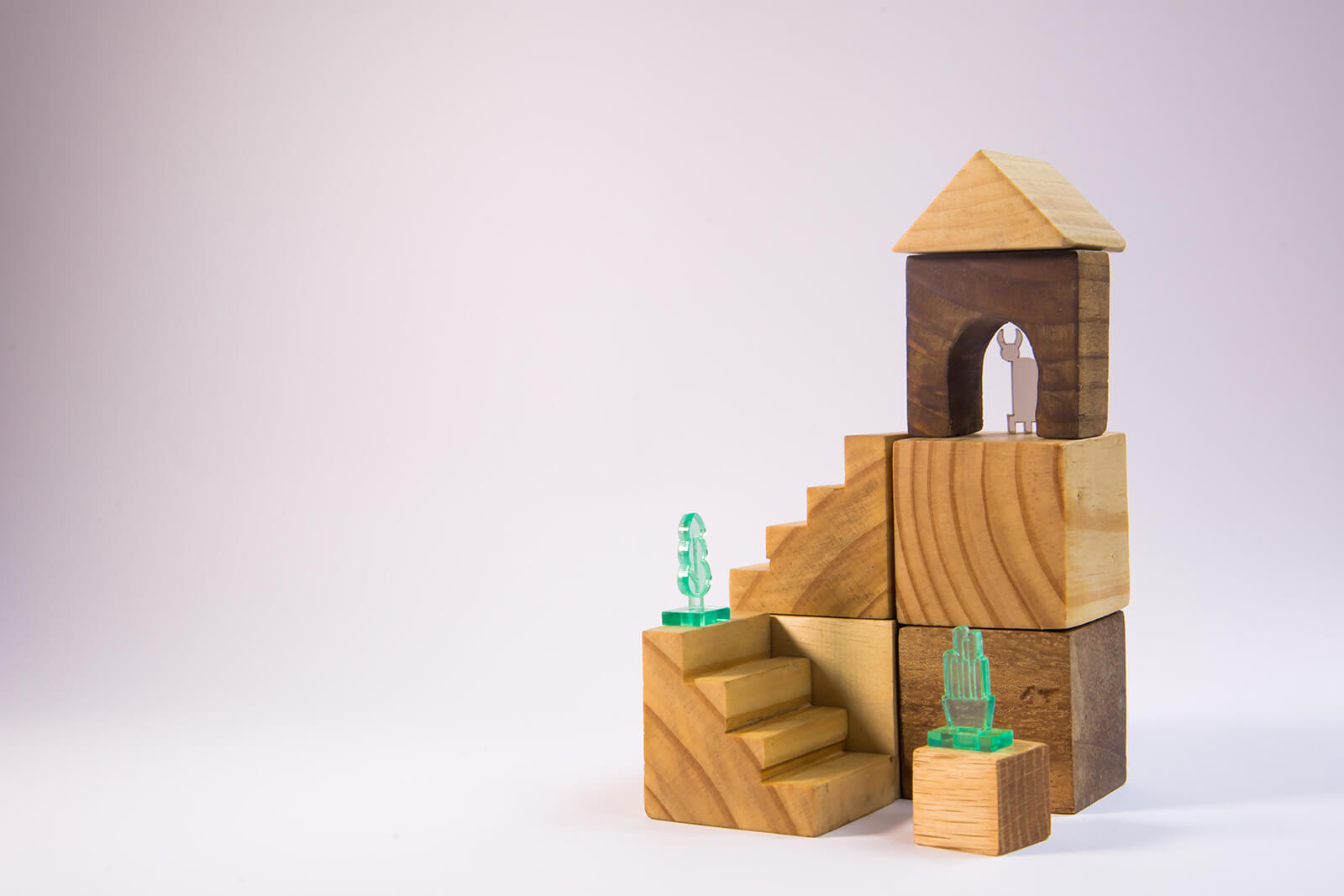
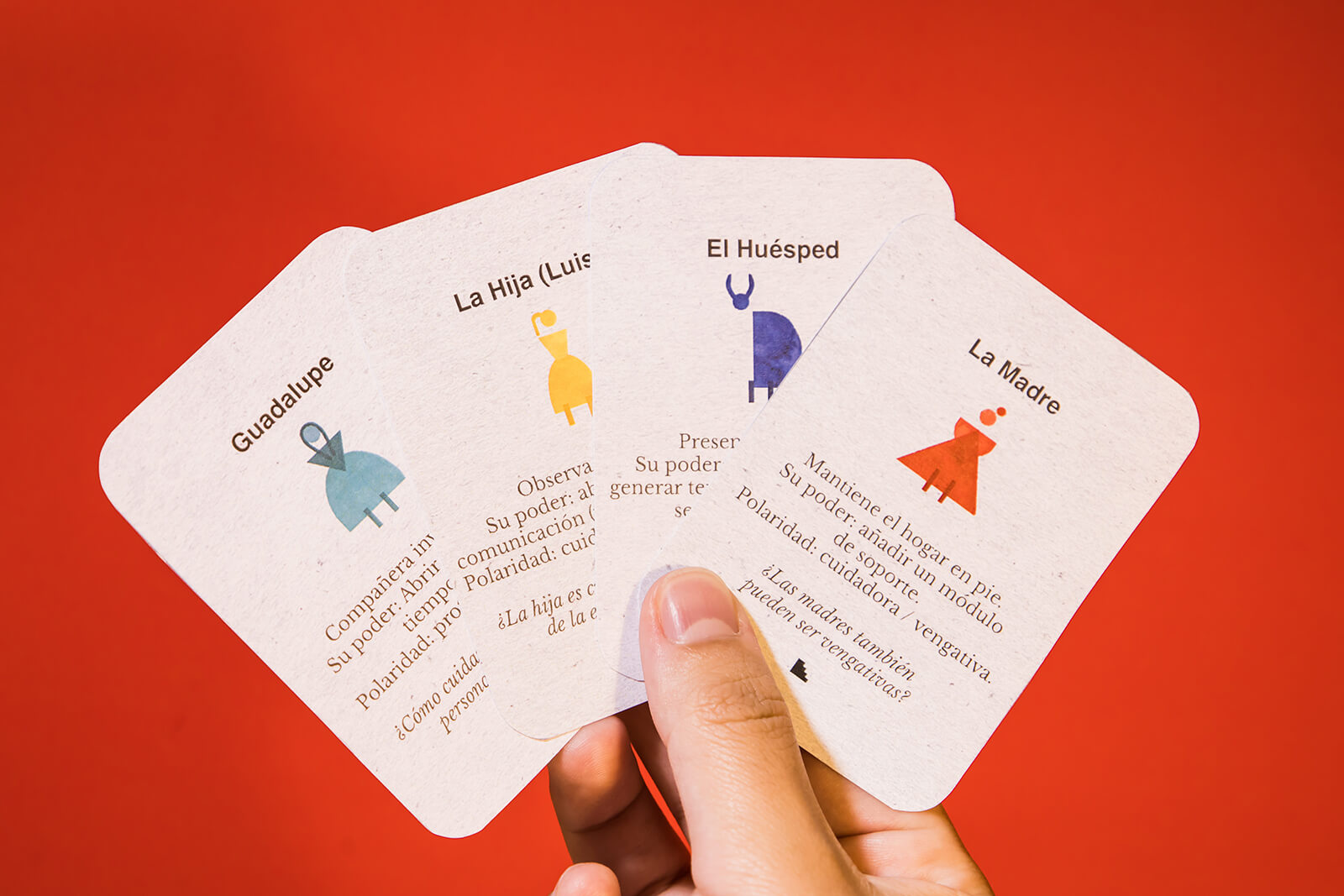

In shaping these character archetypes, Pérez’s research extended beyond the literary sources to the authors’ lives—tracing the lived contexts, domestic spaces, climates and social conditions that informed their work. She delineates how context and space are transcribed into narrative form and, in turn, how narrative reflects space. “The character Guadalupe references the domestic worker in El huésped by [Amparo] Dávila, but she also resonates with figures in La sunamita by [Inés] Arredondo. Similarly, the dynamics of mother and daughter present in works by [Elena] Garro—such as the cursed inheritance in El anillo—inform how generational transmission, obedience and abuse respond to class violence that becomes a search for justice. The influence of [Gabriela Damián] Miravete in Espanto del mundo nuevo expands this framework toward speculative, collective imaginaries and the impact of the Anthropocene on the environment,” Pérez explains.
The game becomes a spatial reading practice; literature is not illustrated but activated. – Brenda Isabel Pérez
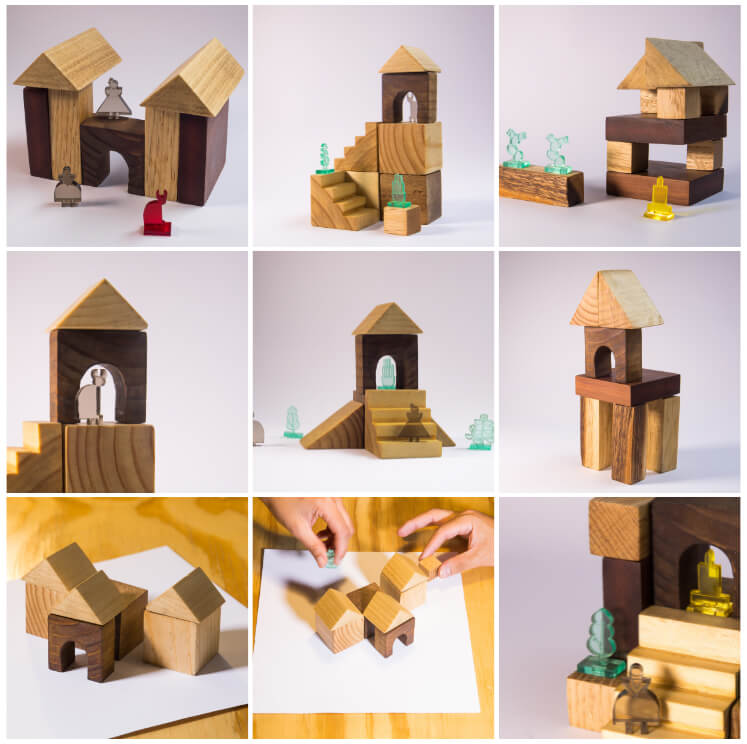
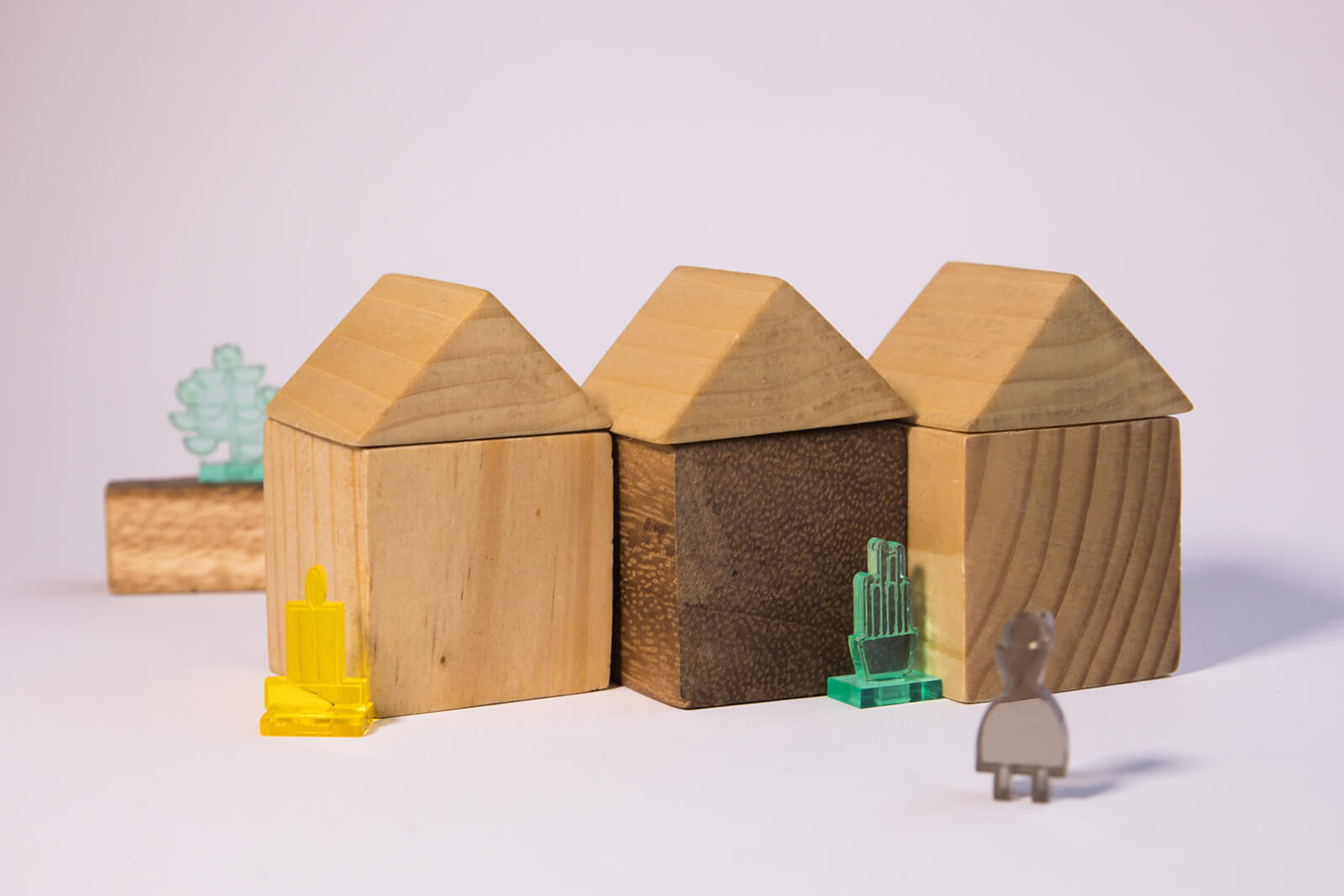
The game uses wooden elements, acrylic figures and action cards to allow players to respond to a series of prompts that shape the home. The mechanics of the game are rooted in empathy and memory, with prompts inviting players to name personal memories or make changes to the configurations by adding light or vegetation. “In this way, the players activate personal recollection and emotional positioning within the collective narrative unfolding on the table,” Pérez explains. The game concludes either when the cards are exhausted or when a spatial configuration is complete—when it feels like a home, perhaps—resulting in a unique speculative residence each time, one that’s also reflective of players' perception of what a home is, biased as they may be.
“The different configurations generated in Habitario question the architectural obsession with permanence and function. I have long believed that we need to think about space before we design it differently. The game becomes a laboratory for that reflection, where imagination precedes construction and domestic space is treated as a mutable political territory rather than a finished product,” Pérez notes.
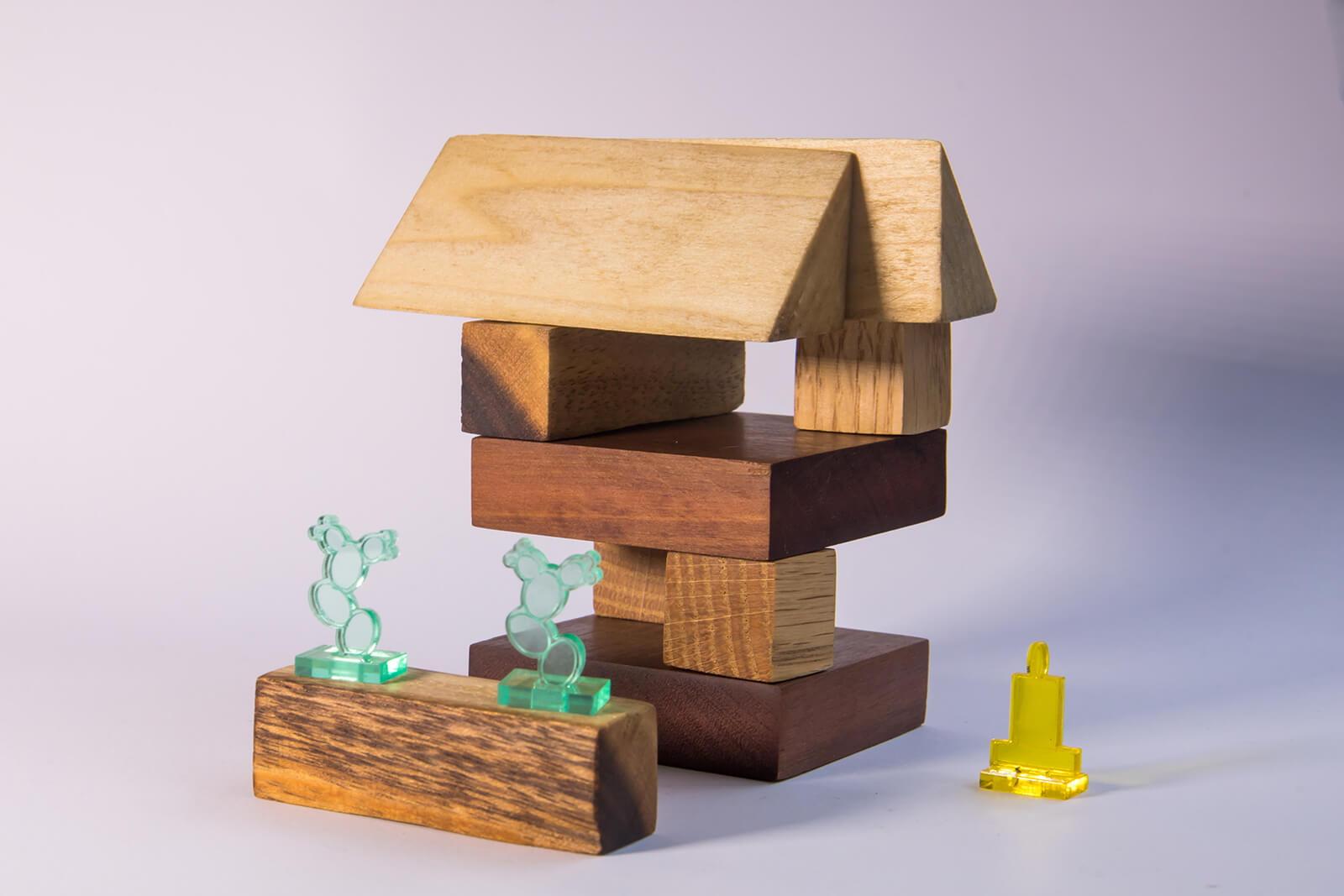
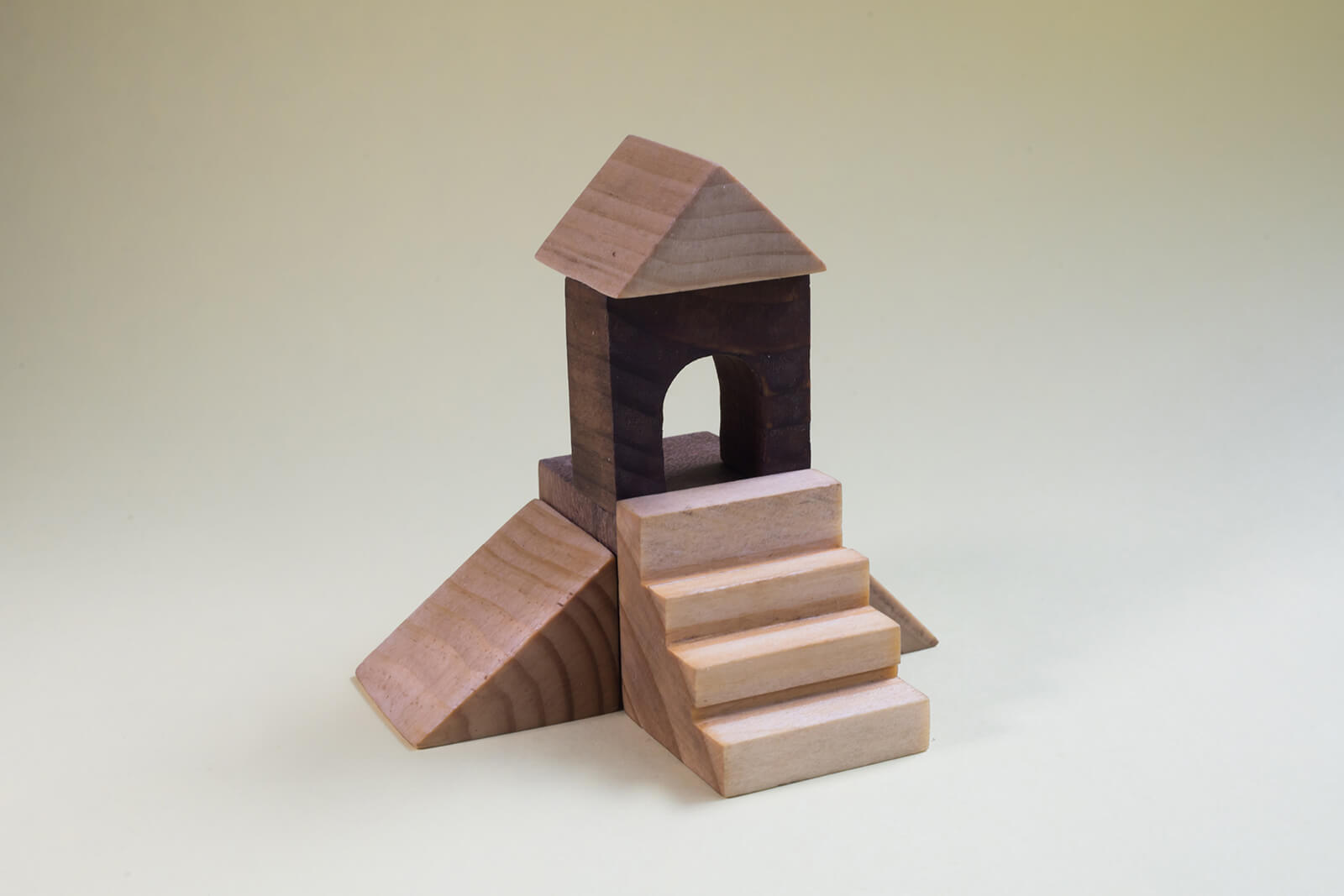
Reflecting on the limits of conventional architectural forms, Pérez describes how the format of a game opened up new ways of thinking about domestic space, saying: “Creating Habitario allowed me to explore the collective imaginary of domestic space. Unlike a building or installation, which often remains site-specific, the game can travel, be replayed and be transformed by different participants. It gets more collective, and it sits at the threshold between art, design and architecture, a liminal territory I am deliberately inhabiting.”
Currently presented as a fully playable installation at the education centre, Centro Cultural San Roque, in Mexico until March 22, 2026, Habitario occupies a hybrid position, as Pérez states: at once a game, an art object, a research instrument and a collective exercise. With each speculative house, the game reframes the home not as a fixed architectural product but as an evolving proposition that insists that the act of imagining and active space-making are political gestures themselves. If domestic space has long been structured by hierarchy and exclusion, Habitario suggests it can also be rehearsed otherwise.

by Pranjal Maheshwari Oct 23, 2026
Co-authored by Jareh Das, Chairman traces the British designer’s fixation on chairs as symbols of power and identity and as mediums of expression and community building.
by Mirra Lynn Oct 22, 2026
The curators behind Palestine Design Week 2026 reflect on its intent, considering how design holds memory, makes space for loss and imagines a future in Palestine.
by Chahna Tank Oct 22, 2026
STIR speaks with the Mumbai-based type designer about her practice, type walks and why she wants more people to have stronger opinions about Indian-script fonts.
by Jincy Iype Oct 15, 2026
STIR explores craft, material intelligence and people shaping Indian design through dialogues with Design Democracy’s co-founders and the curators of its special exhibitions.

make your fridays matter with a well-read weekend
Enter your details to sign in
Don’t have an account?
Sign upOr you can sign in with
a single account for all
STIR platforms
All your bookmarks will be available across all your devices.
Stay STIRred
Already have an account?
Sign inOr you can sign up with
Verification link sent to check your inbox or spam folder to complete sign up process
Tap on things that interests you.
Select the Conversation Category you would like to watch
Please enter your details and click submit.
Enter the 6-digit code sent at


Habitario interrogates domestic spatial biases through speculative homemaking
by Chahna Tank | Published on : Mar 02, 2026


 Sign in with Google
 Sign in with email
What do you think?