Architecture07 mins. read
The RIBA Asia Pacific Awards champion designing for people, place and planet
by Bansari PaghdarDec 23, 2025



by Sunena V MajuPublished on : May 09, 2026
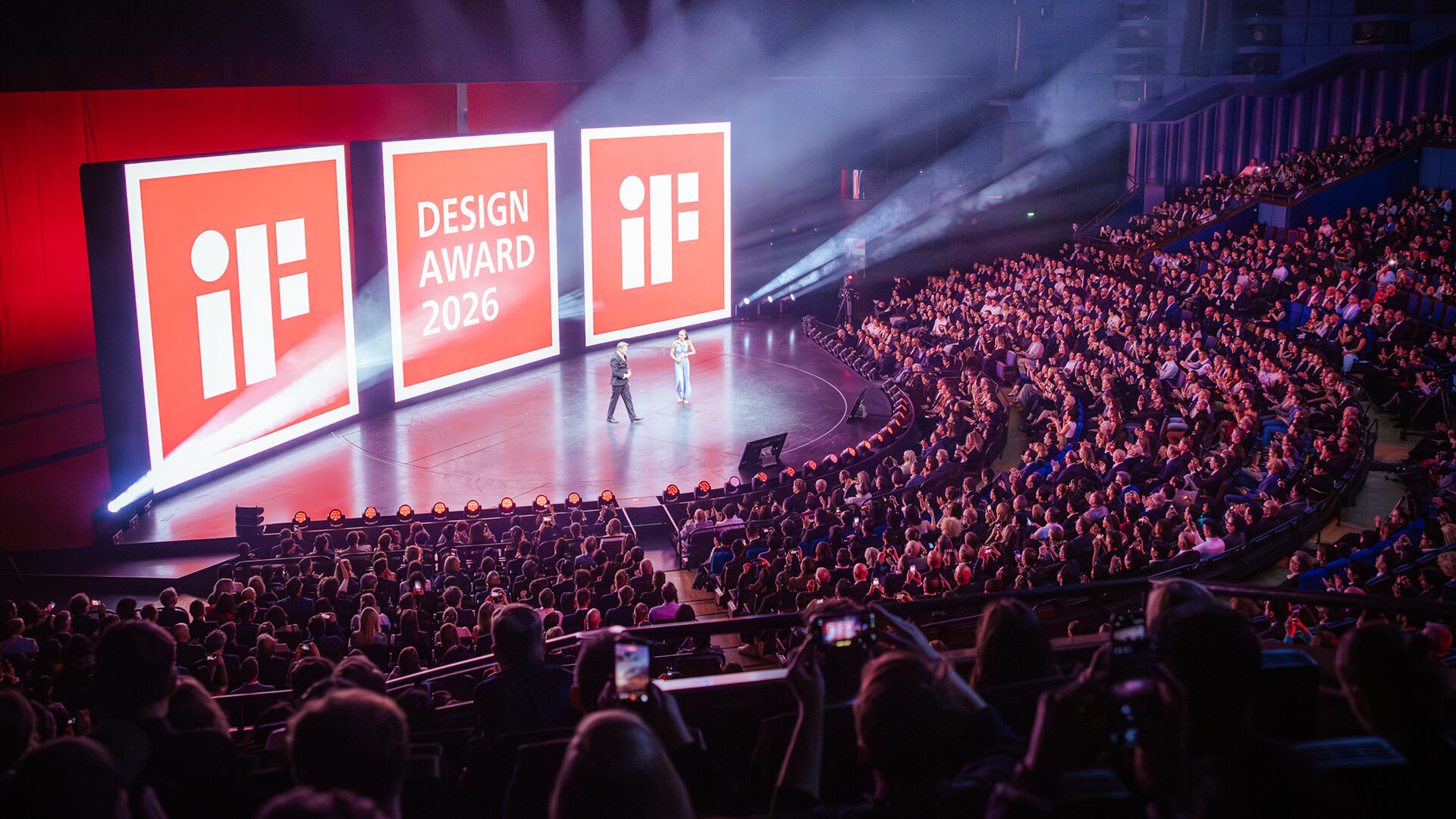
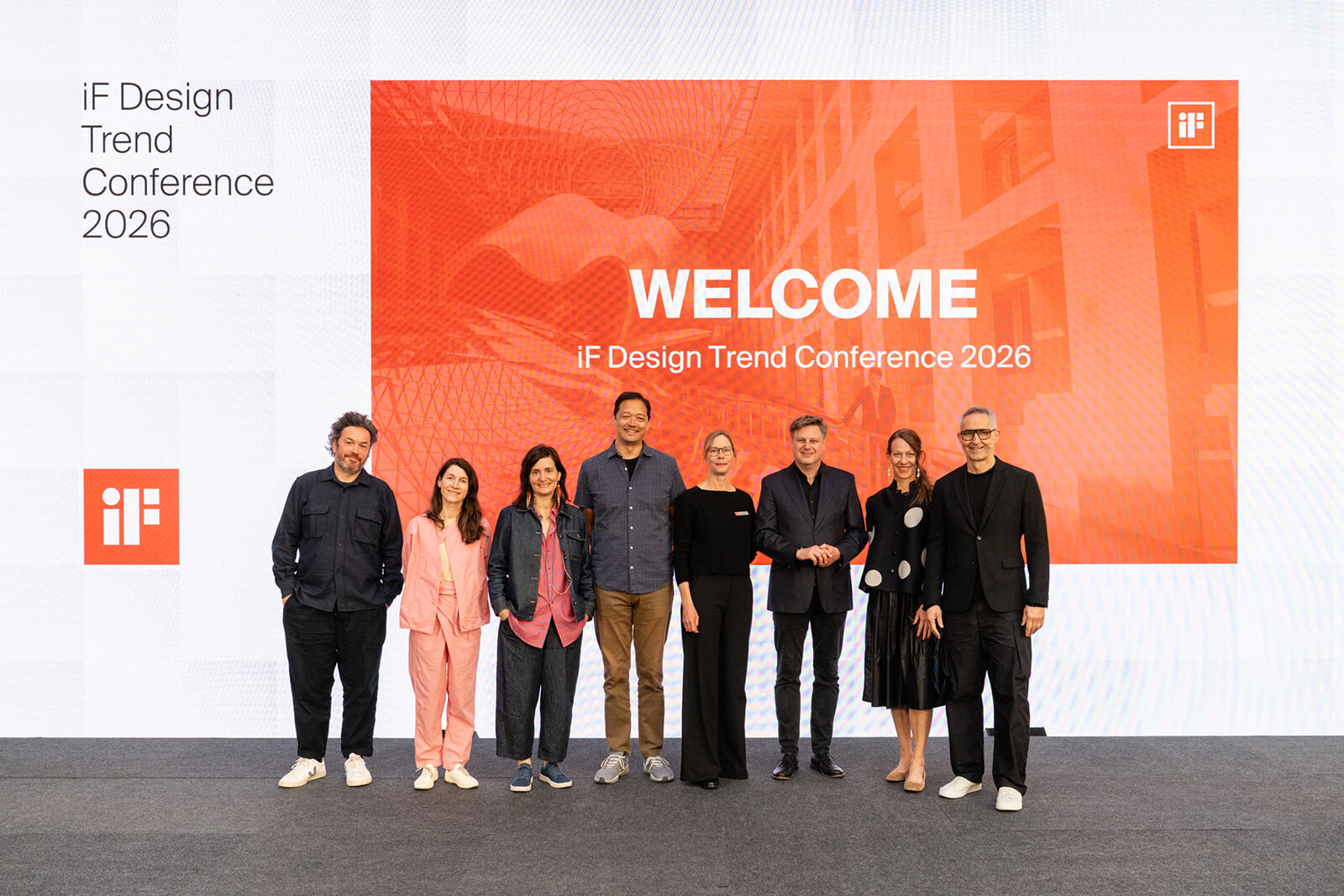
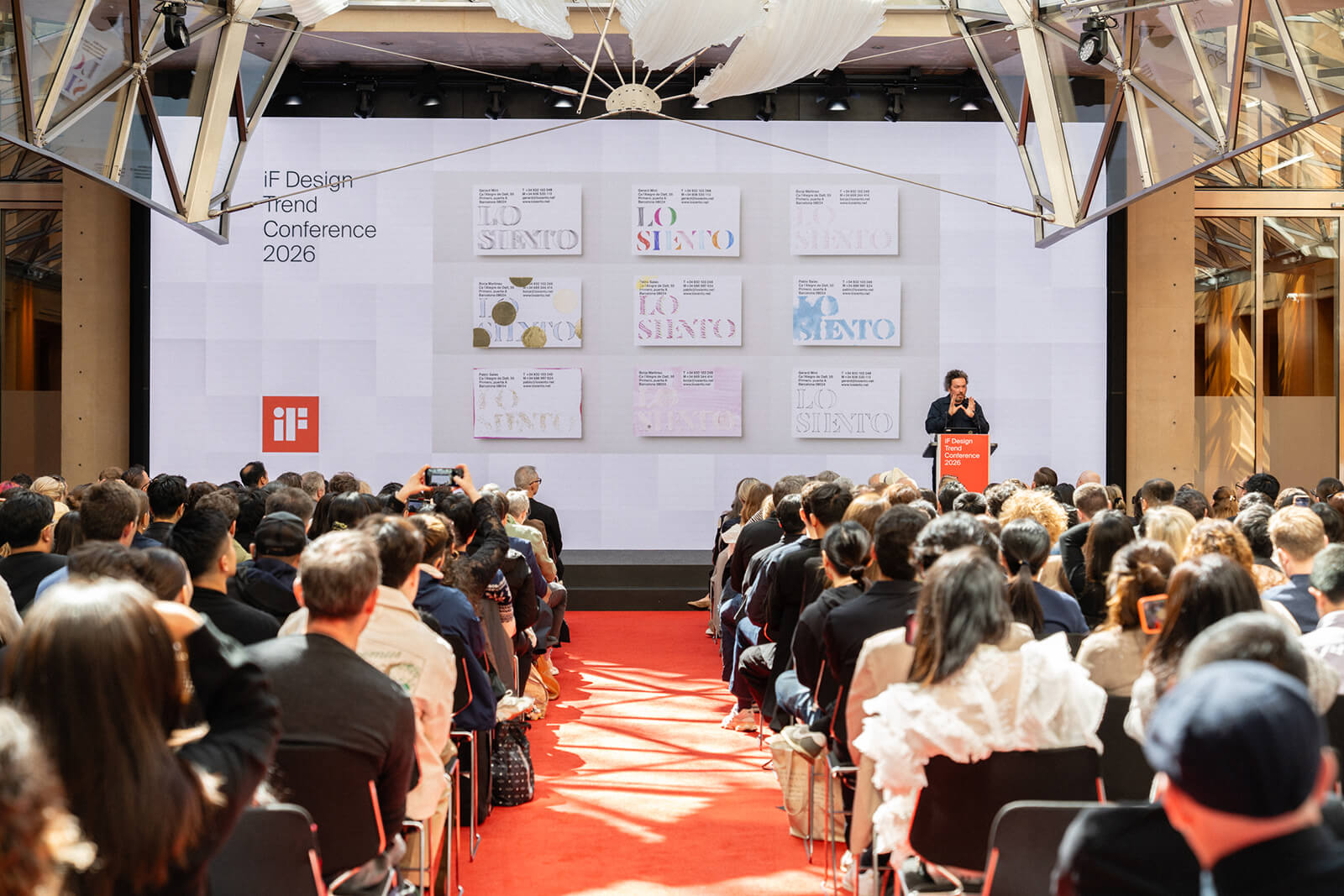
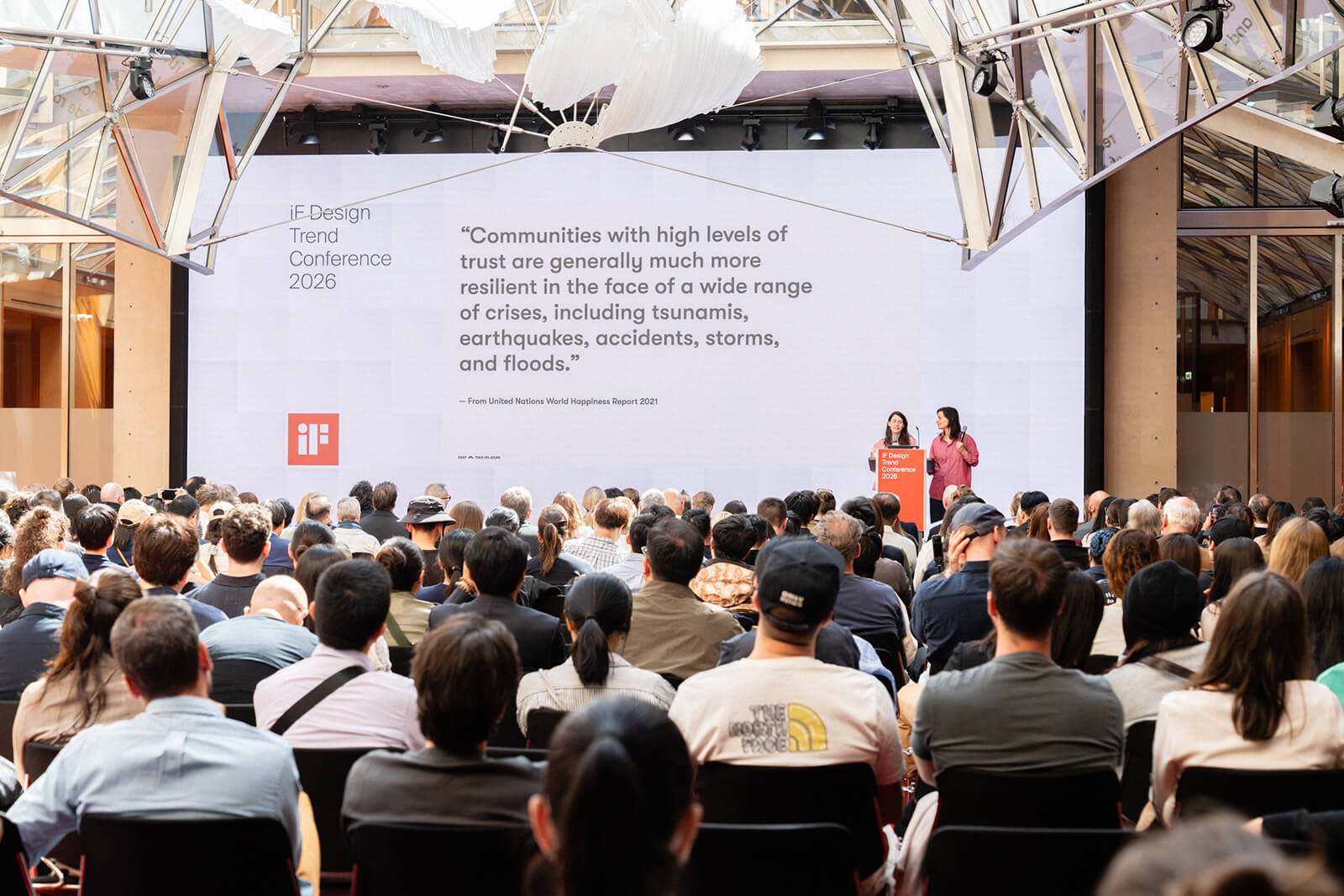
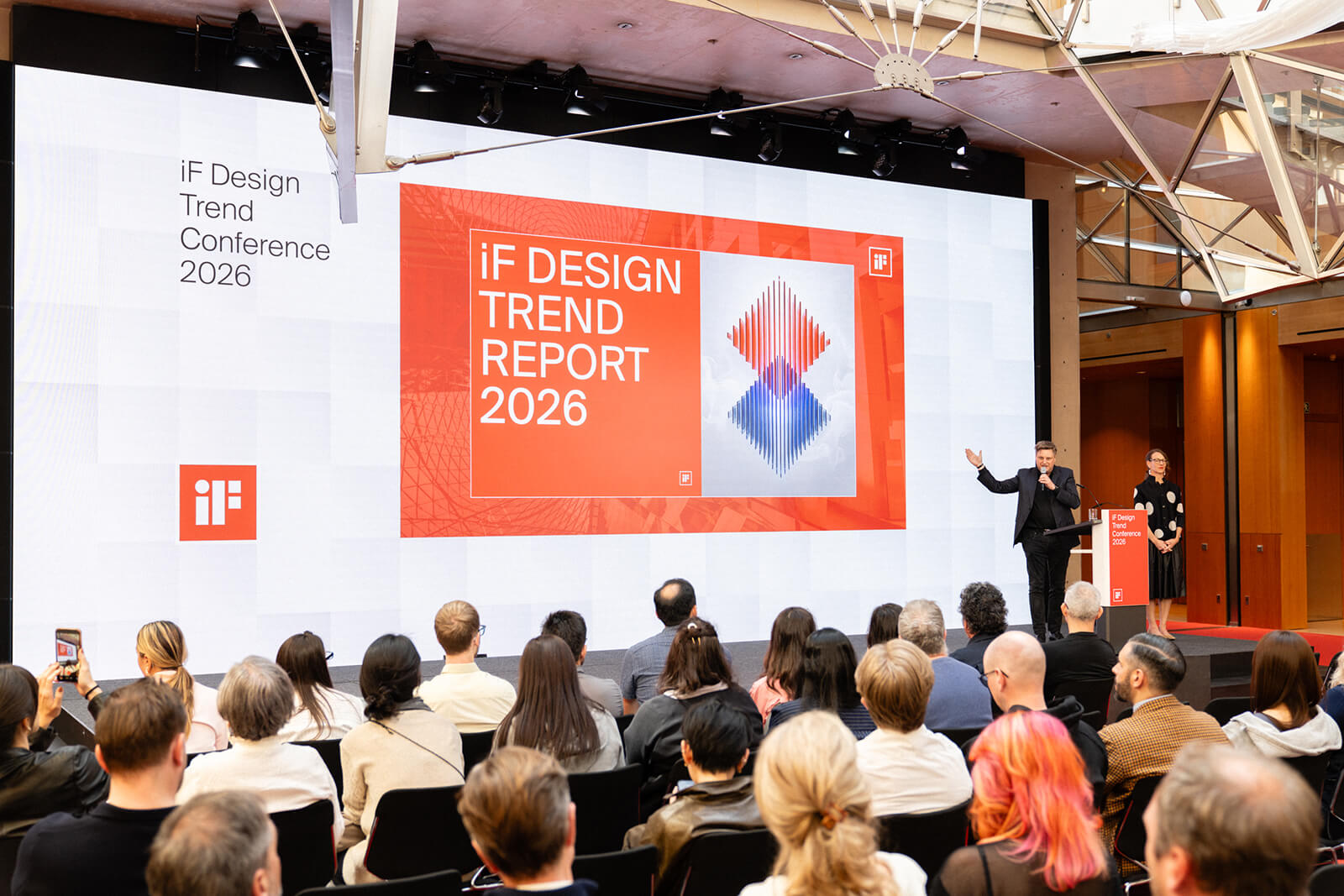
‘Why Bother?’ This was the provocation on a slide in American designer Robert Hodgin's presentation at the iF Design Trend Conference 2026, exploring the role of creativity in an era of increasing automation. The iF Design Award ceremony took place in Berlin, Germany, on April 27, 2026 and in the days leading up to it and a day after the conference concluded, most conversations were either anchored in or led back to two keywords: artificial intelligence and human connections. iF Design put two groups in conversation: those who believed AI would take jobs and displace creativity, and those who saw it as the necessary direction of the future.
Ultimately, both sides arrived at the same question: can designers use AI as a tool rather than be overtaken by it? It was a refreshing reframing, not a debate between those who hate it and those who love it, but a collective attempt to navigate AI as an addition, not a replacement. The conversation did not sidestep AI's darker implications, its energy consumption, environmental cost and impact on the natural world. The question was not about whether to use it, but how to use it.
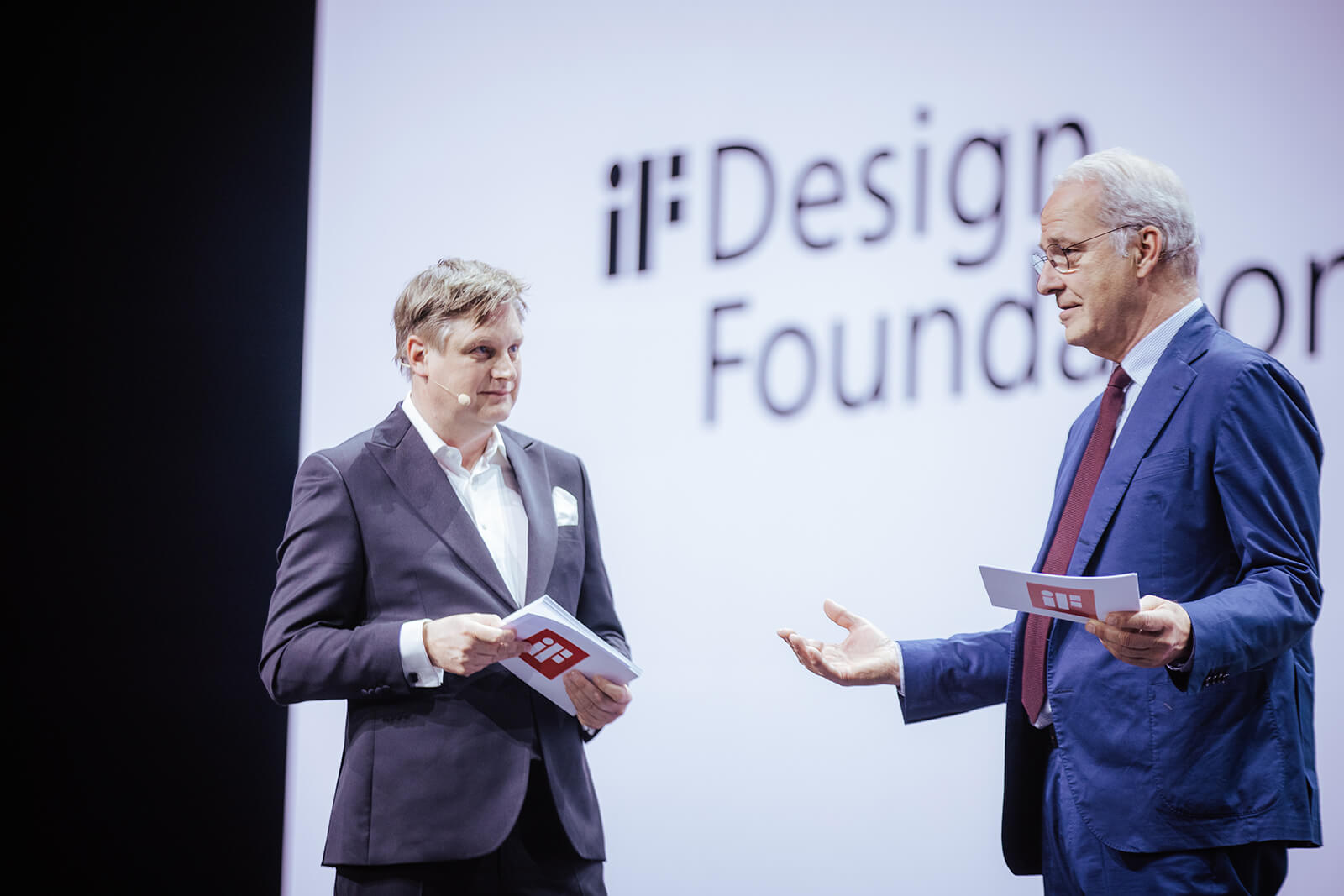
“What we have learnt, especially through the iF Design trend report, is that we are living in the age of average. The age of average means that if every company asks AI to produce or design a product, the risk of all products looking very similar is very high. Having this in mind, we see a high importance for real human designers who can make a difference. So on the one hand, AI will replace some standard jobs and standard processes. On the other hand, the human factor is a real differentiator, precisely because of that averageness,” Uwe Cremering, iF Design CEO, tells STIR.
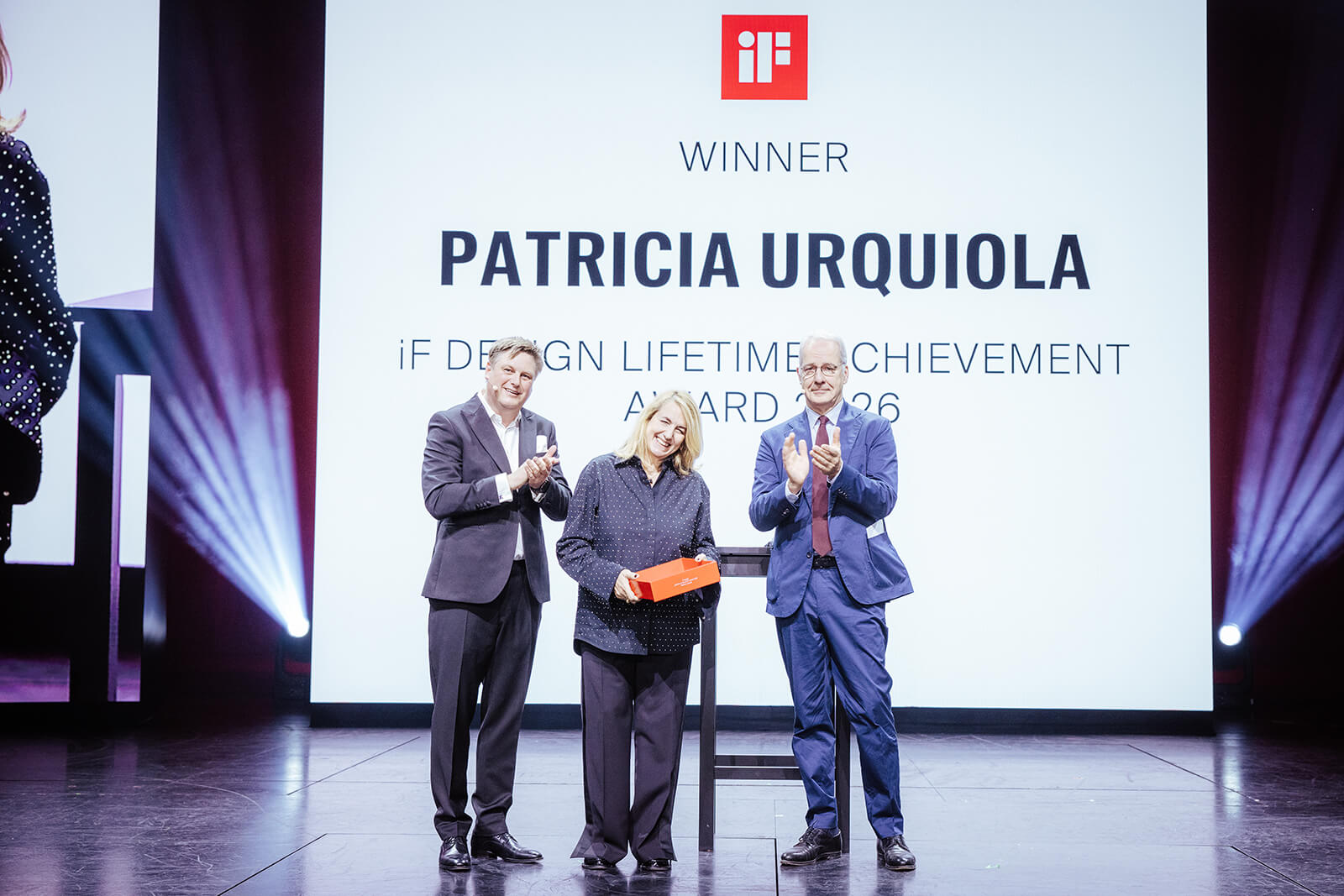
The winners of this year’s iF Design Award seemed to collectively respond to that very discourse. Collaboration between different industries, human-non-human exchange of ideas, inclusivity, the future and above all, how design can improve life kept recurring in the winning designs. During the awards ceremony, the Spanish designer and architect Patricia Urquiola was honoured with the iF Design Lifetime Achievement Award 2026 for her distinctive approach, which combines sensuality, material exploration and technological advancement. Among the 74 gold winners from across 93 categories, here are a few that caught STIR’s attention.
Fujitsu Limited
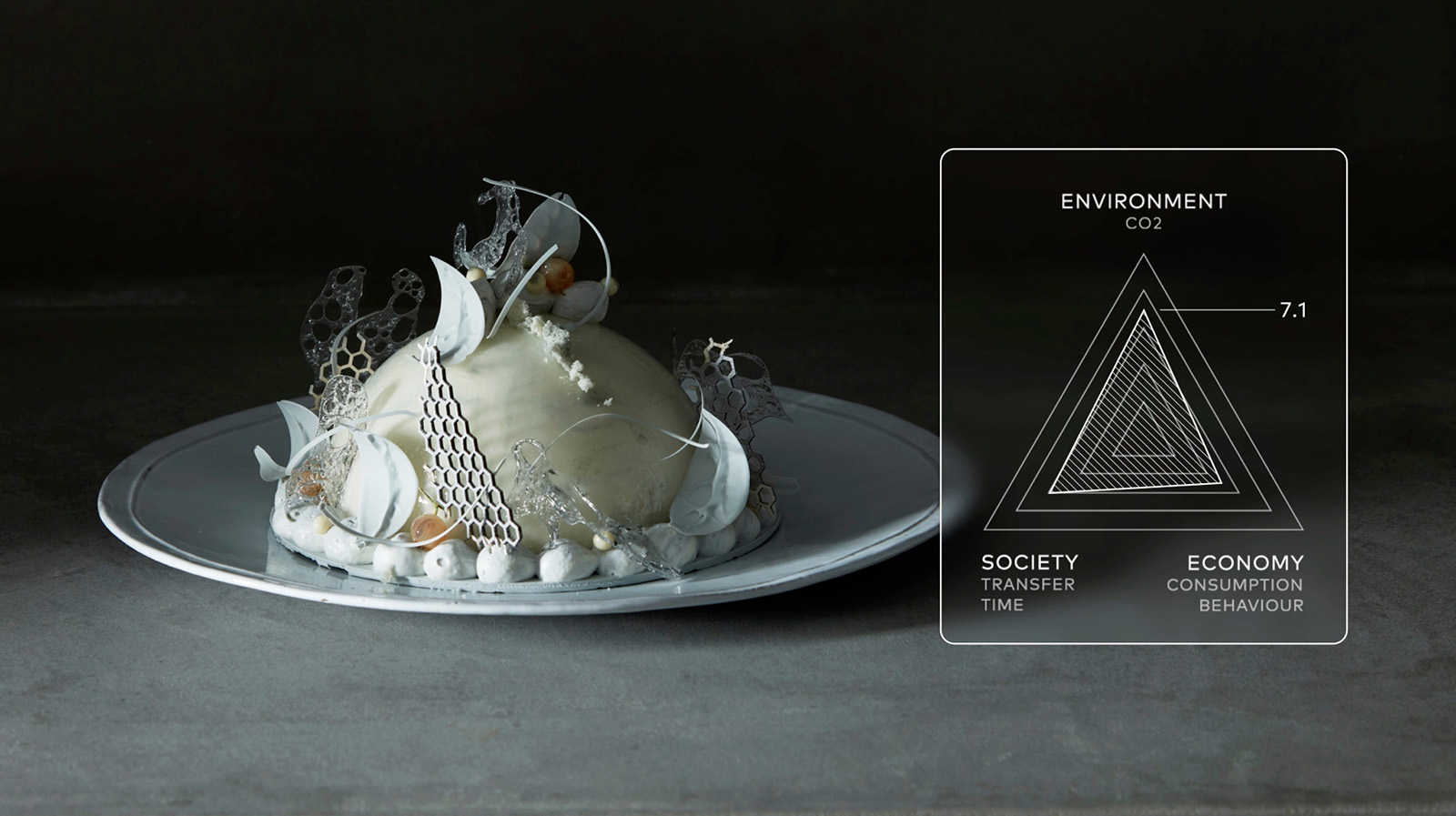
What does pollution actually look like? Japanese Information and Communications Technology (ICT) company, Fujitsu probes into that question by baking it. Carbon Cakes is a collection of cakes made with the same levels of CO2 and PM2.5 that humans breathe in daily, with each cake's appearance—black, misshapen, heavy—shaped by real environmental data gathered through the designer’s digital twin simulations. The result is visceral: pollution translated into something you can hold, smell and confront. It's brand activation with genuine stakes, using culinary art to make an invisible crisis impossible to ignore. iF Design's jury cited it as the “data you can taste and won't forget”.
Compass Rose Editions LLC
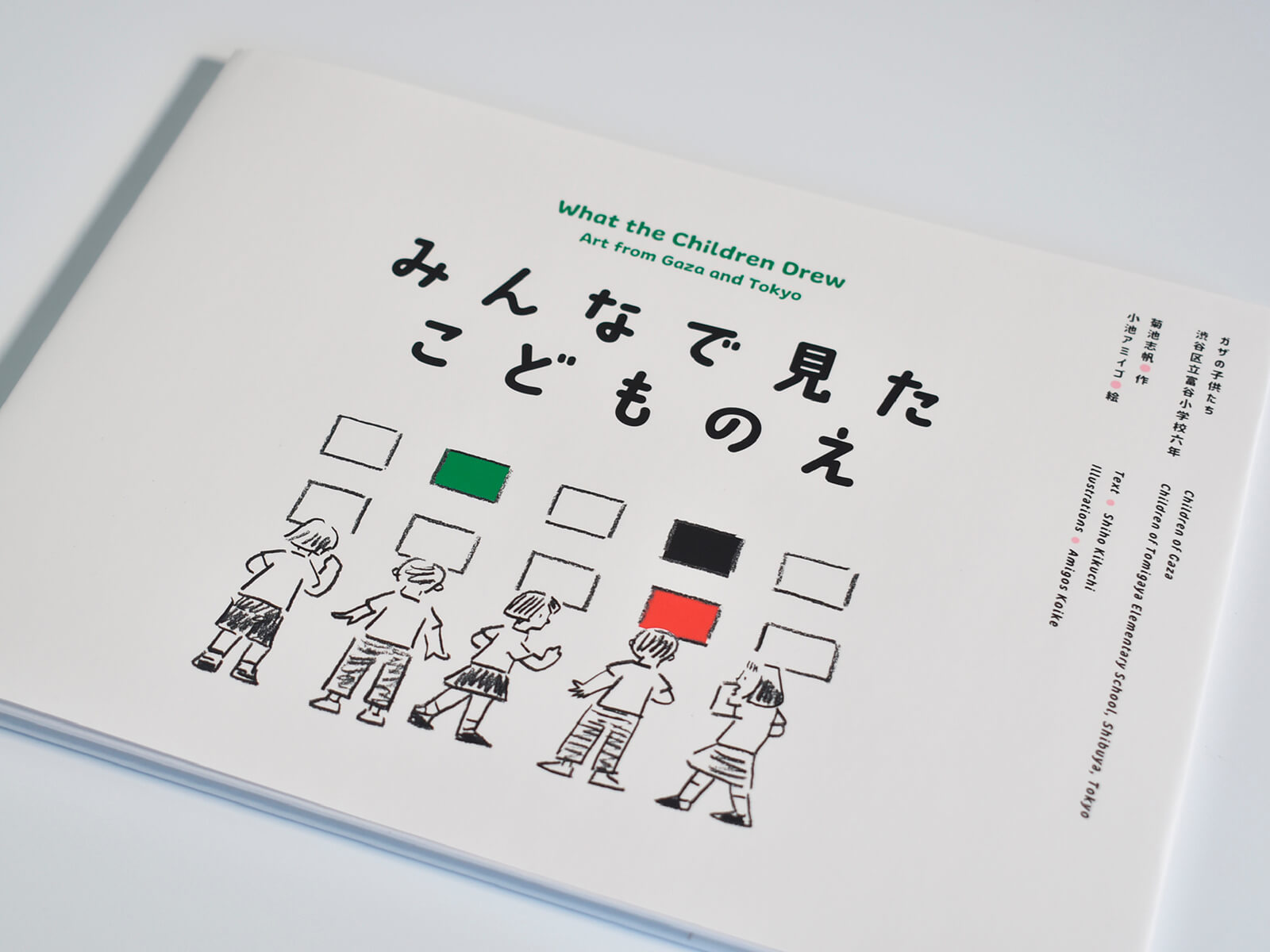
In a world exhausted by conflict imagery, this picture book finds a different way in. Born from an event in the author's own town, What the Children Drew pairs the raw, unfiltered drawings by children from Gaza with responses from children in Tokyo, creating a visual dialogue across cultures, geographies and circumstances. It is documentary fiction that resists spectacle, choosing the quiet honesty of a child's mind. The narrative moves from event to picture book and back to event again, revealing a new way to connect society and the individual. The iF jury recognised what makes it so rare is "its quiet, human format that feels radical". The graphics cut through the fatigue of a public space saturated with crisis imagery to reach something more essential: empathy.
Taiwan Railway Corporation Ltd.
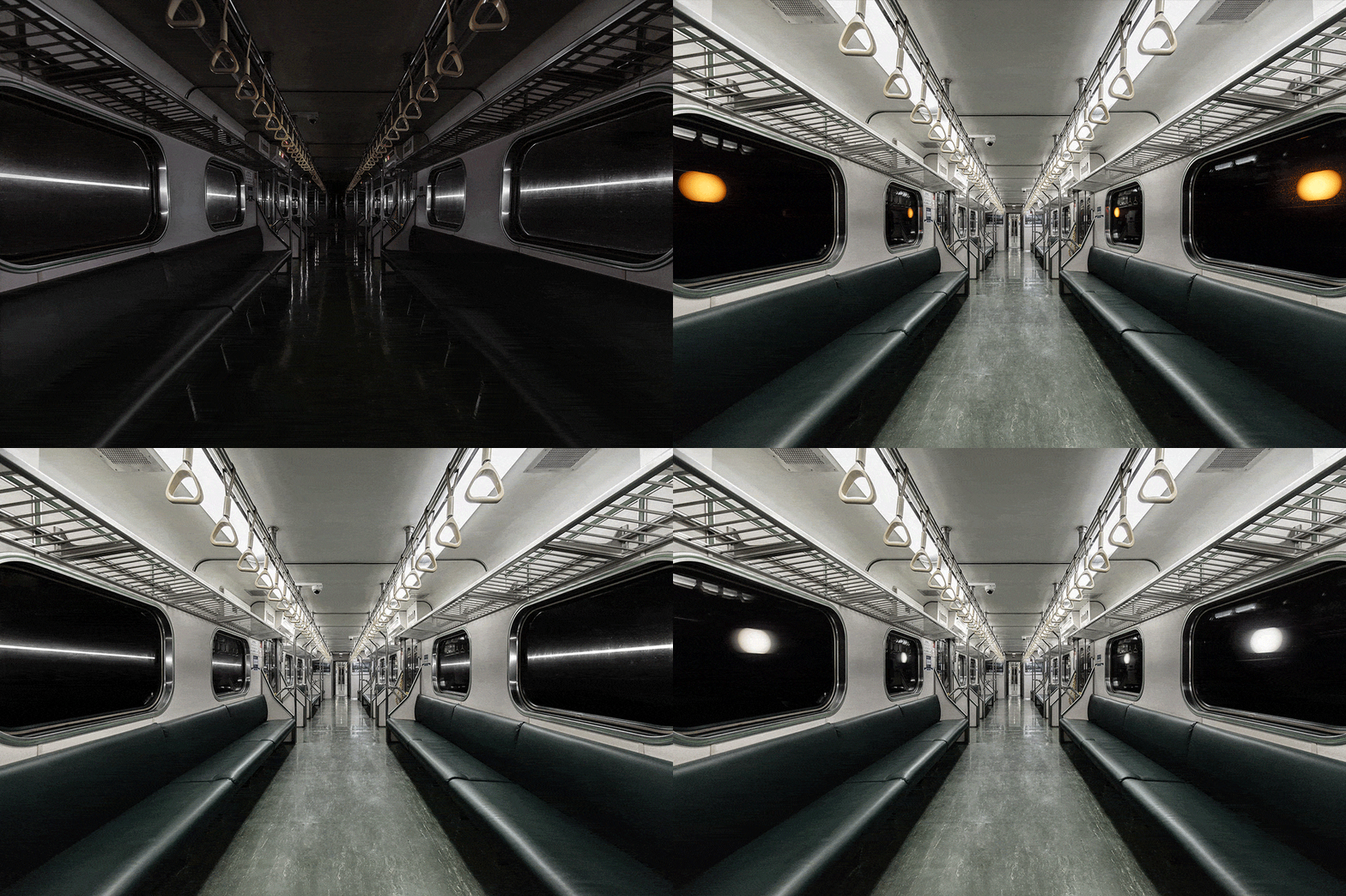
On April 2, 2021, a train derailed inside a tunnel in Hualien, Taiwan, killing 49 people. The time of impact was 9:28 am. This commemorative lighting installation, spanning three tunnels along the Taroko route, transforms that site of tragedy into a recurring act of remembrance. Sequences of amber and white light mark, freeze and reverse time, expressing grief, stillness and the slow work of healing. Critically, it does not interrupt the railway's daily function; it layers meaning onto it. The iF jury noted that its "emotional precision, restrained choreography and dignified pacing is a rare combination that elevates public infrastructure into public art”.
Martinelli Luce S.p.A.

Grammoluce asks a deceptively simple question: What if you controlled light with weight? Designed for Italian lighting brand Martinelli Luce, this lamp places glass spheres onto a Lycra membrane stretched across its surface. The weight of each sphere deforms the membrane and adjusts the light—less weight yields dim, warm light; more mass produces a colder, stronger glow. The lamp changes shape as it changes mood. Sustainability is embedded in the material choices—the sphere holder base is made from PaperStone®, composed of recycled paper and plant resins. The iF jury described it as "a whole new approach to interior lighting—a design breakthrough", one that turns a physical gesture into a sensory ritual.
Schäferei Stücke

Rainbow Wool began with an unlikely material: the wool of gay rams, animals routinely culled on farms for not breeding. Designer and farmer Michael Stücke rescued that wool and transformed it into high-quality fashion yarn, the world's first gay textile thread. The campaign that followed wove together celebrity partnership, community activation and strategic storytelling to build a platform where inclusion and fashion were inseparable. The iF jury identified what gives it lasting resonance: "the material and message are inseparable". This is not cause-led marketing applied to a product from the outside. The values are spun directly into the thread itself.
Birdie Scandinavia ApS
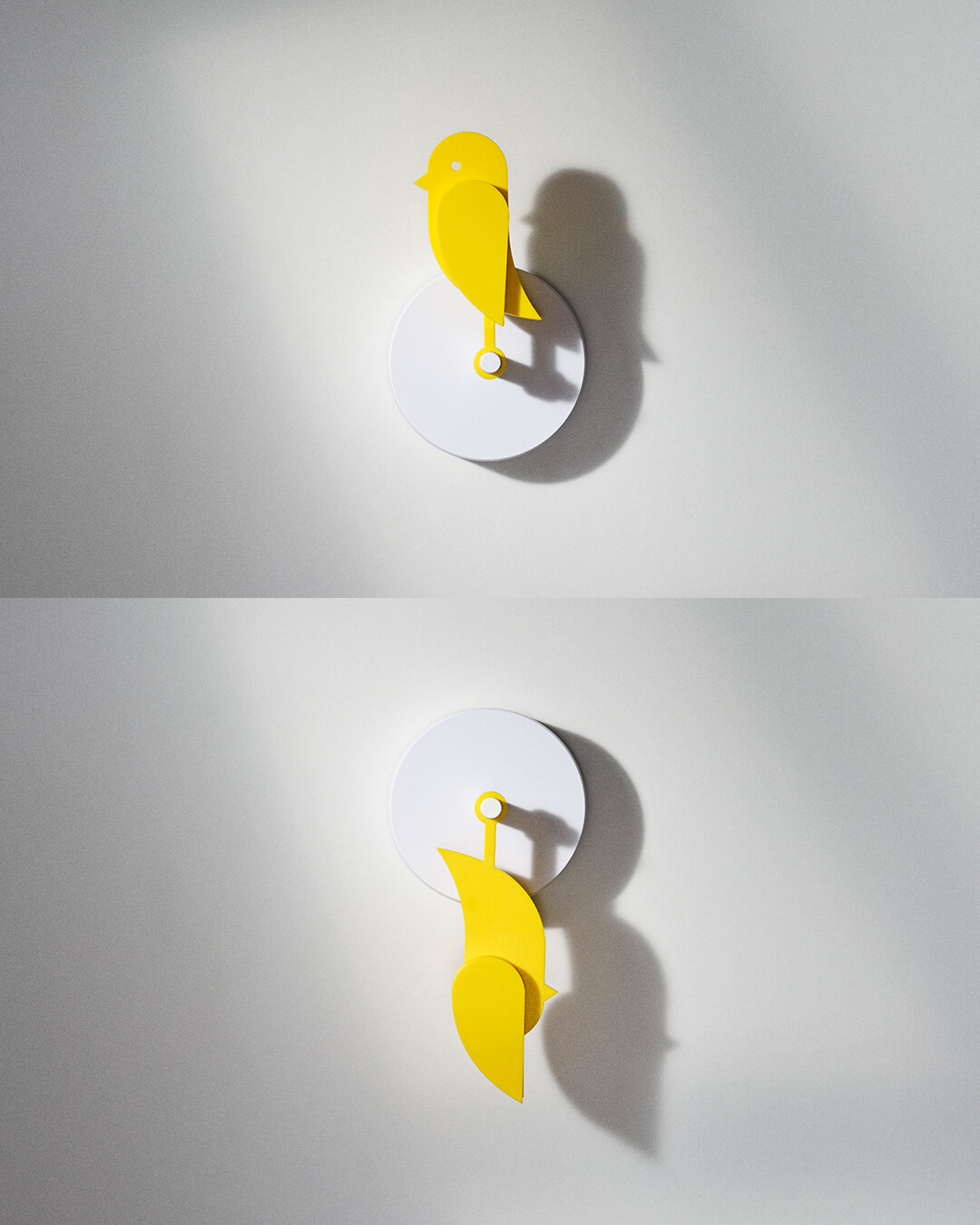
Ninety per cent of our lives are spent indoors, often in air quality we cannot see and rarely question. Birdie 2.0 makes that invisible problem visible and does so with wit. Modelled on the canary once used in coal mines, this CO2 monitor droops and falls from its perch when indoor air quality deteriorates, reviving only when you open a window. Swiss sensor technology delivers reliability, while Danish design sensibility delivers the charm. The iF jury put it plainly, "The whole point of a monitor is to get your attention. Birdie does that in the most charming way."
Brown University
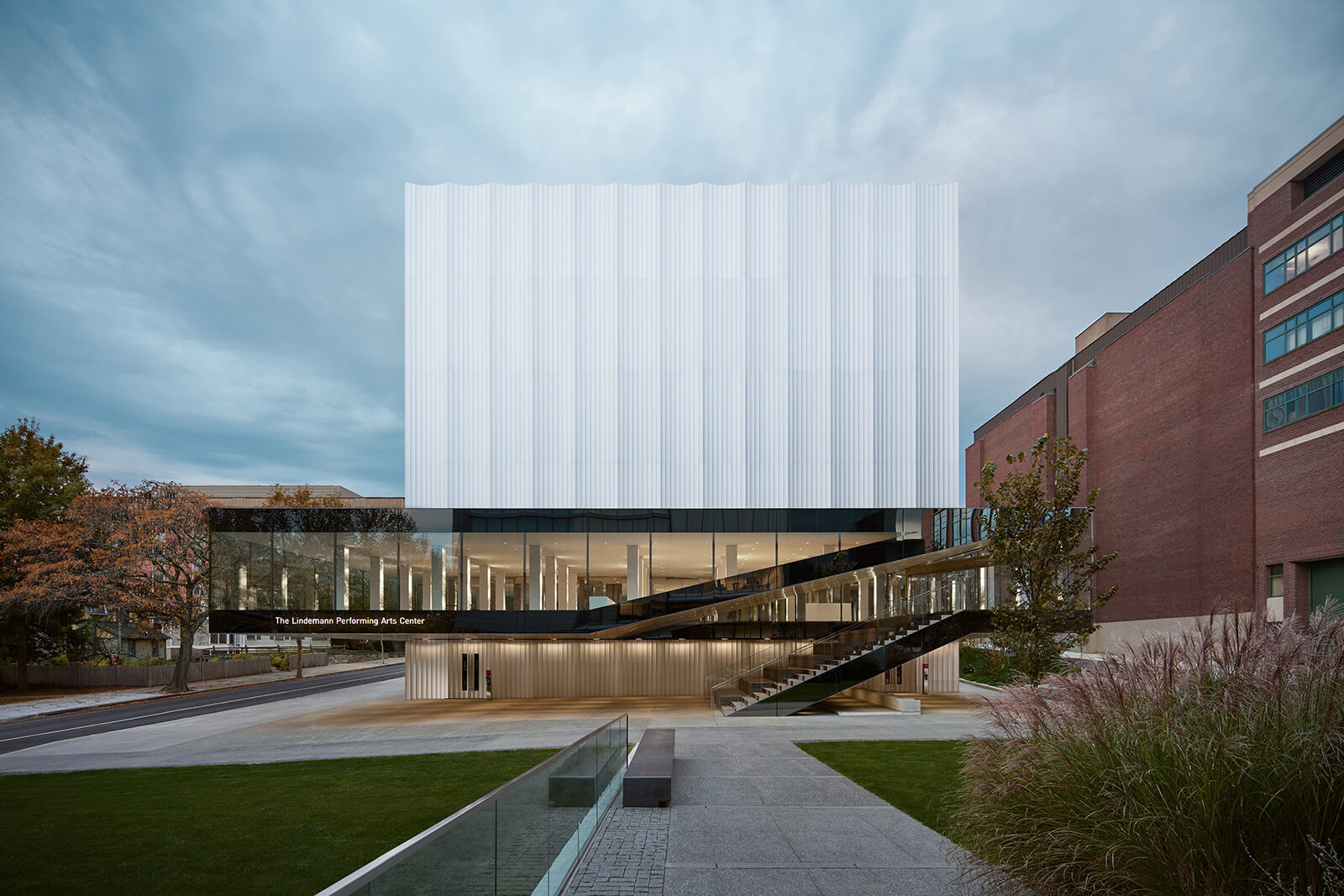
A performing arts centre that can become five entirely different venues within a single hall is the ambition that New York-based architecture firm REX delivered for the Lindemann Center at Brown University. Its shoebox main hall reconfigures physically and acoustically into a media cube, recital hall, end-stage theatre, concert hall or flat floor, enabled by mechanised gantry, lift, reflector and riser systems that make it the world's most automated performance space. None of this complexity is apparent from the exterior. The iF jury recognised the project’s "extraordinary acoustic complexity within a deceptively simple form". A building that performs, quite literally, as brilliantly as the artists inside it.
Flush Fasteners
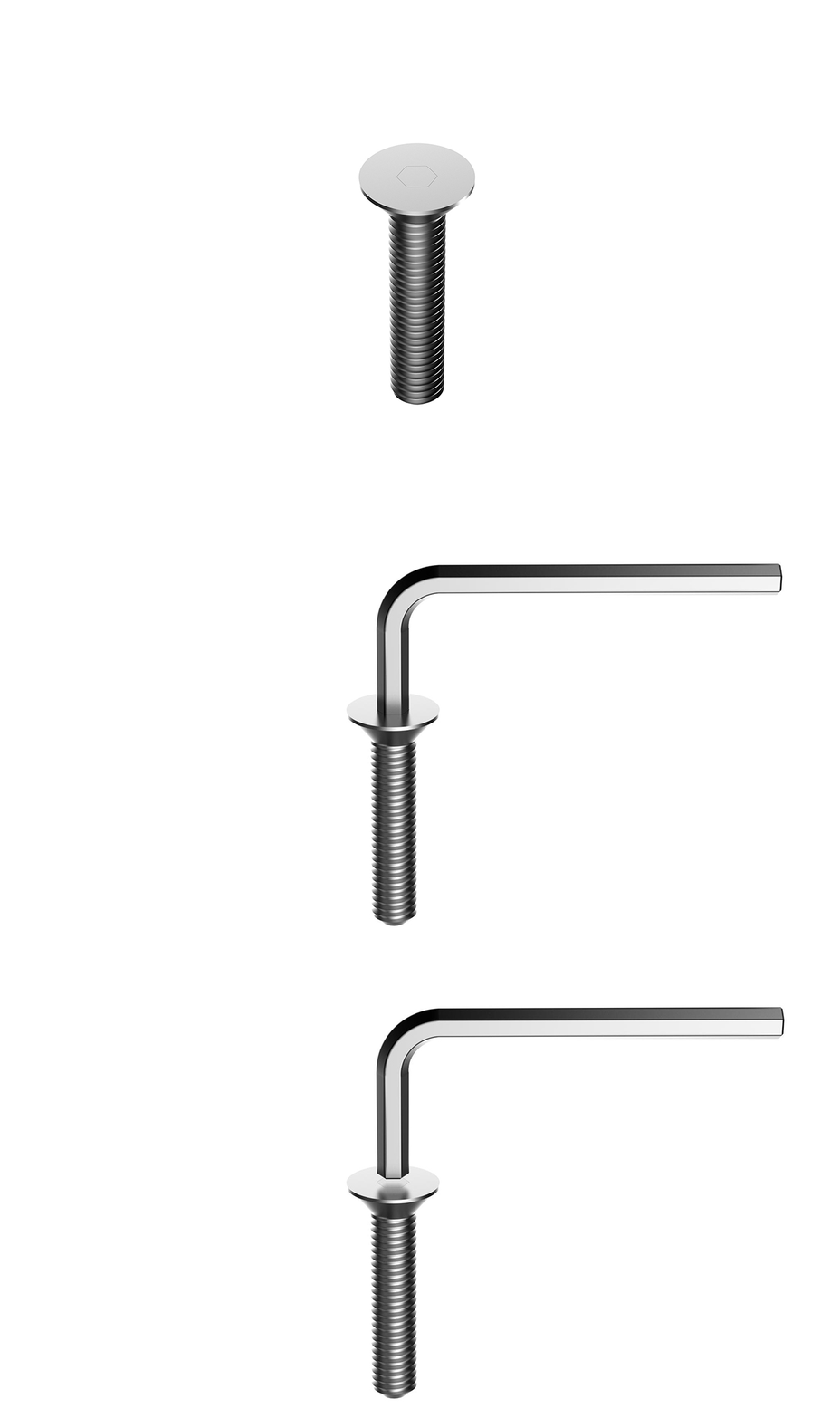
The screw is one of the oldest fastener designs in existence. Flush Fasteners found a problem hiding inside it. In healthcare and life sciences environments, the recessed head of a conventional screw becomes a trap for pathogens, a contamination risk embedded in the infrastructure of the spaces designed to prevent it. The F-Head™ fastener eliminates that recess entirely with a patented hex plunger mechanism, creating a flush, cleanable surface now trusted across the world's most demanding sterile environments. Its aerodynamic and hydrodynamic properties have since drawn interest from IndyCar and Olympic windsurfing. The iF jury asked the question this design begs: “Who says you can't reinvent the wheel?"
Cambridge Consultants

The speculum has remained largely unchanged for over 150 years. Forme replaces it. Developed by Cambridge Consultants, this handheld cervical screening device combines articulation, extension and imaging in a compact system wrapped in a form language designed to reduce anxiety rather than provoke it. A precision internal mechanism adapts to diverse anatomies while an ergonomic handle supports the clinician. The iF jury framed the design's central contribution as one that “applies empathy and consideration to a sensitive medical experience". This is long-overdue innovation, not just in the mechanism, but in the fundamental understanding that a medical device is also, always, an encounter between a person and a procedure.
Yueling Linda Lai, Sicong Nick Zhou, Xiaoyue Sherry Liu
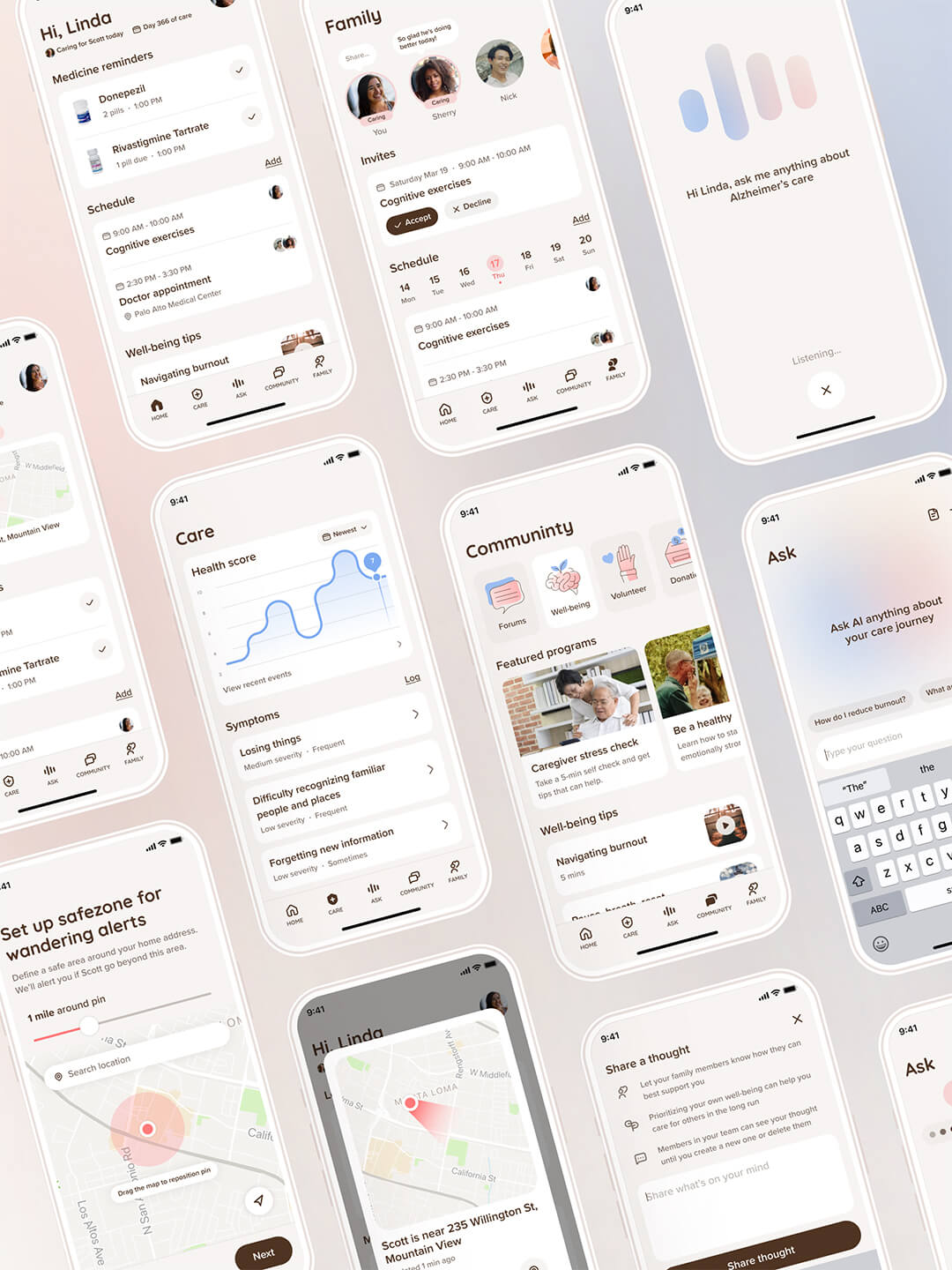
Alzheimer's affects more than 55 million people worldwide. The number who carry it quietly, the caregivers, is far larger and far less supported. AlzCare is a mobile companion app built specifically for them. By combining AI-powered guidance, real-time alerts and a caregiver community, it translates the complexity of daily Alzheimer's care into clarity, reducing the isolation that so many family caregivers describe. The iF jury recognised both the quality of execution and the importance of the need it addresses, describing it as a "human-centred design, flawlessly executed" with an intuitive interface that gives families confidence precisely when circumstances make confidence hard to summon.
Shenzhen IU+Design Co., Ltd.
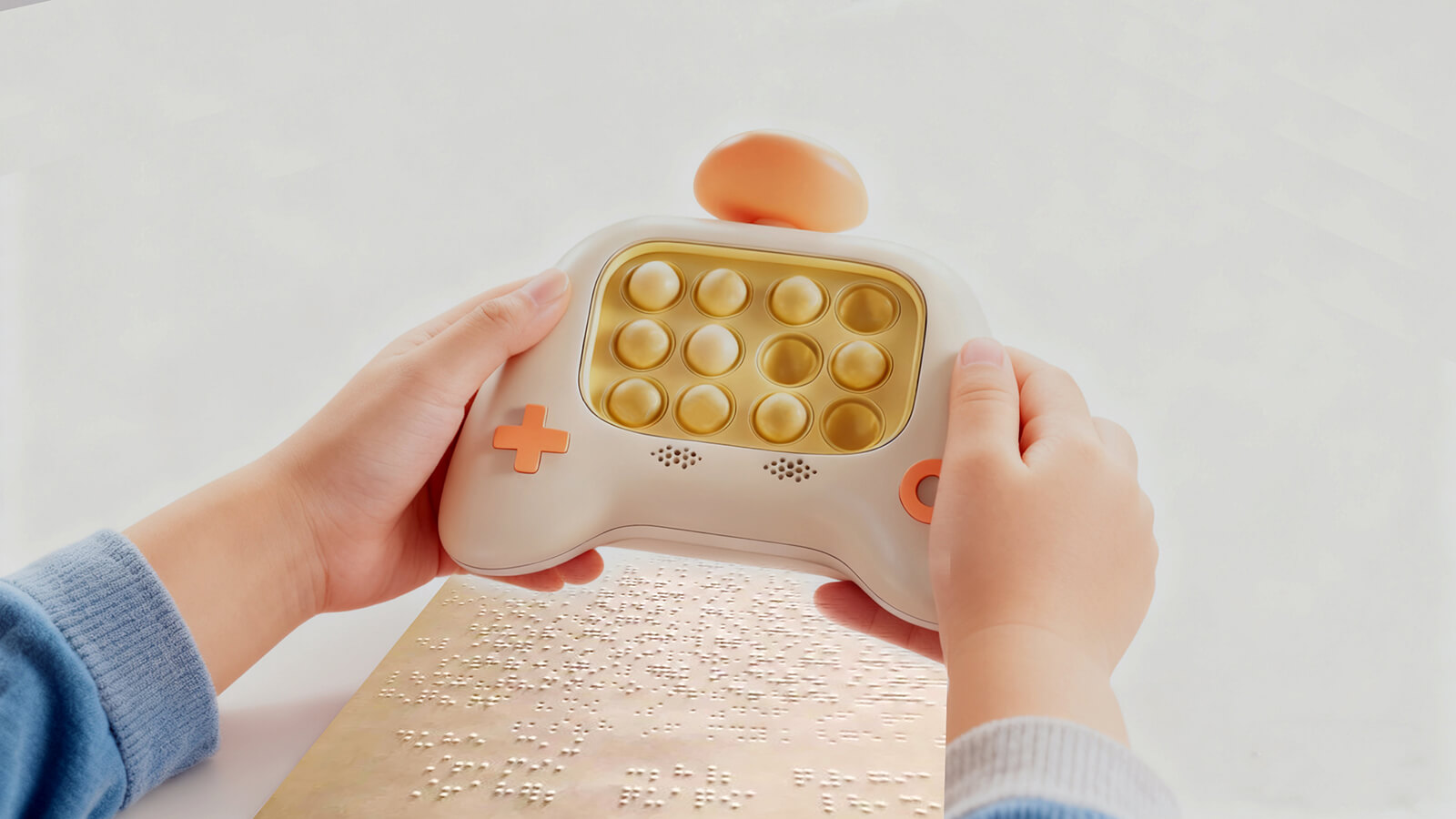
Learning Braille is hard. Learning anything is easier when it doesn't feel like learning. Bubble Braille is a gaming machine designed for visually impaired children that teaches Braille through tactile play while silicone buttons accurately simulate the raised and recessed structure of Braille characters, embedding literacy into the experience of a game. Crucially, it is designed to be played with sighted children too, expanding the social world of visually impaired children rather than separating them from it. The iF jury identified what makes this genuinely special is ‘the social dimension’ of a design that understands learning as connection, not just instruction.
This year’s iF Design Award winners showed that design retains its power precisely where AI cannot reach, in empathy, specificity and the decision to solve a problem that statistics alone would never surface. A gaming machine that teaches Braille by letting children play together. A cervical screening device redesigned around the experience of the person in the room. An app built not for the patient, but for the person caring for them. These are not problems AI identified, but problems humans felt. As Cremering noted, when AI is handed the full creative brief, everything trends toward the average, recognisable and interchangeable. The tool works best in the hands of someone who knows what it cannot do.
However, what the conversations in Berlin did not fully reckon with is the cost of using these new technologies. Hearing climate-responsive design and AI mentioned in the same breath felt, at times, contradictory, a technology whose environmental footprint we are still measuring, placed alongside work explicitly designed to reduce harm. That tension was present in the room, even when it was not named. We are still in the early chapters of understanding what AI actually is, what it takes and what it displaces. Which makes the words of Luka Schulz, shown on a slide in Hodgin's presentation, worth sitting with: "Things that take no effort are hard to value."

by Jincy Iype Oct 15, 2026
STIR explores craft, material intelligence and people shaping Indian design through dialogues with Design Democracy’s co-founders and the curators of its special exhibitions.
by Pranjal Maheshwari Oct 13, 2026
Through furniture, art and films, the showcase at the Ian Potter Centre in Melbourne advocates for biophilic material cultures as an antidote to planetary degradation.
by Pranjal Maheshwari Oct 12, 2026
The exhibition reimagines the 20th-century Scottsville residence of the American sculptor and his partner, ceramicist Nancy Jurs, curated by their daughter Alison Castle.
by Mrinmayee Bhoot Oct 08, 2026
The game designer discusses their work and its manipulation of scale, scientific data and non-human perspectives to create speculative futures in conversation with STIR.

make your fridays matter with a well-read weekend
Enter your details to sign in
Don’t have an account?
Sign upOr you can sign in with
a single account for all
STIR platforms
All your bookmarks will be available across all your devices.
Stay STIRred
Already have an account?
Sign inOr you can sign up with
Verification link sent to check your inbox or spam folder to complete sign up process
Tap on things that interests you.
Select the Conversation Category you would like to watch
Please enter your details and click submit.
Enter the 6-digit code sent at


iF Design Award 2026 examined what it means to design in the age of AI
by Sunena V Maju | Published on : May 09, 2026


 Sign in with Google
 Sign in with email
What do you think?