Architecture09 mins. read
The 2025 Aga Khan Award for Architecture winners redefine community and resilience
by Anushka SharmaSep 02, 2025




by Bansari PaghdarPublished on : Dec 23, 2025
This year, the Royal Institute of British Architects (RIBA) expanded its intended slate of International Awards with the introduction of two new categories to recognise projects across the Asia Pacific and the Middle East regions, as the first phase of a pilot initiative. Notably, the awards earmark a significant change in RIBA’s global outlook, acknowledging the depth of architectural forces emerging across the regions and recognising practices that often operate beyond Eurocentric narratives. Announced in Shenzhen during the RIBA Architecture Festival Asia (RAFA), the inaugural RIBA Asia Pacific Awards seek to spotlight remarkable regional architecture from an entire subcontinent and beyond, signalling the institution’s willingness to project a more diverse future, by platforming plural perspectives and regional confluences.
Spanning China, India, Singapore and Bangladesh, the ten winning projects, announced earlier this month, reveal how contemporary architecture and design are responding to rapid urbanisation, climate vulnerability and social inequity without losing sight of local cultures of building. From public spaces to residential designs, the winners collectively position architecture as a civil act that strengthens communities, reclaims neglected urban landscapes and imagines sustainable futures that are rooted in context and identity. The awards ceremony in Shenzhen, held just a couple of weeks following the tragic fire at the Wang Fuk Court apartment complex in Tai Po, Hong Kong, also saw attendees paying their respects to the victims of the tragedy, with the RIBA pledging to support affected members and colleagues.
“This year’s winners exemplify the depth and diversity of architectural excellence across the Asia Pacific. They reflect a shared commitment to design that responds to local culture and environment, setting new benchmarks for innovation and social purpose, and proving that thoughtful, context-driven design can meaningfully shape a more sustainable and vibrant future for the region,” states Prof. Dennis Ho, RIBA Chapter Chair, Hong Kong, in an official release. In an attempt to better understand and place the ethos, or the pulse, of South Asia’s diverse—yet, in some ways, united and driven by the same Modernism-induced scarcity and urgency—architectural canon, STIR takes a look at the inaugural edition’s winning projects, exploring their relationship to their local, definitive contexts and what new material, cultural, social or political paradigms they explore. It remains essential that the deliberation then does not veer towards a tendency to attune to or pinpoint ‘trends’, also given that that is a likely prerogative when rapid advances in building are made in a hyper-connected world.
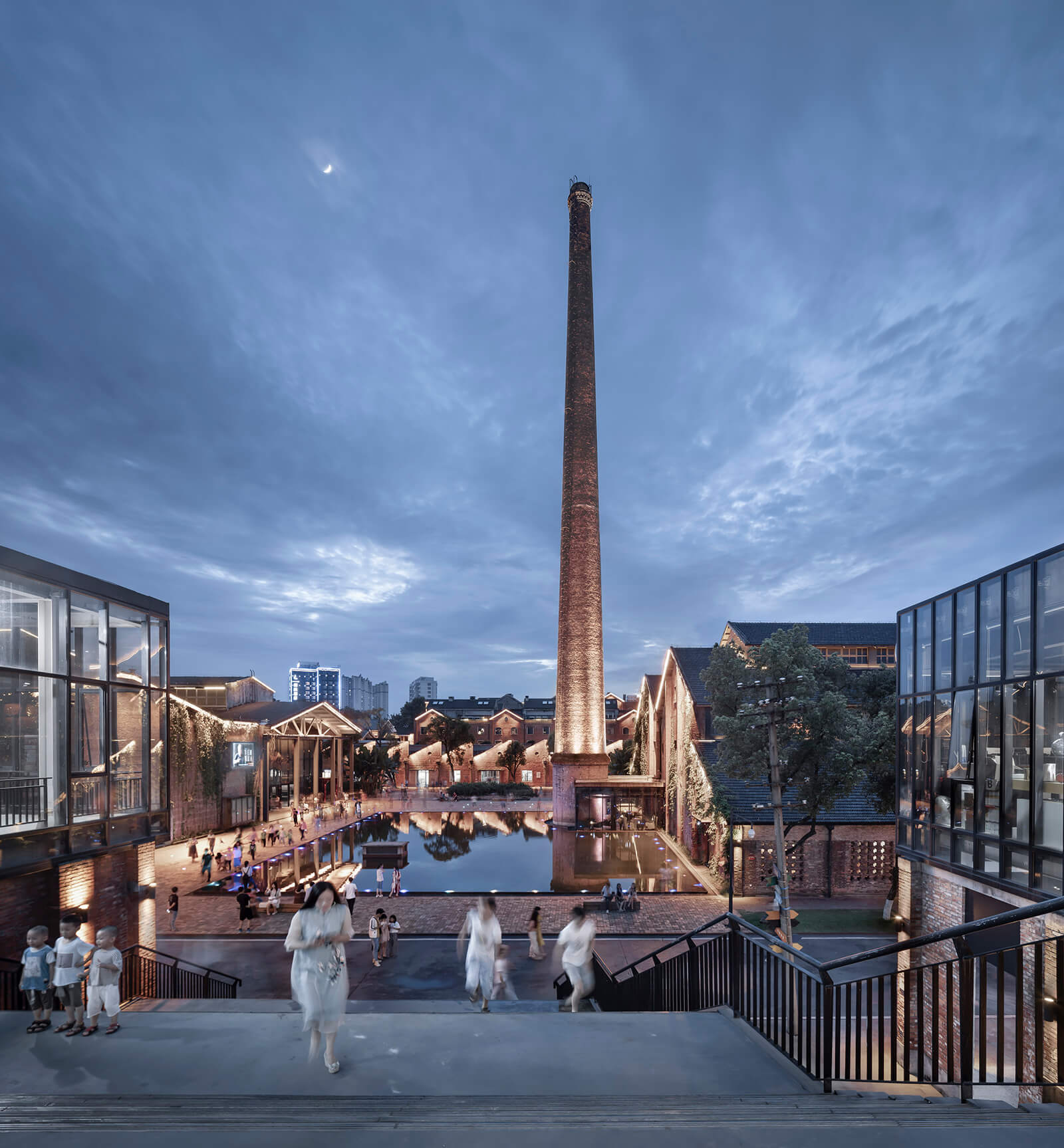
Winner of the Adaptive Reuse Award, RIBA Member Award and Urban Regeneration Award, the Taoxichuan Ceramic Culture Industrial Park in Jingdezhen by Beijing AN-Design Architects & THUPDI, enlivens China’s porcelain capital by transforming old ceramic factories into vibrant public spaces and infrastructure for the creative industries across 2,20,000 sq m. Minimising waste and carbon emissions, the adaptive reuse scheme retains half of the original structures and invites growth in culture, tourism, employment and commerce, becoming a national model for post-industrial architectural regeneration.
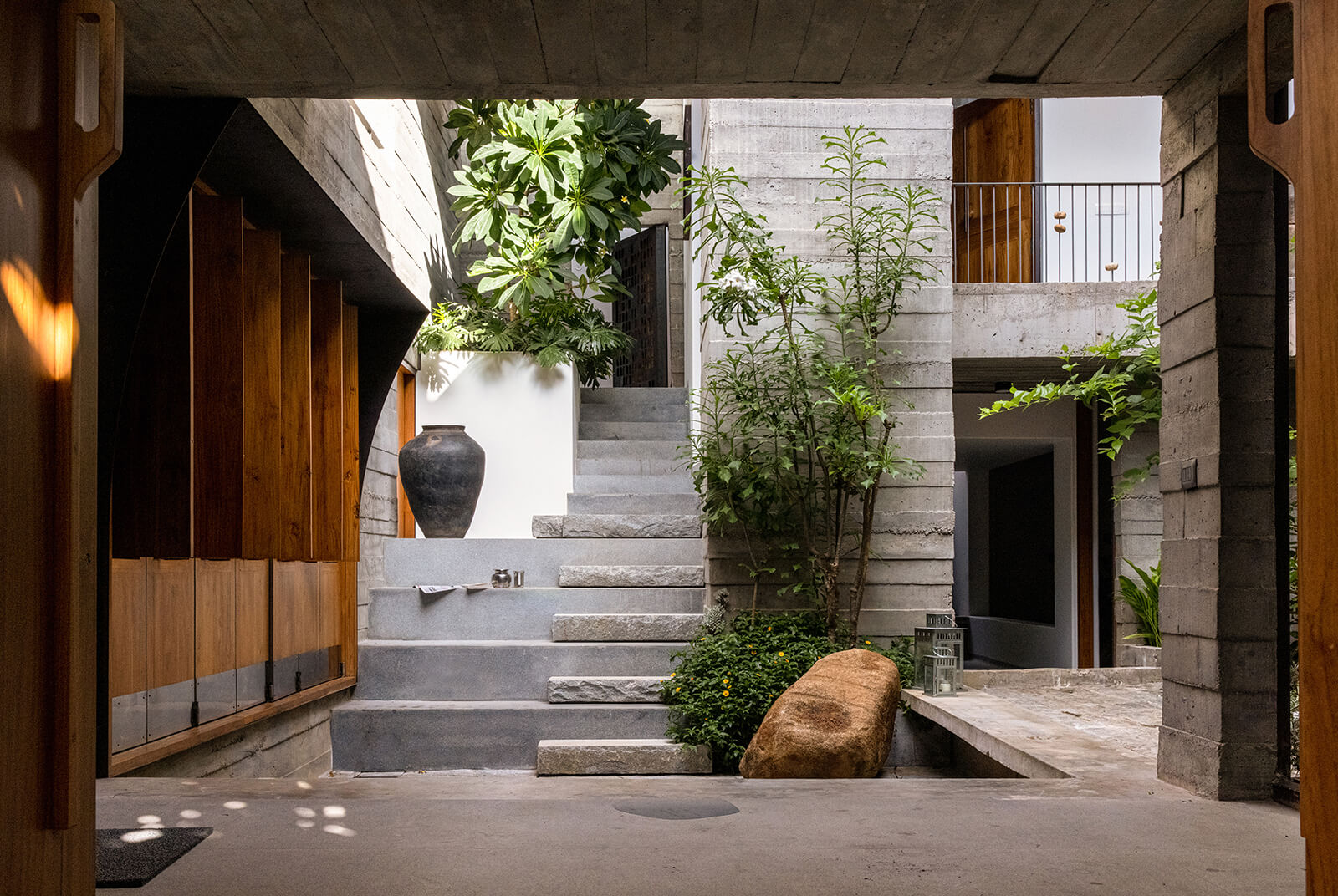
The House of Memories by Studio Gravitas, in collaboration with Eleemente & Bodh Design Group, located in suburban Karnataka, India, received the Design for Living Award. Designed as a multi-generational family home, it is a contemporary tribute to the traditional Thotti Mane courtyard style of Indian architecture. In a convergence of history and memory, the residential architecture balances solitude with social spaces, using local materials to realise a climate-responsive design.
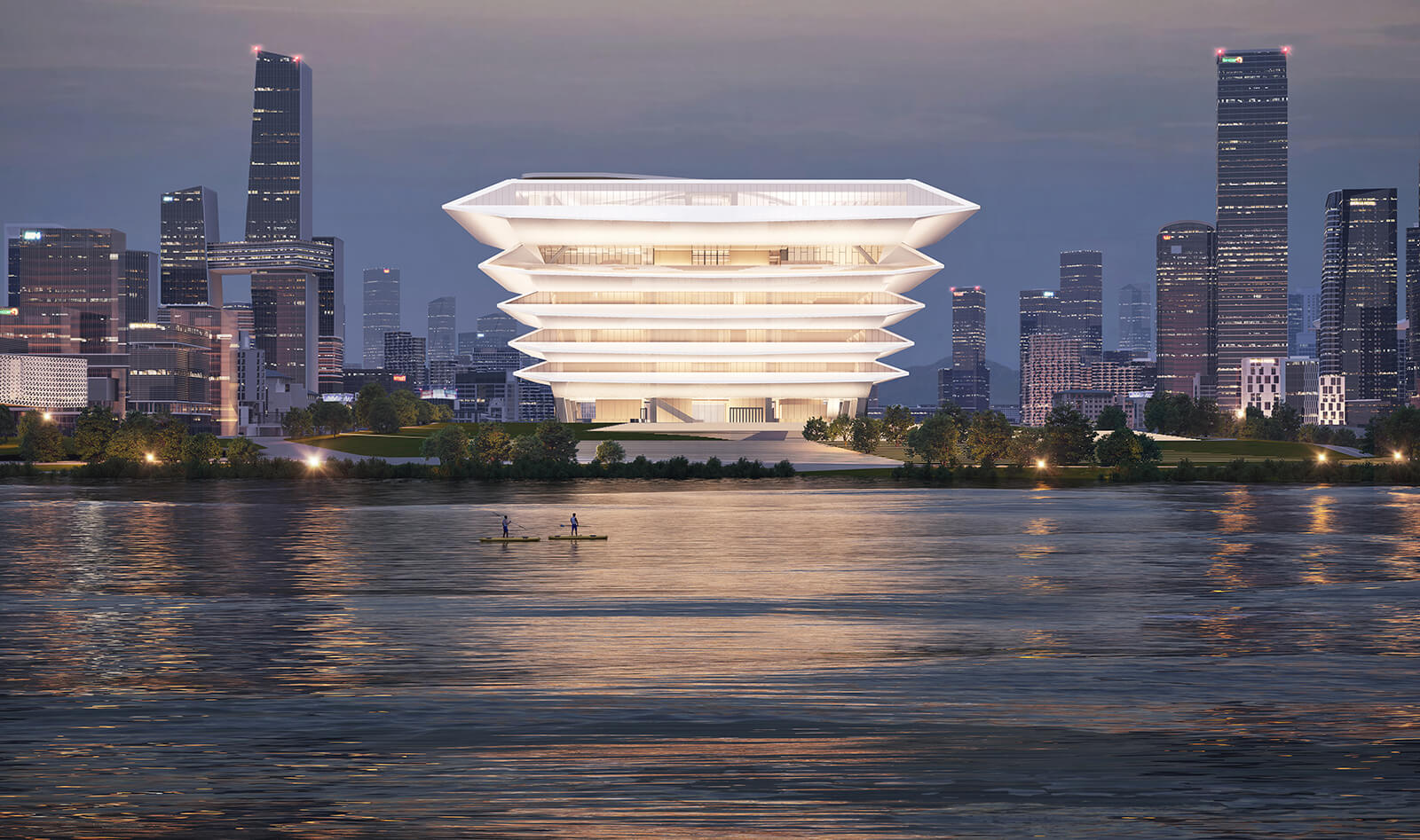
The Future Projects Award went to the Qianhai Museum by Architectural Design and Research Institute of SCUT Co., Ltd. in Shenzhen. A museum located on a waterfront designed as a ‘Beacon of the Era’, the design features open public zones and a massive 100-metre arch on the fifth floor. The building is adorned with a shimmering facade design, inspired by the roofs of traditional Chinese architecture, filtering natural light like a seascape. Blending nature, art and technology into a cohesive cultural experience, the museum architecture also meets high green building standards.
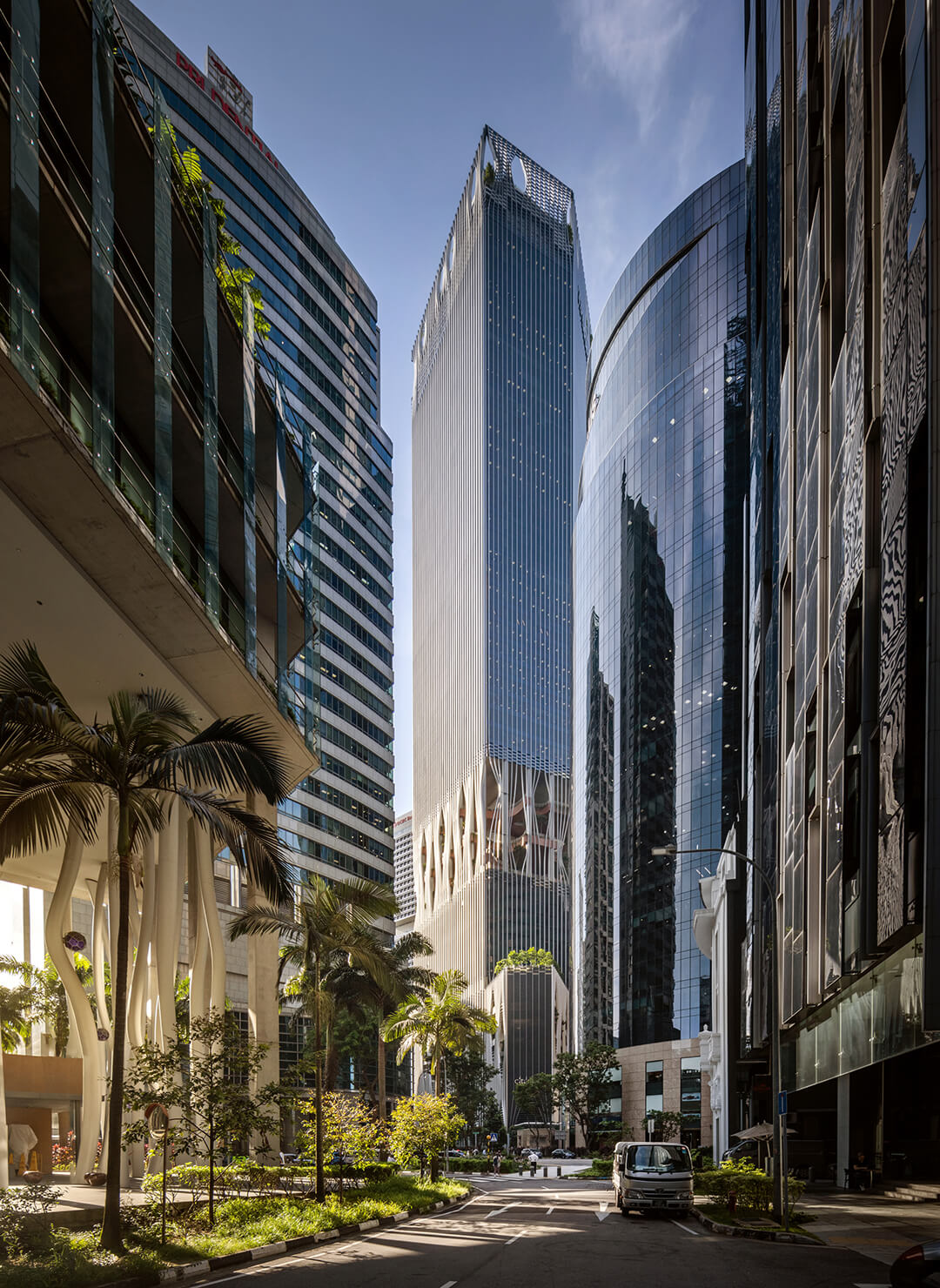
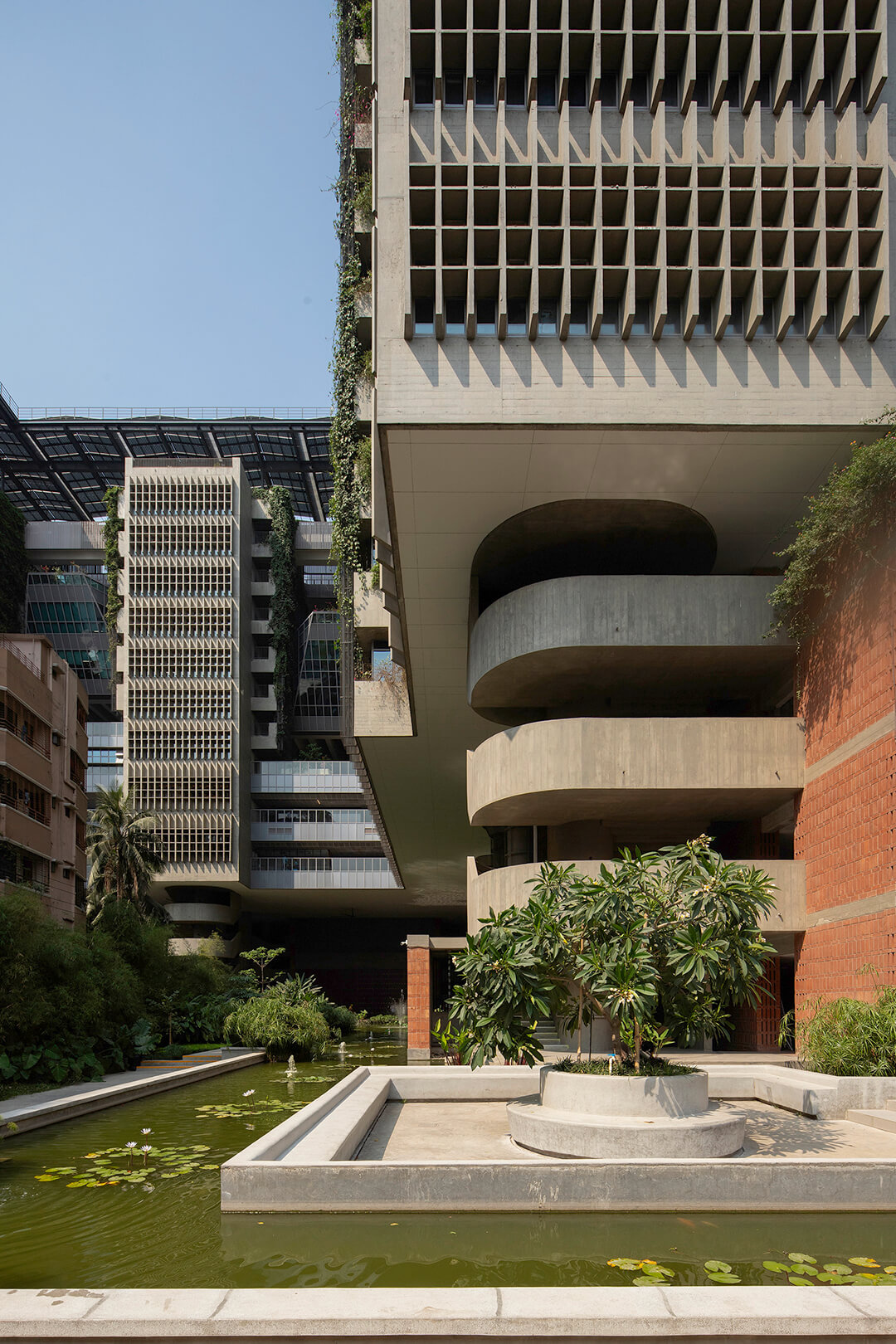
CapitaSpring, a 51-storey vertical oasis by Bjarke Ingels Group in Singapore, took home the Mixed Use Award. Featuring terraced facades housing over 38,000 plants, the building features a rooftop sky garden, creating a material contrast with structural steel and glass. Located in the heart of a bustling business district, it is a breathable container that fosters work, play and life. The BRAC University by WOHA in Dhaka, Bangladesh, won the Sustainability and Resilience Award on the other hand. Bearing a similar urban DNA, the project transforms a former waste ground into a vertical educational hub. Layering academic spaces above a public park, it addresses the urban density of the neighbourhood while relying on large breezeways and cross-ventilation to tackle the hot climate—in signature WOHA fashion.
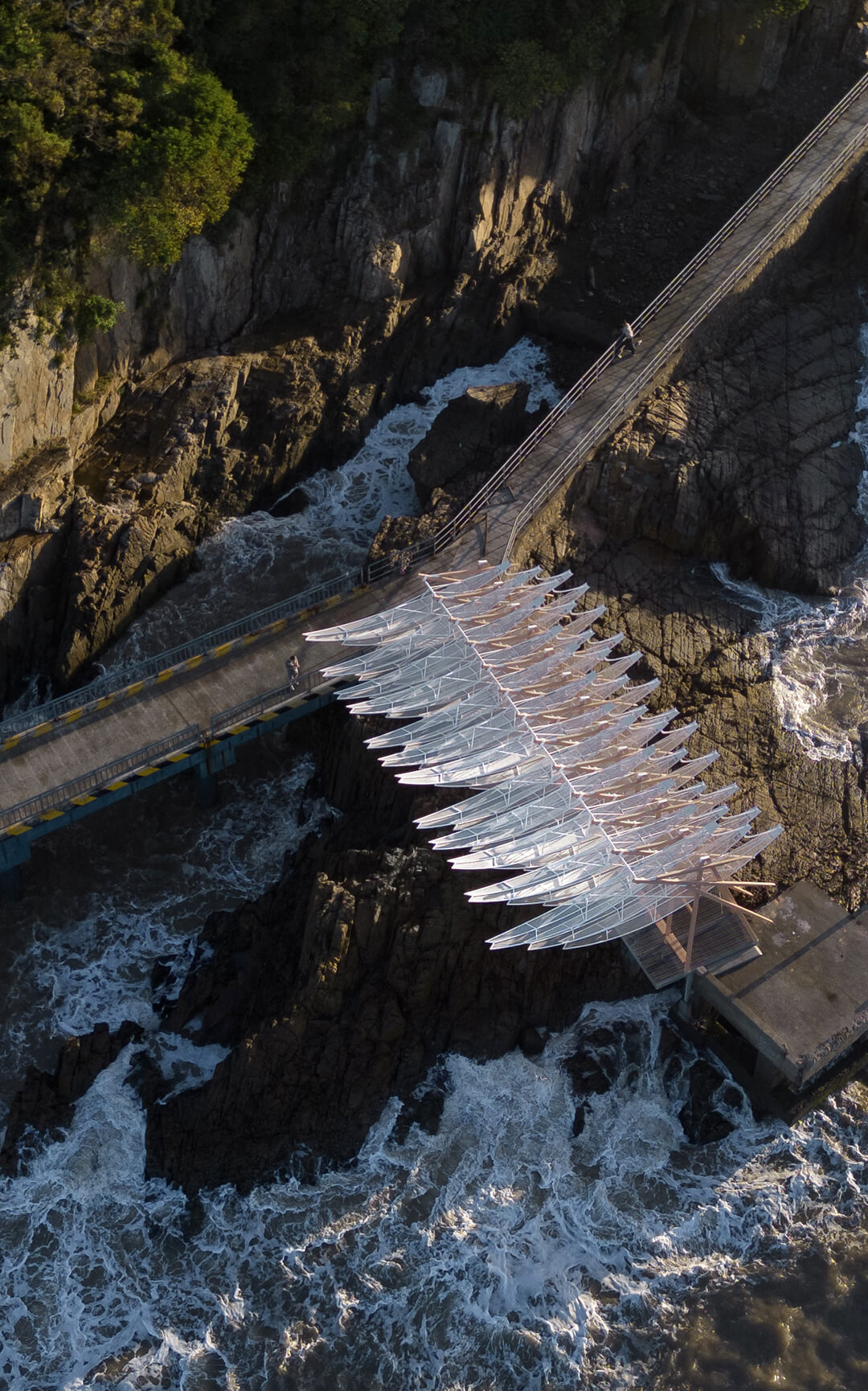
On the other hand, Temporary Architecture Award-winner Seaside Pavilion on Chai Shan Island by GN Architects in Zhoushan, China, is a sea-viewing pavilion that transforms an abandoned dock into a ‘romantic destination’. Featuring 37 six-metre-long blades suspended from the roof, gently swaying in the sea breeze in a rhythmic progression, the pavilion creates an inviting getaway for locals and visitors alike. Capturing the spirit of the island, the space offers serene views and a place for social interaction.
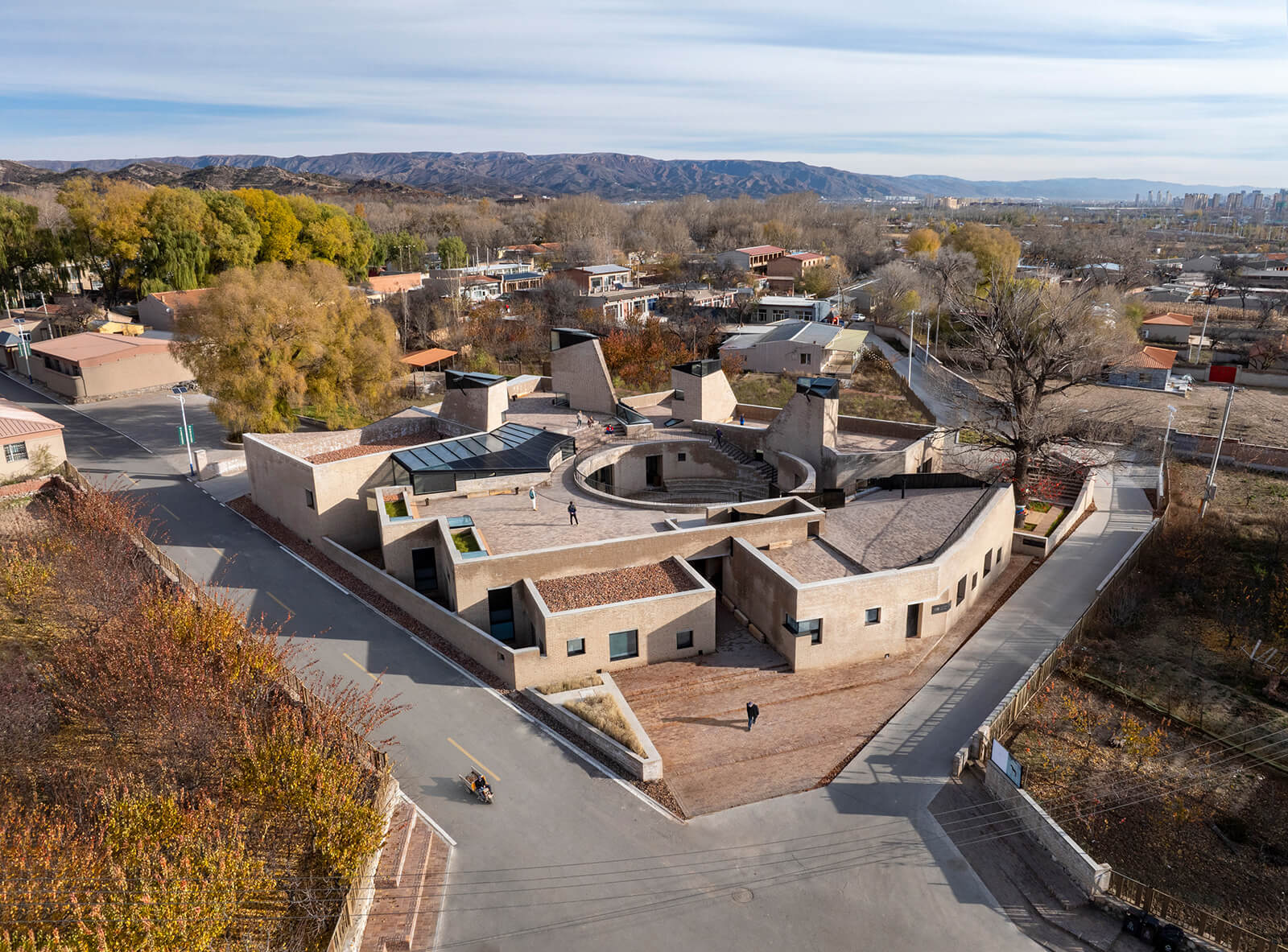
The Social Architecture Award—perhaps with an elevated relevance in current times—was won by Inner Mongolian Grand Architecture Design Co., Ltd.’s West Wusutu Village Community Centre in Hohhot, China, recognising a community centre designed to serve people of all ages. Alongside spaces for traditional activities like mahjong and communal dining, the community centre features an art hall meant as a platform for the local creative community. The courtyard architecture particularly resonates with the local Hui Muslim community, according to the press release, while a large rooftop playground invites children as active participants, collectively combining social gathering, cultural expression and play into a welcoming built environment for the village.
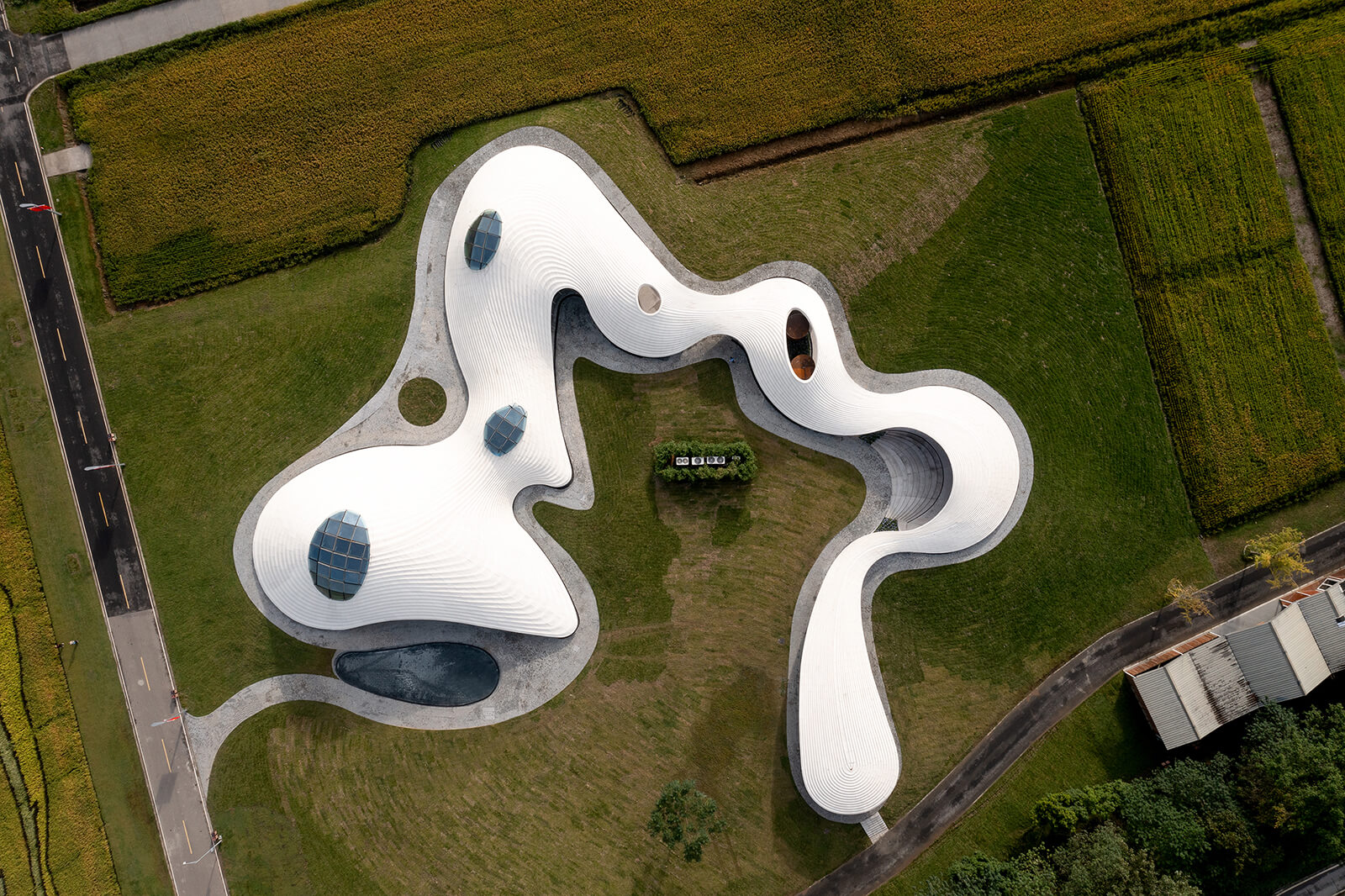
The final award category—the AI-Powered Design Award—is a particularly interesting one. As the debate around ethics and ownership in creative work with the use of artificial intelligence intensifies, the category’s winner presents a unique meeting point. Won by the Rui Xue Multi-Hall of Tongji University and conceived by the university’s College of Architecture and Urban Planning, the award recognises a rural pavilion conceived through timber construction, inspired by the forms of melting snow. Combining technology with craftsmanship, the project uses digital design tools and robotic fabrication to introduce skylights and preserve trees as part of its sustainable design model, featuring Chinese vernacular architecture.
“The RIBA Asia Pacific Awards celebrate the extraordinary creativity and leadership of architects across this dynamic region. The winning projects are diverse in scale and context but share a common goal: to design for people, place and planet. They exemplify architecture’s power to tackle complex challenges and inspire meaningful change,” states Chris Williamson, RIBA President, in an official release.
As Williamson notes, the winning projects’ collective strength lies in proving that when architecture is attuned to its socio-cultural and environmental conditions, it can be a powerful agent of positive and lasting change. Together, the RIBA Asia Pacific Award winners articulate a compelling portrait of responsible architectural practise across the Asia Pacific region, foregrounding urgency, ingenuity and care. Whether revitalising industrial heritage, rethinking dense urban living or creating spaces of belonging for communities, these projects collectively demonstrate the way design intelligence can mediate between people and place while being considerate of the planet. Prioritising long-term stewardship and contextual architectural thinking, the projects underscore a shift away from spectacle and ambition and towards meaningful global impact.

by Pranjal Maheshwari Oct 19, 2026
The Mumbai-based architects integrate courtyards, mesh screens and north light trusses to create a dining space that doubles up as a community hub at SR University, Warangal.
by Mrinmayee Bhoot Oct 17, 2026
The Rotterdam-based institute centres the Indian Ocean as a network for exploring material histories and transnational links shaping coastal cultures, positing them as future models.
by Pranjal Maheshwari Oct 16, 2026
At the 2026 Stirling Prize ceremony, Mary Duggan with RUFF Architects, MAKER Architecten and Nakshabid Architects were felicitated for proffering quality housing and social equity.
by Mrinmayee Bhoot Oct 12, 2026
The new Centre for Contemporary Arts, fostering public engagement with art in Uzbekistan, is housed in a tram depot refurbished by the French studio, emulating local craftsmanship.

make your fridays matter with a well-read weekend
Enter your details to sign in
Don’t have an account?
Sign upOr you can sign in with
a single account for all
STIR platforms
All your bookmarks will be available across all your devices.
Stay STIRred
Already have an account?
Sign inOr you can sign up with
Verification link sent to check your inbox or spam folder to complete sign up process
Tap on things that interests you.
Select the Conversation Category you would like to watch
Please enter your details and click submit.
Enter the 6-digit code sent at


The RIBA Asia Pacific Awards champion designing for people, place and planet
by Bansari Paghdar | Published on : Dec 23, 2025


 Sign in with Google
 Sign in with email
What do you think?