Architecture06 mins. read
Aagaram Architects' design for SITH Villa counters Vellore’s tropical climate
by Almas SadiqueJan 04, 2025



by Pranjal MaheshwariPublished on : May 05, 2026
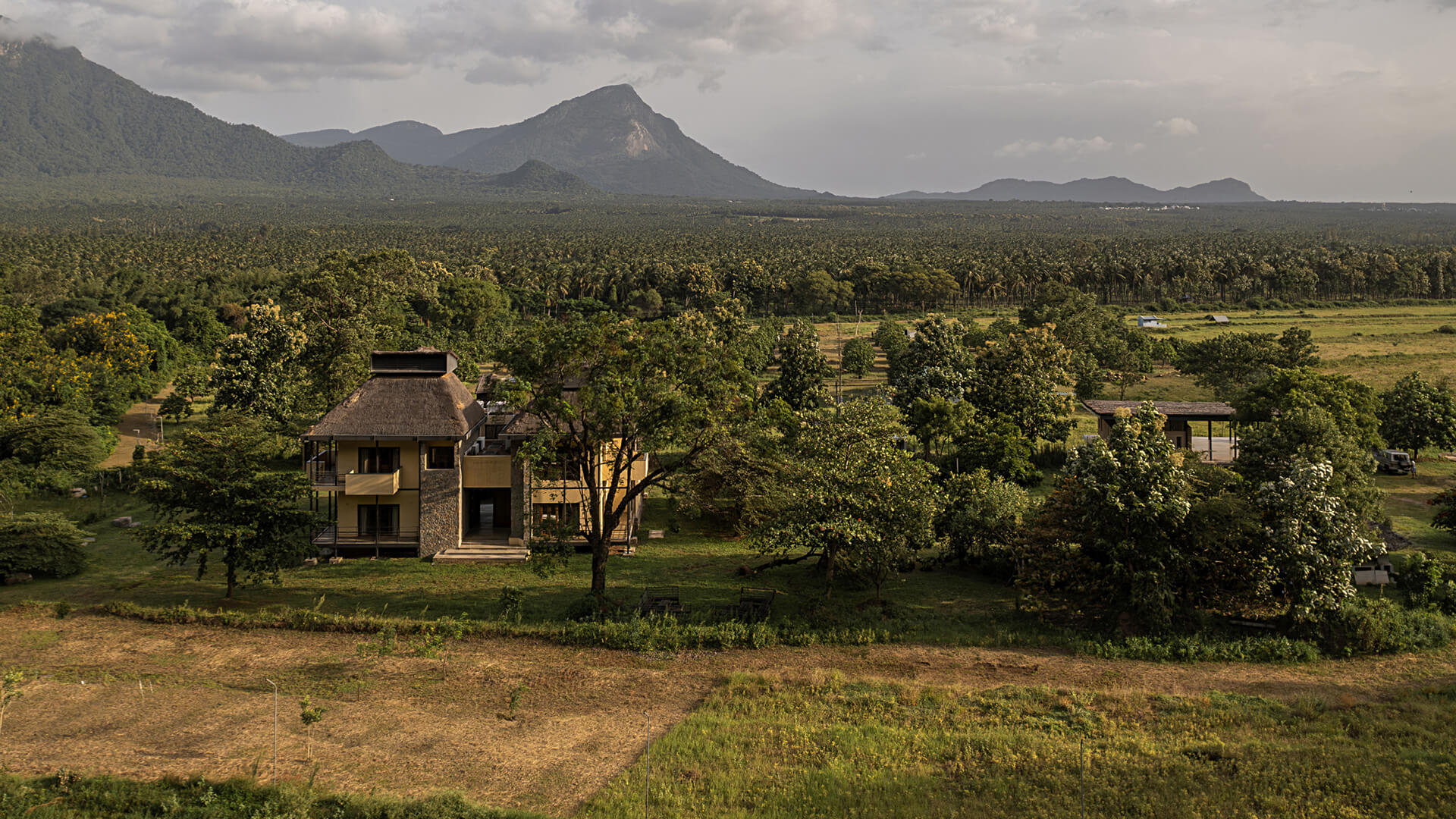
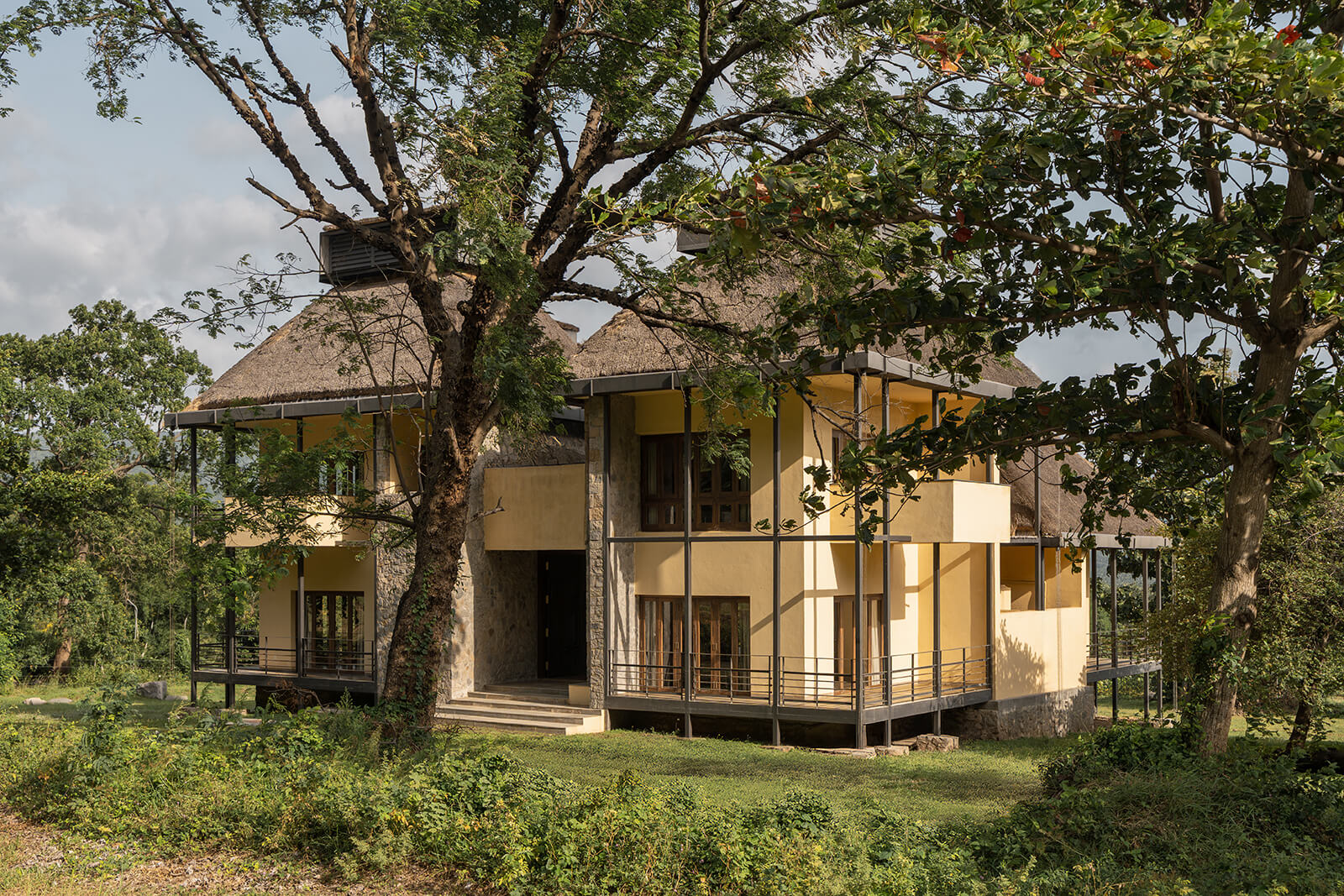
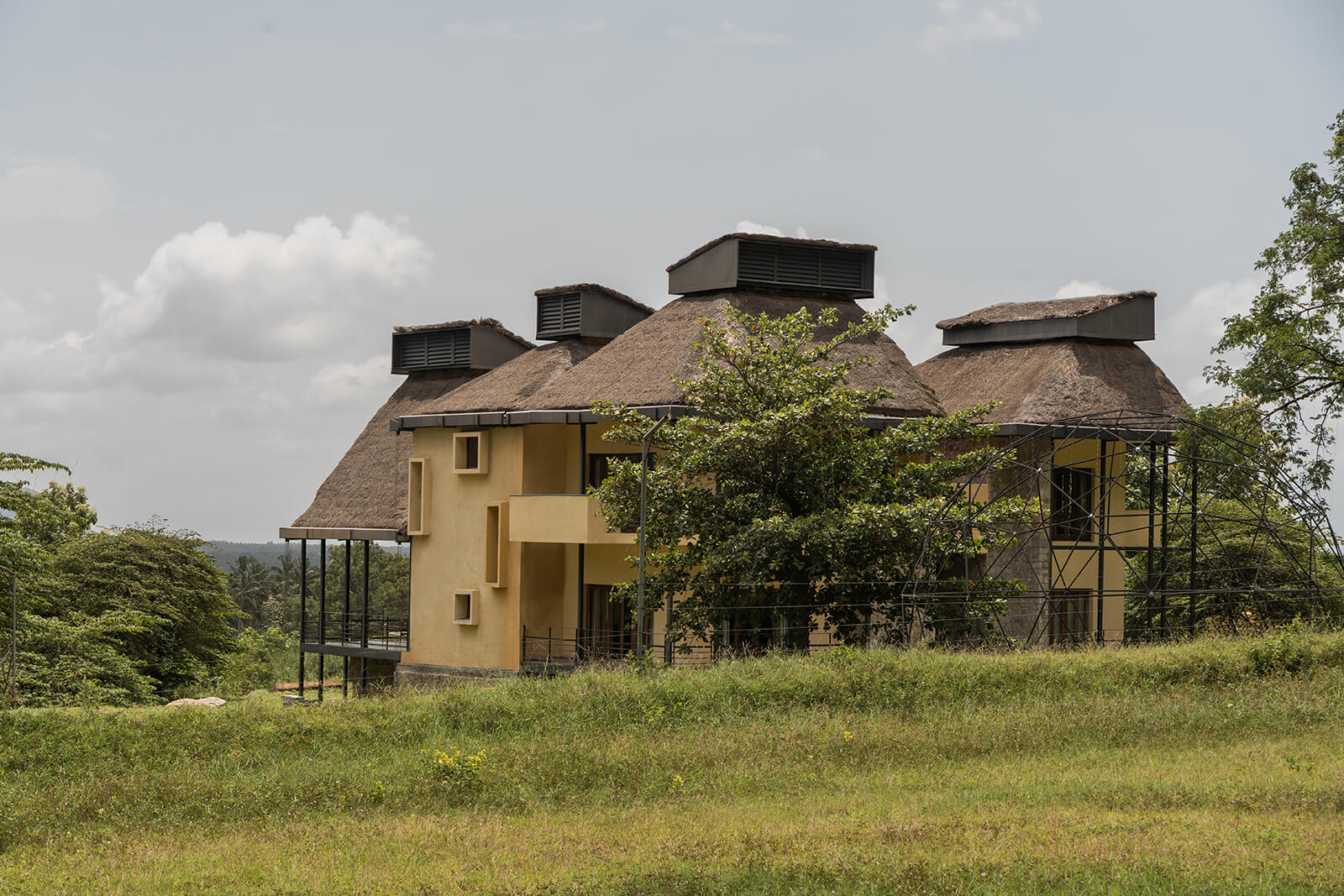
The idea of a creative retreat, or an escape from daily life modelled around creativity, is often modelled around solace, around individual isolation. It is not to break away from all activity, but instead to indulge deeply in one. At Serenity, Bangalore-based Ma+rs seems to have carefully toed the distinction between thoughtful restraint and complete isolation. Conceived as a cluster of distinct geometries, peeping from the forest clearing, the structures' emergent silhouettes are topped by discernible pyramidal roof forms, serving both as an aesthetic distinction by mimicking their mountainous backdrop, and as an integral feature for passive cooling. The structures, as well as the intended occurrence, are designed by Ma+rs to reflect the perpetual changes and nuances of its natural setting. The Indian architecture studio moulds these conditions for a creative retreat—and, owing to its geographic context, a wildlife observatory—in Serenity by bringing together local materials, indigenous building and design techniques along with passive design strategies for heat regulation.
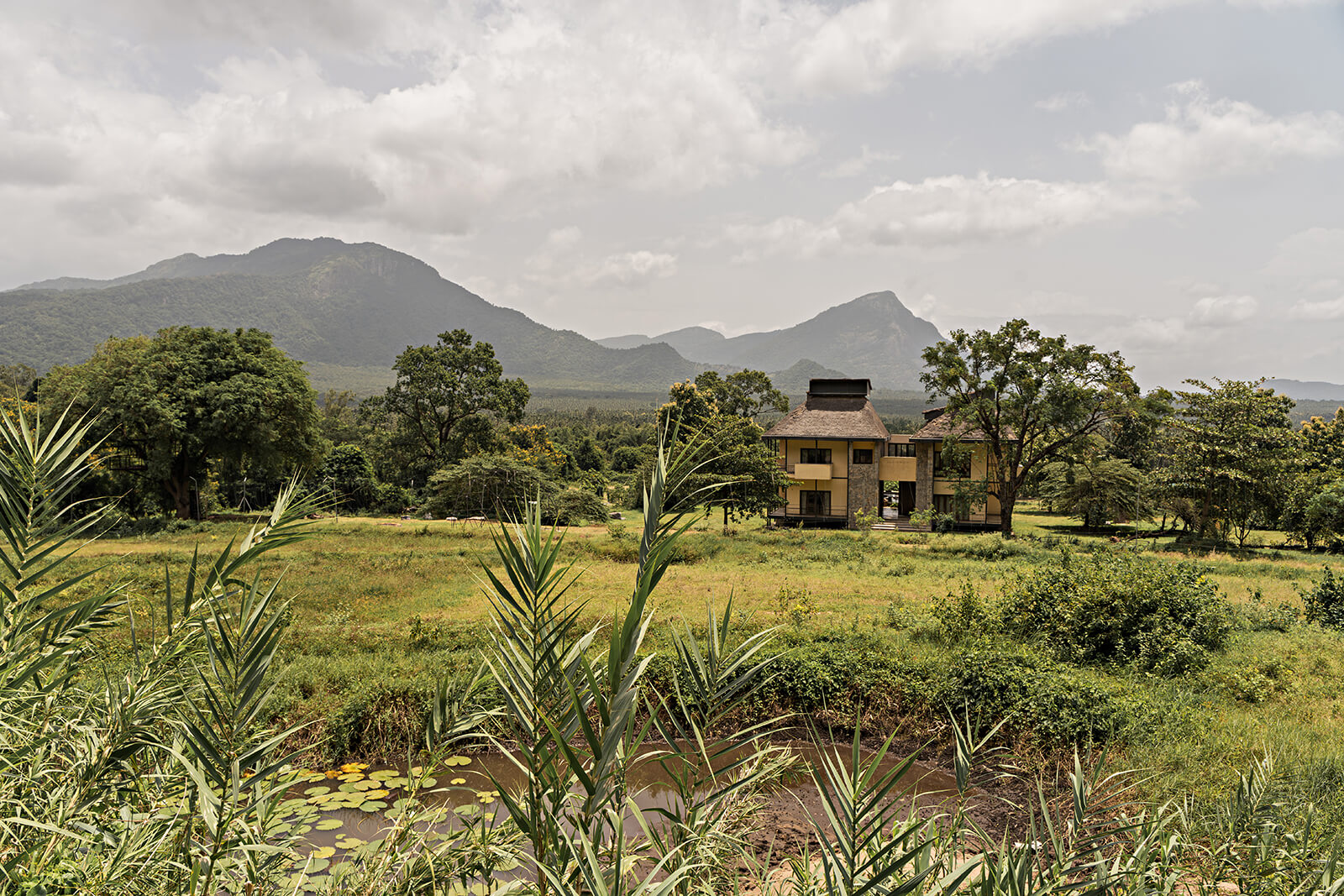
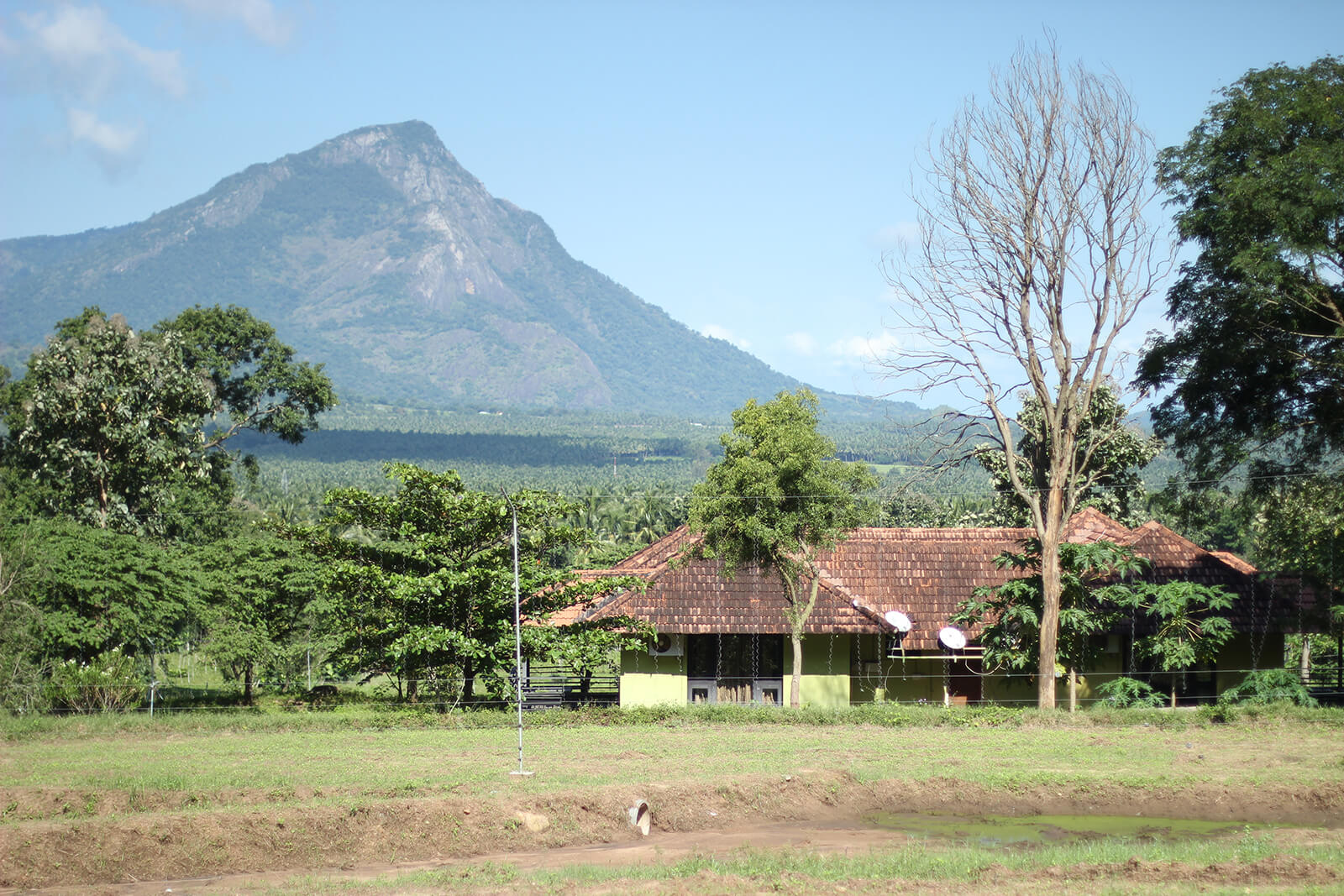
Situated in the tranquil landscapes of Sethumadai in Tamil Nadu, the site, a four-acre plot, is defined on the south and east by the Anamalai range, and on the north by expansive peanut fields. The adaptation of the patch, from a sensitive wildlife corridor into an observatory, was choreographed to bring the fauna closer by letting half the site merge with the surrounding forest to form a natural crossing. This allowed the blurring of boundaries between the ‘wild’ and the ‘built’, exposing the journeys of the elephants, leopards, bisons and others, as well as those of the artists.
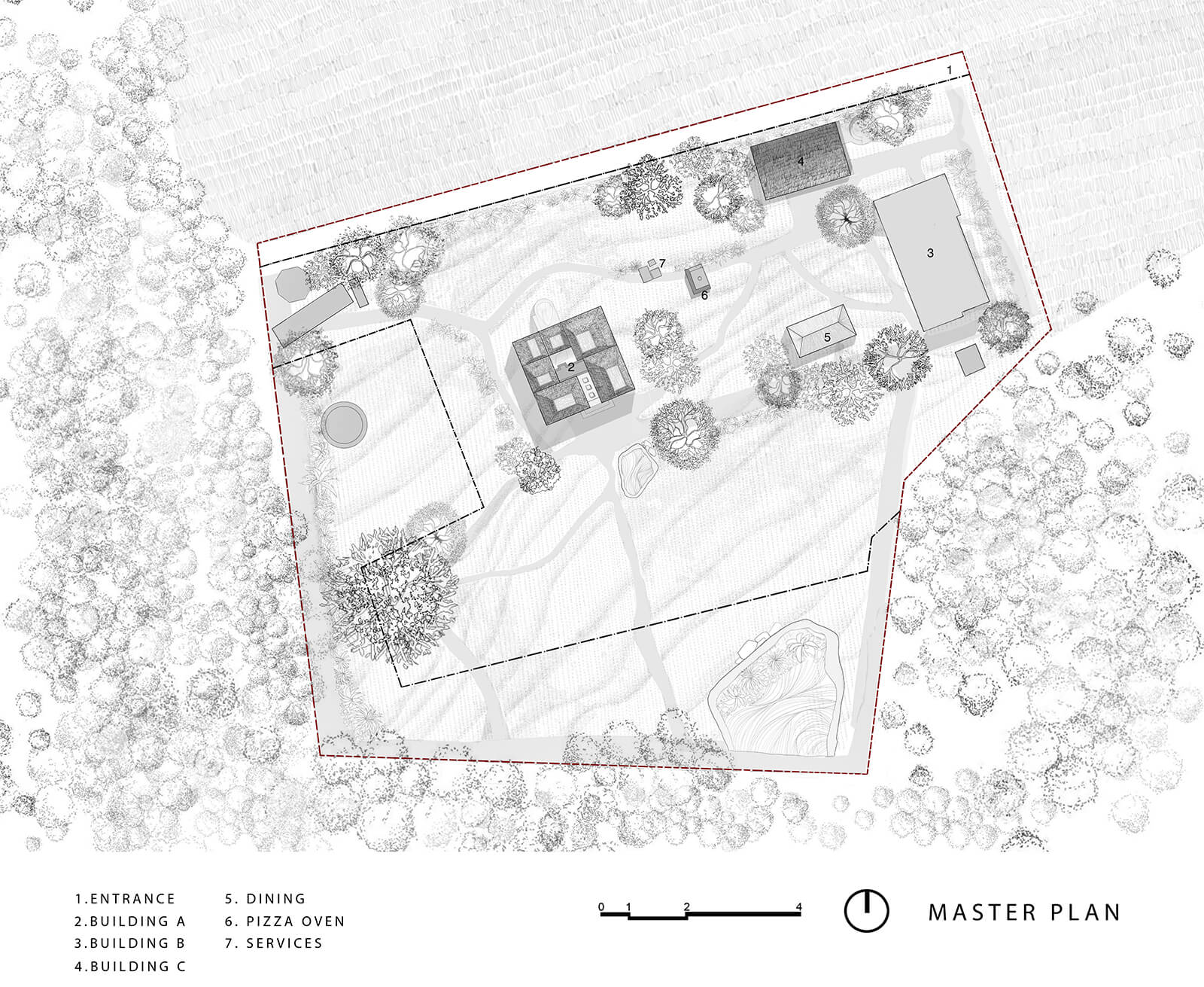
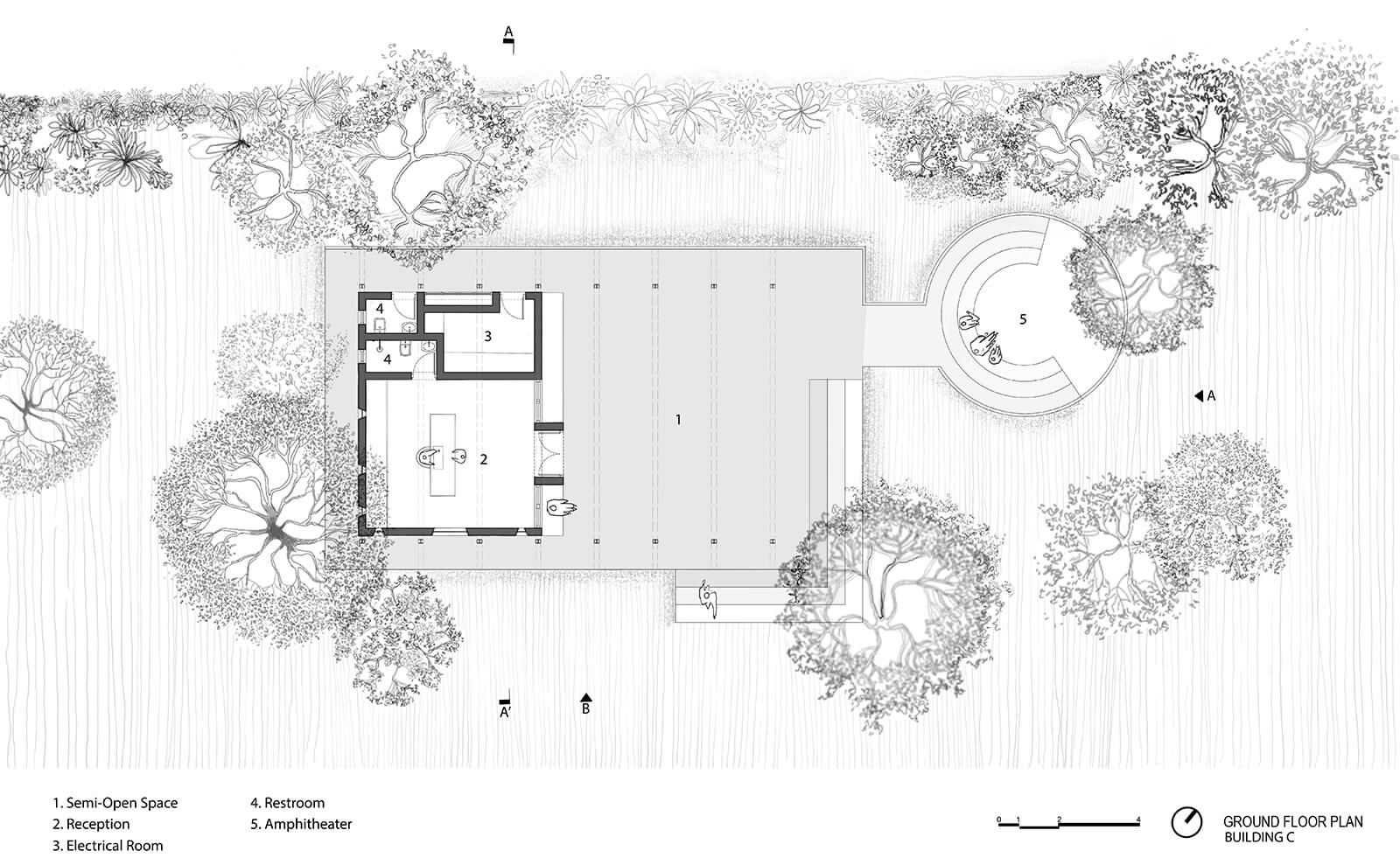
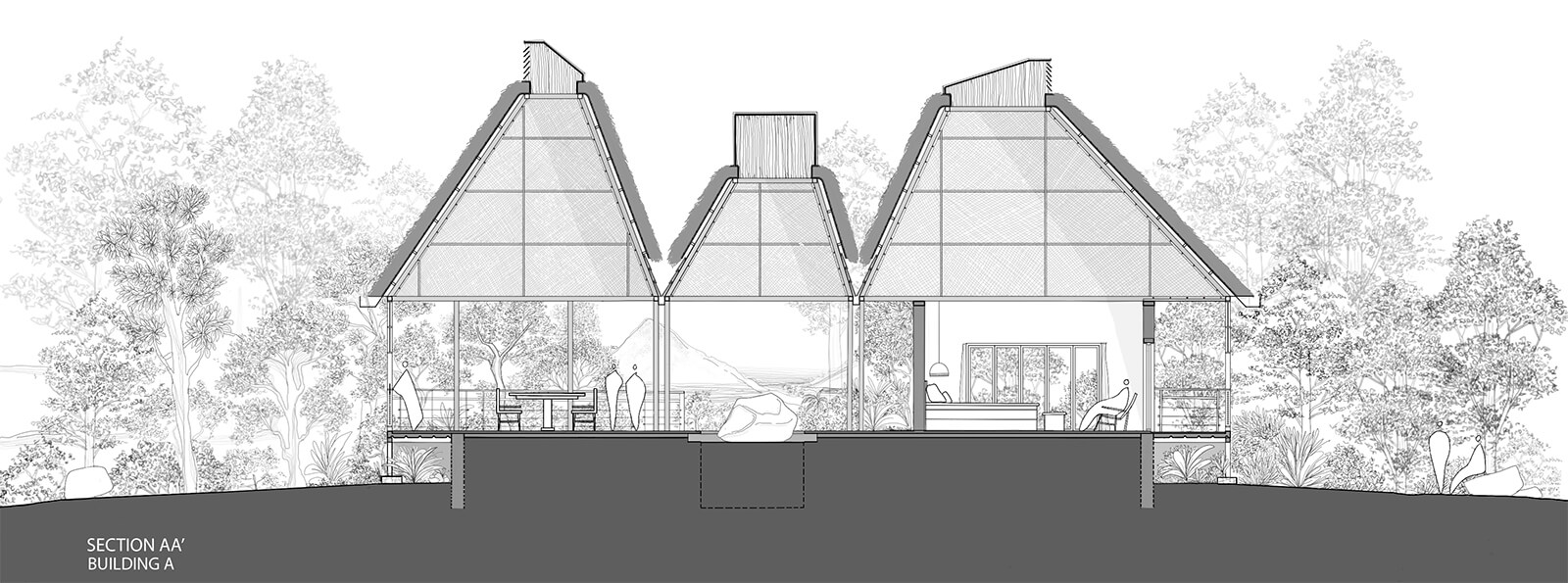
The programme for the site consists of a Welcome Pavilion, a semi-open introductory buffer from the surrounding forest, and a guesthouse equipped with a machan—a viewing deck traditionally used for spotting wildlife. The pavilion is a sleek, minimal structure housing an open verandah that rests lightly on the landscape, topped by a single-sloping roof. The new guest house on the ground floor comprises three bedrooms surrounding a central courtyard, a pantry, a dining area and a pool. The upper floor holds an additional bedroom and the machan on the south-west, affording a generous view to the surrounding forest.
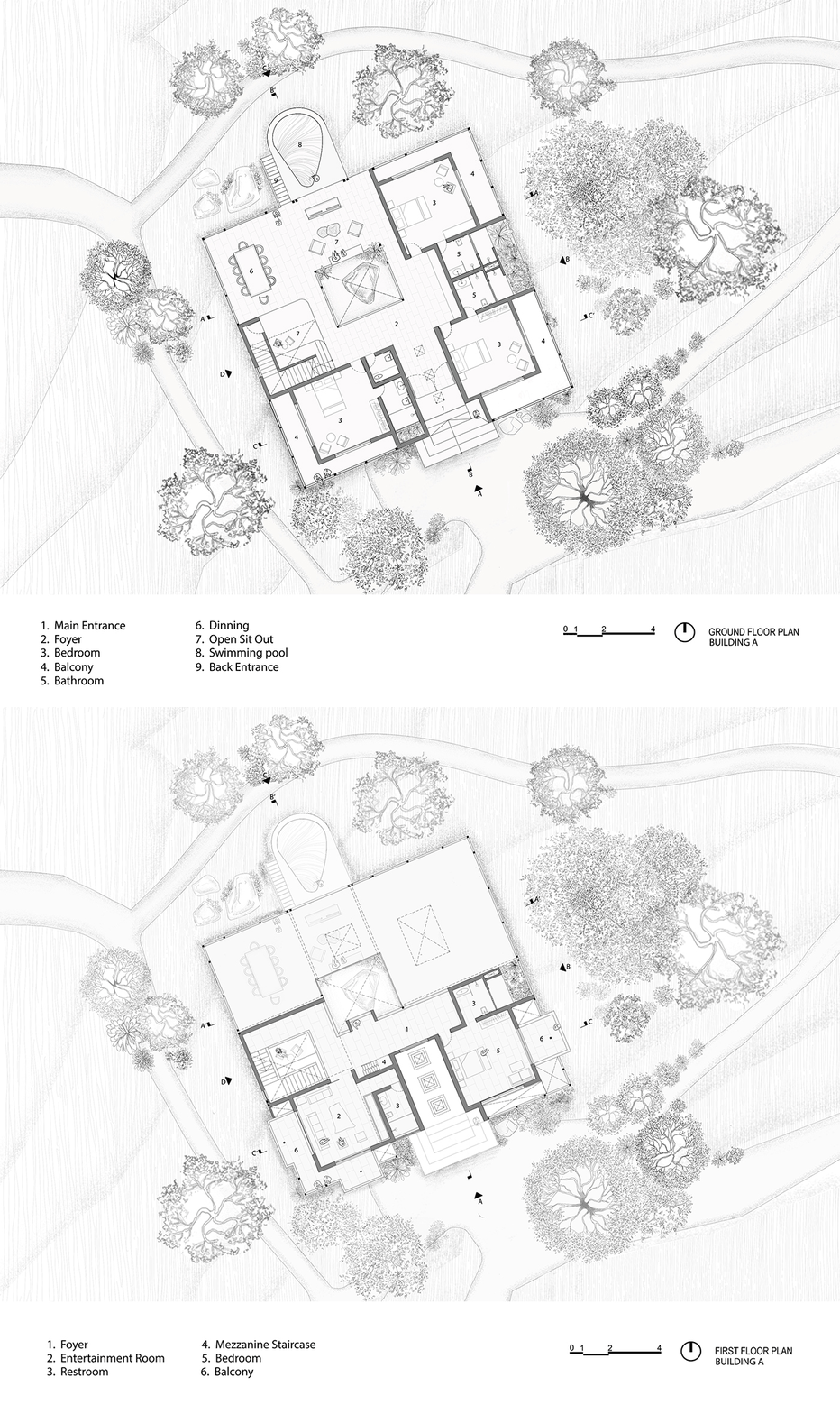
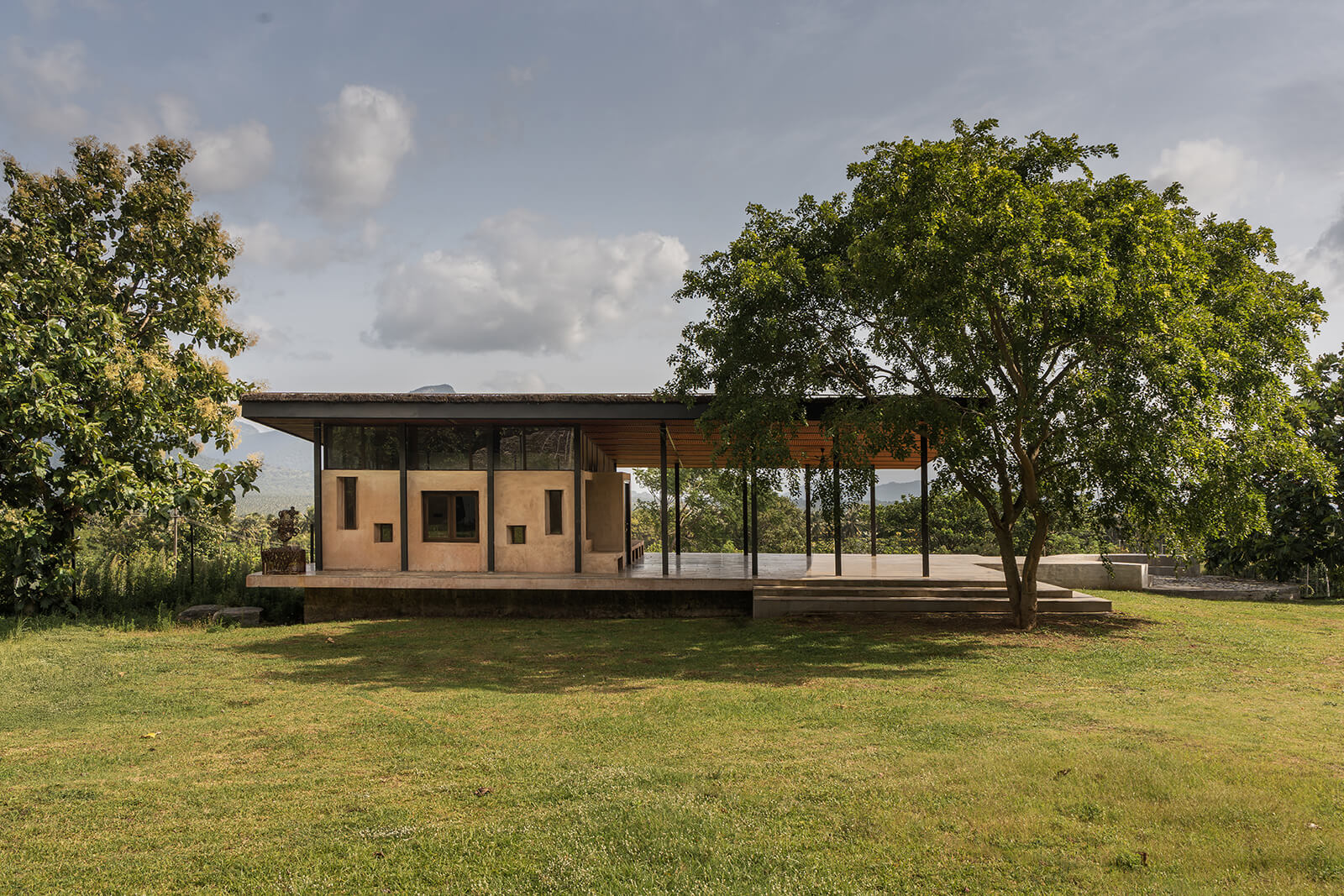
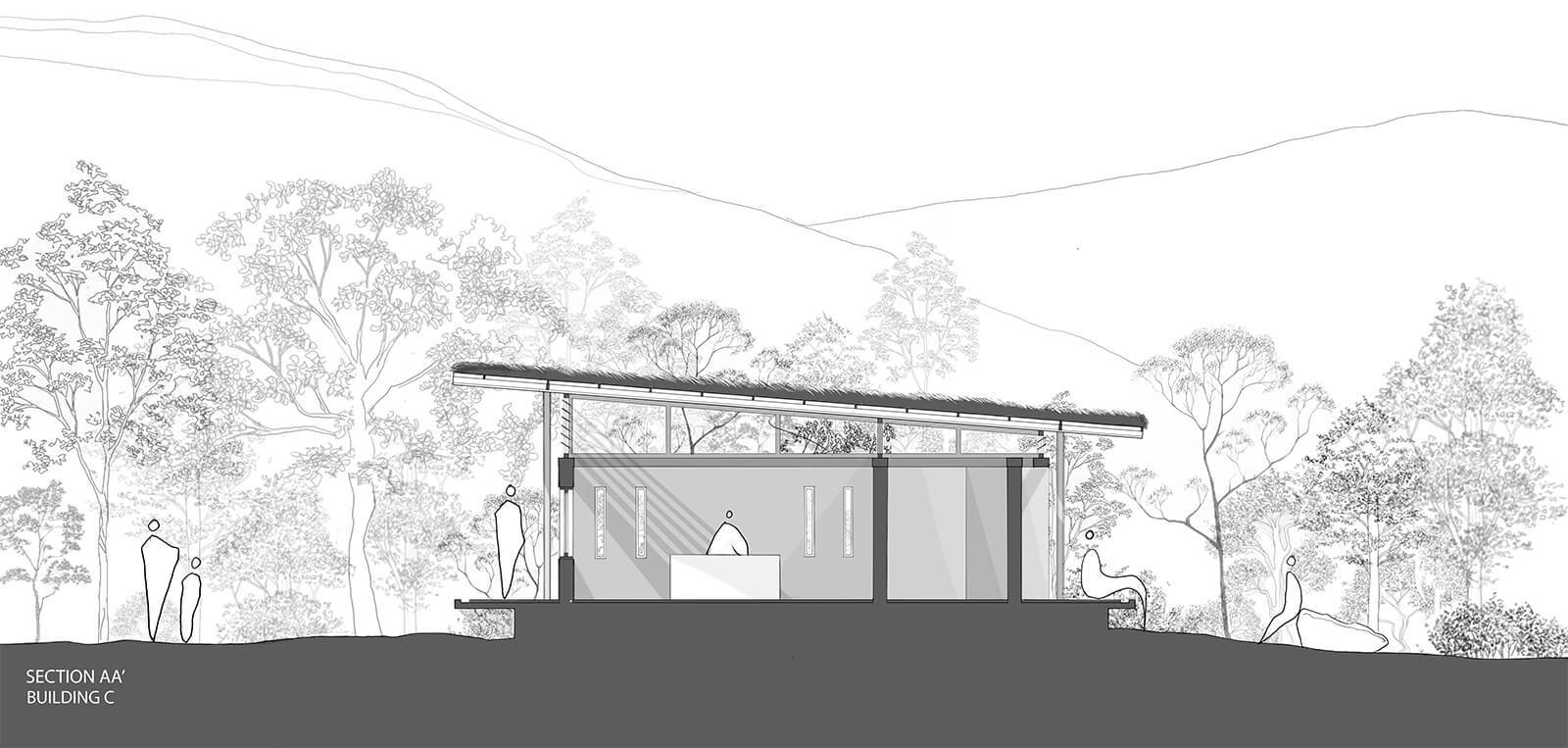
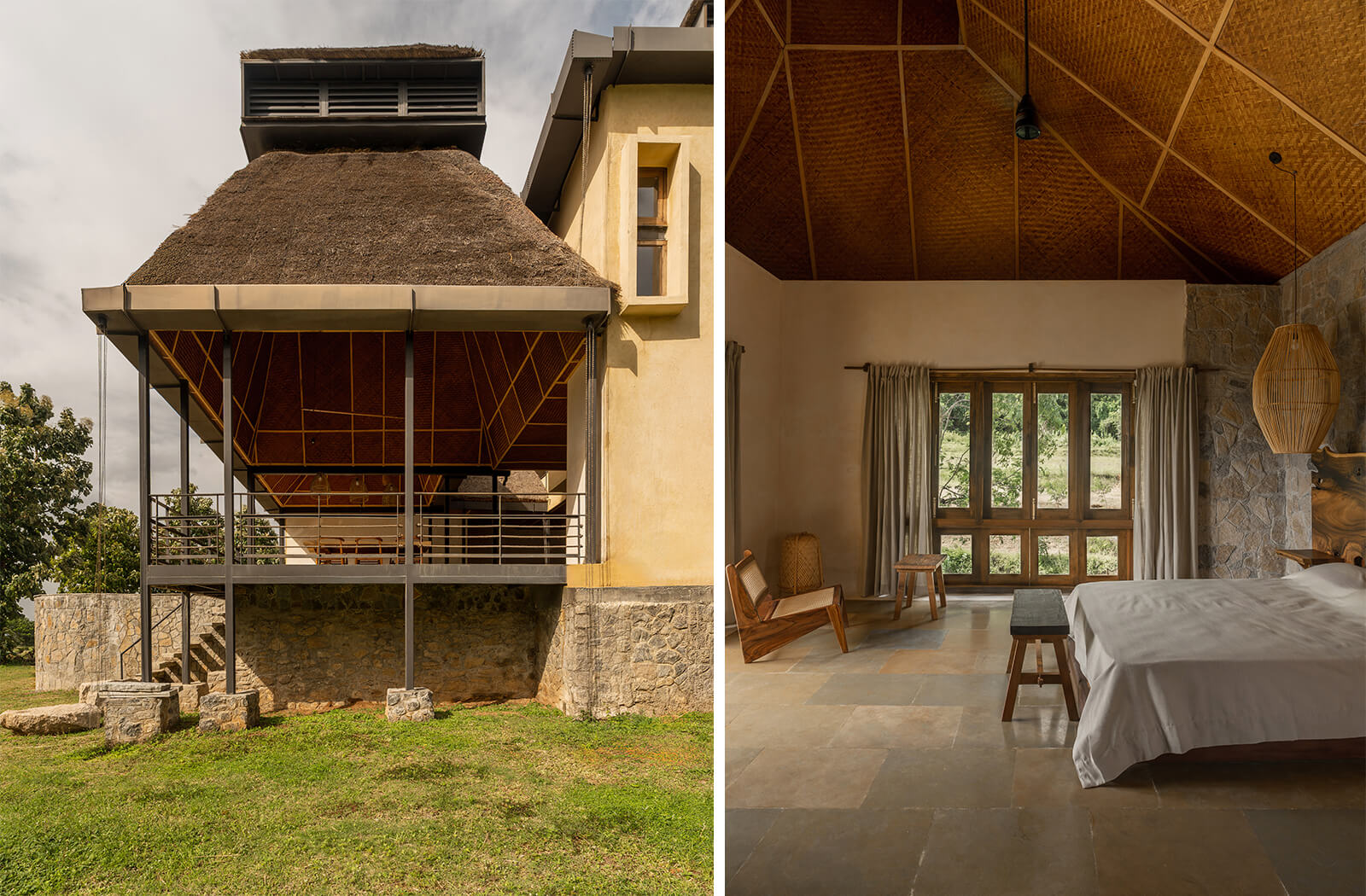
To minimise the degree of intervention on ecologically sensitive land, the structural steel frame of the new guest house was built atop the plinth of the old one, anchored into the original stone foundation. The structural efficiency of the new system was utilised to extend four-foot cantilevers on all sides, turning into deep terraces that double up as a protective buffer from the sun and monsoon showers that are quite generous in the hot-and-humid climate of the region. This approach of leveraging the site’s natural context to enhance the building’s dwelling conditions extends throughout the building envelope, the most distinguished constituent of which remains the roofs. While their form references the vertical geology of their surrounding context, it also lends a sense of spatial openness to the interiors, all the while providing a relief from the extreme heat.
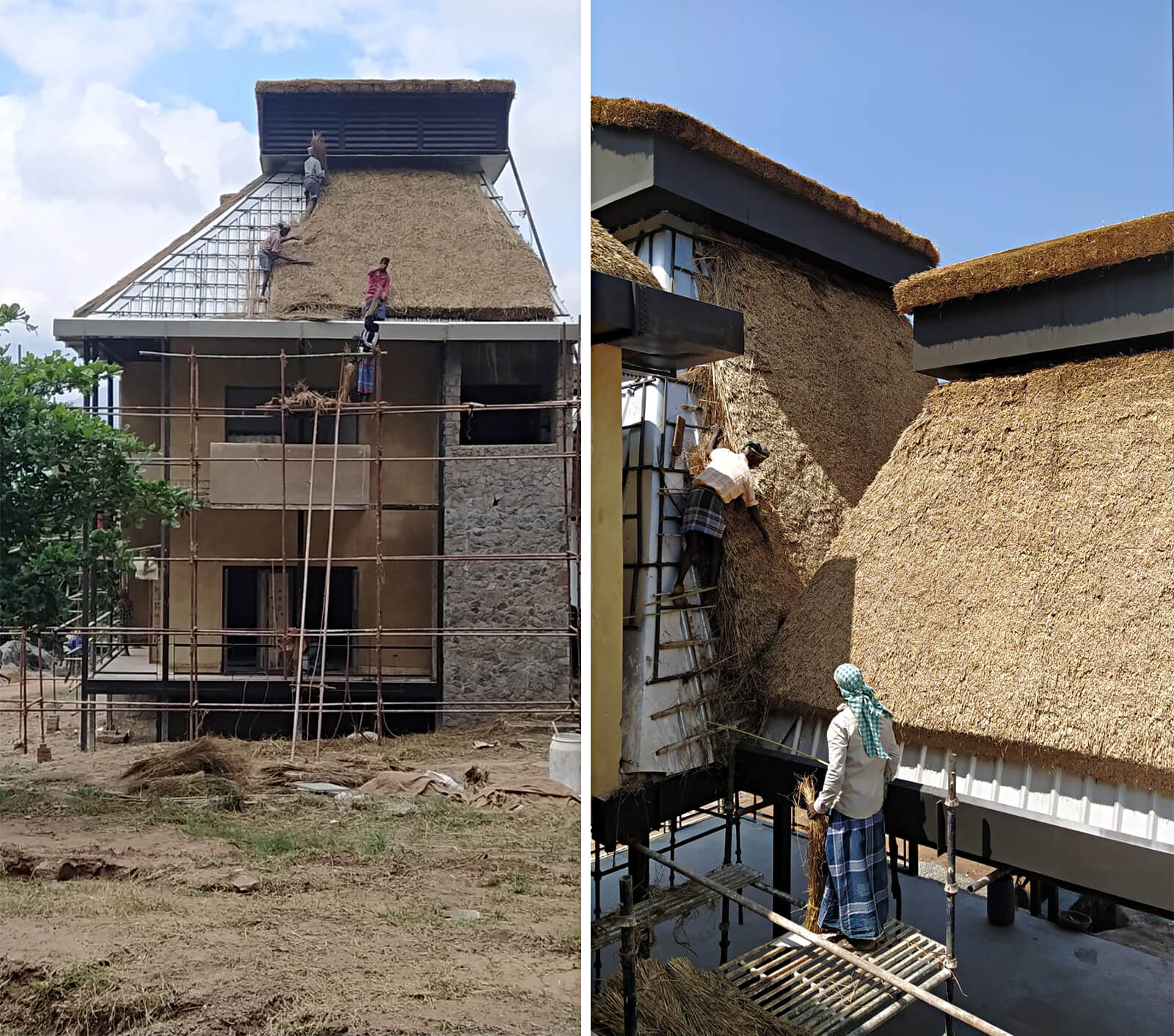
To further enhance thermal regulation, the roof is covered with a 10-inch-thick layer of thatch, acting as an insulator. This thick layer is laid over fire-resistant aluminium sheets, supported on a framework of rafters and purlins, concealed from below by a plywood false ceiling made using heat-pressed bamboo sheets. “Beyond aesthetics, the pyramidal volume functions as a thermal chimney,” Sabyasachi Routray, partner at Ma+rs, tells STIR. “Hot air rises into the high-volume peaks and escapes through integrated vents at the top, while the 10-inch-thick natural thatch acts as a superior insulator. This system creates a self-regulating microclimate, essential for the extreme Tamil Nadu summers,” the Indian Architect notes.
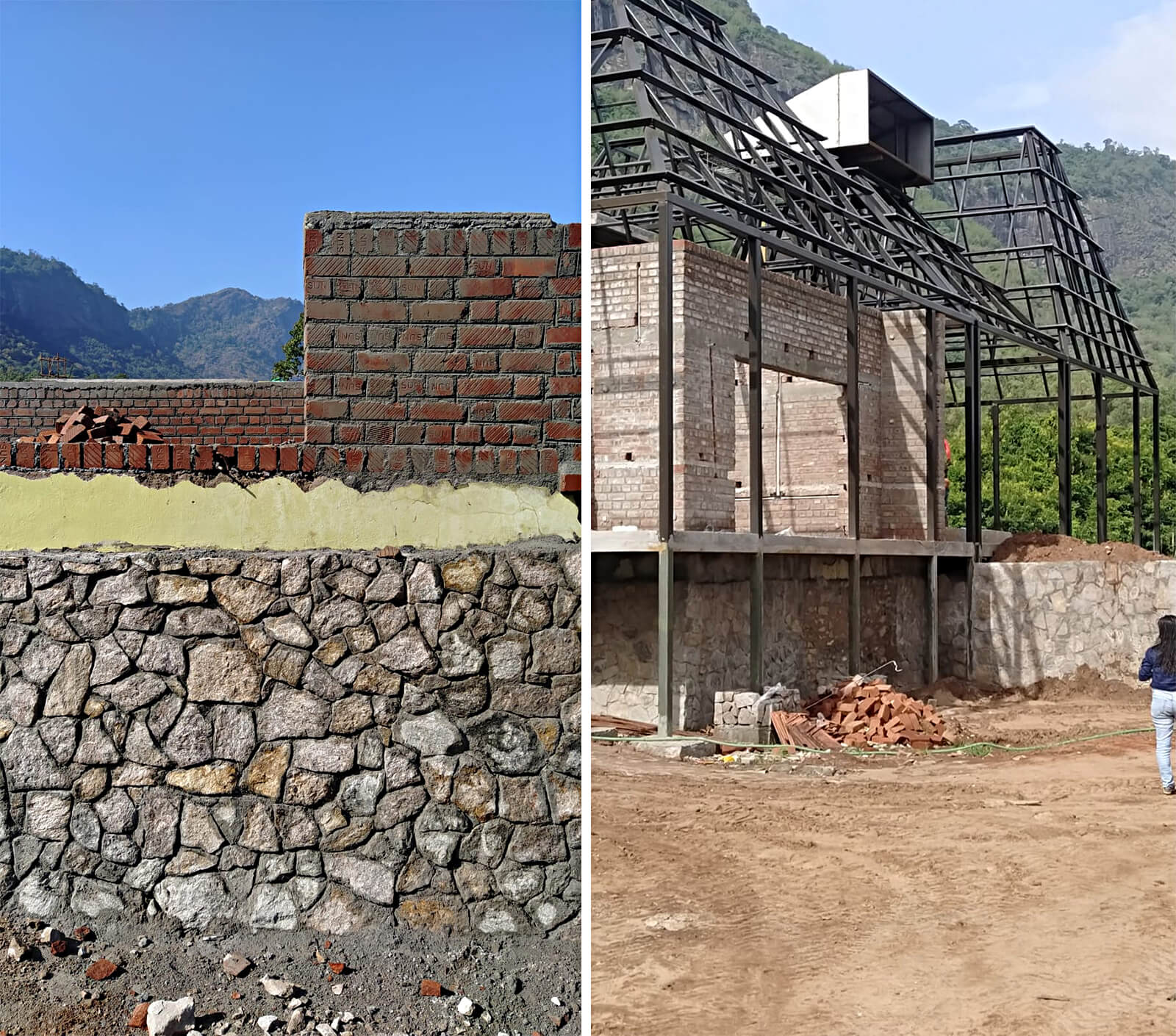
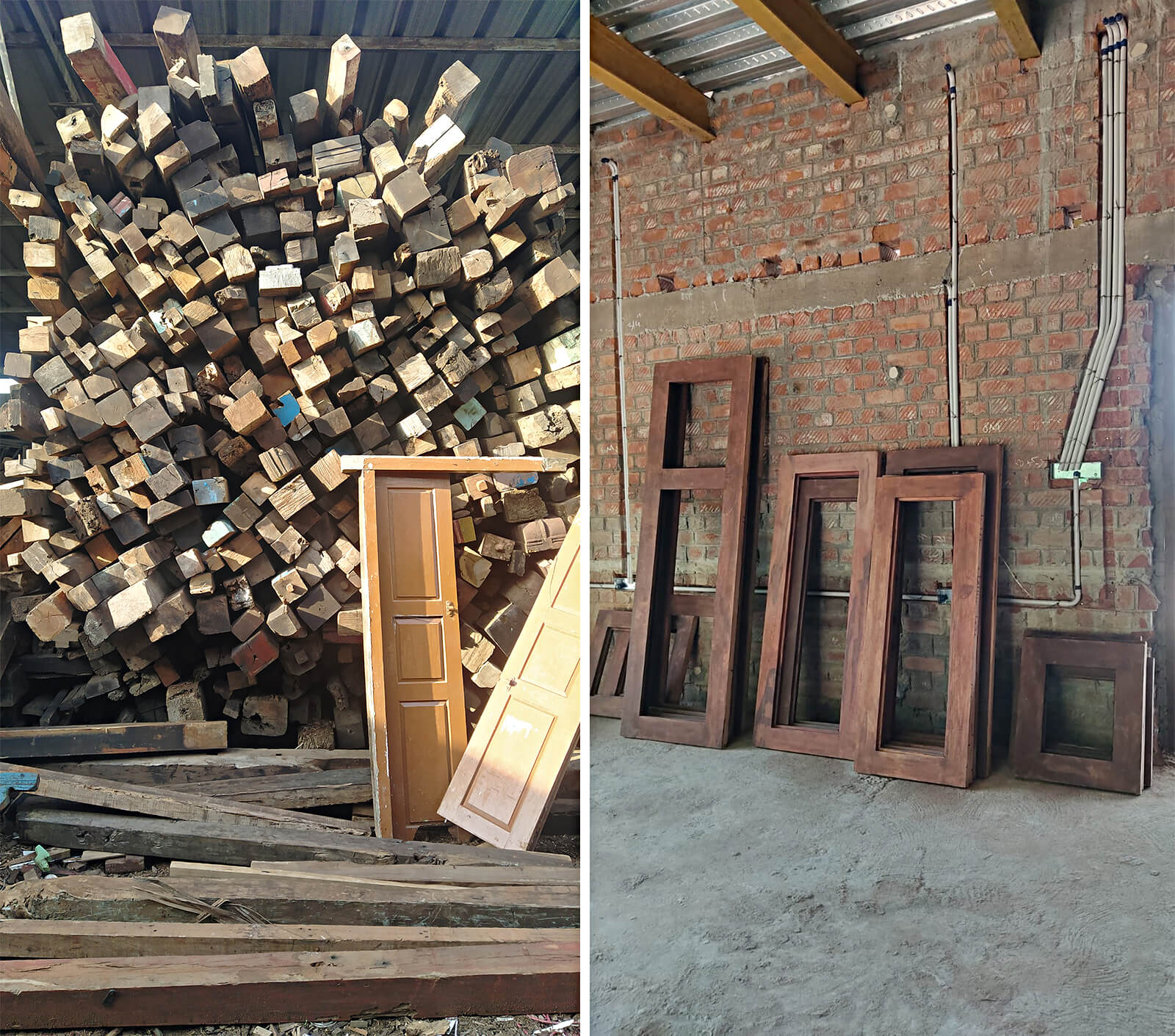
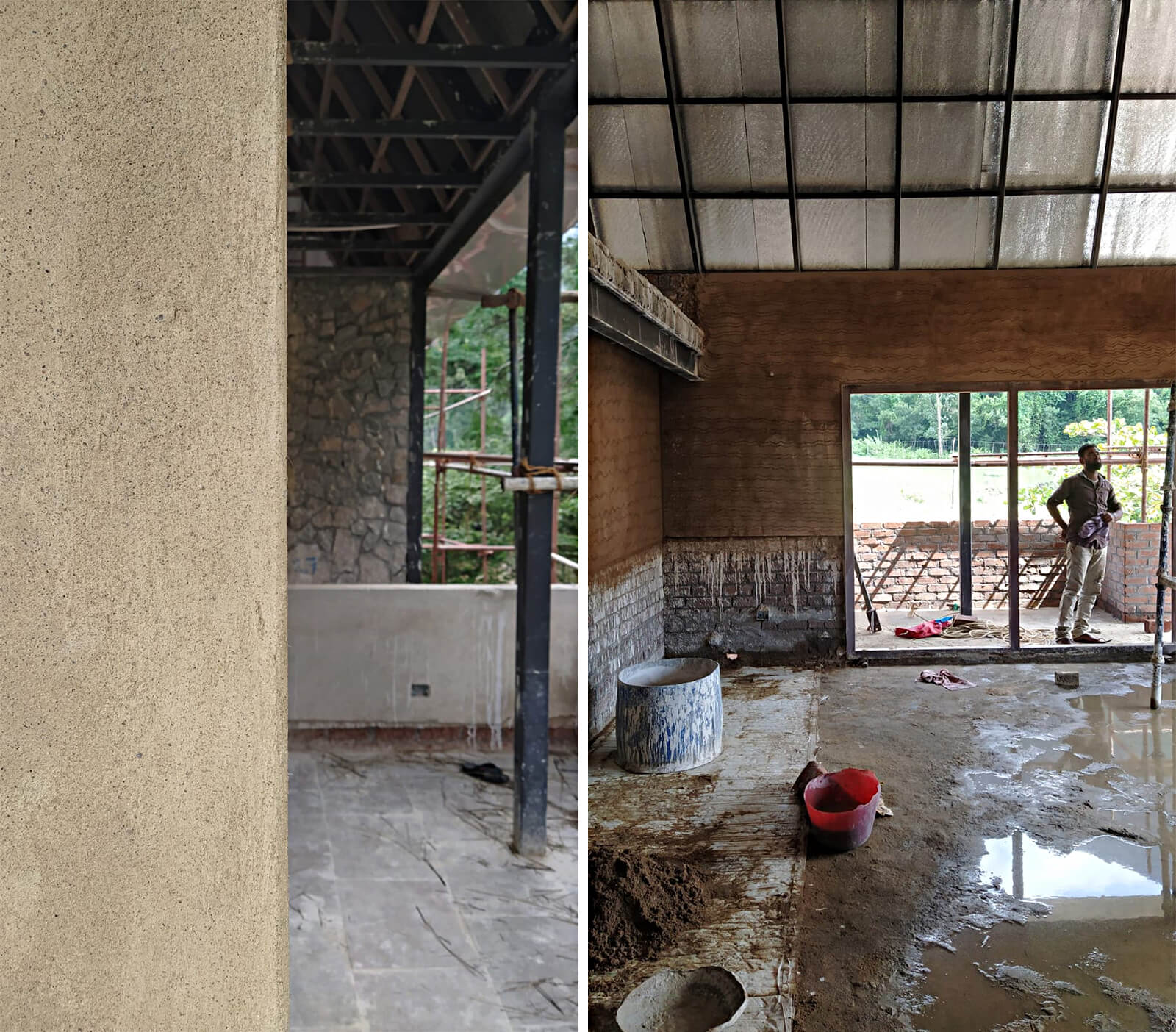
While steel provides a lightweight but sturdy structural frame, the infill materials—forming the building’s envelope and partitions—are carefully sourced from nearby regions and integrated through indigenous construction techniques. Walls are erected using the local table-mould brick, finished in Vellakoil lime plaster: a breathable finish made by mixing lime, jaggery, Kaddukai (Terminalia chebula plant), egg whites and water. The plaster, polished with soap and river-washed pebbles to reveal a luminous sheen, lends a breathability to the walls of the house by passively regulating the surface temperature of the interiors. The entire house is furnished with custom furniture designs executed by Studio Albelha, crafted from reclaimed wood, resting on a floor of yellow and grey limestone and marble from nearby quarries. These traditional techniques and finishes allow the retreat to adapt to seasonal changes, navigating the periodic variations of nature through its architecture.
Amidst the structures' many thresholds, a massive boulder rests in the courtyard of the guest house. In contrast to the constant, albeit subtle motion of its natural environment, the boulder provides a sense of calm, of settlement. “This central boulder was unearthed from the site during the rectification of slopes for stormwater management. Rather than removing it, we chose to reposition it as a symbolic anchor,” Routray explains. “It grounds the new lightweight steel structure to the ancient geology of the Western Ghats and serves as a ‘silent observer,’ mirroring the patience required for wildlife viewing, while physically marking the transition from the enclosed entry sequence to the expansive views of the hills and pool beyond,” he continues.
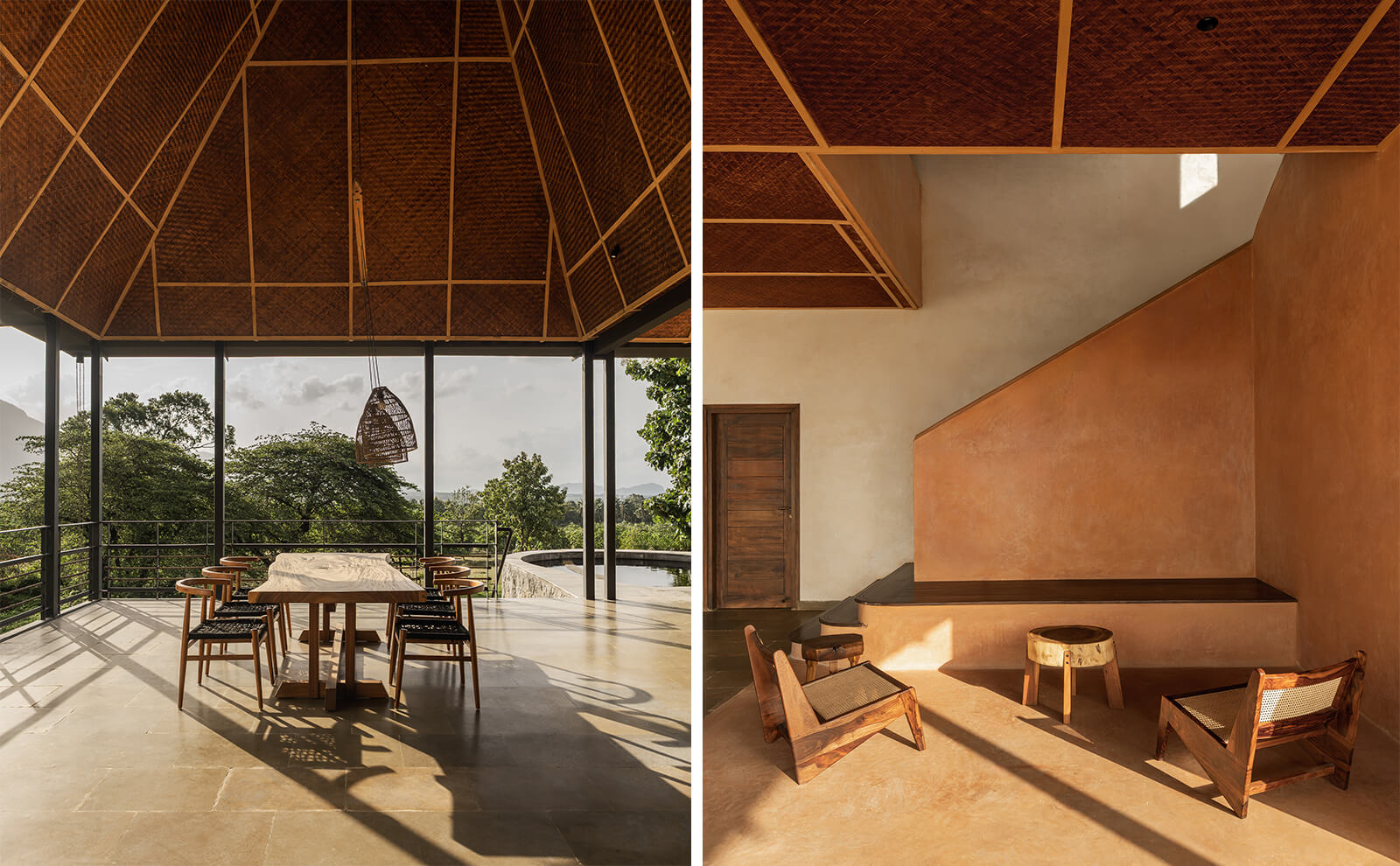
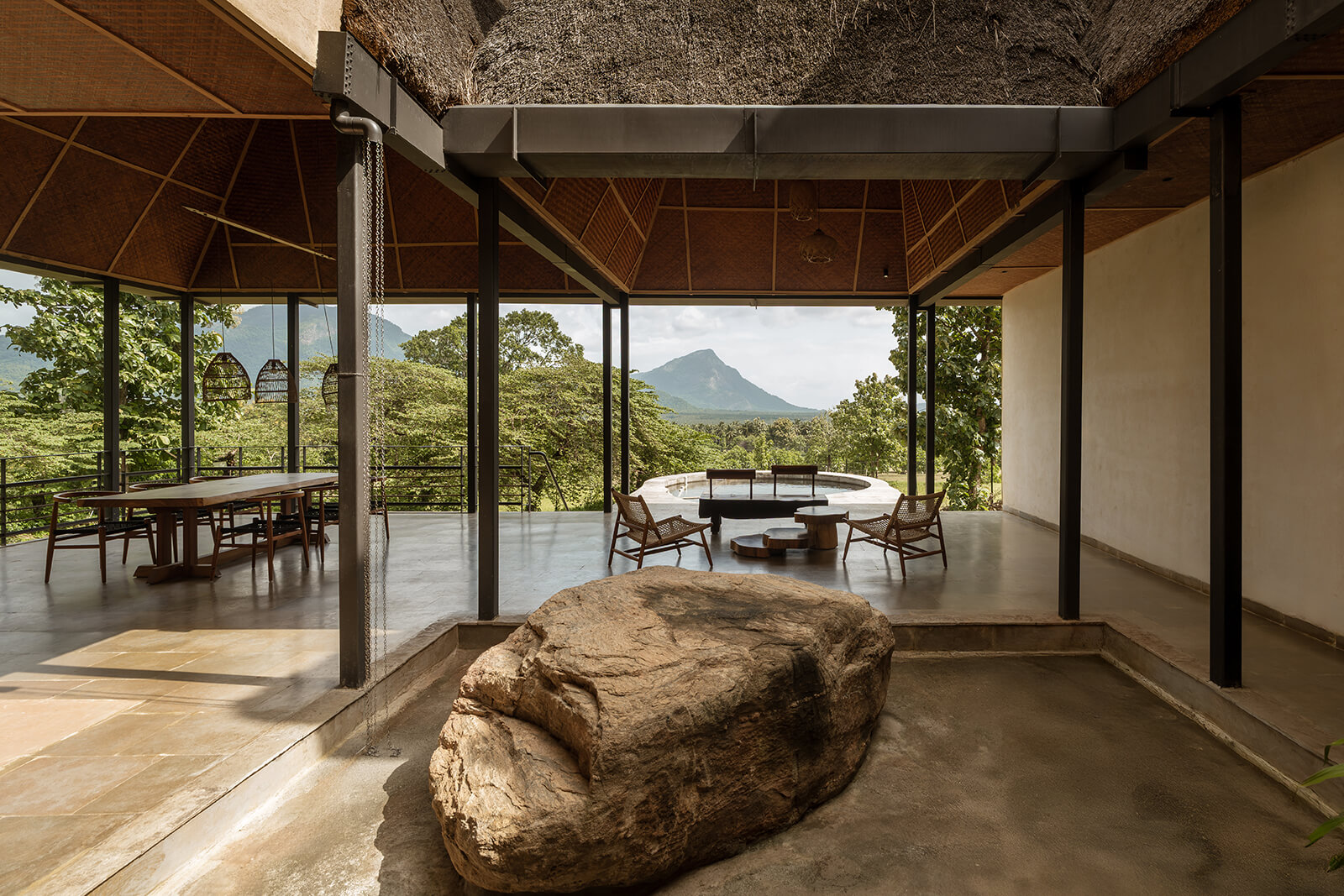
Creativity is seldom deemed to be channelled in isolation; complete inactivity can sometimes feel eerie, contrarily causing a distraction from the endeavour of ‘making’. The design of Serenity seems to be uniquely positioned as a response to this dichotomy. It harnesses natural conditions and forms around the site by integrating indigenous elements, emulating an ideal retreat—one that is nestled amidst the movements of nature, while striving to retain its own rhythms and machinations in keeping the building perpetually responsive to its environment.
Name: Serenity
Location: Sethumadai, Tamil Nadu, India
Typology: Residential
Architect: Ma+rs
Collaborators: Regenspace (Project & Design Direction), Oikos Ecological Solutions (Landscape & Ecological Design), Wabi Plus (Material Consultant), Studio Abelha (Furniture & Lighting Design)
Year of Completion: 2025

by Pranjal Maheshwari Oct 19, 2026
The Mumbai-based architects integrate courtyards, mesh screens and north light trusses to create a dining space that doubles up as a community hub at SR University, Warangal.
by Mrinmayee Bhoot Oct 17, 2026
The Rotterdam-based institute centres the Indian Ocean as a network for exploring material histories and transnational links shaping coastal cultures, positing them as future models.
by Pranjal Maheshwari Oct 16, 2026
At the 2026 Stirling Prize ceremony, Mary Duggan with RUFF Architects, MAKER Architecten and Nakshabid Architects were felicitated for proffering quality housing and social equity.
by Mrinmayee Bhoot Oct 12, 2026
The new Centre for Contemporary Arts, fostering public engagement with art in Uzbekistan, is housed in a tram depot refurbished by the French studio, emulating local craftsmanship.

make your fridays matter with a well-read weekend
Enter your details to sign in
Don’t have an account?
Sign upOr you can sign in with
a single account for all
STIR platforms
All your bookmarks will be available across all your devices.
Stay STIRred
Already have an account?
Sign inOr you can sign up with
Verification link sent to check your inbox or spam folder to complete sign up process
Tap on things that interests you.
Select the Conversation Category you would like to watch
Please enter your details and click submit.
Enter the 6-digit code sent at


In the forests of Tamil Nadu, Ma+rs designs a creative haven topped by thatched pyramids
by Pranjal Maheshwari | Published on : May 05, 2026


 Sign in with Google
 Sign in with email
What do you think?