Design06 mins. read
UnBroken at Camden Inspire 2025 proffered salvaged stories and second lives in design
by Asmita SinghOct 04, 2025



by Chahna TankPublished on : May 22, 2026
Play is paramount to the growth of children's cognitive, motor, social and emotional skills—that much is a universally acknowledged truth. Even the UN Convention on the Rights of the Child (UNCRC) recognises children's right to play—for it is a right, not a luxury—in its article 311. Yet there are millions of kids who do not have access to this utterly simple and necessary condition owing to situations they play no part in having thrust upon them, including displacement, conflict and impoverishment, among others. Paradoxically, these are the children for whom access to safe play can be a lifeline; play being a source of relief from physical stress, psychological trauma, as well as a great source of learning and development for children who otherwise may not have access to education as we know it. Apart from the act of play itself, ‘infrastructures’ facilitating play are a necessary resource to be included in urban planning and housing initiatives, and yet, they remain a shrinking resource even in cities far from these conflicts.
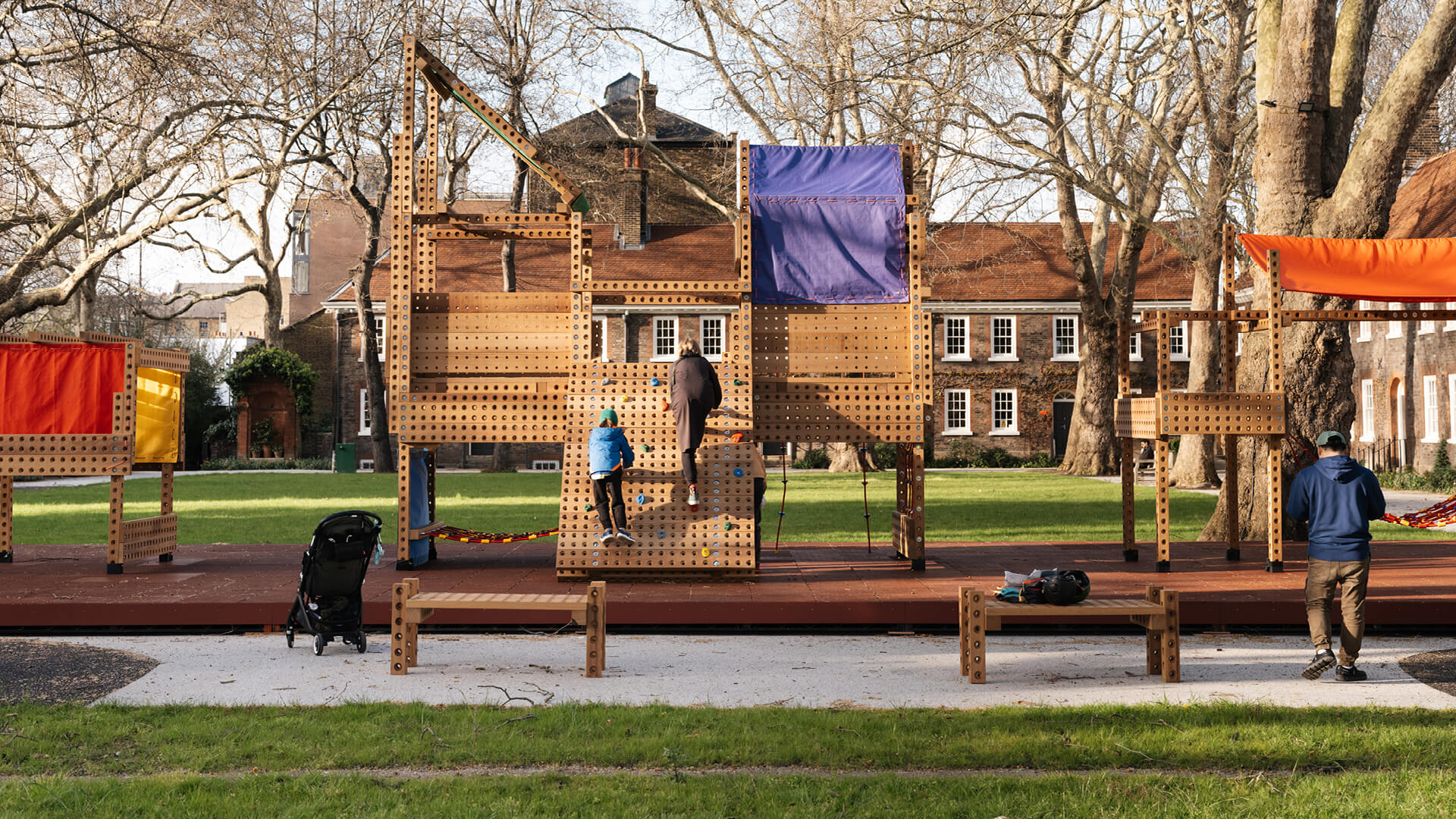
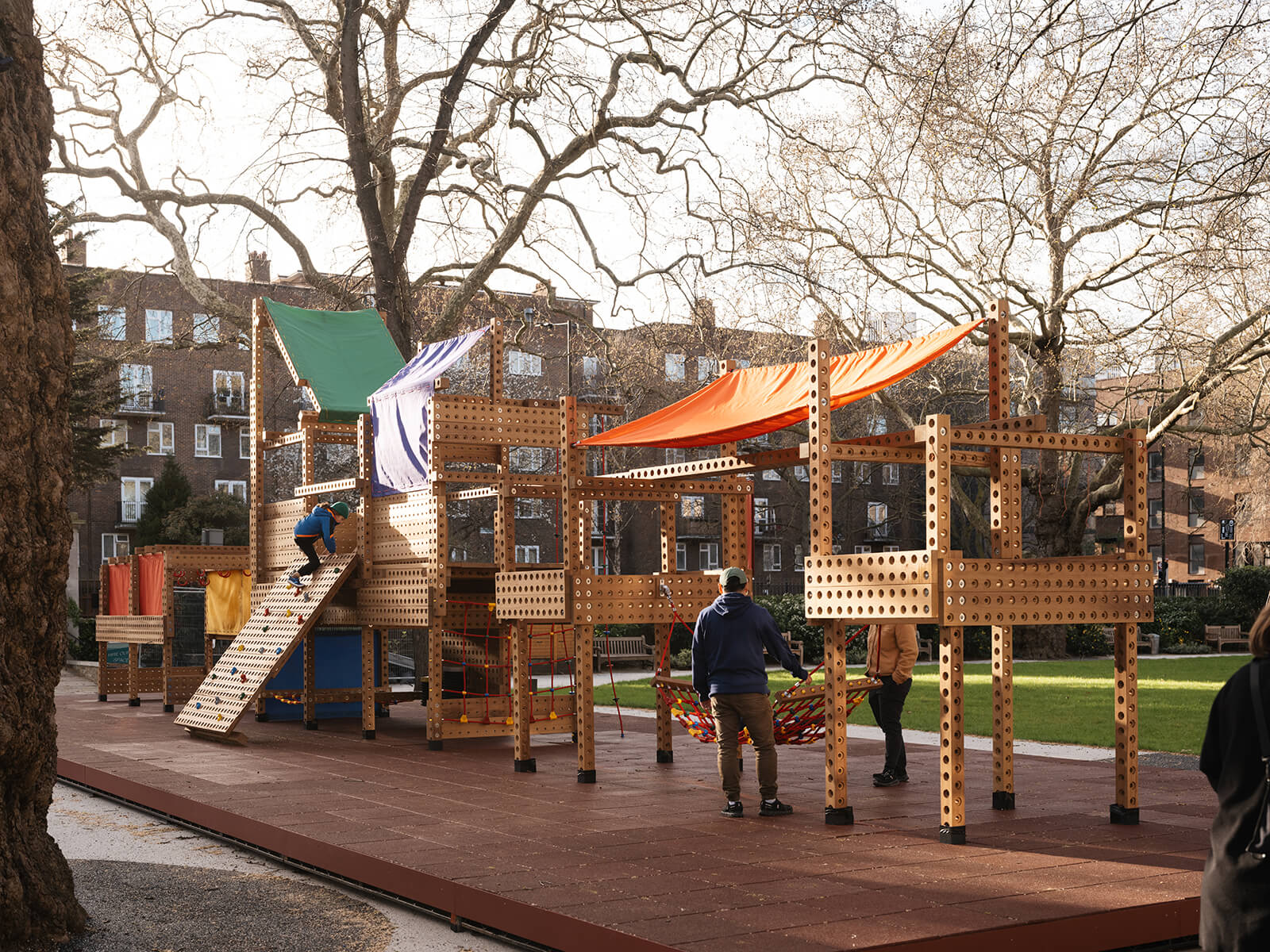
Playrise—a UK-based charity established by photographer Alexander Meininger, along with his partner, entrepreneur Ariana Mouyiaris Meininger and British architect Hikaru Nissanke, founder of London-based architecture studio OMMX—seeks to address this quagmire by developing modular play structures for children at various global NGO relief sites. The first prototype of the system they built was on display at the Museum of the Home in London earlier this year and is now set to be deployed to several refugee camps, starting with Aysaita, Ethiopia, in May 2026, where it will be installed in a playground for children.
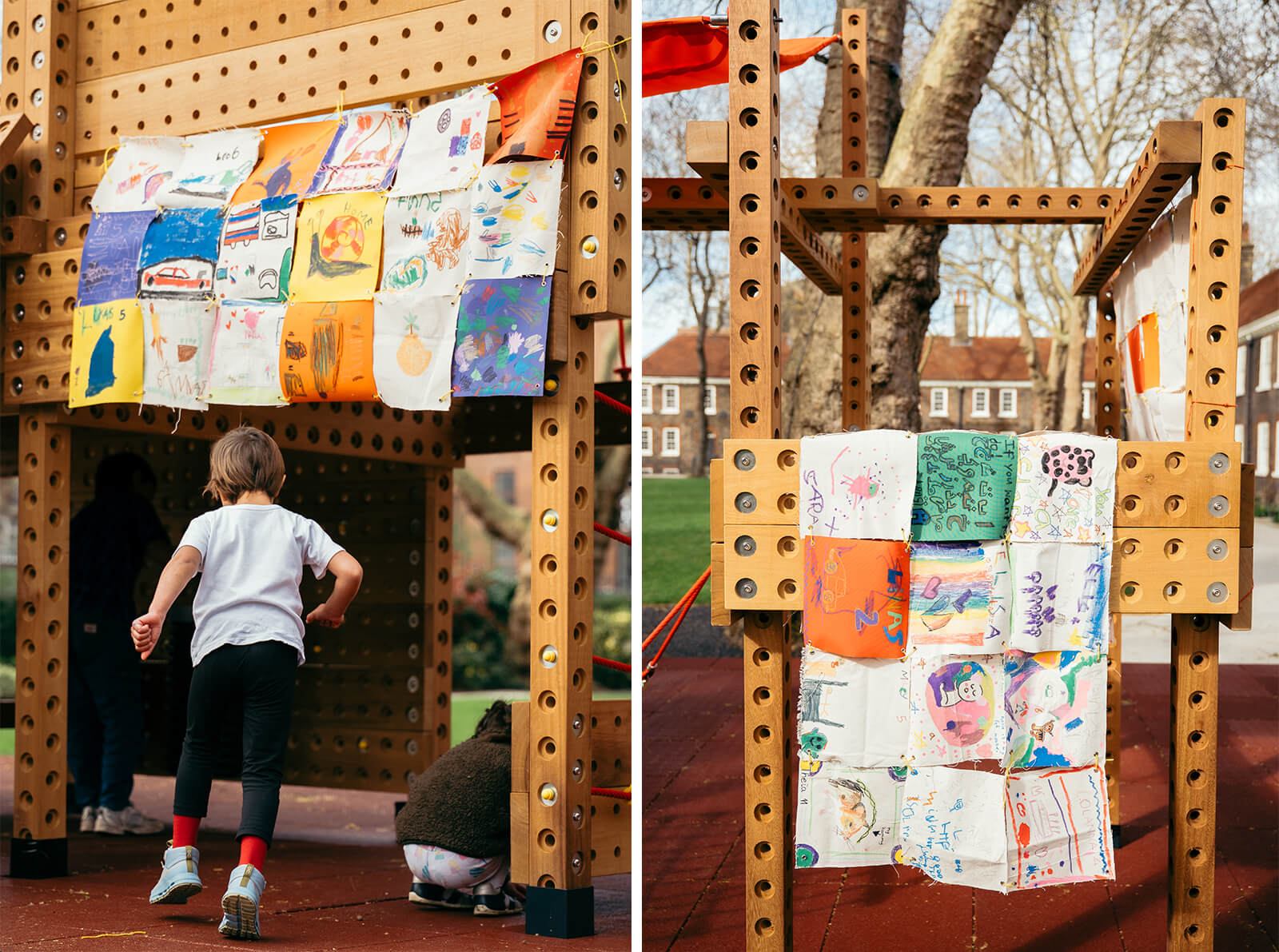
The team at Playrise designed their inhabitable play structures after conducting various workshops with refugee children and communities in UN relief sites across Sudan, Ethiopia and Egypt to understand their play needs, which are seldom a priority when even their basic needs are scarcely being met. "One of the most striking insights from those workshops was just how significant the lack of dedicated play spaces really is. In many of the UN relief sites we visited, children had little to no access to environments designed specifically for play," Alexander and Ariana tell STIR. They found that whatever little play infrastructure these communities had was either makeshift, rendered derelict due to neglect or abandoned because it became too hot with extreme temperatures.
Despite living in sordid conditions, the children showed immense enthusiasm during these workshops, reinforcing the team's belief that the need for play was universal and indeed a necessity for them. "What stood out in particular was how drawn they were to versatile, open-ended activities—spaces where they could climb, play and interact freely rather than follow a fixed or overly structured use," the pair explain. The system was designed to allow for this range of play. "Shade was also really important in the climates we experienced. It got dangerously hot," Nissanke tells STIR, explaining why creating climate-responsive structures was an important aspect of their design. This is particularly significant considering the unfortunate reality of the many regions where displaced communities are situated experiencing extreme heat conditions but receiving limited protection from it.
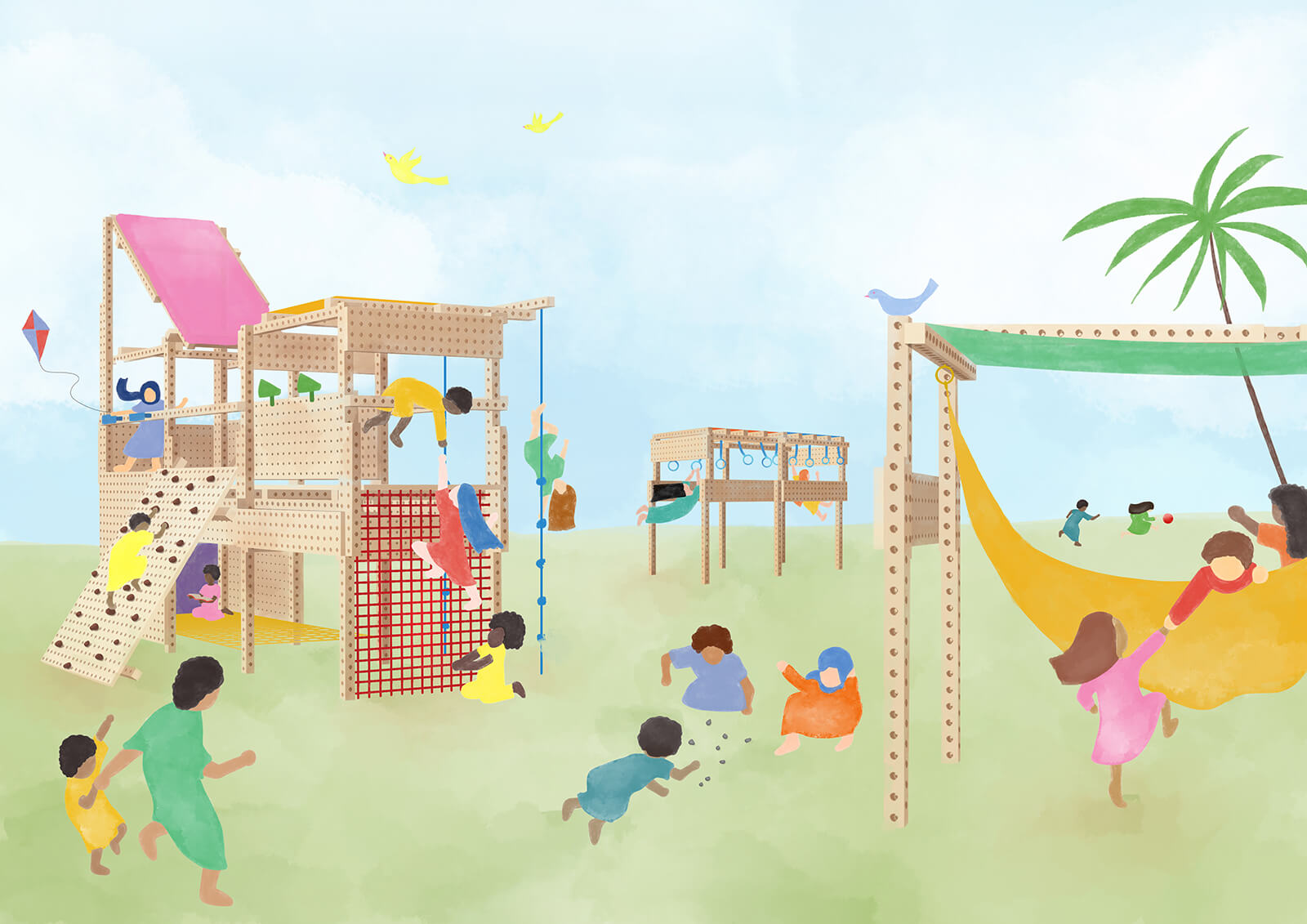
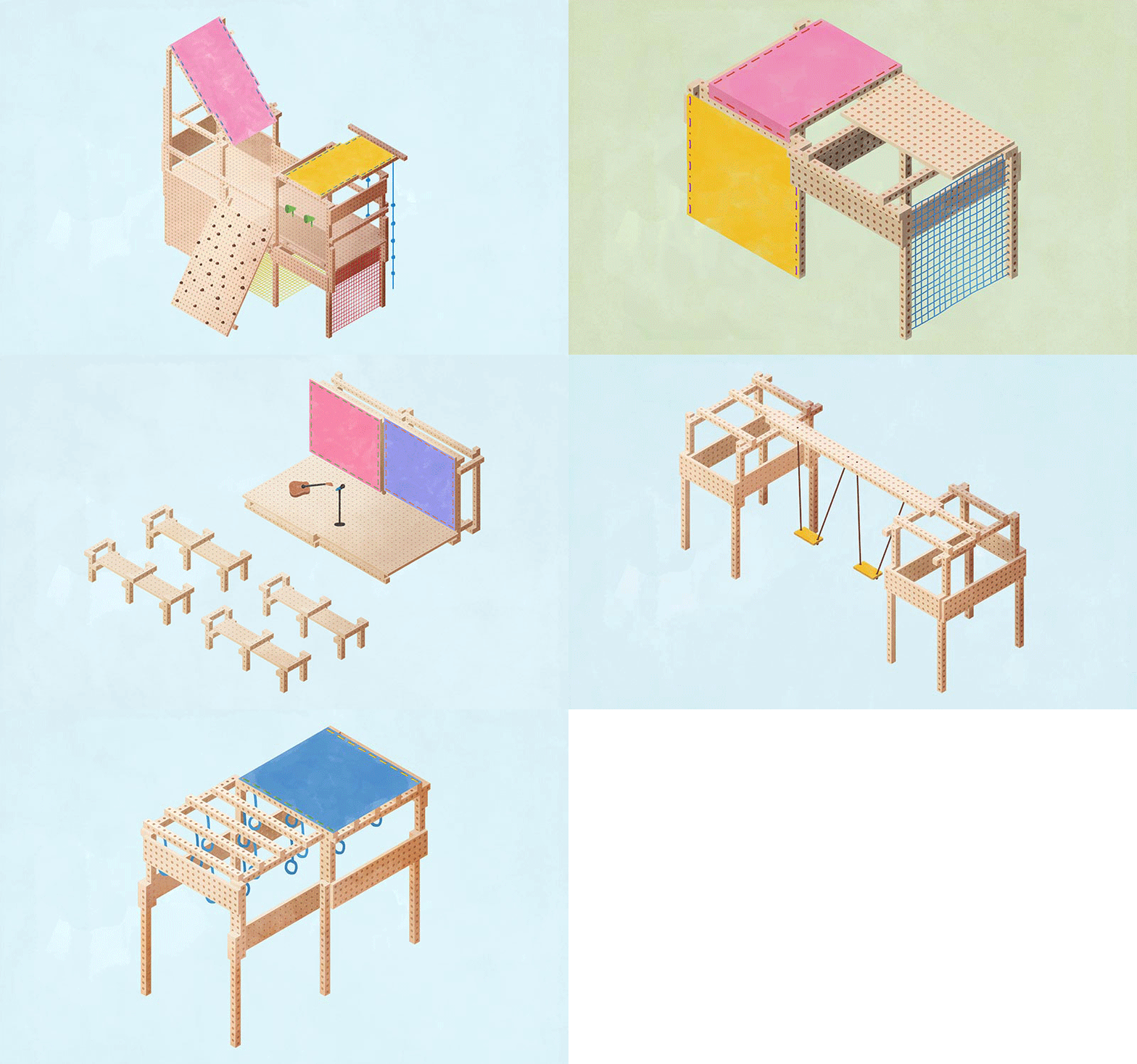
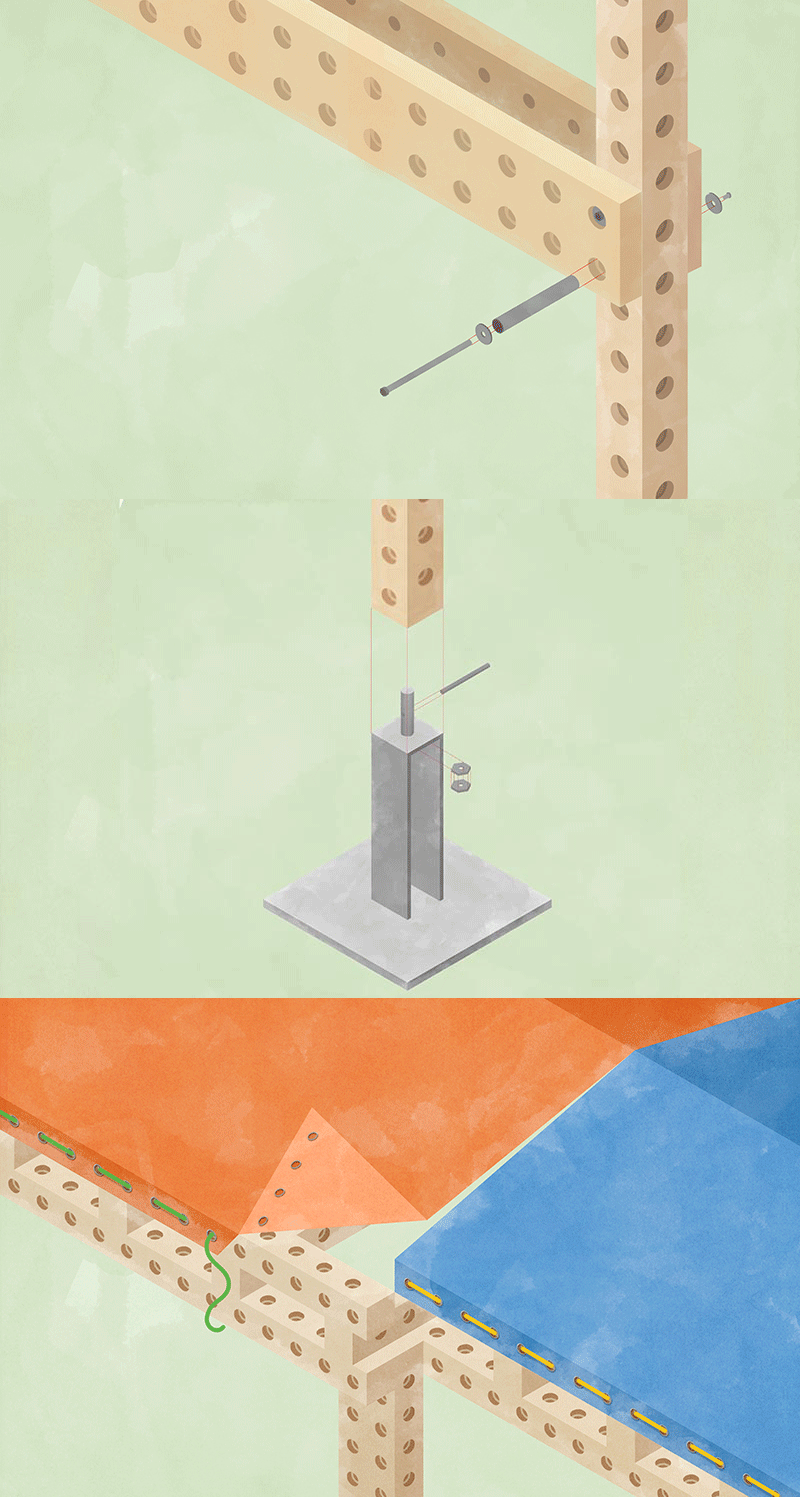
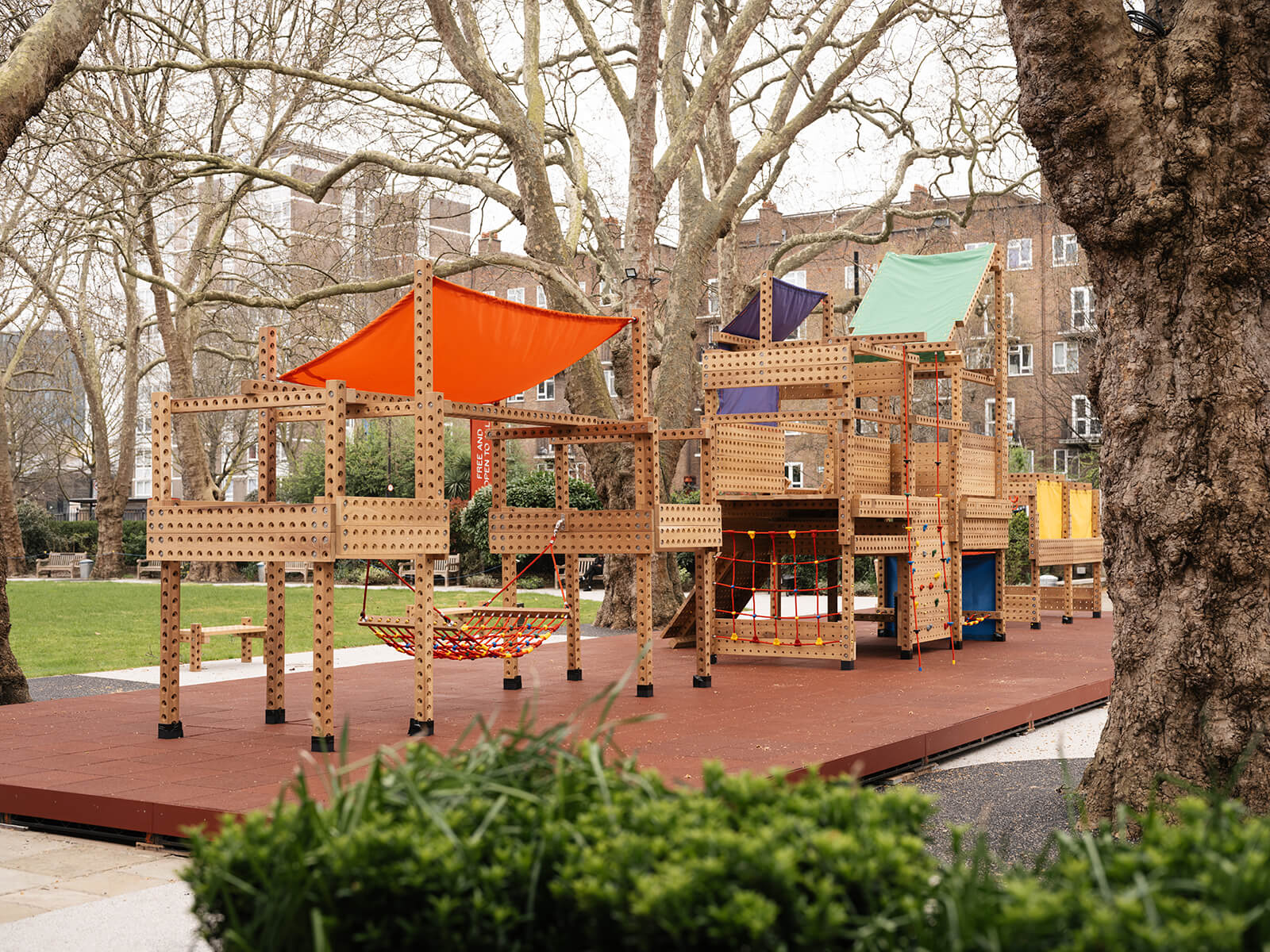
These modular play structures were designed to be flexible and inclusive in order to serve children of all ages with different needs and abilities and adapt to different environmental conditions. Made of simple components like timber planks and beams that can be assembled with metal connectors, they can be rearranged into a variety of playscapes. They can be structured up or down—turning into a slide, a swing set, an obstacle course, a den, a tunnel or even a stage. "The configurations can be designed to encourage climbing and physical challenge, or alternatively to create lower, more accessible setups that prioritise ease of movement and comfort," the couple explain.
The kit also comes with swappable attachments like nets, ropes, basketball hoops, monkey bars and more, enabling a wide range of configurations, along with all the tools required to assemble the system—a key aspect of the design according to the team at Playrise. "This opens up opportunities to introduce different types of play, including sensory elements or more inclusive features for children with varying abilities. As a result, the same core kit can support a broad spectrum of needs, personalities and play styles, while also being adaptable to different environments and contexts," they continue.
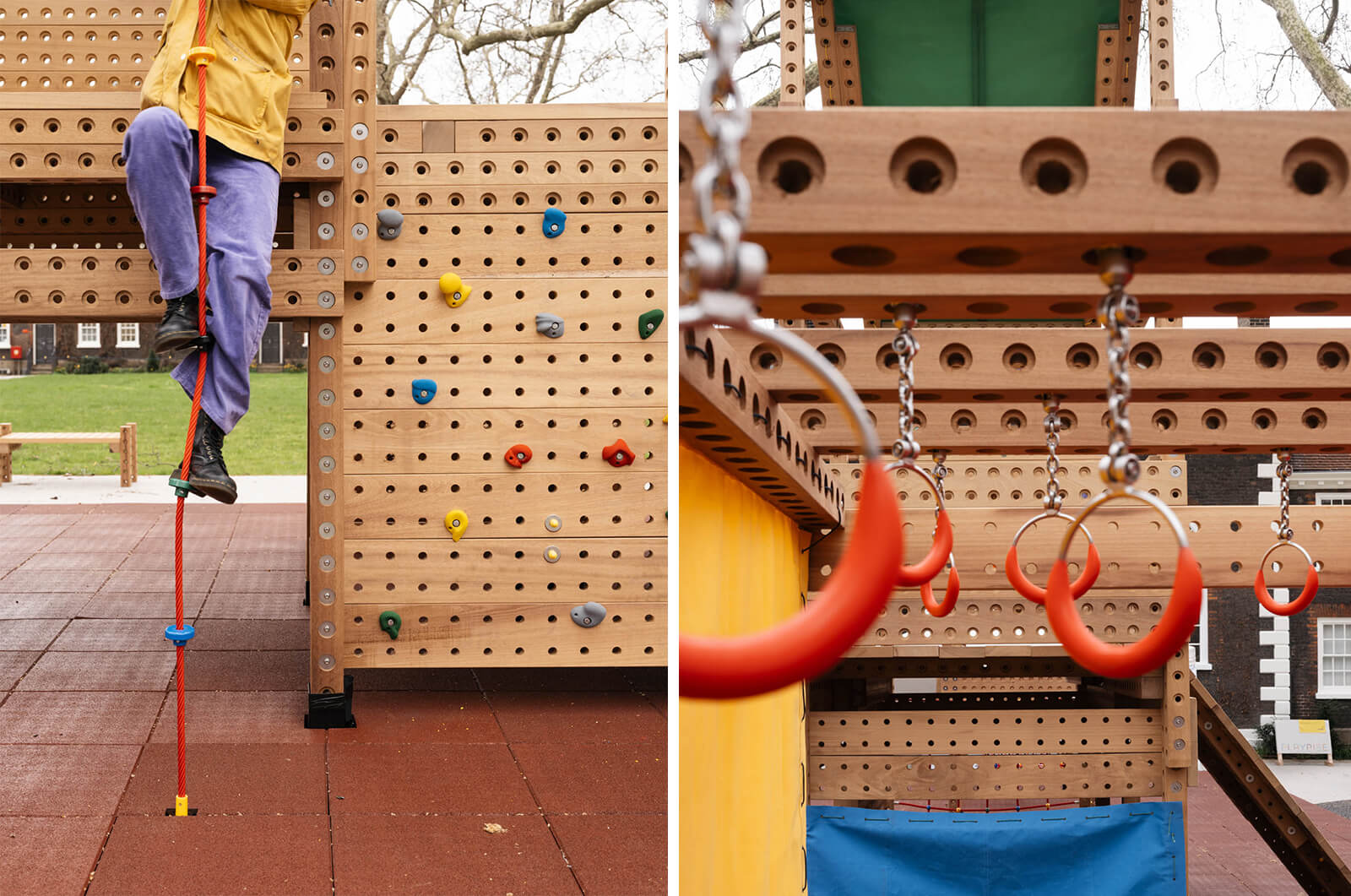
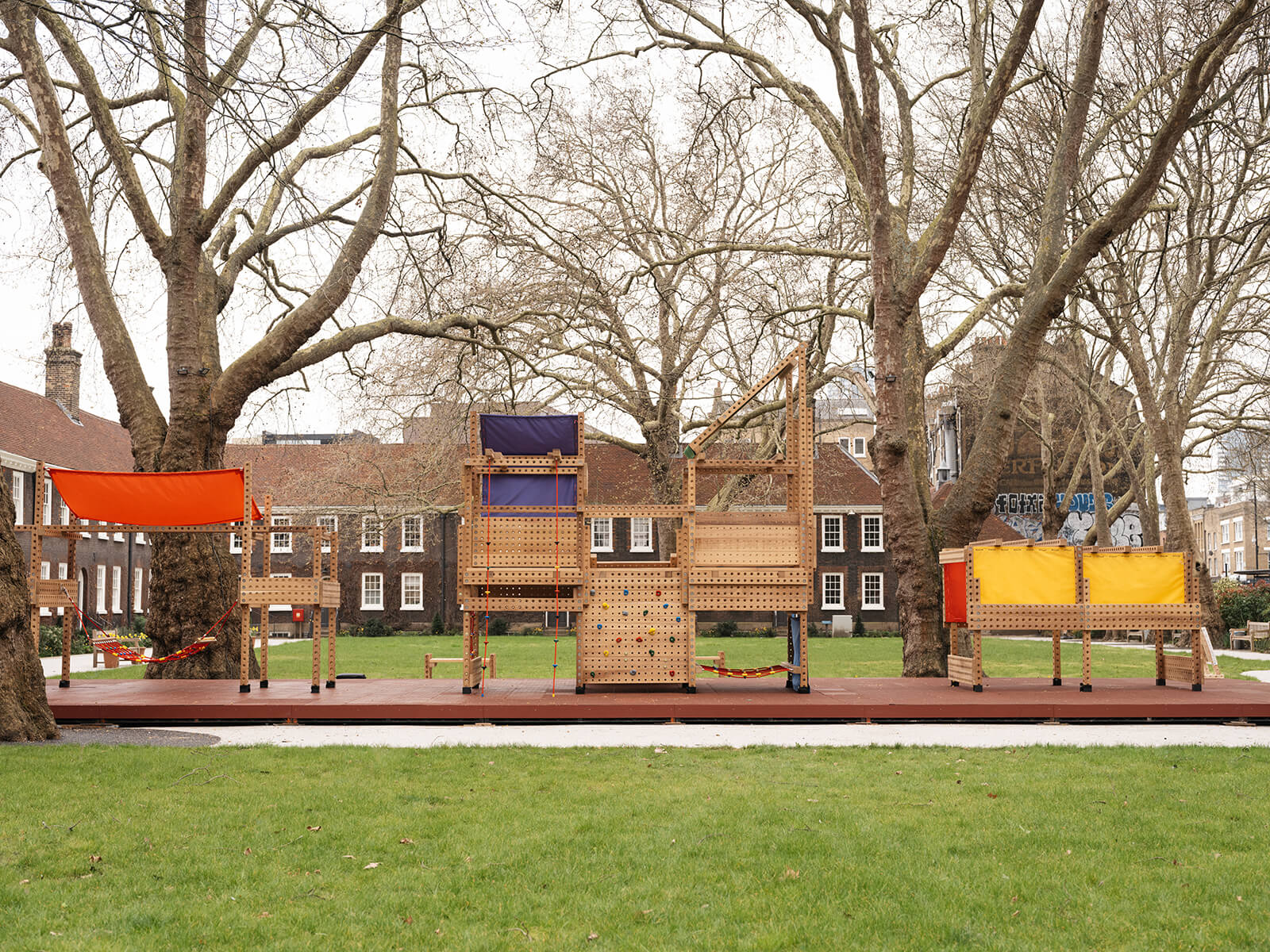
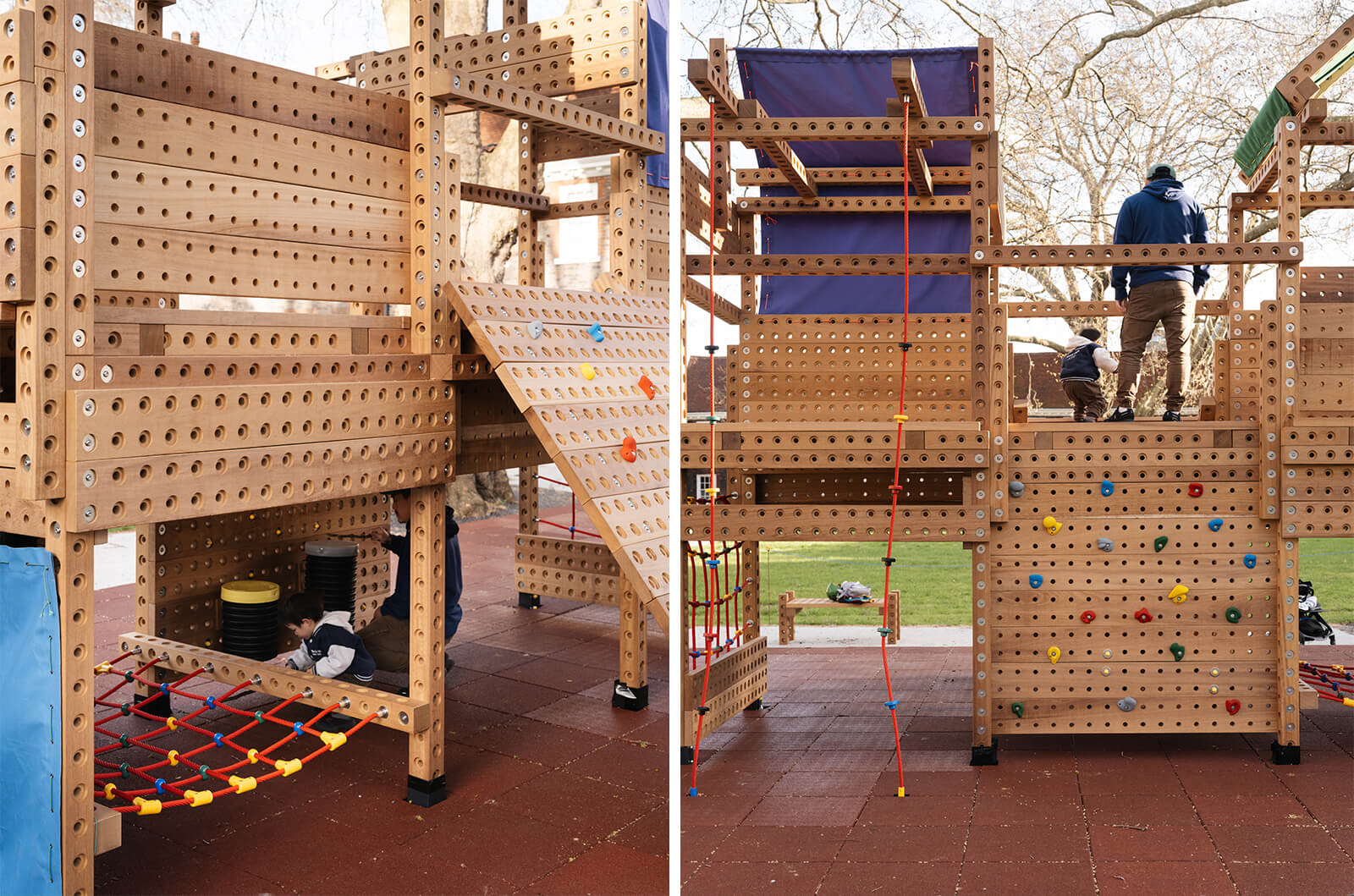
While traditional playgrounds are often expensive to install and maintain—among the many reasons for their vanishing footprints from cities—the playgrounds proposed by Playrise are extremely cost-effective. Using timber planks allows these structures to be flat-packed, making them cheaper to transport and easier to install and manage. Not only is using timber a sustainable measure, it is also very practical. "Timber is easier to repair and maintain using basic tools, which is crucial in remote or resource-constrained environments where access to specialised parts or equipment can be limited. Rather than needing to replace entire structures, individual elements can be fixed or adapted over time," the team explains.
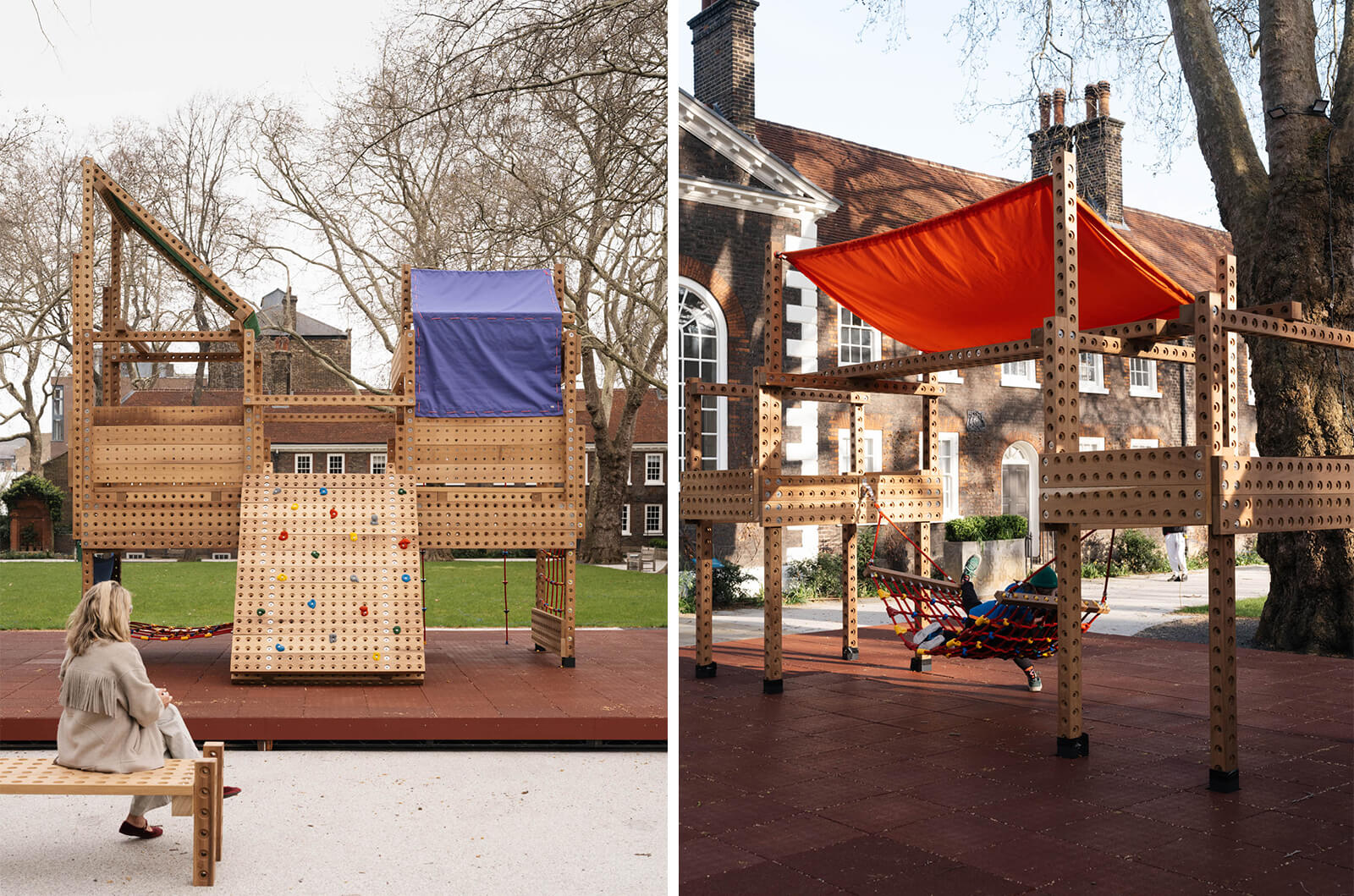
The wood's warm tactility is more inviting than the usual metal in playgrounds. While metal absorbs and retains heat, timber doesn’t, thus making it safer and more comfortable to use in extreme heat conditions—an environmental reality in the regions Playrise is working in. Using timber also opens the avenue for manufacturing to be localised, sustainably supporting the local economy. Maintenance and repair also become easier, since broken parts can simply be replaced with local timber, as Nissanke explains.
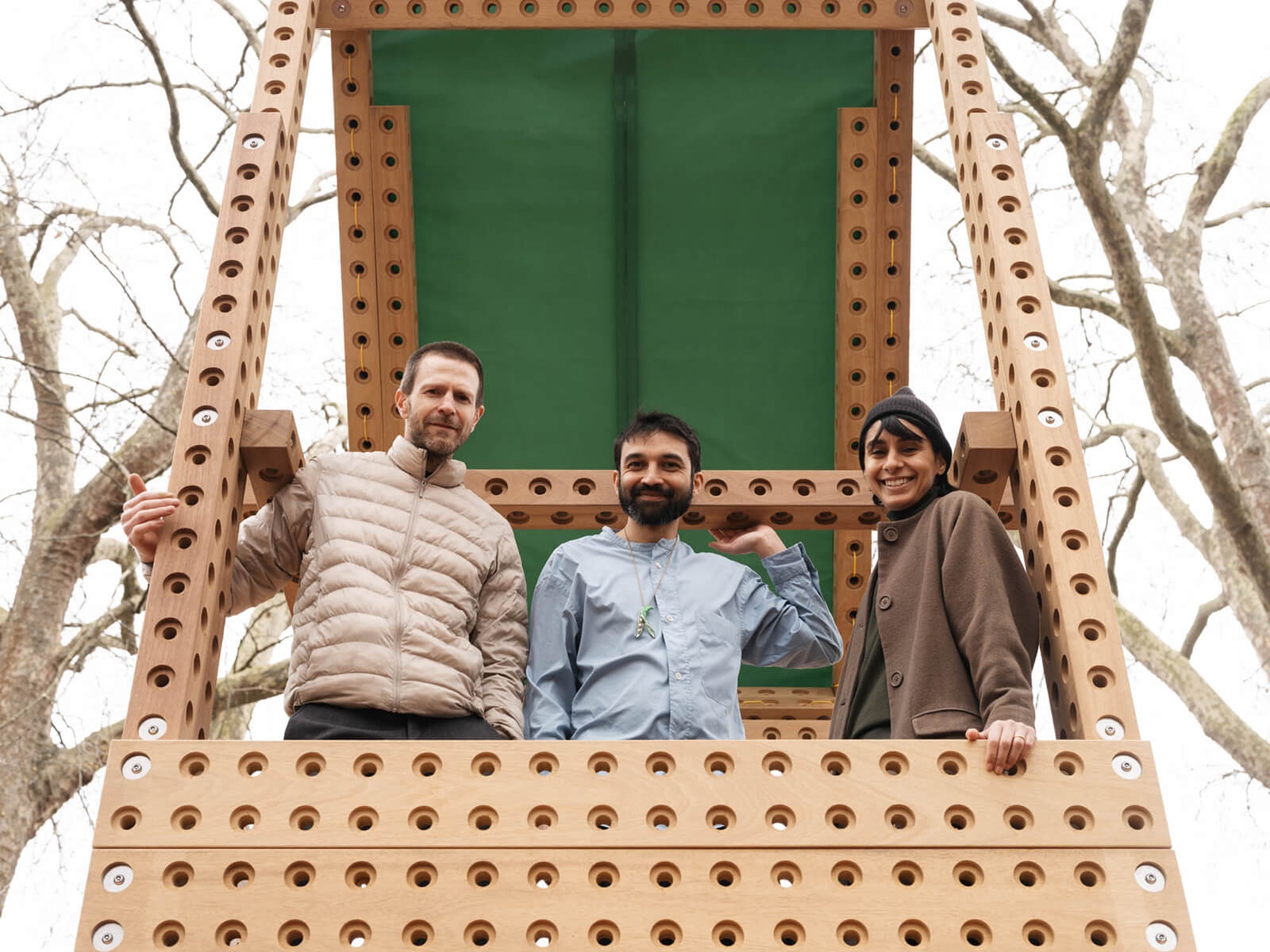
Playrise has created more than just a play structure one can assemble; it is a flexible, adaptable system that can sustainably reach (and sustain serving) where it’s needed most—an architectural solution to a humanitarian problem. What makes the project even more compelling is that it is a deeply humane community project that addresses problems that are unfortunately not a priority for humanitarian aid. Solving any problem at all, at a time when there is no paucity of conditions that necessitate them in the first place, is undeniably important. It is undeniably important, then, that Playrise is trying to make play accessible everywhere, one step at a time, until it’s a luxury nowhere.
References
1.https://worldschildrensprize.org/uncrc

by Pranjal Maheshwari Oct 19, 2026
The Mumbai-based architects integrate courtyards, mesh screens and north light trusses to create a dining space that doubles up as a community hub at SR University, Warangal.
by Mrinmayee Bhoot Oct 17, 2026
The Rotterdam-based institute centres the Indian Ocean as a network for exploring material histories and transnational links shaping coastal cultures, positing them as future models.
by Pranjal Maheshwari Oct 16, 2026
At the 2026 Stirling Prize ceremony, Mary Duggan with RUFF Architects, MAKER Architecten and Nakshabid Architects were felicitated for proffering quality housing and social equity.
by Mrinmayee Bhoot Oct 12, 2026
The new Centre for Contemporary Arts, fostering public engagement with art in Uzbekistan, is housed in a tram depot refurbished by the French studio, emulating local craftsmanship.

make your fridays matter with a well-read weekend
Enter your details to sign in
Don’t have an account?
Sign upOr you can sign in with
a single account for all
STIR platforms
All your bookmarks will be available across all your devices.
Stay STIRred
Already have an account?
Sign inOr you can sign up with
Verification link sent to check your inbox or spam folder to complete sign up process
Tap on things that interests you.
Select the Conversation Category you would like to watch
Please enter your details and click submit.
Enter the 6-digit code sent at


Playrise develops reconfigurable timber play structures for displaced children
by Chahna Tank | Published on : May 22, 2026


 Sign in with Google
 Sign in with email
What do you think?