Architecture05 mins. read
Nada Debs evinces local crafts by turning a historic Uzbek mosque into an artisanal hub
by Pranjal MaheshwariAug 18, 2026



by Chahna TankPublished on : Sep 05, 2026
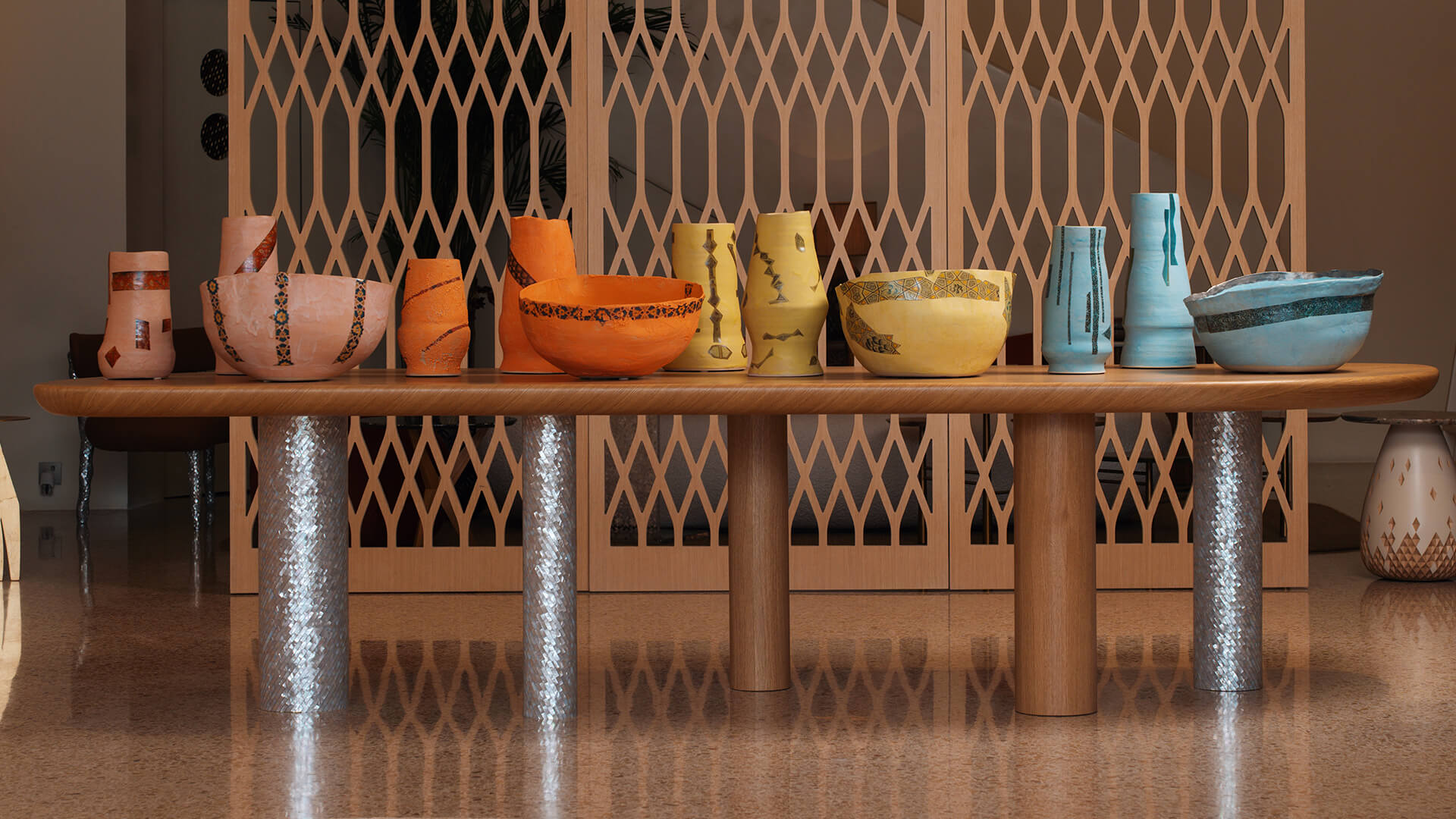
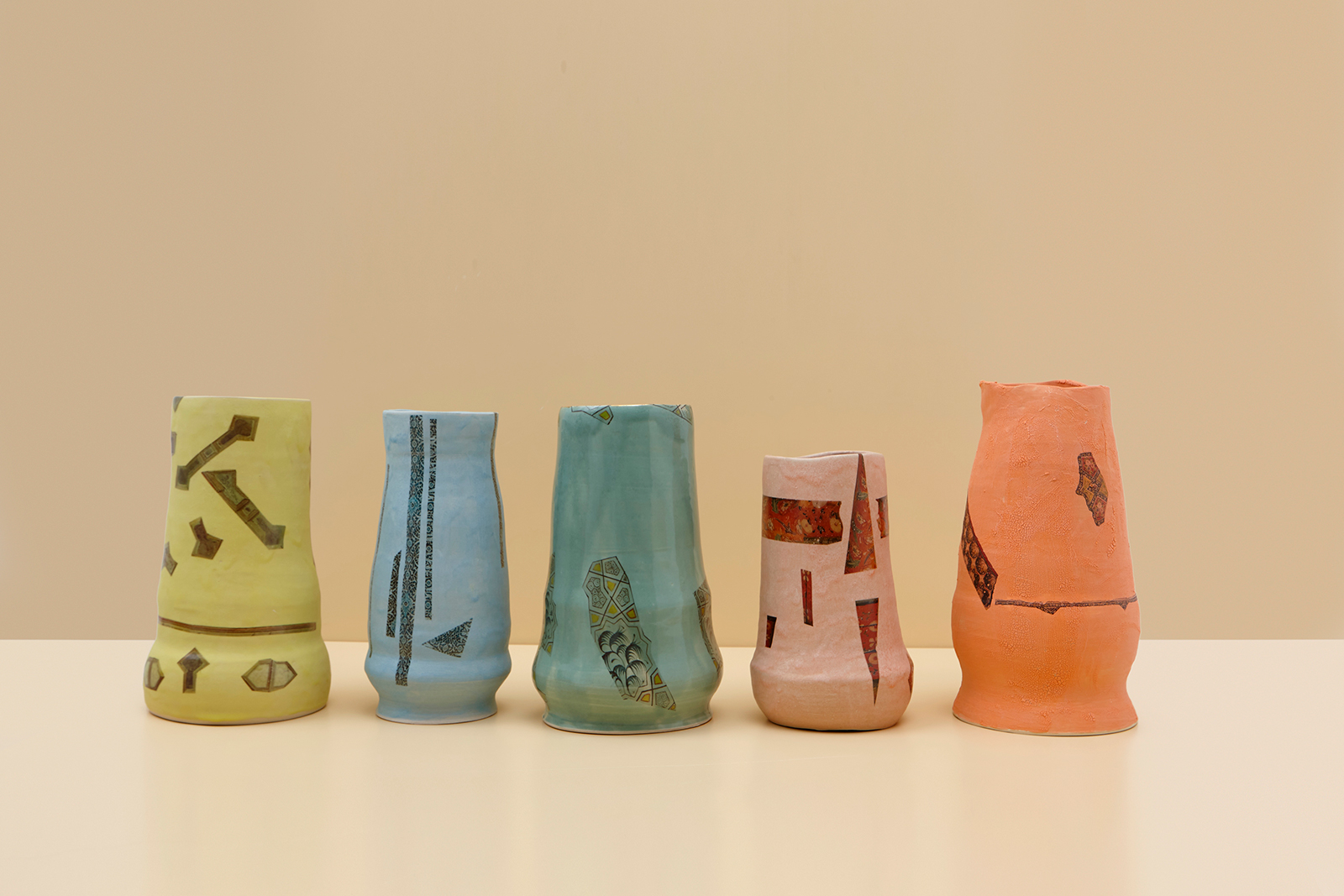
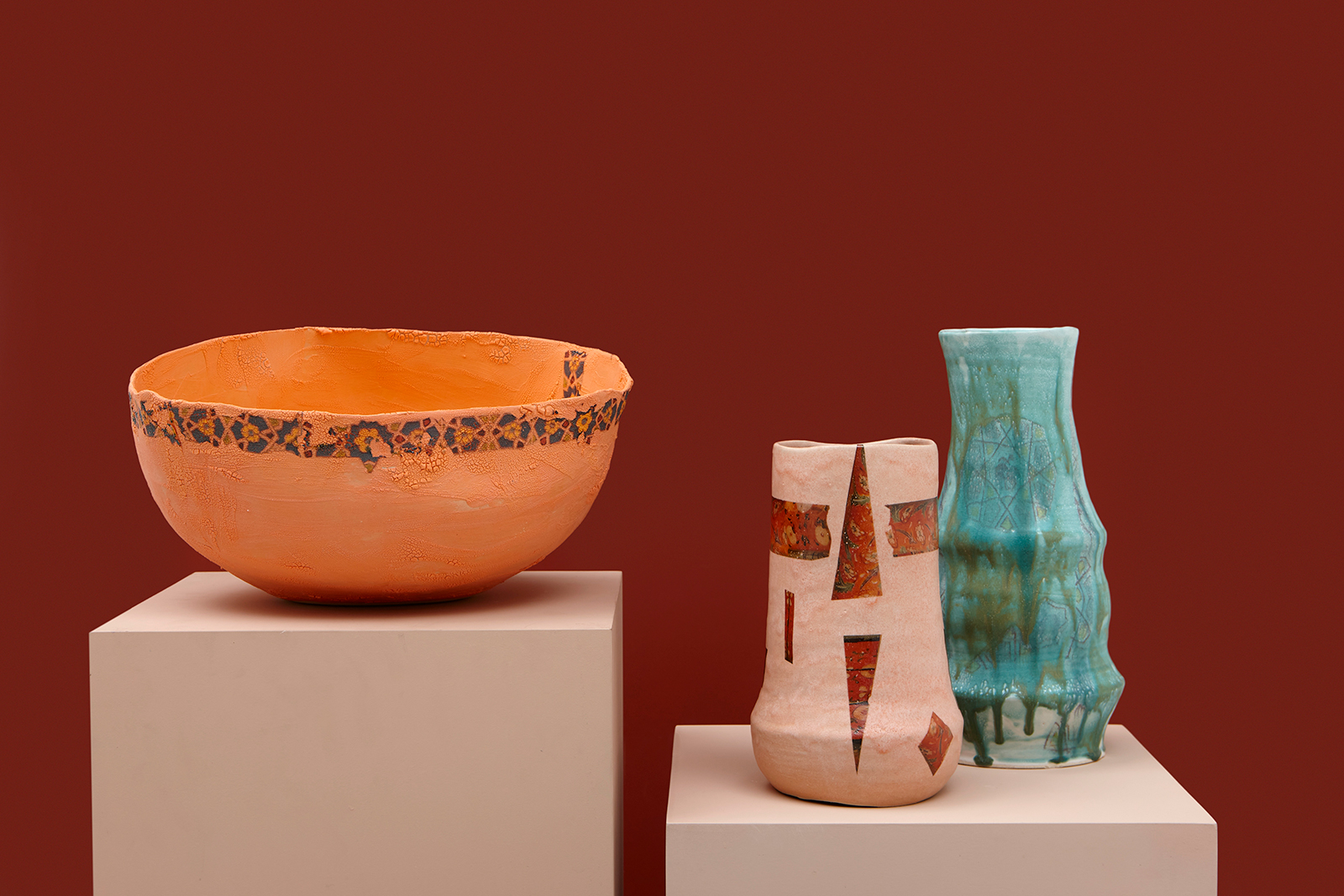
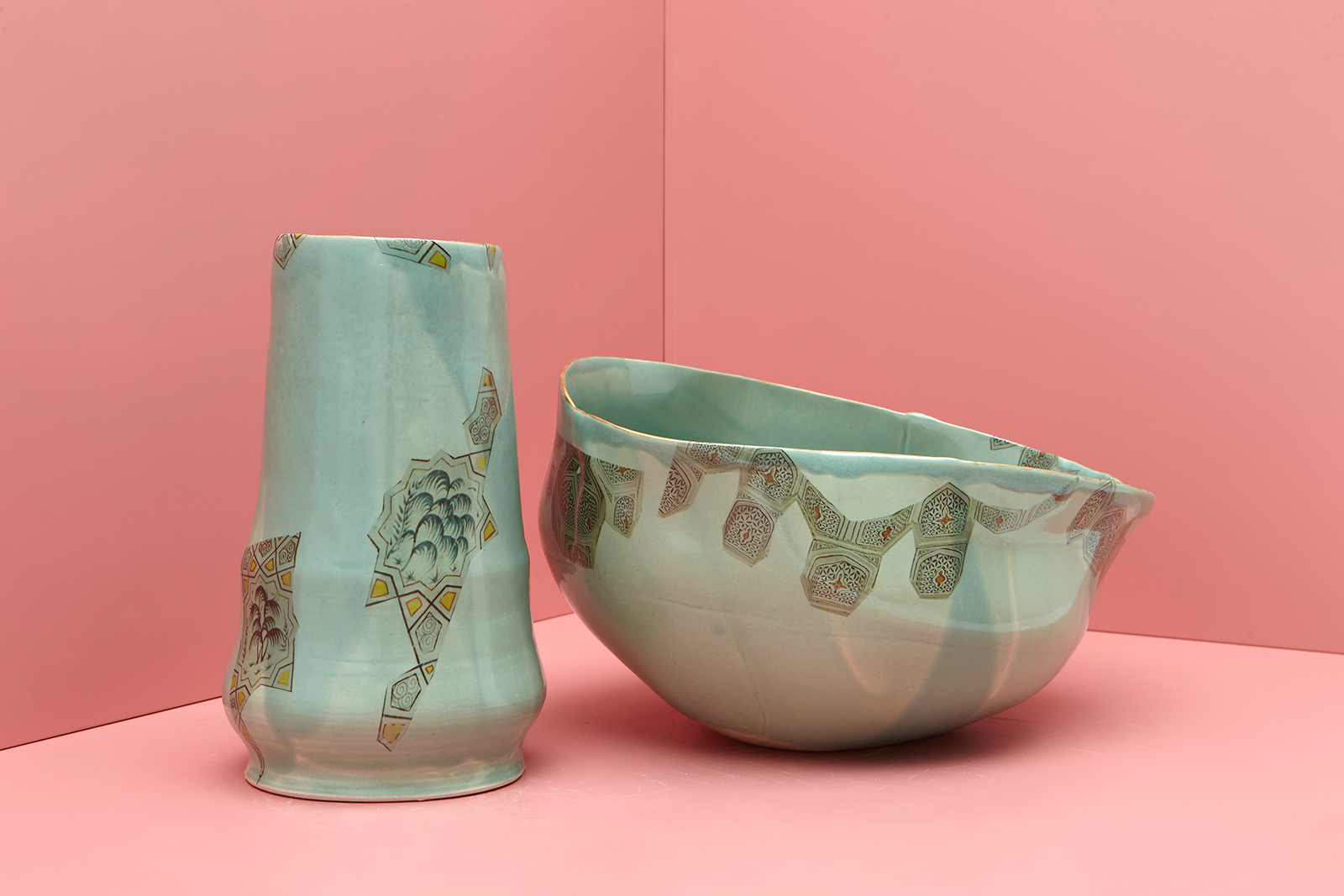
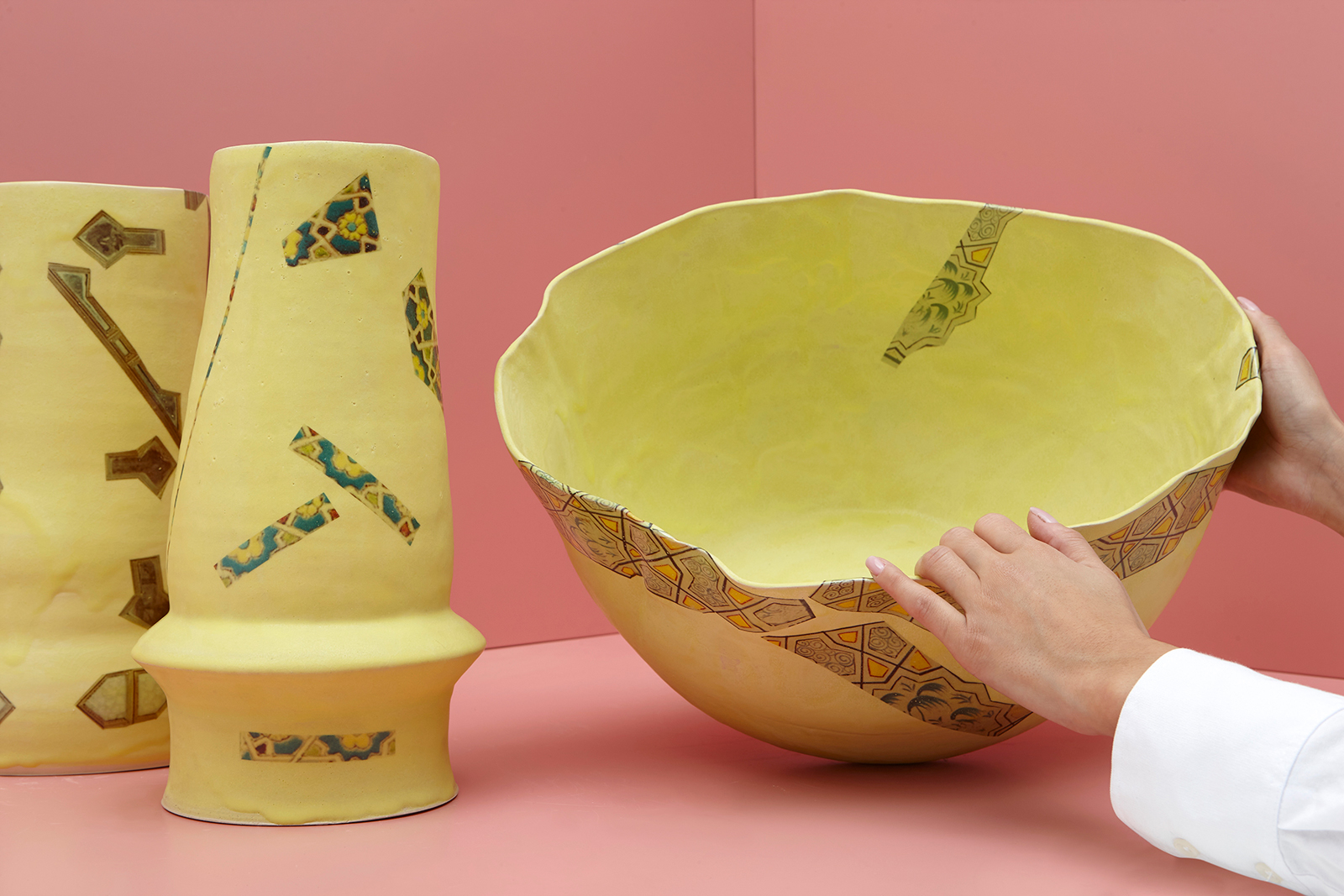
The vibrant, gently undulating bowls and vases of the Traces collection by Beirut-based ceramist Lina Shamma carry visual remnants of Uzbekistan and its intricate Islamic architectural motifs—“so precise that they feel almost coded”, as she describes them in a conversation with STIR. Drawn from photographs she took during a trip to the country, the rich, geometric tilework patterns are transferred across the surfaces of the ceramics—sometimes intact, sometimes fragmented—evoking a place not faithfully reproduced, but remembered. “Uzbekistan left a very specific kind of mark on me—not the grand scale of the architecture, but the obsessive detail within it,” Shamma notes. “Back in the studio, it wasn’t about reproducing those motifs faithfully, but about carrying the feeling of them: the idea that ornament holds memory.”
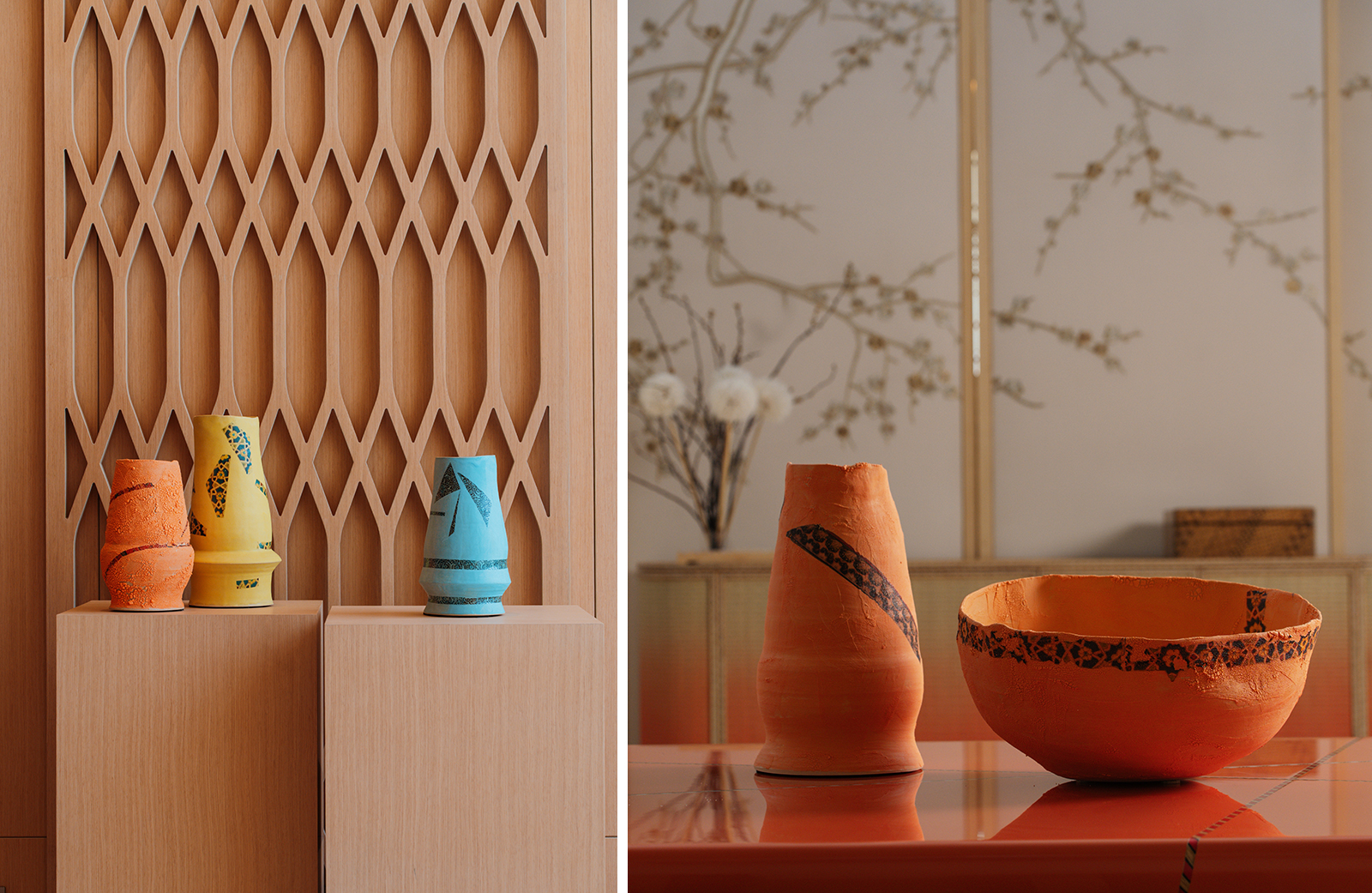
Traces is also the collection with which Lebanese designer Nada Debs announced the launch of WA Collective, a new platform dedicated to bringing contemporary designers and makers from around the world, and their practices, to the fore. Unveiled at the Nada Debs Boutique in Alserkal Avenue, Dubai, the platform grew out of Debs’ encounters with craftspeople during her travels. “I wanted to showcase their craft and designs, with the idea of highlighting a particular craft and inviting makers to design for our boutiques and showrooms. This gave me the idea of creating a collective,” she shares with STIR. The collective takes its name from 'WA'—meaning 'and' in Arabic and 'harmony' in Japanese and will function as a curated gallery for handcrafted products.
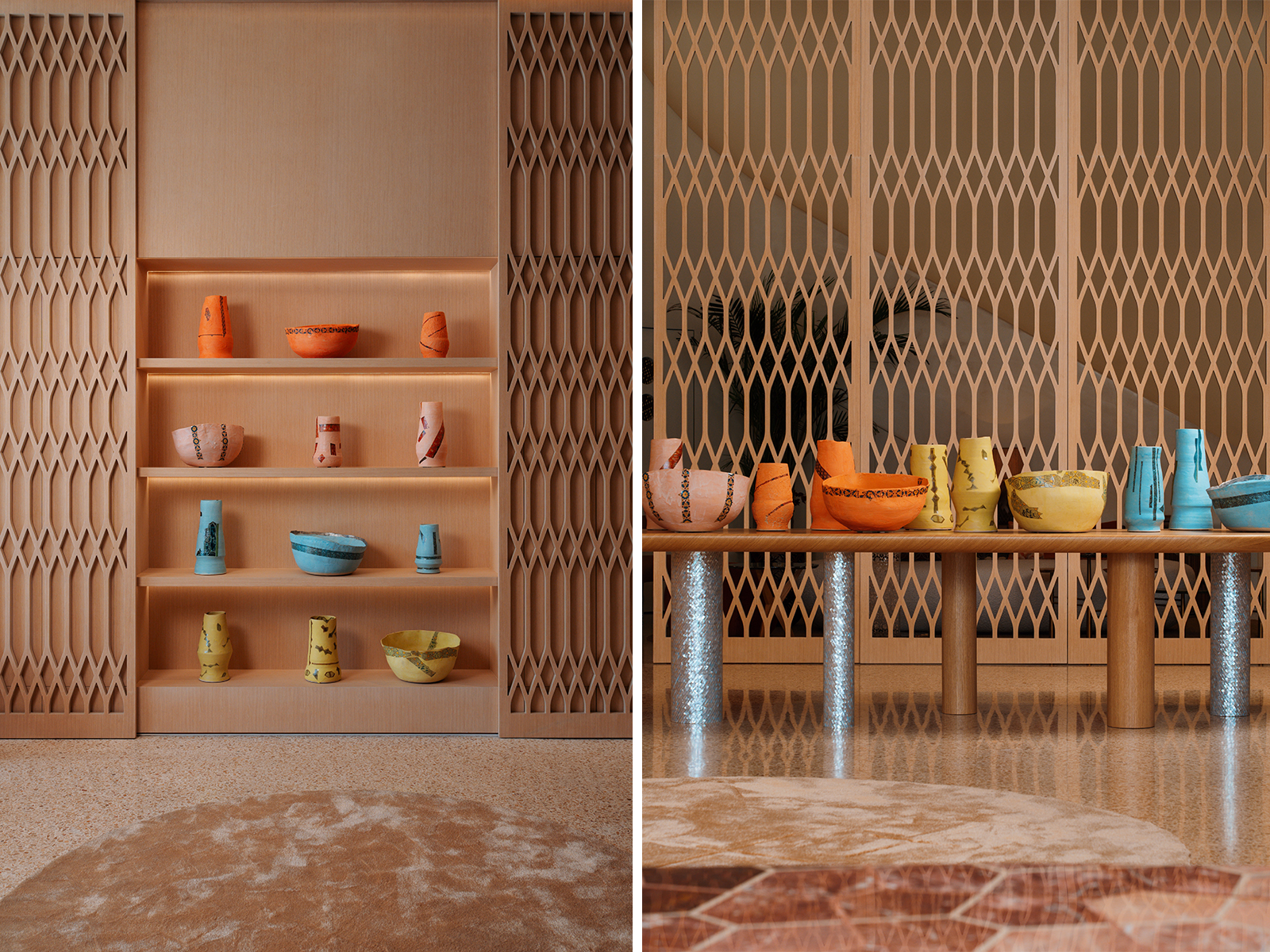
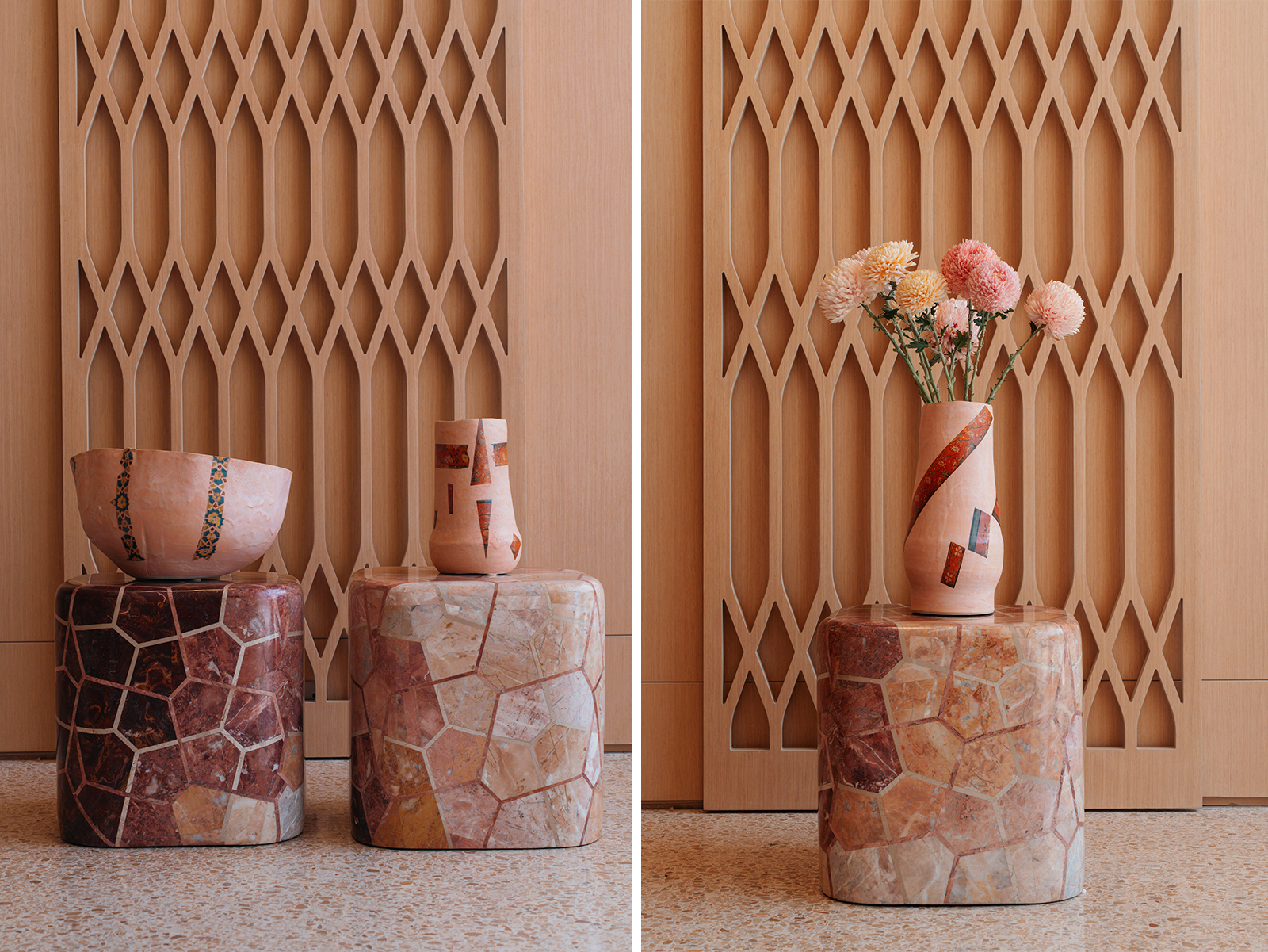
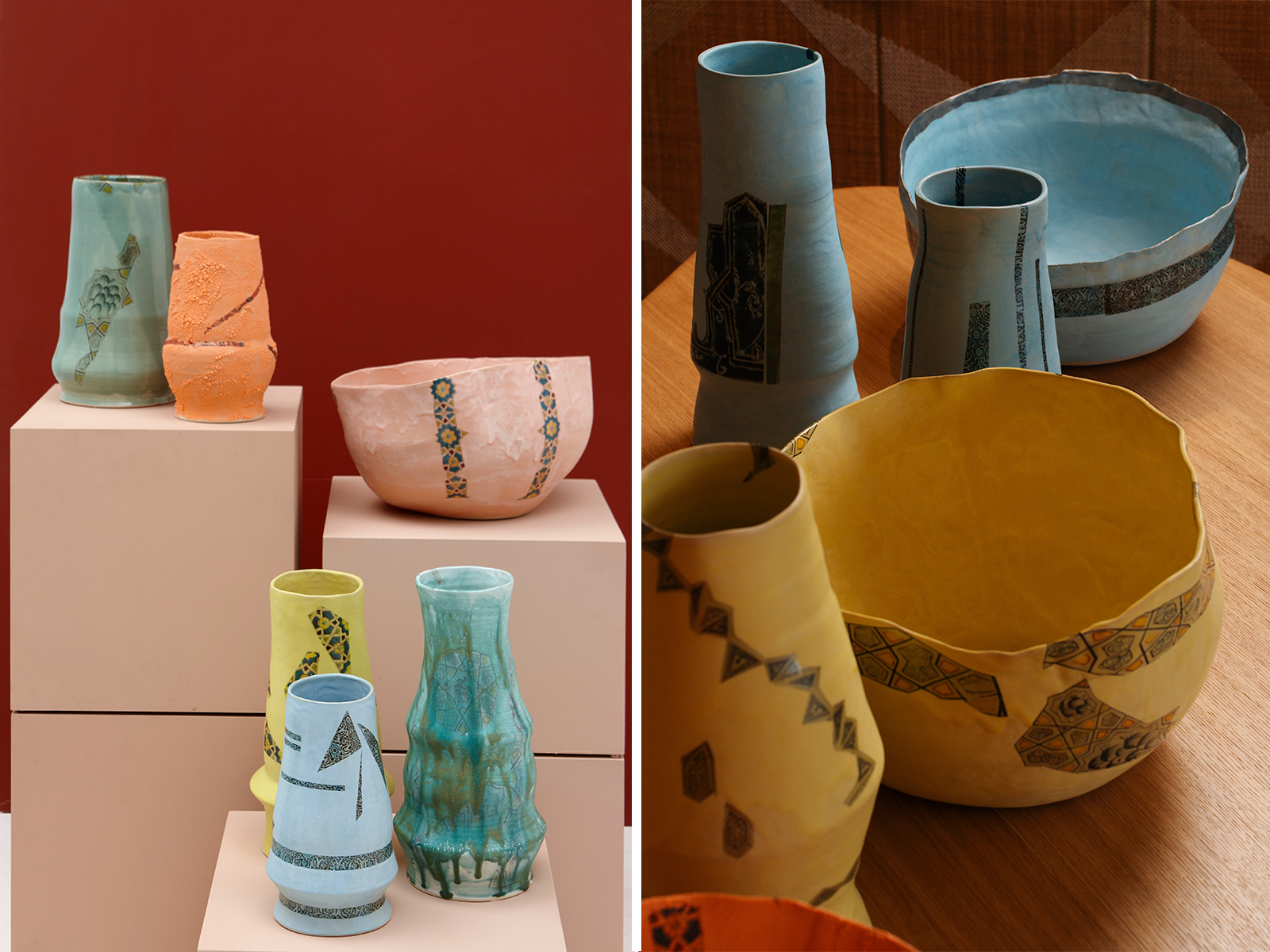
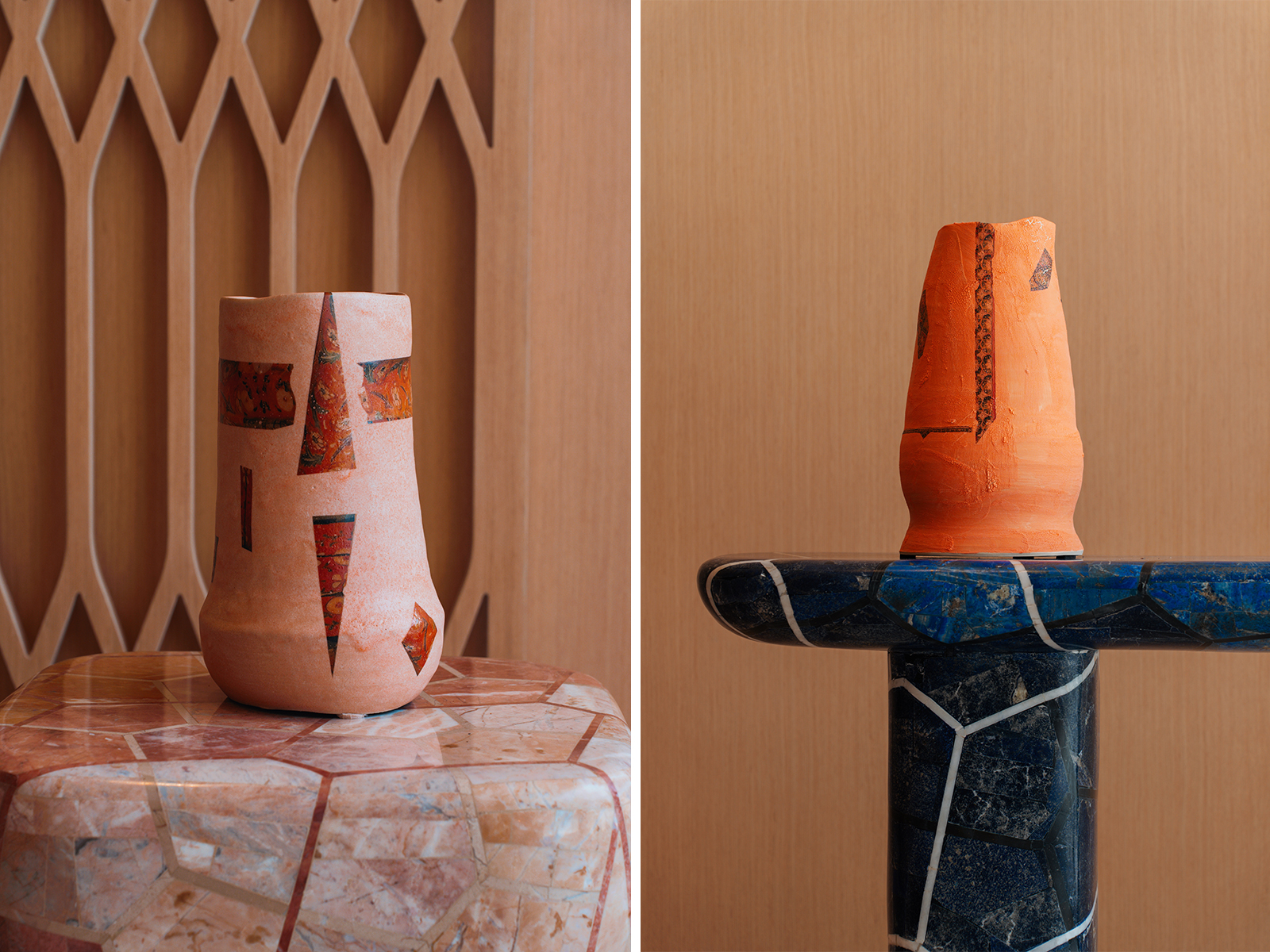
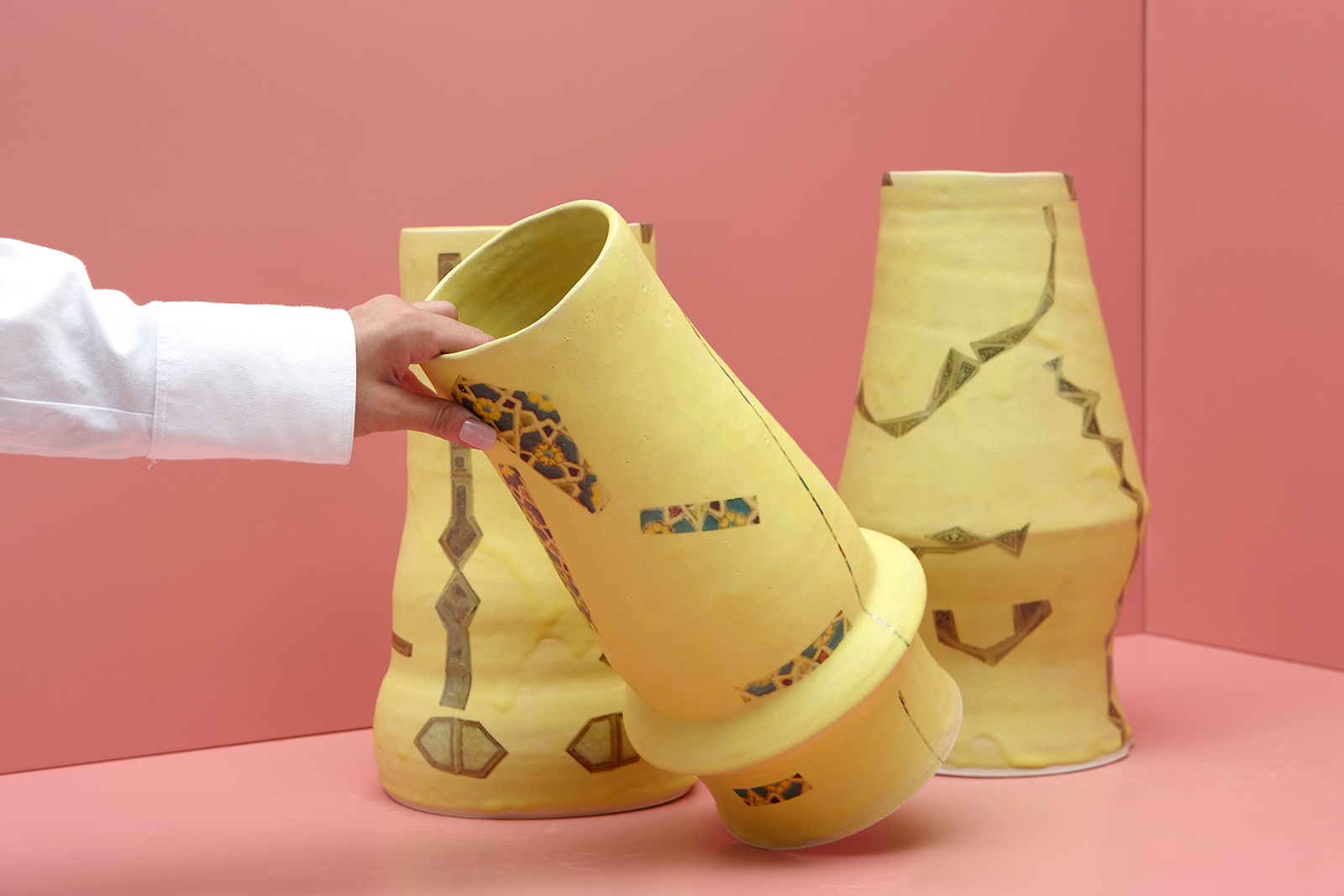
The collaboration merges two distinct visual sensibilities: Shamma’s playful, irregular ceramics and Debs’ ordered geometric visual language. “I loved the quirkiness of Lina’s ceramics, especially in contrast to my own more orderly way of working. I wanted her to present a fun and colourful collection that would set the tone for WA Collective,” Debs shares. This contrast plays out in subtle ways across the products. The wheel-thrown bowls and vases retain the irregularity of their handmade construction, with uneven surfaces and matte, dusty-blue, yellow or pale terracotta glazes. Peppered across the organic surface are the decals drawn from the architectural photographs of Uzbekistan. “A decal is a transfer—a carried image, applied from elsewhere. That felt right for a collection called Traces,” Shamma explains.
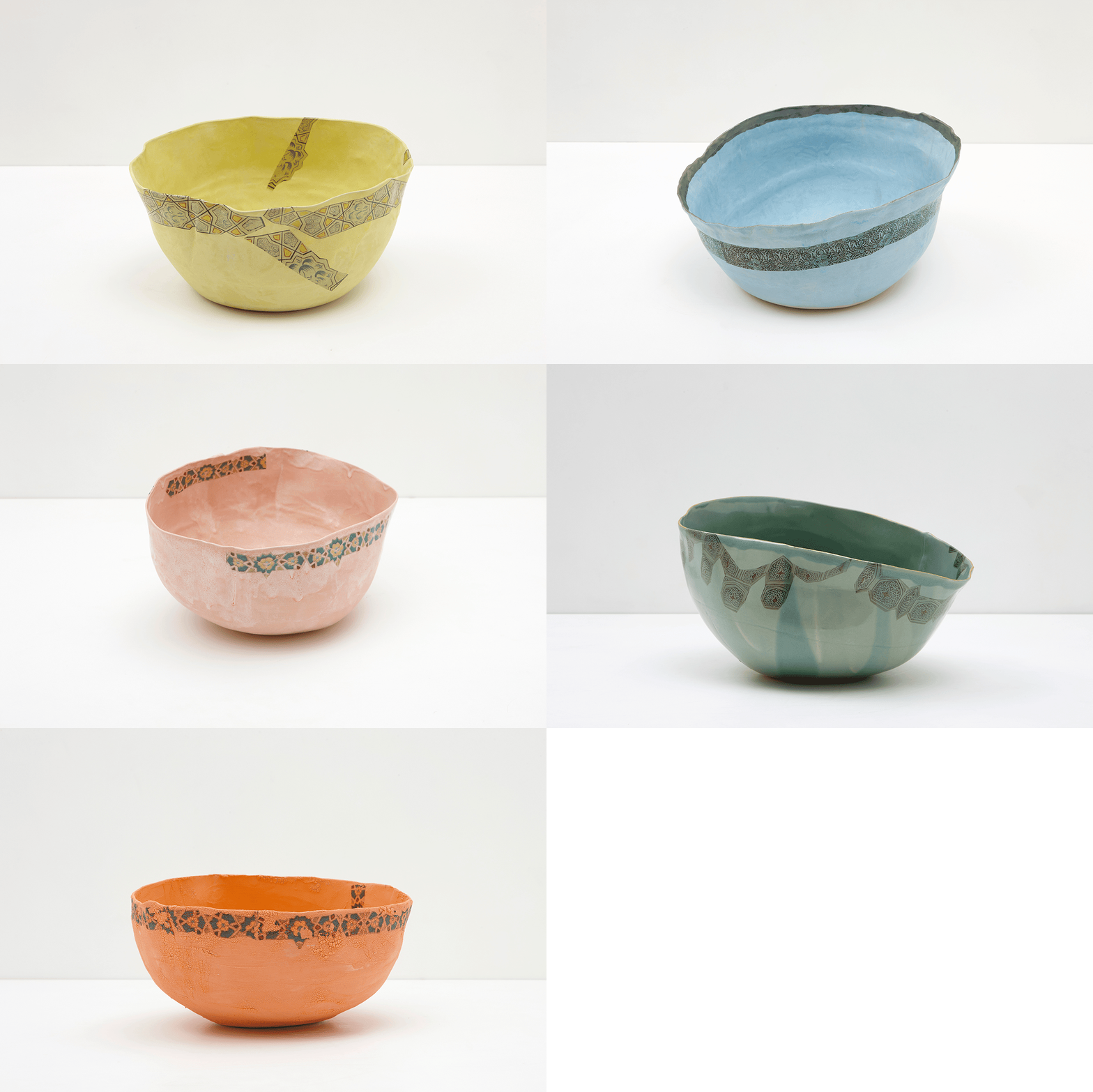
The placement of these symmetric decals, however, is anything but. Rather than centring or aligning these patterns, Shamma allows them to spread across the surfaces—breaking at the edges, colliding with the curves of the vessels. This irregularity gives the ceramics a sense of movement. "I didn’t want the patterns to sit neatly. The instinct is always to centre and align, and I resisted that. That tension between what is revealed and what is held back runs through the whole collection," the ceramist tells STIR. The patterns retain the precision of the architecture from which they originated, but their fragmented placement makes them feel more like memories than reproductions. "The decals became traces—not documentation, but residue. A band of arabesque on a bowl isn’t a quotation; it’s more like a fingerprint left behind," Shamma shares.
In this sense, the motifs are not simply decorative additions to the ceramics; they are fragments of an encounter with a place—carried into another material, another object, altered through the act of making.
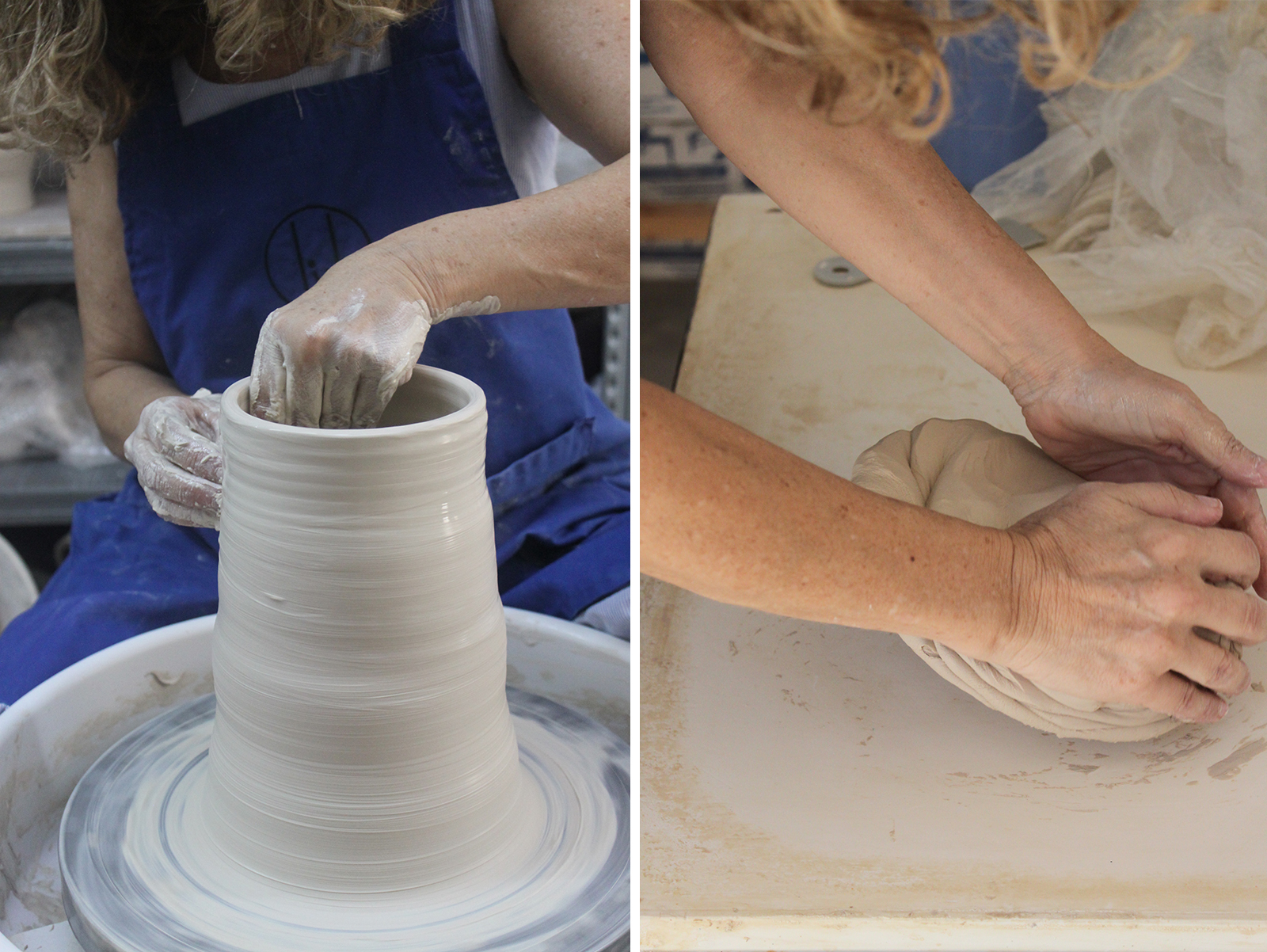
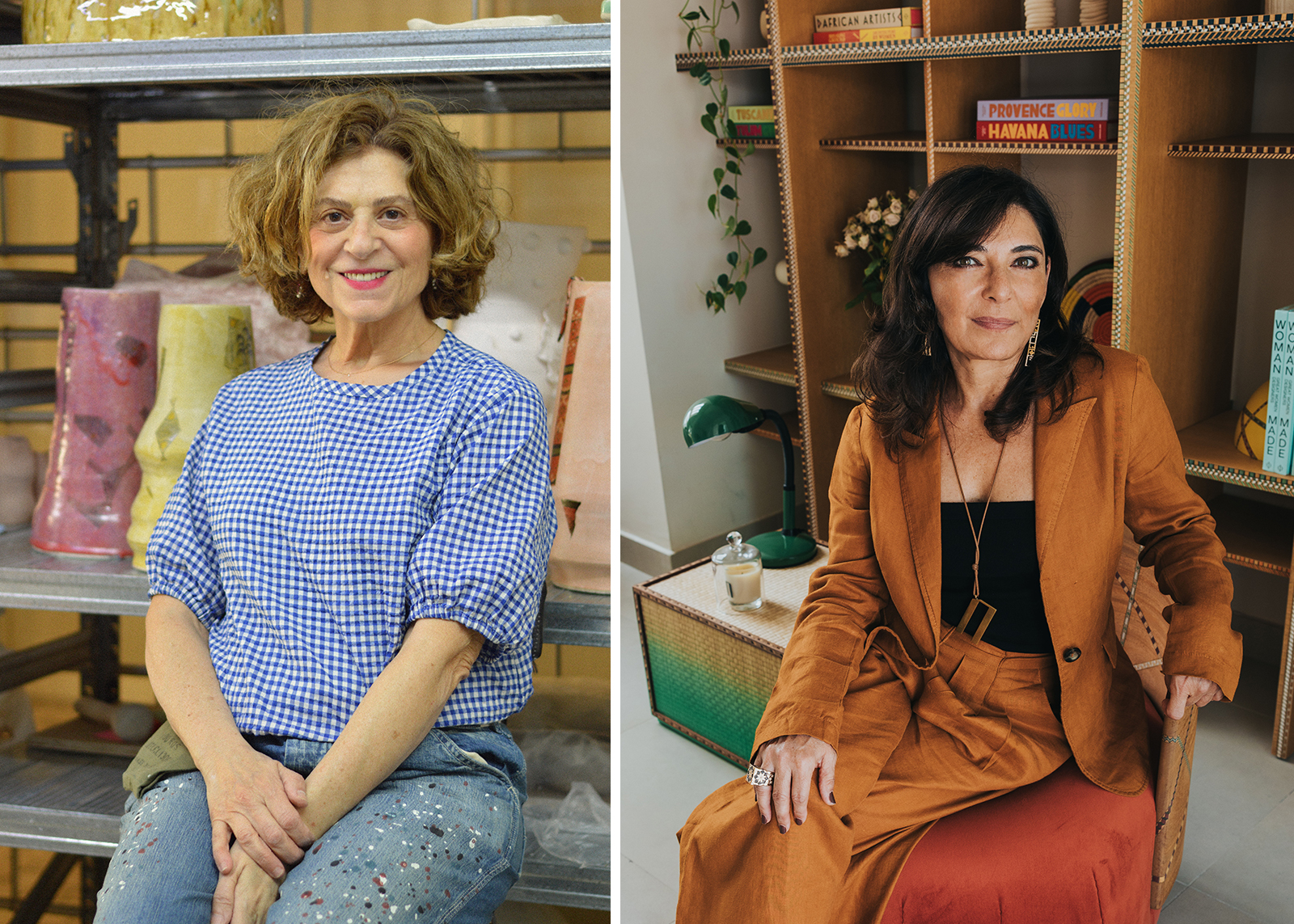
When asked why Shamma saw WA Collective as the right context for the project, she points to the trust Debs placed in her from the outset. “When Nada approached me, what struck me was that she wasn’t asking for something safe. She wanted a maker whose work would set a tone—and that kind of trust is rare,” she says. More than simply producing vessels, the project allowed Shamma to develop a visual language across a collection. For her, the appeal lay in the space the collective creates between craft and design—a space that mirrors her own practice: “My practice lives in that space too, quirky as it is!” she says.

by Jincy Iype Oct 15, 2026
STIR explores craft, material intelligence and people shaping Indian design through dialogues with Design Democracy’s co-founders and the curators of its special exhibitions.
by Pranjal Maheshwari Oct 13, 2026
Through furniture, art and films, the showcase at the Ian Potter Centre in Melbourne advocates for biophilic material cultures as an antidote to planetary degradation.
by Pranjal Maheshwari Oct 12, 2026
The exhibition reimagines the 20th-century Scottsville residence of the American sculptor and his partner, ceramicist Nancy Jurs, curated by their daughter Alison Castle.
by Chahna Tank Oct 08, 2026
Javier Guzman Cervantes and Ulises Morin Arzola tell STIR about their ‘open code’ approach to design, working through a process of stockpiling and the idea of ‘queering’ materials.

make your fridays matter with a well-read weekend
Enter your details to sign in
Don’t have an account?
Sign upOr you can sign in with
a single account for all
STIR platforms
All your bookmarks will be available across all your devices.
Stay STIRred
Already have an account?
Sign inOr you can sign up with
Verification link sent to check your inbox or spam folder to complete sign up process
Tap on things that interests you.
Select the Conversation Category you would like to watch
Please enter your details and click submit.
Enter the 6-digit code sent at


Lina Shamma Traces Uzbekistan's architectural motifs into ceramics
by Chahna Tank | Published on : Sep 05, 2026


 Sign in with Google
 Sign in with email
What do you think?