Design08 mins. read
Looking for hope and legacy at NYCxDESIGN in New York
by Sunena V MajuMay 30, 2026




by Sunena V MajuPublished on : Feb 12, 2026
On January 25, 2026, New York City was hit by a record-breaking snowstorm. By the middle of the week, the city had moved past the romanticised white landscape and into the misery of frozen sidewalks and grey slush. It was on one of those bracing afternoons, with wind cutting through coats and gloves, that I made my way to the Park Avenue Armory to see the 72nd edition of The Winter Show. The show ran from January 23 – February 1, 2026. But on the fifth day, amid the brick weather, it felt less like a citywide event and more like a gathering of just passionate art lovers braving the cold.
As always, I began with a map and a pen. Art fairs tend to prioritise objects over experience, and The Winter Show is no exception. Unlike design fairs, where booths often become staged immersive environments, at most art fairs, objects and displays are seen as a priority, making them feel closer to high-end retail than curated exhibitions. But The Winter Show is not framed purely as a commercial fair. It is a benefit for East Side House Settlement, a nonprofit organisation supporting education and community programs in the Bronx and northern Manhattan. All proceeds from ticketed events support that mission, and the fair has proudly raised funds for the organisation since 1954. More than 70 international dealers participate, presenting what the organisers describe as ‘museum-quality works’ across antiques, fine art, jewellery and design. This philanthropic positioning gives the platform a certain moral insulation, yet it also means the fair is rarely asked to engage critically with the practices and histories of collecting. It is, as the tagline repeatedly reminds visitors, a ‘benefit’.
The first stop for many attendees this year was a special design exhibition titled American Chair: 250 Years of Forms. Organised in anticipation of the nation’s 250th anniversary, the display traced national history through the evolution of chair design. Beginning with 18th-century artisanry and moving through Shaker simplicity, industrial innovation and modernist experimentation, the exhibition demonstrated how an everyday object can mirror broader cultural shifts.
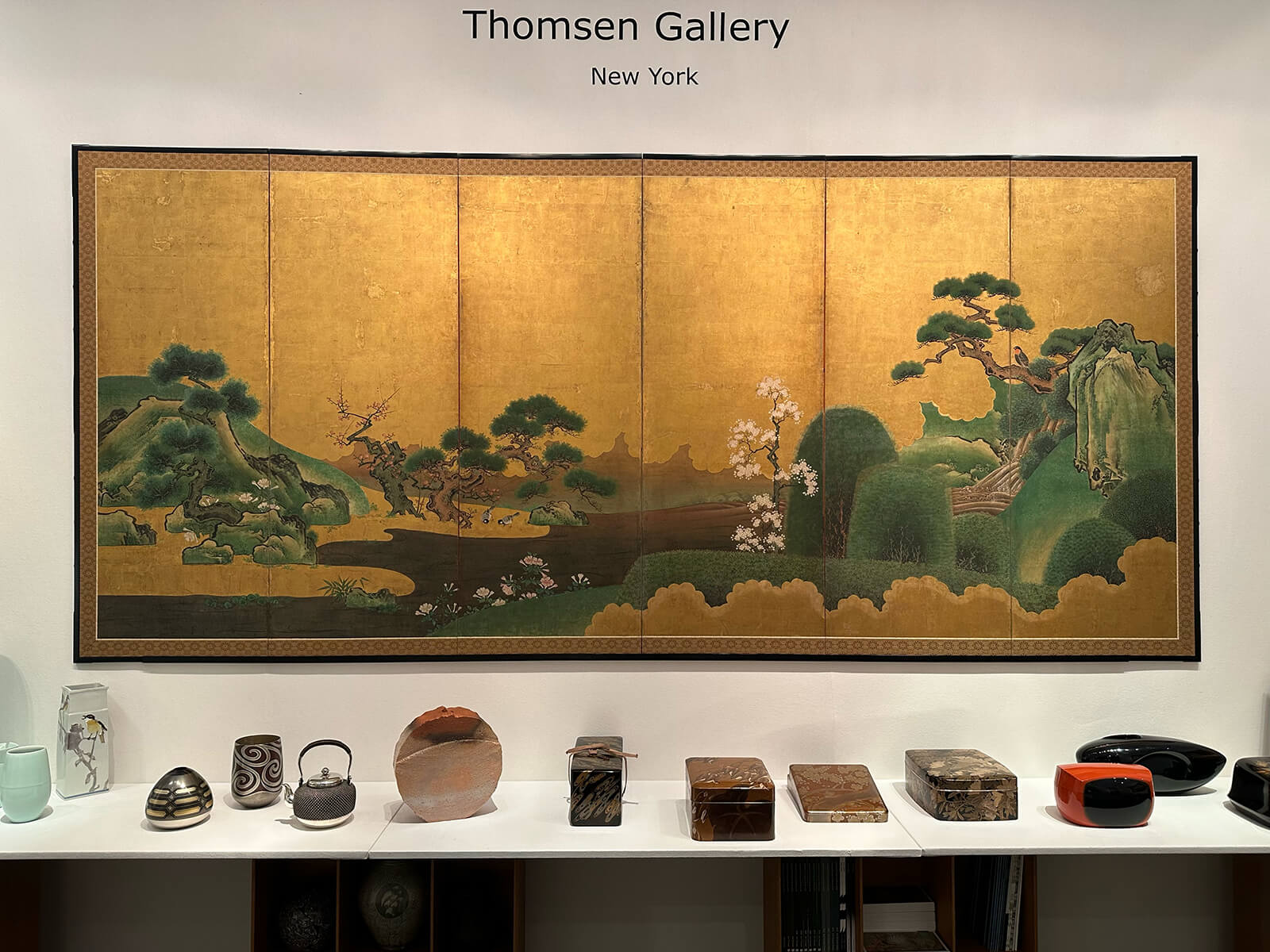
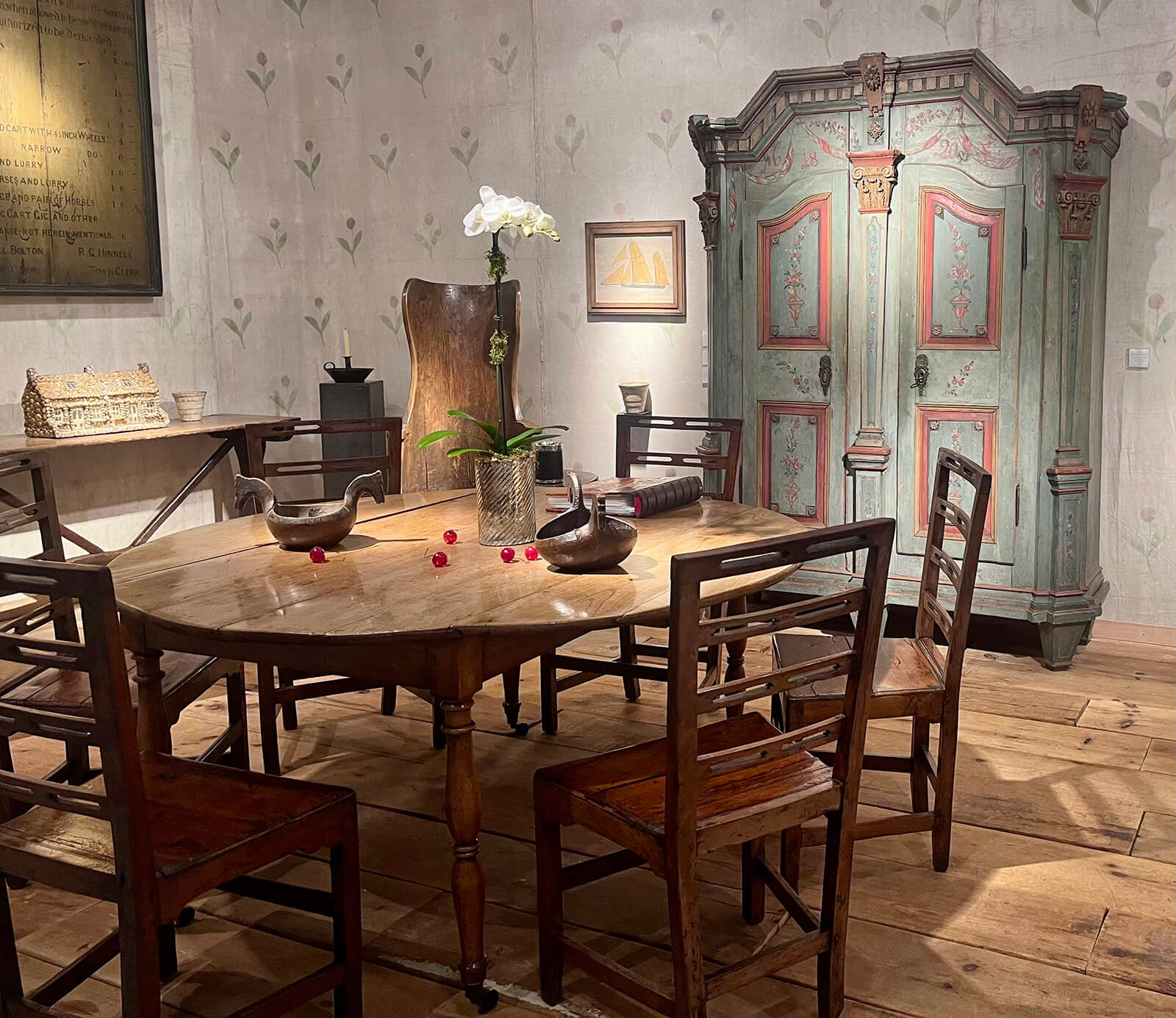
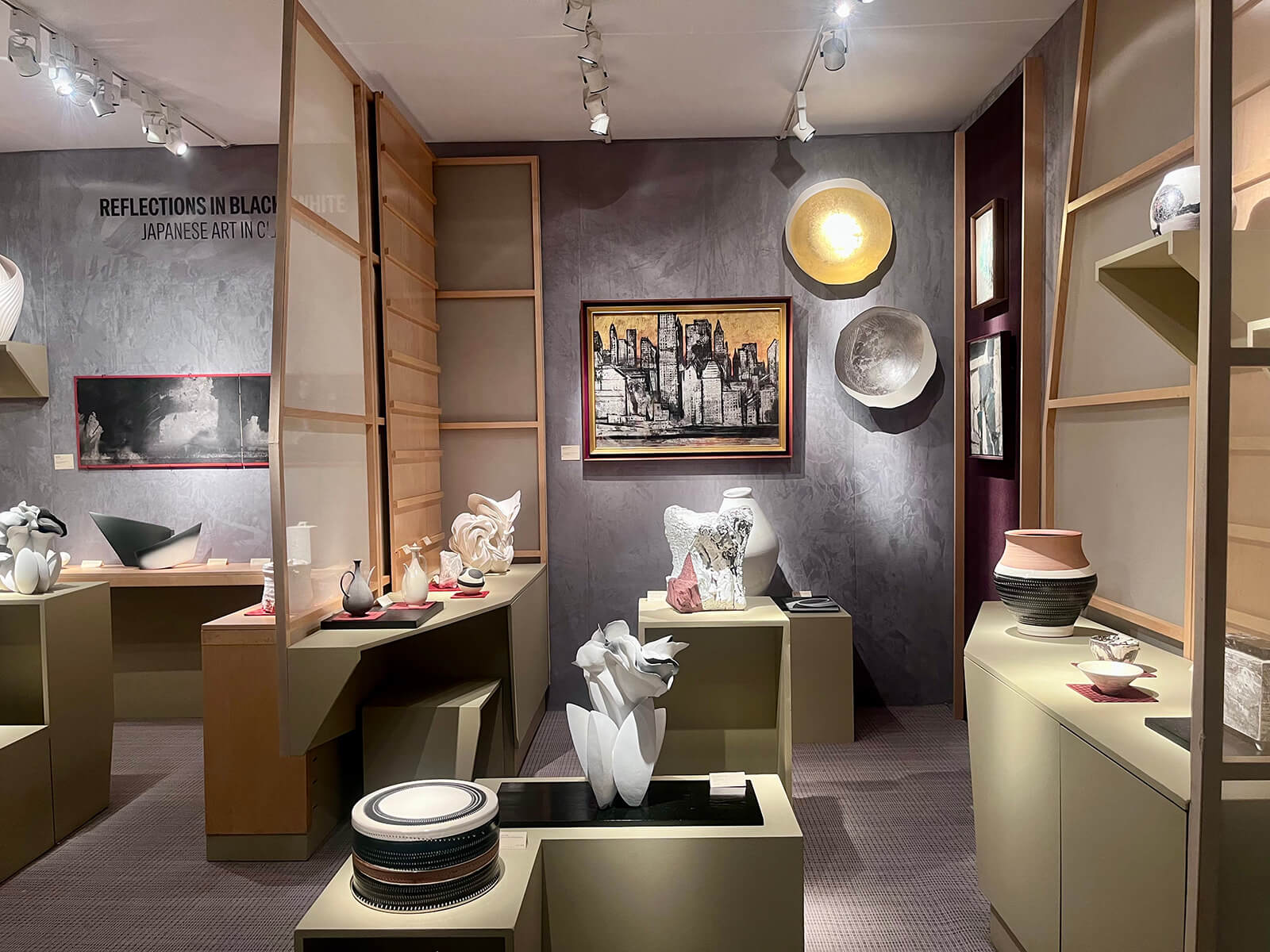
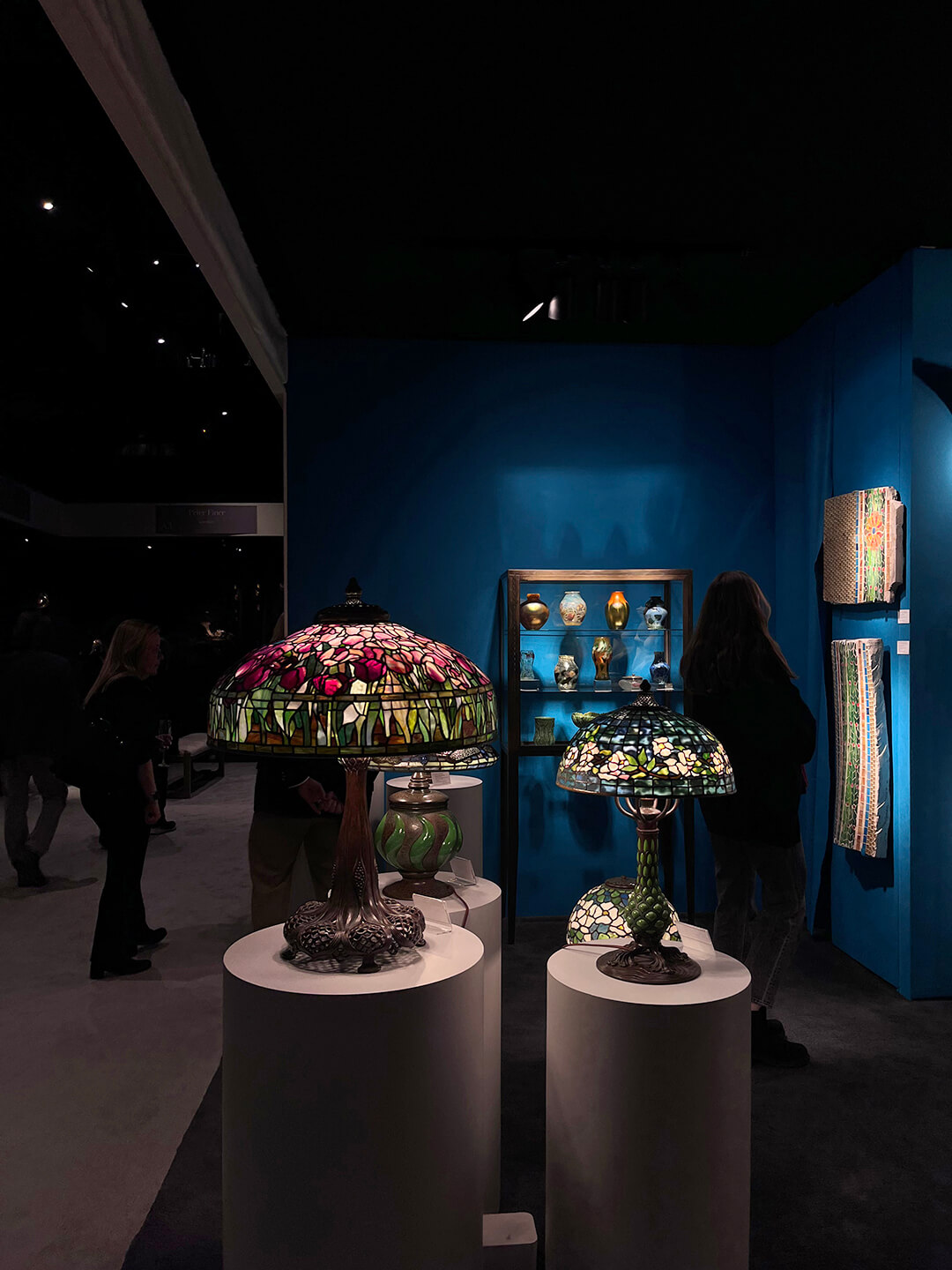
From there, the experience shifted quickly from historical reflection to high-end commerce. The main hall unfolded as a dense grid of booths, each a self-contained universe of precious objects. A few exhibitors made an effort to push beyond the standard formula. New York-based Levy Galleries and London-based Ronald Phillips Ltd staged their spaces as interiors rather than sales counters, arranging historic furniture into convincing rooms. Koopman Rare Art caught the eye with gleaming displays of silverware and jewellery so polished they seemed to compete with the lighting itself. Geoffrey Diner Gallery from Washington D.C. brought a welcome dose of 20th-century design, including British-Israeli designer Ron Arad’s sculptural chair and furniture by American woodworker and architect George Nakashima. Glass Past New York offered an elegant survey of Italian glass from 1870 to 1970, while New York City-based Lillian Nassau LLC’s Tiffany lamps glowed with predictable beauty.
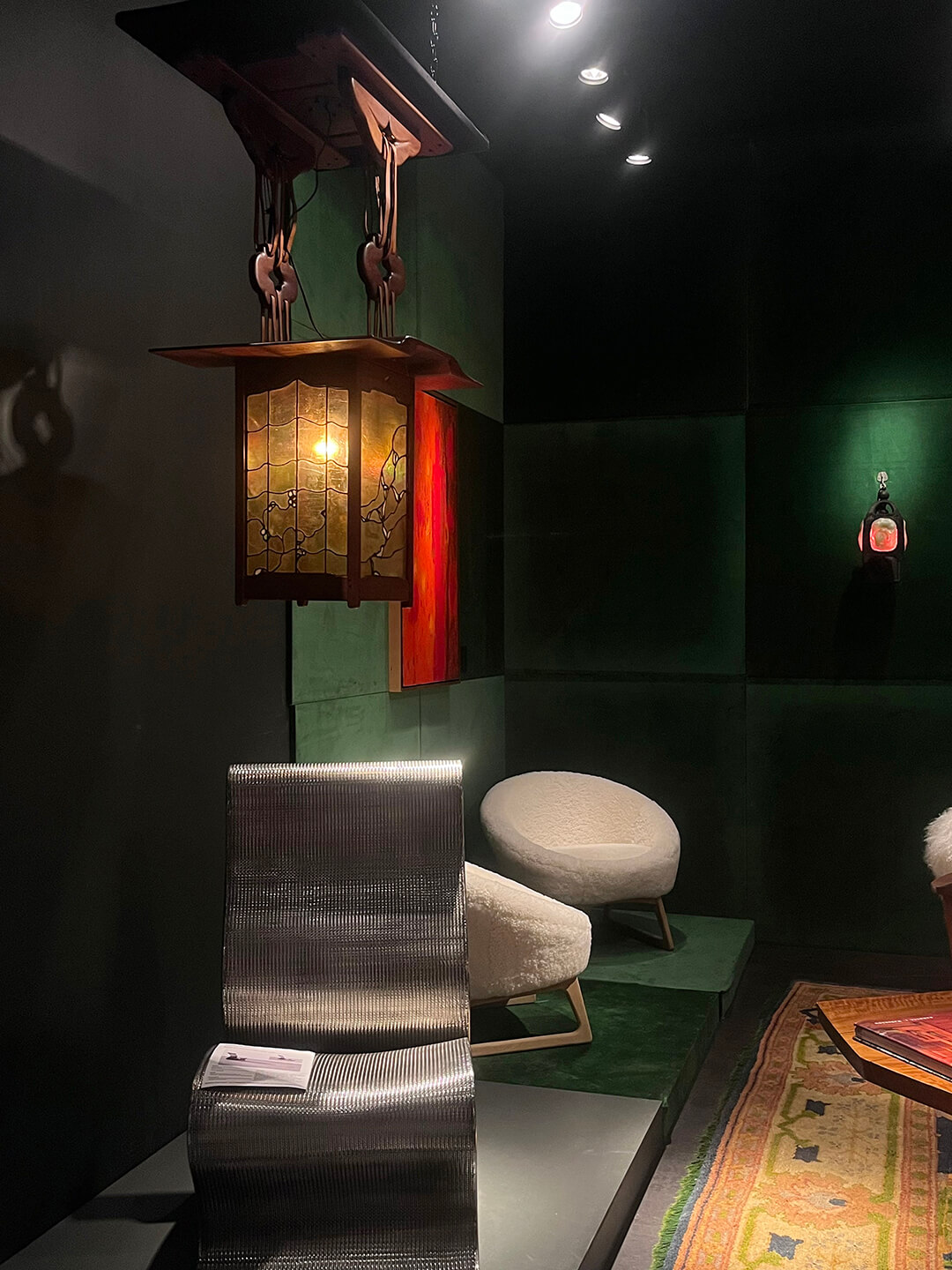
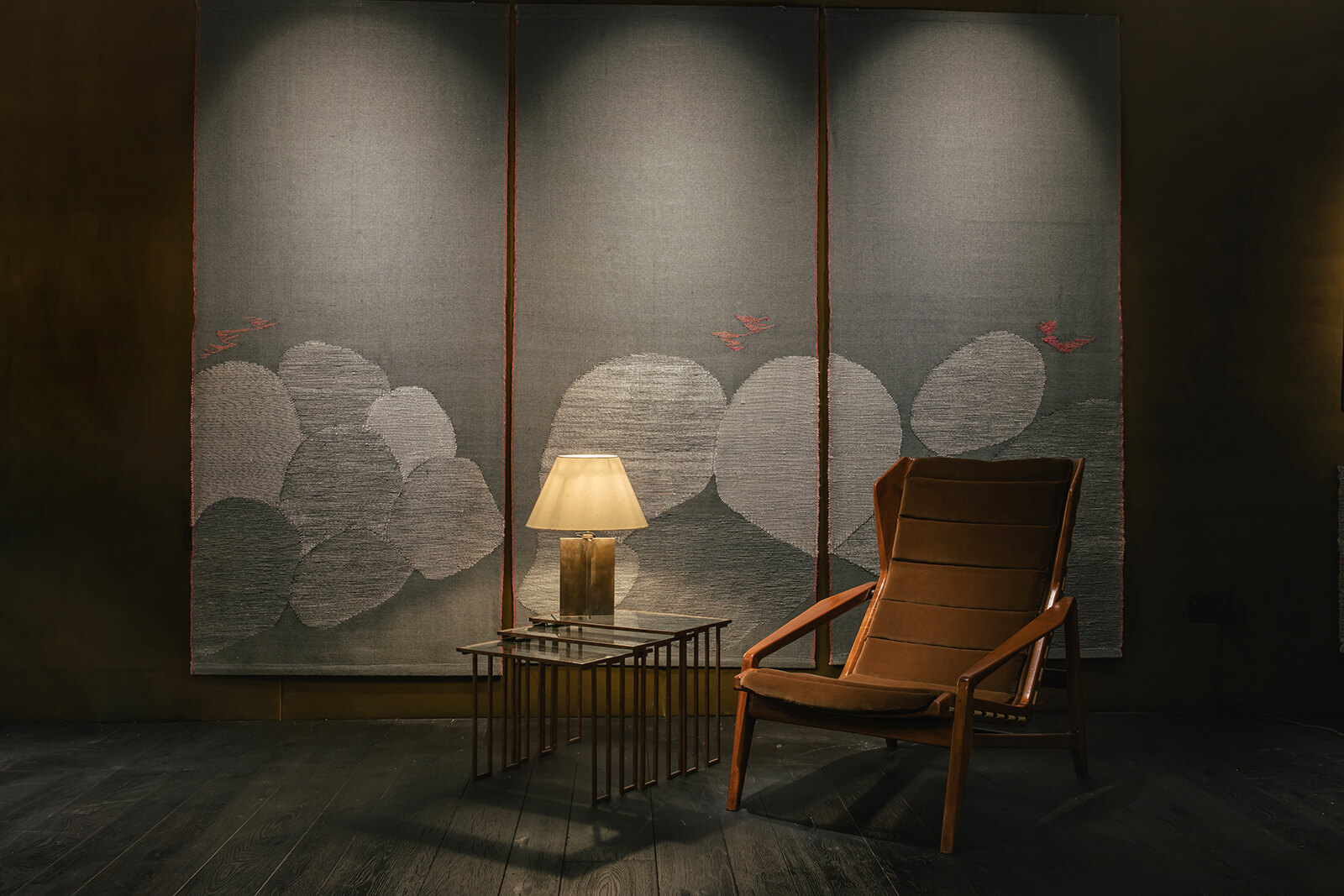
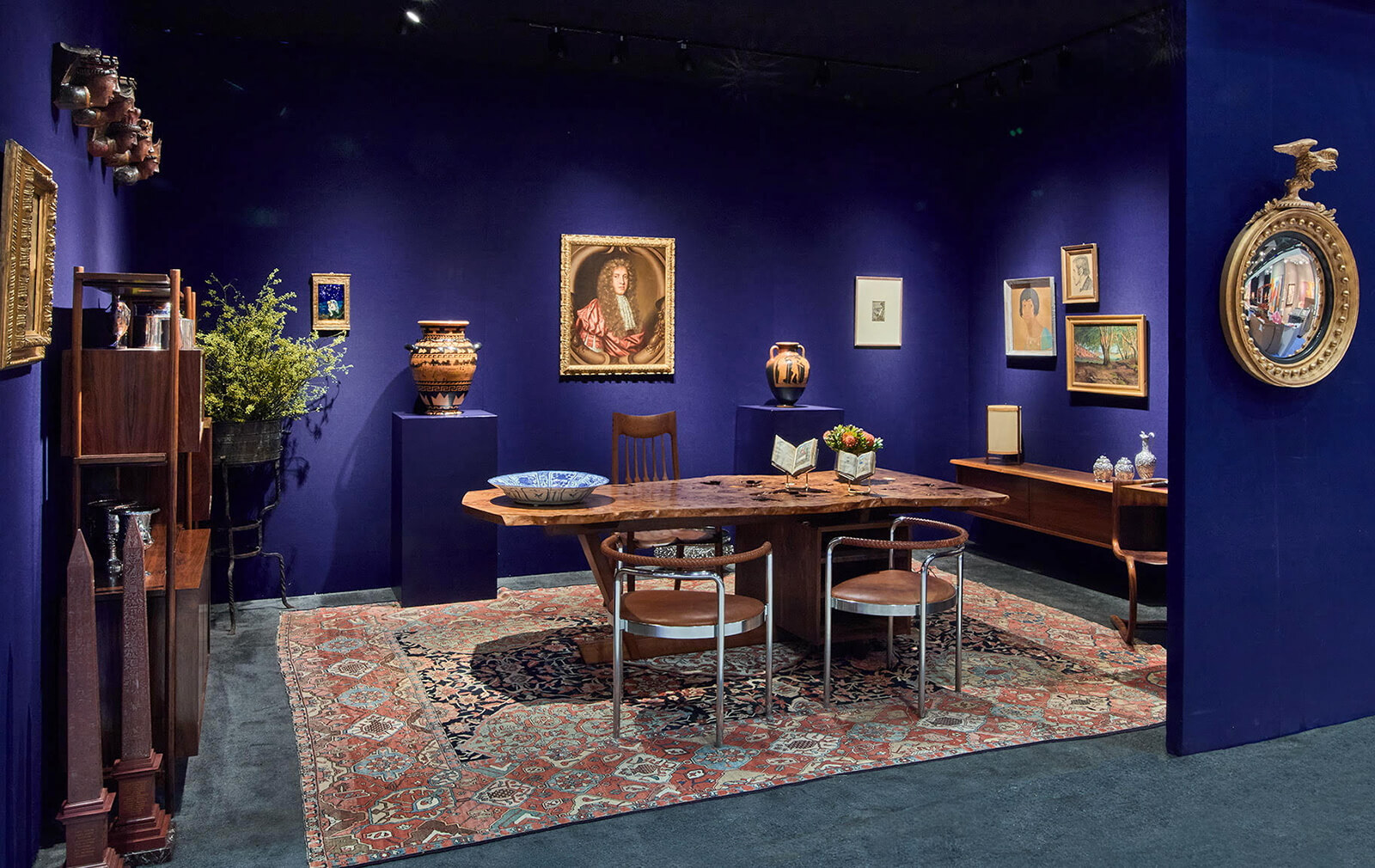
Moving through booth after booth, I was reminded why I often find antique art fairs exhausting. Everything is immaculate, rare and expensive. Everything is framed as exceptional. What is rarely acknowledged is the larger context in which these objects circulate. Provenance labels were uneven at best. Some dealers provided detailed histories, while others offered little more than polite descriptions. For someone trained to think about colonialism, looting and the politics of ownership, the gaps were impossible to ignore. These tensions came into sharp focus for me at The Old Print Shop booth. Among its displays were early prints of the United States Constitution, engravings of American flags and historic reminders of the nation.
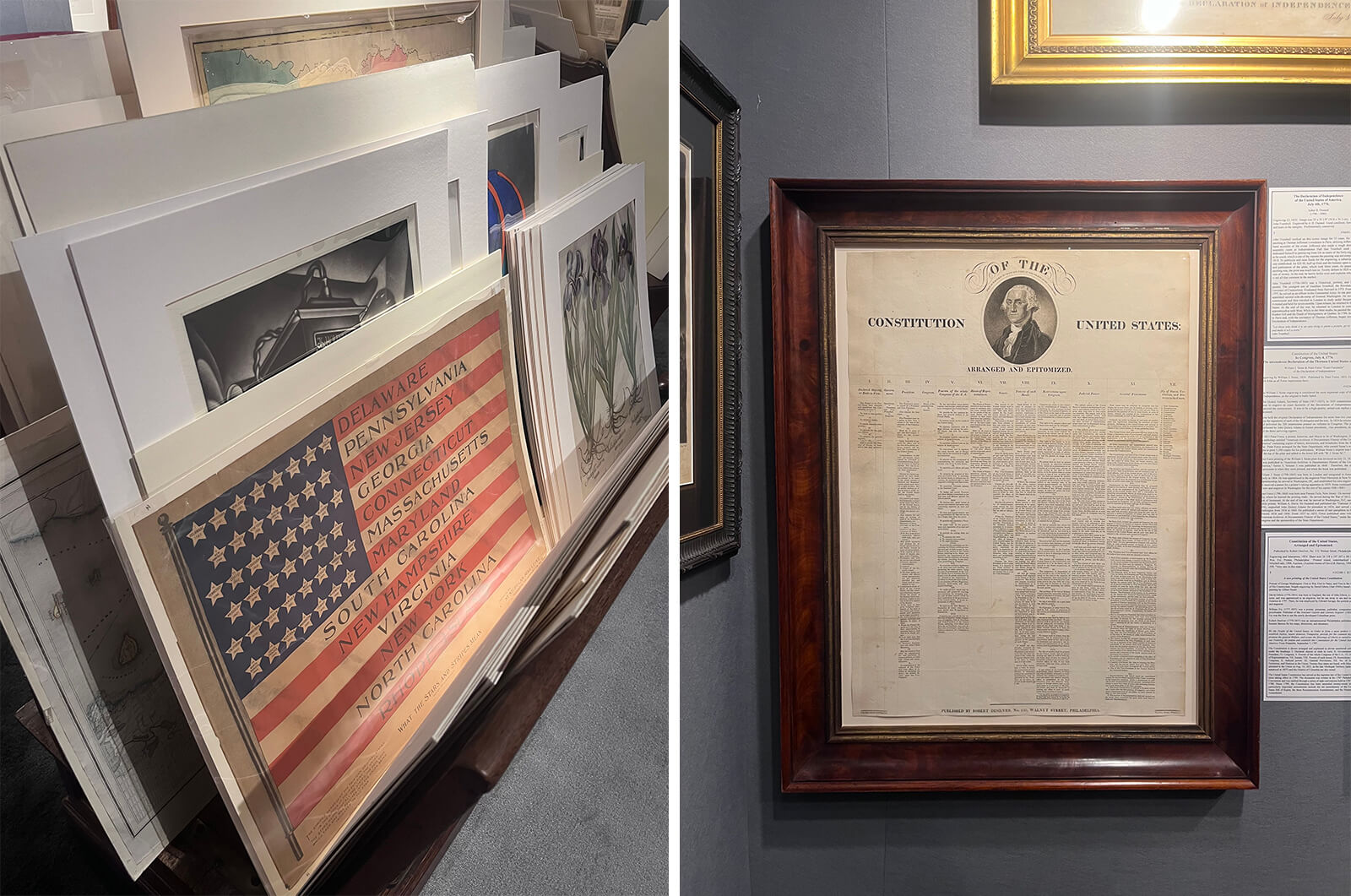
Standing in front of those prints, I couldn’t help thinking about the distance between symbolism and reality. Inside the fair, American history appeared stable, collectible and reassuringly expensive. Outside, conversations about rights, citizenship and national identity were anything but settled. The juxtaposition was not intentional, but it was impossible to miss. It also highlighted one of the fair’s persistent blind spots: objects are treated as timeless treasures, detached from the messy politics that shaped them. But at The Winter Show, the organisers did make efforts to broaden the conversation. This year’s programming included panel discussions on topics ranging from the civic role of historic homes to ethics in the art market and the global history of ceramics. In the end, The Winter Show feels deeply invested in pedigree and permanence, qualities that may feel limiting for an art and design fair, but are perfectly aligned with its identity as a benefit.

by Pranjal Maheshwari Oct 23, 2026
Co-authored by Jareh Das, Chairman traces the British designer’s fixation on chairs as symbols of power and identity and as mediums of expression and community building.
by Mirra Lynn Oct 22, 2026
The curators behind Palestine Design Week 2026 reflect on its intent, considering how design holds memory, makes space for loss and imagines a future in Palestine.
by Chahna Tank Oct 22, 2026
STIR speaks with the Mumbai-based type designer about her practice, type walks and why she wants more people to have stronger opinions about Indian-script fonts.
by Jincy Iype Oct 15, 2026
STIR explores craft, material intelligence and people shaping Indian design through dialogues with Design Democracy’s co-founders and the curators of its special exhibitions.

make your fridays matter with a well-read weekend
Enter your details to sign in
Don’t have an account?
Sign upOr you can sign in with
a single account for all
STIR platforms
All your bookmarks will be available across all your devices.
Stay STIRred
Already have an account?
Sign inOr you can sign up with
Verification link sent to check your inbox or spam folder to complete sign up process
Tap on things that interests you.
Select the Conversation Category you would like to watch
Please enter your details and click submit.
Enter the 6-digit code sent at


Patriotic prints and precious things at the 72nd Winter Show in New York
by Sunena V Maju | Published on : Feb 12, 2026


 Sign in with Google
 Sign in with email
What do you think?