Architecture07 mins. read
Nisarga Art Hub is a residence crowned by a sloping roof that doubles as seating
by Keziah VikranthDec 06, 2023



by Bansari PaghdarPublished on : Jun 27, 2026
In the port city of Tuticorin, Tamil Nadu, known for its maritime heritage, a large number of shipping containers are abandoned each year after prolonged use, resulting in compounding unsustainable waste. The humbly composed yet massive container has now been an object of architectural fascination for decades, resulting in some of the most innovative yet low-footprint architectural solutions in the canon of contemporary building, especially relevant when resource precarity is an insipid reality.
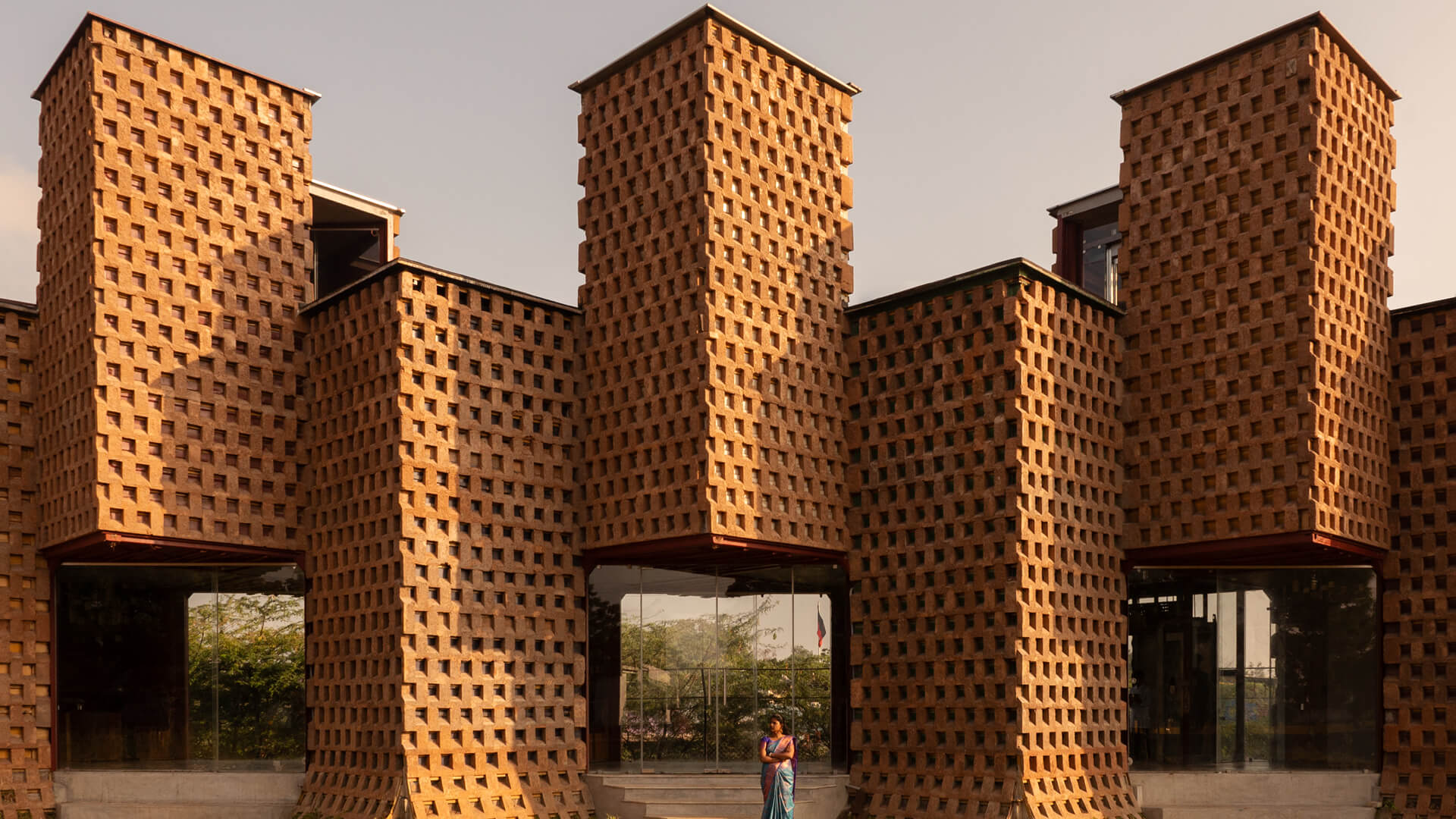
Manifesting as a sustainable initiative with unmistakable character, Petti Restaurant in the city is designed by Vinu Daniel, founder of the Indian architecture practice Wallmakers. The practice is well regarded for reusing materials that form the very vocabulary of a place and are still relegated to waste—tyres in industrial towns, fishing nets in coastal towns and unique iterations of the earth itself in others. Indeed, the practice insists on contextual architecture that has a place in the lifecycle of the city’s resources rather than a shell that simply responds to the site it sits within. Reflecting the city’s trade and culture, Petti (Tamil for box) Restaurant similarly seeks to explore the possibilities of energy-efficient designs in tropical urban regions that turn local waste into resources. At the centre of the innovation lies a fusion of construction methodologies and distinct materialities—that of an industrial requisite, steel, along with the earth itself.
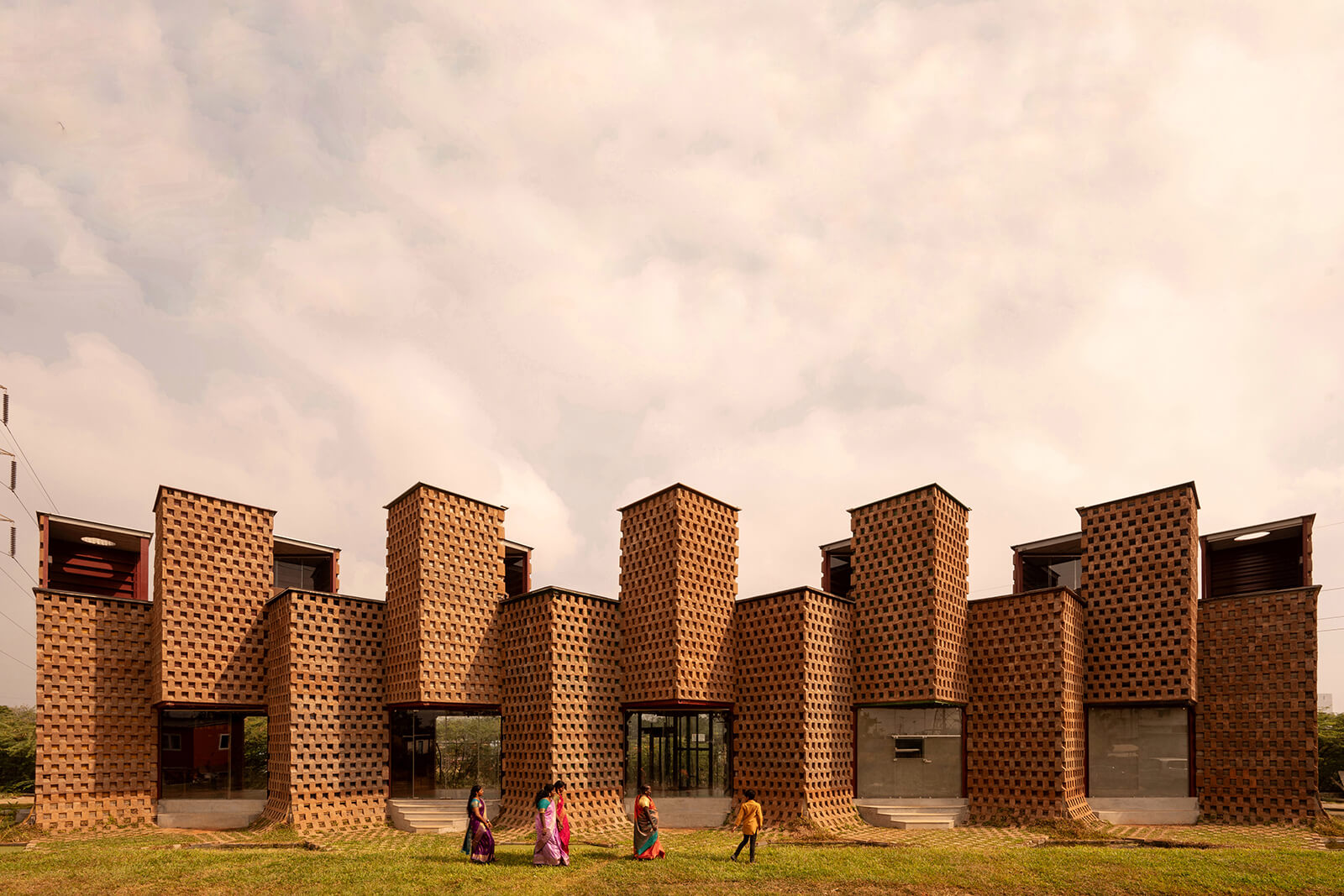
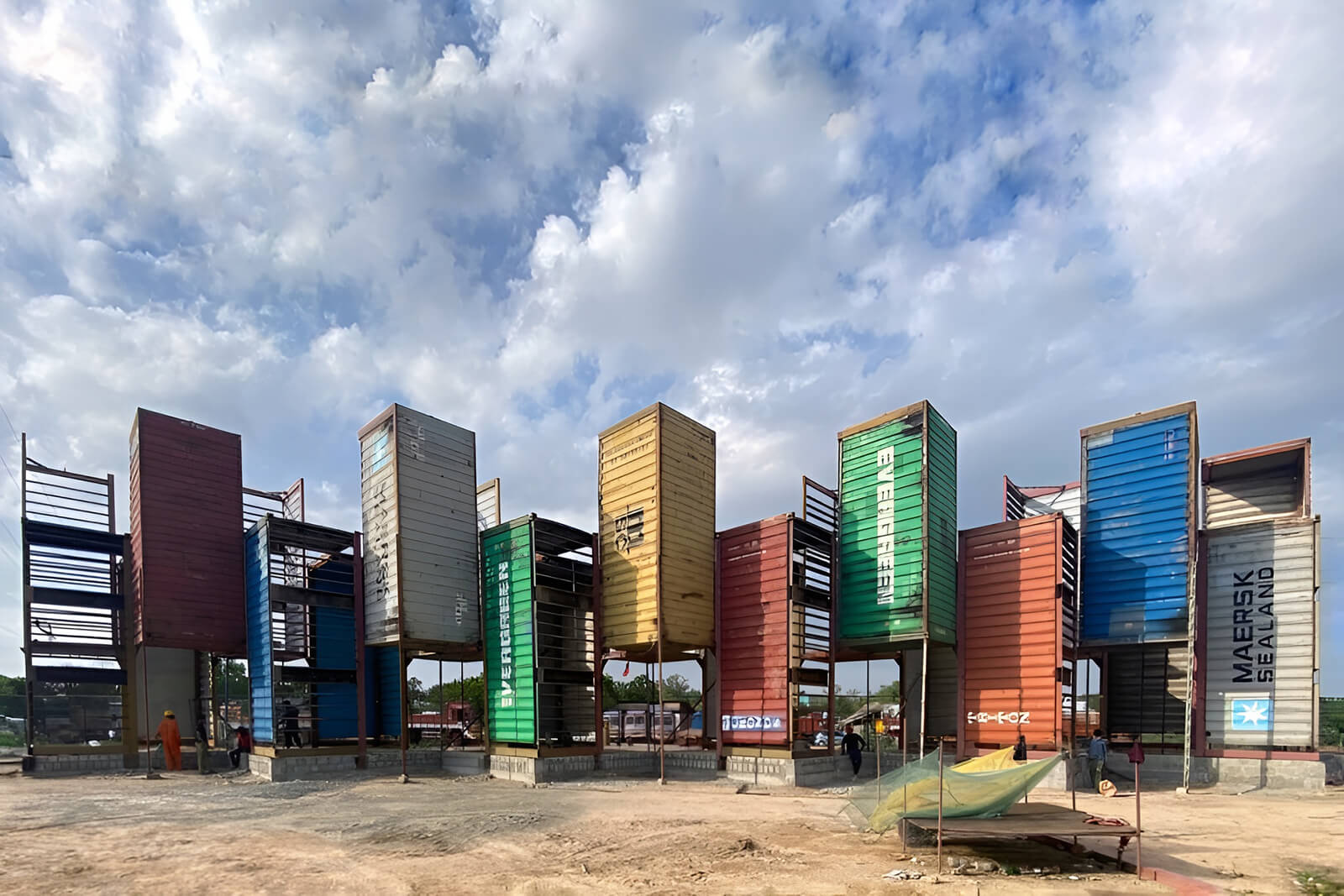
Situated on a long, narrow site, the restaurant is an assemblage of 12 containers, rotated and diagonally intersected to form the dining spaces. The brief insisted on accommodating 200 people at once, which, if placed in relation to the limited 2.4-metre height of the containers, would have resulted in a fairly congested spatial configuration. The ideal solution would then have been to place them all vertically, but the Indian architects took the arrangement a step further by raising alternate units from the ground to create recurring pockets. This assembly linearly progresses resulting in a modular architecture, ensuring a more comfortable, airy volume with ample natural light and ventilation.
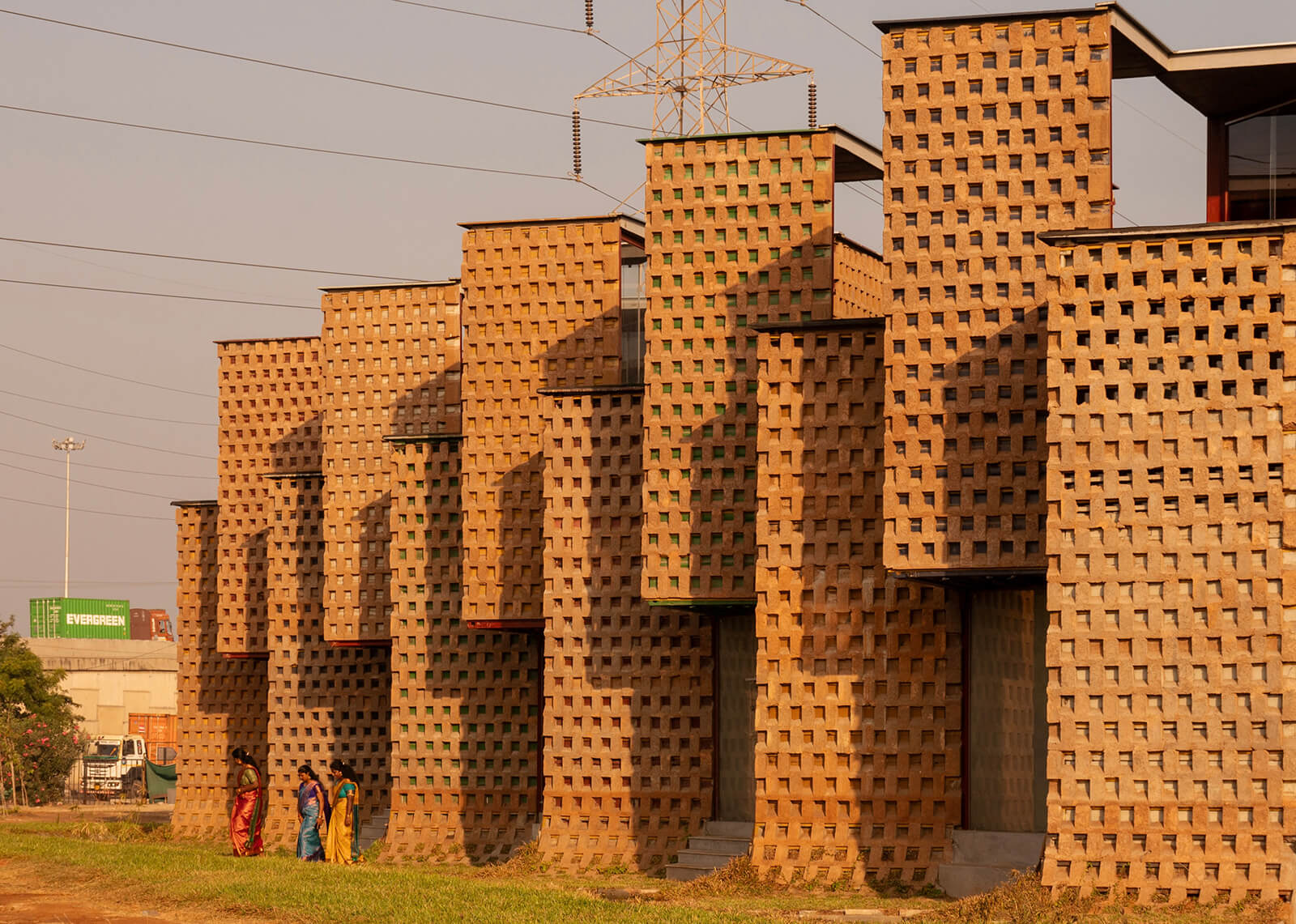
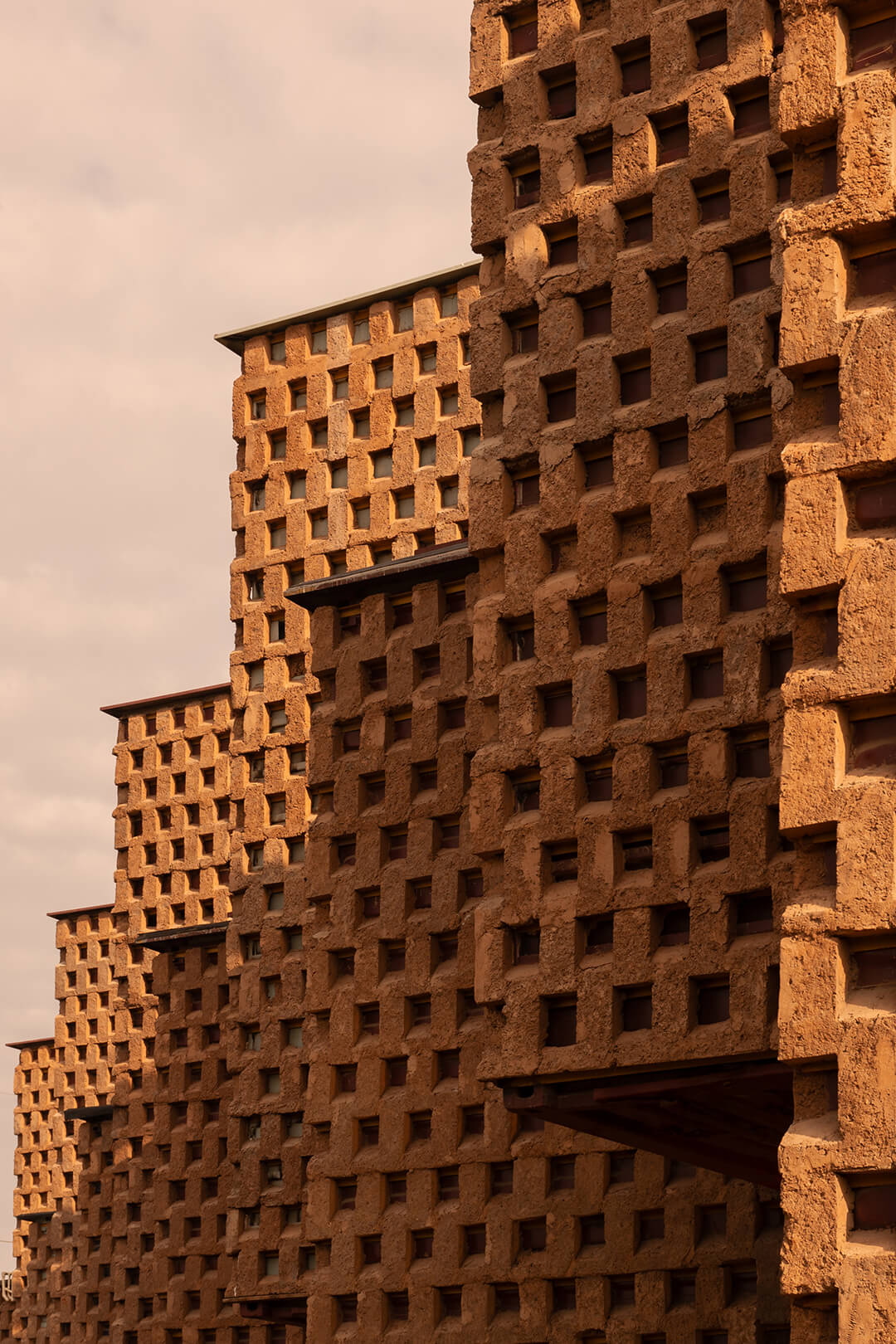
The construction process began by placing the containers on the site with a crane, after which they were welded together to form the architectural shell and RCC slabs were introduced to create floors. By adding a layer of poured earth on the exterior of the containers, the architects ensure thermal insulation while reducing heat gain. The resulting envelope’s geometrically arranged fenestrations complement the forms of the architecture itself, along with ensuring thermal efficiency and reducing the load on the air conditioning systems by 38 per cent, according to the architects.
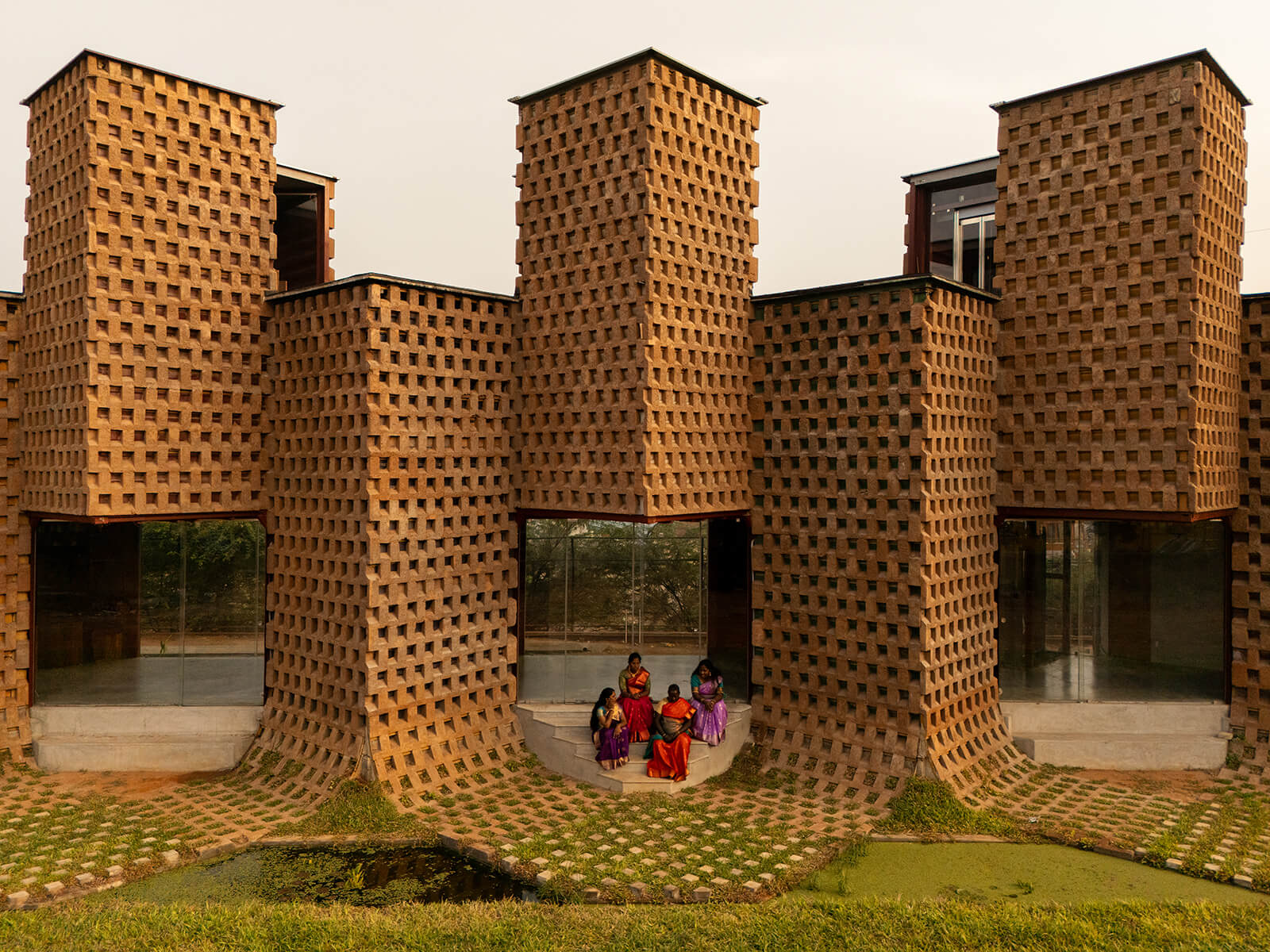
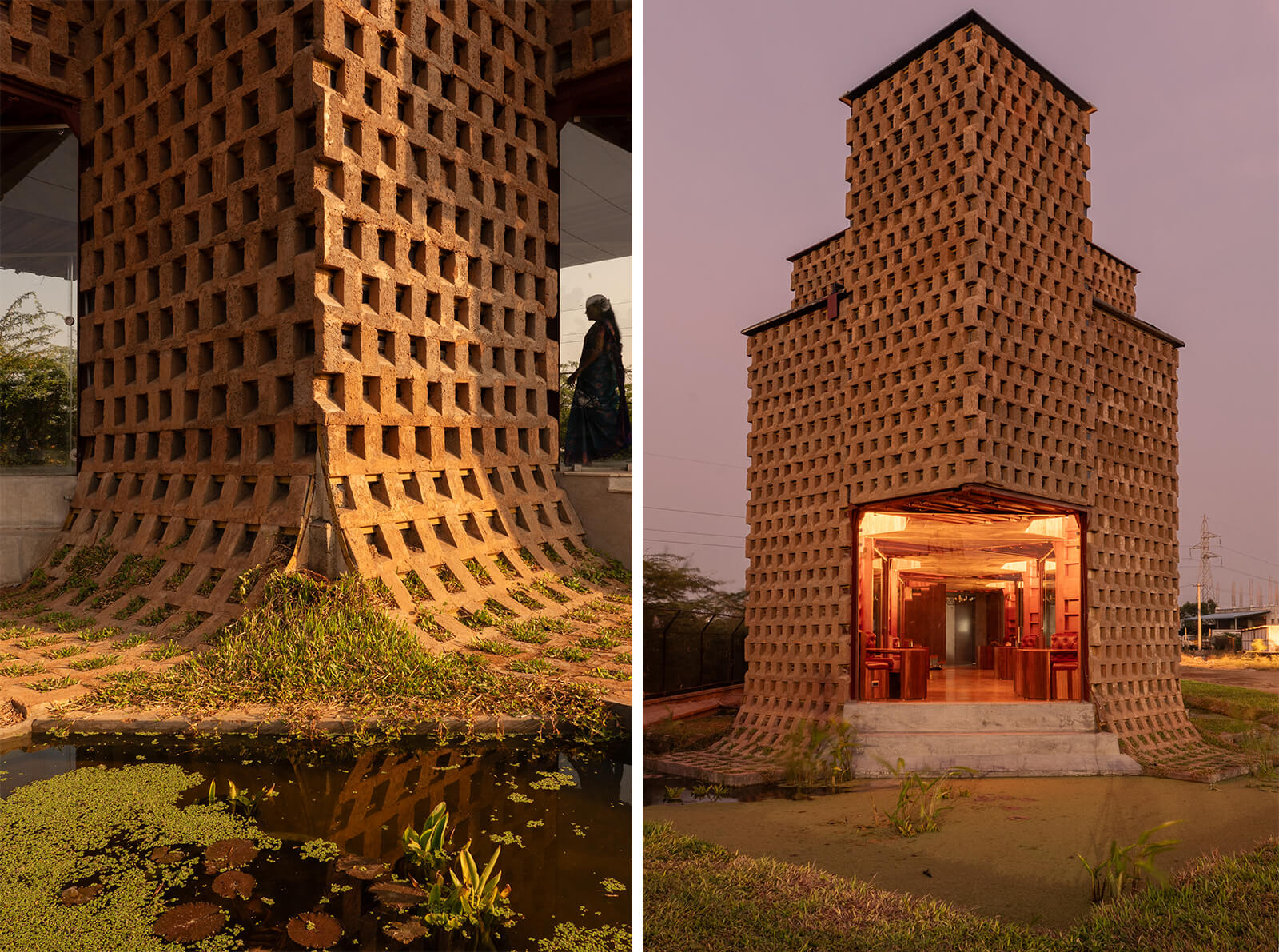
Among the most compelling aspects of the restaurant design is the way it appears to be merging with the earth. The building is essentially a peninsula, accessible via pathways that climb the mud-clad walls, creating an illusion of being erected from the ground. The landscape design is also quite thoughtful and restrained in the same direction, allowing visitors to wander around the constrained site and examine the architectural form and details.
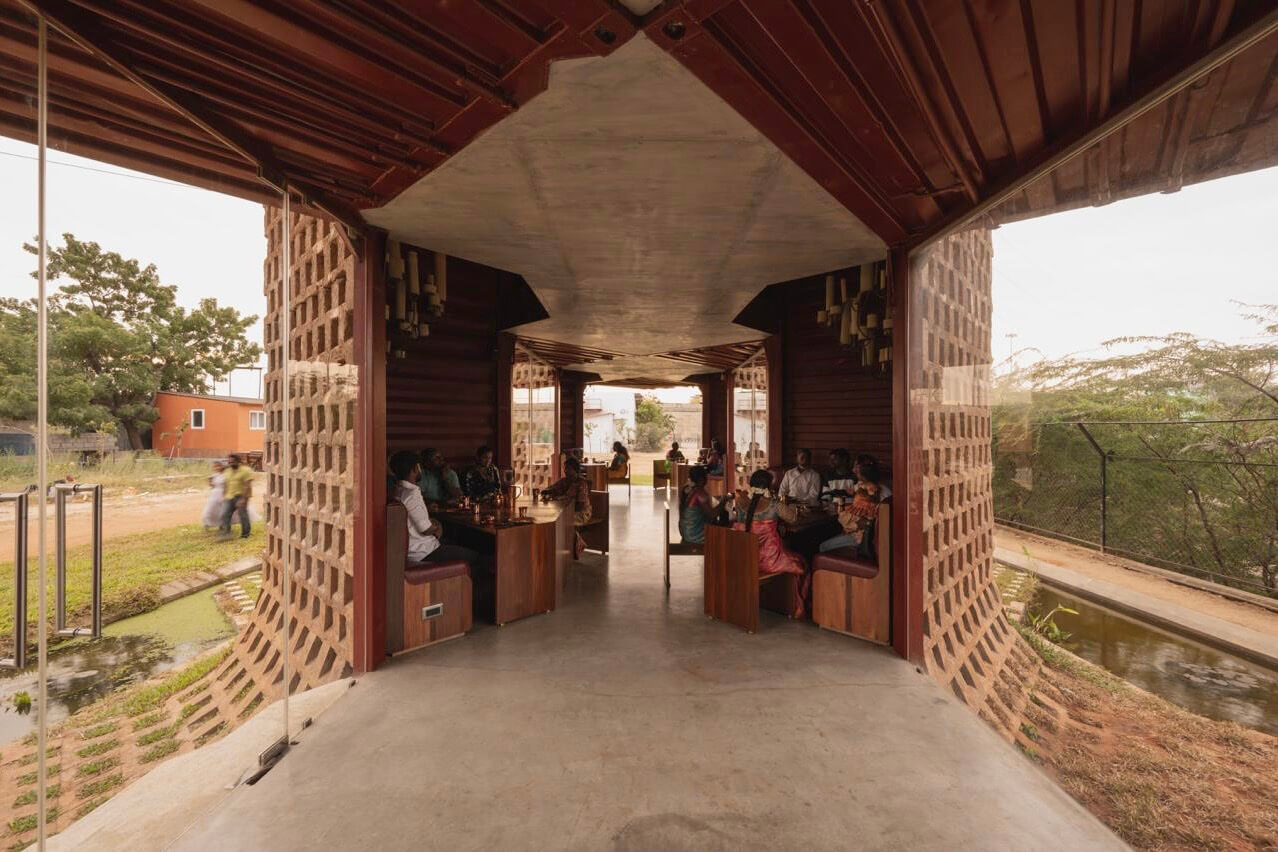
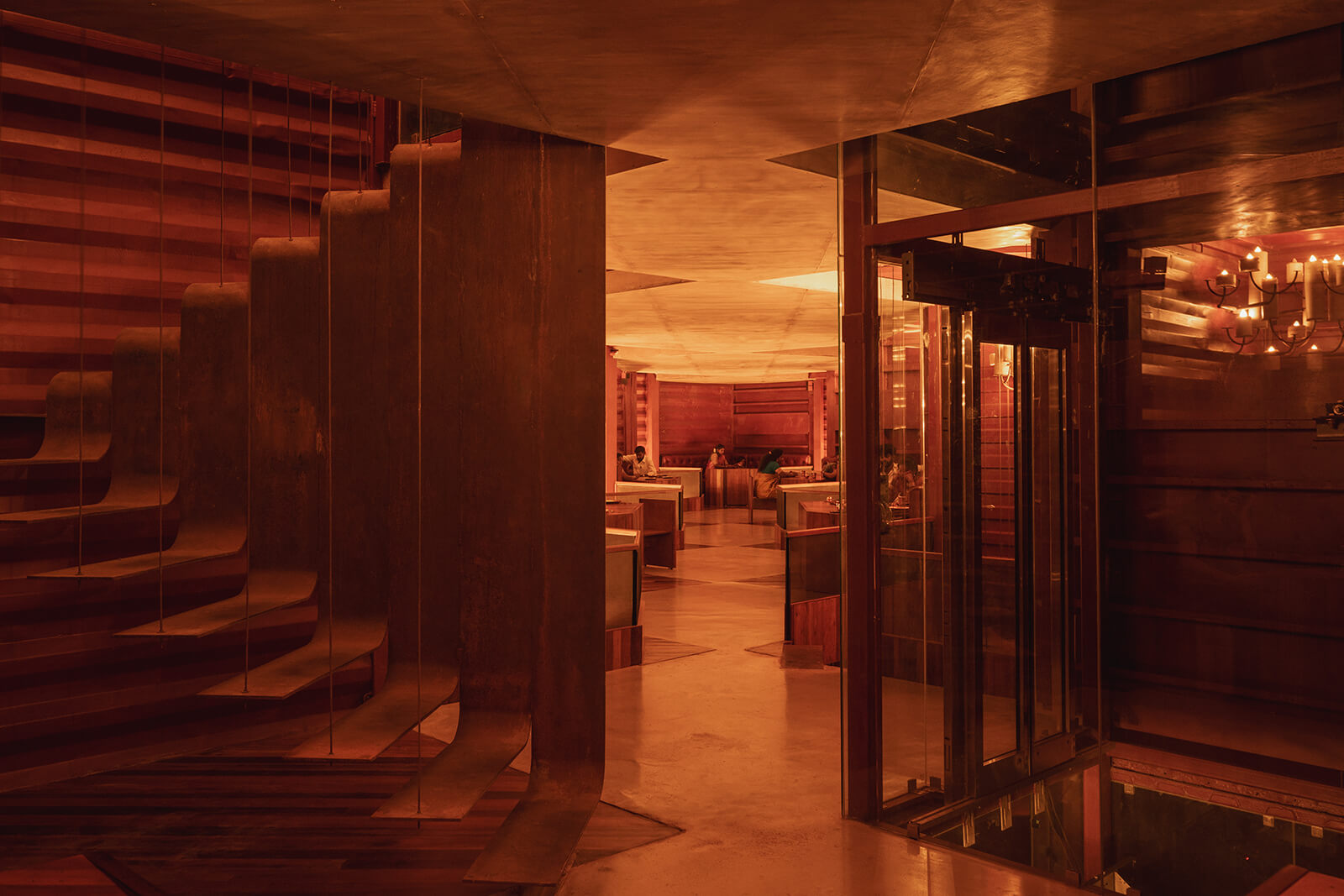
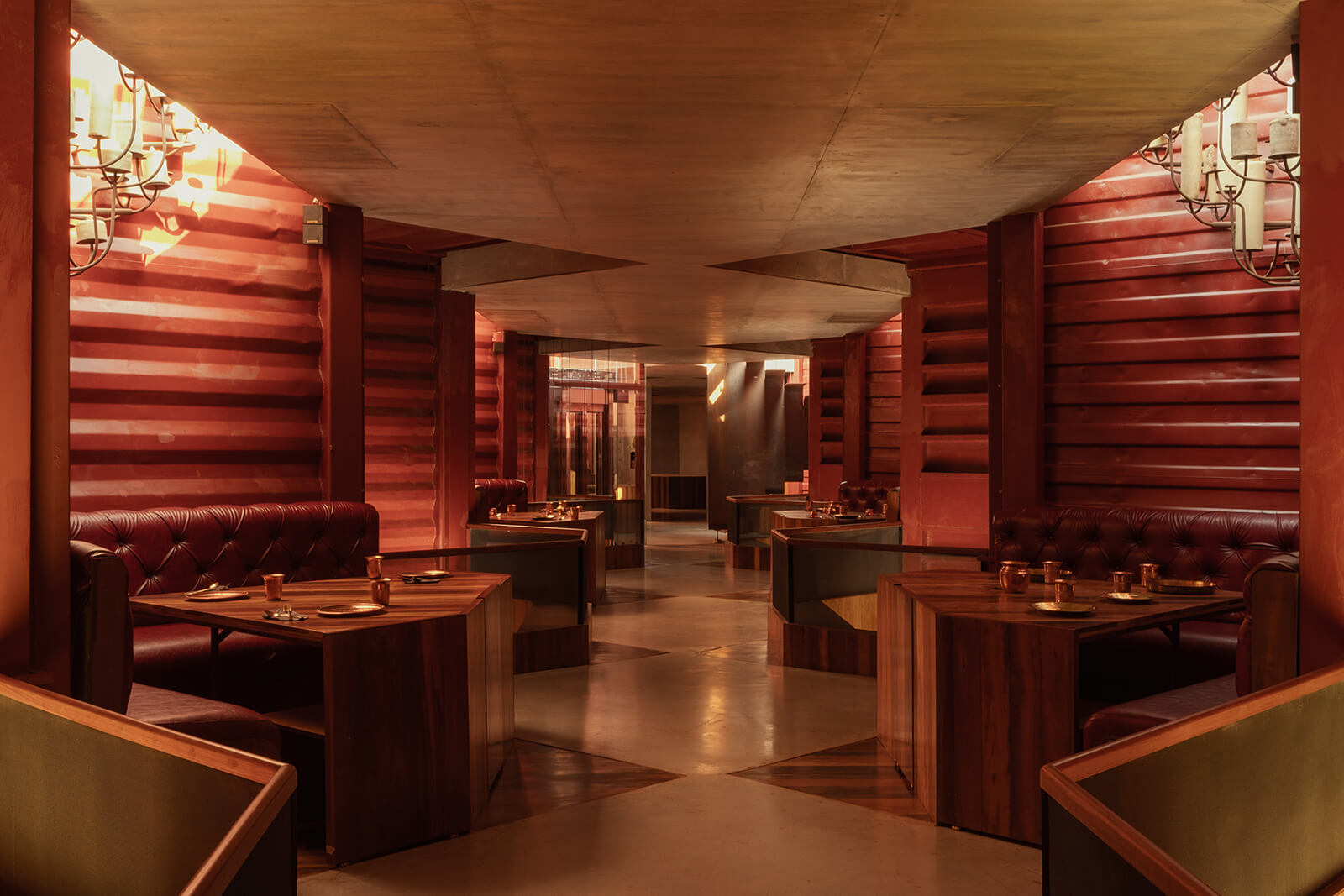
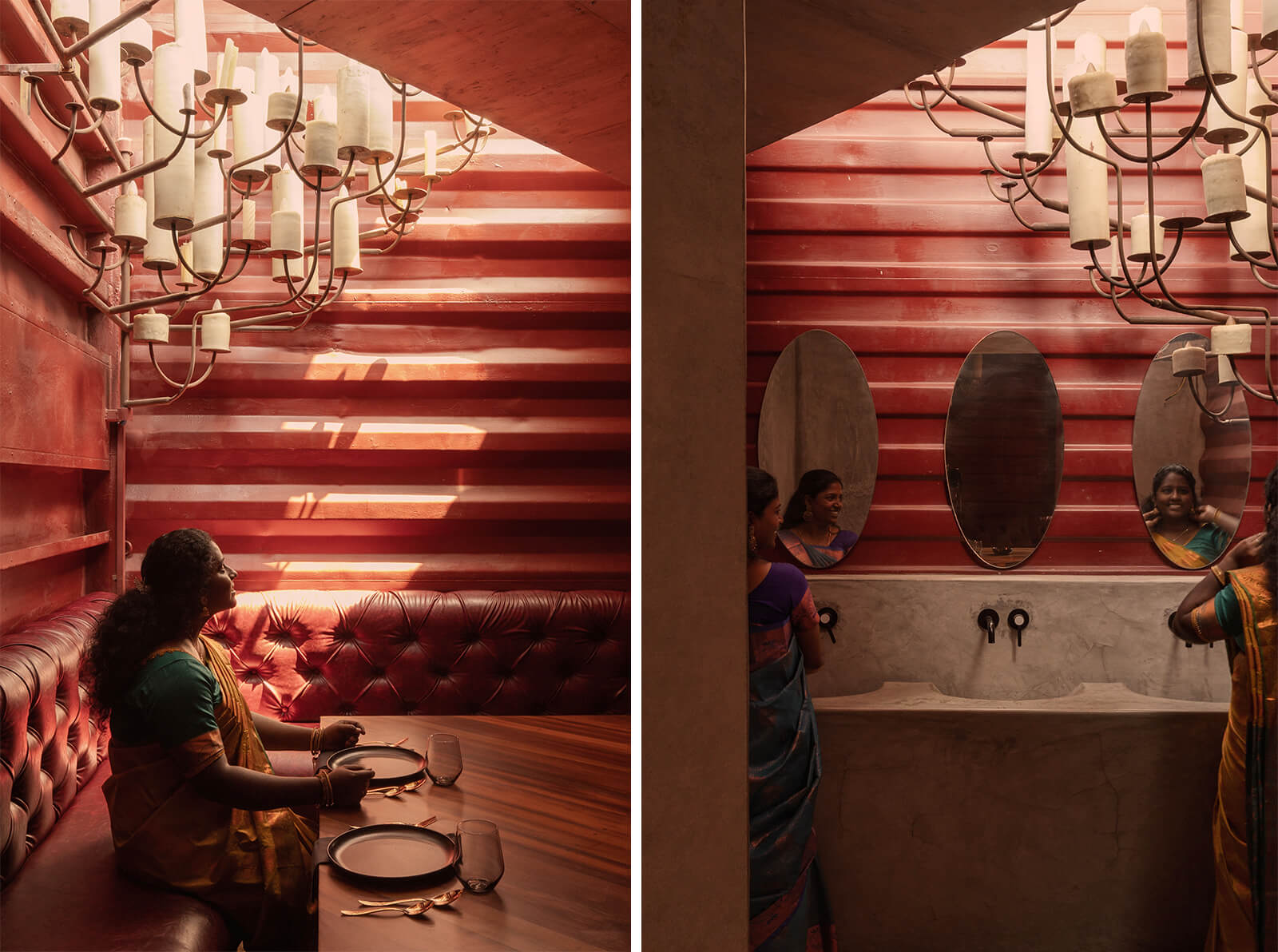
While the linear layout does not allow much flexibility in terms of the distinctive zoning required of restaurant design, the interiors appear to flourish not despite but because of it. Painted walls of the container are paired with discarded deck wood and oxide flooring for a warm, inviting ambience, alluding to a naval aesthetic without turning it into a gimmick. A central circulation axis is formed with dining areas nestled on either side beneath skylights to illuminate the niches during the day. Bespoke lighting designs such as chandeliers made of old wax and pipes adorn the ceiling, while the bespoke furniture, by virtue of being designed to cater to the diagonals of the containers, takes up minimal space. The orientation of each dining booth is such that visitors can enjoy uninterrupted views of the surrounding landscape. Beyond efficiently accommodating the functions, these spatial solutions complement the architecture itself, interacting with an inherent synergy.
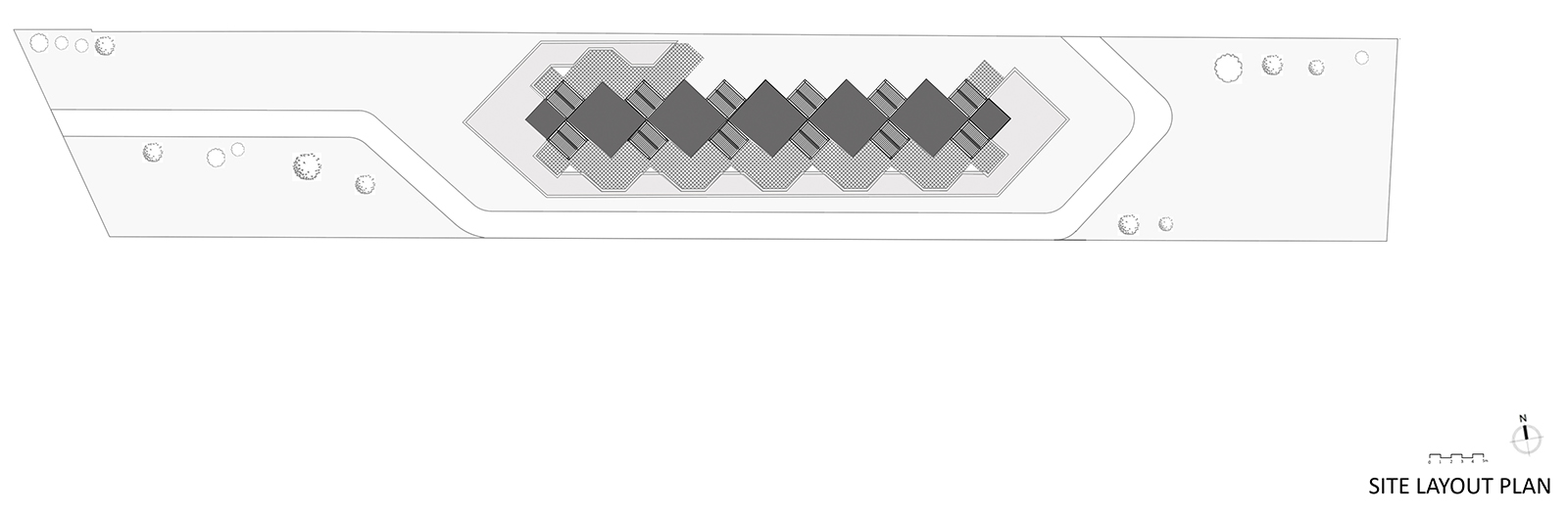
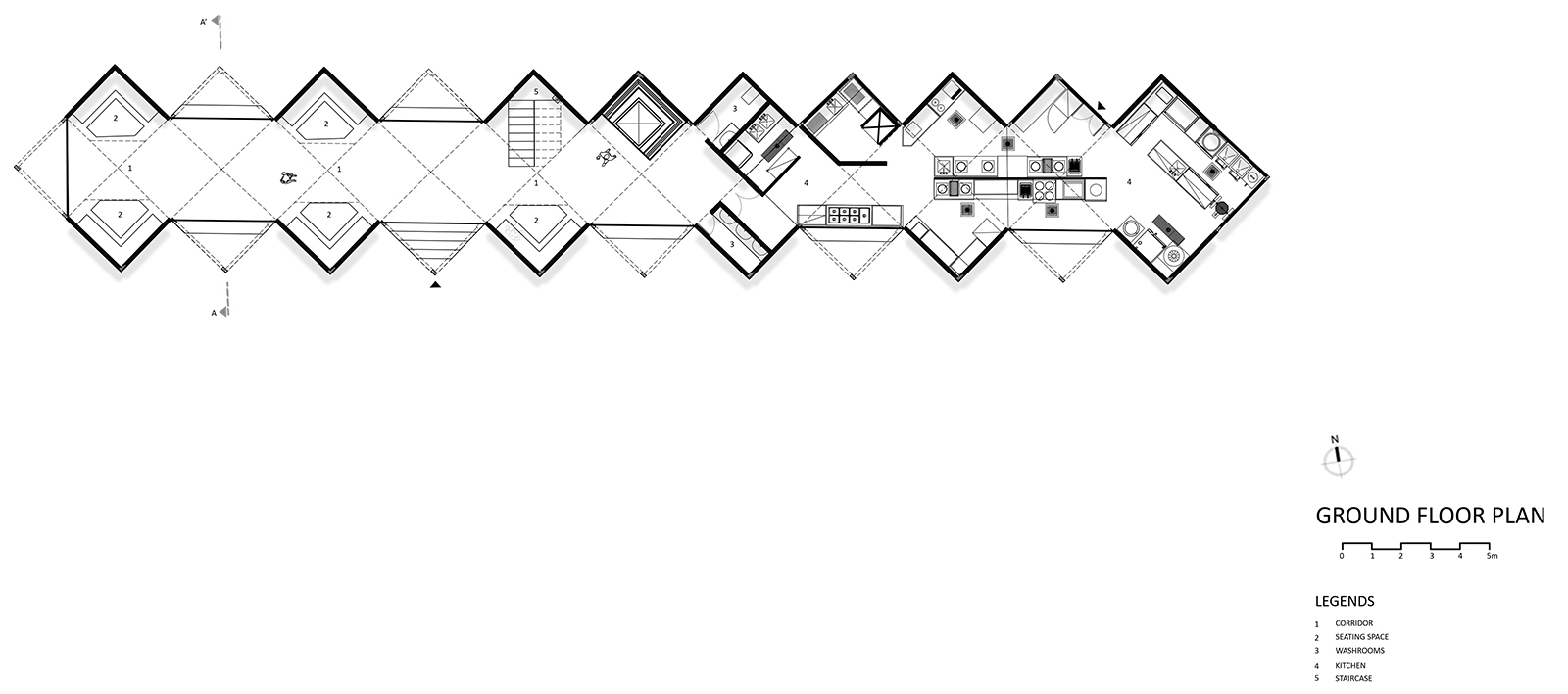
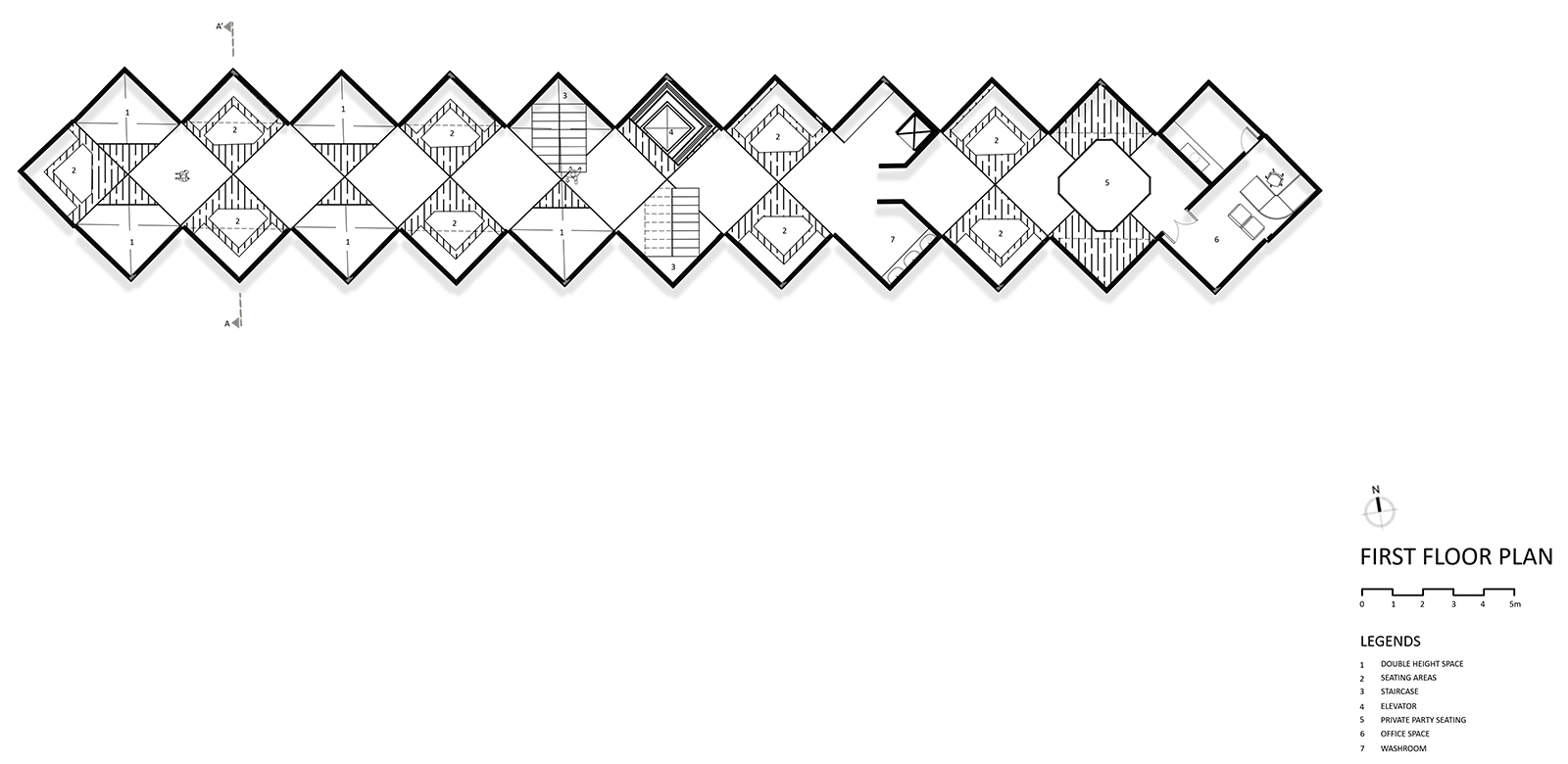
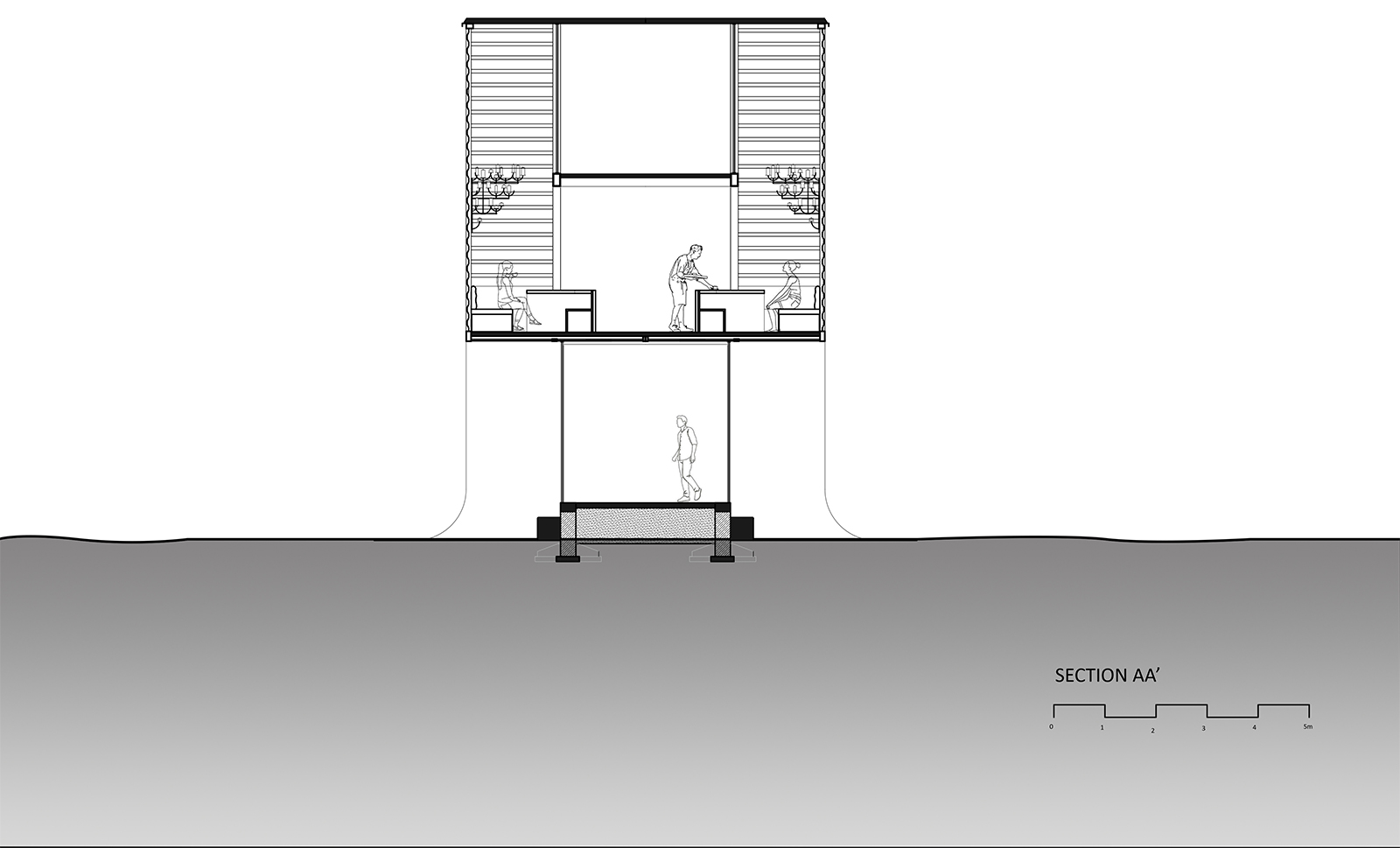
While the use of shipping containers isn’t an entirely new concept in contemporary architecture, the restaurant design brings a relatively fresh approach to this practice with its spatial hierarchy and material fusion. So while the spatial logic is dictated by a fixed rubric—that of the rotated and elevated shipping containers—the project markedly sits within both its context as well as Wallmakers’ oeuvre by virtue of its distinct materiality and inventive spatial solutions.
Name: Petti Restaurant
Location: Tuticorin, Tamil Nadu, India
Architects: Wallmakers
Area: 4720 sq ft
Year of Completion: 2026

by Pranjal Maheshwari Oct 24, 2026
A consortium of Copenhagen’s 3XN, Toronto’s B+H Architects and Shenzhen’s Zhubo Design has designed the museum to mimic the surrounding riverscape, topped with a public park.
by Pranjal Maheshwari Oct 19, 2026
The Mumbai-based architects integrate courtyards, mesh screens and north light trusses to create a dining space that doubles up as a community hub at SR University, Warangal.
by Mrinmayee Bhoot Oct 17, 2026
The Rotterdam-based institute centres the Indian Ocean as a network for exploring material histories and transnational links shaping coastal cultures, positing them as future models.
by Pranjal Maheshwari Oct 16, 2026
At the 2026 Stirling Prize ceremony, Mary Duggan with RUFF Architects, MAKER Architecten and Nakshabid Architects were felicitated for proffering quality housing and social equity.

make your fridays matter with a well-read weekend
Enter your details to sign in
Don’t have an account?
Sign upOr you can sign in with
a single account for all
STIR platforms
All your bookmarks will be available across all your devices.
Stay STIRred
Already have an account?
Sign inOr you can sign up with
Verification link sent to check your inbox or spam folder to complete sign up process
Tap on things that interests you.
Select the Conversation Category you would like to watch
Please enter your details and click submit.
Enter the 6-digit code sent at


Petti Restaurant by Wallmakers is an array of shipping containers clad in poured earth
by Bansari Paghdar | Published on : Jun 27, 2026


 Sign in with Google
 Sign in with email
What do you think?