Architecture05 mins. read
‘3-Minute Corridor’ by Wallmakers is a passage cut through 1425 discarded tyres
by Zohra KhanJan 30, 2024



by Mrinmayee BhootPublished on : Nov 07, 2026
Architecture is everywhere, and everything; at least that is the consensus for those who hope to engage critically with the discipline today. The rather insurmountable scale of the human endeavour—which in the recent past has been ascribed to the planetary (that is, encompassing the manmade and the natural)—asserts this view. The fact that everything is architecture is worth scrutiny, as is the burden of responsibility it poses to designers for the effect it has on the planet. It’s a perspective that acknowledges our hyperconnected realities, shaped by urban environments (physical as well as virtual infrastructure) as much as the aftermath of the urban: socioeconomic inequalities, ecological destruction, the erosion of Indigenous cultures, to name a few. The notion of the global city, a term first coined by Saskia Sassen, posits that the flow of information and capital—crucial to determining how we live—is no longer tightly bound to national boundaries and systems of regulation.
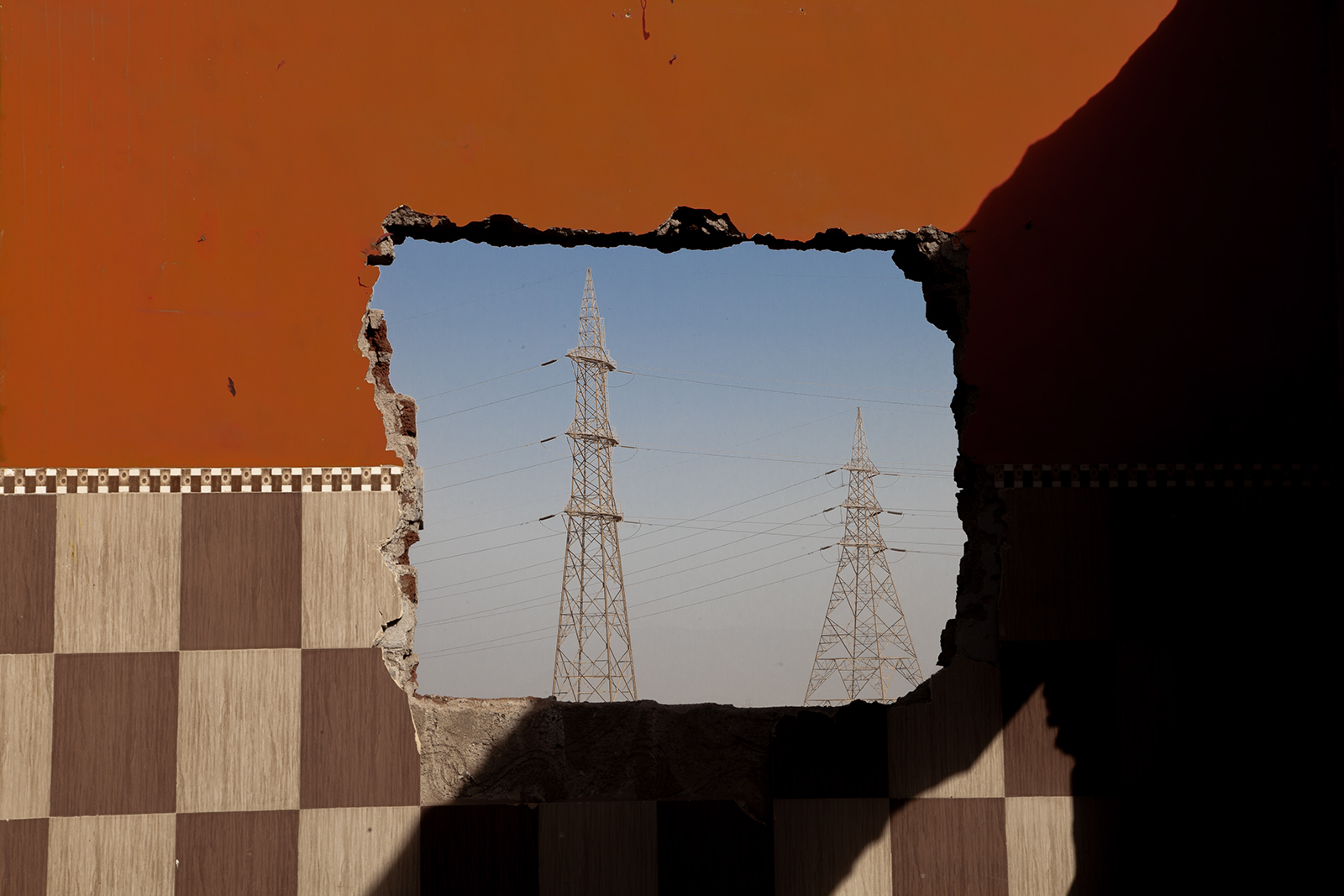
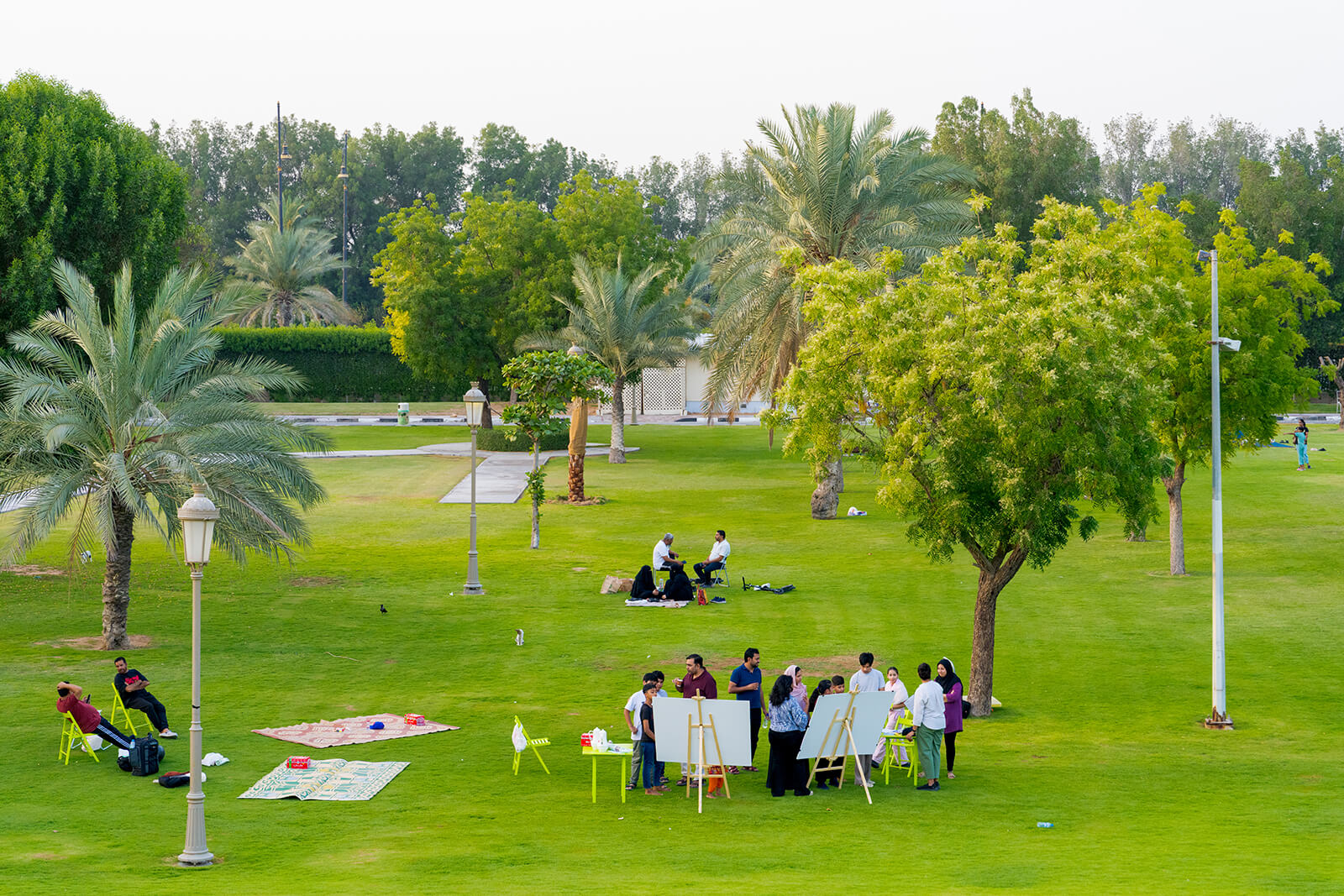
The phenomenon has only accelerated exponentially since the 90s when Sassen first wrote the book. Social, economic, political, technological and ecological forces transforming the world make up an entangled, knotty matrix that is influenced in large part by architecture (or more broadly, infrastructure) and how it shapes the built environment. It’s the examination of this metastasised scope, countered by the demand for precise, local action, that forms the crux of Architecture Otherwise: Building Civic Infrastructure for Collective Futures, the third edition of the Sharjah Architecture Triennial (SAT). Open to the public from November 14, 2026 – April 14, 2027, the architecture event is curated by Vyjayanthi Rao, with Tau Tavengwa as associate curator this year. Engaging with the urban landscape of Sharjah, the triennial brings together architects, artists, designers, scholars, cultural institutions and local communities from across the Gulf and the Global South for a multidisciplinary, pluralistic approach to the central question posed by the curators: how can architecture help shape collective life in a world marked by rapid urban transformation?
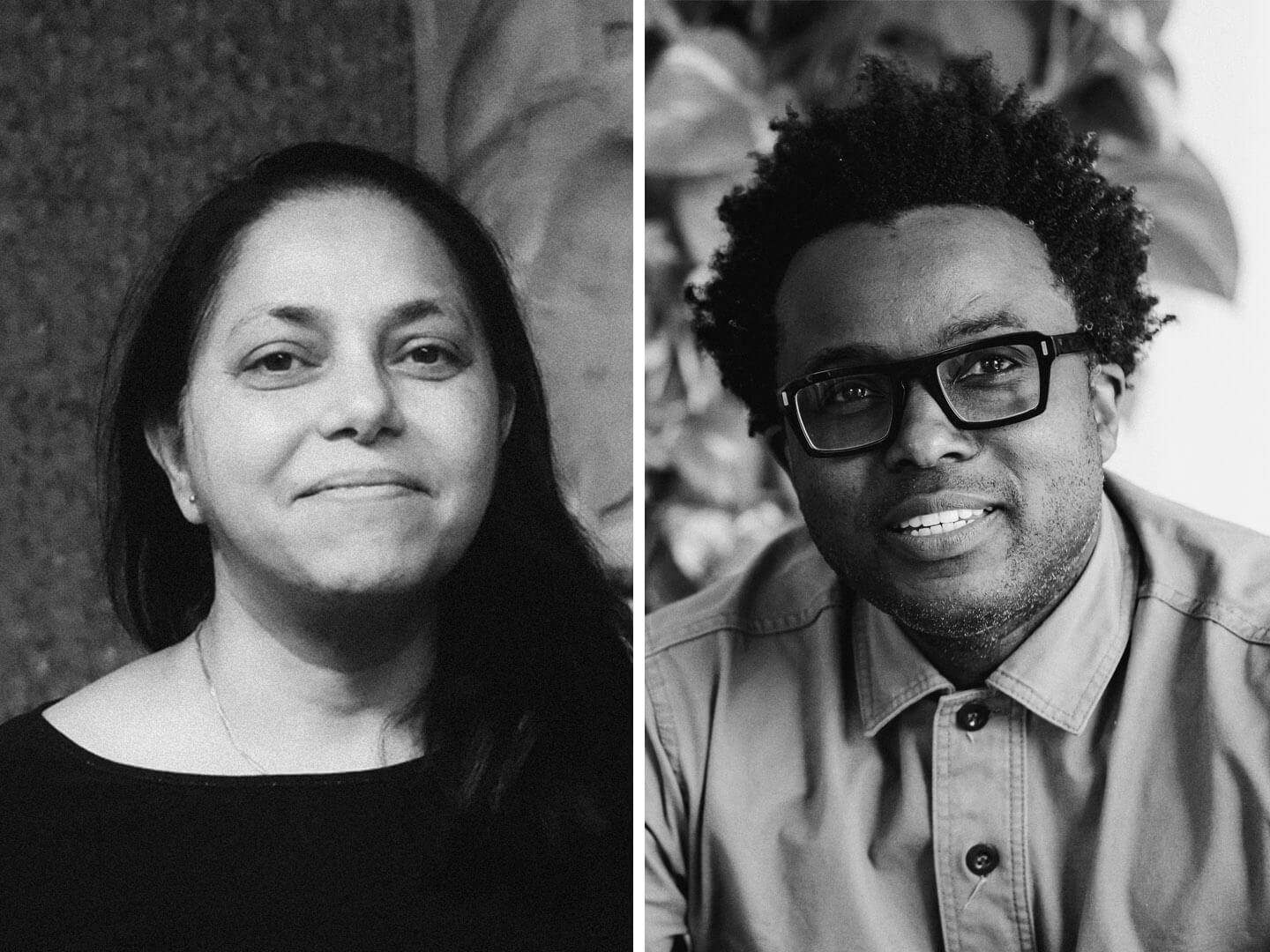
The focus on Global South practitioners—as in previous editions—is worth noting, precipitating a shift from the West as the centre for architectural discourse and, at the same time, spotlighting practices that might be considered outside conventional conceptions of the field. In this, it also reinforces SAT’s mission to reframe architectural thinking from the perspective of the Global majority. The ‘otherwise’ alluded to in the theme then corresponds to those ‘alternative’ practices that have been fostered by designers, researchers, social workers and publics in response to the exceptionalism and extractive logics of capitalism: in response to the climate crisis, resource shortages and distribution inequalities, socioeconomic disparities and ever-expanding populations.
While the 2023 edition of the triennial framed this position of the margins as one defined by impermanence and scarcity, for Rao and Tavengwa, the goal is to look at the networks that have shaped the world today and act on the unstable nodes. “We are especially interested in exploring migratory movement and the rapid extension and localisation of urbanism as building blocks of contemporary social life. The edition will foreground propositions for building civic infrastructure hospitable to these flows, creating new pathways for collective life to prosper in an uncertain and rapidly mutating world,” Rao notes in an official release. That focus on infrastructures and migration (the permanent and the transient) defines the contributions by participants.
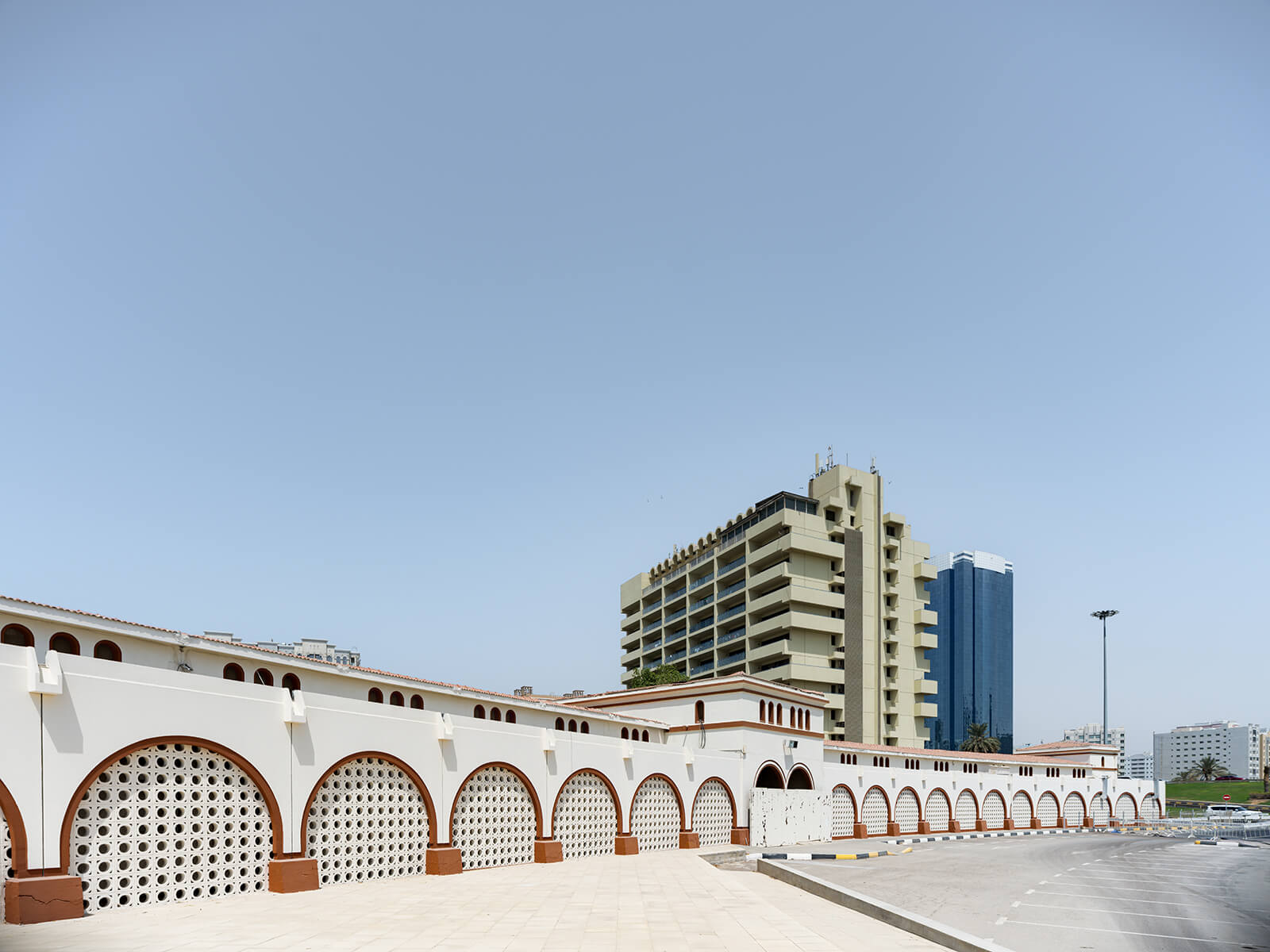
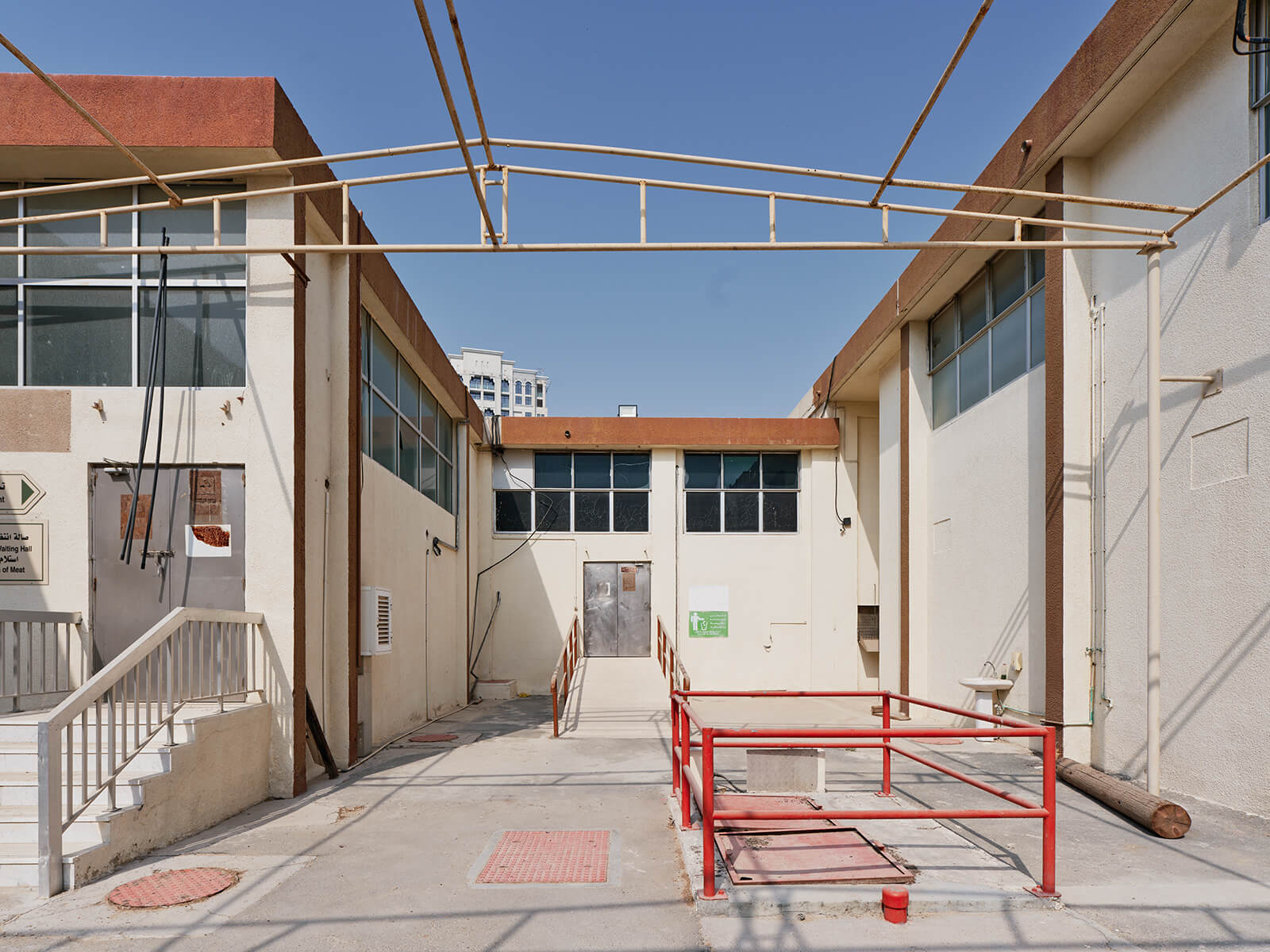
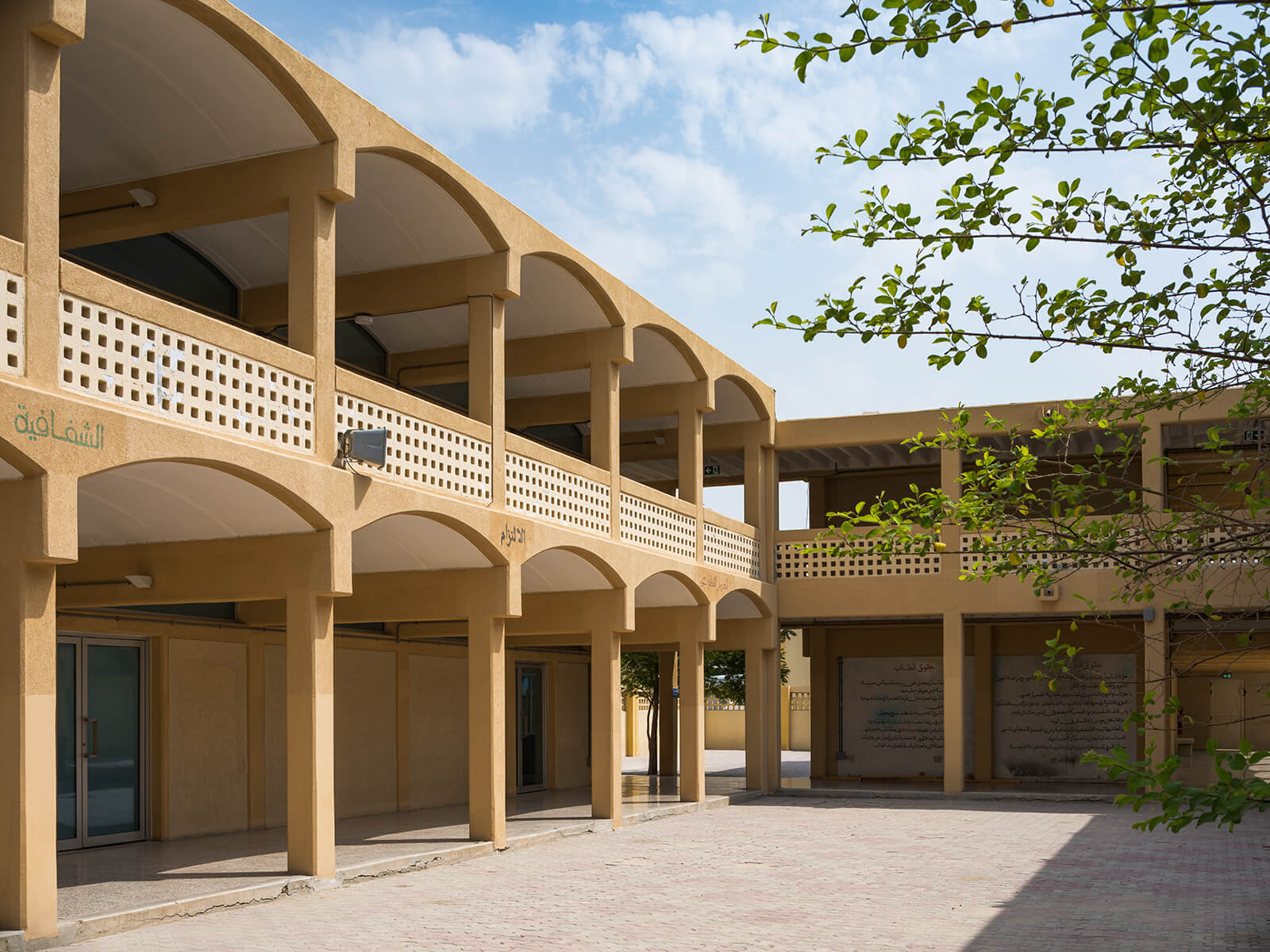
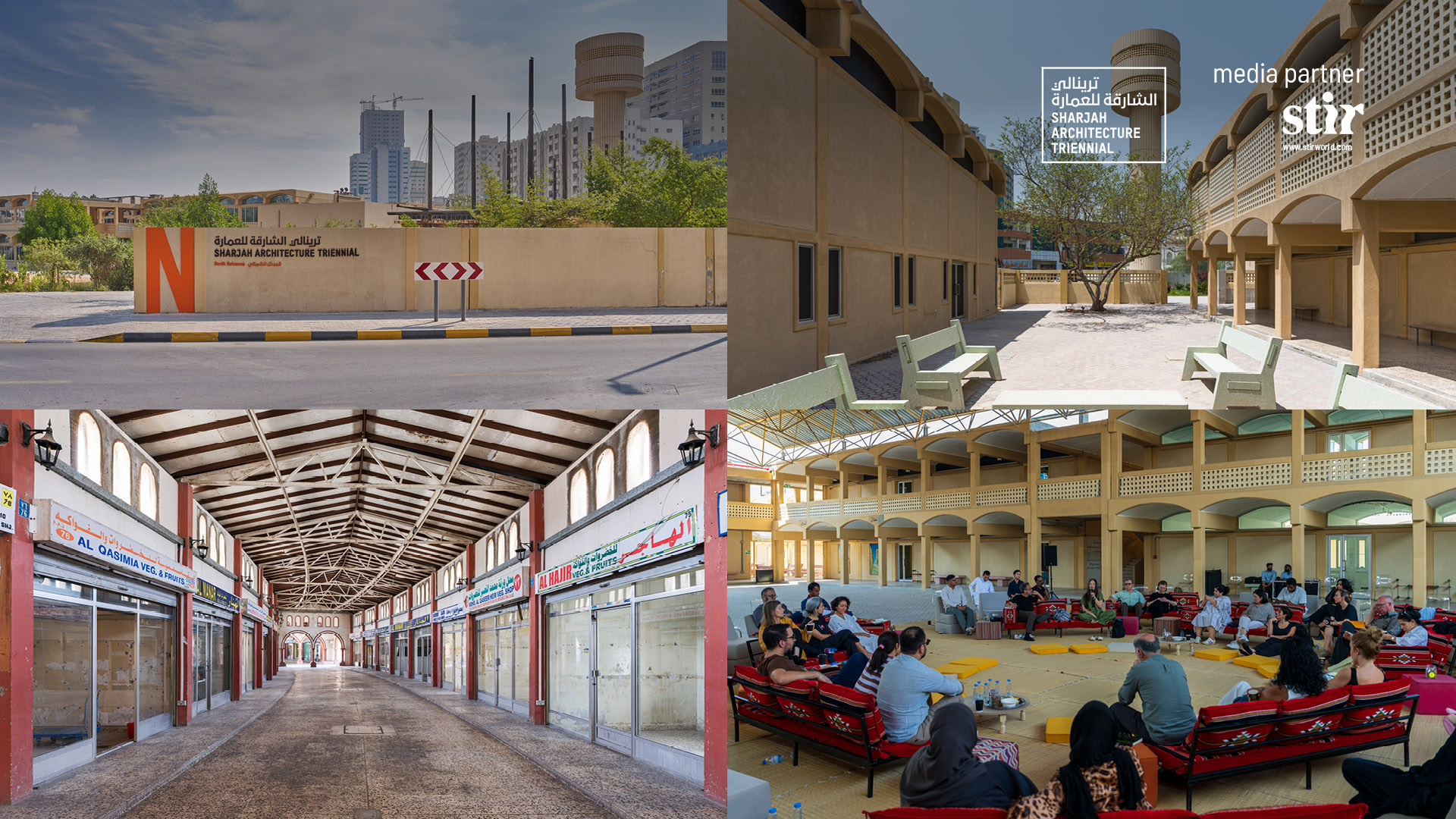
Site-specific installations, exhibitions, performances, workshops and public events by a diverse group of 35 participants have been planned over the five months of the triennial. These installations are planned at historically and architecturally significant locations in the city, including the Al Qasimiyah School, Old Al-Jubail Vegetable Market, the Old Slaughterhouse and Um Al Tarafah, to name a few, bringing the Triennial into direct dialogue with the region. Most installations and exhibitions that incorporate films, archival research and visual material are split between the school and the market, with a few installations extending their influence to other public spaces.
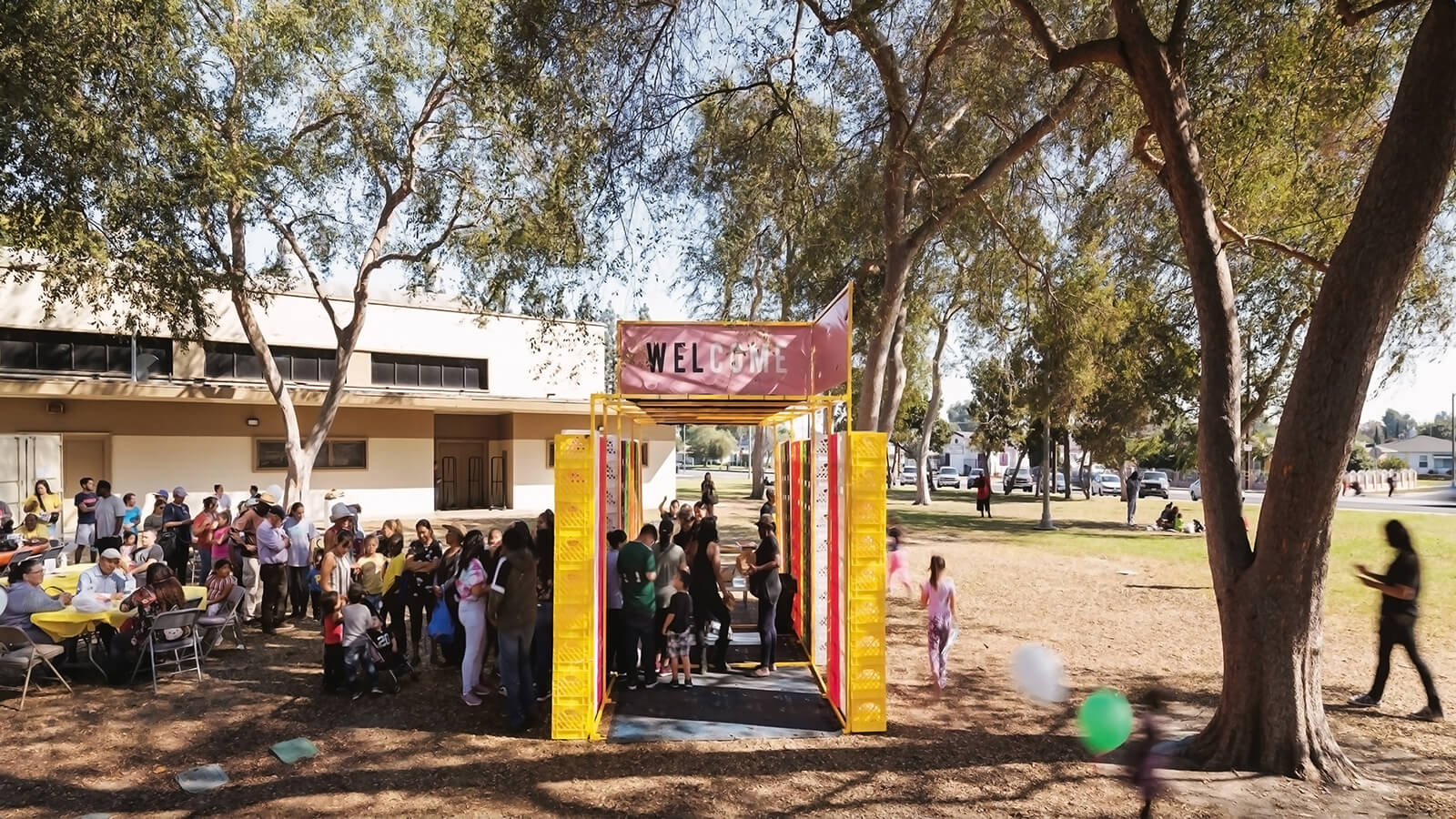
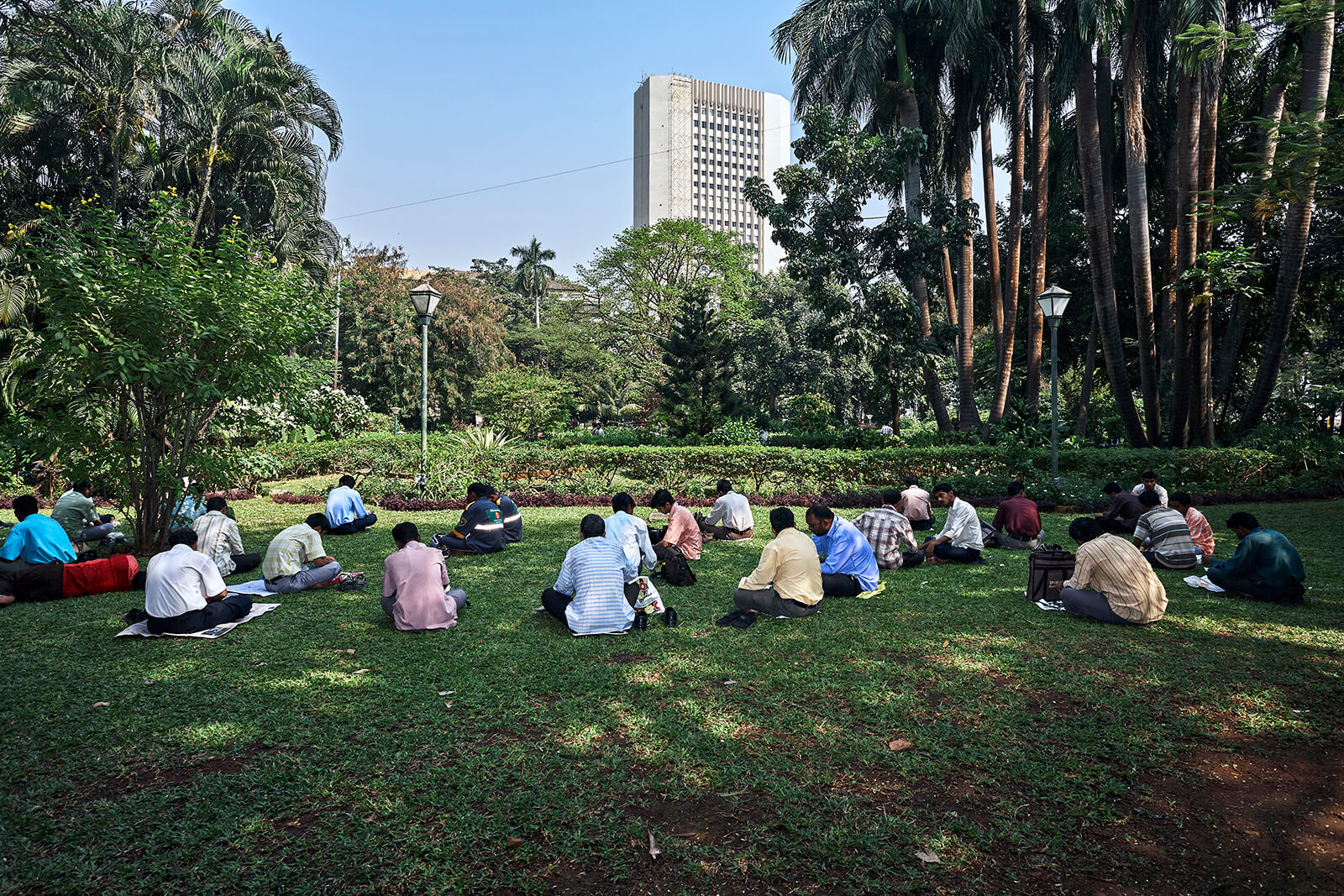
At the Al Qasimiyah School, for instance, Another Empty House (a collaboration between UAE-based architectural designer, artist and researcher Zahra Mansoor, Canada-based artist and zinester Juneida Abdul Jabber and London-based interior designer and artist Shahnaz Hashim) presents a project focused on koottaymas, self-organised social gatherings within Malayali communities with roots in Kerala. Examining their diasporic variations in the Gulf, they probe the role of migration in shaping cultural rituals. Mexican artist Sandra Calvo’s project similarly probes the migratory architecture connecting Hueyotlipan, a small town in Tlaxcala, Mexico, and Jackson Hole, United States; foregrounding questions of cultural expression and labour.
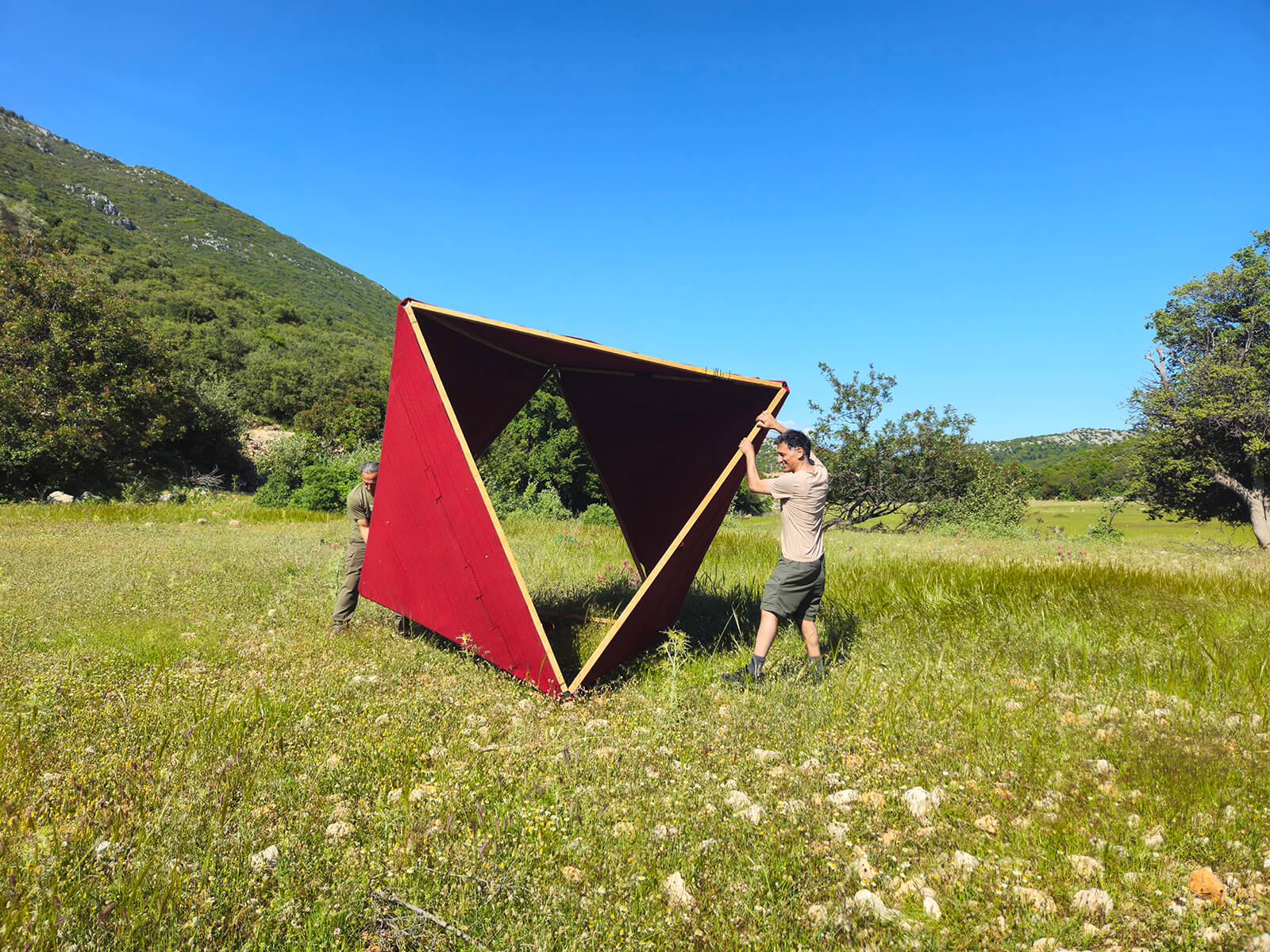
If one of the strongest themes for the triennial is the flow of people, knowledge and capital—and its influence on culture and the city—this becomes particularly relevant if we consider the architectures of displaced people. How do those dispossessed from their land construct home? How do they begin to inculcate a sense of belonging when their very lives are marked by otherness? It’s these questions that frame Hiba Bou Akar, Mohamad Hafeda and Nathalie Harb’s installation Patch-Time / zamaniyyāt muraqqaʿa, examining how histories of displacement in Lebanon can be carried within mobile, shelter-like installations that incorporate materials from refugee settlements. Mobile architectures are also explored by People's Architecture Office in their contribution, while a collaborative project by Egypt-based Megawra Built Environment Collective and RIWAQ explores how heritage is shaped through communities and migrant populations.
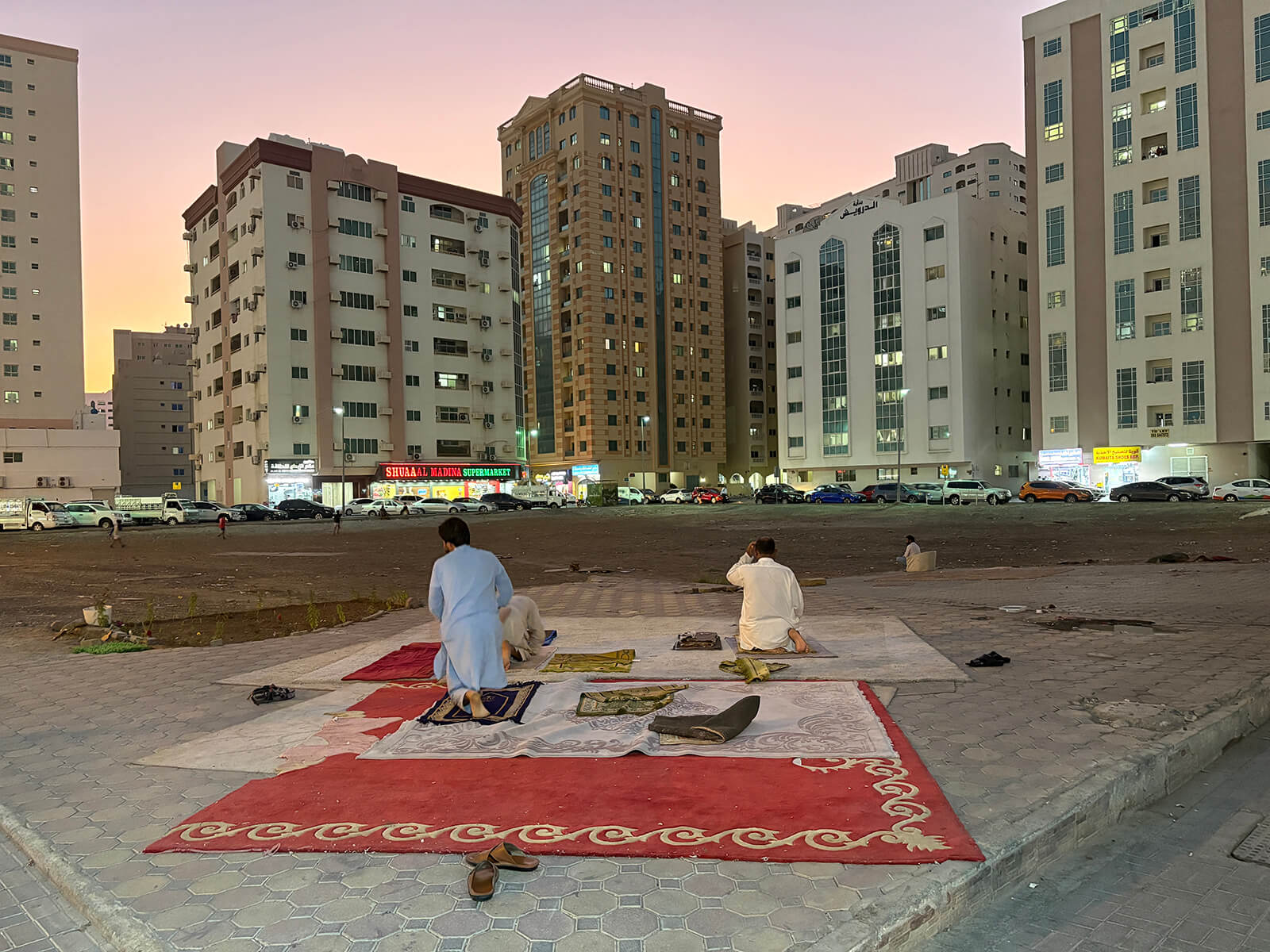
The networks invoked by Rao in her curatorial note are contingent on global inequalities. The show argues for imagining otherwise to counter them, a question that is` foregrounded in Keller Easterling’s South South Stone Soup, which imagines how resources can be transformed into shared goods. Examining how digital technologies can reframe civic infrastructure, Nashin Mahtani presents a film about PetaBencana, a real-time, community-led disaster-mapping platform for Indonesia.
The work orients our understanding of the city beyond what is visible, something that is also the focus of Sudarshan Shetty’s film, A Breath Held Long. While Shetty considers how sound and noise characterise Mumbai, Mohamad Nahleh and Ozayr Saloojee’s After Night There is Nothing takes the night as their starting point: what architects often disregard when they design. The project, including evening walks, collective meals, desert visits and journeys, is staged at the school along with the Old Slaughterhouse and Al Madam.
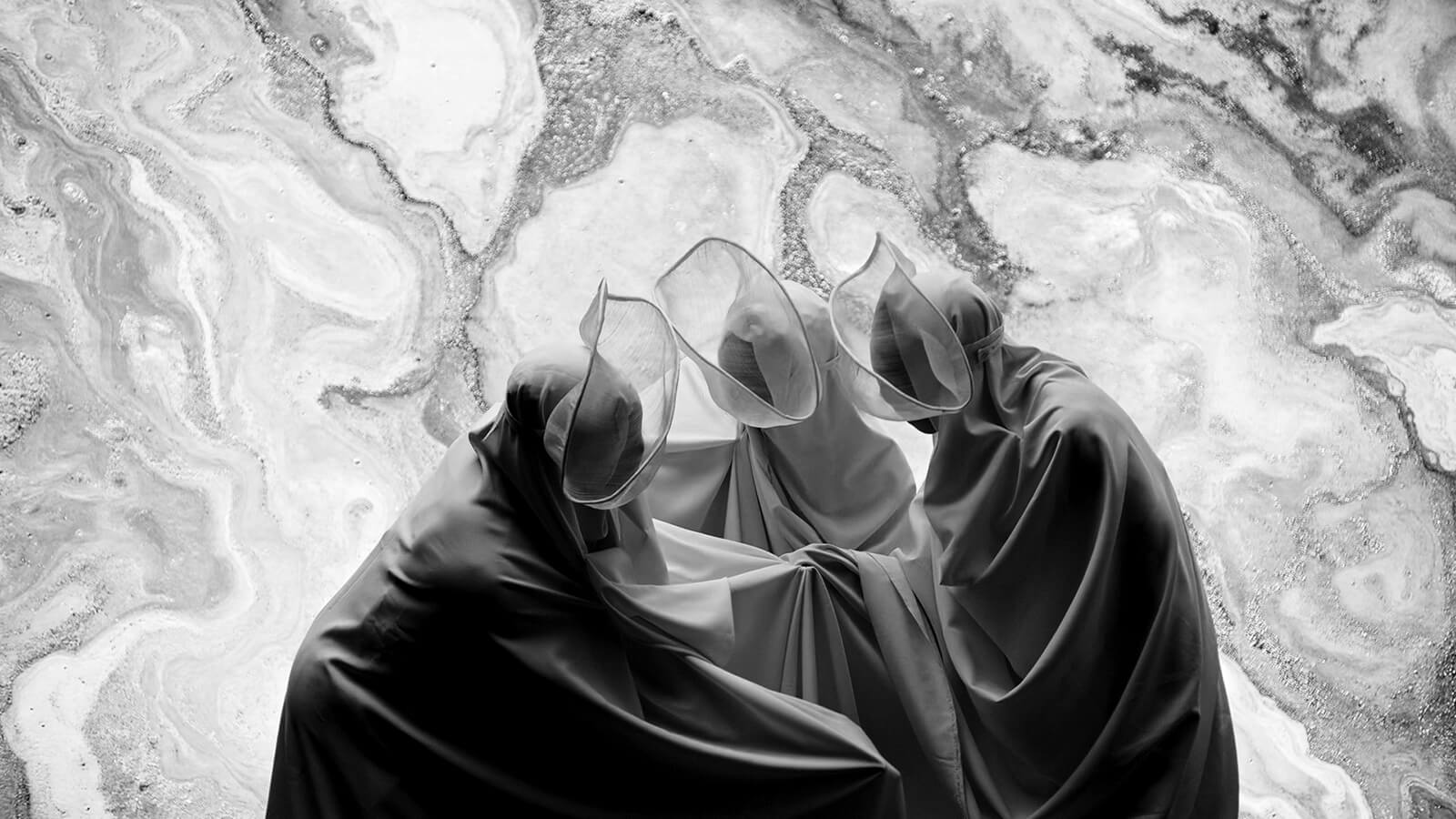
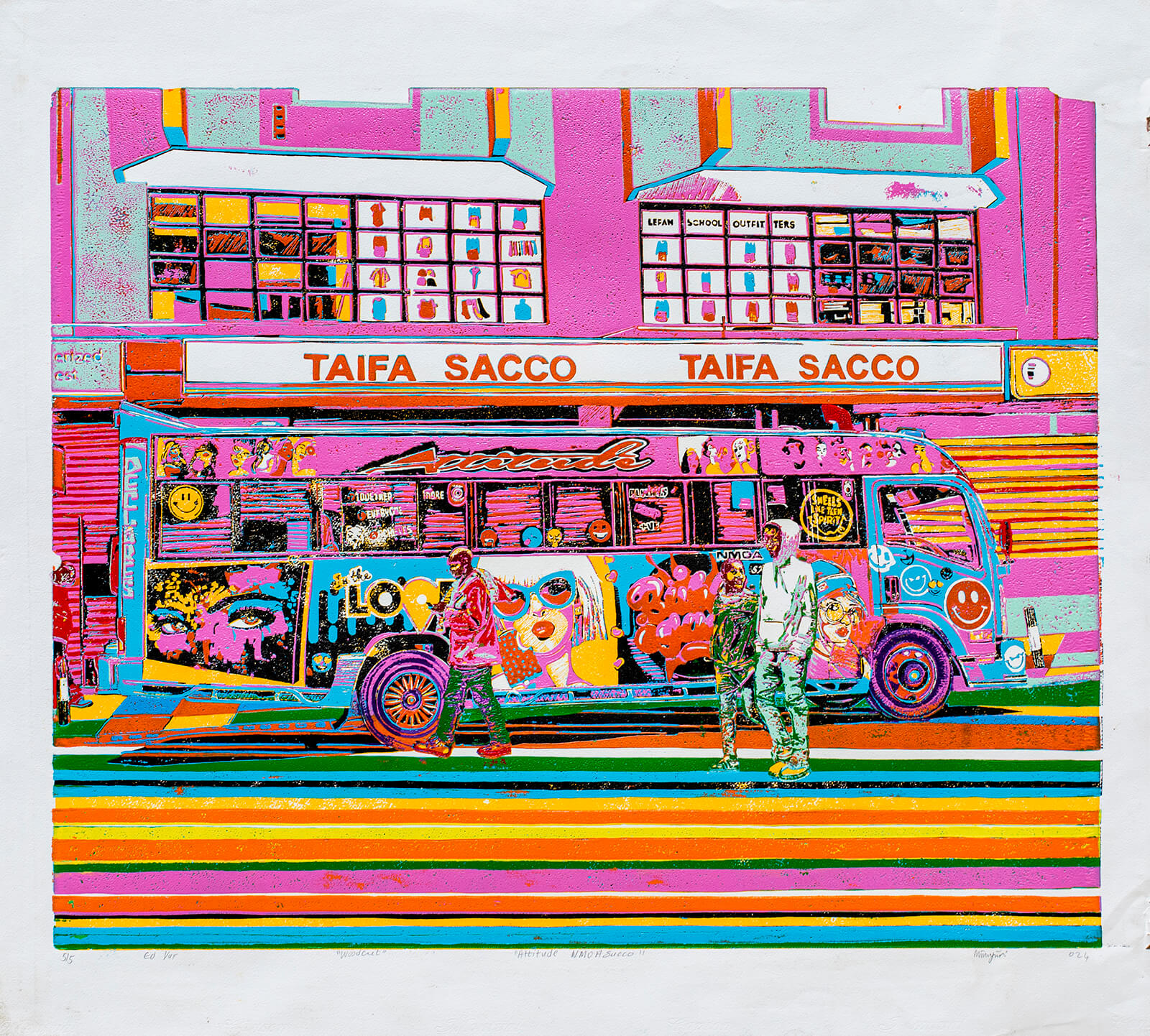
The imaginary and speculative often frame how discourse looks at the possibilities of architecture. That becomes a contentious issue in an age defined by collapse. However, that same imaginary and its manifestation in material practices of the Global South is crucial. At the Old Al-Jubail Vegetable Market, Nepal-based architecture Studio ABARI's installation Weaving Spaces makes the argument for the viability of craft as an active, evolving source of intelligence. In Brent Kokonya and Dennis Muraguri’s Moving Pluralisms, the Matatu, a popular mode of informal transport across Kenya, is conceived as a mobile architecture of belonging and social encounter. Questions of gathering and community are central to the triennial, and understood variously by different participants. Of these, Torolab’s Territory as Kitchen is distinct in how it looks at food as vital to how we gather in cities. The project is displayed at both the school and the vegetable market. Azza Aboualam’s Assemblies similarly spotlights networks shaped by food, expanding on her showcase at the Venice Architecture Biennale 2025.
Probing the school as a contested site of belonging (especially in regions of pronounced racial difference, in this case the US), Curry J. Hackett’s Open the School is a speculative retelling of the history, architectures and sociality of Black schooling. A reminder of the depth of collective knowledge and response to injustice, it represents the most hopeful form of otherwise-ness. BARDStudio’s Where we Sing, Cook and Weave: Sharjah Glossary & Otherwise School similarly activates spaces for learning by presenting a glossary to capture the language of everyday urban life, and a three-day workshop that asks participants to think of architecture not as walls, but as songs, meals, threads and gatherings. British artist Rhael 'LionHeart' Cape’s Residencies of Impermanence (which is located at the Al Qasimiyah school) offers an alternative way to think of architecture, beyond its function as an inanimate object.
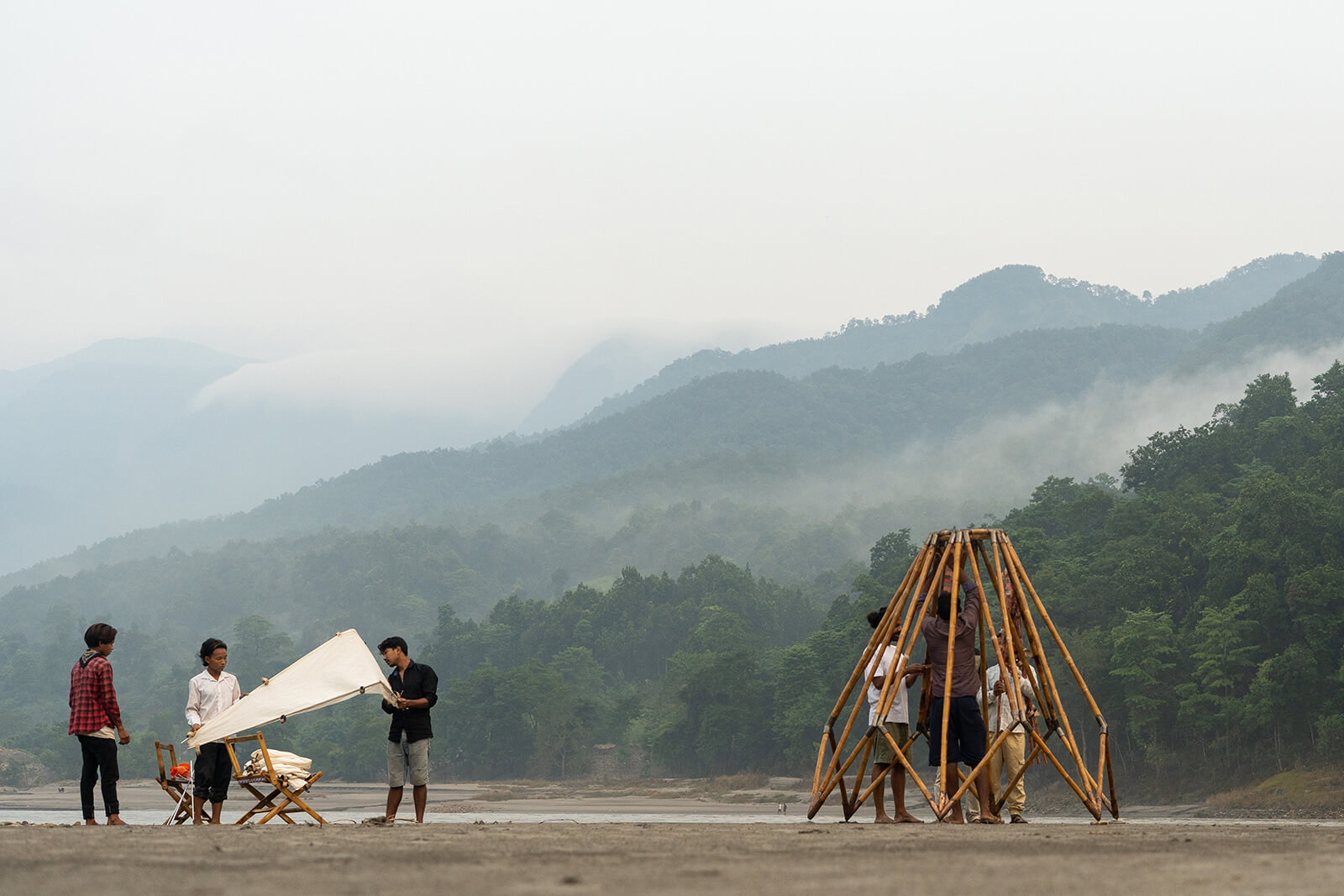
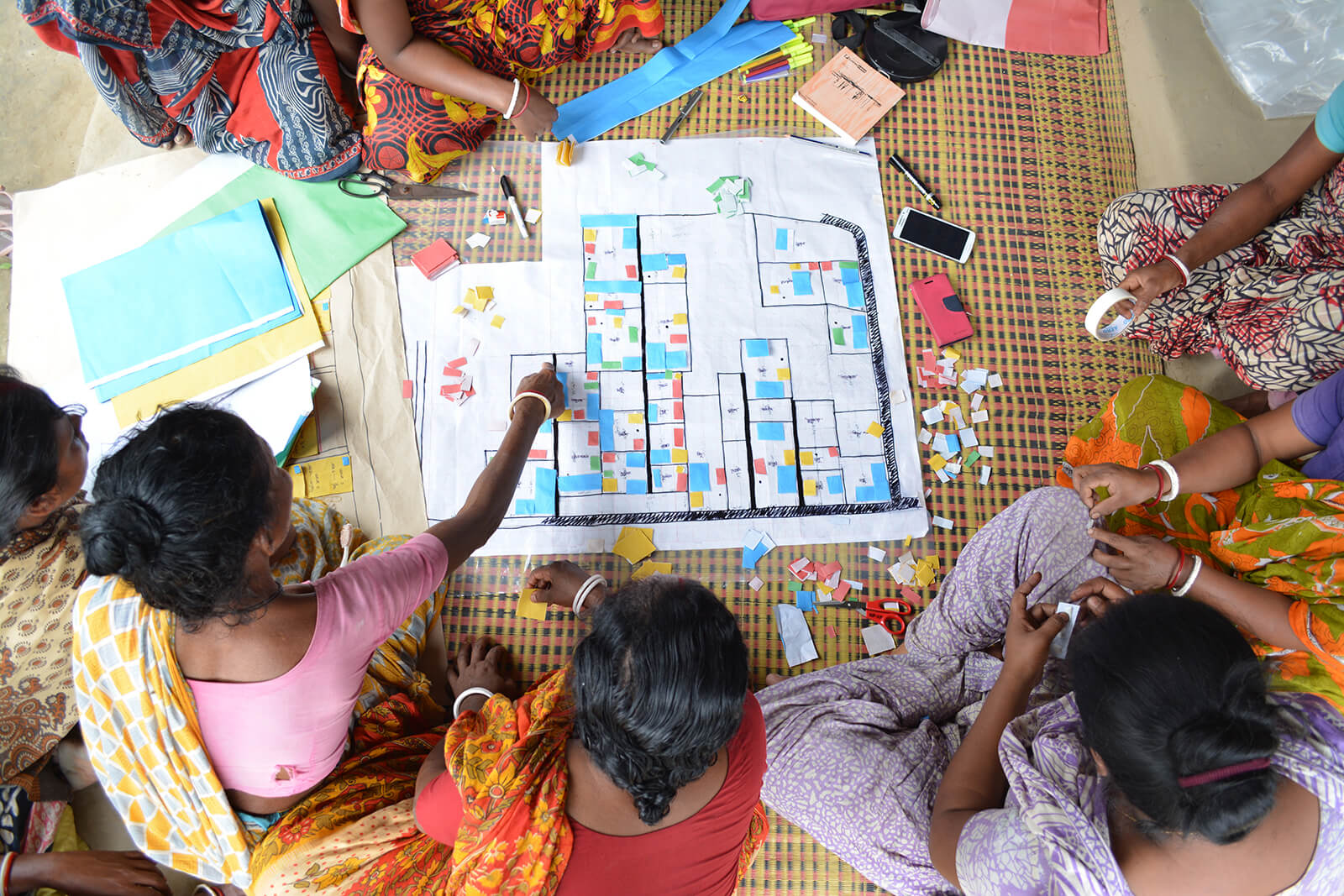
In reconsidering architecture, we also reconsider how society is shaped and fostered. In this vein, Ziad Jamaleddine, Makram el Kadi, Iheb Guermazi and Beya Othmani’s Lalla Alwiya, Khalwa looks at the khalwa—a secluded space for Sufi retreat and meditation—within the context of the contemporary city.
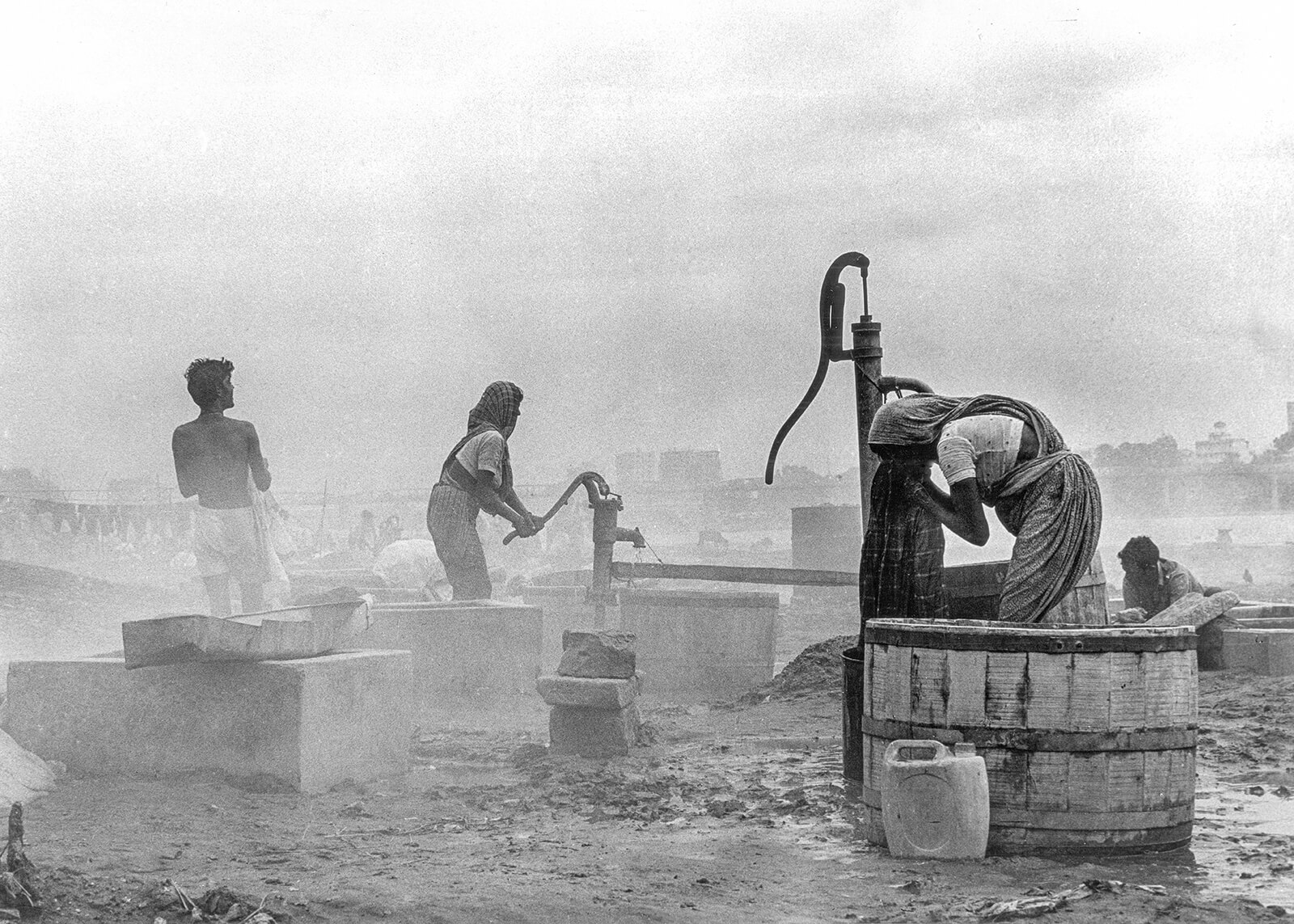
The role of infrastructure often goes unrecognised when thinking of cities, especially in how they determine our relationship to spaces. Many projects in the showcase turn their lens onto these spaces to rethink how we might conceive of the city. For instance, at the vegetable market, Indian designer Rajesh Vora & NID Photography Design’s Sabarmati River Archive Project unravels the history of the Sabarmati River to highlight its significance for Ahmedabad’s residents and policymakers. Similarly, Kush Badhwar examines the entanglements of politics, migration, aviation and urbanisation across cities connected by the Arabian Sea through two films shot in Mumbai over six years, and in Lagos and Sharjah over nine months. Going in Circles and Sharjah Paramount Part 2 move between metaphor, archives, documentation and fiction to reveal the cost of ‘progress’.
While the projects and research included in the Sharjah Architecture Triennial are expansive and multidimensional in their scope, each brings forth specific means of working with and negotiating the globalised networks that Rao’s inquiry sets forth. That their fields of exploration are contingent on notions of migration and displacement, on questions of cultural ambivalence and instability is crucial to reexamining our increasingly insular post-pandemic world. We may have become more global than ever, but the question of how such globalities are understood and enacted in specific places remains in flux.
If the previous iteration of SAT questioned our conception of post-coloniality through the lens of resource distribution—asking if we are even post-colonial—Rao understands the world as shaped by the very conditions exacerbated by the post-colonial. In a world where racial minorities are increasingly mistrusted, immigrants are equated to criminals, where genocides in another part of the world are broadcast to our phones 24x7; where a pandemic or the closure of the Strait of Hormuz can veritably bring the world to a halt, the question looms: what does the global even mean?

by Mrinmayee Bhoot Nov 06, 2026
Andrew Santa Lucia and Daniel Jonas Roche’s book traces an alternative genealogy for architecture, drawing on historical examples and radical theorists’ work.
by Mirra Lynn Nov 02, 2026
Pivoting timber shutters, dual courtyards stretching into the subterranean and narrow wall openings organise the spatial experience of the five-sided House of Thirds.
by Jincy Iype Oct 31, 2026
The second session in the public event series brought Elsie Owusu, Torange Khonsari, JJ Cliff and Rhael ‘LionHeart’ Cape to unpack who cities are built for and who they leave out.
by Mrinmayee Bhoot Oct 30, 2026
At the William Morris Gallery in Walthamstow, Earthly Paradise: Radical Living in the UK traces how creatives and communities have shaped alternative domiciles and ways of living.

make your fridays matter with a well-read weekend
Enter your details to sign in
Don’t have an account?
Sign upOr you can sign in with
a single account for all
STIR platforms
All your bookmarks will be available across all your devices.
Stay STIRred
Already have an account?
Sign inOr you can sign up with
Verification link sent to check your inbox or spam folder to complete sign up process
Tap on things that interests you.
Select the Conversation Category you would like to watch
Please enter your details and click submit.
Enter the 6-digit code sent at


Sharjah Architecture Triennial 2026 probes Architecture Otherwise for the global city
by Mrinmayee Bhoot | Published on : Nov 07, 2026


 Sign in with Google
 Sign in with email
What do you think?