


 STIRpad.com


Art10 mins. read
Performance and lived reality animate Abhishek Khedekar’s Tamasha at NCPA
by Srishti OjhaJun 15, 2026

•make your fridays matter with a well-read weekend
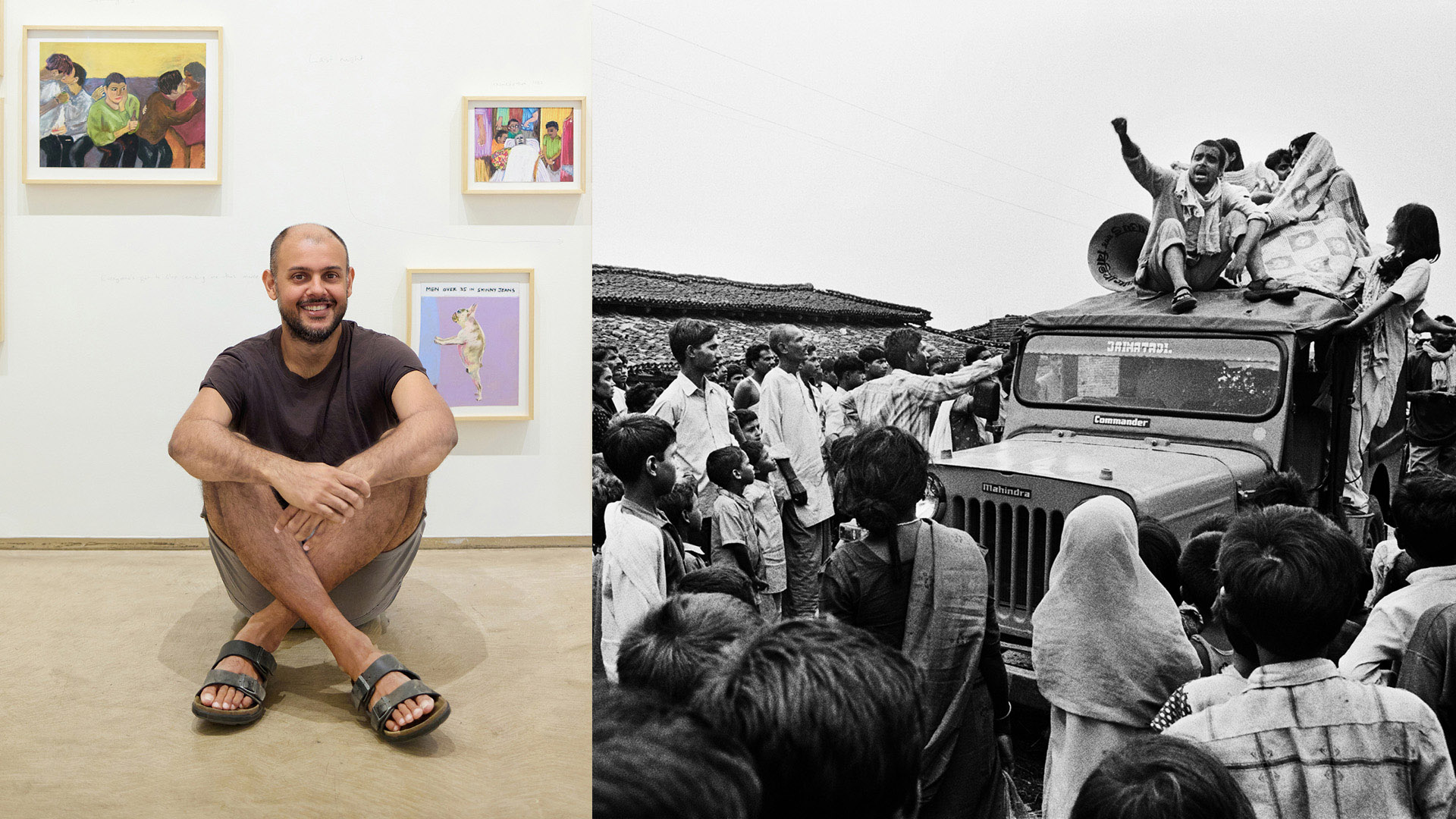
by Srishti OjhaPublished on : Jun 09, 2026
Sohrab Hura’s photography practice is chameleon-like—constantly shifting and changing to respond to its surroundings. A Winter Summer, Hura’s solo exhibition at Experimenter in Colaba, Mumbai, brings together the extremes of the photographer’s oeuvre, showcasing series that focus on wildly different political, cultural and meteorological regions of the Indian subcontinent. Snow (2015 – 19) is shot in Kashmir; The Song of Sparrows in a Hundred Days of Summer (2013 – 17) in the Savariyapani village panchayat in Madhya Pradesh, India; the video installation, Pati (2010, 2020), which covers a panchayat of the same name in the central Indian state is shot nearby; while Land of a Thousand Struggles (2005 – 6) sees Hura travelling through regions in the North Indian rural belt like Jharkhand. The multimedia artist, whose last photographs were taken before the outbreak of the COVID-19 pandemic, spoke to STIR about his artistic practice, the medium of photography and the difficulty of representing political realities without contributing to an increasingly sensationalist and codified image culture.
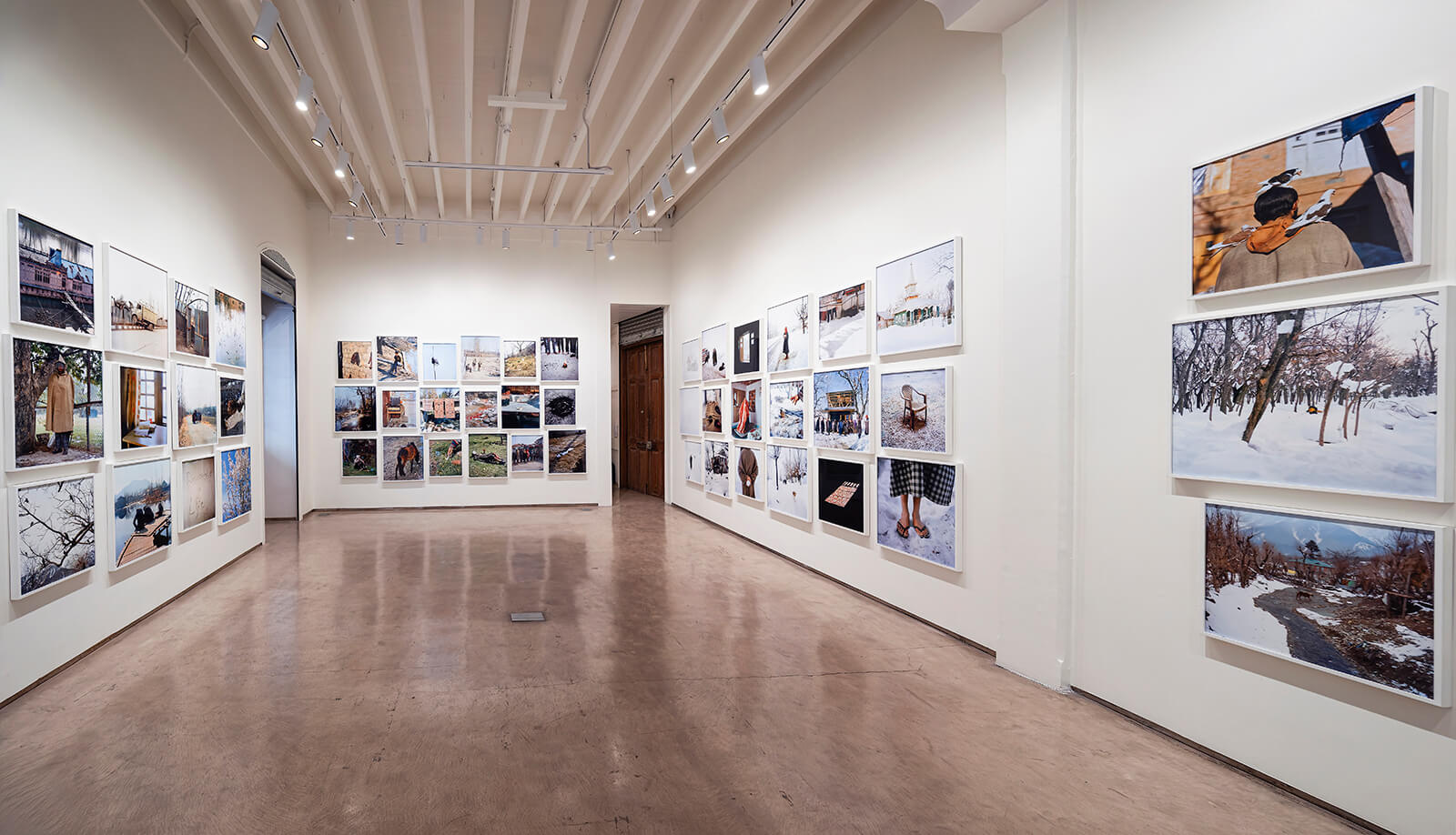
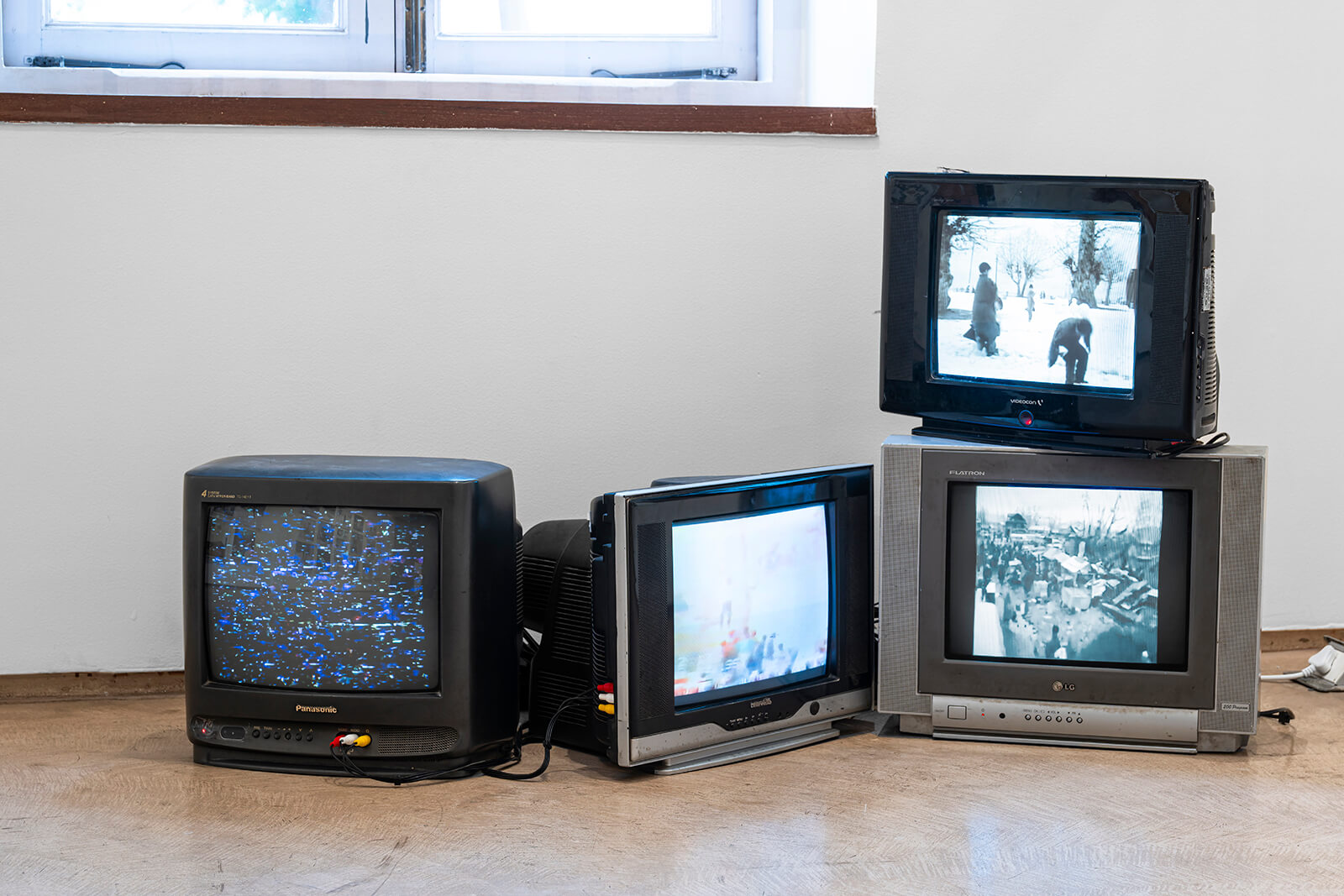
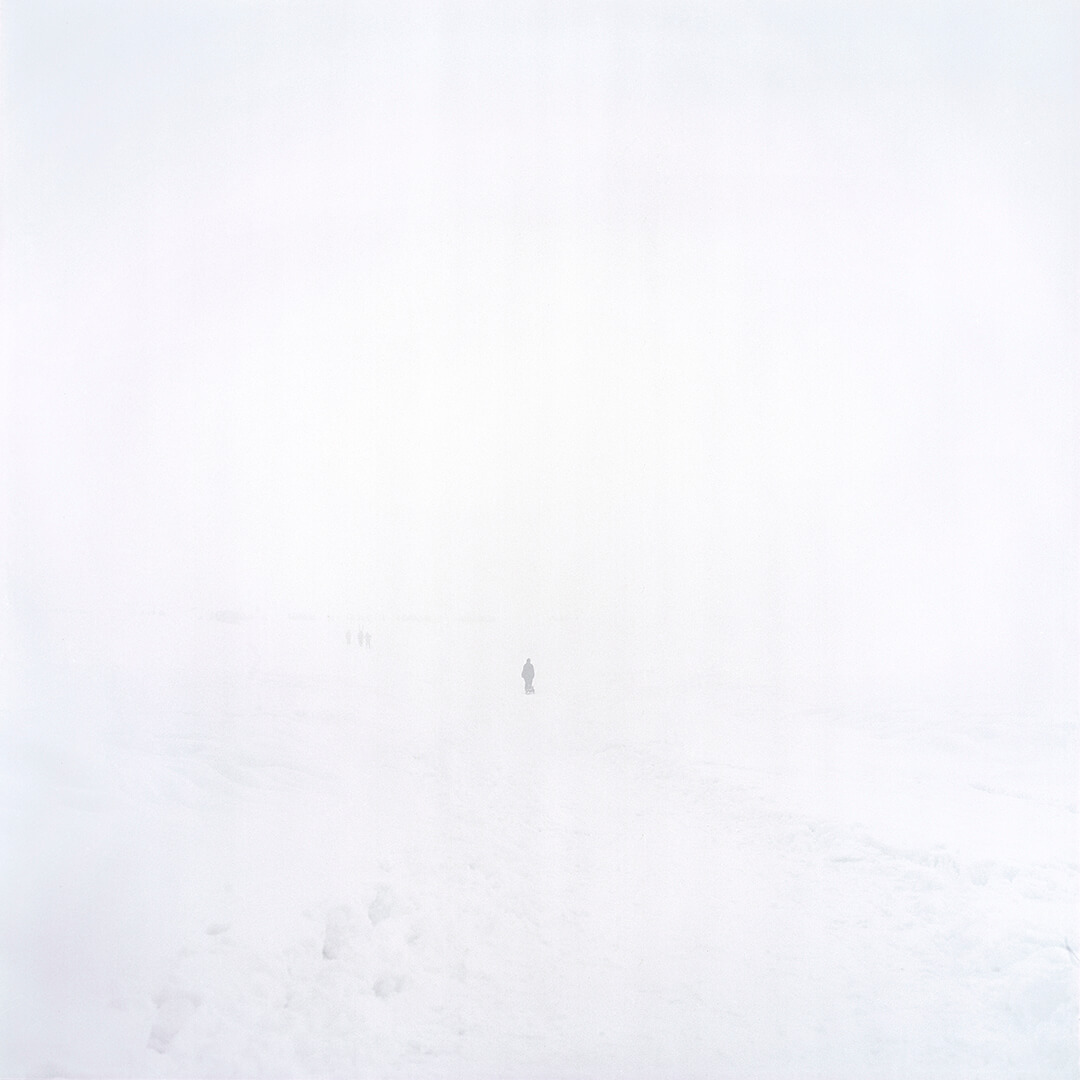
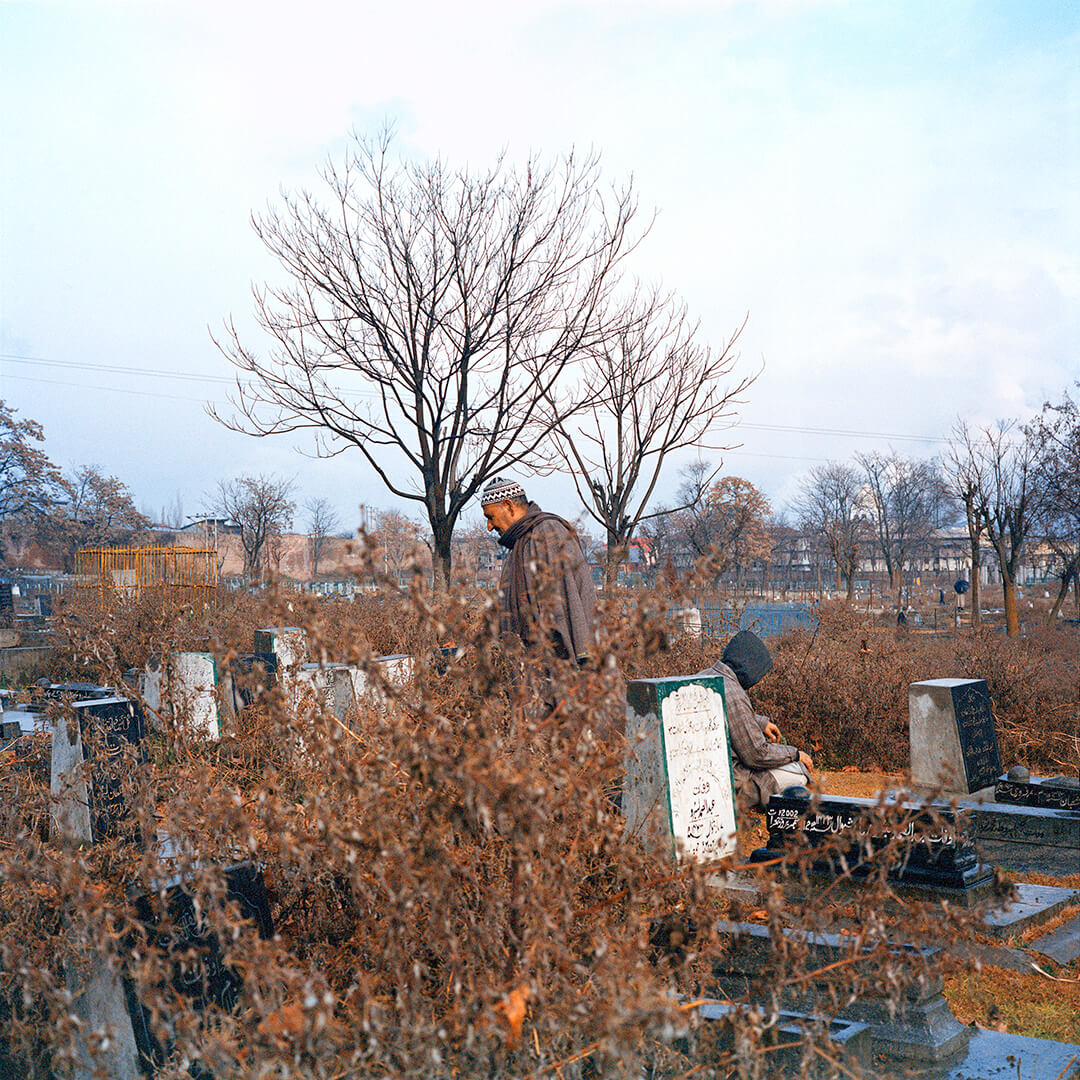
The glaring emptiness at the centre of the gallery is compensated for by the densely packed walls, with vast stretches of individually framed, carefully clustered photographs. A group of small, analogue televisions in one corner and three digital screens display the video artworks, their two-channel audios echoing through the exhibition space. The walls that display Snow tell intimate, personal stories from the point of view of an insider with time and curiosity to spare. The famed snowy landscape is shown caught in the three phases of Kashmiri winter—Chillai Bachha (baby cold), Chillai Khurd (small cold) and Chillai Kalan (harsh cold)—snowballs clutched behind a back, children at play, locals walking the blanketed streets, dogs lying in snowdrifts, warm houses, drying clothes and flipflop-clad feet in snow. Hura’s images are insistently opposed to the accepted grammar of images of Kashmir, rejecting the documentary style that focuses on troops, violence, blood and unrest. Nor does he resort to a Bollywood-glamorous view of snow-covered peaks and valleys that depict the region as a kind of winter wonderland for Indian tourists wishing to experience snow.
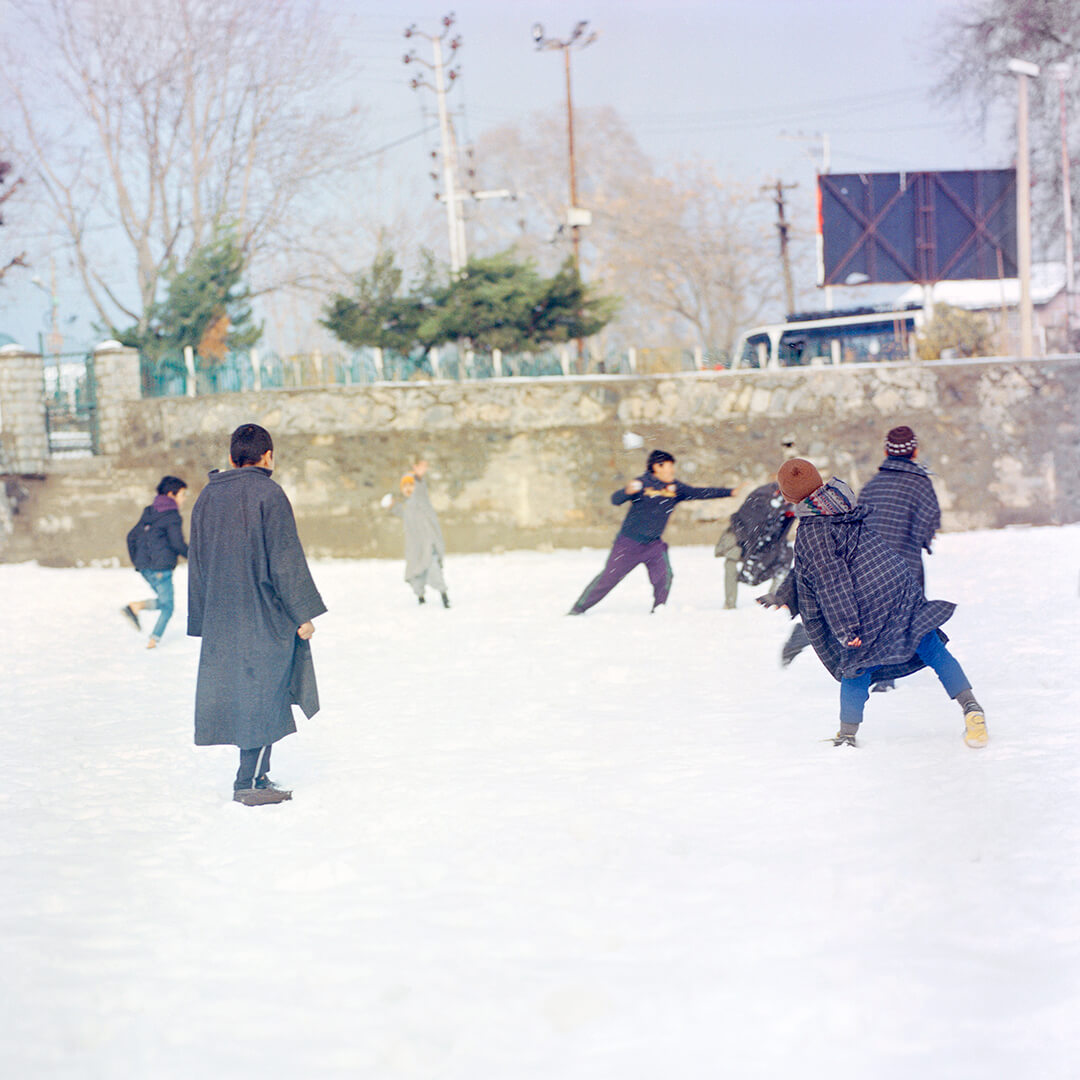
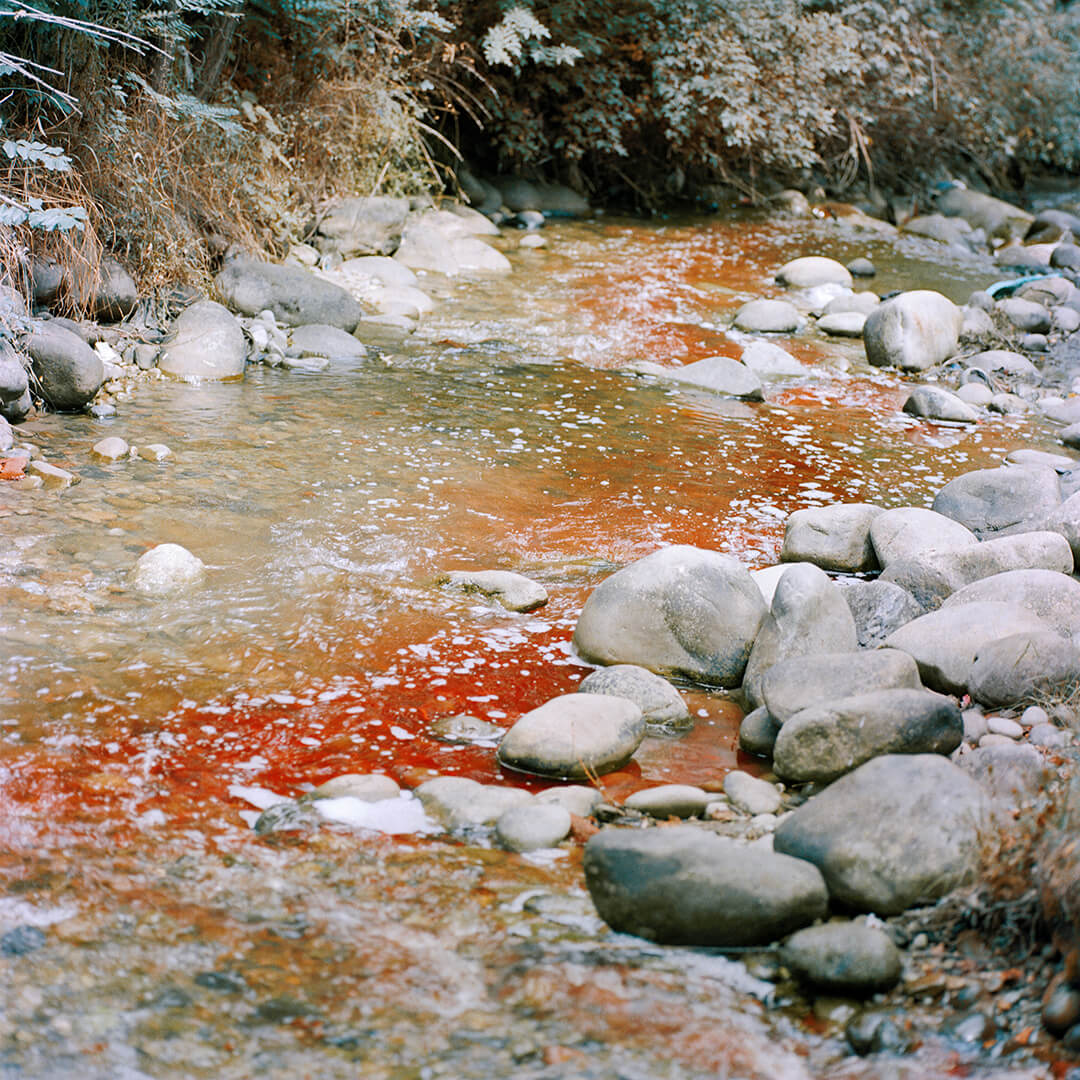
Hura’s work captures the everyday life of a people so subject to conflict that it has become a part of the local background. The images in Snow are not intended for news cycles or propaganda material; they depict the full, even mundane human lives that are lived outside the frames of mainstream media. The images suggest the contemporary condition and history of Kashmir, focusing not on the headlines of conflict, but on its aftermath, lingering in every mind, town and mountainside. “When it comes to photography, there is often a tendency to look at the spectacle because one has to tell a story with a limited number of images, so there can be a false assumption that photographs need to show big things. But it isn’t true, and I learnt that with my experience of making Pati,” the Indian artist tells STIR.
The series that sparked Hura’s interest in central India, Land of a Thousand Struggles, sees him play a role closer to that of a documentary photographer. Monochrome images with high contrast make locals the centre of the frame, their faces clearly, unambiguously visible, sometimes even making eye contact with the camera. The visual symbols of a labour movement—a photograph with a man’s feet and a resting axe in the foreground and another man tending to cattle in the background, labourers walking up a grey landscape, a jeep with a megaphone strapped to its top inching through a crowd of people—are the subject of these images. Accompanying them are captions in Hura’s own handwriting, adding more context and reality, and moving the series further into the realm of documentary. Captions like “People in Robertsganj (Uttar Pradesh) joined us for the Rozgar Adhikar Yatra rally on their tractors. Most of the rallies were led by women,” are part of Hura’s efforts to not only tell the personal stories of his photographs’ subjects, but to shine a spotlight on their political work and the larger movements they were part of.
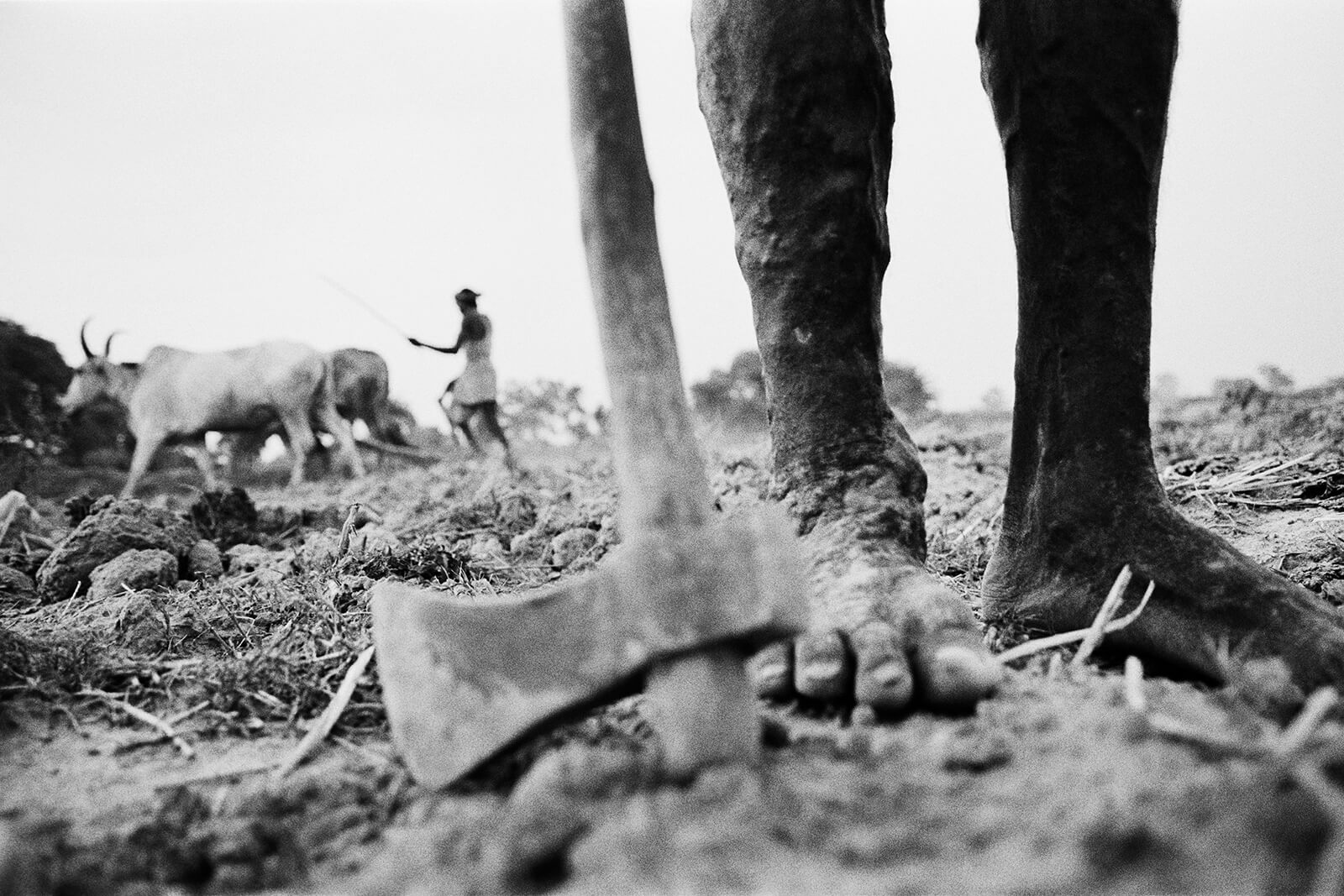
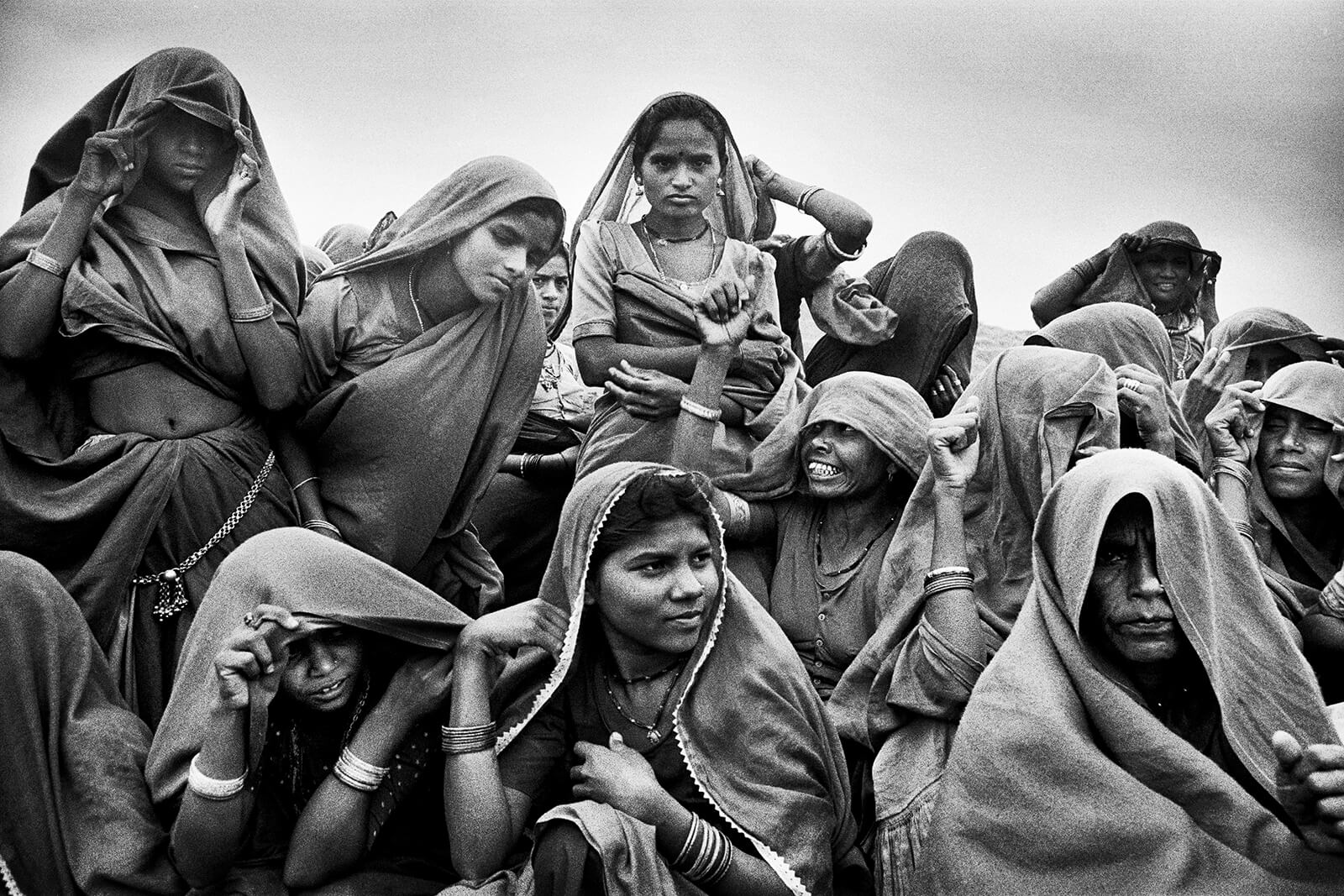
These photos are a record of the Right to Food movement, which Hura joined, embarking on a long bus journey through the rural and agricultural areas of North India as part of the final stages of pushing for the enactment of the National Rural Employment Guarantee Act (NREGA). Hura tells STIR about the relation between the movement and his images, saying, “In 2005 – 6, there was still a belief in general that photography could make at least some tangible difference on the ground. There was more hope in the possibility of holding the government to account. So, it made sense to be a lot more direct.” This directness is palpable in his journalistic photographs that stop viewers in their tracks with their chromatic and visual intensity. The difference between this series and Snow is obvious even in their titles, depicting Hura’s recent shift towards a more poetic register and gesturing to a broader shift in the role photography would come to play in society and media.
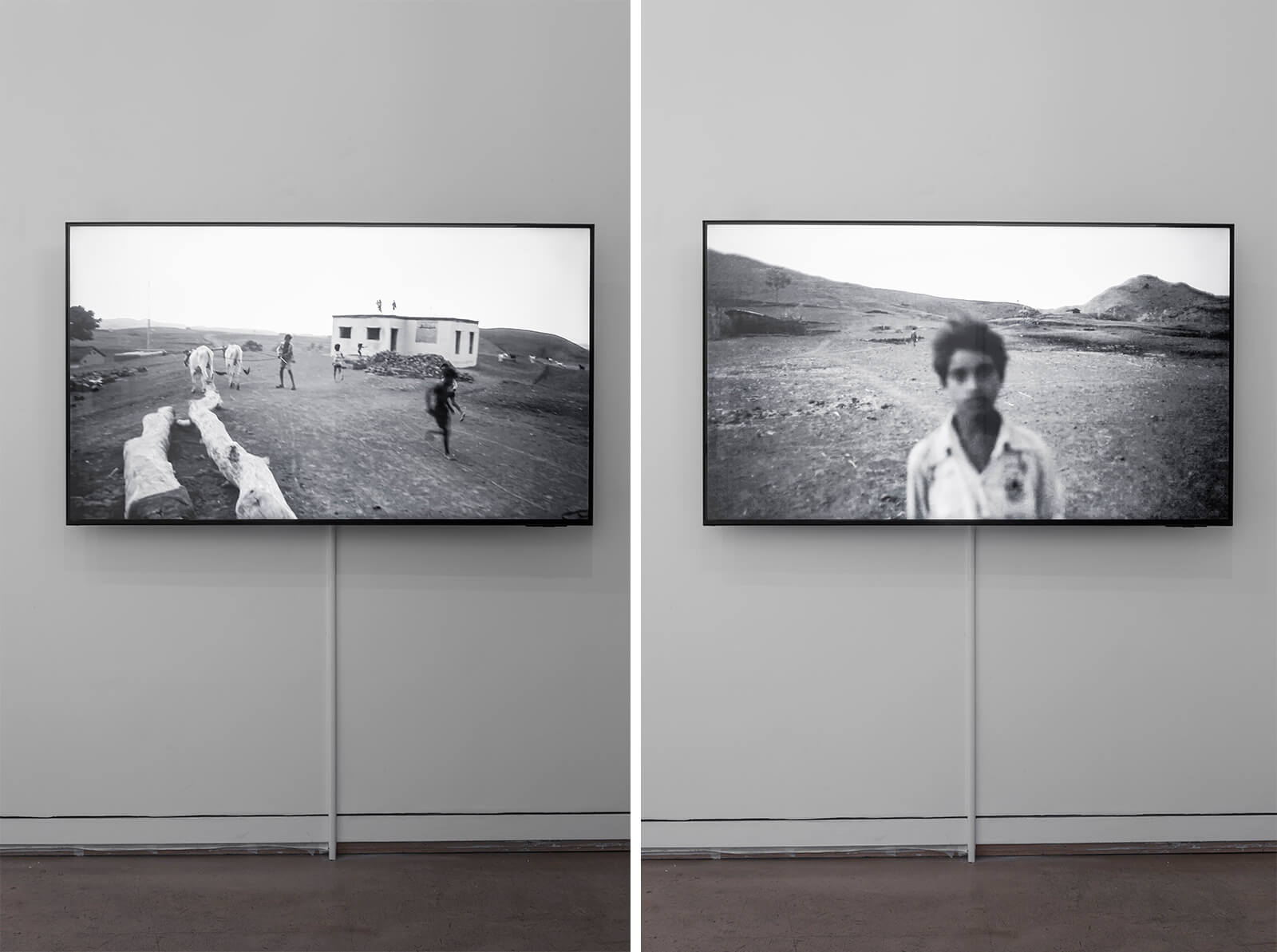
Pati takes off on a similar journey following movements in rural India, with Hura travelling to a cluster of panchayats in Madhya Pradesh named Pati in 2005, forming relationships with the Jagrut Adivasi Dalit Sangathan (JADS)—a unionised collective advocating for the rights of Dalit and Indigenous people. Hura’s return to the state and his continuous journeys there for over 15 years form an essential part of the photographer’s practice. Hura takes the time to form long-term relationships with his subjects, their environment, politics and way of life, shifting his view from the voyeuristic one of an outsider to something more familiar, ingratiated and educated. Stills expand into moments and scenes (stills of the same everyday realities, stills in the same monochrome), and captions turn into voiceovers as Hura describes narratives and his relationships with subjects over the years of his leaving and returning.
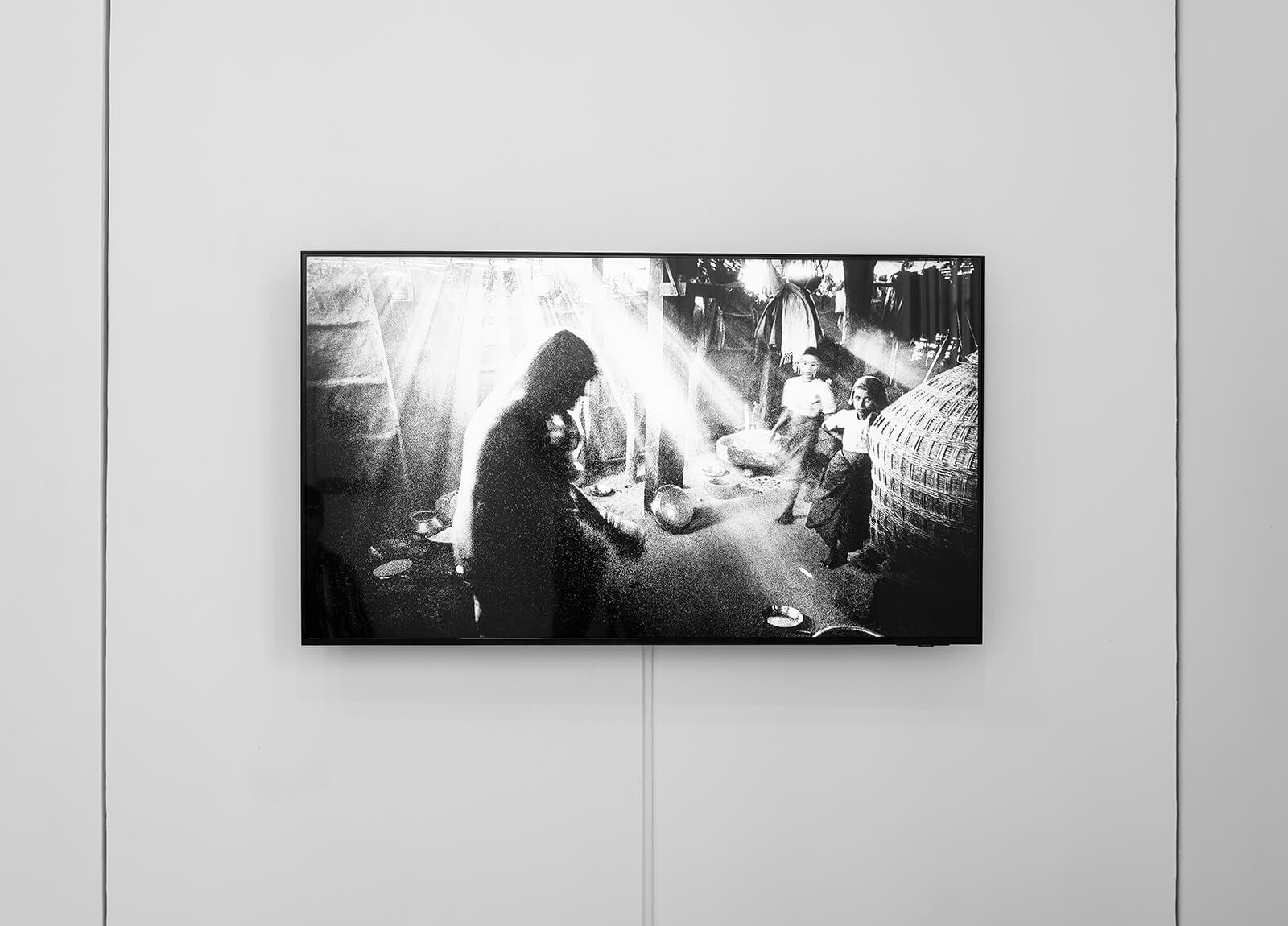
This project—the beginning of the contemporary artist’s work in video—was a happy accident—the result of misreading an email from a fellowship programme for photographers in 2010. Mistakenly understanding that a submission needed to include video, sound and text in addition to photographs, Hura hurried to Pati from his home in New Delhi to capture missing material before editing together all the elements in a rush, his voice narrating the resulting artwork. This accident would have crucial knock-on consequences for his oeuvre as he explained, “There was an immediate realisation that the images seemed very different from what I had known earlier. Since then, how images move is something I always consider, no matter the medium I am exploring. Even in [A Winter Summer], the two works following Pati—Snow and The Song of Sparrows in A Hundred Days of Summer—there are specific movements. In Snow, to articulate the passage of time across the season, the edit of images is long and drawn out to make the transition smooth. On the other hand, in the summer work, the edit is more staccato, focusing on the stillness of time and the long wait before the monsoon.”
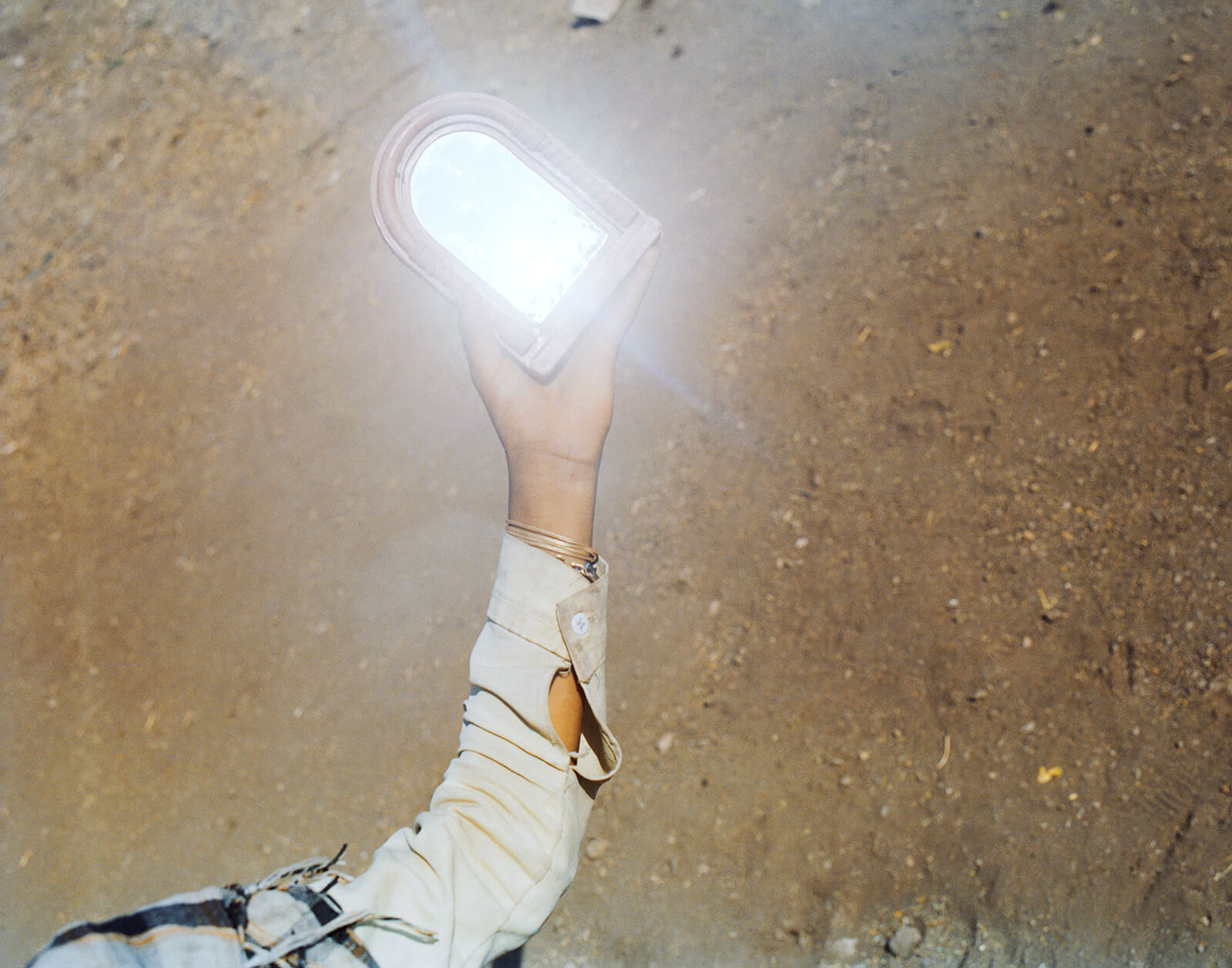
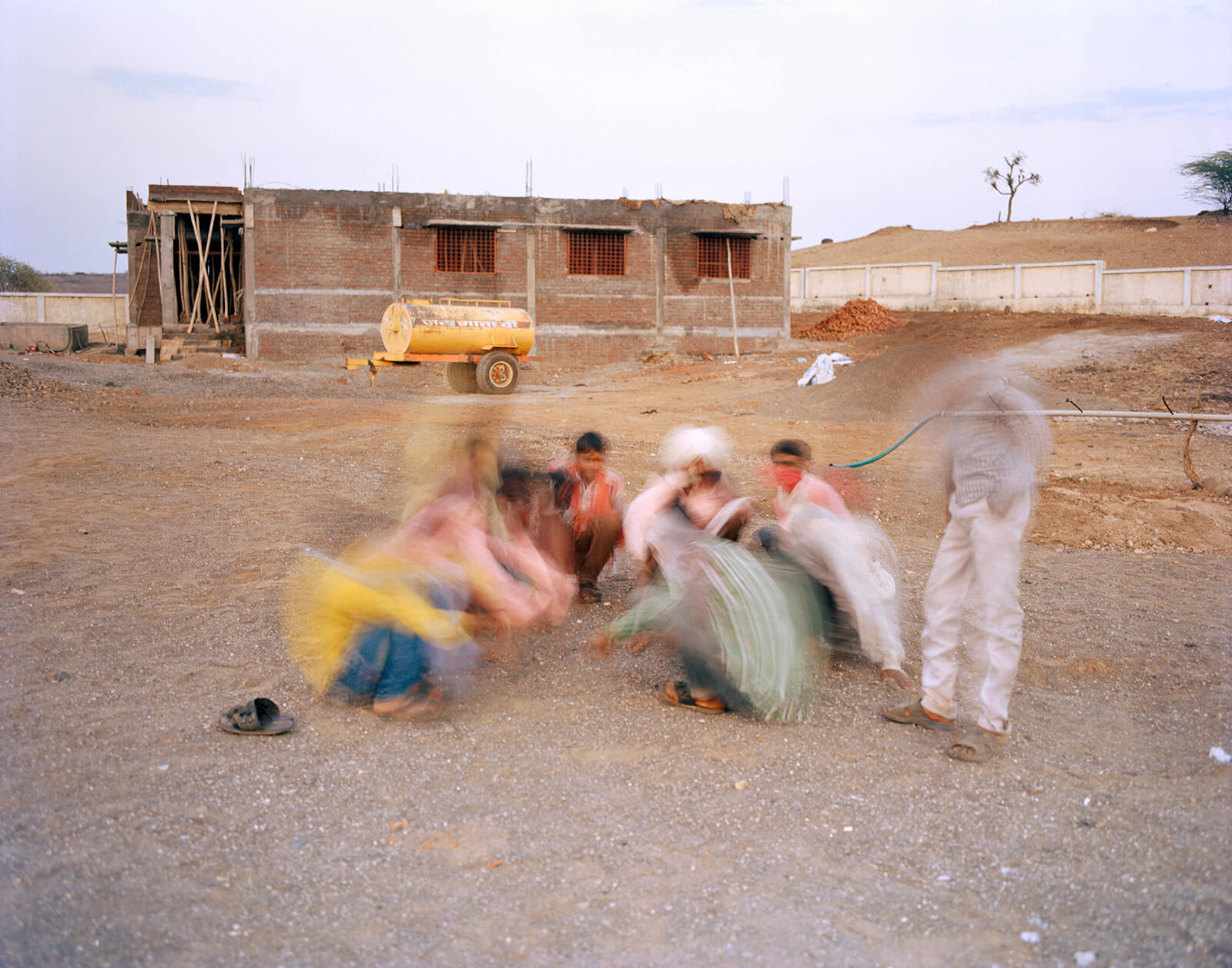
This awareness of time and rhythm is reflected clearly in Hura’s work. In The Song of Sparrows in a Hundred Days of Summer, motion blurs a group of youngsters squatting outside a construction project; mimicking the waves of summer heat, a woman’s hair appears to sway in a breeze; and a photograph of a woman caressing the back of a young child seems like a freeze frame from a video, languid and unhurried. Hura talks about the significance of time to his practice and this project, saying, “Time is always a luxury to give to any work. The more time that I am able to spend with the people or the place that I’m photographing, I have a better sense of what my relationship is to the work that emerges…It took me almost eight years of a relationship and familiarity with Savariyapani to be able to want to attempt to photograph an intangible and invisible subject, such as a moment of heat.”
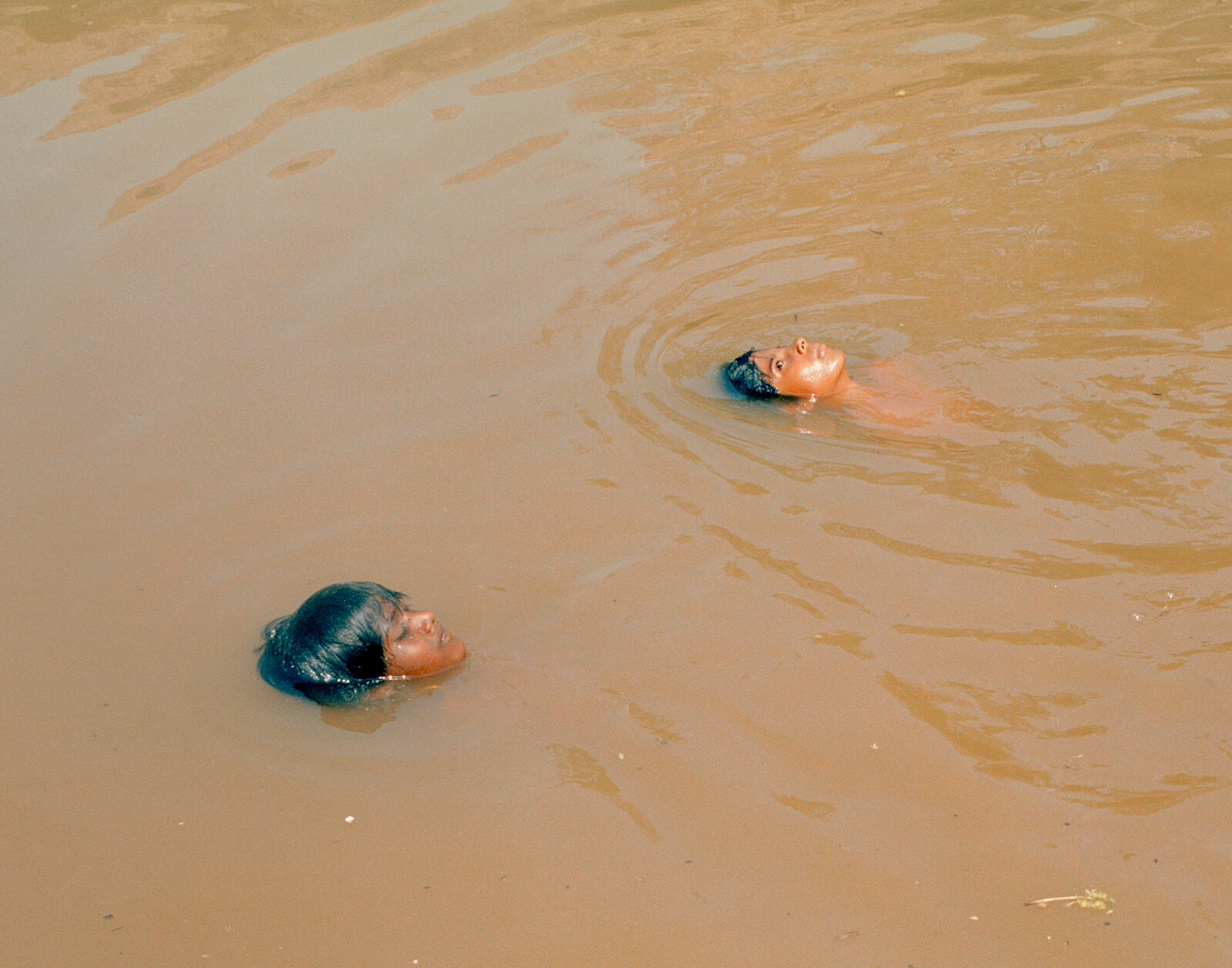
This relationship with time, his subjects and their locales is reflected not only in the photographs that make up the two most recent series on view at A Winter Summer, but also in their preoccupation with seasonality. Each series shows an extreme of the subcontinent—not just in weather but in access to labour, justice and peace. The weather is a pathetic fallacy—a literary device wherein environmental factors like weather echo human emotions—that illustrates the human experience of living in a specific region with what Hura terms, “the suggestive looseness of a poem.”
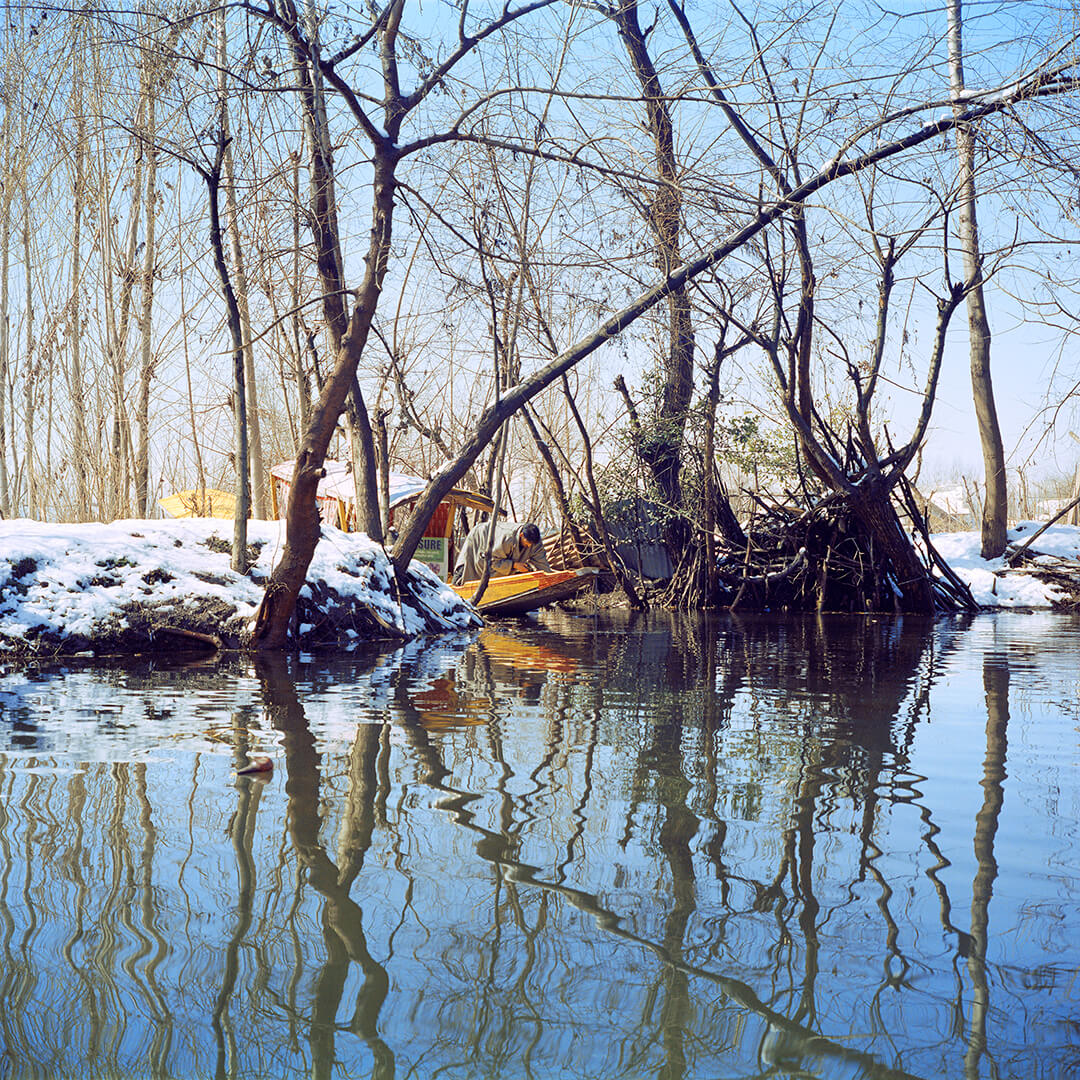
In a world where the climate crisis and its signs emerge more insistently every day and in every place, Hura is insistent about separating his work, saying, “I’m aware of the environmental themes that my works embody; however, those are not the meanings that I want to foreground. I’m more interested in the people, and seasons are simply the surrounding context, a doorway that I’m leaving for the audience to enter the work from. I hope that they leave the work with more than a sense of seasonal change.” Charting decades of Hura’s work and long-term engagements with regional communities through the rooms of Experimenter, it is clear that A Winter Summer and Hura’s practice are not so easily readable, neatly defined and interpreted or thematically pigeonholed—a reflection of the lives he depicts and represents.
‘A Winter Summer’ will be on view from April 24 – July 19, 2026, at Experimenter, Mumbai, India.
by Srishti Ojha Jun 19, 2026
The gallery presents the largest retrospective of the modern artist in the last 50 years, enlivening eternal debates about what ‘real art’ is for 21st-century audiences.
by Srishti Ojha Jun 16, 2026
In Predicting History: Testing Translation at the 61st Venice Biennale, the black British artist depicts the strategies marginalised people must employ to create belonging.
by Srishti Ojha Jun 15, 2026
The New Delhi-based photographer’s docu-fiction photo series follows a nomadic troupe of Tamasha folk-art performers who bend form to capture feelings.
by Agnish Ray Jun 12, 2026
Queer and migrant identities intersecting at this year’s Venice Art Biennale highlight the normative exclusions of the nation-state.
 surprise me!

make your fridays matter
SUBSCRIBE
make your fridays matter with a well-read weekend
Enter your details to sign in
Don’t have an account?
Sign upOr you can sign in with
a single account for all
STIR platforms
All your bookmarks will be available across all your devices.
Stay STIRred
Already have an account?
Sign inOr you can sign up with
Tap on things that interests you.
Select the Conversation Category you would like to watch
Please enter your details and click submit.
Enter the 6-digit code sent at
Verification link sent to check your inbox or spam folder to complete sign up process


Seasons symbolise more than weather in Sohrab Hura’s A Winter Summer
by Srishti Ojha | Published on : Jun 09, 2026


 Sign in with Google
 Sign in with email
What do you think?