Art10 mins. read
How long can we continue performing neutrality under the spectre of war?
by Debika RayJun 04, 2026



by Agnish RayPublished on : Jun 12, 2026
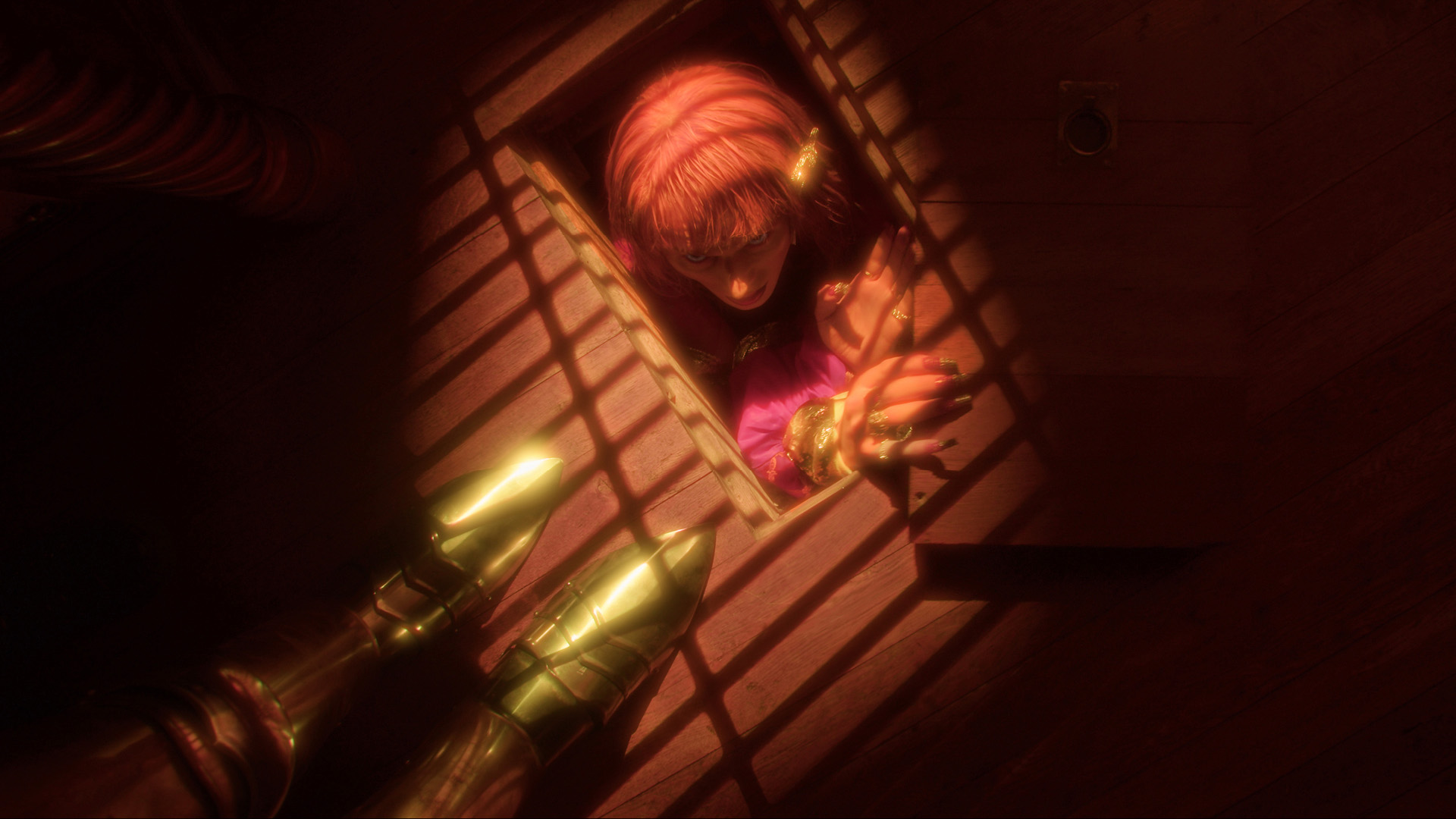
An exhibition about queer shame has been chosen to represent Scotland at the Biennale di Venezia this year—but the idea originated, surprisingly, in a cemetery in the Philippines. With reference to drag, anime and karaoke, it’s one of the projects at Venice Biennale that touches on the relationship between queer identities and matters of nation and migration.
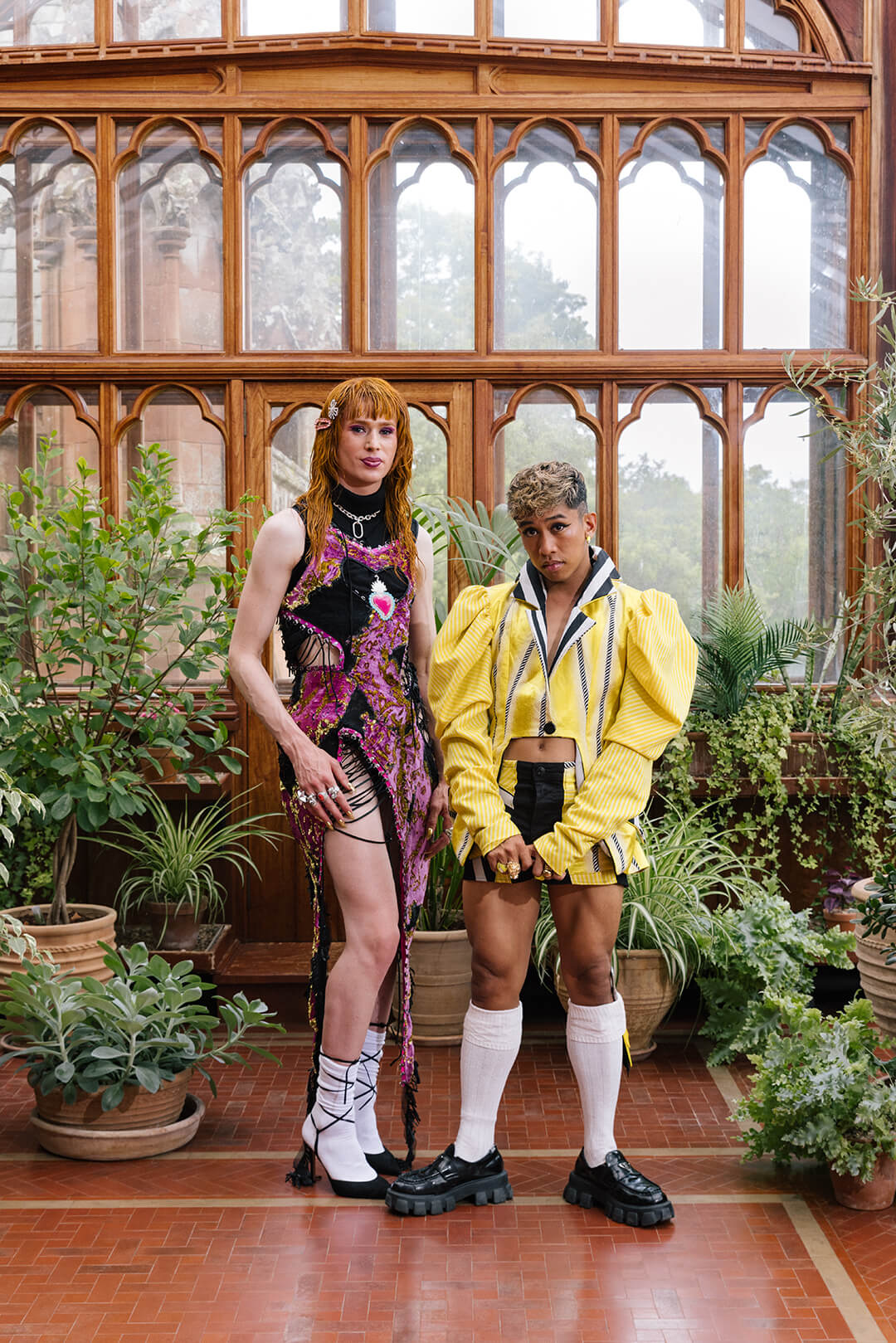
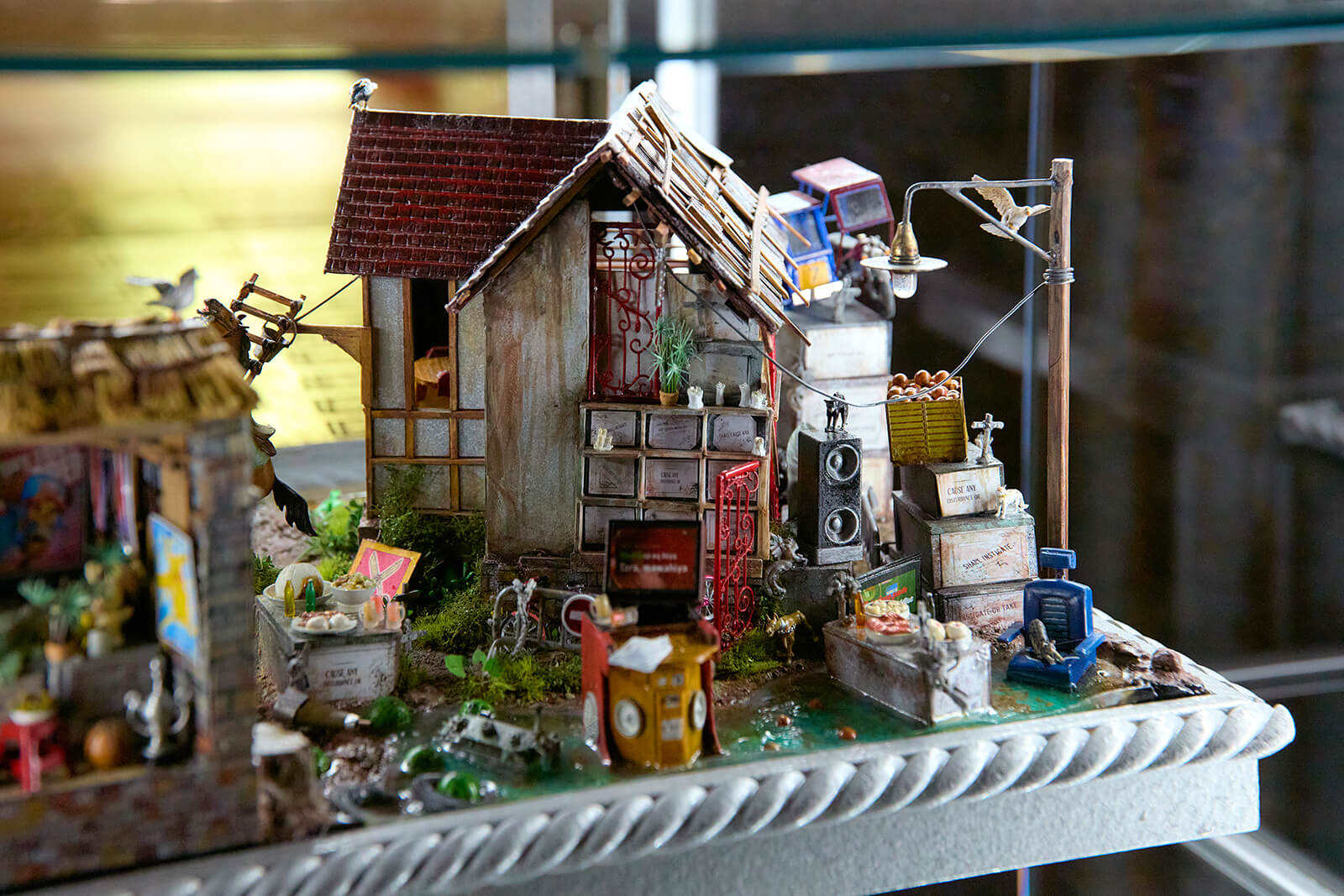
In Manila North Cemetery, thousands of the city’s most economically disadvantaged people live in makeshift homes among gravestones and tombs. Dense overpopulation and a lack of housing have, for many years, driven low-income or unemployed citizens here to fend for themselves in flimsy shelters with scarce access to basic necessities like electricity and running water. Glasgow-based Filipino artist Davide Bugarin was particularly struck by the restrictions imposed on these residents’ lives—including a noise curfew that plunges the settlement into silence at night, under legislation related to public disorder often discriminatorily applied to vulnerable communities in informal housing. To Bugarin and his collaborator, Angel Cohn Castle, who is from London but based in Scotland, it showed how sound provides a site for state control, leading them to consider other forms of silencing through a queer lens.
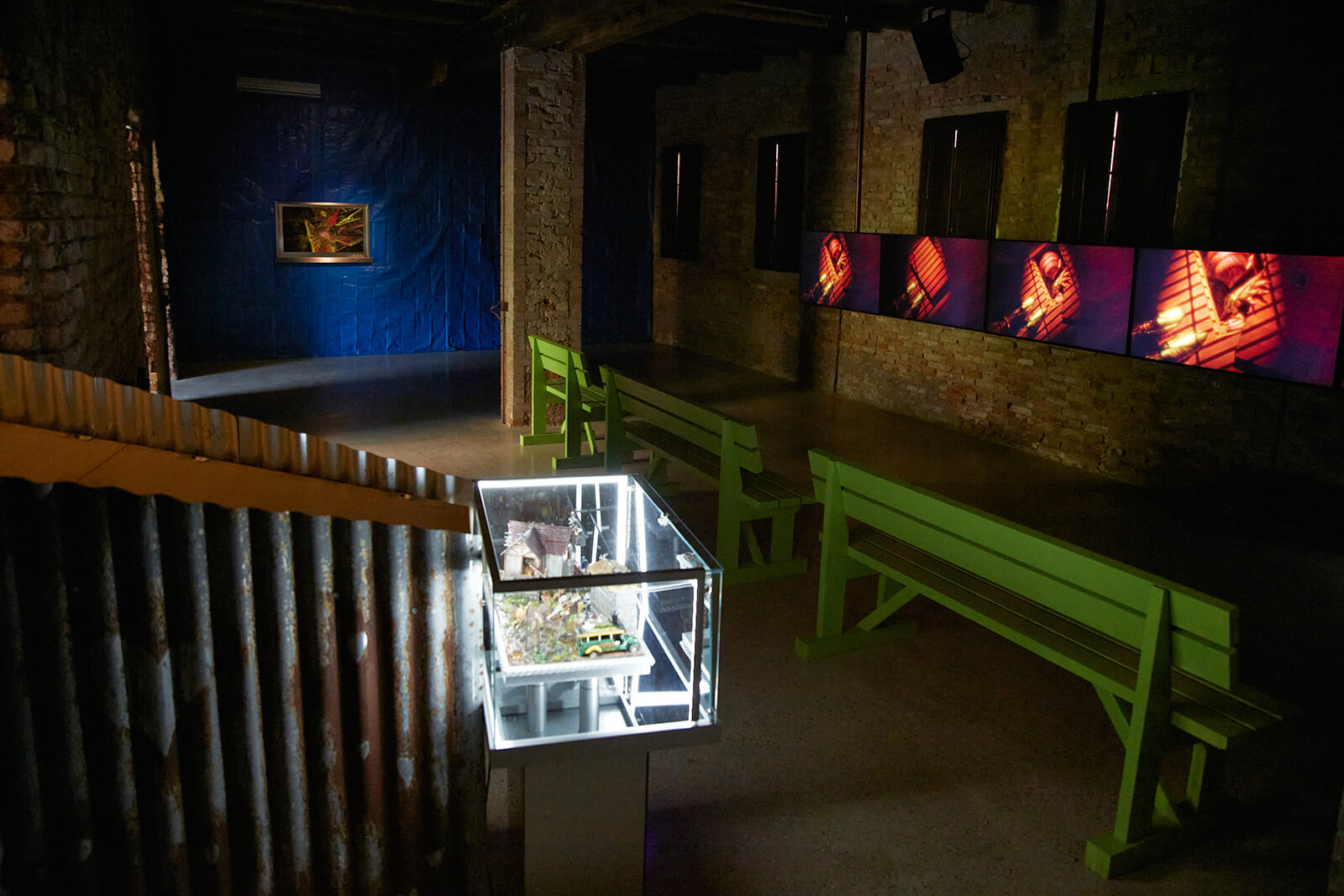
The resulting exhibition, Shame Parade, draws from the idea of public disturbance to chart the function of silencing—and therefore shame—within a hetero-patricarchal social order. “There are many histories of sound being used to shame, of having to be silent or discreet at a certain time,” explains Castle, referring to the cemetery as well as to queer and trans people having to suppress themselves. “But within that, there’s playfulness and subversion—there are different ways of avoiding sound restrictions.”
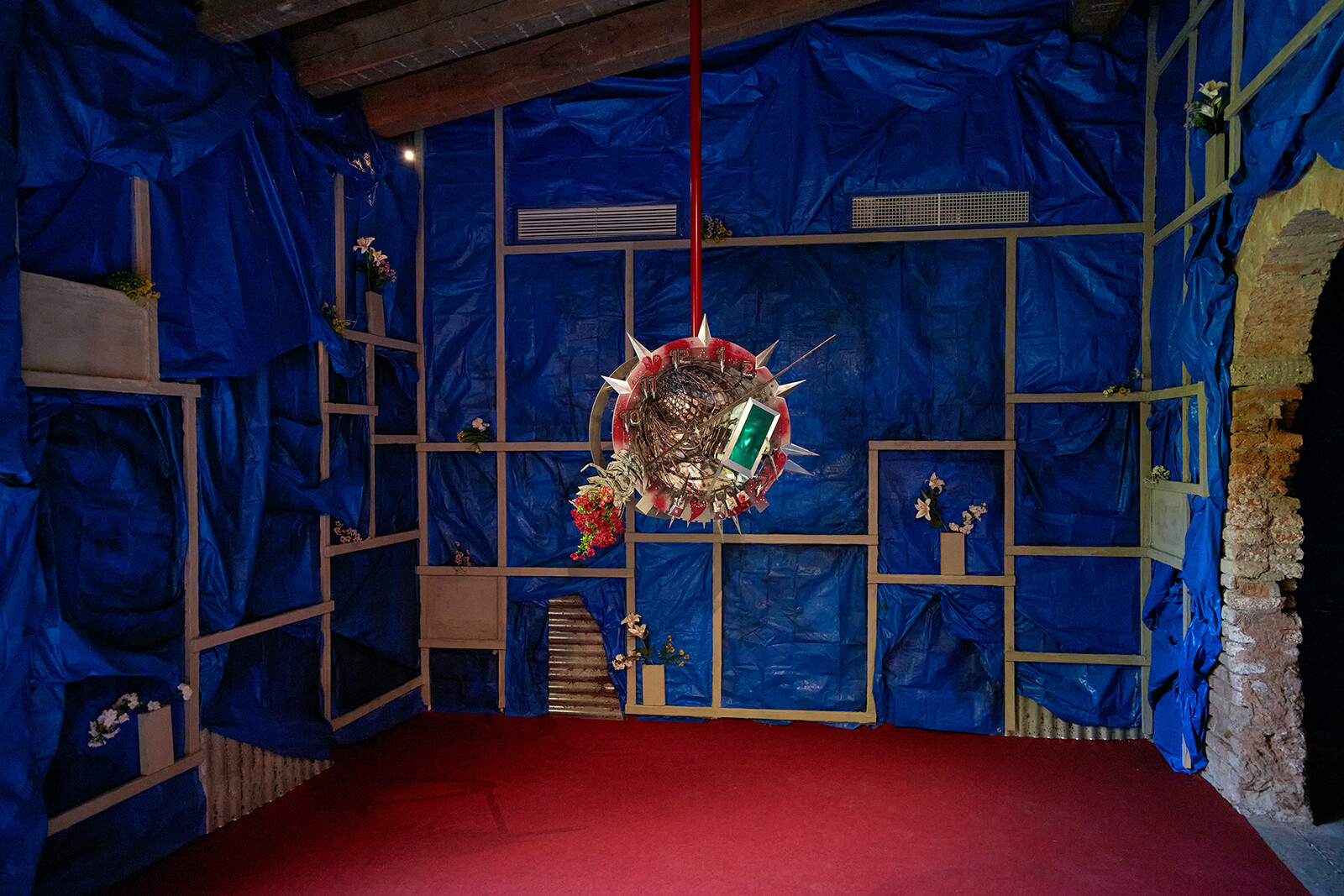
The installation At Certayne Tymes recalls the Manila cemetery through stone-like structures bearing funereal flowers, while a suspended sculpture resembling a clock— symbolising control over the movements and behaviours of marginalised people—is decorated with gemstones, nail art and Filipino mother-of-pearl. “The maximalist, decorative language of drag contrasts with the clock, which is an object that dictates where to be and when,” says Bugarin.
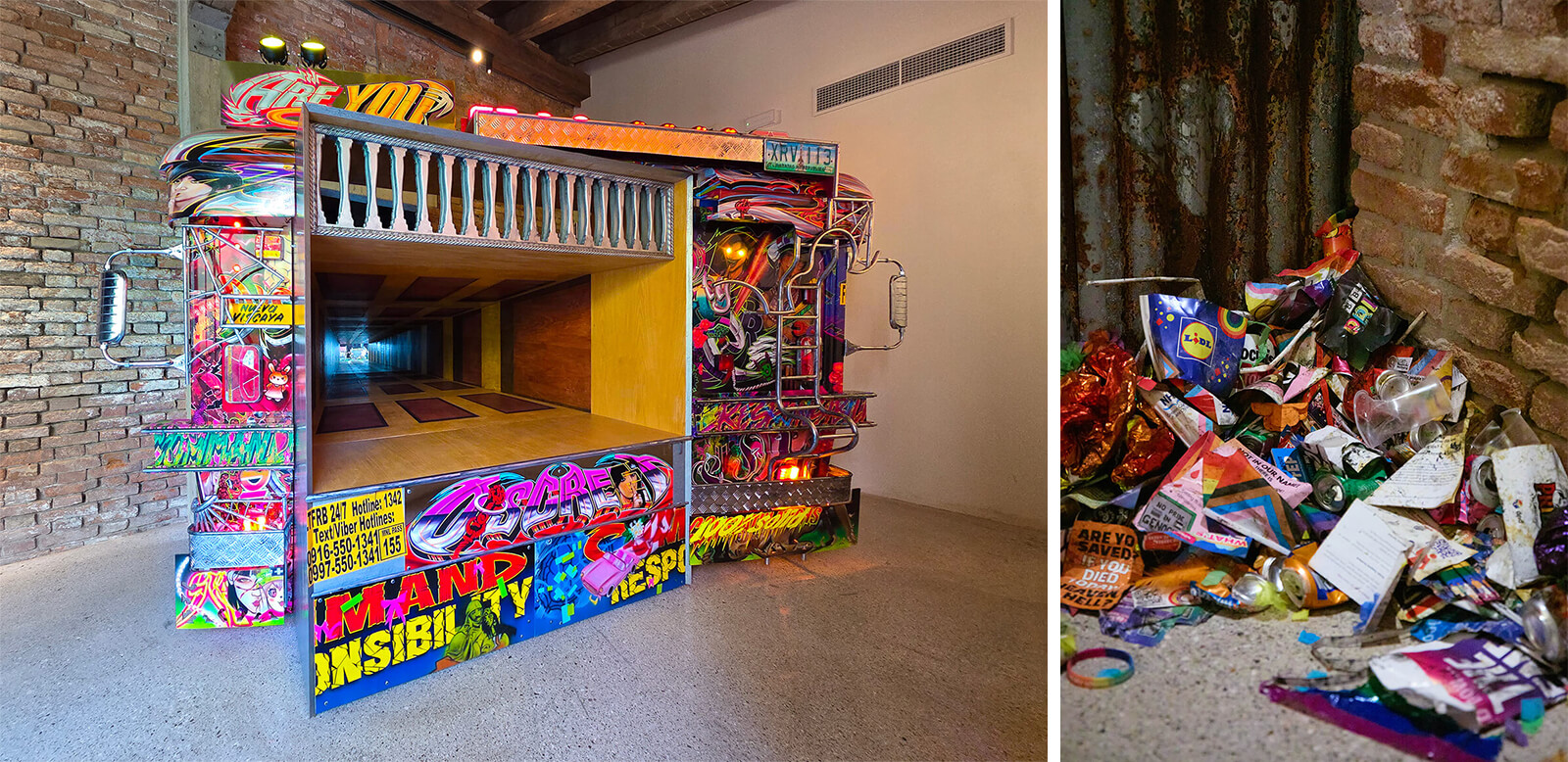
Another work, Nocturnal Amusements, is designed like a jeepney—a Filipino public bus originating in disused US military vehicles, explains Bugarin, who lived in the Philippines until he was 12 and returns often. The sculpture is painted with camp colours and anime and pop culture imagery, while queer and trans figures make shushing gestures, alluding to discretion and silencing.
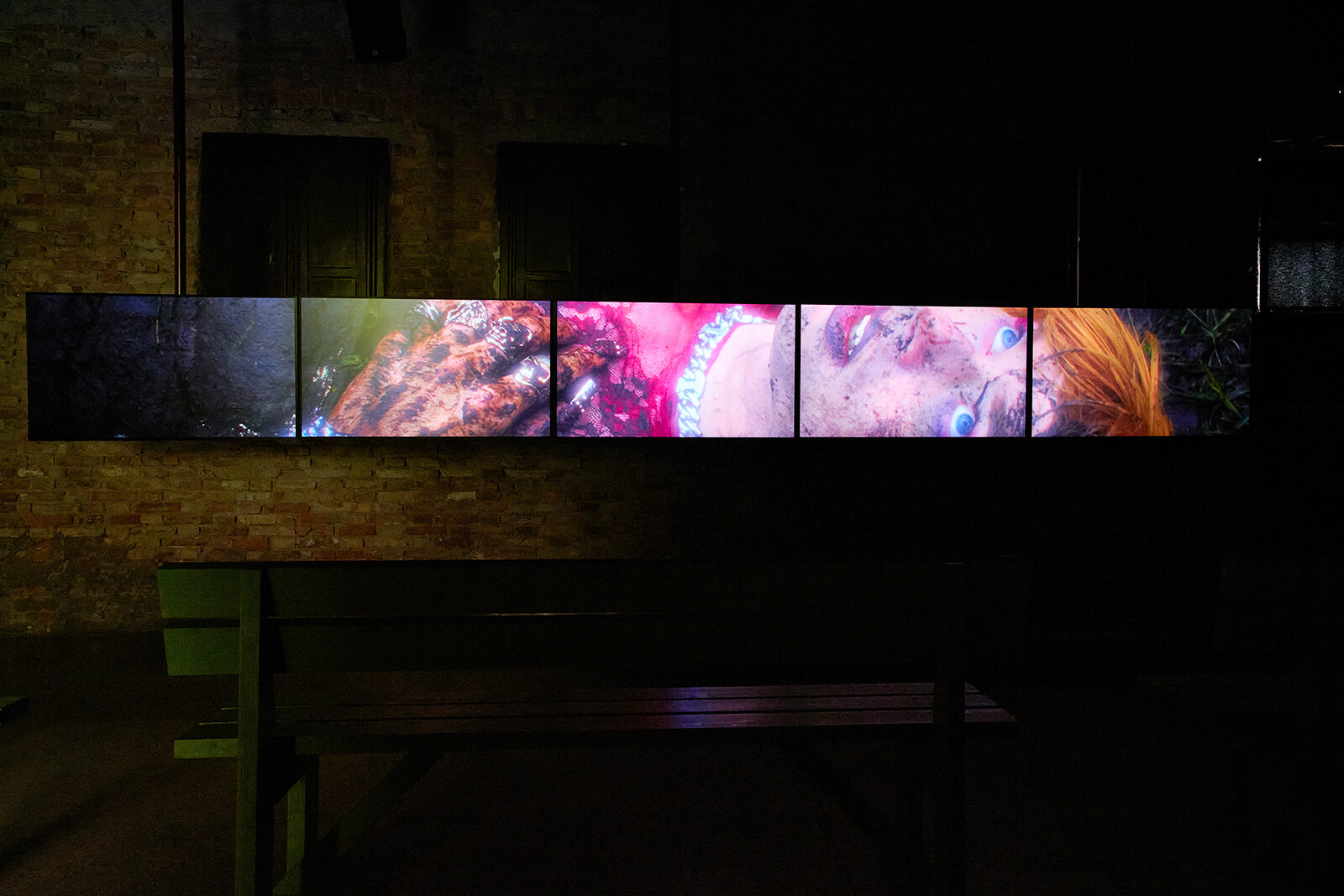
Although the idea began in Manila, Bugarin+Castle see shame as a crucial question for queer and trans lives in Scotland. A resin sculpture of an Adam’s apple and a film work depicting voice feminisation training allude to the public scrutiny on trans women during a UK Supreme Court ruling last year on the definition of womanhood, following a legal case by campaign group For Women Scotland. Hidden in a corner, meanwhile, is a pile of items found discarded during Pride events in Scotland, further probing at shame. “If pride is important, then the inverse must be important too,” says Castle.
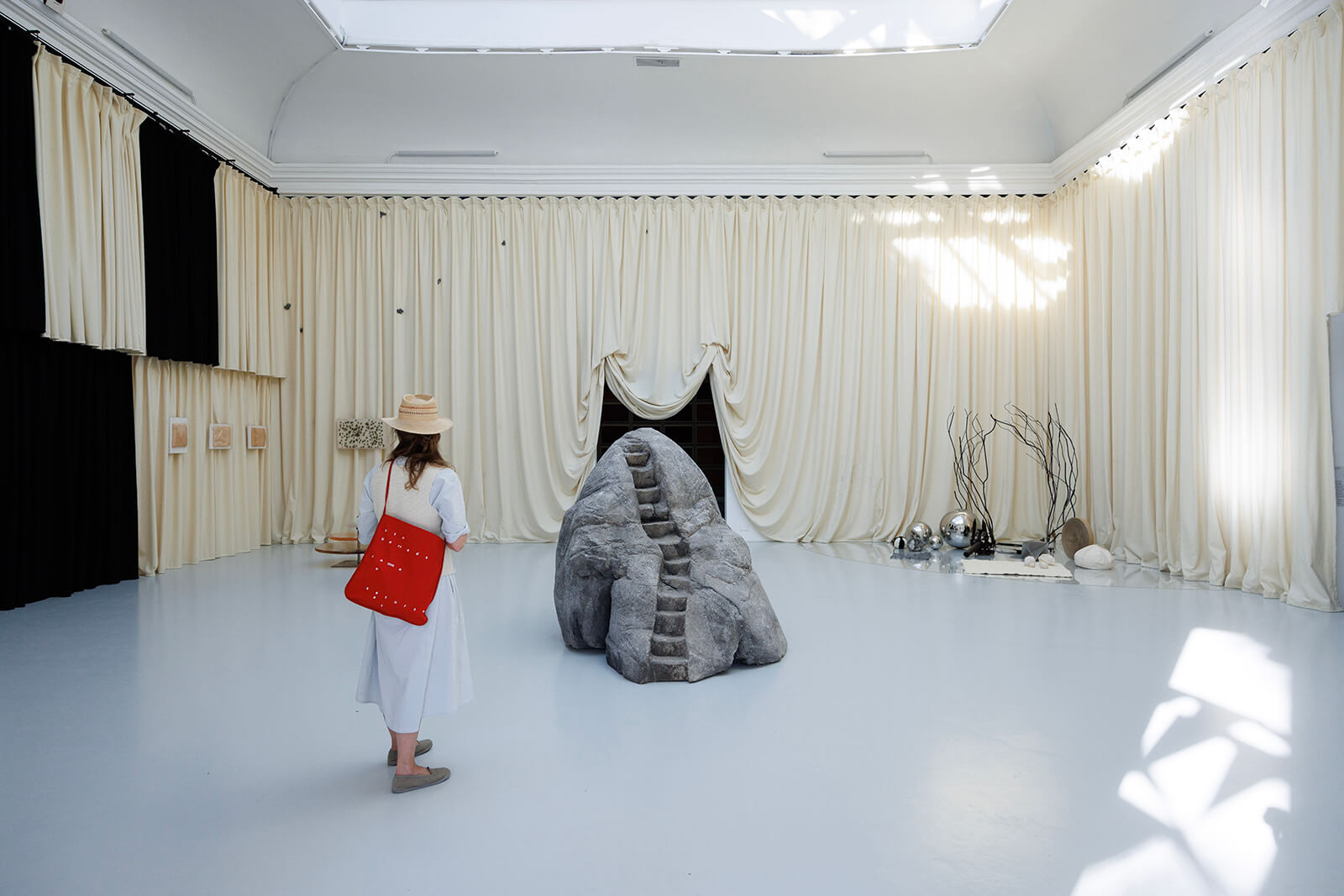
Like Bugarin, migrant and diasporic artists represent their nations at Venice in increasing numbers. Lubaina Himid, for Great Britain this year, was born in Zanzibar, while France’s artist Yto Barrada has Moroccan parents and was raised in Tangier. The Australia pavilion is showing Lebanese artist Khaled Sabsabi, while Vietnam-born Sung Tieu and Iran-born Abbas Akhavan are representing Germany and Canada, respectively. They reflect a confluence of cross-national identities but also a world shaped by movements that often stem from the dynamics of colonialism and conflict.
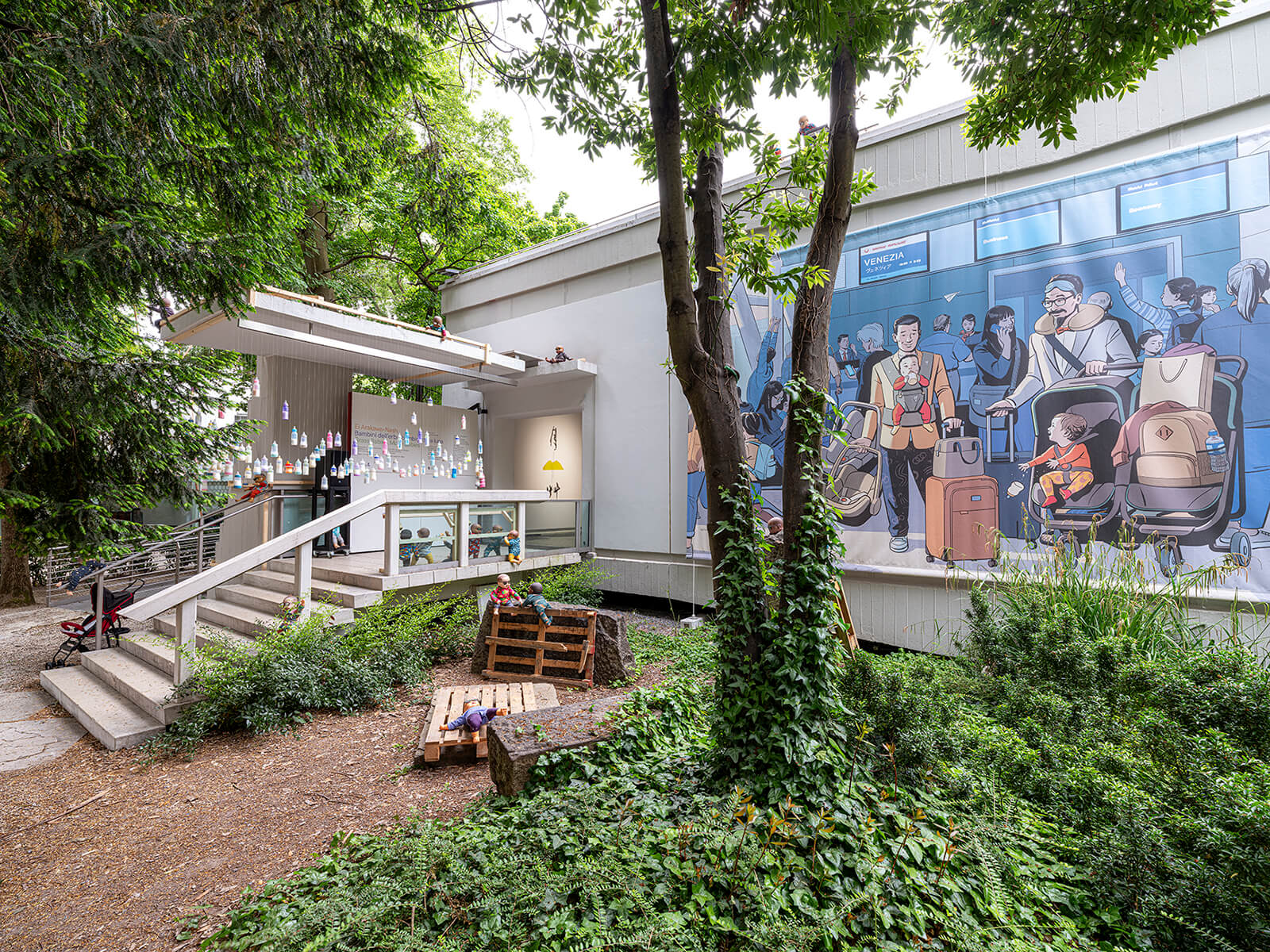
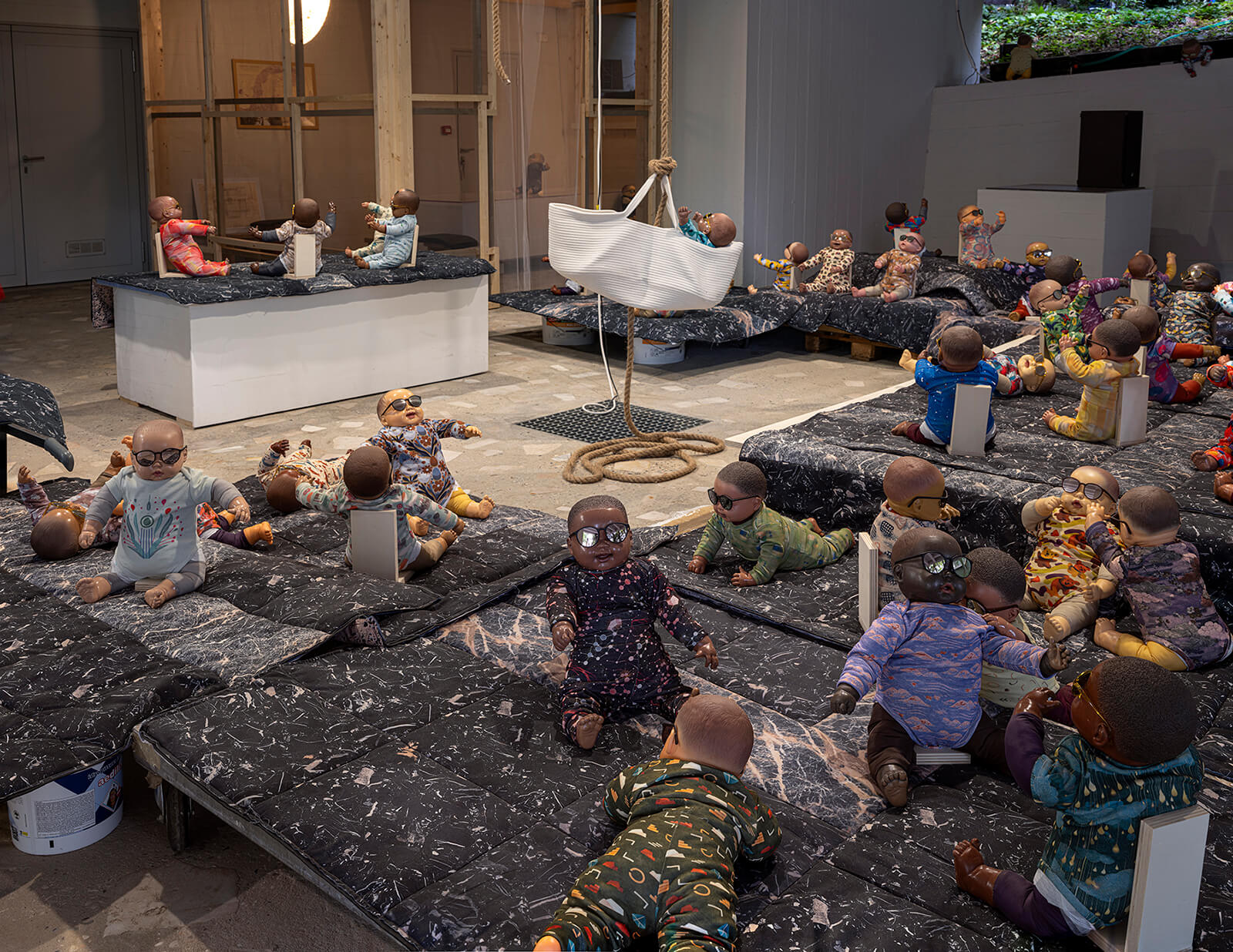
Further complexities emerge when migrant and queer identities intersect. Fukushima-born Ei Arakawa-Nash has filled the Japanese pavilion with over 200 baby dolls, contemplating his life as a queer parent. The space might also symbolise the US, the artist’s home since the 1990s, where state authorities intimidate and attack immigrants. “During the pandemic, discrimination against Asians in the US increased,” says Arakawa-Nash. “Many of us in the art community came together collectively to resist it.” Through queer parenthood, therefore, his work speculatively imagines the Trump-led nation populated by the offspring of outsiders.
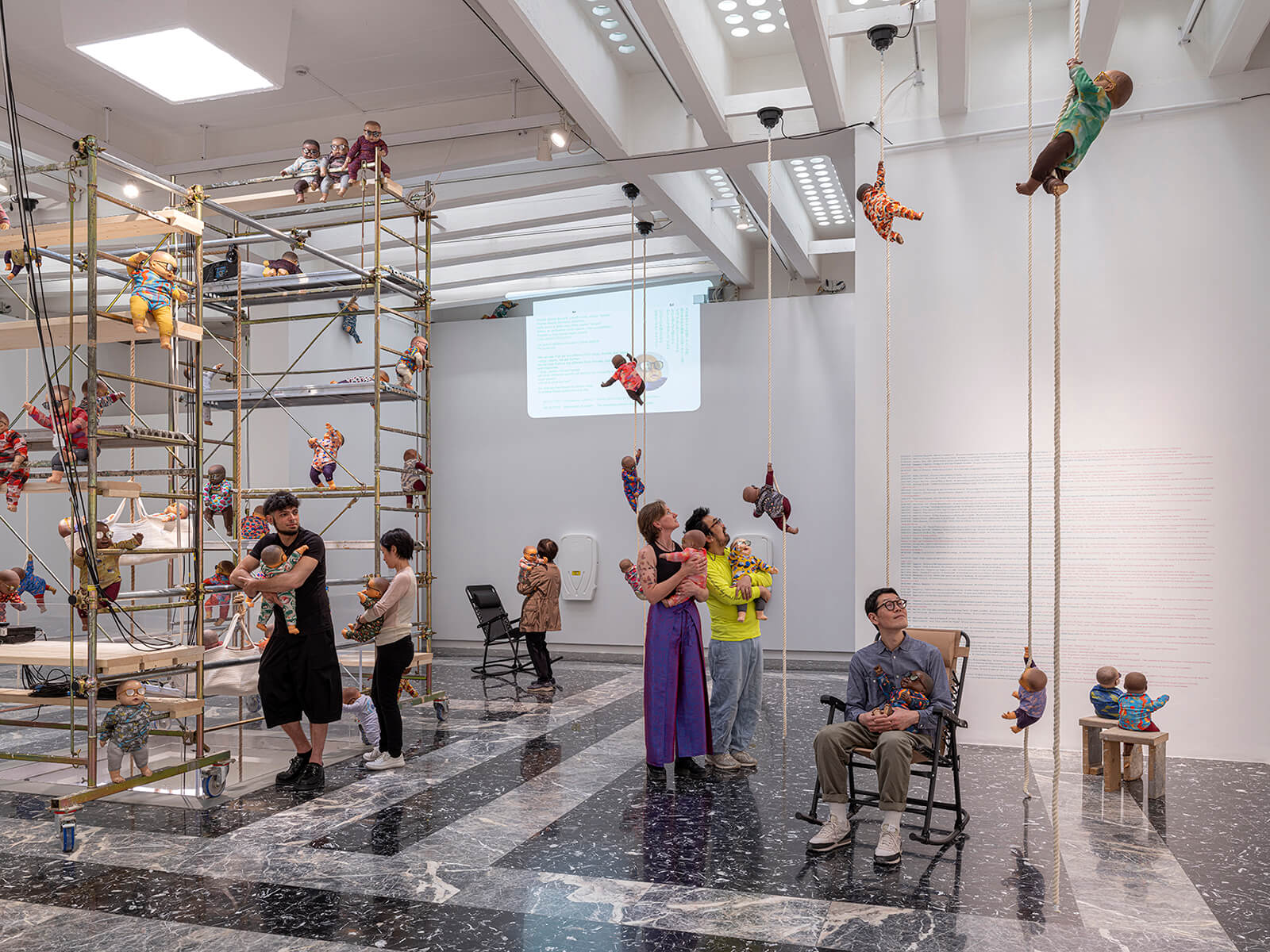
Inviting visitors to care for babies, the exhibition diversifies structures of kinship and governance—relating as much to families as to states. “How does my family want to be governed?” the artist asks. “How well does the state recognise queer parents?” By examining the diasporic experience through alternative family models, his work also queers normative ideas of nationality and nationhood.
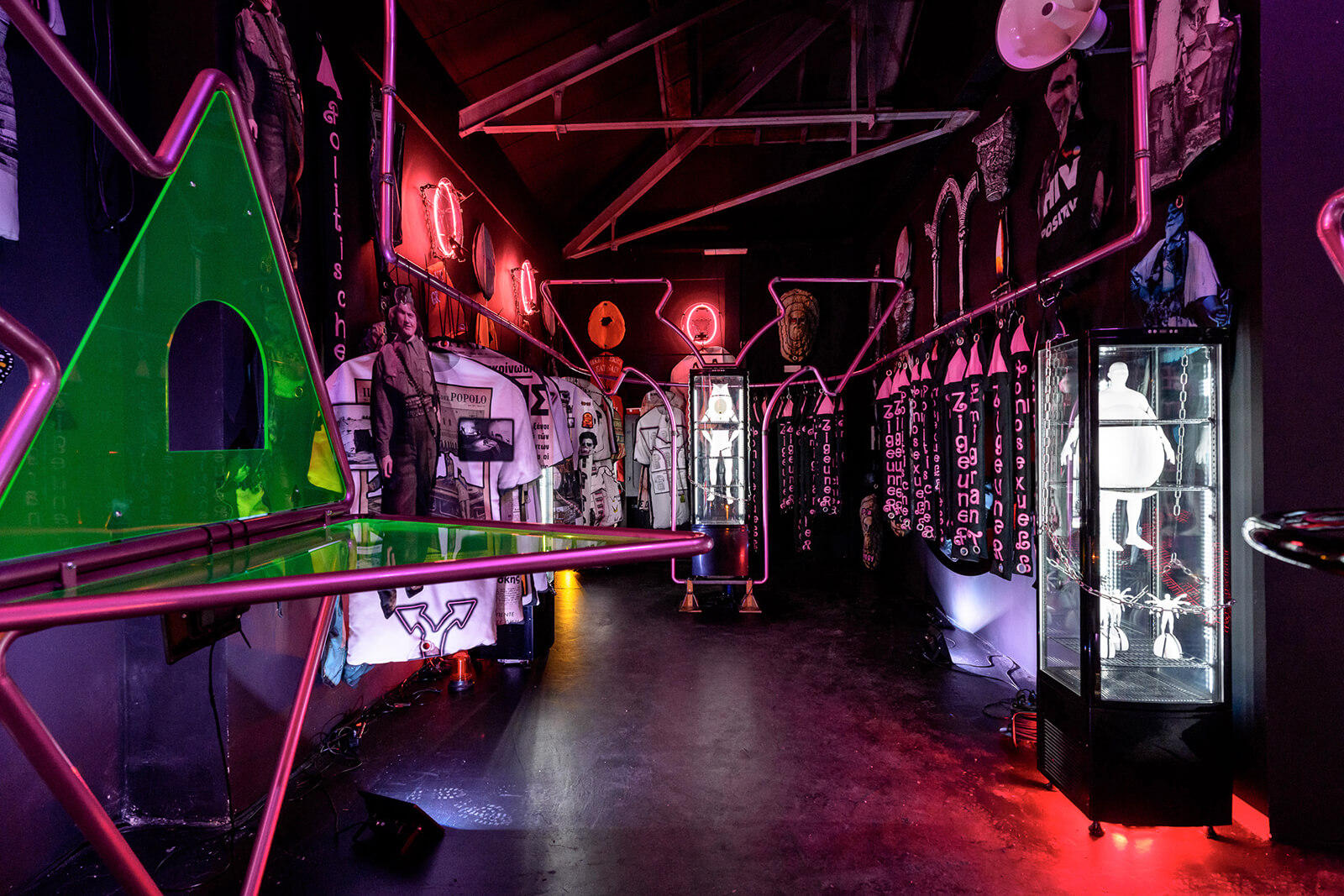
Queerness, after all, often underpins the formation of nation-states. Andreas Angelidakis’s exhibition parallels the establishment of the Greek pavilion in the 1930s with the persecution of homosexuals under fascism; he traces this further through time, through Yannis Tsarouchis’ paintings of naked gay men being arrested to images of activist Zak Kostopoulos, killed in Athens by police violence in 2018. Black walls and a red neon-lit dance floor recreate a dark 1980s gay club—a space for deviant subjects, complete with S&M gear and the sound of Frankie Goes to Hollywood. Alongside subversions of nationalist, Neo-Byzantine architecture, the work portrays the state body as haunted by queer ghosts.
Switzerland’s artists also examine LGBTQ+ people’s participation in national systems of belonging. One space in the pavilion resembles an underground nuclear bunker, replicating those assigned to Swiss citizens during the Cold War. One of the artists of the pavilion, Nina Wakeford, says the bunker system assumed conventional family models, potentially forcing queer people to cohabit with hostile neighbours—an example of heteronormative state machinery.
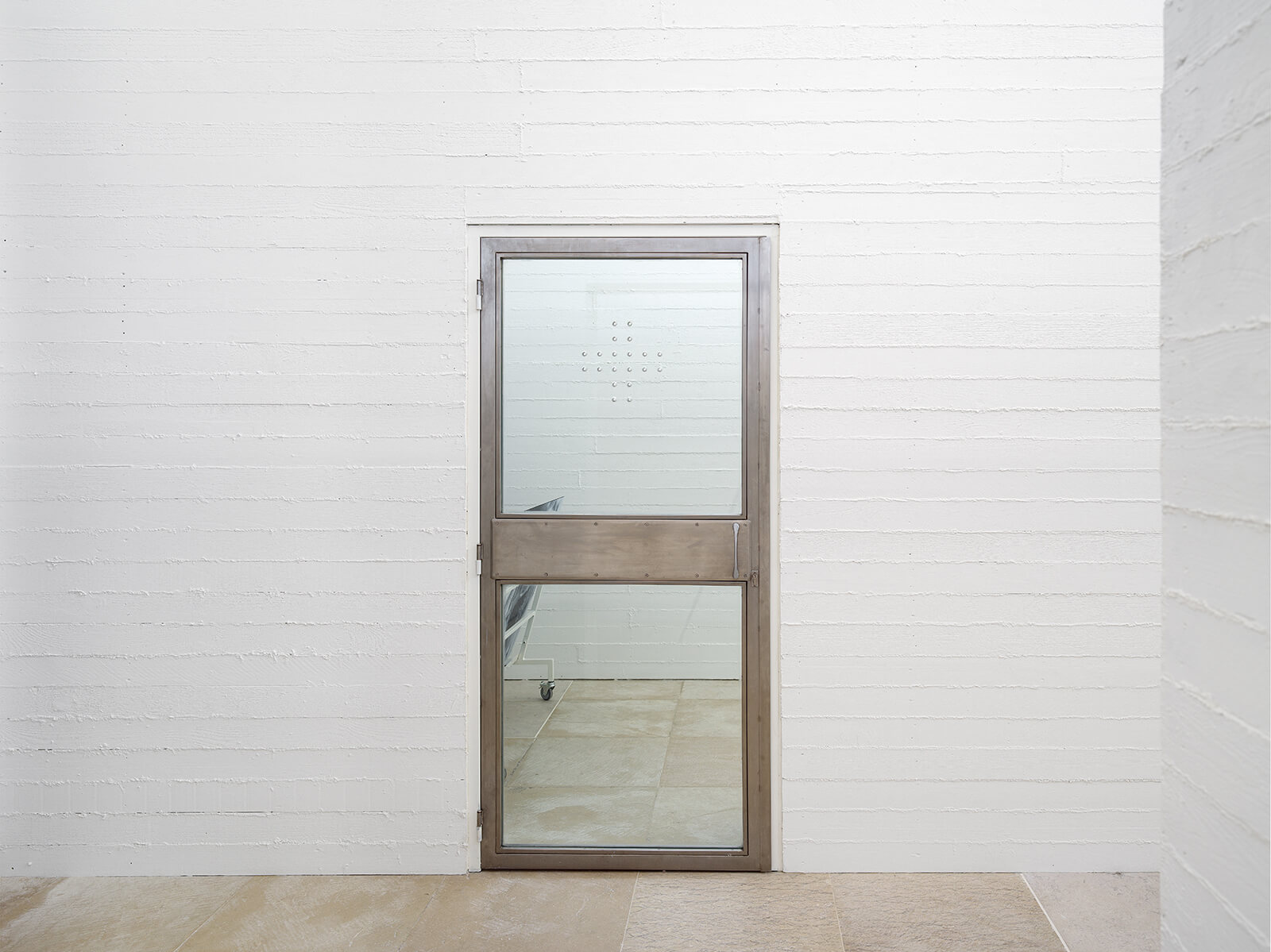
Today, the Swiss government uses the same bunkers to house refugees and asylum seekers, revealing how queer histories are intertwined with other exclusionary systems of citizenship and nationhood. Inspired by her work with gay migrant groups in Switzerland, Wakeford placed a Swiss embassy door in the pavilion, evoking unwelcoming border authorities. “This is an object around which I wanted to build different ideas of state control,” the artist explains. “Gay migration speaks to larger dynamics of who’s in and who’s out.”
For the art world, national borders are seldom as prominent as they are at the Venice Biennale, built around the idea of the nation-state. Projects like Bugarin+Castle’s and Arakawa-Nash’s, therefore, stand out because gender and sexuality are often folded into matters of nation and migration, from LGBTQ+ conservative factions frequently demonising Muslims to queer asylum seekers having to prove their sexual orientation. The immigrant or colonised Other is often figured in gendered, sexualised terms: cultures from the Global South are deemed incompatible with liberal white feminism, while the pro-Israel West calls Palestinians homophobic to justify brutalising them.
The queer migrant, therefore, problematises a Western narrative of nation-statehood that keeps certain bodies at its peripheries. By dissolving borders through diaspora voices, not least in a climate of animosity towards foreigners, queer takes on global movements can offer promising frameworks to interrogate wider questions of who belongs where.
The 61st International Art Exhibition of La Biennale di Venezia, 'In Minor Keys’, curated by Koyo Kouoh, runs from May 09 – November 22, 2026, at the Giardini and the Arsenale venues, as well as various other locations around Venice. To read STIR’s exclusive coverage, conversations and highlights from the biennale, click here.
The views and opinions expressed here are those of the author(s) and do not necessarily reflect the official position of STIR or its editors.

by Srishti Ojha Oct 14, 2026
The first Dutch publication on the Turkish artist, the eponymous book centres on Refik Anadol: Latent City, his living data sculpture of Bruges, exhibited at BRUSK gallery.
by Vandana Kalra Oct 14, 2026
With his latest exhibition as a point of departure, the modernist discusses his decades-long practice, the spontaneity of drawing and the social responsibility of artists.
by Srishti Ojha Oct 09, 2026
In his ongoing exhibition, the South African artist creates two post-apocalyptic futures to explore society’s relationship with textiles, patterns and technology.
by Srishti Ojha Oct 07, 2026
The Kolkata-based film festival shone a spotlight on local and international filmmakers and artists who are pushing the boundaries of what a film can encapsulate.

make your fridays matter with a well-read weekend
Enter your details to sign in
Don’t have an account?
Sign upOr you can sign in with
a single account for all
STIR platforms
All your bookmarks will be available across all your devices.
Stay STIRred
Already have an account?
Sign inOr you can sign up with
Verification link sent to check your inbox or spam folder to complete sign up process
Tap on things that interests you.
Select the Conversation Category you would like to watch
Please enter your details and click submit.
Enter the 6-digit code sent at


Crossing lines: Queer artists on borders, belonging and nationhood
by Agnish Ray | Published on : Jun 12, 2026


 Sign in with Google
 Sign in with email
What do you think?